Bigkis is the act of binding. In Tagalog, the word can refer to something used to bind or encircle, as well as a bundle formed by tying several separate elements together. Figuratively, it can also mean a bond, union, or unity. The meanings move from the physical act of joining things together to the connection […]
Authenticity Zero Collective Challenges Norms With ‘Machine of Thought’



Art groups, by definition, tend to push boundaries with their works as a statement of independence. But The Authenticity Zero Collective have truly set themselves apart as a group that wants to deconstruct the way we envision ideas themselves. With their newest exhibit, Machine of Thought, they continue to change perceptions of how we conceive the world around us.
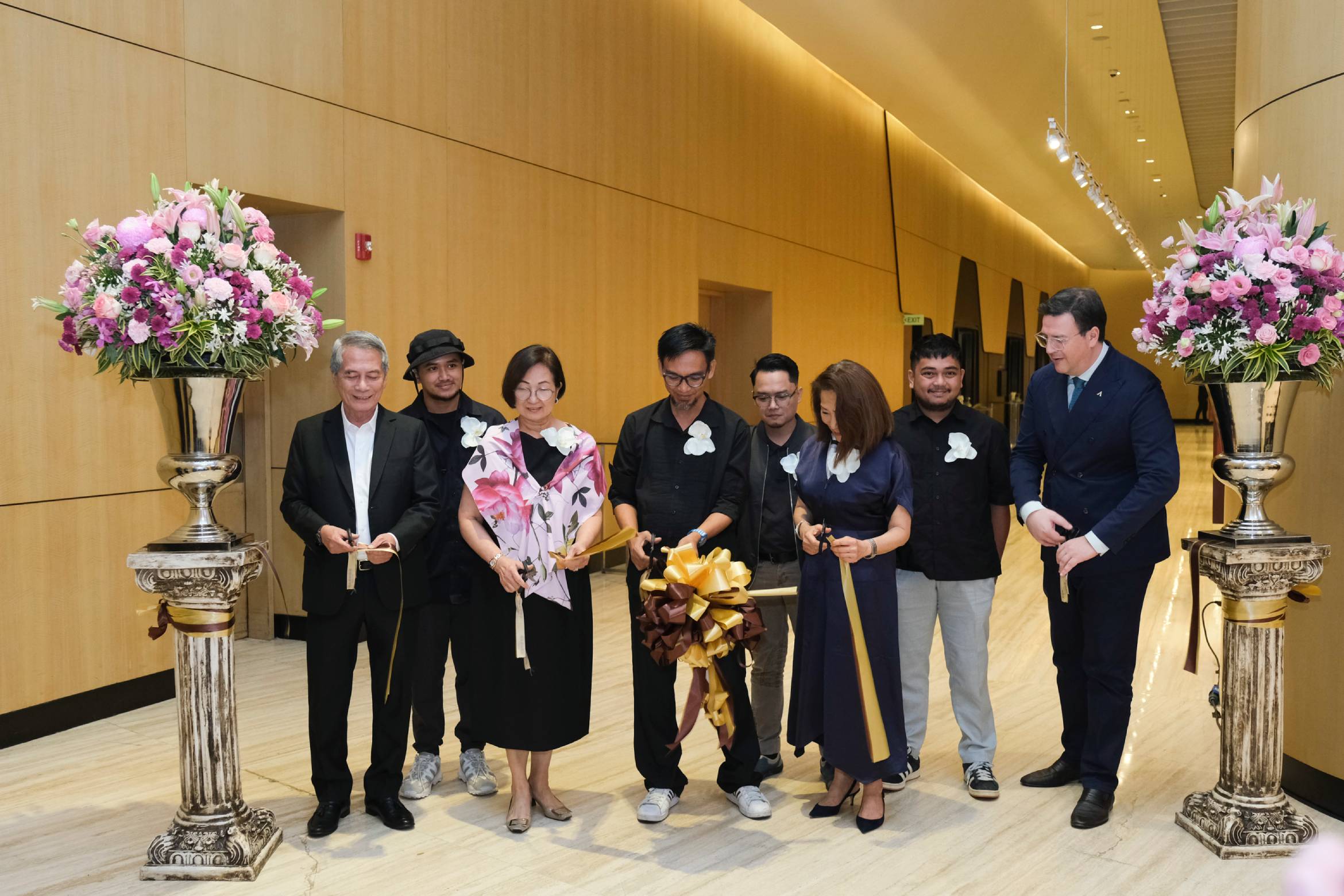
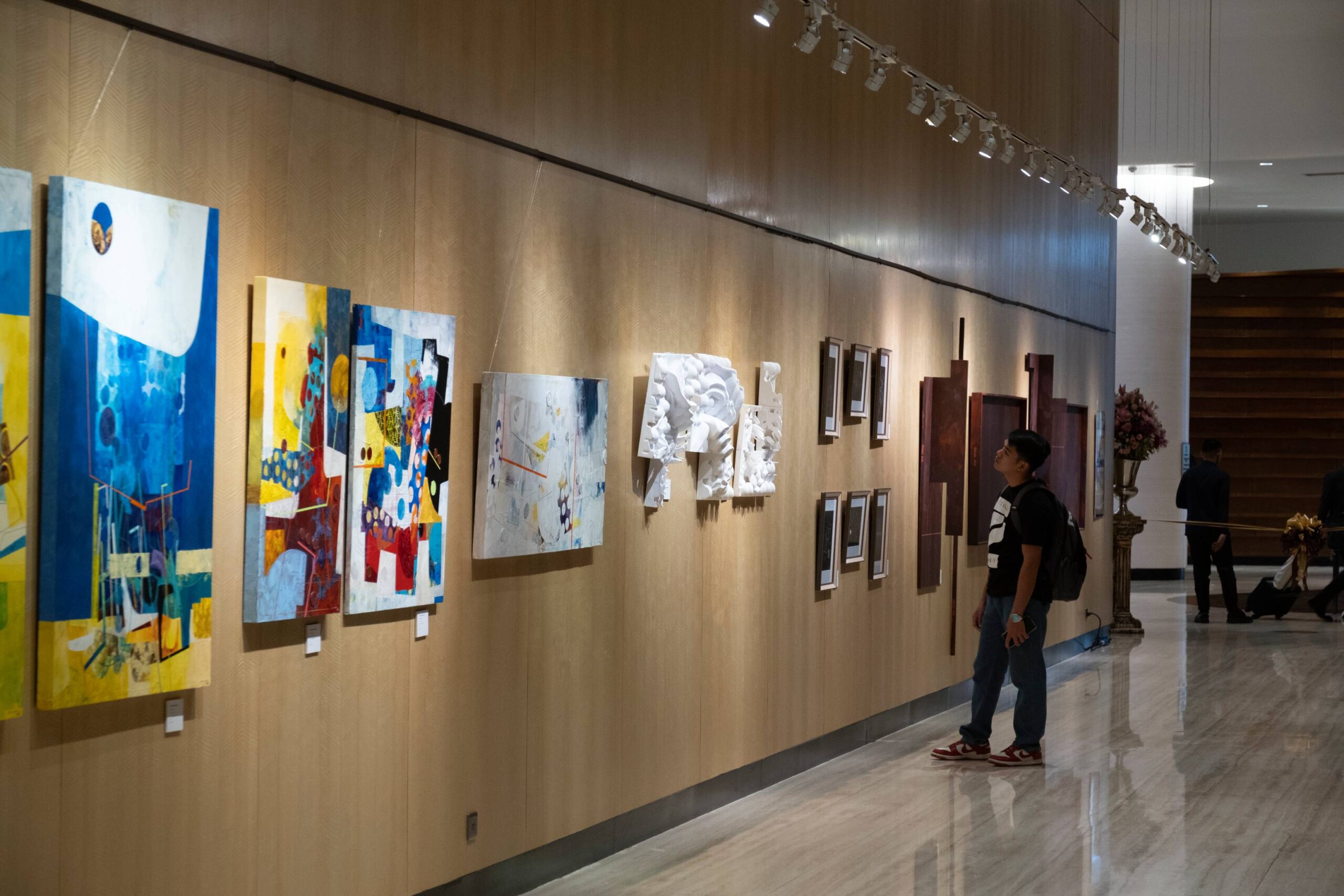
Showing at Gallery C at the Conrad Manila until March 8, The Authenticity Zero Collective gathered five of its members for the exhibition: Cocoi Base, Gab Brioso, Almi Domingo, Walther Ocampo, and Ravi Ravago.
The group, consisting of architects, designers, and other artists, aims to reconceive how we perceive architectureArchitectureThe art and science of designing and constructing buildings, structures, and spaces that are functional, safe, and aesthetically pleasing. It encompasses the planning, design, materials, and techniques used to createGo to Architecture Glossary and art. They push for abstraction; a redefinition of the way we think, analyze, and practice architecture. It moves away from the rigid, traditional ideas and into a future where people are free to explore new avenues to the craft.
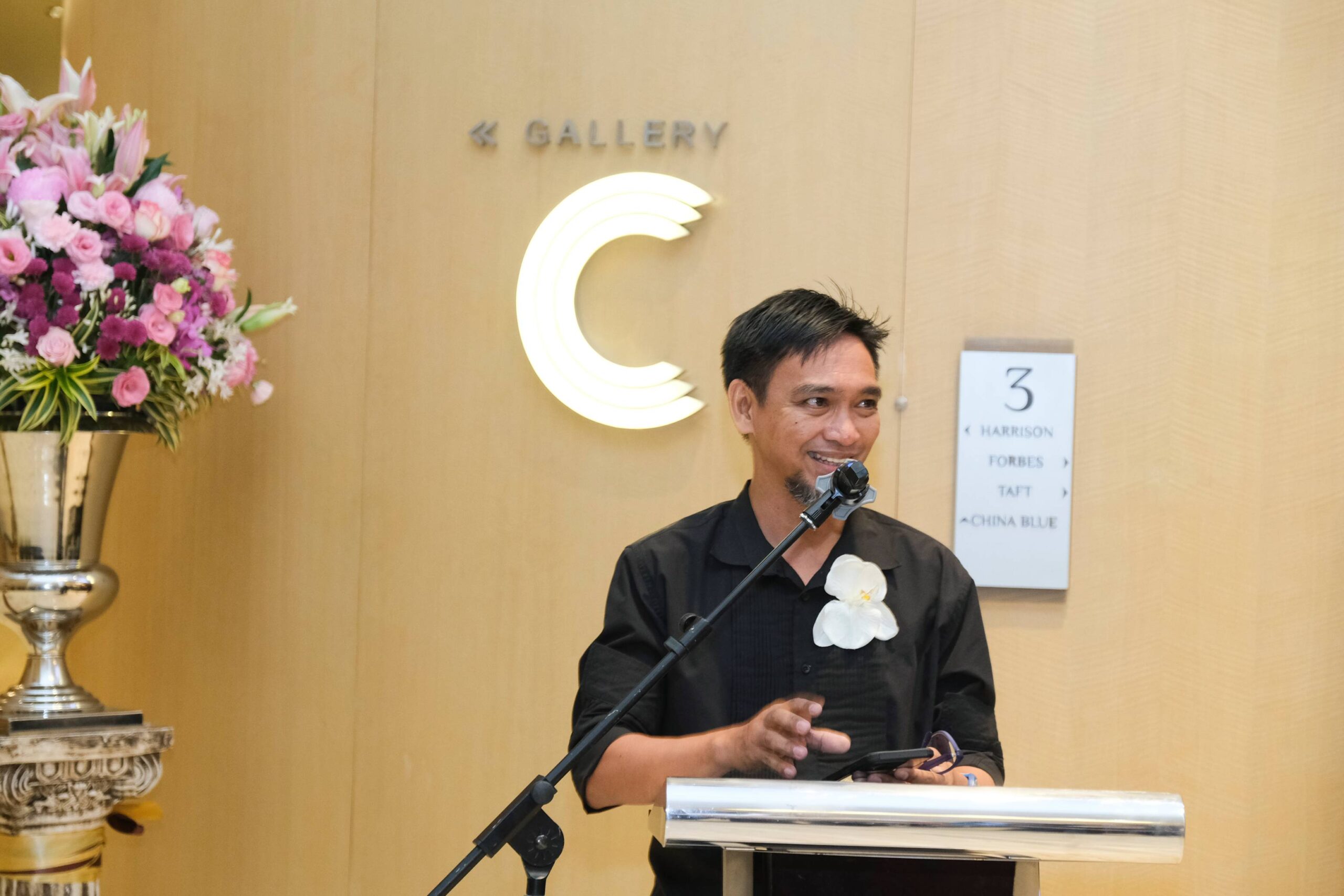
Their works showcase the idea of the transformative nature of art in the lives of the individual and collective. They seek to depict a “primordial sense of creativity,” as Ocampo phrased it, to open viewers up to new possibilities and ideas instead of imposing them. That, for them, requires to go beyond the concrete ideas of art today and into more abstract possibilities
“Rather than striving for resolution, we embrace ambiguity,” Ocampo stated. “We welcome unpredictability and blur the boundaries between the two disciplines. And we try to invite new interpretations and hopefully create new possibilities, if not probabilities.”
New Thoughts and Ideas
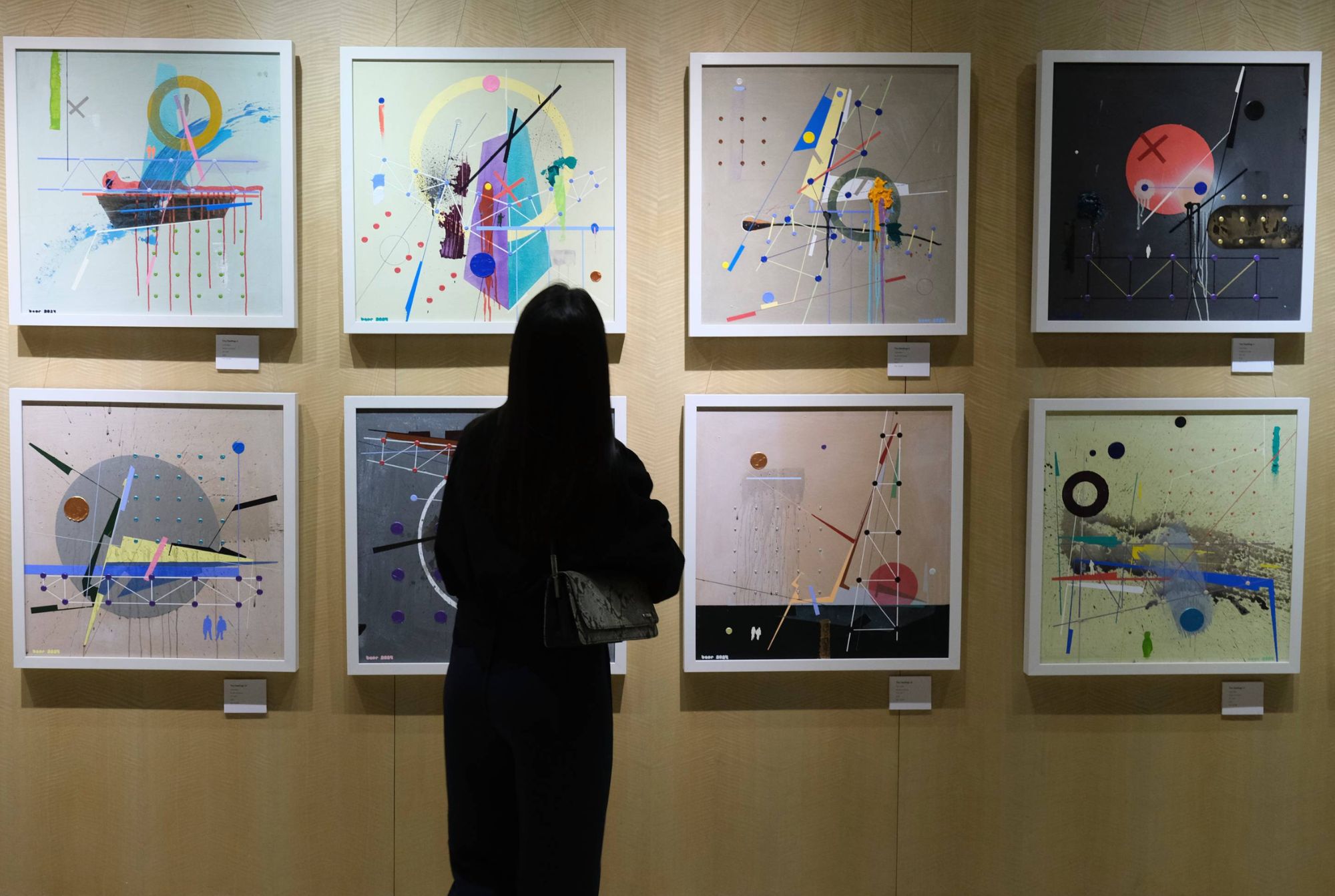
Collectively, the members of The Authenticity Zero Collective align with those ideas. Their artworks eschew representational art altogether to create stark images that confront its audience with its rebellion against rules.
Spaces contort; subtle nuances on color and shape build on top of one another. It feels counterintuitive at times, but the artists find ways to make it work for their overarching ideas.
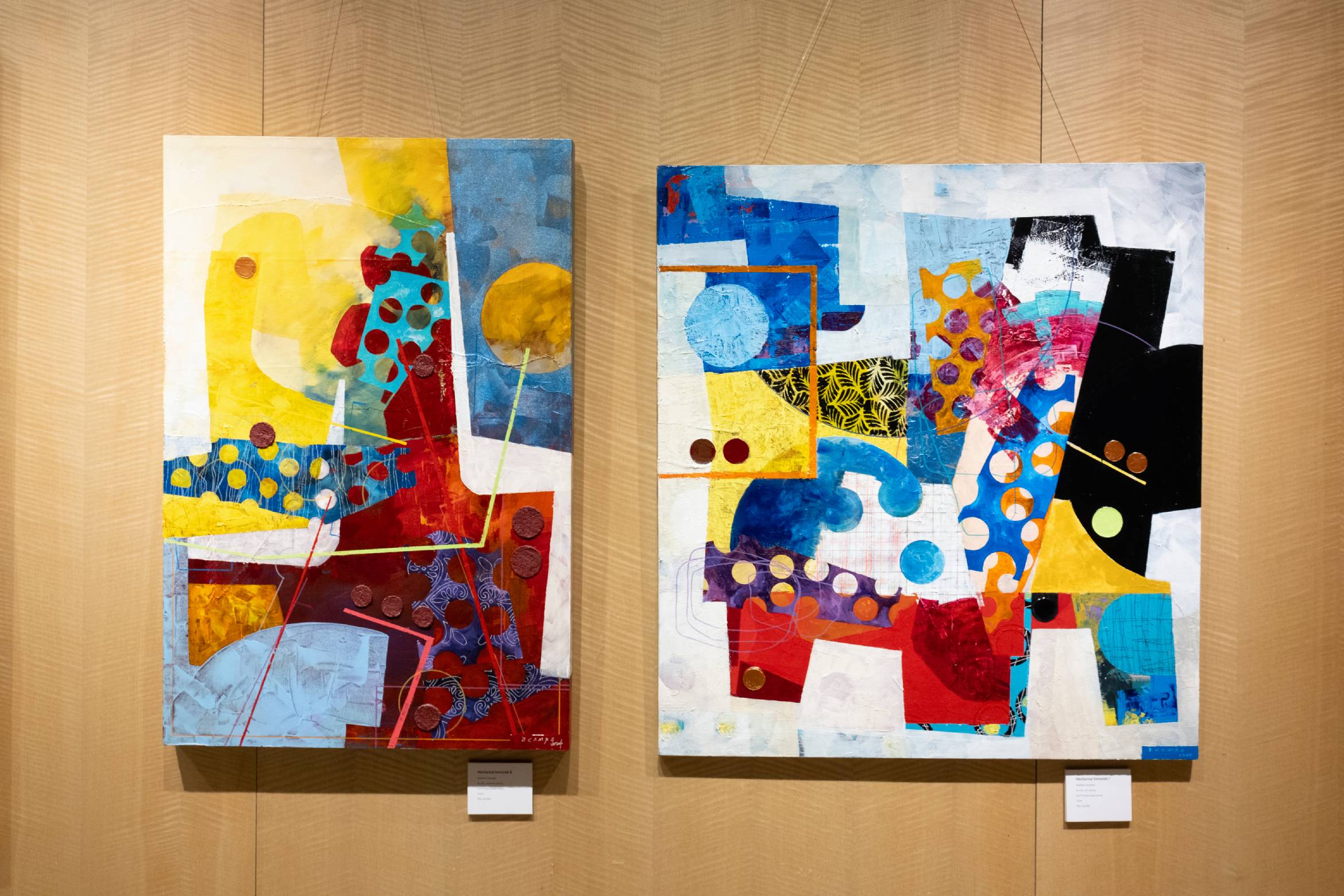
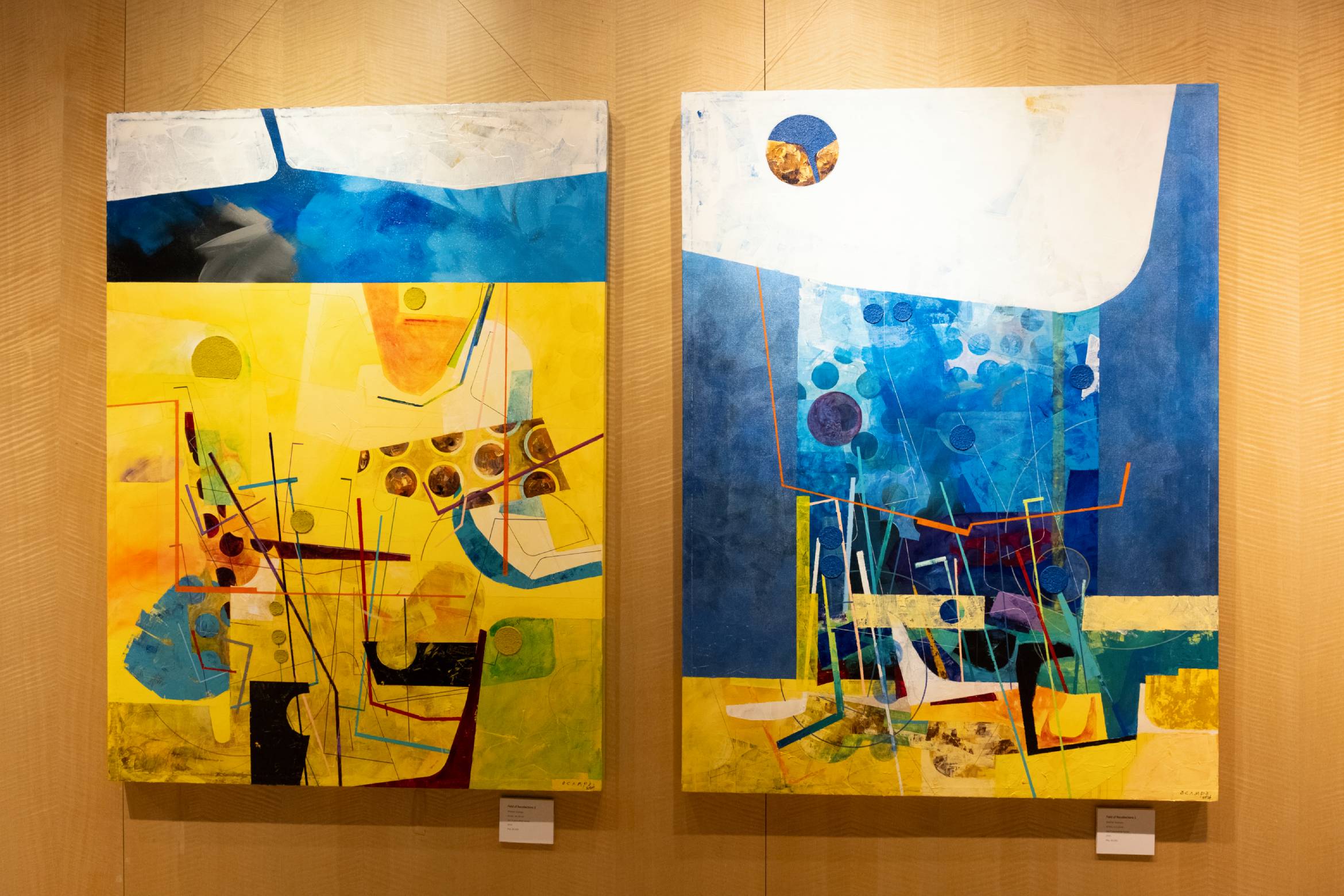
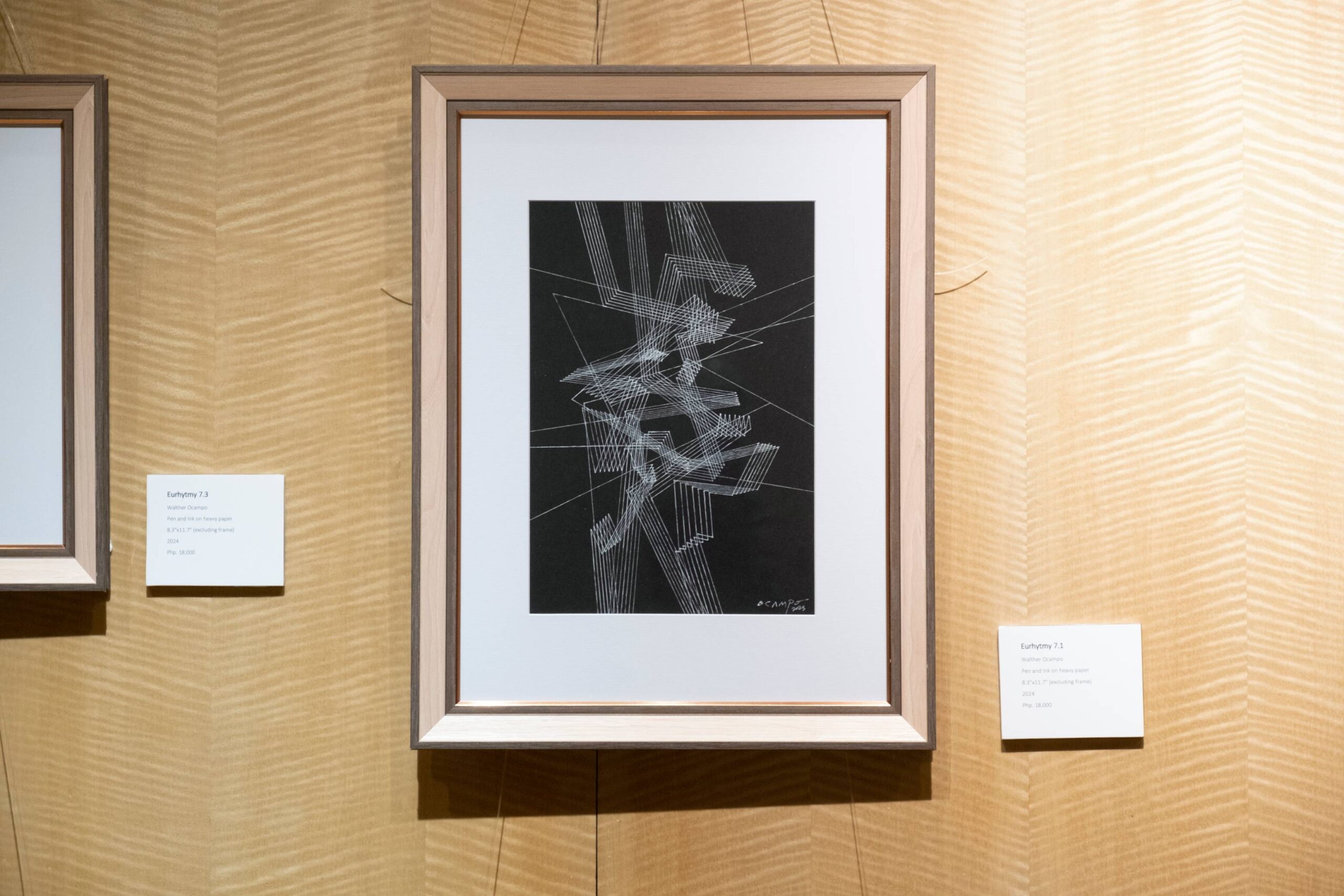
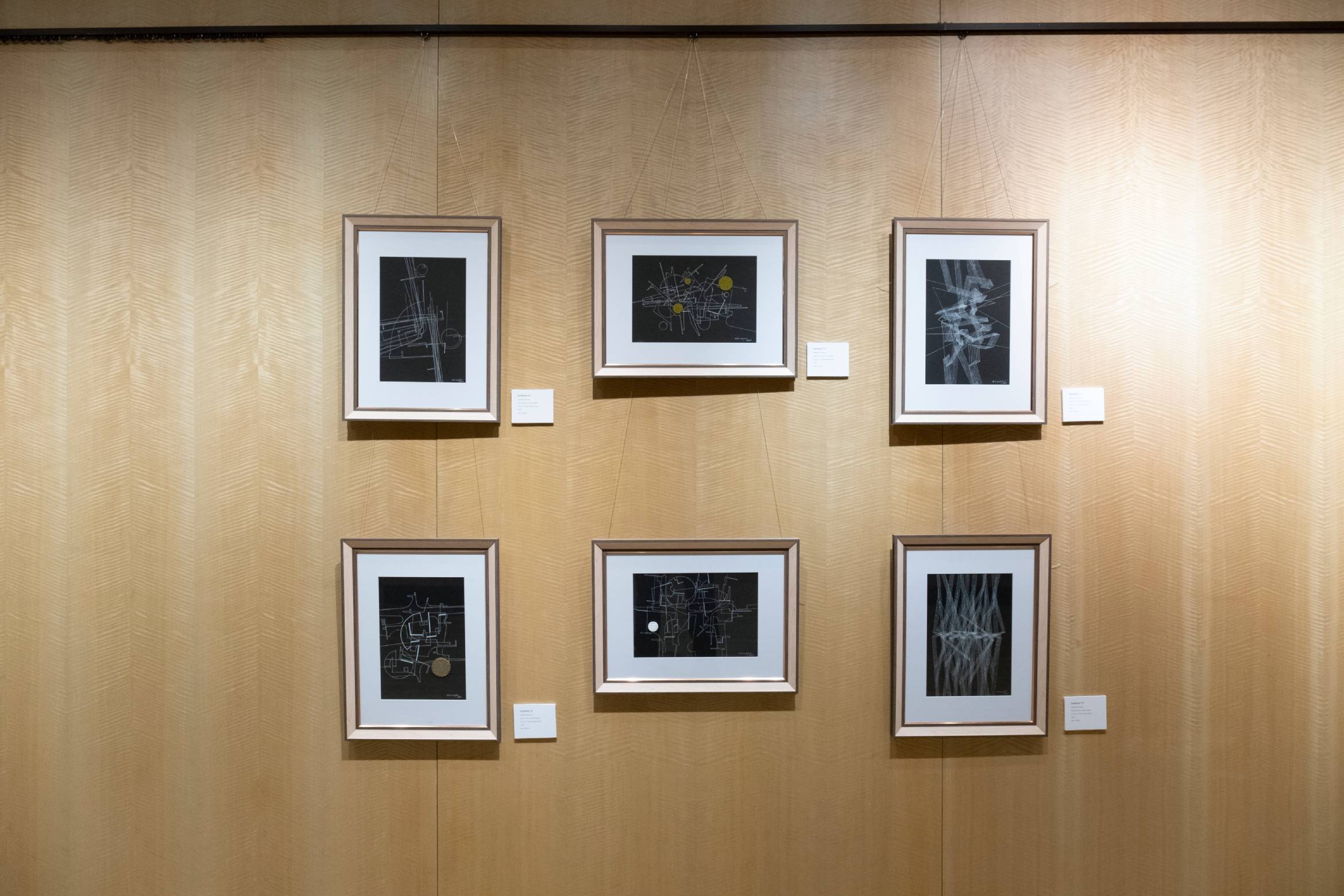
Walther Ocampo’s work for Machine of Thought feels deconstructive, for example. Many of his paintings feel like they’re peeling an object slowly to reveal its most basic shapes. It feels like the most accessible of the works in the exhibit due to how it adheres to past markers of expressionist art.
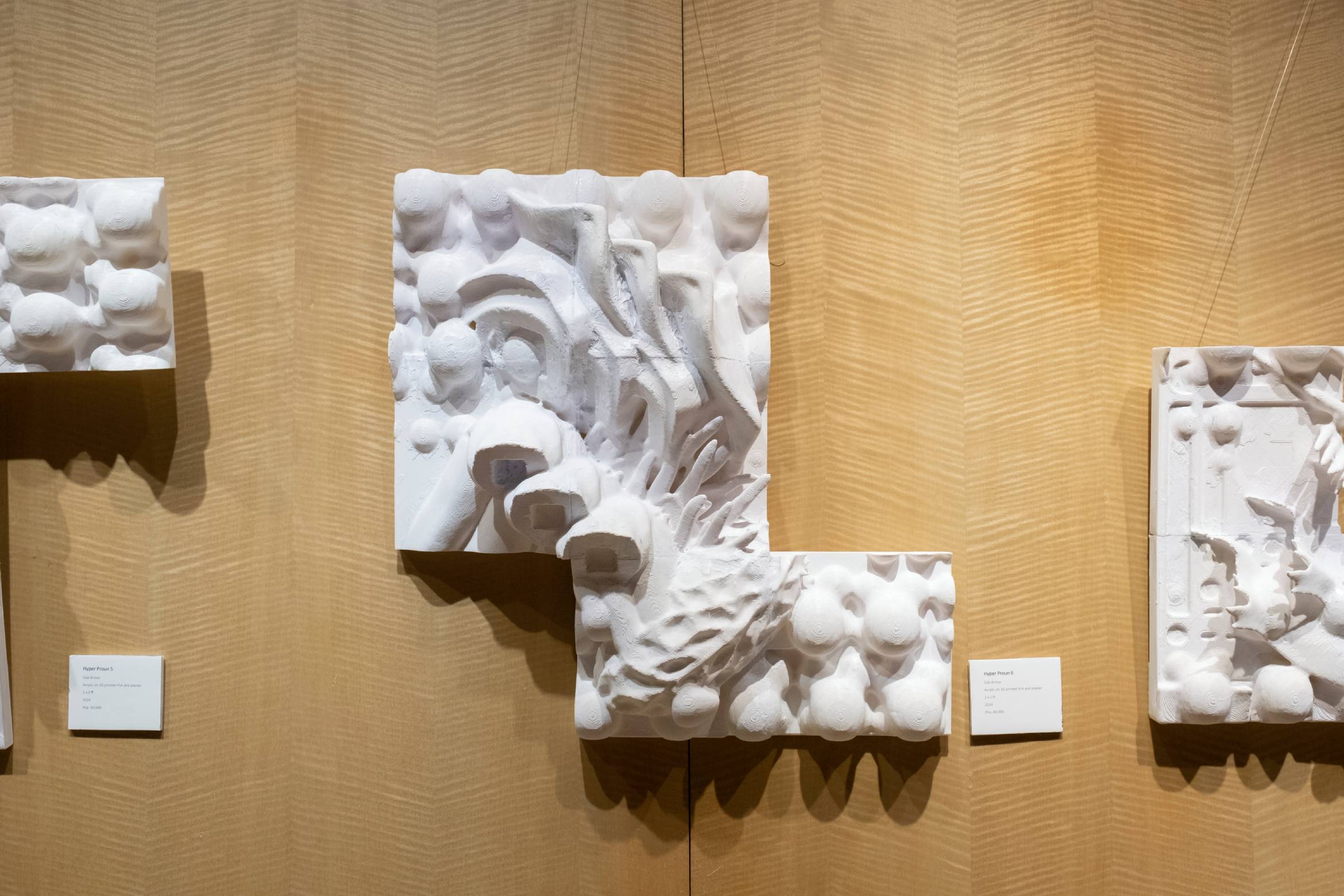
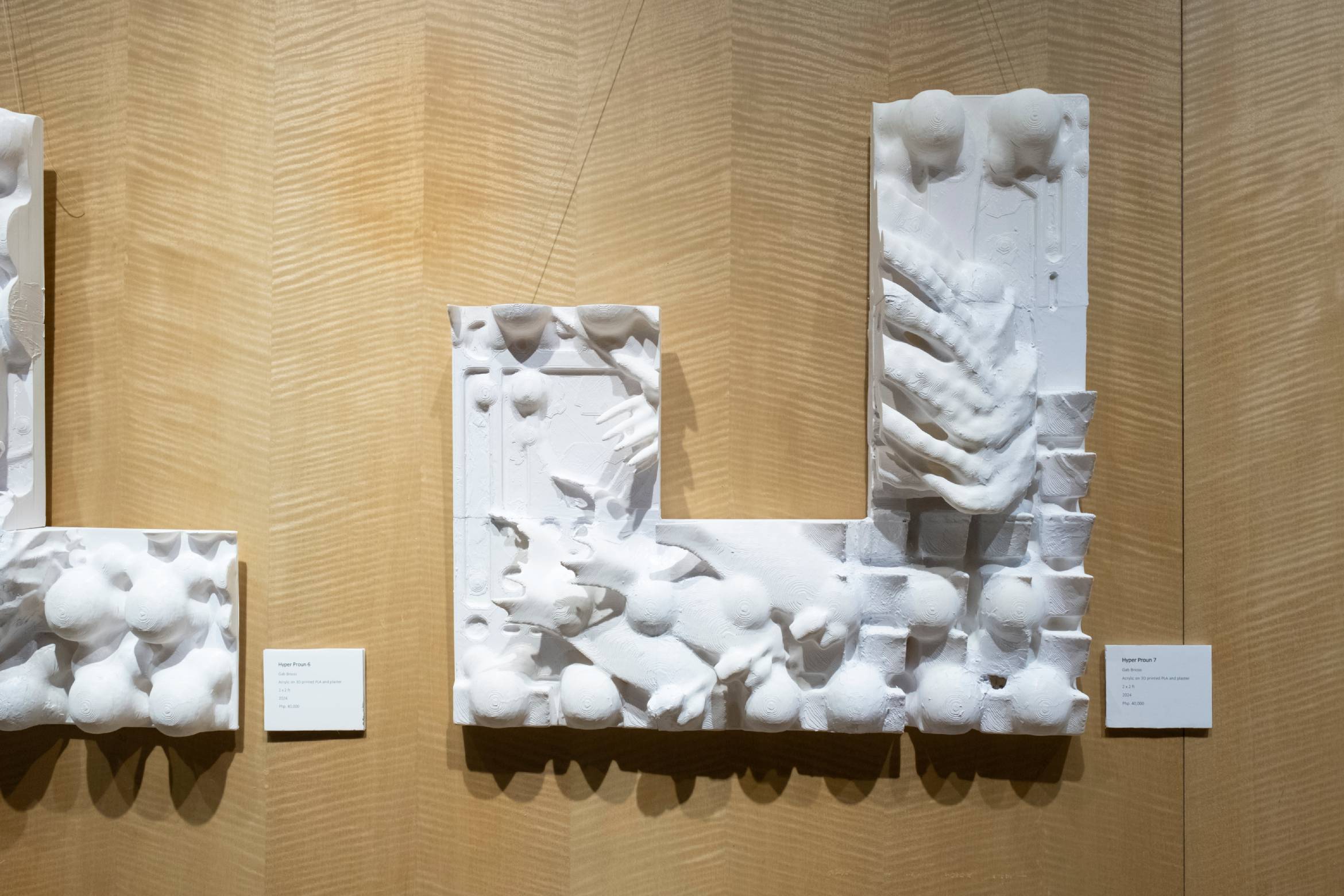
Gab Brioso’s work utilizes a pronounced mix of different objects crafted to create alien-like structures of different objects. The most interesting part about Brioso’s works is that they feel ancient, especially as they’re exhibited in a way that makes it seem like they were cut up from each other.
Layers of Nuances in Ordinary Objects
In that same vein, Robin Ravago and his “Construction AL 01-03” pins together a concrete display of the abstract ideas that The Authenticity Zero Collective has. He uses what he calls “offcuts,” made from excess construction material after it’s cut or shaped.
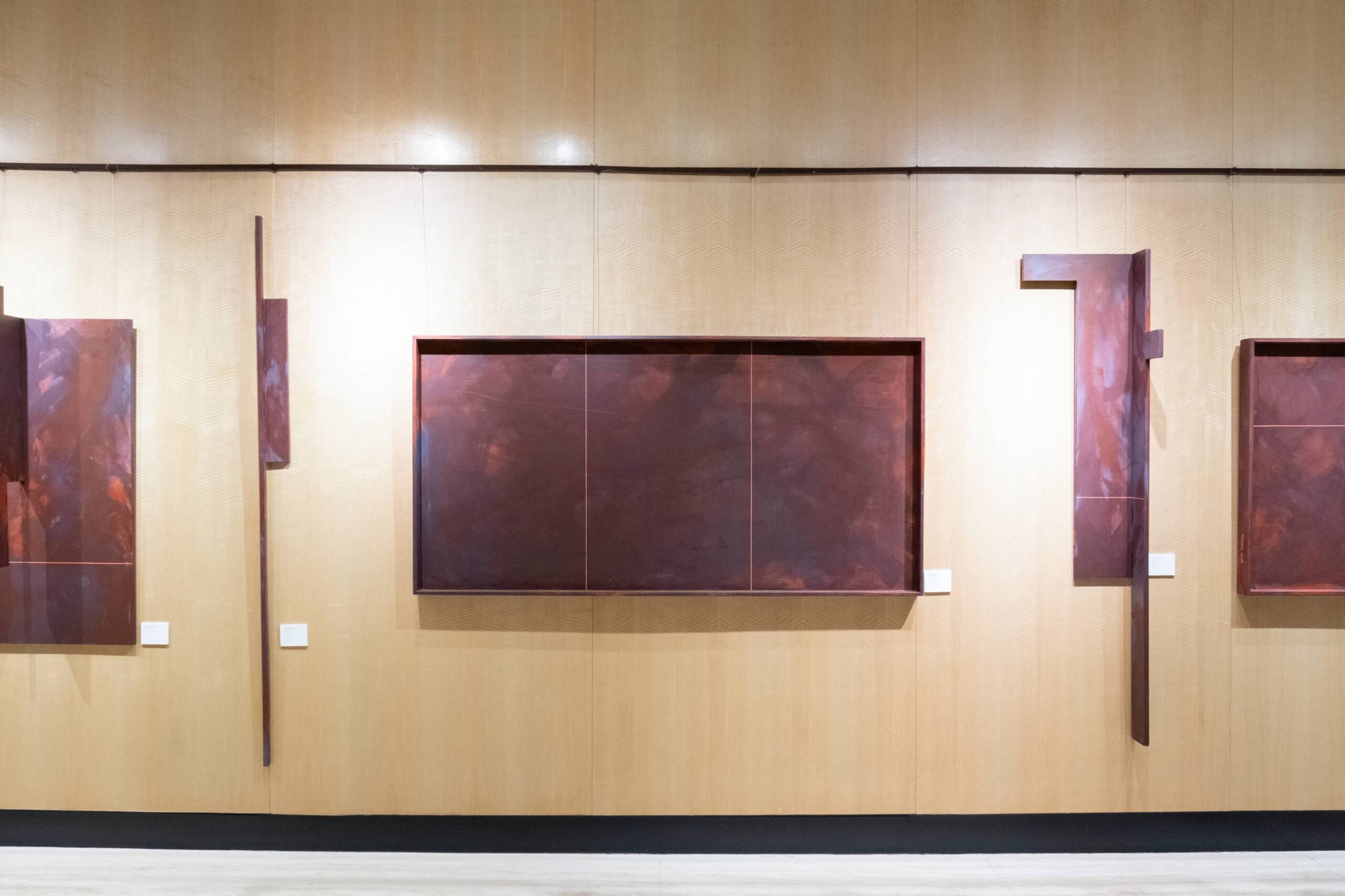
“When you cut up plywood, meron siyang mga sobra (it has excess material),” he said. “I get inspired by that. Mostly, ginagamit ko siya (I use it) to create art. What you see here, some of them are scraps in our workshop. And then I try to compose na lang para magmukhang sculptural. So, para siyang an intersection between sculpture and painting na kinompose architecturally.”
From there, he reformats it into art, layering them with textures and different shades of red to bring a stormy appearance to the works. It works as a sculpture, but depending on the perspective, it also works as a kind of quasi-landscape painting, an image of the outdoors without the outdoors. This plays with audience preconceptions of waste, asking them to look beyond the label to find something deeper.
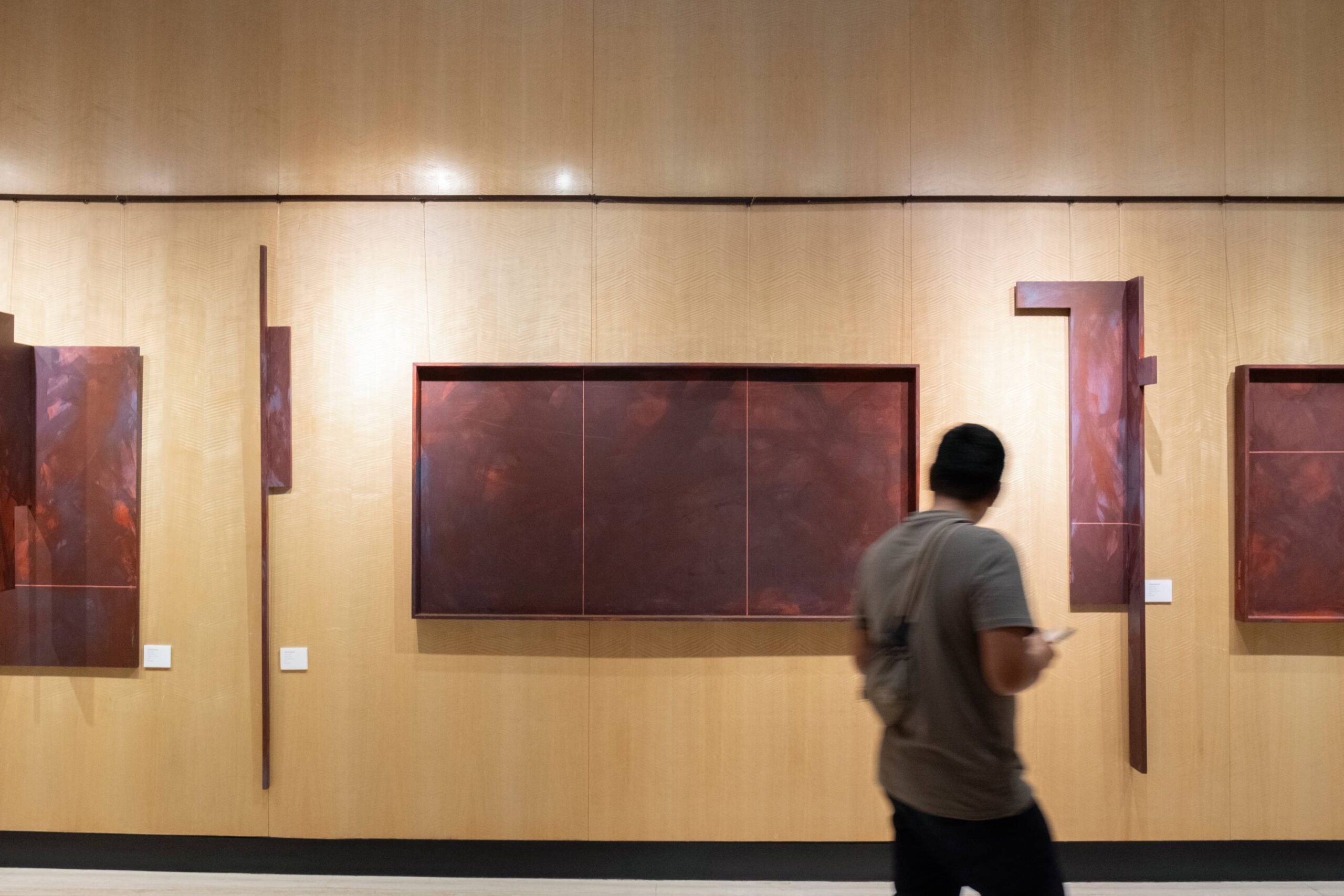
“I try to compose my works in such a way na it’s minimal yet complex,” he said. “When you look at it at first glance, it’s like a minimal piece of art, a sculpture. But when you look [na] matagal, it’s very complex pala. It’s made up of multiple textures and multiple layers of art. So I try to make it like that. It’s complex yet minimal.”
Looking From a New Perspective
Most interesting is Almi Domingo’s work for the exhibit; stark black-and-white etchings on acrylic panels. They are almost confrontational in their minimalismMinimalismA design philosophy centered on simplicity, restraint, and the idea that less is more. Minimalist spaces reduce ornament and clutter, favoring clean lines, open space, limited palettes, and carefully chosenGo to Minimalism Glossary of depicting buildings and people. The dimensions of each line and shape works towards boldness, pushing viewers to use their imaginations to see what the artist wants to show.
Domingo says as much, calling his works a “revolt of spaces.” Influenced by the Suprematism movement in the early 20th century, he cites the simplicity as a way of engaging against rules and redefining it in our modern day and age.
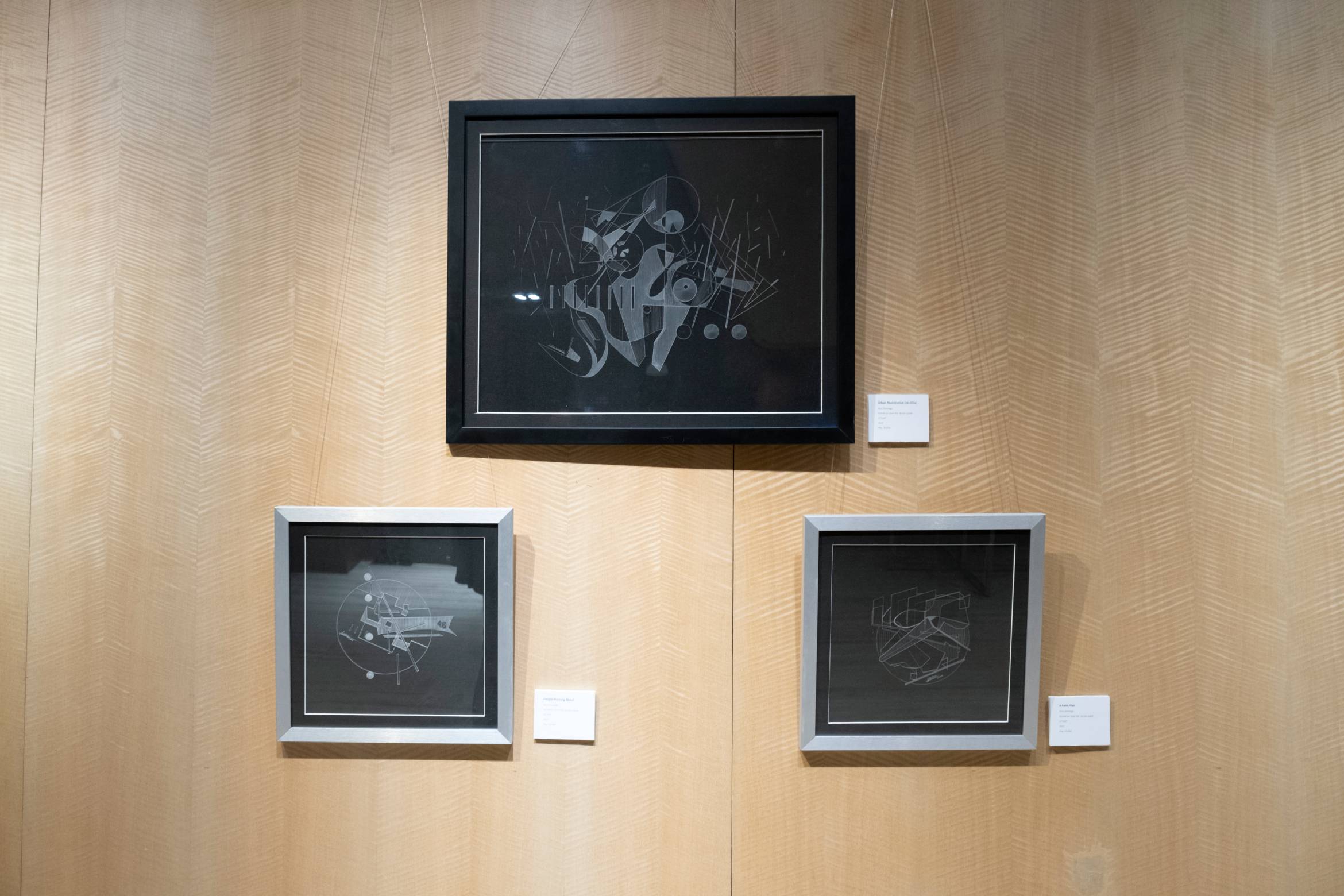
“My composition is using the geometry revolting, telling us […] what we can do in the future,” he said. “But for the revolt of spaces, it’s telling us to do more, not to follow the norm, the constraints, and to be limitless.”
He also cites his background as an architect for his abstract creations. For him, these works rebel against the tendency towards rigid standards of style that gatekeeps people from exploring new ideas that could help people in the country better.
“Since I’m an architect, when I was working in the architectural firm, I was so limited on doing spaces on a standard basis with different constraints: financial, climate, also, religious constraint,” he said.
“We can build more and we can do more, not only for the privileged. We can—architectureArchitectureThe art and science of designing and constructing buildings, structures, and spaces that are functional, safe, and aesthetically pleasing. It encompasses the planning, design, materials, and techniques used to createGo to Architecture Glossary should be, it should be universal. So, I represent it using geometries; a culmination of this geometry. What I want the people to know about my piece is [that] all spaces are not only for the privileged, but it should be universal.”
Going Beyond Form and Structure
Cocoi Base also adheres to a similar stripping down to the most basic of elements. Unlike Domingo, however, his works use sprinklings of color, seemingly mimicking the inside of machinery with how the lines intersect with one another.
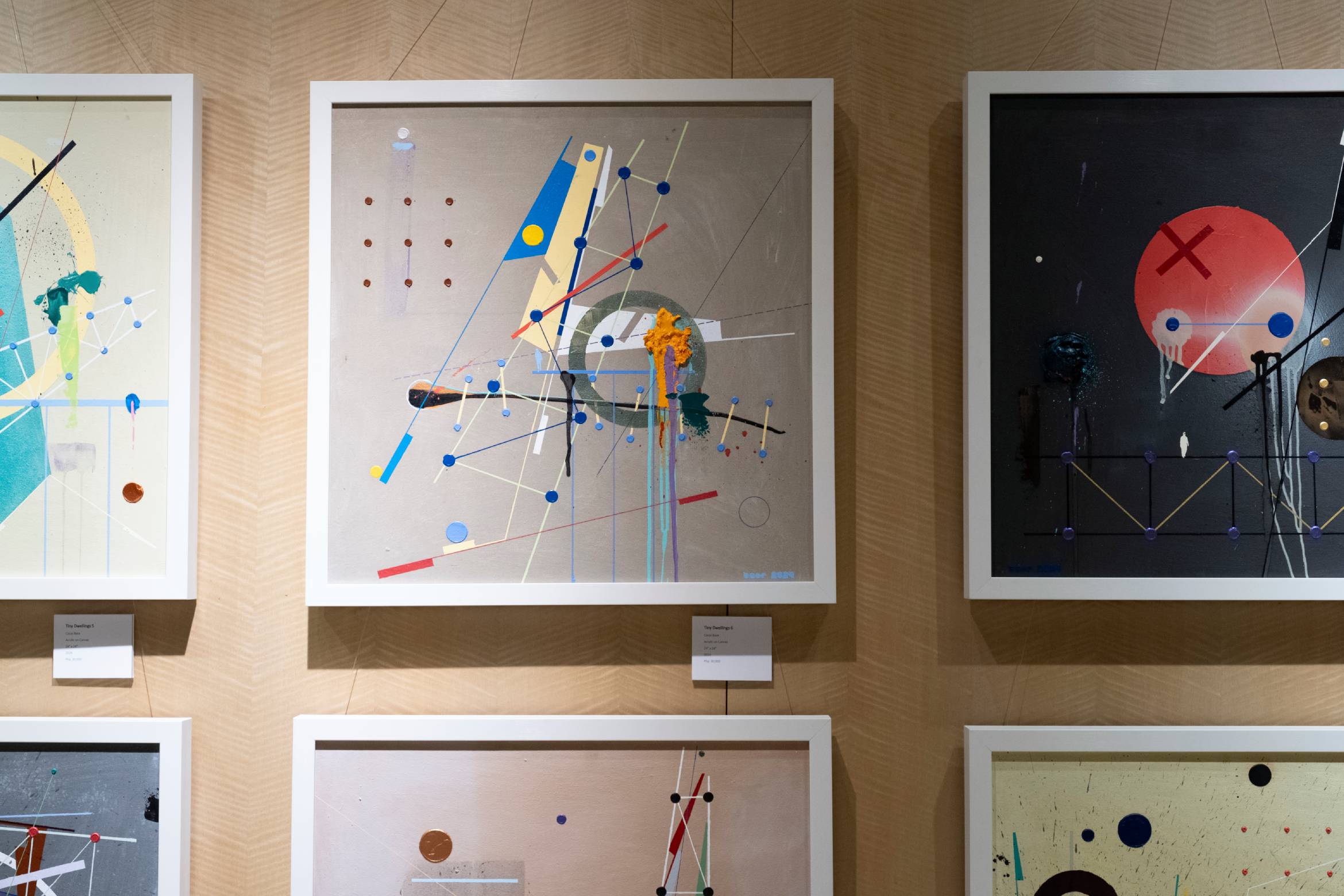
Base said that the works depict real objects and events, with figures of humans put in the paintings for scale. He finds the artistry in the skeletal frames of construction sites, working to help the audience connect the ideas together as a whole.
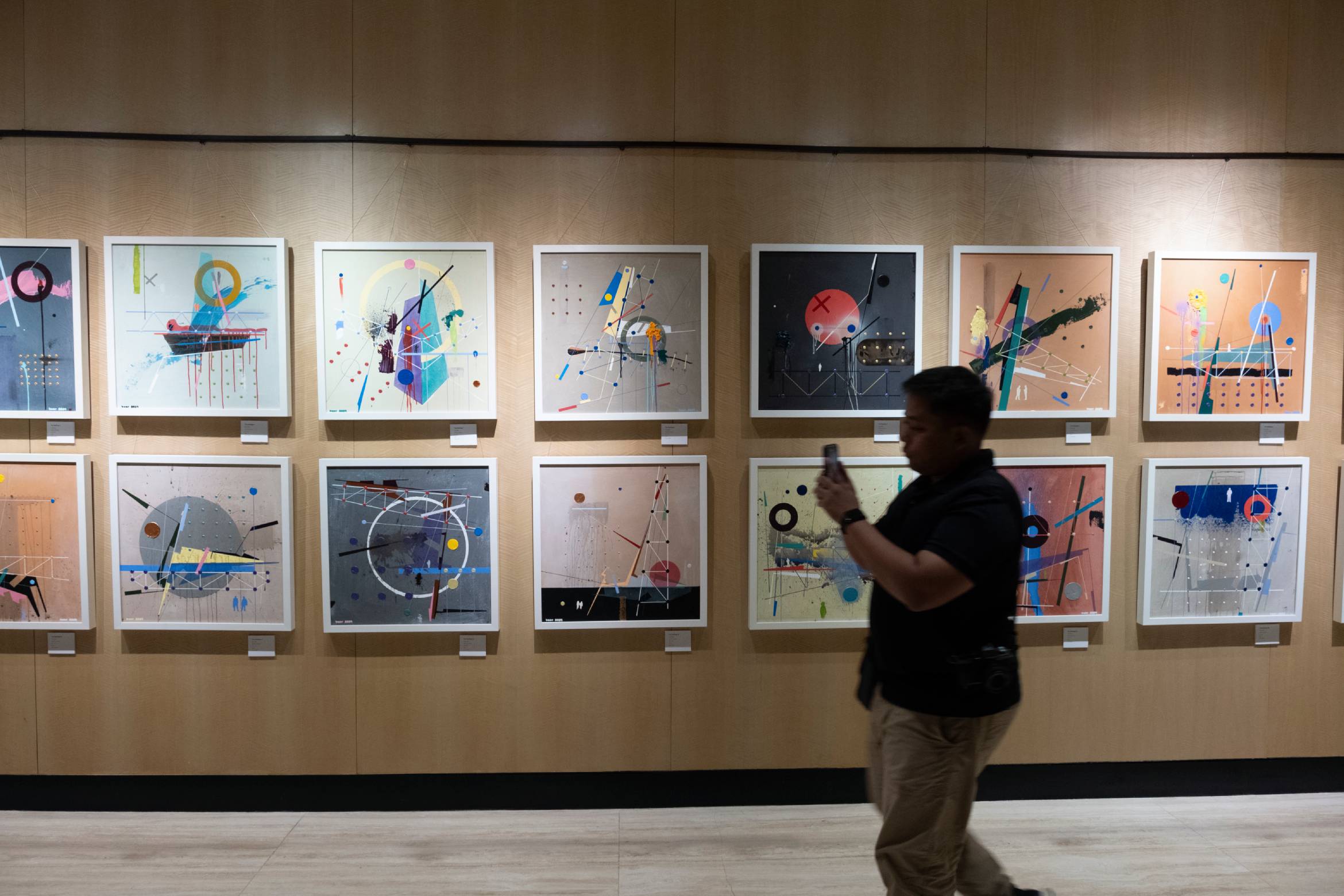
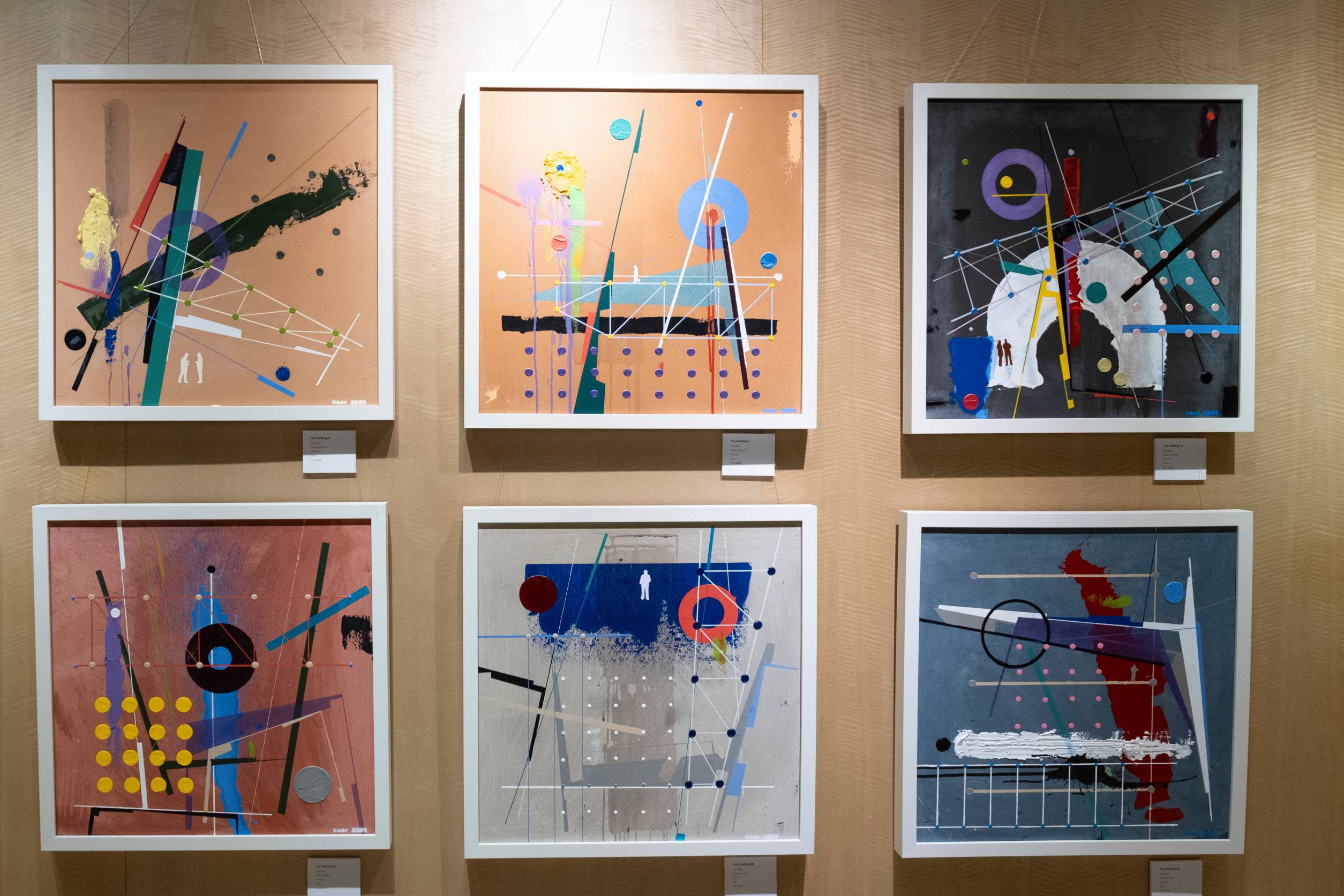
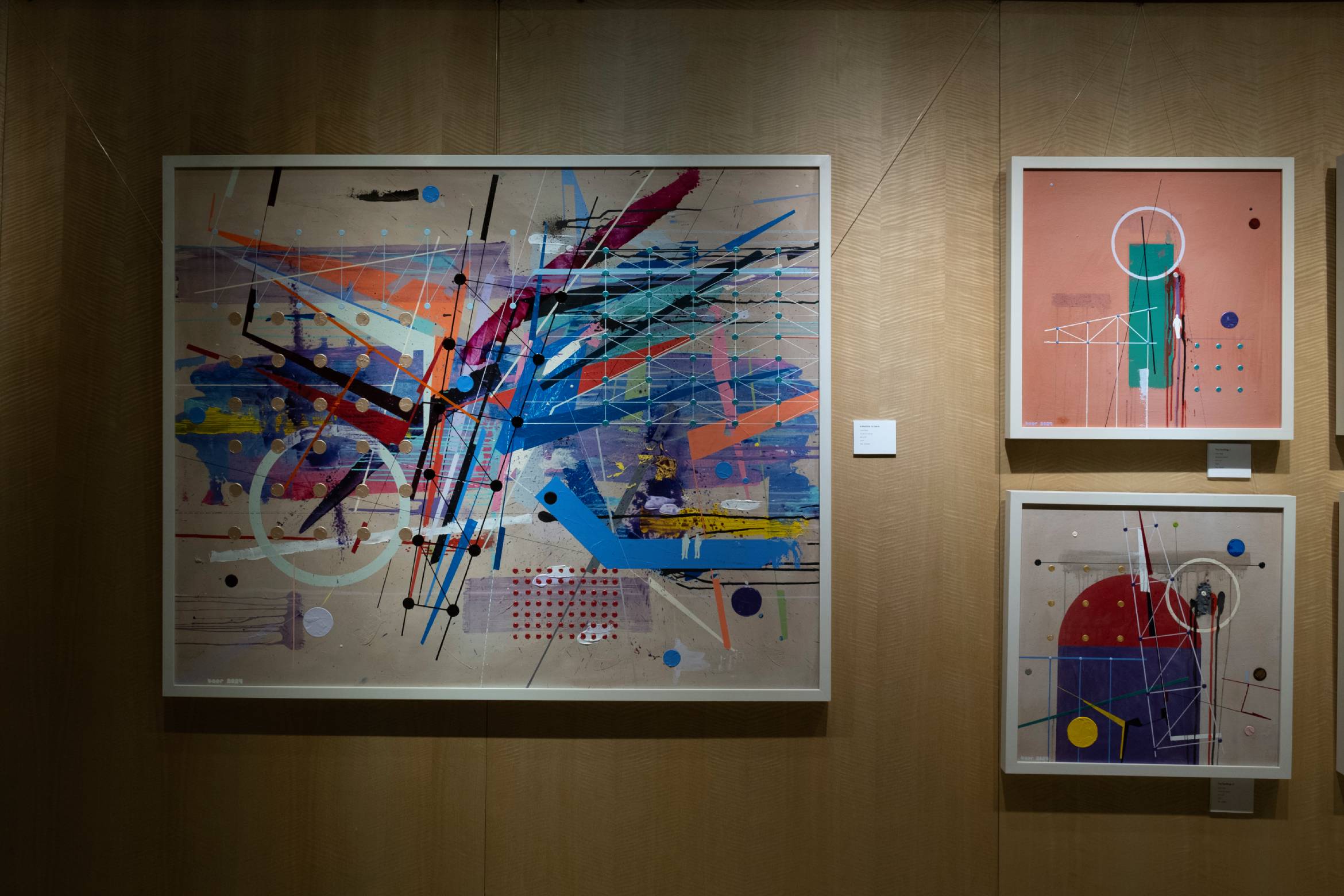
“I find basic structures very beautiful in essence,” he started. “Kasi it’s what holds a structure together. So even in paintings, if I put a skeletal frame here, and then kinonect ko lang siya ng dots, nabubuo niya yung elements na watak-watak sa space.
“So lagi siyang present sa, you know, in all of my works. And then it also shows the tension, although it’s just visually, pero nakikita mo yung physics ng form, so binabalance niya yung movement composition visually and logically.”
The works of Base balances the feel of traditional abstraction and the higher ideals of The Authenticity Zero Collective. It’s both well-planned and intuitive in its execution, from the splatter to the color schemes, taking account of the different mechanics working for the paintings while still executing them with personal panache.
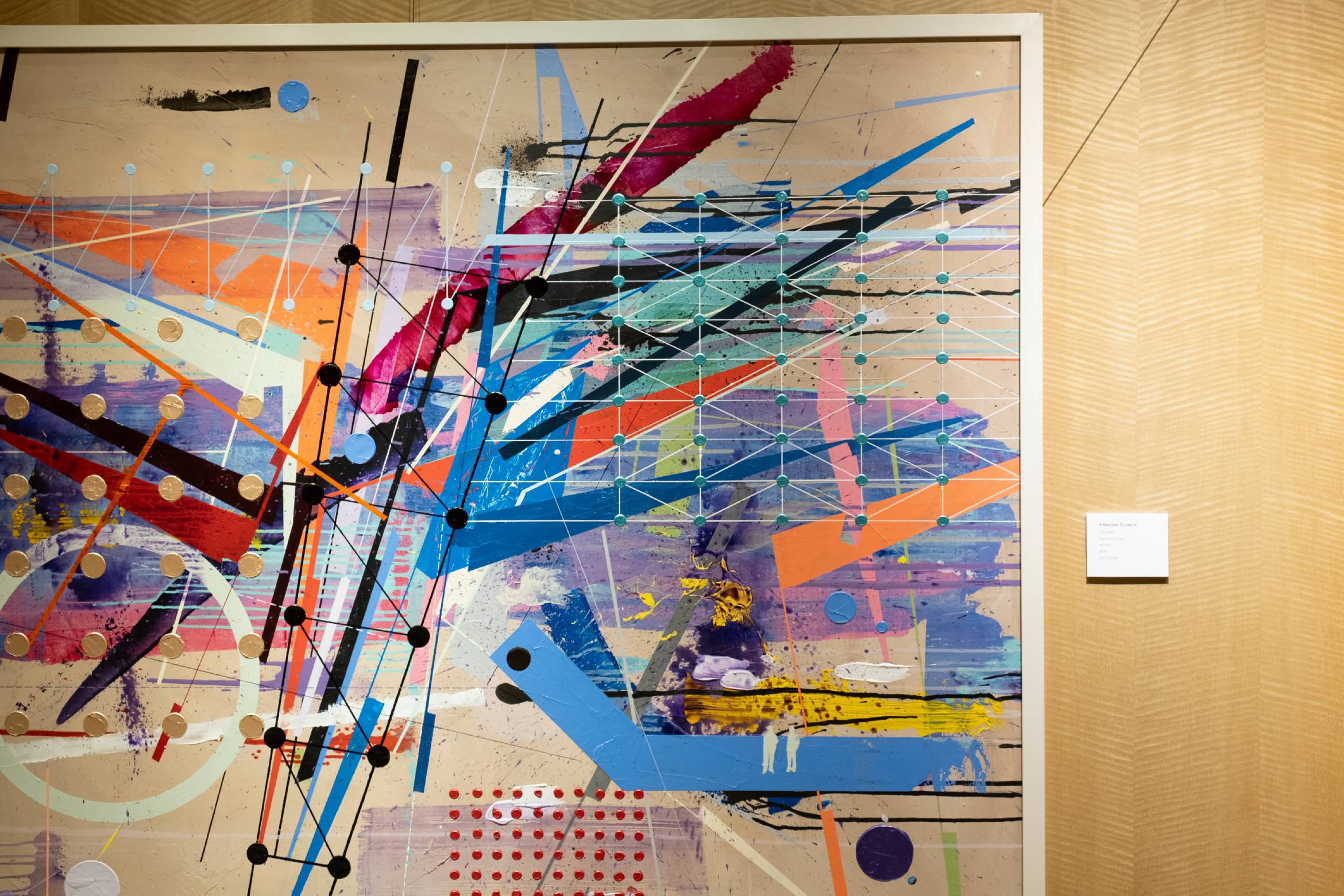
“Basically, if we’re talking about a construct, hiniwa-hiwalay ko yung elements niya, but still showing the relationship,” he said. “For example, physically, mayroon siyang physics involved, may science involved. And then visually, may color scheme na nilaro. And then, stripping everything into its most basic form.”
The Authenticity Zero Collective and its Pursuit of Questions
The idea of authenticity tends to have gatekeepers in society, a way of enforcing normalcy in our works. For Machine of Thoughts, and for their artworks in general, The Authenticity Zero Collective pushes against that to explore new ideas that they’re told not to explore. Are the limits we impose ourselves truly the borders, or do they hide something new, spectacular, evocative for our future?
“What if the way we engage with objects could redefine the space among us?” Ocampo asked. “As architects and educators, we think that architecture is not just a project, but rather, it’s also a metaphysical thing. And then, what if objects themselves could challenge our understanding of presence and absence, transforming not just our physical surroundings, but our very thoughts?
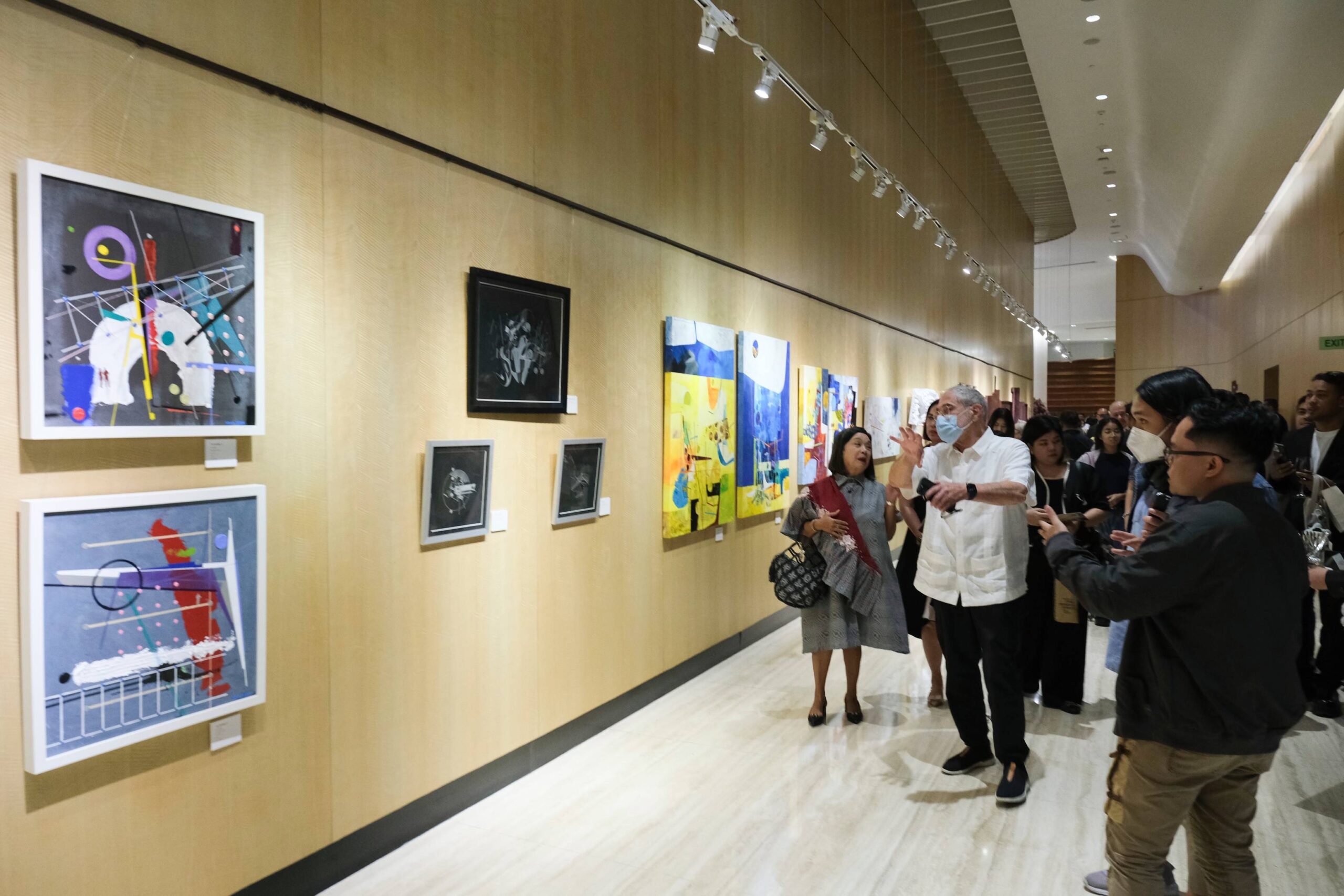
“These are the questions that guided this whole exhibition. The exhibition before you, dares to challenge preconceived frameworks. It asks us to stick away from our personal biases and release our attachment to historical and cultural narratives.”
Machine of Thoughts can be viewed at Gallery C at the Conrad Manila until March 8.
Photos by Ed Simon.
Related reading: ‘Probe: Precedents + Phenomena’ and Adapting to Changing Times
Frequently Asked Questions
The exhibition aims to deconstruct traditional architectural perceptions by embracing abstraction and ambiguity over rigid, representational art. By blending the disciplines of architecture and fine art, the collective encourages viewers to explore a “primordial sense of creativity” that transcends historical narratives and conventional design constraints.
The ‘Machine of Thought’ exhibit features works from five prominent members: Cocoi Base, Gab Brioso, Almi Domingo, Walther Ocampo, and Ravi Ravago. This diverse group consists of architects and designers who utilize their professional backgrounds to revolt against standard spatial norms through sculptural and painterly expressions.
Artist Robin Ravago specifically utilizes “offcuts” or excess construction materials, such as scrap plywood from workshops, to bridge the gap between sculpture and painting. These materials are layered with textures and shades to transform industrial waste into complex, minimal art that challenges audience preconceptions of discarded objects.
Almi Domingo’s stark black-and-white etchings are heavily influenced by the early 20th-century Suprematism movement, focusing on fundamental geometric shapes. This style serves as a “revolt of spaces,” advocating for universal architecture that breaks free from financial, climate, and religious constraints to become accessible to everyone.
The ‘Machine of Thought’ exhibition is currently showing at Gallery C, located within the Conrad Manila. Art enthusiasts and architecture professionals can visit the display to experience these transformative, abstract works through March 8, 2025.
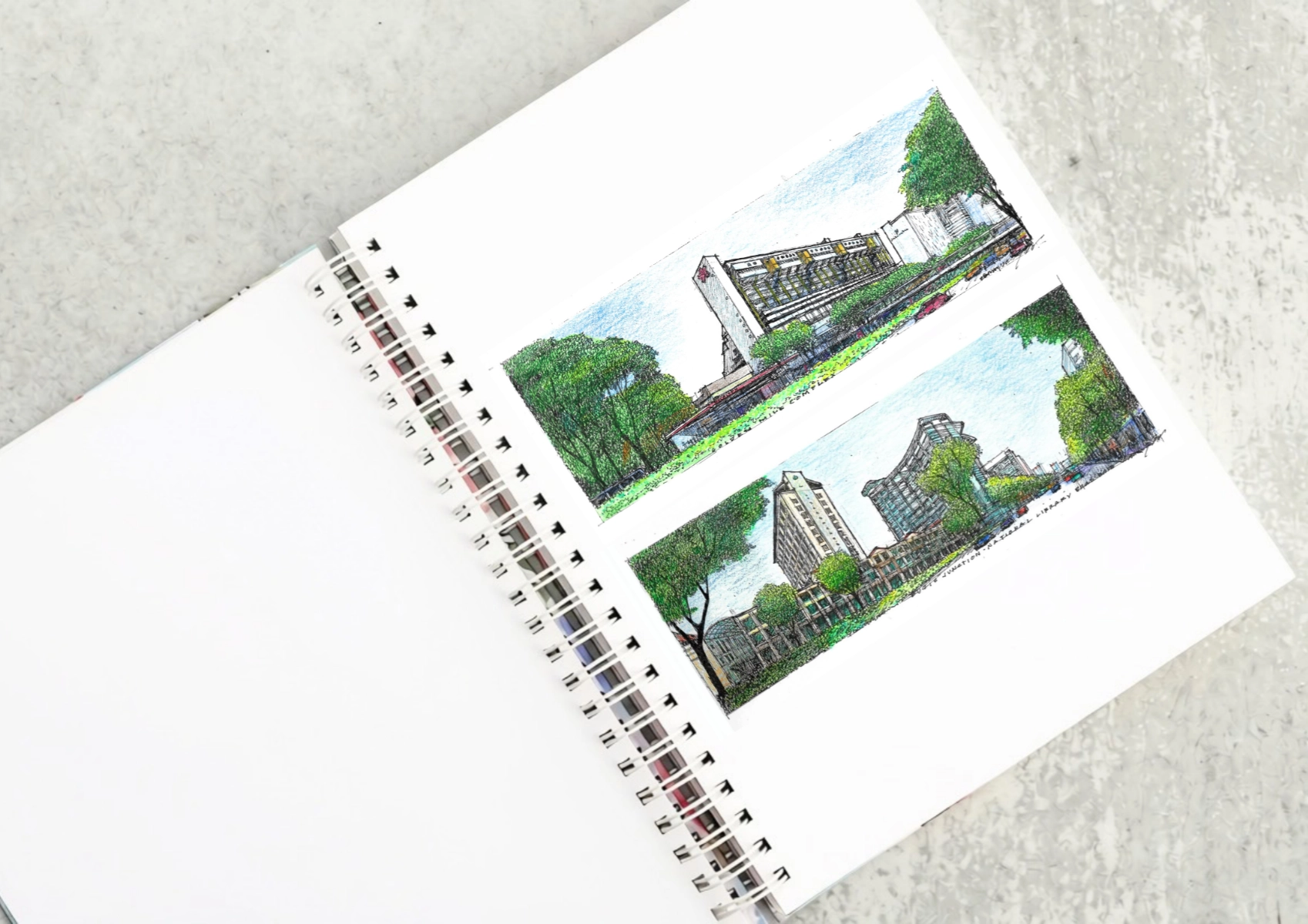
Two sketches of Singapore connect BluPrint Editor in Chief Paulo G. Alcazaren’s personal and professional history with Shared Ground: ArchitectureArchitectureThe art and science of designing and constructing buildings, structures, and spaces that are functional, safe, and aesthetically pleasing. It encompasses the planning, design, materials, and techniques used to createGo to Architecture Glossary of Care, Culture, […]
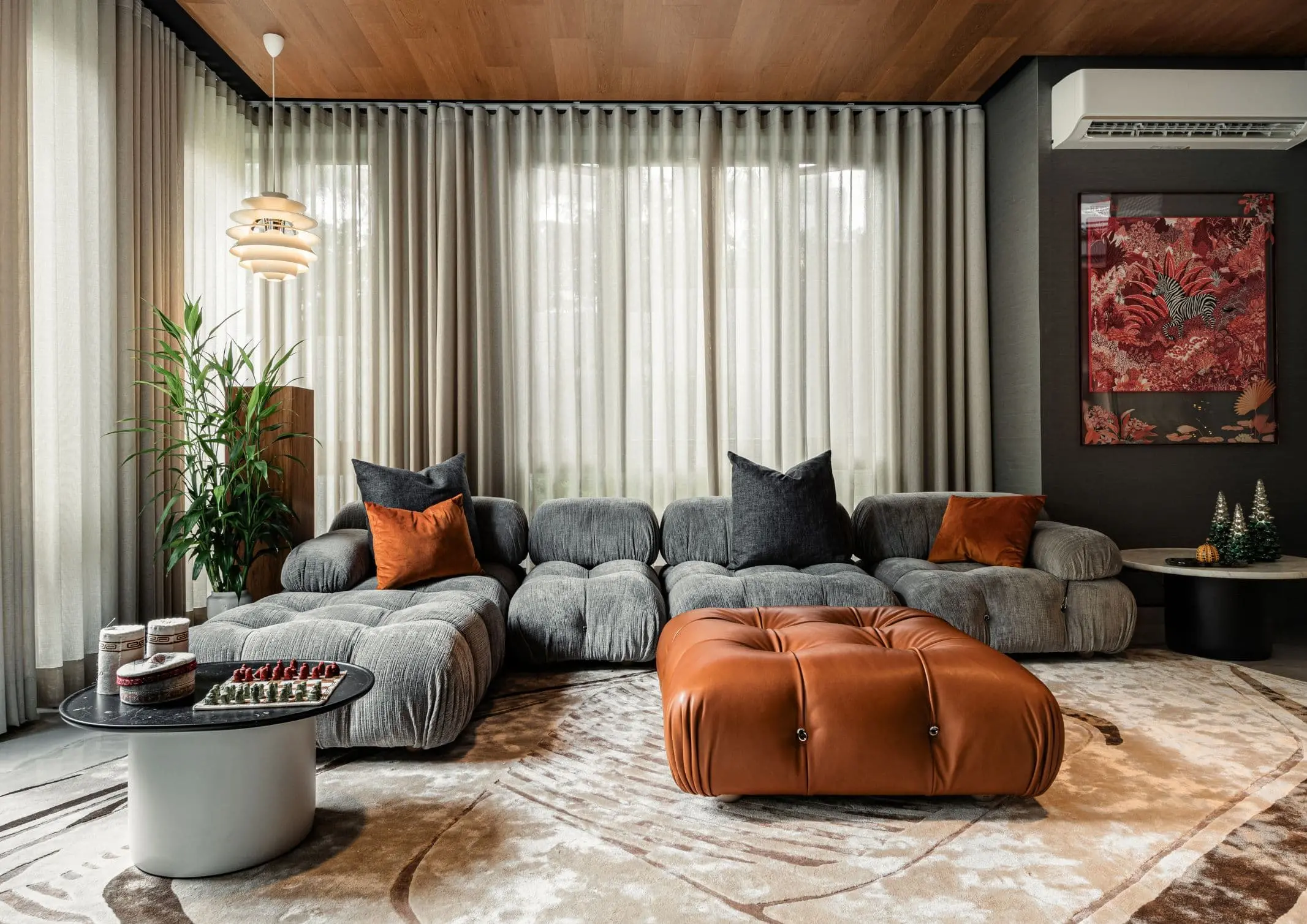
Some have become household names – Coleman, Oster, and KitchenAid – products that have found their way into Filipino kitchens, homes and family routines. In home furnishings, brands such as B&B Italia, Ethan Allen, Sub-Zero, Miele, SieMatic, Louis Poulsen, Hunter Douglas, Tempur, and Technogym, have helped shape the way Filipinos live. From everyday essentials to […]
In a way, designers are the modern-day soothsayers and prophets. They design for the future, predicting how a room, a house, a building or a whole city will be used by people. They foresee how users will interact with a space, conjure exact shades of colors to elicit specific behavior and arrange furniture to build […]
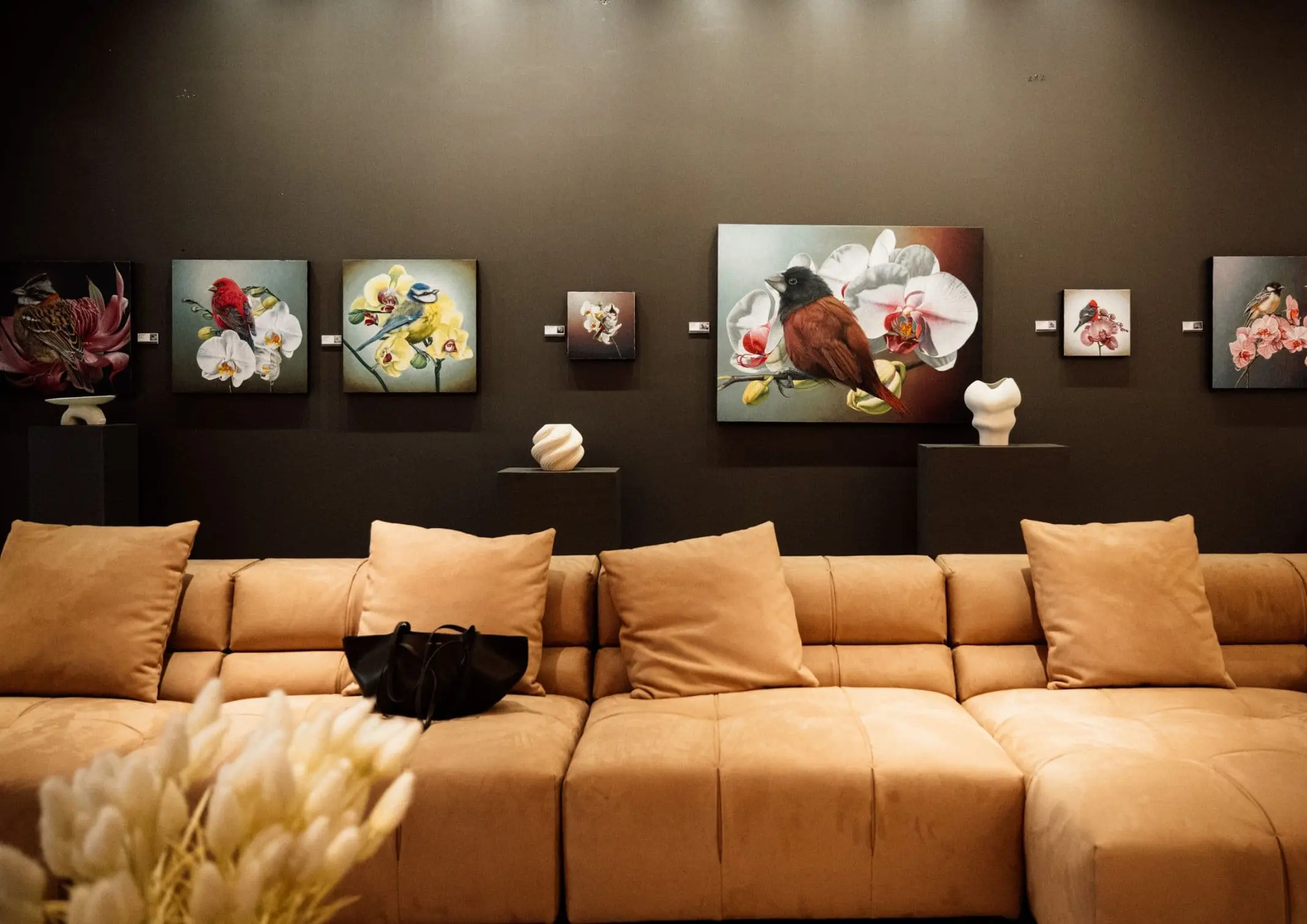
Art and furniture are often selected separately, yet their relationship can shape how a room looks and feels. The collaboration between Hooga and Galerie Joaquin explores how these elements can work together, bringing contemporary artworks into furnished residential settings at Hooga’s showroom in Uptown Mall, Bonifacio Global City. For Hooga, which curates furniture, lighting, and […]
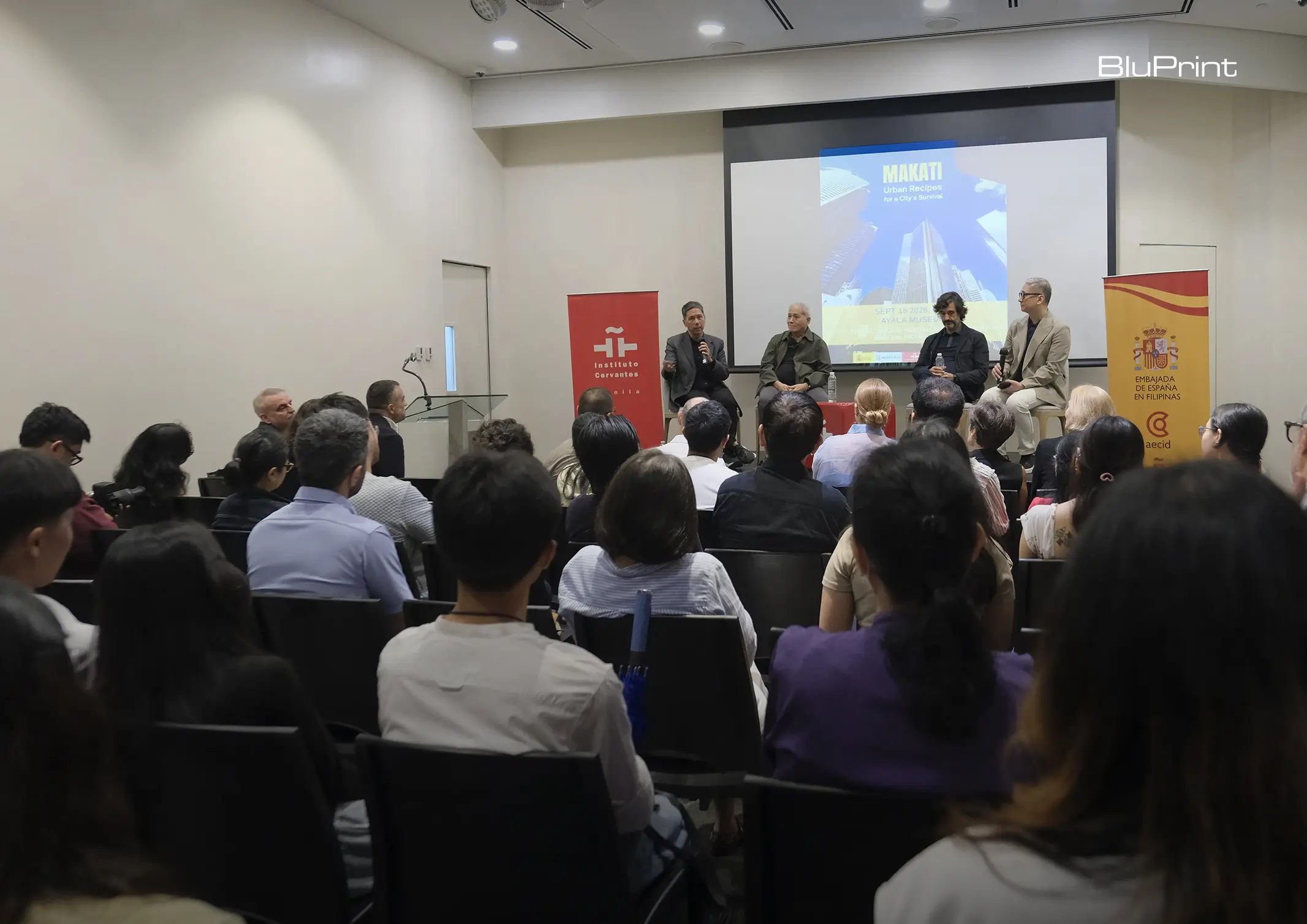
How can better-planned cities create the conditions for more creative, livable, and resilient urban environments? “Makati Urban Recipes for a City’s Survival,” a colloquium held at the Ayala Museum on September 15, brought together architects and practitioners from the fields of urbanism and the creative economy to discuss how design, planning, and collaboration can address […]
Read the issues.

Collect the volumes.

Recommended Video
Tap to Unmute
Unmute
0:00
0:00