The seventh edition of the Anthology ASEAN ArchitectureArchitectureThe art and science of designing and constructing buildings, structures, and spaces that are functional, safe, and aesthetically pleasing. It encompasses the planning, design, materials, and techniques used to createGo to Architecture Glossary Festival brought together over 4,000 delegates from across the Philippines and Southeast Asia for three […]
‘Probe: Precedents + Phenomena’ and Adapting to Changing Times



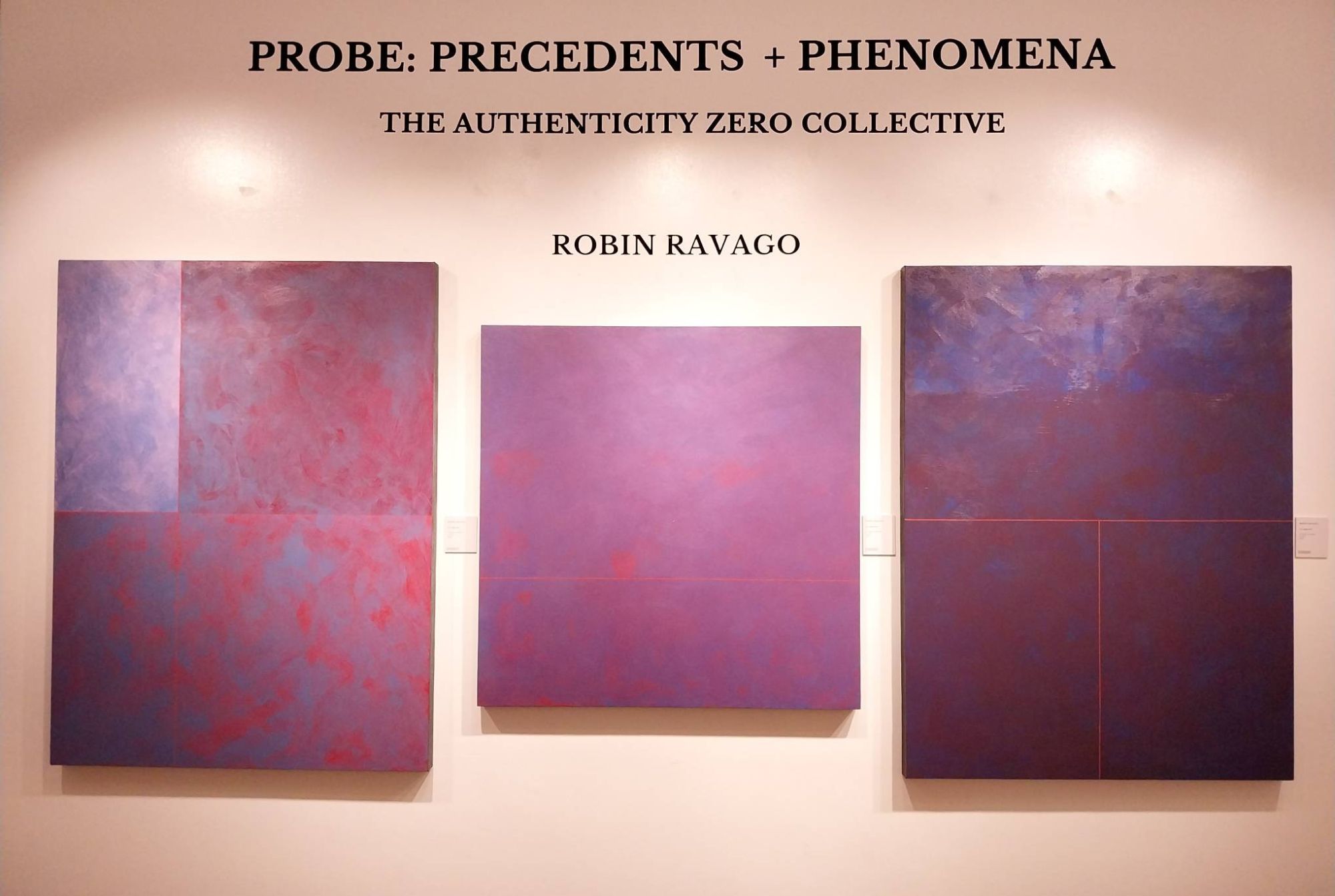
Probe: Precedents + Phenomena, the recent exhibition from Art Camp Gallery, utilizes abstraction to mutate society from the artists’ perspectives. The works represent a sense of reconstruction of meaning, a way to understand the world from our own limited and fractured perspectives.
The group exhibit comes from The Authenticity Zero Collective, a self-described “group of architects-artists-educators in the Philippines experimenting on architectureArchitectureThe art and science of designing and constructing buildings, structures, and spaces that are functional, safe, and aesthetically pleasing. It encompasses the planning, design, materials, and techniques used to createGo to Architecture Glossary and art.” Their oeuvre deals a lot with shapes and geometry, playing with proportions and design to initiate a differentiating look that pushes ideas towards the theoretical.
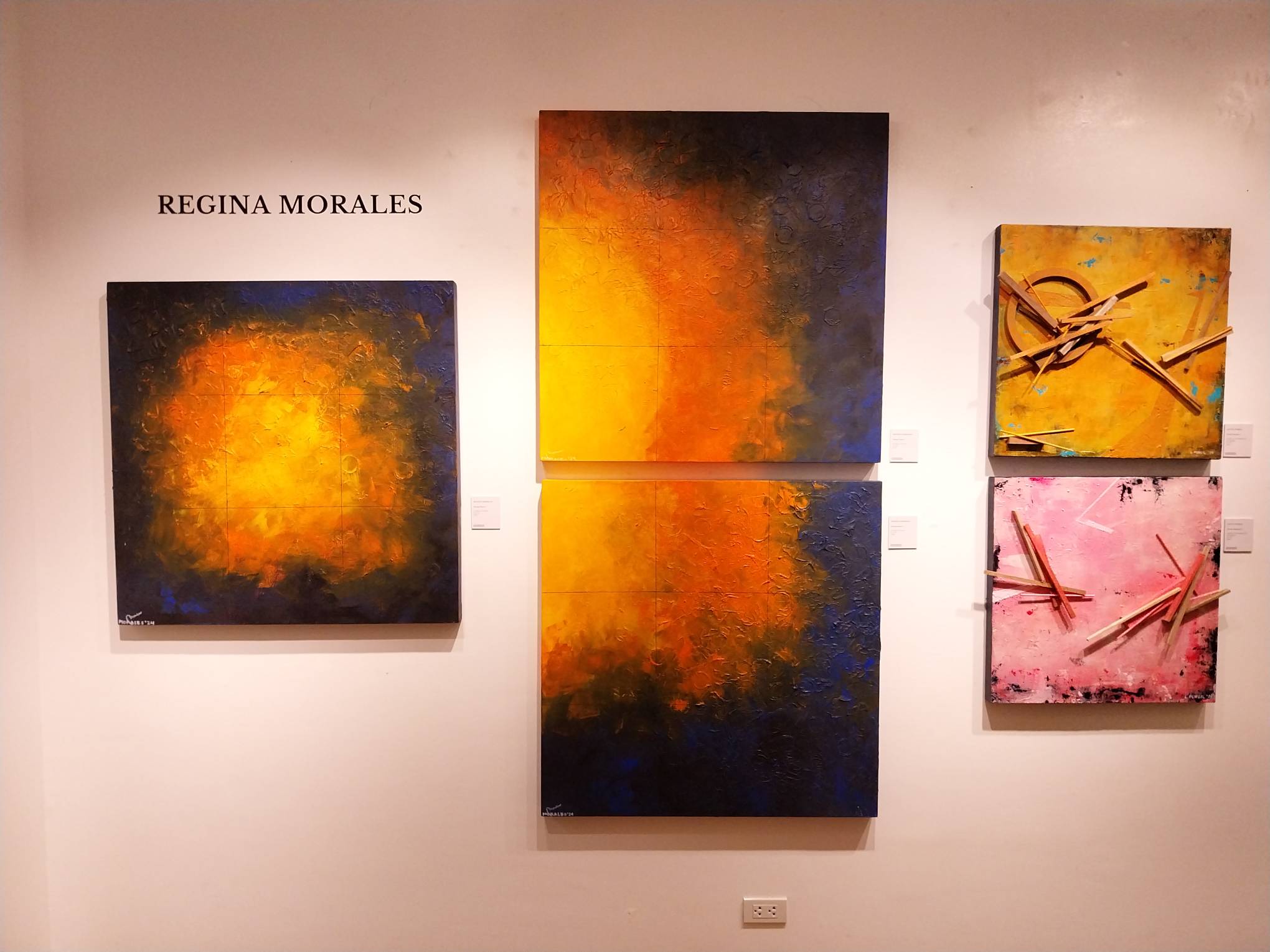
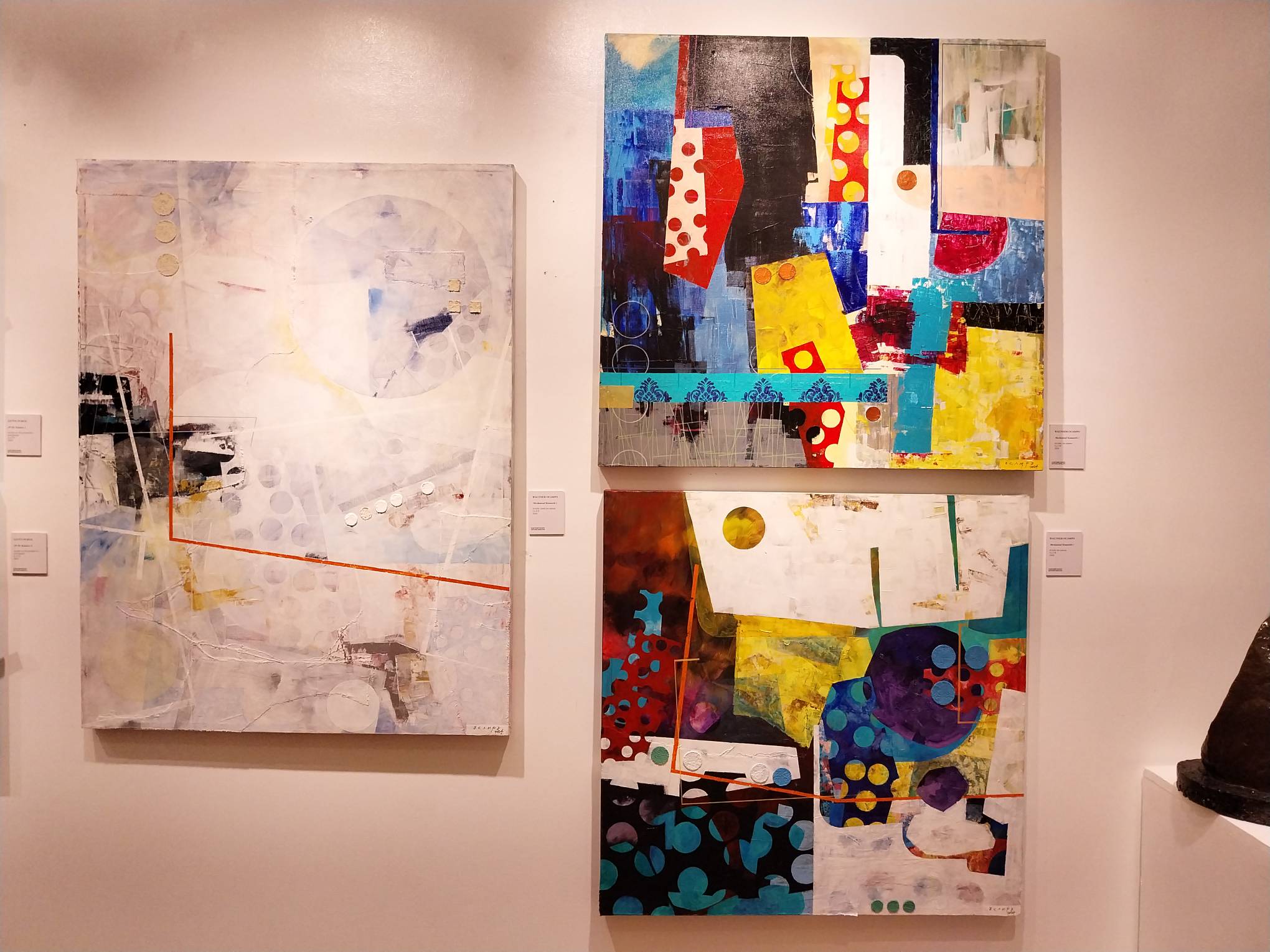
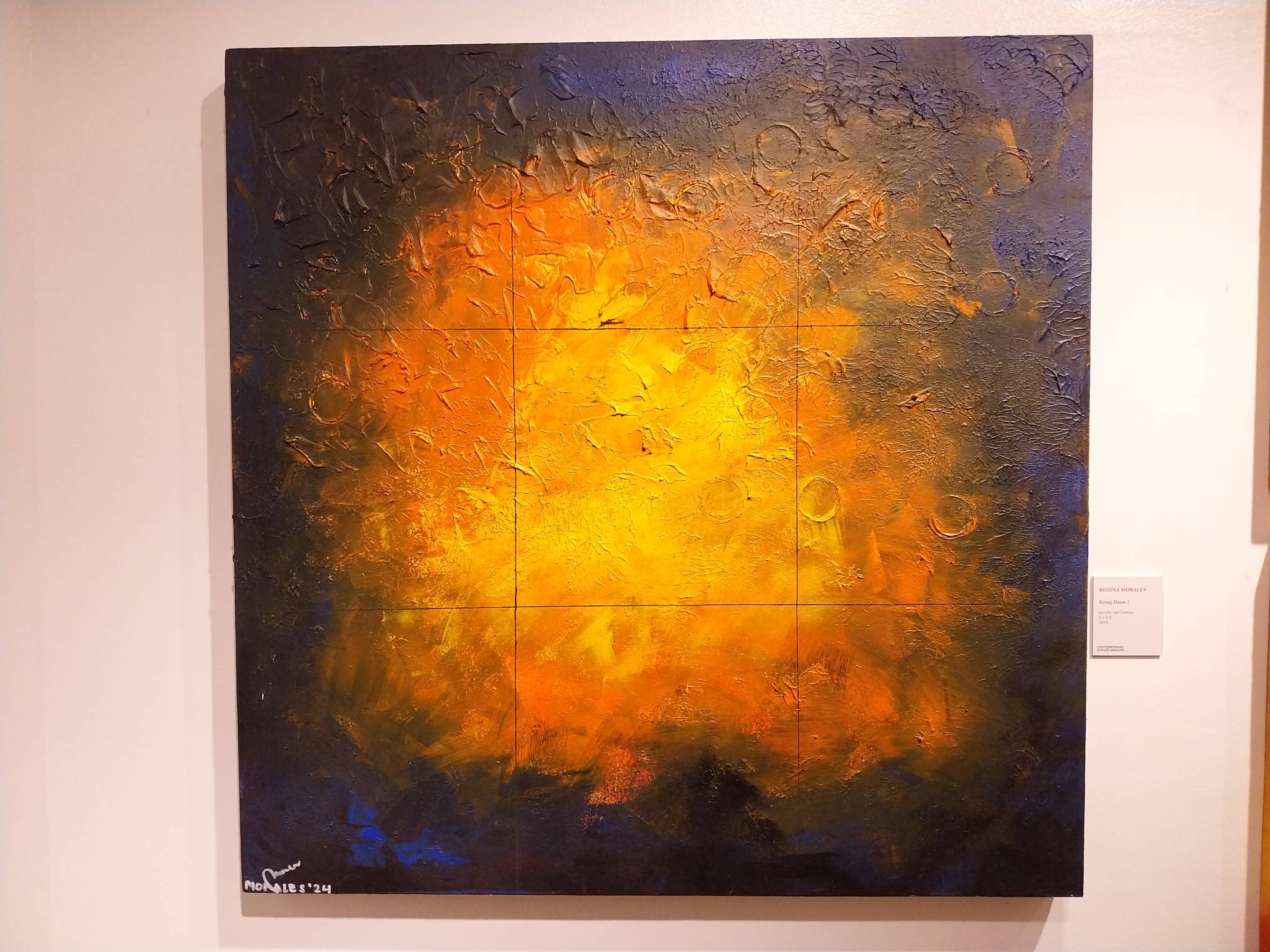
With this exhibition, The Authenticity Zero Collective presents a distilled showcase of their members’ ideas of design and abstraction vis-a-vis its relation to society. The group includes artists like Reg Morales, Walther Ocampo, and Robin Ravago contributing works that align with that theoretical framework.
“This exhibition captures the essence of human curiosity and innovation, showcasing works that reflect our constant drive to understand and transform the world around us,” Art Camp’s write-up for the exhibit said. “Through a rich variety of mediums and forms, the artists delve into the complexities of life, offering visual conversations that challenge, intrigue, and inspire, feeding our minds with thoughts we never knew we needed.”
Designing a Different World
For Probe: Precedents + Phenomena, the abstraction in the works promotes a sense of exploration of the limitlessness of the world around us. It sees the highlighted rules of art and architectureArchitectureThe art and science of designing and constructing buildings, structures, and spaces that are functional, safe, and aesthetically pleasing. It encompasses the planning, design, materials, and techniques used to createGo to Architecture Glossary, and ignores them to focus on ambiguity instead.
That ambiguity, at least for this exhibit, allows them to rearrange the world towards exploration. They look through concepts like tactility and structure, or how patterns can fit together in new ways. One artist, Robin Ravago, just delves deeper into a specific color, riding the feelings that the work conveys.
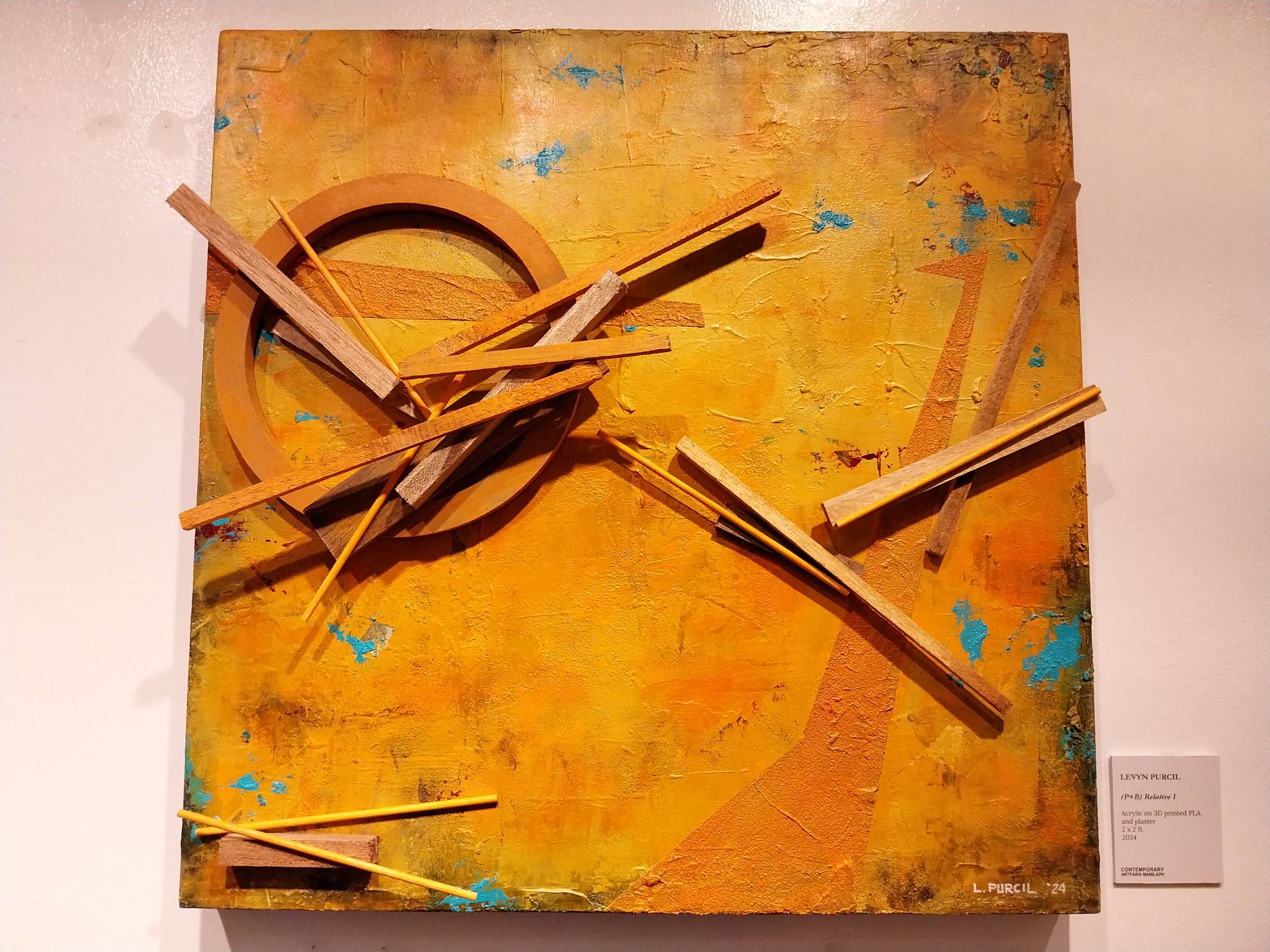
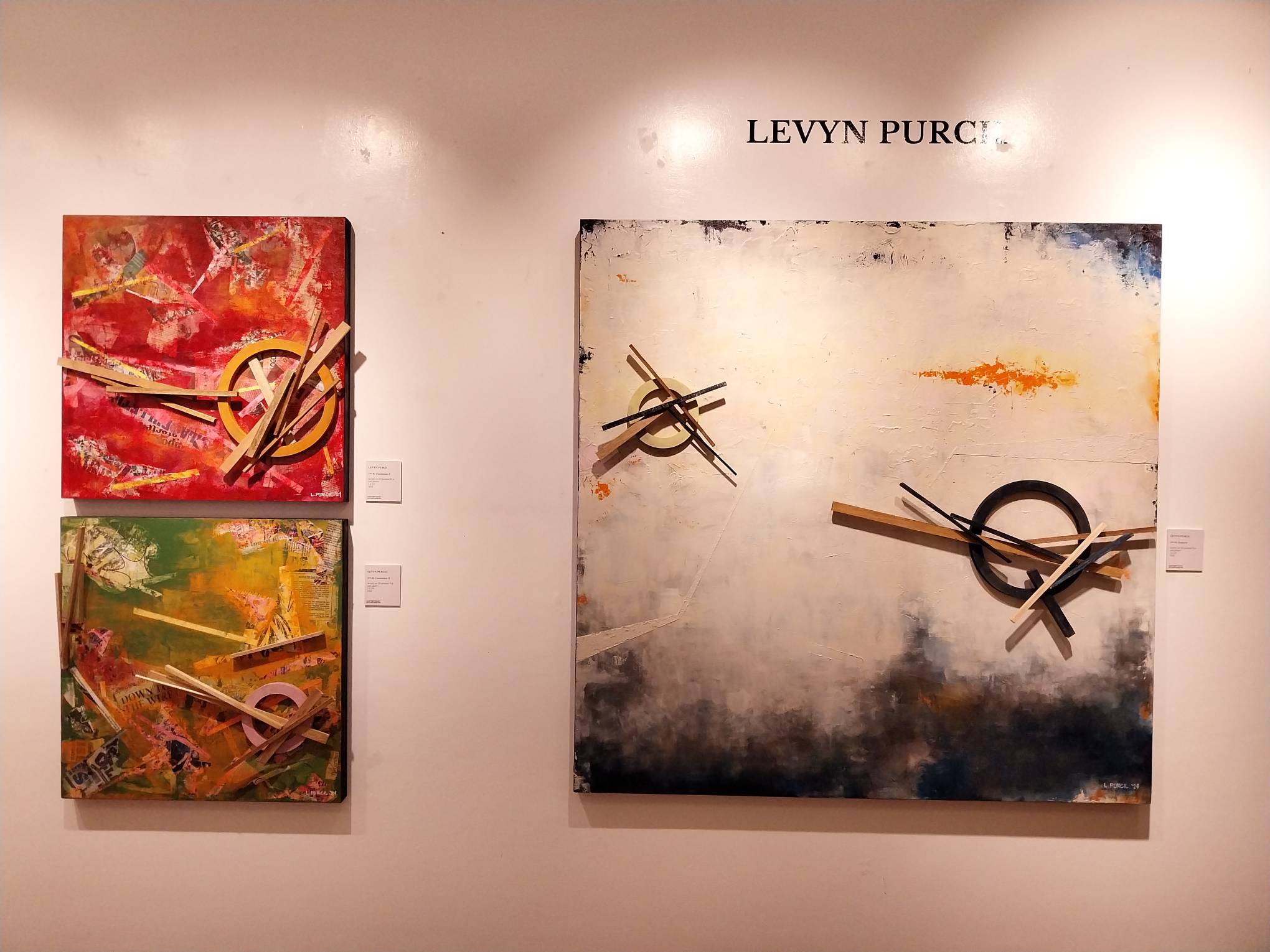
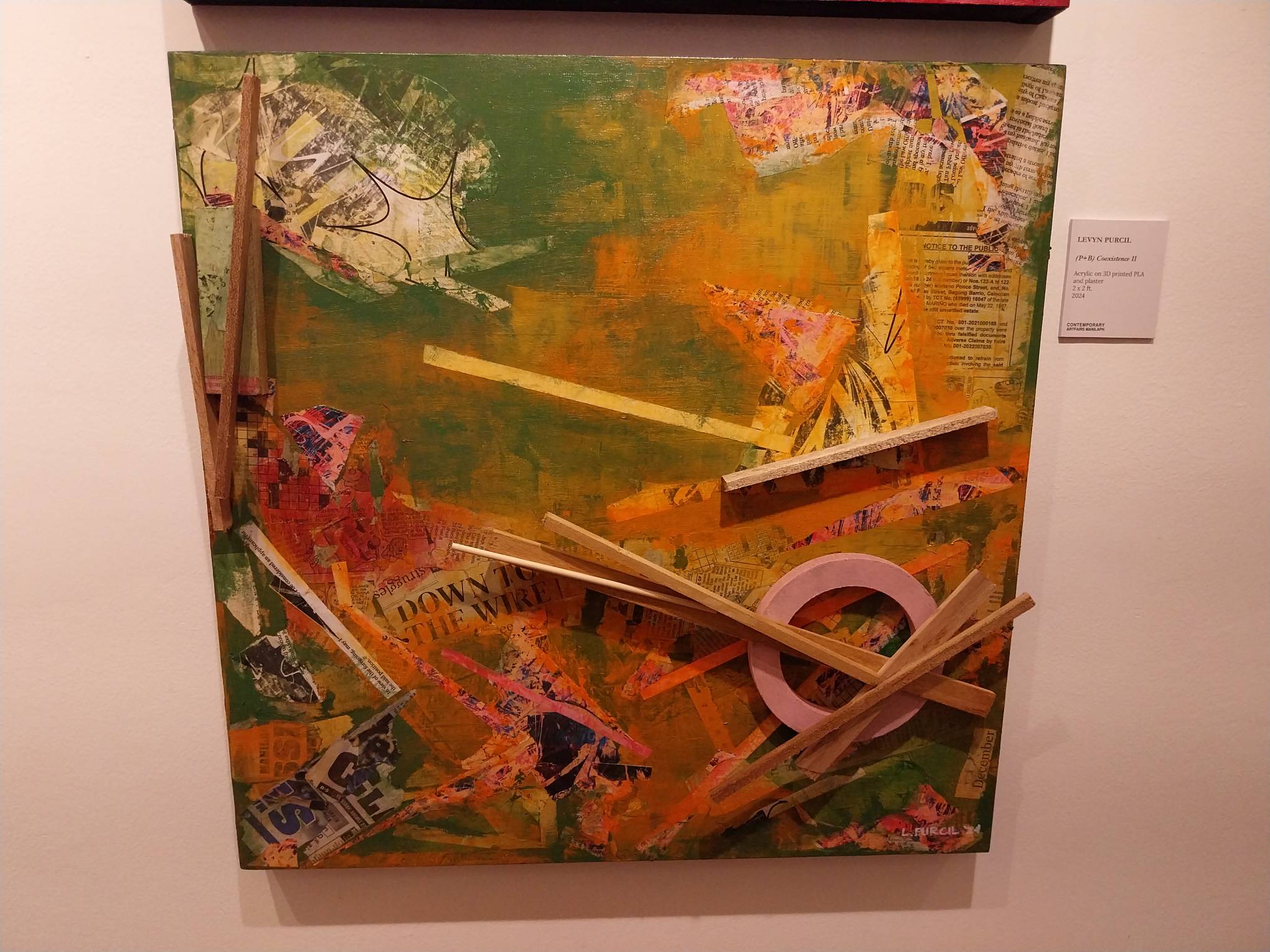
Another artist, visual artist Levyn Purcil, contributes models itself around the deconstruction of urbanist ideals. Their mixed media artworks put wood and plaster together with a hazy but colorful background, headlines peering through the paint.
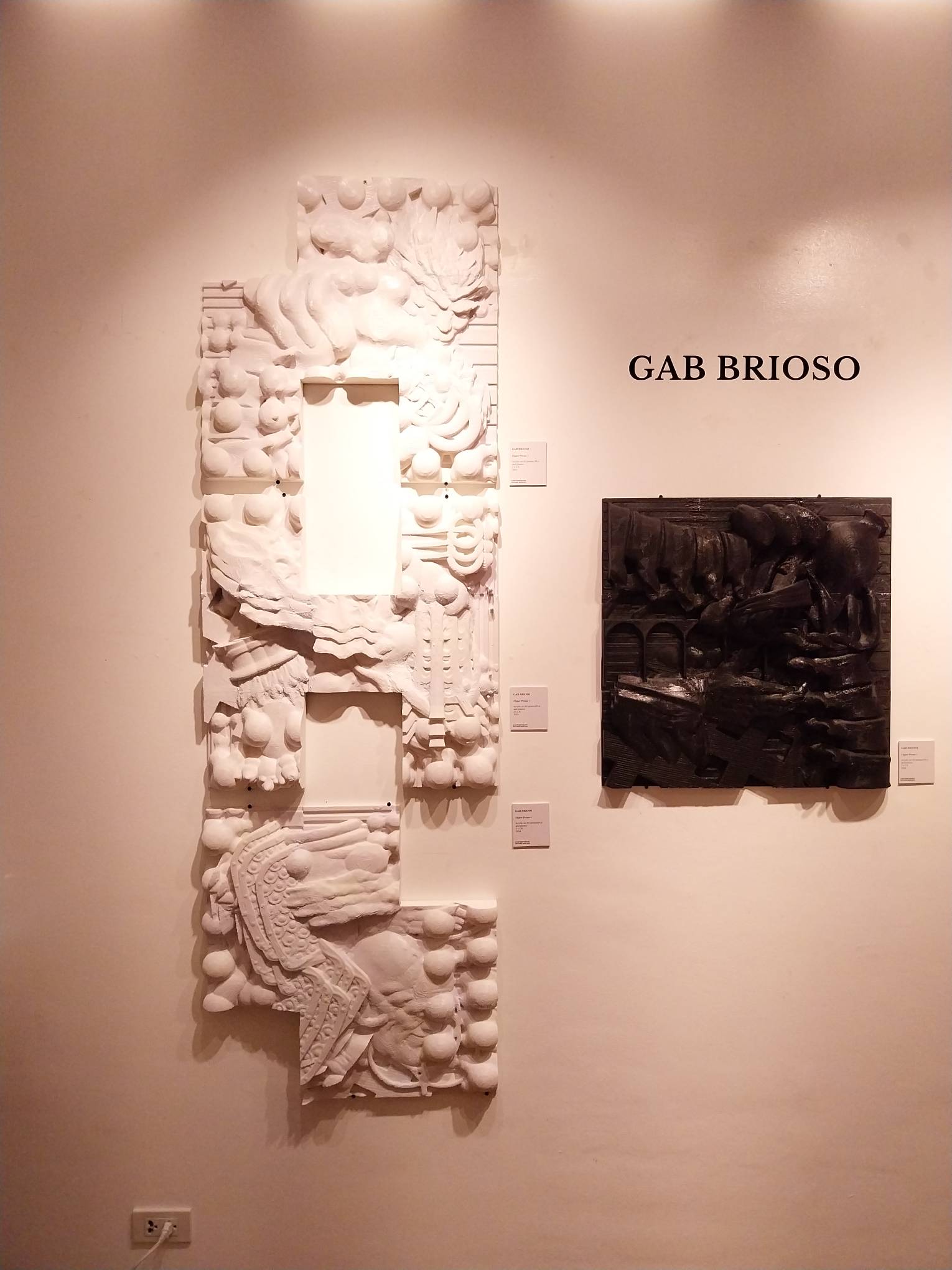
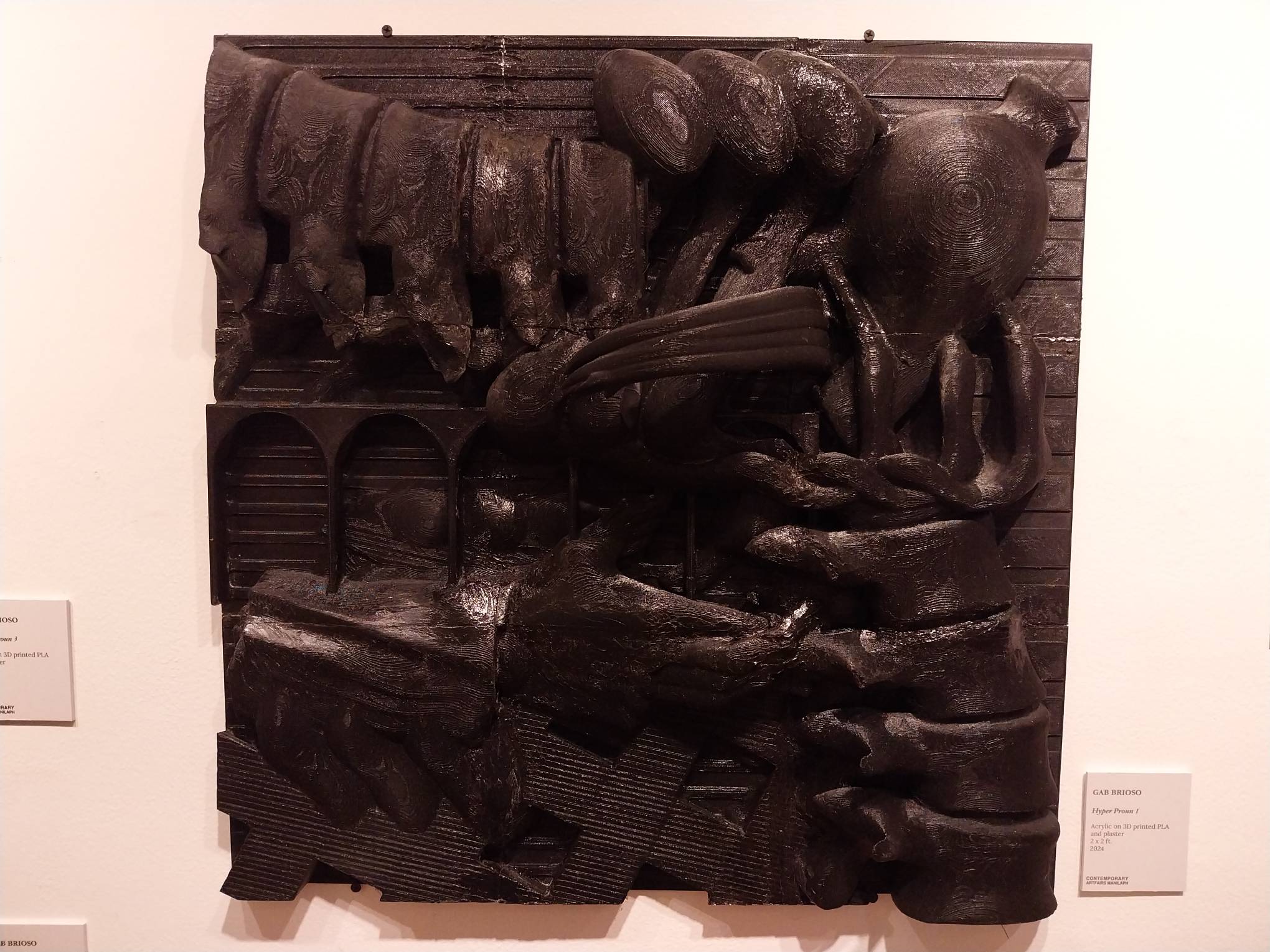
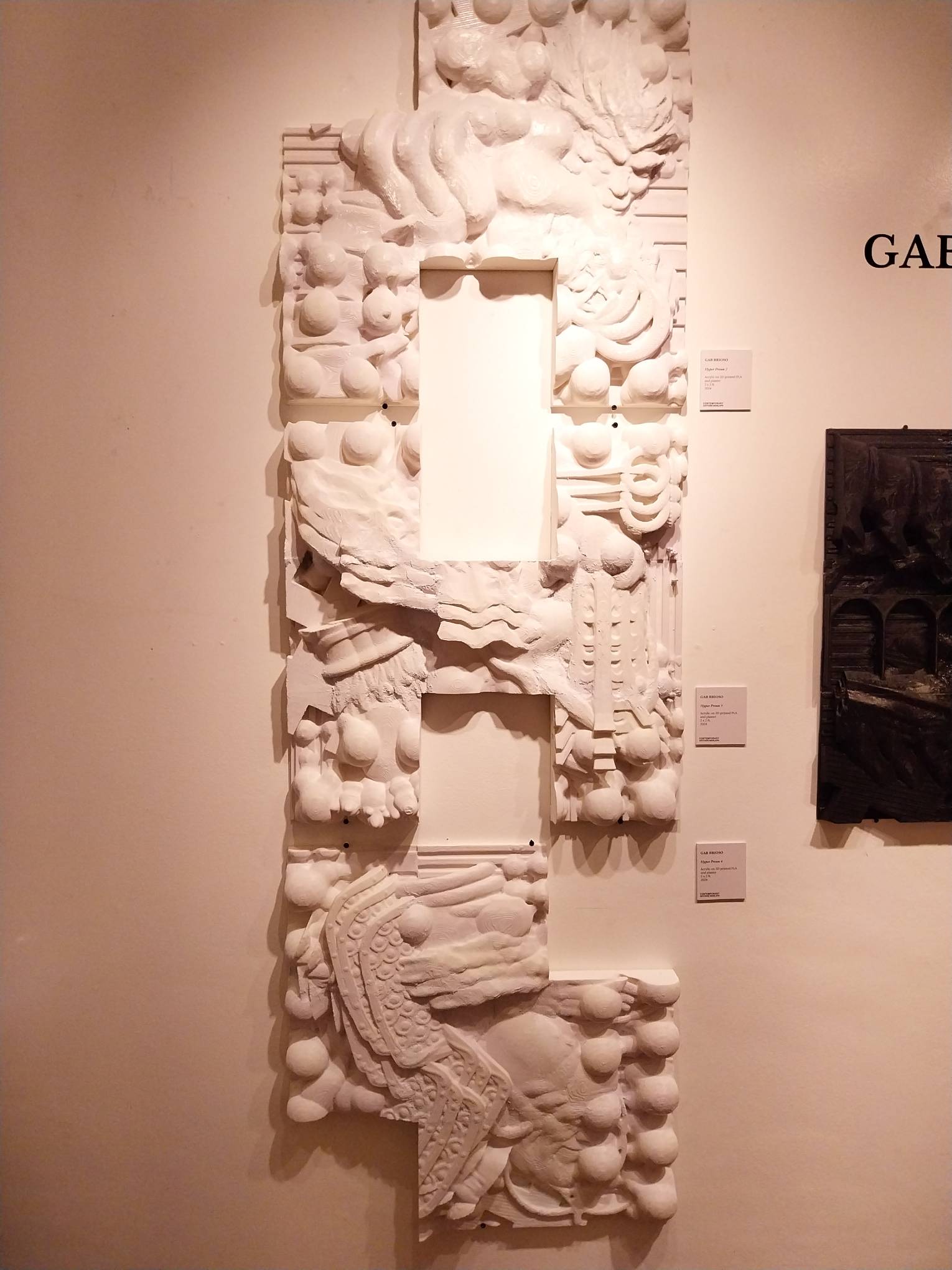
In a similar way, Gab Prioso adds a sense of alienation from both structural rules in sculpture and societal norms to the exhibition’s experimentation. Their contribution looks like a collage of different objects mashed together into an amorphous mass. They’re sharp and rounded at the same time, combining elements like columns, moldings of bones, and other strange artifacts together.
Ambiguity in Meaning
It feels estranged to “definitive meaning” in critiquing our society as it leans towards ambiguity instead. The works feel similar to H.R. Giger, both in the tactile sense of architecture, and largely because it feels like Prioso attempts a similar impression of hieroglyphics that Giger did, seemingly compressing a whole history together.
In the exhibit write-up by The Authenticity Zero Collective, they said, “Instead of drawing a straight narrow line,/We are destined to beautify through curves,/ through steep diagonals,/And through dense spheres,/We are to see the development through the depth of the elements.”
It summarizes the ethos of the works in the exhibit. Nothing explored here explores anything in a straightforward way—instead, like a free jazz piece or an improvised number, it rides an impression to understand its limits and our own human impulses when making art. They function in conversation with each other by analyzing what these standards mean for us, and why it has entrenched itself into the world so thoroughly.
Redefining Design Through Abstraction
The most abstract parts of Probe: Precedents + Phenomena combine architectureArchitectureThe art and science of designing and constructing buildings, structures, and spaces that are functional, safe, and aesthetically pleasing. It encompasses the planning, design, materials, and techniques used to createGo to Architecture Glossary and art. These works challenge spatial reality and dimensions to open up the possibilities beyond what is contemporarily accepted.
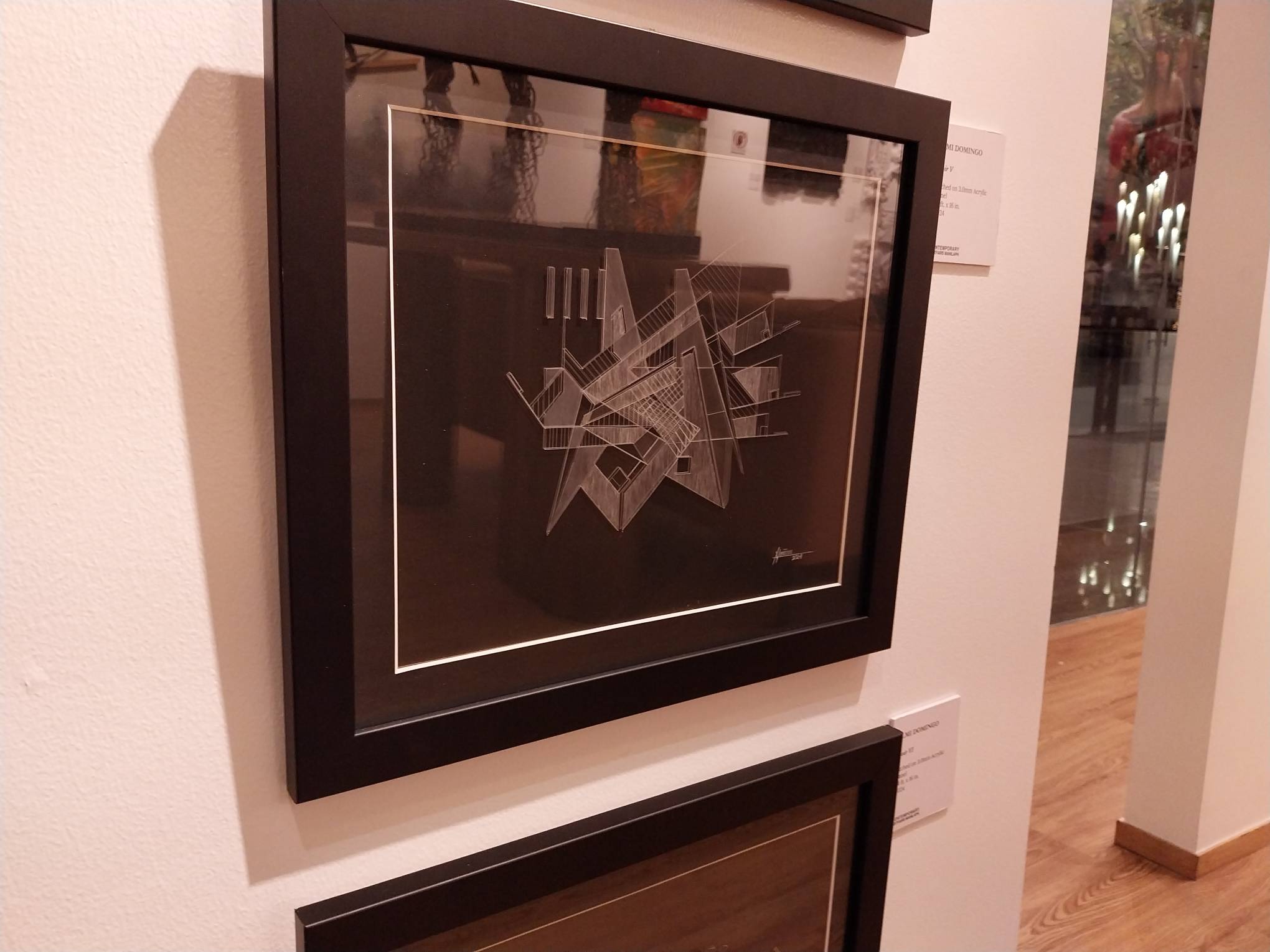
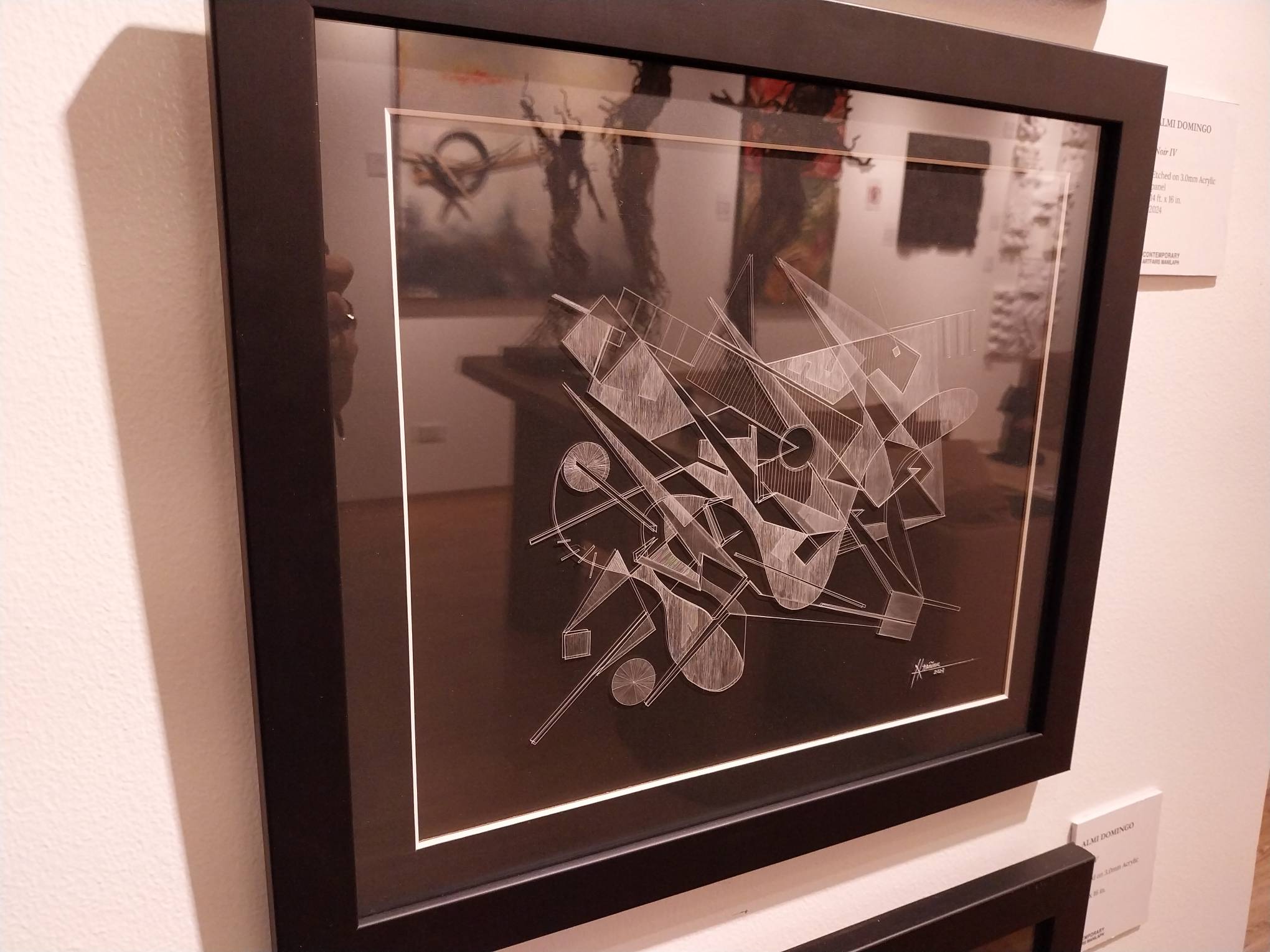
This is most prominent with Almi Domingo’s work. The monochrome works are both deeply abstract creations while still following the format of an architectural blueprint. There’s something compelling about the works, an explosion of shapes that looks like rooms and hallways and doors—almost dadaist in its push towards the strange.
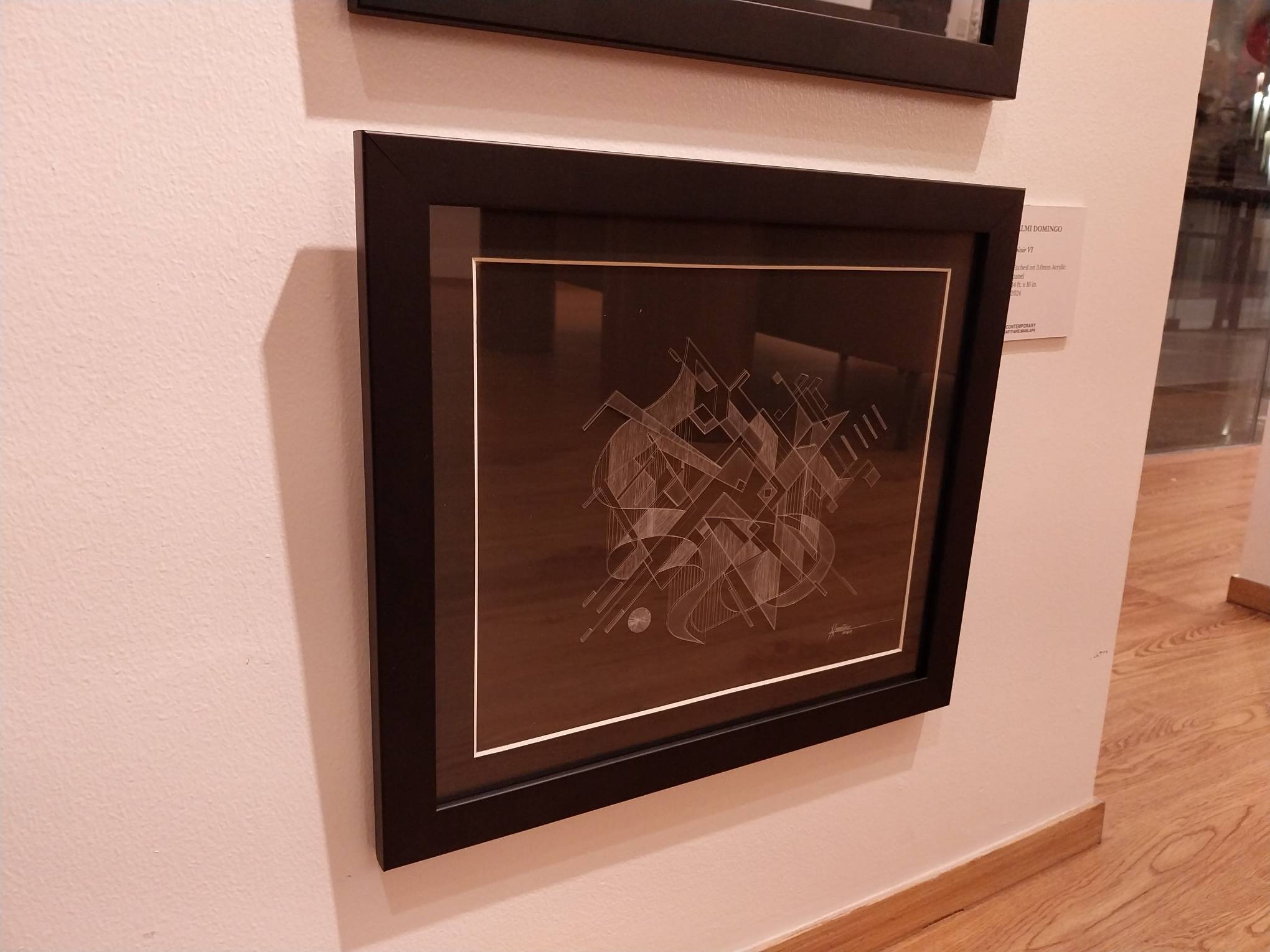
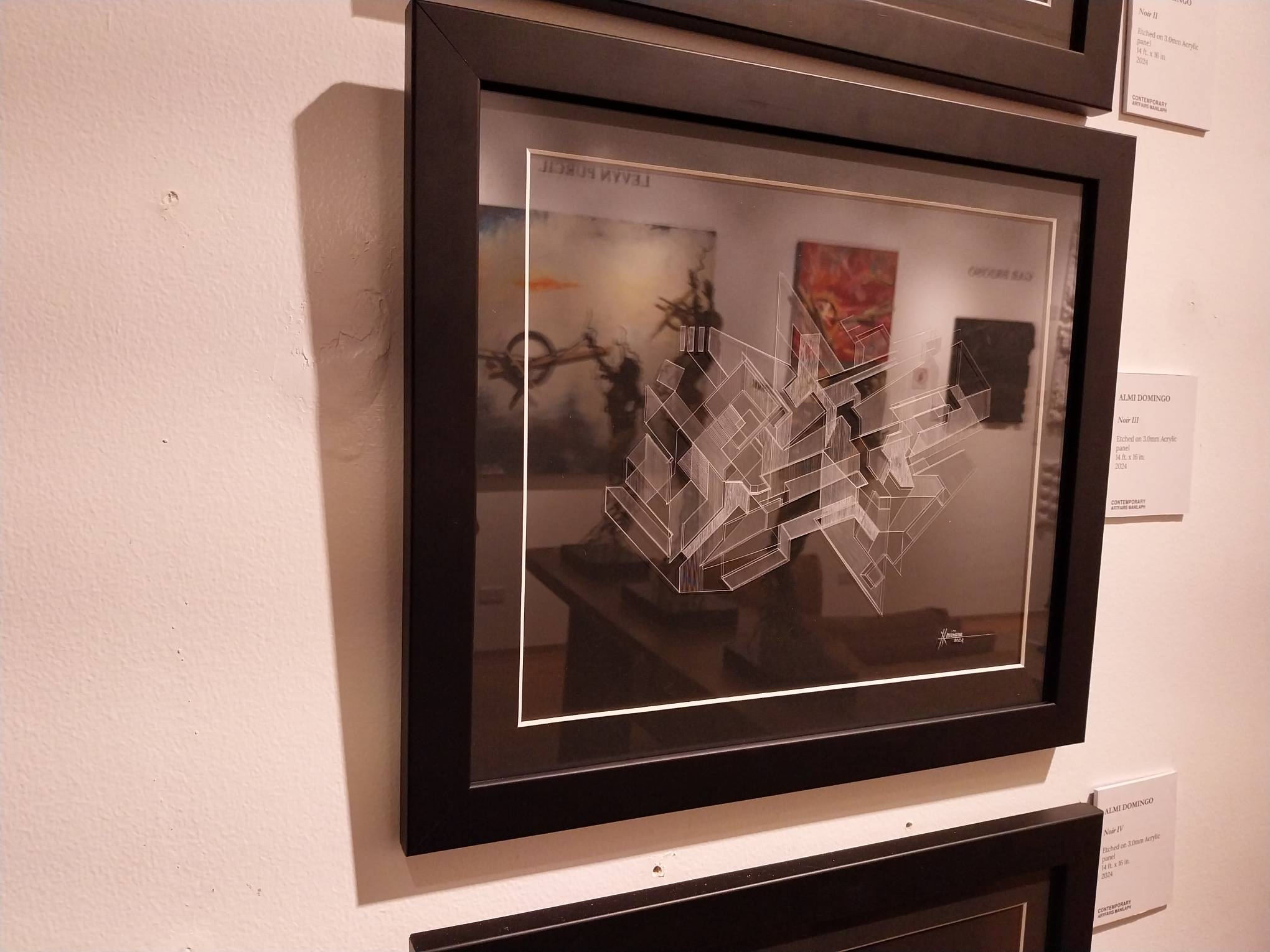
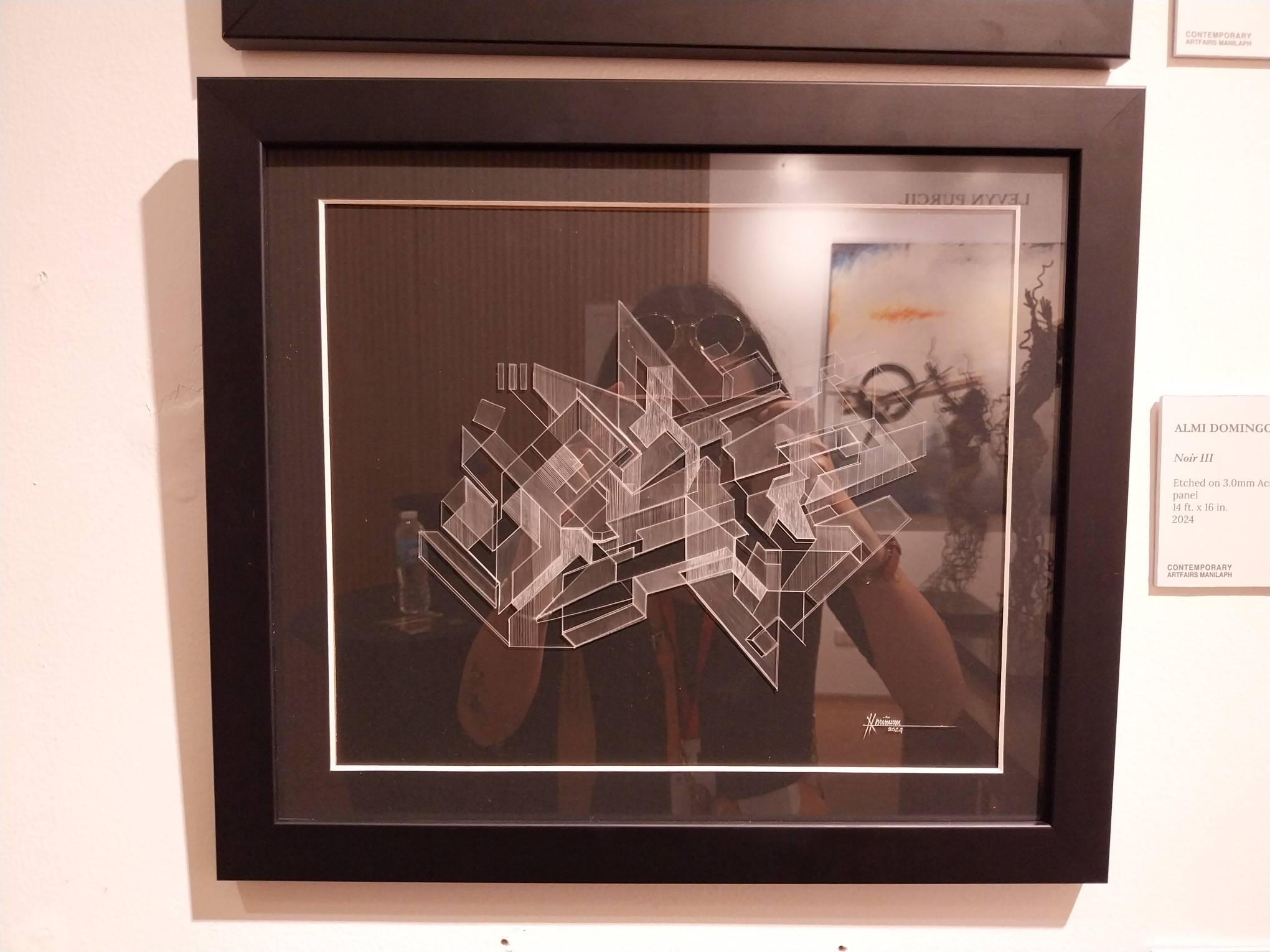
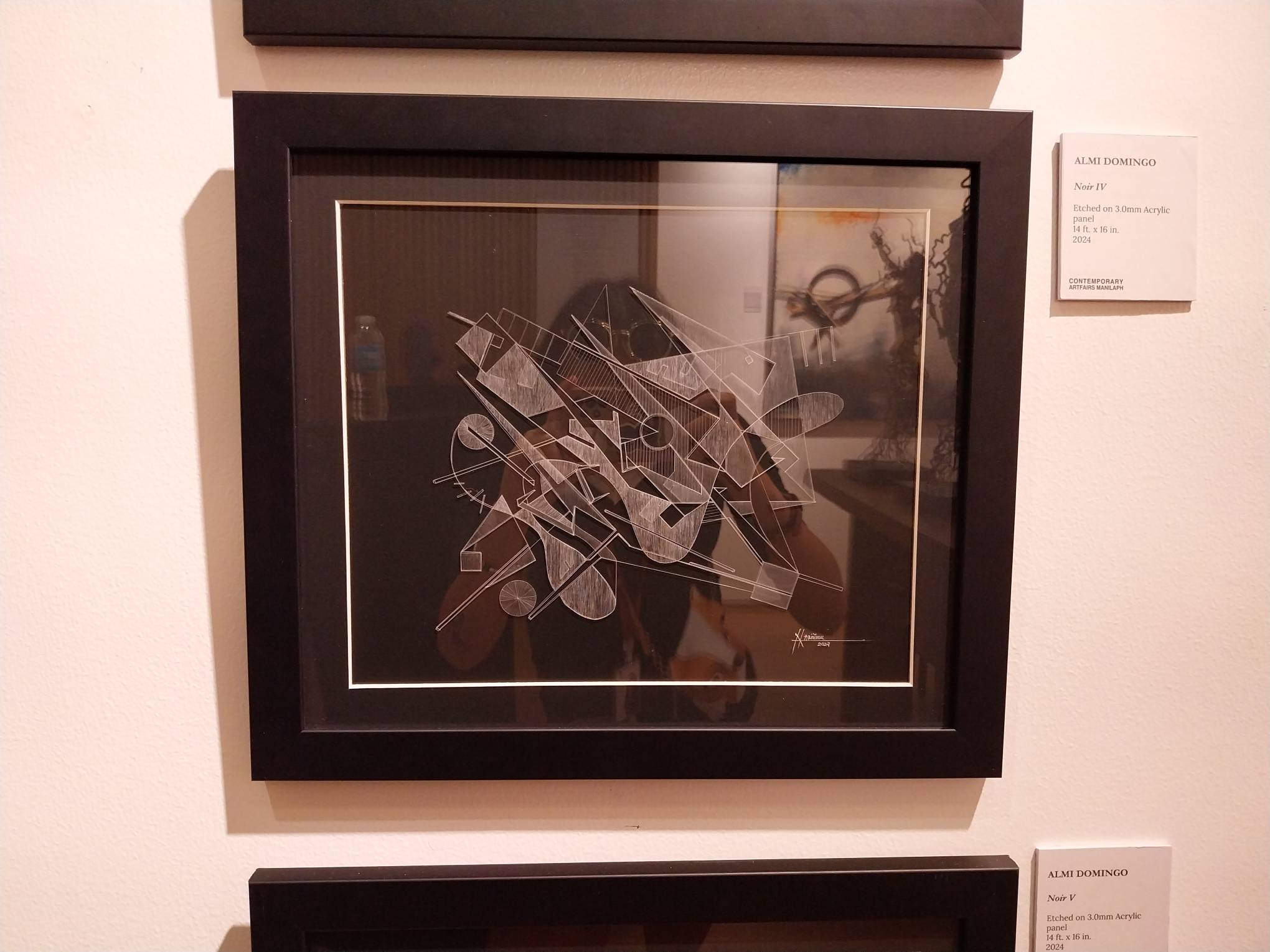
Another artist, Cocoi Base, uses dots and lines as a matrix to orient the viewers’ perception of the works, before adding a blast of shapes and splatters of color as a way of disorientation. It’s interesting because some of the shapes are unfinished and some of the splatter is undone, and yet they’re still oriented towards the matrix—organized chaos in its fullest.
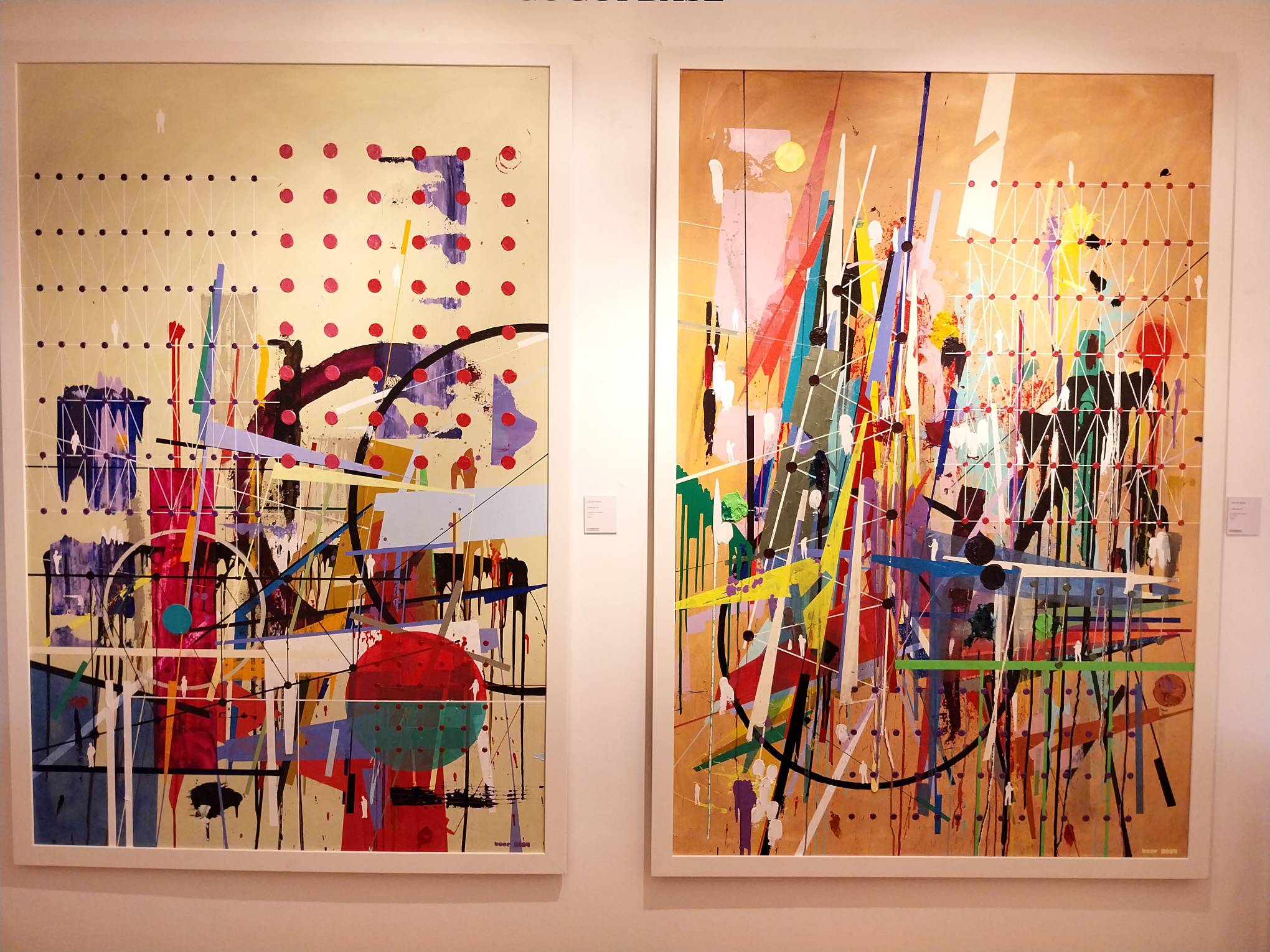
As a whole, what does Probe: Precedents + Phenomena mean? What is the Authenticity Zero Collective trying to showcase? It explores the different innovations one seeks in art, finding meaning and complications to even the basic ideas we have of art and architectureArchitectureThe art and science of designing and constructing buildings, structures, and spaces that are functional, safe, and aesthetically pleasing. It encompasses the planning, design, materials, and techniques used to createGo to Architecture Glossary. It adds uncertainty to the world around us, showing the possibilities yet unexplored.
“I’ll always be in awe of how people become so innovative in such a short time,” the exhibit write-up said. “A food for thought that we never did ask for, but a food that we much needed.”
Photos by Elle Yap.
Related reading: Vettina Villarica Paints Optimistic Landscapes, Endless Possibilities in New Exhibit
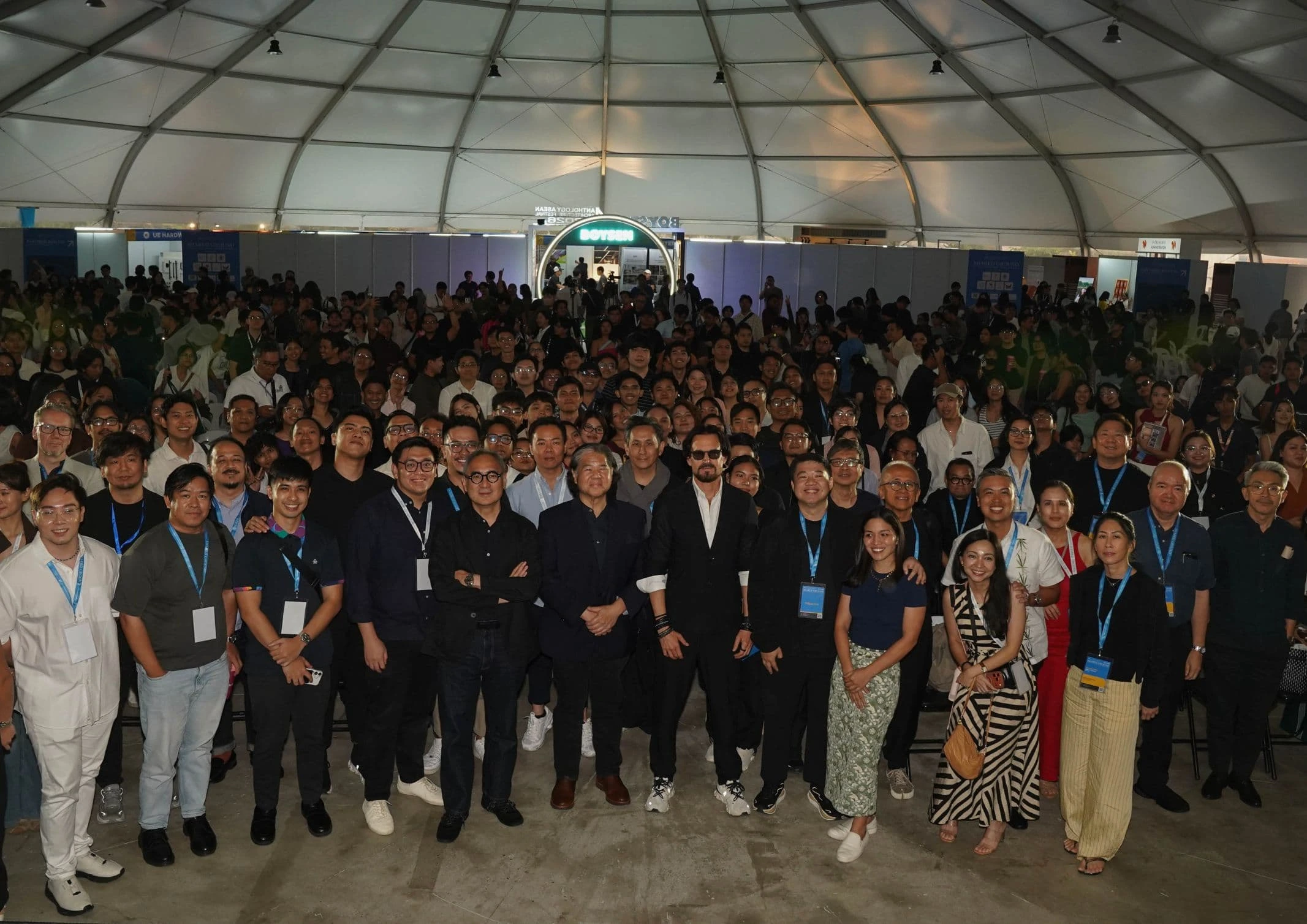
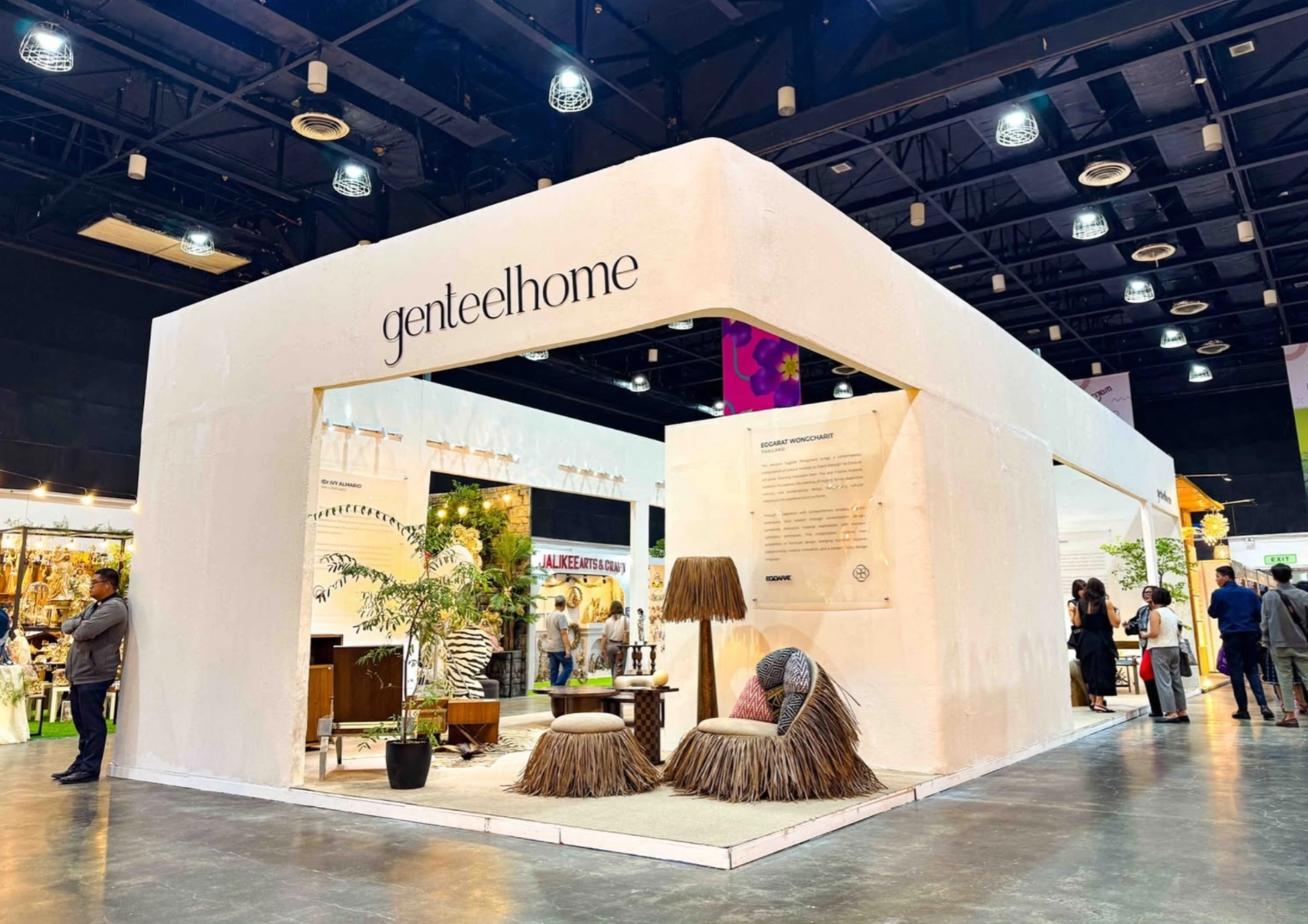
Bigkis is the act of binding. In Tagalog, the word can refer to something used to bind or encircle, as well as a bundle formed by tying several separate elements together. Figuratively, it can also mean a bond, union, or unity. The meanings move from the physical act of joining things together to the connection […]
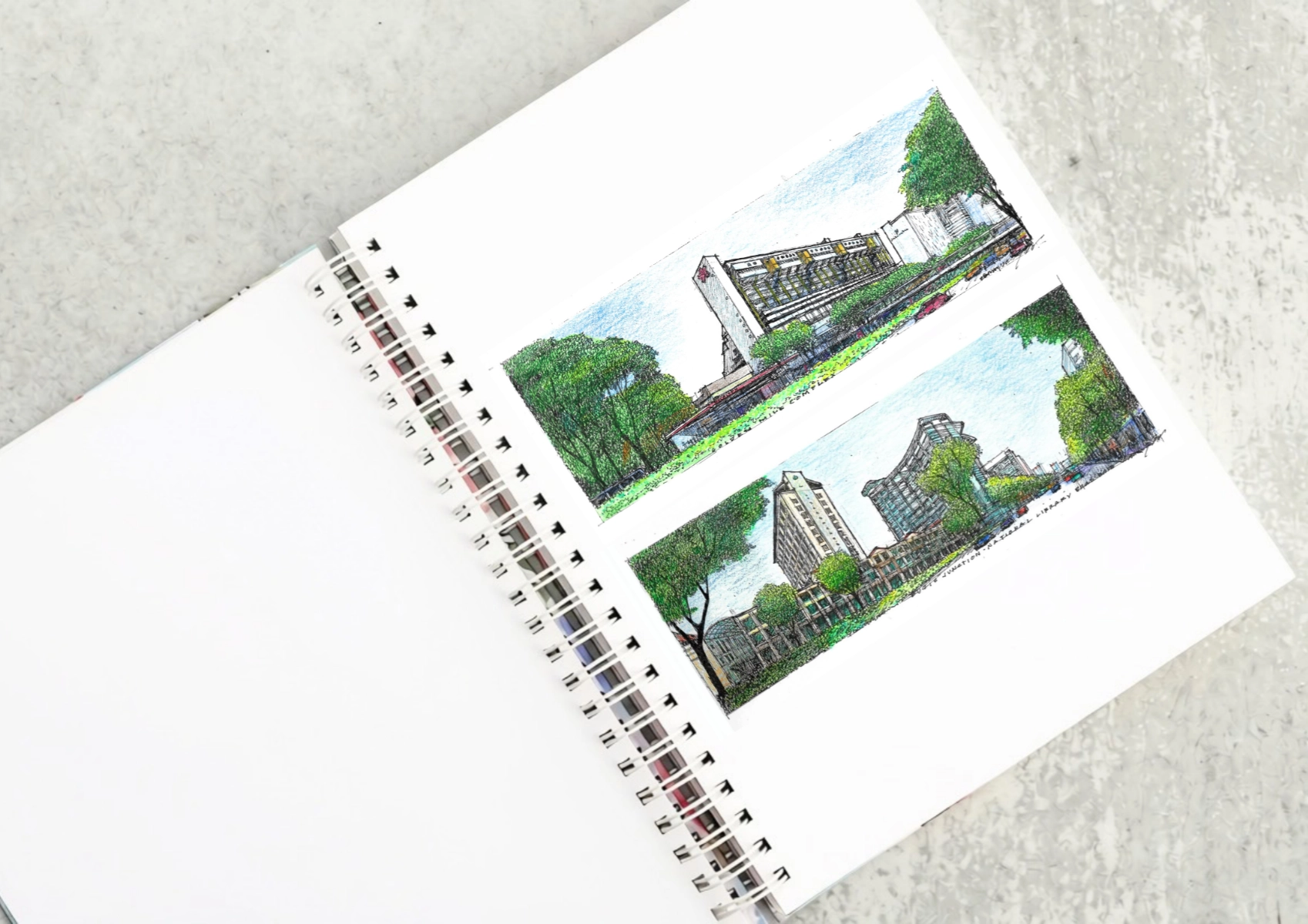
Two sketches of Singapore connect BluPrint Editor in Chief Paulo G. Alcazaren’s personal and professional history with Shared Ground: ArchitectureArchitectureThe art and science of designing and constructing buildings, structures, and spaces that are functional, safe, and aesthetically pleasing. It encompasses the planning, design, materials, and techniques used to createGo to Architecture Glossary of Care, Culture, […]
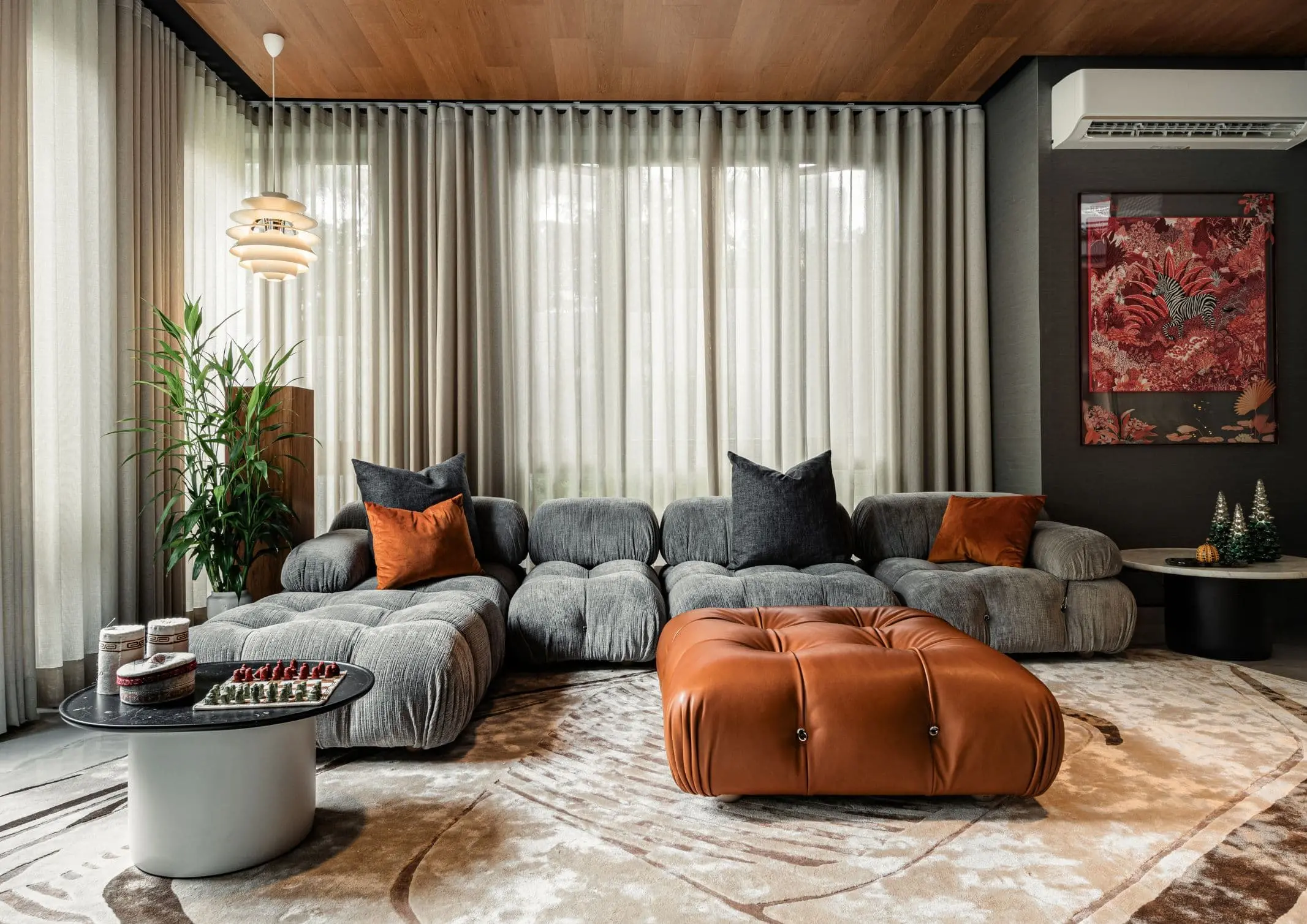
Some have become household names – Coleman, Oster, and KitchenAid – products that have found their way into Filipino kitchens, homes and family routines. In home furnishings, brands such as B&B Italia, Ethan Allen, Sub-Zero, Miele, SieMatic, Louis Poulsen, Hunter Douglas, Tempur, and Technogym, have helped shape the way Filipinos live. From everyday essentials to […]
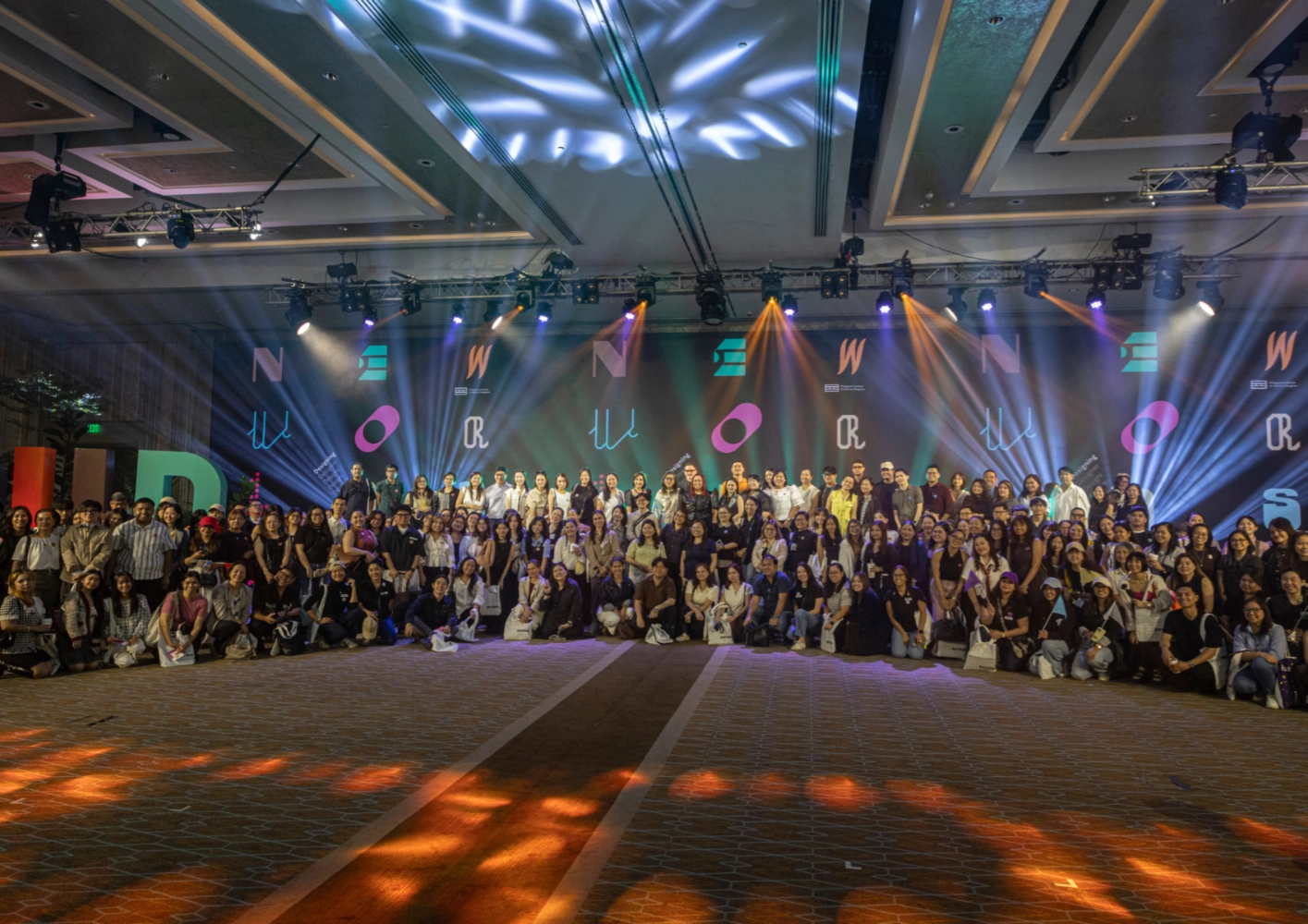
In a way, designers are the modern-day soothsayers and prophets. They design for the future, predicting how a room, a house, a building or a whole city will be used by people. They foresee how users will interact with a space, conjure exact shades of colors to elicit specific behavior and arrange furniture to build […]
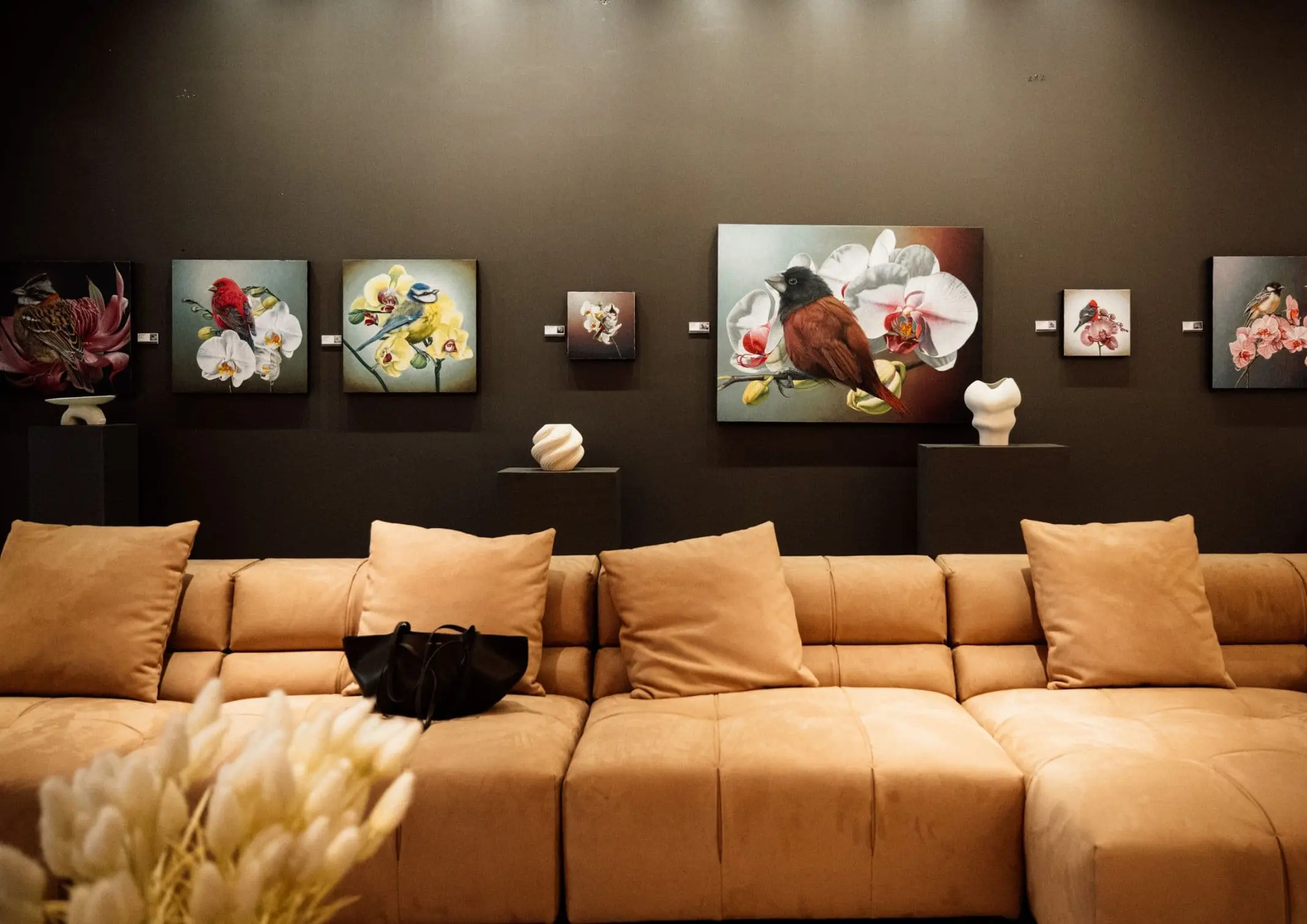
Art and furniture are often selected separately, yet their relationship can shape how a room looks and feels. The collaboration between Hooga and Galerie Joaquin explores how these elements can work together, bringing contemporary artworks into furnished residential settings at Hooga’s showroom in Uptown Mall, Bonifacio Global City. For Hooga, which curates furniture, lighting, and […]
Read the issues.

Collect the volumes.

Recommended Video
Tap to Unmute
Unmute
0:00
0:00