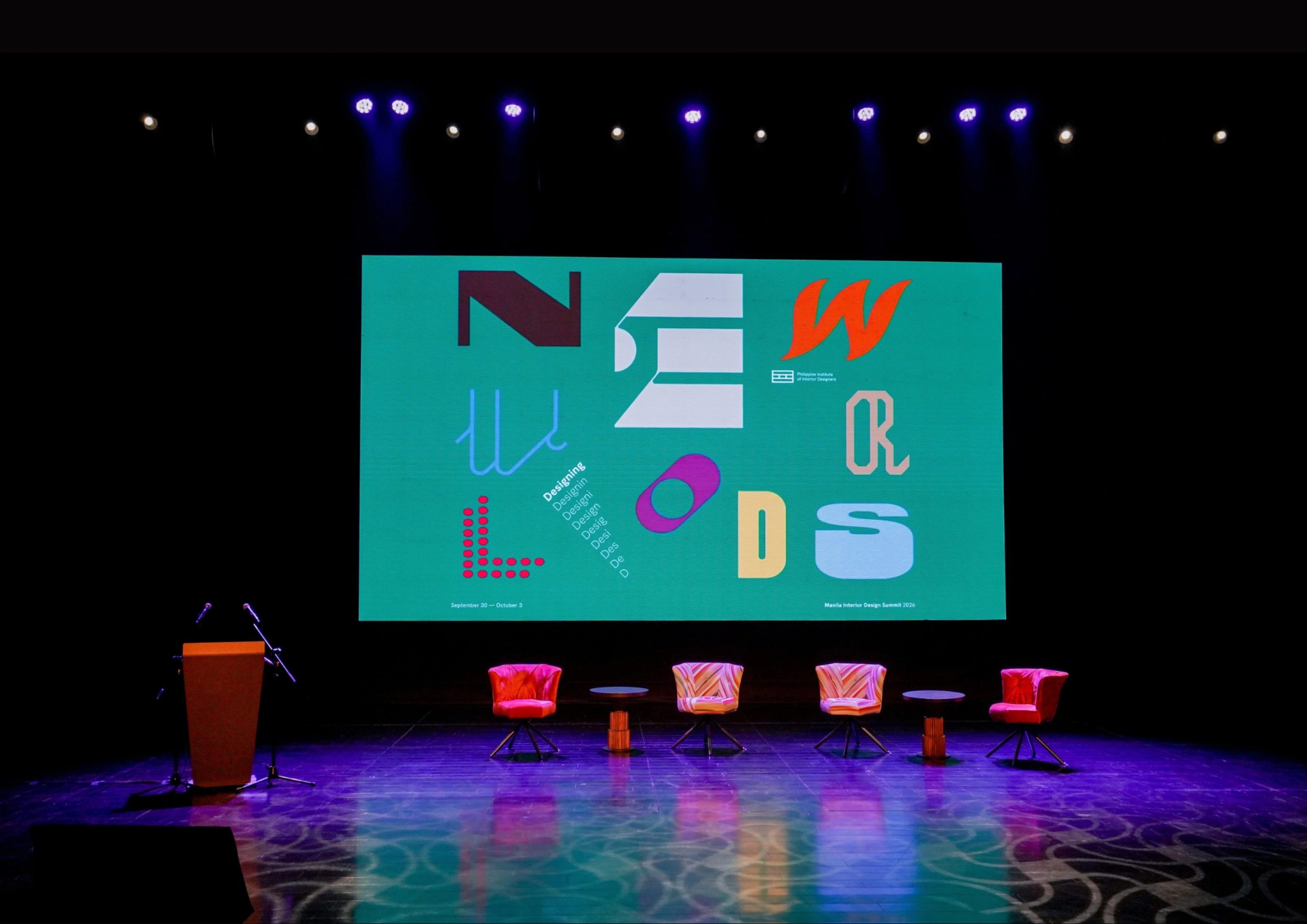
The fourth Manila Interior DesignInterior DesignThe discipline of planning and shaping interior spaces for function, comfort, safety, and beauty. It covers layout, lighting, materials, finishes, furniture, and color, and in the Philippines is a licensedGo to Interior Design Glossary Summit (MIDS) brought together more than 300 delegates for four days of conversations, exhibitions, and design […]
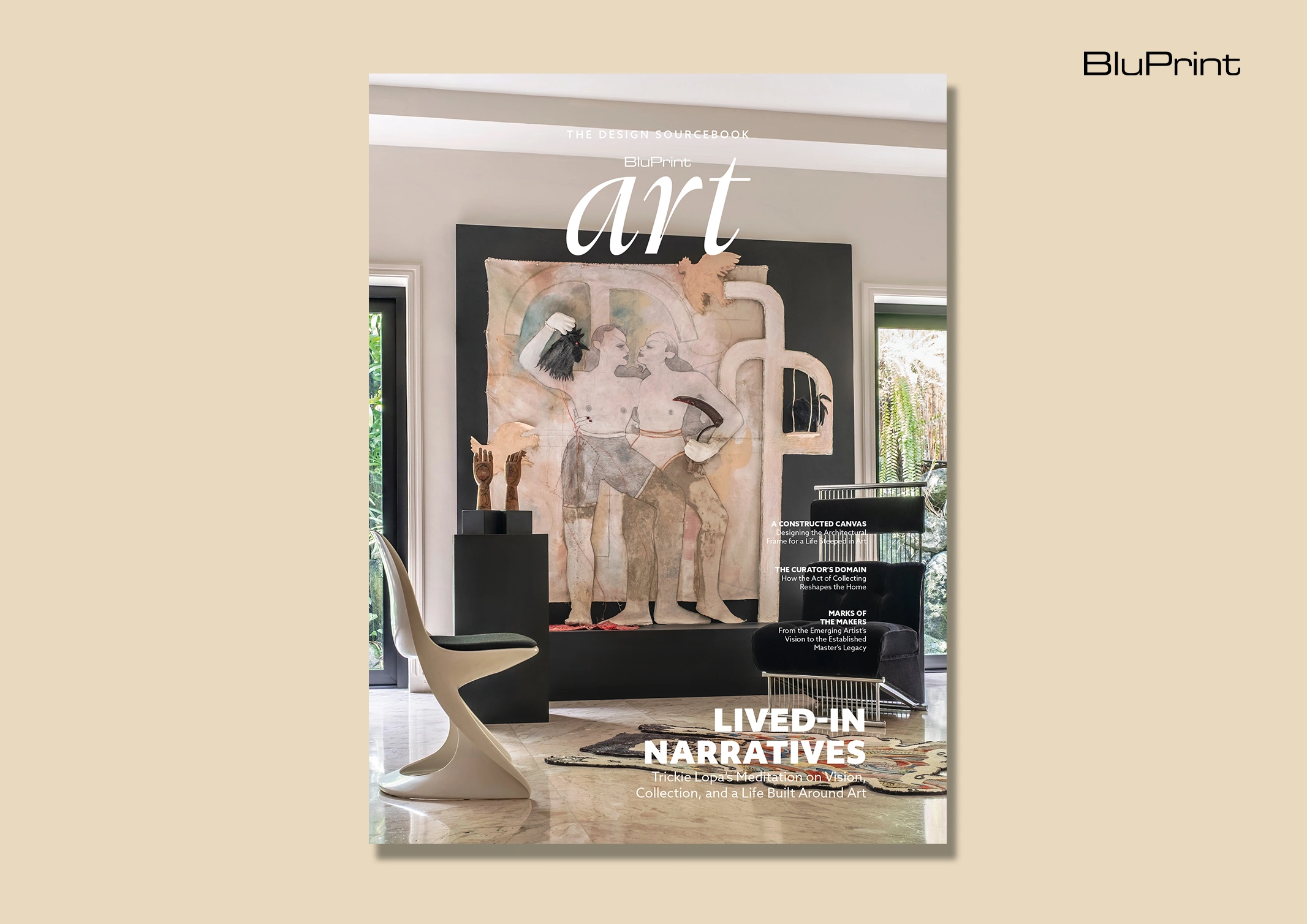
BluPrint Art: Exploring the Power of Synergy



The foundational dialogue between architectureArchitectureThe art and science of designing and constructing buildings, structures, and spaces that are functional, safe, and aesthetically pleasing. It encompasses the planning, design, materials, and techniques used to createGo to Architecture Glossary and art—a synergy that shapes our physical and cultural environments—is at the heart of our first ever BluPrint Art issue. This special edition celebrates the deep-rooted, evolving connection between the two disciplines. With the expert guidance of guest editor Miguel Rosales, the issue explores how this convergence produces spaces that are not just seen, but truly felt.
The issue looks back to move forward, revisiting the powerful work of seminal artist Joe Bautista, whose 1979 piece Bubong challenged notions of beauty at the Cultural Center of the Philippines. It also champions the new, featuring a younger generation of artists with distinct points of view, including Celine Lee, Datu Arellano, Kristoffer Ardeña, Nice Buenaventura, and Nicole Coson.
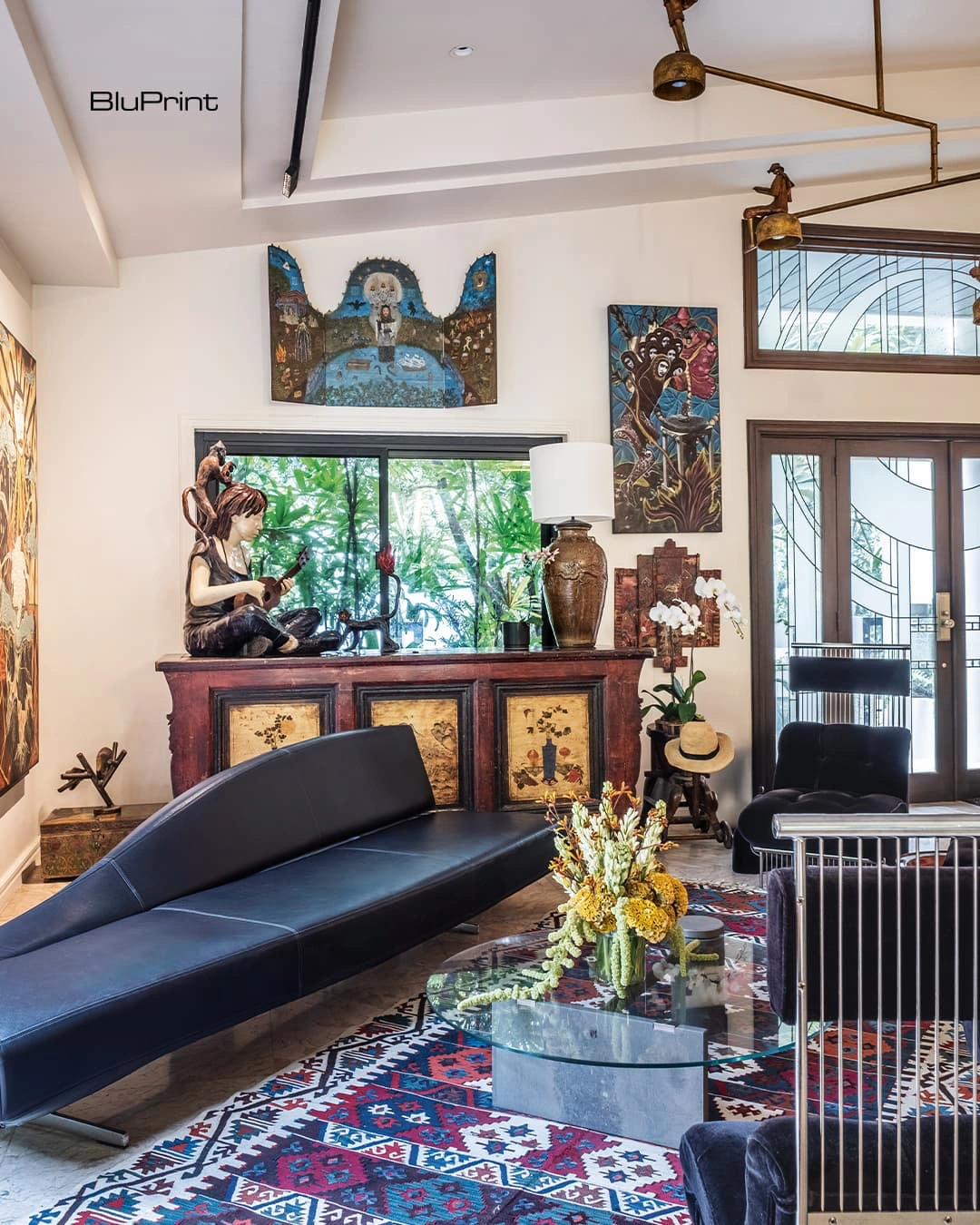
Readers are taken on a comprehensive tour of the local art scene, from established galleries like Silverlens, Mo Space, and Artinformal to dynamic, artist-run initiatives like Gravity Art Space, Kalawakan Spacetime, and Mono8 Gallery. The journey continues into the private homes of passionate collectors, offering an intimate look at how art is integrated into daily life. The cover story provides an exclusive glimpse into the home of Art in the Park co-founder Trickie Lopa, revealing an ever-evolving portrait of a life immersed in Filipino contemporary art.
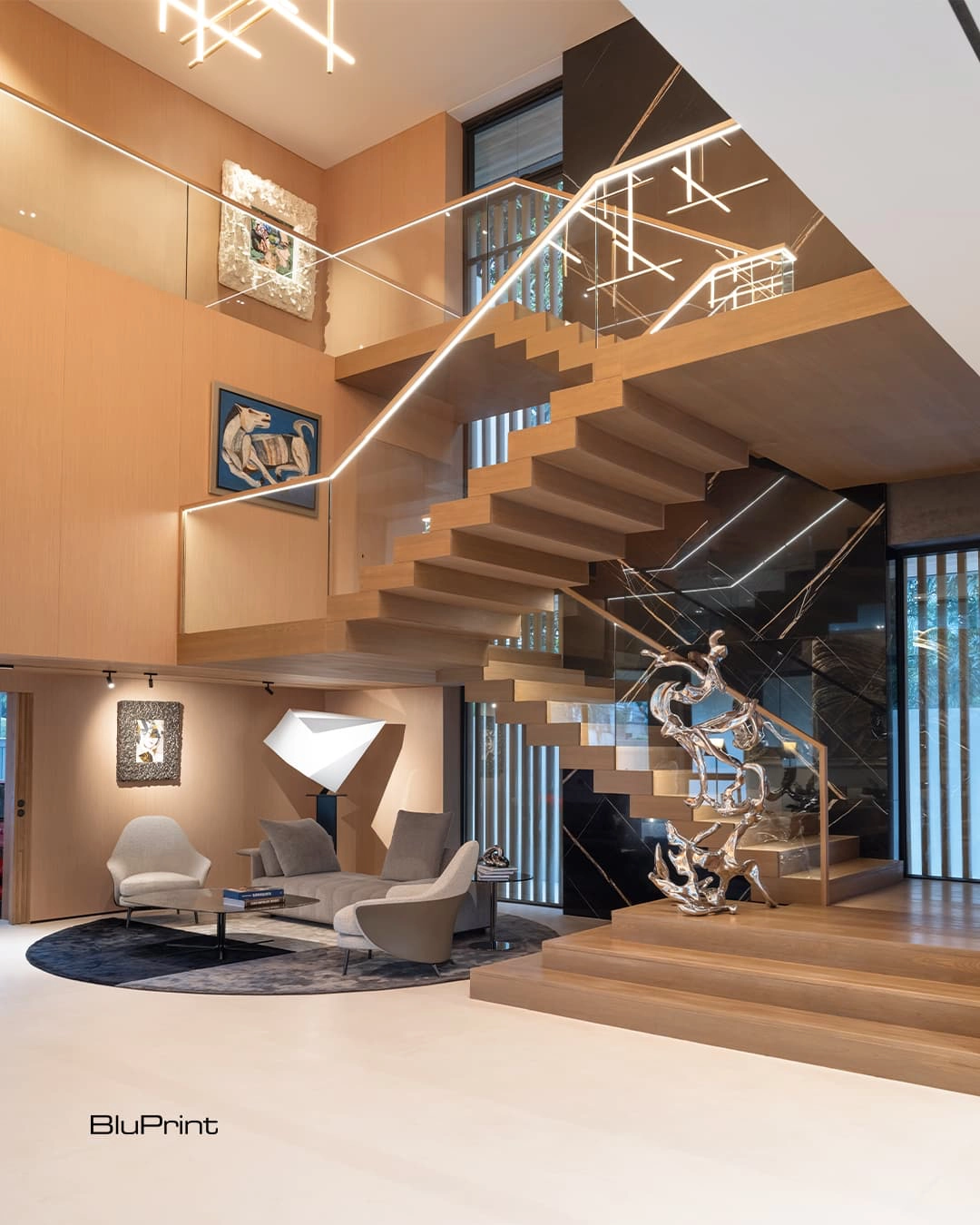
Venturing beyond conventional spaces, the issue also travels to Lubi Art Island to discover its unique collaborative art program.
As Rosales posits in his editor’s note, “We may not always understand it, but we can never deny its presence. Perhaps we can’t even fully articulate how an artwork affects us—but it does.” This inaugural art issue speaks to that power, beginning an ongoing conversation on the rich, creative landscape of Philippine art.
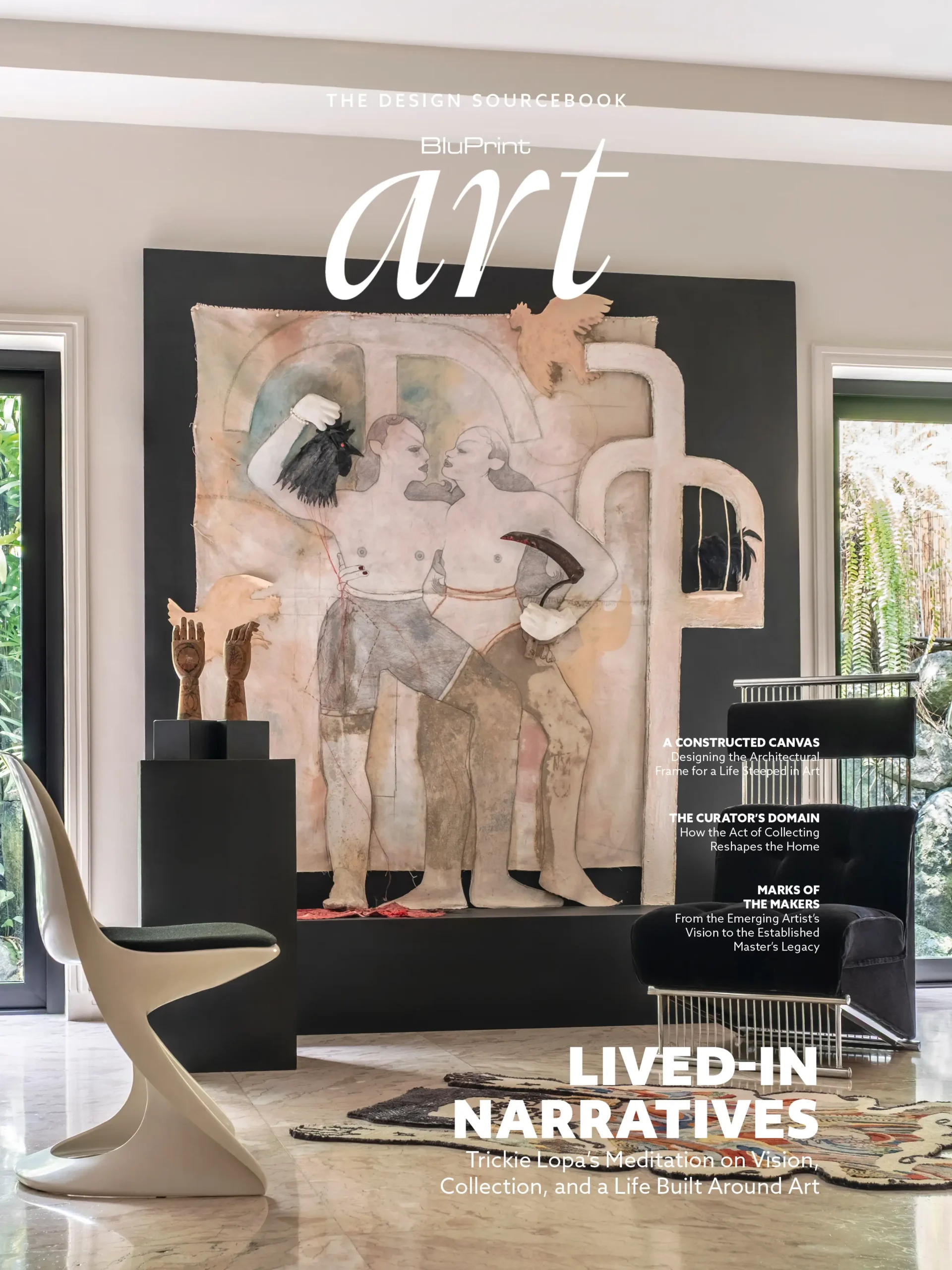
Embark on a journey through these inspiring spaces by ordering your copy of BluPrint Art at Sari Sari Shopping, Shopee, and Lazada. E-magazines are also available for download here or through Readly, Press Reader, and Magzter.
Dive into the captivating world of architecture, interiors, and arts & culture by getting exclusive digital access to BluPrint’s past and upcoming issues. Click here to find out more.
Read more: Architecture That Transports: Inside BluPrint Volume 2, 2025
Frequently Asked Questions
Synergy refers to the foundational dialogue between architecture and art, where the two disciplines work together to shape both physical and cultural environments. Rather than viewing art as mere decoration, this philosophy explores how the convergence of structural design and artistic expression produces spaces that are “truly felt.” It suggests that architecture provides the volume and light, while art provides the narrative and emotional resonance, creating a holistic sensory experience for the inhabitant.
The issue creates a historical continuum by revisiting the works of established masters while championing emerging talent. A key example is the retrospective on Joe Bautista, whose 1979 piece Bubong challenged aesthetic norms at the Cultural Center of the Philippines. By placing this alongside the “distinct points of view” of a younger generation—such as Nicole Coson, Celine Lee, and Datu Arellano—the publication illustrates how modern Philippine art evolves from its modernist roots to address contemporary themes.
The Philippine art scene is divided into two primary tiers of spaces:
Established Galleries: Institutions like Silverlens, Mo Space, and Artinformal provide a structured, professional platform for mid-career and senior artists, often focusing on global representation.
Artist-Run Initiatives: Dynamic spaces like Gravity Art Space, Kalawakan Spacetime, and Mono8 Gallery serve as experimental hubs. These are often more agile and focused on grassroots community building, providing a “laboratory” for younger artists to test unconventional ideas outside of traditional commercial constraints.
Featuring the homes of collectors, such as Art in the Park co-founder Trickie Lopa, serves to demonstrate how art is integrated into “daily life.” From an architectural perspective, this reveals how domestic spaces must be designed with flexibility to accommodate an “ever-evolving portrait” of a collection. It highlights the home as a private archive where the dialogue between the resident, the architecture, and the artwork becomes a living, functional narrative.
Lubi Art Island represents a shift toward “collaborative art programs” located outside of the traditional urban center of Metro Manila. It explores the concept of art as an immersive destination, blending environmental design with curated experiences. This reflects a growing trend in the Philippines toward decentralized art spaces that utilize the country’s natural geography as a unique canvas for large-scale, site-specific installations.
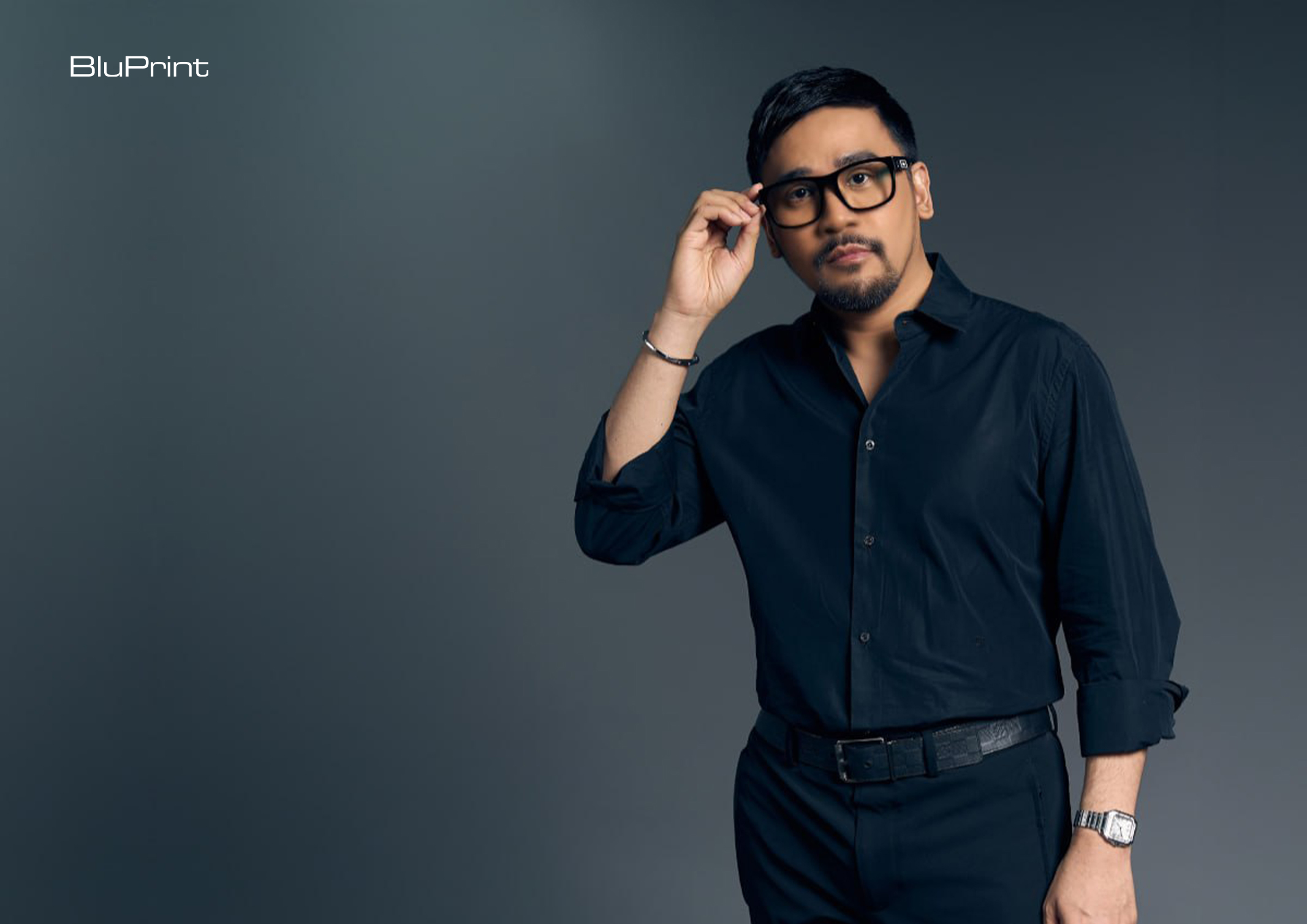
Archie G. Carrasco, Chairman and CEO of AGC Power Holdings Corp. (AGC PHC), has been named to The BoF 500 Class of 2026 under the Media category, joining The Business of Fashion’s global community of individuals shaping the fashion industry. Carrasco is among 100 new members from 33 countries and 48 nationalities selected for the […]
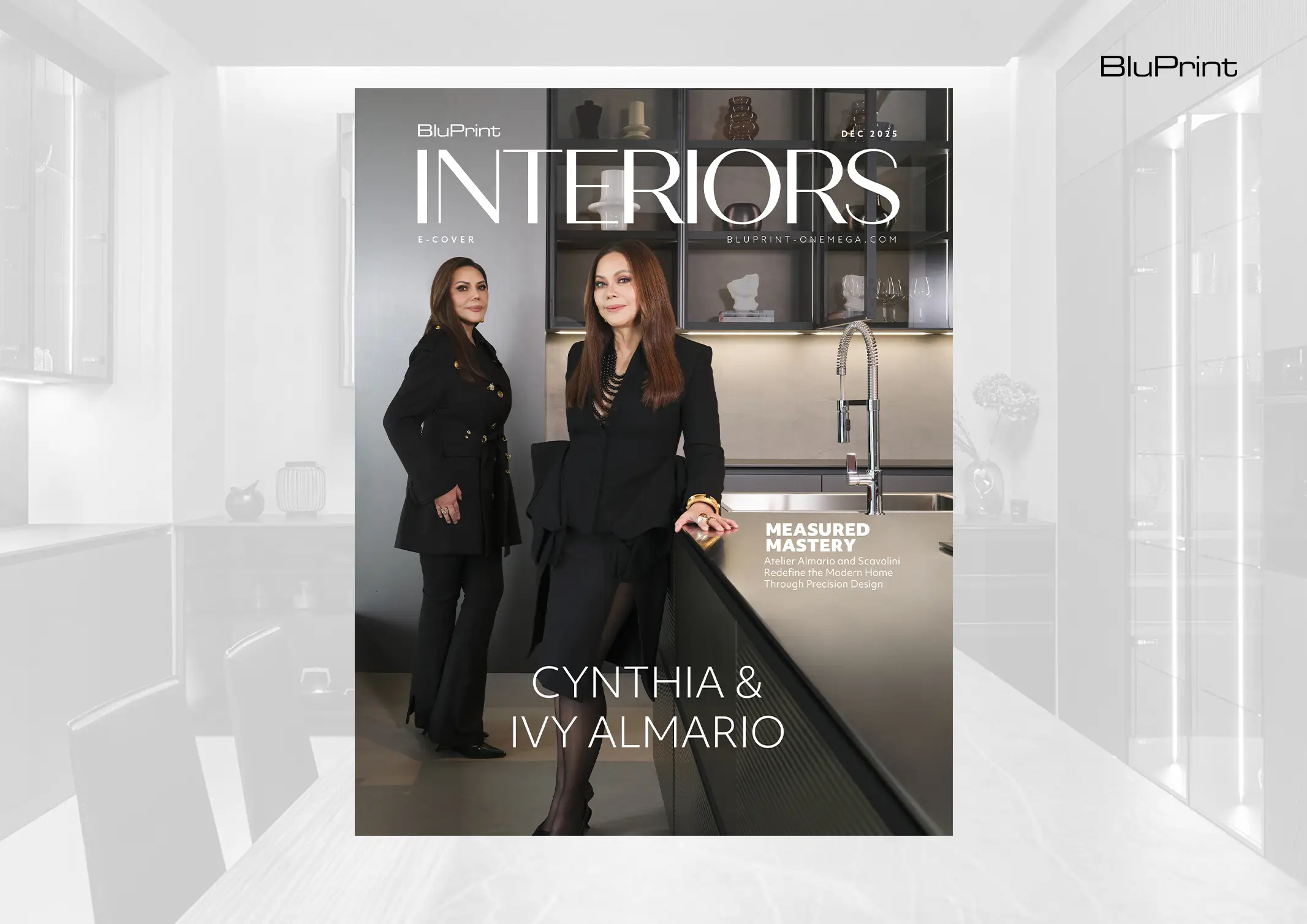
Atelier Almario, led by powerhouse siblings Ivy and Cynthia Almario, have the vision of fully realizing the design of your dream home. Their dedication and expertise are seen with every decision they make, from the basic measurements that allow a space to be harnessed efficiently, to their use of trusted companies like the Italian design […]
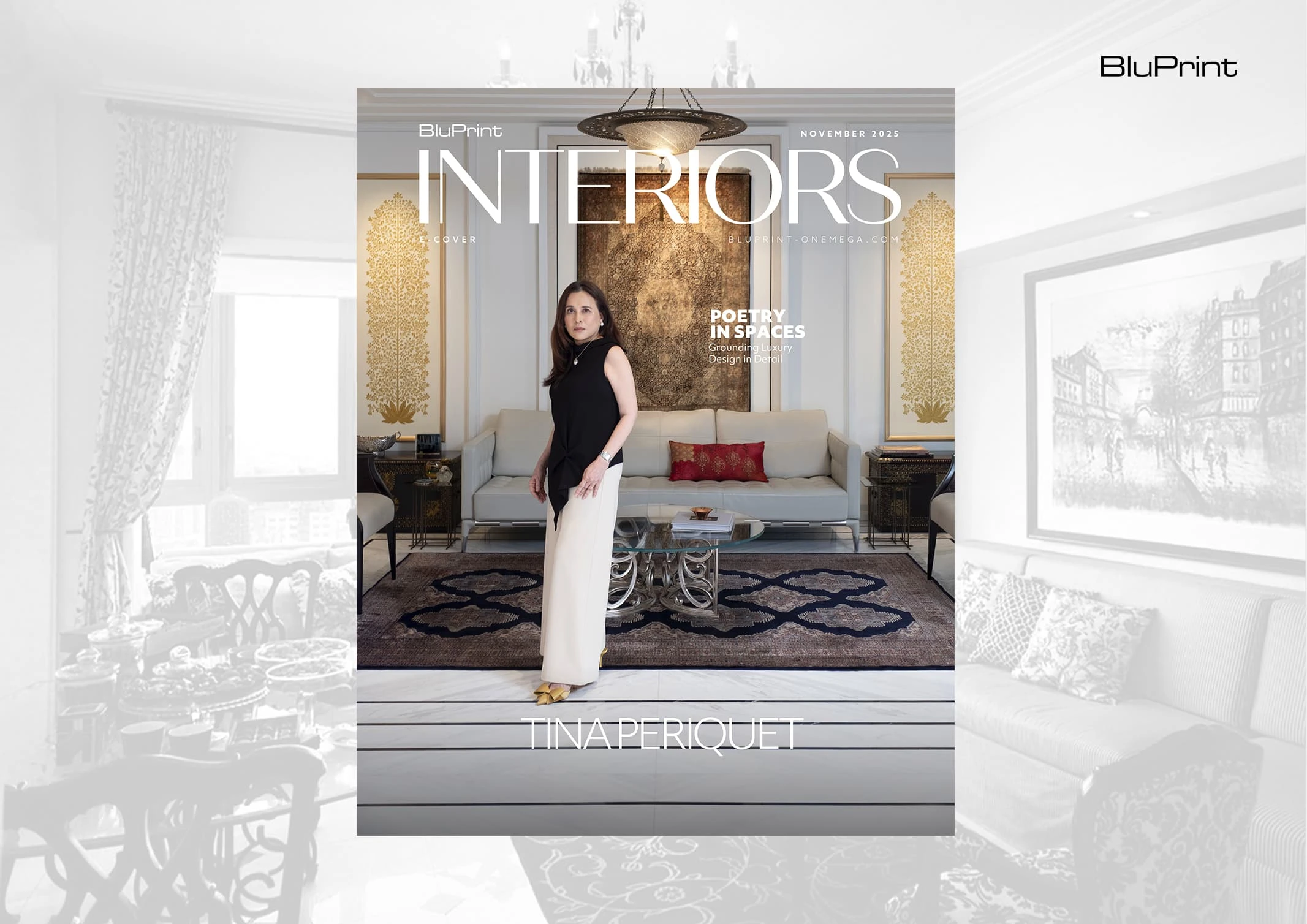
At her core, Tina Periquet is a storyteller. Hers is a unique methodology that makes her stand out from the world of designers, both here and abroad. She posses a keen understanding of the intricate grammar of design; how the details of a space flow together to create a habitat for her clients that tells […]
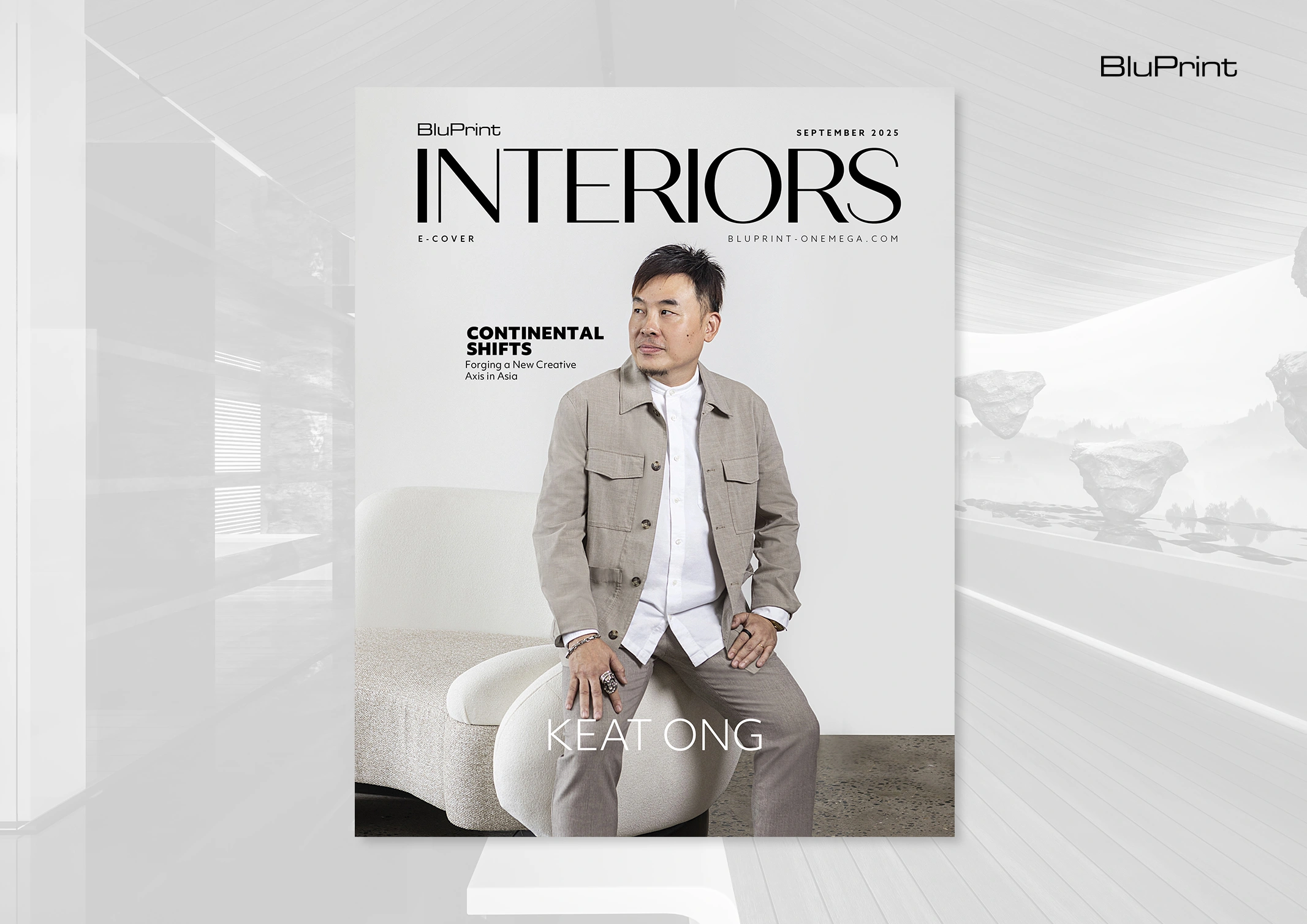
In the discourse of design, few figures manage to master both the creative and commercial realms with equal authority. For over a quarter-century, Professor Keat Ong has not just built a portfolio of award-winning projects; he has architected the very profession itself. As a creative director, a tireless advocate, and an educator, Ong has become […]
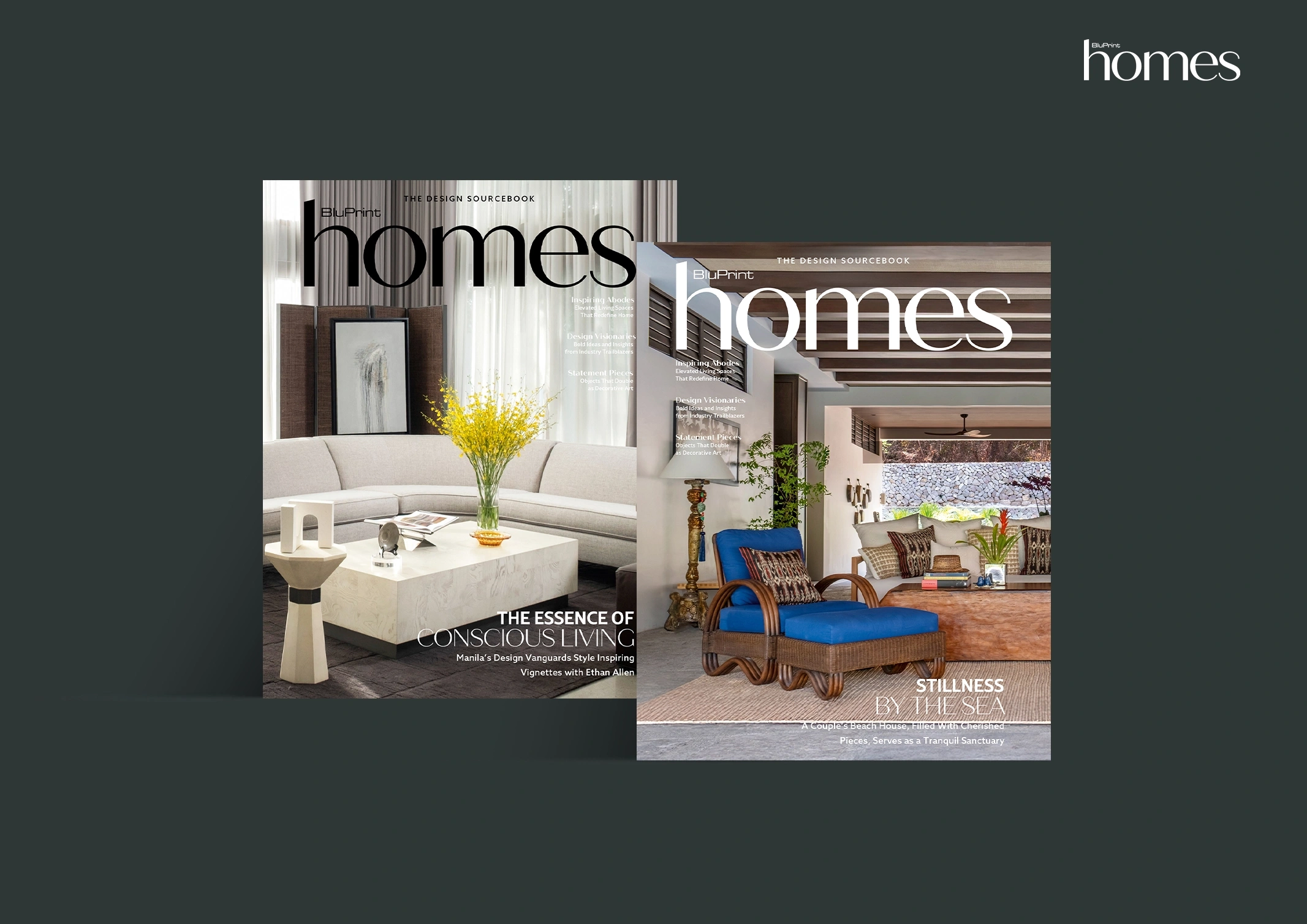
A new vision for design and living makes its debut as BluPrint Homes launches its maiden issue, dedicated to exploring “The New Era of Conscious Living.” This magazine embraces a holistic approach to design, focusing on concepts that excel not only in function and beauty but also prioritize sustainability and ethical considerations. For its first […]
Read the issues.

Collect the volumes.

Recommended Video
Tap to Unmute
Unmute
0:00
0:00