Modern bathrooms are no longer purely functional spaces. Increasingly, they are being designed as environments that support cleanliness, ease, and quiet restoration within the home. As daily life becomes more demanding and health awareness continues to rise, homeowners are beginning to expect more from the spaces where daily rituals begin and end. For architects and […]
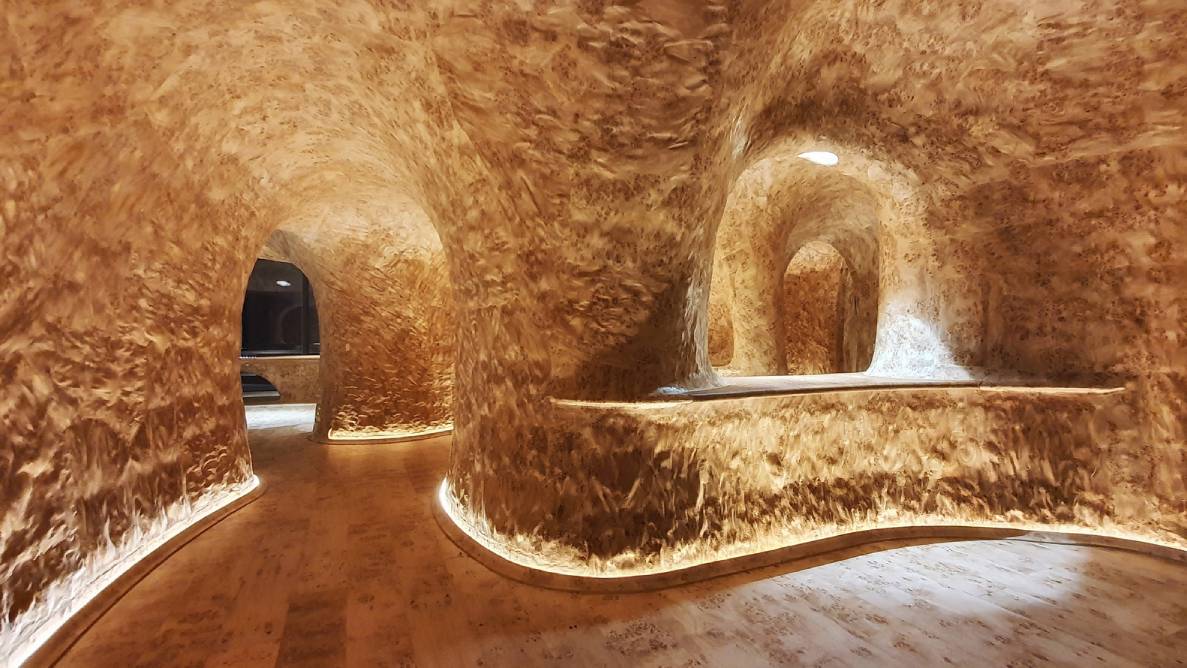
Cave Office Flows to the Rhythm of Human Movement



Is there really only one way of working? For example, should offices really just be composed of cubicles and a break room? Or can we break out of that thinking? The Cave Office in Mexico offers a different approach on how to play around with form to meet a function.
Located in Ciudad de México, Cave Office overlooks a business park filled with buildings and greenery. Javier Senosiain created the design alongside Luis Raúl Enríquez M. and Julieta Badillo taking on the role as lead architects.
Adapting to Human Patterns
Cave Office was created to be a natural evolution to the idea of open plan work spaces. Or perhaps more of a de-evolution, as it pushes against modern practices of how offices should be, and instead finds the flow of humanity through the past.
Advertisement
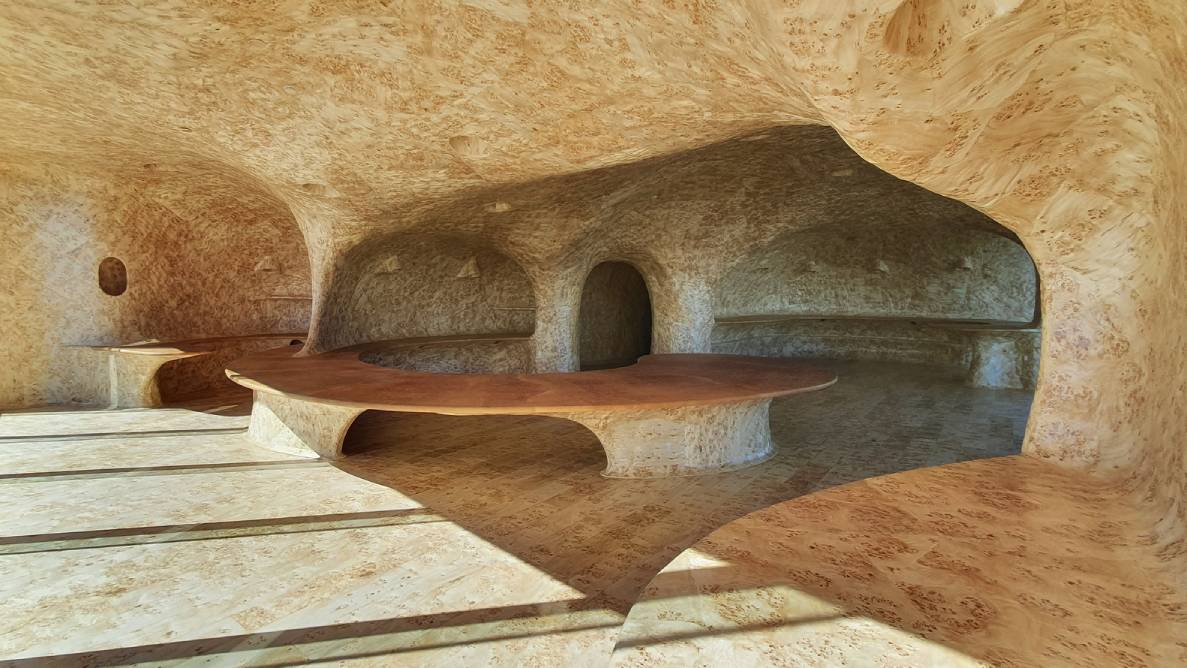
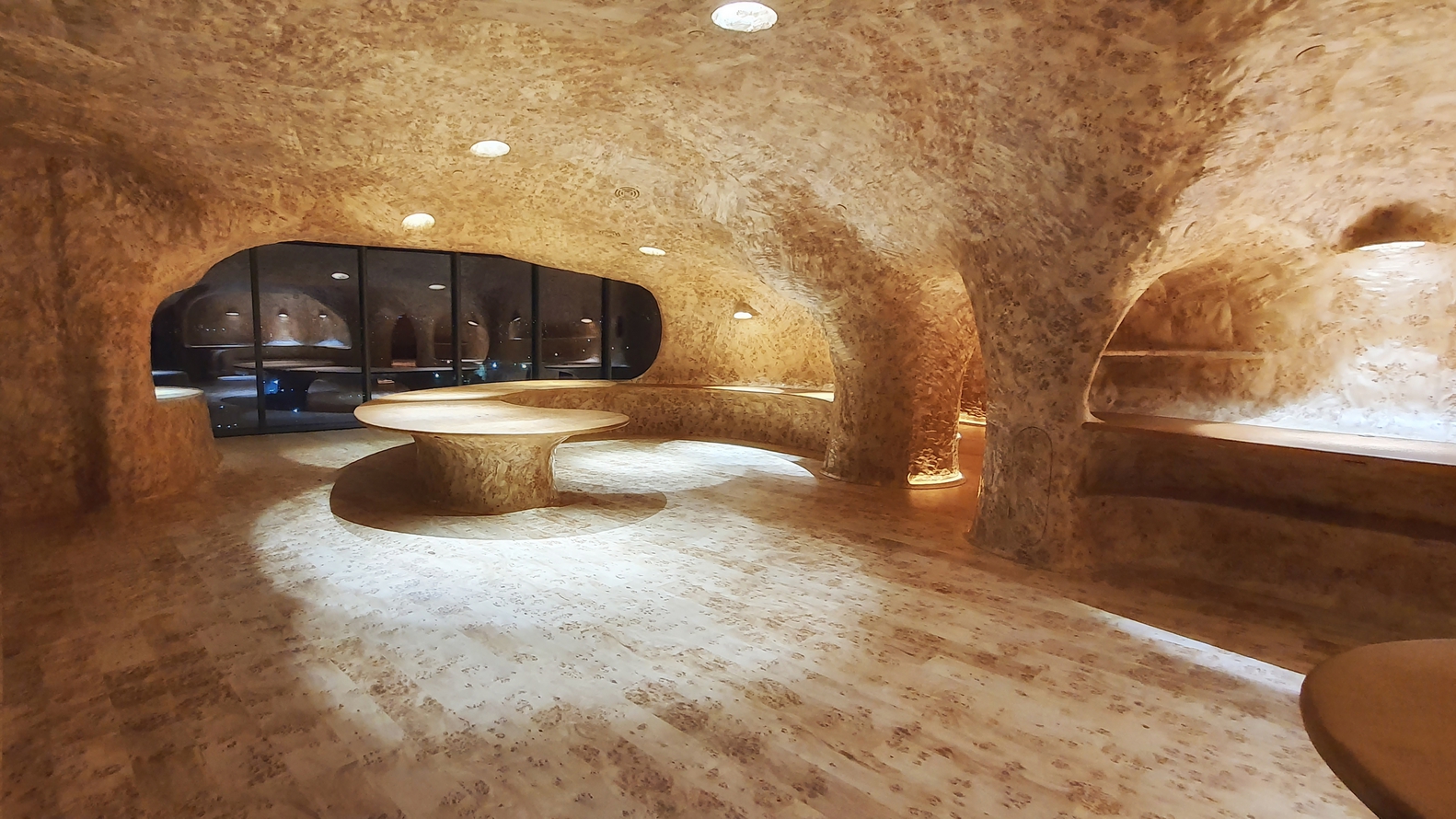
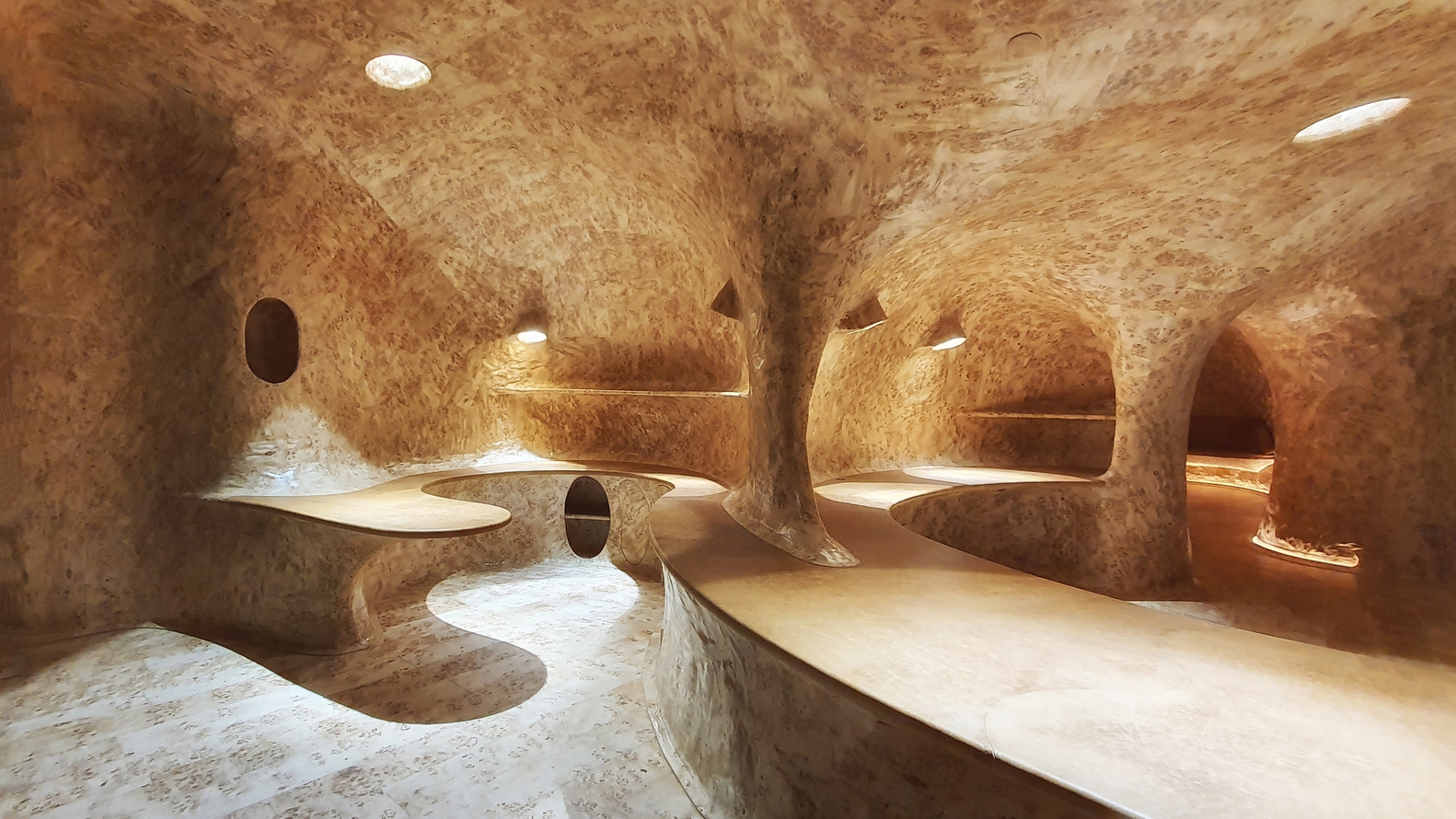
The office interior evokes the appearance of a cave, achieved through the undulating walls and yellow lighting. To achieve this look, they applied maple root veneer to the ceilings, walls, and floor, emphasizing spaciousness through the pine wood skeletons. The overall effect resembles the iconic Cantina from the original Star Wars film.
Constructing the Interior
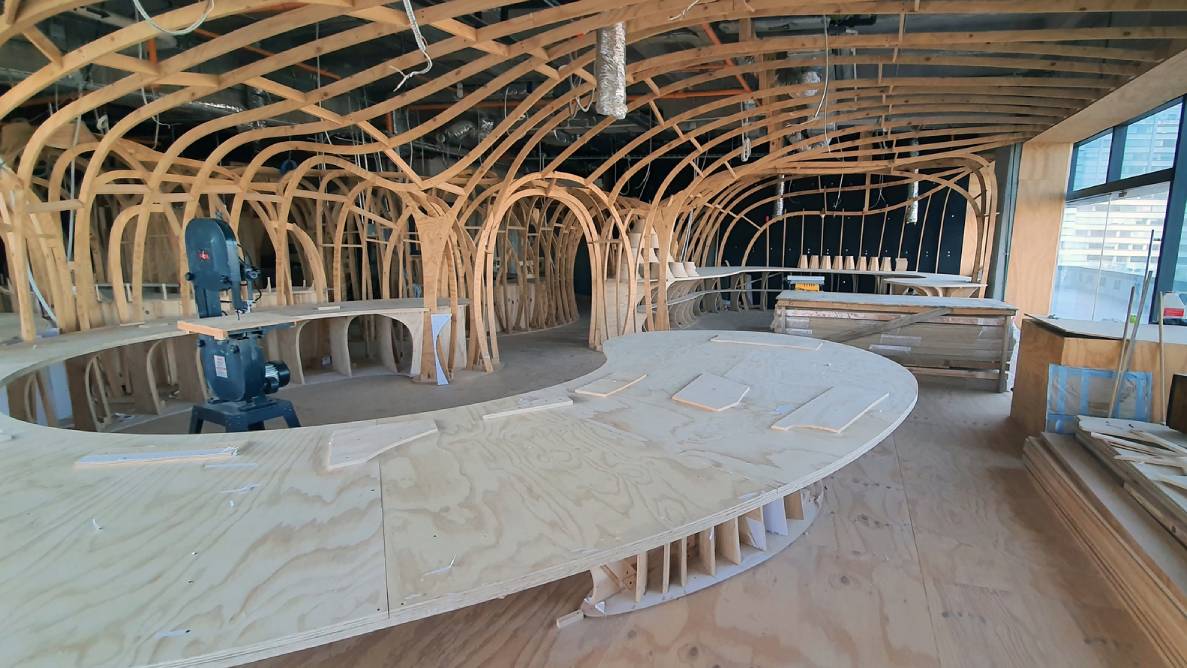
The architects imbued the rectangular layout with a sense of naturalness reminiscent of cave-like structures, typically characterized by rounded forms resulting from erosion. Within this layout, strategic pathways delineate separate zones: private, secluded areas conducive to focused work, and communal spaces. Surfaces upholstered in leather add further comfort.
This design results in three distinct zones, with a central volume serving as the communal hub, with workshop spaces and private meeting rooms for interactions with colleagues and clients. Additionally, an adjacent terrace provides an outdoor space for workers seeking external stimulation.
Advertisement
Stimulating Dynamics
The rooms’ layout use interconnected curves rather than solid wall partitions, creating a dynamic flow throughout the interior. By examining the schematics, you can observe this intentional choice to promote fluidity. Additionally, the furniture seamlessly integrates into the overall design.
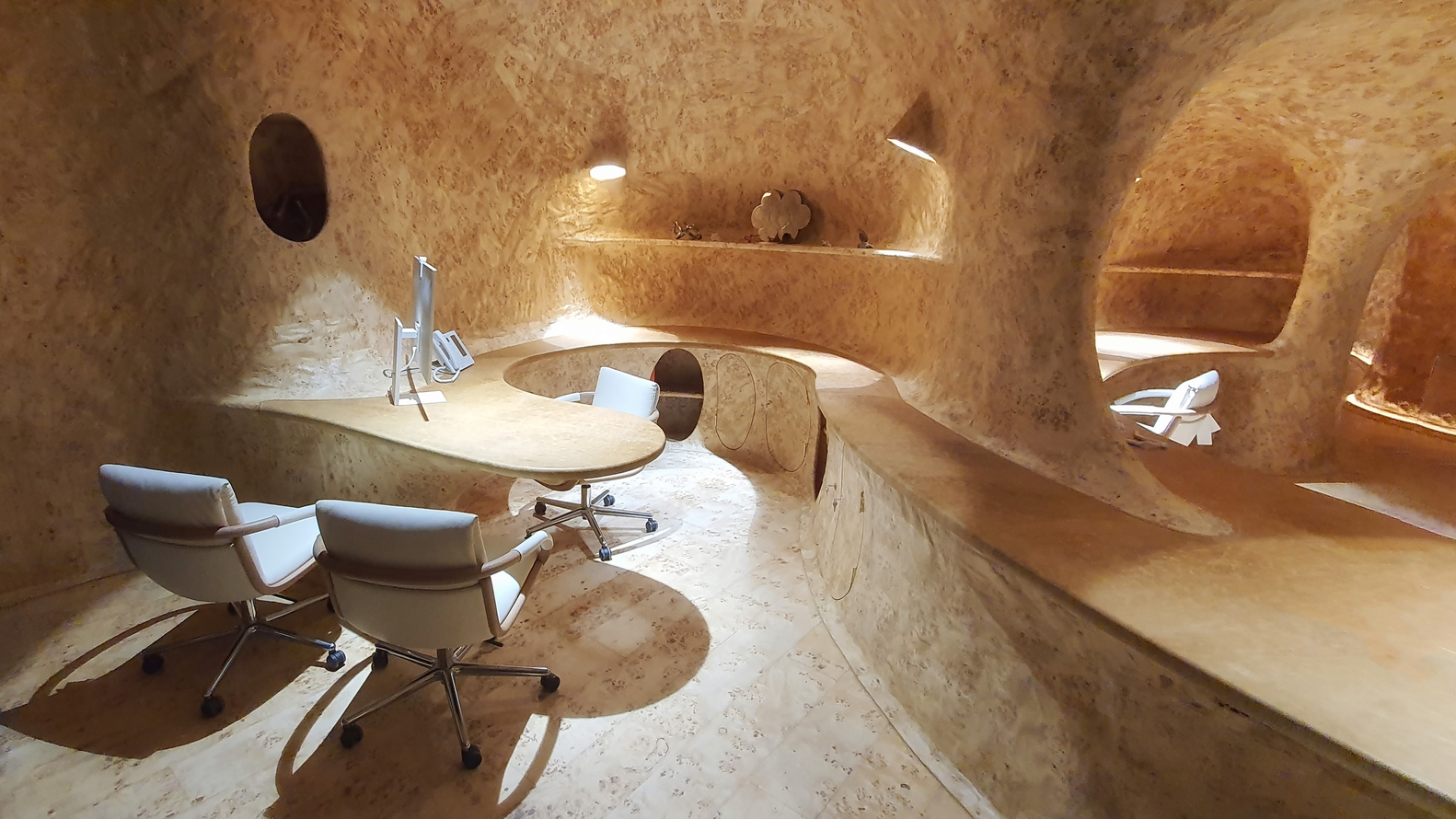
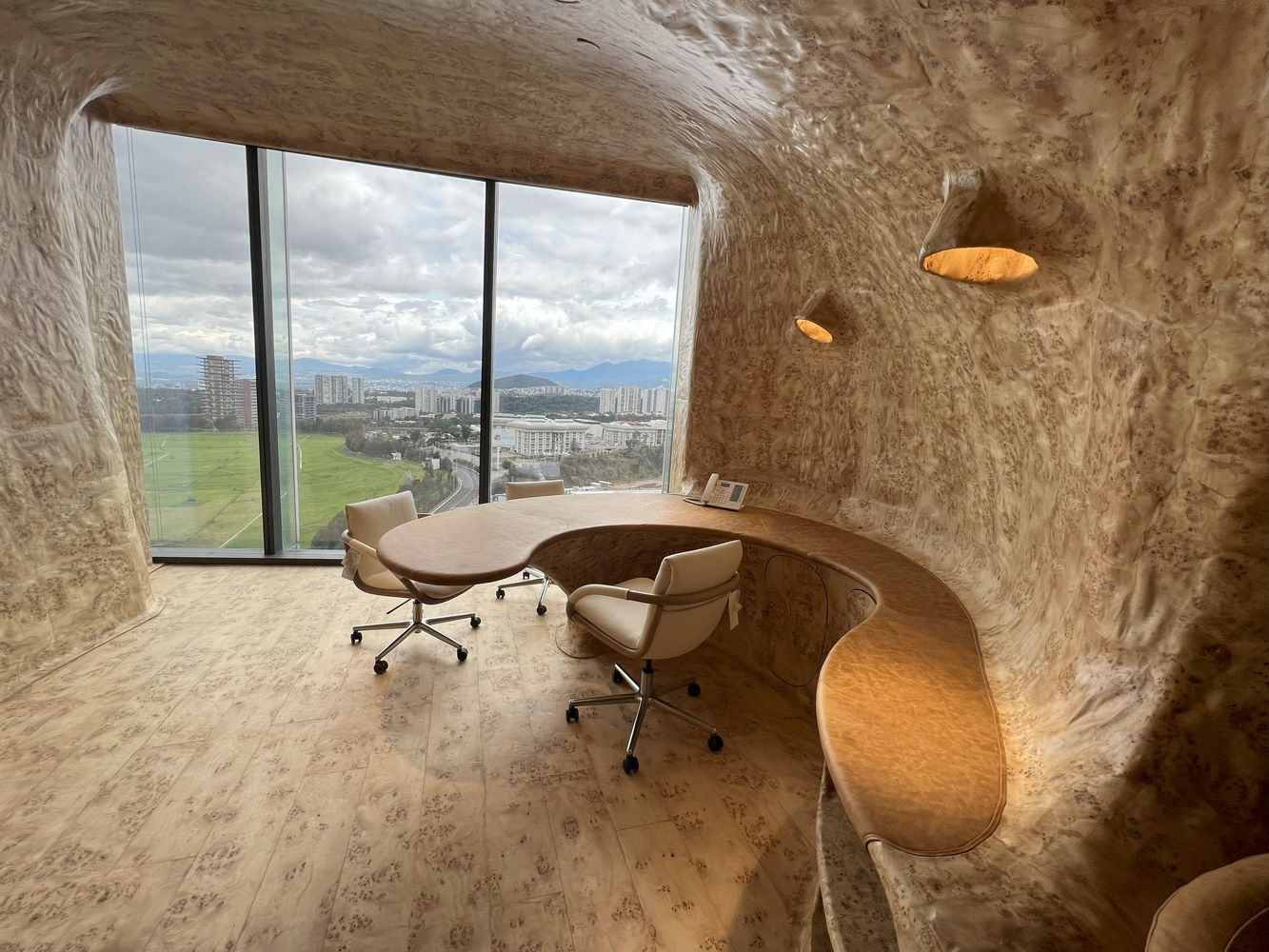
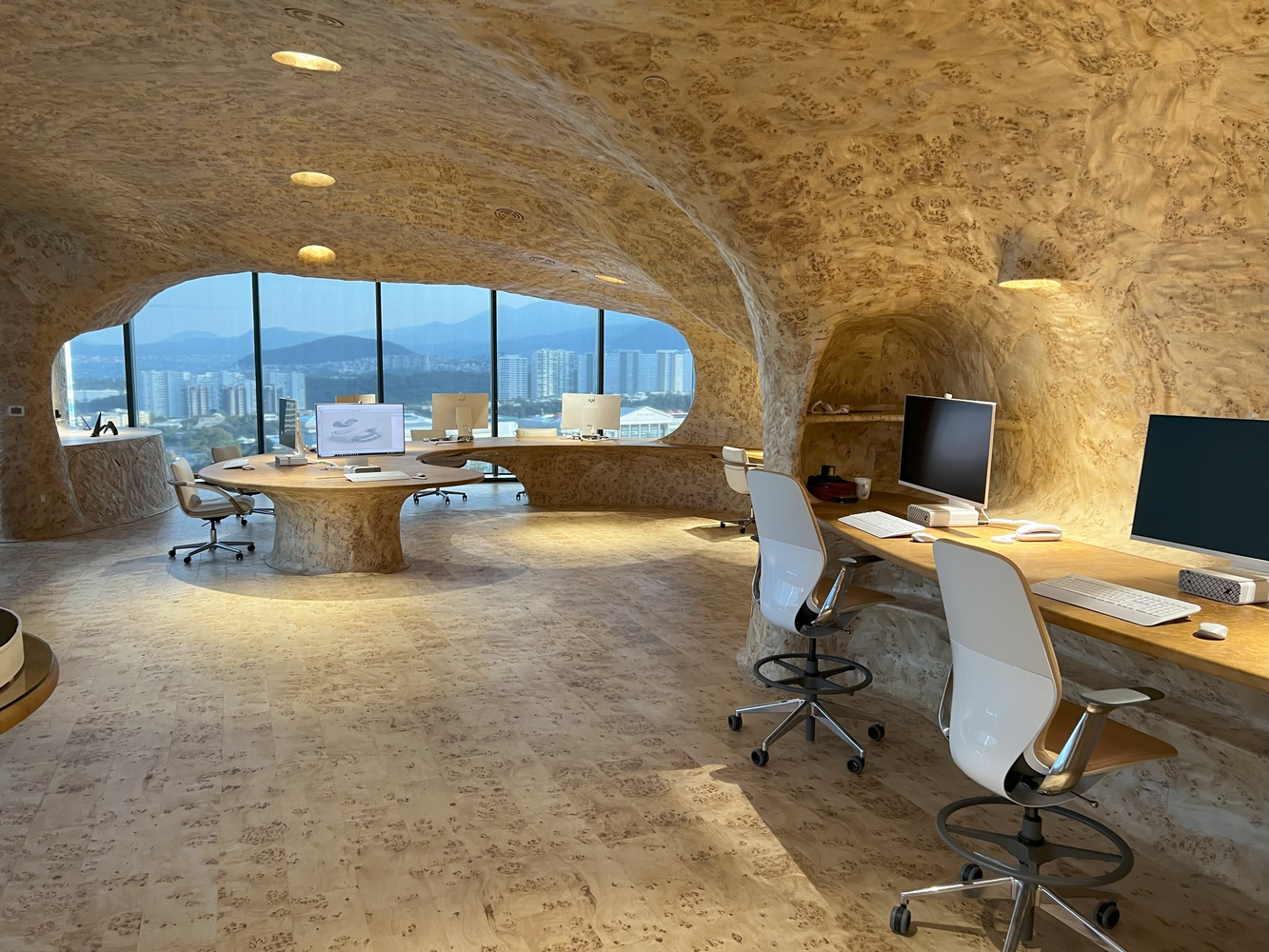
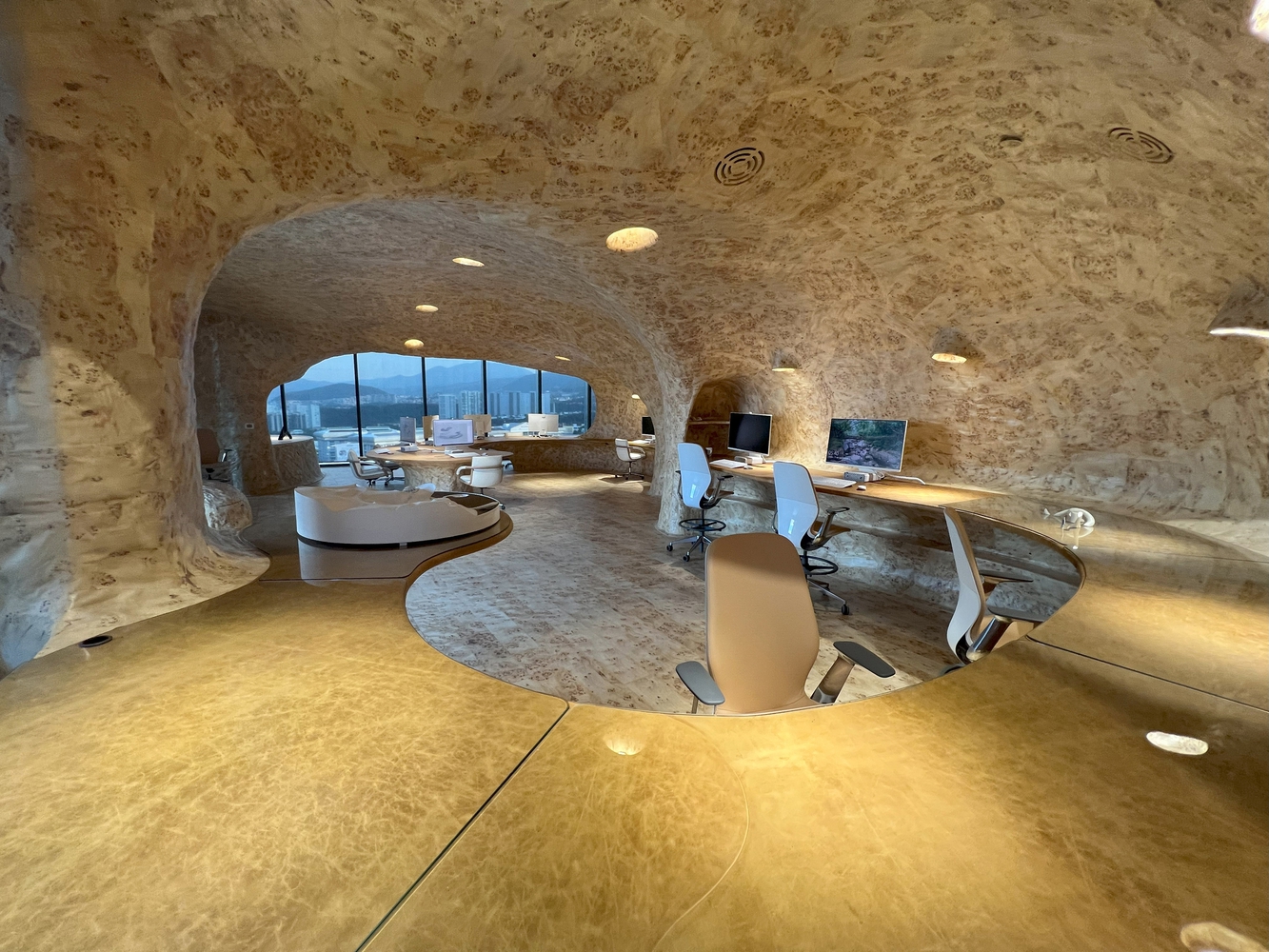
The architects stated plainly in their intent for the building: they wanted “environments that follow the natural rhythm of human movements, are areas where integrated furniture facilitates circulation.” It flows well to and from each other, and follows the rhythm of human movement rather than boxing it in.
Cave Office echoes the need of a dynamic office that is people-friendly in its design. The look is naturalistic, its openness encourages interaction without removing the privacy aspect in the matter. This office shows that, sometimes, you see the future by looking towards the past.
Advertisement
Related reading: C-Studio Is A Recreational Facility that Serves As The Owner’s Man Cave
From the moment a diner steps through the door, each detail shapes how a meal is experienced. Restaurant design has evolved, with architects and culinary professionals collaborating to create built spaces that are as intentional as the menu itself. The spatial atmosphere acts as an additional ingredient that can define the culinary experience. Taupe and […]
Advertisement
With climate change and global warming, the Philippine climate is in constant evolution. Consequently, it is important for Filipinos to have living spaces that respond to the local environment. In this article, BluPrint lists down Filipino architects who are reimagining the tropical house, aligning the built and natural environment. BAAD Studio Principal architects Benjee Mendoza […]
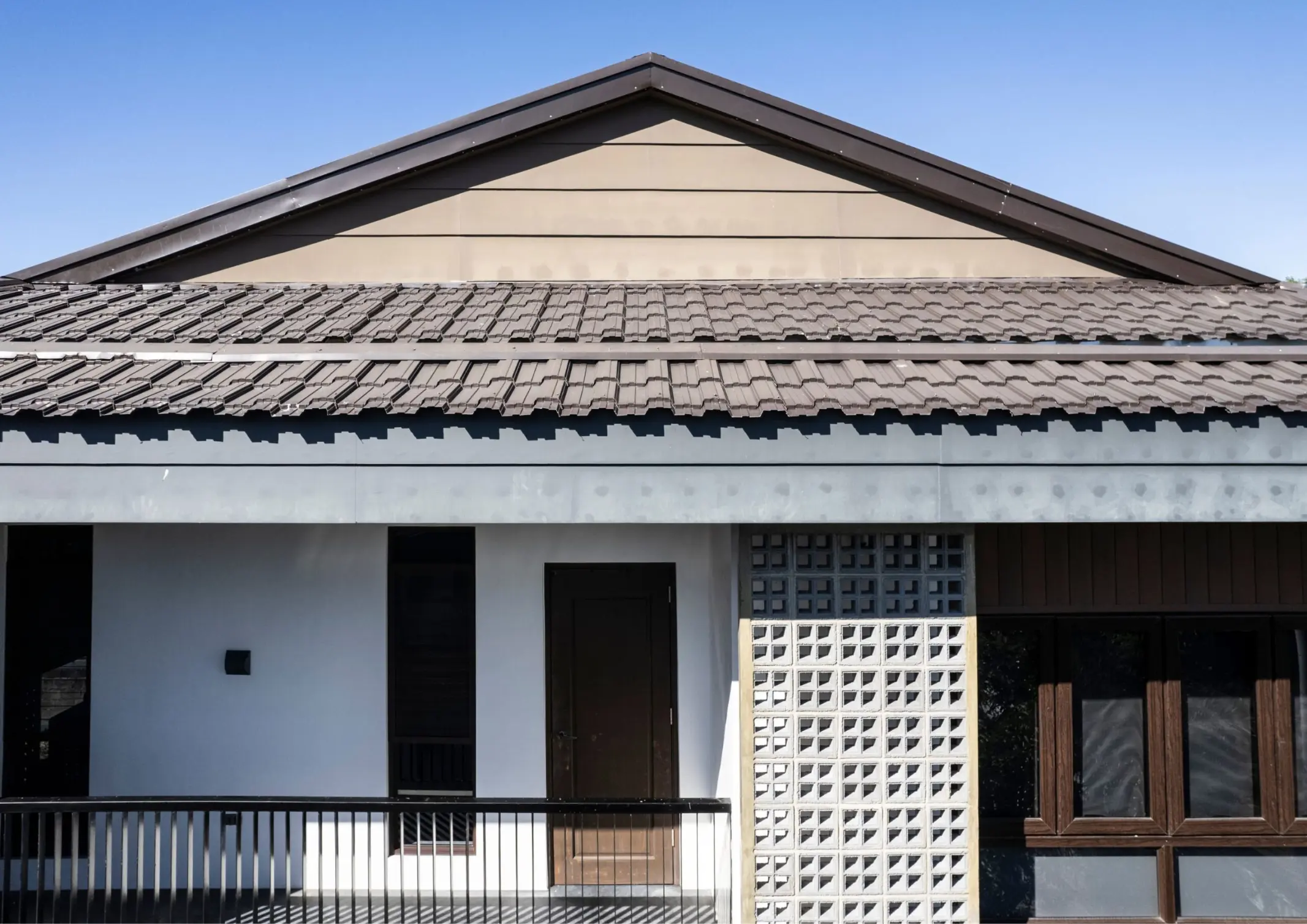
Ventilation involves the introduction of outdoor air into a room, providing occupants with their needs. Proper ventilation allows for the moderation of internal temperatures, the creation of better airflow, the dilution of carbon dioxide to acceptable levels, and the removal of contaminants. This addresses health risks associated with indoor air pollution, such as respiratory problems […]

WORLDBEX 2026, running from March 12 to 15, 2026, proves itself as the Philippines’ leading construction and design expo as it wrapped its 29th edition. It drew together 1,000 local and international exhibitors under one theme, “Building Opportunities: Sustaining Lives.” Organized by Worldbex Services International (WSI), in support of the ABS-CBN Foundation Inc., the event […]
Advertisement
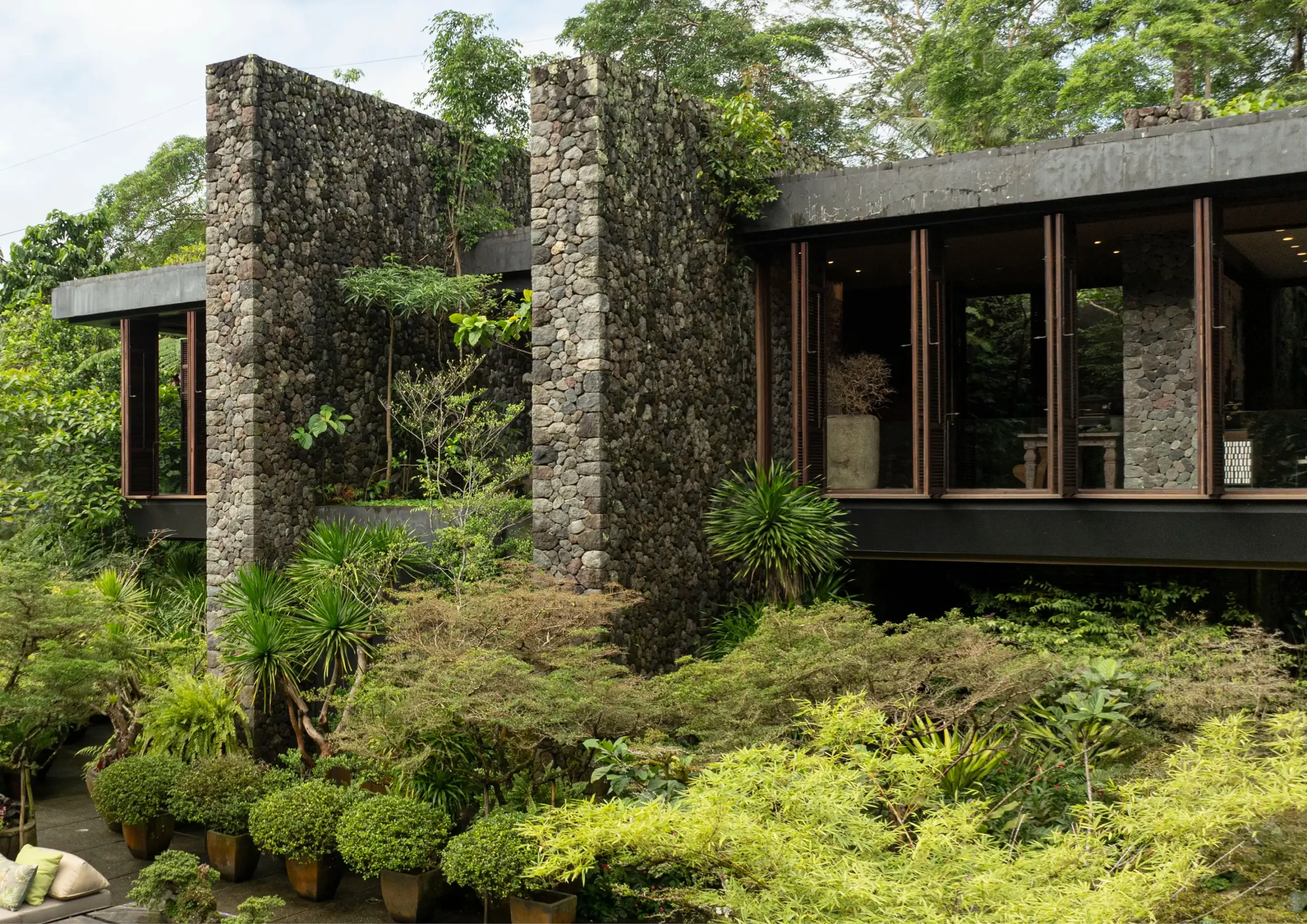
Located near the equator, factors such as heat and humidity are the norm in the Philippines. This tropical climate has shaped the development of architecture in the country. As Leandro V. Locsin stated: “The first consideration of the Filipino builder and certainly the most evident in his architecture, which is after all an outgrowth of […]

Download this month's BLUPRINT magazine digital copy from:



Subscribe via [email protected]