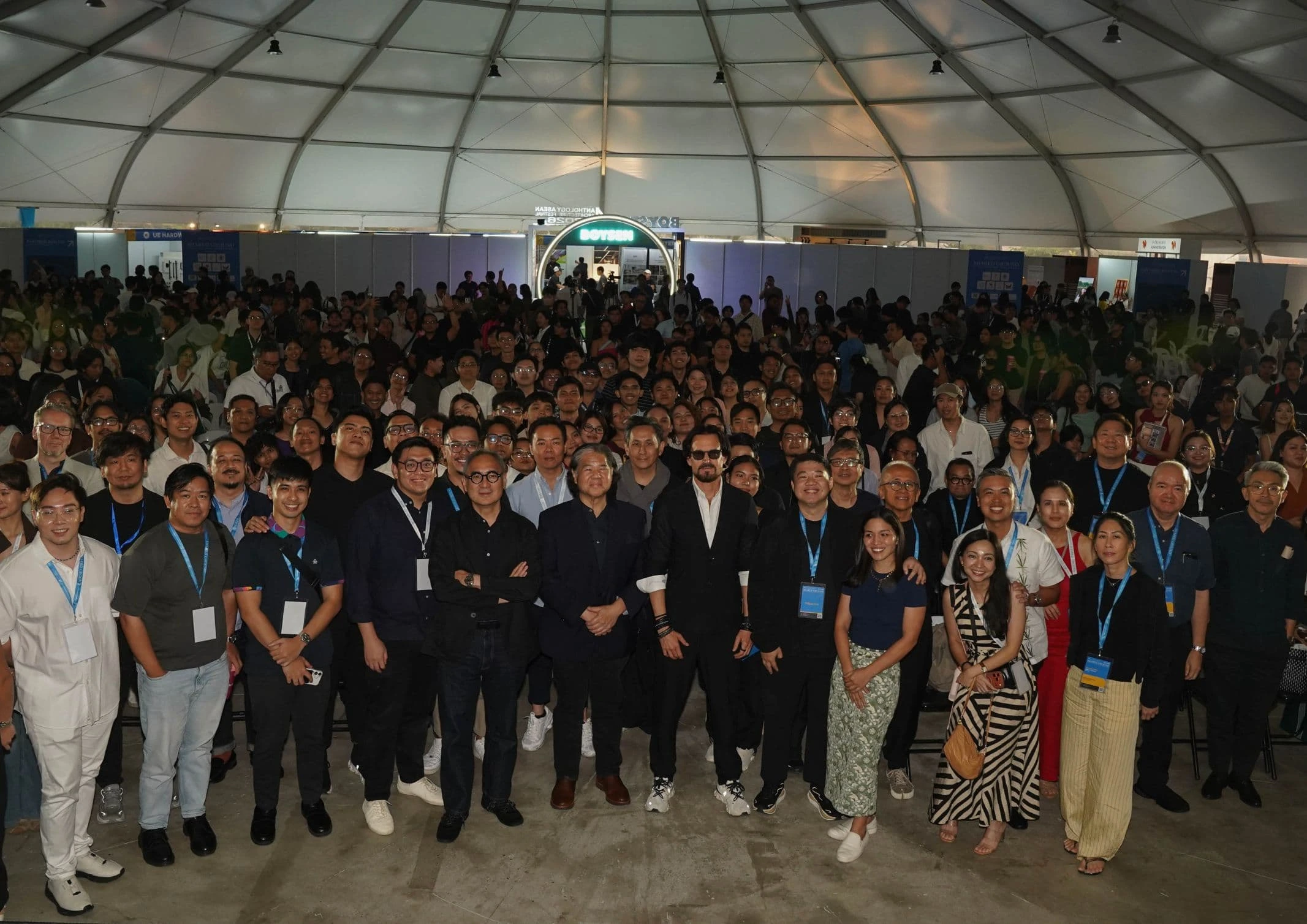
The seventh edition of the Anthology ASEAN ArchitectureArchitectureThe art and science of designing and constructing buildings, structures, and spaces that are functional, safe, and aesthetically pleasing. It encompasses the planning, design, materials, and techniques used to createGo to Architecture Glossary Festival brought together over 4,000 delegates from across the Philippines and Southeast Asia for three […]

Building the Future: How Emerging Technologies are Revolutionizing Architecture



The world of architectureArchitectureThe art and science of designing and constructing buildings, structures, and spaces that are functional, safe, and aesthetically pleasing. It encompasses the planning, design, materials, and techniques used to createGo to Architecture Glossary is in the midst of a transformative era. Emerging technologies like Artificial Intelligence (AI) and Virtual Reality (VR) are fundamentally changing how architects design, collaborate, and envision the built environment. Advancements in educational approaches also play a crucial role. This digital revolution offers new possibilities and a renewed focus on user-centricity, sustainability, and human well-being in both physical and virtual spaces.
AI: From Data-Driven Design to Sustainable Solutions

Traditionally, architectural design relied heavily on experience, intuition, and artistic vision. While these qualities remain essential, AI is poised to become a powerful design partner. Dr. Georges Kaachamy, renowned architect and educator from the American University in Dubai (AUD), highlights the potential of these emergent technologies.
“AI can significantly enhance the design process by analyzing vast amounts of data to generate optimized design solutions, predict structural performance, and even suggest innovative design alternatives,” Kaachamy shares.

Architects can use AI to analyze data on sun exposure, wind patterns, and energy usage, suggesting the most energy-efficient design for a specific location. This capability significantly reduces a building’s environmental footprint, contributing to a more sustainable future for our cities.
Furthermore, AI can track user data and feedback to identify trends and preferences, informing the creation of spaces that truly cater to the needs and well-being of occupants. This shift towards data-driven design has the potential to revolutionize how we approach architecture. It moves from aesthetics alone to create beautiful buildings that are also functional, adaptable, and user-friendly.
In addition to data analysis, AI image generation is already reshaping the creative process. It helps facilitate ideation, build on preliminary sketches, merge different architectural styles, and create infinite iterations of a single project. Mastering generative AI involves learning to communicate, manage, input constraints, and interpret AI-generated designs effectively.
Exciting VR Applications
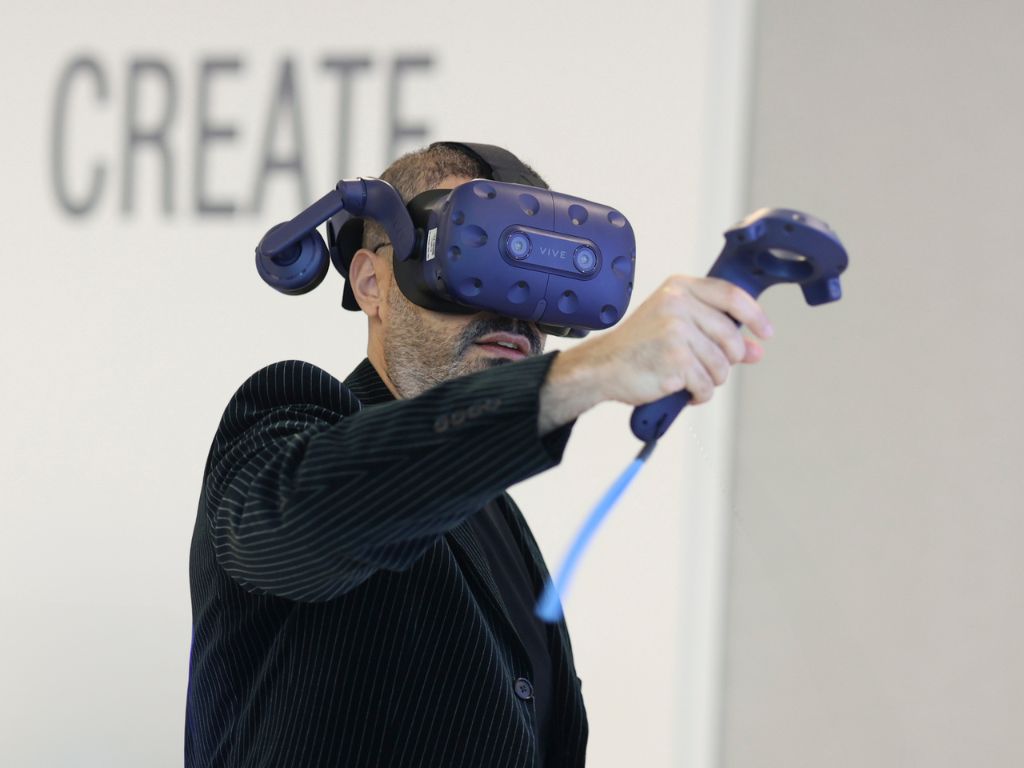
Virtual Reality provides an immersive experience that lets architects and clients visualize and interact with a space before construction begins. This enhances decision-making by offering a realistic design preview, helping identify issues and make informed adjustments early. VR also boosts collaboration through virtual walkthroughs and design discussions, regardless of location.
At AUD, The Center for Research, Innovation, and Design (CRID) offers over 40 courses that use emerging technologies, training students how to use generative design software and other VR applications.
This significantly impacts both design processes and outcomes. For example, in AUD’s DDFT 373 – Virtual Designs, students efficiently use VR systems to create virtual models that are 3D printed directly, eliminating the need for physical prototypes. In DDFT 473 – Virtual Environments, they design virtual spaces, like houses in the metaverse.
“What excites me most about these possibilities is the potential for creating more user-centric and adaptable environments,” Kaachamy states. “Emerging technologies can facilitate a deeper understanding of how spaces are used and experienced, leading to designs that prioritize human wellbeing and comfort. Furthermore, the ability to iterate quickly and explore multiple design scenarios in a virtual environment can foster creativity and innovation in architectural practice.”
Designing Virtual Worlds: Architects of the Metaverse
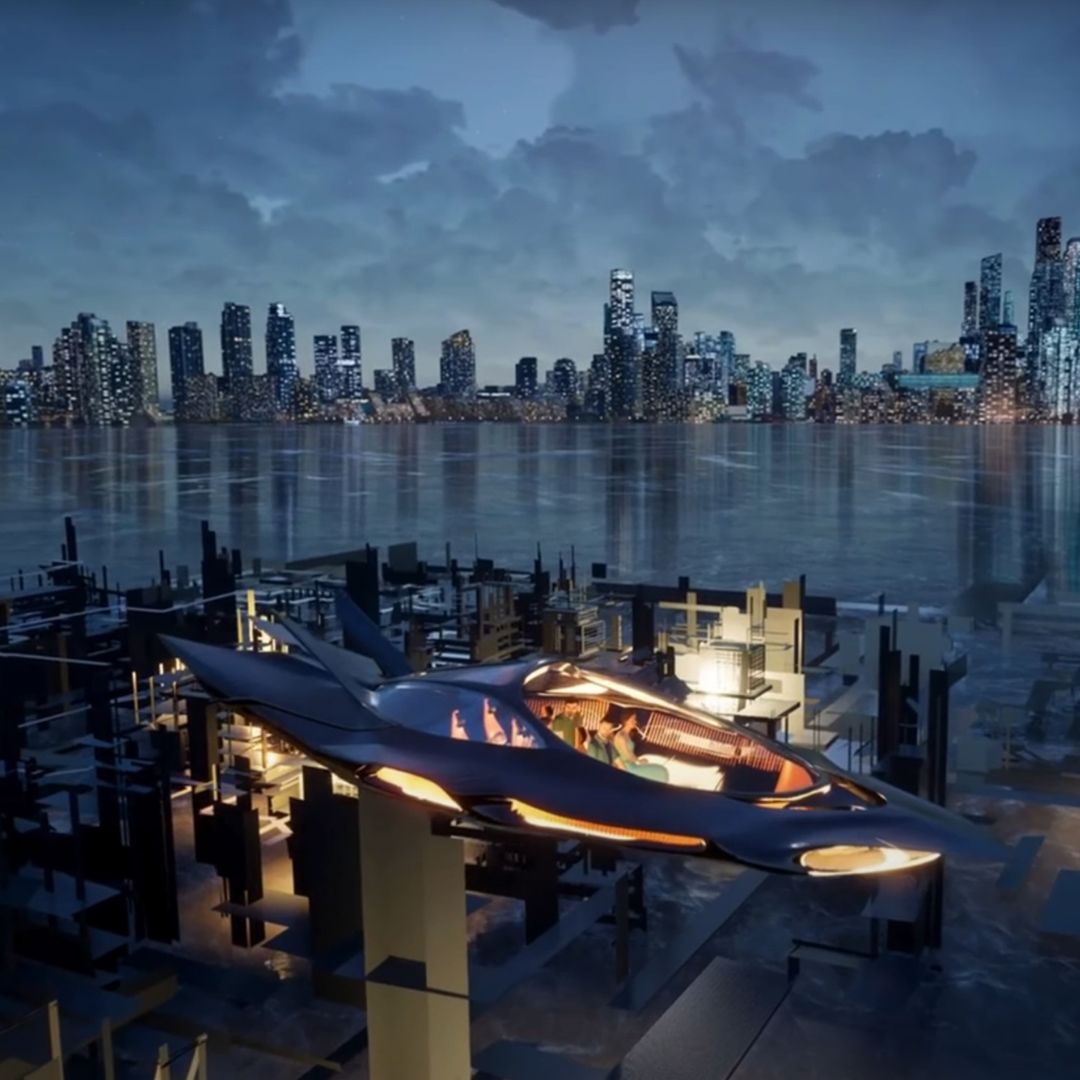
The concept of the metaverse, a persistent, immersive virtual world, is rapidly gaining traction. Within this digital realm, Dr. Kaachamy emphasizes the importance of architects in the metaverse as “the creators of 3-dimensional experiences… They will play a crucial role in shaping the vision and experience of the metaverse.”
Unlike physical spaces bound by the laws of physics, virtual environments offer endless possibilities. Architects can design structures that defy gravity, create dynamic spaces that adapt to user needs, and seamlessly integrate digital elements for a truly immersive experience. For instance, virtual concert halls can perfectly mimic the acoustics of the real venue, or visitors can interact with museum exhibits in groundbreaking ways. The possibilities for creativity and innovation in the metaverse are boundless.
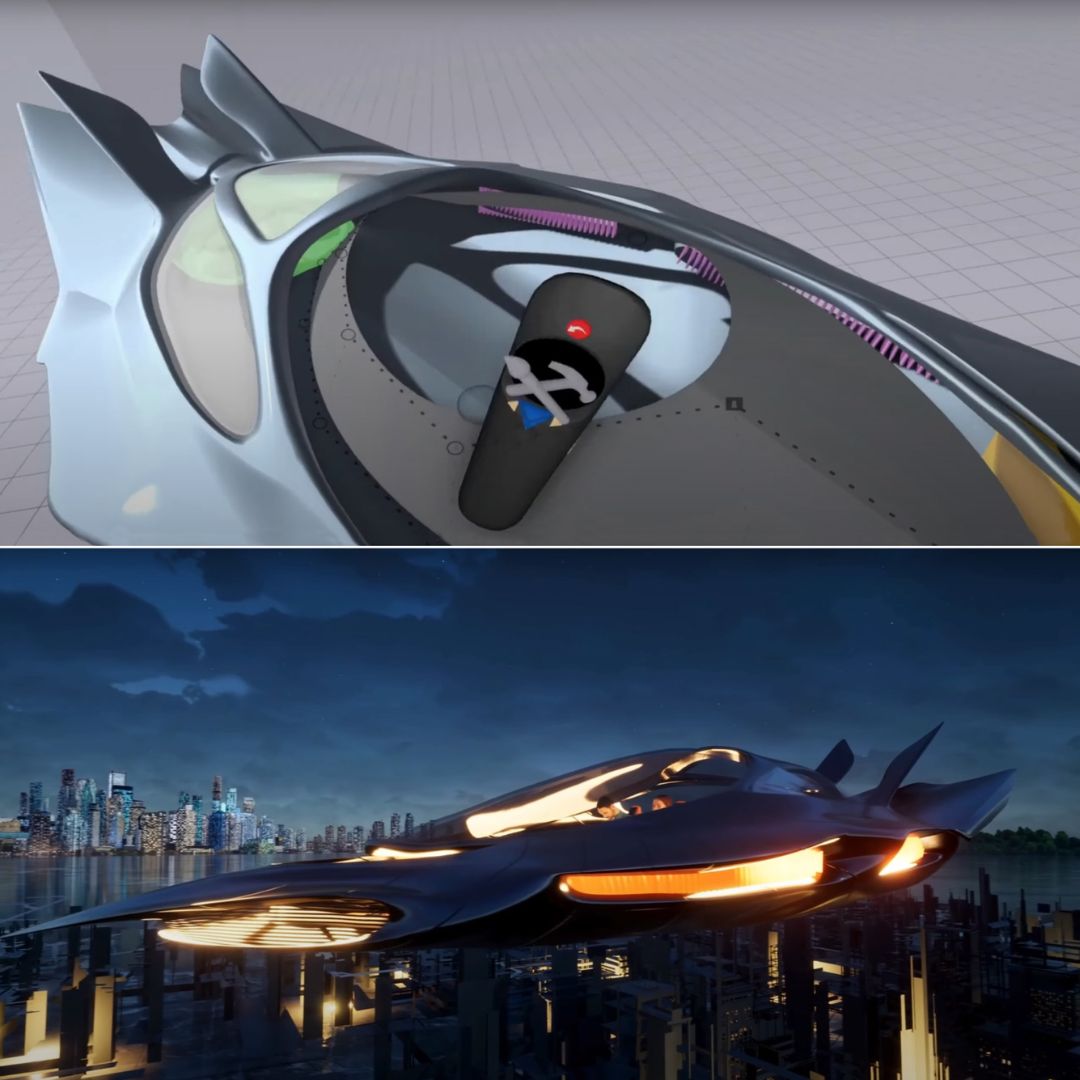
To prepare future architects for this exciting frontier, educational institutions like AUD already incorporate VR courses and programs focused on designing virtual spaces. This ensures that the next generation of architects possesses the necessary skills to navigate and thrive in the digital world.
According to Kaachamy, “The metaverse presents an exciting opportunity for architects and designers to redefine the boundaries of their craft and explore new frontiers in digital and virtual space creation. That is why at the School of ArchitectureArchitectureThe art and science of designing and constructing buildings, structures, and spaces that are functional, safe, and aesthetically pleasing. It encompasses the planning, design, materials, and techniques used to createGo to Architecture Glossary, Art, and Design of the American University in Dubai, we have introduced VR courses such as DDFT 473 – Virtual Environments and DDFT 373 – Virtual Designs in order to prepare and equip future architects and the designers with these skillsets.”
Equipping Architects for the Future
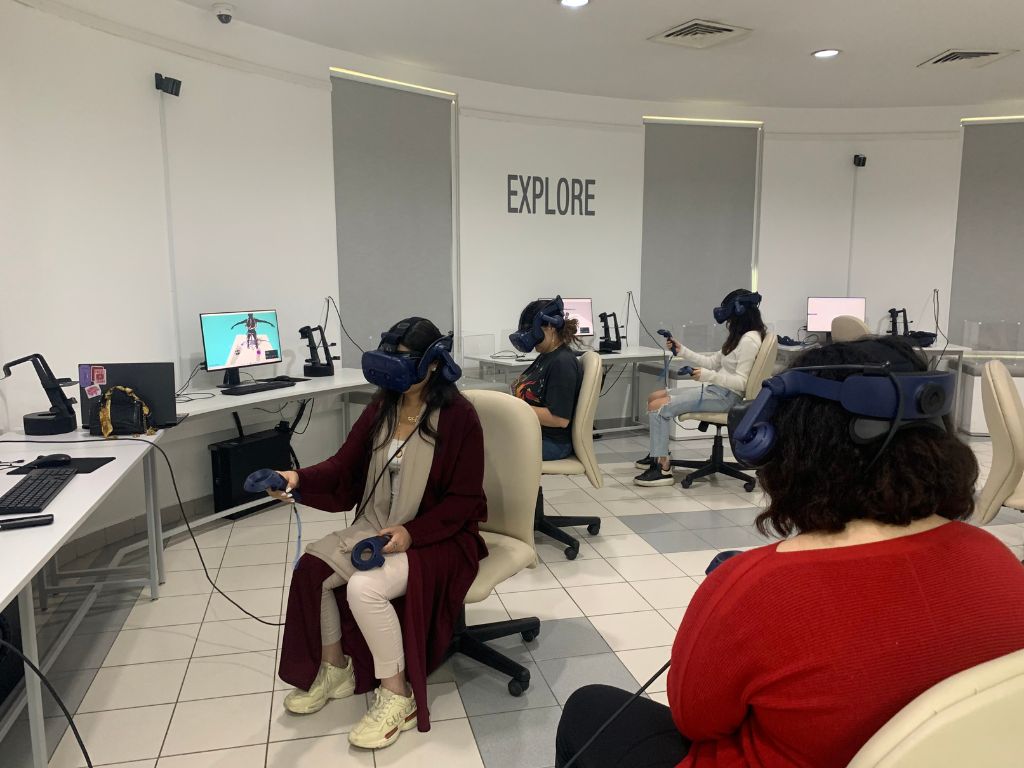
This rapid pace of technological advancement necessitates a dynamic approach to architectural education. While students should still be trained in the fundamentals of architectural design, it’s just as crucial to learn how to use these powerful tools.
According to Dr. Kaachamy, “Architectural education must evolve to keep pace with the rapid advancements in technology… The integration of emerging technologies requires a faster shift in both curriculum and pedagogy to prepare the next generation of architects for the challenges and opportunities of the future.”
“Moreover,” Kaachamy continues, “a mindset geared towards continuous improvement and learning will help architects stay relevant in an ever-evolving field that keep advancing with technology. The ability to quickly adapt to new technologies and methodologies will be a significant asset for many disciplines and not only in architectureArchitectureThe art and science of designing and constructing buildings, structures, and spaces that are functional, safe, and aesthetically pleasing. It encompasses the planning, design, materials, and techniques used to createGo to Architecture Glossary and design.”
The industry demands skills in cutting-edge tools alongside timeless design principles. By revamping curriculums and teaching methods, architectural education can empower future architects to not only navigate this tech revolution but also lead the charge.
A New Era of Architectural Design
The future of architecture is a captivating blend of human creativity and technological prowess. By embracing these advancements, architectural education is ensuring that the next generation of architects is well-equipped to design, build, and interact with our physical and virtual environments in groundbreaking ways. AI offers the potential for data-driven, sustainable design solutions. VR opens the door to immersive virtual spaces and experiences. And it’s no surprise to see educational institutions adapt to equip future architects with the necessary skillsets. It’s a win-win for everyone. Architects get the skills they need to thrive, and the industry gets a wave of talented professionals ready to redefine the boundaries of architecture.
Read more: How Is Artificial Intelligence Disrupting the World of Architecture?

Bigkis is the act of binding. In Tagalog, the word can refer to something used to bind or encircle, as well as a bundle formed by tying several separate elements together. Figuratively, it can also mean a bond, union, or unity. The meanings move from the physical act of joining things together to the connection […]
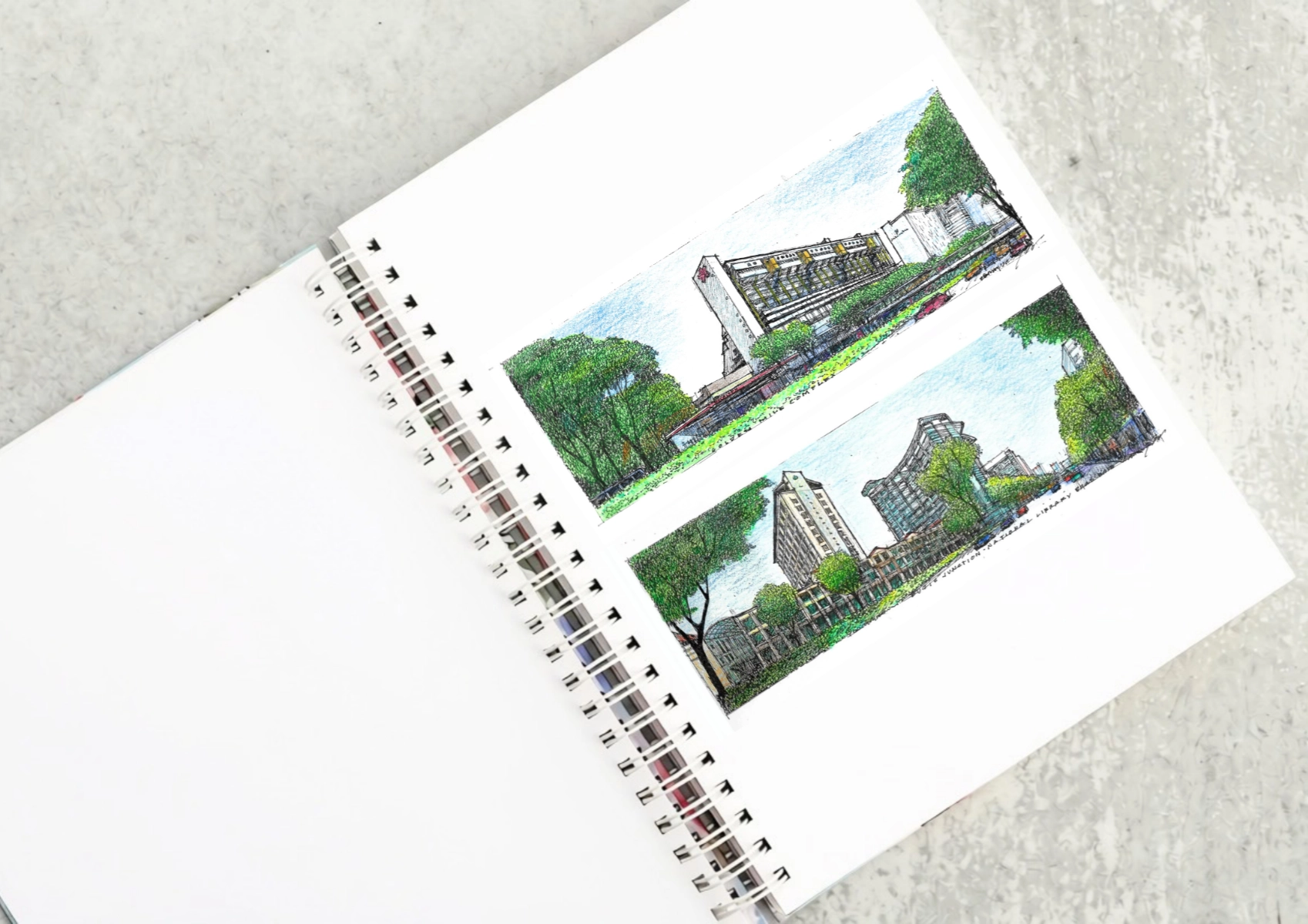
Two sketches of Singapore connect BluPrint Editor in Chief Paulo G. Alcazaren’s personal and professional history with Shared Ground: ArchitectureArchitectureThe art and science of designing and constructing buildings, structures, and spaces that are functional, safe, and aesthetically pleasing. It encompasses the planning, design, materials, and techniques used to createGo to Architecture Glossary of Care, Culture, […]

Some have become household names – Coleman, Oster, and KitchenAid – products that have found their way into Filipino kitchens, homes and family routines. In home furnishings, brands such as B&B Italia, Ethan Allen, Sub-Zero, Miele, SieMatic, Louis Poulsen, Hunter Douglas, Tempur, and Technogym, have helped shape the way Filipinos live. From everyday essentials to […]

In a way, designers are the modern-day soothsayers and prophets. They design for the future, predicting how a room, a house, a building or a whole city will be used by people. They foresee how users will interact with a space, conjure exact shades of colors to elicit specific behavior and arrange furniture to build […]

Art and furniture are often selected separately, yet their relationship can shape how a room looks and feels. The collaboration between Hooga and Galerie Joaquin explores how these elements can work together, bringing contemporary artworks into furnished residential settings at Hooga’s showroom in Uptown Mall, Bonifacio Global City. For Hooga, which curates furniture, lighting, and […]
Read the issues.

Collect the volumes.

Recommended Video
Tap to Unmute
Unmute
0:00
0:00