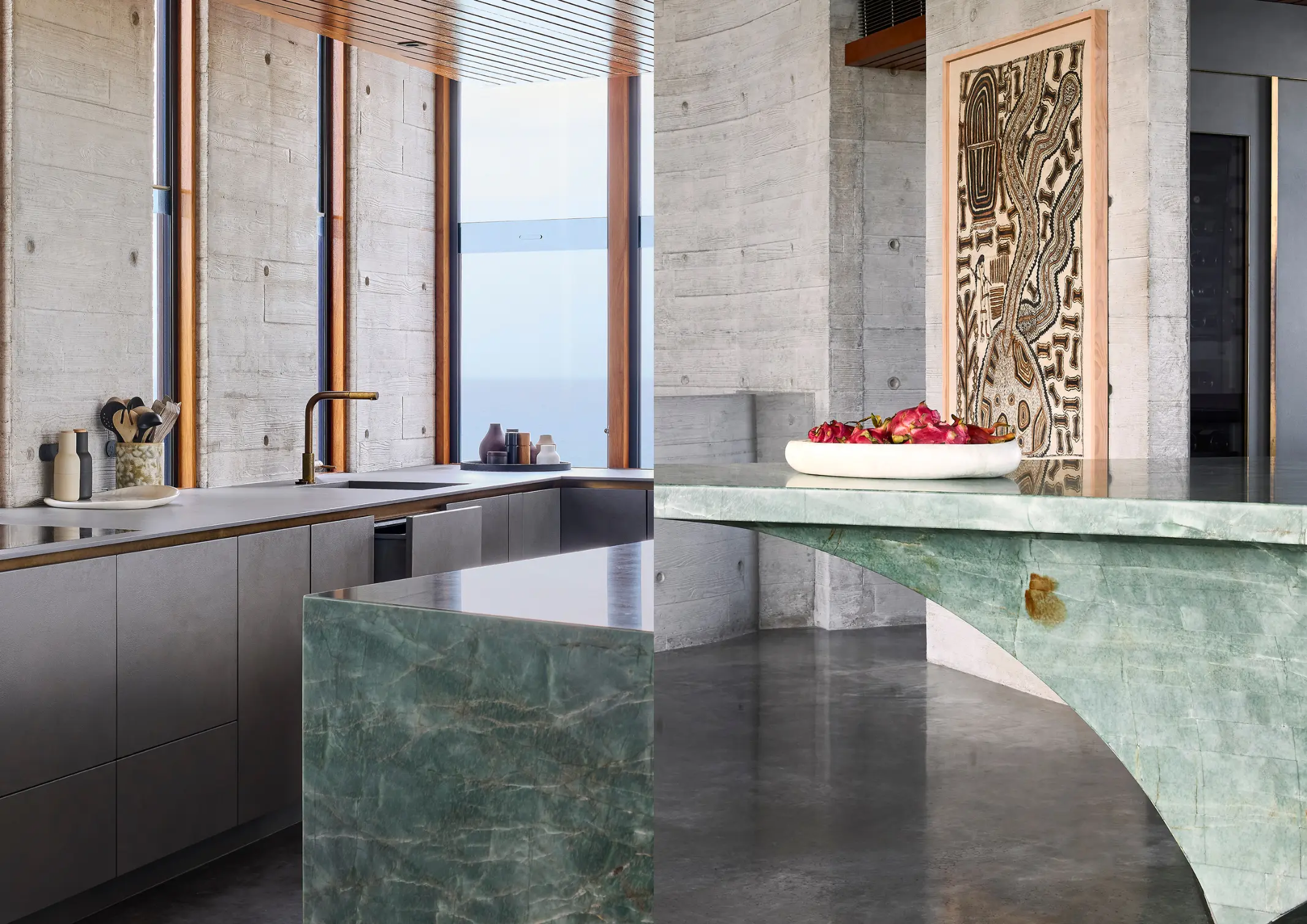
At Helm, dining unfolds as choreography. An open kitchen anchors the room, allowing guests to witness the precision behind its Michelin-starred fine dining menu. Designed by Kevin Nieves of Headroom, the 24-seat restaurant reflects that same discipline in its interior design. Tucked within Ayala Triangle Gardens in Makati, Helm brings together culinary recognition and architectural […]
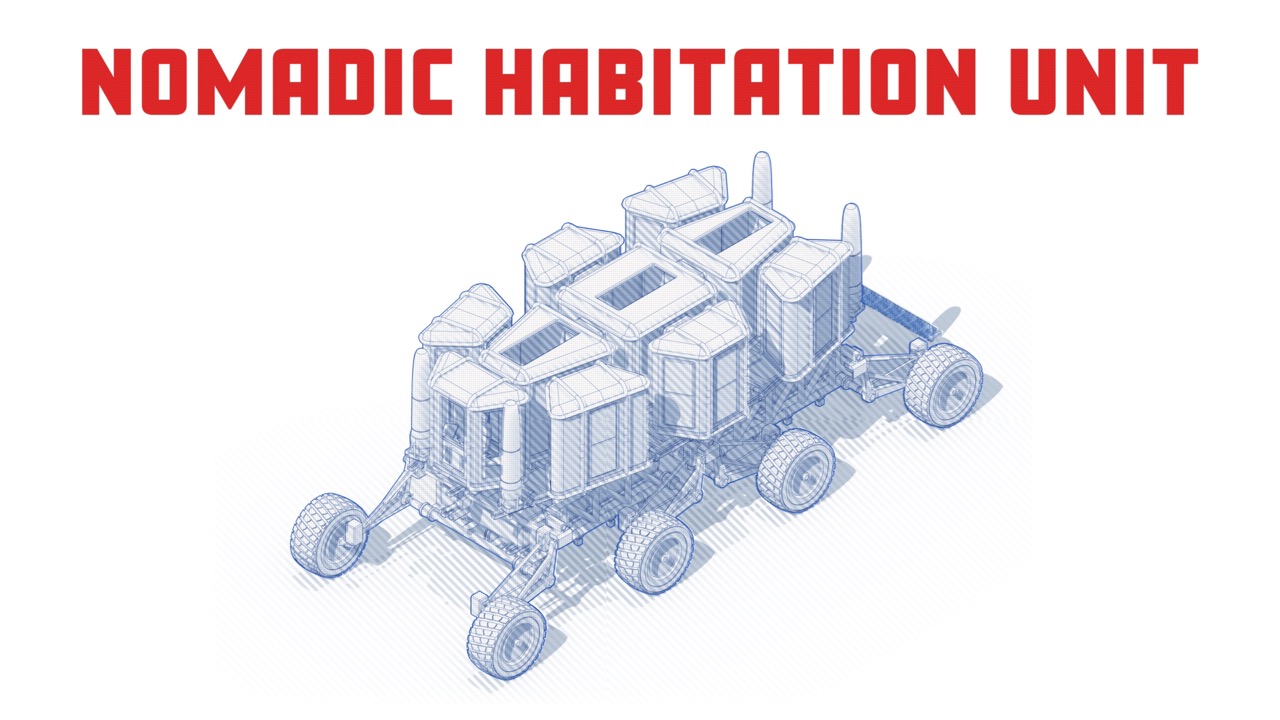
The Nomadic Habitation Unit Is Mobile, Modular, and Climate Resilient



CSB’s Design Exploration class presents a different approach to architectural education. It challenges the conventional notions of the practice in pursuit of the creation of imaginative works from its students. Emilio Tenorio presents his thesis, the Nomadic Habitation Unit, which aims to address the environments of a changed world. The result is a residential structure in the form of a vehicle with a modular twist for personalization.
Looking Towards the Future
Climate change continues to be a major issue that challenges everyone’s future. The continuous destruction of nature and loss of biodiversity repeatedly strikes an imbalance on earth’s natural systems. If this pattern and trend continues, it will eventually lead to problems that future generations will need to contend with.
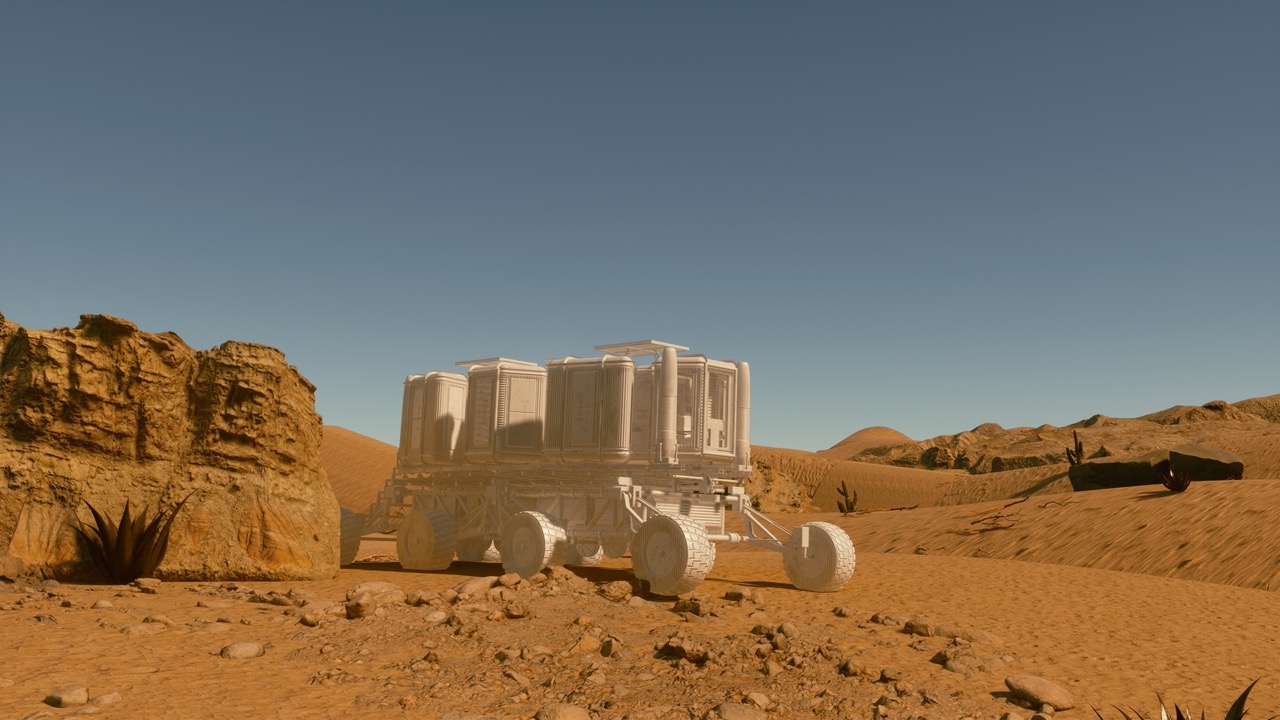
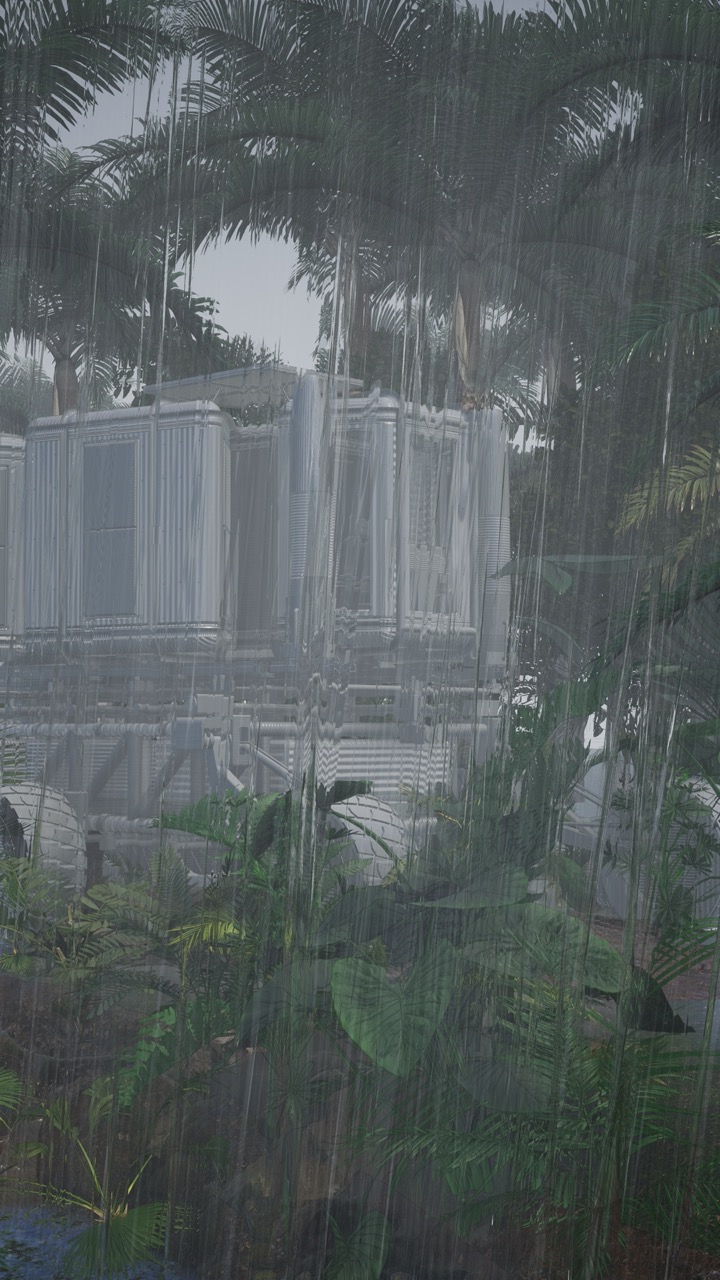
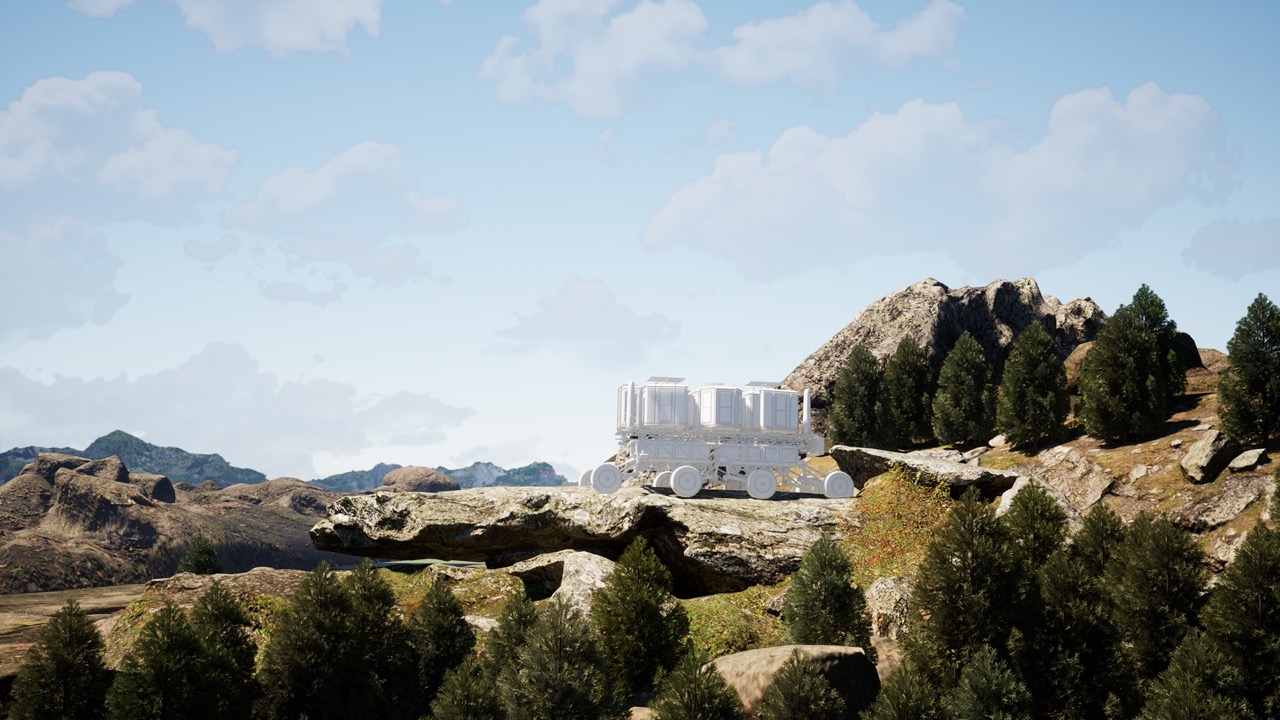
As the world confronts the escalating impacts of climate change, the Nomadic Habitation Unit anticipates what the future of architecture would be in a shifting world. Its solution redefined the concept of a home, designed to adapt and thrive to natural phenomena. The project empowers its users to respond to swiftly changing circumstances.
Advertisement
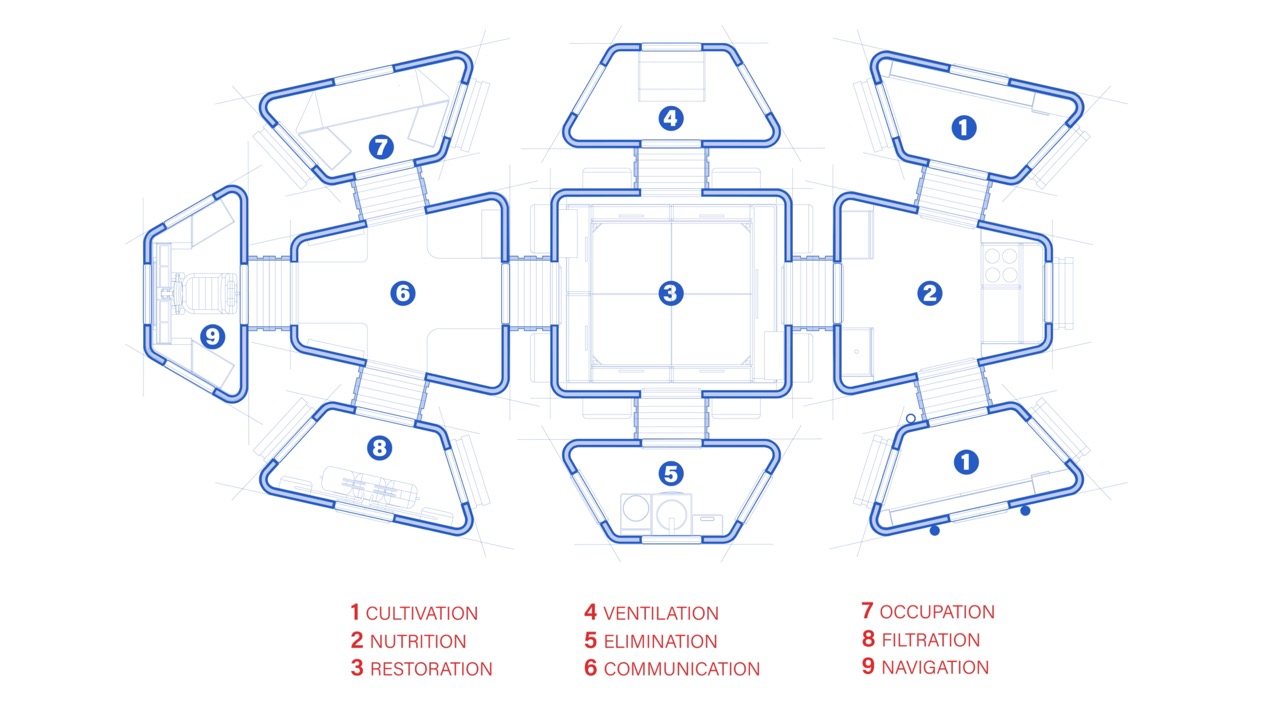
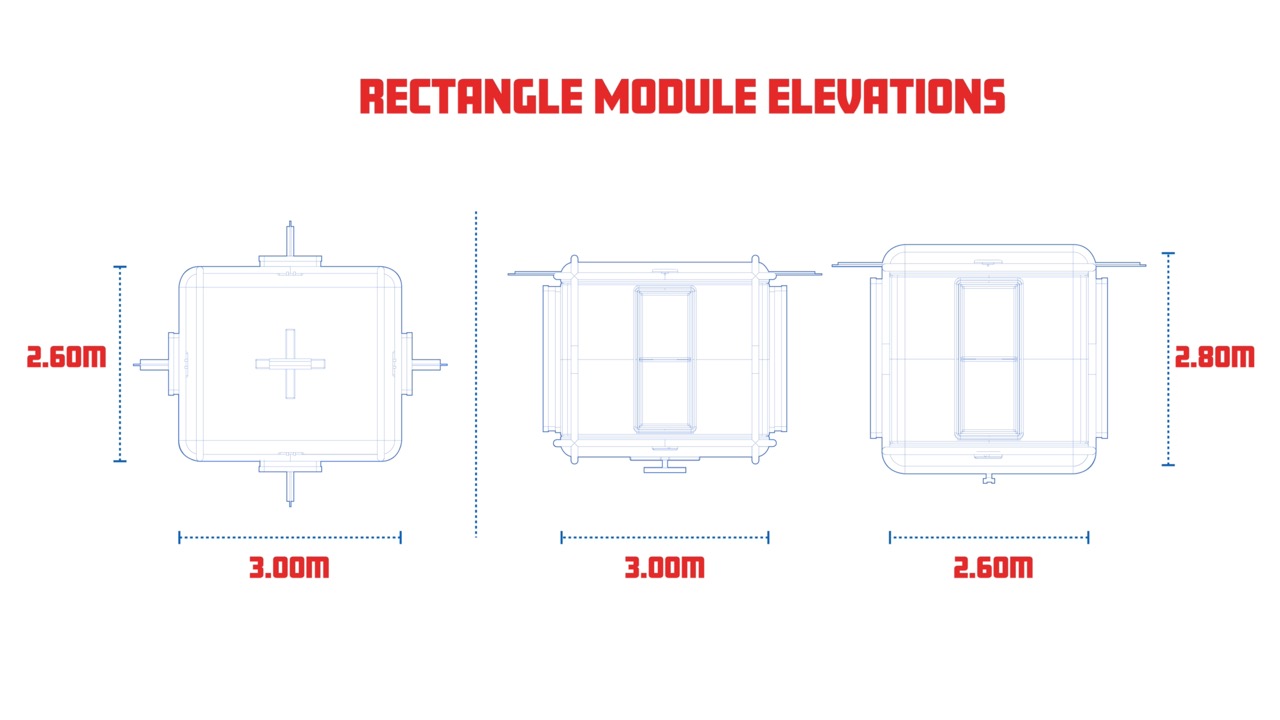
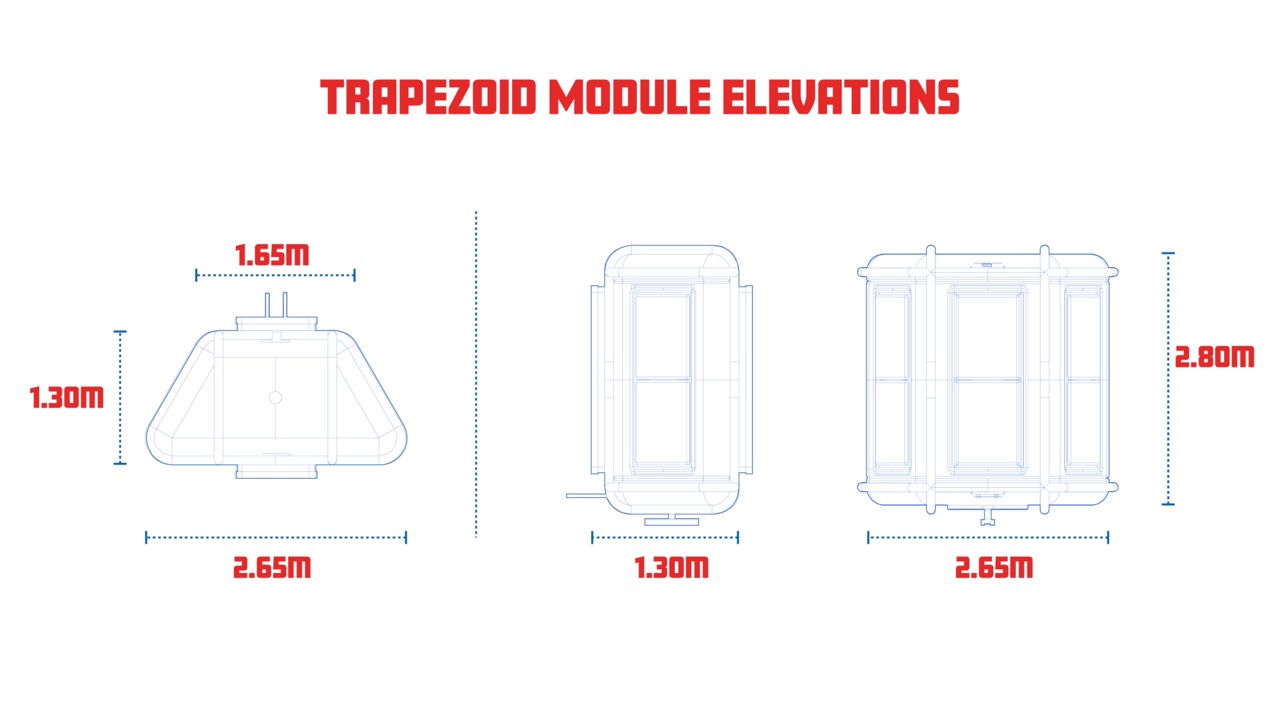
The modular form is a major component of the design, which means that it’s a system of separate parts put together to form the structure. Each “room” on the vehicle may add a different system or function to the entire design as a whole. For example, additional water recycling systems units can address the needs in desert conditions.
A Nomadic Lifestyle
As its name implies, the unit leans on the time-honored traditions of nomadic communities. Before architecture was fully developed, humans had to move around regions to find greener pastures and new resources to use.

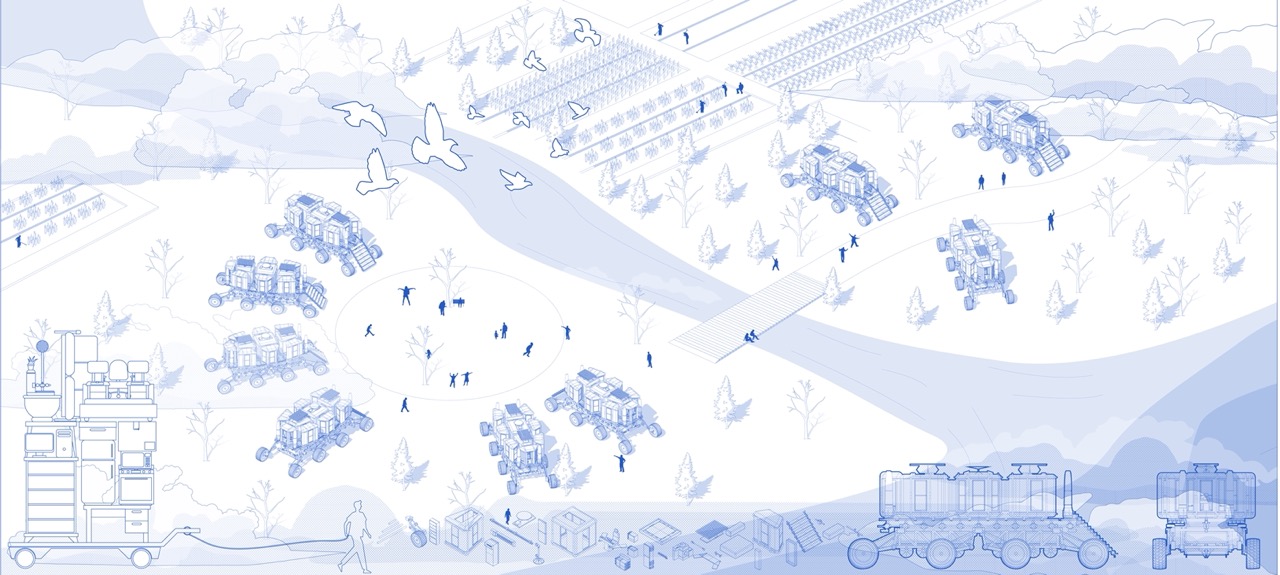
The thesis reframes this way of life with contemporary and futuristic technologies. It combines the mobility of modern-day automotive vehicles with innovations in architectural design and construction. Thus, the Nomadic Habitation Unit creates a sense of familiarity and stability amidst the unknown as it explores the land. The designer uses this motif as inspiration for the unit’s form, the shape of a triangle which symbolizes stability.
Advertisement
Beyond providing individual shelter, the thesis also takes inspiration from how early humans would gather together in communities. The need for cooperation is treated as an essential component of survival. It facilitates the sharing of resources, knowledge, and support. The configurability of the units supports this social aspect of sustenance as it draws upon the collective resilience and collaborative spirit in the face of unprecedented challenges.
Surviving Different Environments
The core of the Nomadic Habitation Unit’s design philosophy is protecting and bolstering life. 70% of its elements focus on the wellbeing of its occupants, each of which addresses the framework of Maslow’s Hierarchy of Needs. The dwelling prioritizes spatial characteristics that make shelter, security, and self-sufficiency possible regardless of the environment.
Recognizing diverse needs, users can customize units based on cultural, function, and personal requirements. It acknowledges that survivability is not merely physical, as the intangible is given room to make life more hospitable in this future environment.
Advertisement
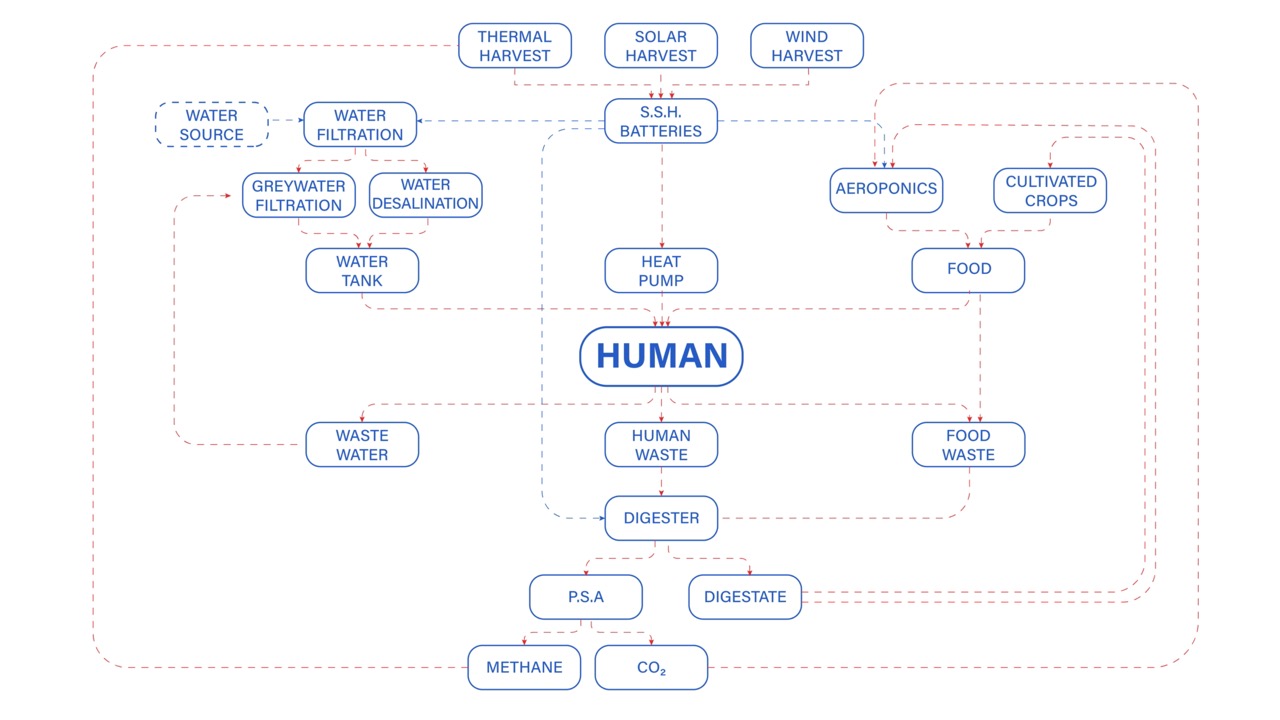
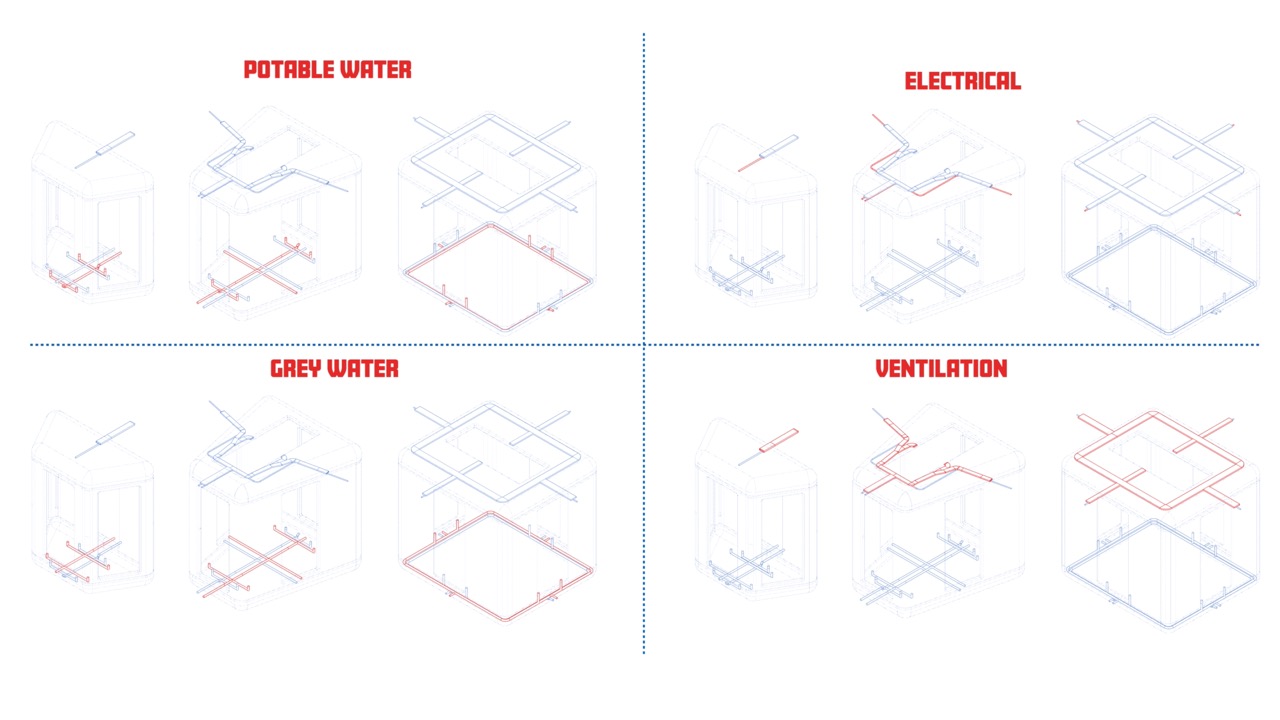
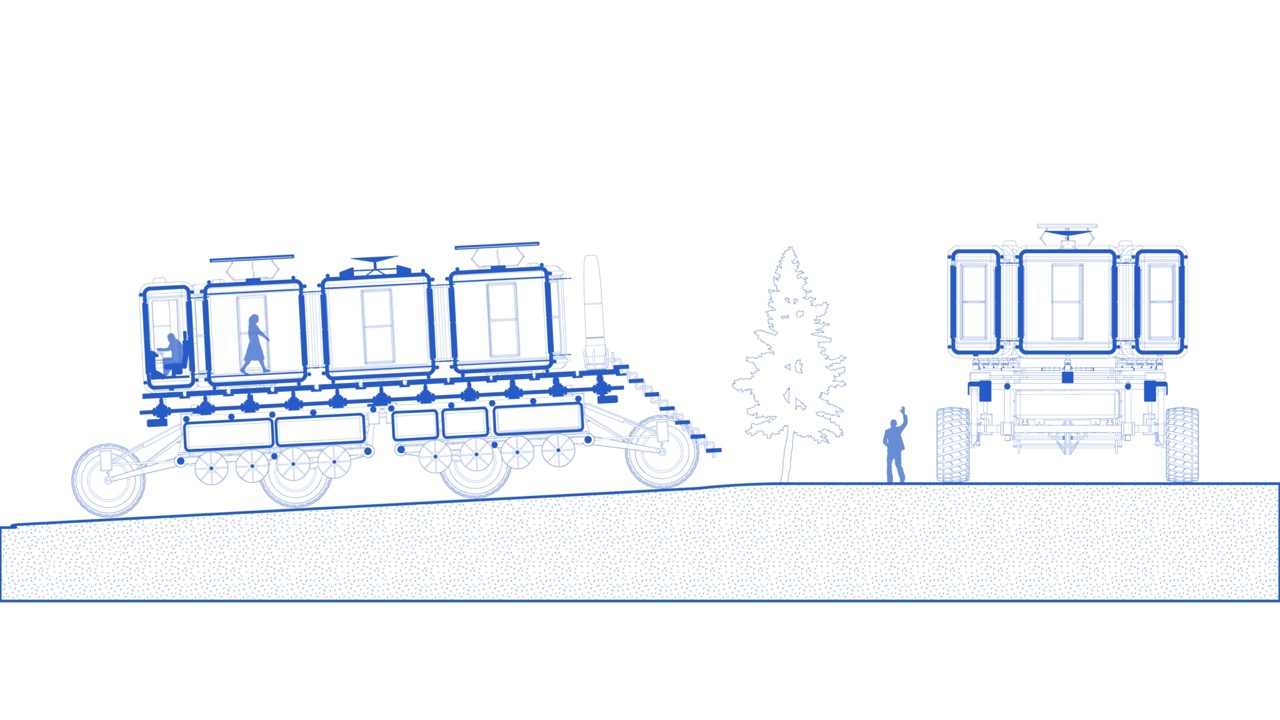
In general, the vehicle applies the principles of a circular economy towards self-sustenance . The design features robust materials, intelligent resource management systems, and harvesting methods to ensure continuous operability. It’s an engineered effort to maximize functionality within its footprint while also minimizing vulnerability to harmful elements.
Exploring What Tomorrow Holds
Emilio Tenorio’s Nomadic Habitation Unit explores how architecture can reinvent itself in the face of climate changes. It’s a different approach, in comparison to our typical standing structures, with an explorative structure that can constantly adjust itself. As we continue to confront the realities of a changing world, the thesis invites us to reimagine how we can build a future where we can thrive in harmony with our environments.
Read more: CSB’s Design Exploration: A Unique Approach to Architecture Education
Advertisement
Photo credit: Emilio Tenorio
There is no excerpt because this is a protected post.
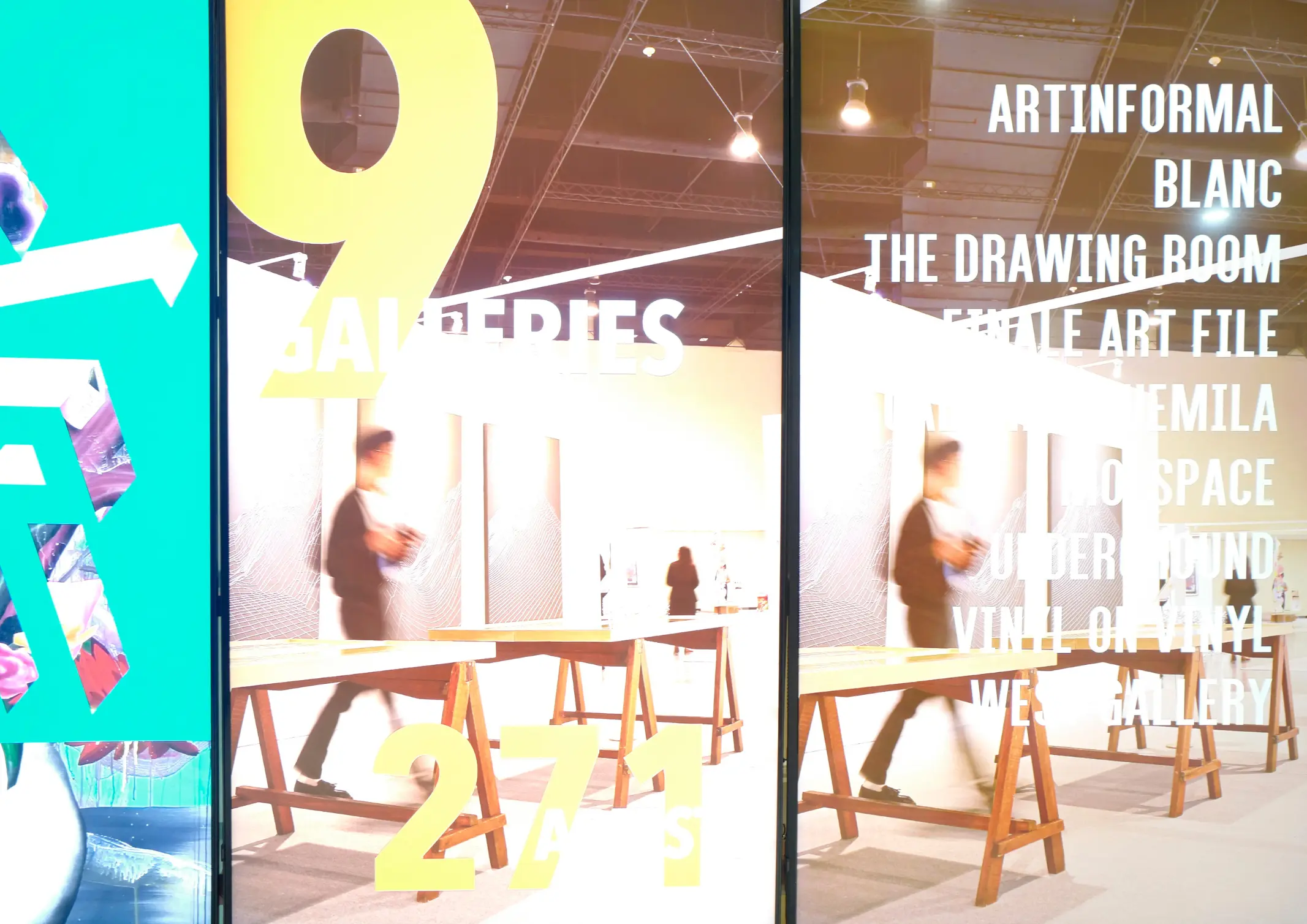
Exhibition designer Baby Imperial of All At Once shaped the spatial strategy of ALT ART 2026, its largest edition to date. The fair occupied Halls 1 and 2 of SMX Convention Center Manila, expanding in both footprint and ambition. Organized by the ALT Collective—Artinformal, Blanc, The Drawing Room, Galleria Duemila, Finale Art File, MO_Space, Underground, […]
Advertisement
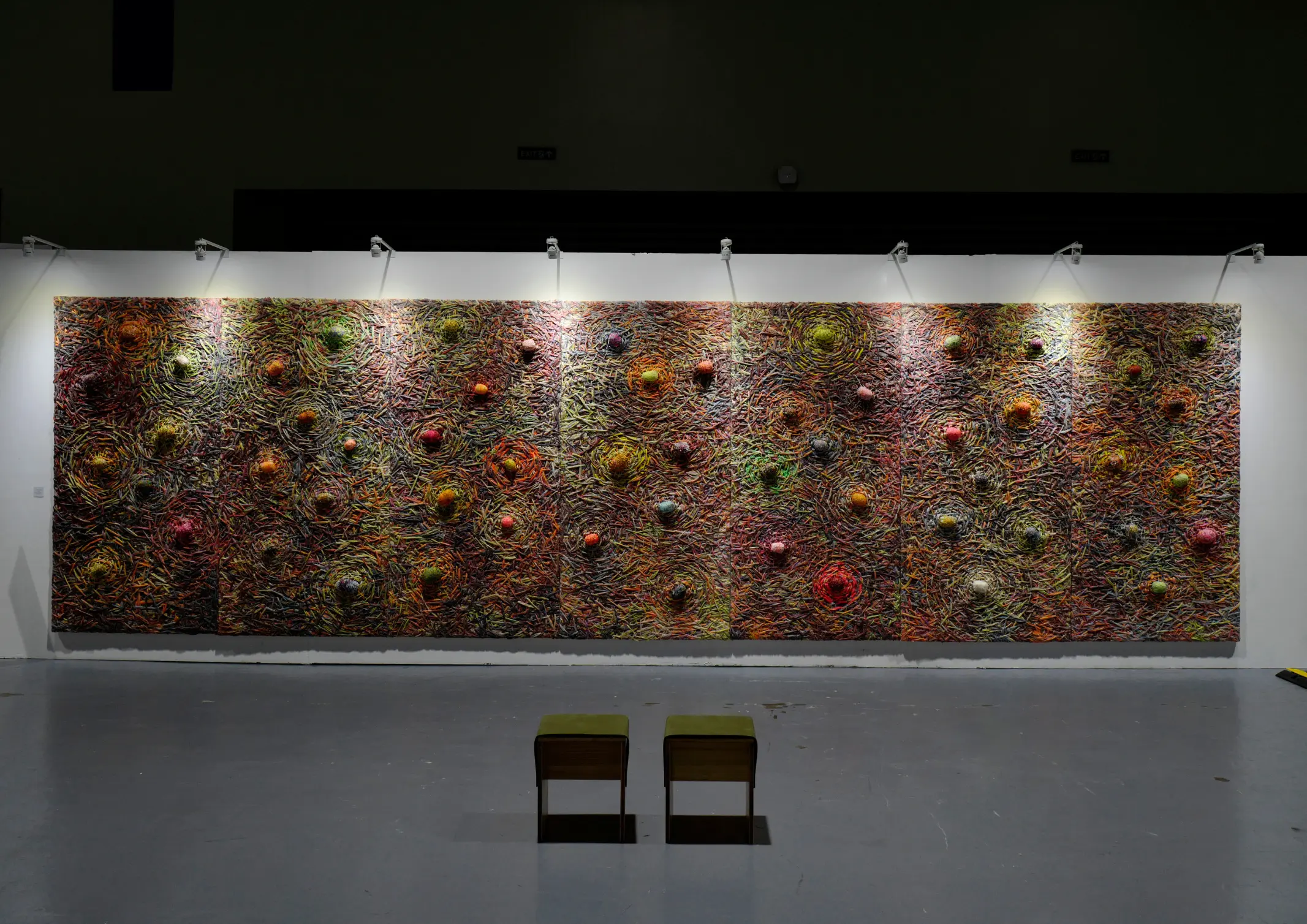
ALT ART, organized by the ALT Collective—Artinformal, Blanc, The Drawing Room, Galleria Duemila, Finale Art File, MO_Space, Underground, Vinyl on Vinyl, and West Gallery—presents a focused platform for Philippine contemporary art. As the fair continues to evolve, it expands its scale and curatorial scope, reinforcing its growing presence within the Philippine art scene. Creative Practices […]
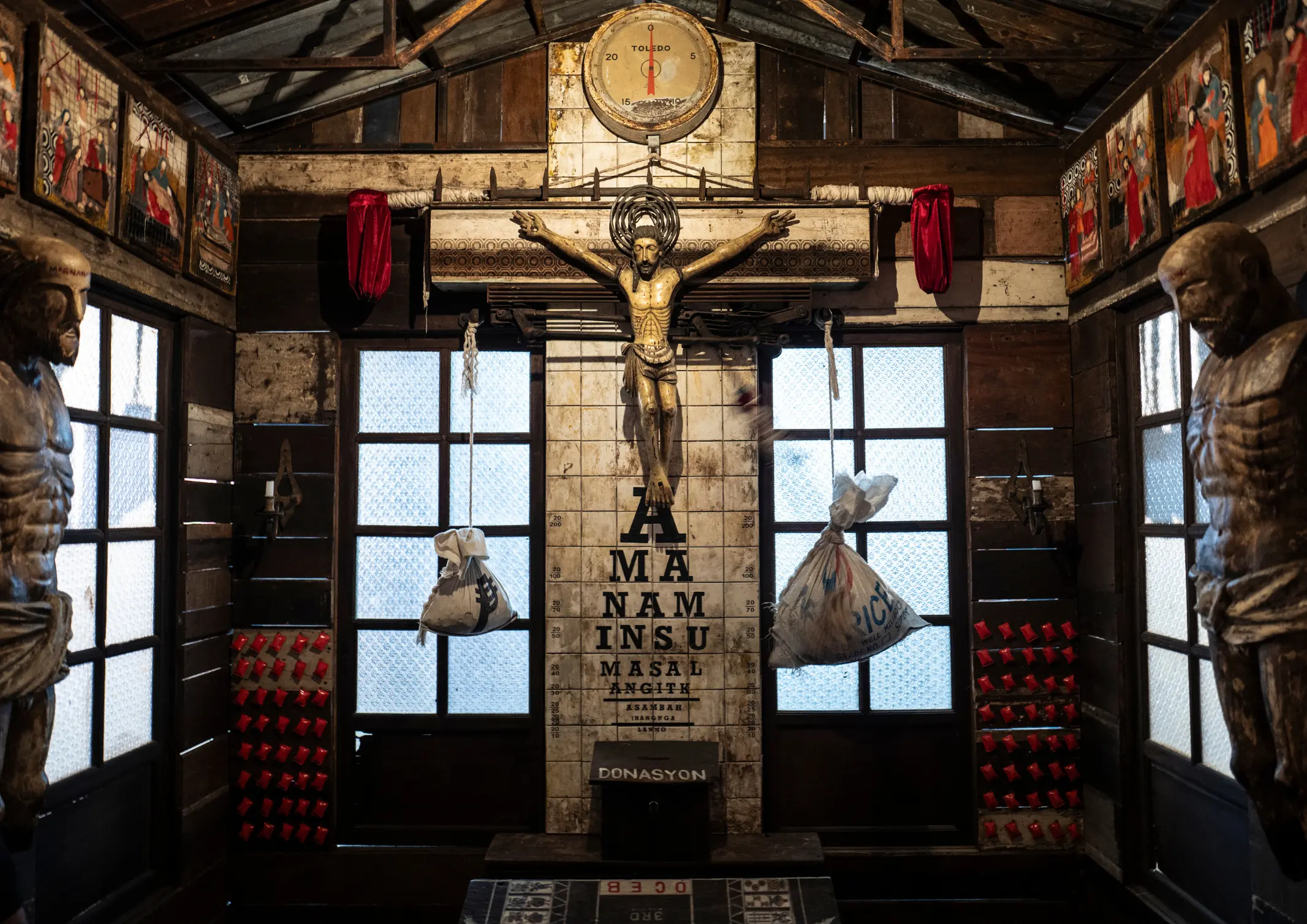
Inside Art Fair Philippines 2026: Religious Imagery, Material Experimentation, and Social Commentary
Art Fair Philippines 2026 gathered art enthusiasts and collectors in Makati for one of the country’s leading showcases of contemporary Philippine art. Designed by Nazareno/Lichauco, the fair moved to Circuit Corporate Center One in Ayala Circuit, marking a new chapter in its spatial identity. Across its booths and projects, the fair positioned contemporary Philippine art […]
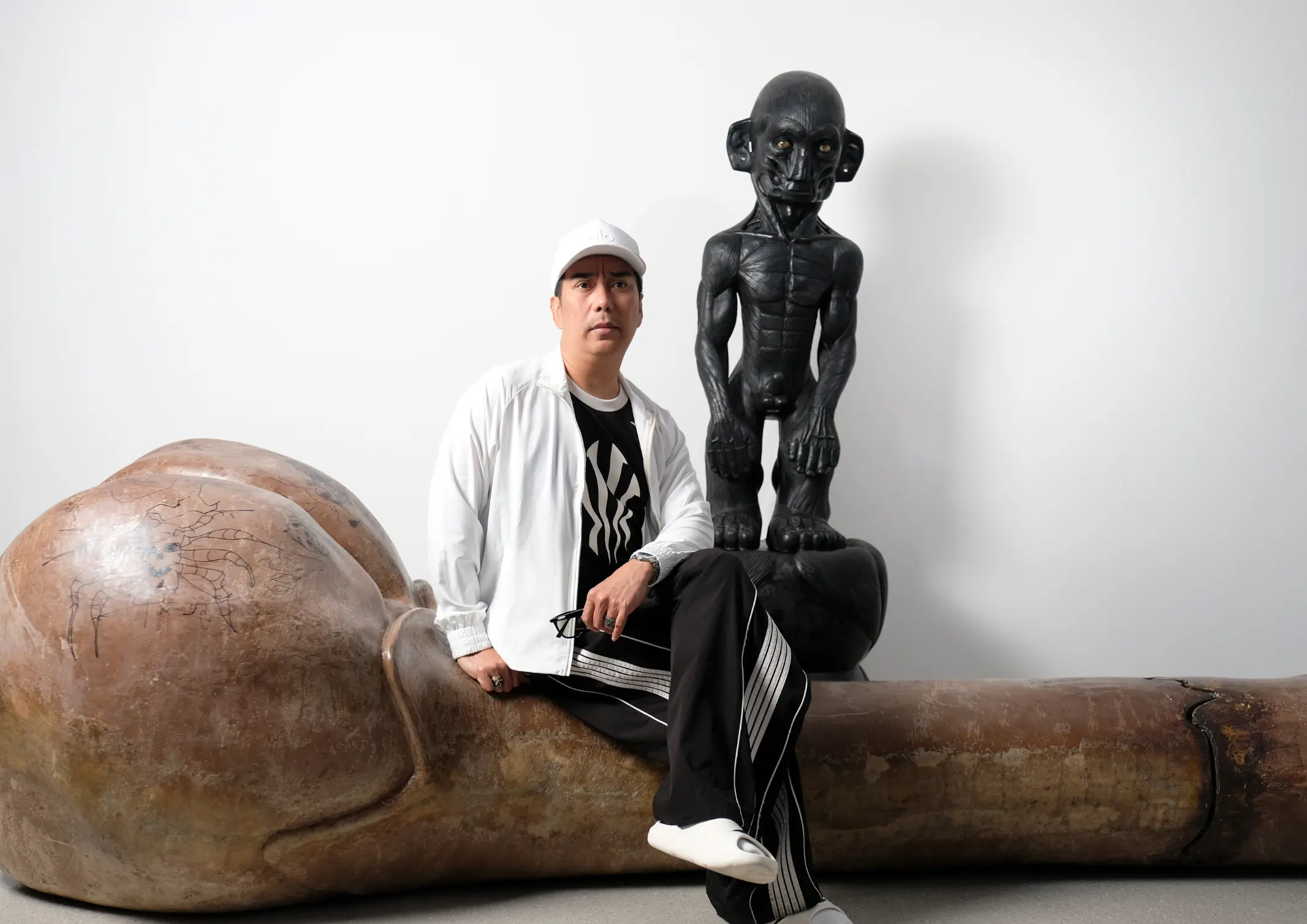
Ronald Ventura is one of the most recognizable figures in Southeast Asian contemporary art. Since his first solo exhibitions in the 2000s, Ventura has become known for his signature multi-layered paintings. Featuring hyperrealism, cartoons, graffiti, and other recurring motifs, hisworks—from paintings to sculptures—are pluralistic in both form and material. Throughout his career, his art has […]
Advertisement
Download this month's BLUPRINT magazine digital copy from:



Subscribe via [email protected]