At first glance, it would seem the two-story, 300-sqm Descending House designed by Micaela Benedicto has not aged a day from my first visit six years ago for a BluPrint feature.
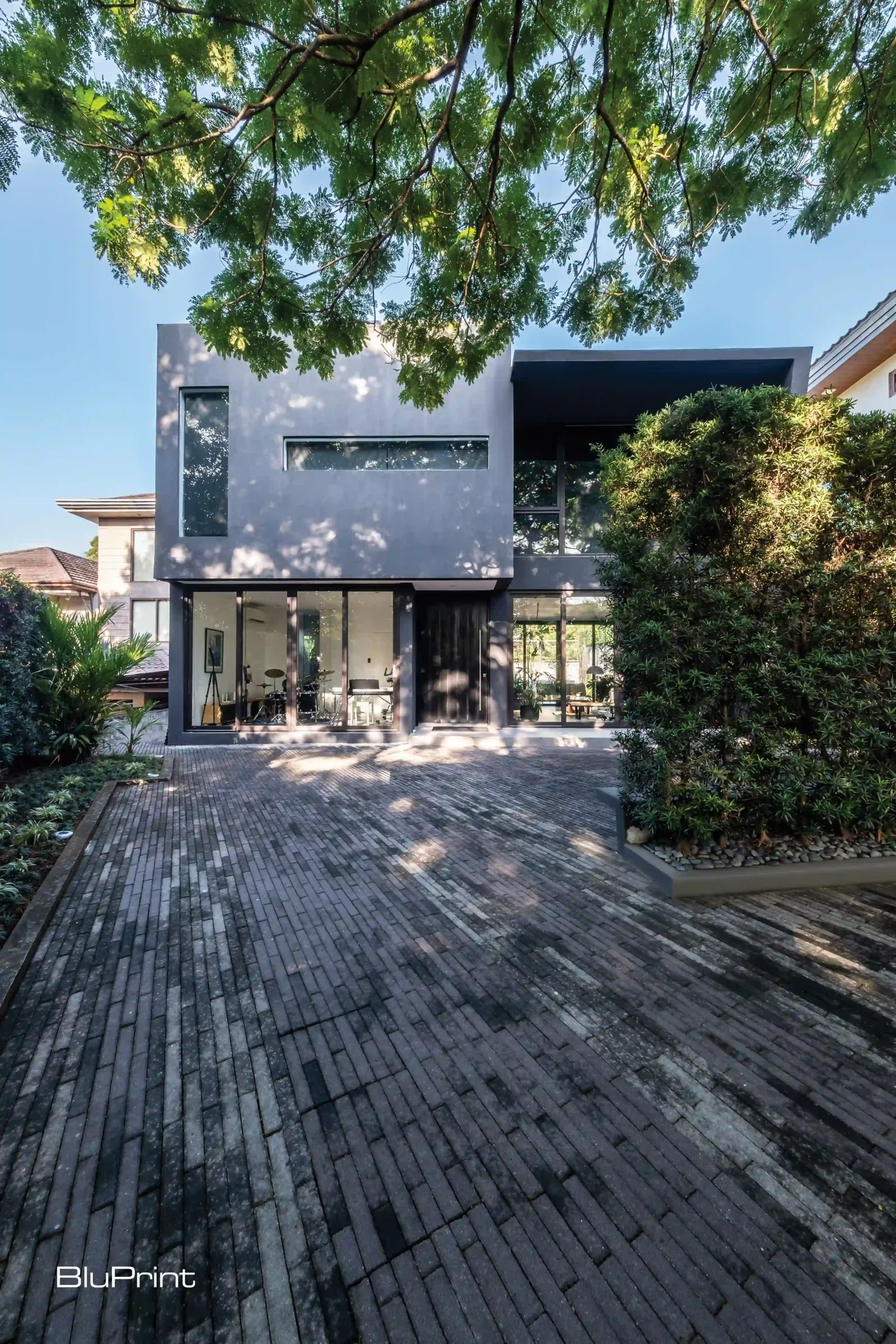
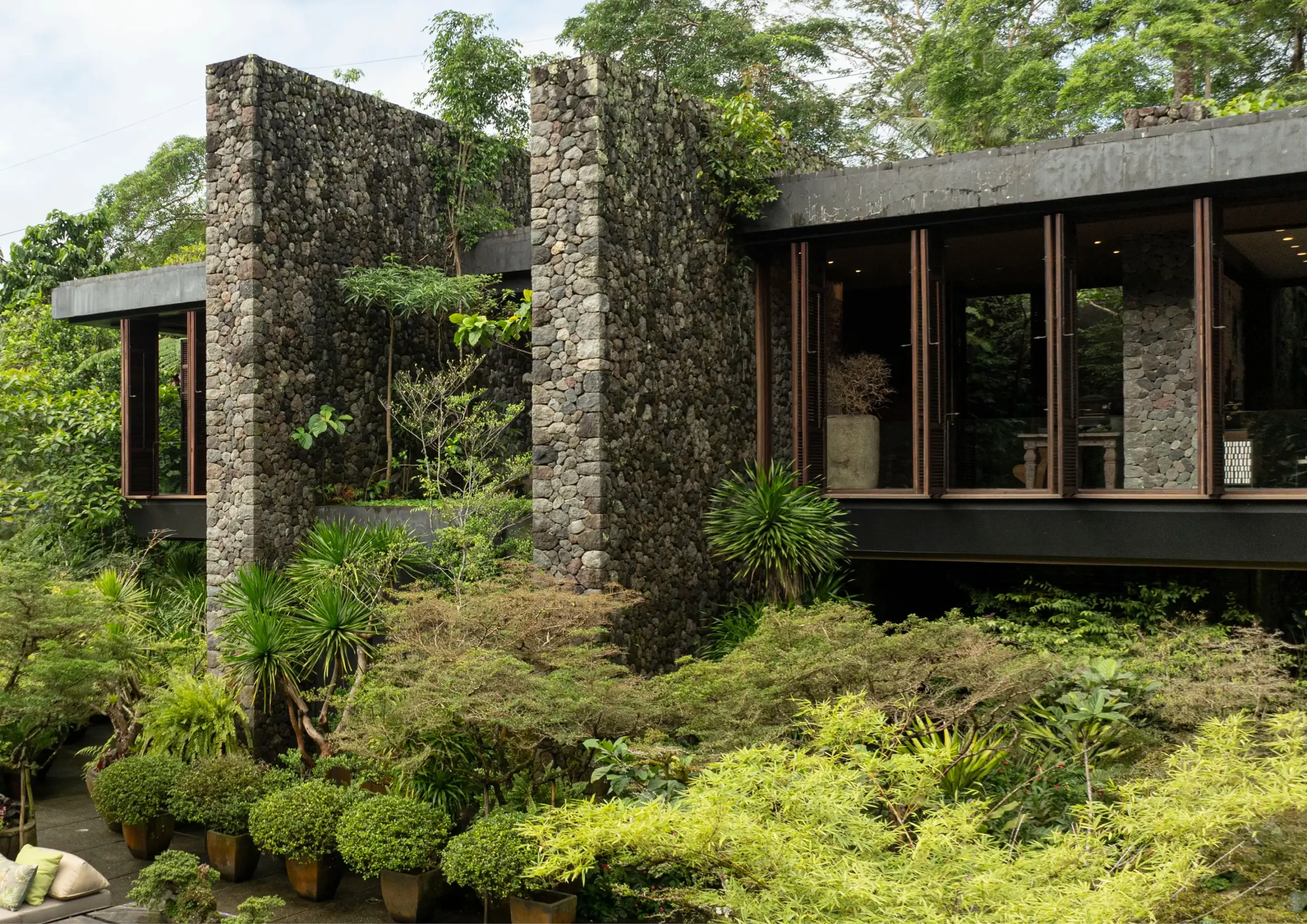
Descending House by Micaela Benedicto cuts a striking figure, its angular black form standing against the greenery.
I remember seeing the hulking black volumes of the house from the gate, draped in the gossamer light of a golden afternoon, a stately yellow flame tree upfront casting leaf and shadow on a brick-tiled open driveway. This juxtaposition of the sharp-cornered manmade volume against its lush surrounds made for a memorable first impression, and in my latest viewing, the scene is left intact except for the 6-meter-tall podocarpus maki hedge fronting the home having grown considerably taller.
While the house’s muscular shell may not communicate this at first glance, it is a porous space, where textbook passive cooling principles are at play.
Advertisement
‘Picturesque’ Living Area
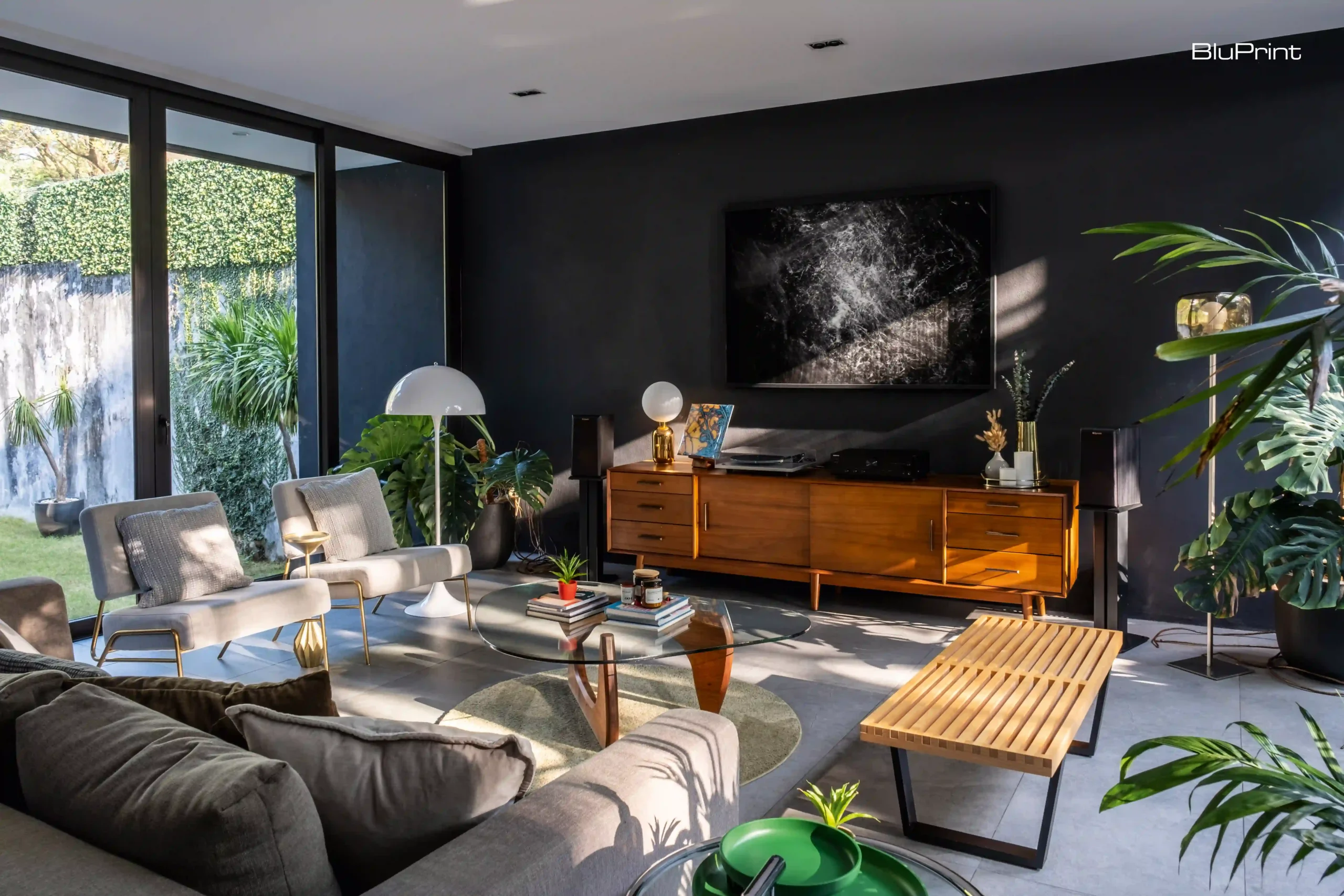
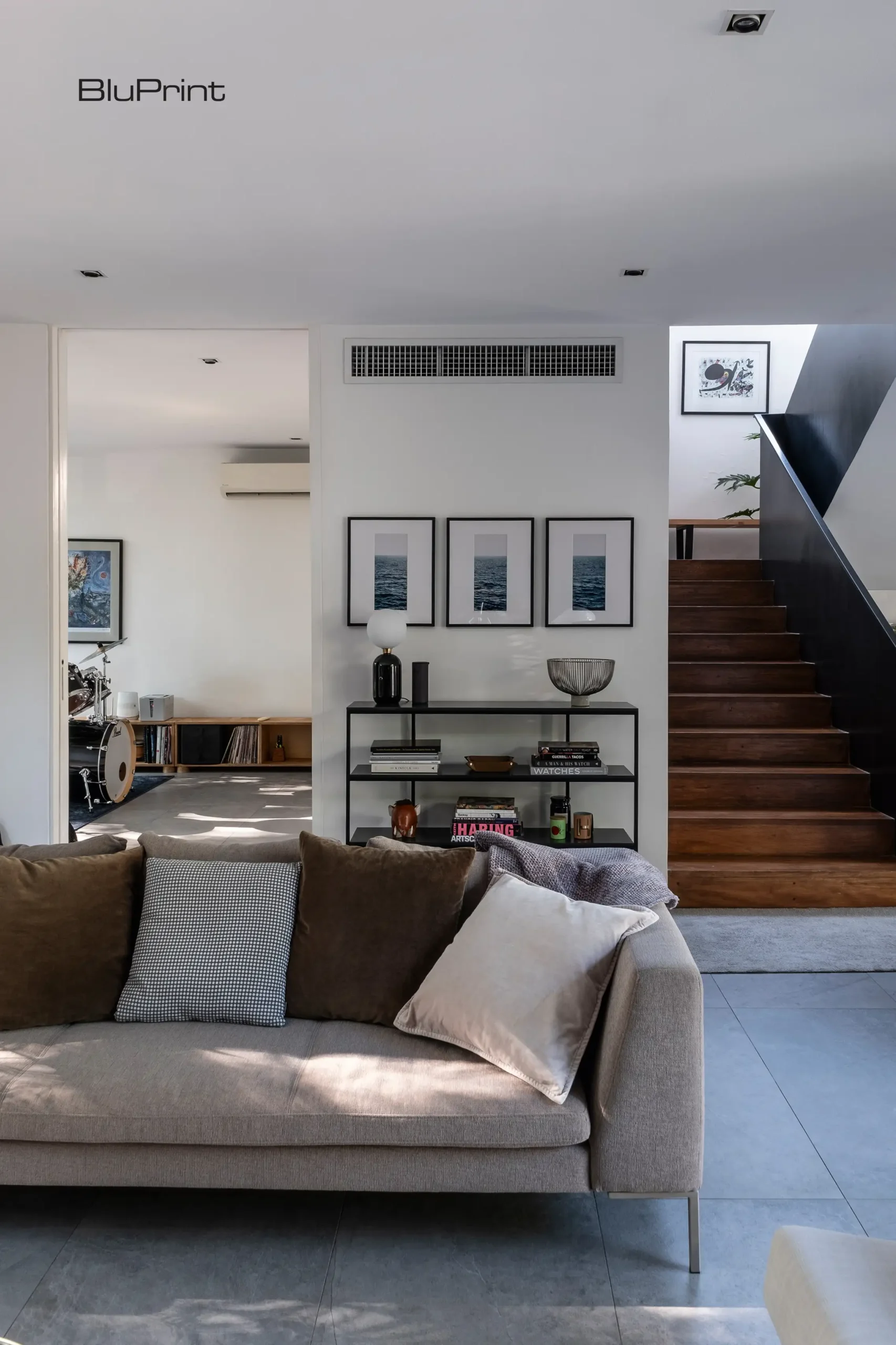
The living room, where I interviewed the designers and clients, is a delightful space, modestly sized with a few curated furniture pieces and framed photography. There is notably no television set; why have one when you have two different shows on view on either side of the space thanks to the floor-to-ceiling sliding windows, the picturesque view of the driveway, its sculptural bench and privacy hedge the angular foil to all of nature’s organic theater.
The spare material palette of metal, concrete, and glass, a trademark of Benedicto’s, helps imbue the space with a brutalist-flavored, gallery-like feel desired by its clients, architects who’ve chosen different career paths with a penchant for travel, who, with their teen son, now lives in a house carefully and lovingly designed for them by one of their closest friends
Concrete, glass, and metal define the Descending House, but its clarity and restraint give it the feeling of a gallery.
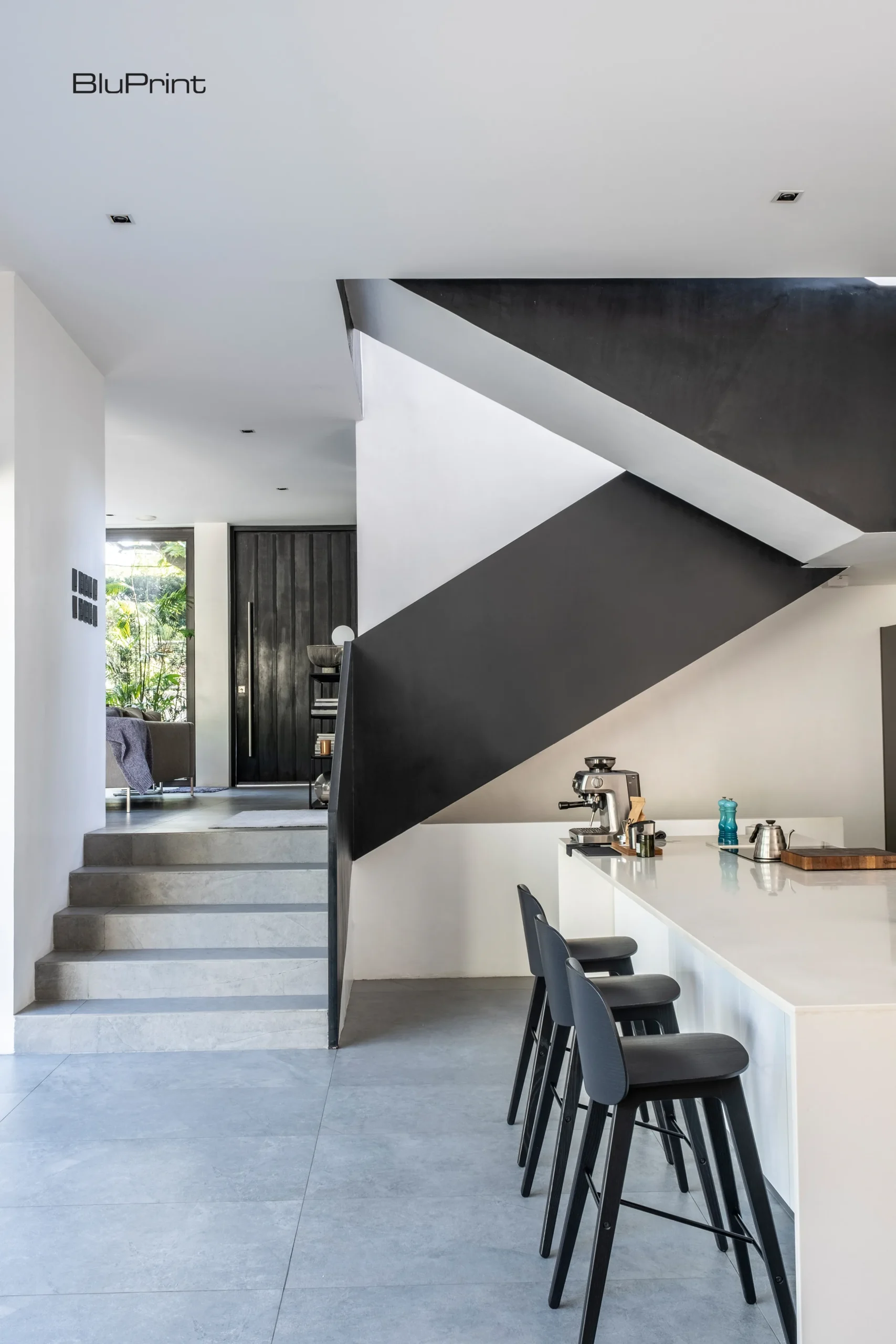
The house exhibits purity and clarity of form; walls and divisions align with the exterior shell; room cuts above and below echo each other. It was something I found refreshing and lent the place a certain timelessness. This quality is no more expressed than in the kitchen and dining space, pristine, monochromatic, and devoid of frills.
Advertisement
This was Mrs. T’s base before, during, and after the pandemic, and she told our little group how she enjoyed cooking and baking there because of how spacious the counter is, almost as if she were in a cooking show.
Descending House and Flexibility of Space
Perhaps my biggest takeaway from the house during that first visit, and one that proved prescient coming out before the pandemic, is Descending House’s flexibility as a space. Its versatility is best illustrated on the second floor, where rooms and spaces shifted in use throughout the seven years the family has stayed within its confines.
The kitchen of Descending House drops down with the land, following the site’s natural slope. A mirrored wall conceals storage, while a long counter makes it feel open and uncluttered.
“We knew from the beginning that this was not a starter home. This is where we will stay for the long haul,” Mrs. T shared.
Advertisement
“I think more than designing a structure that shelters, it’s vital to create a space that not only works and looks great but inspires. Architecture should inspire you to grow and be your best self, and sometimes you’ll realize that you actually don’t need acres of space to find that space to grow!” Micaela Benedicto said.
This rings true as the Descending House was by no means gargantuan in scale; the clarity and simplicity of its plan and spare material palette did wonders in imbuing its rooms and areas with a spaciousness that is light and uplifting that far exceeds its physical size.
What I’ve learned from Descending House from the six years that elapsed is that while that change is inevitable, what stays constant is the need for room to grow, not strictly in the physical sense, but to be in a room, or space that provides the condition for growth.
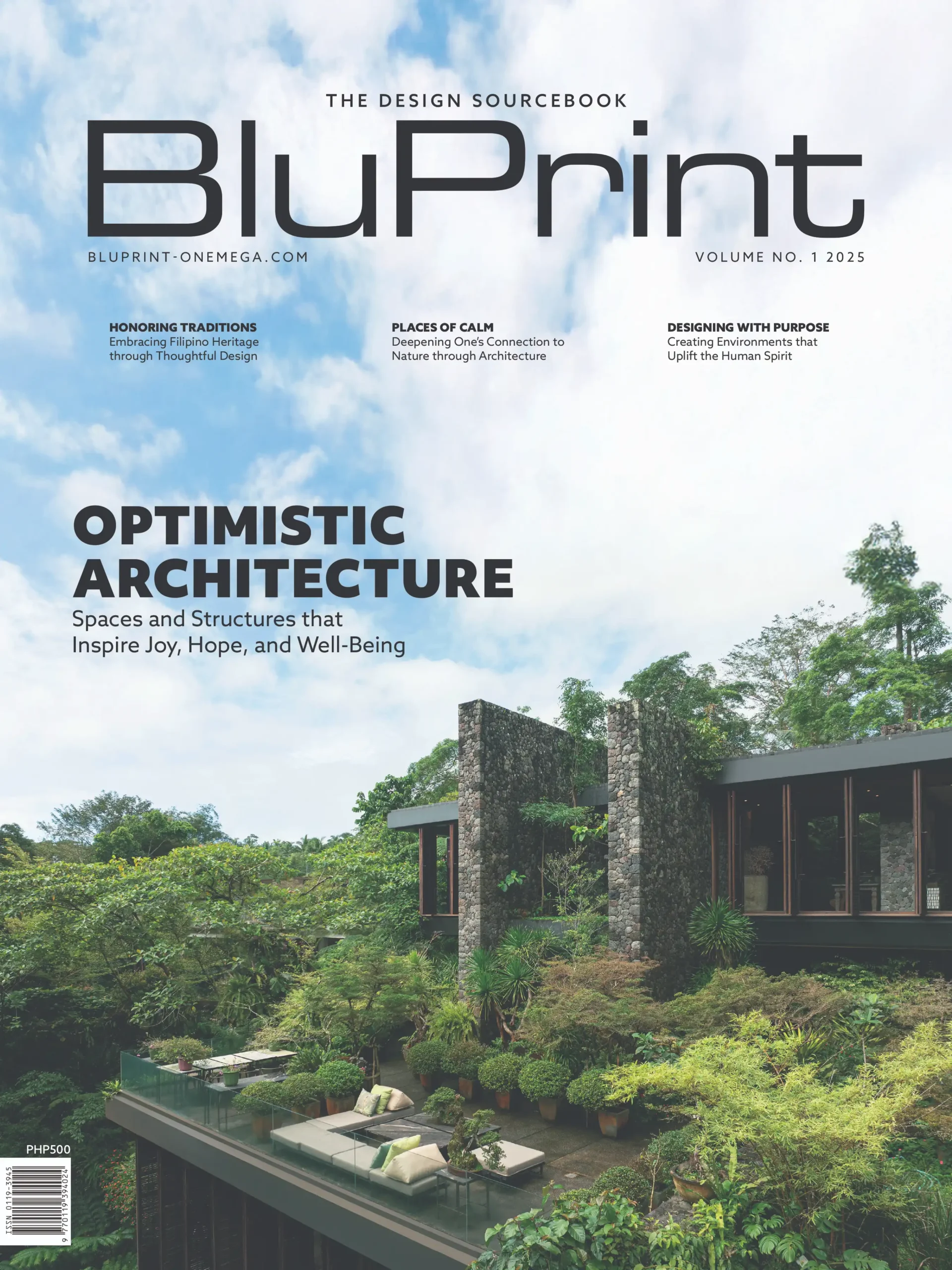
Read the full story by grabbing your copy of BluPrint Volume 1 2025, available at sarisari.shopping, Shopee, and Lazada.
Located near the equator, factors such as heat and humidity are the norm in the Philippines. This tropical climate has shaped the development of architecture in the country. As Leandro V. Locsin stated: “The first consideration of the Filipino builder and certainly the most evident in his architecture, which is after all an outgrowth of […]
Art in the Park returned this year to Jaime Velasquez Park in Salcedo Village, Makati City, to celebrate its 20th anniversary. This year’s edition featured a curated selection of works from 55 exhibitors representing galleries, art collectives, independent art spaces, and student groups. With all artworks capped at Php 70,000, the fair continued its mission […]
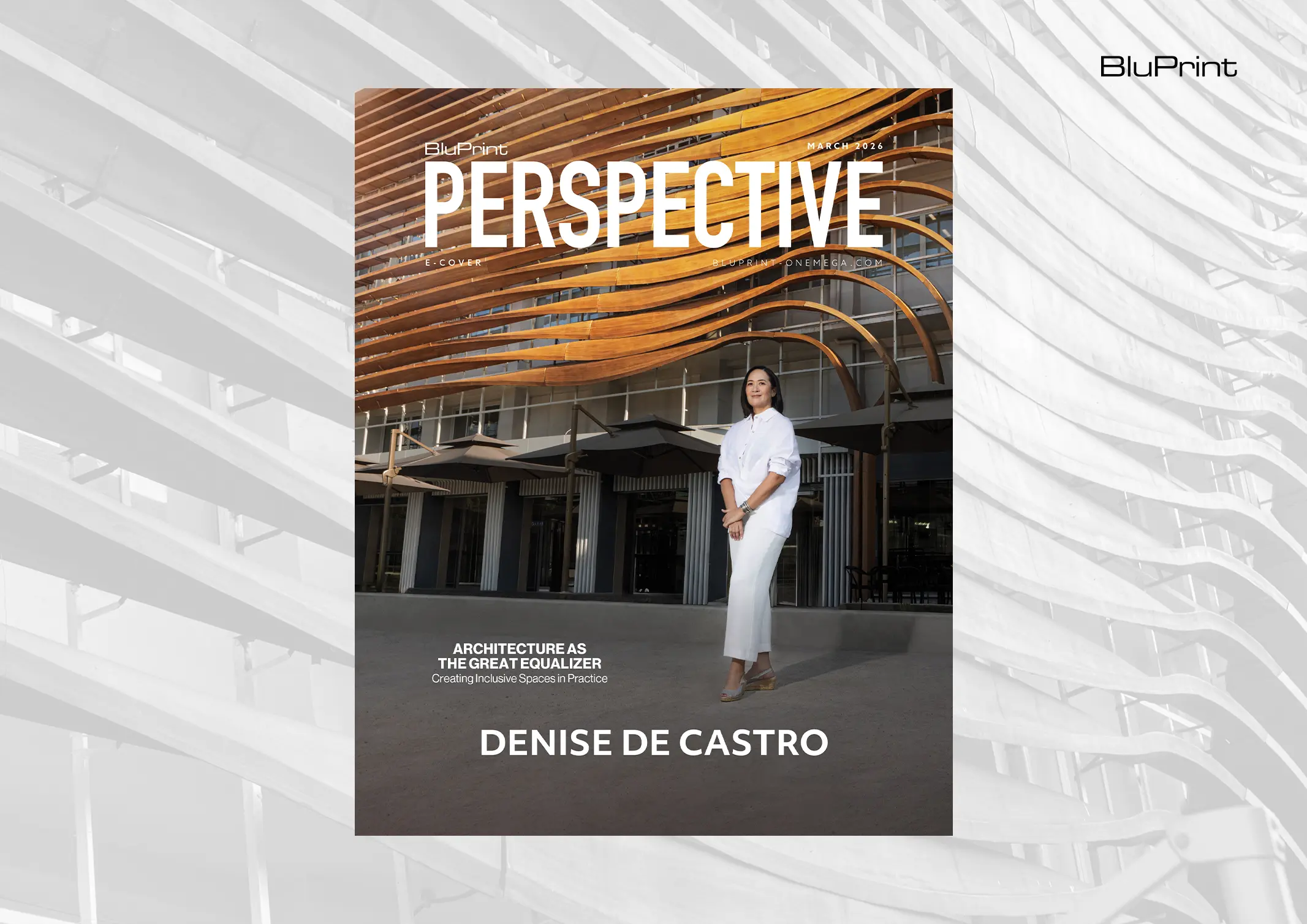
Denise de Castro, Principal Architect of DEQA Design Collaborative, believes that designing with equity in mind means starting at the workplace. Values and practices that your studio or office espouse inevitably filter down to the work that you do. Equitable design ensures that people with different needs and different backgrounds are supported through fair access, […]
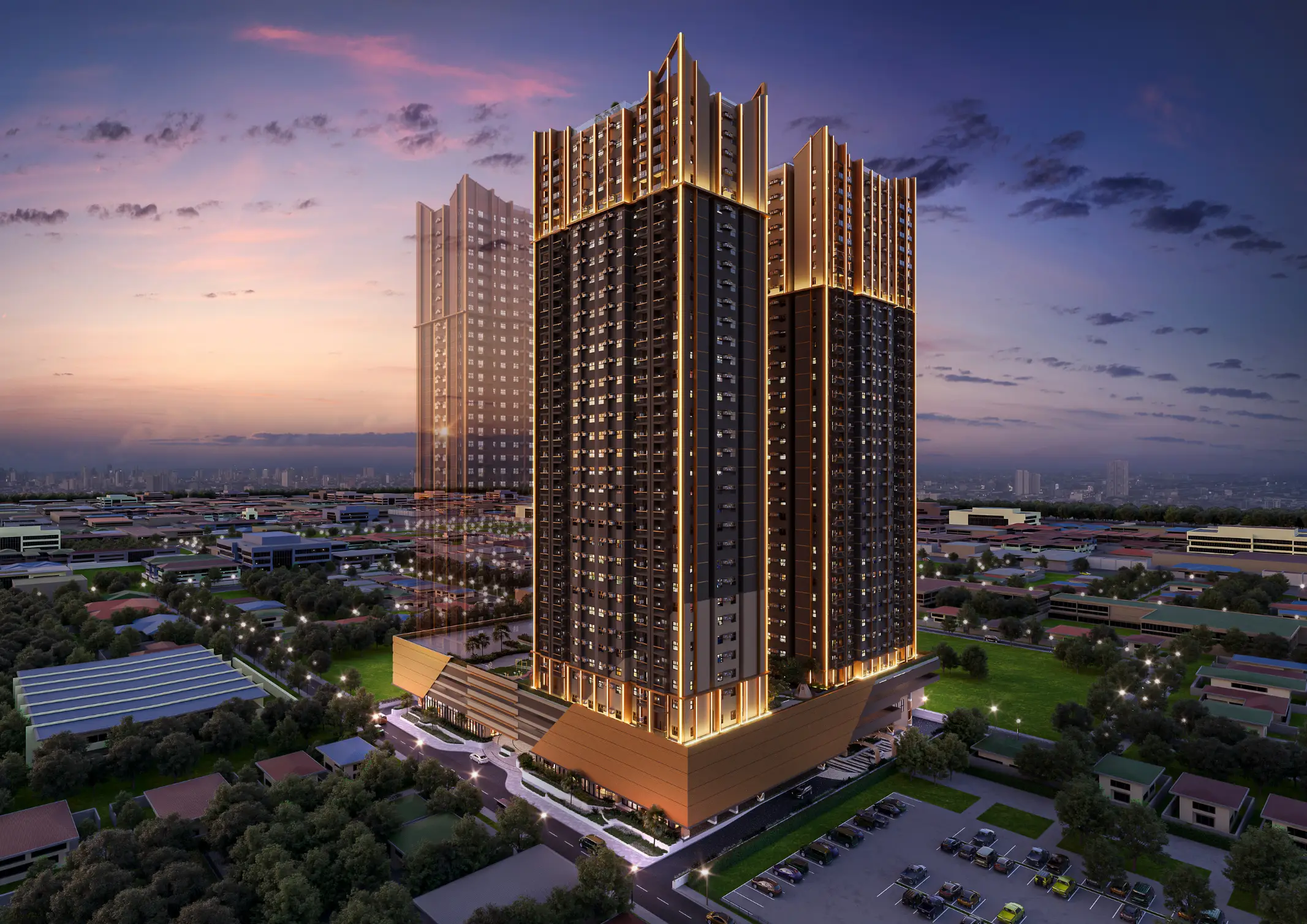
Across Metro Manila, residential developments are increasingly designed around proximity. As cities grow denser and mobility becomes more complex, new housing is often positioned near transport nodes, commercial districts, and educational institutions. This approach reflects a broader shift in urban planning. Mixed-use environments allow residents to live closer to daily necessities—reducing commute times while supporting […]
Luxury in design is undergoing a quiet shift. Where once luxury was measured primarily through visual opulence, today it is increasingly defined by responsibility—through the way spaces are built, the materials selected, and the impact those decisions leave behind. At the Philippine World Building and Construction Expo (WORLDBEX) 2026, this evolving definition of luxury takes […]
Download this month's BLUPRINT magazine digital copy from: