The journey to Philippine independence is a story of valor, sacrifice, and unwavering resolve. This narrative is not only preserved in books and memories but also enshrined in the country’s architectural landmarks. These edifices stand as silent witnesses to pivotal moments in history, each contributing to the nation’s quest for freedom. In commemorating Independence Day, or Araw ng Kalayaan, we explore the historical places in the Philippines that played crucial roles in the nation’s path to freedom and independence.
Rizal Park (Luneta Park)
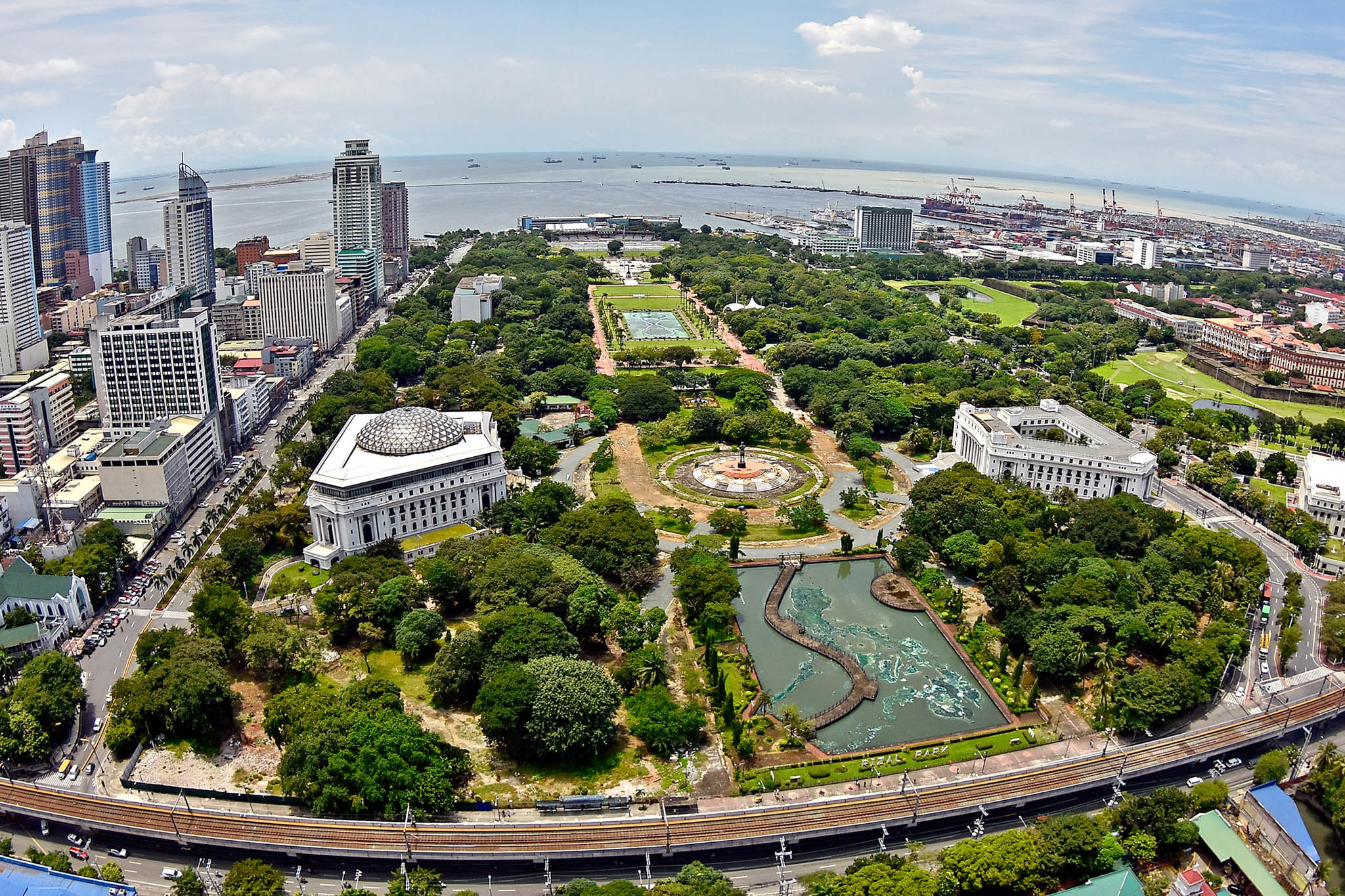
Rizal Park is nearby the National Museum complex so gathering more knowledge during your stroll can make the day better. Photo courtesy of Richmond Chi.
Rizal Park, commonly known as Luneta, is a sprawling urban park in Manila where José Rizal was executed on December 30, 1896. His death became a catalyst for the Philippine Revolution, igniting the people’s resolve to fight for independence.
The Rizal Monument, a prominent feature of the park, serves as a tribute to the national hero’s enduring legacy. Luneta Park is a solemn reminder of the high price paid for the country’s freedom and a symbolism of its enduring spirit.
Advertisement
Aguinaldo Shrine
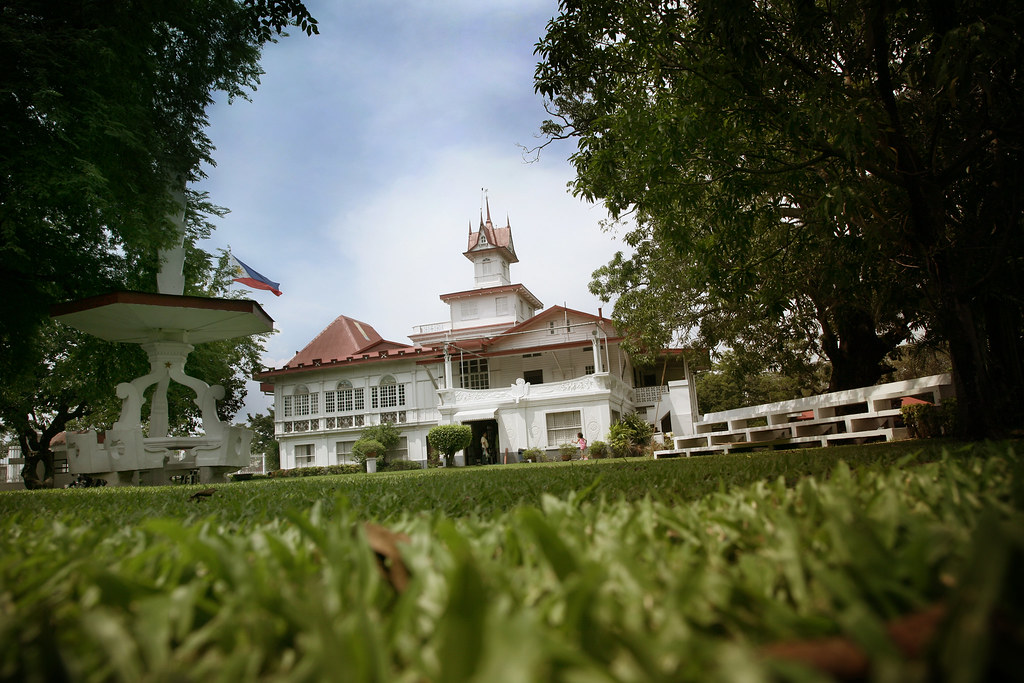
Located in Kawit, Cavite, the Aguinaldo Shrine is one of the most iconic symbols of Philippine independence. It was here, on June 12, 1898, that General Emilio Aguinaldo declared the nation’s independence from Spanish colonial rule.
This declaration marked the birth of the First Philippine Republic. However, neither the Spanish nor the American governments recognized the newly-formed nation. Instead, they negotiated the Treaty of Paris, where Spain ceded control of the Philippines to the United States for a mere 20 million dollars.
Now a museum, the shrine showcases artifacts and memorabilia from that era. It offers a glimpse into the lives of those who fought for freedom. The balcony from which Aguinaldo proclaimed independence remains a powerful emblem of national pride and liberation.
Advertisement
Barasoain Church
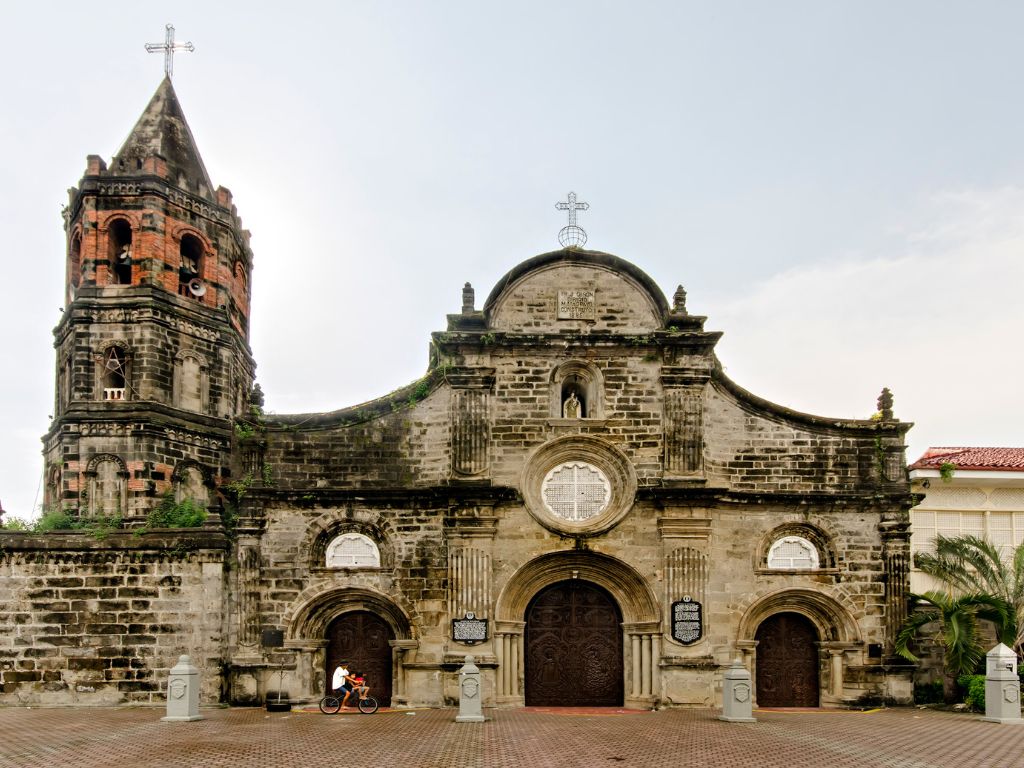
Barasoain Church, situated in Malolos, Bulacan, holds a significant place in Philippine history. It was the site of the Malolos Congress, which convened on September 15, 1898. The congress drafted and ratified the Malolos Constitution, leading to the inauguration of the First Philippine Republic on January 23, 1899.
More than a religious structure, the church is also a monument to the establishment of a sovereign Filipino nation. The events that transpired within its walls underscored the Filipinos’ desire for self-governance and democracy.
Fort Santiago
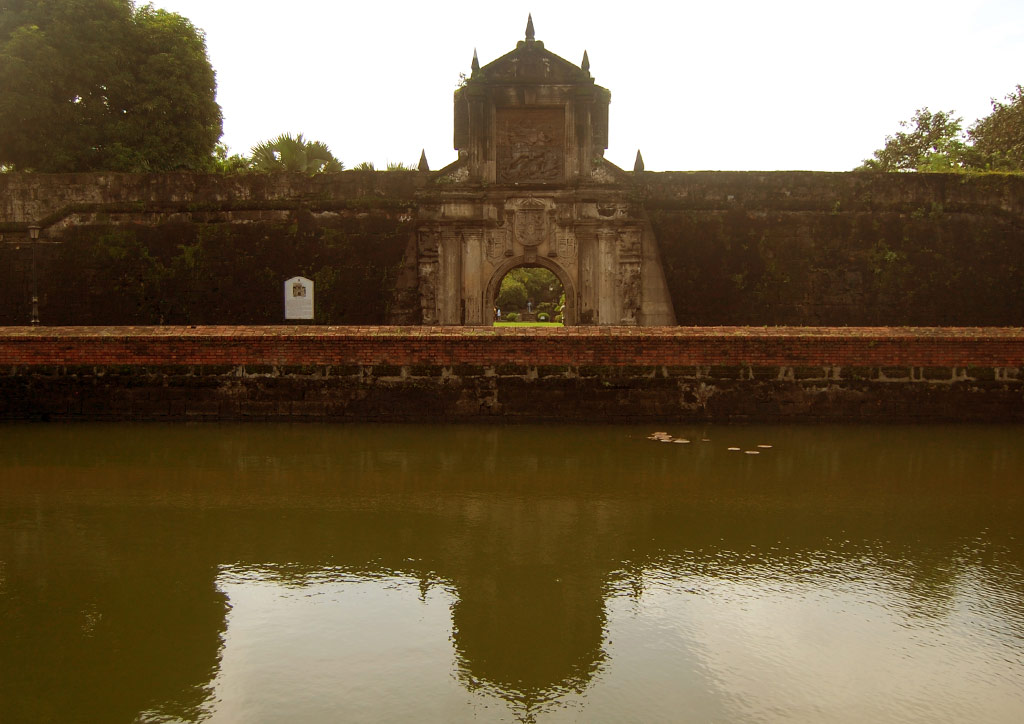
Among the many historical places in the Philippines, Fort Santiago in Intramuros, Manila, served as a military defense fortress during the Spanish colonial period. It later became a prison for Filipino revolutionaries, including José Rizal, whose martyrdom sparked a stronger resistance against Spanish rule. Rizal’s imprisonment and subsequent execution at Luneta Park underscored the oppressive nature of colonial rule and galvanized the movement for independence.
Advertisement
In 1945, Japanese forces during World War II made their last stand against American soldiers and Filipino guerillas within the walled city during the Battle of Manila. The ensuing bombardment by American artillery flattened the area, leaving only San Agustin church intact. However, this marked a turning point that eventually led to the Japanese’s surrender.
Today, the fort stands as a historical site, preserving the legacy of those who sacrificed their lives for the nation’s freedom.
The Mactan Shrine
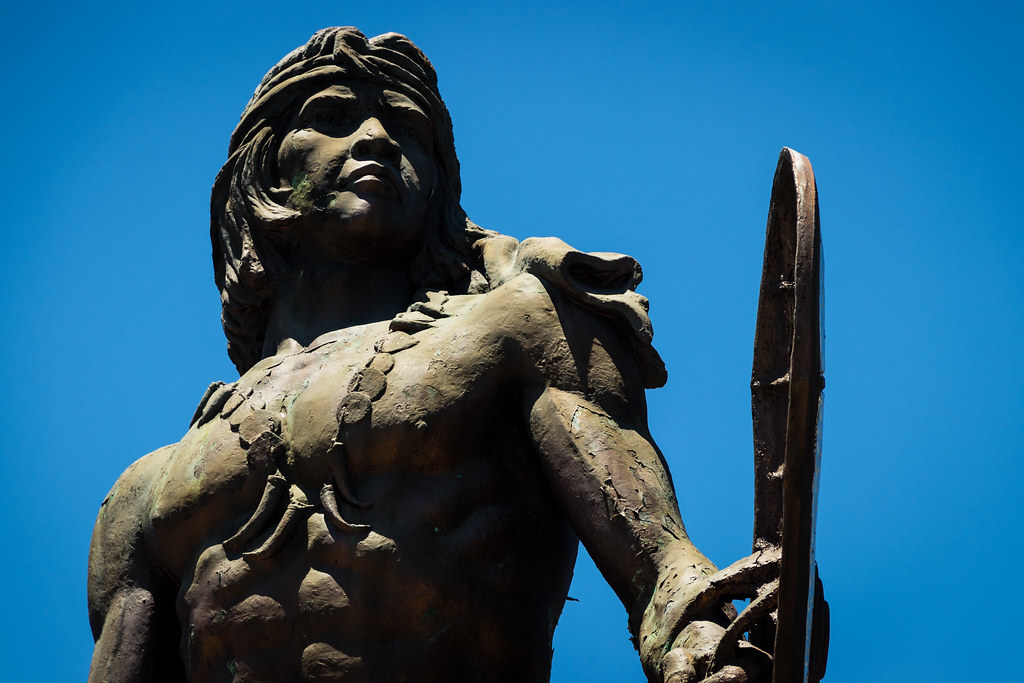
Also known as Liberty Shrine located in Lapu-Lapu City, Cebu, this memorial part commemorates the 1521 Battle of Mactan. It was here where Filipino leader Lapu-Lapu defeated Spanish forces led by Ferdinand Magellan. The site features two significant monuments. The Magellan Monument, an obelisk erected in 1866, and the bronze statue of Lapu-Lapu, established as a national shrine in 1969.
Advertisement
Mactan Shrine stands as a testament to Philippine resistance against foreign invasion, well before the Spanish, Americans, and Japanese established a foothold in the archipelago. The site is set for further development, including the addition of a new Lapu-Lapu Memorial Shrine and Museum.
EDSA Shrine
Photo by Patrick Roque.
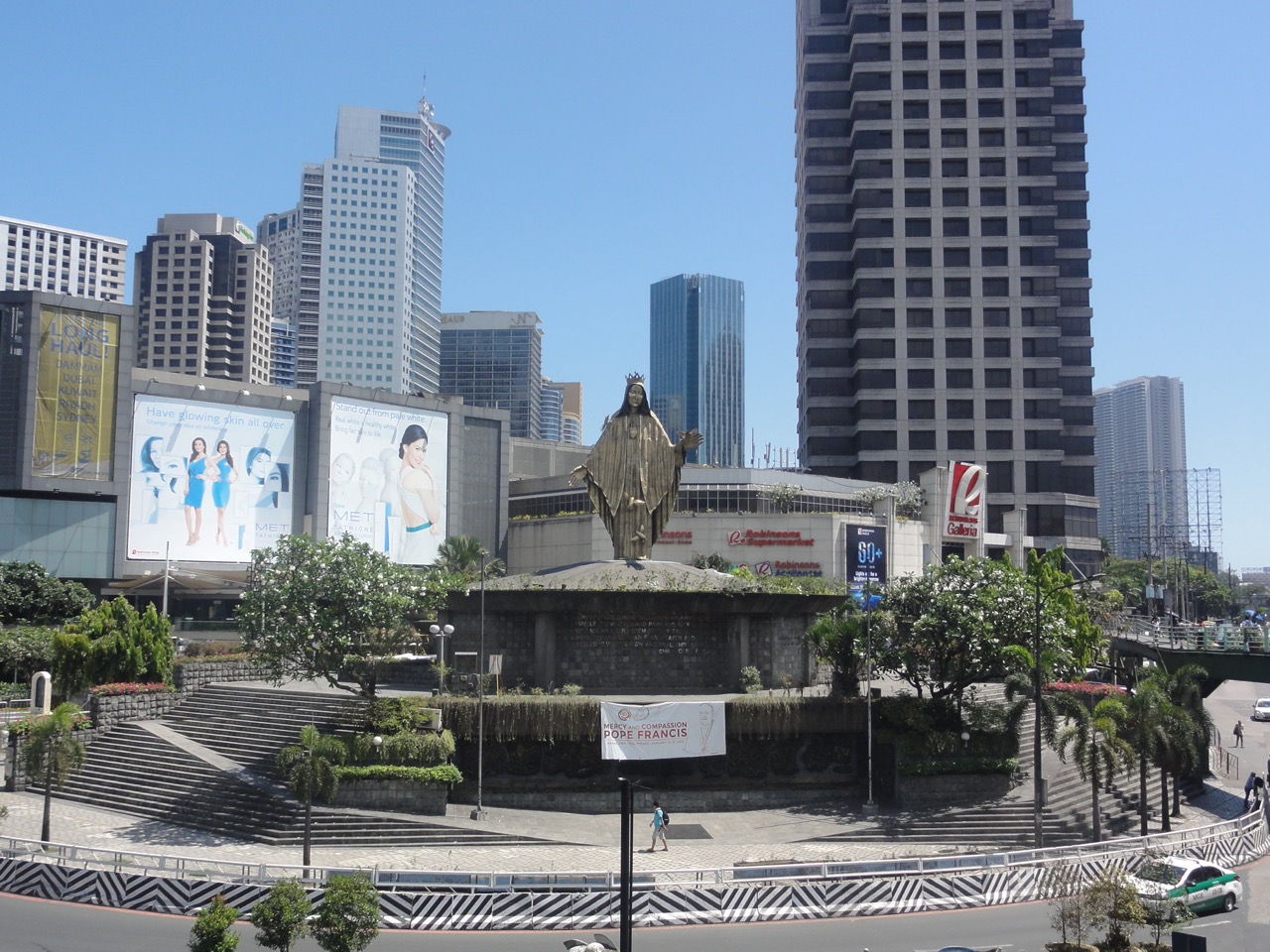
The EDSA Shrine, also known as the Shrine of Mary, Queen of Peace, Our Lady of EDSA, stands at the intersection of Epifanio de los Santos Avenue (EDSA) and Ortigas Avenue in Quezon City. It commemorates the People Power Revolution of 1986, which peacefully ended the authoritarian regime of President Ferdinand Marcos.
National Artist for Architecture Francisco “Bobby” Mañosa’s design emphasizes accessibility and public engagement. Its open spaces encouraging gatherings and peaceful assemblies. Celebrated for his modernist approach and dedication to Filipino architecture, he integrated traditional and modern elements, featuring a distinctive domed structure. Its architecture serves as a reminder of the power of peaceful protest and the resilience of the Filipino people in their quest for democracy.
Advertisement
The shrine is crowned by a golden statue of the Virgin Mary, created by sculptor Virginia Ty-Navarro, symbolizing peace and hope. The surrounding area includes an open-air amphitheater used for masses and public gatherings. All this reflects the community spirit that the People Power Revolution embodied.
The Road to Freedom
These six historical places in the Philippines are embodiments of the Filipino spirit and the relentless pursuit of freedom. Each structure has its unique story, contributing to the rich tapestry of the nation’s history. As we celebrate Independence Day, these landmarks serve as enduring reminders of the past struggles and the triumphs that shaped the nation. They stand as pillars of heritage, inspiring future generations to cherish and uphold the hard-won liberty that defines the Filipino identity.
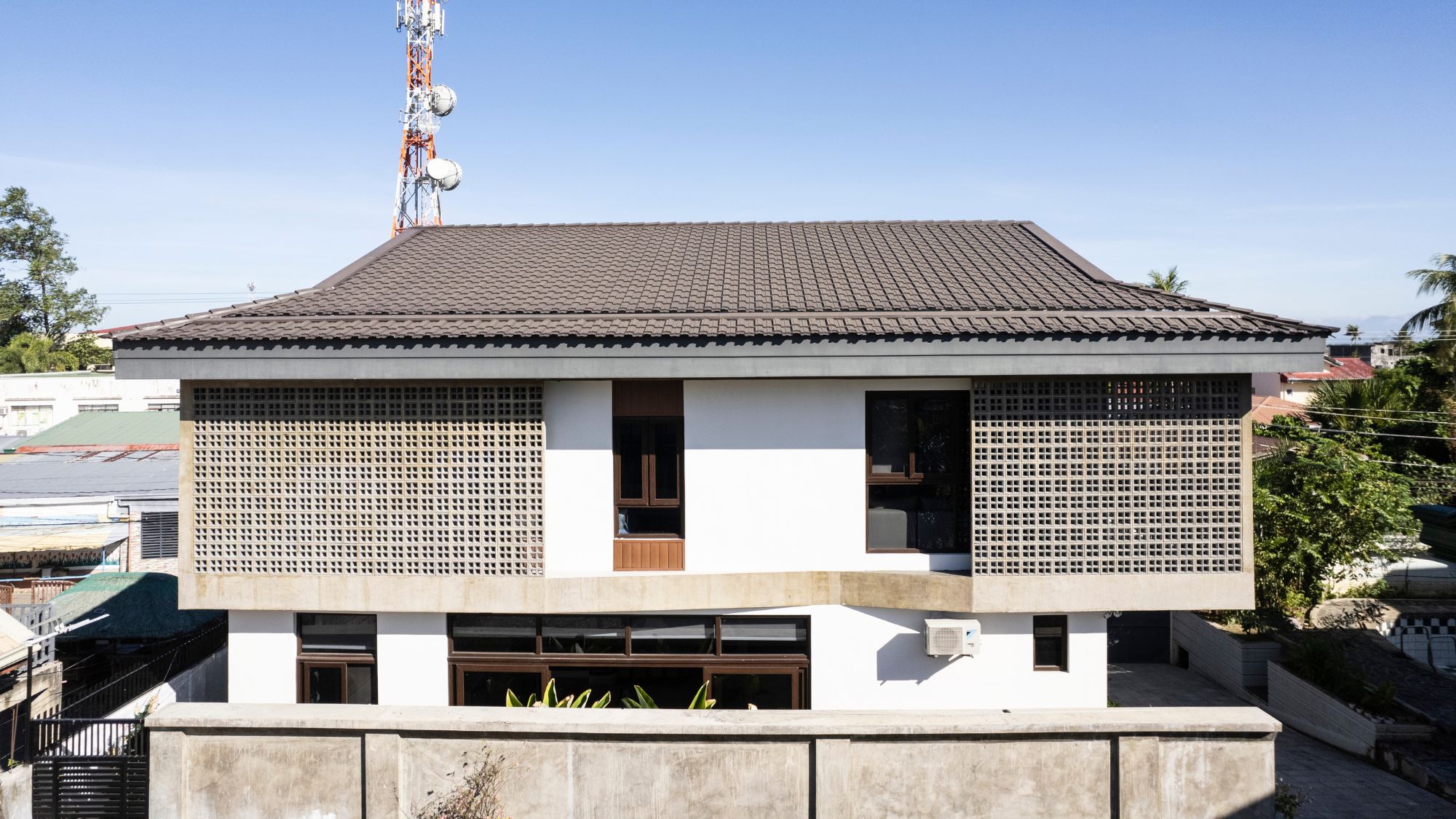
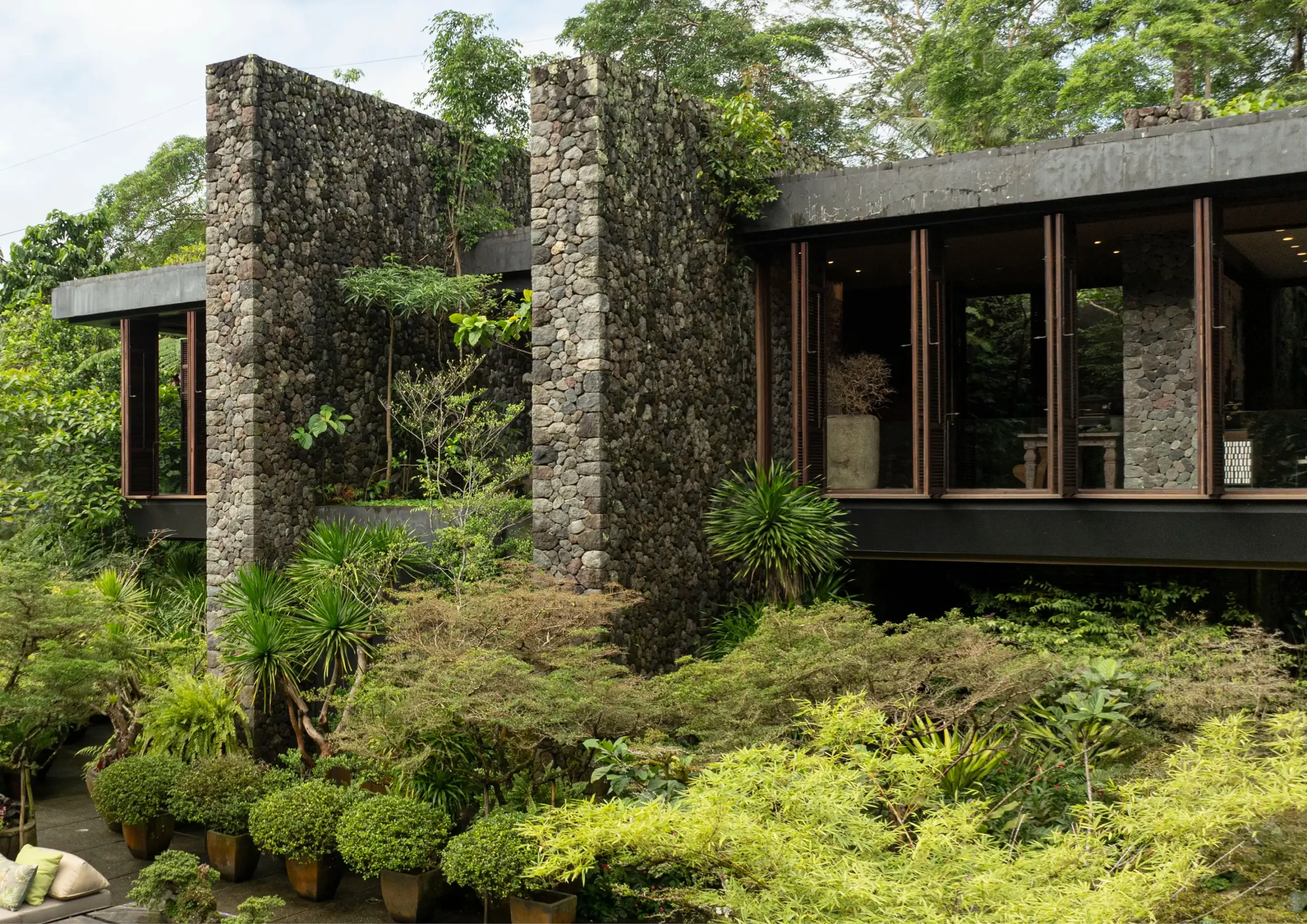
Ventilation involves the introduction of outdoor air into a room, providing occupants with their needs. Proper ventilation allows for the moderation of internal temperatures, the creation of better airflow, the dilution of carbon dioxide to acceptable levels, and the removal of contaminants. This addresses health risks associated with indoor air pollution, such as respiratory problems […]
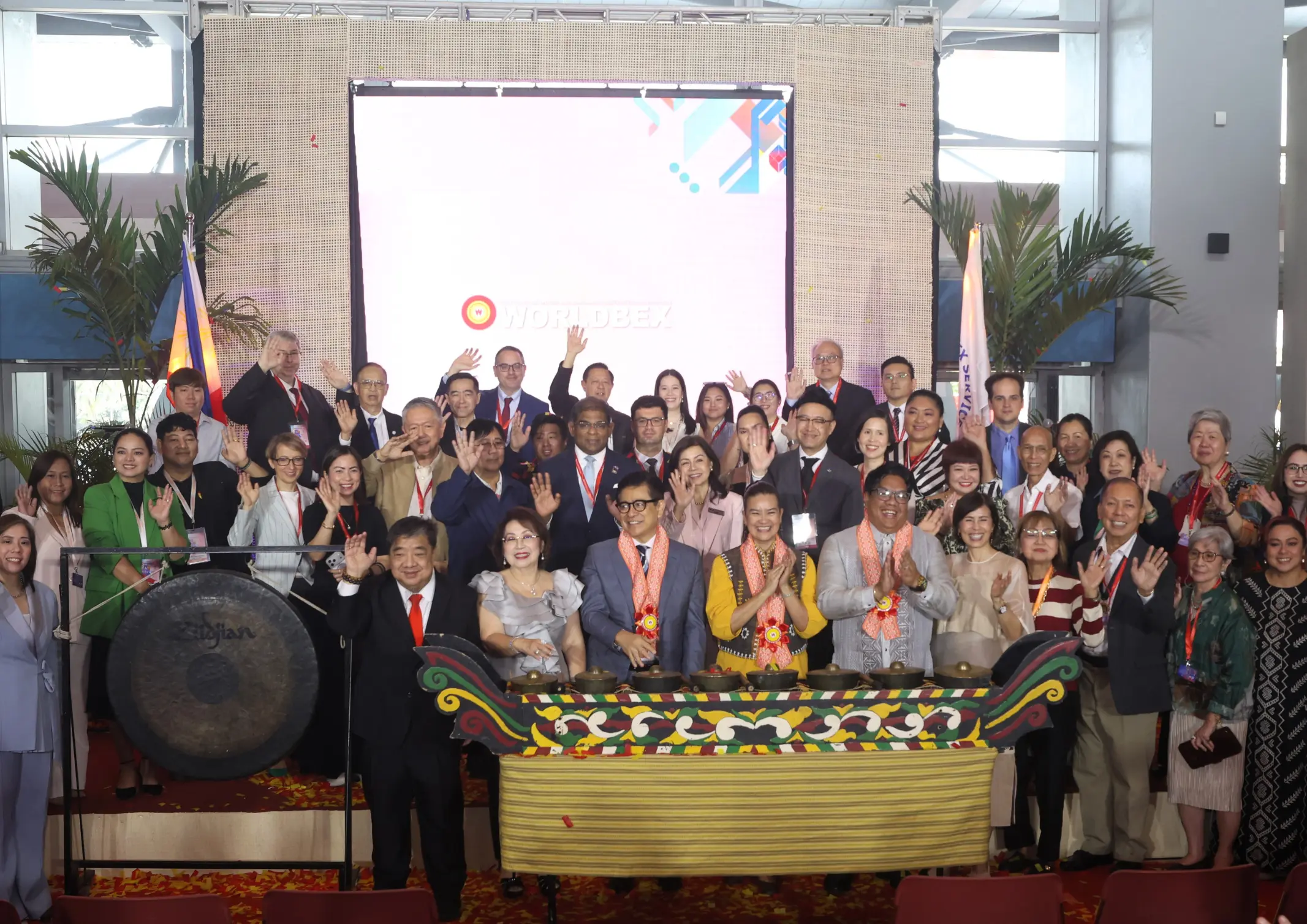
WORLDBEX 2026, running from March 12 to 15, 2026, proves itself as the Philippines’ leading construction and design expo as it wrapped its 29th edition. It drew together 1,000 local and international exhibitors under one theme, “Building Opportunities: Sustaining Lives.” Organized by Worldbex Services International (WSI), in support of the ABS-CBN Foundation Inc., the event […]
Located near the equator, factors such as heat and humidity are the norm in the Philippines. This tropical climate has shaped the development of architecture in the country. As Leandro V. Locsin stated: “The first consideration of the Filipino builder and certainly the most evident in his architecture, which is after all an outgrowth of […]
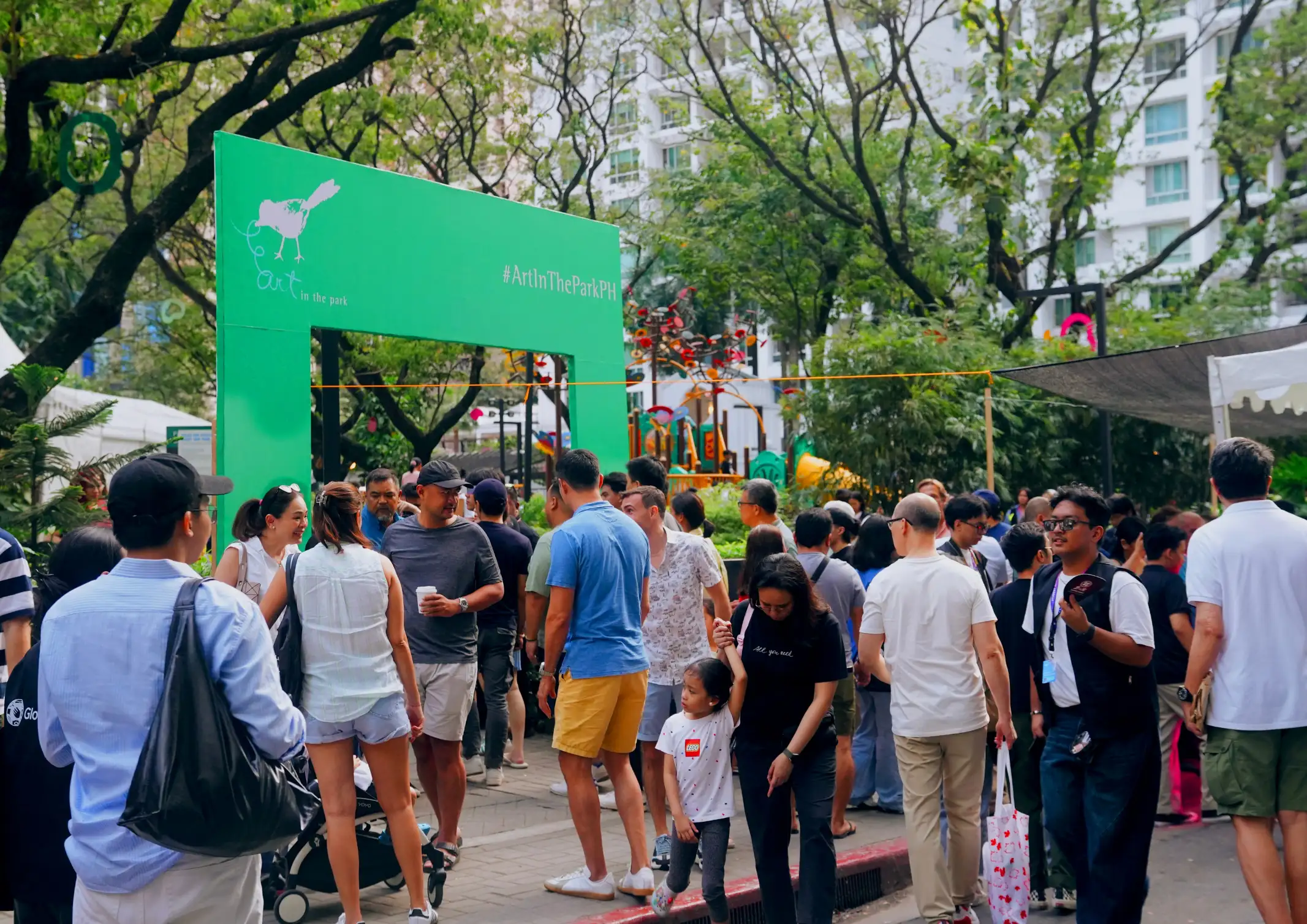
Art in the Park returned this year to Jaime Velasquez Park in Salcedo Village, Makati City, to celebrate its 20th anniversary. This year’s edition featured a curated selection of works from 55 exhibitors representing galleries, art collectives, independent art spaces, and student groups. With all artworks capped at Php 70,000, the fair continued its mission […]
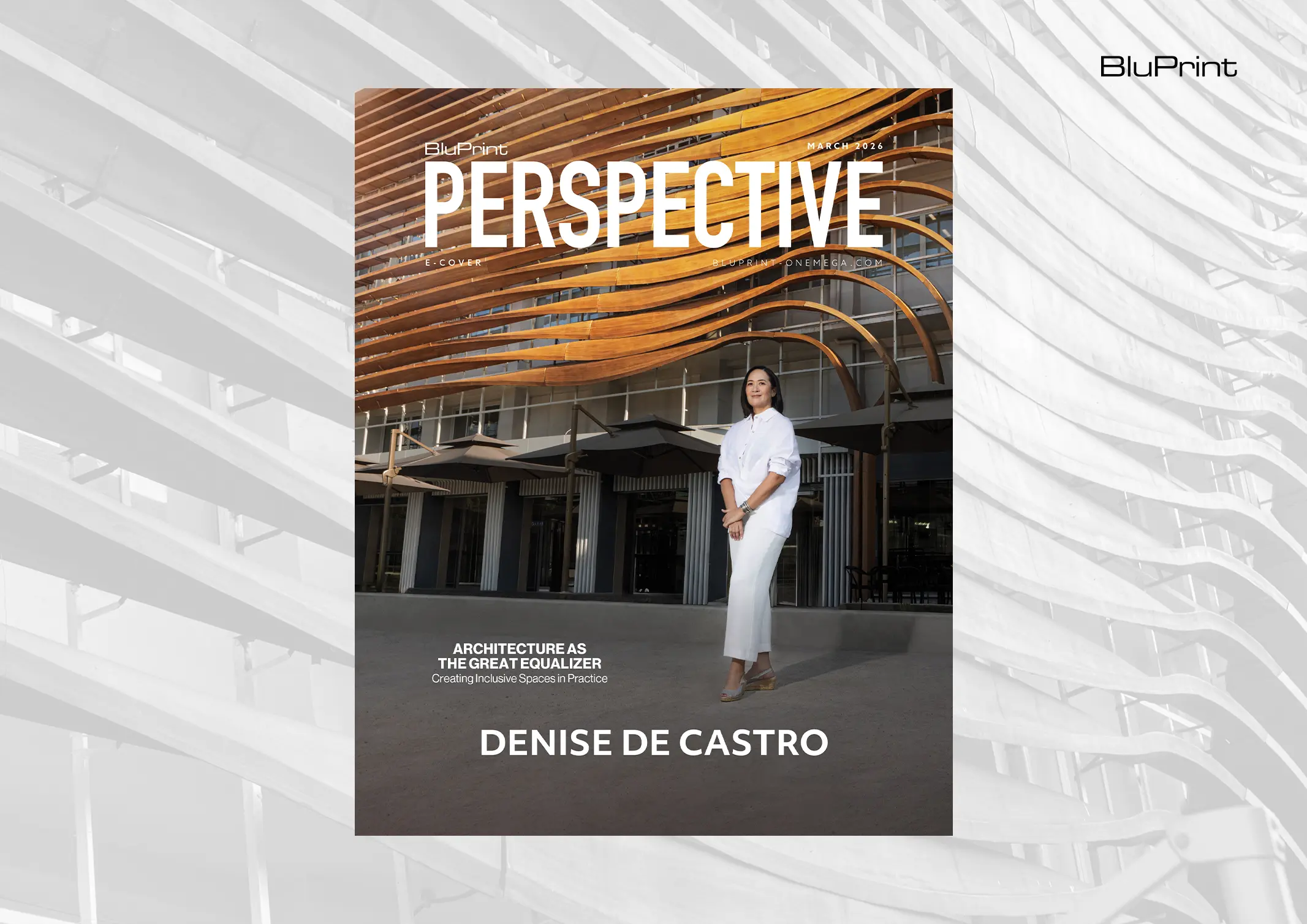
Denise de Castro, Principal Architect of DEQA Design Collaborative, believes that designing with equity in mind means starting at the workplace. Values and practices that your studio or office espouse inevitably filter down to the work that you do. Equitable design ensures that people with different needs and different backgrounds are supported through fair access, […]
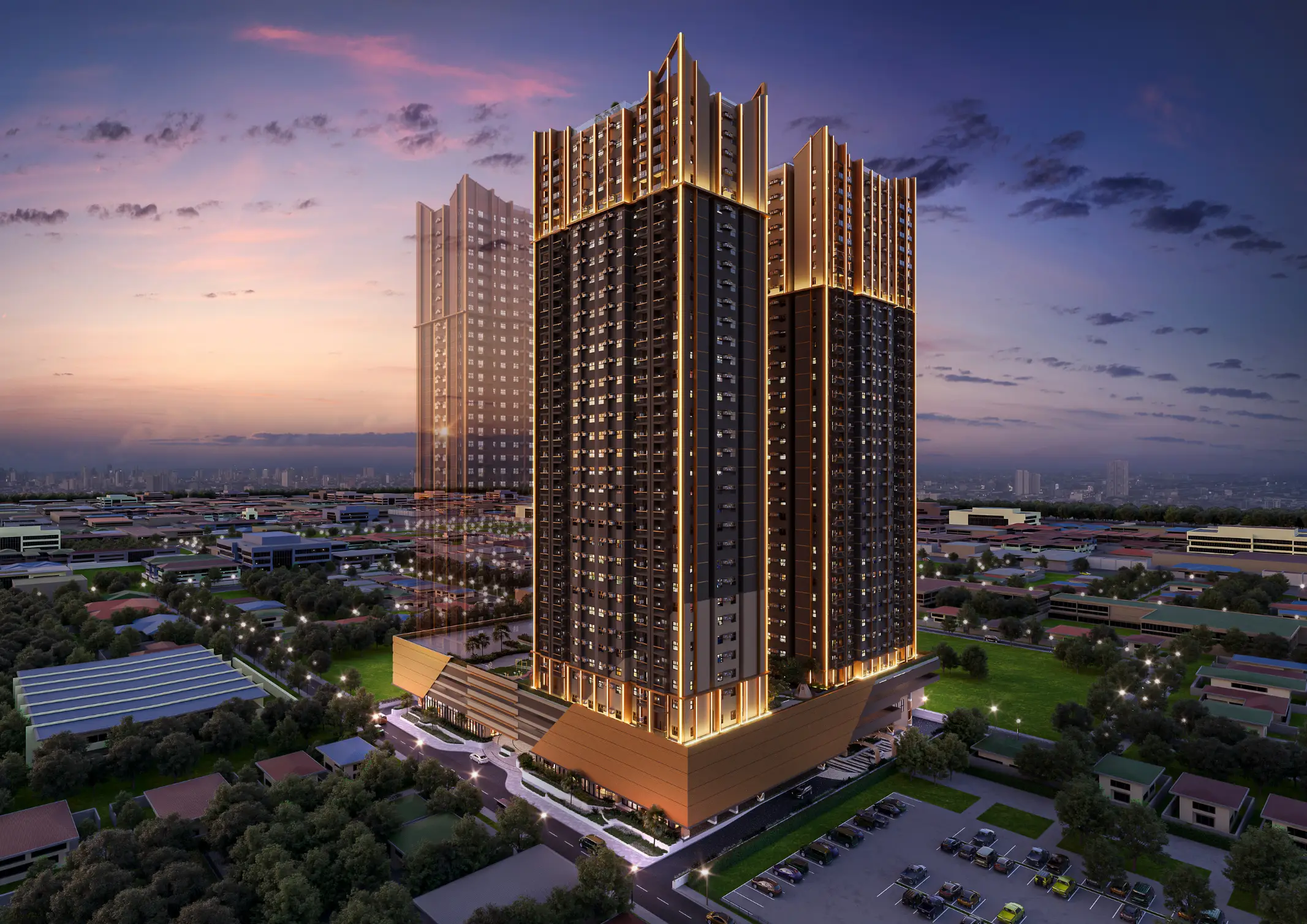
Across Metro Manila, residential developments are increasingly designed around proximity. As cities grow denser and mobility becomes more complex, new housing is often positioned near transport nodes, commercial districts, and educational institutions. This approach reflects a broader shift in urban planning. Mixed-use environments allow residents to live closer to daily necessities—reducing commute times while supporting […]