From the moment a diner steps through the door, each detail shapes how a meal is experienced. Restaurant design has evolved, with architects and culinary professionals collaborating to create built spaces that are as intentional as the menu itself. The spatial atmosphere acts as an additional ingredient that can define the culinary experience. Taupe and […]
In Conversation with the Past: A Look Into Adaptive Reuse



Over the past decades, adaptive reuse has been utilized as a sustainable alternative for the built environment. It involves repurposing existing buildings for a new use, allowing the past to remain while serving a modern purpose. Here, structures facing potential demolition or no longer serviceable are seen as sources of raw materials for new projects.
More than just breathing new life into existing structures, this process also offers environmental and social benefits. In some cases, it also allows us to retain our national heritage. This year, we have witnessed this approach applied in various forms, from residential to civic architecture. BluPrint summarizes its coverage of adaptive reuse in 2025.
AP House: An 80s Revival
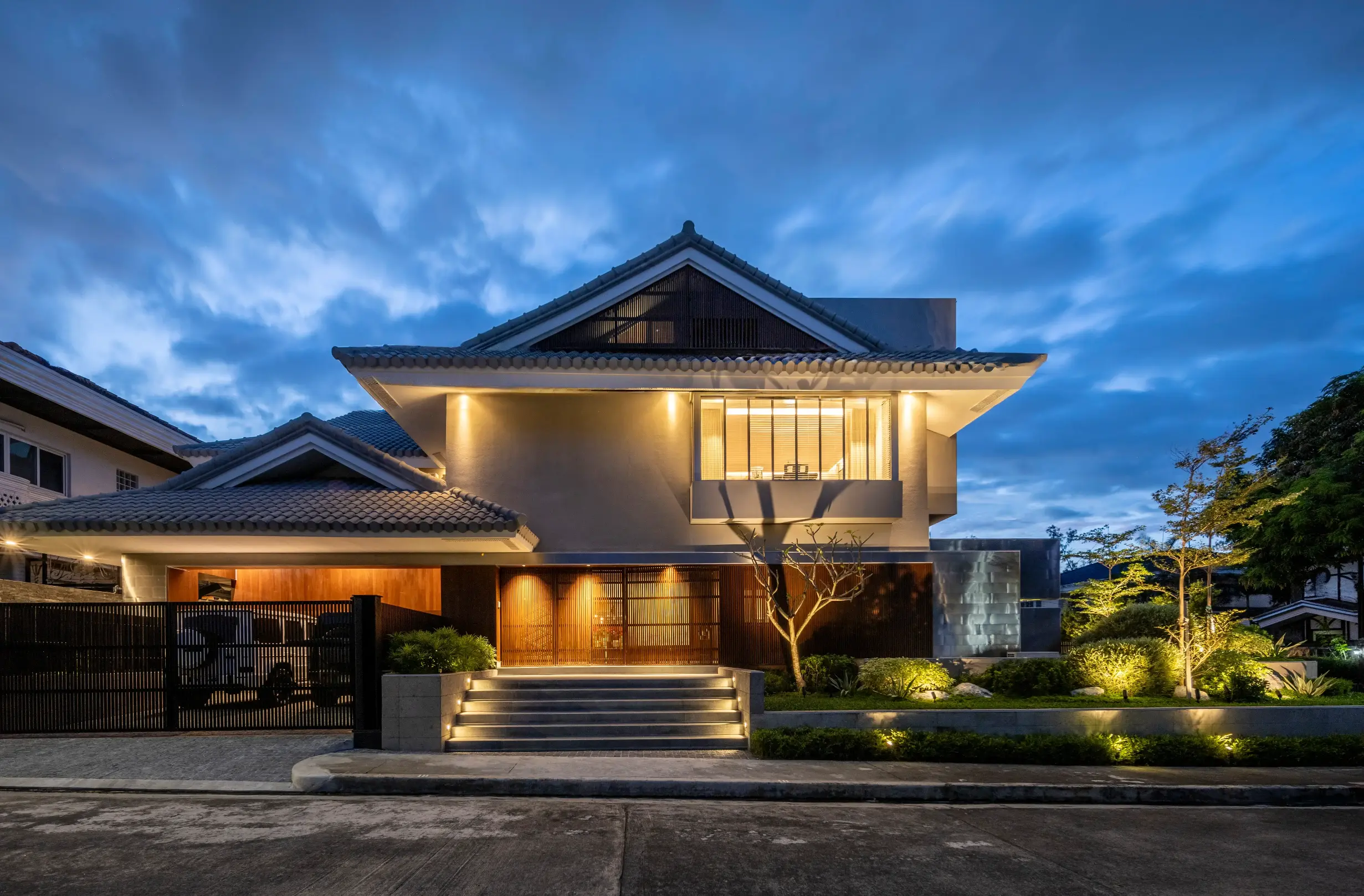
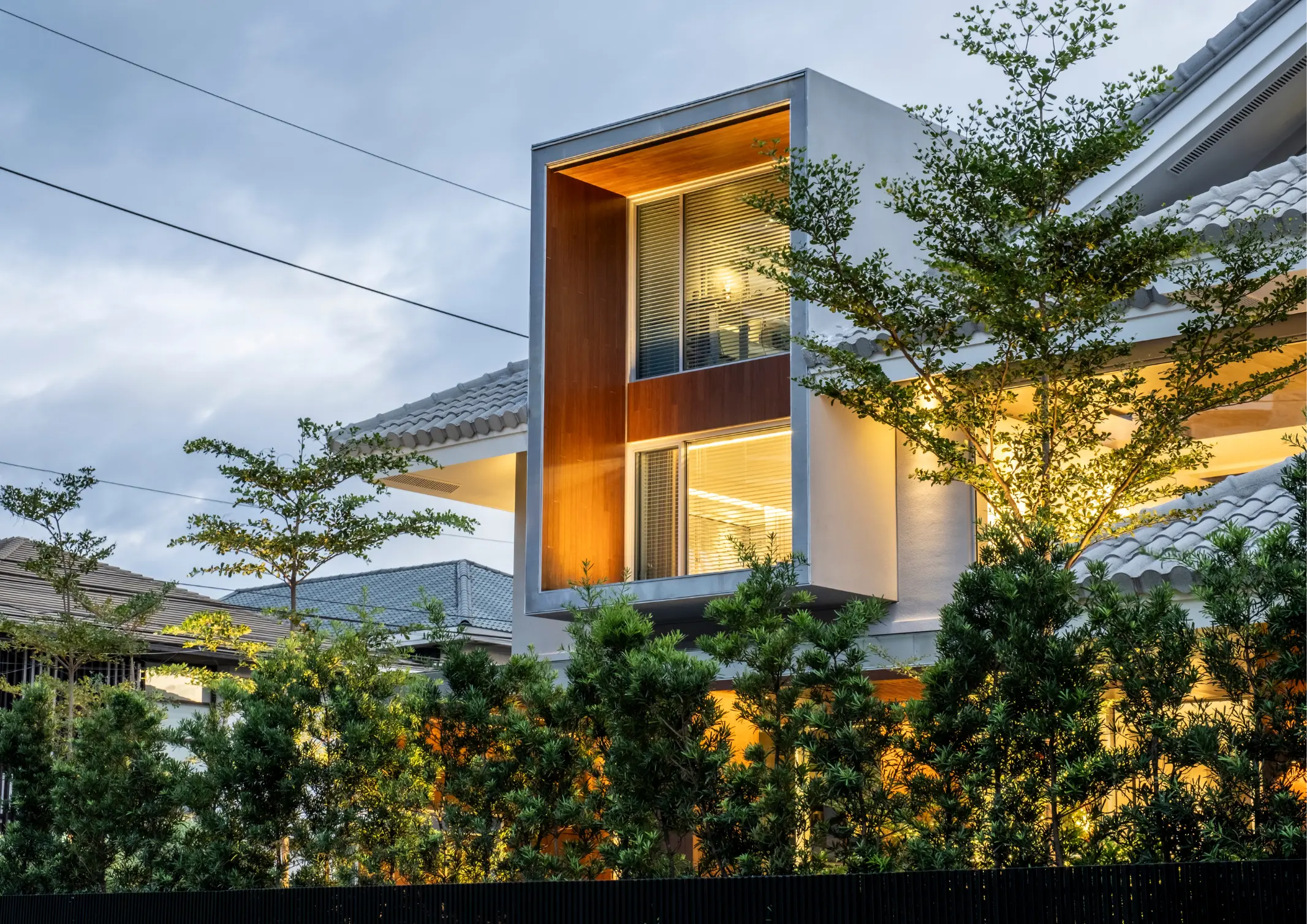
The client of this 1980s 40-year-old home initially considered demolishing the structure. However, Don Lino Architects saw potential in their client’s home. Through adaptive reuse, the architects modernized and revitalized the structure. Envisioning an evolution of the space without erasing its past, the renovations kept the home’s essence while adapting to contemporary living standards.
Advertisement
Situated in Quezon City, the home’s façade is defined by a preserved, pitched tiled roof that contrasts with a modern rectangular volume. Extending from the original structure to represent the home’s evolution, Architect Lino explained that this creates a dialogue between the past and present.
With the clients’ flexibility to explore a major renovation, the architects were able to push architectural boundaries. For instance, material selections further reinforced the contrast between past and present. The architects’ unconventional use of stainless steel cladding added a modern edge, while the monochrome palette created a cohesive and refined aesthetic. From its original 800 square meters to a now 1,100 square meter lot, this four-bedroom home was transformed into a repurposed space fit for contemporary standards.
Embracing Potential: Vessel Hostel
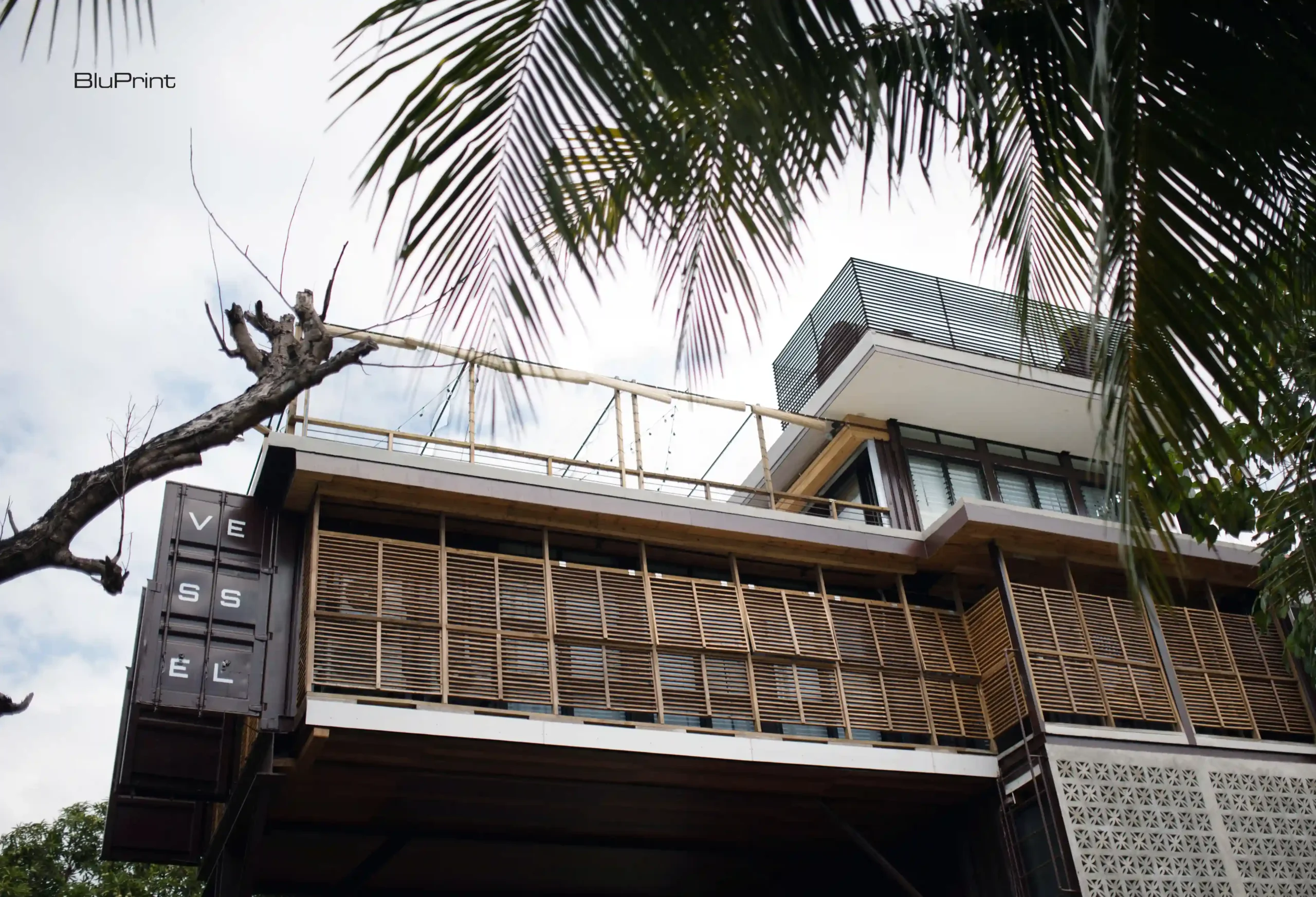
Architects Buji Libarnes and Nikki Dela Paz-Libernes unlock hidden potential in what others might overlook through their works. Tucked in La Union’s coastline, the Vessel Hotel is a masterclass on adaptive reuse. Sourced from the frequent shipping containers arriving at its ports, this material source reflects on its local environment.
Advertisement
The structure used steel boxes designed to withstand long-haul transport. From cargo to comfort, its rigid exterior and sole purpose for function were transformed into a livable space. Blending industrial minimalism with the easygoing spirit of a coastal retreat, the hostel makes for a bustling space for guests. Despite sharing a compact lot with the architects’ private residence, the industrial units went beyond their constraints—letting creativity flourish.
Museo Pambata: A New Chapter of Creativity and Education
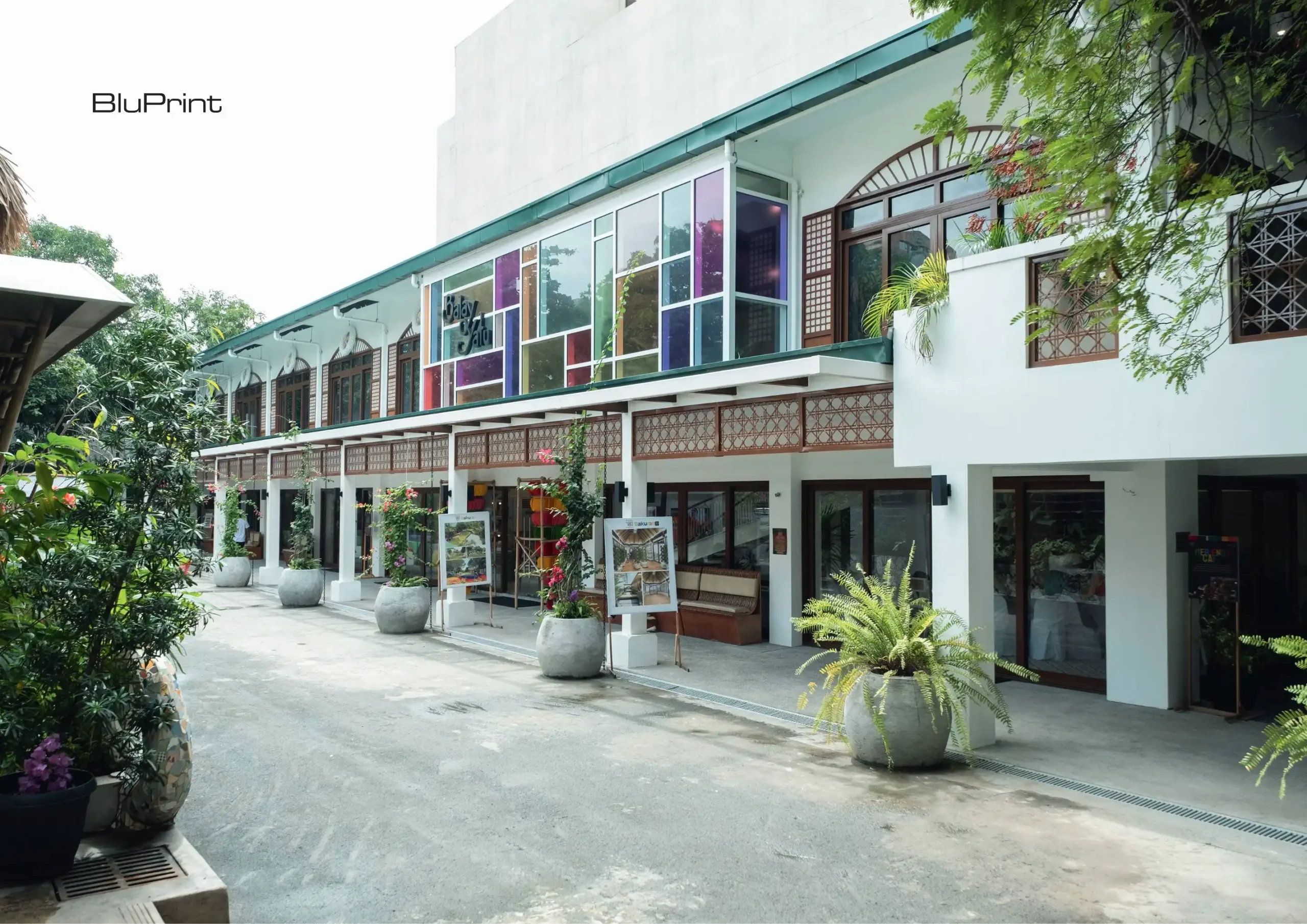
After 30 years of service, Museo Pambata was closed off to the public during the pandemic. Bambi Mañosa-Tanjutco, then President of Museo Pambata, saw this as an opportunity to transform the structure to better meet today’s generation’s needs. The result is the transformation of its annex building into the first youth-curated space in the Philippines and in Asia: the Balay Yatu.
The building was a condemned structure that had sustained severe damage from an earthquake. Under the hands of TAYO Design Studio, it was then reimagined as a youth-led cultural hub through adaptive reuse. Merging creative spaces with climate advocacy, Architect Noel Saraton led the redesign and rebuilding of the structure.
Advertisement
Inside, the space can be rented out for events, children’s conferences, and exhibits. By transforming a space no longer in use into a cultural hub.
National Museum of Natural History
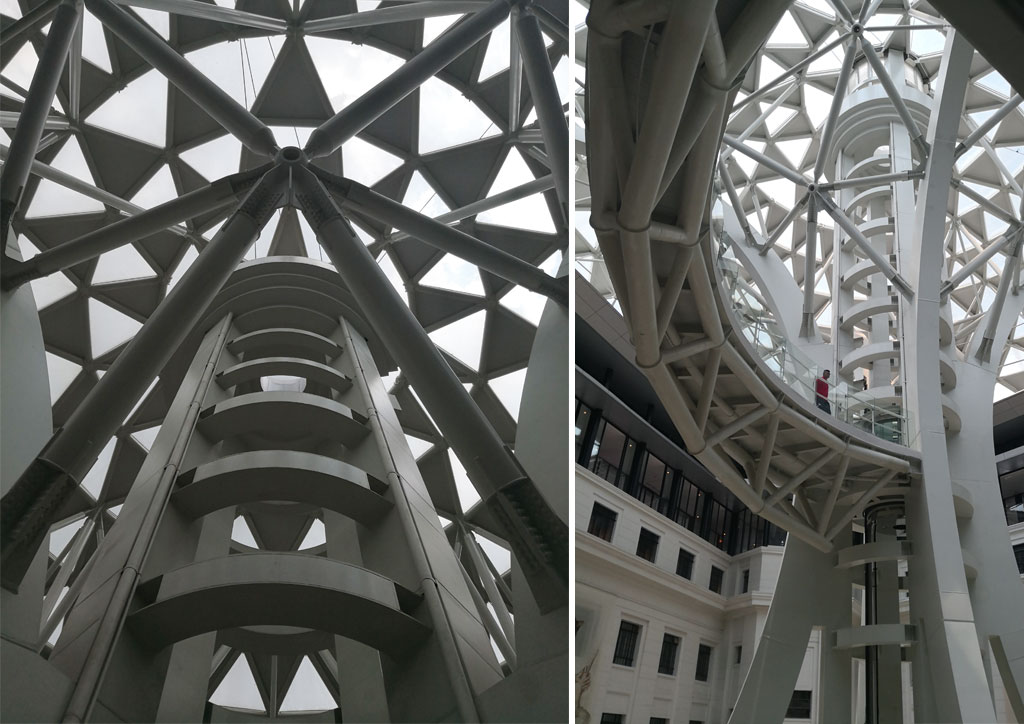
From the 1939 Department of Agriculture into the National Museum of Natural History, Dominic Galicia’s restoration and construction stand out among the rampant destruction of built heritage. The structure is one of the last few vestiges of Daniel Burnham’s 1905 plan for Manila. Tucked within the dense urban landscape of the nation’s capital, the museum offers residents spatial relief as one of the few public spaces.
Founded on man’s expression of trying to understand nature through time, its design language of preservation and innovation is best showcased in the Tree of Life. As the heart of the project, it balances the practical requirement of covering the courtyard while providing the structure with a central narrative core. Acting as a defining design element, it is visually compelling as much as it is pragmatic.
Advertisement
Architect Galicia also took the processional narrative into account, encouraging people to explore the space from top to bottom. Once visitors arrive at the fifth floor, they are welcomed into the first gallery of the curatorial wing. From there, you can take the ramp that takes you down to the lowest floor.
The contrast between old and new is best seen on the sixth floor. What began as a hodgepodge of additions and expansions conducted over the decades has now been renovated. Its clean steel and glass create a mediating band between the patrimonial base from 1939 and the dome of the 21st century.
The Old and the New
Beyond the physical transformation adaptive reuse can bring, it can also revive surrounding communities by breathing life into dilapidated structures. This approach enables our existing buildings to experience time alongside humanity, creating contemporary spaces that echo the past.
Advertisement
Read More: The DNA of the National Museum of Natural History
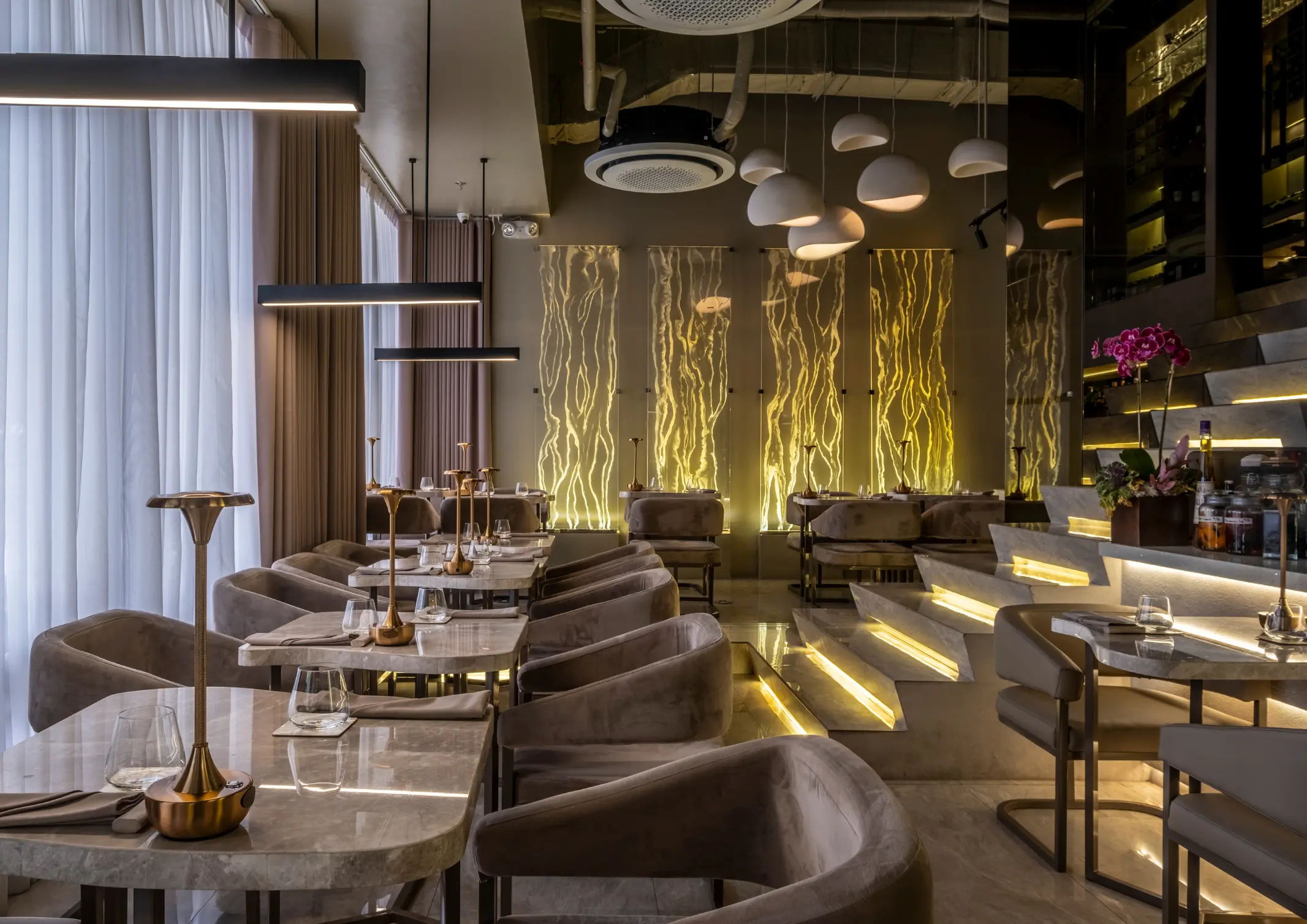
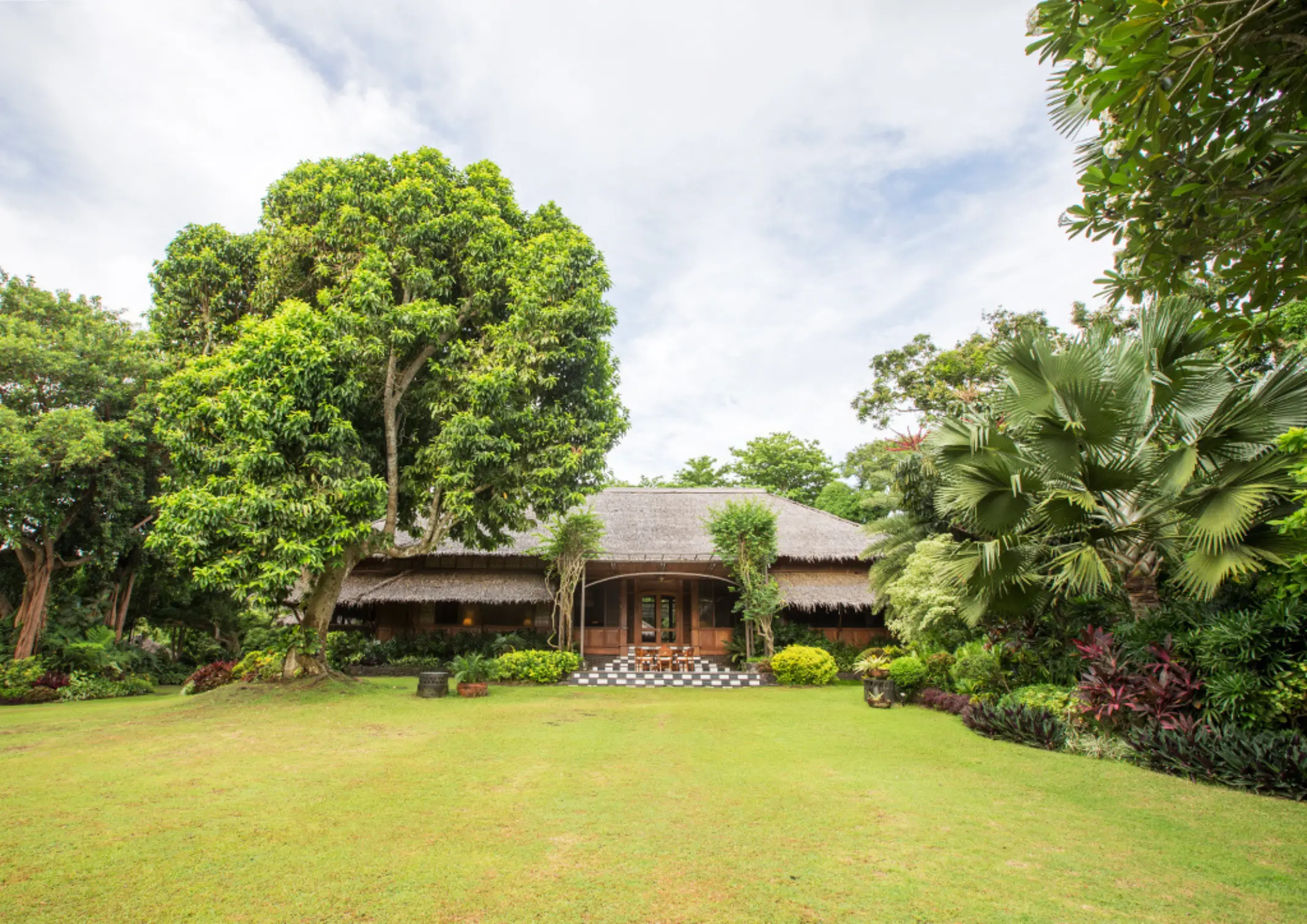
With climate change and global warming, the Philippine climate is in constant evolution. Consequently, it is important for Filipinos to have living spaces that respond to the local environment. In this article, BluPrint lists down Filipino architects who are reimagining the tropical house, aligning the built and natural environment. BAAD Studio Principal architects Benjee Mendoza […]
Advertisement
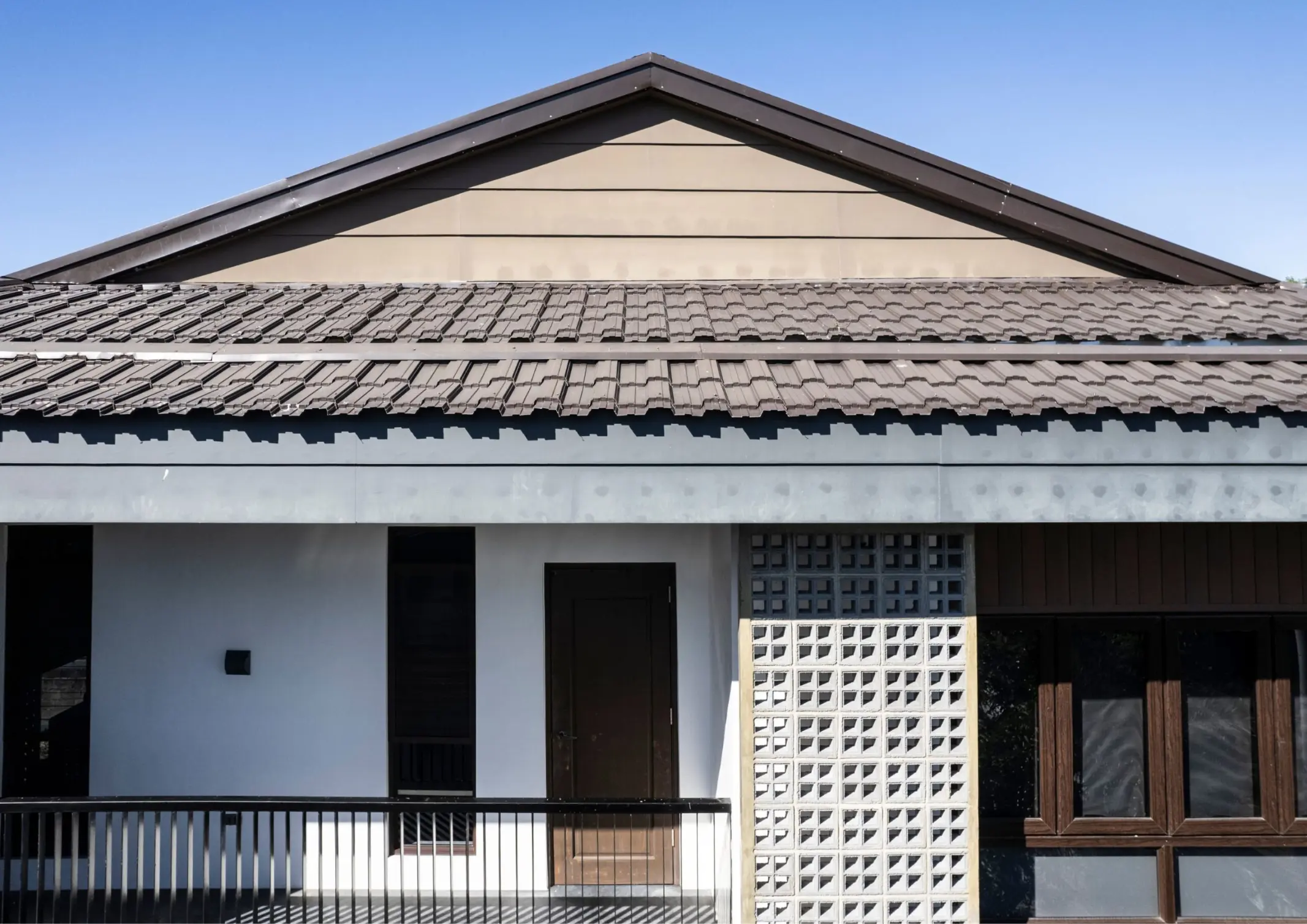
Ventilation involves the introduction of outdoor air into a room, providing occupants with their needs. Proper ventilation allows for the moderation of internal temperatures, the creation of better airflow, the dilution of carbon dioxide to acceptable levels, and the removal of contaminants. This addresses health risks associated with indoor air pollution, such as respiratory problems […]
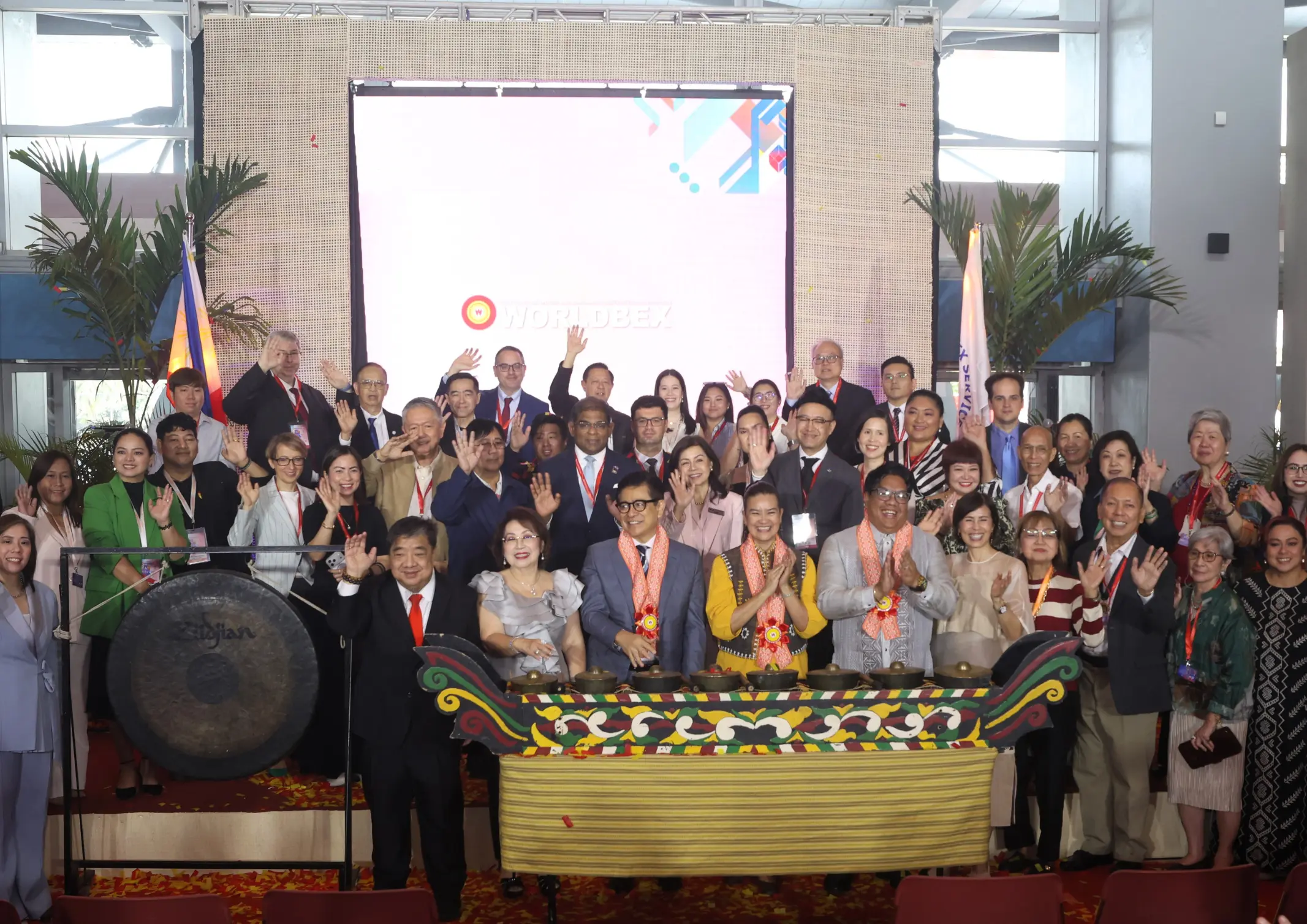
WORLDBEX 2026, running from March 12 to 15, 2026, proves itself as the Philippines’ leading construction and design expo as it wrapped its 29th edition. It drew together 1,000 local and international exhibitors under one theme, “Building Opportunities: Sustaining Lives.” Organized by Worldbex Services International (WSI), in support of the ABS-CBN Foundation Inc., the event […]
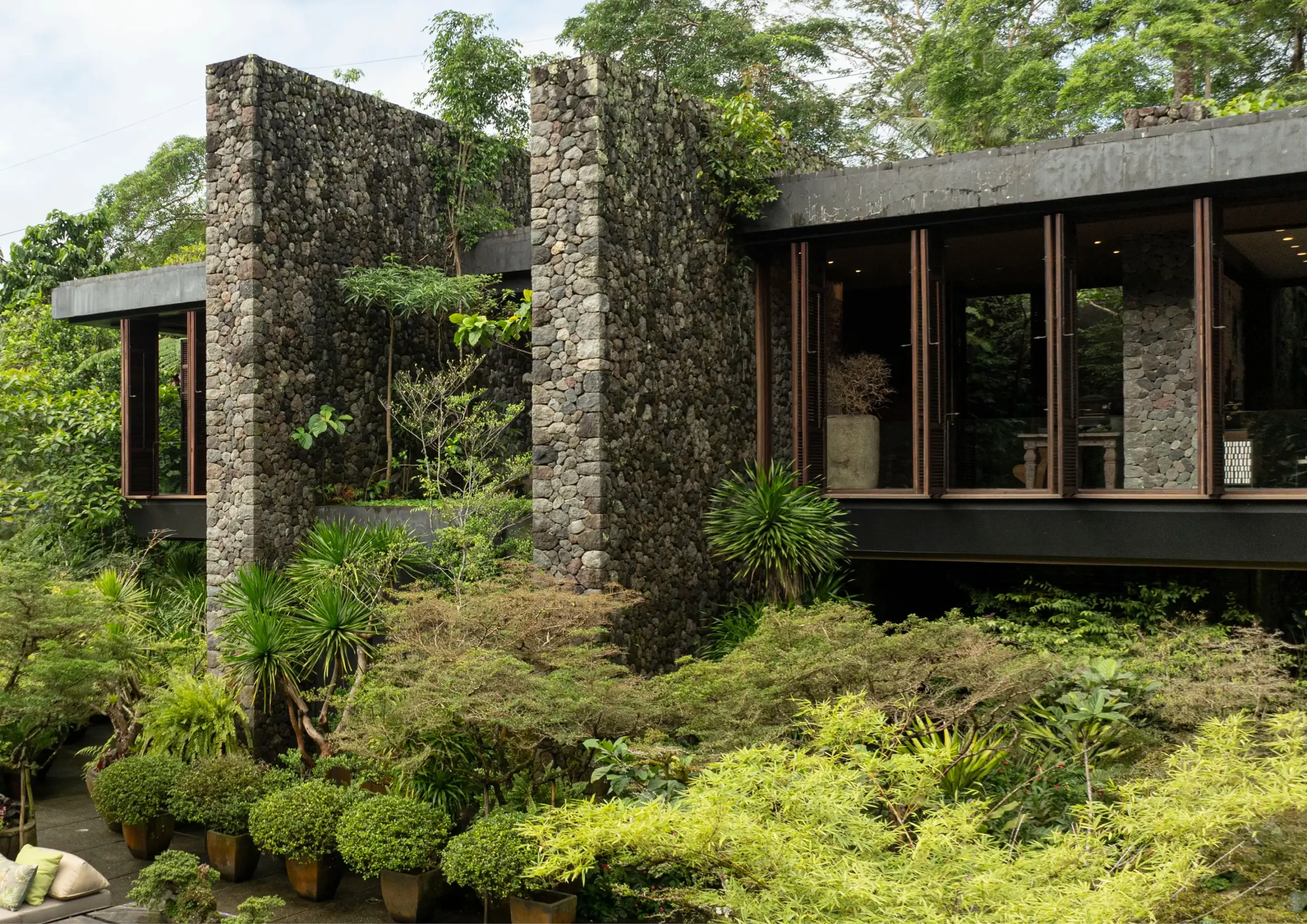
Located near the equator, factors such as heat and humidity are the norm in the Philippines. This tropical climate has shaped the development of architecture in the country. As Leandro V. Locsin stated: “The first consideration of the Filipino builder and certainly the most evident in his architecture, which is after all an outgrowth of […]
Advertisement

Download this month's BLUPRINT magazine digital copy from:



Subscribe via [email protected]