Bigkis is the act of binding. In Tagalog, the word can refer to something used to bind or encircle, as well as a bundle formed by tying several separate elements together. Figuratively, it can also mean a bond, union, or unity. The meanings move from the physical act of joining things together to the connection […]
3 Filipino Architectural Firms Rethinking the Tropical House



With climate change and global warming, the Philippine climate is in constant evolution. Consequently, it is important for Filipinos to have living spaces that respond to the local environment. In this article, BluPrint lists down Filipino architects who are reimagining the tropical house, aligning the built and natural environment.
BAAD Studio
Principal architects Benjee Mendoza and An Bermejo of BAAD Studio have succeeded in building tropical homes. Mendoza and Bermejo were commissioned to build a family home in a secluded village in Antipolo. Rooted in tropical design, they retained much of the natural site to cater to the homeowners’ lifestyles.
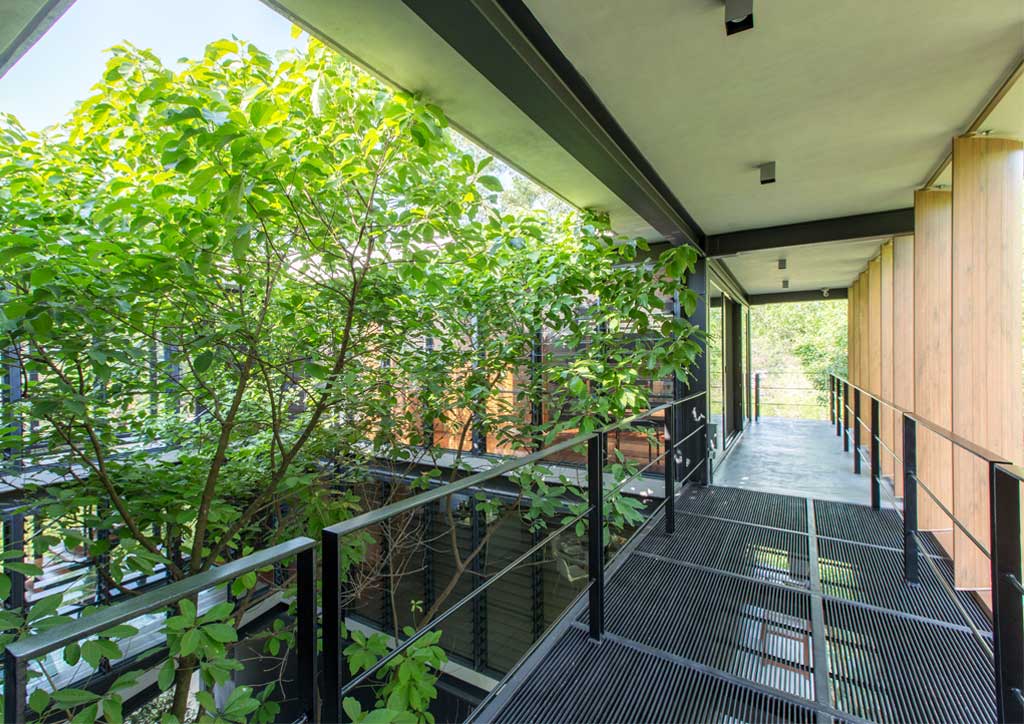
On all sides of the house, nature acts as a protective barrier and ventilation: thick, tall trees on the north and west sides; and low foliage on the south side. Enclosing the tree in the middle of the lot, the home has glass-louvered windows and gardens open up the home to the sky. This central core of the home provides light and air throughout the interior space. The architects provided natural light and passive coolingPassive CoolingStrategies that lower indoor temperatures without mechanical air-conditioning, relying on building design instead. Techniques include cross-ventilation, stack effect, deep eaves, shading devices, thermal mass, courtyards, and vegetation. Essential in theGo to Passive Cooling Glossary in the home, maximizing the site’s openness and sloping topography.
Related Reading: Love is in the Details: Mendoza and Bermejo of BAAD Studio
Leandro V. Locsin Partners
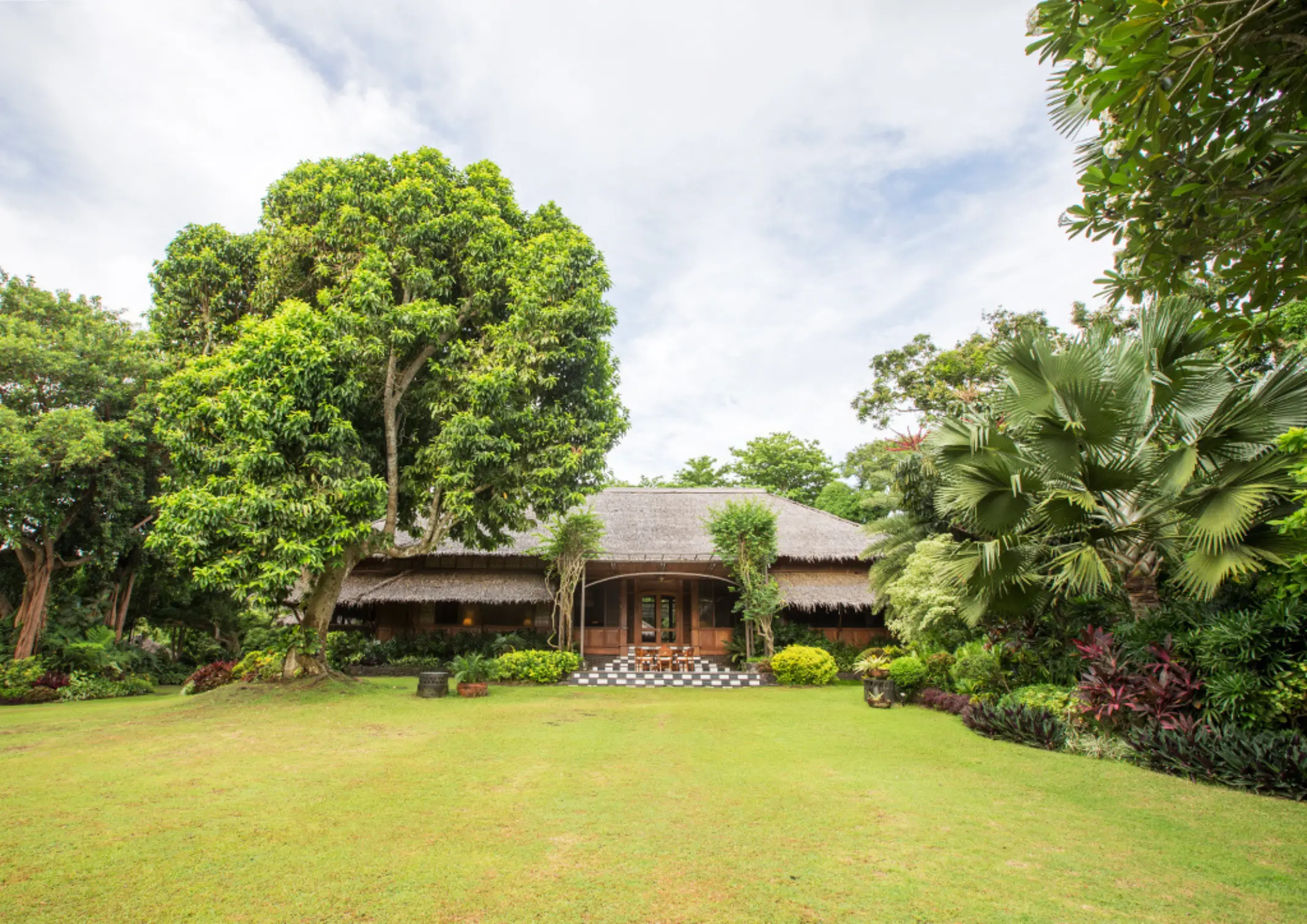
Built in Canlubang during the turn of the twentieth century, Casa de Nipa is a large thatched house standing on an old sugar land. Headed by Leandro V. Locsin Partners, the home underwent reconstruction after years of continuous maintenance. The residential structure is a quintessential example of Philippine tropical design.
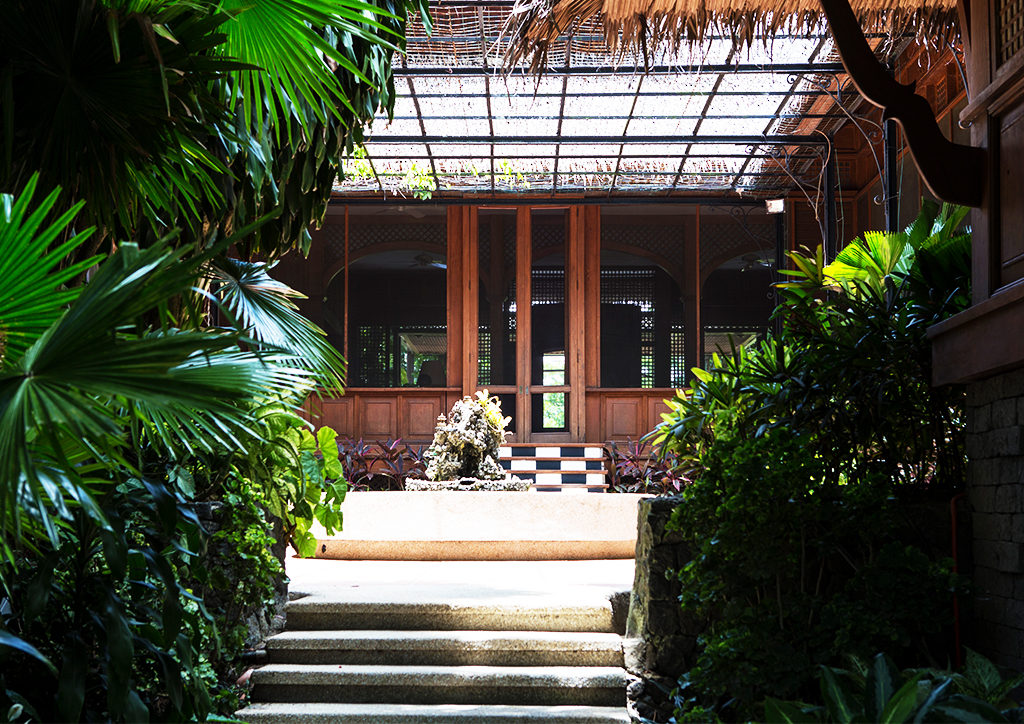
With an over 2-hectare garden on the site, nature is a key feature throughout the home. The south wing bedrooms are placed in between a veranda and a hallway with large windows to the courtyard—allowing for good exhaust ventilation. A pierced transom sealed with glass introduces natural light to the space.
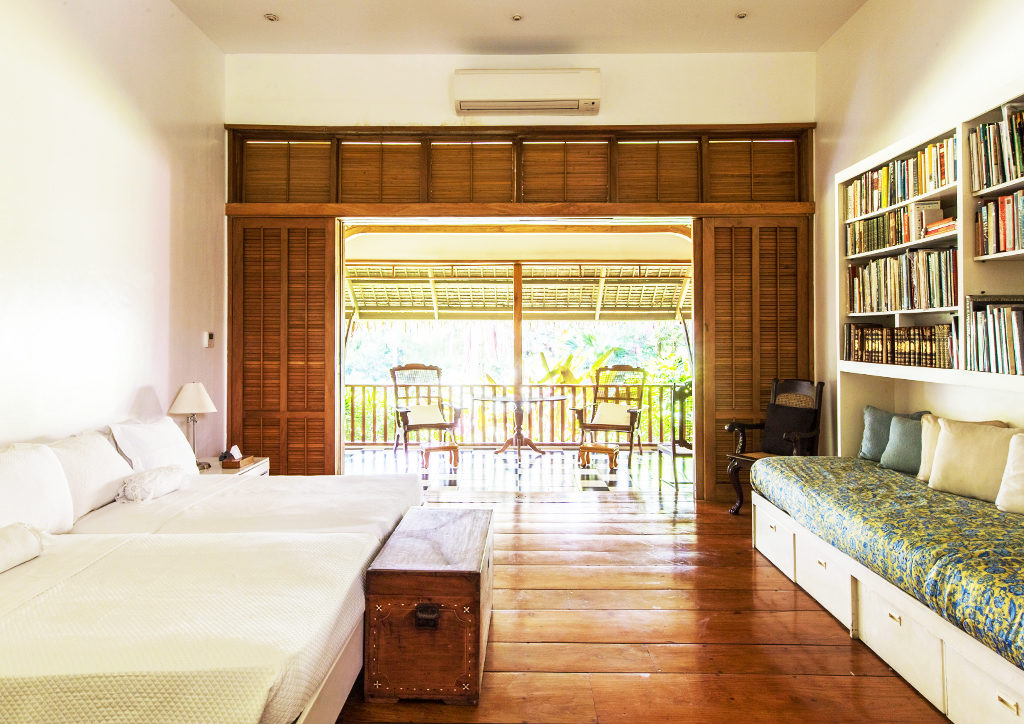
The interior garden consists of foliage that acts as a natural cooling and shading tool. In the veranda-facing bedrooms, features such as louvered sliding doors and transoms are placed. This removes the need for air-conditioning and allows for natural ventilation. Its reconstruction and renovation stands as a testament to the timelessness of tropical architecture in the Philippines.
Related Reading: Leandro V. Locsin Partners reconstructs Casa de Nipa
Royal Pineda and Budji Layug (BUDJI+ROYAL Architecture+Design)
Architect Royal Pineda and designer Budji Layug built their reputations designing tropical homes through their former firm, BUDJI+ROYAL Architecture+Design. Though they have since parted ways, both remain celebrated figures in the field.
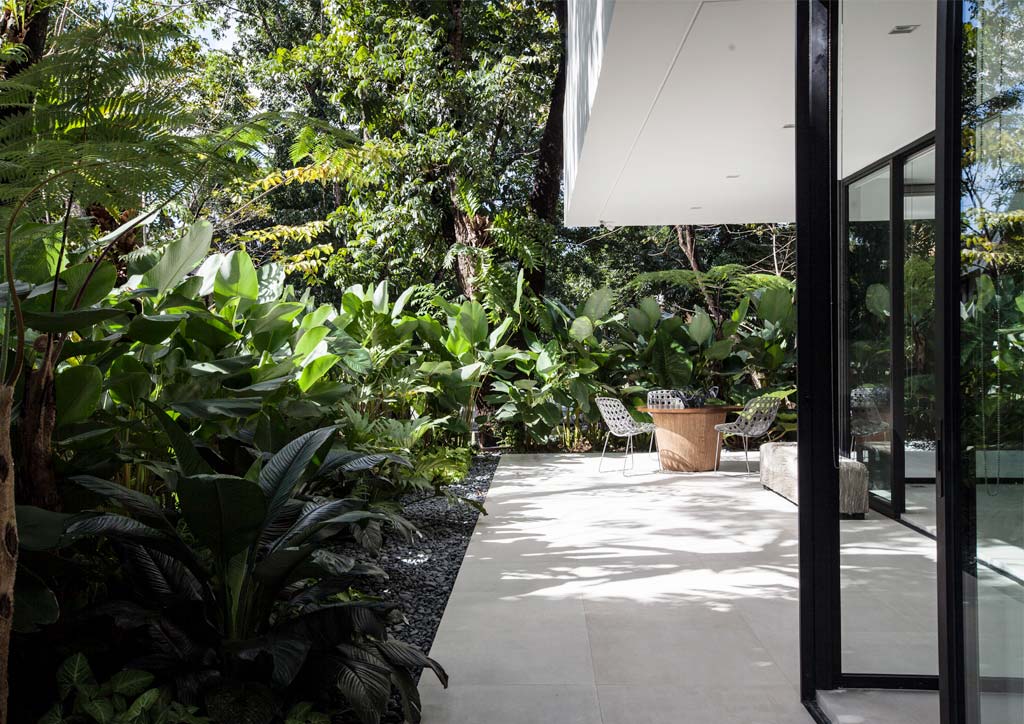
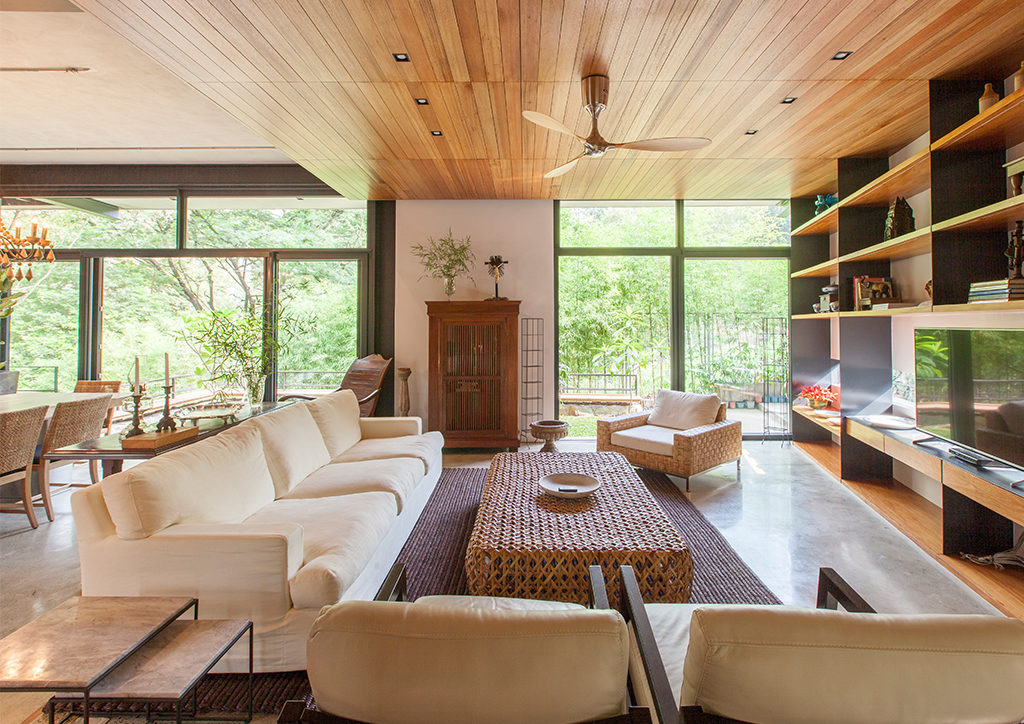
Nestled in a forested subdivision, fronting a running stream fed by Hinulugan Taktak Waterfalls, this home is in conversation with its environment. The house features a glass-clad double-height living room overlooking the thirteen narraNarraThe national tree of the Philippines, Pterocarpus indicus, prized for its durable, reddish-gold hardwood and handsome grain. Traditionally used for furniture, flooring, and carved panels, narra is now protected fromGo to Narra Glossary and mahogany trees that surround the home. Meanwhile, the second-floor bedrooms cantilever over the ground floor to create shelter for the dining area and lanai from the sun and rain. On the deck, there is an entire canopy of trees, with the treetops bringing fresh air to the property.
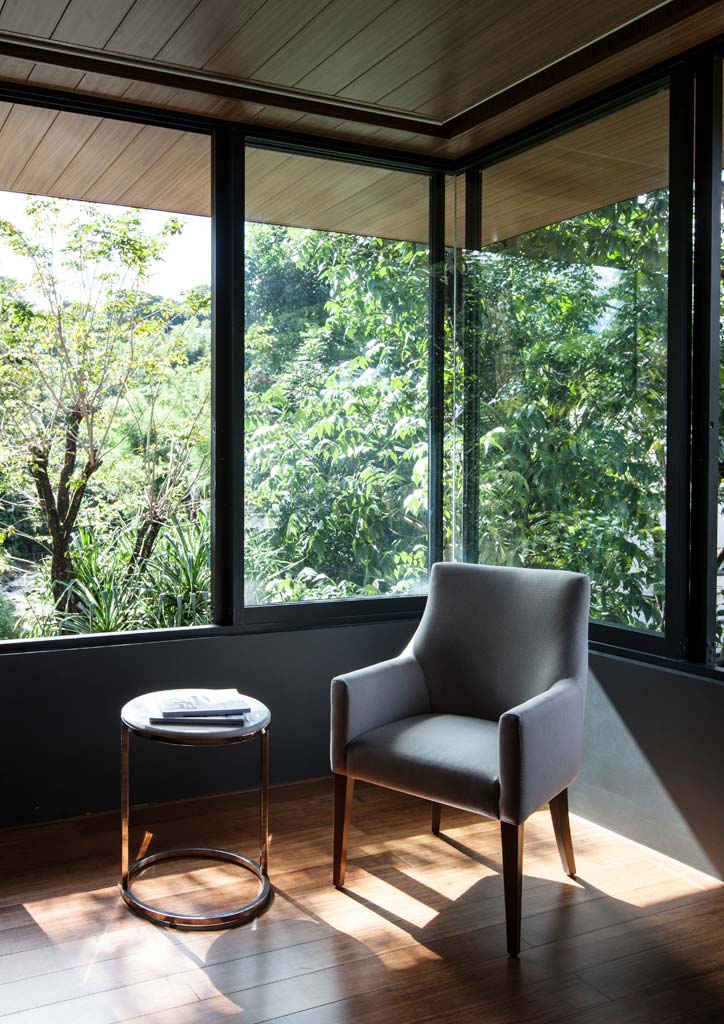
Shading and ventilation through the natural environment allowed for a home that seamlessly blends the interior and exterior spaces. Rooted in tropical design, the home co-exists with its site, protecting the residents from the realities of living in the tropics.
Related Reading: BUDJI+ROYAL enlaces tropical design with elegance
Frequently Asked Questions
Natural site preservation improves ventilation by using existing trees and foliage as protective barriers that channel air and filter heat. By retaining a site’s original topography and greenery, architects can create a central core that provides natural light and passive cooling throughout the interior space.
Glass-louvered windows, often called jalousies, are essential for promoting constant North-South cross breezes while maintaining visual transparency. These fixtures allow residents to adjust airflow manually, ensuring that fresh air circulates through walkways and living areas to counter the Philippine humidity.
A courtyard fountain contributes to cooling by using evaporation to lower the temperature of breezes before they enter the living spaces. This traditional feature acts as a natural heat exchanger, creating a chilled microclimate that enhances the effectiveness of passive ventilation throughout the home.
Cantilevered second floors provide functional benefits by creating deep eaves and sheltered outdoor spaces, such as lanais or dining areas, on the ground floor. This architectural overhang protects the home’s lower levels from direct sunlight and heavy tropical rain while allowing for large glass openings.
Interior gardens act as cooling tools by utilizing thick foliage to absorb solar radiation and release moisture through transpiration. When placed near transoms or louvered sliding doors, these green spaces shade the building’s core and significantly reduce the need for mechanical air conditioning.
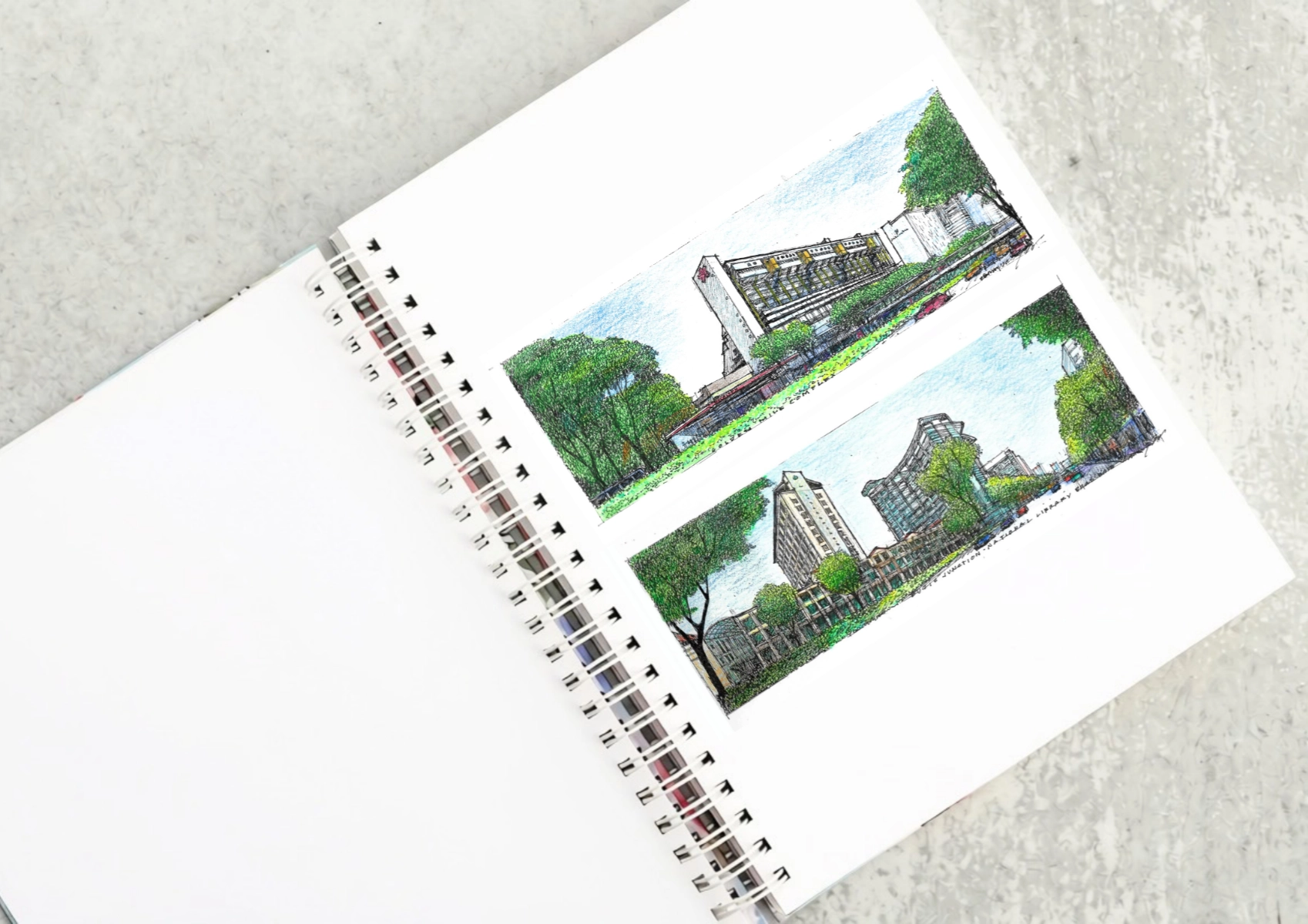
Two sketches of Singapore connect BluPrint Editor in Chief Paulo G. Alcazaren’s personal and professional history with Shared Ground: ArchitectureArchitectureThe art and science of designing and constructing buildings, structures, and spaces that are functional, safe, and aesthetically pleasing. It encompasses the planning, design, materials, and techniques used to createGo to Architecture Glossary of Care, Culture, […]

In a way, designers are the modern-day soothsayers and prophets. They design for the future, predicting how a room, a house, a building or a whole city will be used by people. They foresee how users will interact with a space, conjure exact shades of colors to elicit specific behavior and arrange furniture to build […]
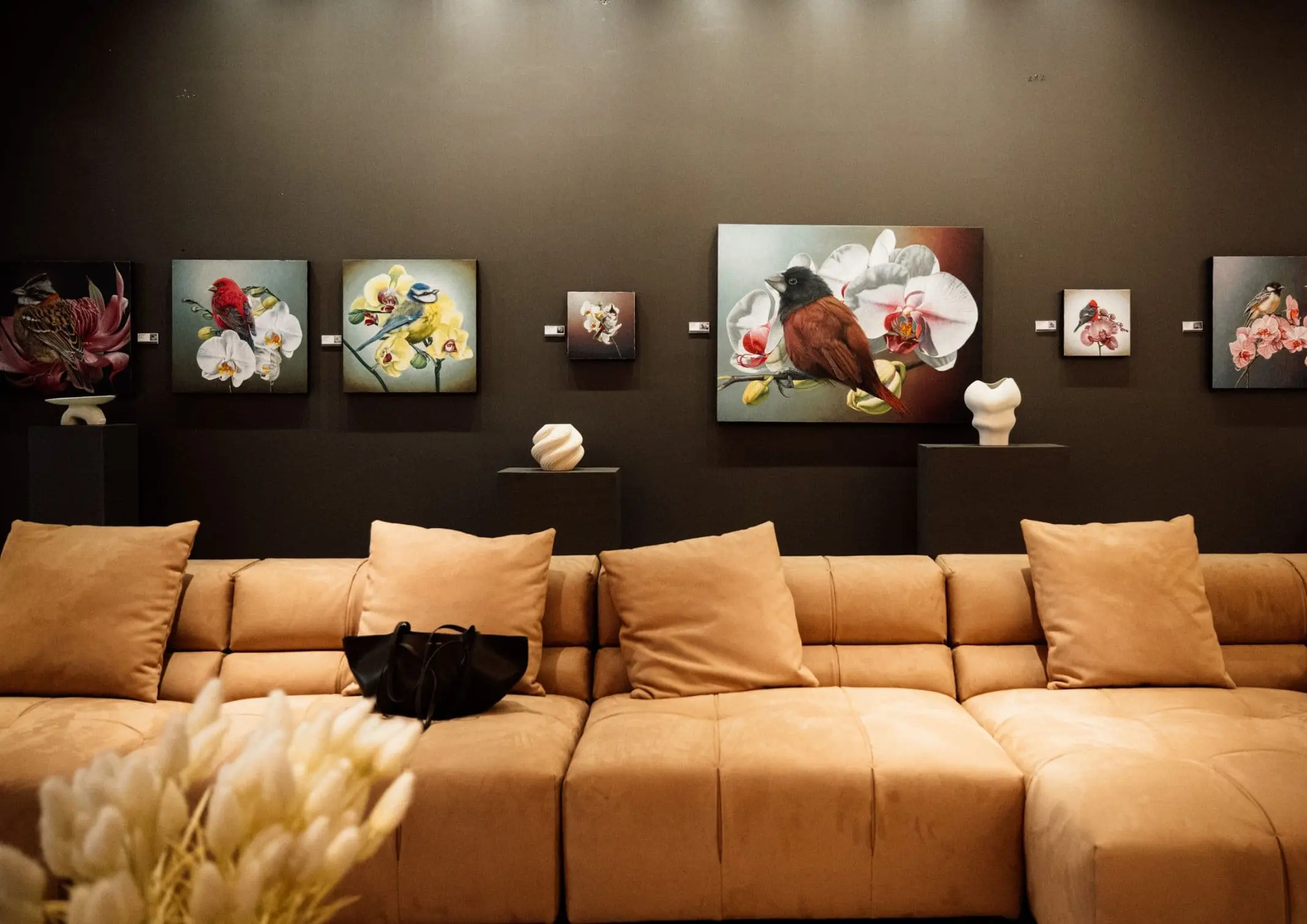
Art and furniture are often selected separately, yet their relationship can shape how a room looks and feels. The collaboration between Hooga and Galerie Joaquin explores how these elements can work together, bringing contemporary artworks into furnished residential settings at Hooga’s showroom in Uptown Mall, Bonifacio Global City. For Hooga, which curates furniture, lighting, and […]
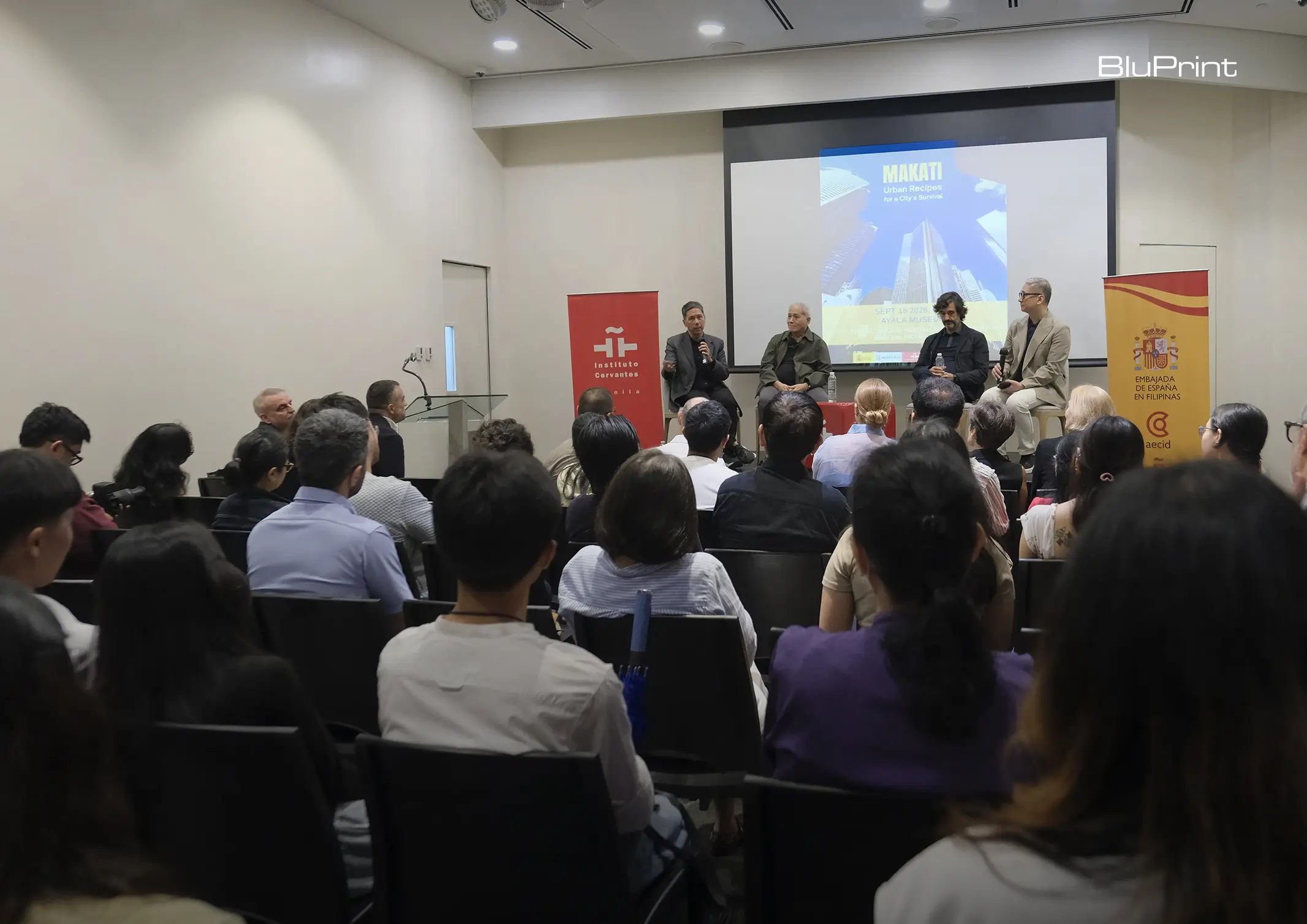
How can better-planned cities create the conditions for more creative, livable, and resilient urban environments? “Makati Urban Recipes for a City’s Survival,” a colloquium held at the Ayala Museum on September 15, brought together architects and practitioners from the fields of urbanism and the creative economy to discuss how design, planning, and collaboration can address […]
Read the issues.

Collect the volumes.

Recommended Video
Tap to Unmute
Unmute
0:00
0:00