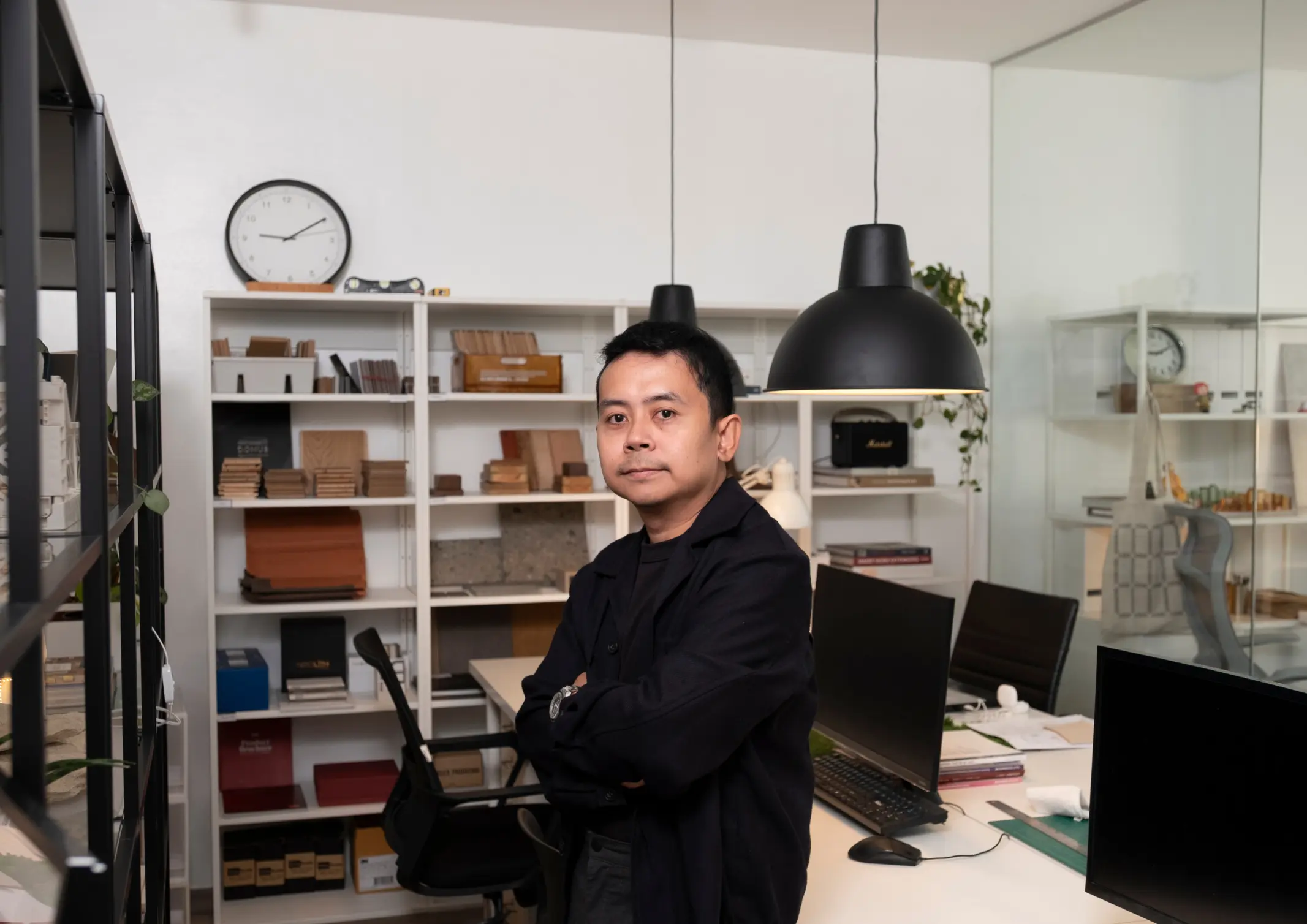
Breaking through in their respective careers is a daunting task for any young professional. For Architect Pierre Briones, architectureArchitectureThe art and science of designing and constructing buildings, structures, and spaces that are functional, safe, and aesthetically pleasing. It encompasses the planning, design, materials, and techniques used to createGo to Architecture Glossary has always been an […]
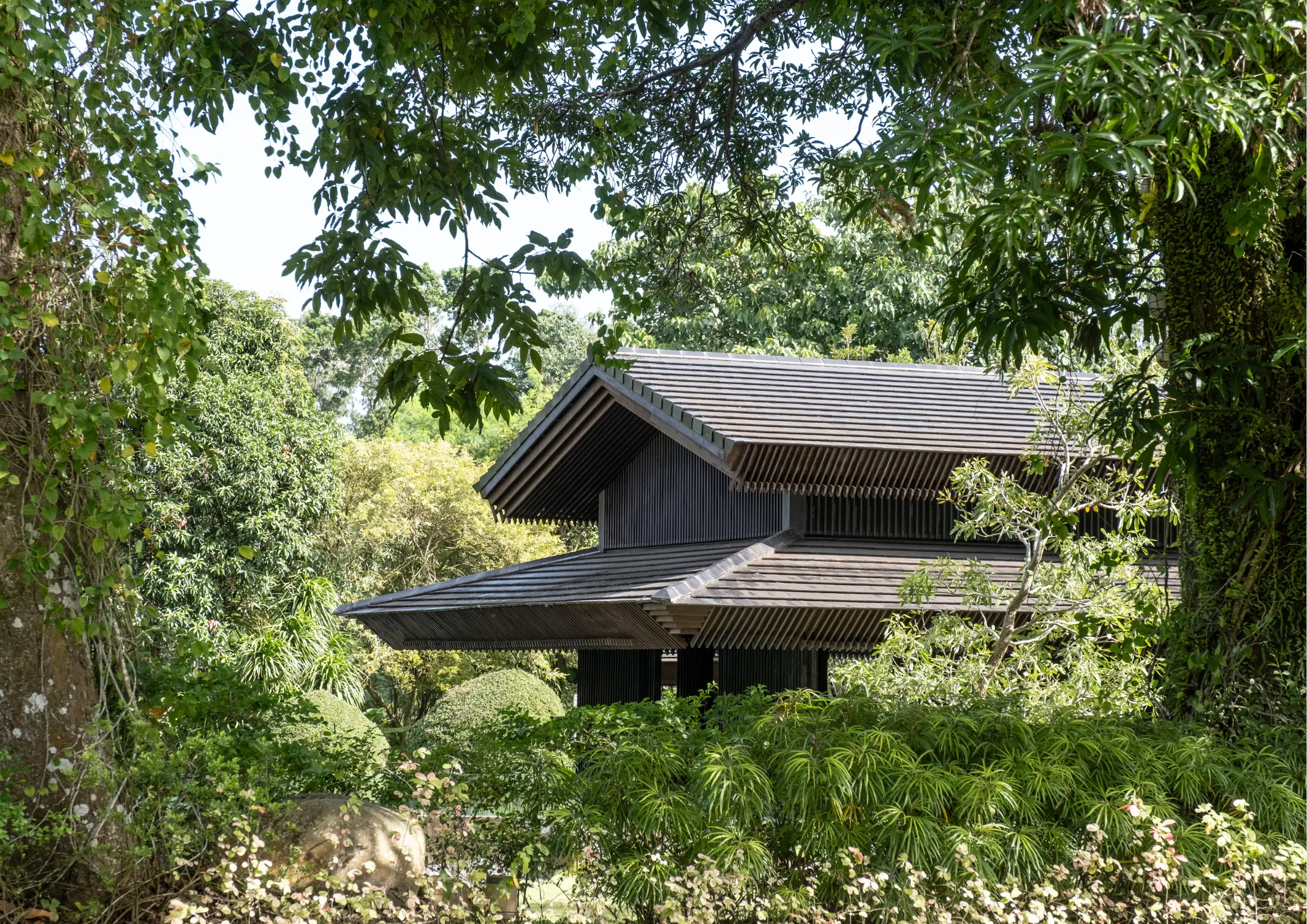
Kodawari Warrior: Jorge Yulo



Attempting to define Jorge Yulo by what he was not proved equally elusive. Not a post-modernist. Likely not a deconstructionist nor a formalist either, despite his playful manipulation of striking forms. What else not? “Oh, I’m evasive even to myself,” he admitted with a grin.
It was time to throw the boxes out.
After three hours of lively discussion and laughter, revisiting projects of his I’d explored over the years, I left with a dual sense of awe and satisfaction.
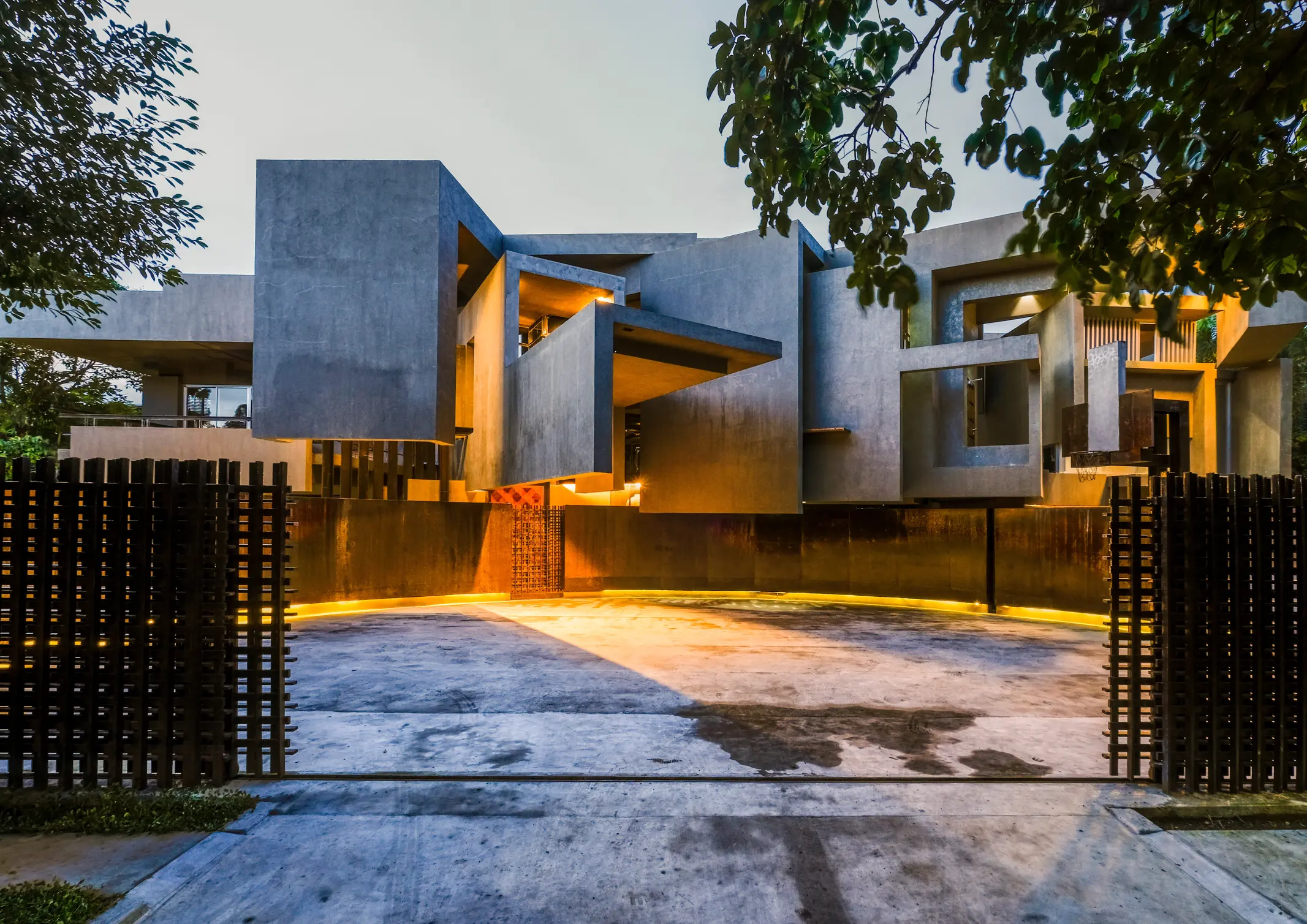
I had always sensed that Jorge Yulo was pursuing something more significant than perfection—his ideal melding of beauty, joy, wit, and precision. Though he never explicitly defined his manifesto, his ethos is clear: kodawari—the relentless pursuit of excellence through the meticulous integration of sensory experiences in his designs. His commitment—nay, obsession—is evident in every detail, from the tactile textures to the play of scents, air, and light, combining to craft environments that transcend visual appeal alone. And with awe, I pondered: with many more years to continue the chase, how might Yulo surpass himself?
Kodawari: Excellence through Passion and Persistence
Jorge Yulo’s aesthetic is noted for its meticulous attention to detail, craftsmanship, and integrating traditional and non-traditional materials in new and innovative ways. His projects showcase intricate formwork, precise alignments, and thoughtful use of light and texture, transforming spaces into contemplative and tactile experiences that elevate building materials to an art form.
Italian architect Carlo Scarpa and Yulo’s Japanese heroes—Kenzo Tange, Toyo Ito, Tadao Ando, and Kengo Kuma—have profoundly influenced him. Like them, Yulo treats each design detail as integral to the space’s function and poetic and sensory experience. This artisanal approach distinguishes him within the field of contemporary Philippine architectureArchitectureThe art and science of designing and constructing buildings, structures, and spaces that are functional, safe, and aesthetically pleasing. It encompasses the planning, design, materials, and techniques used to createGo to Architecture Glossary.
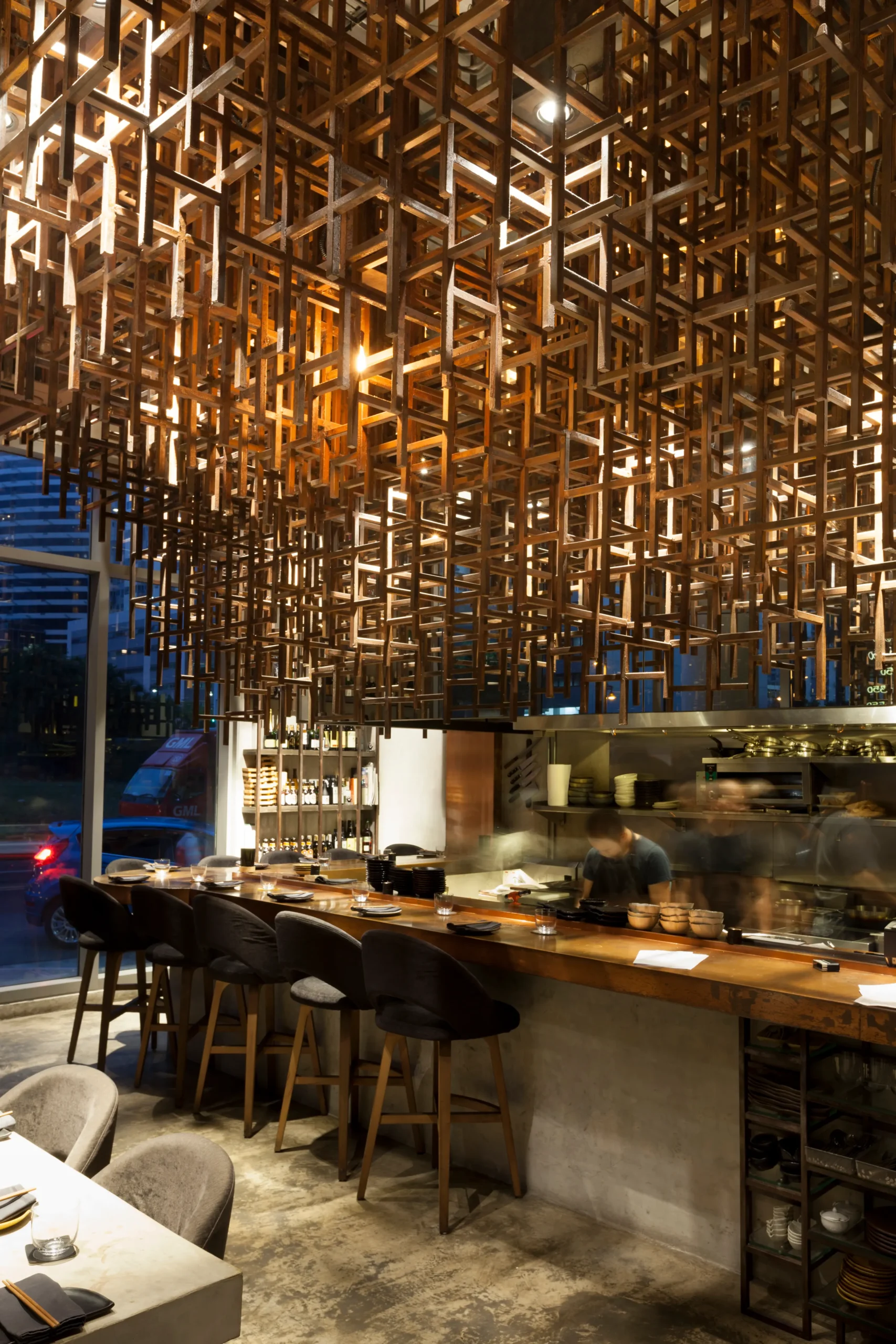
Yulo admires his heroes for embodying kodawari, a Japanese concept of uncompromising devotion to craftsmanship. It involves a relentless pursuit of perfection, attention to detail, and a commitment to excellence, regardless of the effort required or the practicality of the endeavor.
“A lot of times, in the beginning, they don’t know what they’re doing, you know? And until their aha moment, this germ of an idea grows organically from their exploration. From their always thinking about it, they fall into kodwari mode. Like, if you were a toothpick maker, in your dreams and waking hours, while you’re hungry or doing chores, you’re thinking how to improve that toothpick, whatever strokes you have to do to make it the best toothpick possible. That’s what they do. They make themselves part of the project,” Yulo explained, revealing how this all-consuming engagement is a transformative process as much for the creator as for the creation.
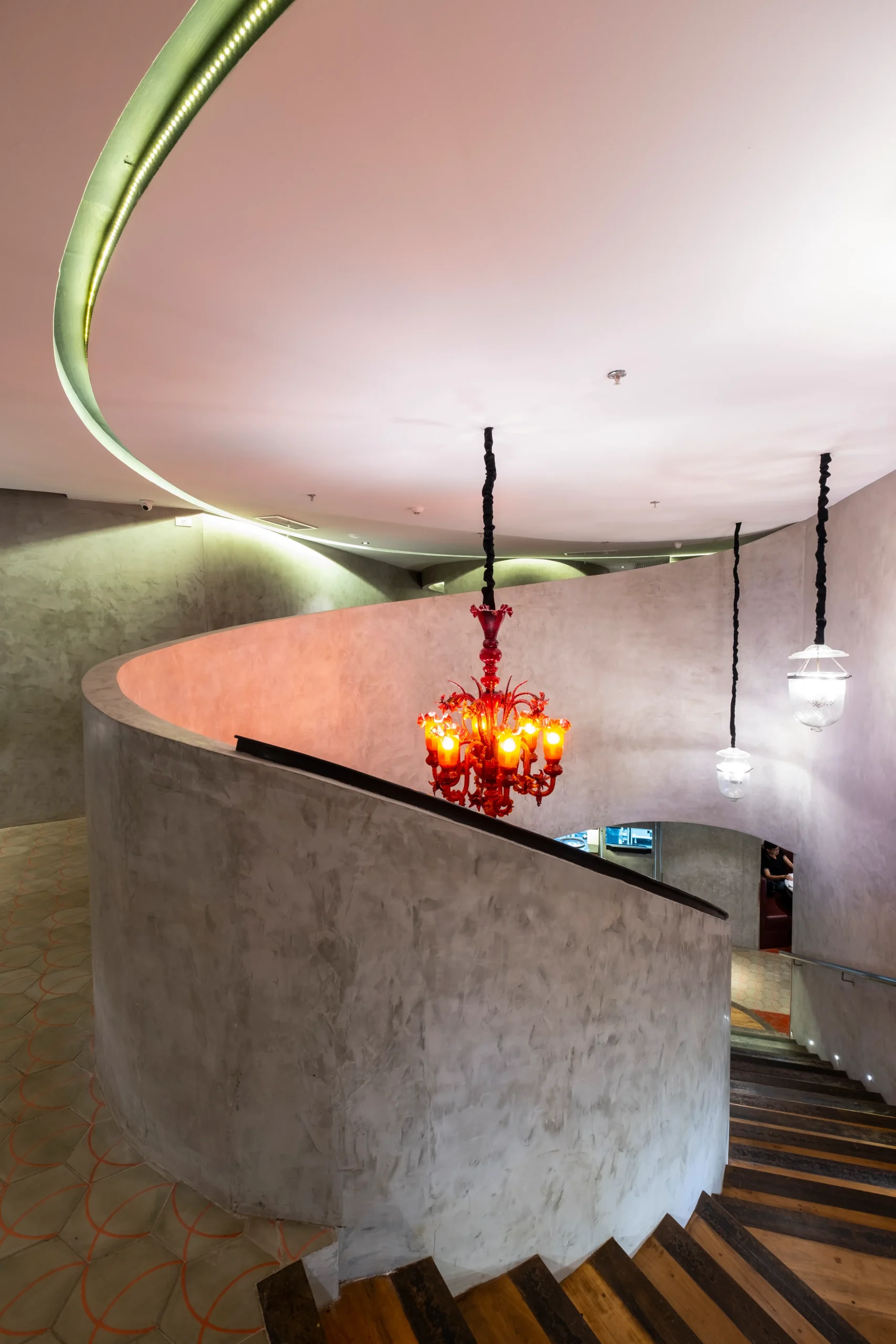
Yulo’s philosophy treats architectureArchitectureThe art and science of designing and constructing buildings, structures, and spaces that are functional, safe, and aesthetically pleasing. It encompasses the planning, design, materials, and techniques used to createGo to Architecture Glossary as functional, inspirational, and capable of enduring and engaging on multiple levels. Although scalability and cost are legitimate concerns, his works exemplify how architecture can transcend expectations and serve as a lasting testament to the power of detailed, thoughtful design. These architectural endeavors contribute uniquely to our architectural heritage and impact individual lives, shape communities, and influence broader societal trends, making a profound imprint on the fabric of society.

This article has been abridged for digital publication. Read the full story behind the Kodwari Warrior by ordering your copy of BluPrint’s “Design Conversations” at Sari Sari Shopping, Shopee, and Lazada. E-magazines are also available for download here or through Readly, Press Reader, and Magzter.
Dive into the captivating world of architecture, interiors, and arts & culture by getting exclusive digital access to BluPrint’s past and upcoming issues. Click here to find out more.
Photographed by Ed Simon
Frequently Asked Questions
Kodawari is the Japanese concept of uncompromising devotion to one’s craft. For Jorge Yulo, this translates into a relentless pursuit of excellence through meticulous sensory integration. Rather than following a specific style, Yulo focuses on the obsessive refinement of details—from tactile textures to the play of light—ensuring every element serves both a poetic and functional purpose.
Yulo transcends the visual by treating building materials as an art form. In projects like the Equilateral House, he combines traditional and non-traditional materials to create tactile, contemplative environments. By manipulating light and air, he transforms “cold” brutalist forms into dynamic spaces where precise alignments and intricate formwork ensure the architectural experience is felt physically.
Yulo’s work is deeply influenced by Italian architect Carlo Scarpa and Japanese masters such as Tadao Ando, Kengo Kuma, and Toyo Ito. Like these mentors, Yulo views each design detail as integral to the space’s sensory function. This global influence is evident in his ability to elevate functional spaces into artisanal testaments to craftsmanship and architectural heritage.
Yulo utilizes non-traditional materials to create architectural abstractions that challenge conventions. For example, he has used rusted steel rods in ceiling assemblages to symbolize culinary creativity. By experimenting with the “immanence of material,” Yulo transforms industrial components into sophisticated design elements, proving that thoughtful detail can elevate even the most basic materials into art.
A common pitfall in modern architecture is sacrificing detail for scalability. Yulo’s Kodawari approach corrects this by treating architecture as a lasting testament to thoughtful design. By focusing on how a building engages on multiple sensory levels, he creates structures that endure and influence societal trends, ensuring that the human experience remains at the center of the built environment.
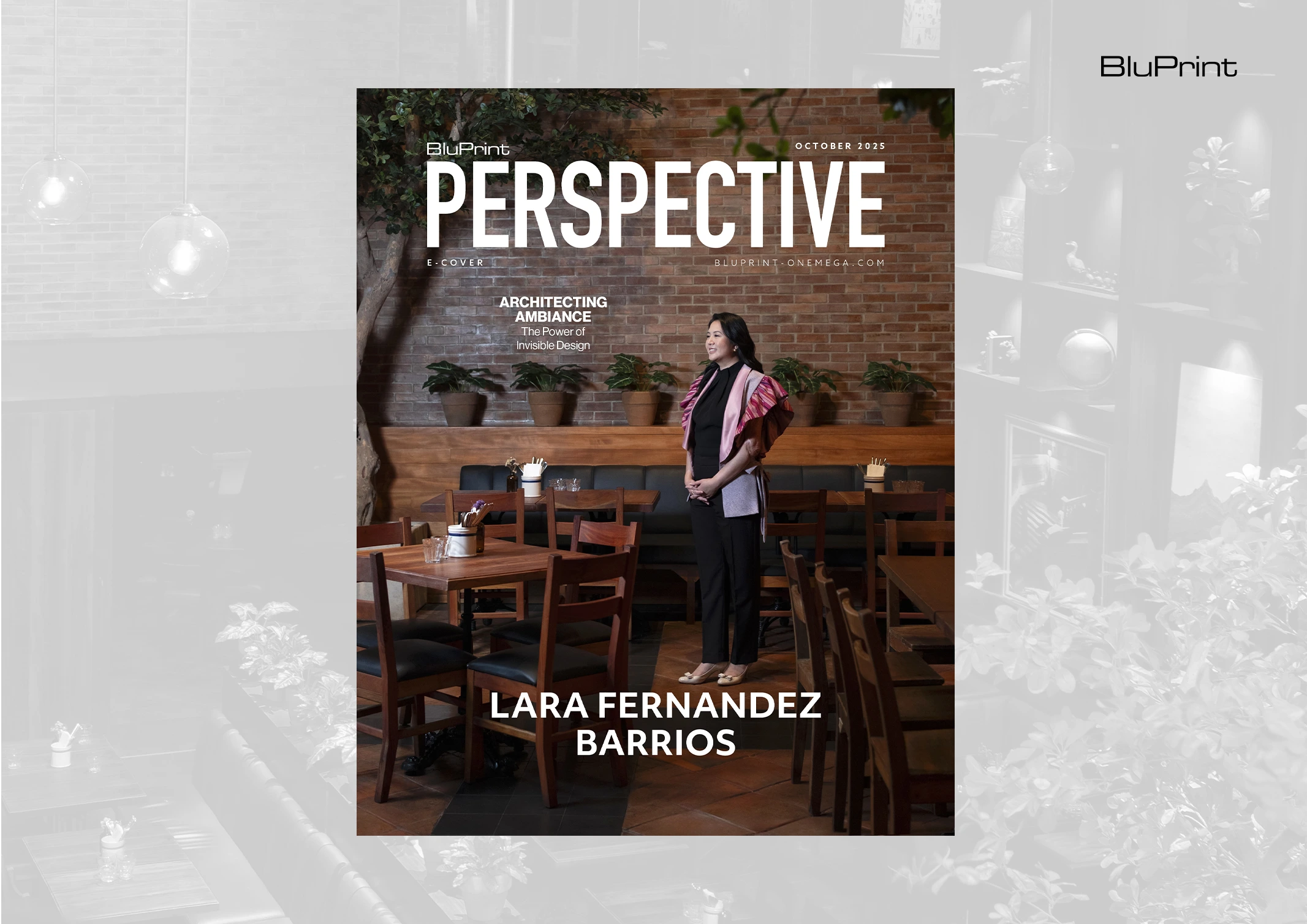
The genius of a well-designed space is often invisible, yet its presence is deeply felt. It’s there in the warmth of light that encourages you to linger, the balance of texture and materials, and in the intuitive layout that guides you effortlessly through the room. This translation of an idea into a tangible, atmospheric reality […]
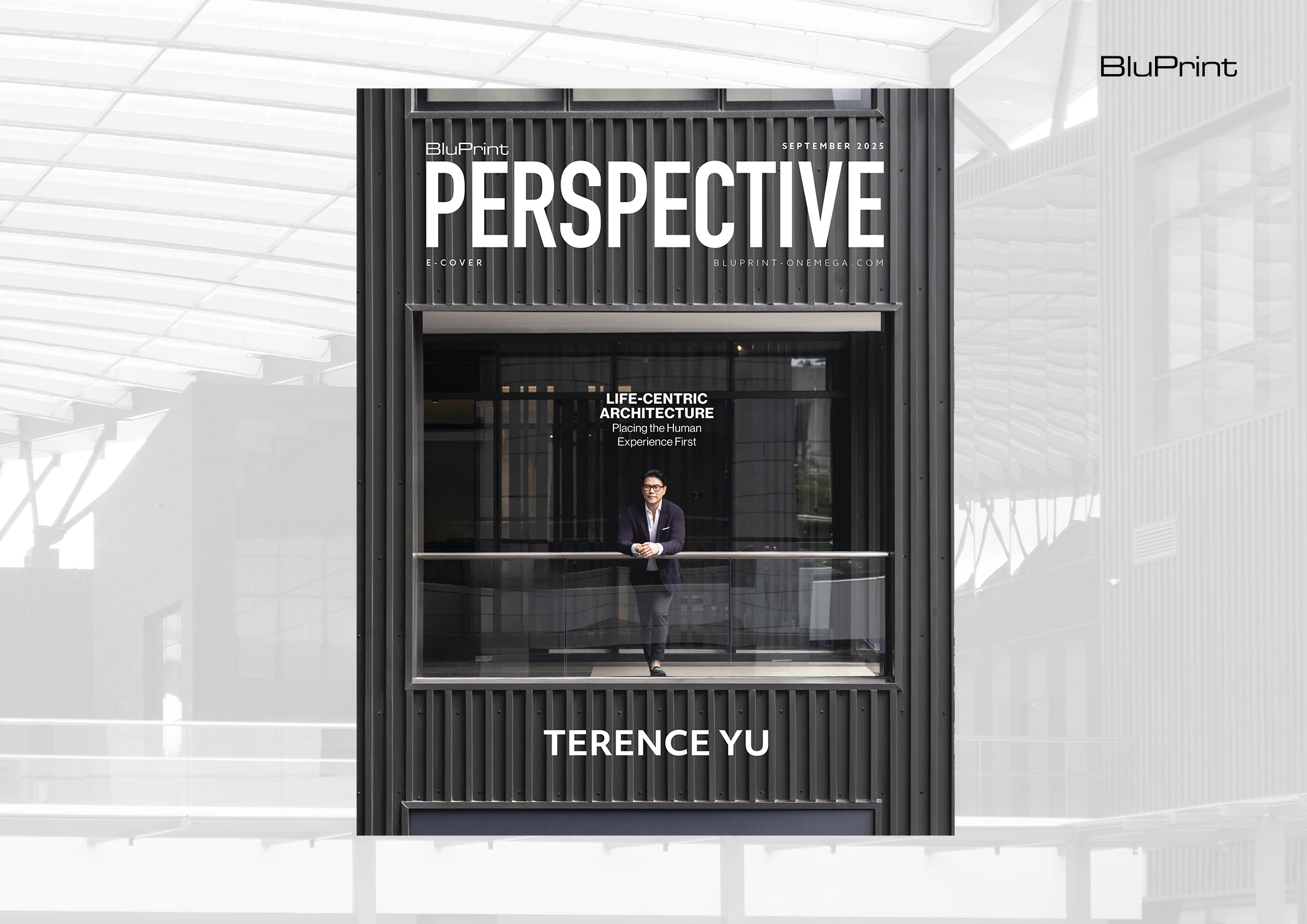
At its core, architectureArchitectureThe art and science of designing and constructing buildings, structures, and spaces that are functional, safe, and aesthetically pleasing. It encompasses the planning, design, materials, and techniques used to createGo to Architecture Glossary has always been about the human experience. While this fundamental purpose can sometimes be overlooked amid the complexities of […]
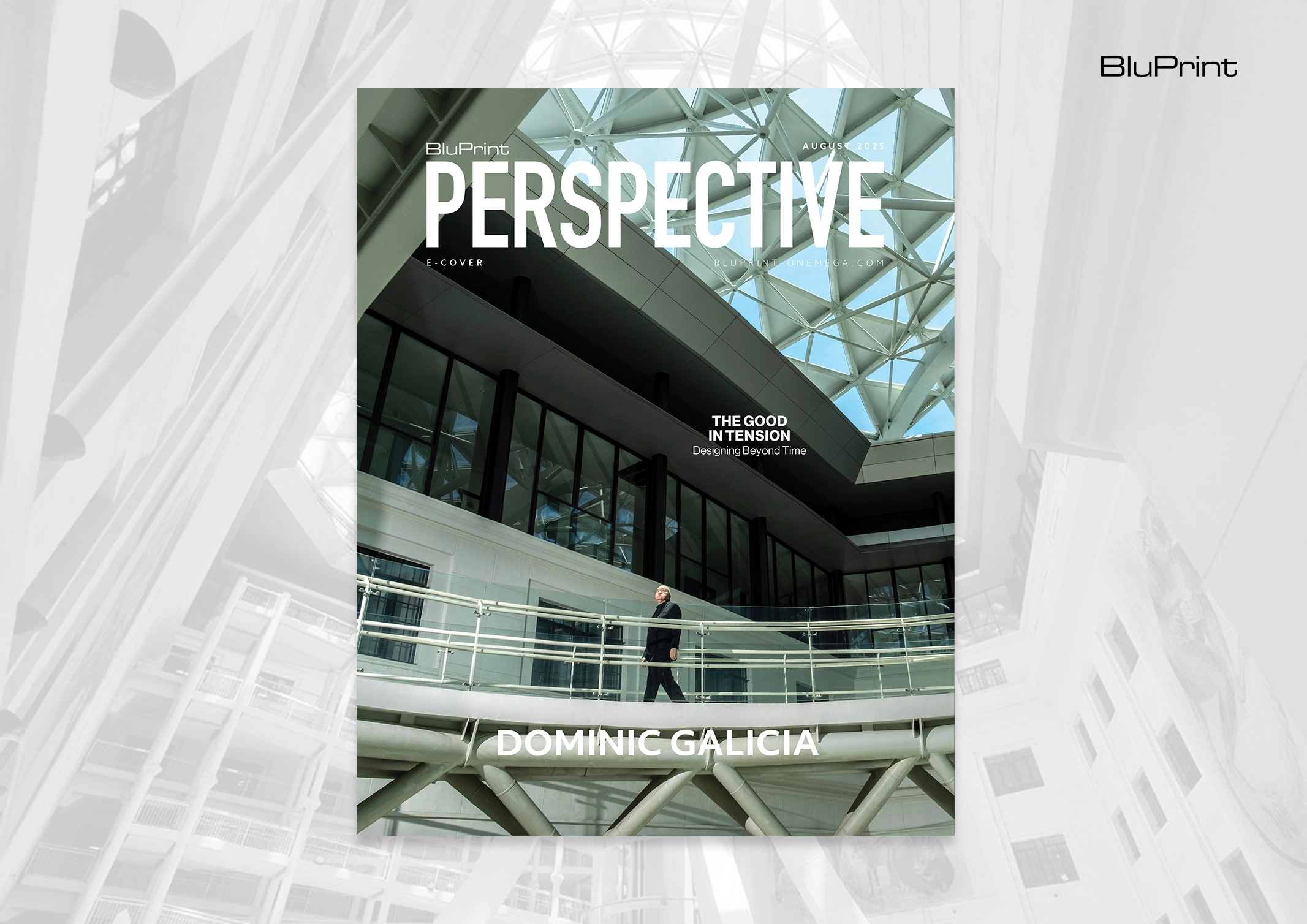
Dominic Galicia operates on a different timeline. For him, the distinction between a structure built today and one erected centuries ago dissolves if it possesses a “special quality of moving the spirit.” This core belief is the foundation of a career that elegantly sidesteps the false dichotomy of heritage versus modernity. Instead, Galicia, the principal […]
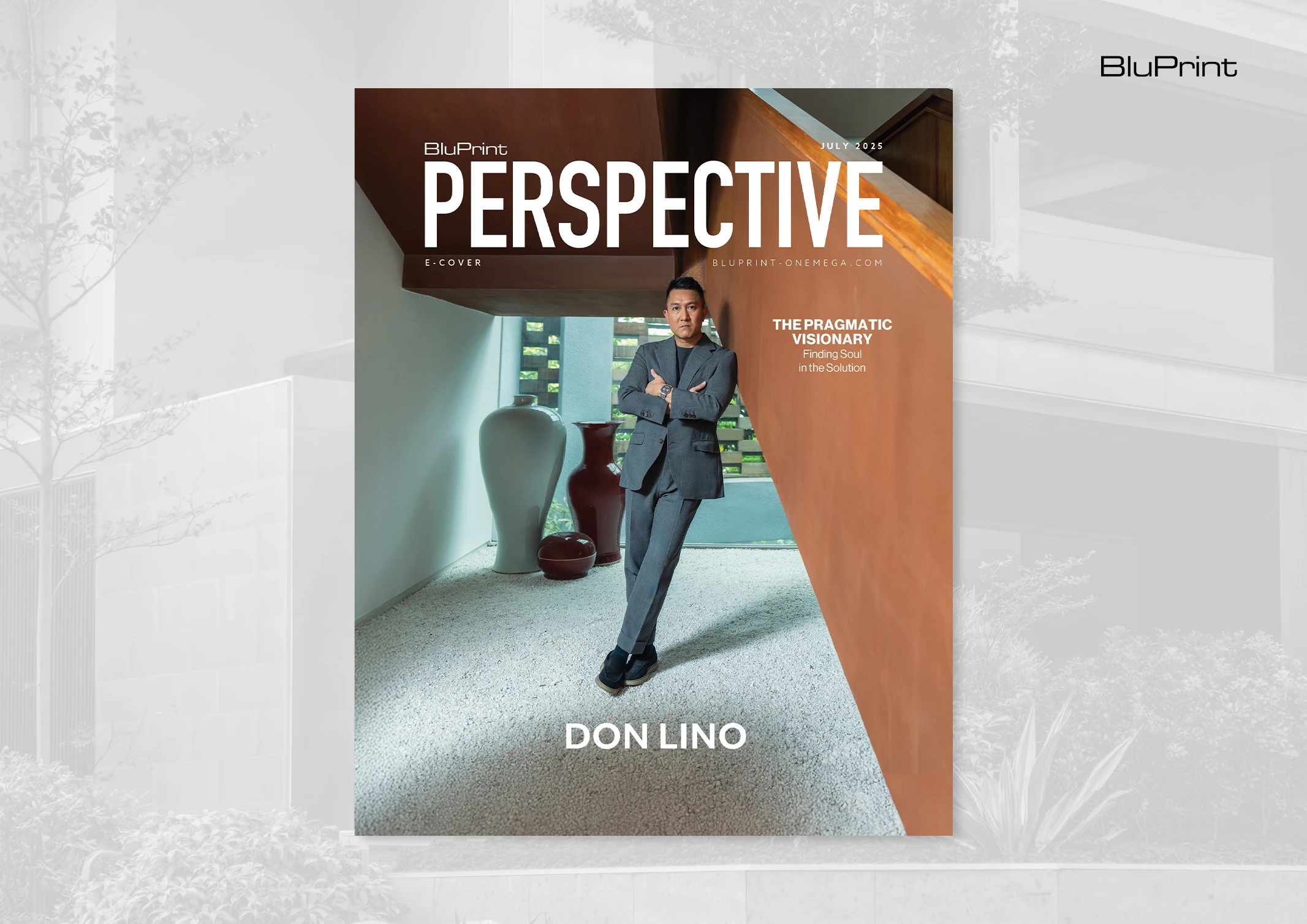
What is the soul of a building? For many, the answer lies in history, aesthetics, or some intangible poetry of space. For architect Don Lino, the answer is far more concrete: the soul is found in the solution. This is the guiding principle of his firm, LINO ArchitectureArchitectureThe art and science of designing and constructing […]
Read the issues.

Collect the volumes.

Recommended Video
Tap to Unmute
Unmute
0:00
0:00