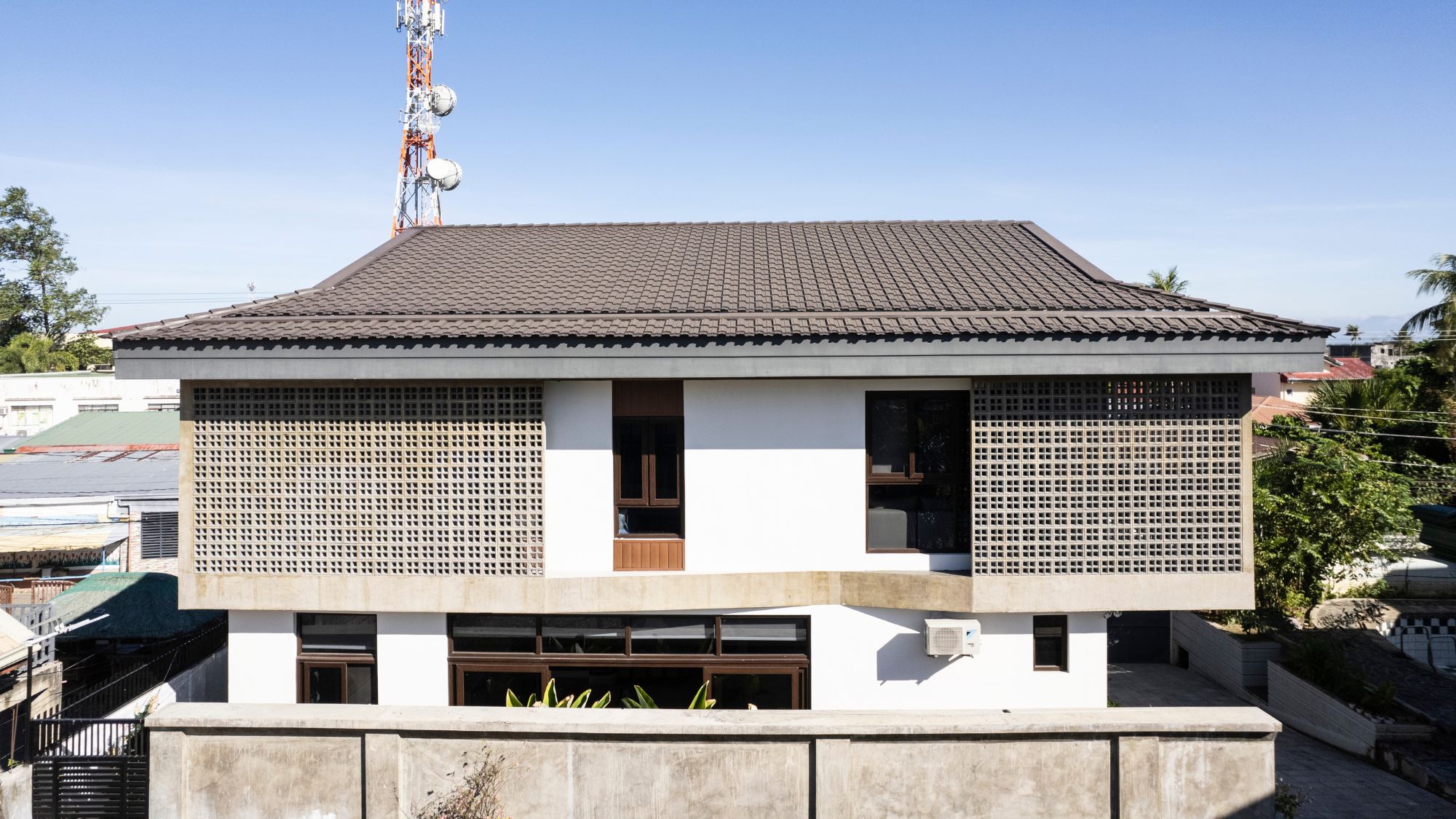
Ventilation involves the introduction of outdoor air into a room, providing occupants with their needs. Proper ventilation allows for the moderation of internal temperatures, the creation of better airflow, the dilution of carbon dioxide to acceptable levels, and the removal of contaminants. This addresses health risks associated with indoor air pollution, such as respiratory problems […]
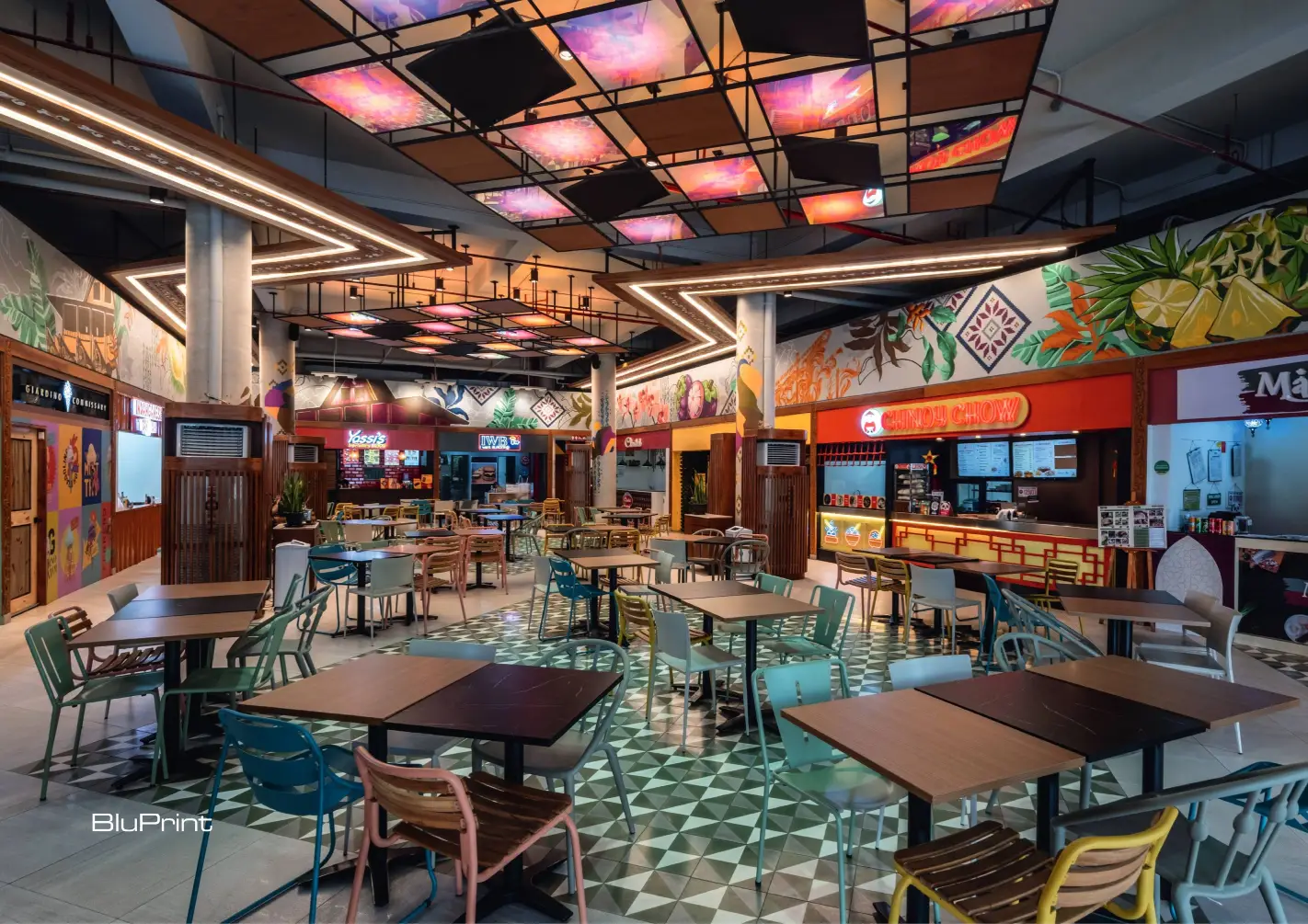
Kukun Food Hall: A Taste of Mindanao



Every August, the city of Davao blooms in a celebration of life. The streets blossom with colors and come alive with music, dances, and parades, painting a portrait of the locale’s cultural heritage. This week-long festival known as Kadayawan is the Davaoeños’ way of paying tribute to the gifts of life and nature, the bountiful harvest of the land, and the various cultures that give the city its identity. Harvesting the spirit of this iconic festival as a design concept is no easy task, which is what DEQA Design Collaborative set out to do for the Kukun Food Hall in Davao City.
Stimulating the Senses
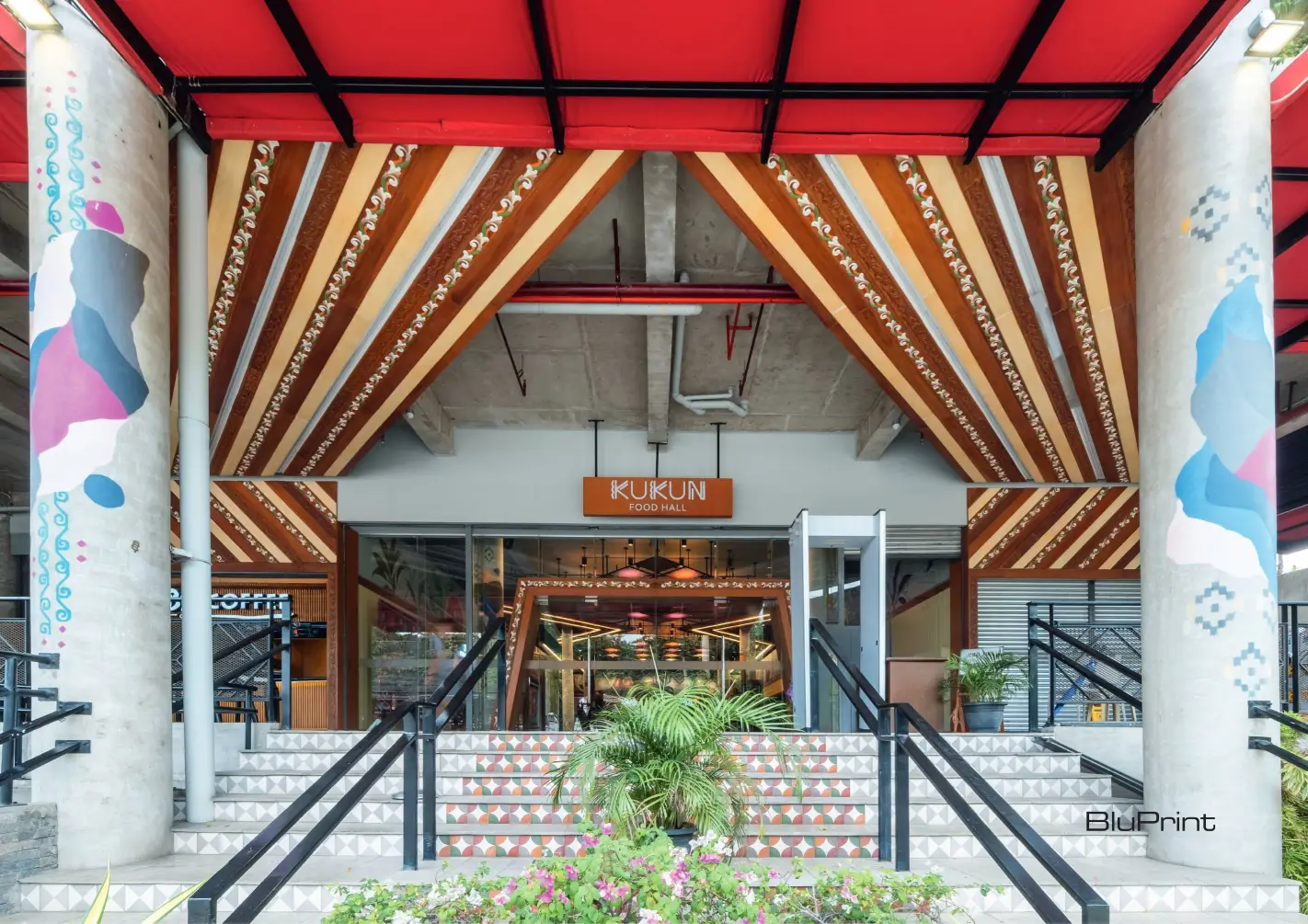
“Kukun” translates to kusina at kultura ng Dabaw, a name that the design team wanted the space to live up to. The food hall occupies 644 square meters within the commercial center, and basically acts as a communal area for visitors in both function and spirit.
“We designed a space that is not just a dining destination but an experience that invites people to connect, celebrate, and savor the flavors of Mindanao in a setting infused with meaning, tradition, and a deep sense of place,” says primary architect Denise De Castro.
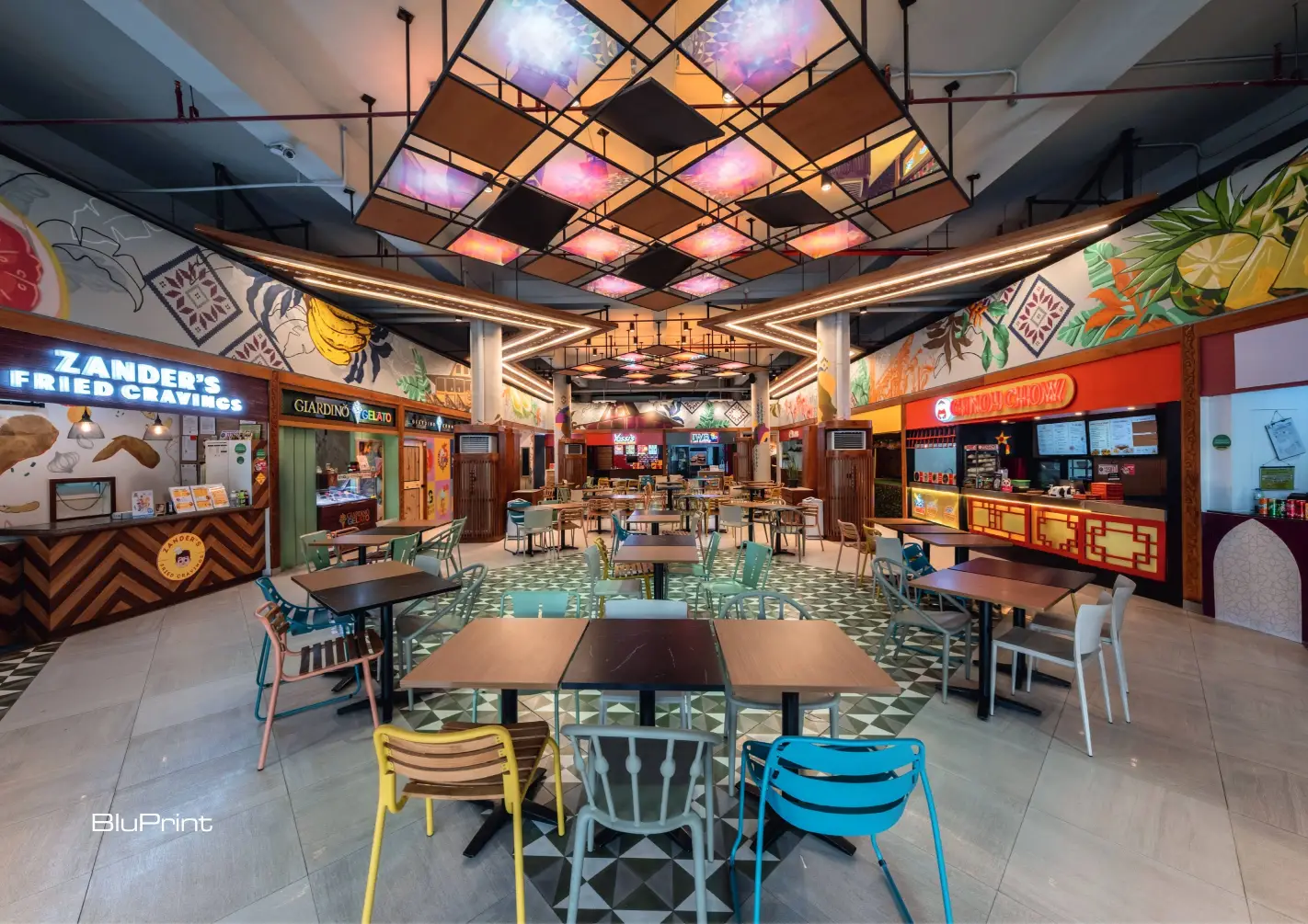
The savoring of Mindanaoan flavors begins from the interior design itself. Most dining spaces are designed to stimulate diners’ appetites and enhance their dining experience, and the Kukun Food Hall achieves this through the tasteful use of colors and materials that evoke familiarity, comfort, and reverence for Mindanao heritage.
Advertisement
From the entrance alone, the indigenous influence can be seen and felt through the wood ceiling treatment that leads the eye through the wooden arch built over the glass doors. Okir carvings line the surfaces of the wood, providing a glimpse of the cultural experience for guests inside the food hall.
A Unique Cultural Connection
The playfulness of the Kukun Food Hall is supplemented by its strong connection with Mindanao culture, which was a particular focus of DEQA during the design process. The okir carvings on the ceiling treatments pay homage to traditional Maranao designs, specifically from the intricate shell inlays found in Maranao chests.
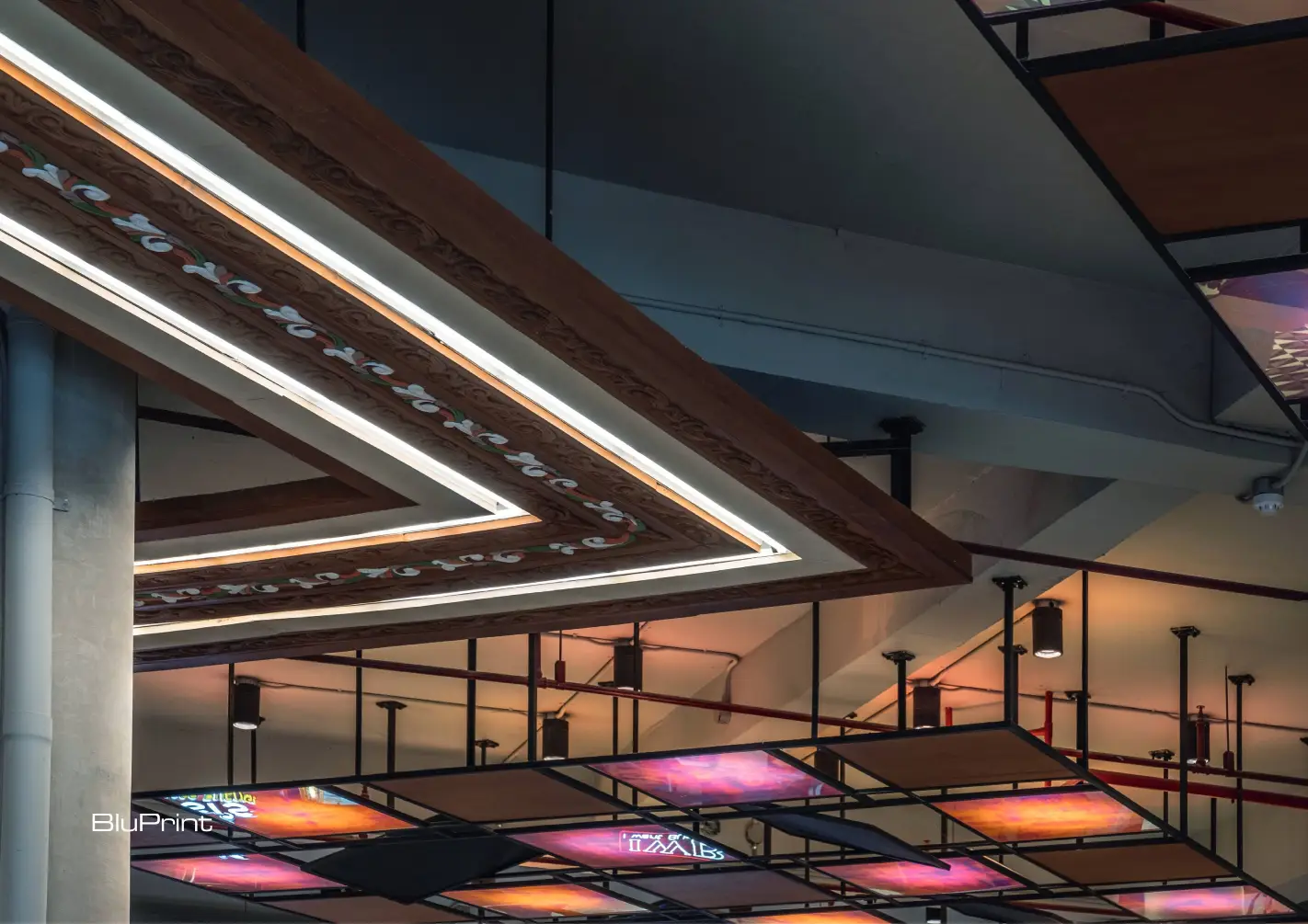
Symbolizing power and status, the okir carvings are hand-carved by local artisans themselves to further strengthen locals’ ties to their heritage. “We had to be culturally sensitive with the use of the ornament, especially in our choice of color,” says De Castro.
Advertisement
The Kukun Food Hall did encounter challenges in its construction, stalled right before the COVID-19 lockdowns despite design development already finished. But like any flower, it simply needed time to bloom into a garden of Mindanaoan heritage and culture, one that Davaoeños can savor like any of the delicacies it offers.
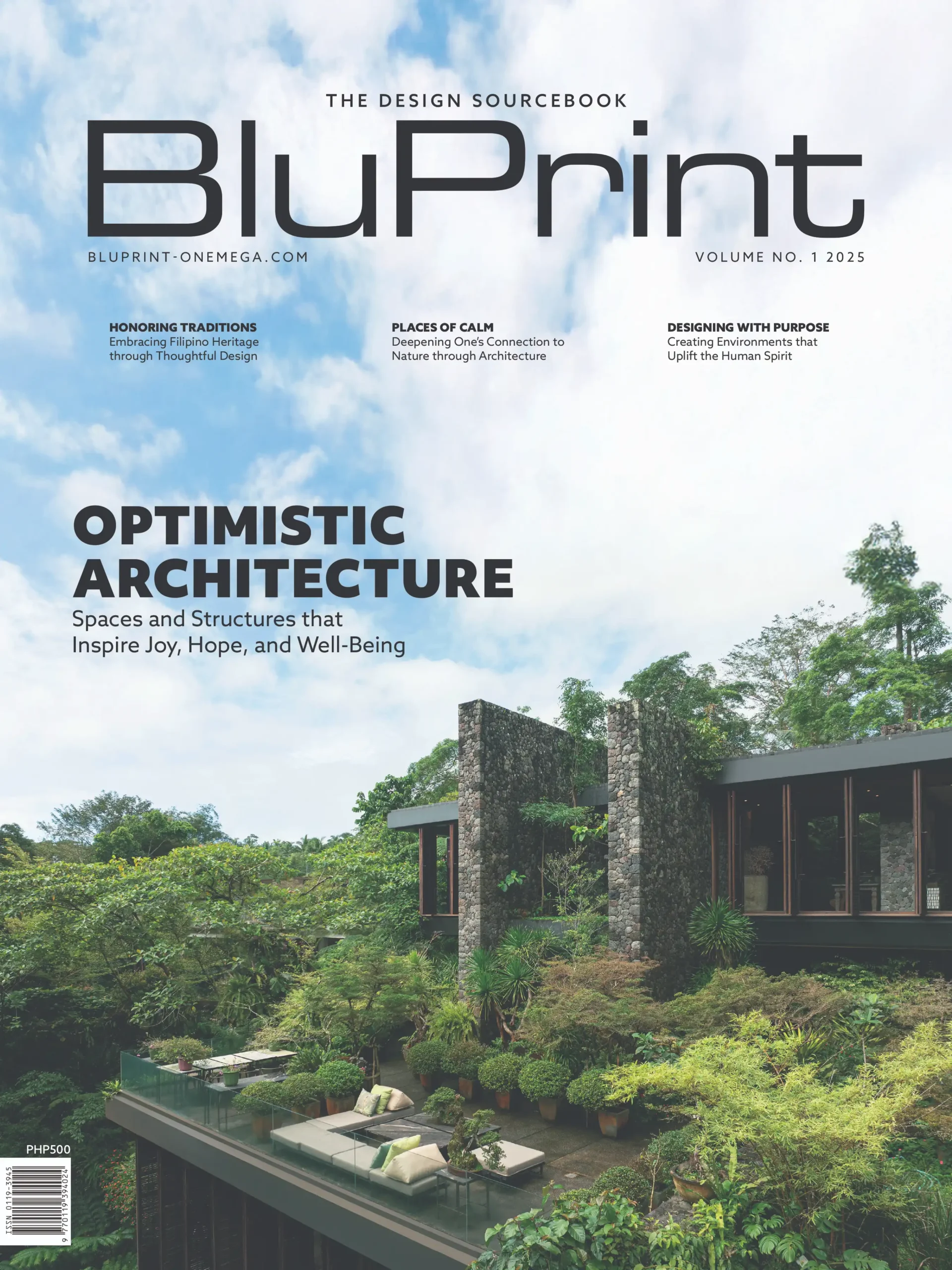
Read the full story by grabbing your copy of BluPrint Volume 1 2025, available at sarisari.shopping, Shopee, and Lazada.
E-magazines are available for download here or through Readly, Press Reader, and Magzter.
Advertisement
Photos by Ed Simon.
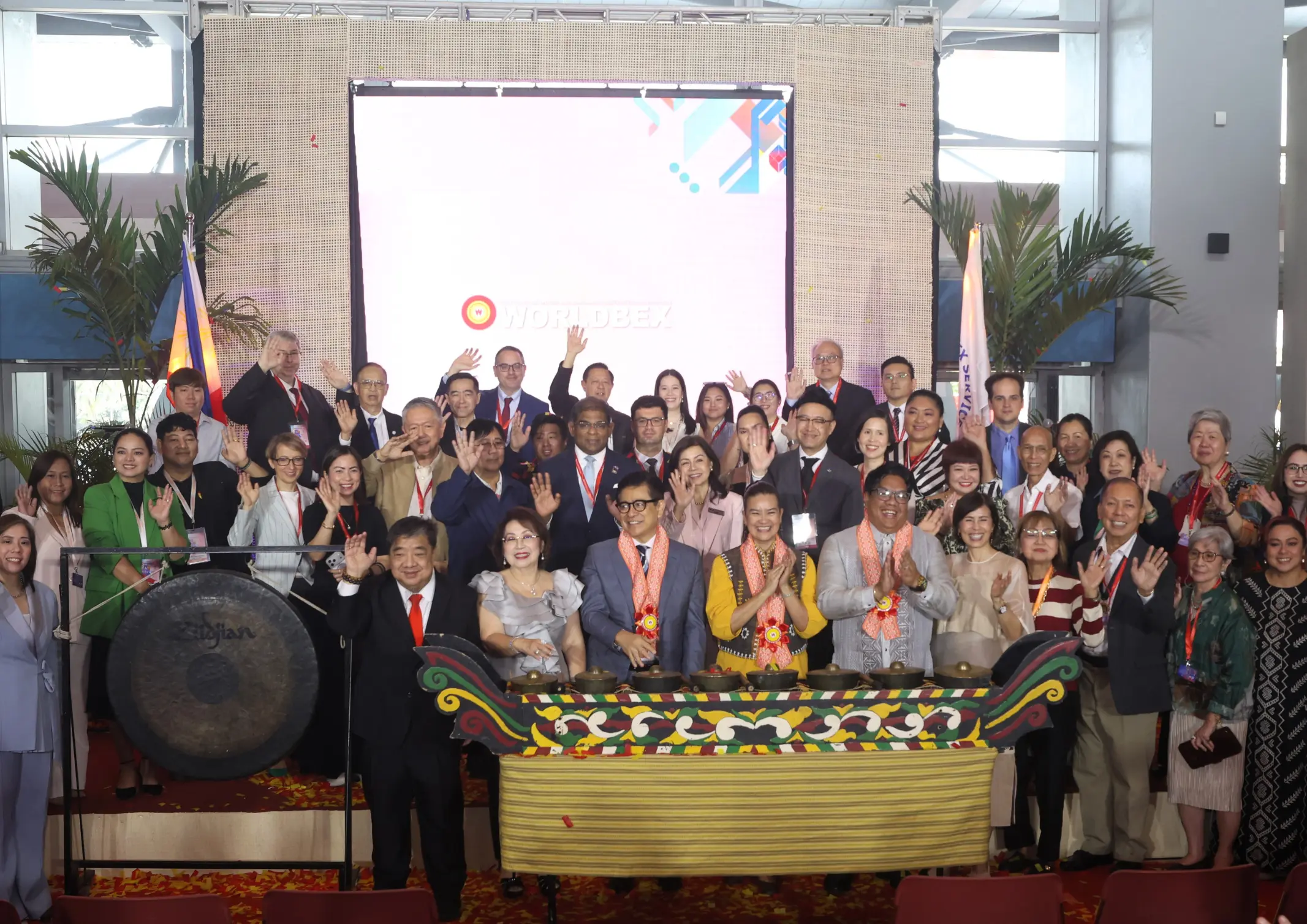
WORLDBEX 2026, running from March 12 to 15, 2026, proves itself as the Philippines’ leading construction and design expo as it wrapped its 29th edition. It drew together 1,000 local and international exhibitors under one theme, “Building Opportunities: Sustaining Lives.” Organized by Worldbex Services International (WSI), in support of the ABS-CBN Foundation Inc., the event […]
Advertisement
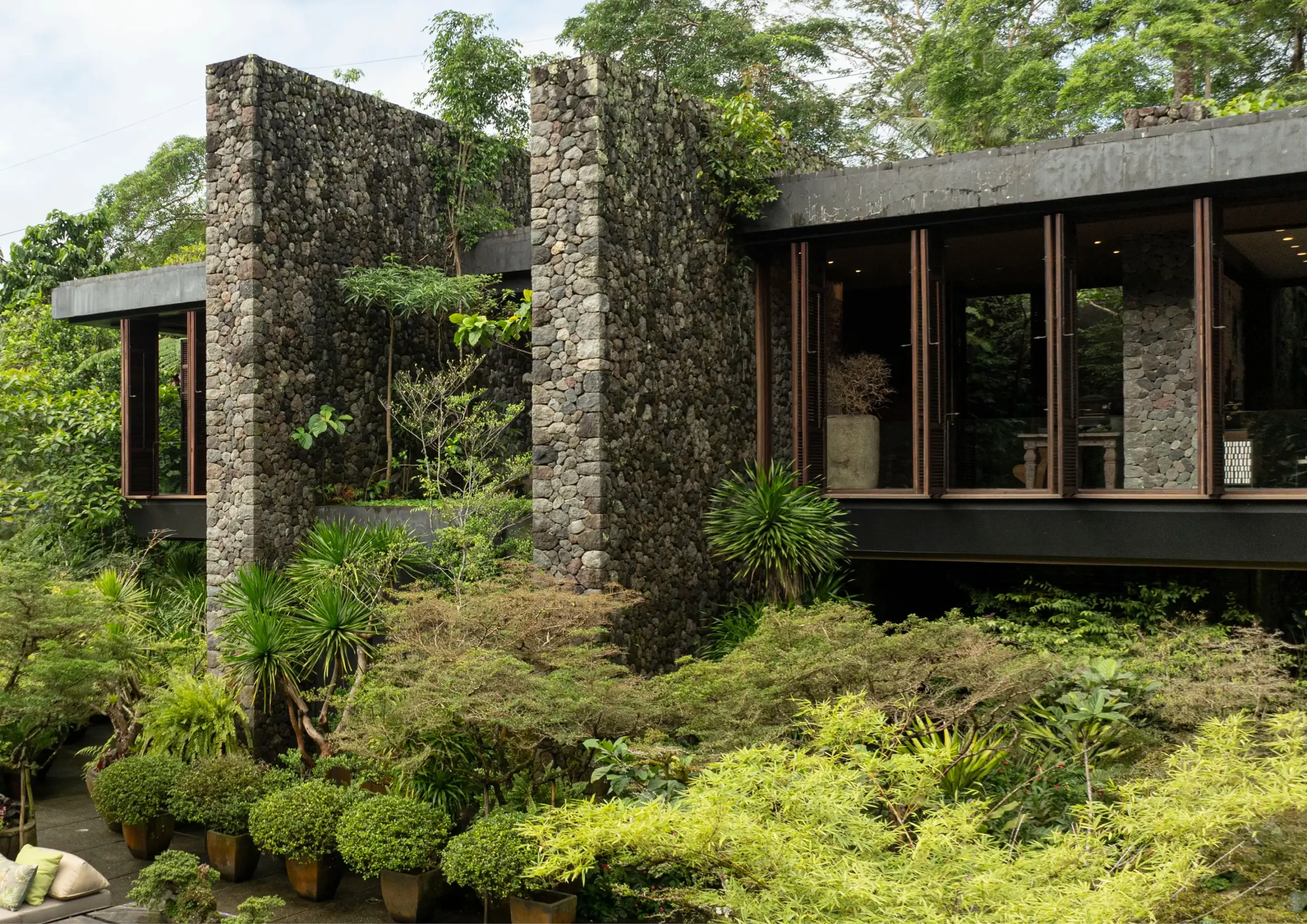
Located near the equator, factors such as heat and humidity are the norm in the Philippines. This tropical climate has shaped the development of architecture in the country. As Leandro V. Locsin stated: “The first consideration of the Filipino builder and certainly the most evident in his architecture, which is after all an outgrowth of […]
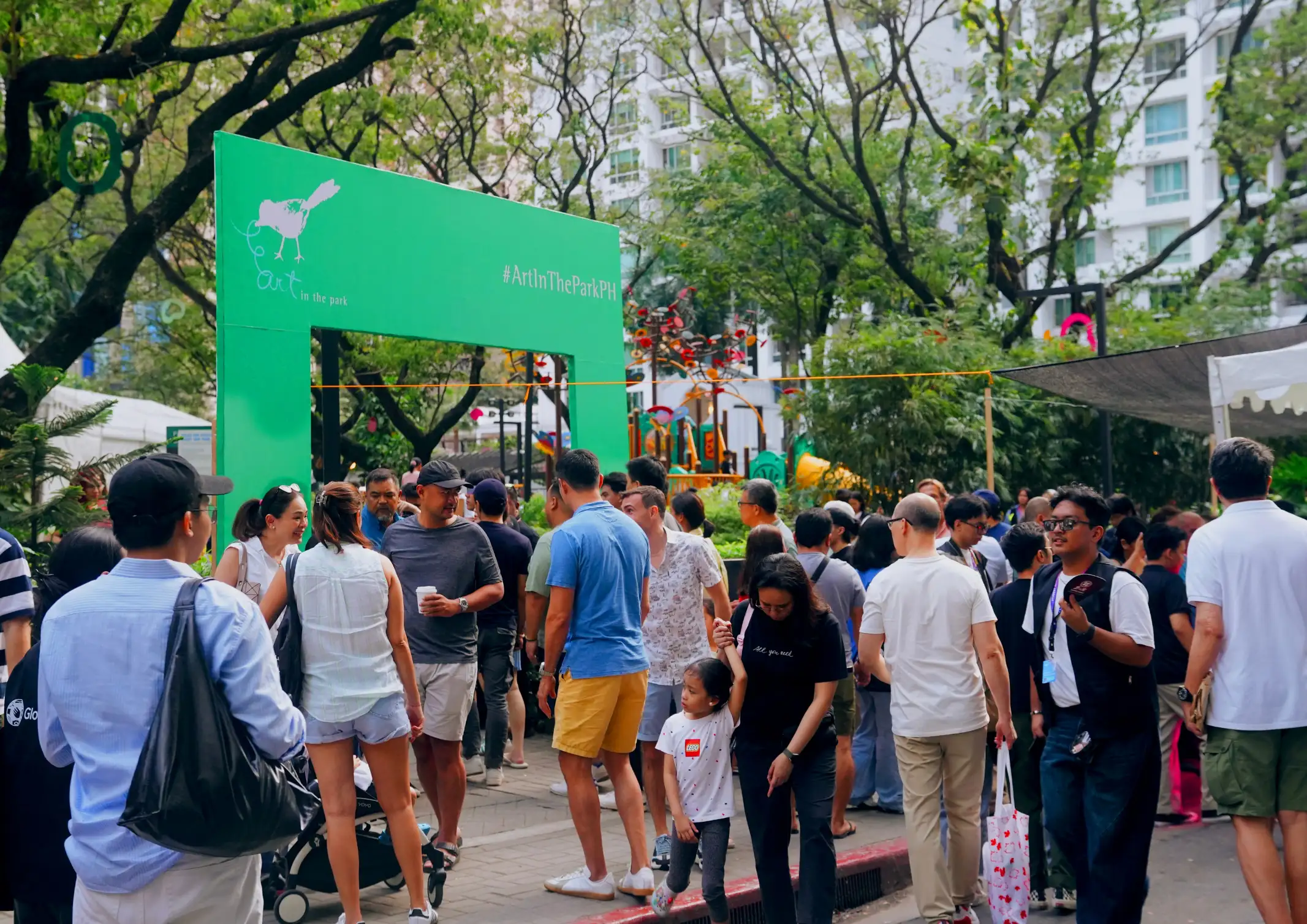
Art in the Park returned this year to Jaime Velasquez Park in Salcedo Village, Makati City, to celebrate its 20th anniversary. This year’s edition featured a curated selection of works from 55 exhibitors representing galleries, art collectives, independent art spaces, and student groups. With all artworks capped at Php 70,000, the fair continued its mission […]
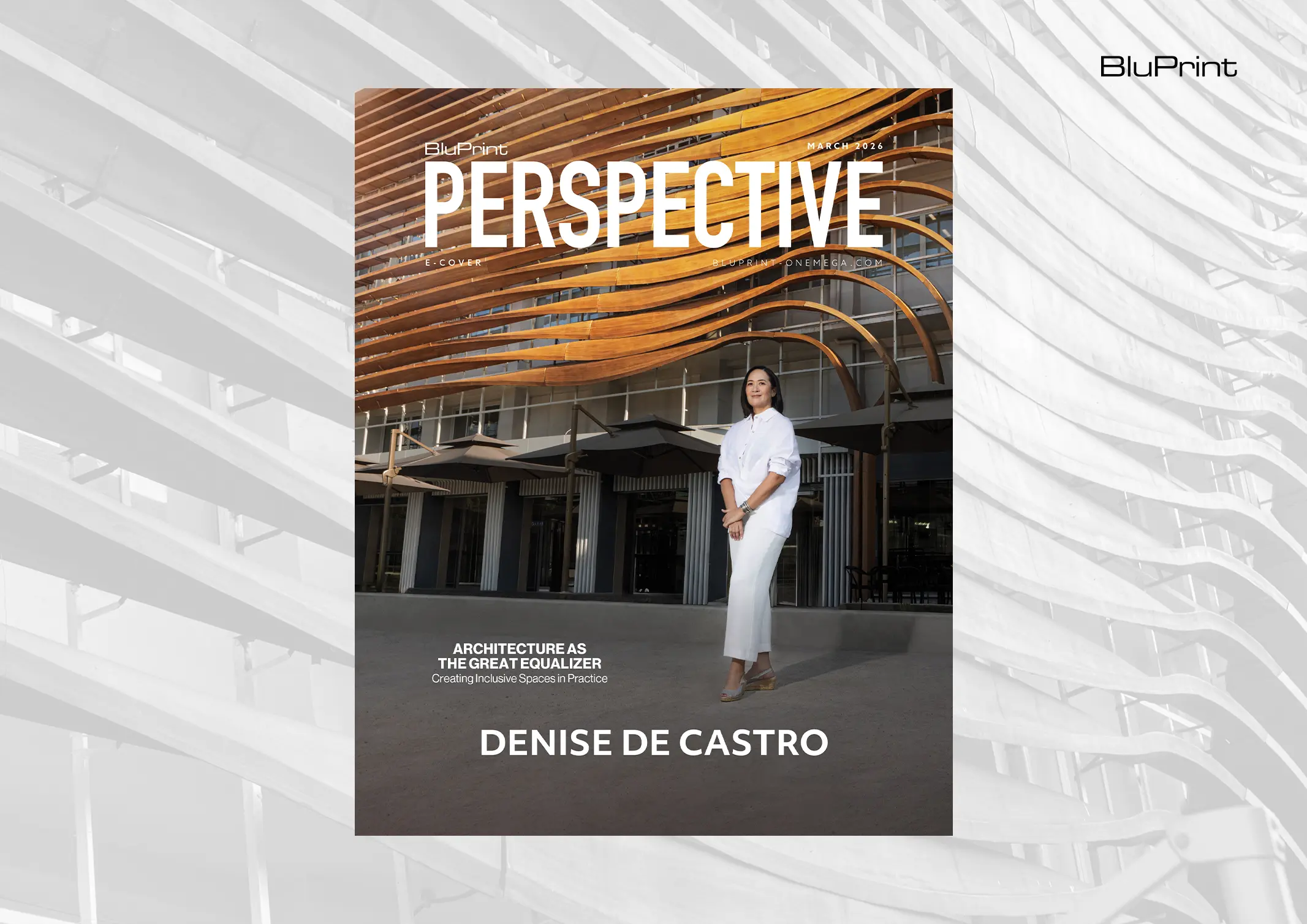
Denise de Castro, Principal Architect of DEQA Design Collaborative, believes that designing with equity in mind means starting at the workplace. Values and practices that your studio or office espouse inevitably filter down to the work that you do. Equitable design ensures that people with different needs and different backgrounds are supported through fair access, […]
Advertisement
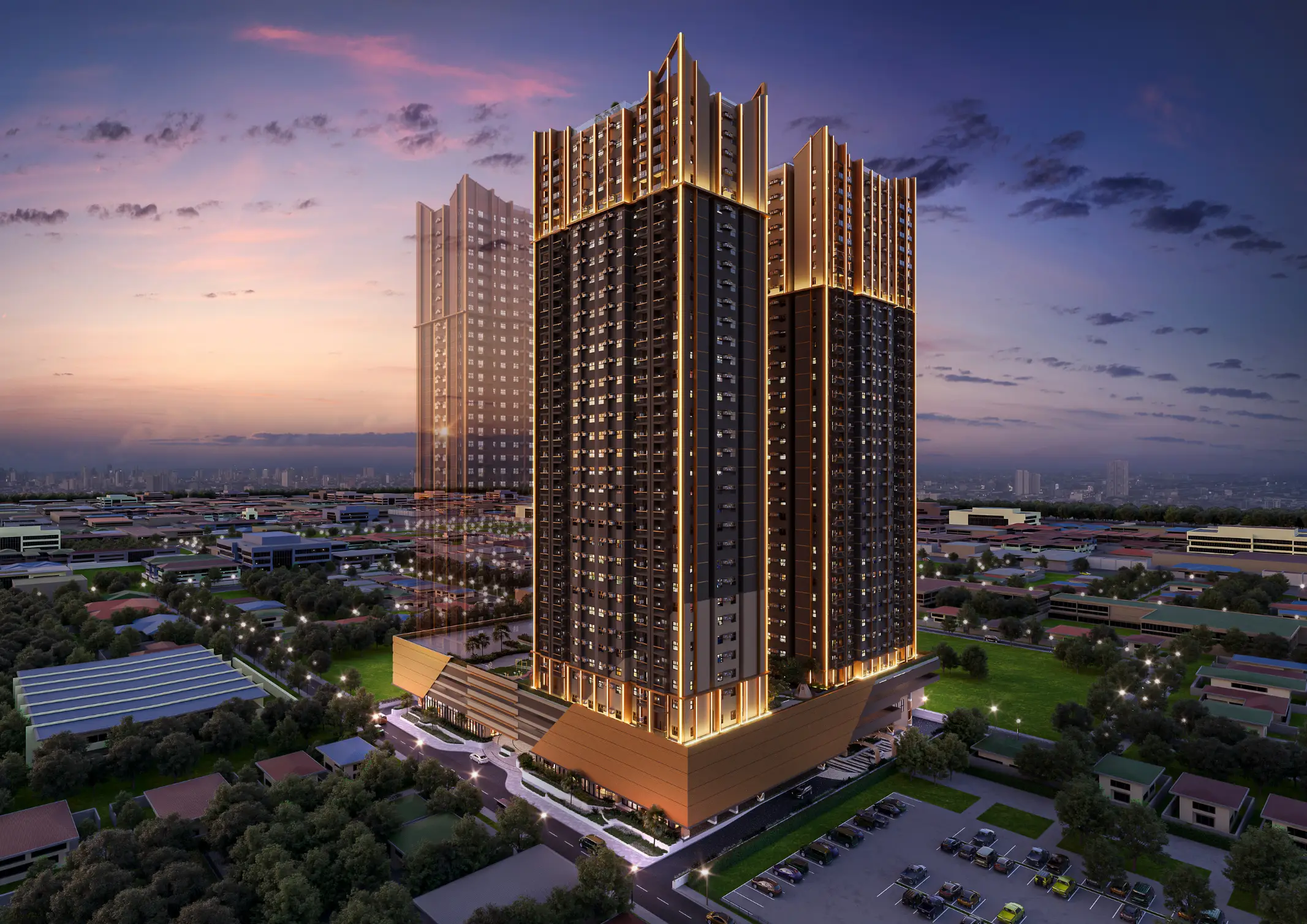
Across Metro Manila, residential developments are increasingly designed around proximity. As cities grow denser and mobility becomes more complex, new housing is often positioned near transport nodes, commercial districts, and educational institutions. This approach reflects a broader shift in urban planning. Mixed-use environments allow residents to live closer to daily necessities—reducing commute times while supporting […]

Download this month's BLUPRINT magazine digital copy from:



Subscribe via [email protected]