The seventh edition of the Anthology ASEAN ArchitectureArchitectureThe art and science of designing and constructing buildings, structures, and spaces that are functional, safe, and aesthetically pleasing. It encompasses the planning, design, materials, and techniques used to createGo to Architecture Glossary Festival brought together over 4,000 delegates from across the Philippines and Southeast Asia for three […]
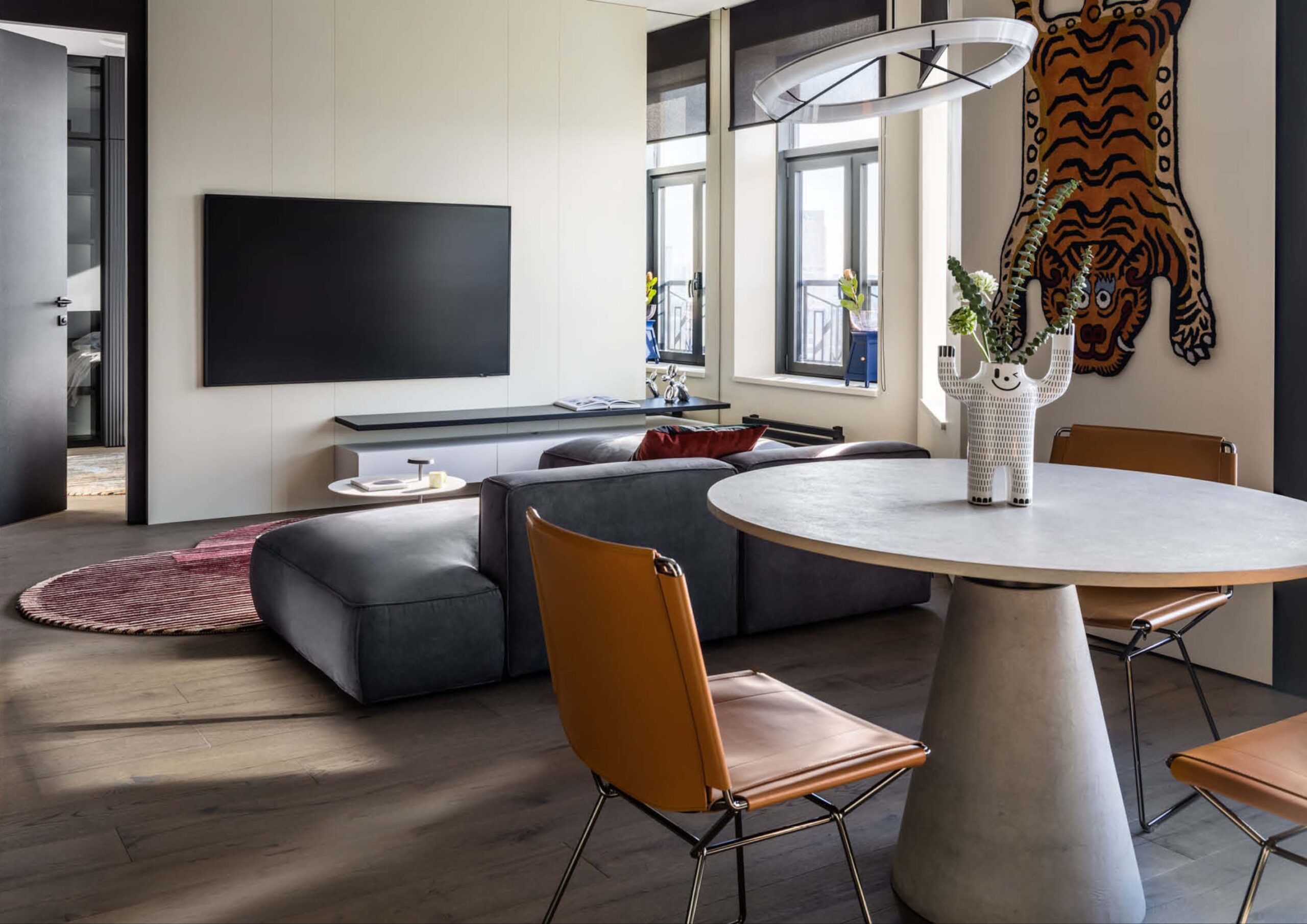
Midimalism: How to Balance Minimalism and Maximalism



You’ve probably encountered the two extremes of interior designInterior DesignThe discipline of planning and shaping interior spaces for function, comfort, safety, and beauty. It covers layout, lighting, materials, finishes, furniture, and color, and in the Philippines is a licensedGo to Interior Design Glossary—maximalism and minimalism. But have you heard of the style that sits just right in the middle? If open spaces and straightforward architectural details leave you feeling empty or abundant decor and trinkets feel overwhelming, maybe you need something that’ll bridge the gap. Midimalism is the perfect balance of functionality and playful inclusion of decorative elements you’ll never grow tired of.
Where Minimalism and Maximalism Meet
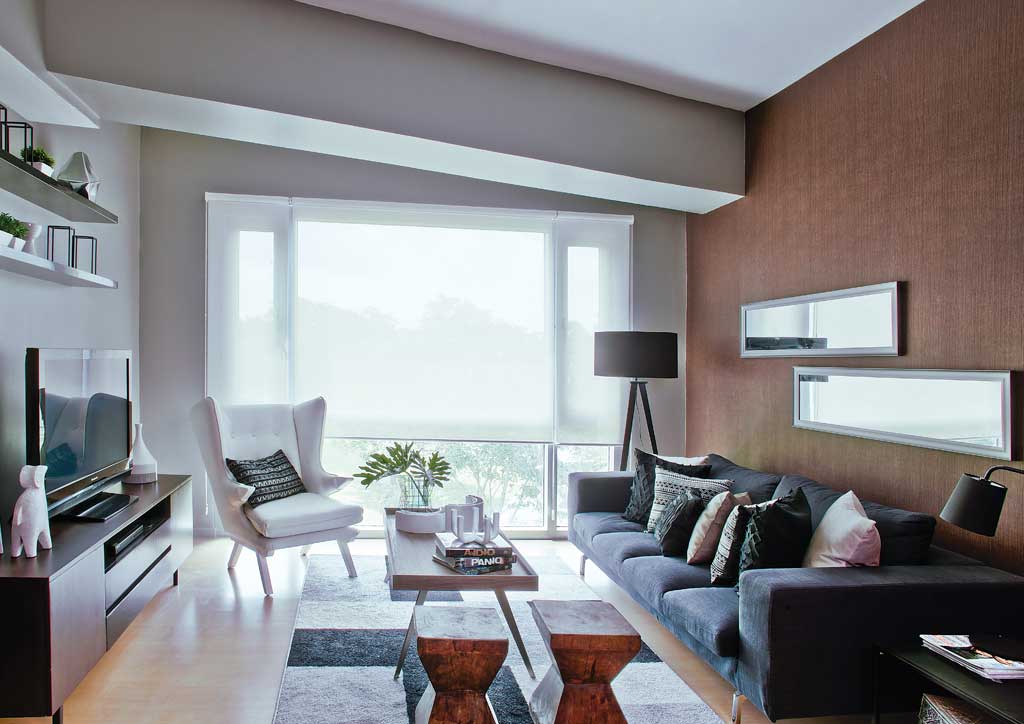
Midimalism, also known as middle-malism, is exactly what its name implies. It adopts the cleanliness, orderliness, and calmness of minimalist design while exhibiting the striking colors, patterns, and decorative pieces of maximalism. It’s the fine line between these prominent interior styles that neutralizes and harmonizes their remarkable qualities.
Somehow, midimalism serves as the middle ground, where these seemingly contradicting designs can co-exist together. This is typically shown in combining neutral color bases and simple, sleek lines and furniture with pops of color and stylish decor. But you can always customize your space however you like as long as it maintains cohesiveness and personality.
Is Midimalism Really the Middle Ground?
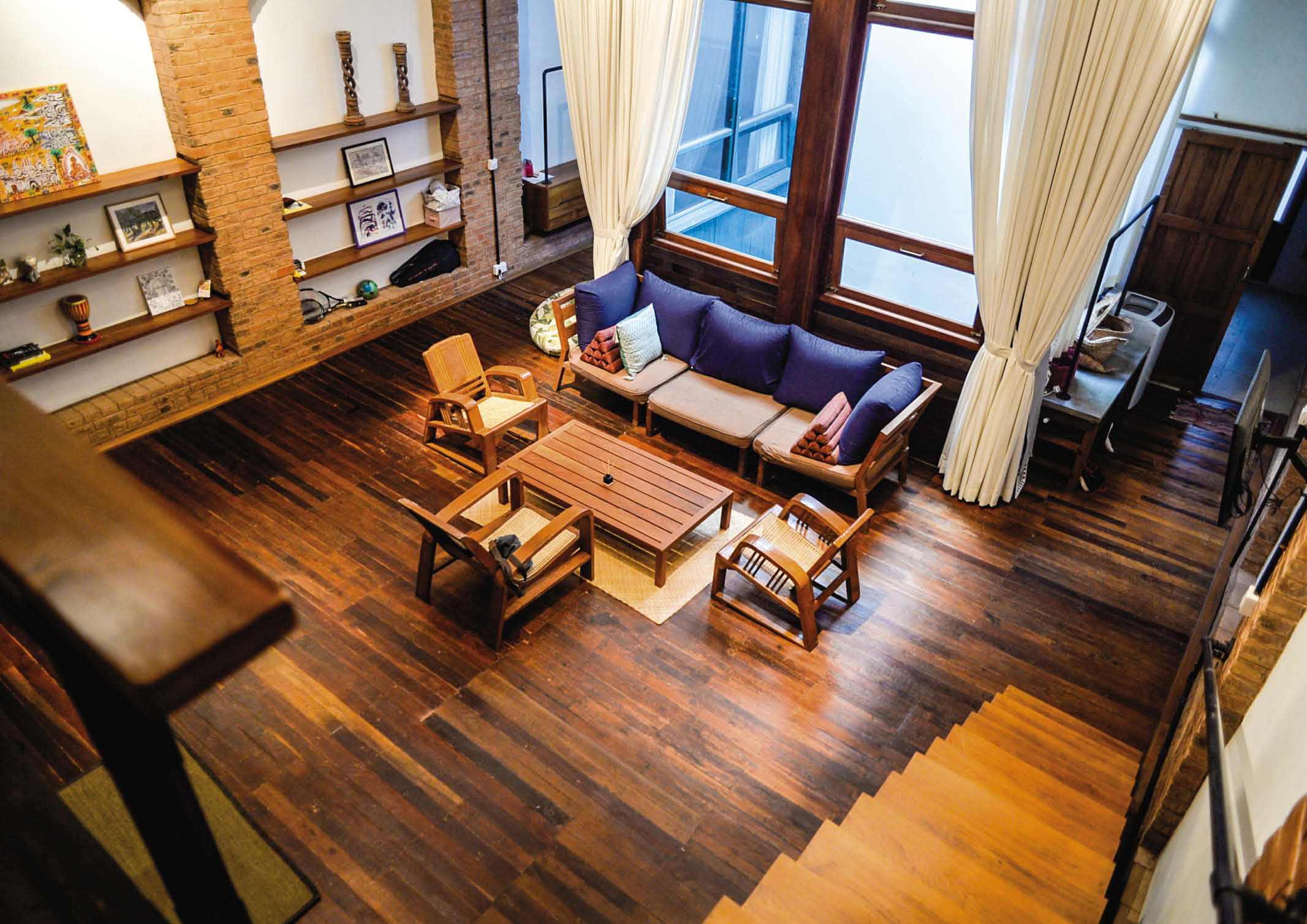
While it may be a simple concept of balance, designers argue that a midimalist style is more complicated than that. Since this design doesn’t dictate a single aesthetic, it allows a wide range of looks, which also blurs the lines of what it truly defines. In a way, midimalism is reduced only to being the middle point of minimalismMinimalismA design philosophy centered on simplicity, restraint, and the idea that less is more. Minimalist spaces reduce ornament and clutter, favoring clean lines, open space, limited palettes, and carefully chosenGo to Minimalism Glossary and maximalism.
In line with its oversimplification, some also find it inappropriate to squeeze in all the subcategories of maximalism and minimalismMinimalismA design philosophy centered on simplicity, restraint, and the idea that less is more. Minimalist spaces reduce ornament and clutter, favoring clean lines, open space, limited palettes, and carefully chosenGo to Minimalism Glossary into just one label. Both of these extremes encompass a variety of design approaches like adopting Japanese and Scandinavian styles, for instance. So, cramming these complexities under the single category of midimalism disregards differences, which makes it more confusing.
Designers also fear that this style’s intended balance might be a little too subjective. One person’s minimalist approach to curated collections might seem maximalist to another. And this subjectivity makes it challenging to define a single, universally applicable midimalist style.
However, midimalism’s core principle simply revolves around intentionality, functionality, personality, and curated collections. Perhaps, the true value lies not in a rigid definition but in the freedom it offers to create a space that reflects what environment brings you comfort and joy.
How to Be a Midimalist?
Midimalism is more than combining the features of minimalismMinimalismA design philosophy centered on simplicity, restraint, and the idea that less is more. Minimalist spaces reduce ornament and clutter, favoring clean lines, open space, limited palettes, and carefully chosenGo to Minimalism Glossary and maximalism. To help you sort out the right balance between these styles, here are some tips to get you started.
Declutter and Reclutter
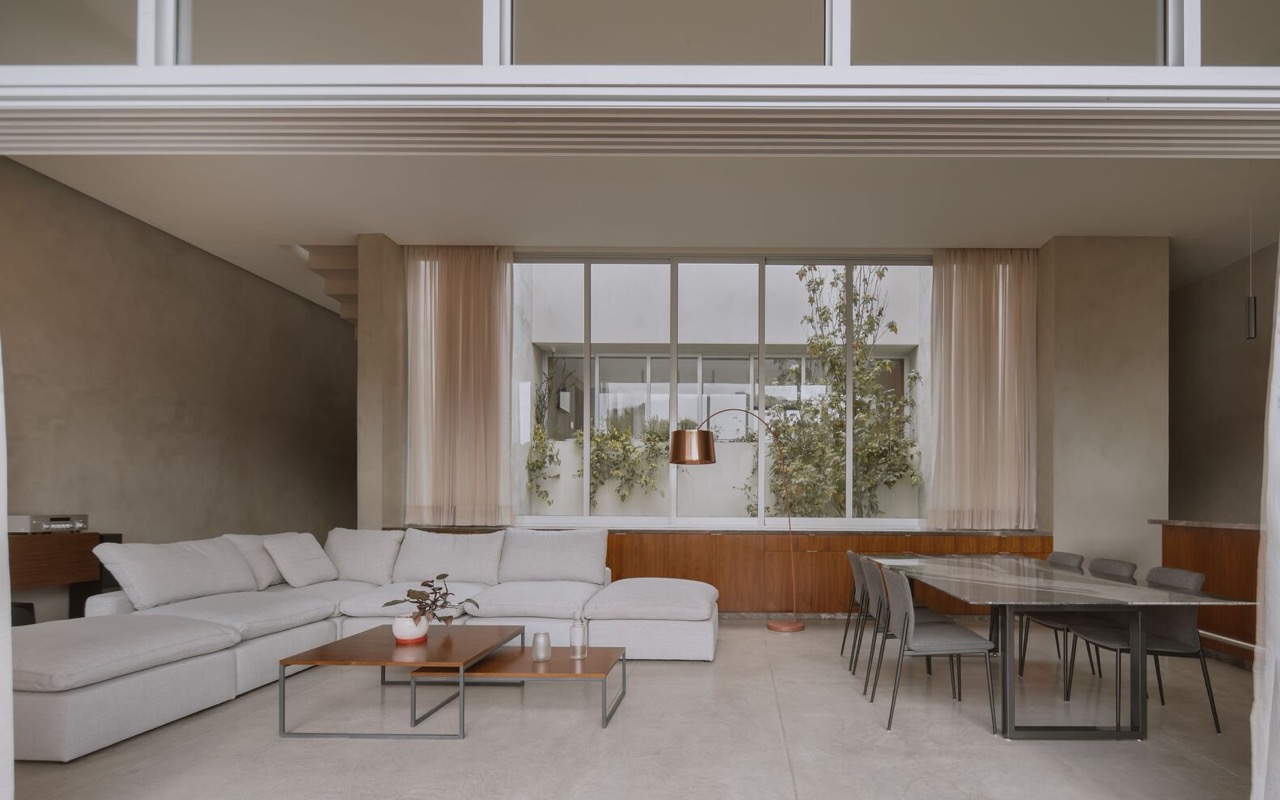
Start with a clean slate. Declutter your space by removing anything that’s broken, unused, or doesn’t spark joy anymore. You can donate or sell those that are still in good condition to give them a new lease of life.
But unlike minimalism, which focuses on the essentials, midimalism allows you to keep items with sentimental value. Regardless if they have practical function or not, anything that resonates with you deserves a place in your space. It can be anything from heirlooms, travel souvenirs, or hand-me-down pieces.
Build a Midimalist Base
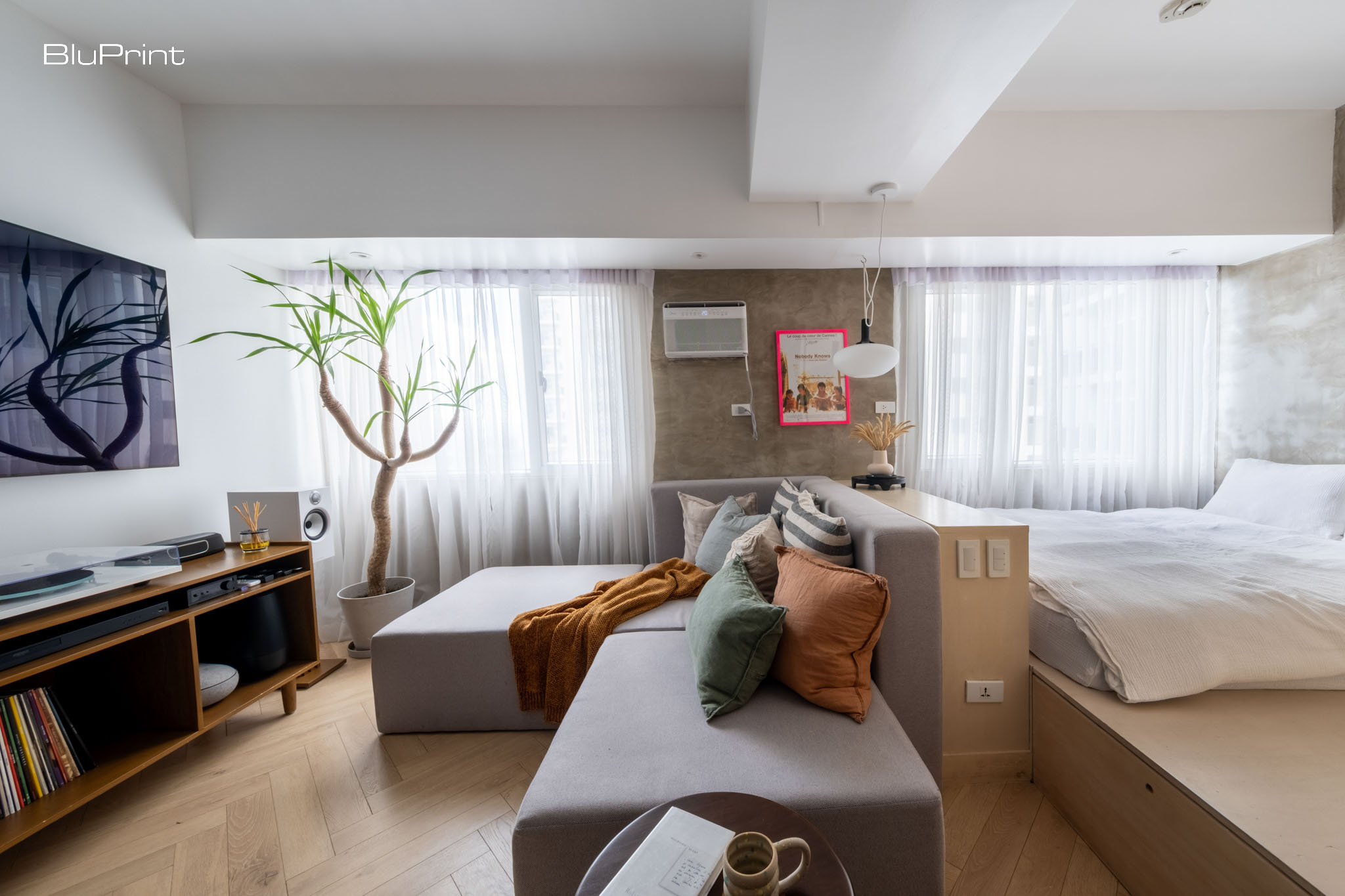
Clean lines and a neutral color palette are the foundation of a midimalist space. Opt for furniture with clean, straight lines, smooth curves, and unfussy silhouettes. The lack of visual clutter makes their materiality stand out and contributes to a sense of serenity and peace in your space.
Better if you prioritize the anchor pieces to have a form that complements their function. For example, if you have limited space, choose a light, simple, and sturdy armchair. Or if you like hosting social events and you have the space, a large dining table might be a better choice. Multifunctional pieces like storage ottoman and console tables with drawers additionally help reduce clutter and maximize space efficiency.
As for colors, white, beige, gray, and taupe make a good canvas for pops of color, patterns, and textures to shine through. Along with creating a calm and airy ambiance, neutral hues are also versatile, making adding contrasts and decorative layers easier. And with their ability to reflect light, the space instantly becomes bright and more open, which is particularly beneficial for rooms with limited natural light.
You can apply these colors to negative spaces or anchor pieces as well. But if you want to add more prominent colors, you can follow the 60-30-10 rule. 60 percent will serve as your neutral base, then pick a secondary color that’ll make up the 30 percent. It can be any color, shade, or tone closer or complementary to your neutral. Lastly, select the 10 percent as the ultra-contrasting color.
Curate Collections
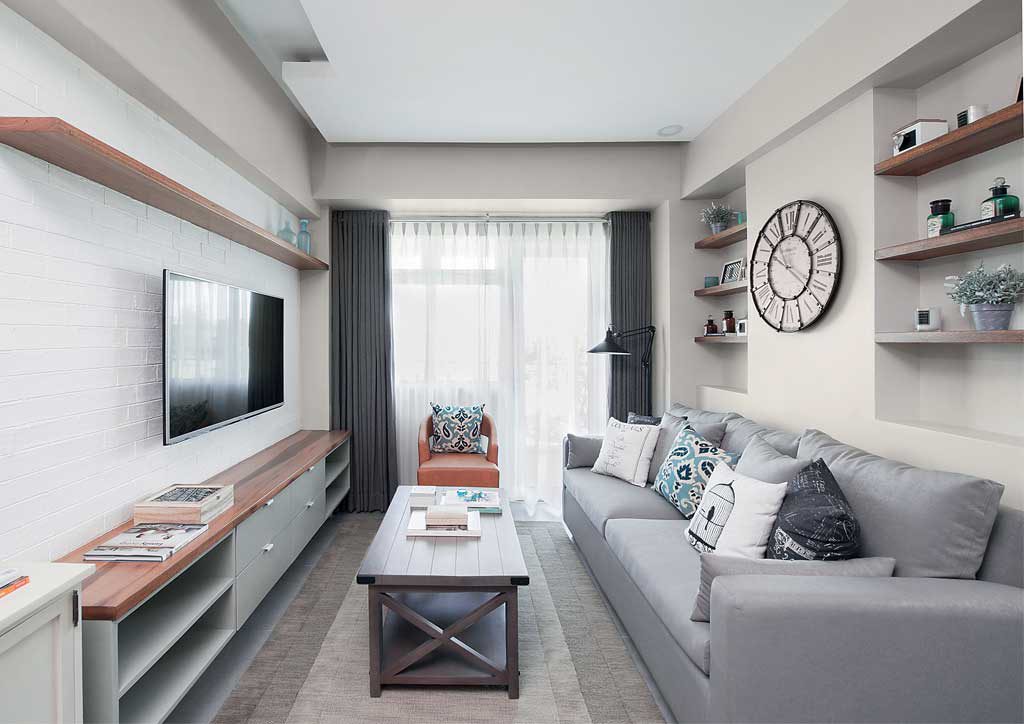
After completing the minimalist parts, it’s time to build on the maximalist half. Midimalism encourages surrounding yourself with objects you love, but with intention. Display collections that tell your story.
Do you have a passion for travel? Showcase souvenirs in a thoughtful way, like framed photographs or a collection of postcards. Love vintage cameras? Display them on a shelf. Have a collection of your favorite artist’s vinyl albums? Proudly display them on your walls. These curated collections add personality and spark conversation.
Mix and Match Textures and Patterns
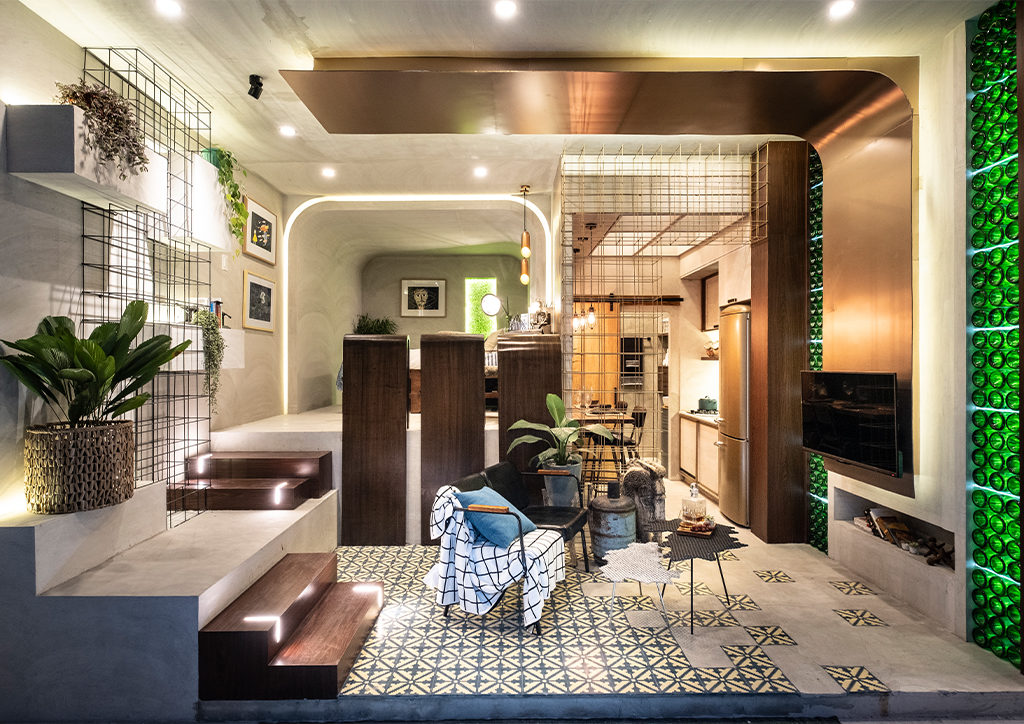
Along with trinkets and sentimental collections, you can bring maximalism into your space by introducing visual interests. The rule of thumb is to mix plains with textures. So, if you opt for neutral walls and simple furniture, add depth through woven throws, wooden lamps and decor, and intricate ceramics.
The same goes for patterns. Balance bold prints with solid colors, and keep the scale in mind. Large, geometric patterns work well in larger spaces, while smaller, intricate patterns might be better suited for smaller areas. You can either apply it in fabrics, wallpapers, or details of home decor.
Midimalism isn’t simply a combination of minimalismMinimalismA design philosophy centered on simplicity, restraint, and the idea that less is more. Minimalist spaces reduce ornament and clutter, favoring clean lines, open space, limited palettes, and carefully chosenGo to Minimalism Glossary and maximalism. It’s the compromise that brings balance to these contrasting styles and lets you enjoy the best of both worlds without sacrificing functionality and personality in your space.
Read more: Barkitecture Is the Trending Pet-Friendly Home Design For Your Dogs

Bigkis is the act of binding. In Tagalog, the word can refer to something used to bind or encircle, as well as a bundle formed by tying several separate elements together. Figuratively, it can also mean a bond, union, or unity. The meanings move from the physical act of joining things together to the connection […]
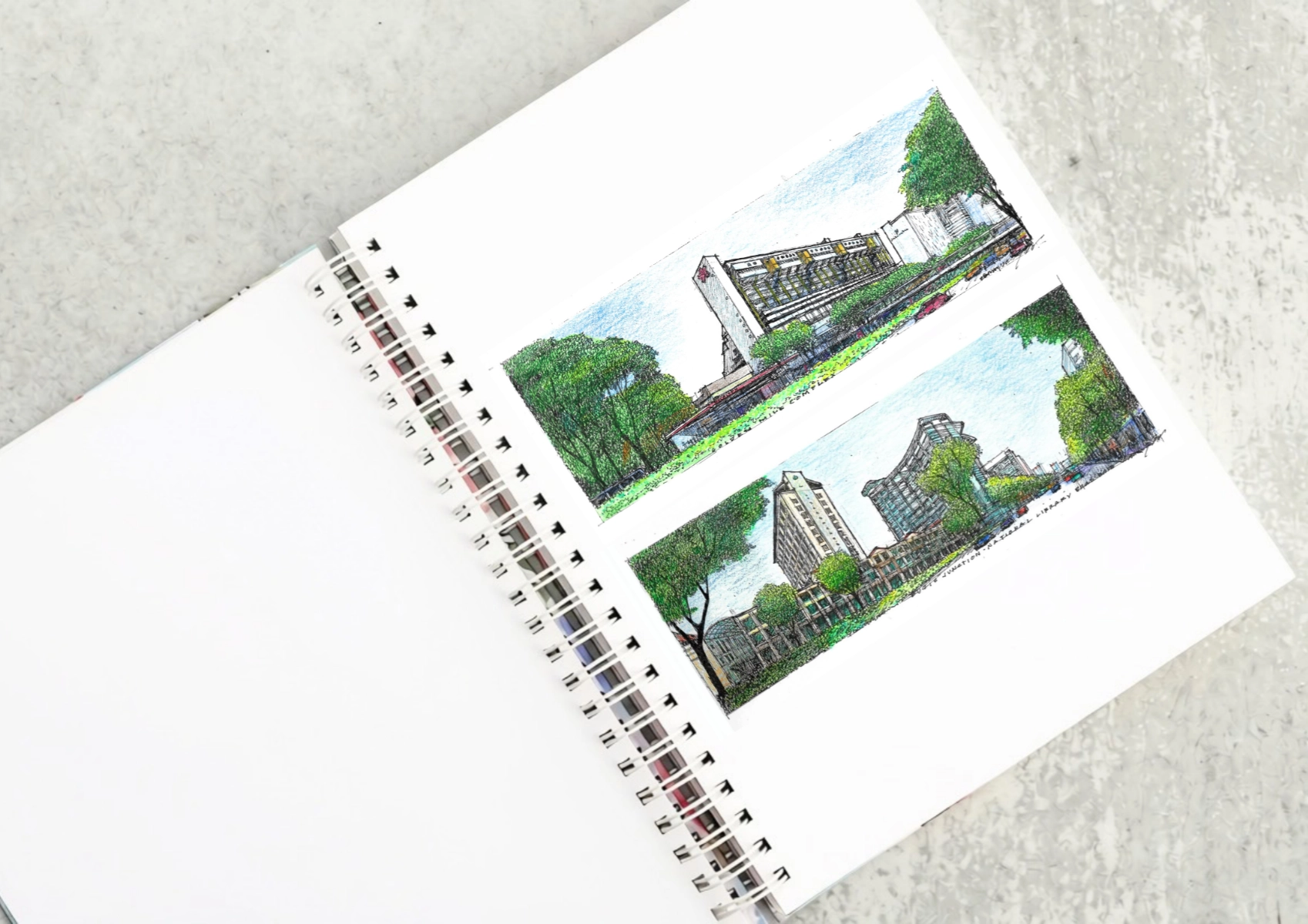
Two sketches of Singapore connect BluPrint Editor in Chief Paulo G. Alcazaren’s personal and professional history with Shared Ground: ArchitectureArchitectureThe art and science of designing and constructing buildings, structures, and spaces that are functional, safe, and aesthetically pleasing. It encompasses the planning, design, materials, and techniques used to createGo to Architecture Glossary of Care, Culture, […]
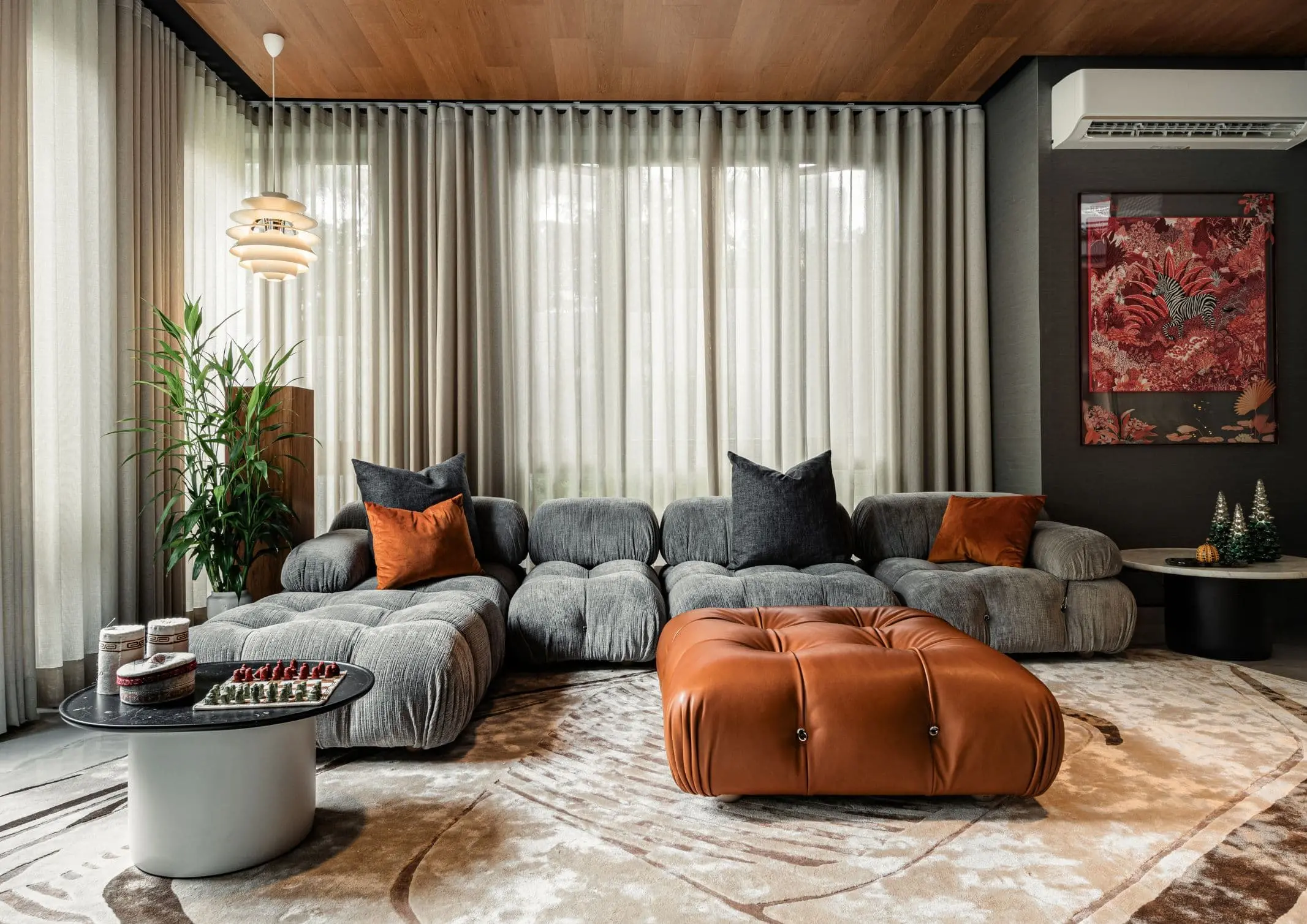
Some have become household names – Coleman, Oster, and KitchenAid – products that have found their way into Filipino kitchens, homes and family routines. In home furnishings, brands such as B&B Italia, Ethan Allen, Sub-Zero, Miele, SieMatic, Louis Poulsen, Hunter Douglas, Tempur, and Technogym, have helped shape the way Filipinos live. From everyday essentials to […]

In a way, designers are the modern-day soothsayers and prophets. They design for the future, predicting how a room, a house, a building or a whole city will be used by people. They foresee how users will interact with a space, conjure exact shades of colors to elicit specific behavior and arrange furniture to build […]
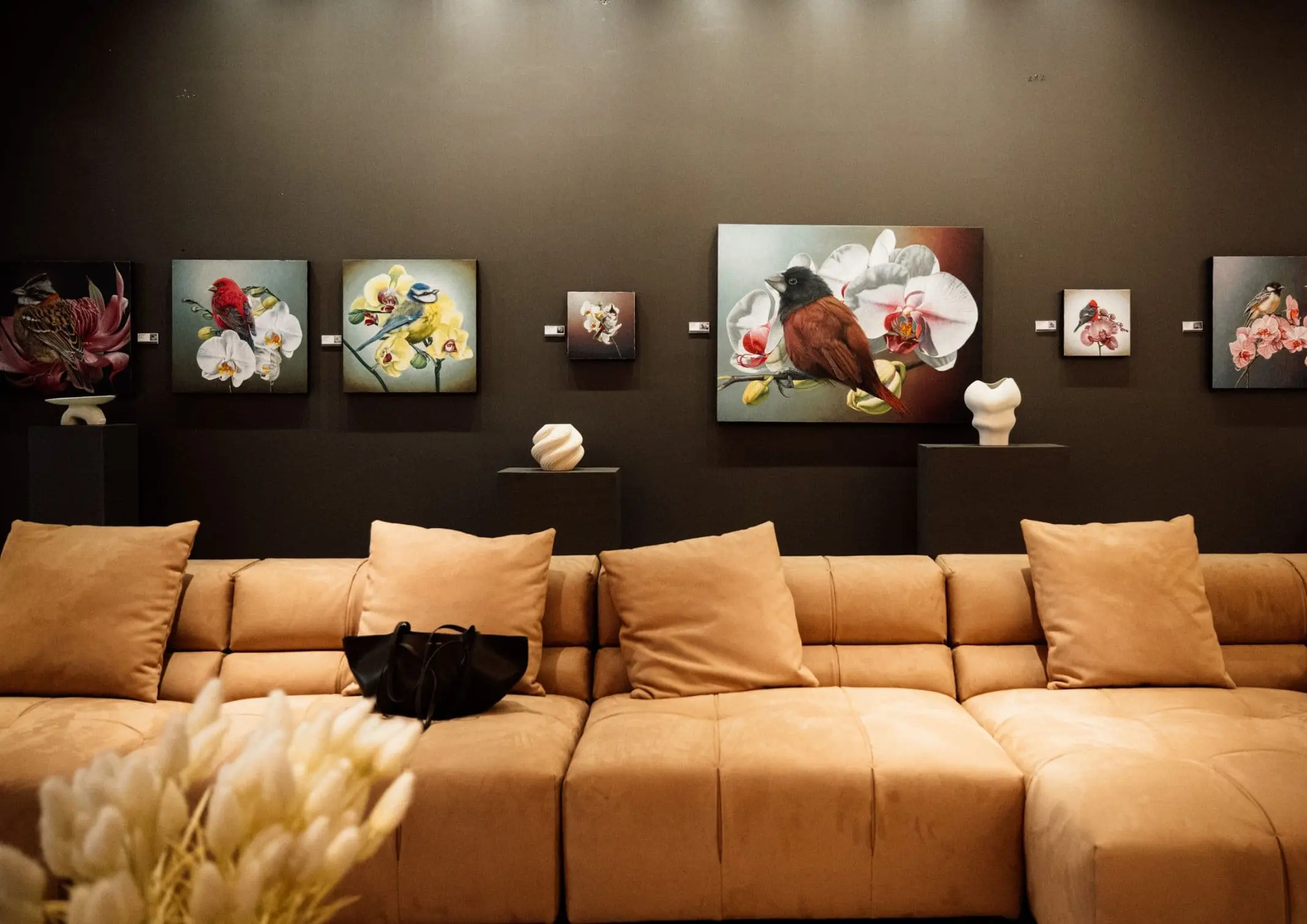
Art and furniture are often selected separately, yet their relationship can shape how a room looks and feels. The collaboration between Hooga and Galerie Joaquin explores how these elements can work together, bringing contemporary artworks into furnished residential settings at Hooga’s showroom in Uptown Mall, Bonifacio Global City. For Hooga, which curates furniture, lighting, and […]
Read the issues.

Collect the volumes.

Recommended Video
Tap to Unmute
Unmute
0:00
0:00