Just moments away from the bustling area of Bonifacio Global City is 171, a multi-level villa set on a 302-square-meter lot. M.CAL Architecture Design Studio, headed by Ar. Monique C. Albert-Lopez, built the residence as a minimalist modern sanctuary surrounded by landscaped gardens. This creative direction was drawn from the homeowners’ brief to create a […]
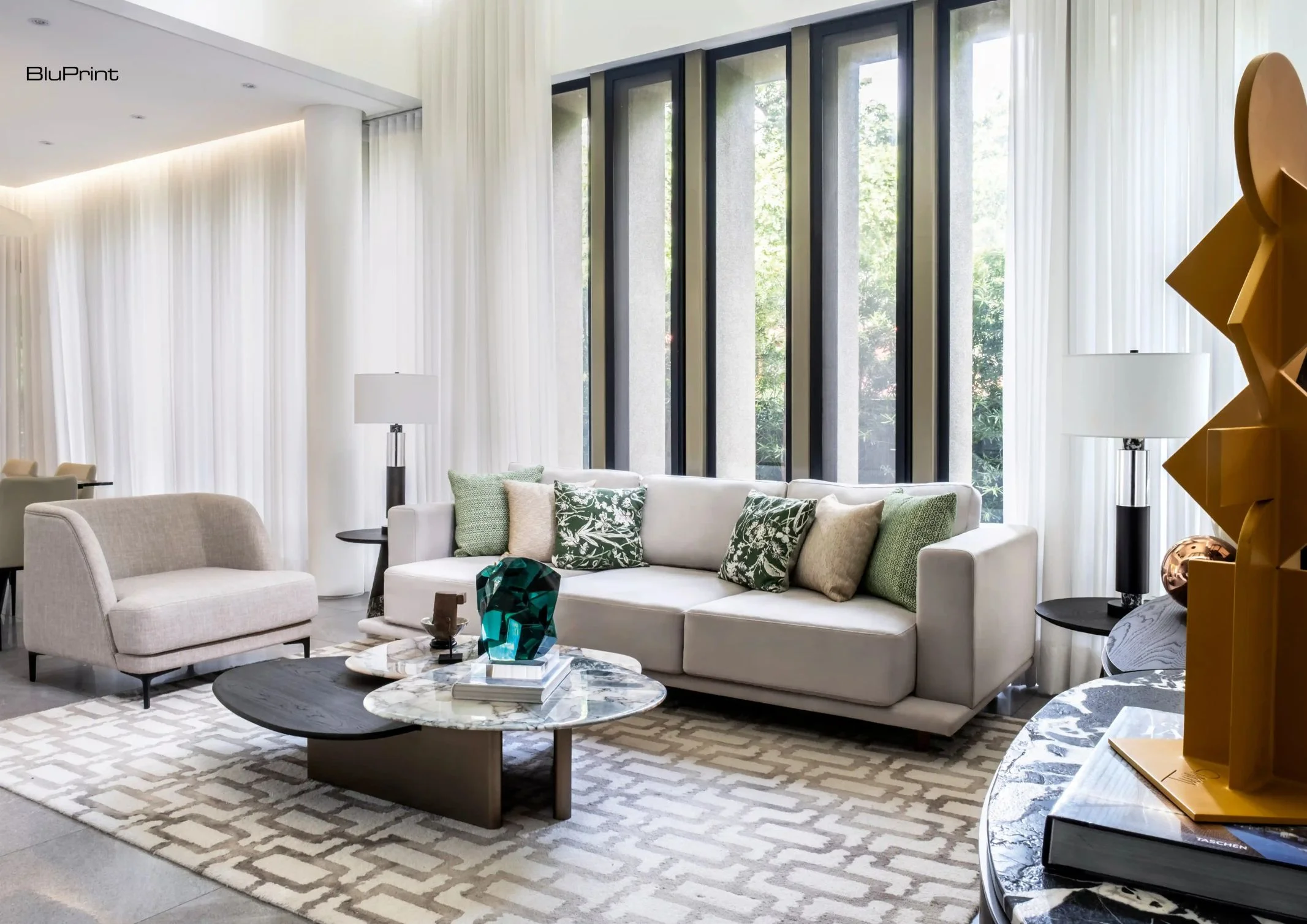
The Spirare Breathing House: Augmenting Rest with Artistry



Creating a relaxing environment for the people around us is always a daunting task. In a volatile world that pushes for constant movement, a true place to unwind and relax feels utterly inaccessible. And yet, the Spirare Breathing House provides its homeowners with that: an outlet sensitively made to not just ease the mind, but to engage in one’s culture within the place.
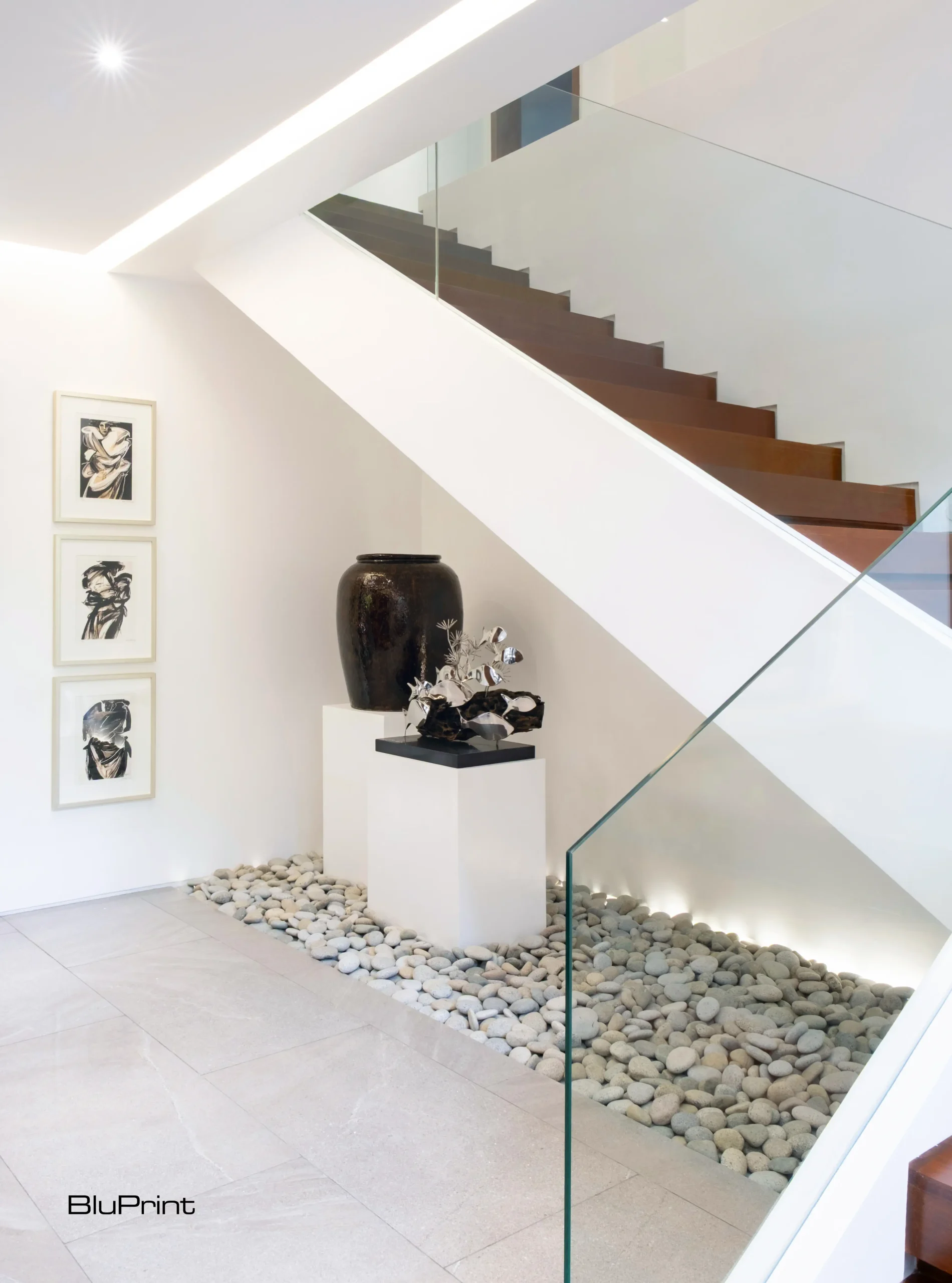
Designed by architect Eloy “Earl” Bello VIII of Forenheit Studio, the Spirare is an architectural response to the pressures of modern professional life, offering a much-needed sanctuary for a family of three. Having already known them socially, Bello was largely given free reign at the design of the house.
“The homeowners had one key request: they wanted the house to feel like a hotel,” he said. “[This meant the house had to be] relaxing, pleasant, [and] it has to have a quiet sophistication. Beyond that, they gave us full creative freedom to interpret what that could mean for their lifestyle.”
Neo-Tropical and Suburban
The Spirare occupies a prime corner lot in a Quezon City suburb. For Bello, this strategic location, combined with the clients’ brief and the firm’s familiarity with the area, provided the ideal canvas to experiment with a new paradigm for domestic tranquility.
For the final choice of design, he went with a new interpretation of a neo-tropical house. It was one that really aspired towards blurring the built environment with the nature around it, with an emphasis on smooth lines and lightness. The house found ways to augment the warmth of its surroundings, providing a sedate ambiance that encouraged slow and intentional living.
“The inspiration was both contextual and conceptual,” he said. “It is rooted in the homeowners’ lifestyle, the climate, and the opportunity to contribute something fresh and uplifting to the character of the subdivision.”
Art as an Accent
During construction, the homeowners approached Bello to discuss incorporating art pieces to add another layer of relaxation. Although not part of the original budget, Bello worked to accommodate them by approaching space curator and art expert Glenn Cuevo for the project.
“[He] reached out to me to check my interest in the interior styling, art selection and curation of a residential project he recently completed,” Cuevo said.
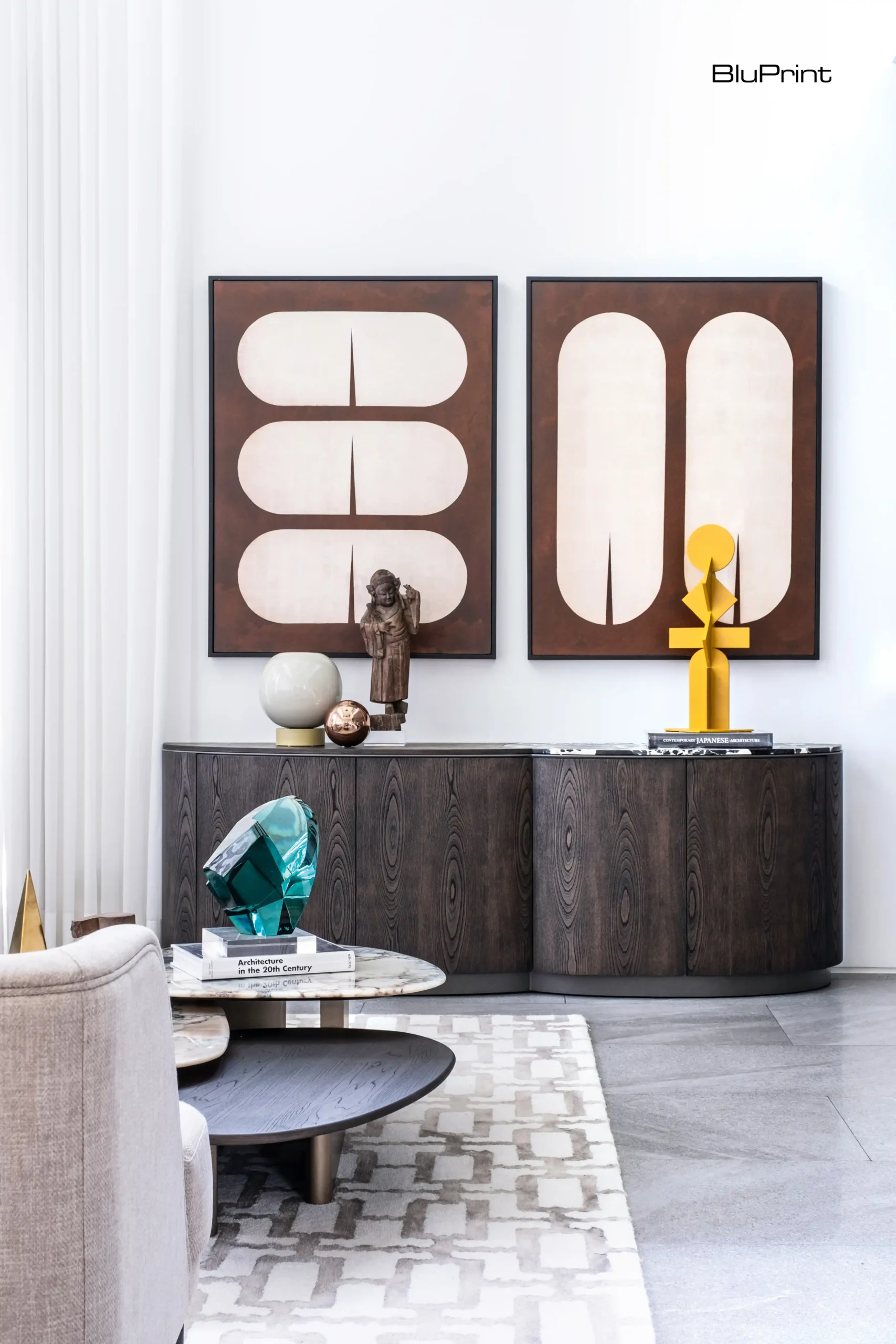
“Fortunately, the design’s clean lines and generous wall surfaces naturally lent themselves to accommodating art, allowing the pieces to breathe and become focal points within the home,” Bello recalls.
Cuevo himself found the design of the Spirare to be impressive: “contemporary and well-balanced with clean lines.” The neotropical design prompted him to look for artwork with abstract figures and geometrical shapes, also focusing on an elegant, color palette to best complement the home’s composition.
From the warm, tropical exteriors to the curated, well-chosen artistry that hangs on their walls, the Spirare Breathing House is the epitome of a peaceful sanctuary. It fulfills the promise of what a house can be: providing reprieve from a nonstop, tempestuous cityscape and restoring them to their fullest selves.
This article has been abridged for digital publication. Read the full story behind Spirare Breathing House by ordering your copy of BluPrint Art at Sari Sari Shopping, Shopee, and Lazada. E-magazines are also available for download here or through Readly, Press Reader, and Magzter.
Dive into the captivating world of architectureArchitectureThe art and science of designing and constructing buildings, structures, and spaces that are functional, safe, and aesthetically pleasing. It encompasses the planning, design, materials, and techniques used to createGo to Architecture Glossary, interiors, and arts & culture by getting exclusive digital access to BluPrint’s past and upcoming issues. Click here to find out more.
Photographed by Ed Simon
Frequently Asked Questions
Neotropical design is a modern architectural style that adapts tropical design principles—such as cross-ventilation, wide eaves, and natural light—to a contemporary, urban aesthetic. In the Spirare Breathing House, this is achieved by blurring the lines between the built environment and nature. The design emphasizes “lightness” and smooth lines to augment the warmth of the surroundings, creating a sedate ambiance that encourages slow, intentional living while responding to the local climate.
To fulfill the homeowners’ request for a hotel-like feel, Forenheit Studio utilized a neutral color palette and a “quiet sophistication” in its materiality. The design prioritizes open-air spaces and a tranquil atmosphere that flows with the energy of the occupants. By using high-end furnishings—such as the Jones Sideboard—and pairing them with museum-quality art, the home provides the reprieve and luxury of a hospitality space while maintaining the intimacy of a private sanctuary.
Art curation serves as a psychological anchor for rest. By incorporating works with abstract figures and geometric shapes, curator Glenn Cuevo complemented the home’s clean lines. For example, lithographs by National Artist Benedicto “Bencab” Cabrera and sculptures by Arturo Luz and Ramon Orlina add a layer of cultural engagement. These pieces act as focal points that “breathe” within the generous wall surfaces, engaging the homeowners’ minds in a way that is intellectually stimulating yet emotionally sedate.
Incorporating National Artists like Arturo Luz (minimalism/linearity) and Benedicto Cabrera (figurative/narrative) elevates a home from a mere dwelling to a cultural archive. In the Spirare Breathing House, these works are not just decorations; they match the sophisticated interior’s “calm” energy. The use of Luz’s geometric precision and Orlina’s glass transparency reinforces the architectural “breathing” theme, aligning the homeowners’ personal identity with Filipino artistic heritage.
In the “Breathing House” concept, generous wall surfaces provide the necessary negative space for both the inhabitants and the artwork to exist without visual clutter. By keeping the design contemporary and well-balanced, architect Earl Bello ensured that the art does not overwhelm the room. This spatial freedom allows for better air circulation and light distribution, which are the physical manifestations of a house that “breathes,” directly countering the density and pressure of the modern cityscape.
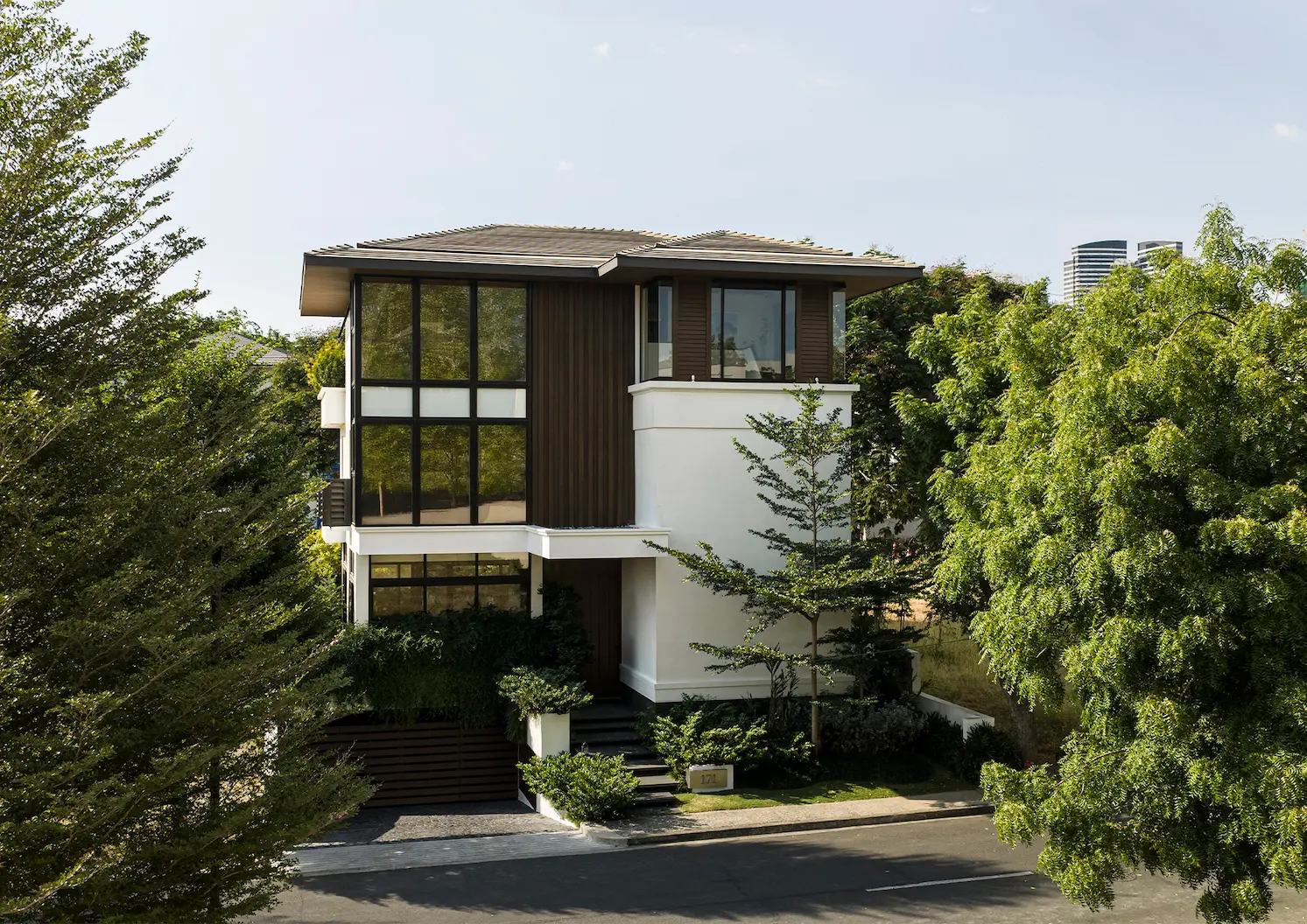
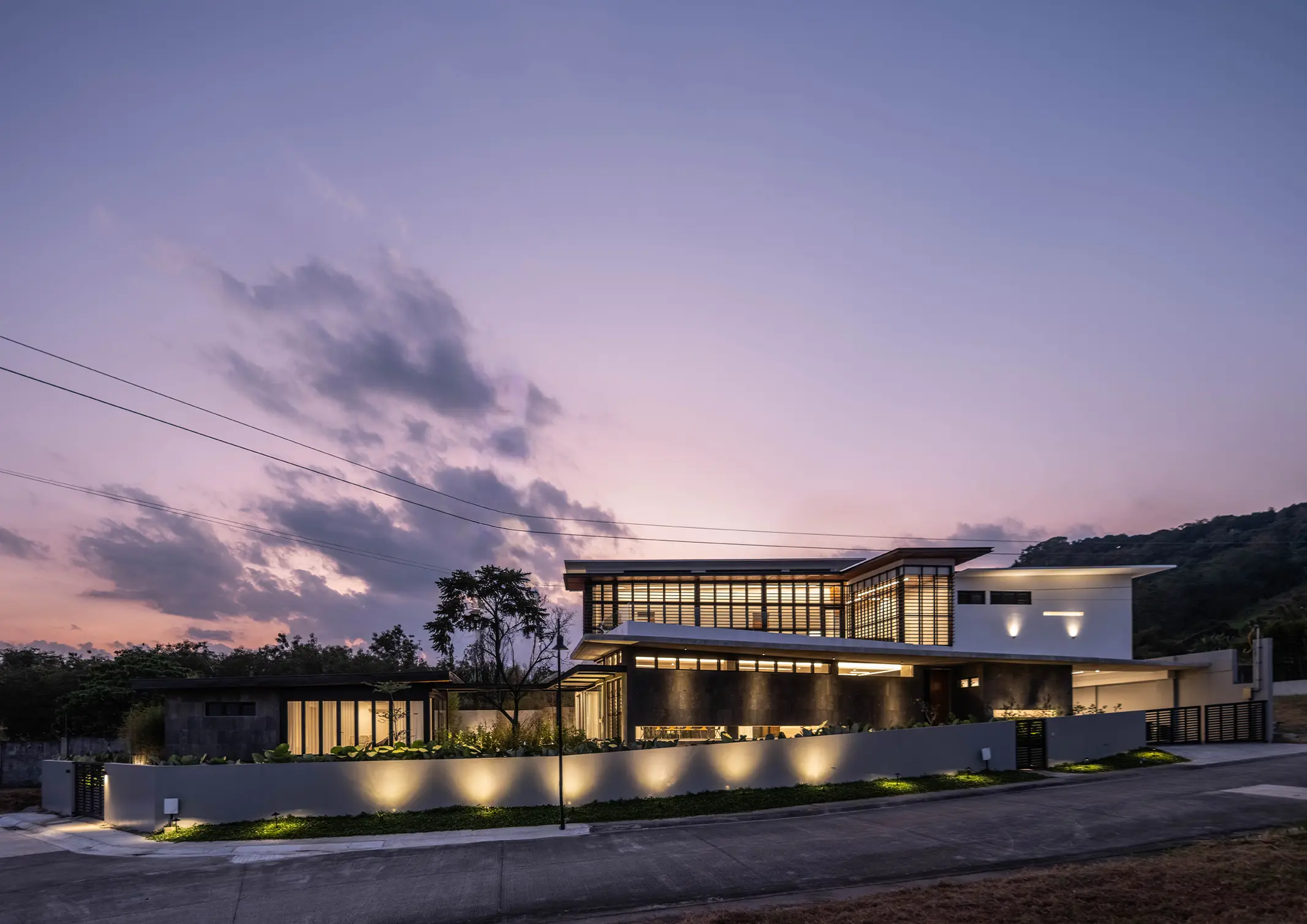
Located in Paroc, Pampanga is MQ Residence—a tropical-modern private residential home designed by Marikina-based architectureArchitectureThe art and science of designing and constructing buildings, structures, and spaces that are functional, safe, and aesthetically pleasing. It encompasses the planning, design, materials, and techniques used to createGo to Architecture Glossary firm Arkisens, spearheaded by principal architect and co-founder […]
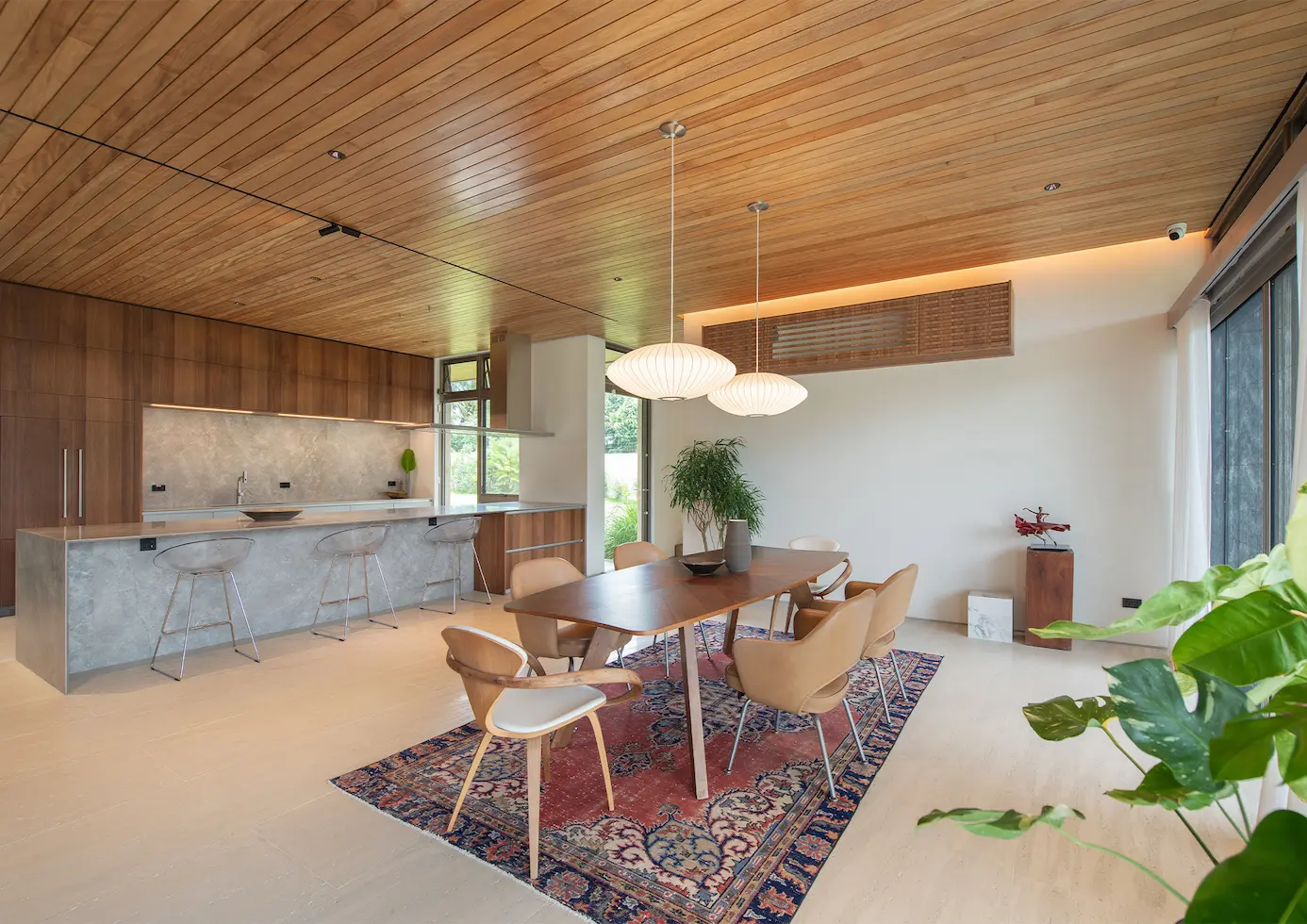
Standing on a former 1,200-square-meter pineapple plantation is CAW House, a Mid-Century ModernMid-Century ModernA design movement from roughly the 1940s to the 1960s, known for clean lines, organic curves, open plans, and a close relationship between indoors and outdoors. Filipino architects such asGo to Mid-Century Modern Glossary-inspired loft located just on the border of Silang […]
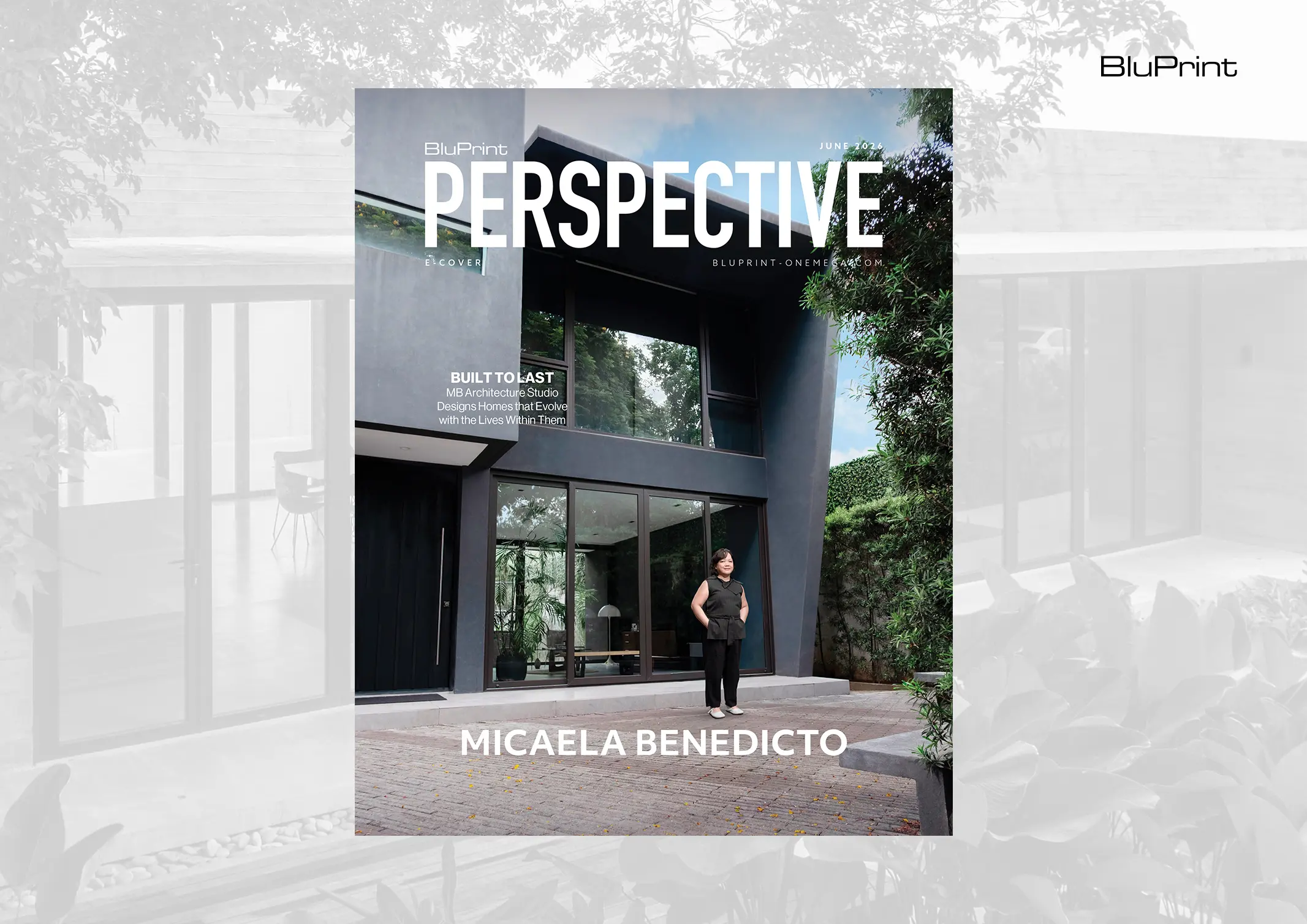
Since setting up her design firm, MB Architecture Studio, in 2007, Ar. Micaela Benedicto has built a diverse portfolio of architectural projects. Her works, whether residential or commercial, showcase a distinct spatial quality, “I like to create things that can go from something static to something that is alive and reactive,” Benedicto states. “In creating […]
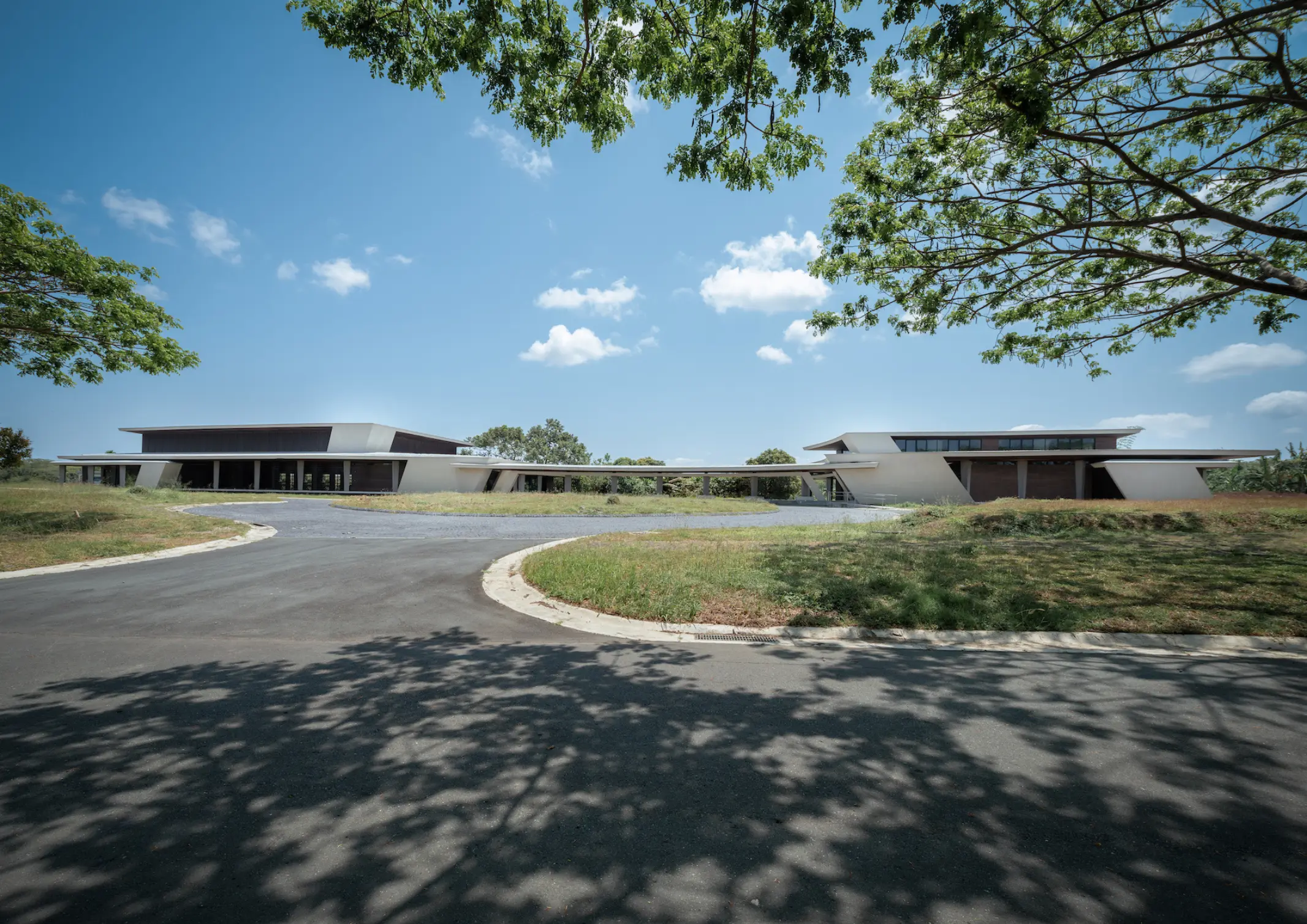
Luscara and Soliento: Barchan + Architecture on Designing a Clubhouse that Responds to its Landscape
Situated in Laguna, south of Metro Manila, is a multi-thousand-hectare development created by Ayala Land Premier within the growth corridor of the CALABARZON Region. Barchan + Architecture was tasked with crafting a clubhouse for the subdivisions of Luscara and Soliento. Principal Architect of Barchan + ArchitectureArchitectureThe art and science of designing and constructing buildings, structures, […]
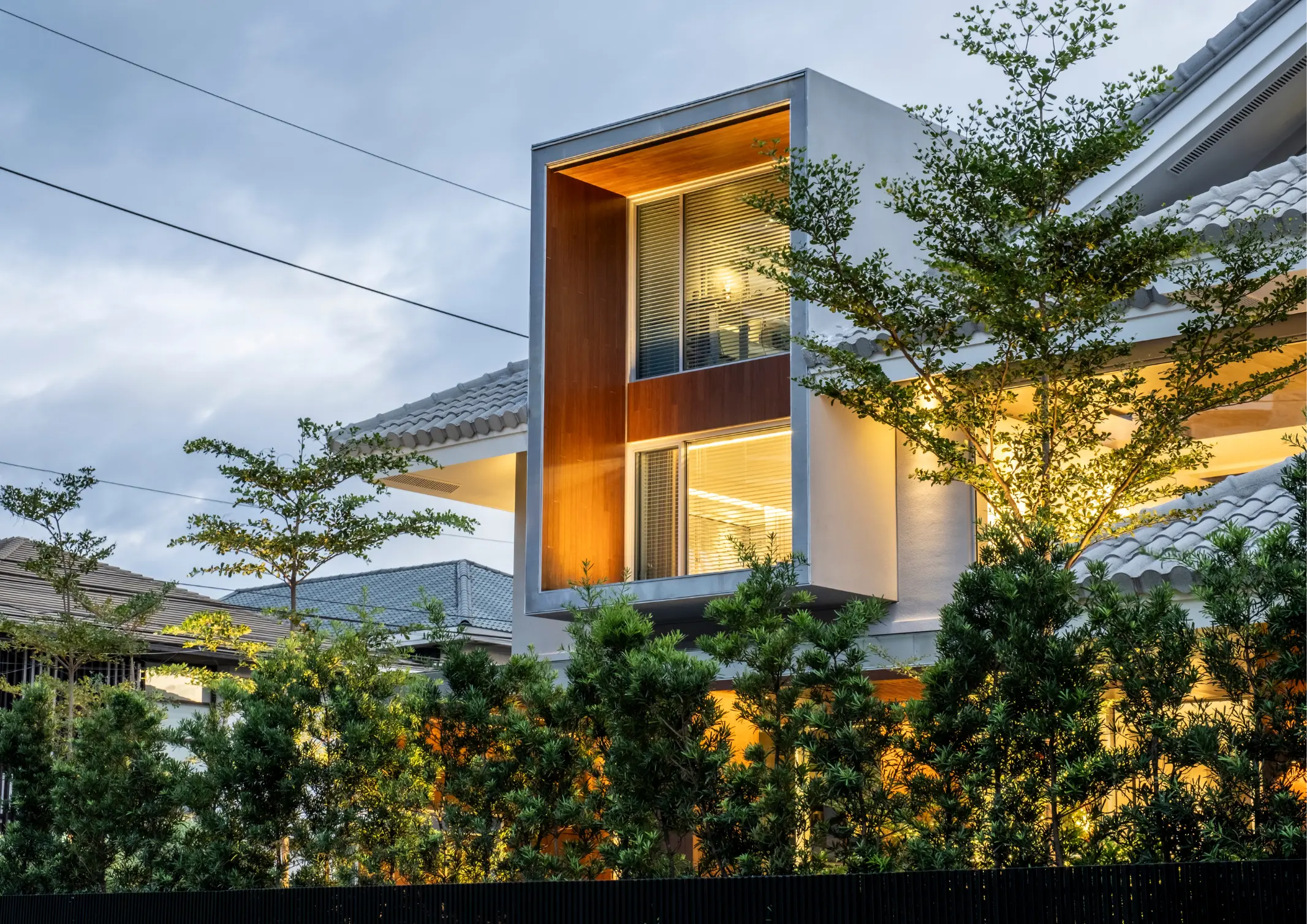
Over the past decades, adaptive reuseAdaptive ReuseThe practice of converting an old or disused building for a new purpose while keeping its structure and character. In the Philippines, it has turned heritage houses, warehouses, and factoriesGo to Adaptive Reuse Glossary has been utilized as a sustainable alternative for the built environment. It involves repurposing existing […]
Read the issues.

Collect the volumes.

Recommended Video
Tap to Unmute
Unmute
0:00
0:00