People often misconstrue interior designers as decorators. However, the interior designer’s job extends beyond the aesthetics of a space. They are also responsible for functionality, lighting, materiality, and ventilation, including technical and structural constraints. Interior designers take into consideration various factors before planning a space, including understanding their clients and the functionality of the space. […]
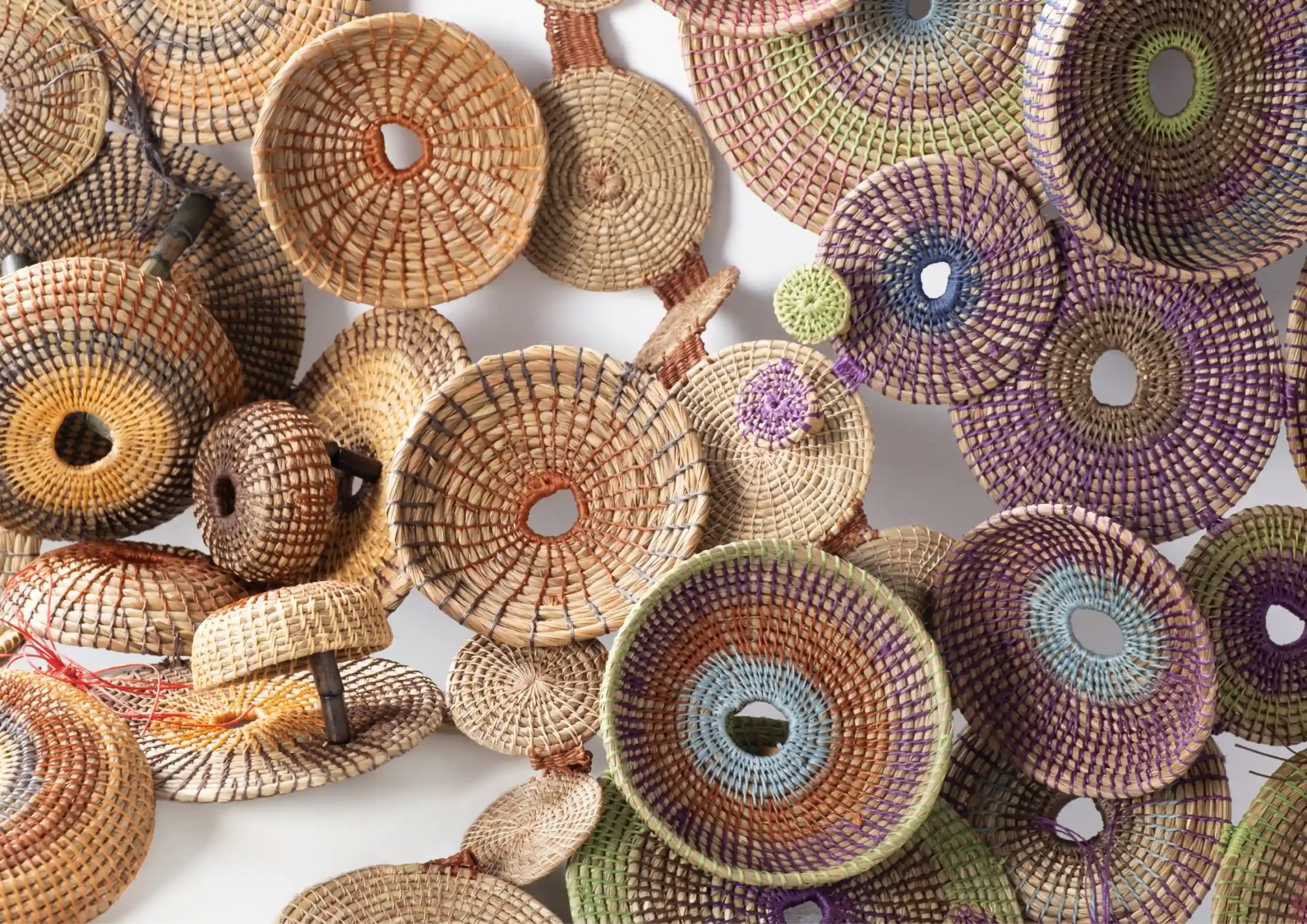
Le Banquet des Philippines: A Feast of Filipino Craftsmanship at Paris’s Révélations Biennale



The Grand Palais in Paris sets the stage for “Le Banquet des Philippines,” a remarkable exhibition of Filipino artistry, from May 21-25, 2025. This showcase takes place during the prestigious Révélations – Biennale Internationale Métiers d’Art et Création. Curated by Milo Naval and presented by the Design Center of the Philippines, the event promises a profound exploration of tradition, dedication, ambition, and the exceptional talent embedded in Filipino craftsmanship.
A Celebration of Nature and Ancestral Know-How
The exhibition’s curatorial direction highlights the Philippines’ deep connection with nature, viewing it as a creative life force that sparks curiosity and carves out space for new expressions and the future of craft. “Le Banquet des Philippines” celebrates this intrinsic bond, skillfully weaving together the rhythms of natural design with the ancestral knowledge of craft traditions.
The showcase endeavors to ignite a dynamic interplay between creator and creation. Here, local materials and techniques transform into vessels for artistic expressions that continuously shape and redefine artisanship in the Philippines. This exhibition thoughtfully marries the organic with the crafted, forging a tangible connection between nature and human ingenuity. It also challenges conventional understandings of craft by inviting viewers to explore its potential as a tool for reinterpreting and expanding traditions within contemporary contexts.
Advertisement
A Tapestry of Philippine Materials and Techniques
The featured works draw from a rich heritage of materials and savoir-faire. Artisans prominently feature natural fibers such as abaca (Manila hemp), silk, and raffia, which are integral to the Philippines’ textile legacy; the nation notably supplies around 85% of the world’s abaca. These fibers highlight a deep-rooted tradition of sustainable, artisanal craftsmanship.
The sacred T’nalak textile, a cultural artifact of the T’boli tradition, presents intricate patterns believed to be revealed through dreams, signifying a profound spiritual connection. The country’s abundant marine biodiversity inspires shell craft, where artisans skillfully create decorative and functional items from materials like capiz and mother-of-pearl.
Weaving itself stands as a deeply embedded cultural tradition. Across the archipelago, Filipino weavers employ natural fibers to produce complex textiles that reflect their heritage and environment, with distinct regional styles such as the Inabel of Ilocos, Tinalak of the T’boli, and Hablon of the Visayas. Furthermore, metalcraft in the Philippines, with a lineage stretching back to prehistoric smithing, is perceived as a form of emotional expression, where each strike of the mallet resonates with the artisan’s heart and pulse.
Advertisement
Spotlight on Filipino Creators and Collaborators
The exhibition proudly features several Filipino designers and their unique collaborative creations. “Heart of Abaca” is a significant sculptural piece presented by Maricris Brias and Jaime Brias of TADECO Home. Taking inspiration from the abaca flower, this work honors the T’boli tribe’s mastery of T’nalak weaving.
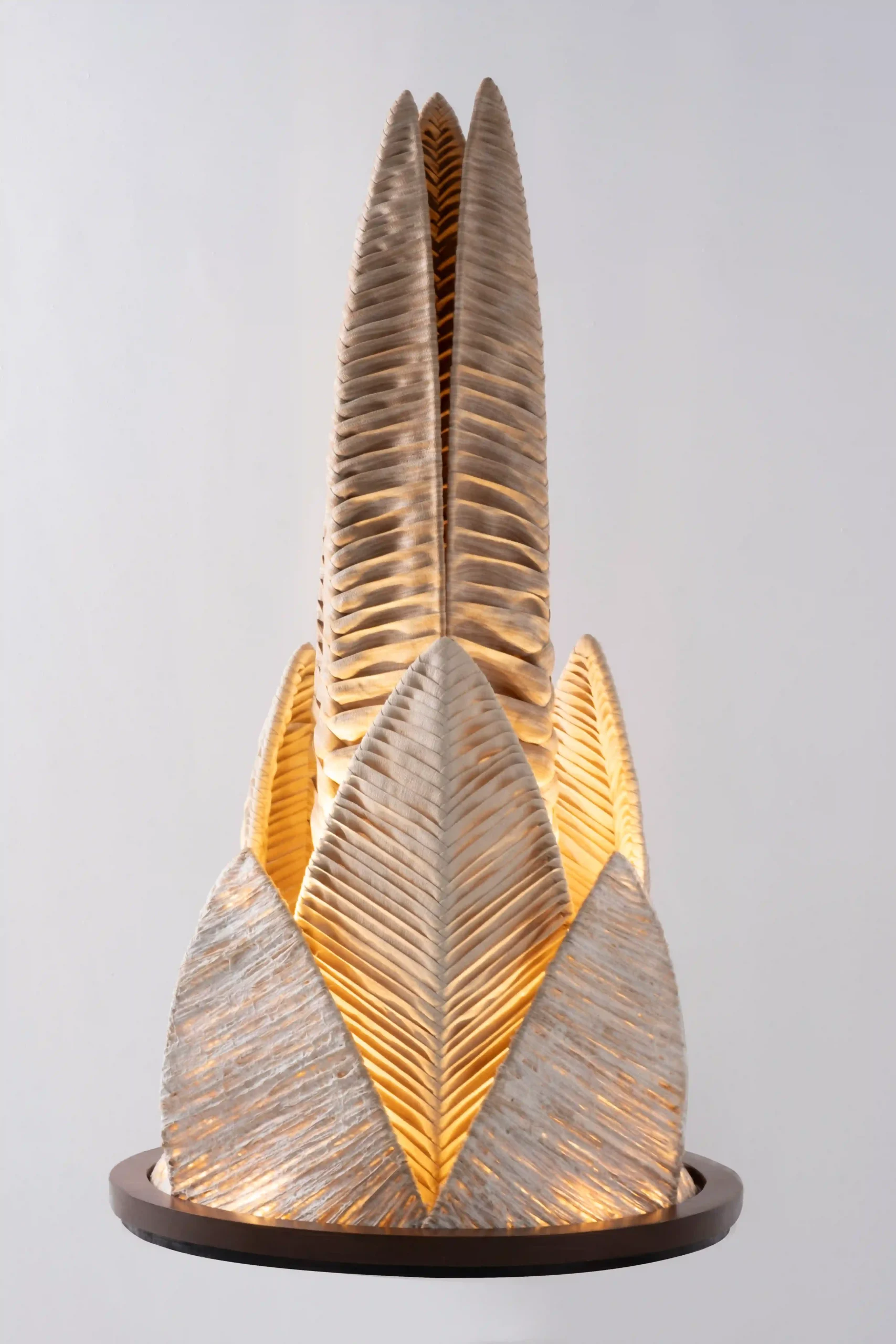
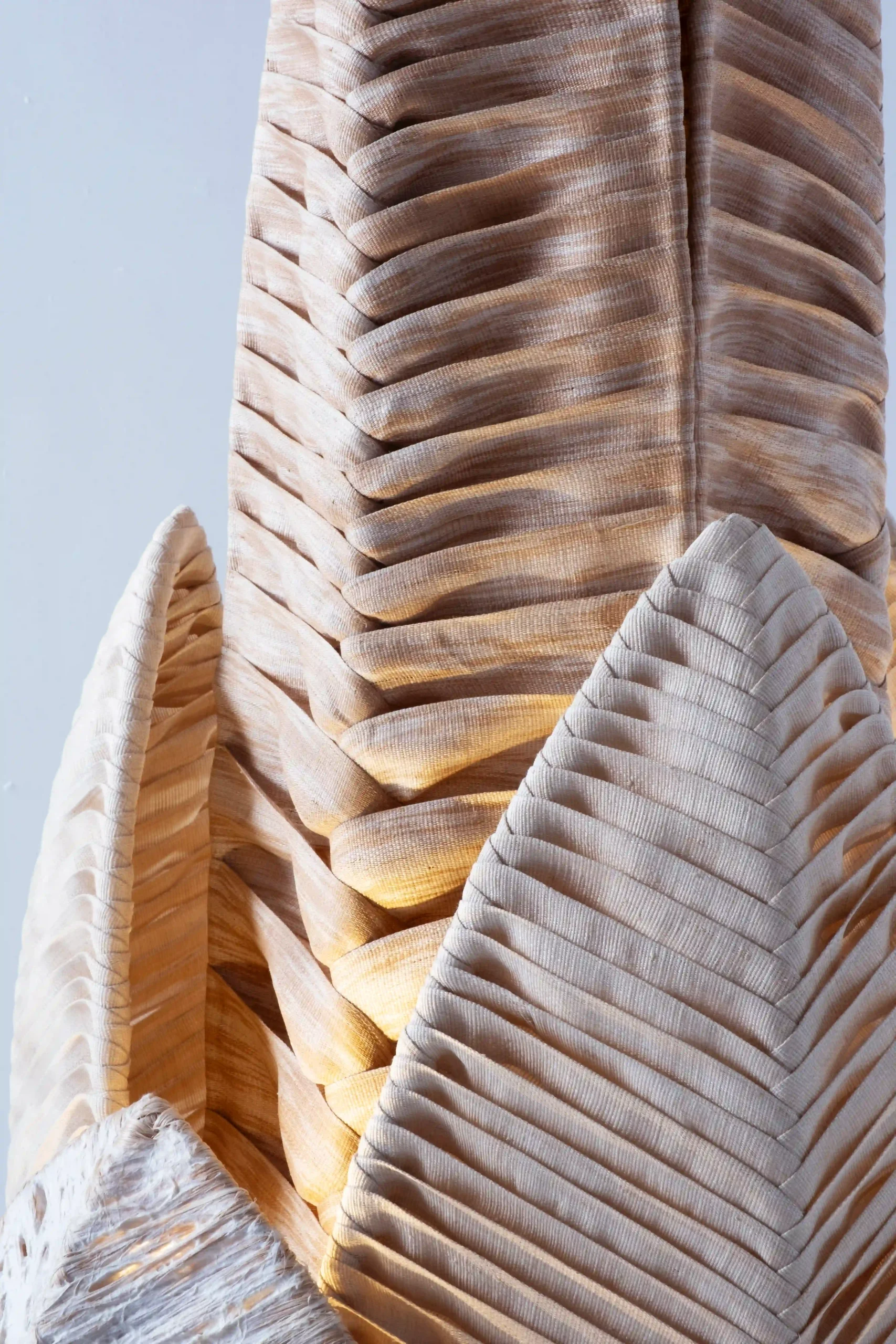
Crafted from T’nalak, abaca, and banana pulp, the three-layered sculpture visually narrates the evolution of craftsmanship, from the initial preparation of materials to the ultimate expression of tradition and artistry. As TADECO Home’s Creative Director, Maricris Floirendo Brias expertly merges indigenous artistry with modern design while empowering local communities.
Complementing this, Jaime Brias, a multidisciplinary creative, applies his expertise in design, strategy, and business to collaborate with TADECO Home, effectively bridging traditional craftsmanship with contemporary markets.
Advertisement
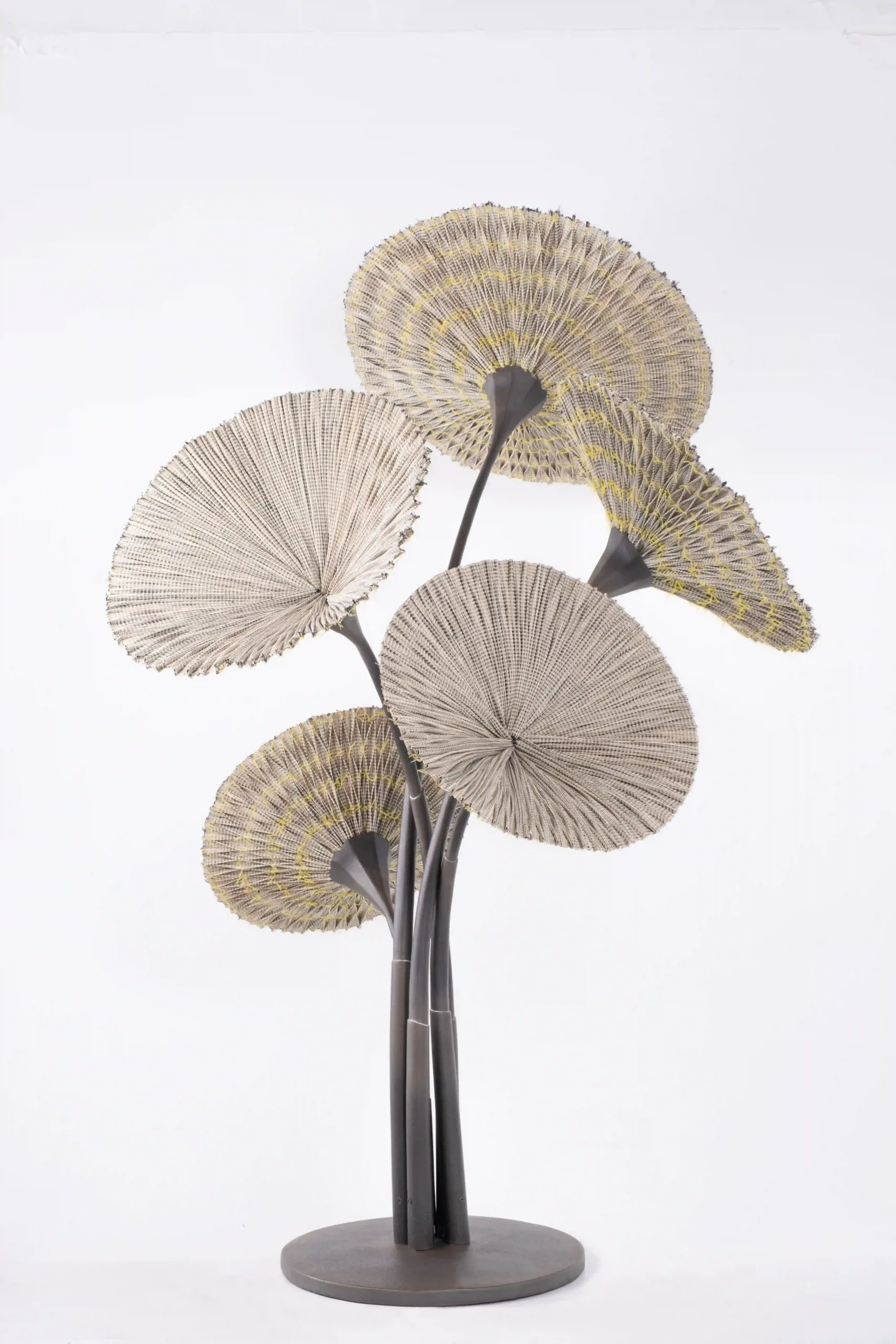
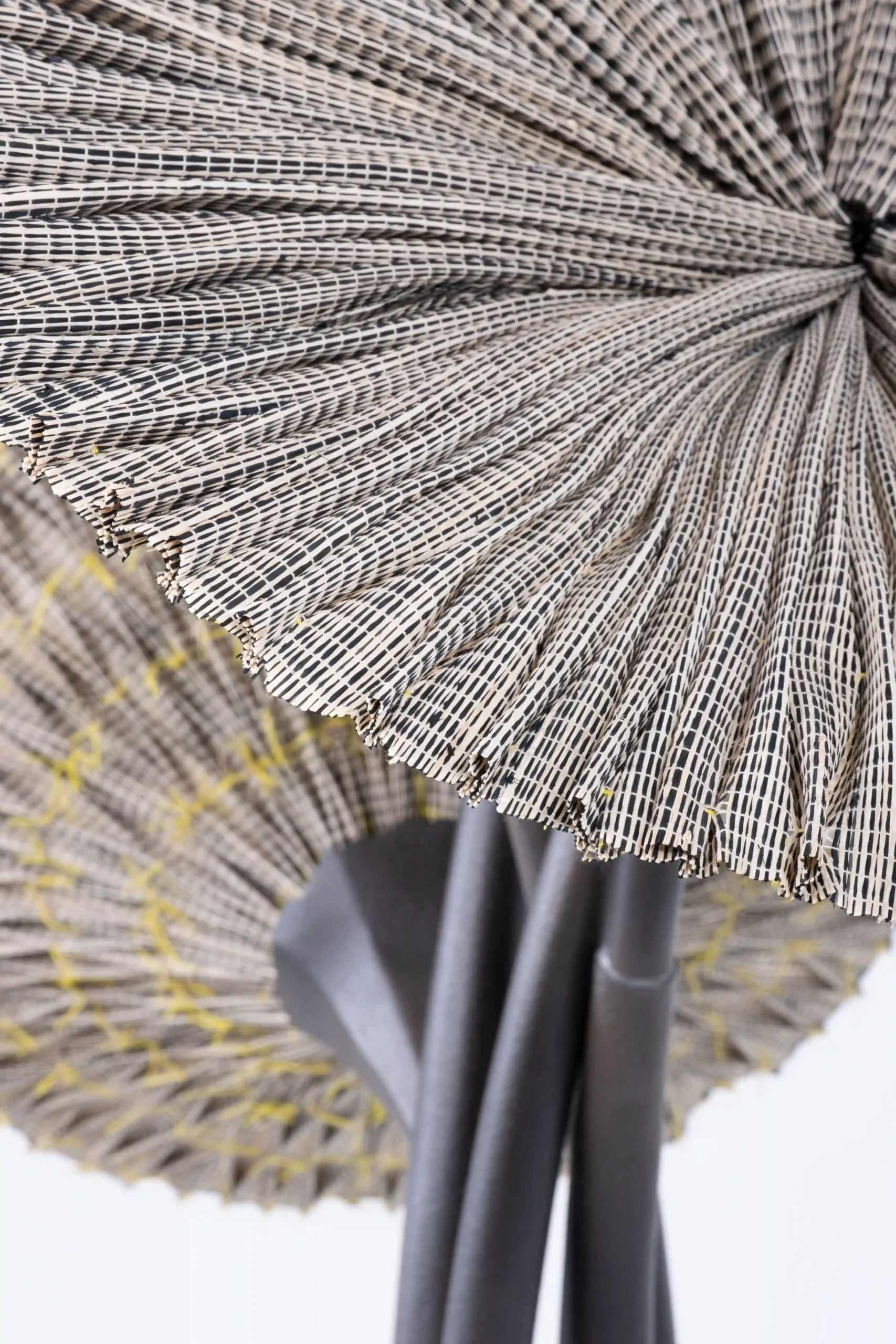
Experimenting with handwoven raffia polyester textiles from Cebu, Olivia d’Aboville, in collaboration with Industria Edition, showcases “Raffia Flowers.” She pleated these textiles into large, imaginative flower-like conic shapes, which Industria Edition then complemented with their distinctive metalwork. D’Aboville, a French-Filipino artist, consistently explores the interplay between organic and synthetic elements in her work, frequently utilizing natural Philippine fibers or recycled materials.
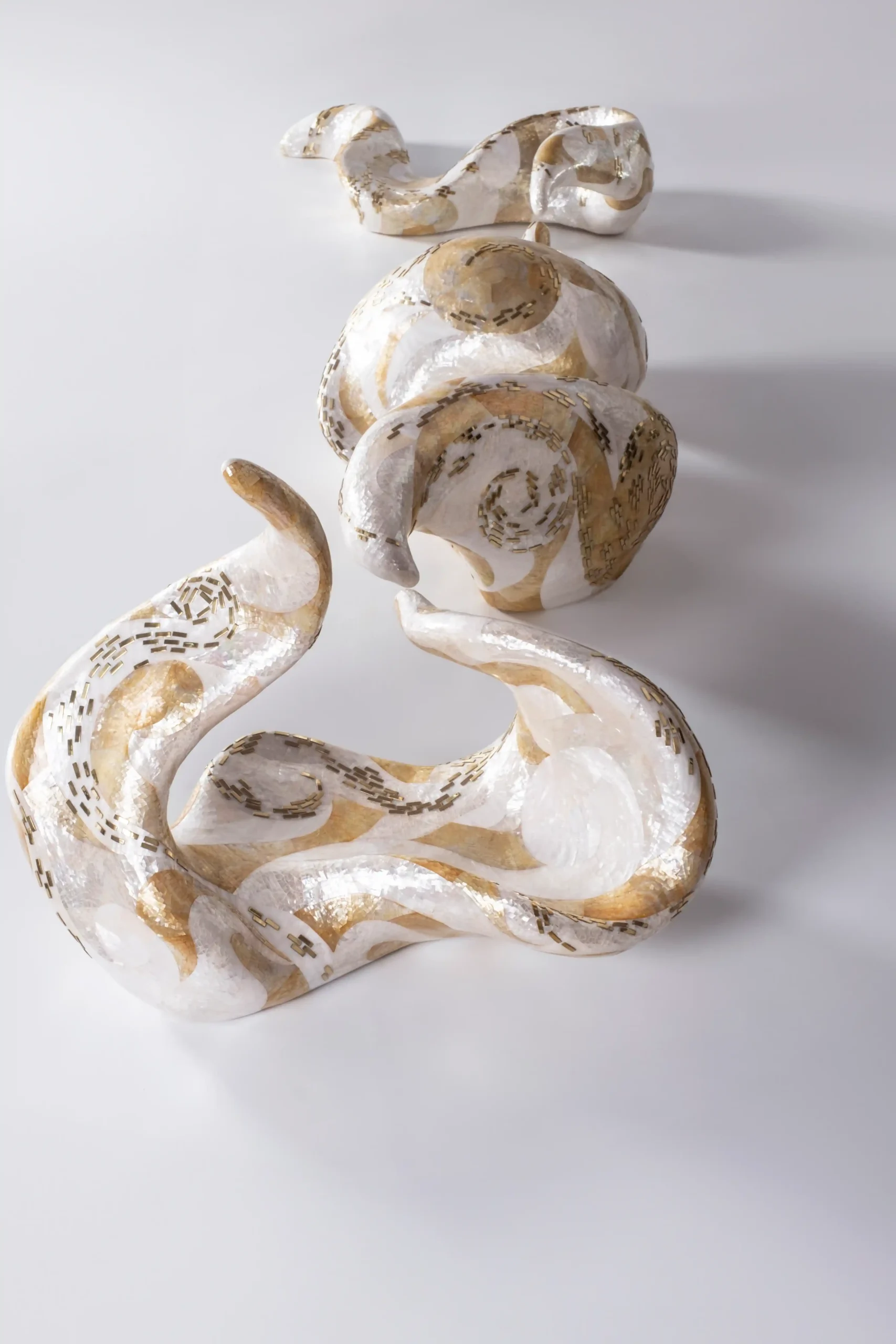
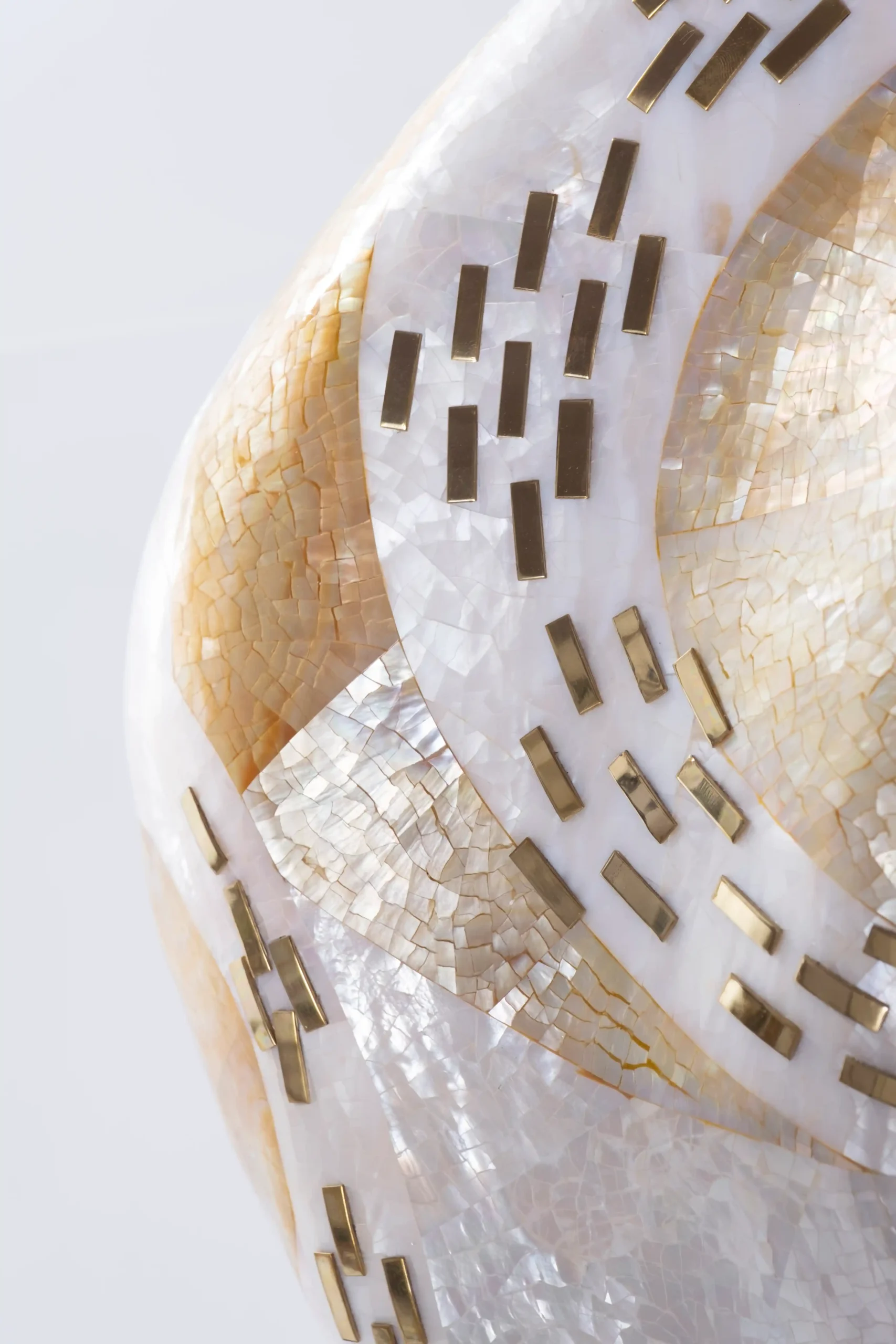
From an experience of unreciprocated love comes “Constellation,” a compelling three-piece sculpture by Neil Felipp. This work innovatively integrates 3D technology with the traditional Cebuano craft of shell inlay. It features mother-of-pearl, white cabebe shell, and white abalone shell, all accented with brass. Felipp, who discovered his passion for using brass in fashion accessories, has gained recognition for his ethereally elegant minaudieres and accessories.
Delving into the delicate balance between growth and natural degradation, “Hilaw, Laya (Unripe, Withered)” is a collaborative piece by Leeroy New and Christina Gaston of Hacienda Crafts. It showcases woven discs meticulously crafted from cogon grass, wax thread, and bamboo beads by a women’s farming community in Negros.
Advertisement
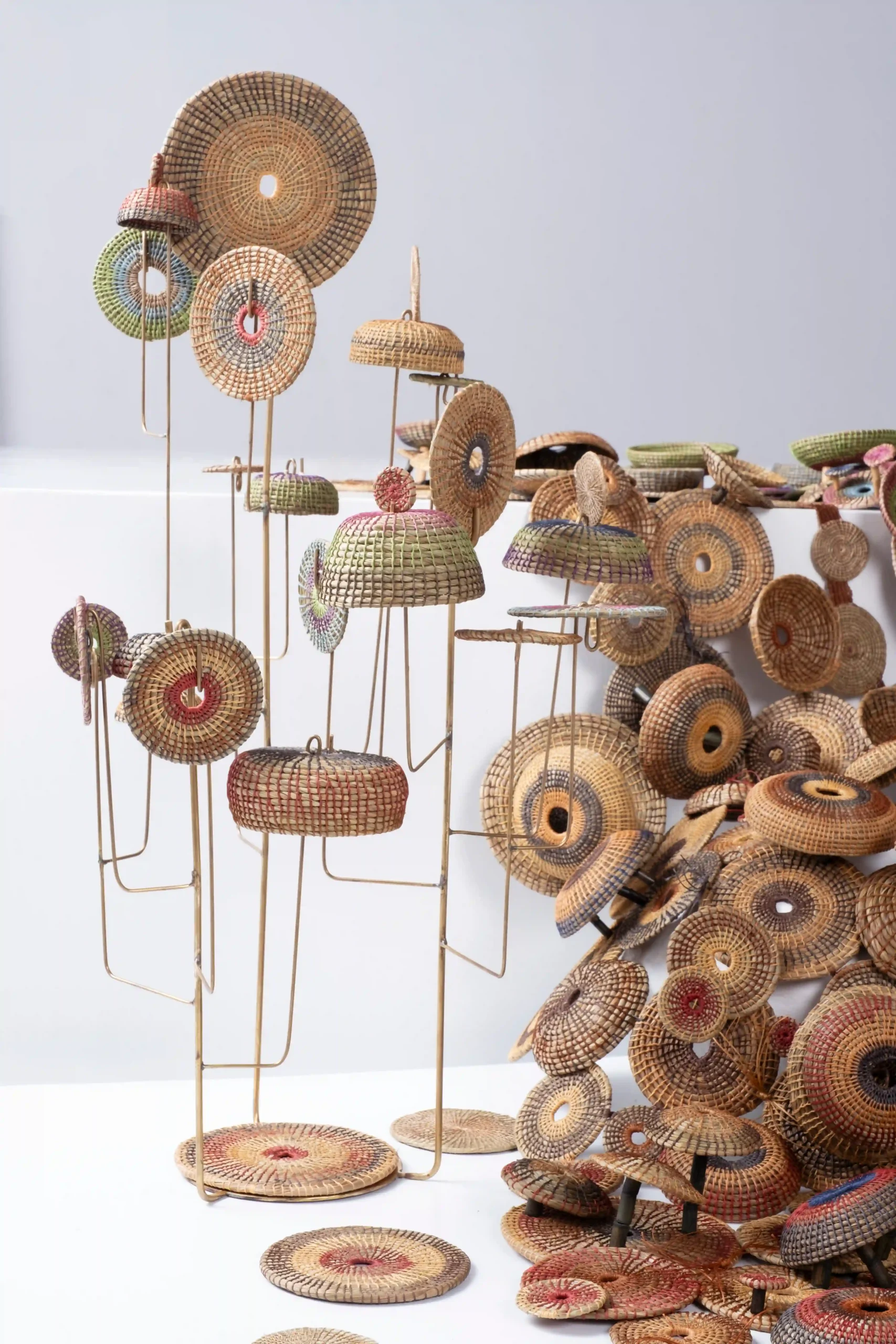
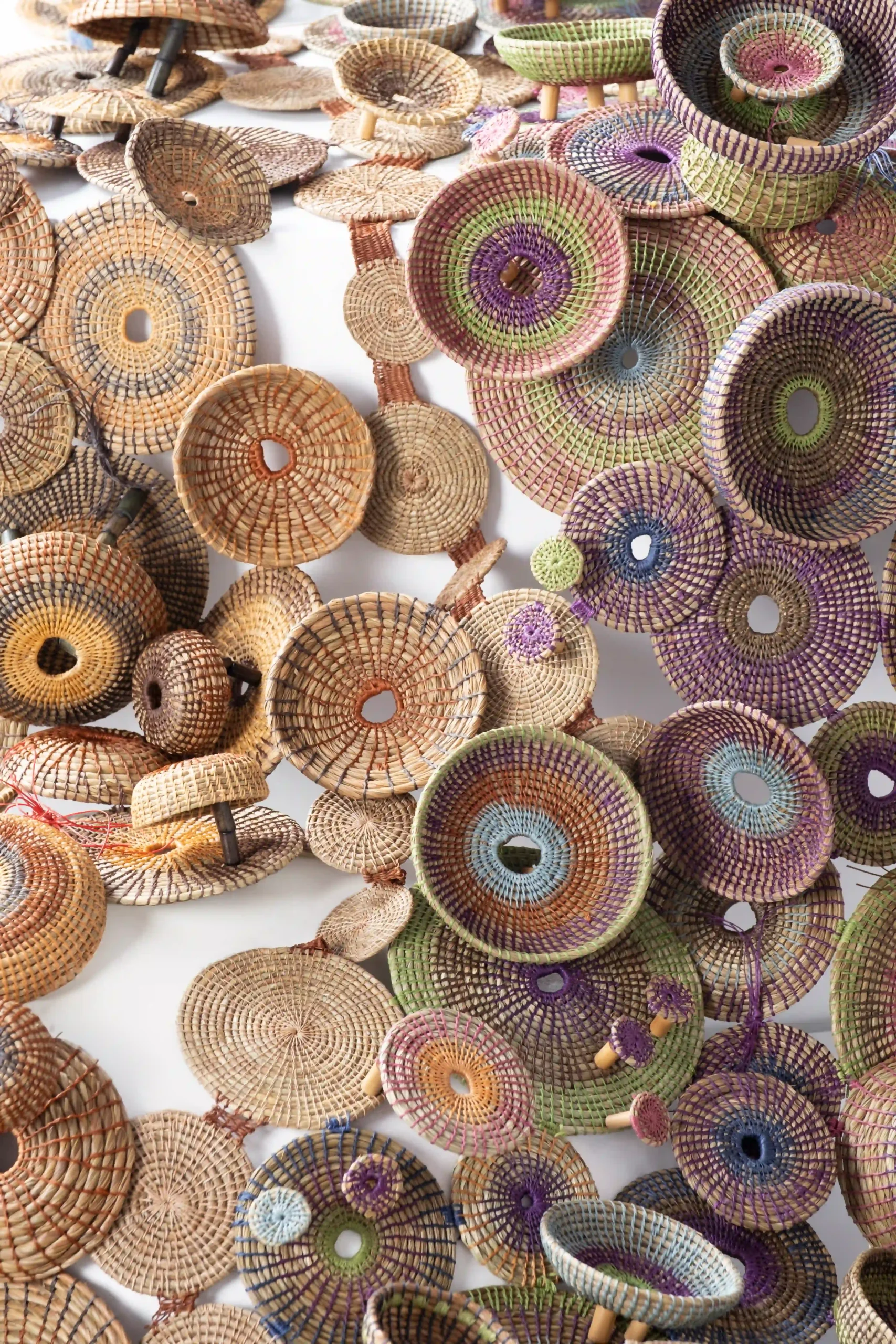
These discs rest upon a plant-like brass structure. Leeroy New, a multidisciplinary artist, often creates large-scale immersive environments and explores concepts of world-building and myth-making through the use of found objects and natural materials. Christina Gaston, the Senior Designer & Managing Director of Hacienda Crafts, skillfully blends her architectural design background with the realities of farm life to produce pieces that articulate her deep appreciation for nature and craft, working closely with artisan communities.
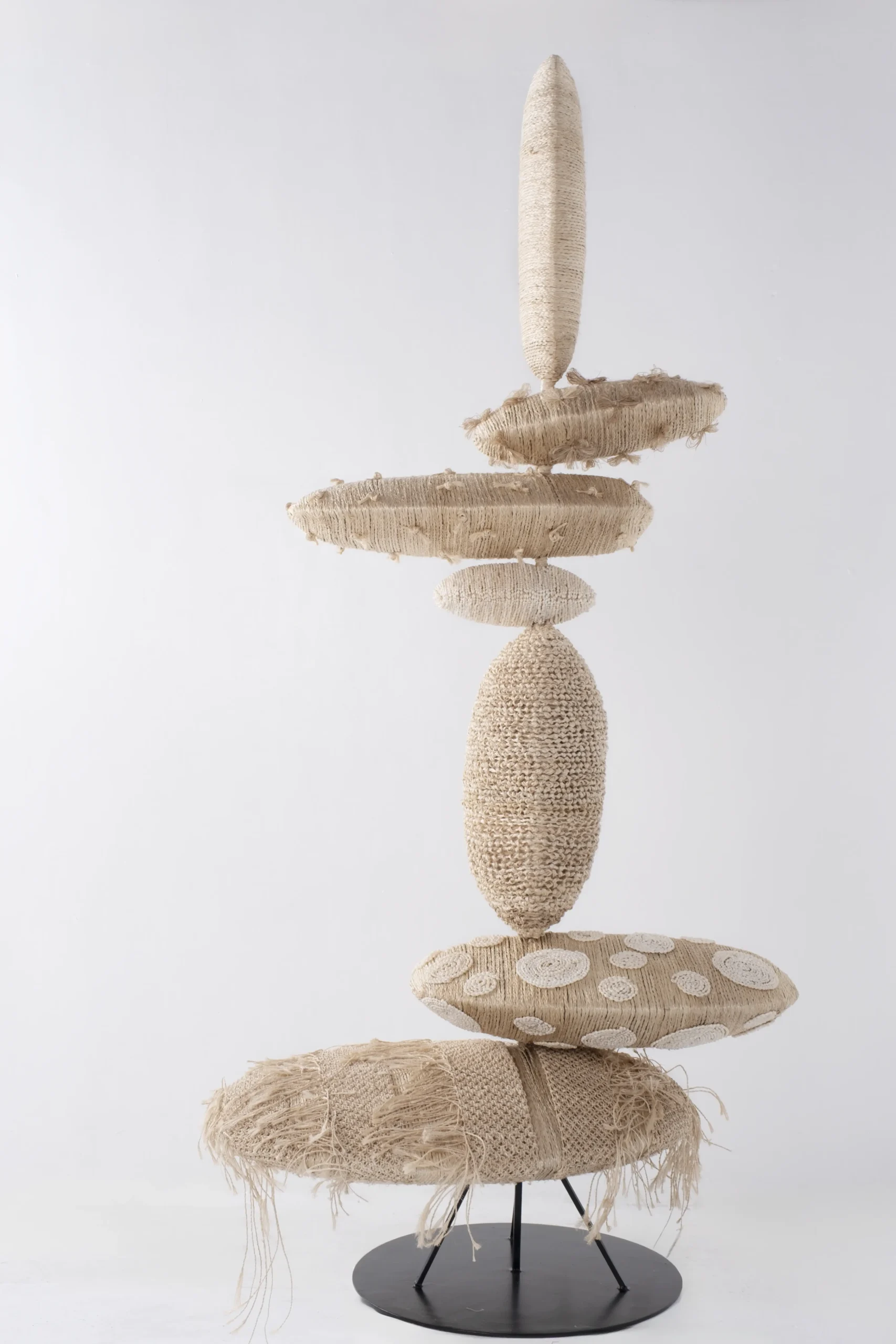
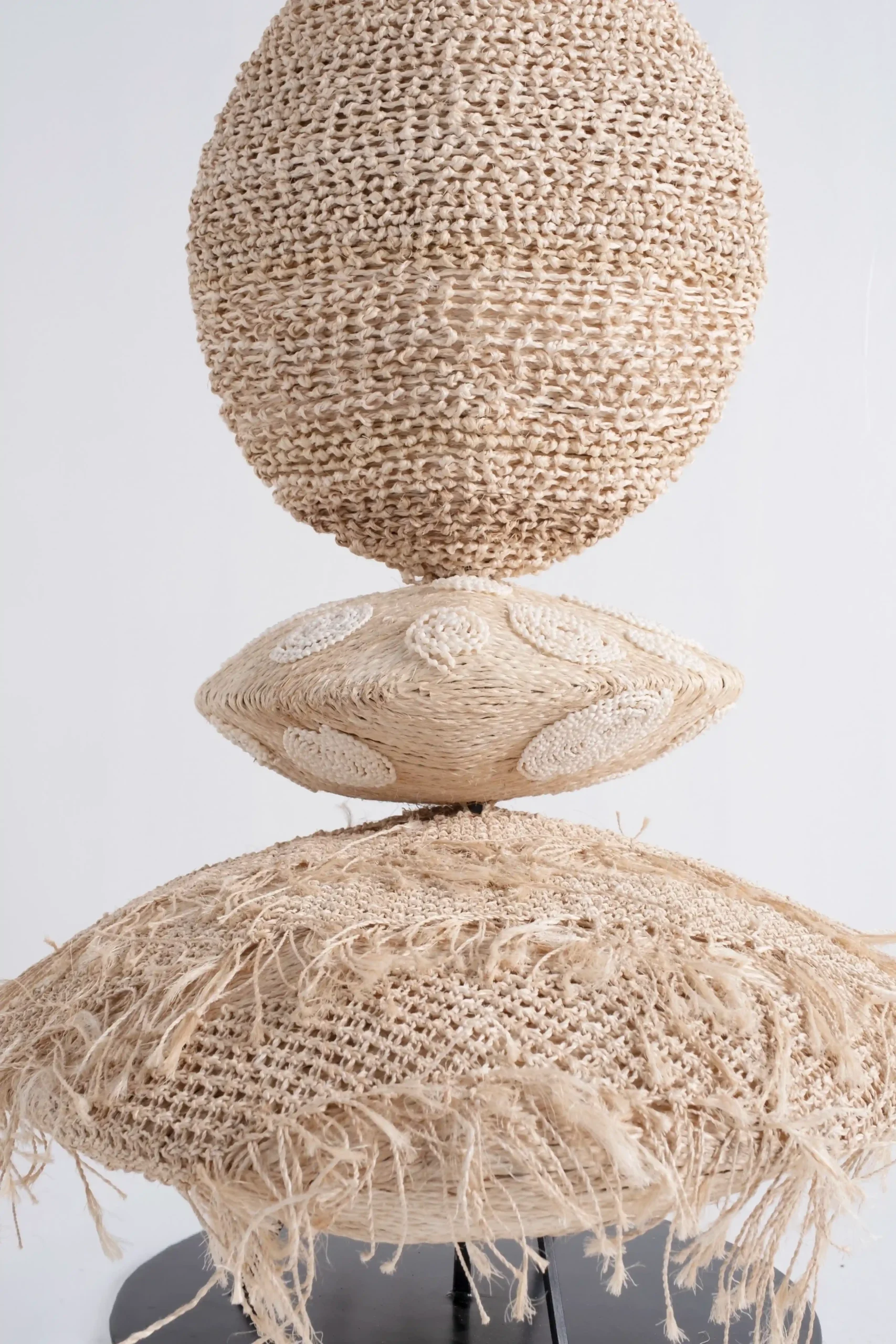
An “Untitled” piece, created in collaboration with Shelmed Cottage Treasures, intimately reflects the personal journey of Milo Naval, who also serves as the exhibition’s curator. The work centers on Abaca, a material profoundly connected to his origins in the Bicol region. Through a modern, minimalist approach, he aims to transcend Abaca’s traditional applications, presenting the fiber in its most unadulterated state. Naval is celebrated for his minimalist yet impactful modern furniture and interior designs that thoughtfully incorporate indigenous Filipino materials. He is also a founding member of the influential Movement 8 design collective.
Capturing the playful essence of butterflies, “Kaleidoscope” is a dynamic creation by Jude Tiotuico, in partnership with Olivia D’Aboville and Rurungan sa Tubod Foundation. Each “papillon” is meticulously hand-hammered and sheared from steel to achieve a remarkable paper-like lightness. Shibori Philippine silk, dyed with rich indigo hues, envelops these forms. Tiotuico, the creative director of Industria Edition, is known for bespoke handcrafted metal furniture. His design philosophy centers on organic forms, nostalgia, and human practicality, effectively linking art with furniture.
Advertisement
Championing Filipino Design
“Le Banquet des Philippines” signifies more than an exhibition; it stands as a vibrant testament to the enduring spirit of the Filipino artisan-designer. The Design Center of the Philippines, the nation’s foremost agency dedicated to cultivating creativity, value creation, and innovation, spearheads this initiative. Through this event, it aims to inspire, nurture, and celebrate the succeeding generation of these gifted individuals, reflecting its ongoing commitment to artisan-designers. The showcase also receives valuable support from the Philippine Trade and Investment Center in Paris.
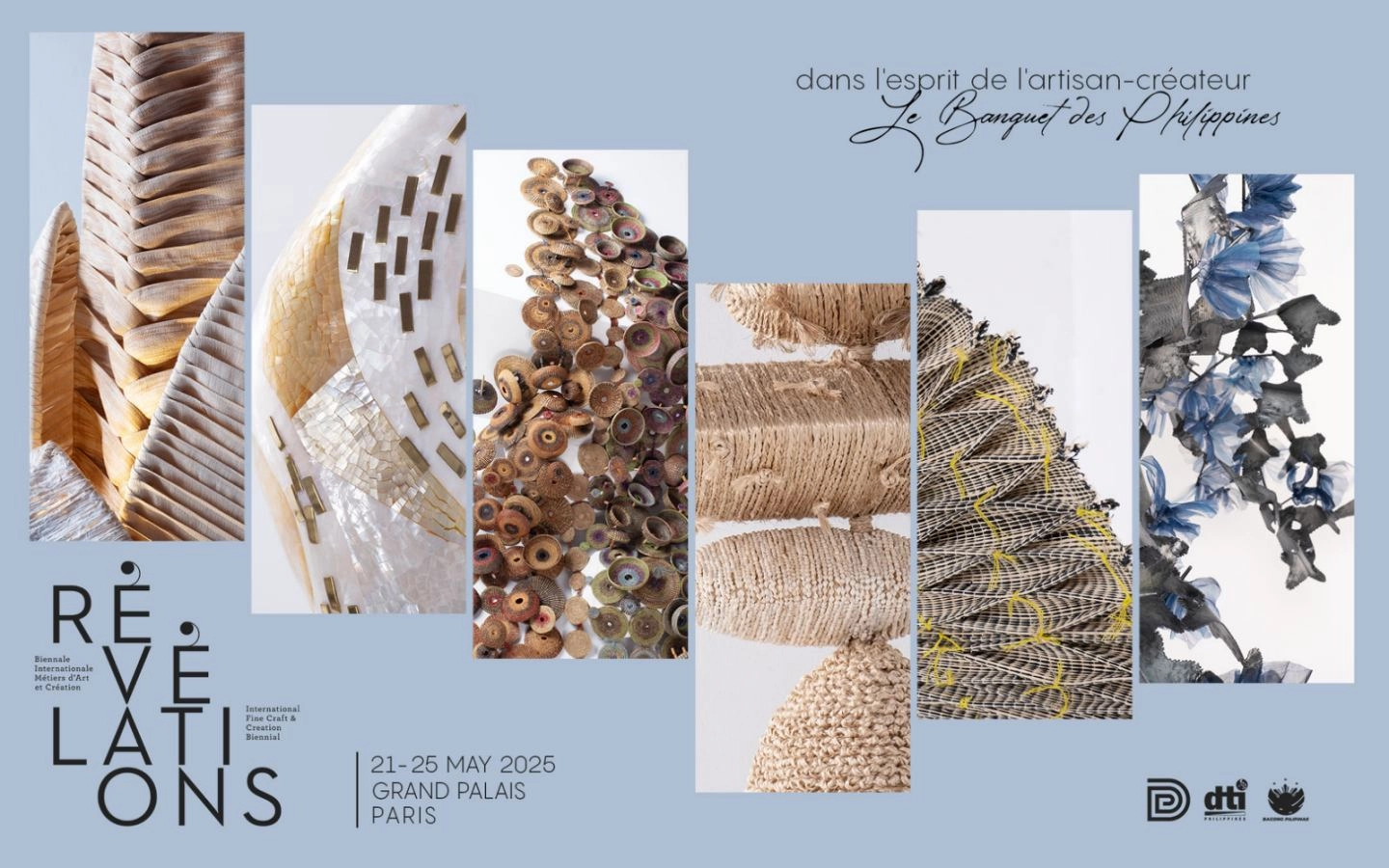
Images courtesy of Design Center of the Philippines.
Read more: ‘Design x Pinyapel’: Milo Naval Leads New Vision of Sustainable Materials
Advertisement
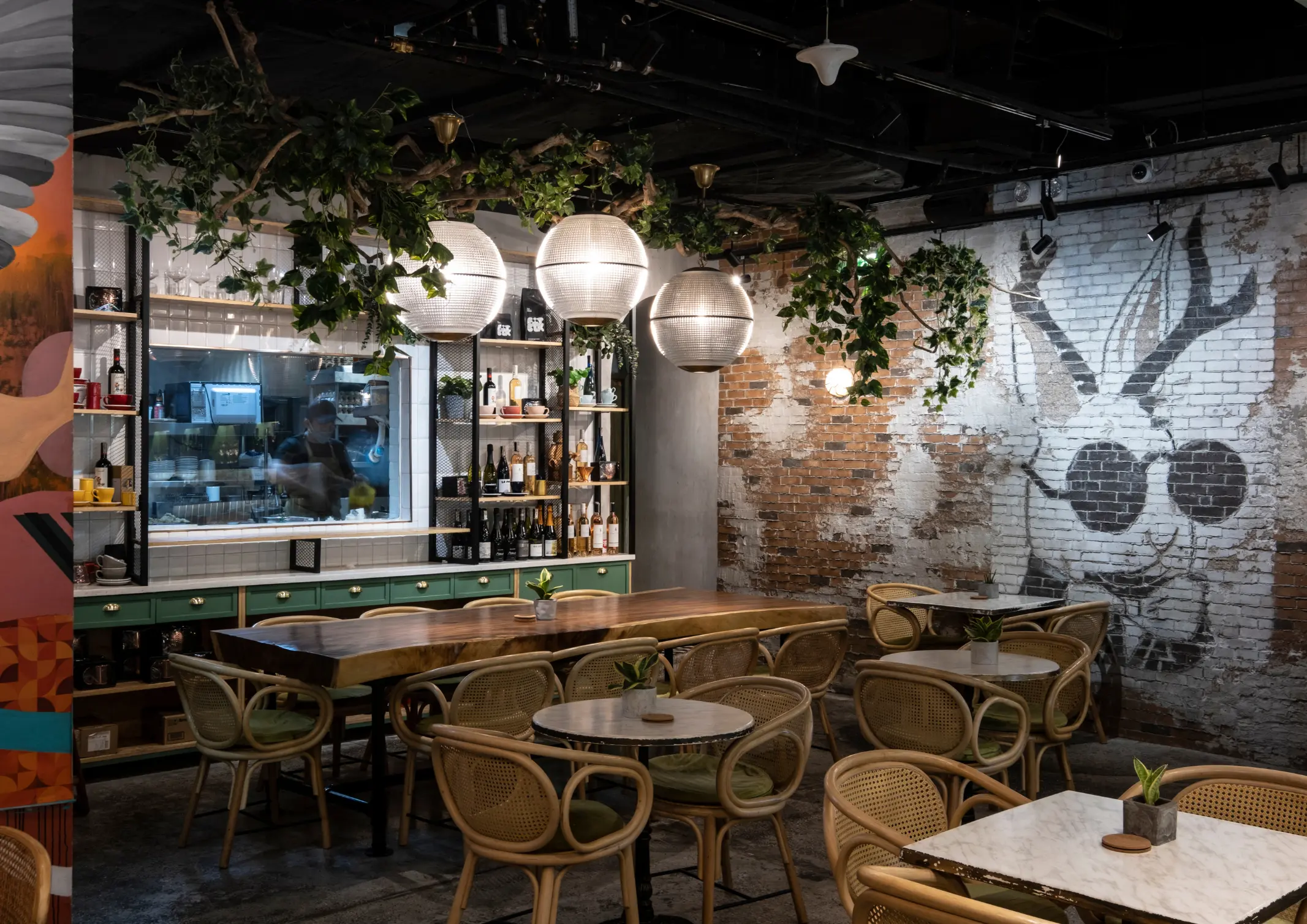
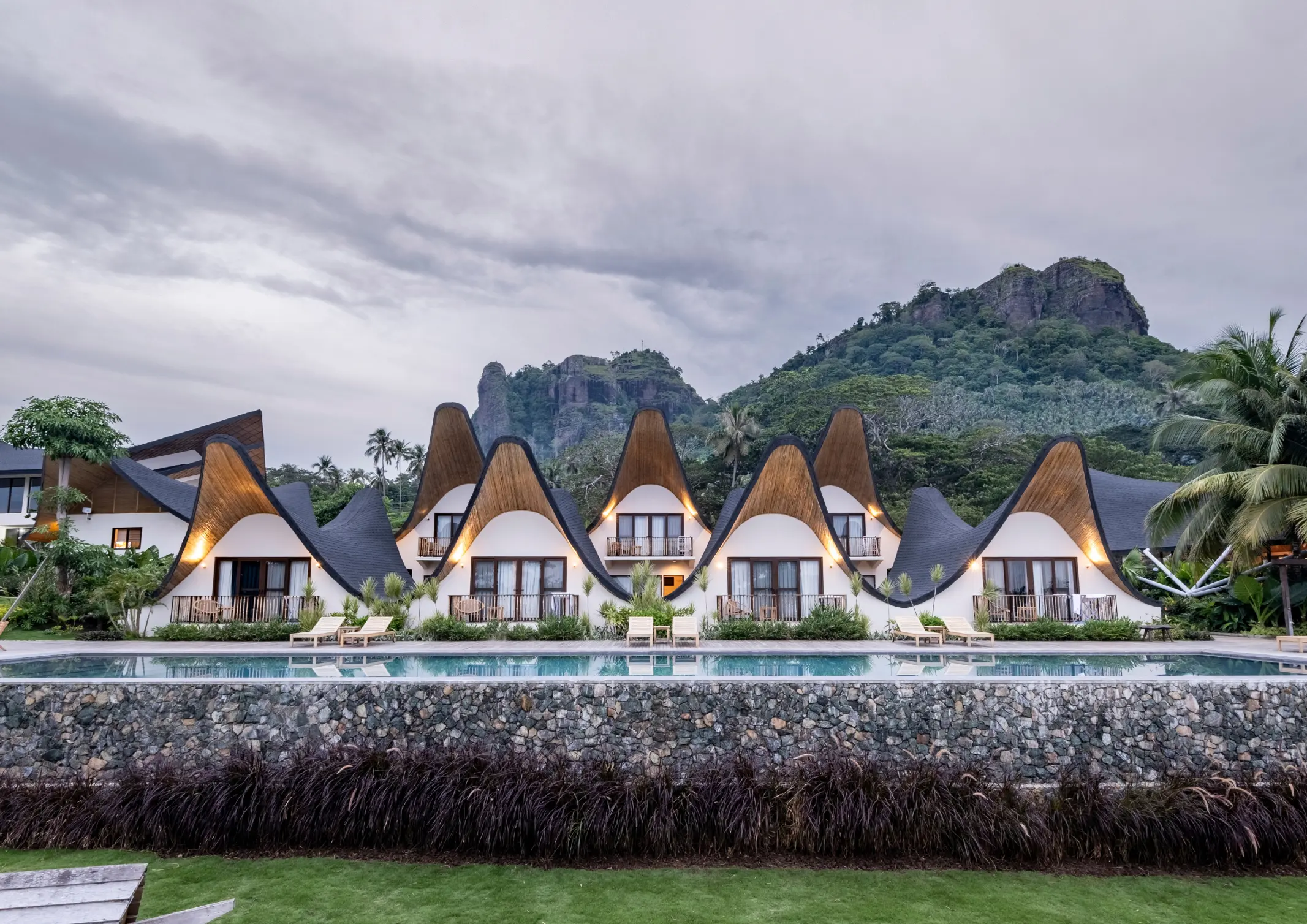
Contemporary design refers to the constantly evolving design trends of today. With the power to design our built environments, architects have been experimenting with various architectural approaches. Whether that is through unconventional forms or the integration of smart technologies, BluPrint lists down Filipino architects who are defining contemporary architecture. Deo Alam Architect Deo Alrashid Alam […]
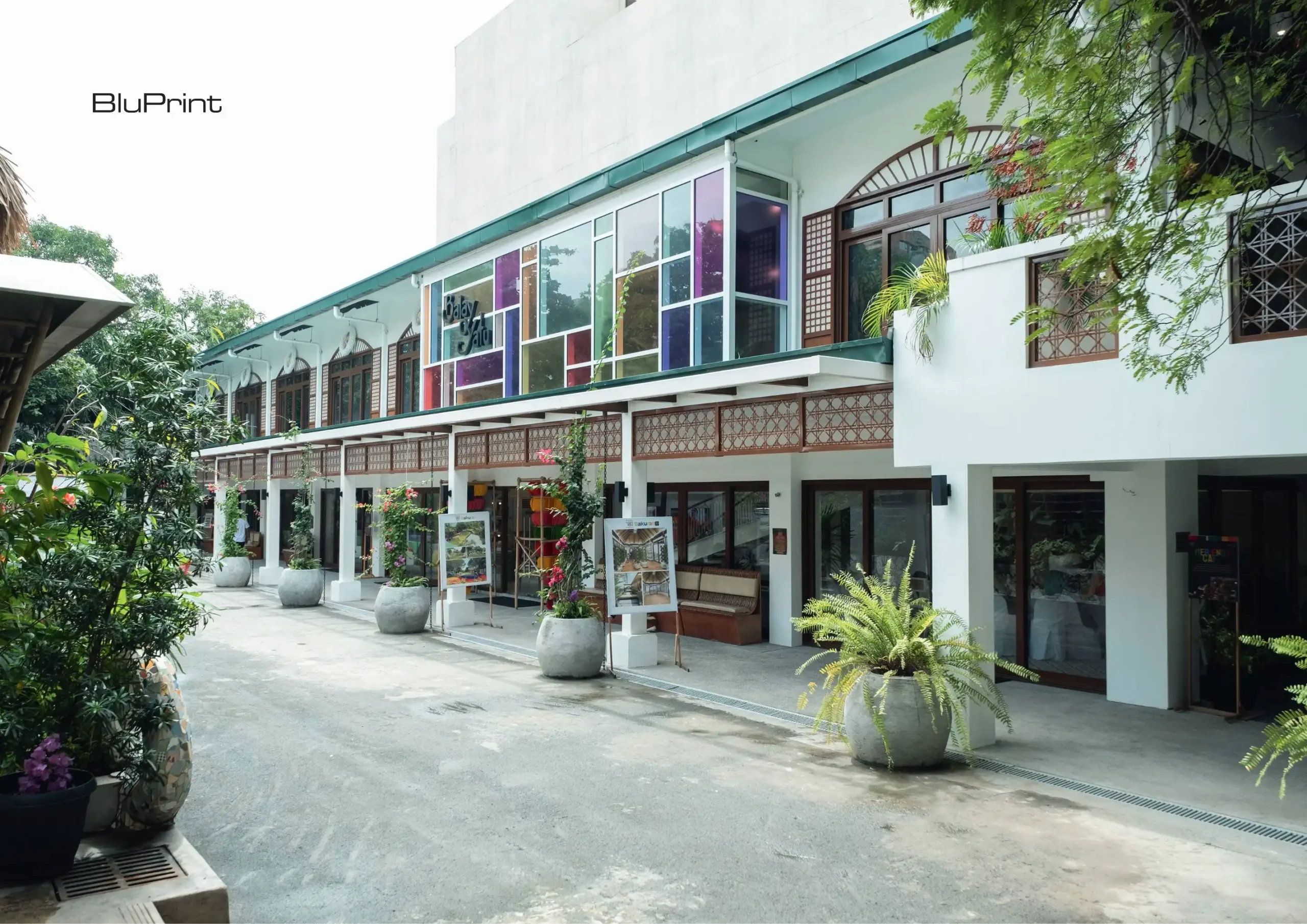
In the Philippines, adaptive reuse gained traction during the 1970s with the rise of conservation and environmental preservation movements. It offered an architectural solution that reuses existing spaces to fit modern needs. Across the country, several projects demonstrate how this approach is being applied—transforming heritage structures into active spaces for culture, hospitality, and community life. […]
Advertisement
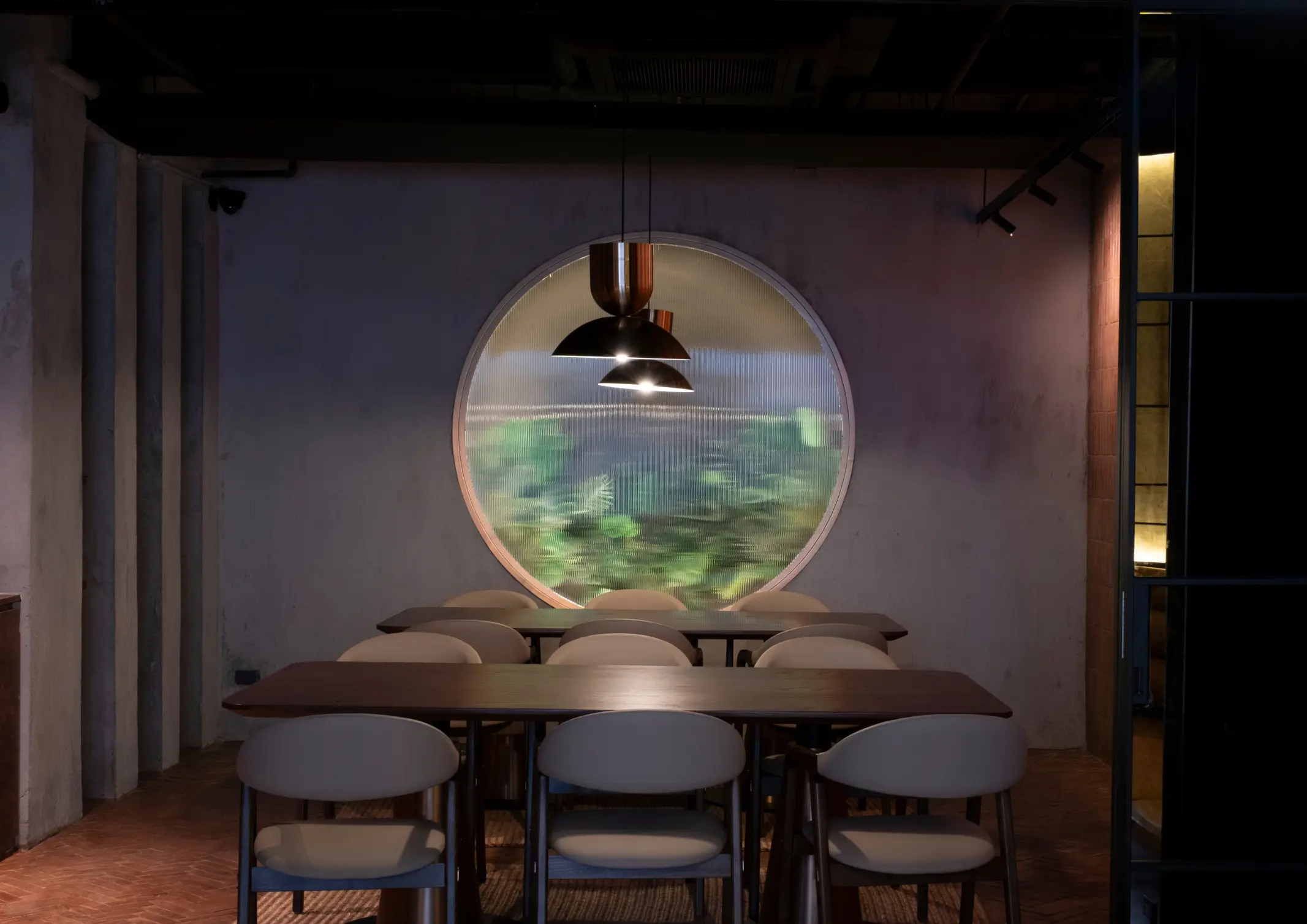
From residential spaces to civic structures, lighting dictates the mood of a space. It controls the visual dynamics of an interior, serving as a guiding tool that highlights key design elements, including materials and textures. Related Reading: Lampscaping: How to Light up Your Home like a Pro Regulating the Mood: Natural and Artificial Light in […]
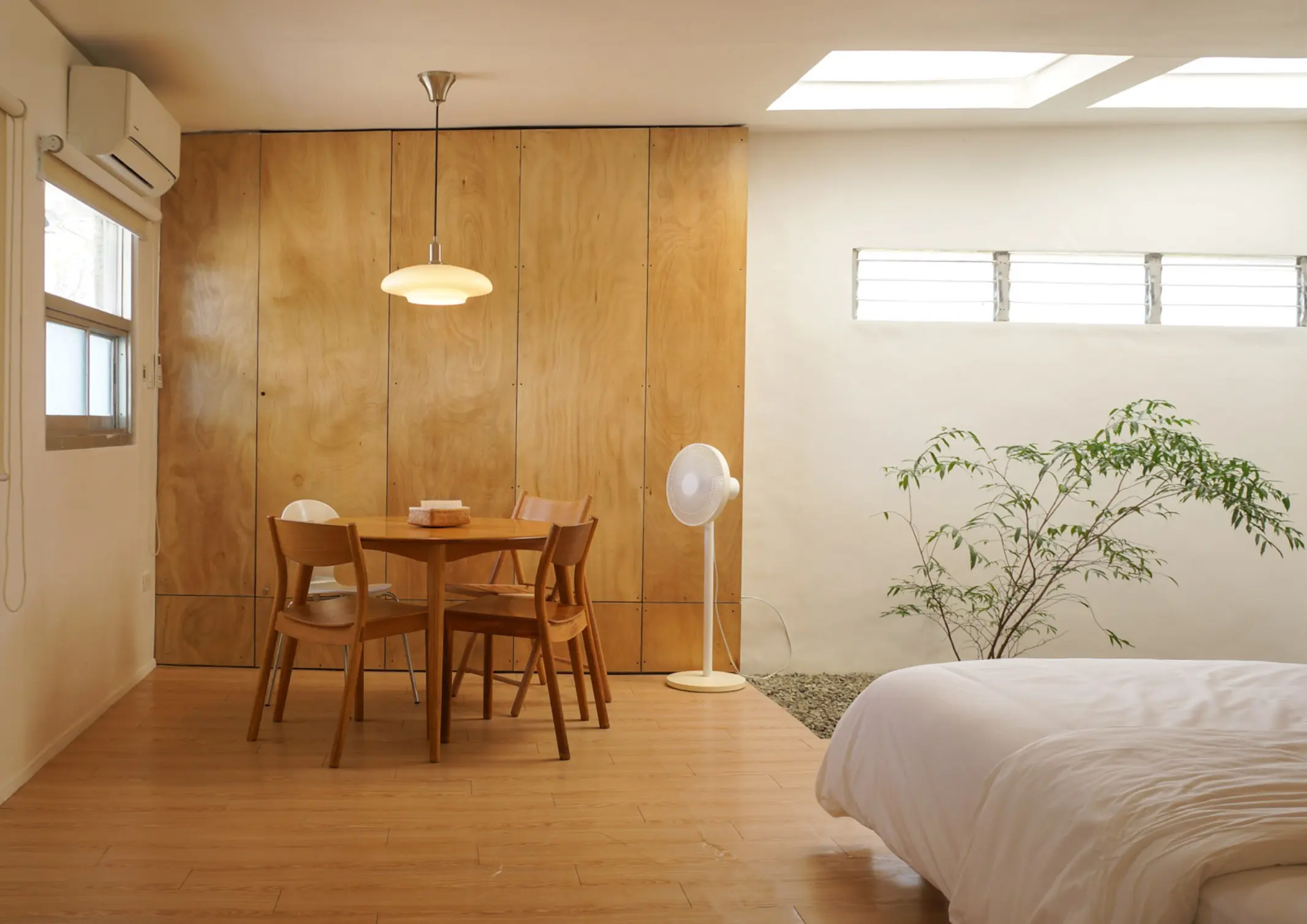
More and more Filipinos are flocking to condominium communities. Often tucked within busy city centers, condo living acts as a small respite from urban chaos. Faced with the challenge of transforming a cramped condominium into a warm living space, BluPrint lists condo interior design ideas that can maximize each square foot of small spaces. Purposeful […]
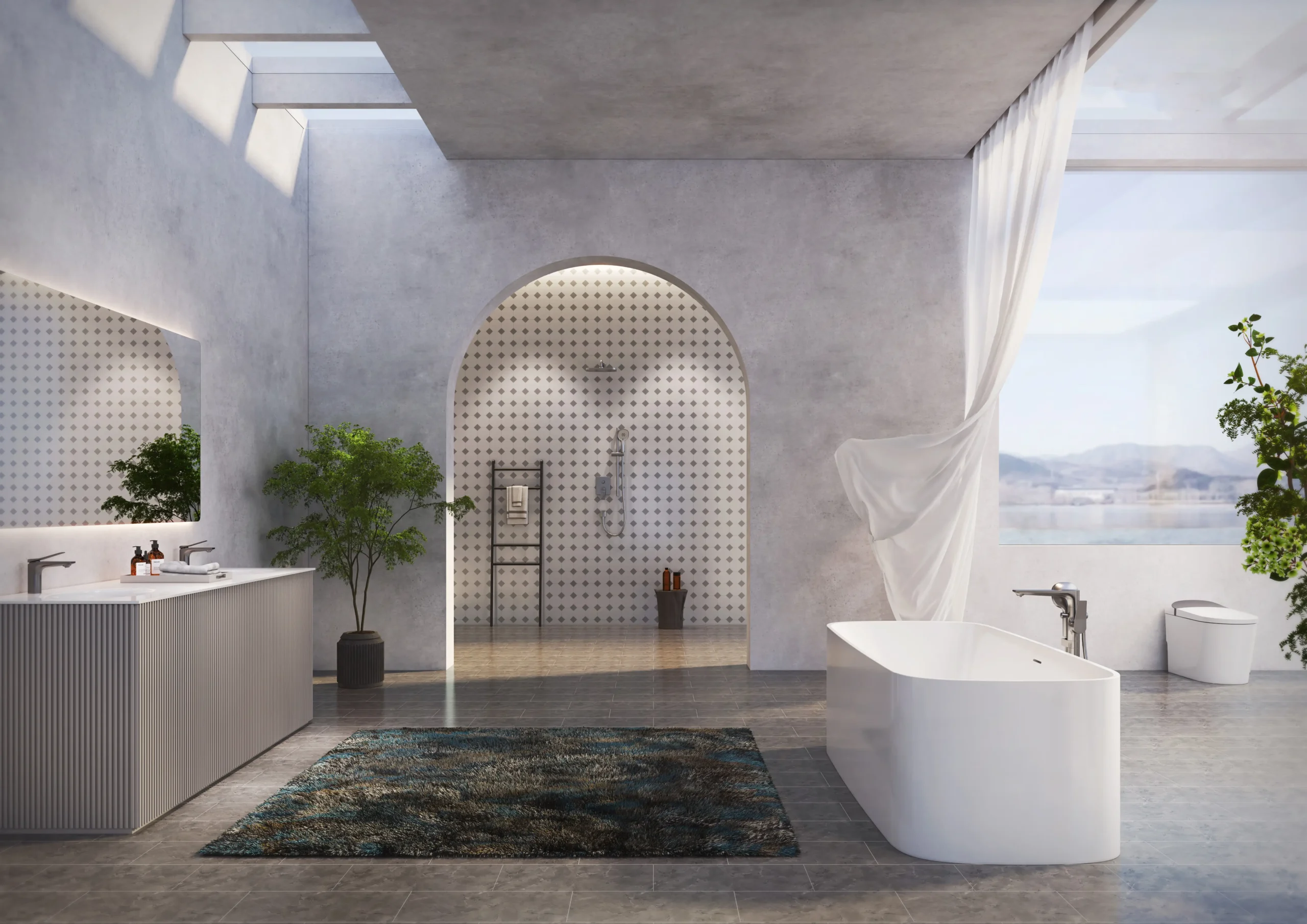
Modern bathrooms are no longer purely functional spaces. Increasingly, they are being designed as environments that support cleanliness, ease, and quiet restoration within the home. As daily life becomes more demanding and health awareness continues to rise, homeowners are beginning to expect more from the spaces where daily rituals begin and end. For architects and […]
Advertisement

Download this month's BLUPRINT magazine digital copy from:



Subscribe via [email protected]