Bigkis is the act of binding. In Tagalog, the word can refer to something used to bind or encircle, as well as a bundle formed by tying several separate elements together. Figuratively, it can also mean a bond, union, or unity. The meanings move from the physical act of joining things together to the connection […]
‘VLands’: Lena Cobangbang Critiques Modern Land Use in New Exhibit



VLands, styled √L@nDs, is the new exhibit by Lena Cobangbang at West Gallery. The work stands as a colossal sprawl of artwork Cobangbang made as a critique of modern land use issues. It derives its name from real estate mogul and former senator Manny Villar.
Considered the richest man in the Philippines, his wealth comes from land ownership from subdivisions across the country, mainly in Cavite. Despite losing the presidency in 2010, he remains a vital force in the country through his properties and his family in different positions within the government.
In a country where land distribution between the rich and the poor remains a hot issue, Cobangbang spotlights that class divide with the title. What does it say about modern society where a family can accumulate wealth and power through exploiting the dreams of middle-class society?
“The conversion of rural areas to residential and commercial spaces serves as a point of departure for Cobangbang in examining our attitudes towards land, exposing underlying paradoxes that are ingeniously revealed through her deliberate exploration of a modernist approach in abstract painting,” the exhibit write-up by James Tana said.
Critiquing Contemporary Realities to Scale
Lena Cobangbang highlights these through an expanded multimedia presentation that makes its points about land use potently clear to its audience. VLands, for example, contains “Territorial Piecings,” which are six different textured colored carpets. These works mimic an aerial view of the sprawl of farmlands, rows of greenery chopped up into pieces.
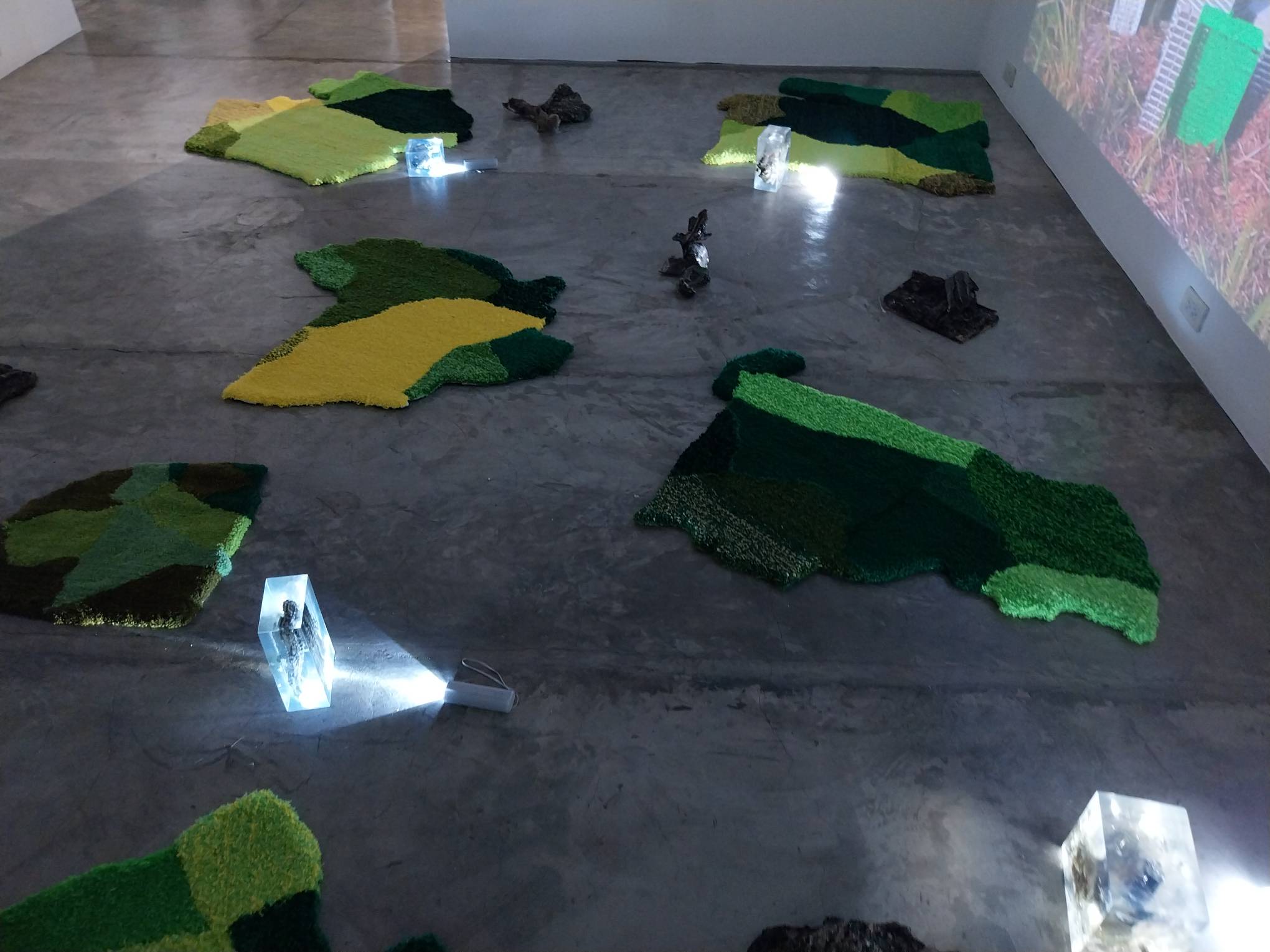
They literally represent pieces of different territories in the Philippines—but of six different Camella Homes subdivisions around the country. The depiction of it as rural farmland is important. It’s a telling tale of how land reclassification takes land away to create wealth for specific people.
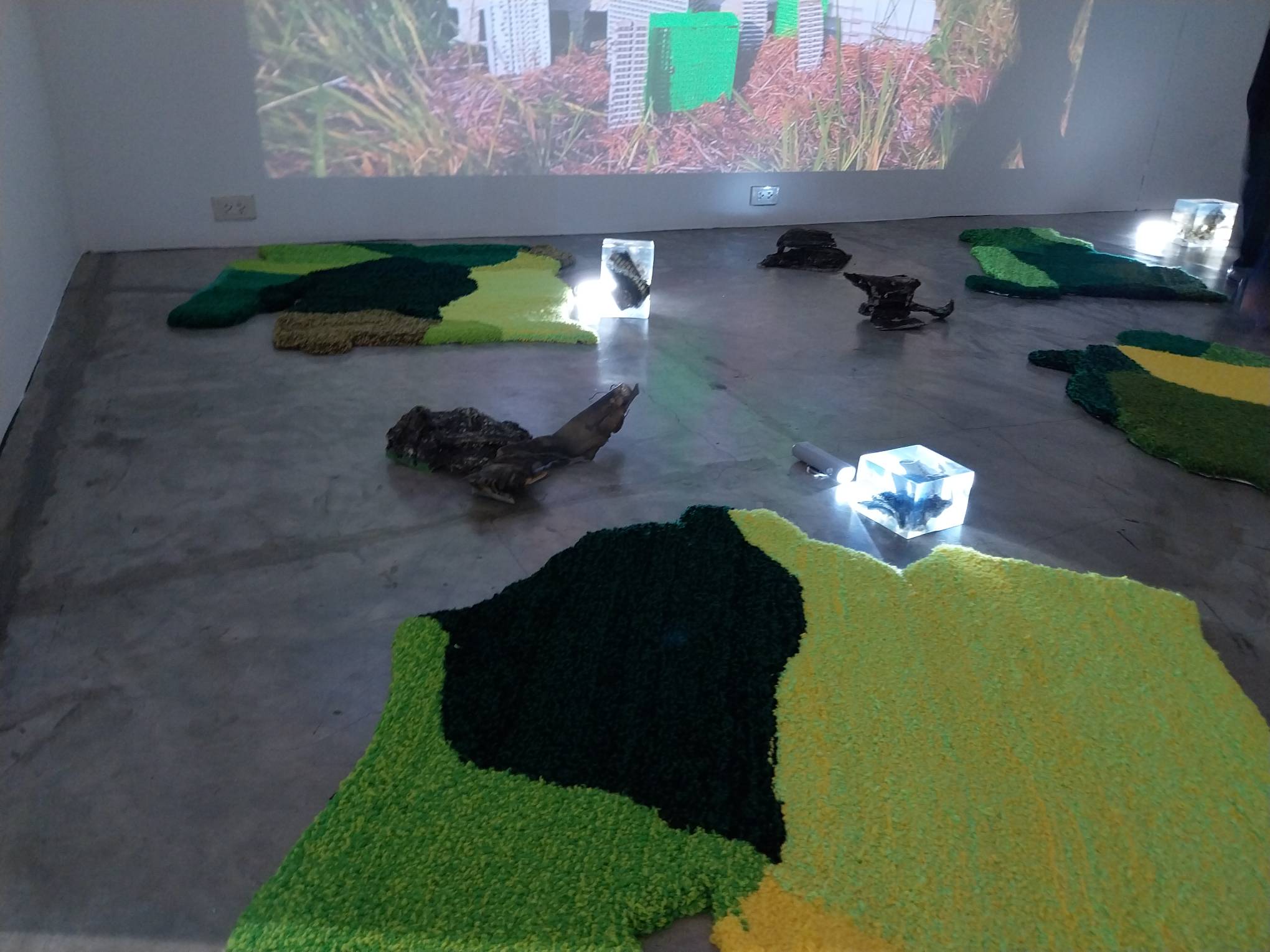
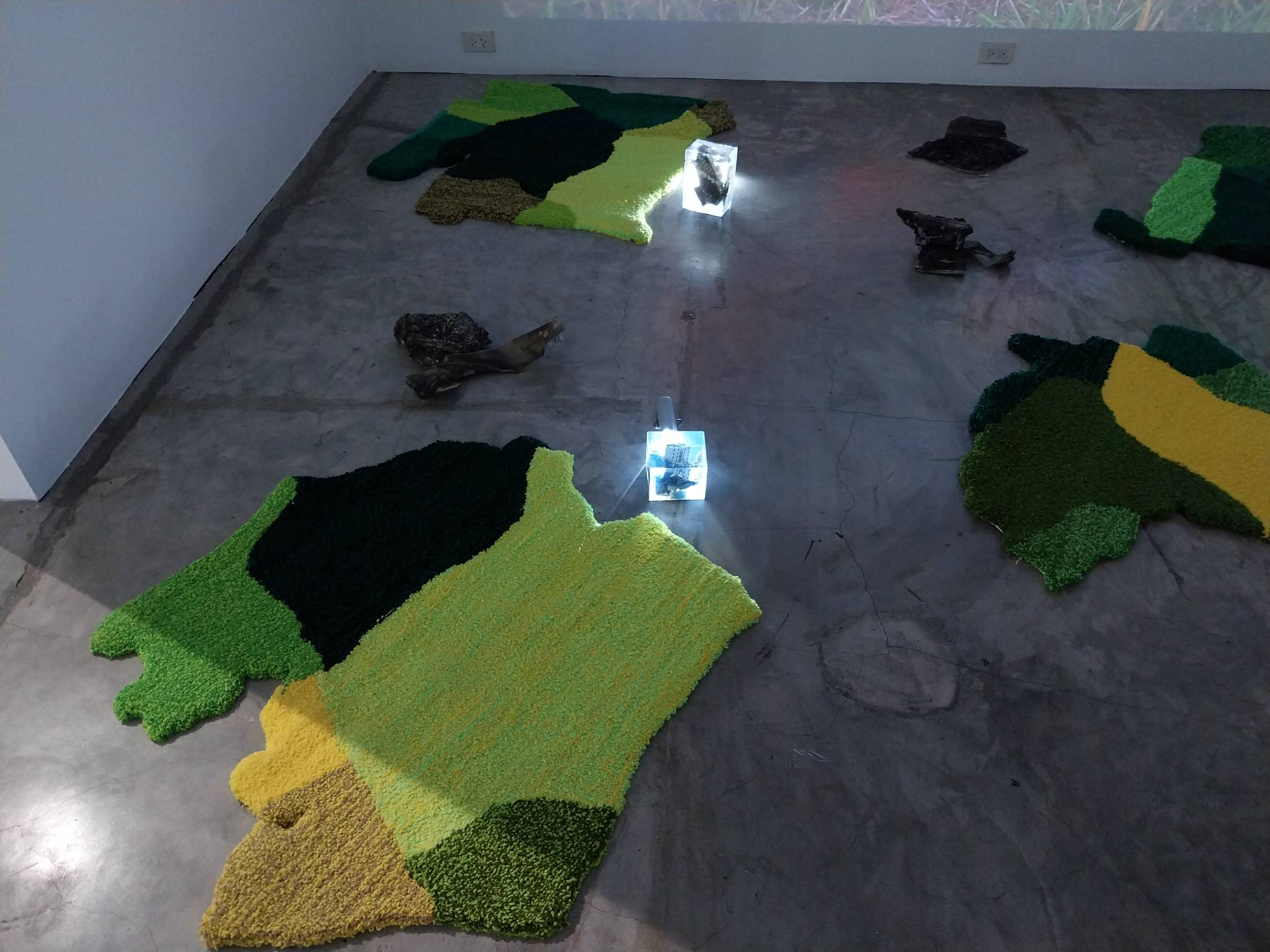
“Modernism, whether within the context of art or urban development, is an impulse to break away from traditions. However, Cobangbang makes use of our inherited notions of modernity to critique contemporary realities,” Tana wrote.
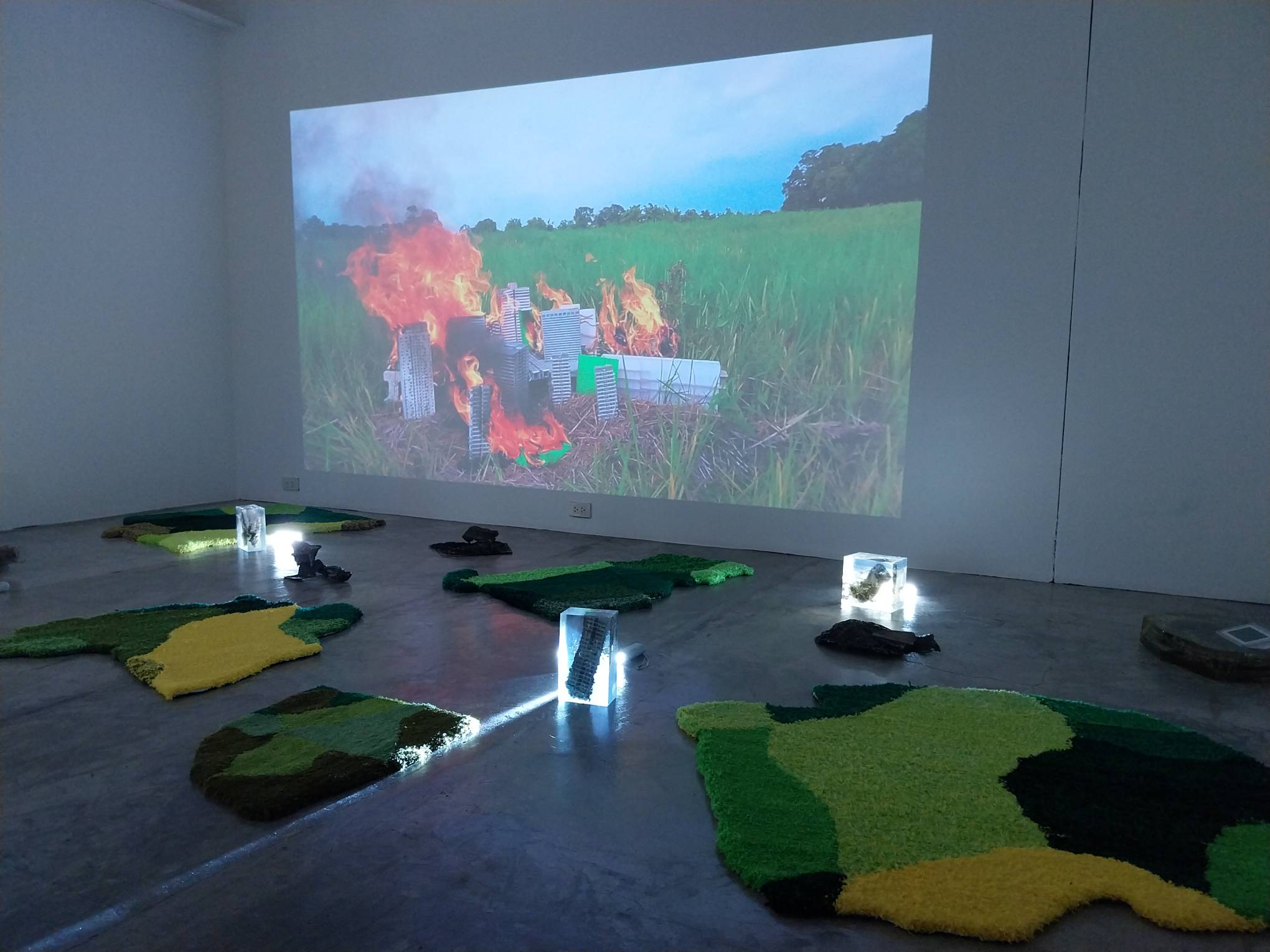
They scattered the carpets across the floor. The works find themselves separated from each other in an isolated sea of the gallery’s concrete flooring. From a personal perspective, it appears to represent the isolation of suburbia, how the dreams of affluence removes us from the broader world and its realities.
Suburbia and Its Repercussions
The interesting thing about the set-up of VLands is how Lena Cobangbang puts these figures in between each carpet of “Territorial Piecings.” This is her other series, a part of this exhibit, “Loam is Where the Hearth is.”
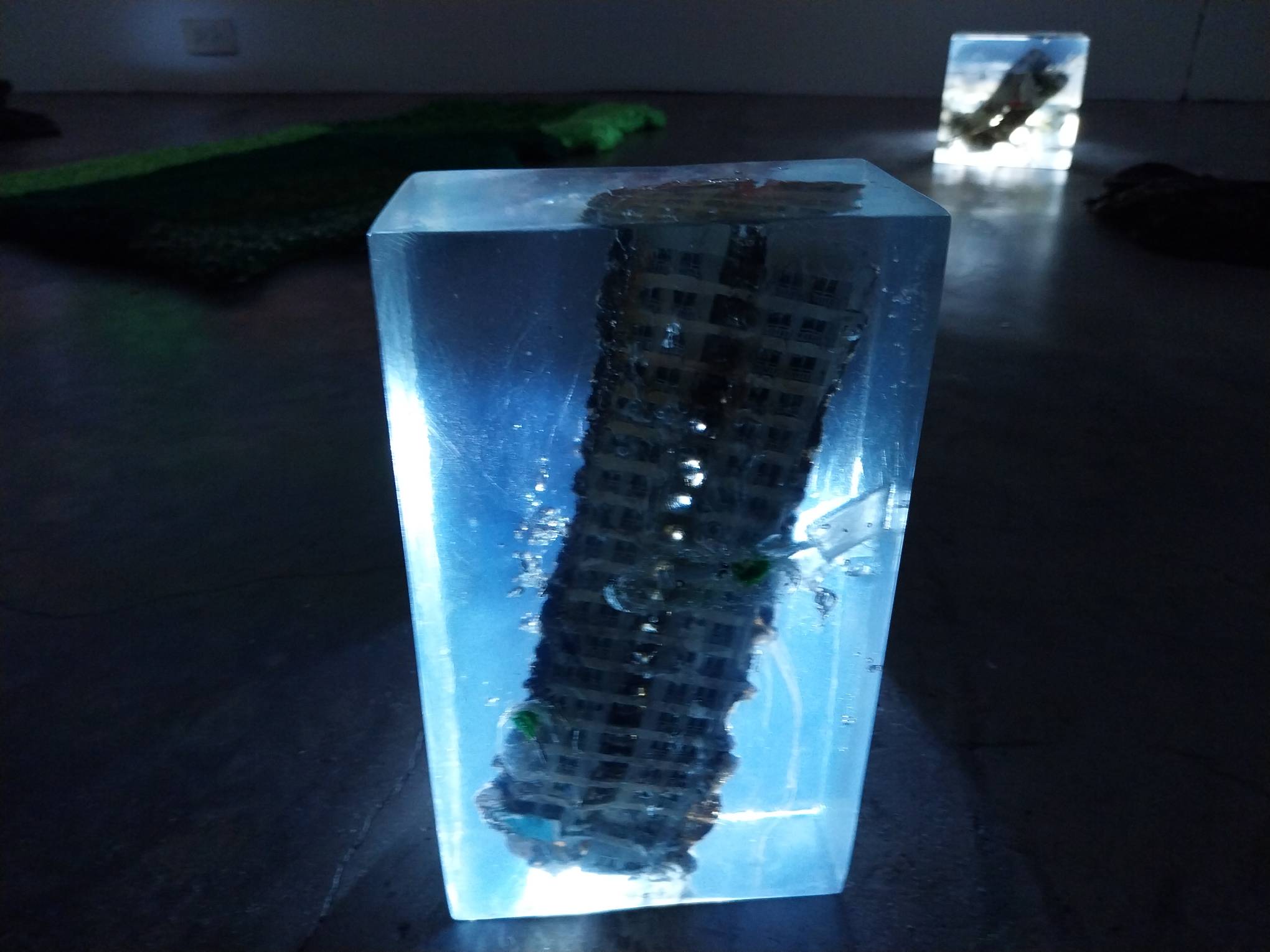
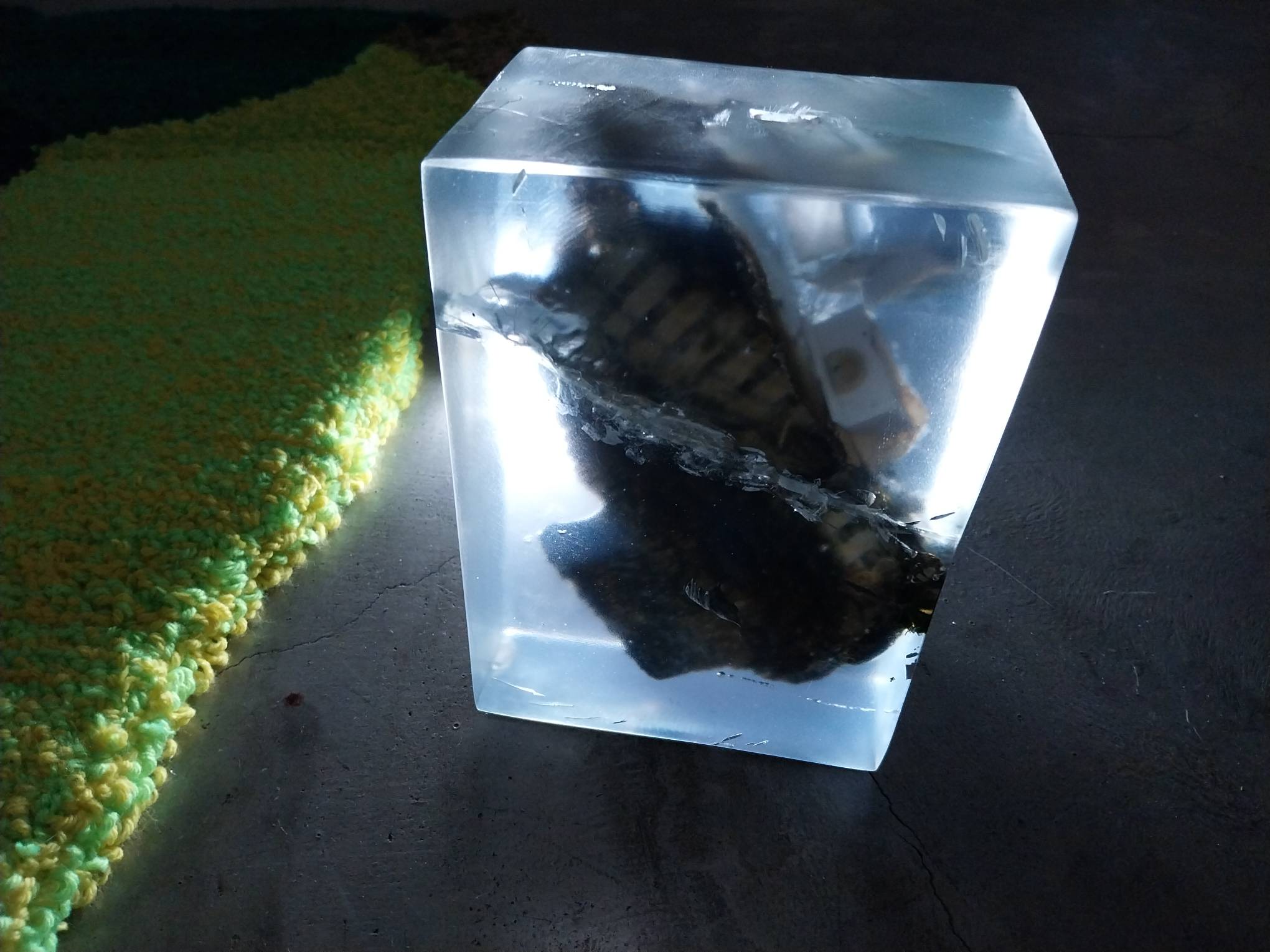
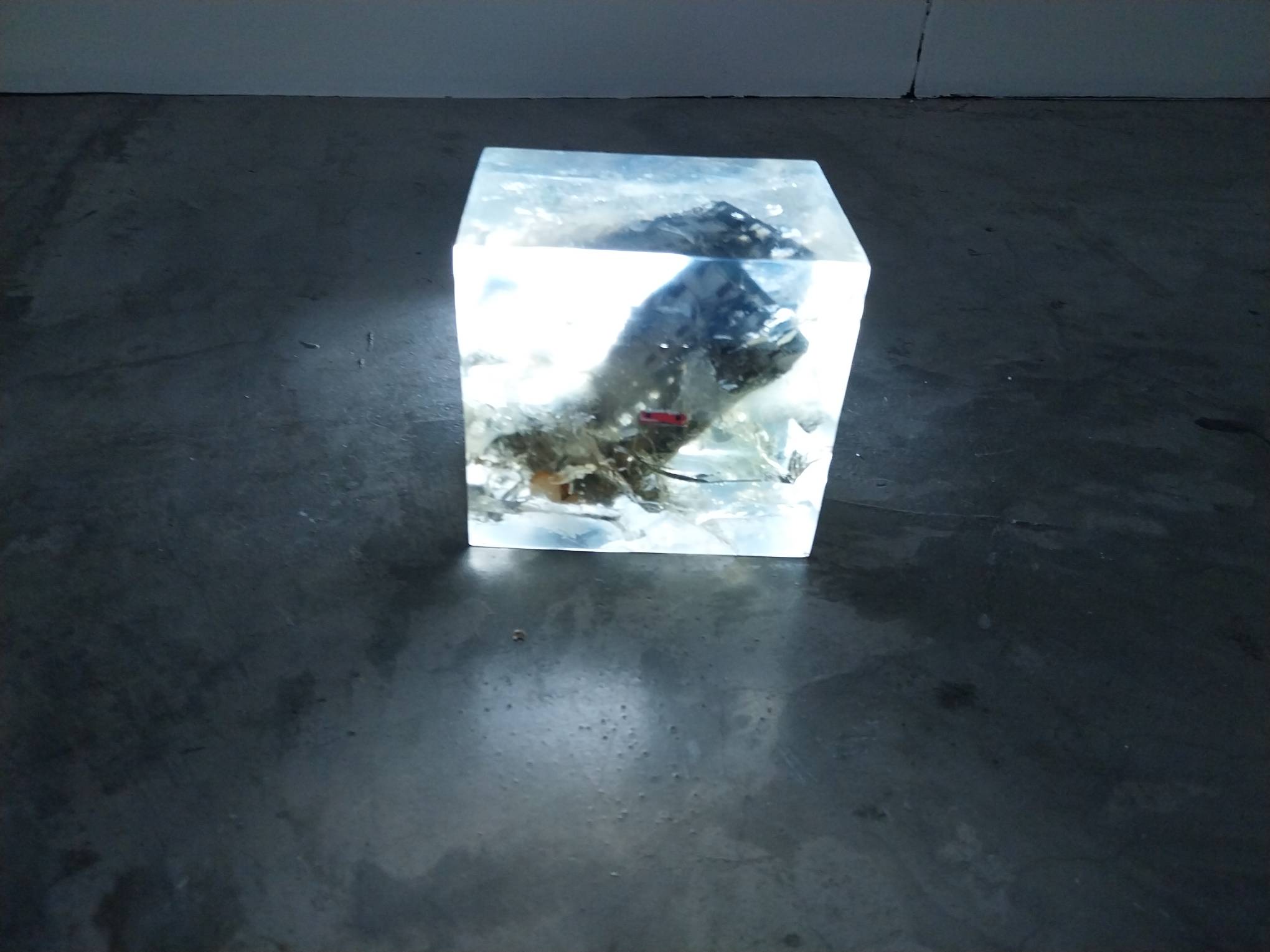
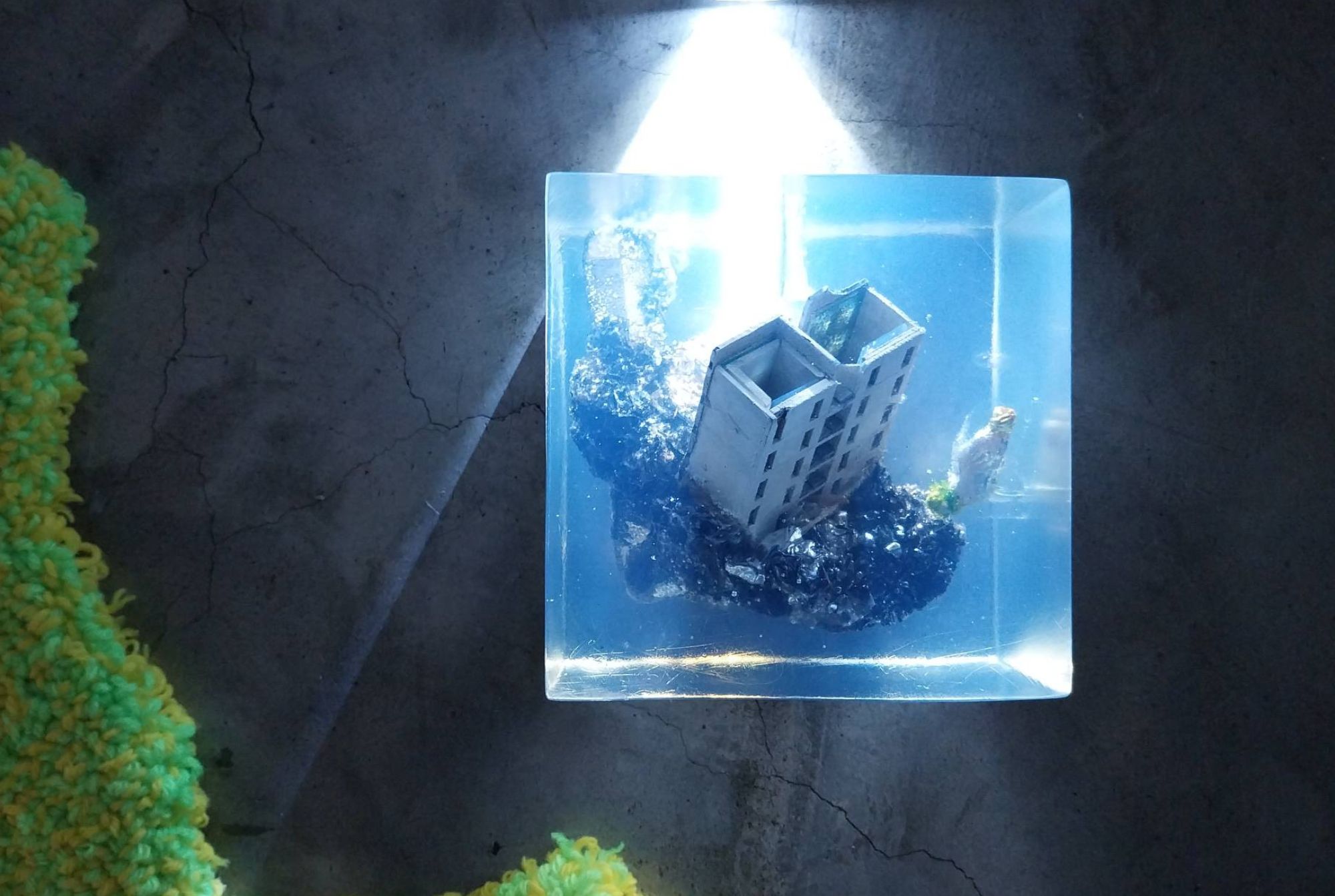
This shows burned scale-model buildings encased in resin, looking like they’re sinking into nothingness. There’s a feeling of apocalyptic dread in these small model works. They look akin to a still life of a crumbling building, the terror and danger halted in a single immortal moment.
Ritualistic Burning in a ‘Vlands’ Context
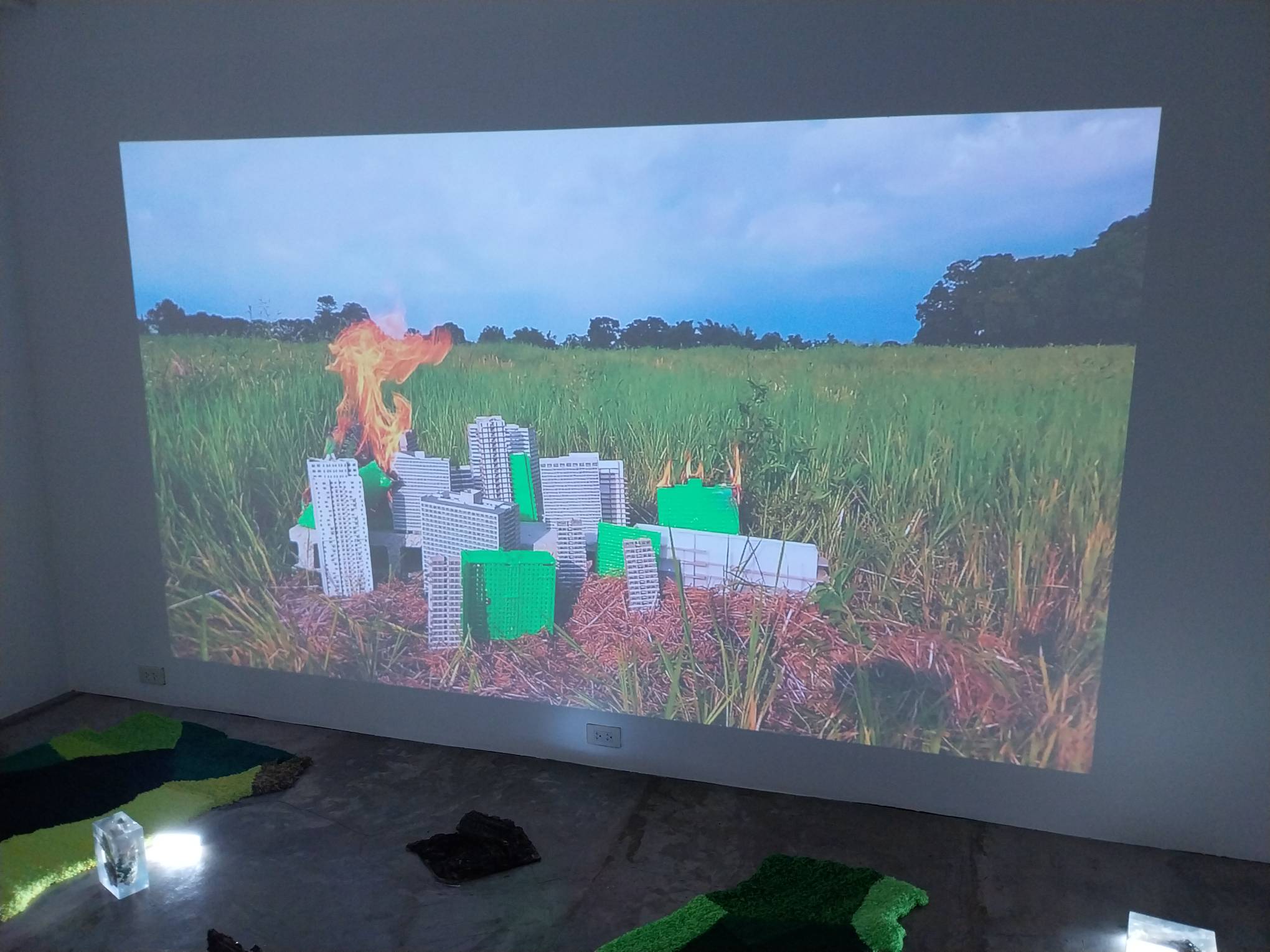
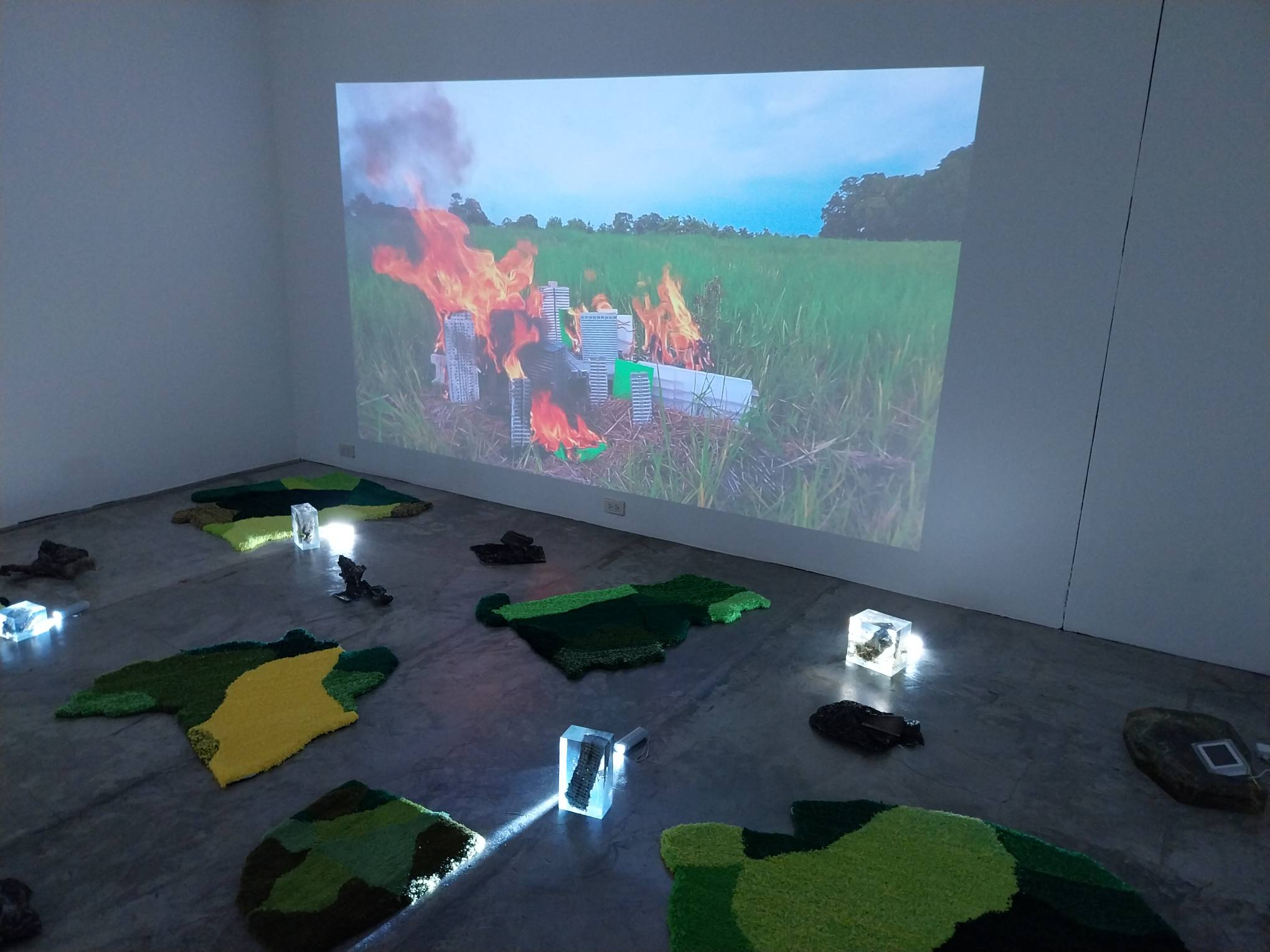
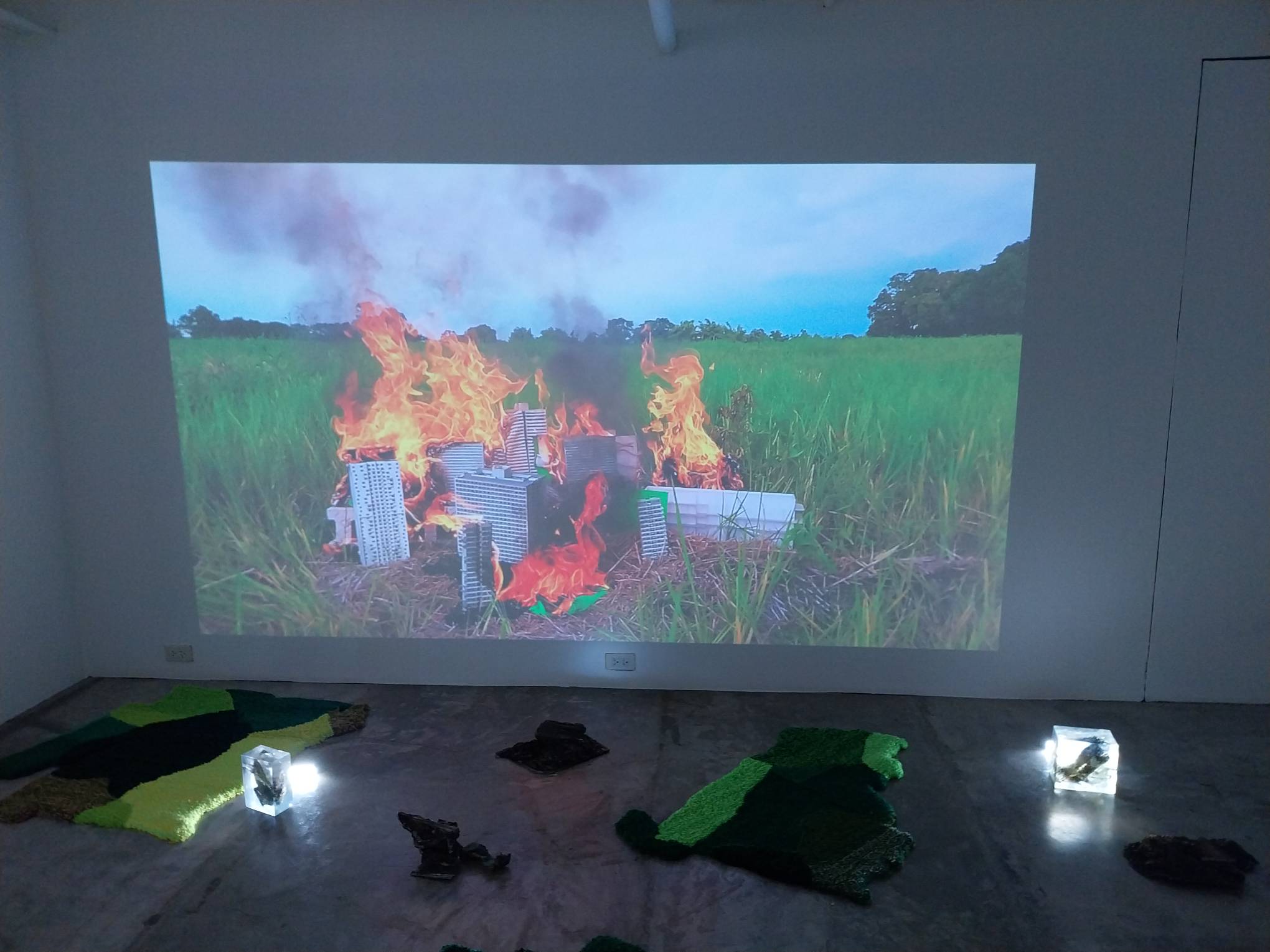
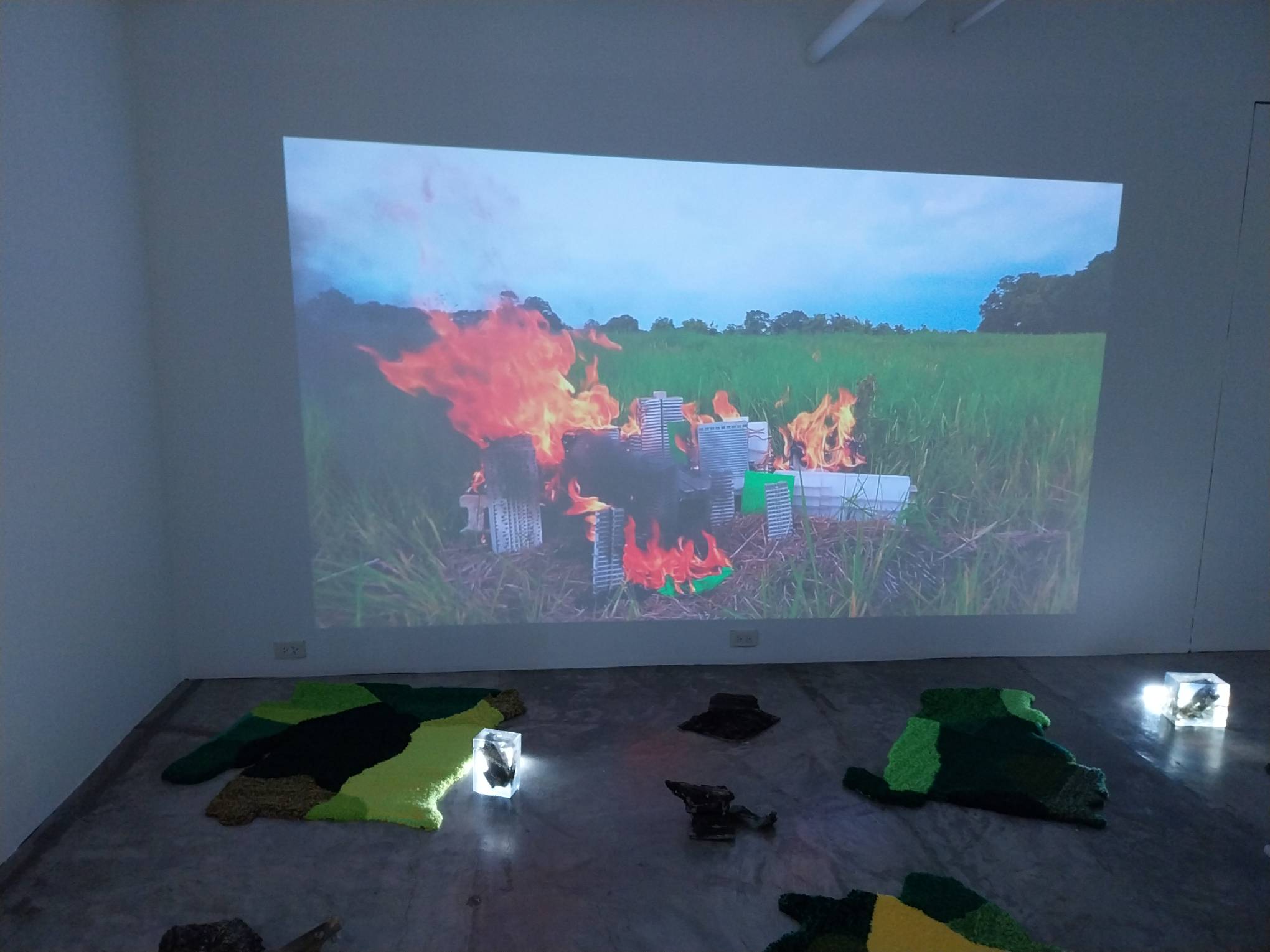
Each model contains a 16GB USB drive with a video showcasing its creation. The video, projected on the exhibit walls, features the score from the classic Lino Brocka film Maynila sa Kuko ng Liwanag as the soundtrack to the burning of the scale building models in an open field.
The exhibit also contains another video of a burning object in a field, “Hazard the Plough.” This time, the screen is encased in resin alongside an unidentified black shape. Different colors also appear to superimpose themselves over the object at times.
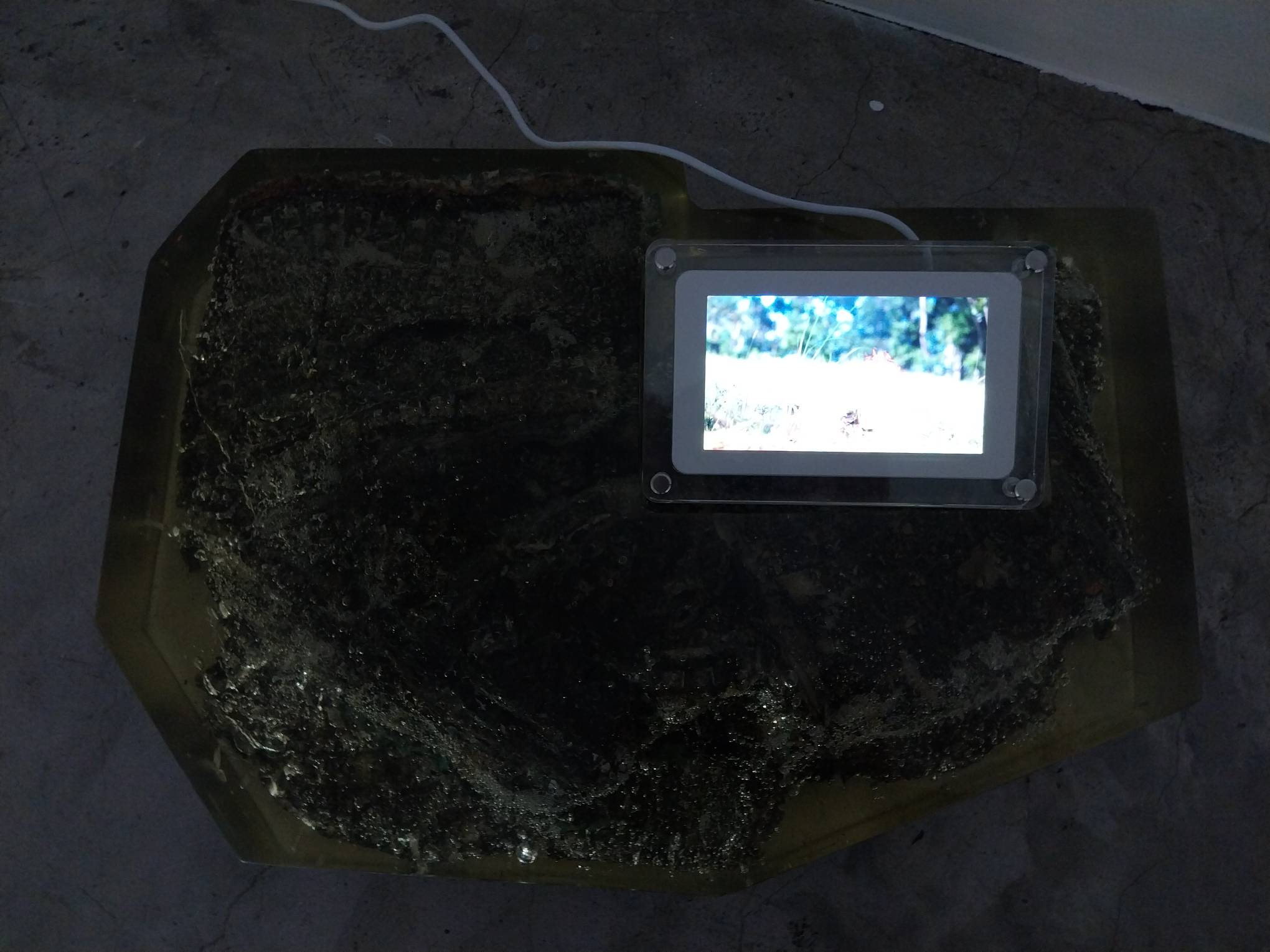
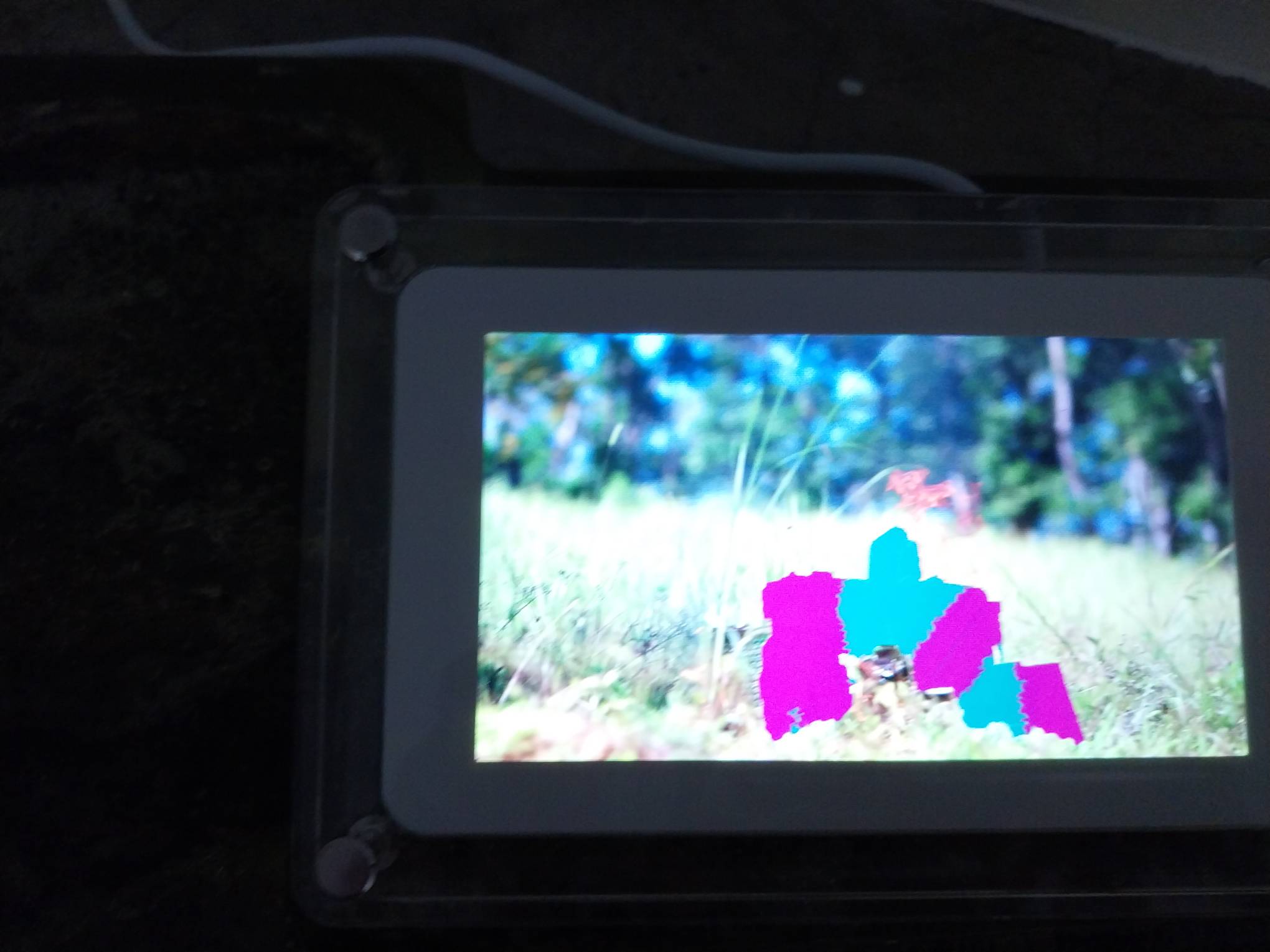
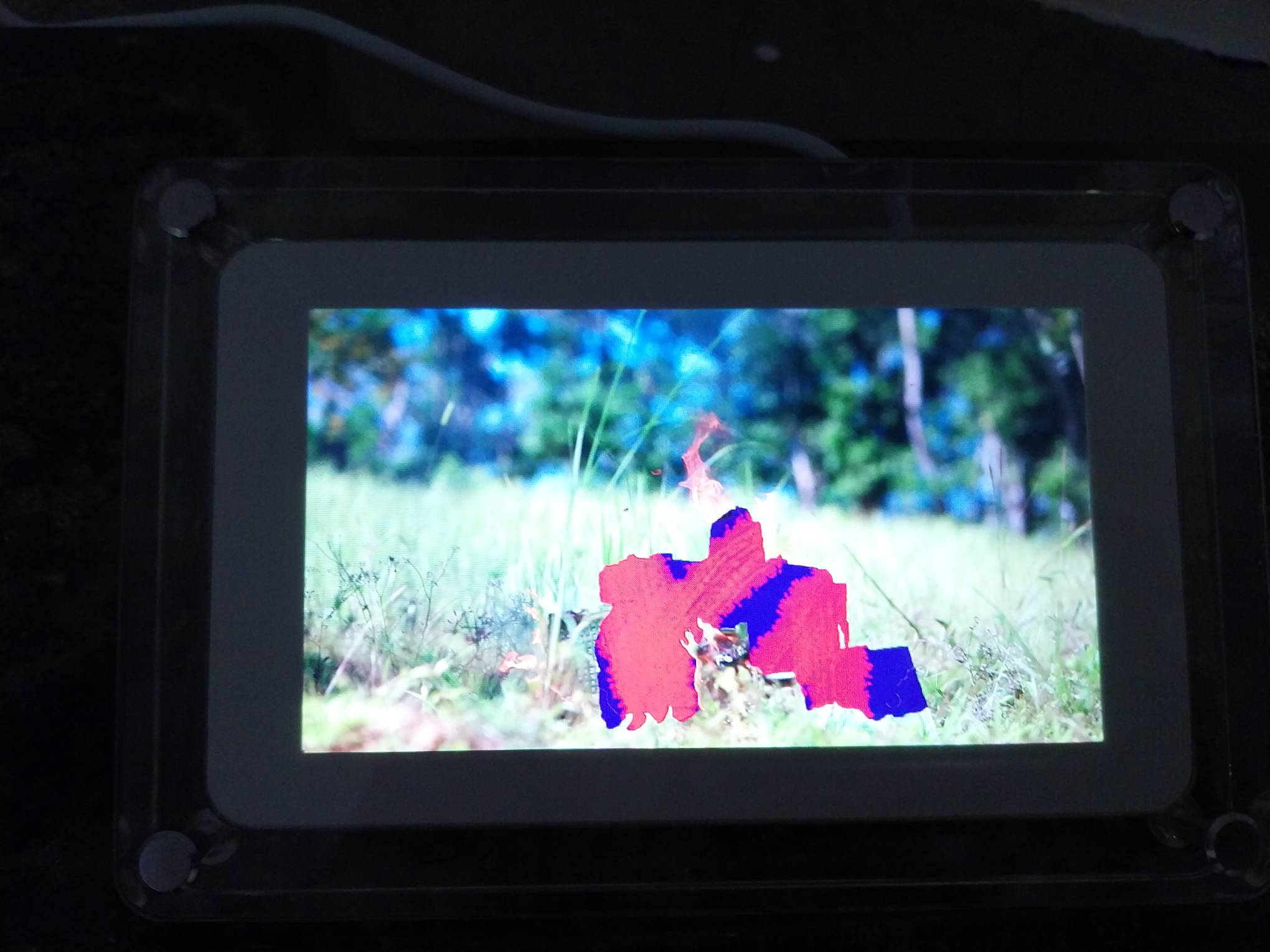
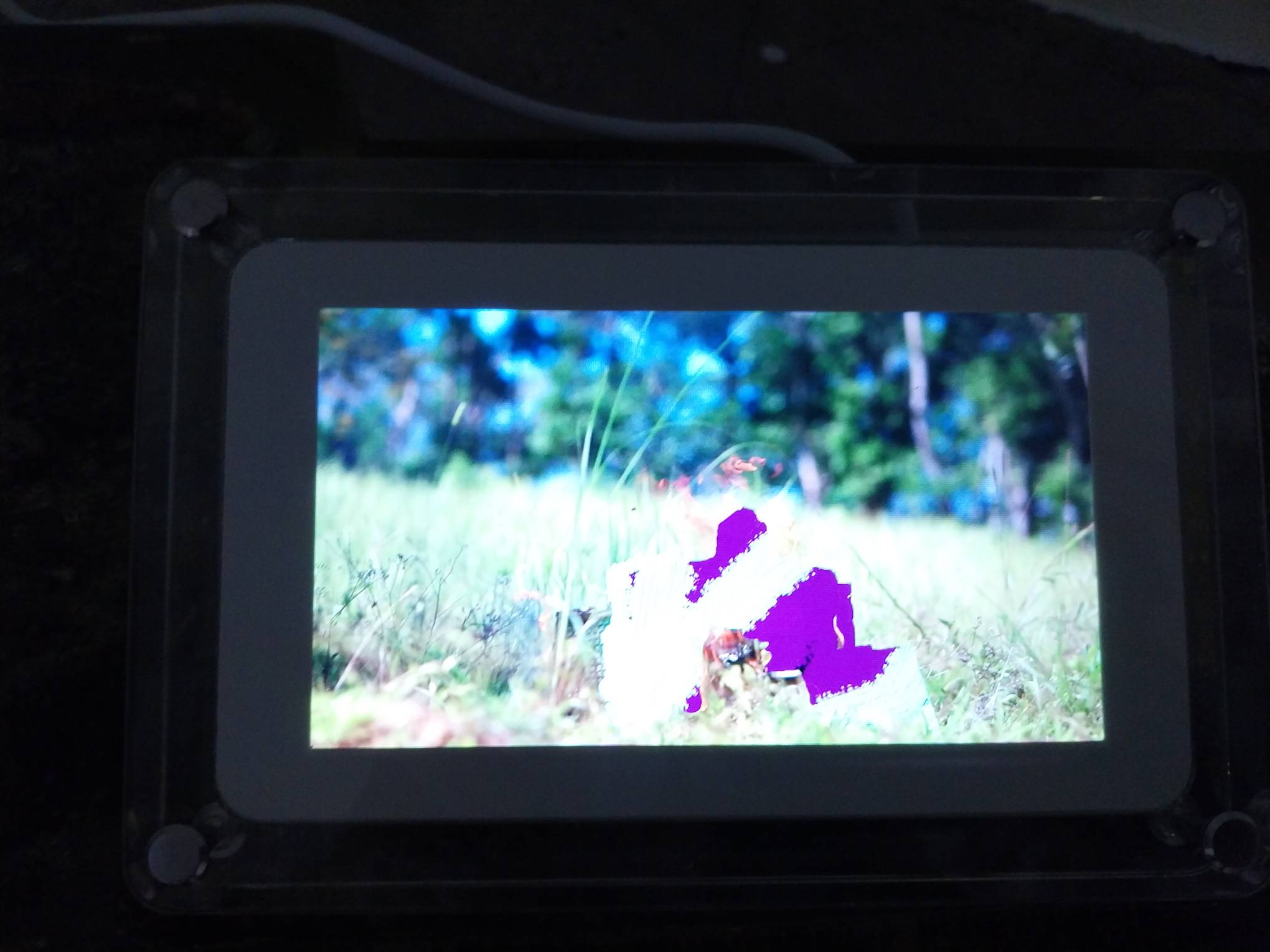
Lena Cobangbang seems to have a broader point for the burnings. It’s the artist’s attempt to express rage at the gentrification of decent housing for only those with money.
“Throughout history, the act of burning is a symbolic ritual for liberation,” Tana explained. “There is rage in this kind of burning—its embers have ignited long before another city is burned down to ashes.”
Feudalism as Imperialism
The discussion of modernism and land use will always be a fraught one. No one wants to be left in the past, but the people crafting the future tend to forget the poor and the marginalized when designing it. Especially in a country with a feudal history like the Philippines, the control of land tends to mean the control of wealth in the country.
Thus, VLands functions as an essential critique of our approach to modern society. Lena Cobangbang shows audiences how our systems root itself in colonialism and feudalism. Regardless of how much technology and philosophy moves forward, the powerful still hoards the land to keep the authority and wealth centralized to themselves.
“Cobangbang sees both destruction and abstraction as persistent modes of resistance against forms and ideas, and perhaps, a conscious defiance from being integrated into the ‘exceptional collection of communities’, a promise that is rooted in the imperialist ideology,” Tana said.
VLands will be exhibited at West Gallery until January 4.
Photos by Elle Yap.
Related reading: Elmer Borlongan’s ‘Morning Rituals’ is an Exercise and Negotiation
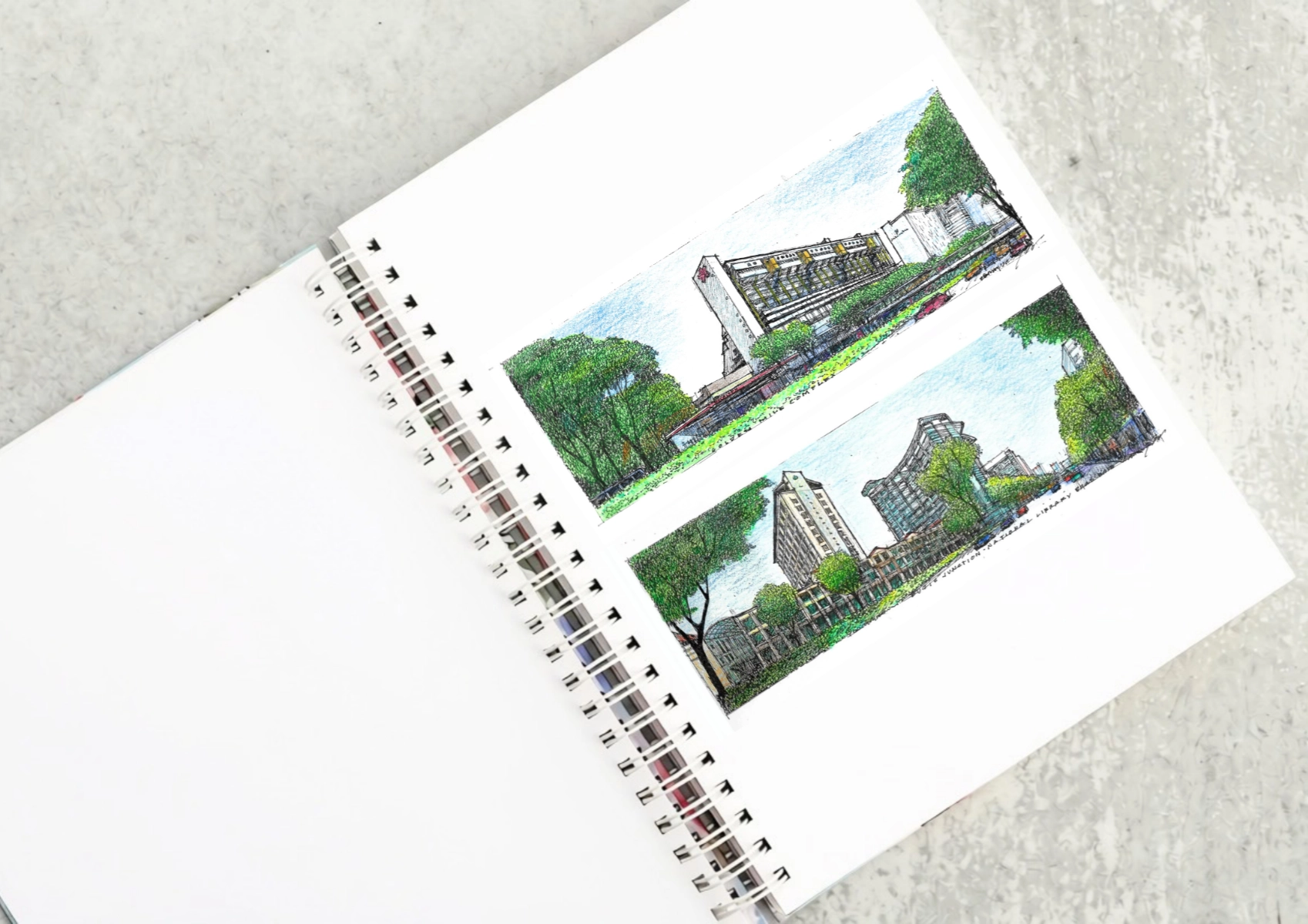
Two sketches of Singapore connect BluPrint Editor in Chief Paulo G. Alcazaren’s personal and professional history with Shared Ground: ArchitectureArchitectureThe art and science of designing and constructing buildings, structures, and spaces that are functional, safe, and aesthetically pleasing. It encompasses the planning, design, materials, and techniques used to createGo to Architecture Glossary of Care, Culture, […]
Some have become household names – Coleman, Oster, and KitchenAid – products that have found their way into Filipino kitchens, homes and family routines. In home furnishings, brands such as B&B Italia, Ethan Allen, Sub-Zero, Miele, SieMatic, Louis Poulsen, Hunter Douglas, Tempur, and Technogym, have helped shape the way Filipinos live. From everyday essentials to […]
In a way, designers are the modern-day soothsayers and prophets. They design for the future, predicting how a room, a house, a building or a whole city will be used by people. They foresee how users will interact with a space, conjure exact shades of colors to elicit specific behavior and arrange furniture to build […]
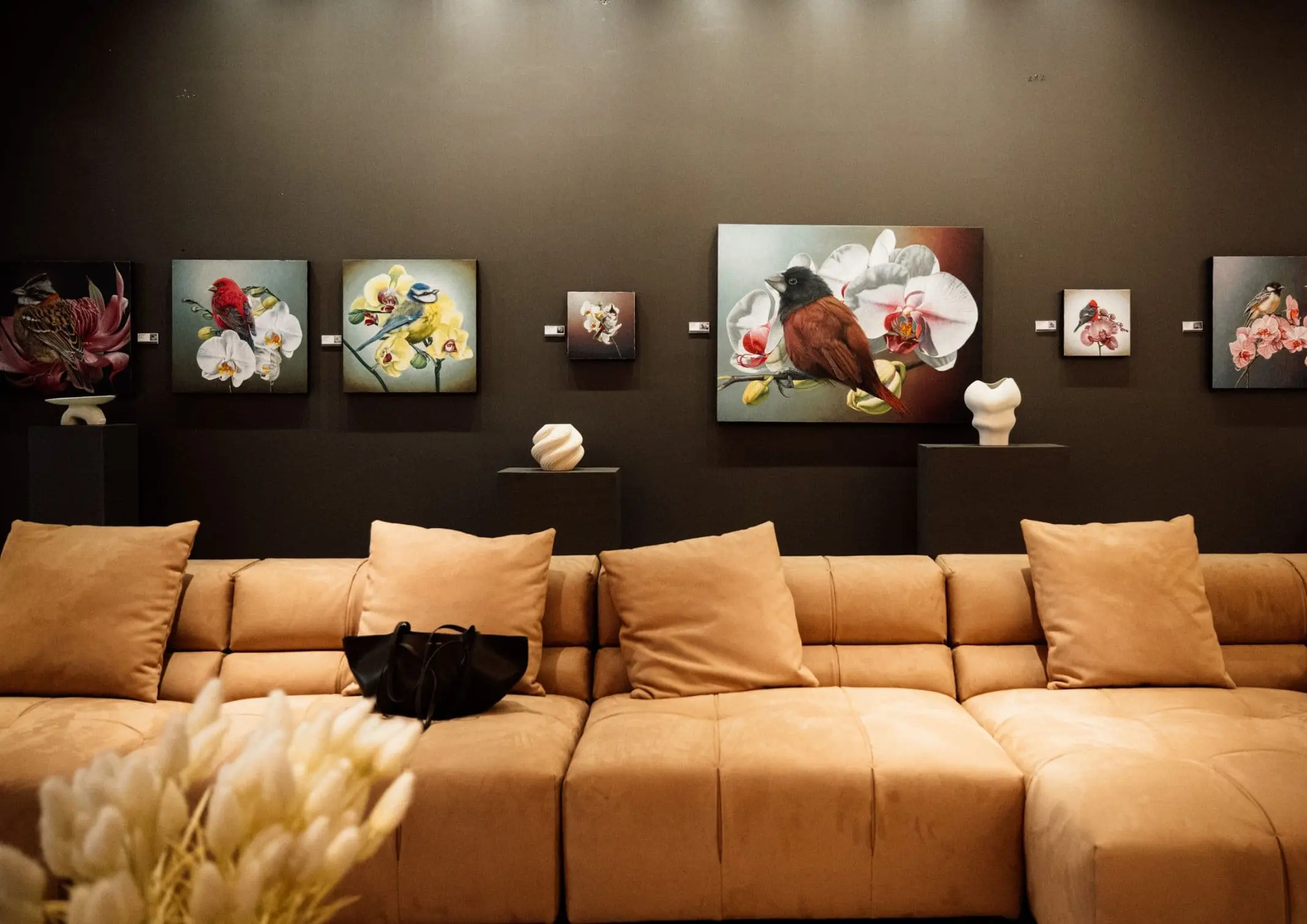
Art and furniture are often selected separately, yet their relationship can shape how a room looks and feels. The collaboration between Hooga and Galerie Joaquin explores how these elements can work together, bringing contemporary artworks into furnished residential settings at Hooga’s showroom in Uptown Mall, Bonifacio Global City. For Hooga, which curates furniture, lighting, and […]
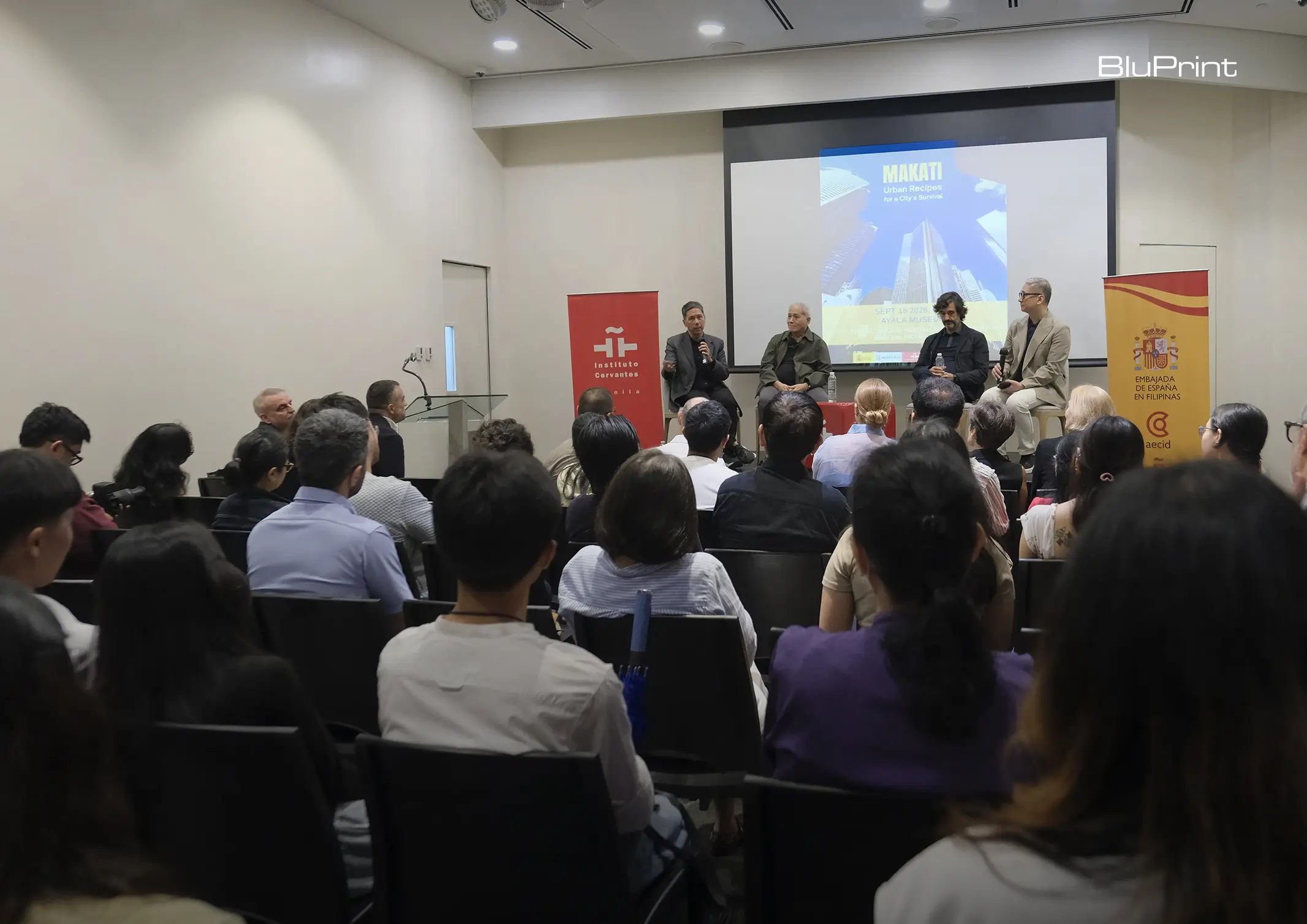
How can better-planned cities create the conditions for more creative, livable, and resilient urban environments? “Makati Urban Recipes for a City’s Survival,” a colloquium held at the Ayala Museum on September 15, brought together architects and practitioners from the fields of urbanism and the creative economy to discuss how design, planning, and collaboration can address […]
Read the issues.

Collect the volumes.

Recommended Video
Tap to Unmute
Unmute
0:00
0:00