Bigkis is the act of binding. In Tagalog, the word can refer to something used to bind or encircle, as well as a bundle formed by tying several separate elements together. Figuratively, it can also mean a bond, union, or unity. The meanings move from the physical act of joining things together to the connection […]
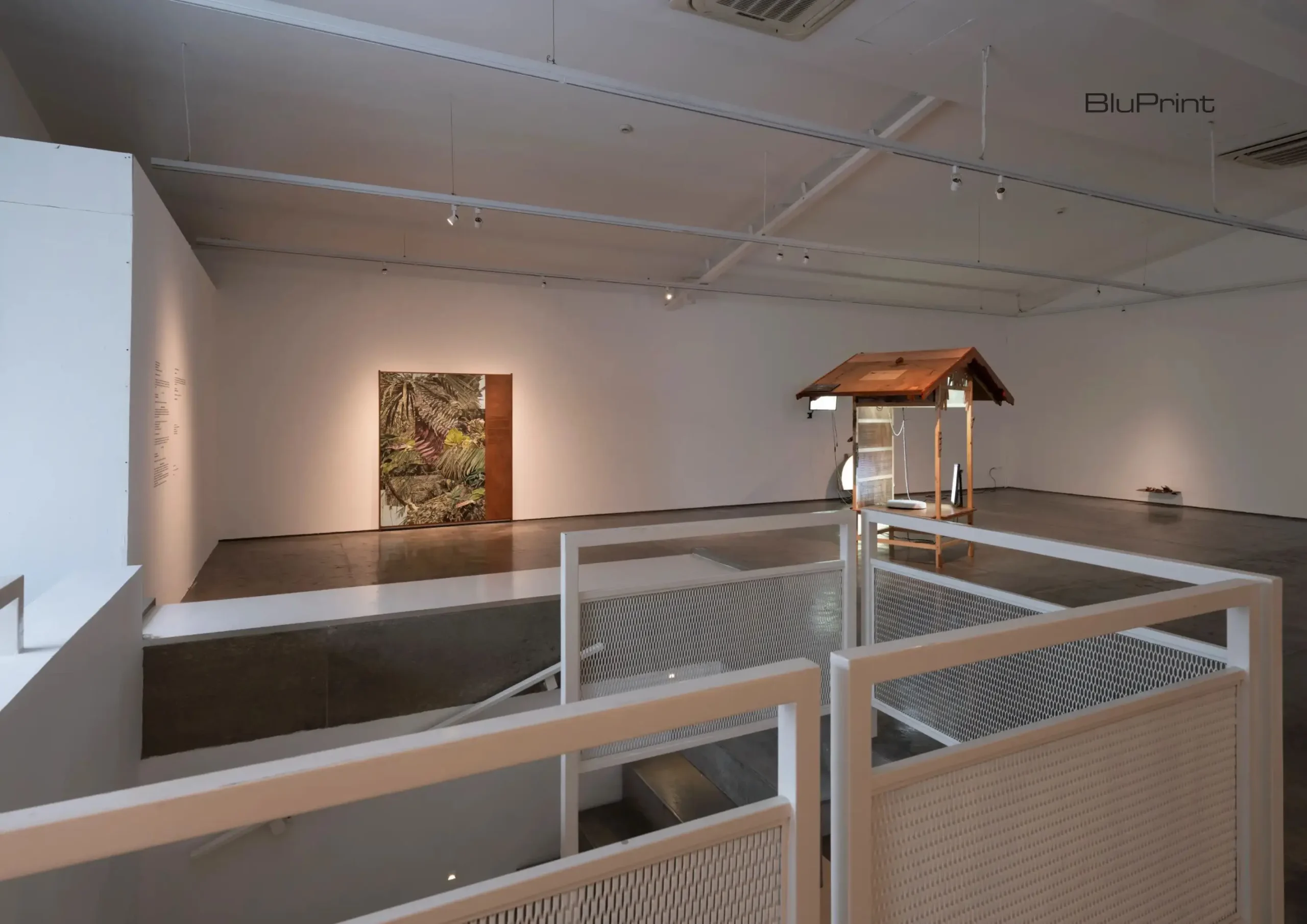
Art Galleries and Building a Legacy for Artists



Running a business can already be a daunting task. But when one is running art galleries, the pressure increases; it’s not just about selling art, but about curating the culture of our society. The responsibility of preservation and ensuring the future of Filipino art can rest on their hands, especially the longer the gallery exists.
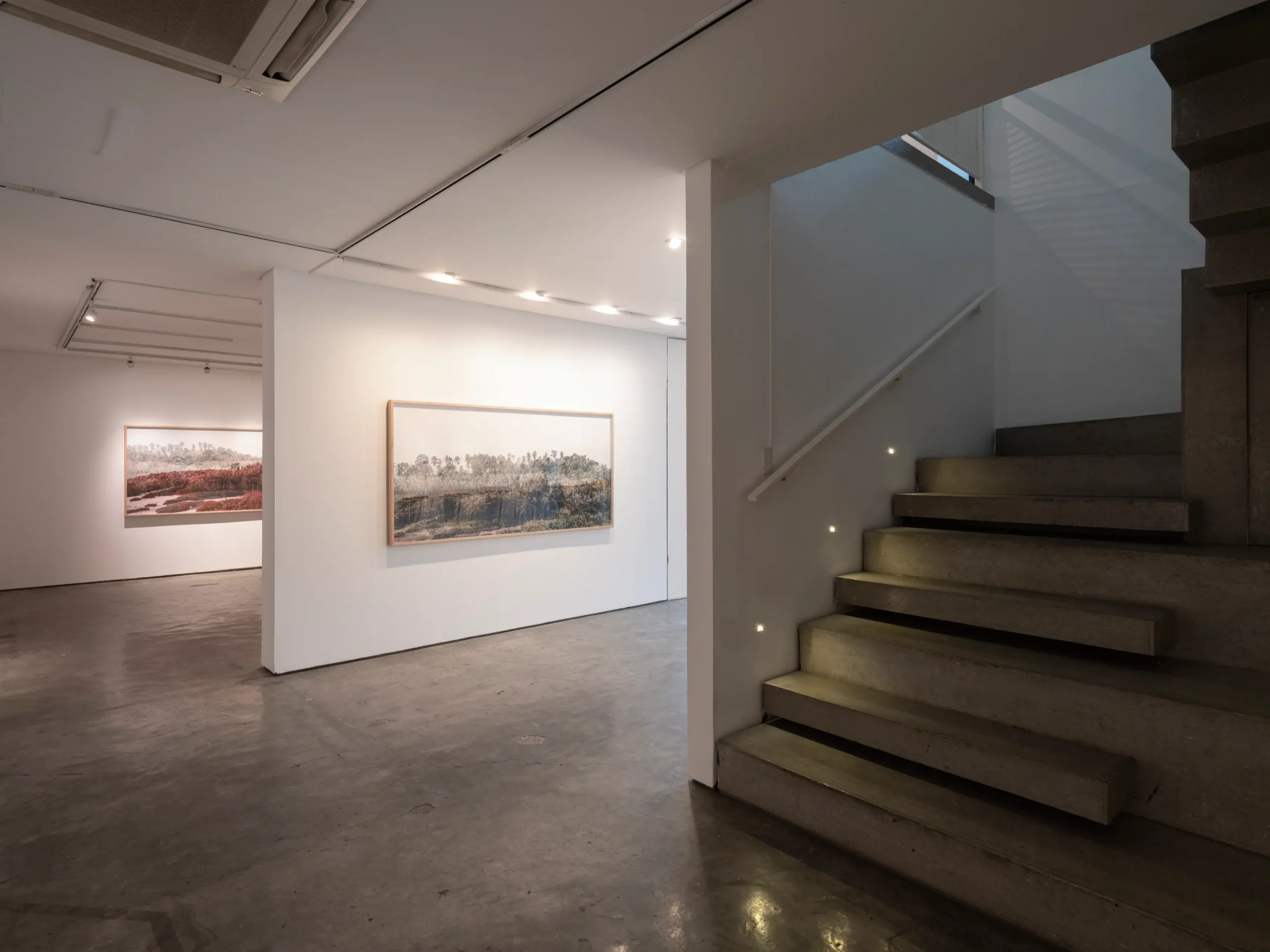
BluPrint interviewed three major galleries in our country—Artinformal, MO_Space, and Silverlens—to get a better understanding of what it takes to maintain the relevance of not just an artist, but an institution, and how it shapes the fabric of Filipino culture today.
Archiving for the Past and the Future
A big important thing that has emerged over the decades of modern art is the idea of archiving and preservation. With many artforms, from film and music, to paintings and sculptures, being lost in time due to inadequate preservation methods, or improper documentation that keeps it from being found, archiving an artist’s work has become an important thing to worry about within the gallery.
And in the age of social media, it has become more imperative to showcase an artist’s bevy of works to ensure that the legacy they build not only has strong foundations, but endures onward to the future.
“To cut through the noise, the gallery should be more like a cultural storyteller grounding its digital presence in authenticity and depth that newer, fast-moving platforms often lack,” Tina Fernandez, founder of Artinformal Gallery, said.
New Archiving Practices
Established art galleries are taking this seriously. MO_Space, for example, has a website with a digital archive of exhibitions running back years. It has the exhibition notes, photographs of the art, and even images of the exhibit to better place the viewer in how it must have looked like or felt to see it in its original exhibition period.
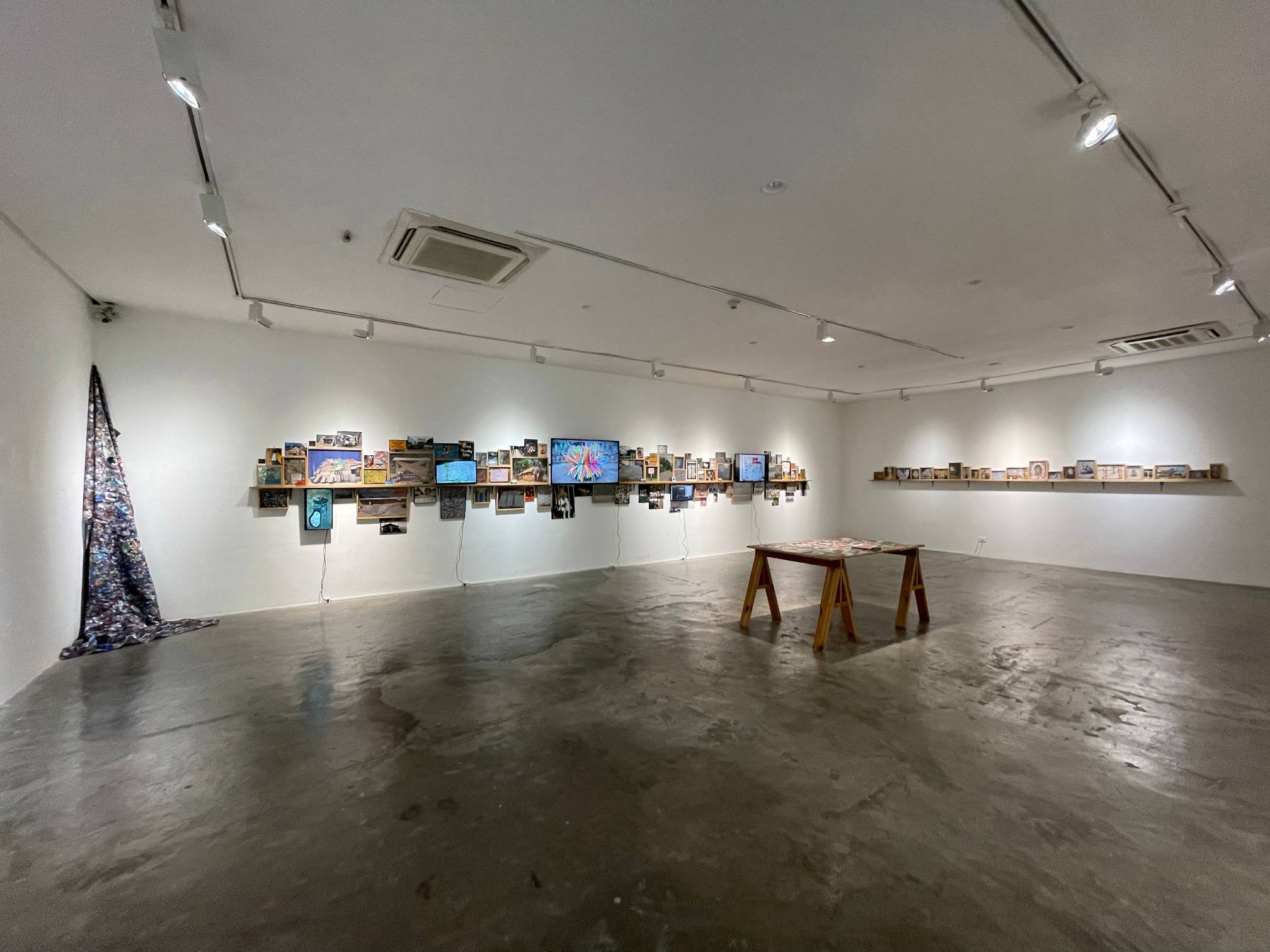
“We have a dedicated archive to keep these shows in the past accessible digitally to anyone who wants to see them,” Mawen Ong, gallery director of MO_Space, said. “A lot of amazing shows have happened everywhere; for us, it’s important to know the past works in order to understand the context of the present.”
Rachel Rillo, the co-director of Silverlens Gallery, said that the pandemic instigated Silverlens to push for more documentation of the artist and their works as a way of bolstering the legacies of these artists. They expanded their documentation team, and work in-house to create these “long-form documentaries” on the artist and their latest exhibitions.
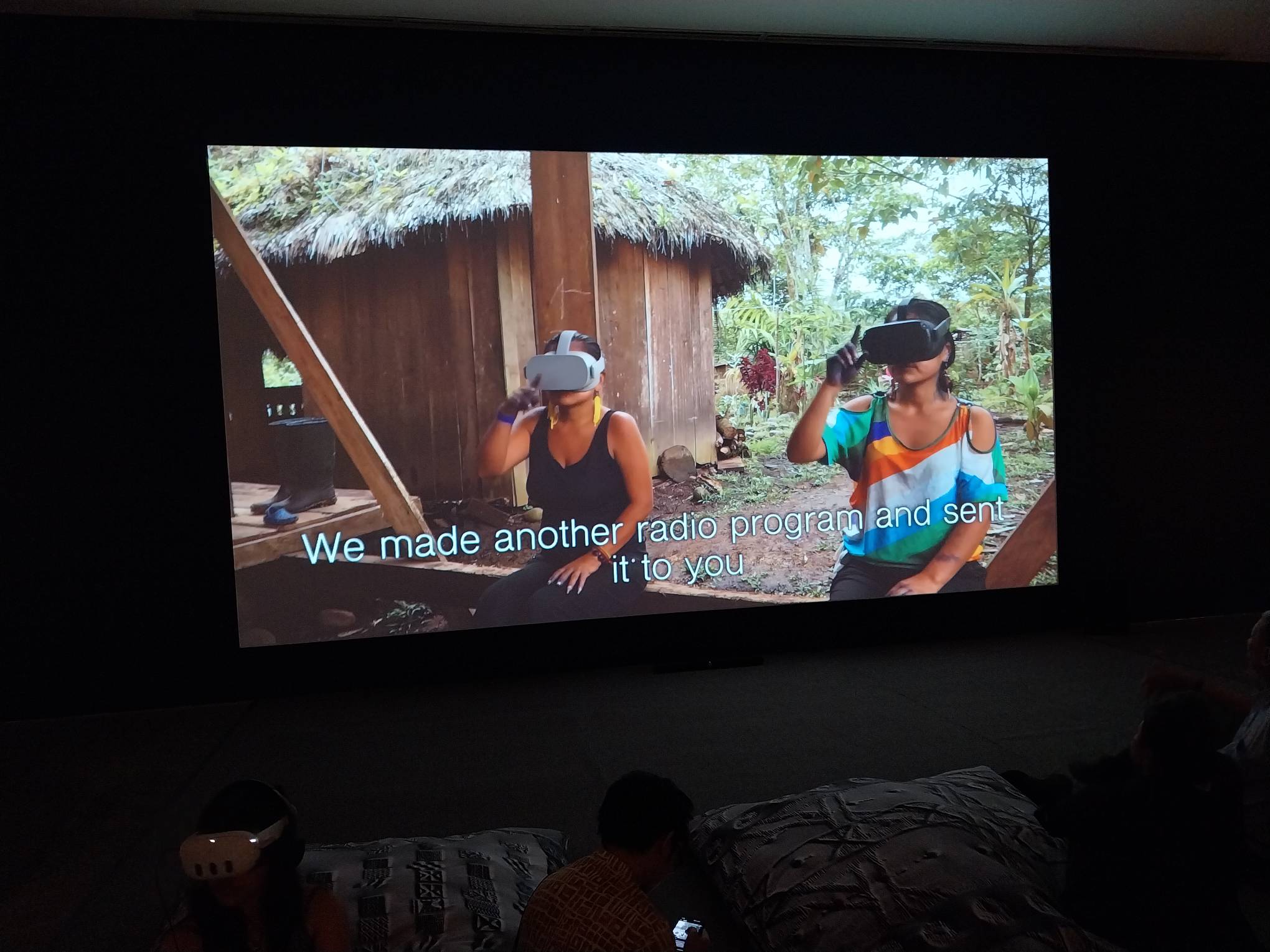
“I think that’s the most important part of my job: to document everything they do and talk to them, produce videos with this where we’re talking to them and really helping the rest of the world or the audience or at least our audience understand their vision and where they come from,” she explained.
Experiencing the Art in Person
And yet, even in the age of social media, even with all the archiving and documentation happening within the gallery, both Rillo and Ong believe that it’s important for audiences to experience art first-hand. Social media, videos, and write-ups are there to enhance the exhibitions themselves and encourage people to visit the art galleries.
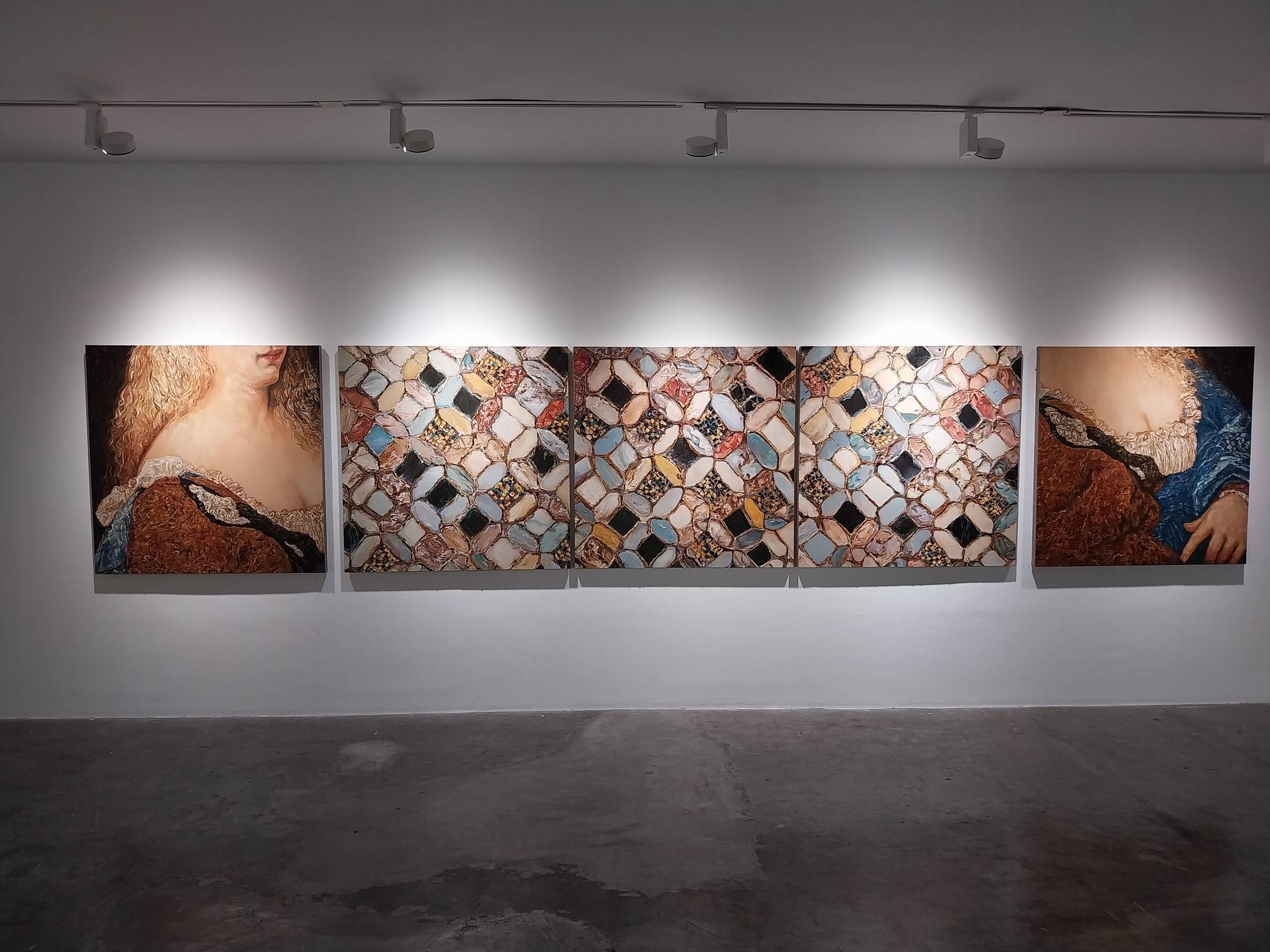
“I really hope that our presence in the digital world will make viewers come and see the work in real life, and we value the people that do,” Ong said.
“The phone will never be able to convey the dynamic range of colors and depths of what the eye can capture. True art appreciation starts by being there in person. You perceive the work, the elements, color, the words. You leave the gallery feeling a range of emotions.”
Places for Artistic Ambition
Rillo agrees with the sentiment, and notes that the building that houses Silverlens in Manila was designed by architect Anna Sy in 2017 to ensure “that the space is large enough and strong enough to hold the artwork.”
“Not necessarily bigger artwork, but a bigger space for the art to breathe,” Rillo elaborates. “I think it’s very important. We live in a city that’s very dense, so it’s also harder to find larger spaces for artwork to breathe in but that’s something that we really pushed for.”
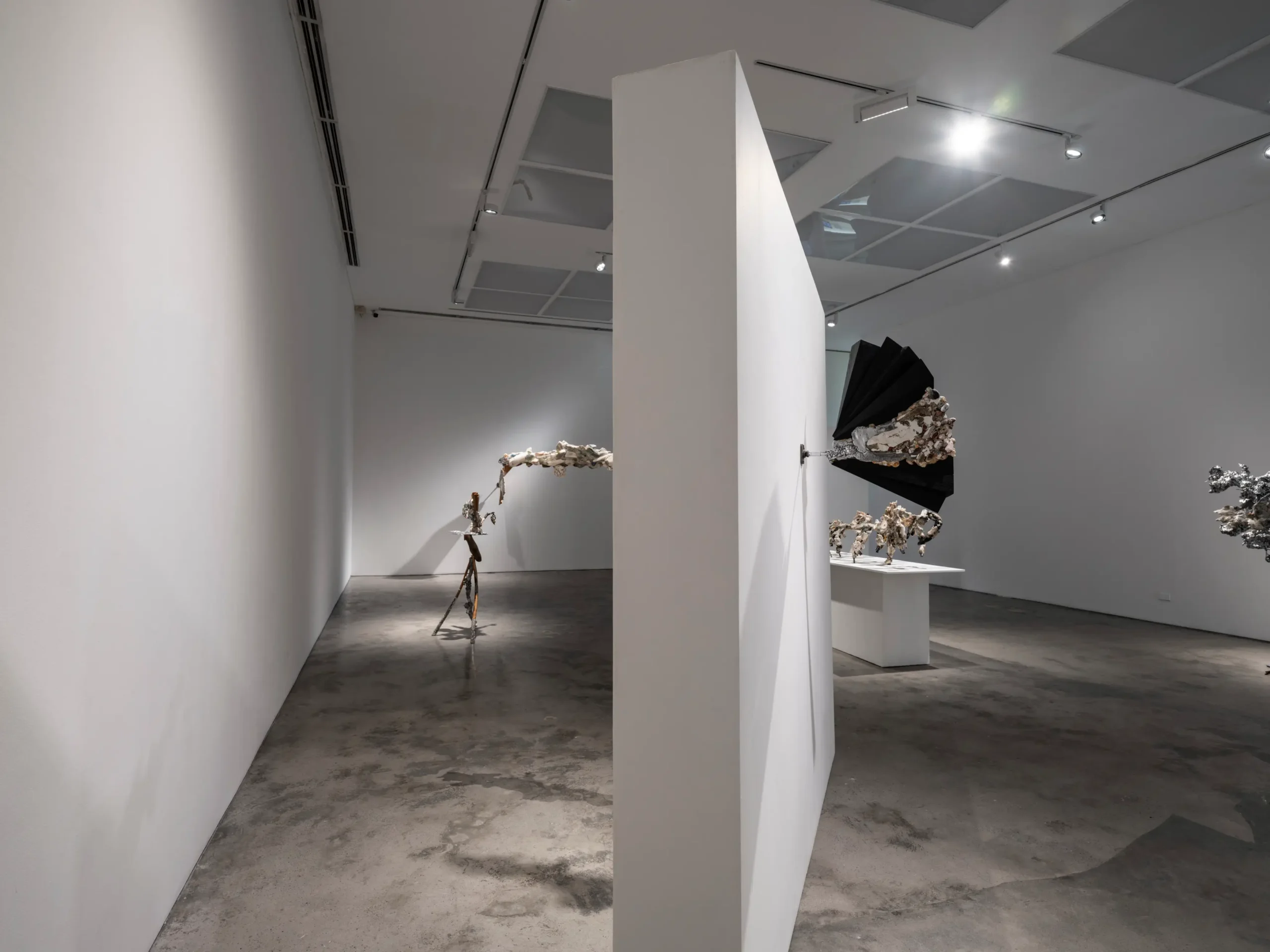
Silverlens previously was housed in a former piano factory; its current home is a refurbished food commissary, and its high ceilings and wide exhibition space gives any artist the kind of expanse that drives the imagination wild. For Rillo, this was a necessary component for the gallery.
“We reused the space in the idea of really making the experience of looking at art become experiential,” she explained. “The actual spatial scale of the self to the artwork is very important to me.”
In the Interest of Business
Unlike newer art galleries, the ones that have been running for decades have a well-oiled system in place to ensure that production continues onward in a seamless fashion. Tina Fernandez, for example, has used Artinformal’s decade-plus of existence to nurture not just artists, but the trust of different collectors who respect her expertise in the artwork.
She is methodical in how she ensures that an artist’s work is sustainable: new artists are positioned and priced based on the market, their artworks and presentation refined without removing their vision.
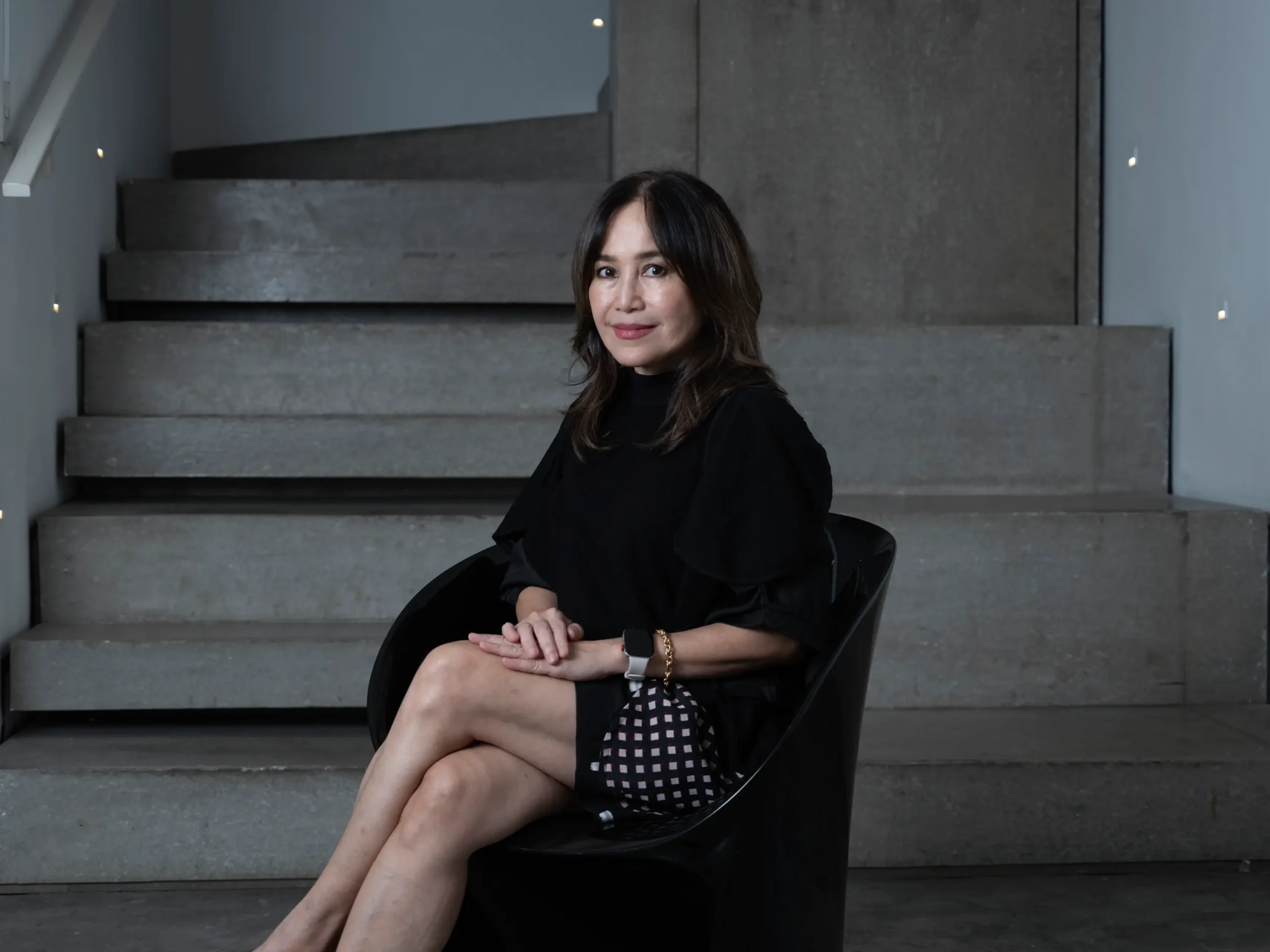
Mid-career artists have a more strategic approach: broaden their collector base, ensure stable pricing of their art, put it in fairs and residencies around the world, and ensure a balance of supply and demand. Late-career artists are mostly just shoring up their legacy and ensuring that their art continues to sell for years to come.
It’s a true tightrope to sustain, but she’s been able to do so in the past decade or so. Her knowledge of art and willingness to invest in risky artists and artforms, paired with her ability to build trust in artists and collectors, combines to give her the authority and success to ensure the survival of Artinformal.
New Markets, New Horizons
Silverlens has a different approach to their business side. While their Manila side continues to be stable, they opened a second gallery in New York City in 2022 to shore up their business further. Rillo said that it has been tricky to adapt to the new environment—to be one of the emerging art galleries again after a decade of being established in the Philippines.
“New York is tough because it’s New York, so we have to fight there like everyone else for attention,” she shared. “Here, it’s a bit easier, the gallery is big, our program is strong, [and] I have a full staff of twenty. So things are happening and our artists here have a lot of support. But New York is a different creature so we really have to take care of that end.”
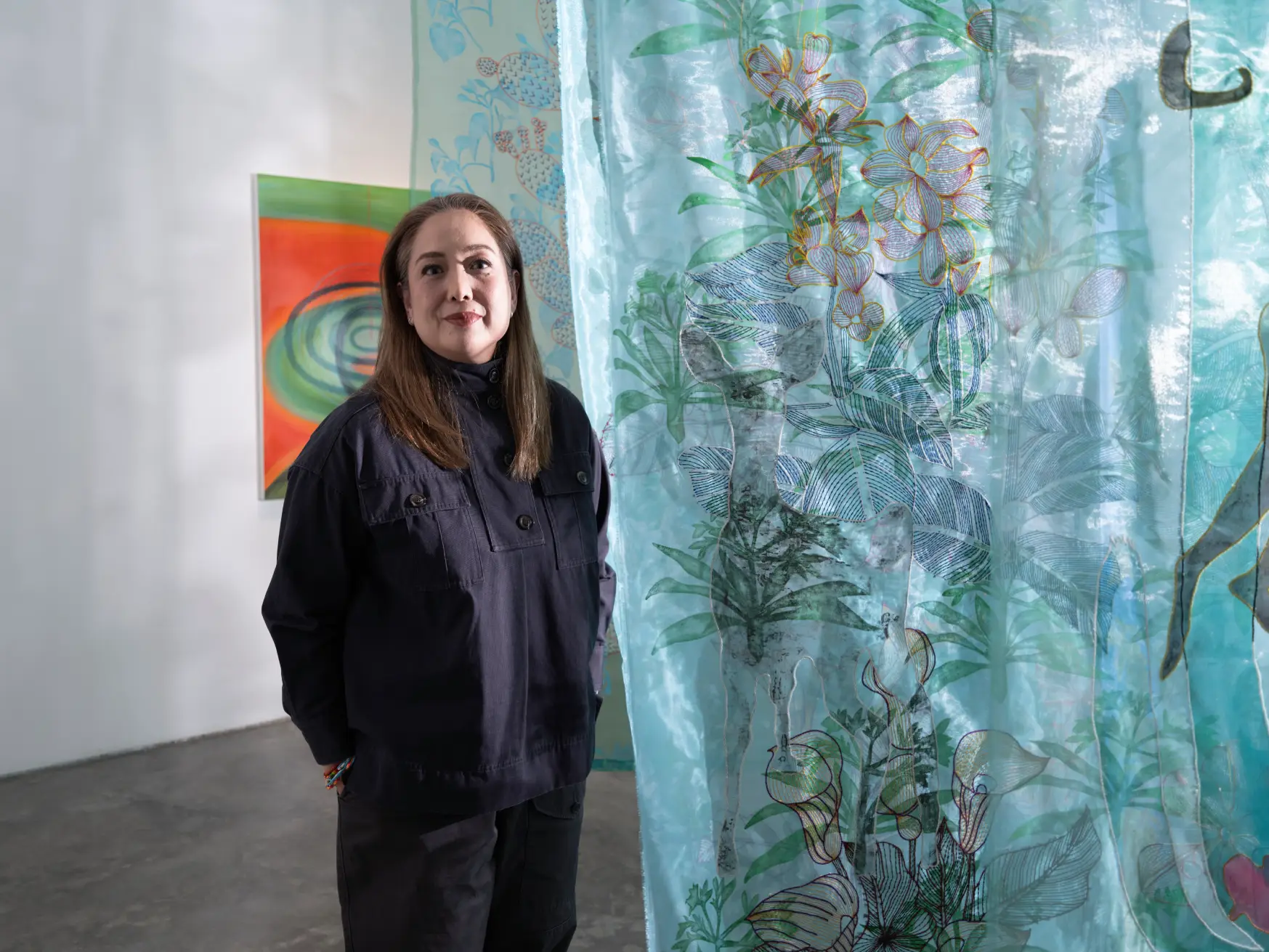
They have found a lot of success there, despite the struggle to establish themselves again. Artworks from Filipino artists have been sold to museums, curators, and other local institutions. Rillo believes that the steady growth of their success foresees a Western market that’s ready for Filipino stories and artists to take their place on the mantle.
“I think that’s the biggest thing that I didn’t foresee, is this bridge that we’ve connected,” she said. “We have placed a few of our artists in large institutions in the US, because we’re there. And it’s really weird because they’ve been talking to us for a very long time, we’ve met them from years of art fairs, but as soon as we landed in New York, it signaled them that we were ready to be part of that world.”
Keeping Philippine Culture Alive
With all these market forces surrounding the art world, and all the negative political and economic news happening abroad, a little pessimism would be understandable. Yet, all three creatives have a deep belief that the Philippines will not just survive, but thrive even more in the future. Our greatest selling point in the world is our unique culture and how it both stands out and blends in with the conversations happening around the world.
“The greatest opportunity lies in leveraging Filipino cultural identity to position its artists as indispensable voices in global contemporary discourse,” Fernandez shared. “The Philippines has something that can’t be manufactured quickly. We have a distinct cultural narrative shaped by history, diaspora, hybridity, and resilience.”
“In terms of opportunity—our local artists are extremely intelligent, talented, and resourceful,” Ong said. “They can work with limited resources, use the simplest and available materials, yet still be able to create work that is nothing short of brilliant.”
“There’s so many good artists and so many people to appreciate [who] sometimes don’t evolve past the Philippines. That’s a good problem to have, I would say,” Rillo asserted. “I find, just in art history, across borders, when times are tough, there’s good art.”
Photos by Ed Simon.
Related reading: Manila’Bang Show 2024 and its Standout Gallery Exhibitions
Frequently Asked Questions
Archiving is a systematic documentation process that prevents an artist’s career from being lost to time. For institutions like MO_Space, this involves maintaining a public digital archive of exhibition notes, installation photographs, and high-resolution images of individual works. Silverlens expands this by producing in-house “long-form documentaries” that capture the artist’s vision in their own words. These archives serve as a cultural storyteller, ensuring that an artist’s evolution remains accessible to future historians and global curators long after a physical exhibition has been dismantled.
Spatial scale refers to the physical relationship between the human eye and the artwork, which Rachel Rillo of Silverlens notes is essential for true art appreciation. Because digital screens cannot convey the full dynamic range of colors and physical depths, large-scale gallery spaces—such as those designed by architect Anna Sy—allow the art to “breathe.” Repurposing industrial structures into galleries provides the high ceilings and wide expanses necessary for artists to execute ambitious, large-format works that would be impossible to appreciate in a cramped or dense urban setting.
Galleries like Artinformal use a methodical business strategy to ensure the sustainability of an artist’s career. For emerging artists, the focus is on market positioning and accessible pricing to build a foundation. Mid-career artists require a more strategic approach that involves broadening their international collector base through global art fairs and residencies. For late-career artists, the gallery focuses on shoring up their historical legacy and ensuring price stability, positioning their work as a permanent contribution to the fabric of Filipino culture.
Opening a gallery in a global hub like New York City serves as a strategic bridge between the Philippines and Western art institutions. While the local Manila market provides a stable home, a physical presence in the US signals to international museums and curators that Filipino artists are ready to participate in global contemporary discourse. This move leverages the unique “cultural identity” of the Philippines—shaped by diaspora and hybridity—to place Filipino stories directly into the collections of major international institutions.
The resilience of the Filipino art scene is rooted in a distinct cultural narrative and the resourcefulness of its creators. Tina Fernandez and Mawen Ong both highlight that Filipino artists are exceptionally talented at working with limited or simple materials to create brilliant, intelligent work. This history of resilience and “hybridity” provides a narrative that cannot be quickly manufactured, making Filipino art an indispensable and authentic voice that thrives even during periods of economic or political turbulence abroad.
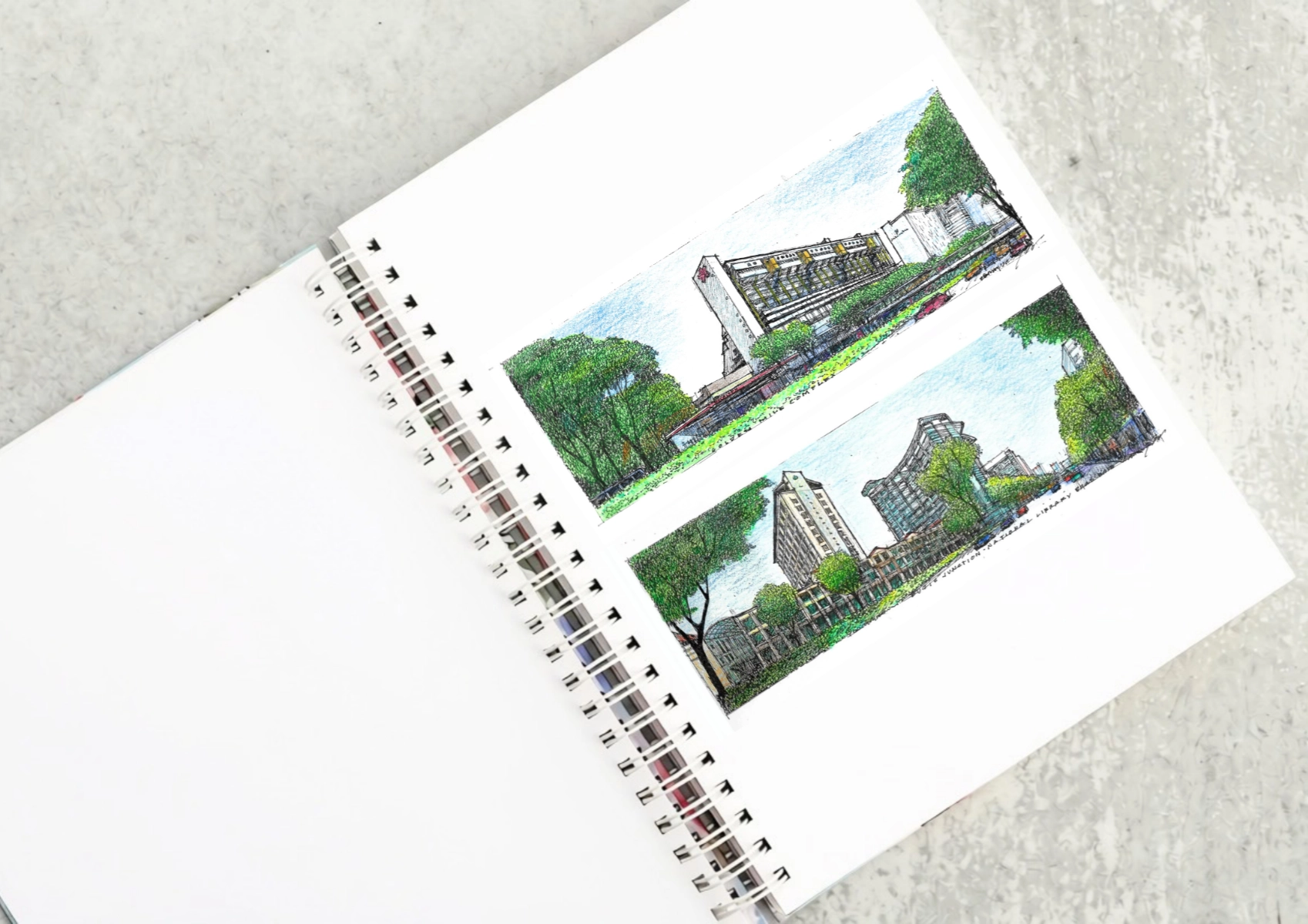
Two sketches of Singapore connect BluPrint Editor in Chief Paulo G. Alcazaren’s personal and professional history with Shared Ground: ArchitectureArchitectureThe art and science of designing and constructing buildings, structures, and spaces that are functional, safe, and aesthetically pleasing. It encompasses the planning, design, materials, and techniques used to createGo to Architecture Glossary of Care, Culture, […]

In a way, designers are the modern-day soothsayers and prophets. They design for the future, predicting how a room, a house, a building or a whole city will be used by people. They foresee how users will interact with a space, conjure exact shades of colors to elicit specific behavior and arrange furniture to build […]
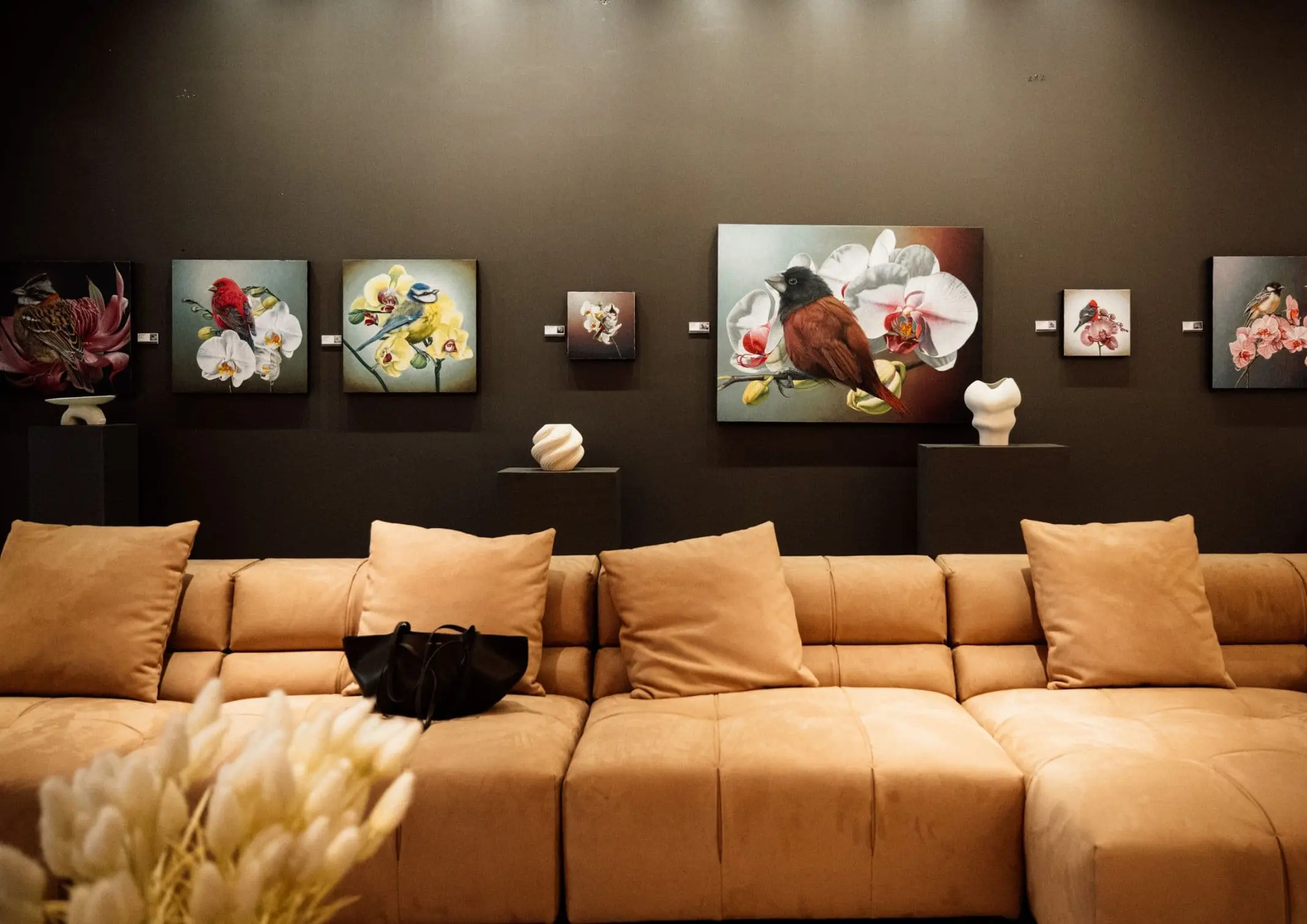
Art and furniture are often selected separately, yet their relationship can shape how a room looks and feels. The collaboration between Hooga and Galerie Joaquin explores how these elements can work together, bringing contemporary artworks into furnished residential settings at Hooga’s showroom in Uptown Mall, Bonifacio Global City. For Hooga, which curates furniture, lighting, and […]
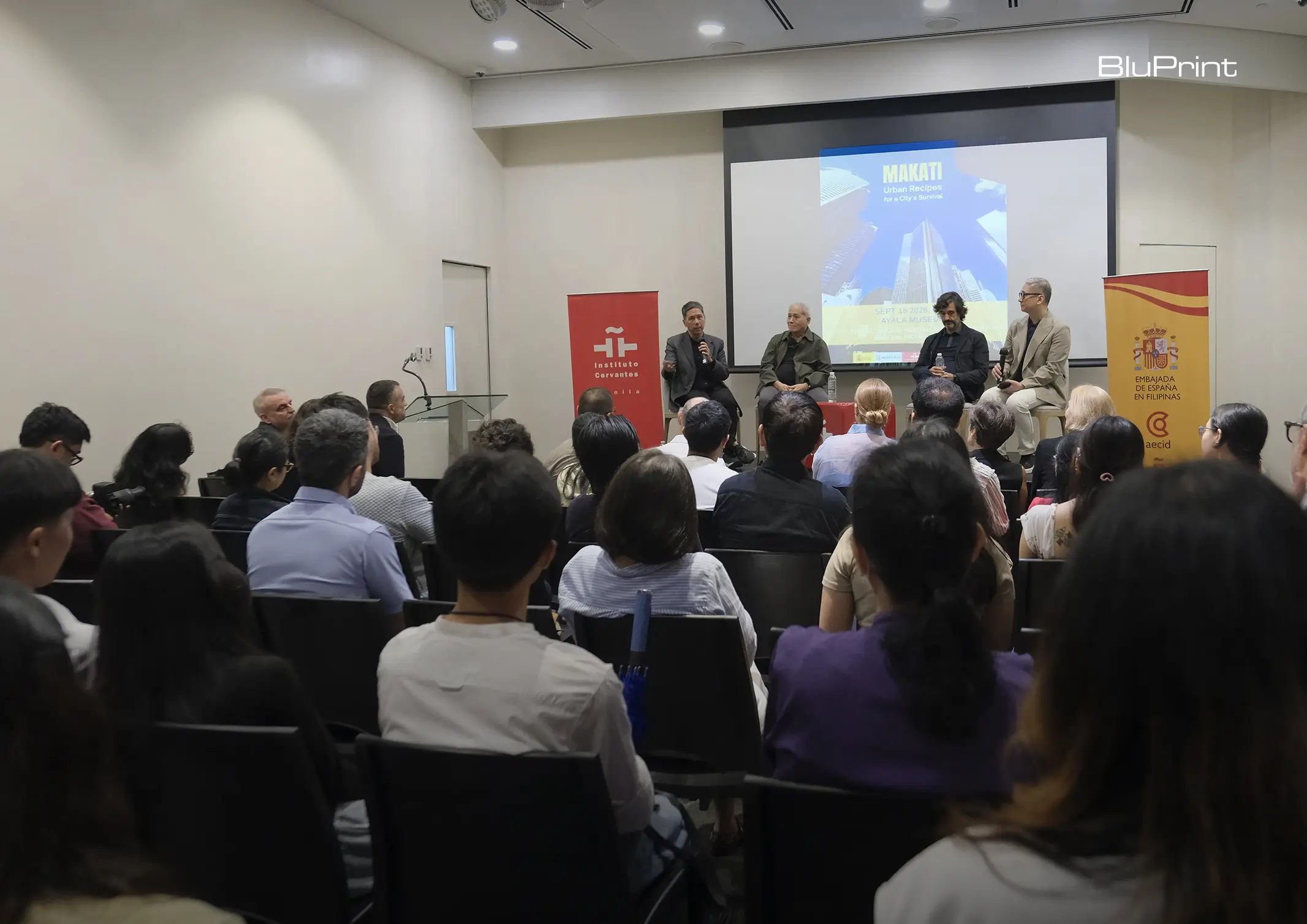
How can better-planned cities create the conditions for more creative, livable, and resilient urban environments? “Makati Urban Recipes for a City’s Survival,” a colloquium held at the Ayala Museum on September 15, brought together architects and practitioners from the fields of urbanism and the creative economy to discuss how design, planning, and collaboration can address […]
Read the issues.

Collect the volumes.

Recommended Video
Tap to Unmute
Unmute
0:00
0:00