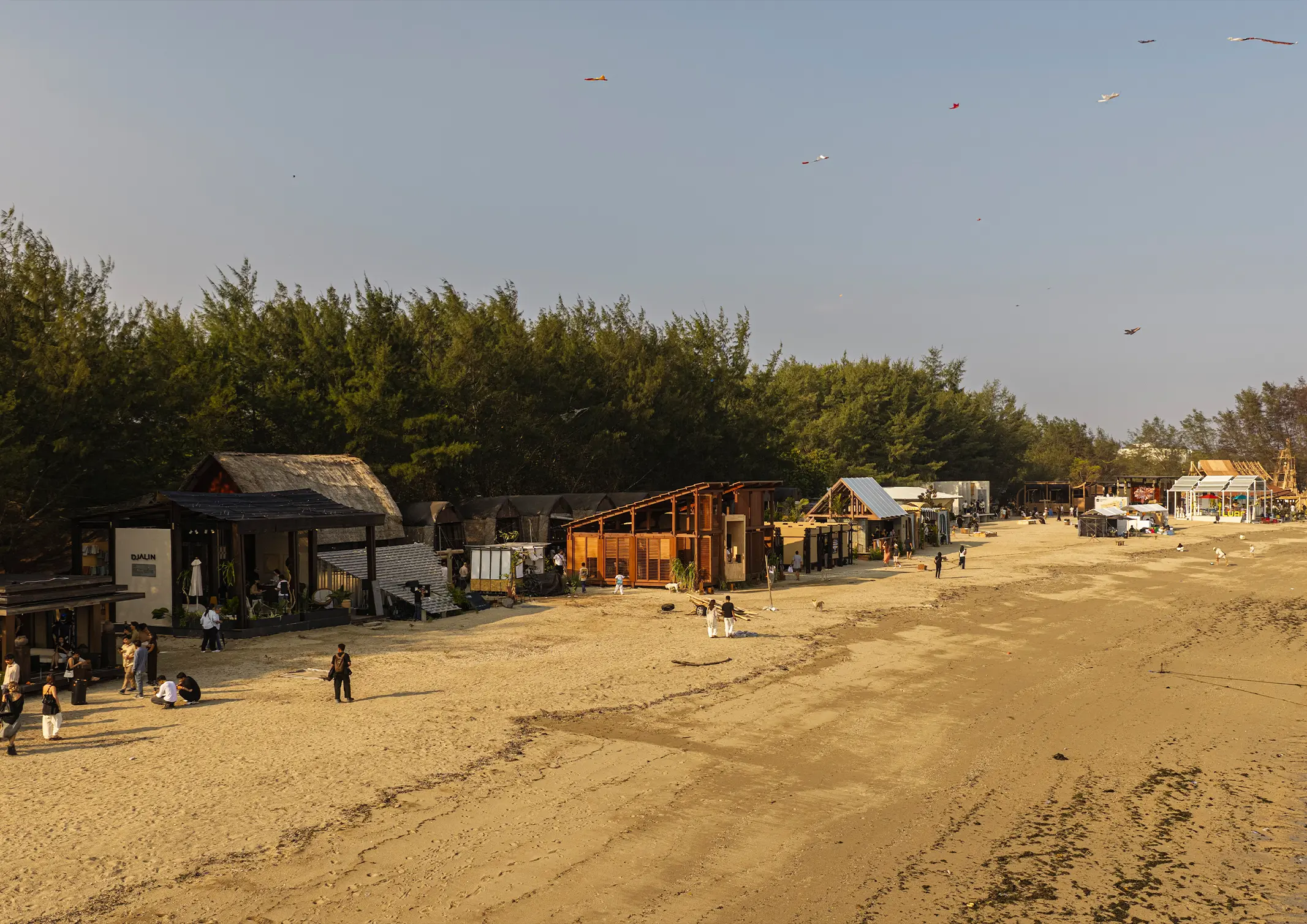
After being set amongst the ruins of an abandoned theme park in the past years, Jia CURATED found a home on the shores of Pengembak Beach, Bali for this year’s installment. It’s a unique location with multiple natural features like Sanur’s coastline, pine and mangrove forests, and a stream—making nature an important participant for how […]
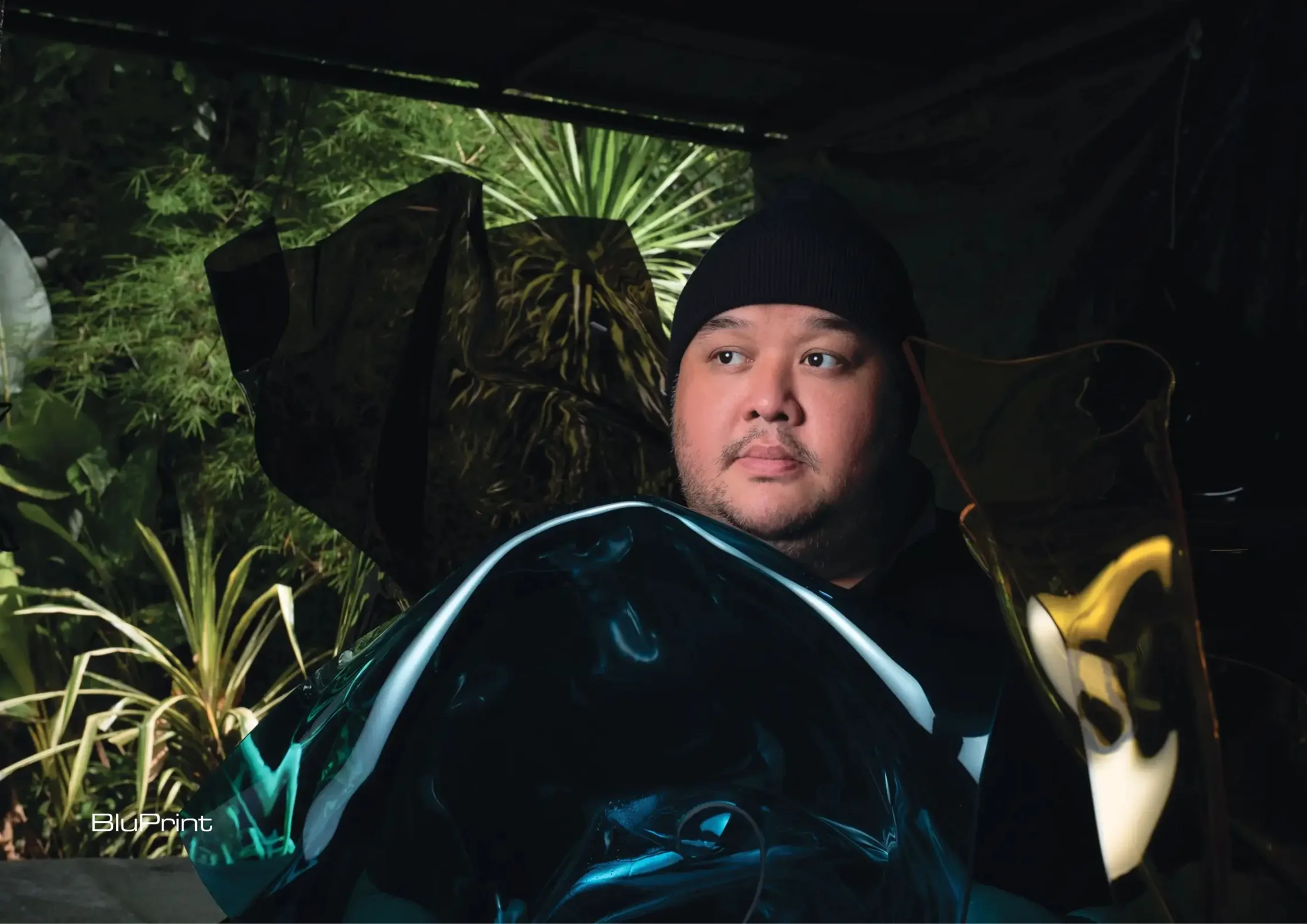
Chino Yulo and Crafting the Sea by the Torch



For Chino Yulo, there’s still a sense of disbelief at the level of success he’s received as an artist. Having started as a furniture maker and juggling various jobs along the way, he’s surprised to see how far his craft has taken him. The recognition and opportunities that continue to come his way are both unexpected and deeply gratifying.
He had an incredibly prolific 2024, from his first exhibit in Paris, France to over four successful exhibitions in different galleries around the country. And 2025 looks to be even more gigantic, including over five solo exhibitions scheduled over the year across different galleries in the country.
Entering the Art Scene
Chino Yulo is, by his own account, not a trained artist. He’s had many jobs over the years, from surfer and diver to mixed martial artist, but despite his passion for art, he came into it late. For a long while, it even appeared like he would end up being a furniture maker by trade.
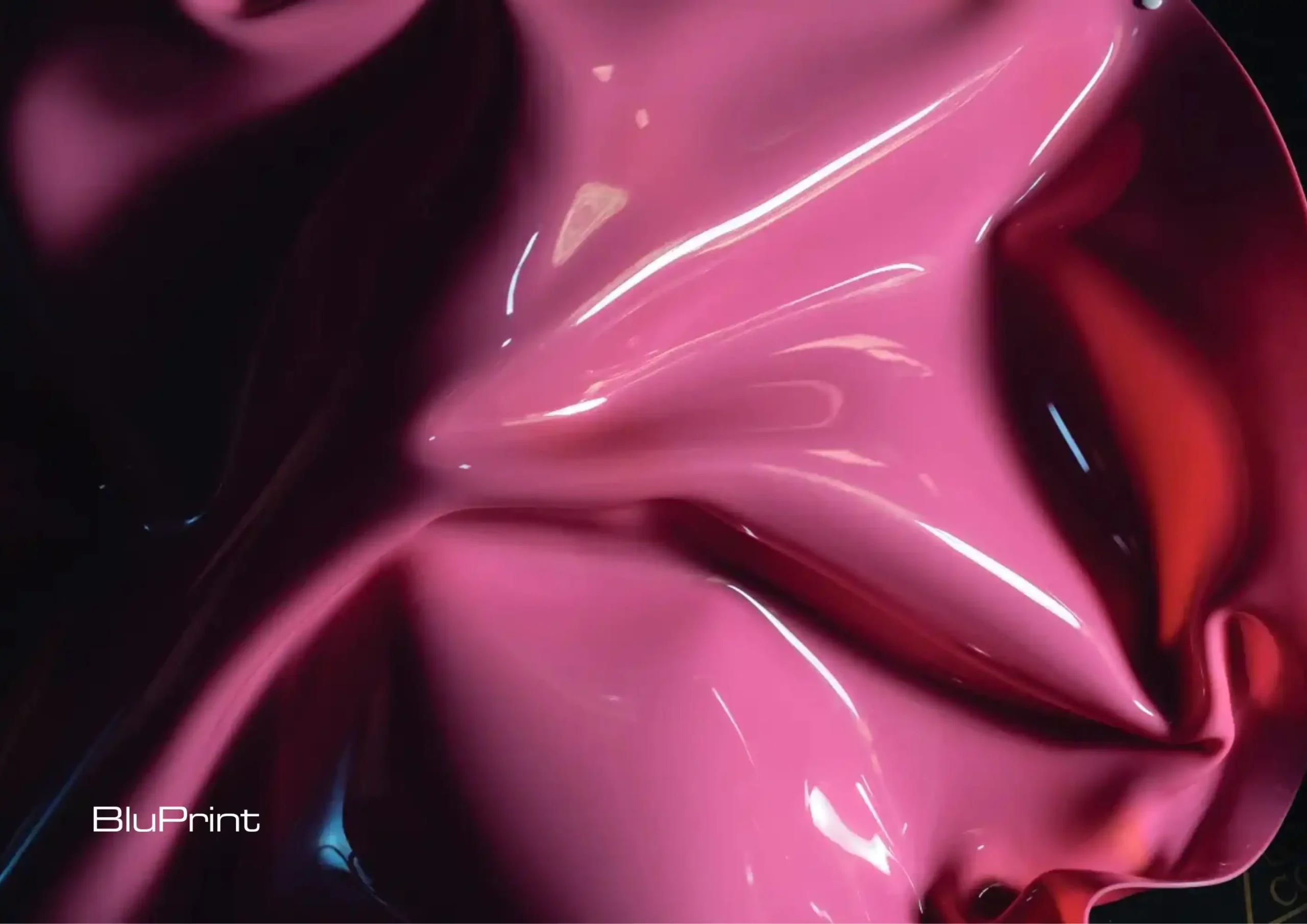
Much of his attention in the past came from diving and surfing. His current thermoformed acrylic sculptures tend to come from the perspective of a person underwater, mimicking the waves and the water as one looks from underneath the waves. Those different influences can be found in his art even today, the push-and-pull of the water evident in their sculptural forms.
Thermoformed Acrylic and the Influences of the Past
Today, Chino Yulo is best known among collectors for his unique thermoformed acrylic sculptures, molded into unique shapes and sizes to mimic the flow and balance of water.
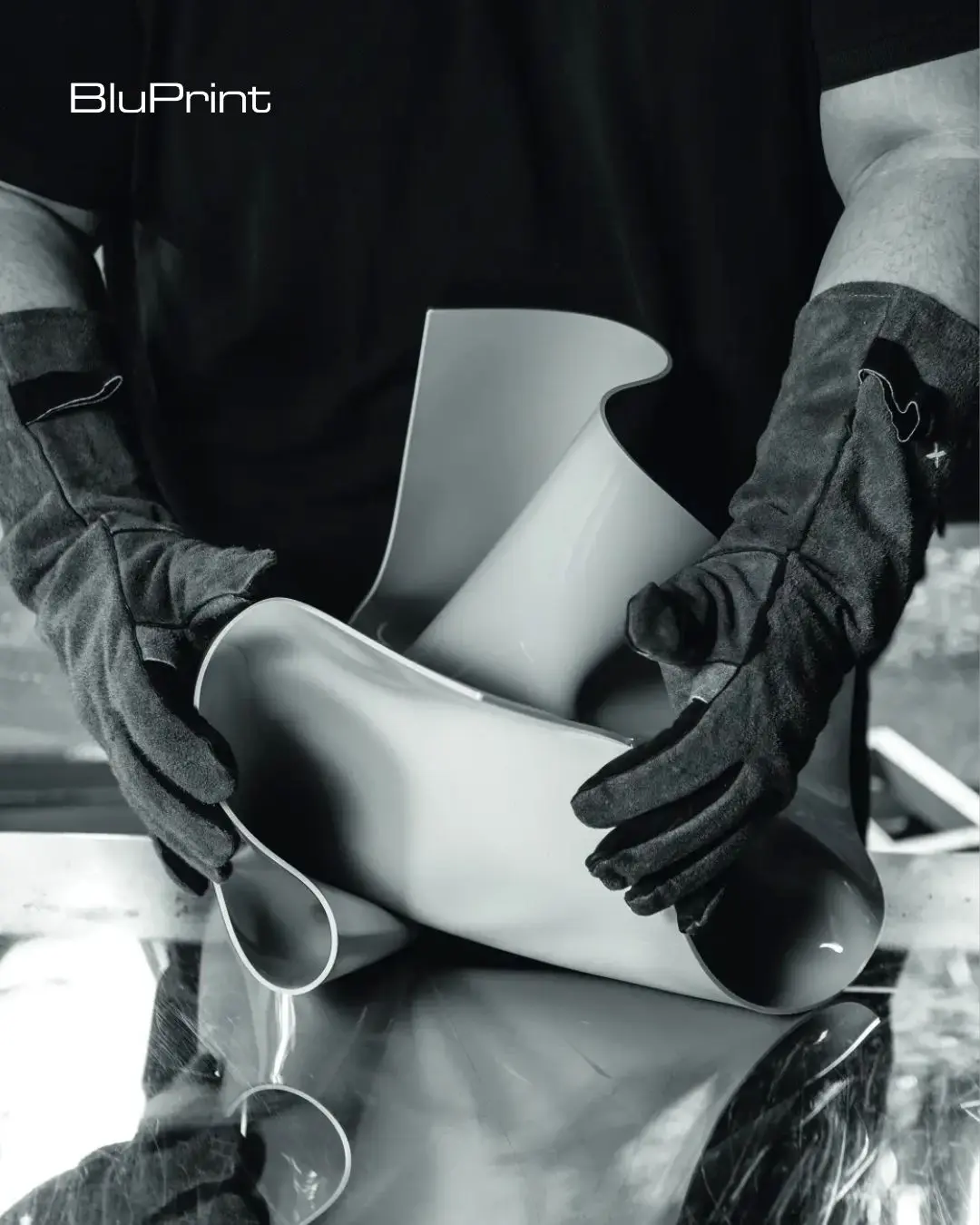
Yulo takes acrylic sheets and heats them up to the point of being malleable, and then shapes them into different flowing or watery configurations. These acrylic sculptures are lightweight and easily variable in its look and composition—depending on Yulo himself and his process.
Thanks to the material, the acrylic can be extremely colorful depending on the vibes the collectors want. And depending on the post-shaping process, Yulo can give the works a transparent or opaque look that’s similar to glass or metal sculptures.
Art Within Nature
Multiple themes appear to recur throughout his work: the power of nature, the majesty of water, and the variability of our environment. Much of it, of course, comes from his experience surfing and diving and trying to capture the water he sees. These attempts dominate his work so much that he calls the way he bends the acrylic to wave-like shapes “waterbending.”
“That’s one of my frustrations: how to harness the power of the water,” he said.
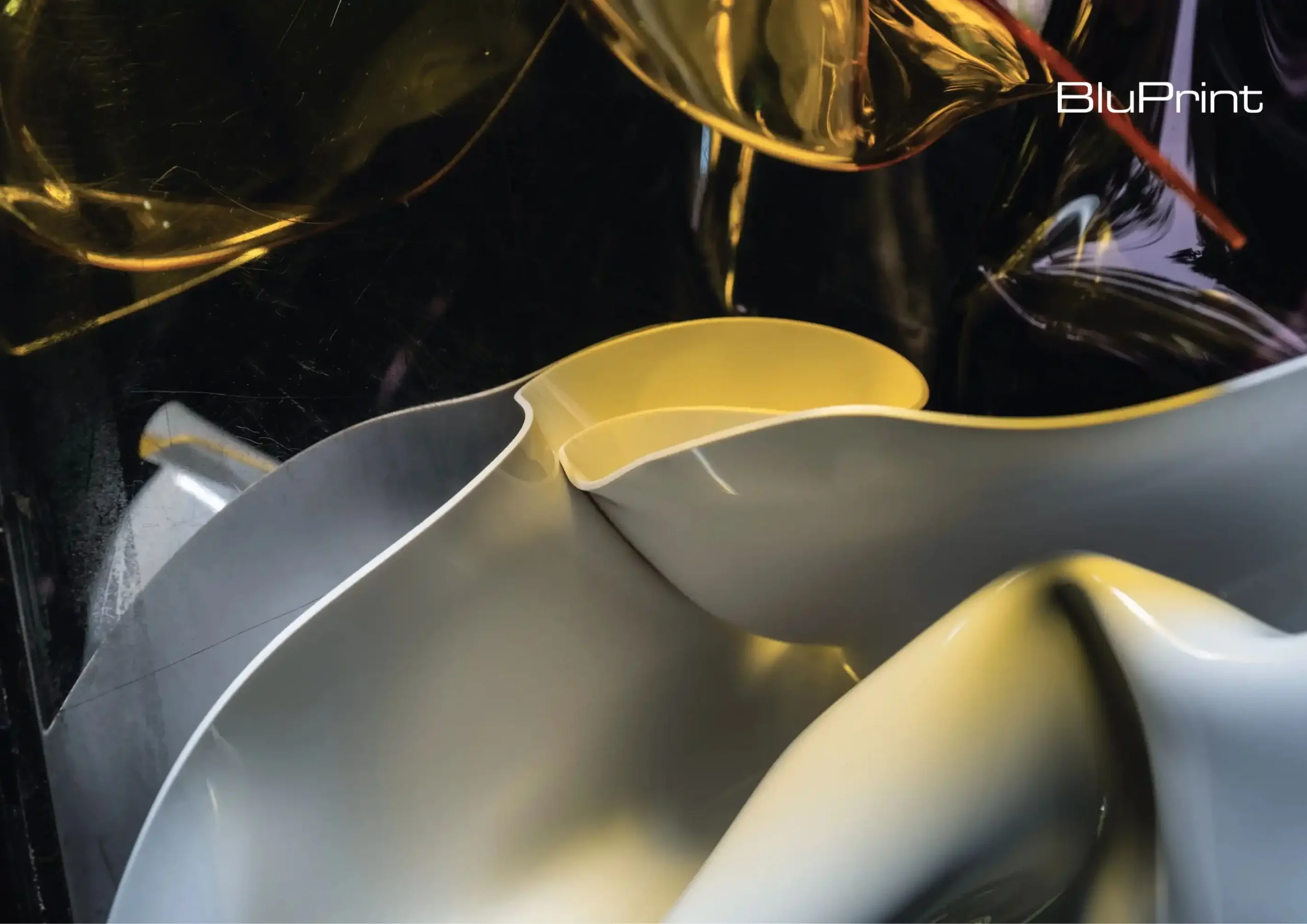
Beyond acrylic, he uses other found objects to create his art, including driftwood that he found in different islands. For his “Isla” series, he would even name some of the islands after the places he got the driftwood from. His use of these found objects and watery shapes reflect a need within him to depict the Philippines’ natural topography in a brighter light, a sort of attempt to mirror the specific nostalgia of times gone by.
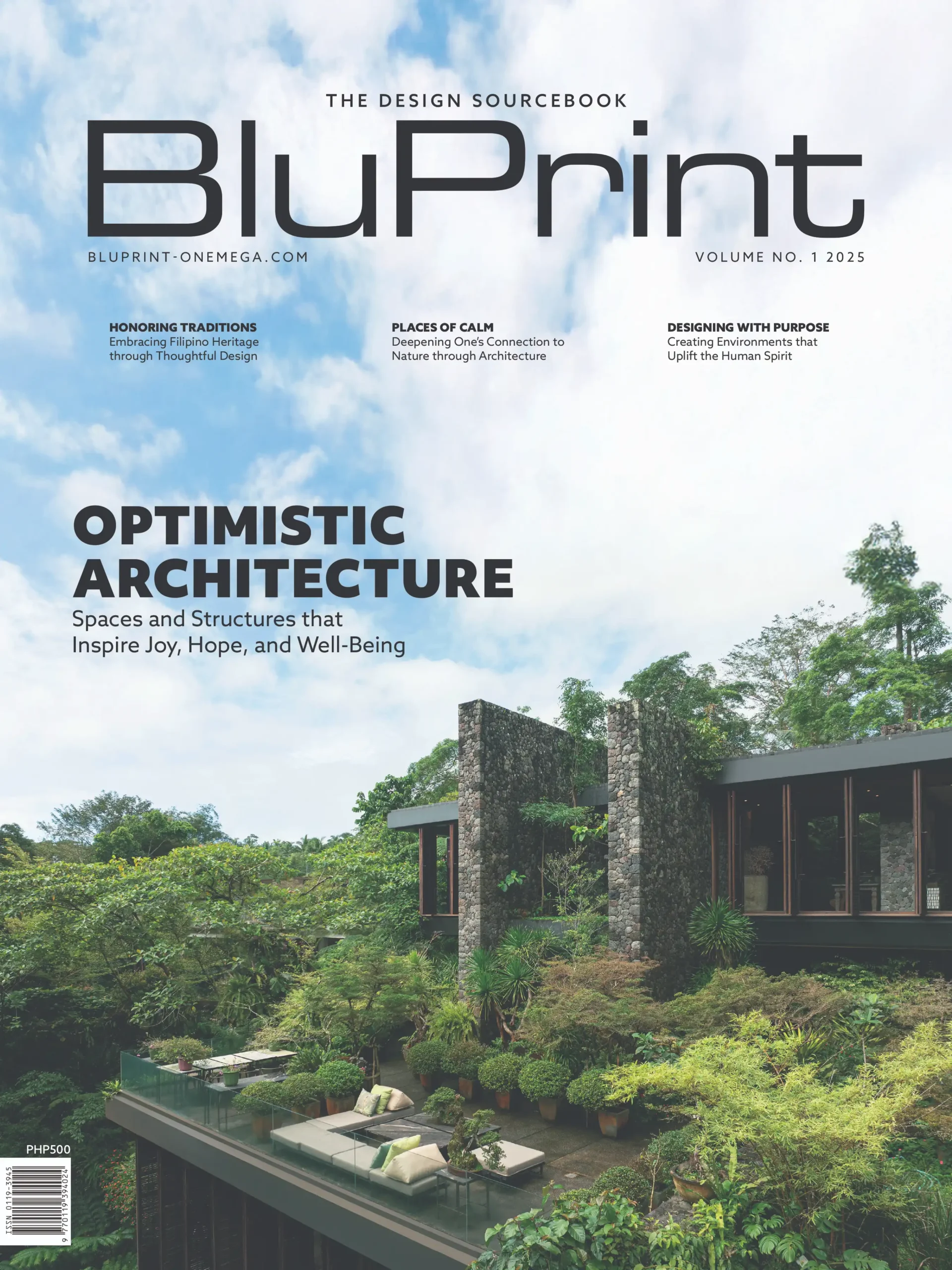
Read the full story by grabbing your copy of BluPrint Volume 1 2025, available at sarisari.shopping, Shopee, and Lazada.
E-magazines are available for download here or through Readly, Press Reader, and Magzter.
Photographed by Ed Simon.
Related reading: ‘Be Water’: Chino Yulo Explores Water’s Unique Strangeness and Flow
Frequently Asked Questions
Yulo uses a process called thermoforming, where he heats acrylic sheets until they become malleable enough to be shaped by hand. He refers to this as “waterbending” because he molds the material to mimic the fluid, push-and-pull dynamics of ocean waves as seen from the perspective of a diver or surfer.
His sculptures are deeply rooted in his history with the ocean, specifically capturing the majesty and power of water from an underwater viewpoint. This background allows him to translate the organic flow of the sea into physical forms, using the transparency or opacity of acrylic to mirror the shifting light and movement of the Philippine islands.
Acrylic is a highly versatile material that is lightweight yet durable, allowing Yulo to create large-scale works that resemble heavy glass or polished metal. Collectors value the material’s ability to be customized in various vibrant colors and finishes, ranging from crystal clear to metallic, depending on the specific aesthetic vibe of the space.
In the “Isla” series, Yulo integrates found objects like driftwood sourced from different Philippine islands into his sculptural compositions. By naming the pieces after the specific locations where the wood was found, he creates a topographical narrative that reflects a sense of nostalgia and a desire to highlight the country’s natural beauty through a mix of raw and modern materials.
His recent work focuses on the variability of the environment and the frustration of trying to harness the untamable power of nature. His transition from furniture maker to a celebrated international artist—with shows in Paris and multiple solo exhibitions across the Philippines—showcases a refined “cultural soul” that turns traditional craftsmanship into high-concept modern art.
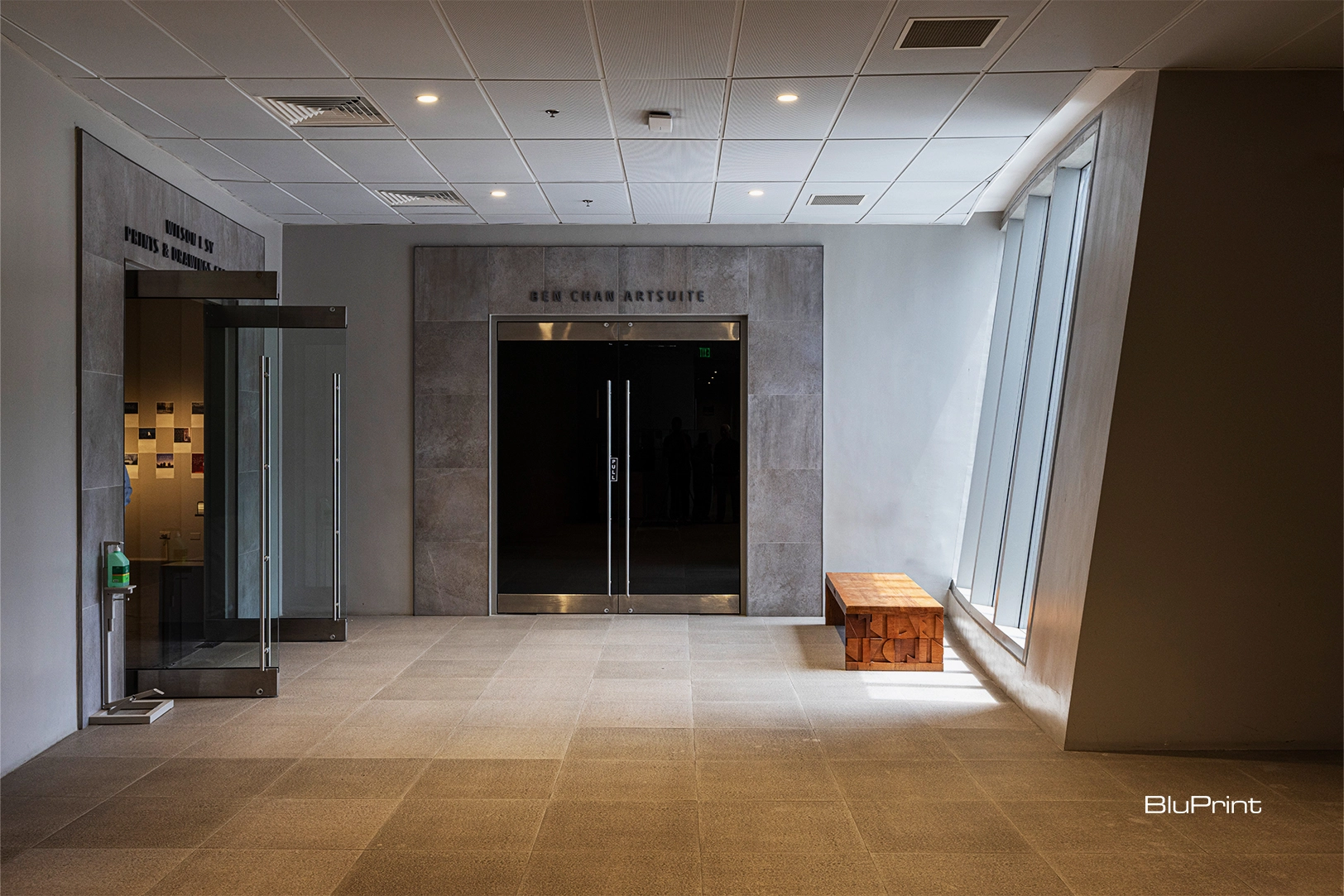
For 66 years, the Ateneo Art Gallery (AAG) has been at the forefront of preserving modern and contemporary Philippine art. Today, its home at Areté reflects an expanded mission: to extend beyond exhibitions to cultivating education and creative exchange. Building a Home for Contemporary Art The AAG was founded in 1960 after artist, collector, and […]
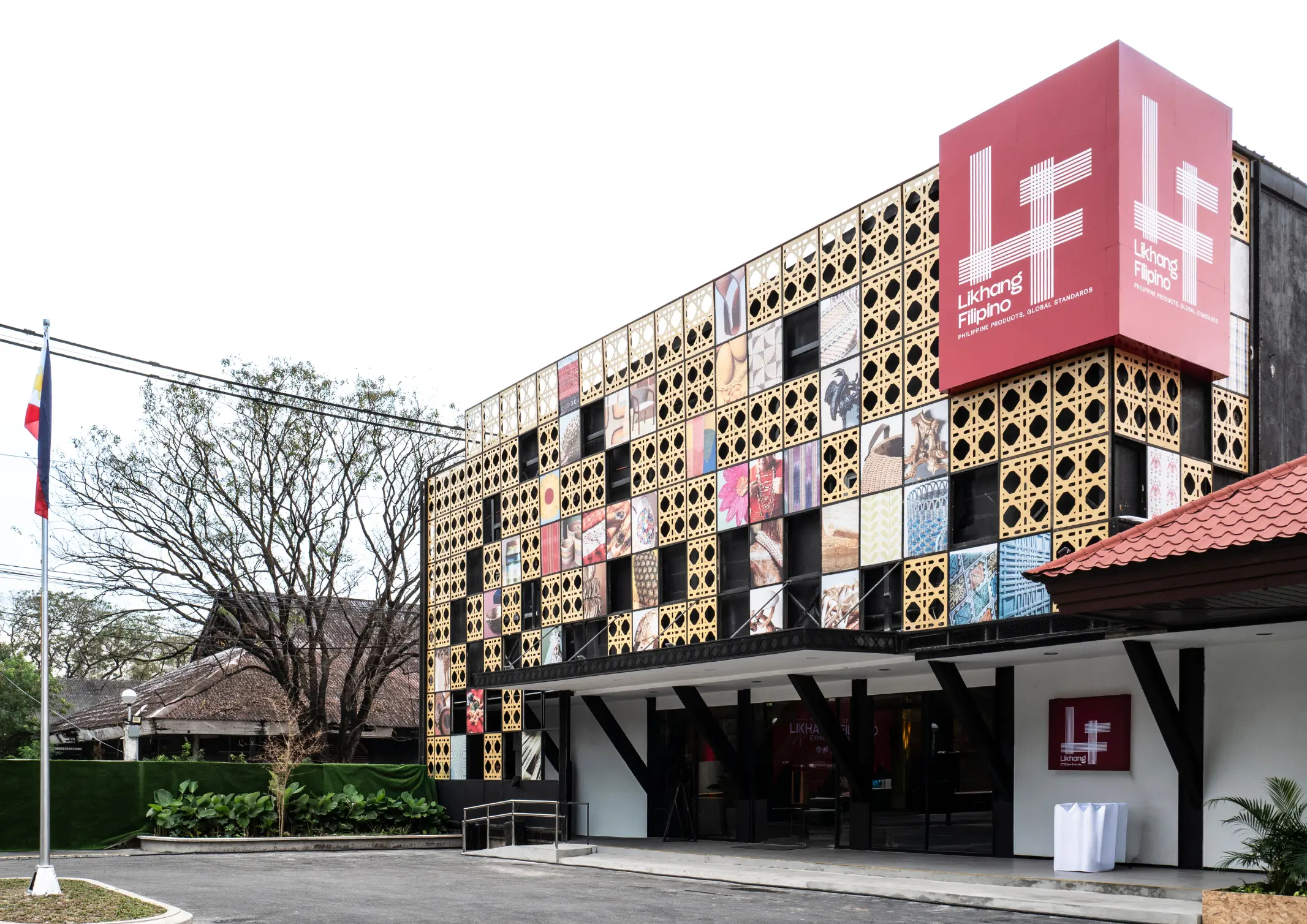
Likhang Filipino stands on the former site of the PhilTrade Center along Roxas Boulevard in Pasay City, a landmark that once symbolized the Philippines’ export ambitions and introduced Filipino craftsmanship to international audiences. Originally inaugurated in 1979, the PhilTrade Center was conceived as a national showcase for Philippine exports, with its longitudinal form and sloping […]
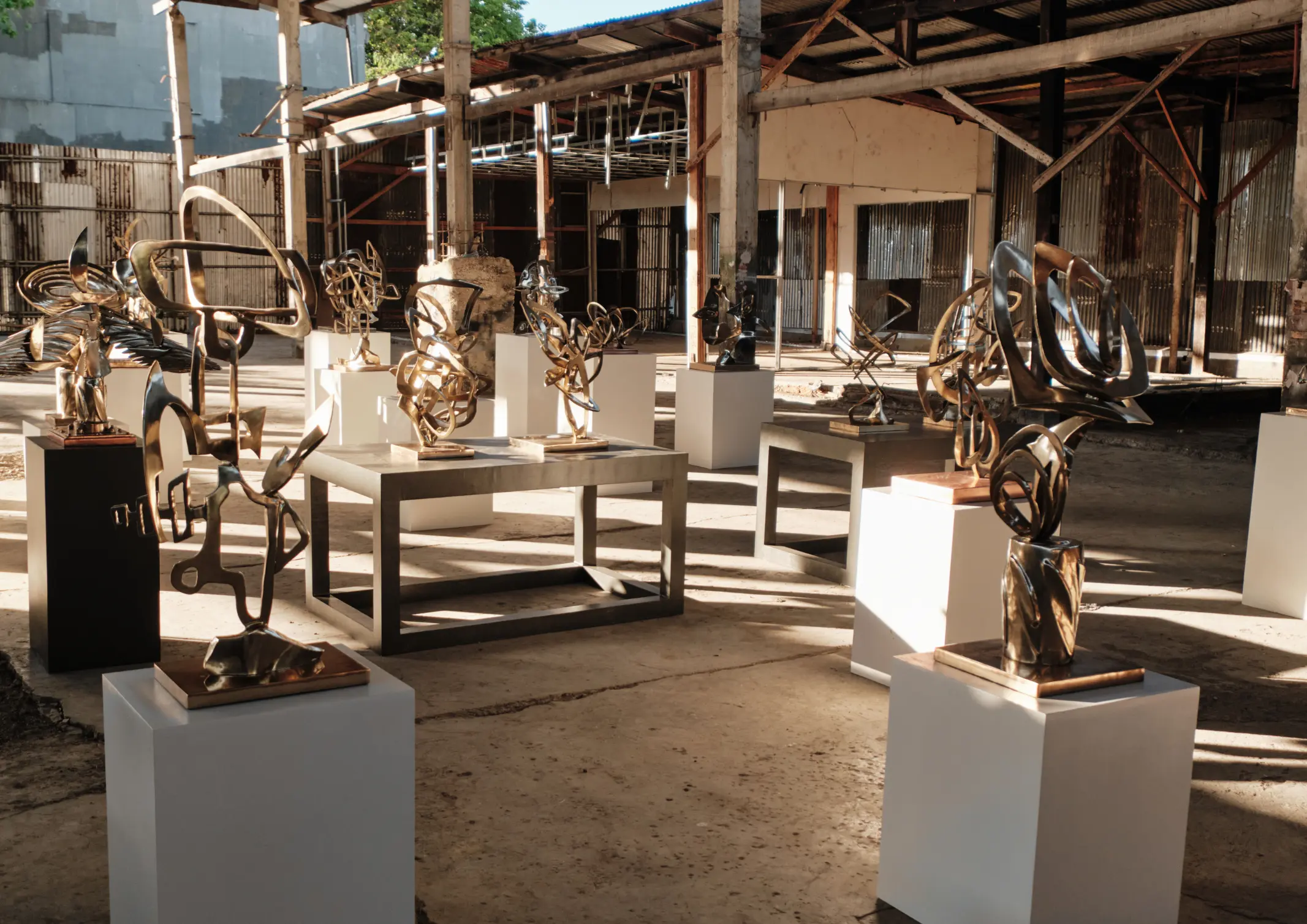
Pasulong by Anton V. Quisumbing explores loss, longing, and repair. Two years in the making, Quisumbing pieced together the remains of bronze propellers from boats damaged in the aftermath of Typhoon Odette in 2021. Curated by Miguel Rosales and designed by Caramel Creative Consultancy, the exhibition consists of twenty-nine compositions. The works suggest that moving […]
SoFA Design Institute has established itself as one of the Philippines’ leading centers for creative education. It is dedicated to equipping students with the skills, perspective, and confidence needed to succeed in design both locally and internationally. Last March 11, this vision was brought into sharper focus through the launch of SoFA’s academic partnership with […]
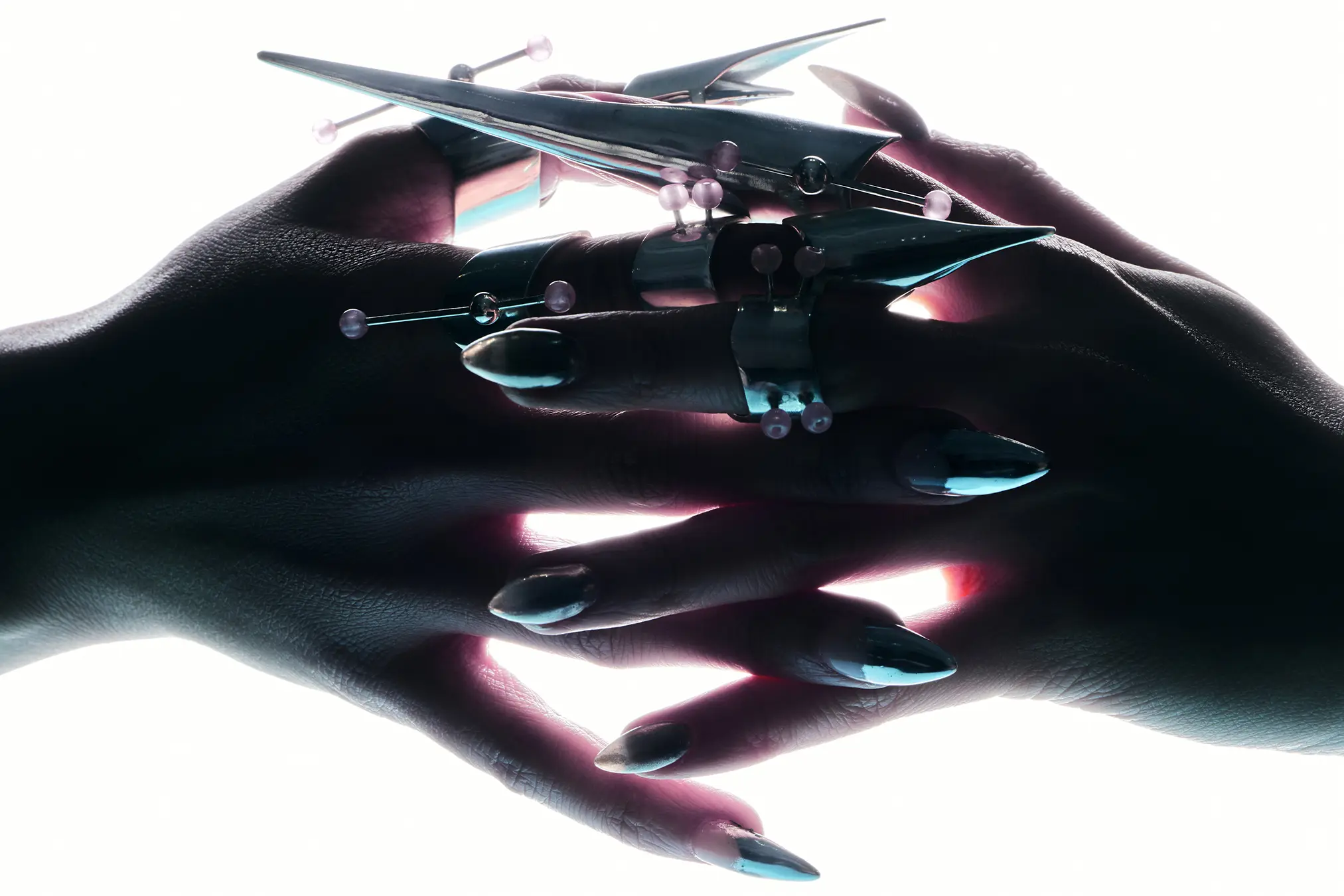
In a platform that aims to overturn hierarchies and reimagine societies, a Filipina designer secures a spot at Milan Design Week. This proves that Kamayan, the traditional Filipino practice of communal eating by hand, can be recoded into a futuristic ritual. Every Milan Design Week, BASE Milano becomes a ground for eccentric ideas, transforming into […]
Read the issues.

Collect the volumes.

Recommended Video
Tap to Unmute
Unmute
0:00
0:00