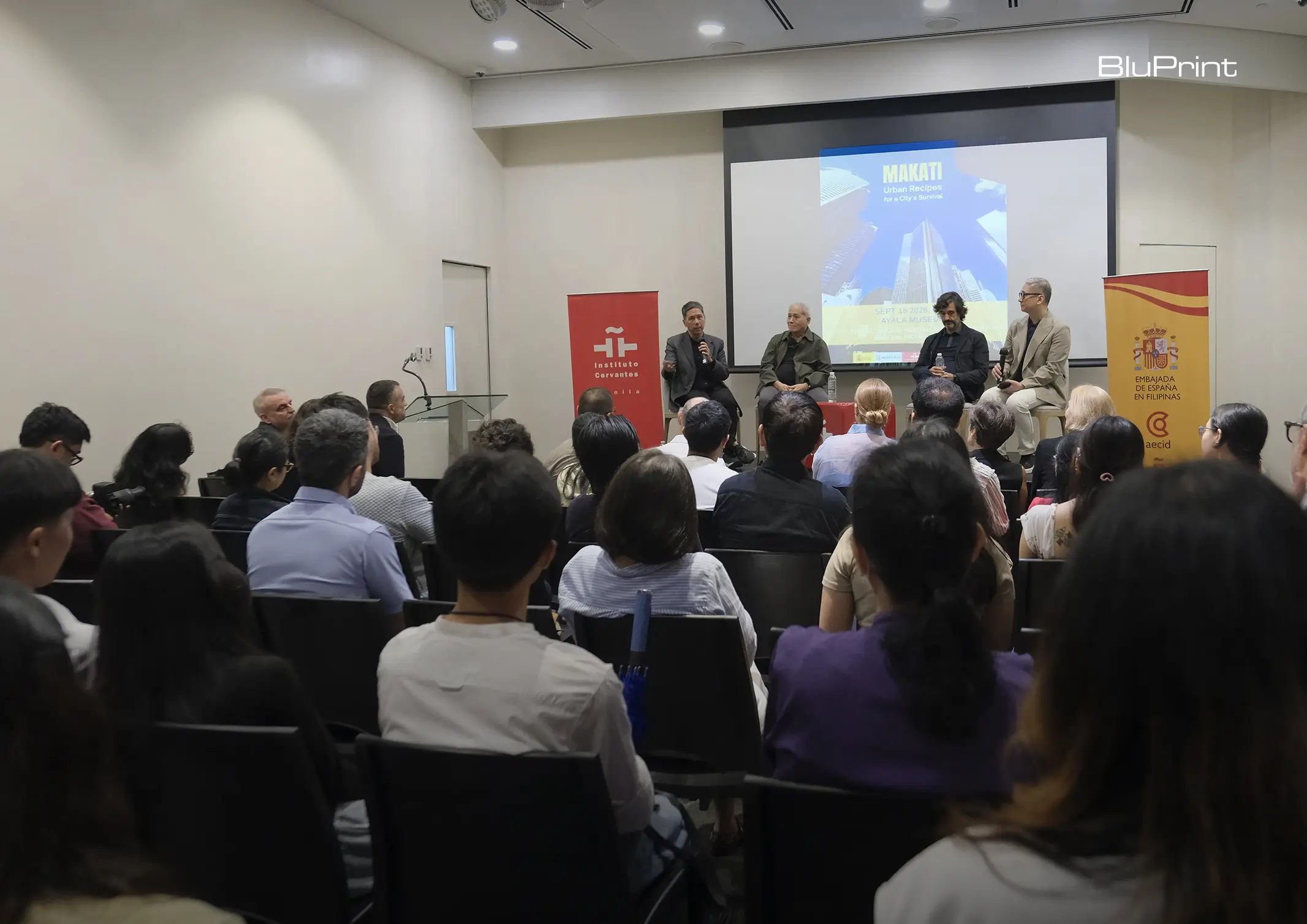
How can better-planned cities create the conditions for more creative, livable, and resilient urban environments? “Makati Urban Recipes for a City’s Survival,” a colloquium held at the Ayala Museum on September 15, brought together architects and practitioners from the fields of urbanism and the creative economy to discuss how design, planning, and collaboration can address […]
Drawing Room Manila Opens Three Unique Exhibits From Acclaimed Artists



The Drawing Room Manila opened three new exhibits for February from three acclaimed artists—each with their own particular takes in depicting Filipino culture and life. In their own individual exhibits, artists Elaine Navas, Mark Justiniani, and Luis Antonio Santos provide singular visions of their own personal realms.
‘as if it was swimming’
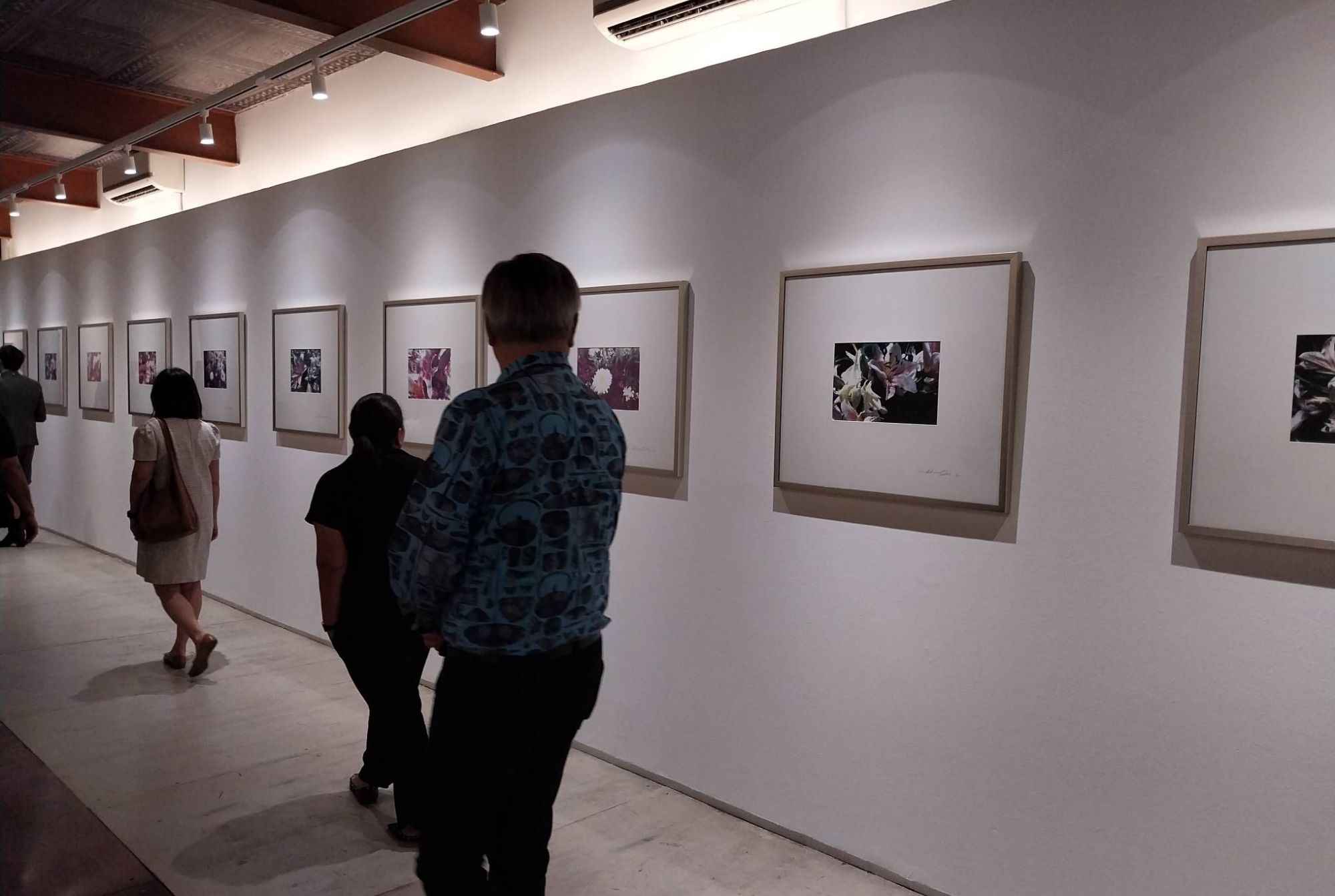
When one enters the Drawing Room Manila gallery, the first showcase of work comes from Luis Antonio Santos. His work, as if it was swimming, shows different paintings of flowers “brought home by his mother from his grandmother’s funeral,” according to the write-up by Carina Santos.
Carina Santos wrote that the exhibit’s title was inspired by the Andrei Tarkovsky film Solaris, “which explores the unreliability of reality and, thematically, fallible reconstructions from memory, which are often dissolved, corrupted, limited, and transformed by personal biases.”
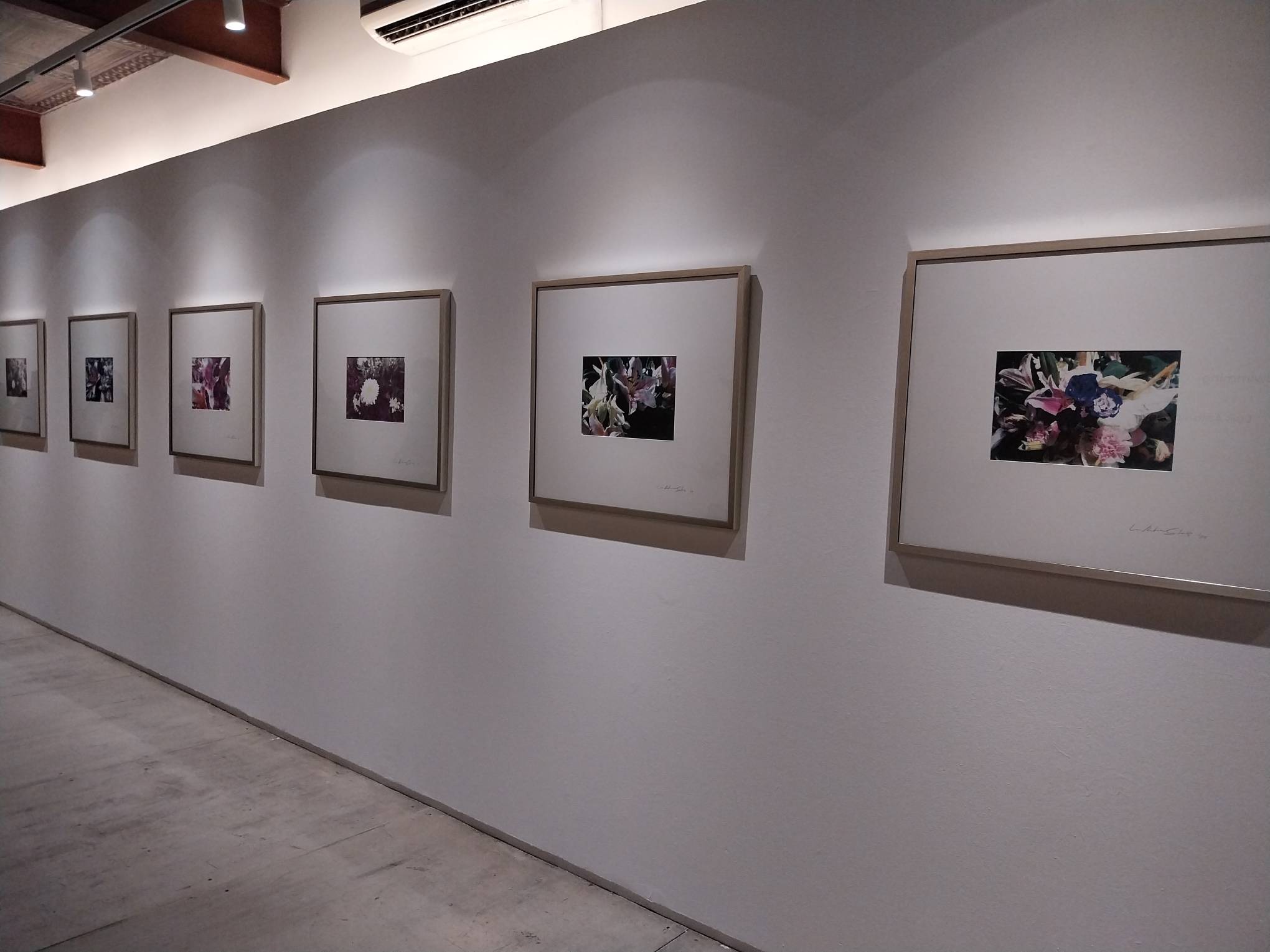
The images in the exhibit by Santos are hazy and nostalgic, looking like aged photographs with their strange coloration and lack of focus on the flowers. This comes from the multi-part process that Santos utilized to craft the final images: he photographed the arrangements, and then rendered them onto paper with watercolor paint.
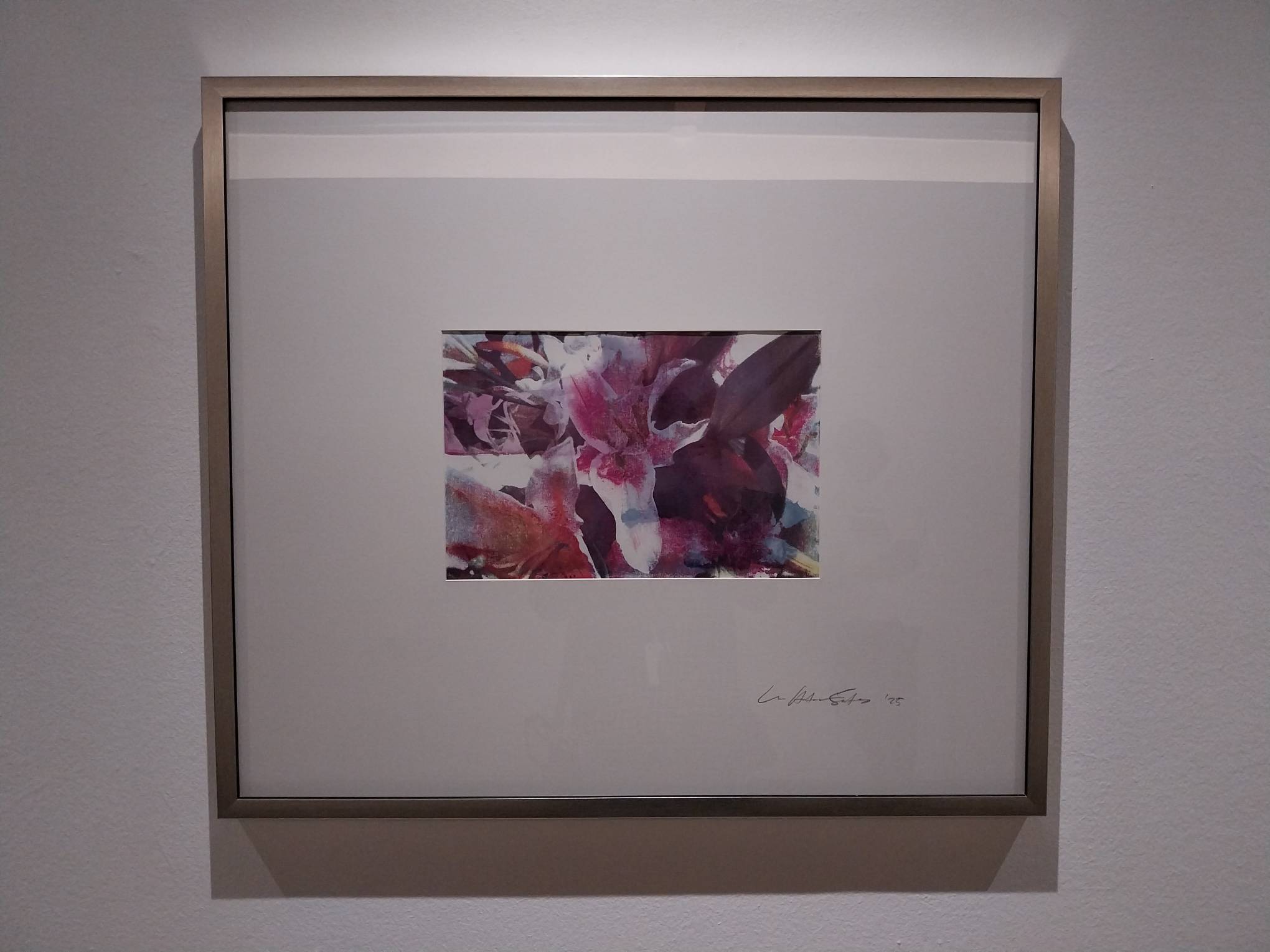
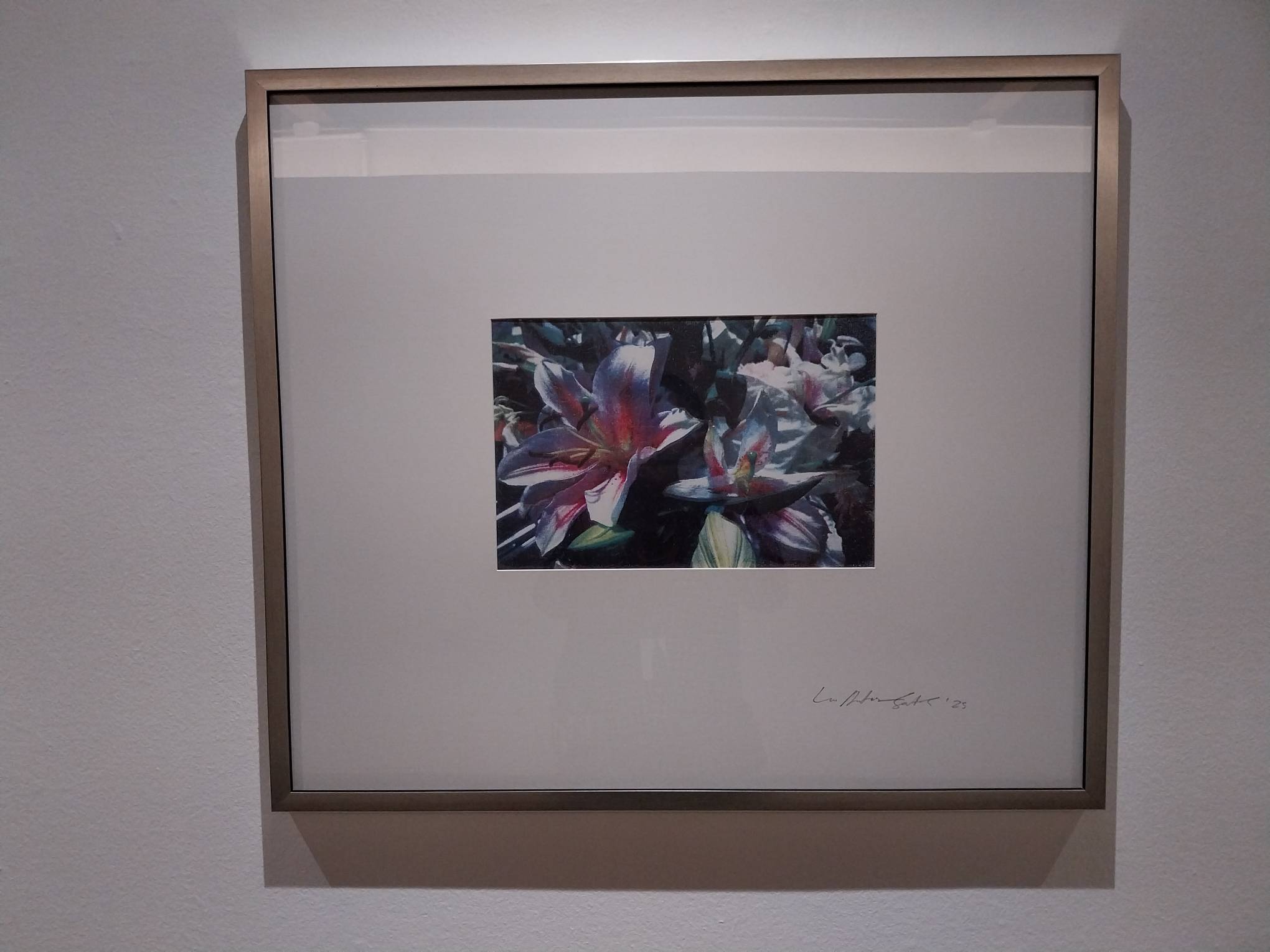
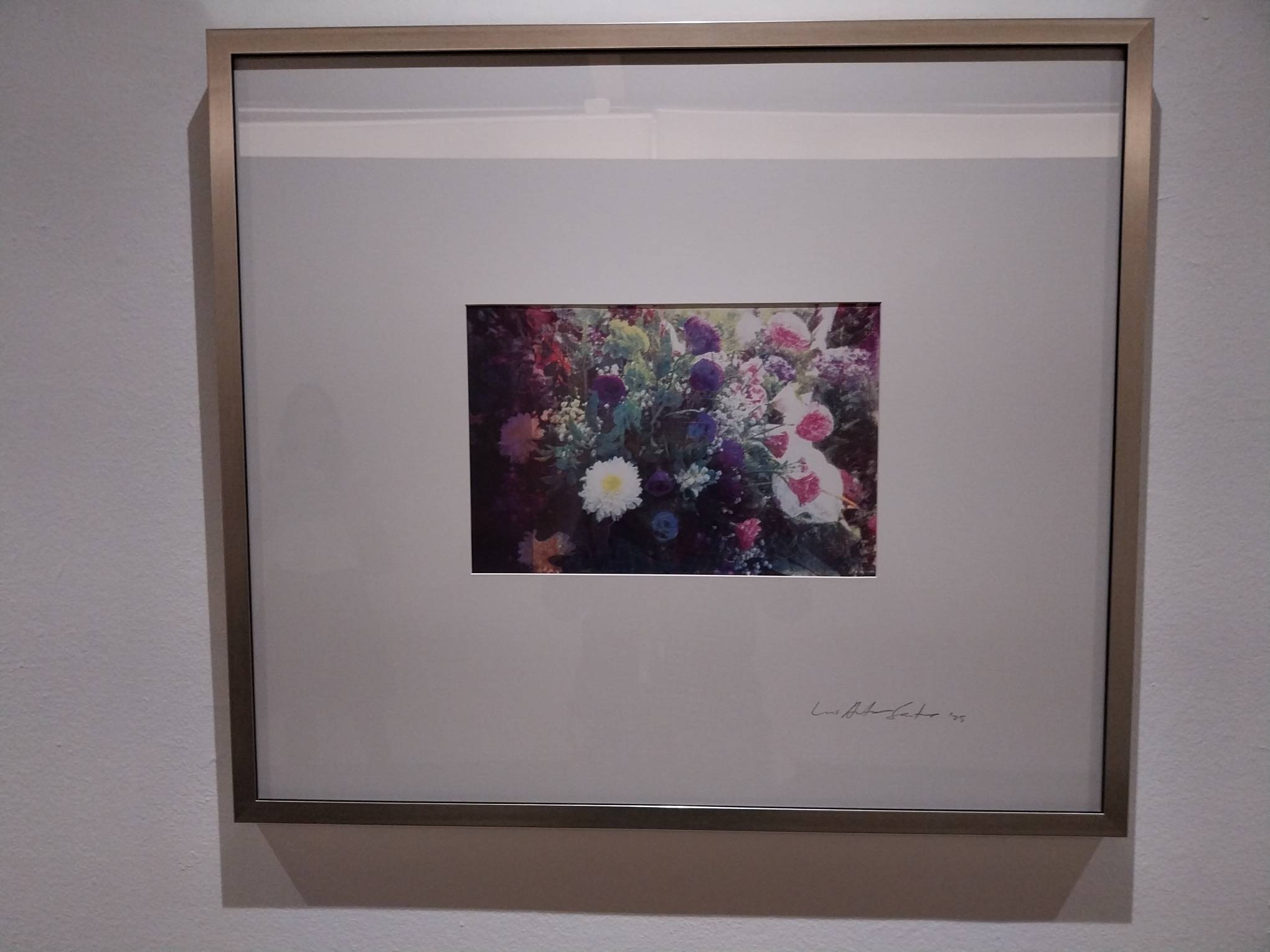

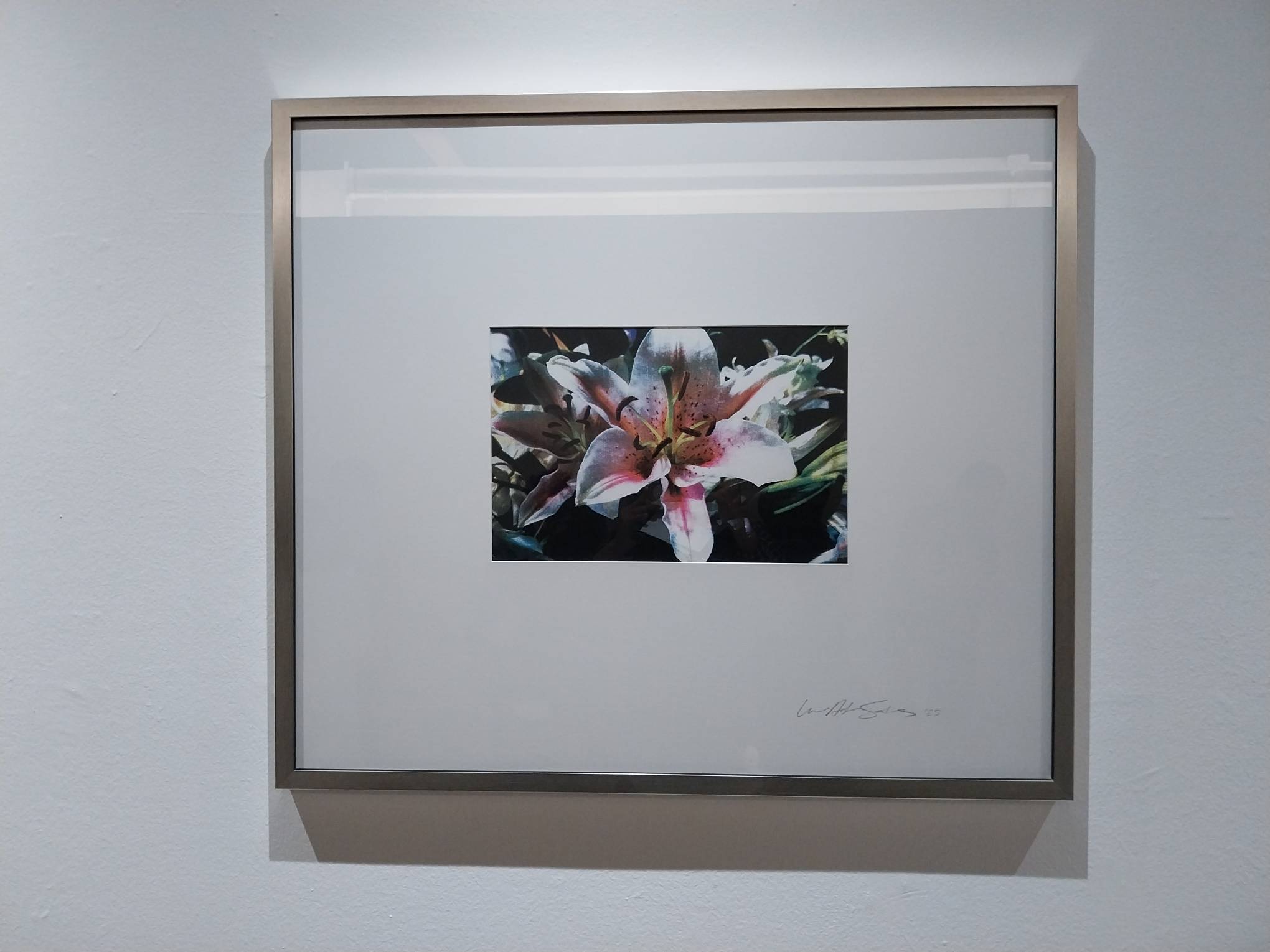
In doing that, it transforms the images, distorting them in ways unique to being painted. The details are obscured as its colors are pigmented and oversaturated in a way that adds a smokiness to the images. Looking at it makes it feel like it’s fading away before our very eyes.
The vagueness is the point. as if it was swimming doesn’t attempt to recreate the flowers, but rather the feelings that the flowers bring. It allows it to be distorted, “[more] an echo than a replica,” to show the constant flux that human beings find themselves in as they navigate their memories. Nothing is fully settled; the imperfection of the memory is as much a part of humanity as the experience itself.
‘Each a Small Universe’
Have we ever taken an intimate look at the way we, individually, practice creativity? Usually, especially in art, we only see the final products of the artist. But what about the arduous process of creation?
Moving forward from Santos’s exhibit through the Drawing Room Manila, one sees Elaine Navas’s exhibit Each a Small Universe. Here, she depicts the colors found in the palette that different artists use.
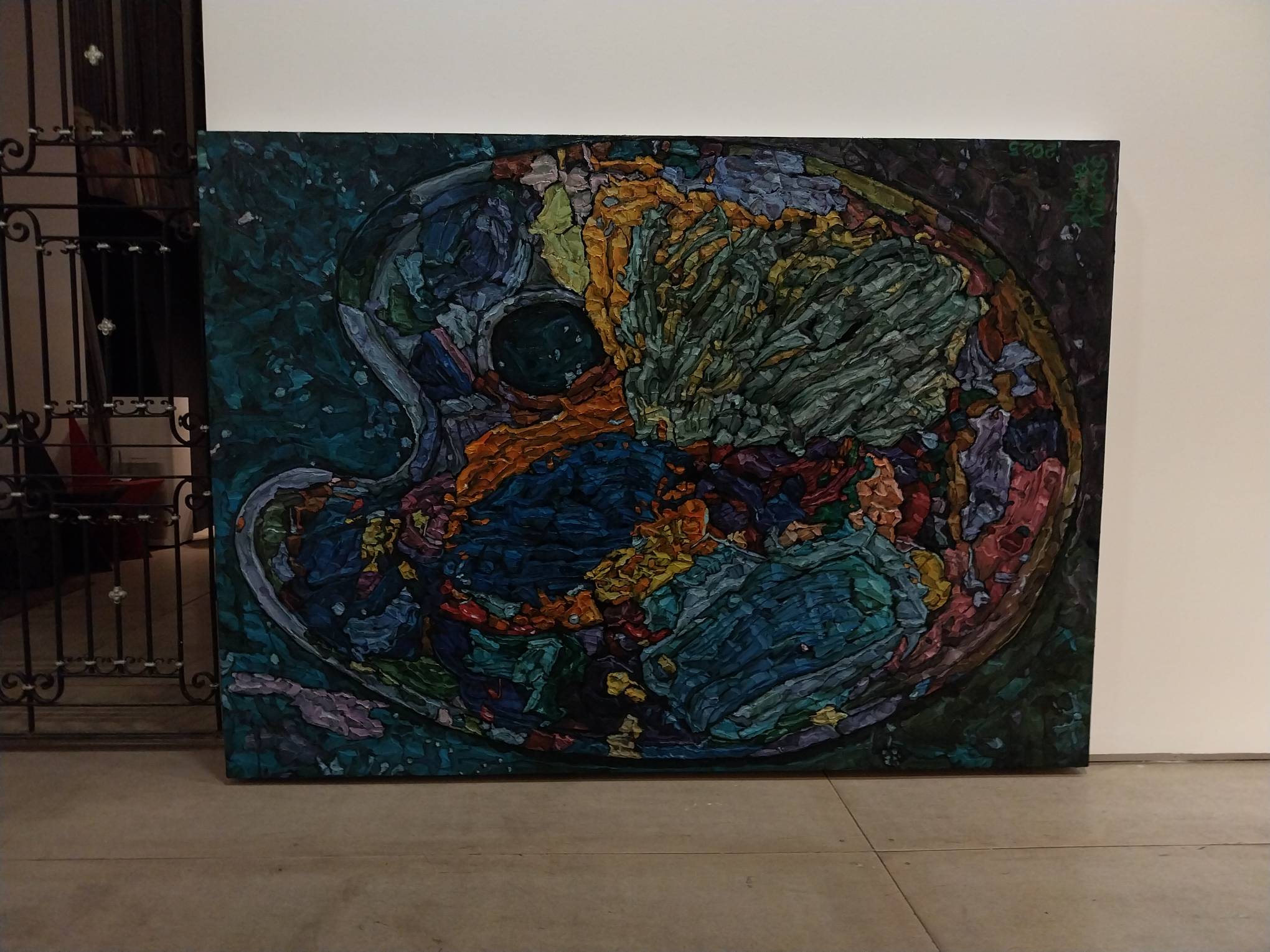
A palette is an object that holds the paints of an artist in a convenient place within their reach as they work. These tend to be completely ignorable to most due to its more practical nature in the artist’s studio.
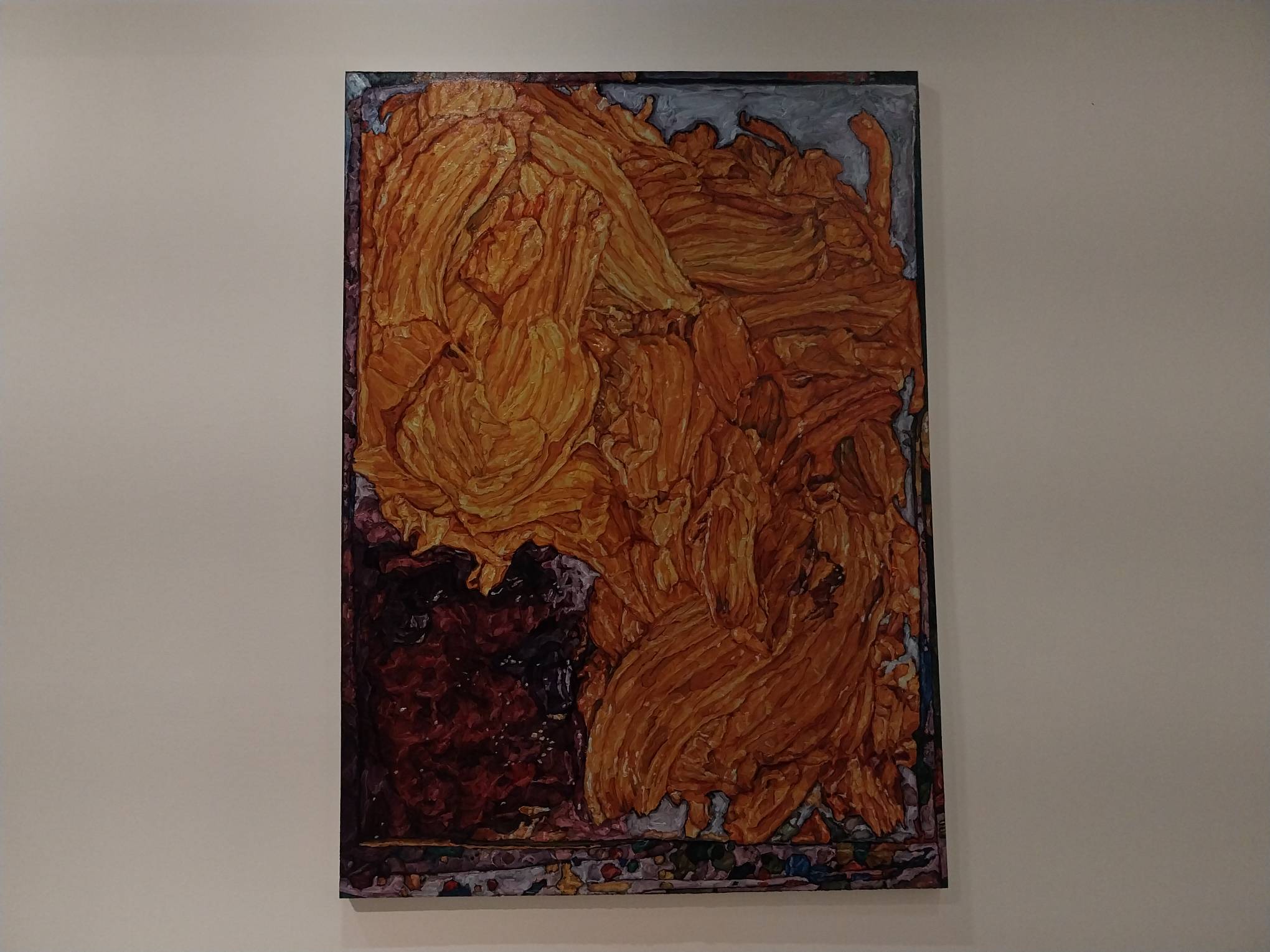
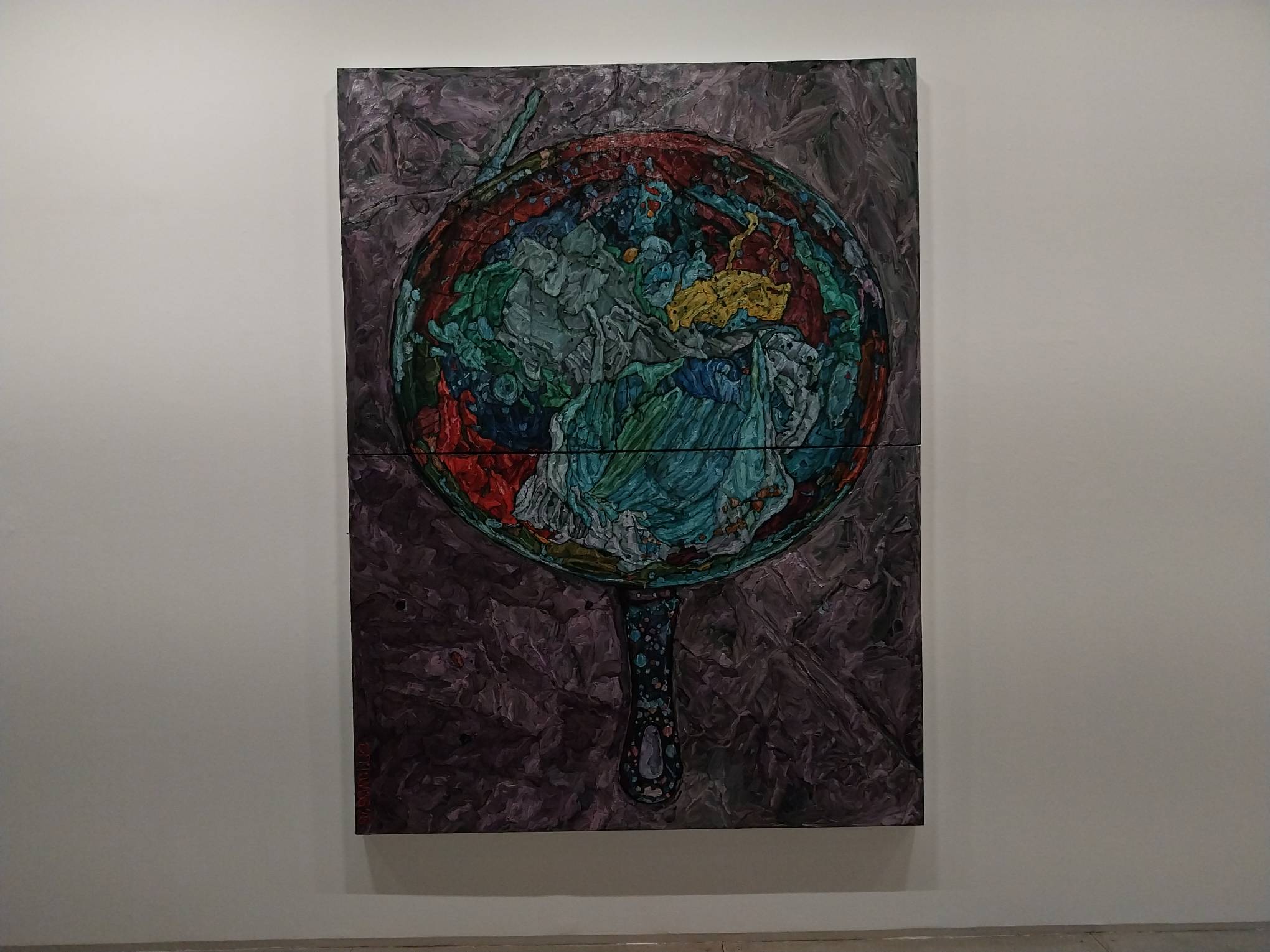
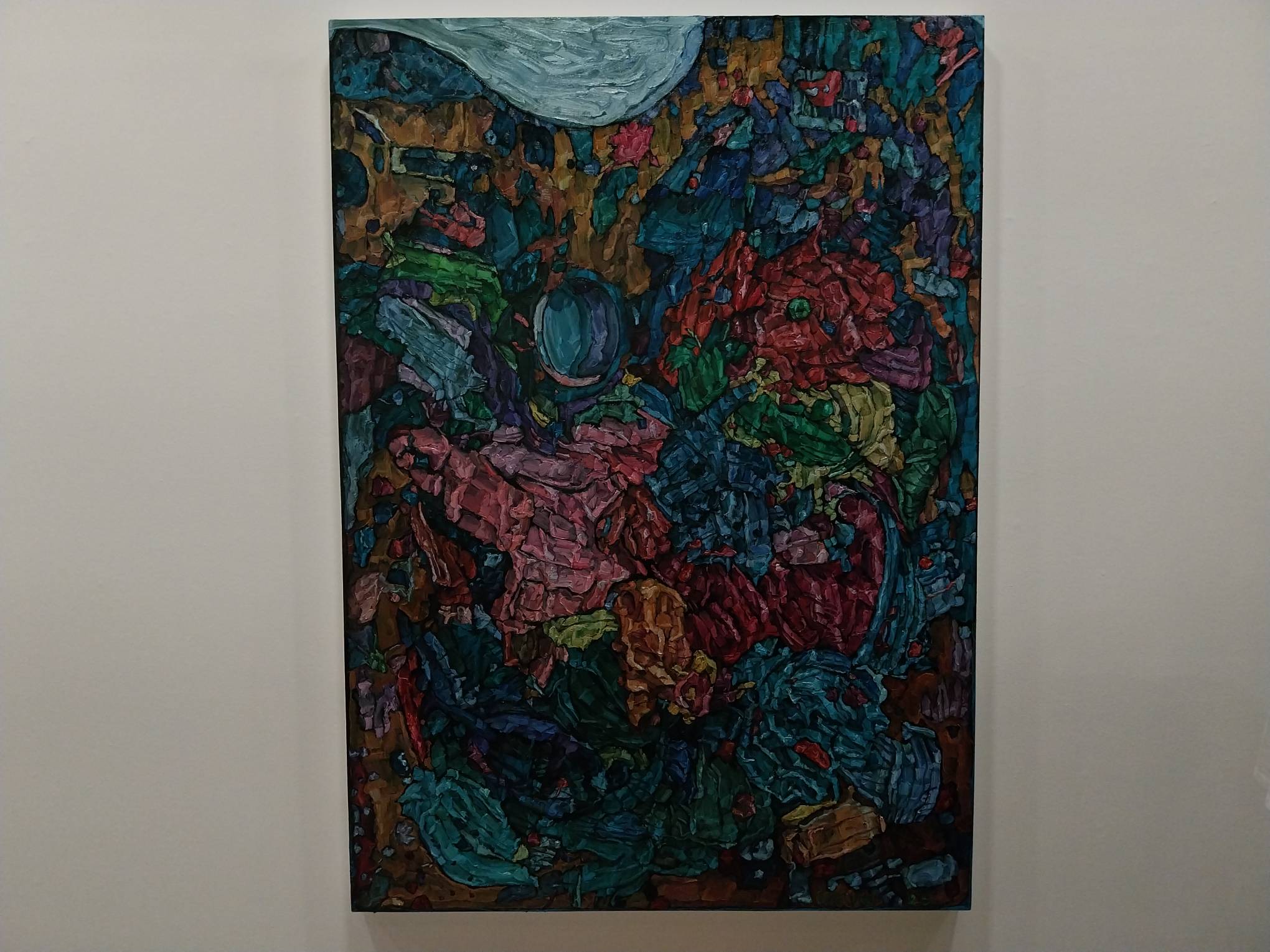
Navas places this center stage, however. She uses the palettes of different artists like Zean Cabangis, Pow Martinez, and Yasmin Sison to create these textured abstract pieces that bring color and pigments to our attention.
These works are all very vividly tactile. Even from afar, one sees the hardened paints, the cracks and edges that these colors contain. It allows viewers to see the assortment of work that comes with the choice of color. Finding one’s own palette is a labored process unique with each artist, and Navas puts this in full view with these paintings.
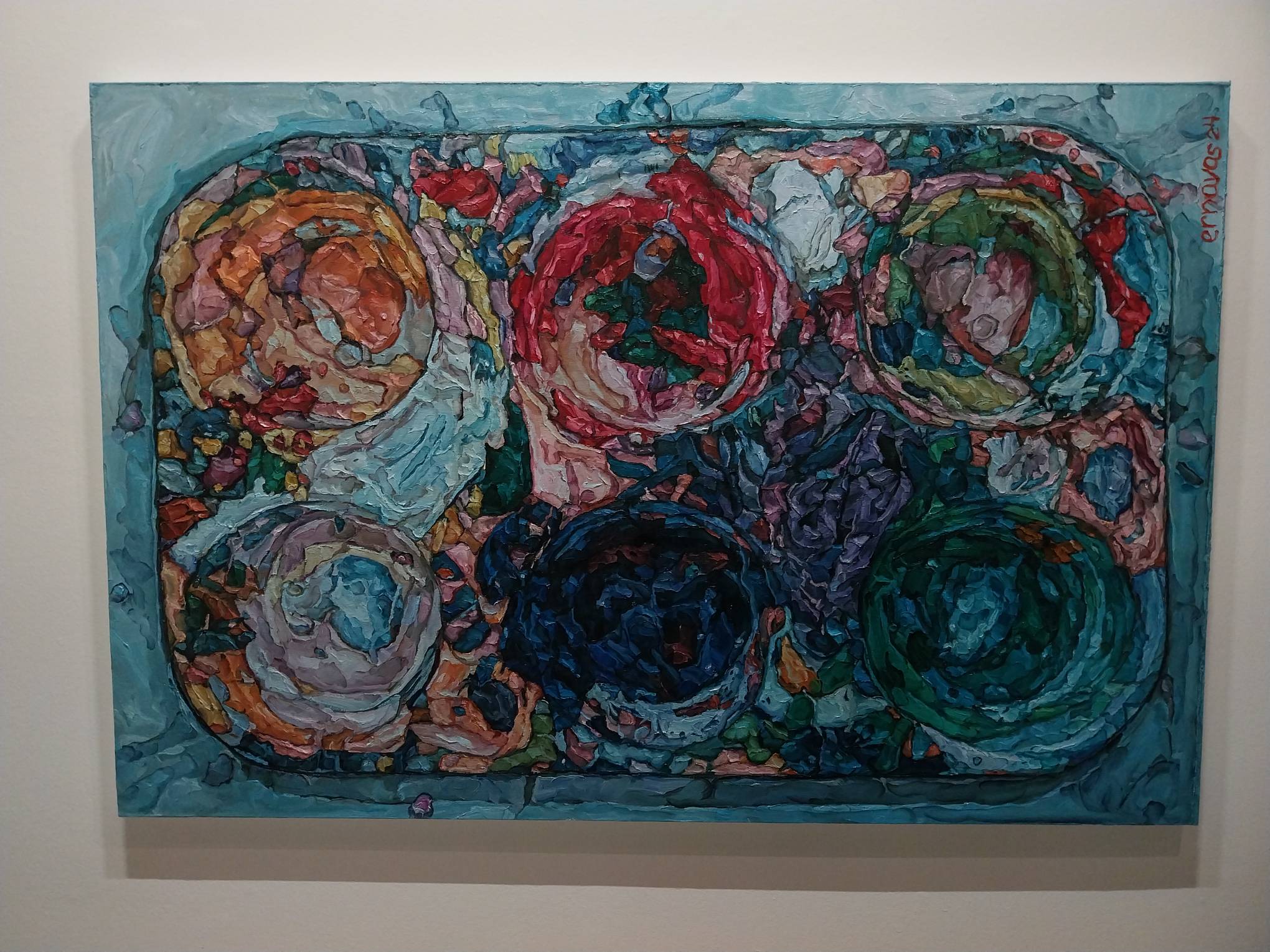
“Navas invites viewers into a world where art mirrors an unexpected yet essential phenomenon—a surface that, while seemingly random, generates its own composition and character,” the exhibit write-up said.
‘The Philippine Wine Dance’
Finally, in a large, dark, secluded portion of the Drawing Room Manila is Mark Justiniani’s The Philippine Wine Dance. An acclaimed sculptor in his own right, Justiniani’s installations always play with mirrors and images, creating infinite-looking voids that comment on our society as a whole.
For this exhibit, Justiniani focuses on the jeepney, depicting a whole slew of social messages and ideas from the symbolism of the cultural icon. The artist adds messages and letters to the top and the bottom of the jeepney facade, while centering a token in the center that represents the ideas in the images.
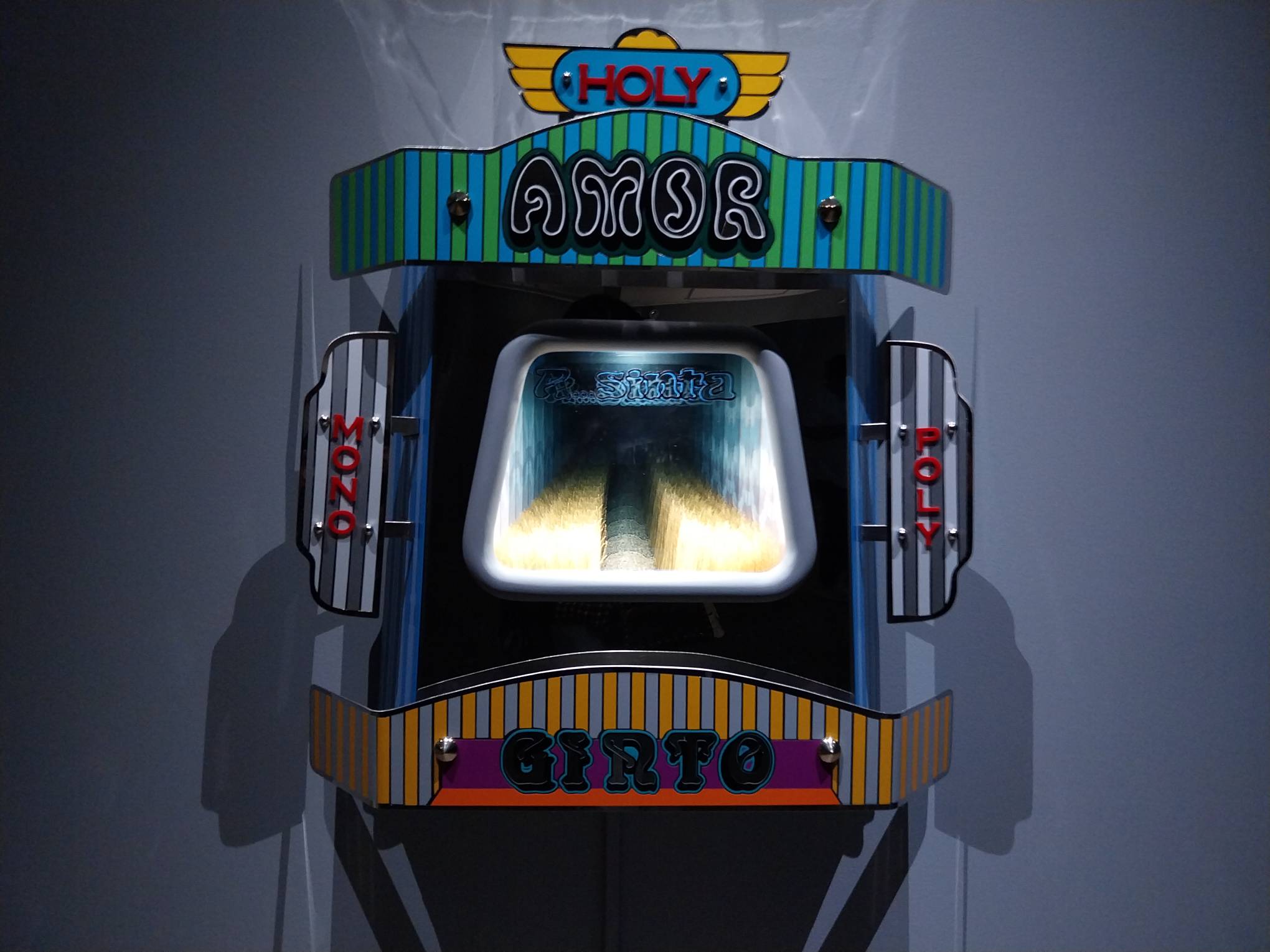
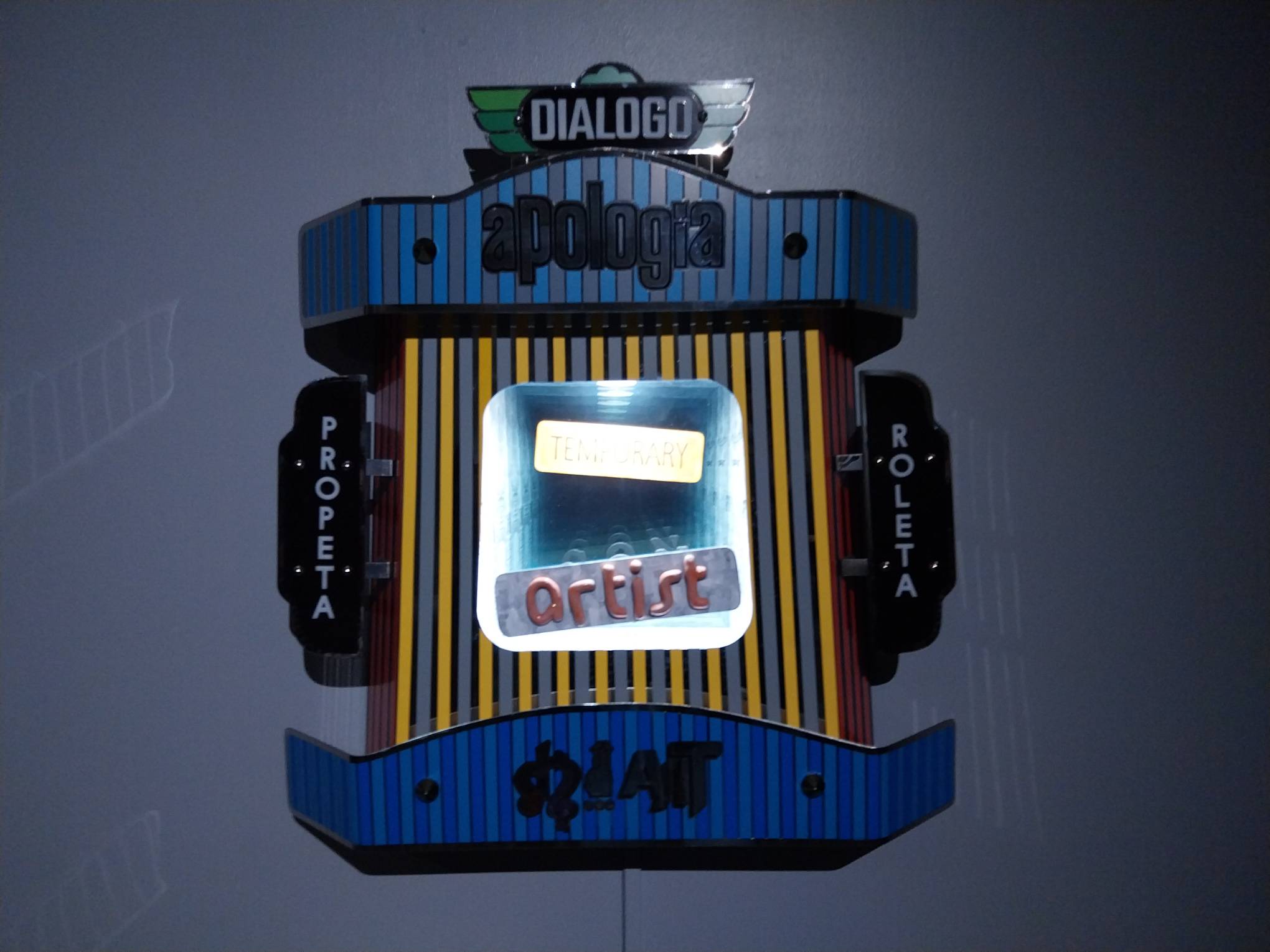
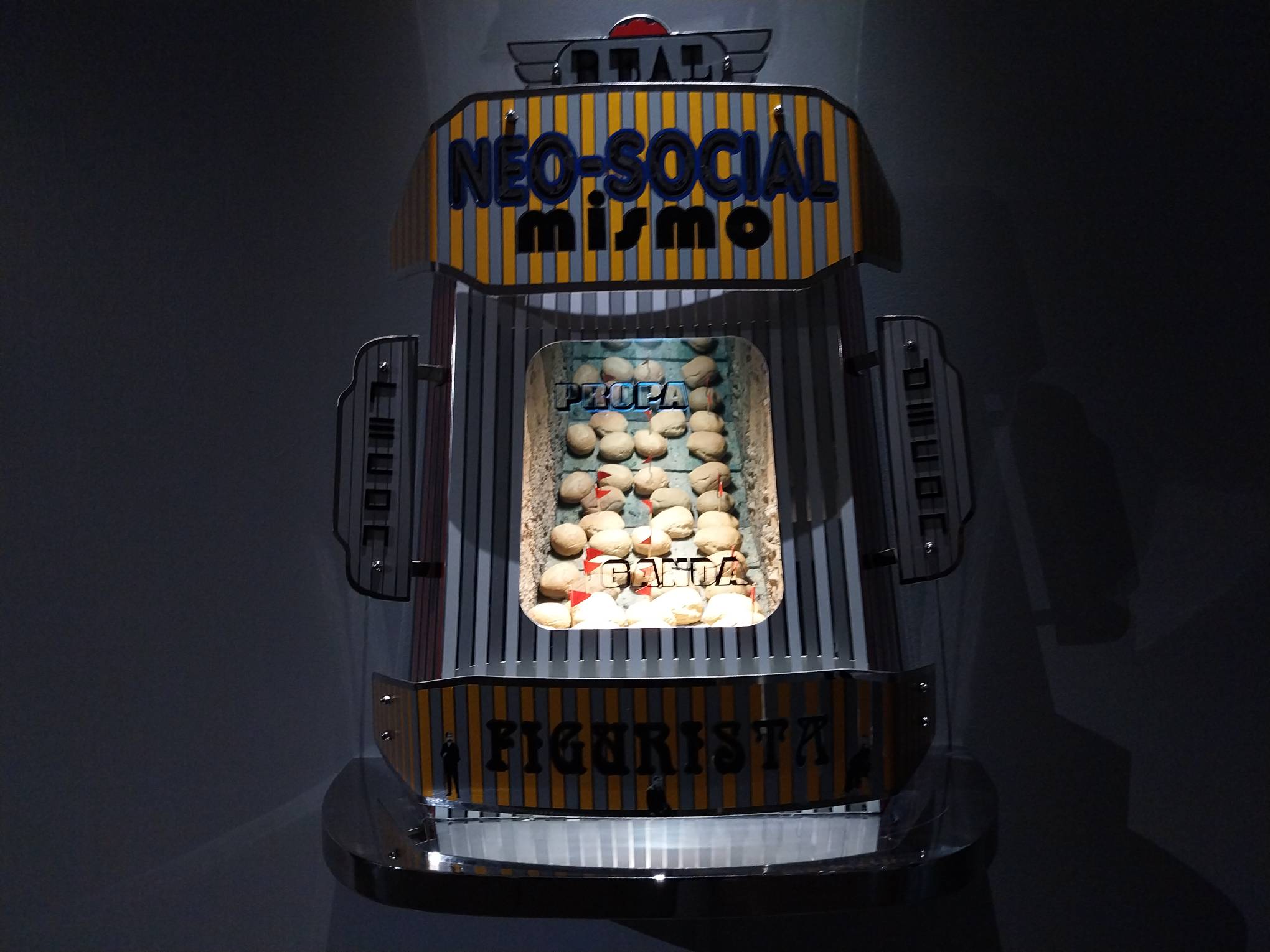
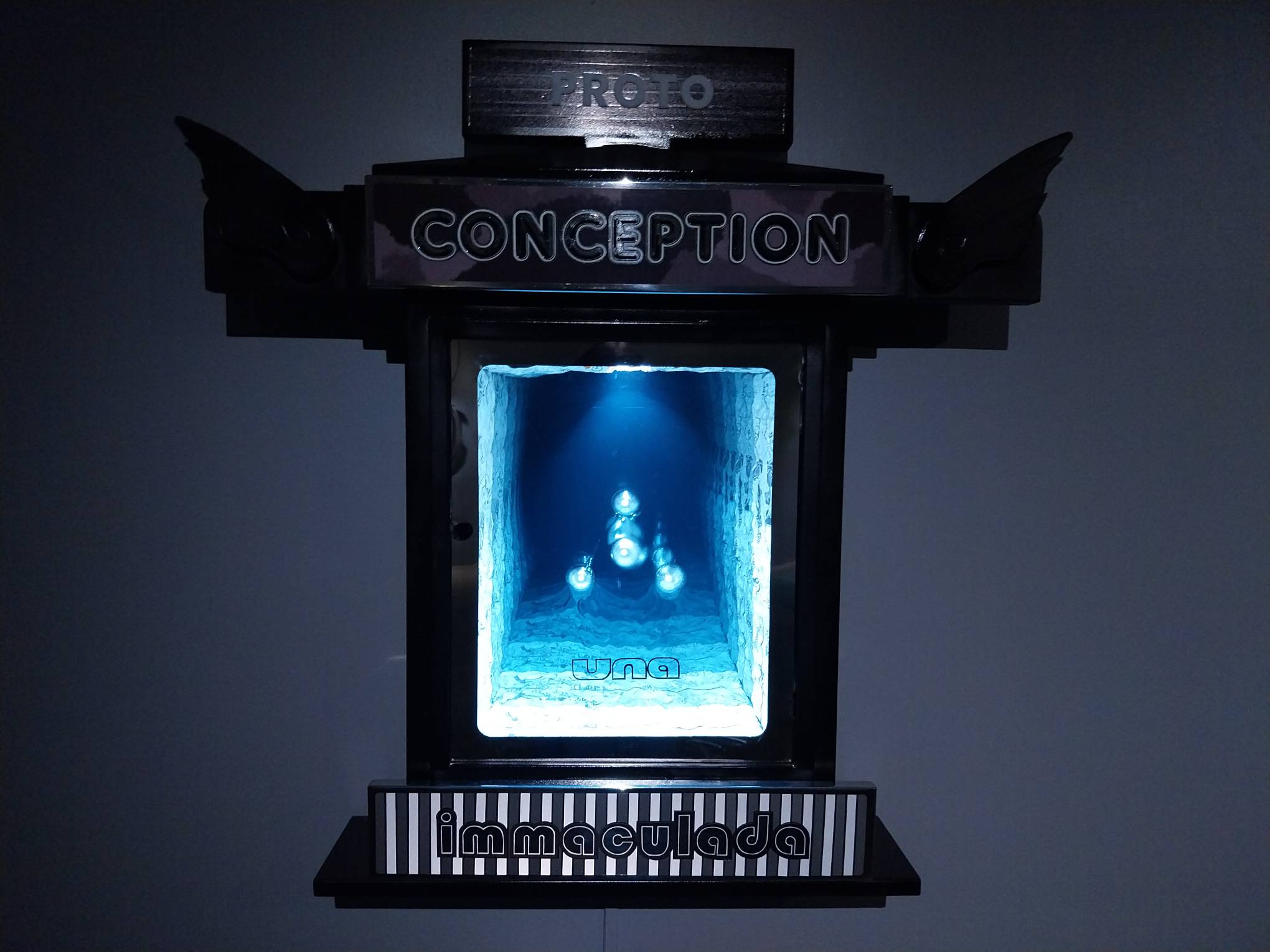
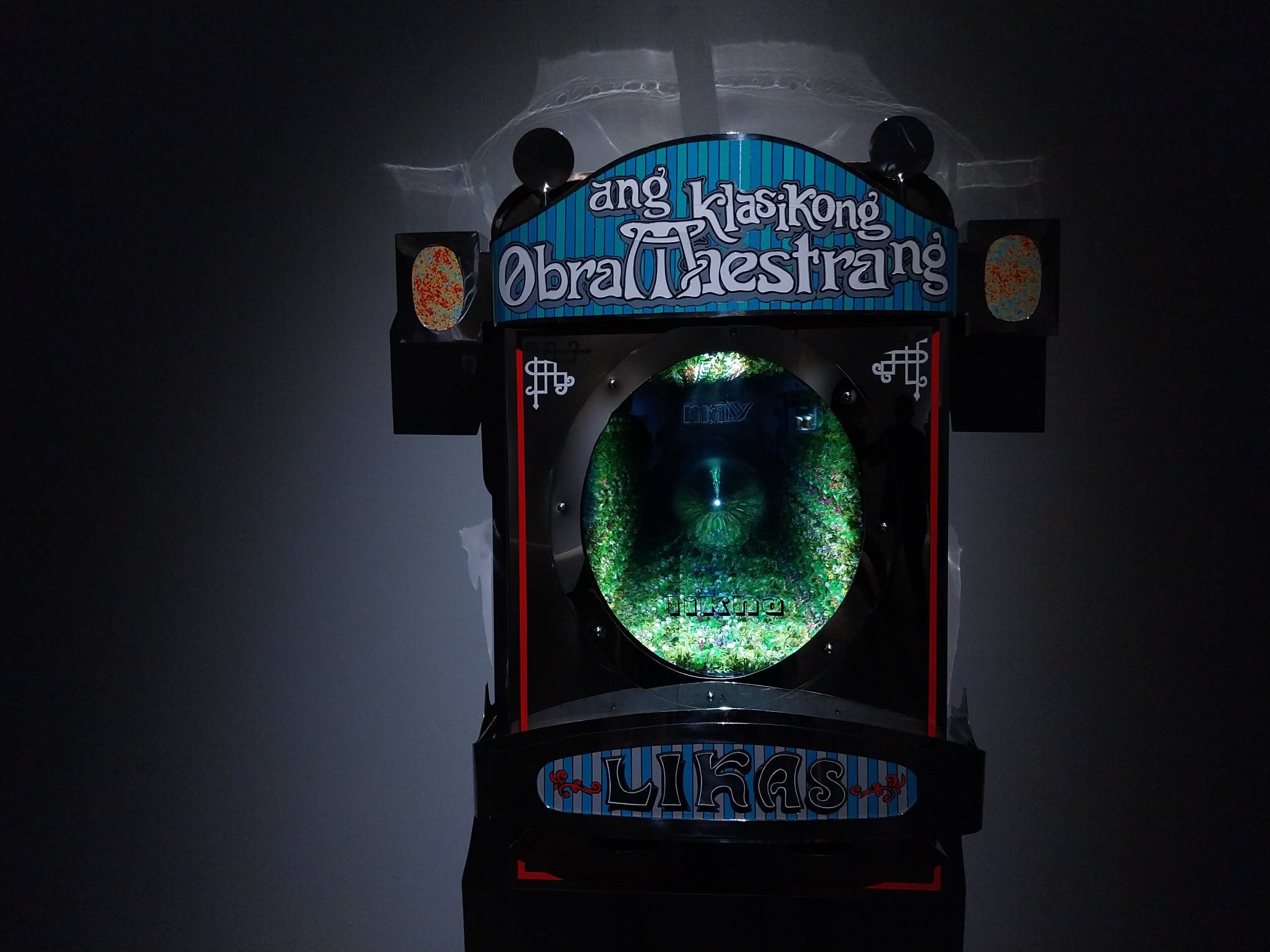
It causes viewers to question some of our social norms through the artwork. There’s a sense of parallel thought in them, depicting the contradictions that coexist in them. Symbols like the fields or rice, or a figure of the Thinker mean both wealth and poverty, privilege and prison, within the same image.
These symbols inside the jeepney—the rows of jars, or a field of rice, or the repeating images of rocks and cups—can hold multiple meanings at the same time. And it becomes a debate about whether these symbols need to only mean one thing in a society, or if they can be expanded further into different ideas that exist only in context.
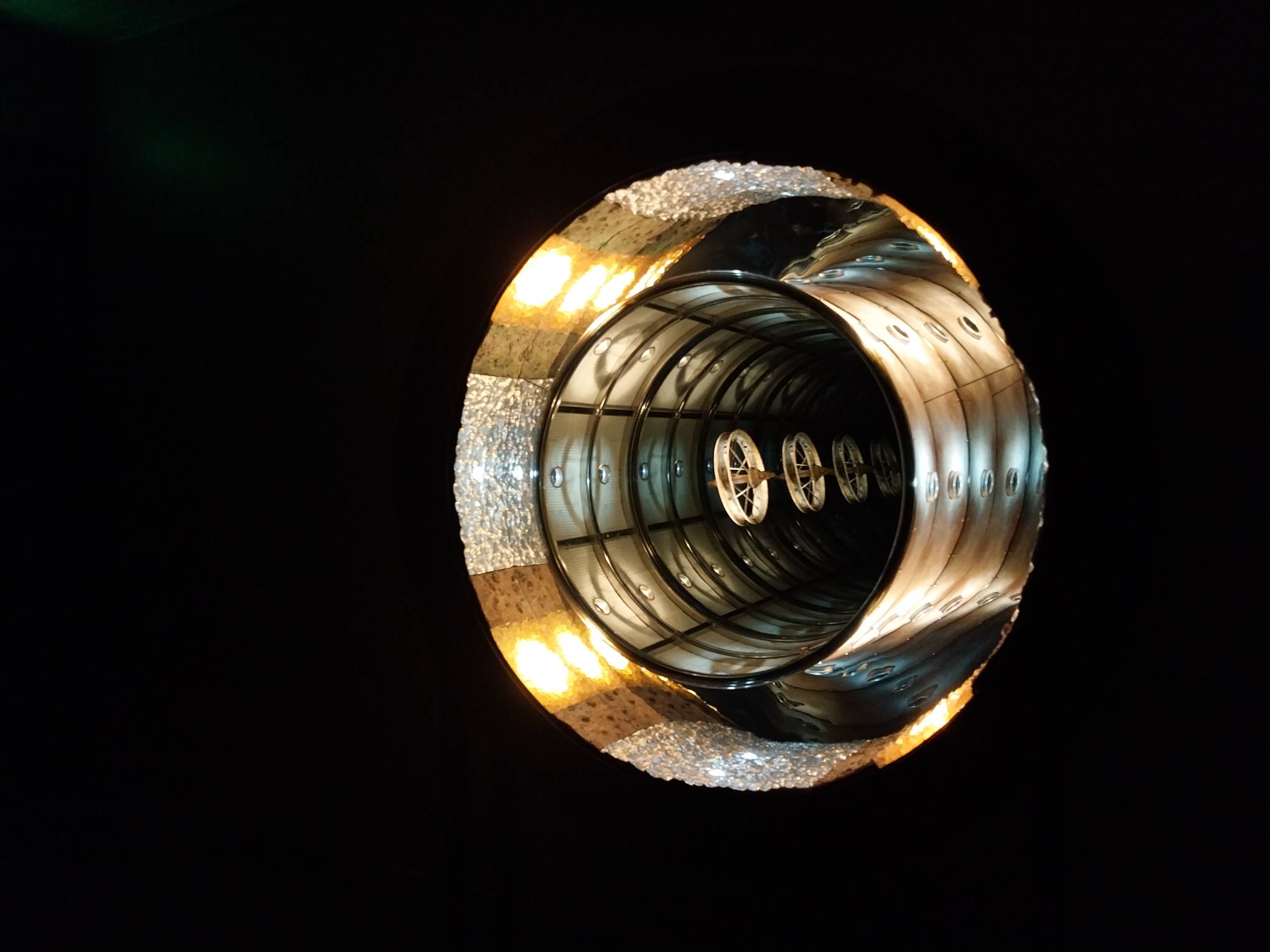
“The natural form the artist commits to is the potency of folkish symbolisms of the tricycle and the jeepney,” Con Cabrera said in their exhibit write-up. “He visually reiterates that in the quest for enlightening ourselves about our psyches, we should be discerning of the journey, amidst its complexities and contradictions.”
Finding Novel Depictions of Our World
All in all, these three exhibitions at The Drawing Room question the way we perceive our world in strange and novel ways. That variety of perspective exposes viewers to visions and ideas that may not come naturally to them. It inspires them to dig deep into themselves and make their own conclusions about their own outlook of the world.
All exhibits will be open to the public until March 15.
Photos by Elle Yap.
Related reading: ‘Void of Spectacles’: Mirrors and Illusion to the Autobiography
Frequently Asked Questions
The exhibit explores the unreliability of memory and the “fallible reconstructions” of reality, inspired by the film Solaris. Using watercolor to render photographs of flowers from a family funeral, Santos creates hazy, distorted images that function more as emotional echoes than replicas. This multi-part process emphasizes how personal biases and the passage of time transform and dissolve our recollections of the past.
Elaine Navas shifts the spotlight from the final artwork to the arduous process of creation by depicting the palettes of various artists like Pow Martinez and Yasmin Sison. These tactile, abstract pieces highlight the hardened paints and unique color assortments that are typically ignored in a studio setting. By focusing on these “small universes,” Navas invites viewers to appreciate the Labor and character inherent in a surface that generates its own accidental composition.
Justiniani uses the facade of a jeepney and his signature mirror installations to create infinite voids that reflect the complexities and contradictions of Filipino society. By placing symbols like rice fields or “The Thinker” within the artwork, he challenges viewers to see how these icons can simultaneously represent wealth and poverty or privilege and prison. The exhibit encourages a discerning look at the Philippine psyche through the “folkish symbolism” of national icons.
All three unique showcases by Luis Antonio Santos, Elaine Navas, and Mark Justiniani are hosted at The Drawing Room Manila. These exhibitions provide a diverse look at environmental topography and cultural perspectives through distinct artistic lenses. Visitors have until March 15 to experience these visionary realms before the current rotation concludes.
The artist utilized watercolor to intentionally distort and oversaturate the images, adding a “smokiness” that makes the flowers appear as if they are fading away. This technique moves away from traditional recreation, focusing instead on the flux and imperfection of memory. By obscuring details through pigmented layers, Santos successfully captures the shifting feelings associated with his subjects rather than their static, physical forms.
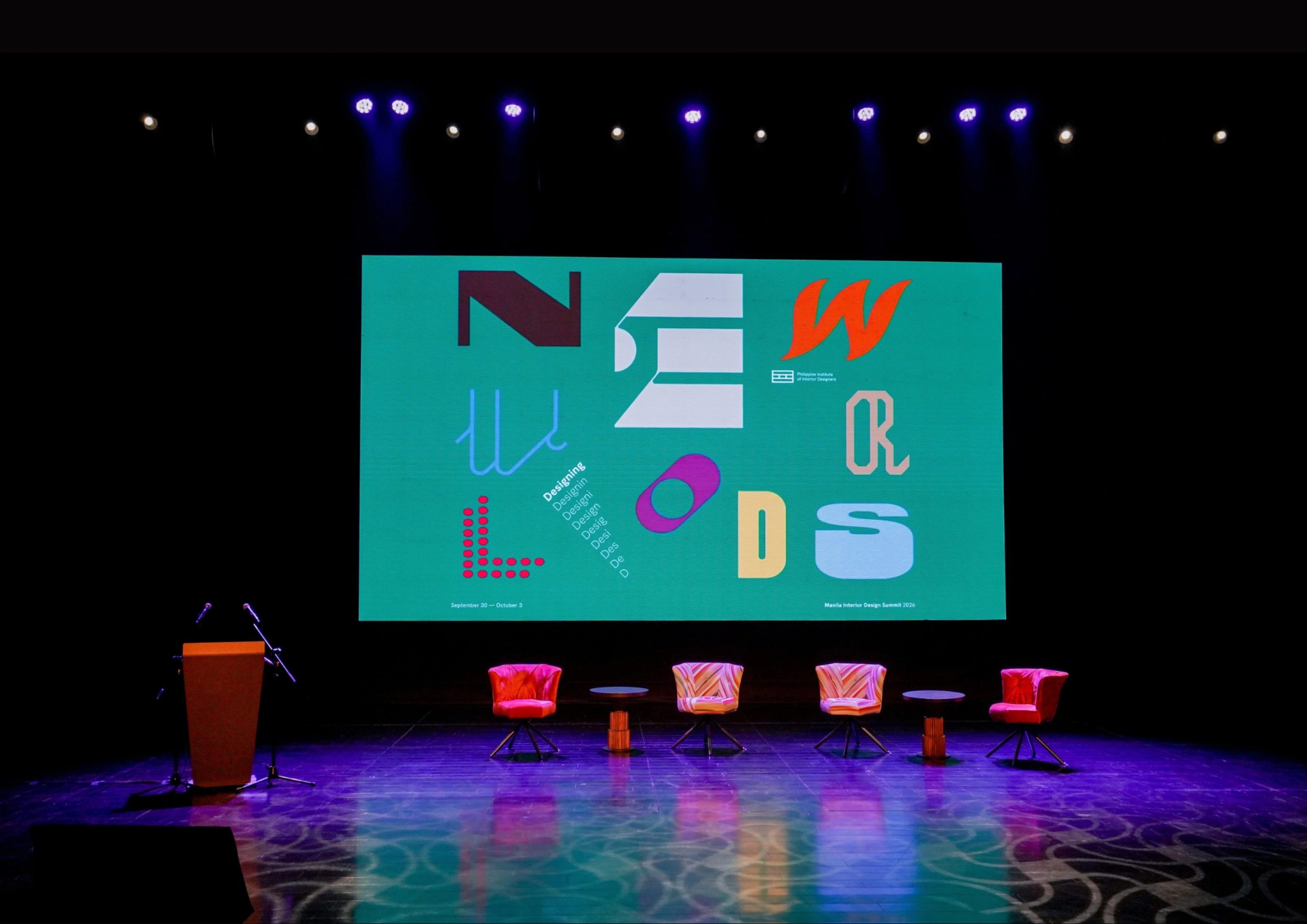
The fourth Manila Interior DesignInterior DesignThe discipline of planning and shaping interior spaces for function, comfort, safety, and beauty. It covers layout, lighting, materials, finishes, furniture, and color, and in the Philippines is a licensedGo to Interior Design Glossary Summit (MIDS) brought together more than 300 delegates for four days of conversations, exhibitions, and design […]
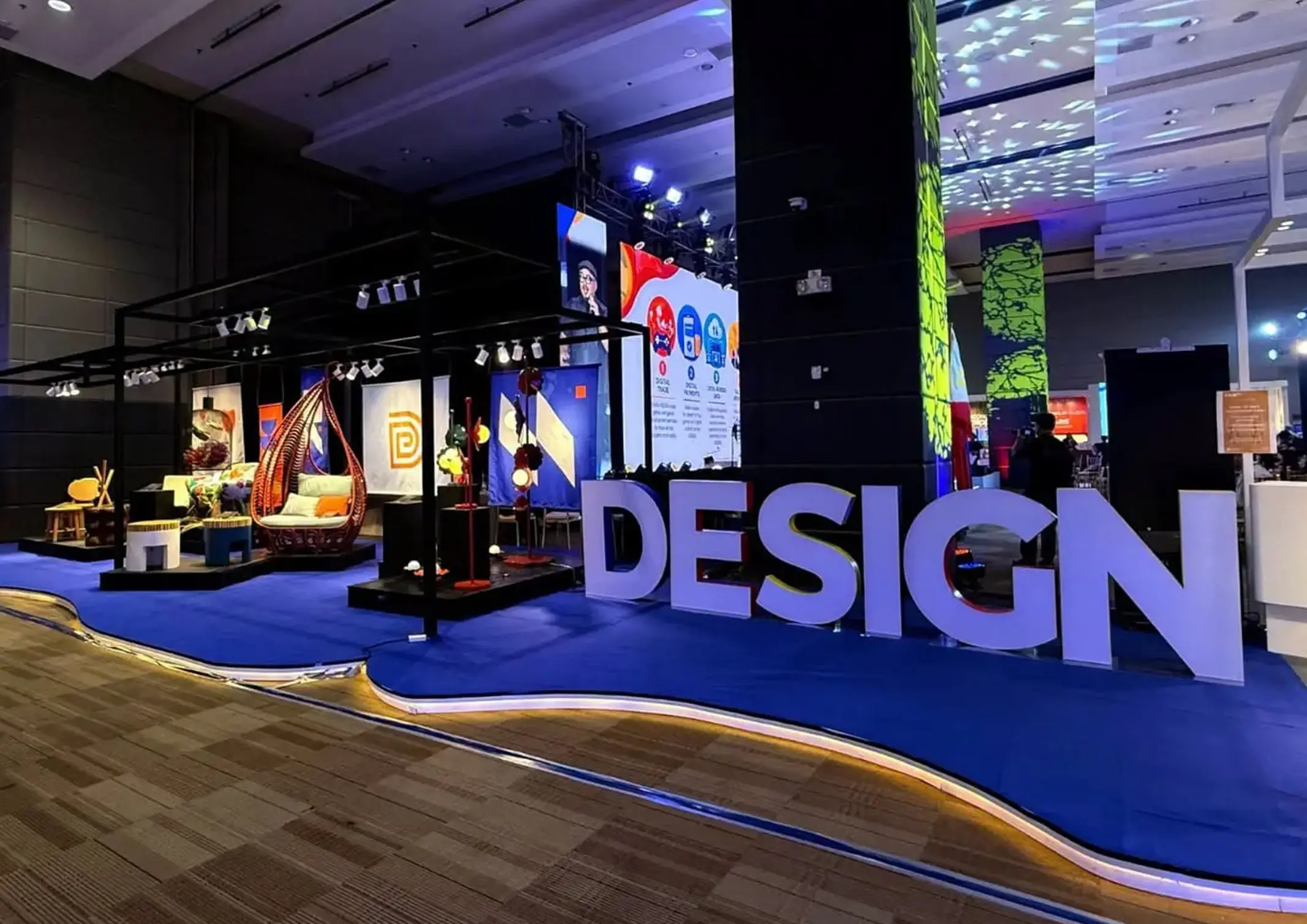
Held at the SMX Convention Center Aura in Taguig City, the first ASEAN Creative Industries Expo by Malikhaing Pinoy (ASEAN MPEx) features nine creative domains, including design, visual arts, digital interactive media, and performing arts. Organized by the Department of Trade and Industry (DTI), the event includes exhibitions, cultural performances, industry talks, and pitching sessions […]
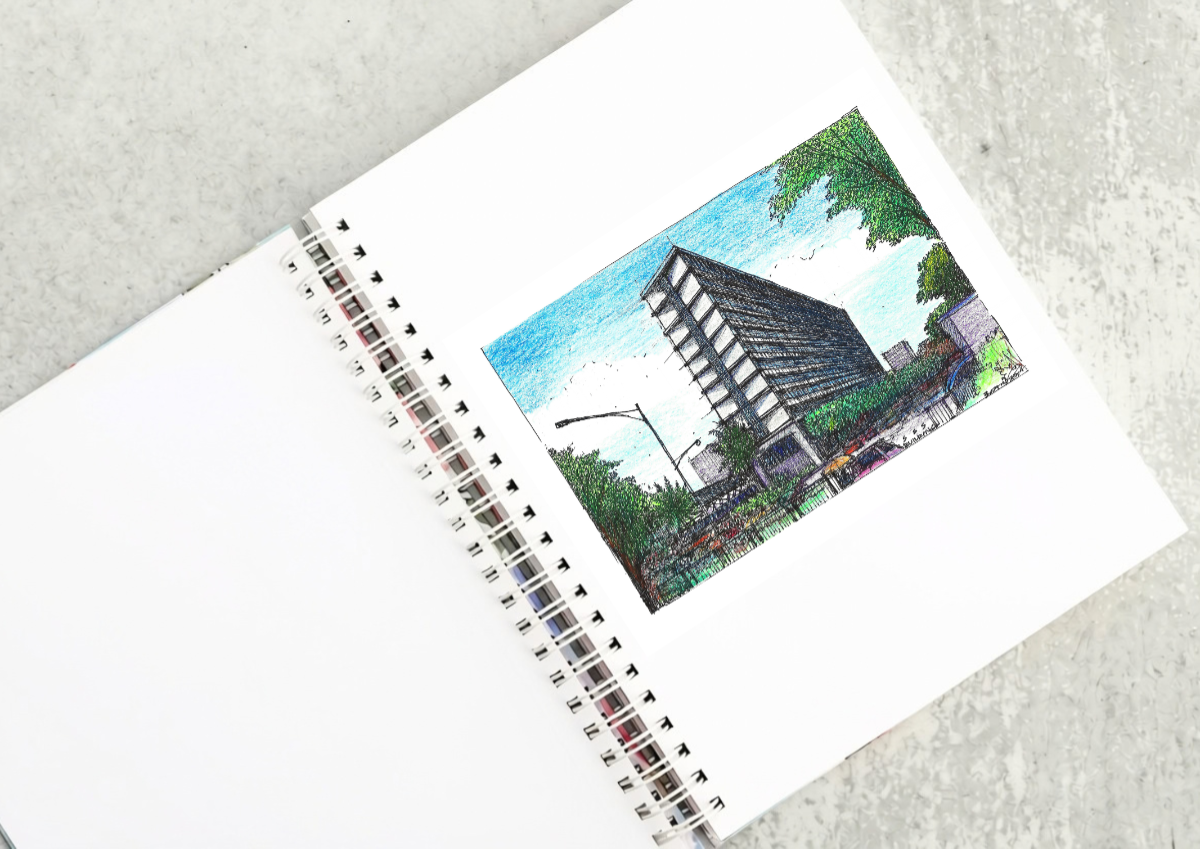
The SSS Building as an Expression of Civic Modernism My favorite modernist landmark in Quezon City is the SSS building on East Avenue. Designed by National Artist for ArchitectureArchitectureThe art and science of designing and constructing buildings, structures, and spaces that are functional, safe, and aesthetically pleasing. It encompasses the planning, design, materials, and techniques […]
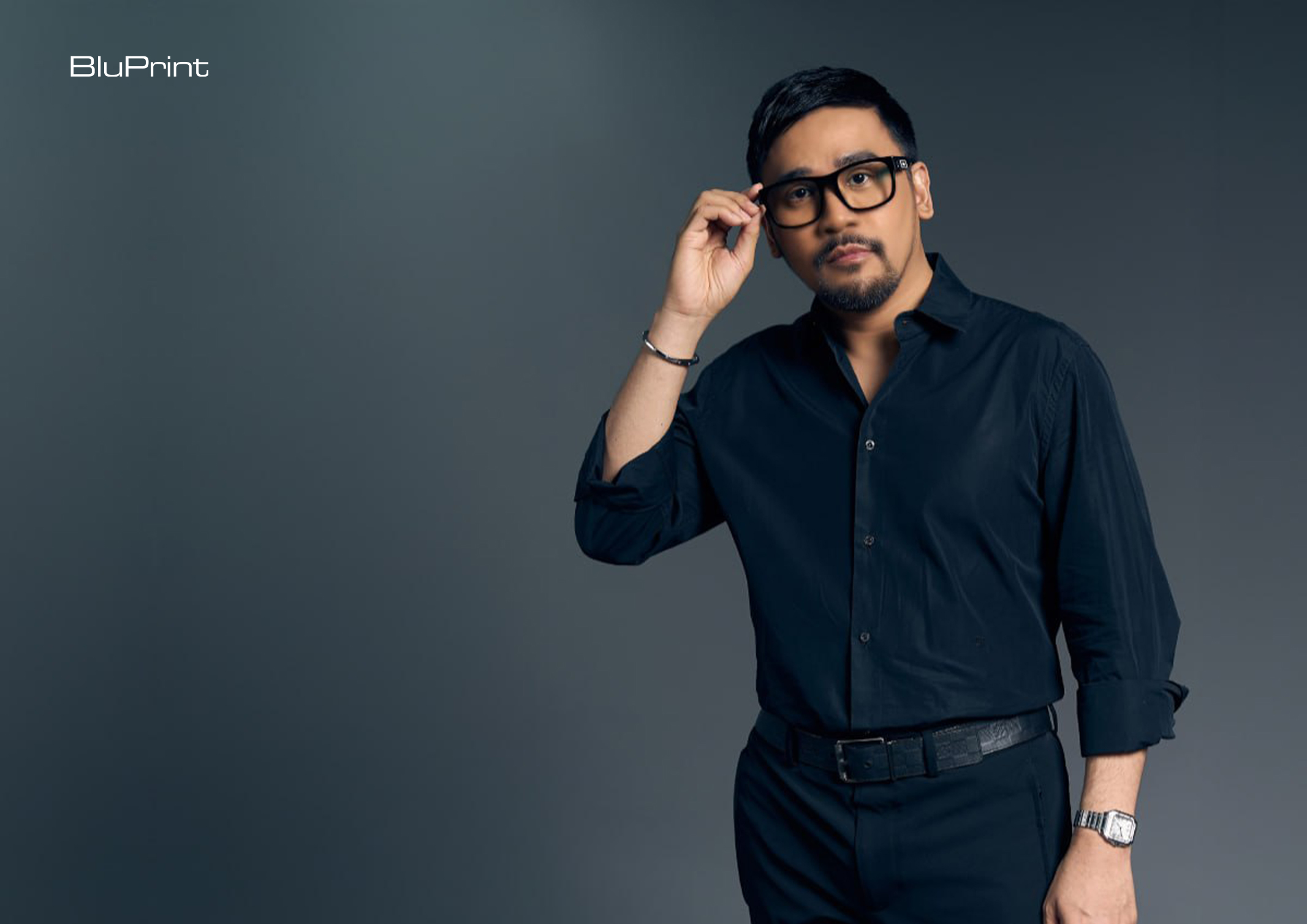
Archie G. Carrasco, Chairman and CEO of AGC Power Holdings Corp. (AGC PHC), has been named to The BoF 500 Class of 2026 under the Media category, joining The Business of Fashion’s global community of individuals shaping the fashion industry. Carrasco is among 100 new members from 33 countries and 48 nationalities selected for the […]
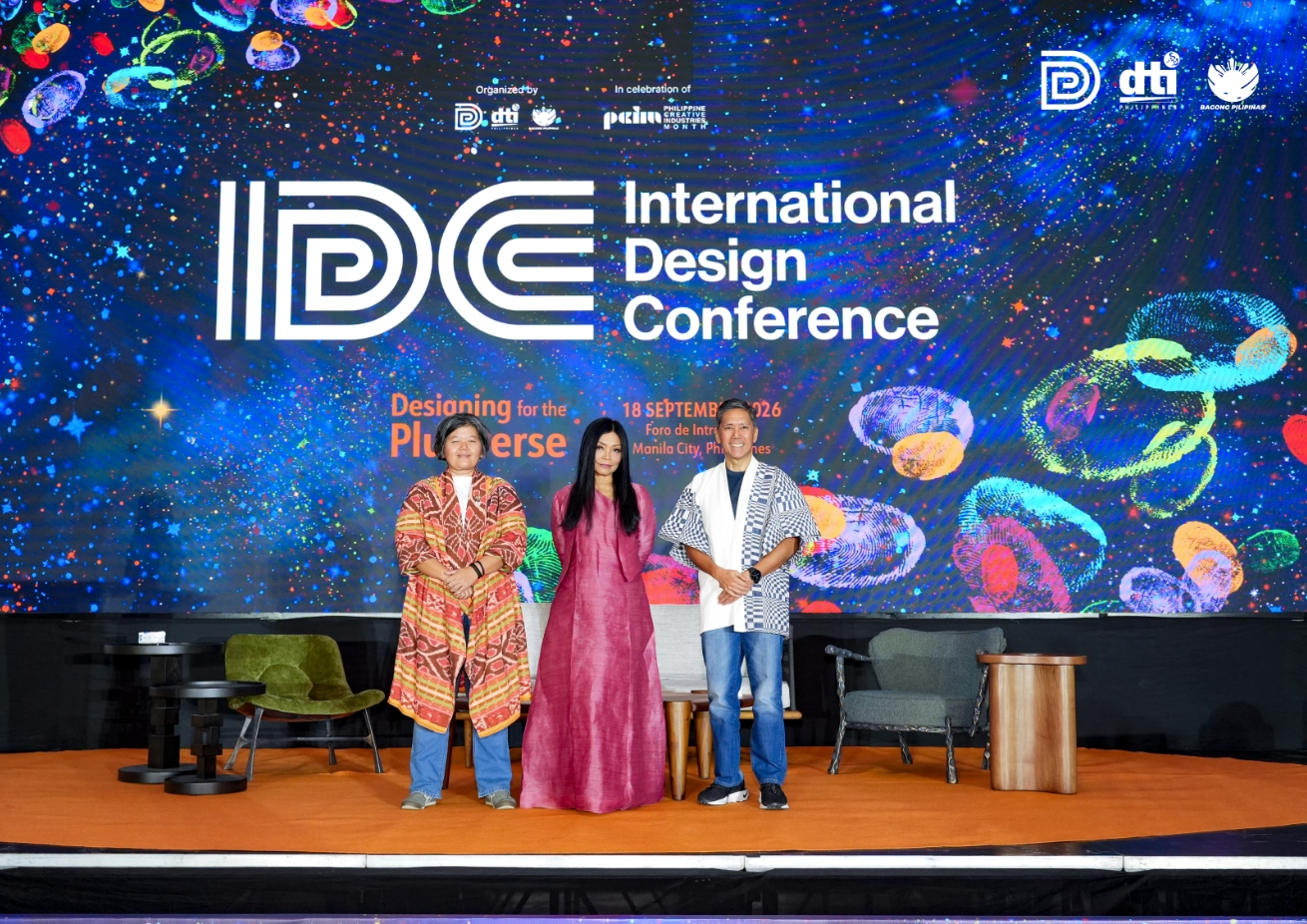
Culture in design does not always announce itself through a recognizable motif, material, or symbol. It can also be embedded in the relationships designers build, the knowledge they listen to, the materials they choose, and the decisions they make in response to communities and their environments. This distinction emerged throughout the 2026 International Design Conference […]
Read the issues.

Collect the volumes.

Recommended Video
Tap to Unmute
Unmute
0:00
0:00