In a way, designers are the modern-day soothsayers and prophets. They design for the future, predicting how a room, a house, a building or a whole city will be used by people. They foresee how users will interact with a space, conjure exact shades of colors to elicit specific behavior and arrange furniture to build […]
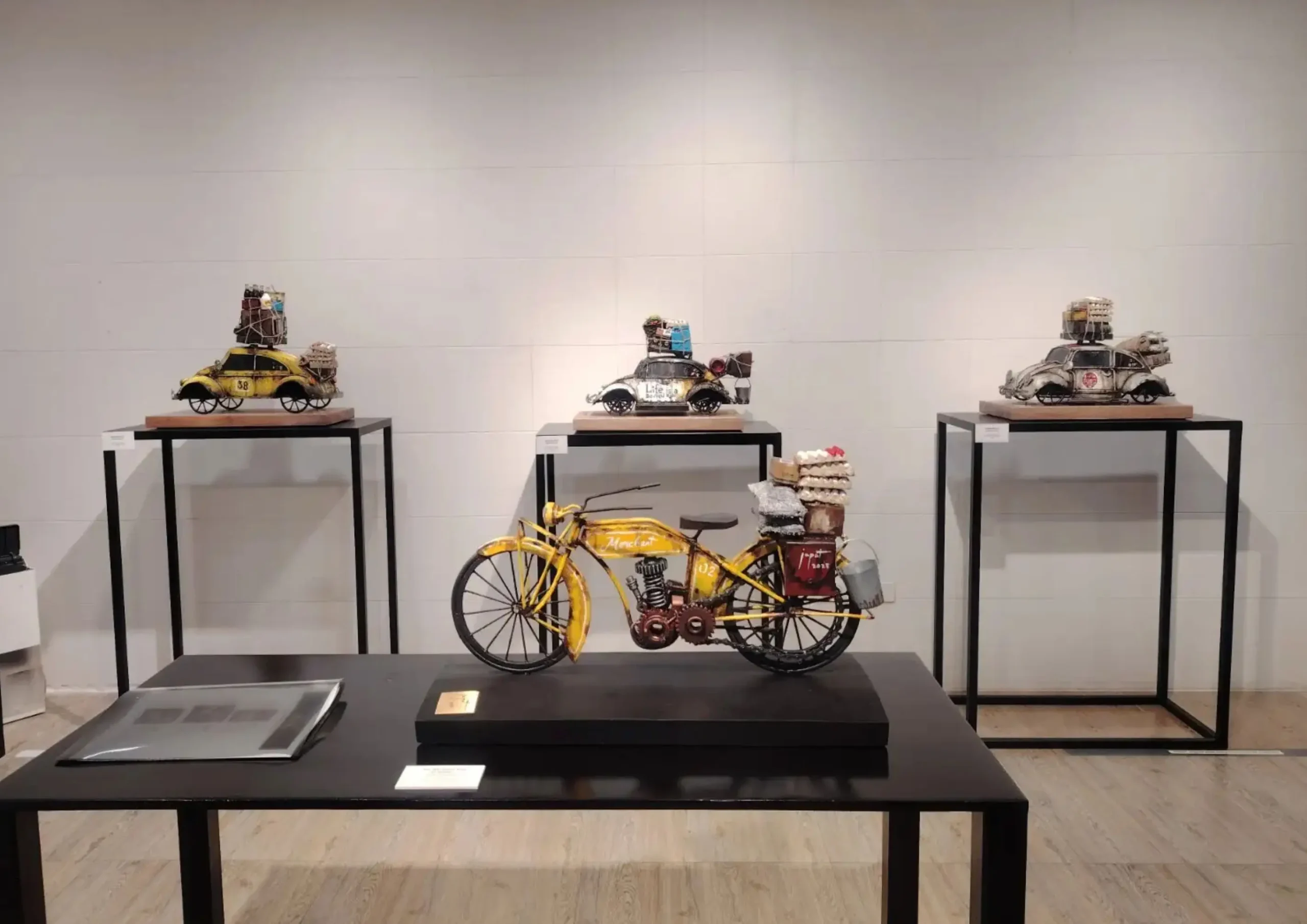
‘Eskultura IV: Steampunk’ Group Exhibition Debuts at Museo Orlina



Museo Orlina, the flagship art museum of the Orlina family, debuted their fourth Eskultura exhibition on September 7, giving local sculptors a chance to create some inventive artworks around the theme of steampunk. Featuring eight esteemed artists from the local art scene, the group exhibit allowed them the freedom to experiment with the subgenre in a Philippine context.
“Eskultura IV: Steampunk expands the language of the genre by showcasing works crafted from an eclectic mix of materials—wood, resin, fabric, glass, ceramics, and repurposed items. The result is a dynamic dialogue between form and narrative, where each piece challenges convention while celebrating innovation and craftsmanship,” the exhibit write-up said.
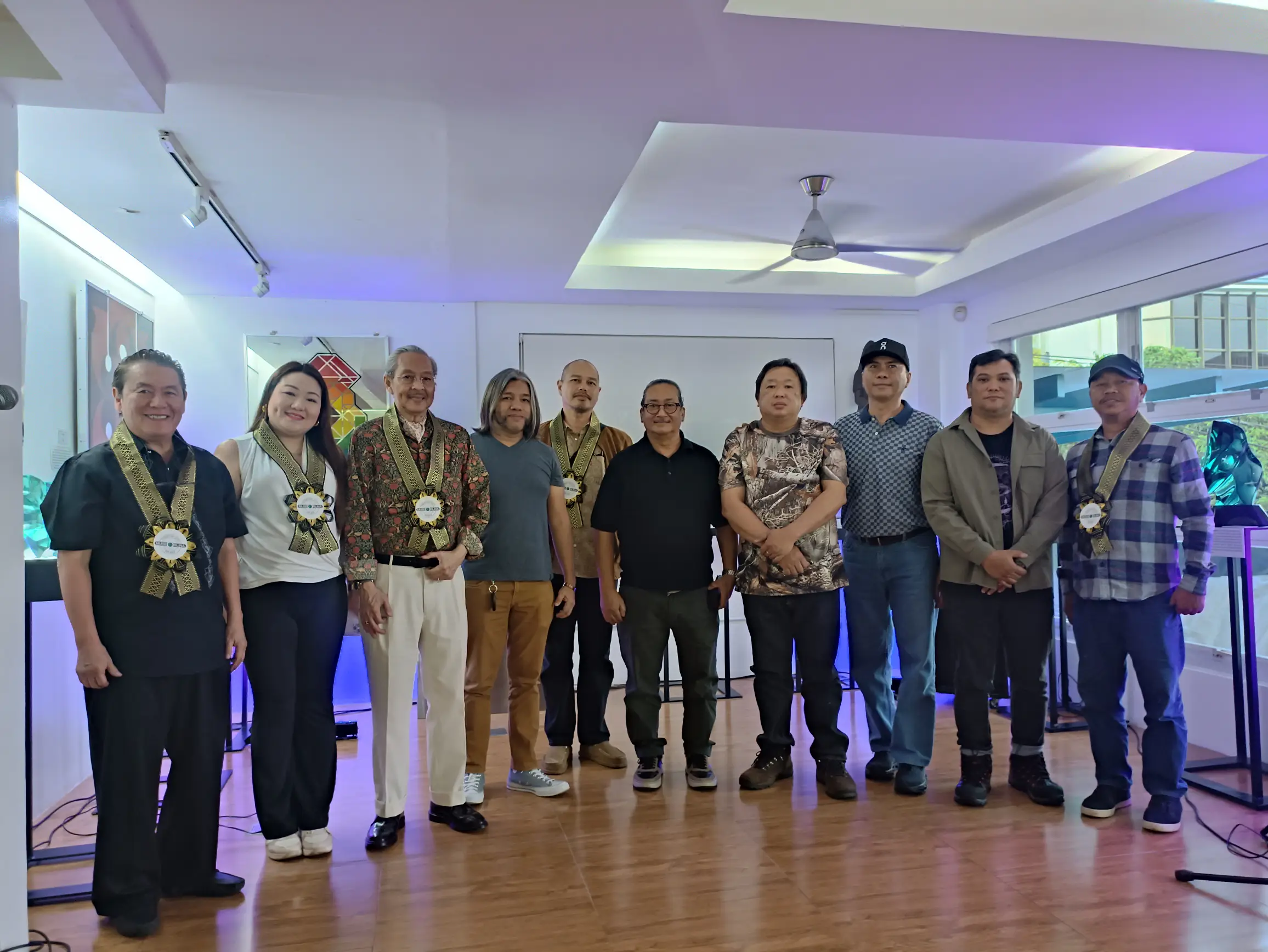
The eight sculptors featured are Richard Buxani, Ram Mallari, James Dayrit, Jinggoy Salcedo, Darwin Guevarra, Otto Neri, Ronwaldo Dasal, Agi Pagkatipunan, and Darwin Guevarra. All of them utilize the central conceit to conceive of strange new designs that straddle the line of the magic of art and the practicality of science.
“The exhibition invites audiences to journey into imaginative worlds filled with mechanical creatures, fictional devices, and hybrid machines,” the exhibit write-up said. “each work [serves] as a testament to how steampunk continues to inspire, evolve, and expand the horizons of contemporary sculpture in the Philippines.”
Steampunk in a Philippine Context
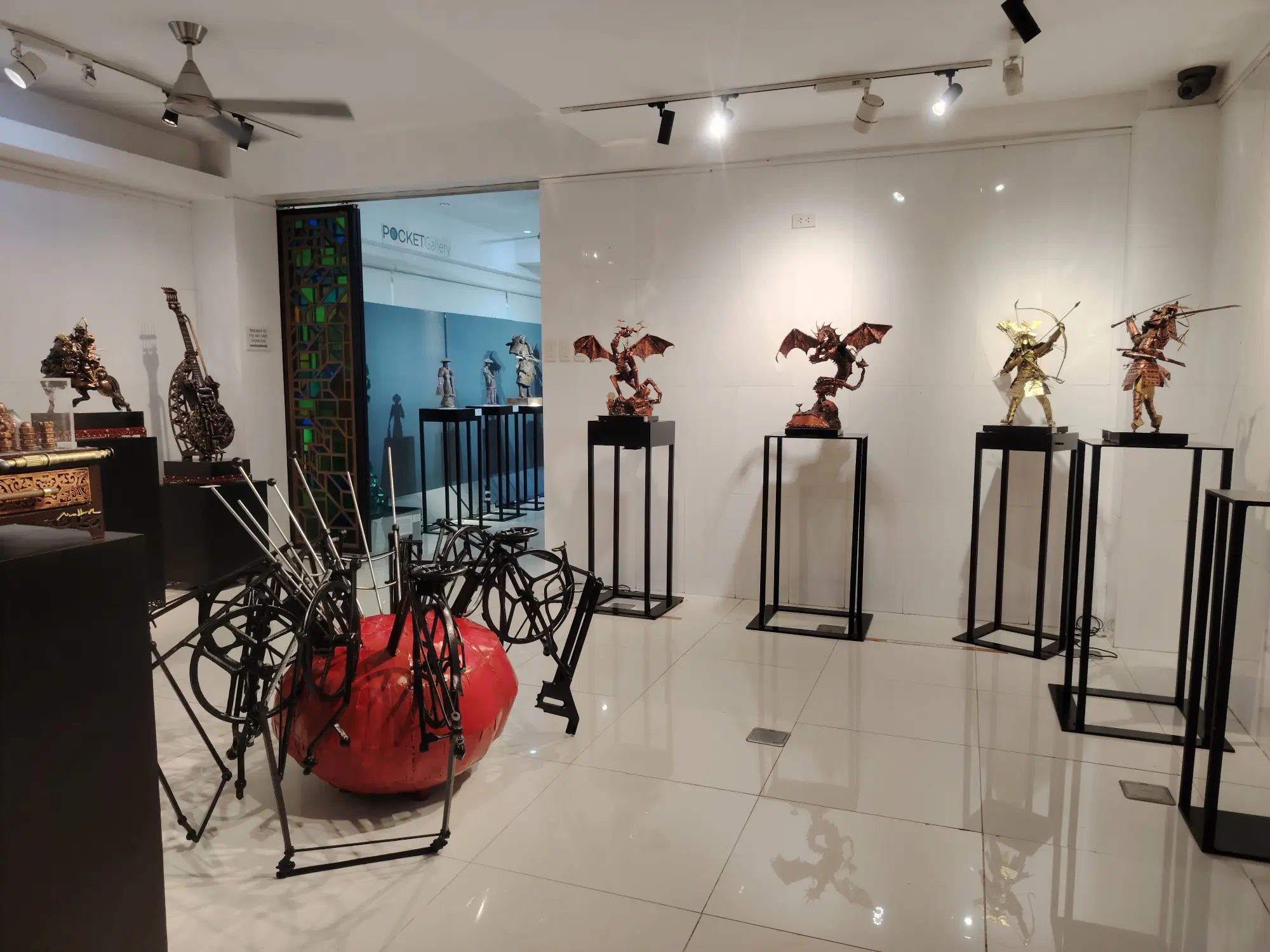
As an artistic movement, steampunk is constrained in the melding of steam technology from the Industrial Revolution to common technologies of today’s world. It is an inherently nostalgic technology because of this, running contrary to the more minimalist aesthetic of our age, concerning itself with showing the literal nuts and bolts behind every machine.
But if it does not make for practical technology, it works as a way of imagining an alternate universe. The eight artists here craft a strange mix of whimsical sculptures grounded not just in the aesthetic of the movement, but in the context of how a steampunk universe would exist in the Philippines.
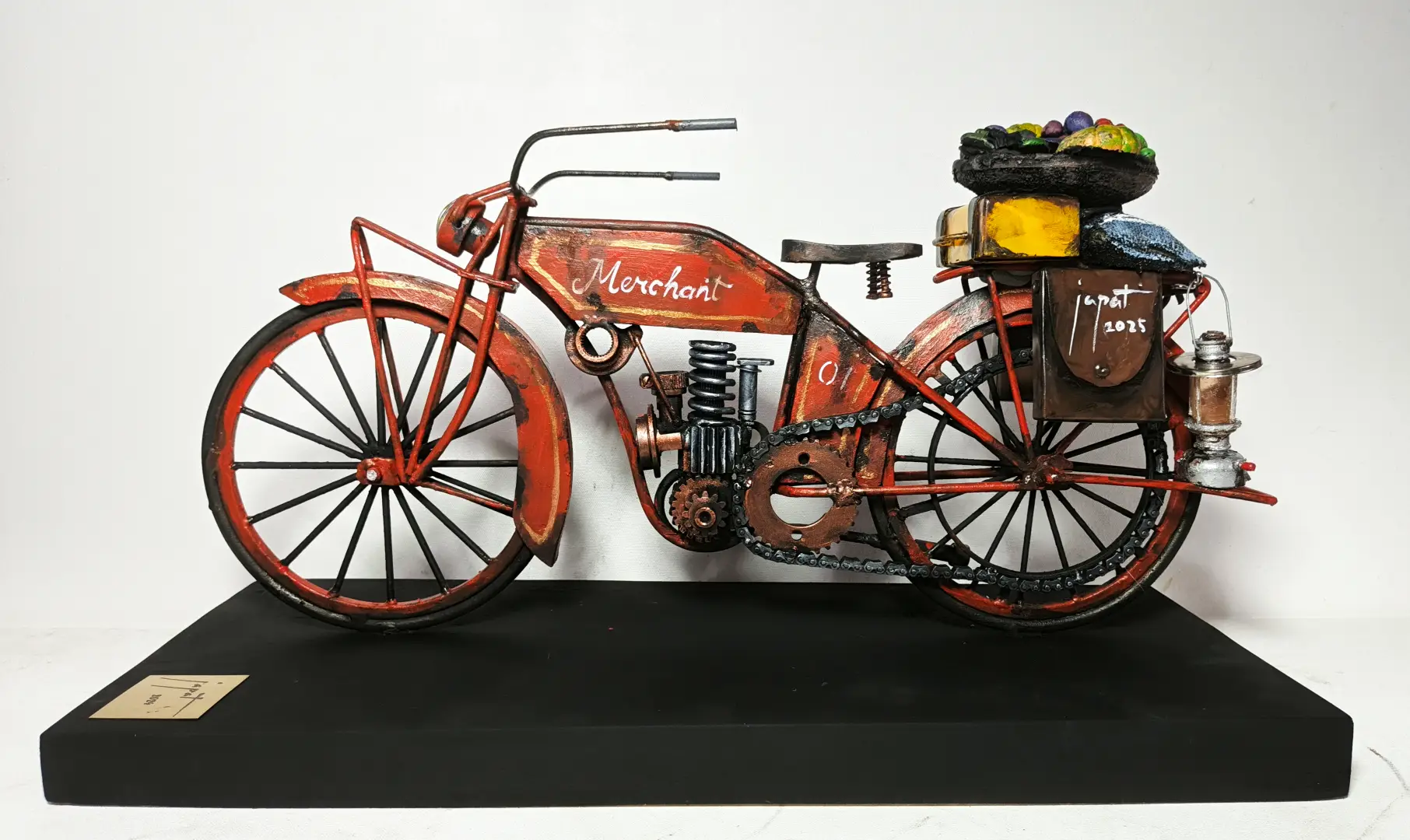
An example of this is Darwin Guevarra’s “Beetle Rush 03” and “Pre-war Bike Cargo 01 Red.” The metal-resin sculptures captivate by showing vehicles jury-rigged for daily use, the same kind of principles that first brought us the jeepney in the past. The rusted aesthetic provides it a grounding to our realities today: no car or bicycle used heavily in our country would escape the rust that our humidity would provide.
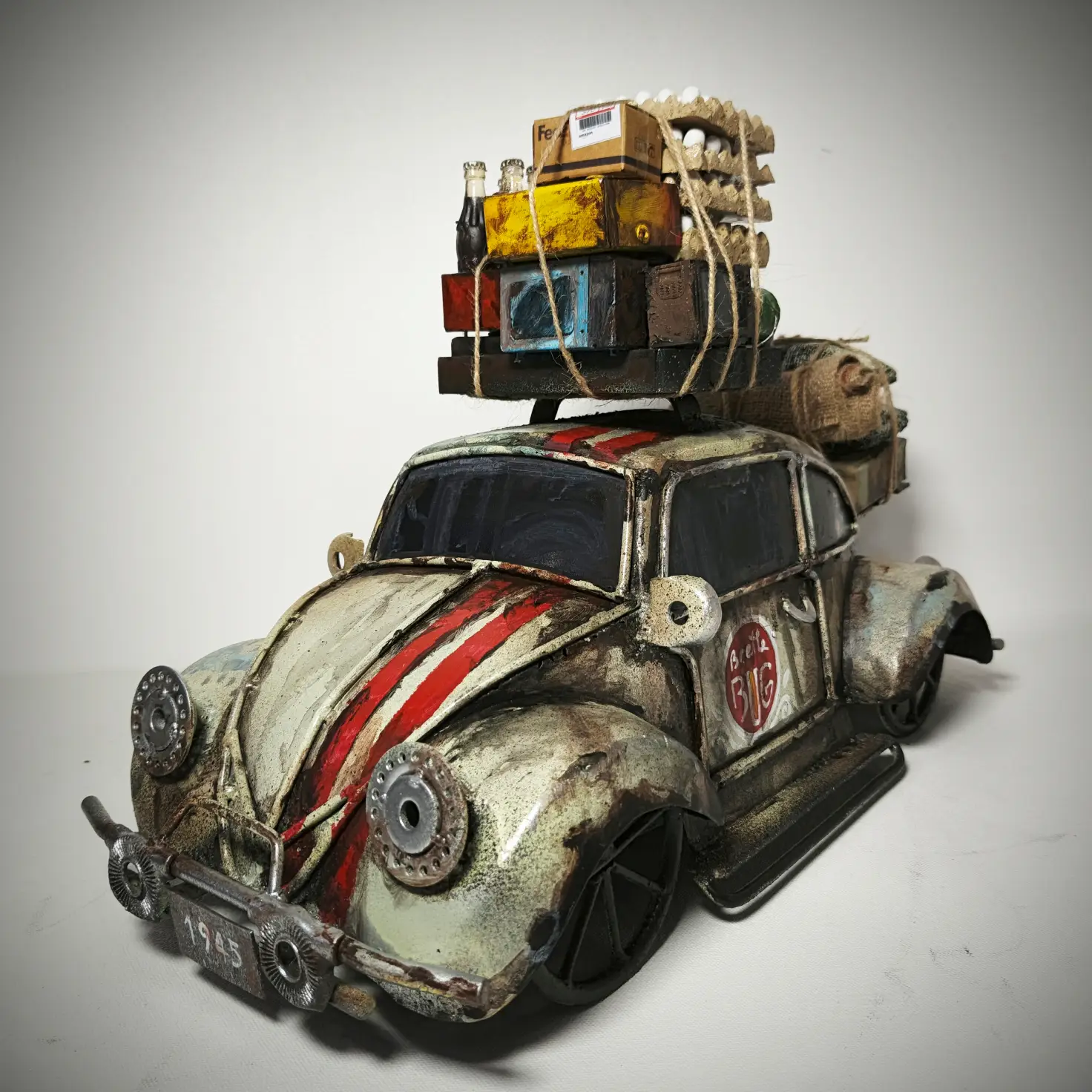
Steampunk is a very interesting movement to apply for the Philippines, because in some ways most Filipino technologies are steampunk: it’s the improvisations in seemingly-broken devices, or our constant recycling of materials for new uses. It’s seen in how repurpose things into complicated devices that work, from old Coke bottles used to filter water to the jeepney.
“In the Philippine context, steampunk has inspired local artists to explore new ways of storytelling through sculpture,” the exhibit write-up said. “[It’s] melding the mechanical with the organic, infusing local sensibilities and sustainable practices into the genre, these creators present a uniquely Filipino interpretation that bridges artistry, imagination, and cultural identity.”
Moving Sculpture Forward
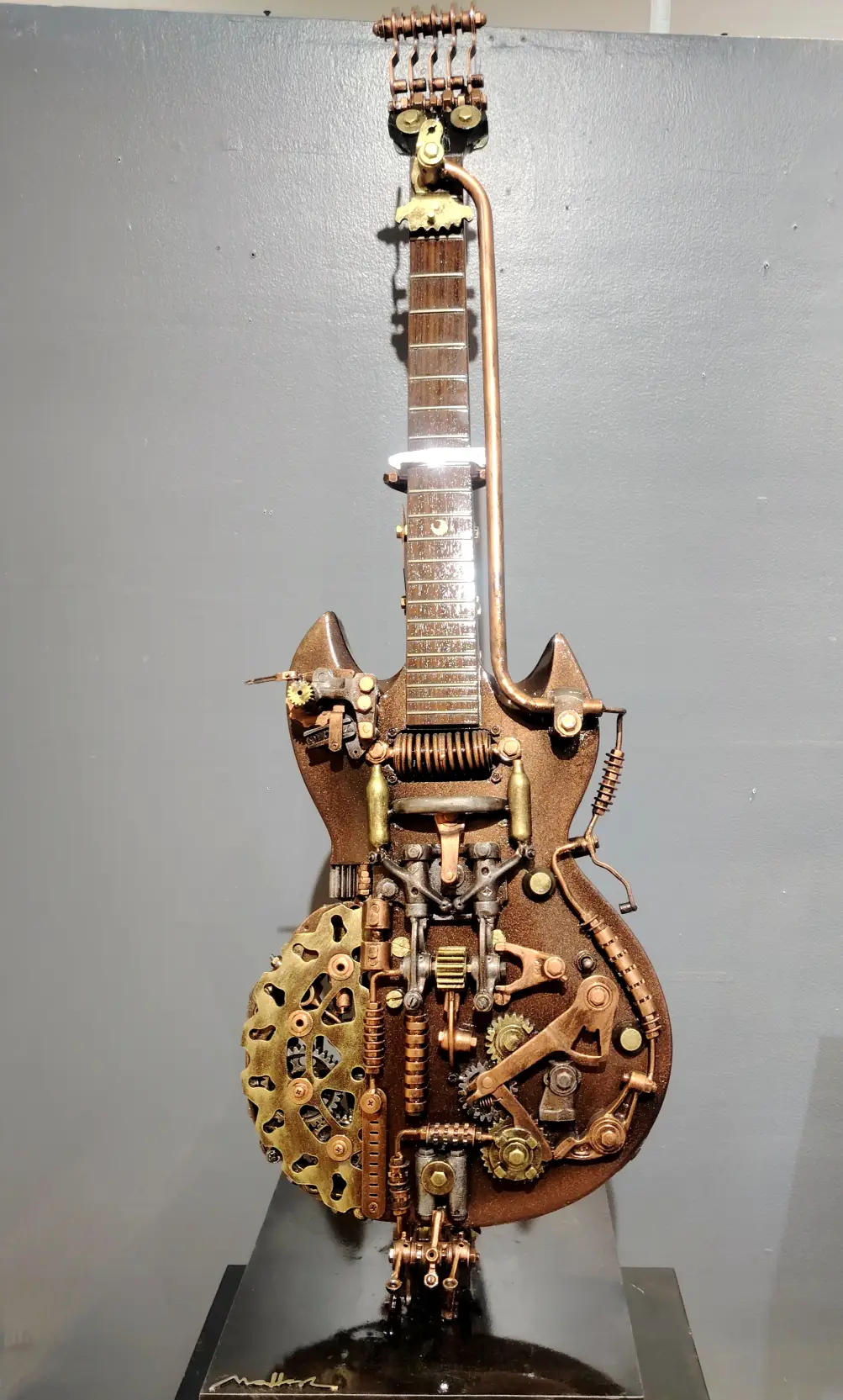
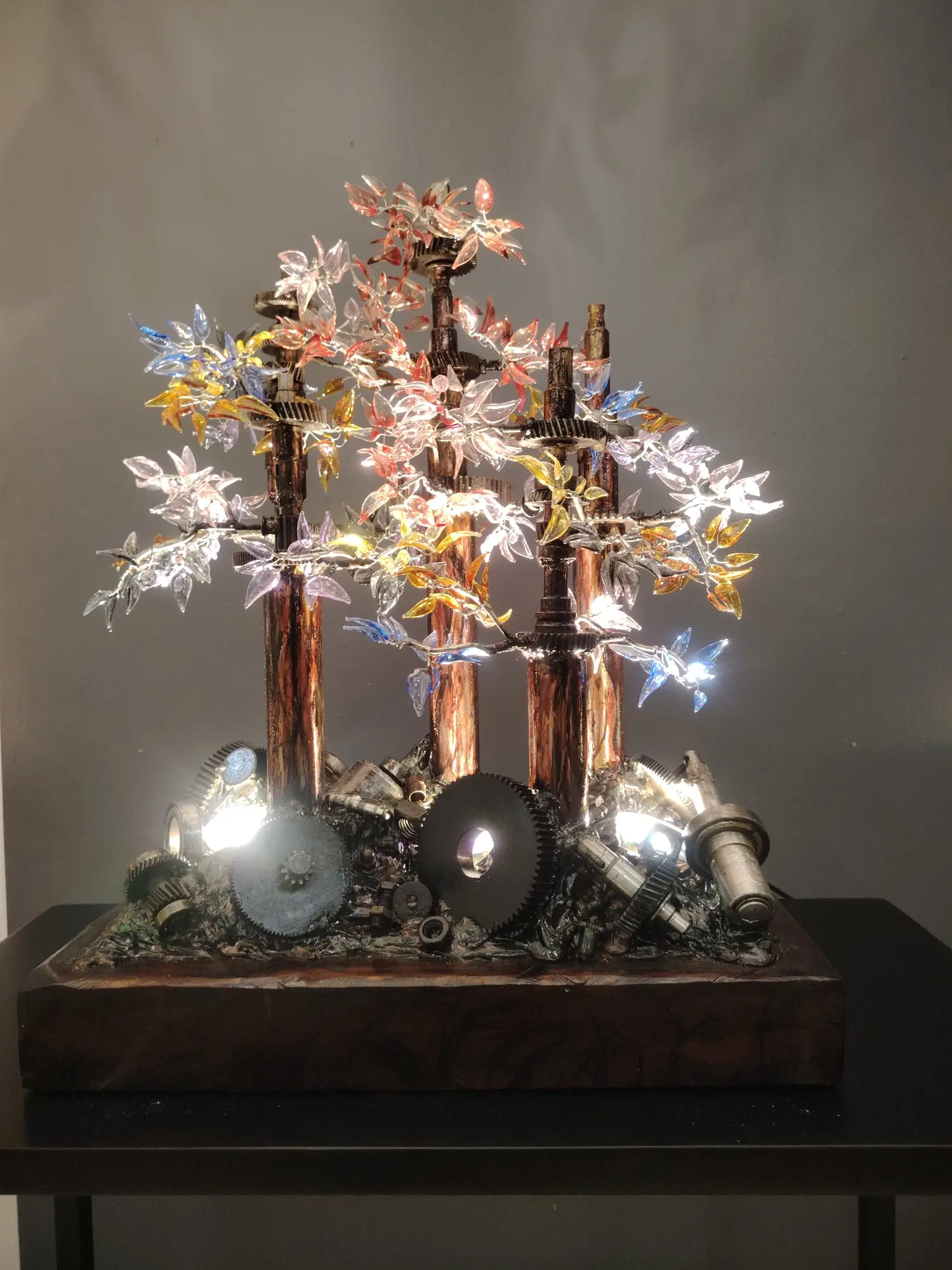
This imaginative spirit abounds in the exhibit. Ram Mallari’s “The Steam Caster” and “Battle of the Nuts” reimagines the guitar and the chess board as mechanisms made of gears and propelled by steam; Jinggoy Salcedo fascinates with his forests made of a mix of metal and glass and lit with whimsical colors; and James Dayrit gets playful with references to Filipino pop culture with his sculpture of the Voltes V robot in mid-attack.
Ramon Orlina, the legendary glass sculptor from which Museo Orlina gets its name, expressed his own satisfaction at the artworks for Eskultura IV: Steampunk.
“As a sculptor, I am happy that the field of sculpture is flourishing in the Philippines,” he said. “I am impressed with the talent and ingenuity of the artists in this show and hope this show will inspire more artists to try their hand at sculpture.”
Eskultura IV: Steampunk showcases the imagination inherent in the way we as Filipinos conceptualize our realities. We don’t just see the technology’s surface, but the gears and bolts beneath it, digging deeper to meld the technology towards our environment. It’s not just about adopting art styles; we make it our own.
Eskultura IV: Steampunk will run in Museo Orlina until November 24.
Photos provided by the gallery.
Related reading: ‘RAM: Nature’s Abundance’ is the Orlina Family’s Collaborative MoCAF Exhibit
Frequently Asked Questions
Steampunk is a speculative artistic movement that merges the aesthetics and steam-powered technology of the 19th-century Industrial Revolution with modern or futuristic concepts. In sculpture, it is characterized by a “maximalist” approach that exposes the literal nuts and bolts, gears, and mechanical inner workings of an object. Unlike modern minimalism, steampunk celebrates the raw visibility of craftsmanship, using materials like brass, copper, wood, and glass to create hybrid machines or creatures.
In the Philippines, steampunk is often viewed as an extension of the local culture of improvisation and recycling. Filipino artists like Darwin Guevarra interpret the genre by showcasing “jury-rigged” vehicles and devices, similar to how the jeepney was born from repurposed military parts. The use of rusted aesthetics and repurposed materials reflects the Philippine reality of humidity and the “make-do” ingenuity where seemingly broken devices are constantly recycled into new, functional forms.
The exhibition features an eclectic mix of materials that bridge the organic and the mechanical:
Repurposed Metal and Resin: Used by artists like Ram Mallari and Darwin Guevarra to create industrial forms.
Glass and Metal: Integrated by Jinggoy Salcedo to create “mechanical forests.”
Wood and Fabric: Utilized by Agi Pagkatipunan to add organic warmth to mechanical narratives.
Ceramics and Found Objects: Challenging traditional sculptural boundaries through sustainable, recycled practices.
The exhibit bridges this gap by creating sculptures that function as “fictional devices.” While the artworks are aesthetic, they are designed with the internal logic of a machine, featuring gears, valves, and pistons. Works like Ram Mallari’s The Steam Caster (a reimagined guitar) or James Dayrit’s steampunk Voltes V robot force the viewer to consider the “practicality of science” within a whimsical, magical context, suggesting an alternate universe where steam remains the primary power source.
Hosted by the family of legendary glass sculptor Ramon Orlina, the museum uses themes like steampunk to push the boundaries of what is considered “contemporary” in the Philippines. By moving away from purely abstract glass or traditional figurative works, the museum encourages a “playful and speculative” side of local sculptors. This helps flourish the field of sculpture in the country, inspiring artists to experiment with industrial narrative-building and sustainable art practices.

Archie G. Carrasco, Chairman and CEO of AGC Power Holdings Corp. (AGC PHC), has been named to The BoF 500 Class of 2026 under the Media category, joining The Business of Fashion’s global community of individuals shaping the fashion industry. Carrasco is among 100 new members from 33 countries and 48 nationalities selected for the […]
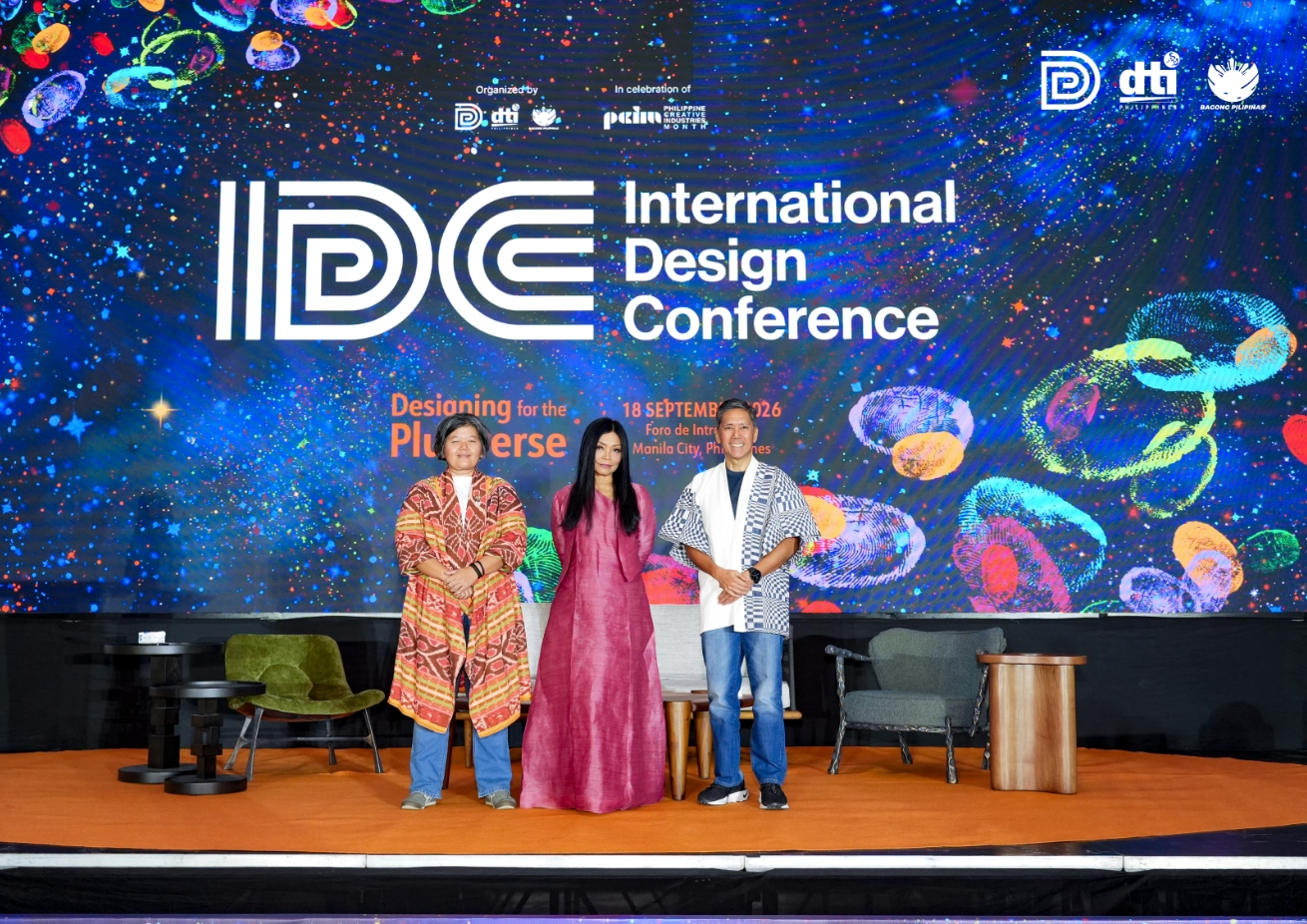
Culture in design does not always announce itself through a recognizable motif, material, or symbol. It can also be embedded in the relationships designers build, the knowledge they listen to, the materials they choose, and the decisions they make in response to communities and their environments. This distinction emerged throughout the 2026 International Design Conference […]
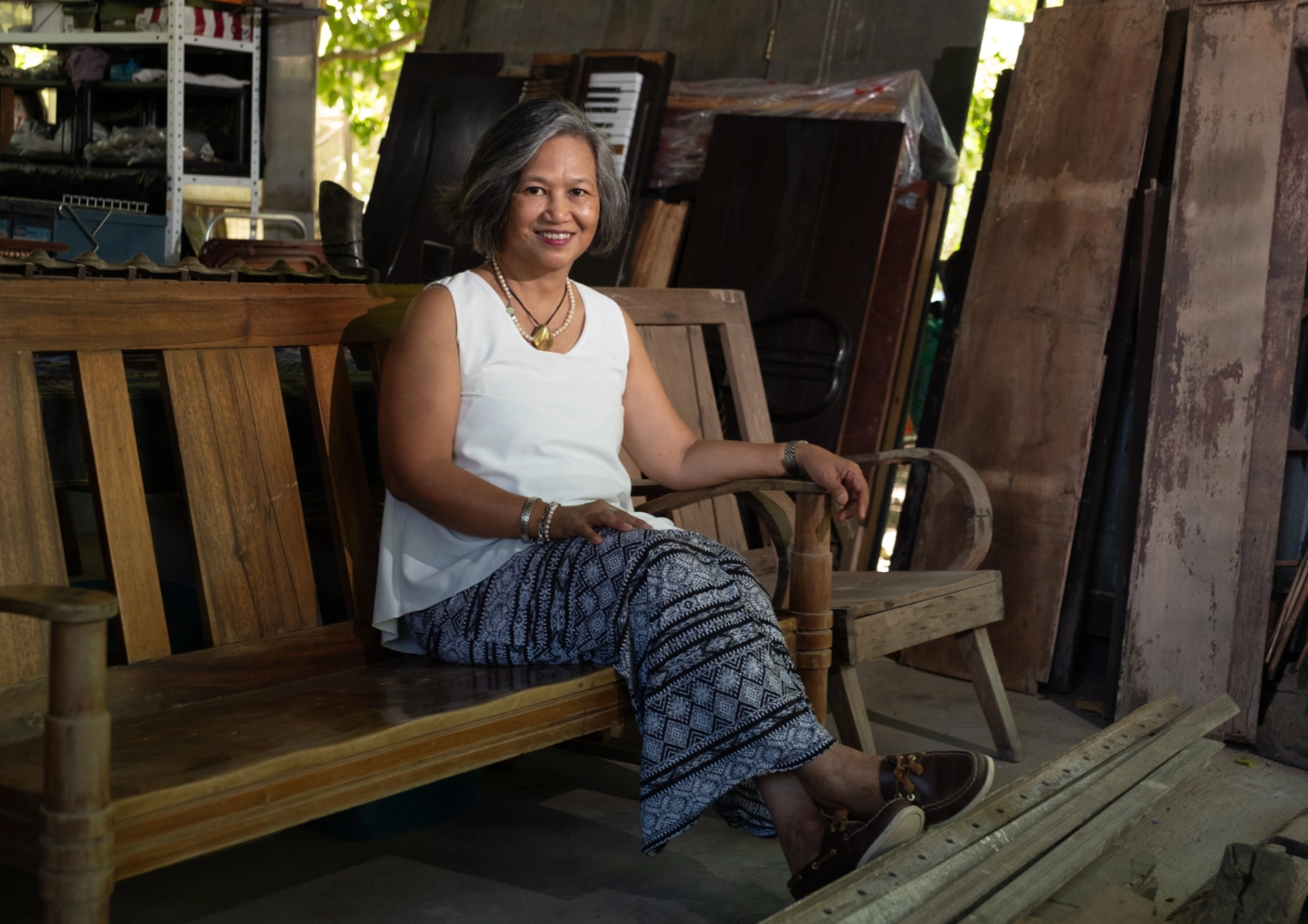
Rinna Soriano’s favorite part of her work is sanding. At her workbench, she stays focused, following the grain, adjusting to changes in its direction. NarraNarraThe national tree of the Philippines, Pterocarpus indicus, prized for its durable, reddish-gold hardwood and handsome grain. Traditionally used for furniture, flooring, and carved panels, narra is now protected fromGo to […]
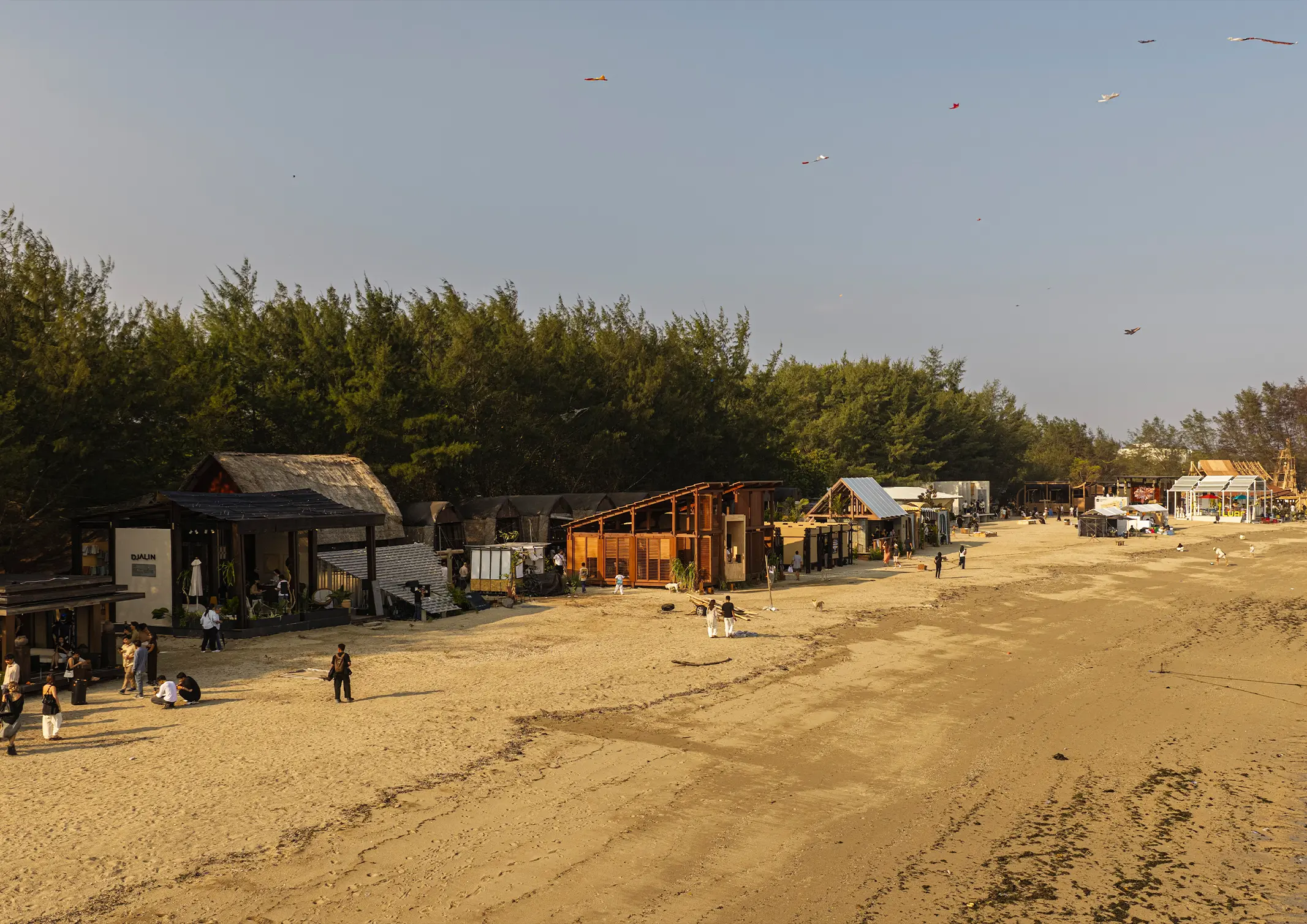
After being set amongst the ruins of an abandoned theme park in the past years, Jia CURATED found a home on the shores of Pengembak Beach, Bali for this year’s installment. It’s a unique location with multiple natural features like Sanur’s coastline, pine and mangrove forests, and a stream—making nature an important participant for how […]
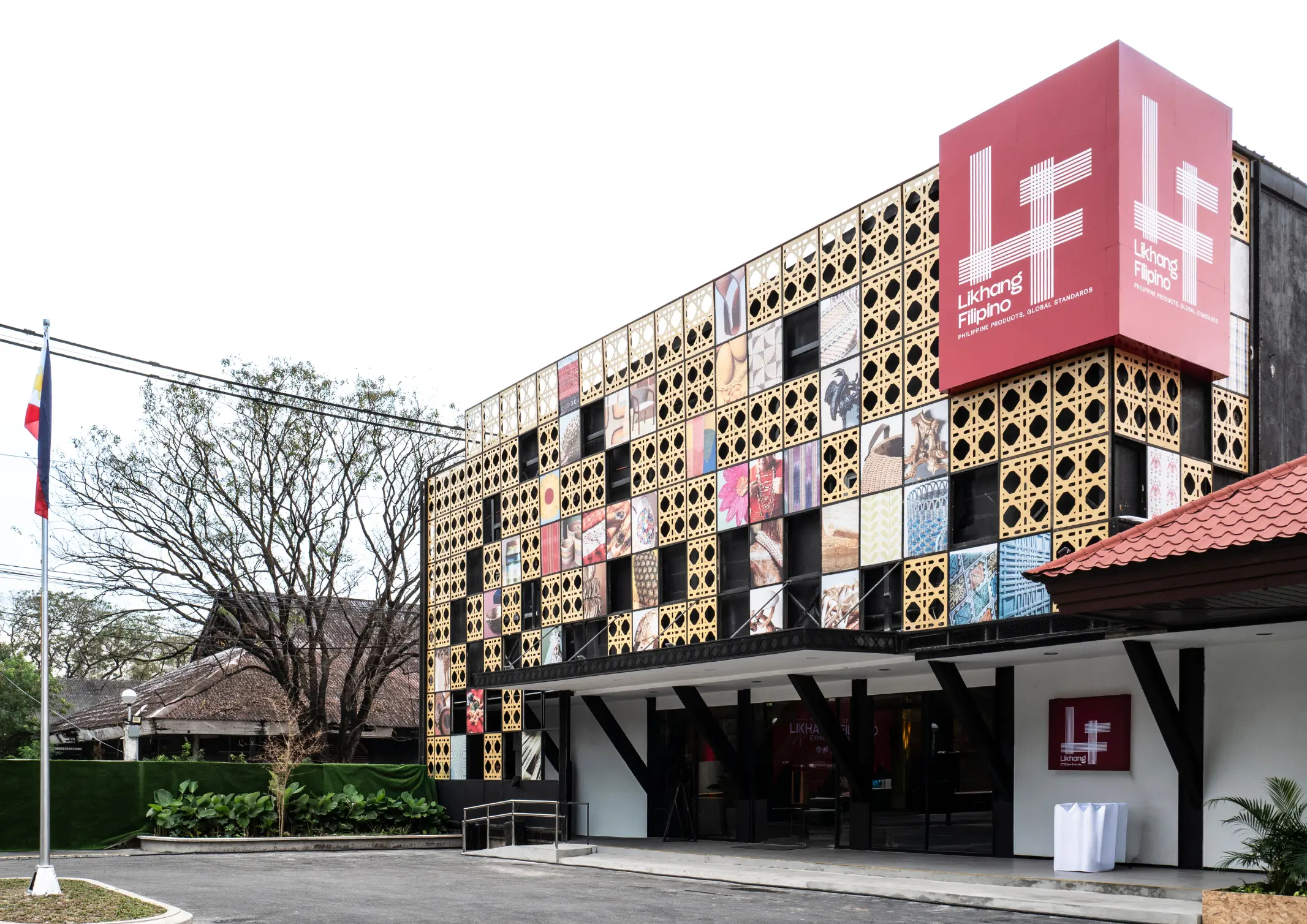
Likhang Filipino stands on the former site of the PhilTrade Center along Roxas Boulevard in Pasay City, a landmark that once symbolized the Philippines’ export ambitions and introduced Filipino craftsmanship to international audiences. Originally inaugurated in 1979, the PhilTrade Center was conceived as a national showcase for Philippine exports, with its longitudinal form and sloping […]
Read the issues.

Collect the volumes.

Recommended Video
Tap to Unmute
Unmute
0:00
0:00