Contemporary design refers to the constantly evolving design trends of today. With the power to design our built environments, architects have been experimenting with various architectural approaches. Whether that is through unconventional forms or the integration of smart technologies, BluPrint lists down Filipino architects who are defining contemporary architecture. Deo Alam Architect Deo Alrashid Alam […]
‘Gyre Dominion’: Jose Olarte Digs Up Meta-Commentary for Industrial Progress



Is all progress good progress? Jose Olarte’s Gyre Dominion struggles with the question throughout his exhibit, showing in Mono8 Gallery until July 18. In it, he utilizes symbols of industrial might and power to probe how we portray the reality of industry.
The artist said that he researched different dams across the country, including the Angat dam in Bulacan and the Caliraya dam in Laguna. While he highlights the positive things they provide, like electricity and light, he also finds himself ruminating on their negative side effects and how they reinforce the practice of imperialism and foreign rule.
He points out the underpaid and overworked laborers treated badly in the project. Olarte also underscores the displacement of indigenous groups and farmers from their lands. “These projects are instrumental in driving neo-liberal capitalist forces as they are more used as structures for profit,” he said.
Advertisement
Defining Progress Through Infrastructure
With that mindset, Gyre Dominion finds its footing by dissecting power structures of society, including the literal power-generation dams mentioned earlier. The exhibit has a grimy, bare-concrete look akin to Nine Inch Nails’ music videos of the 1990s. Olarte’s chosen aesthetic contributes to this feeling of dread.
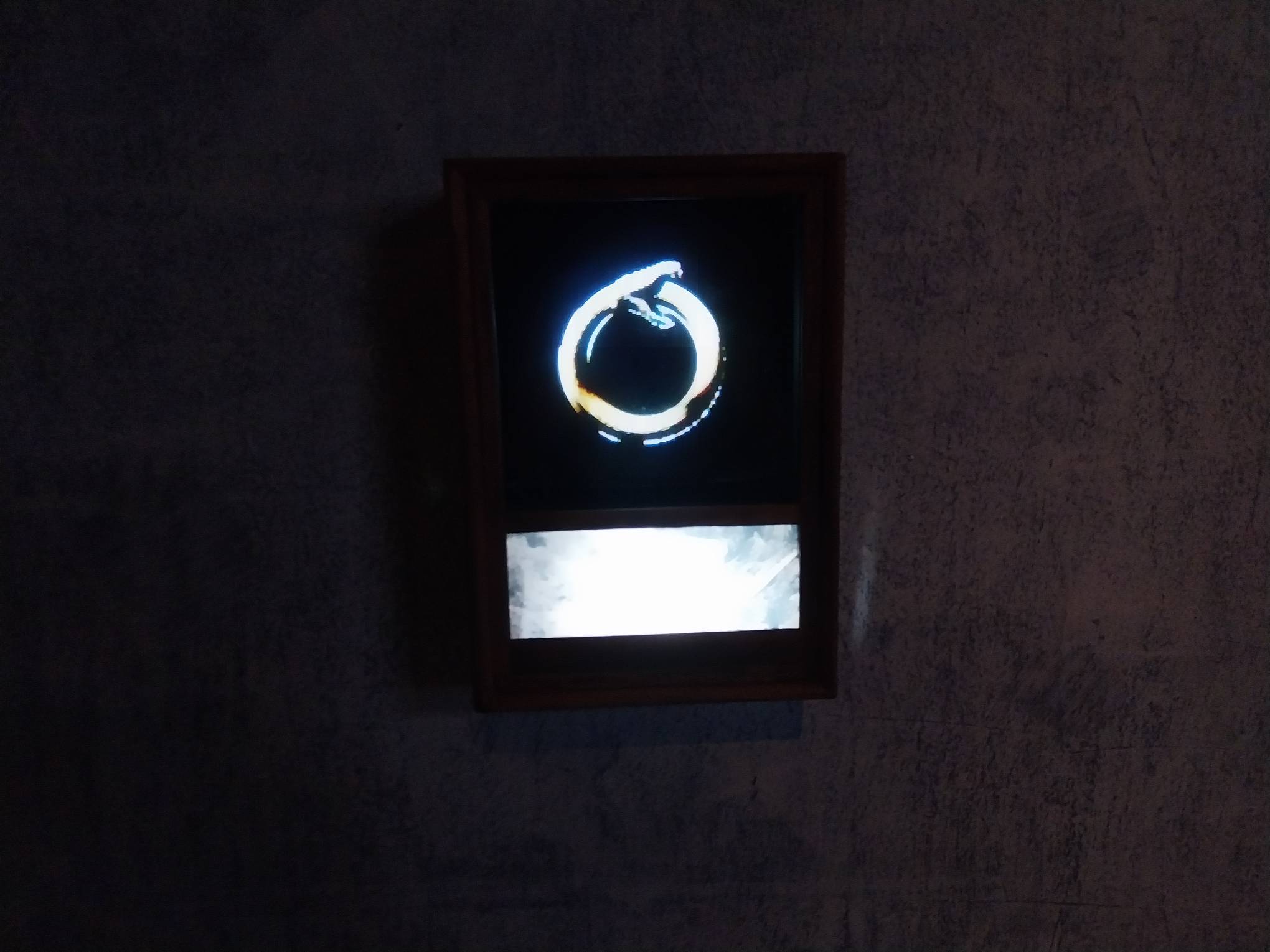
He uses an interesting mix of low and high technology to create strange visions to entrance the audience. “Downward Spiral,” for example, is a wooden plaque with an ouroboros symbol at the center. The artist uses a holographic image to create the effect of the snake eternally circling around and eating itself inside.
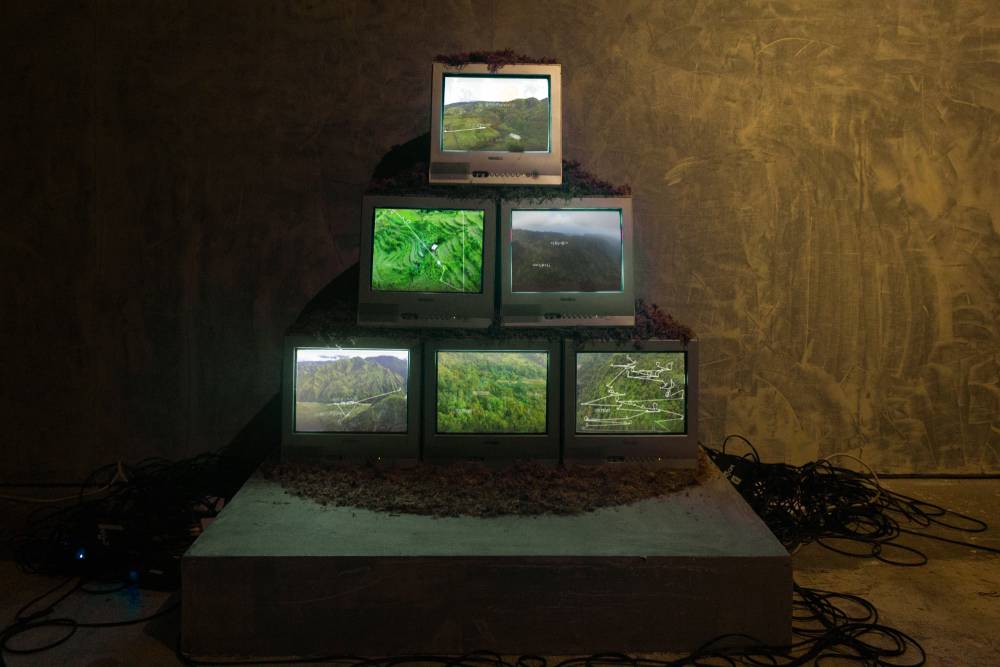
Multiple parts of the exhibit mix the old and the new to make a point about the decay of industry. On one side of the room, multiple televisions stacked up together show footage of lush mountainside. One looks at it and realizes that it presents the areas lost to progress, how industrialization destroys the environment instead of working for it.
Advertisement
Perspectives and Schematics
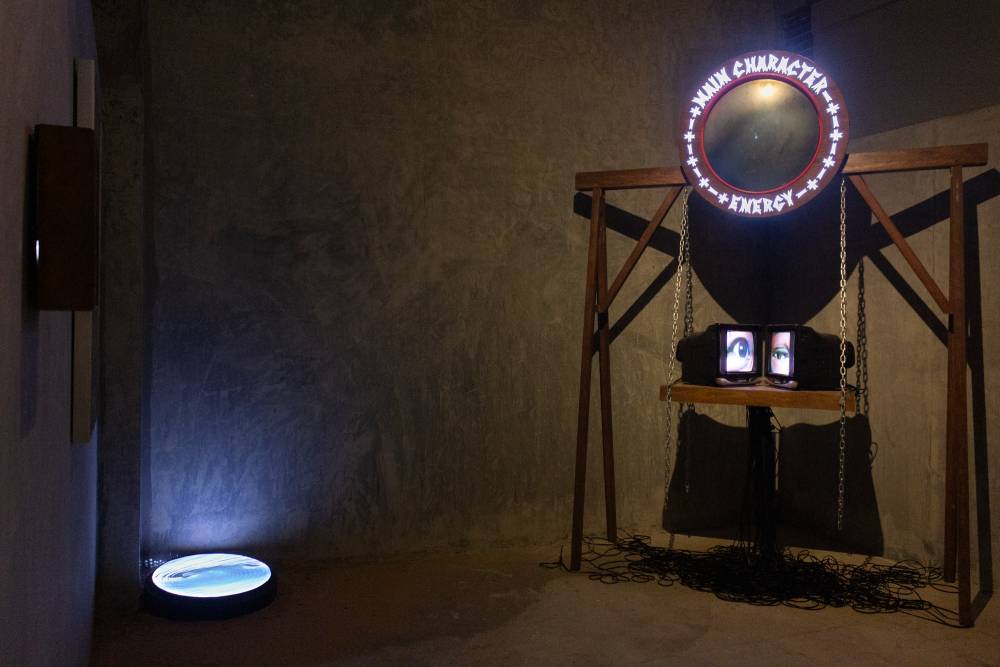
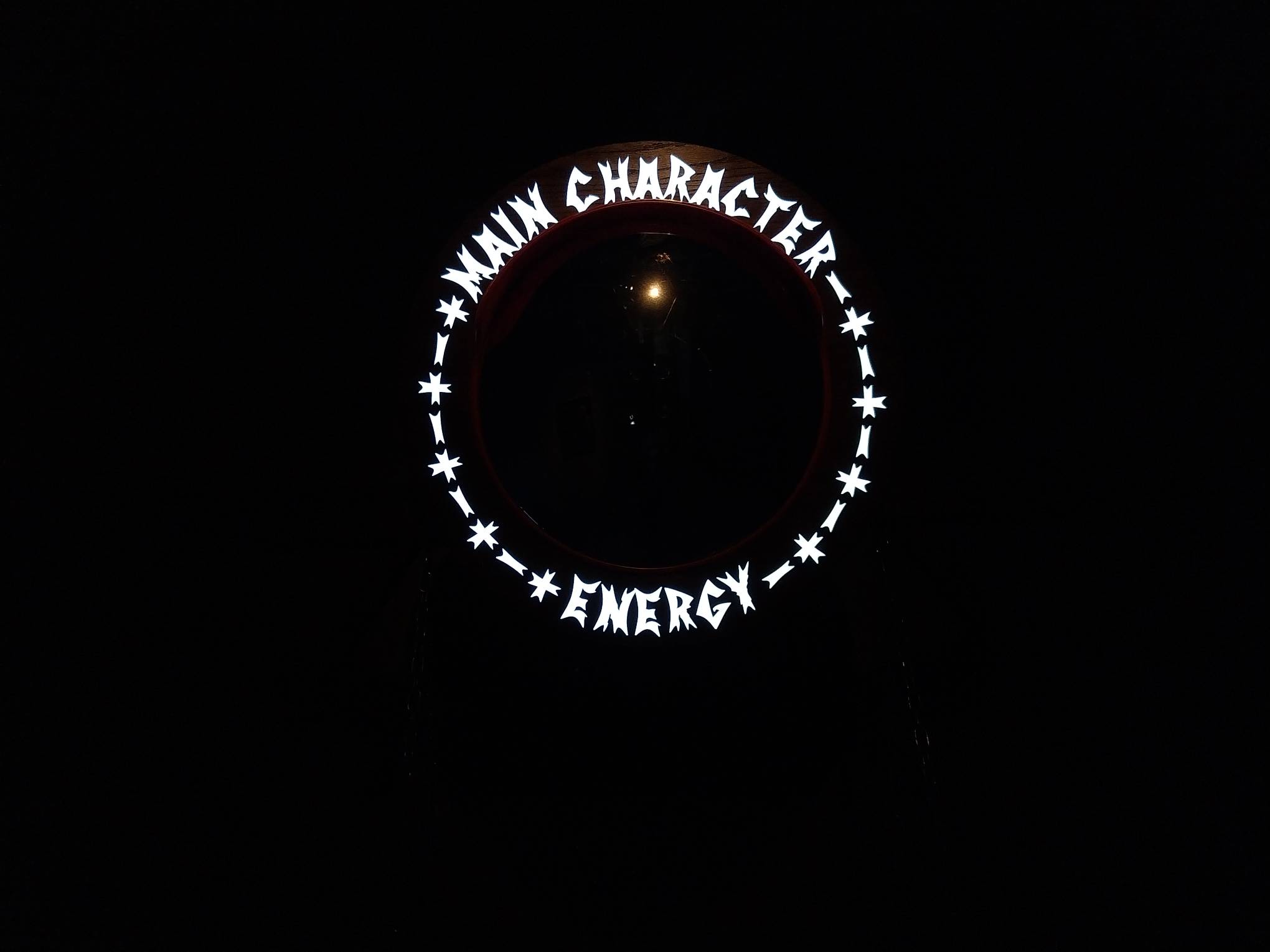
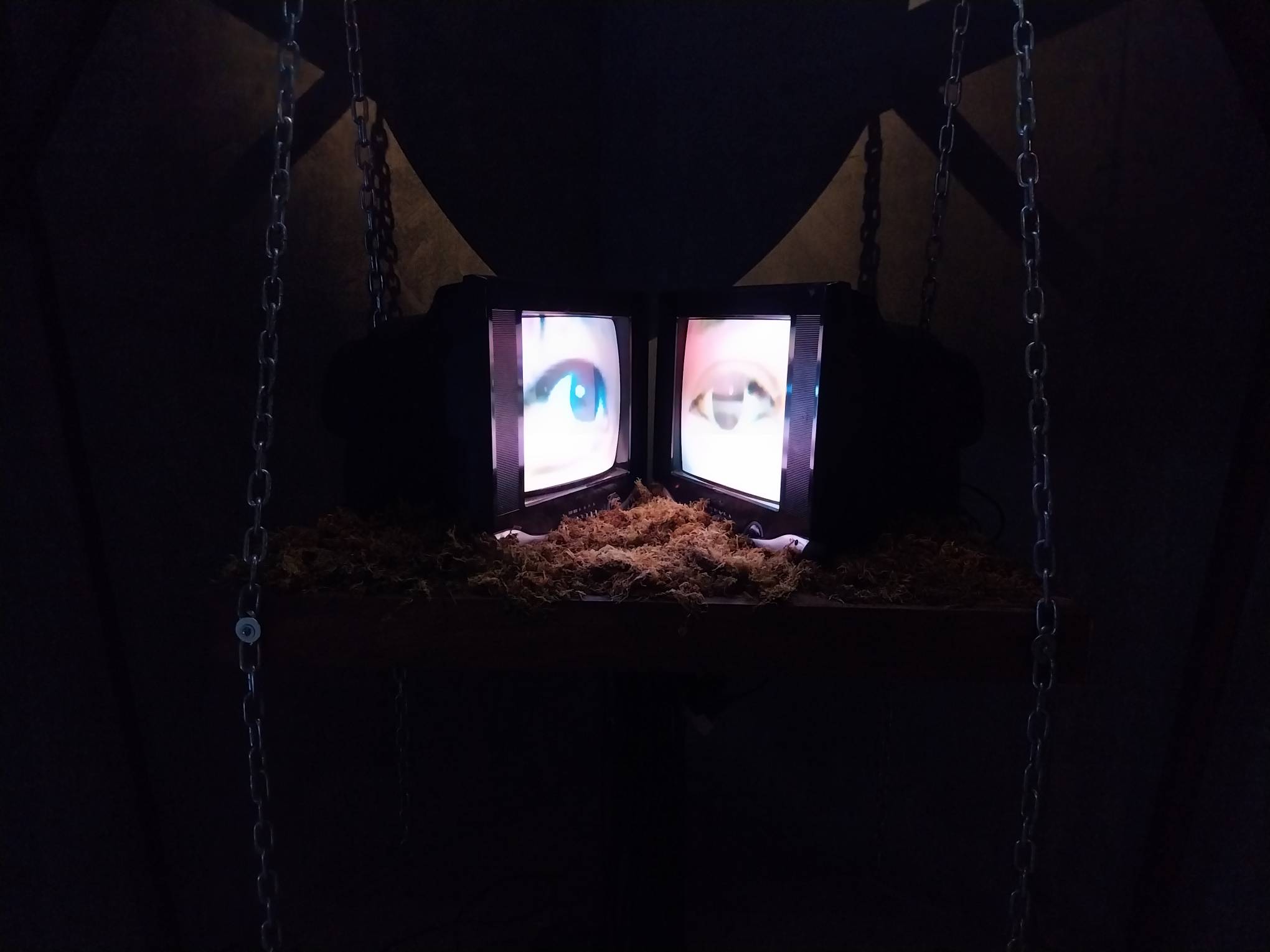
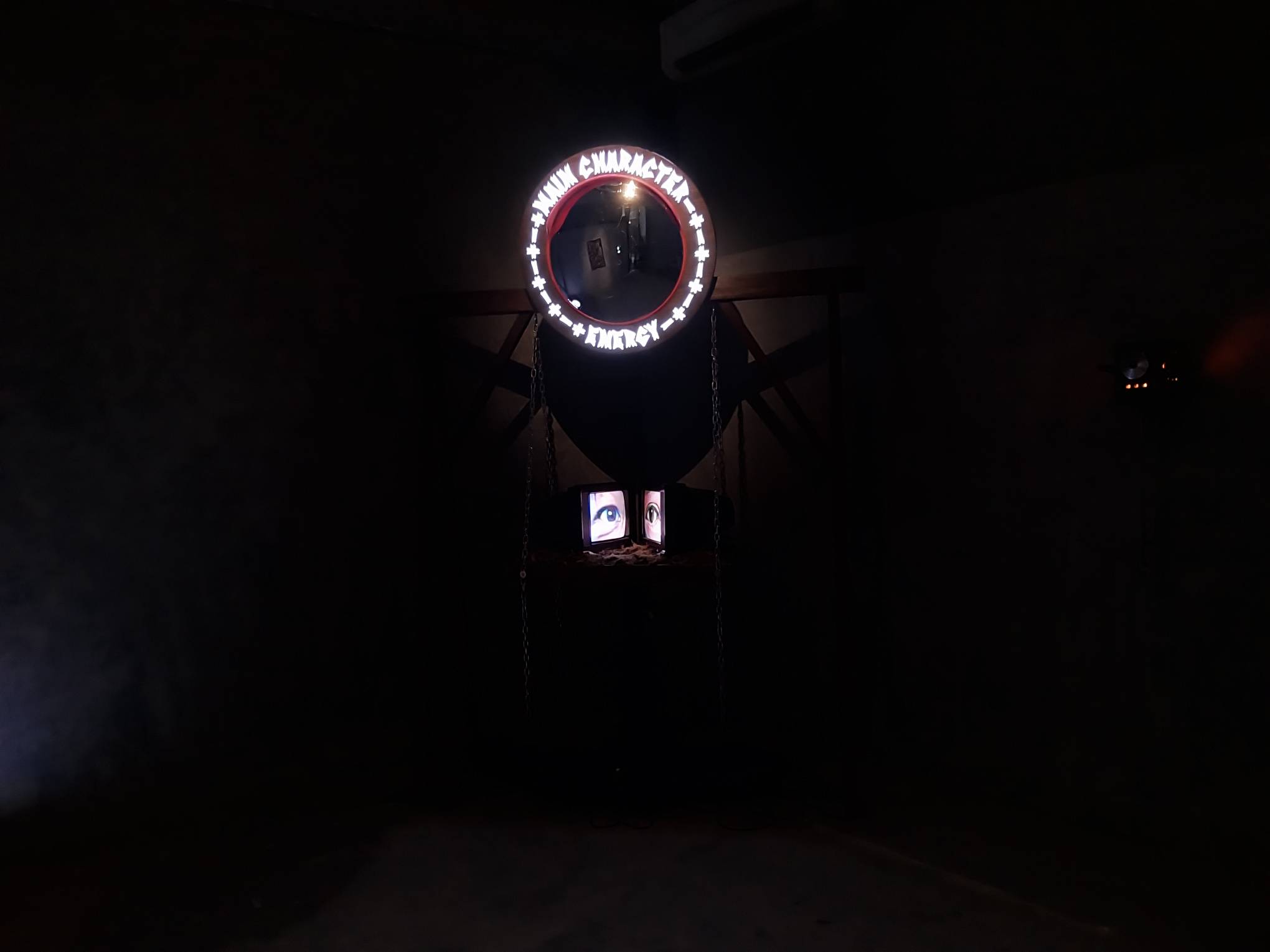
The centerpiece of the exhibit, “Forced Perspective (Six Degrees of Separation),” uses two televisions showing eyeballs while they stare passively into the distance. The artist took the eyeballs from images of the current sitting president and vice president of the country. It sits on a table held together by chains, while a mirror glows above with the words “Main Character Energy” on top of it.
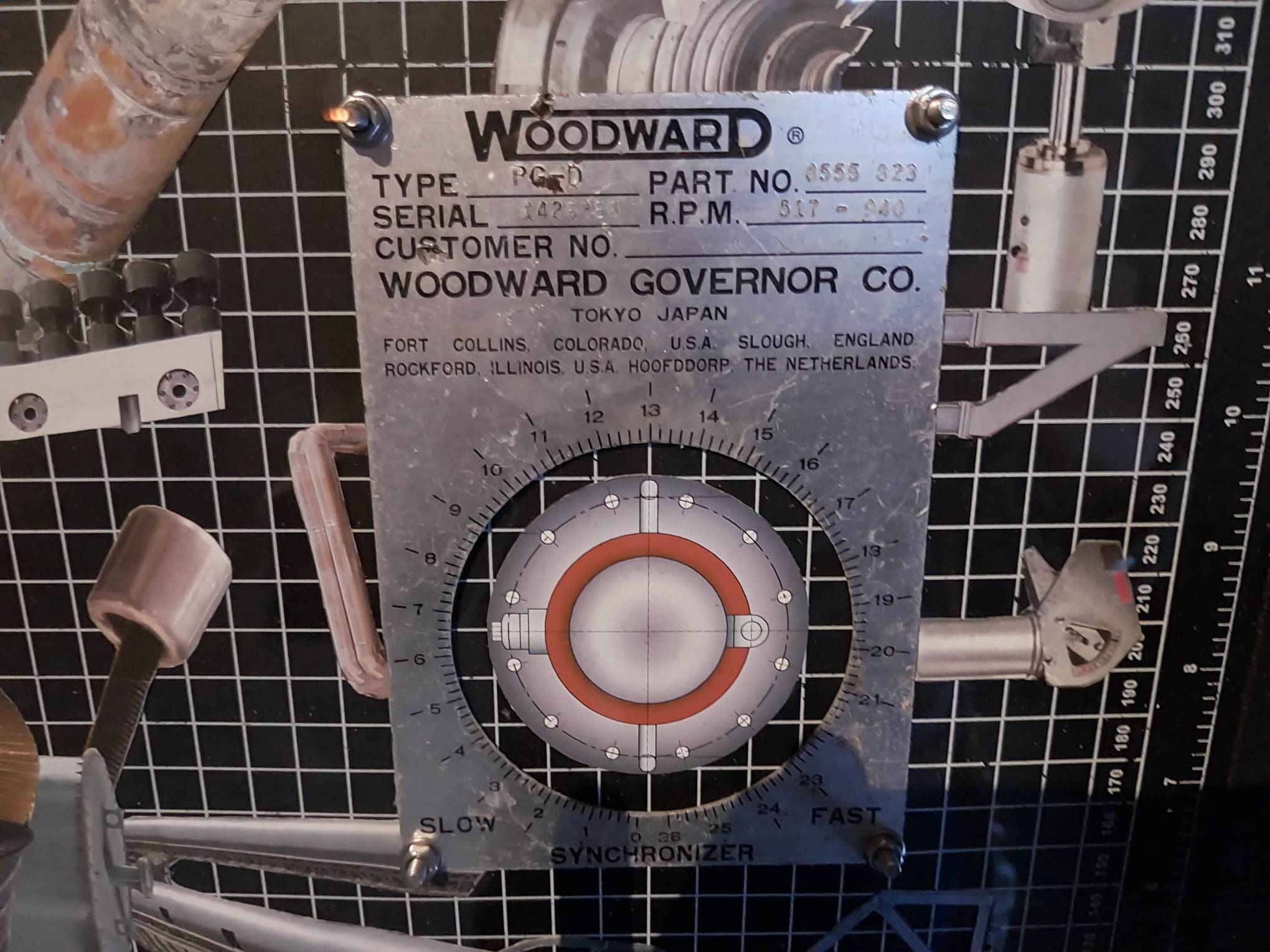
Another work showcased is “Tertiary Growth.” A collage of different mechanisms used in building a dam, it deconstructs the pieces as a way of discussing the idea of power further. We see the different important parts of a hydro-dam, from the gears to the propellers to the engines that power it. Prominent on the side of “Tertiary Growth” is the information of the Japanese company that we assume provided the tools.
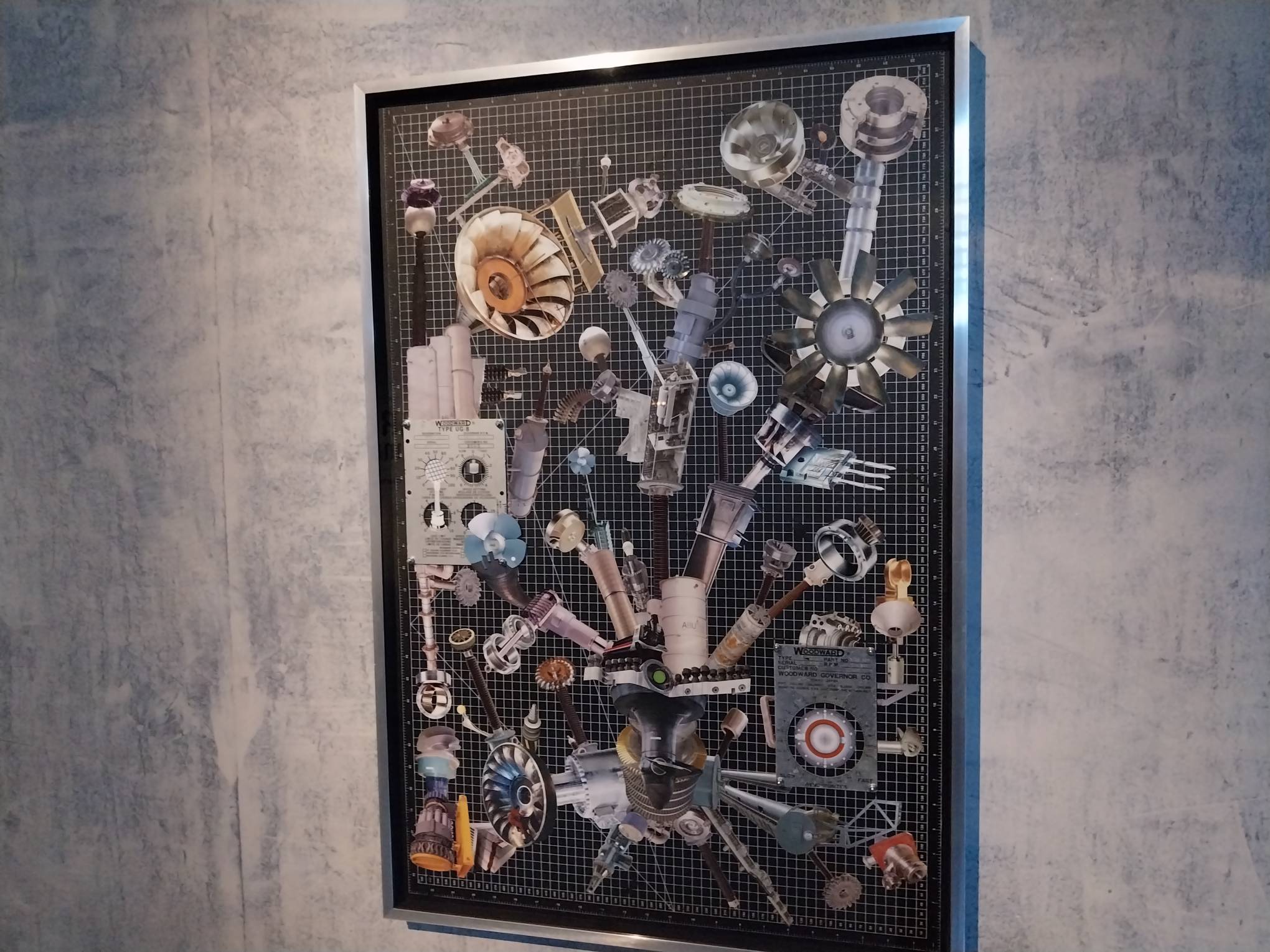
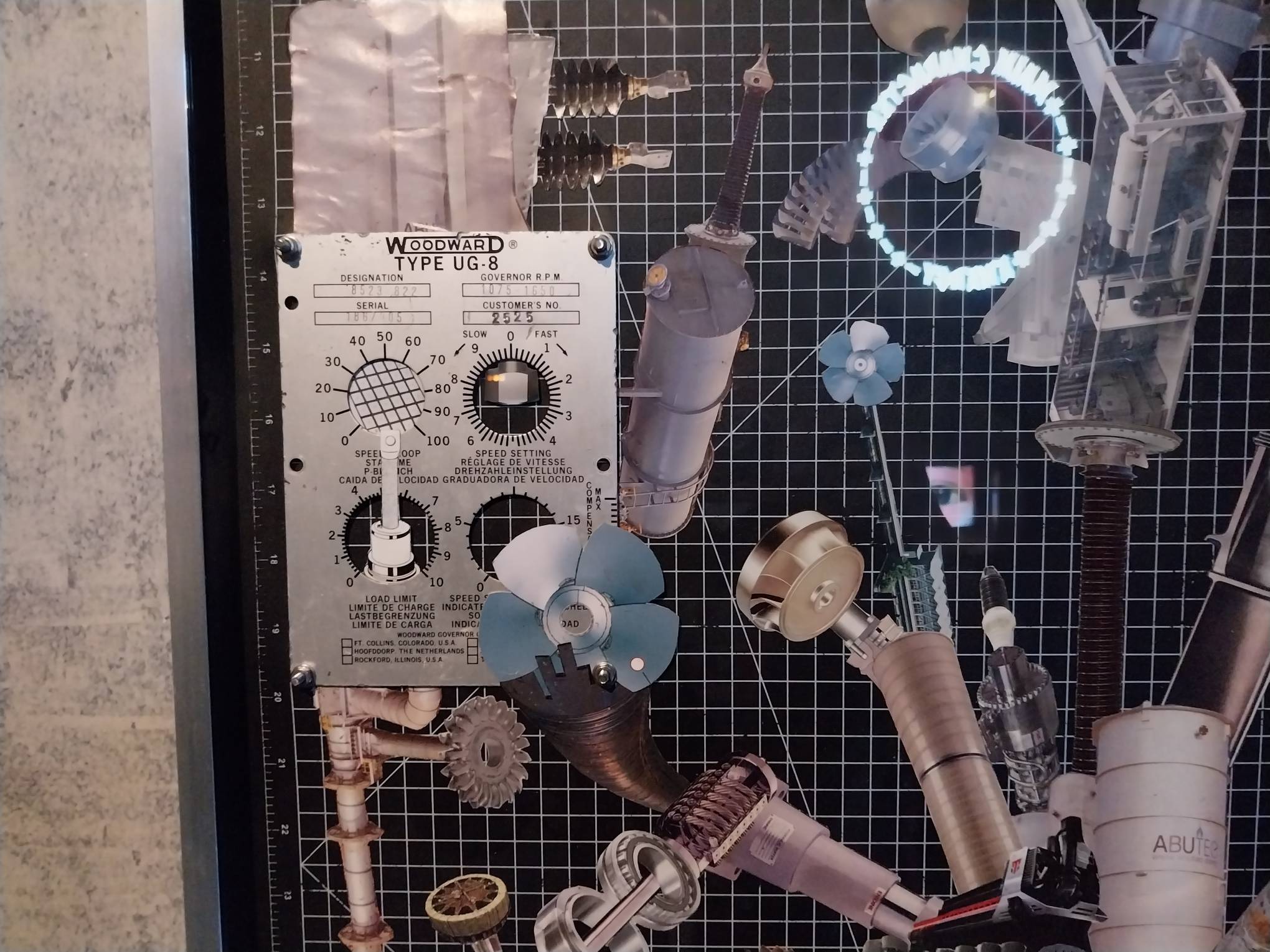
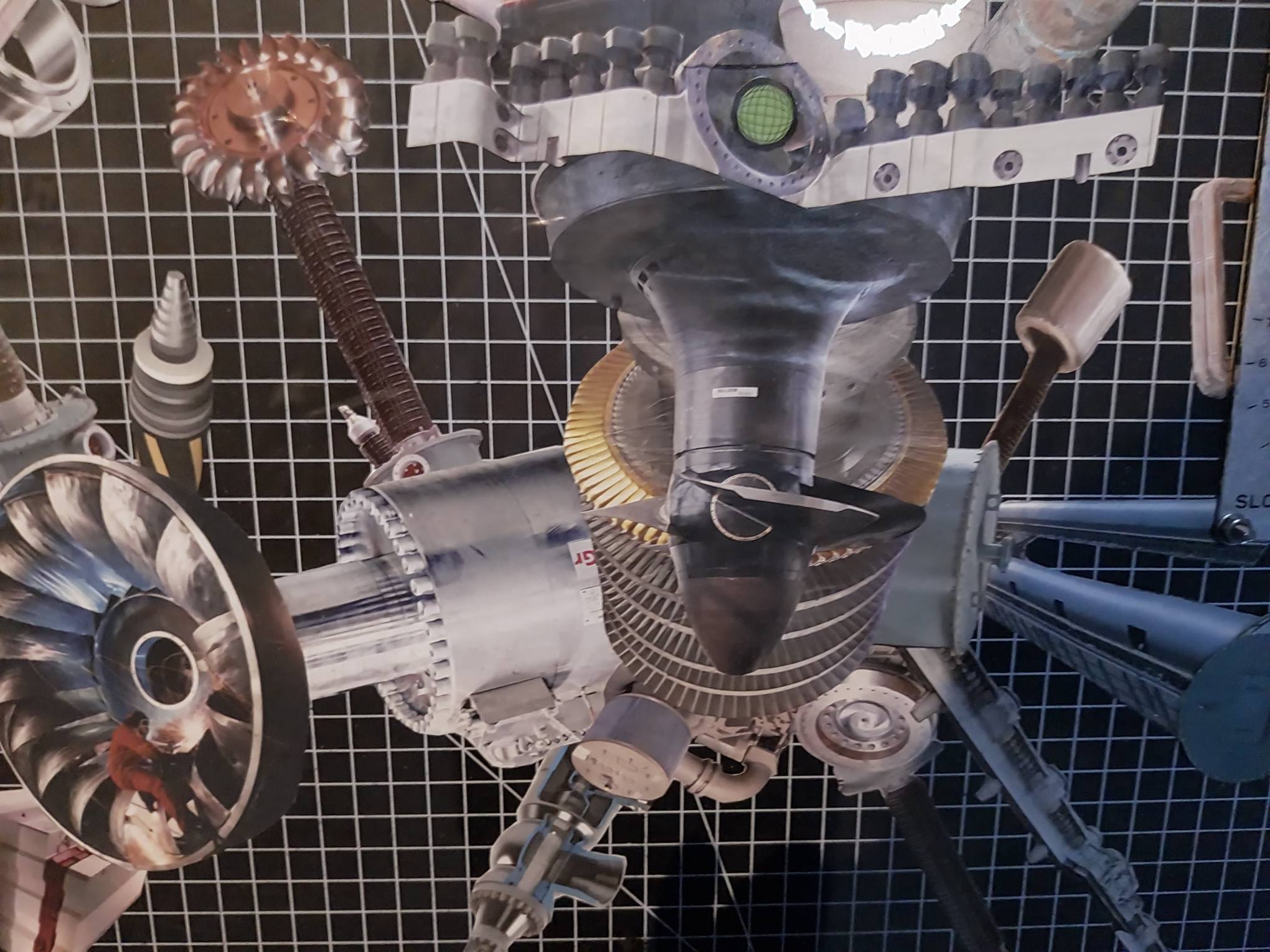
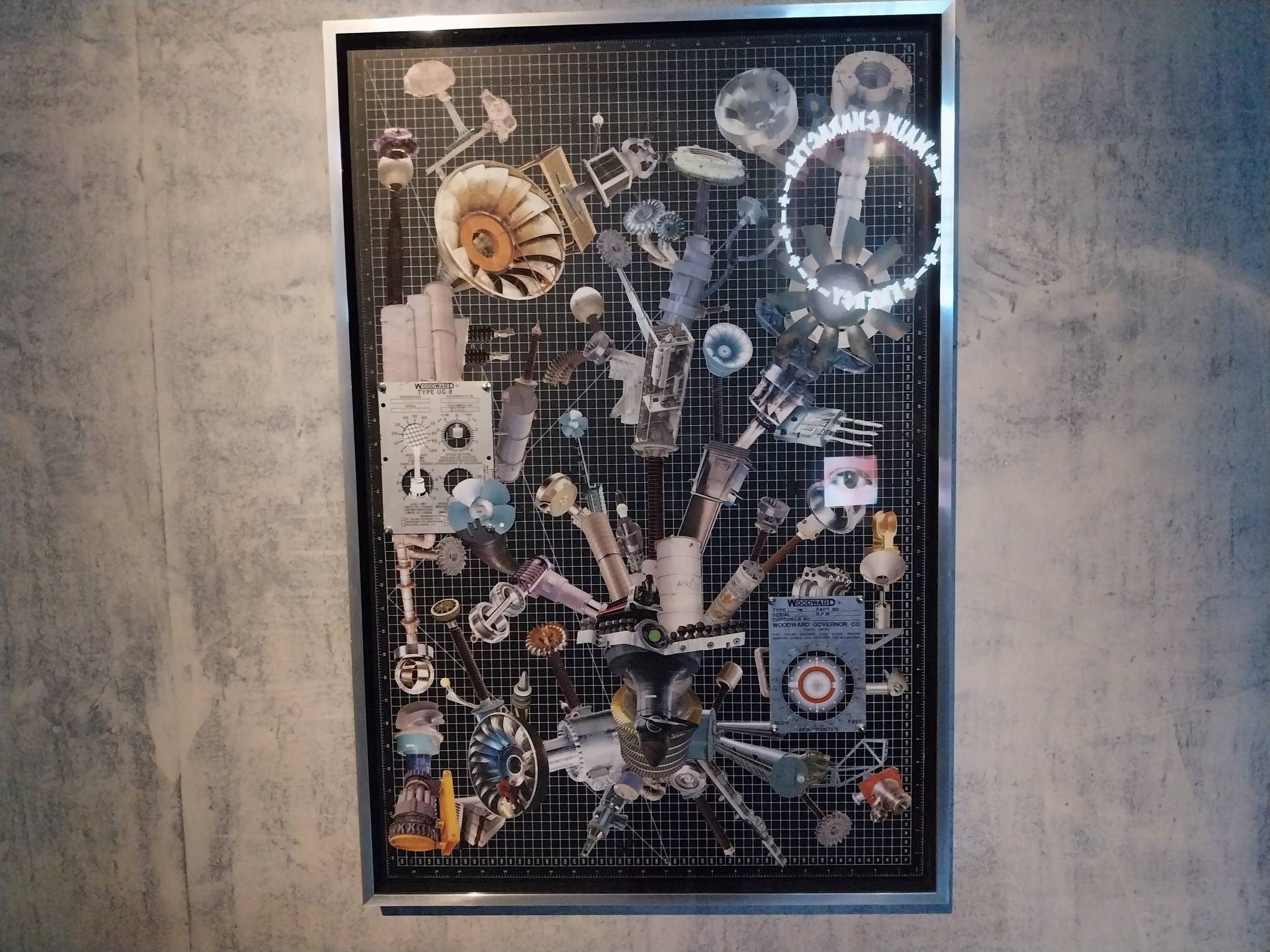
The collage incorporates various components and imagery associated with a hydroelectric dam. The pieces include items resembling turbines, gears, pipes, and other mechanical parts commonly found in hydroelectric systems. These elements are arranged in a dynamic and somewhat chaotic fashion on a grid background, suggesting a sense of movement and complexity.
Advertisement
Exploitation at the Core
The exhibit highlights how the exploitation of labor benefits only a few. Olarte notes that the dams probably enriched foreign companies, investors, and high-level officials more than the public.
While hydro-dams offer cheap energy to nearby residents, they also harm livelihoods, farmer and indigenous rights, and the environment. This industrial progress often subjugates those within the system.
“Gyre Dominion” explores the complex morality and politics of energy production. It reveals how marginalized people are sidelined for industrial gains, even as many enjoy increased comfort. Jose Olarte challenges us to question if this is the only path forward.
Advertisement
Related reading: Stainless steel ribbons clads Petersen Automotive Museum in LA
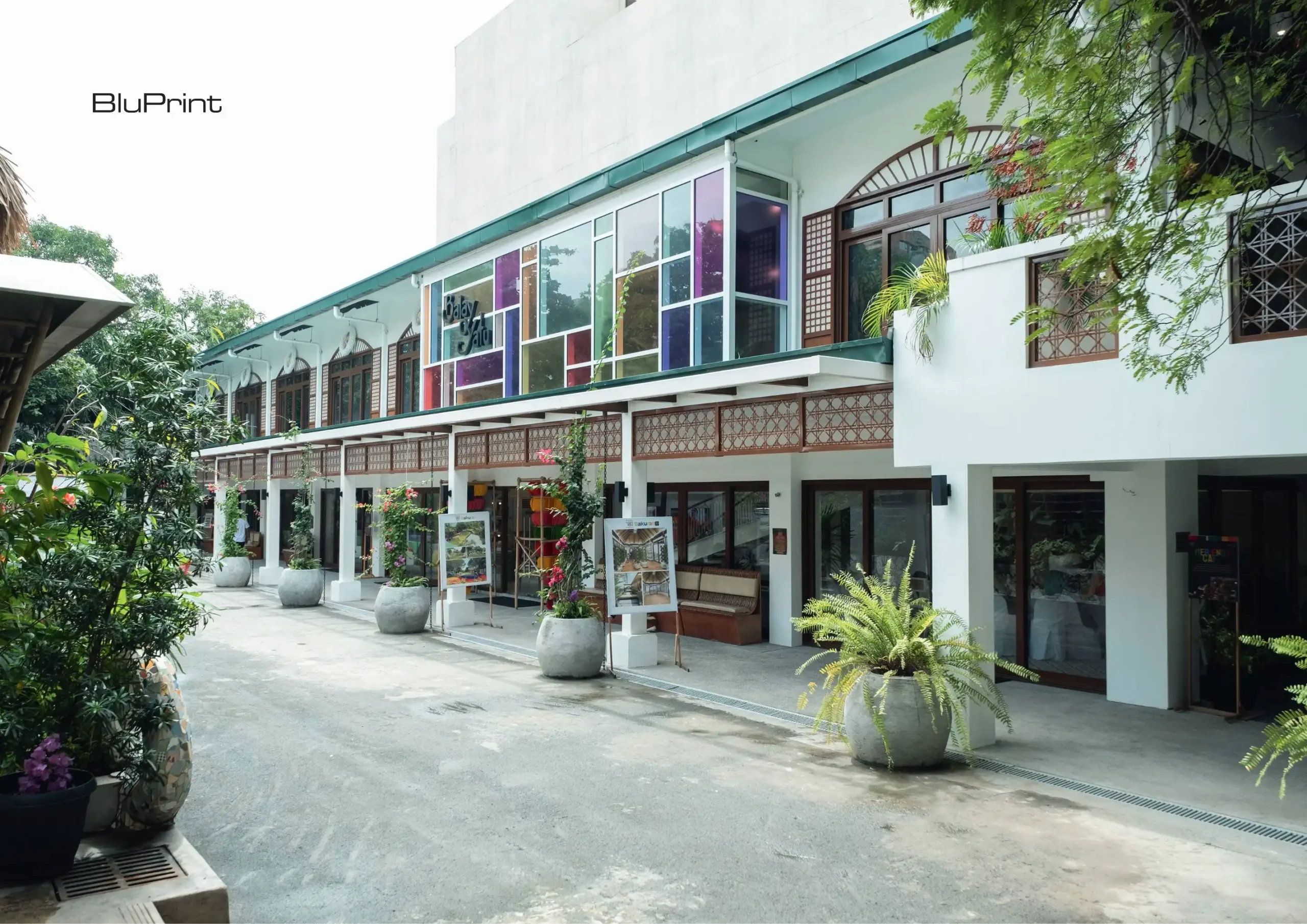
In the Philippines, adaptive reuse gained traction during the 1970s with the rise of conservation and environmental preservation movements. It offered an architectural solution that reuses existing spaces to fit modern needs. Across the country, several projects demonstrate how this approach is being applied—transforming heritage structures into active spaces for culture, hospitality, and community life. […]
Advertisement
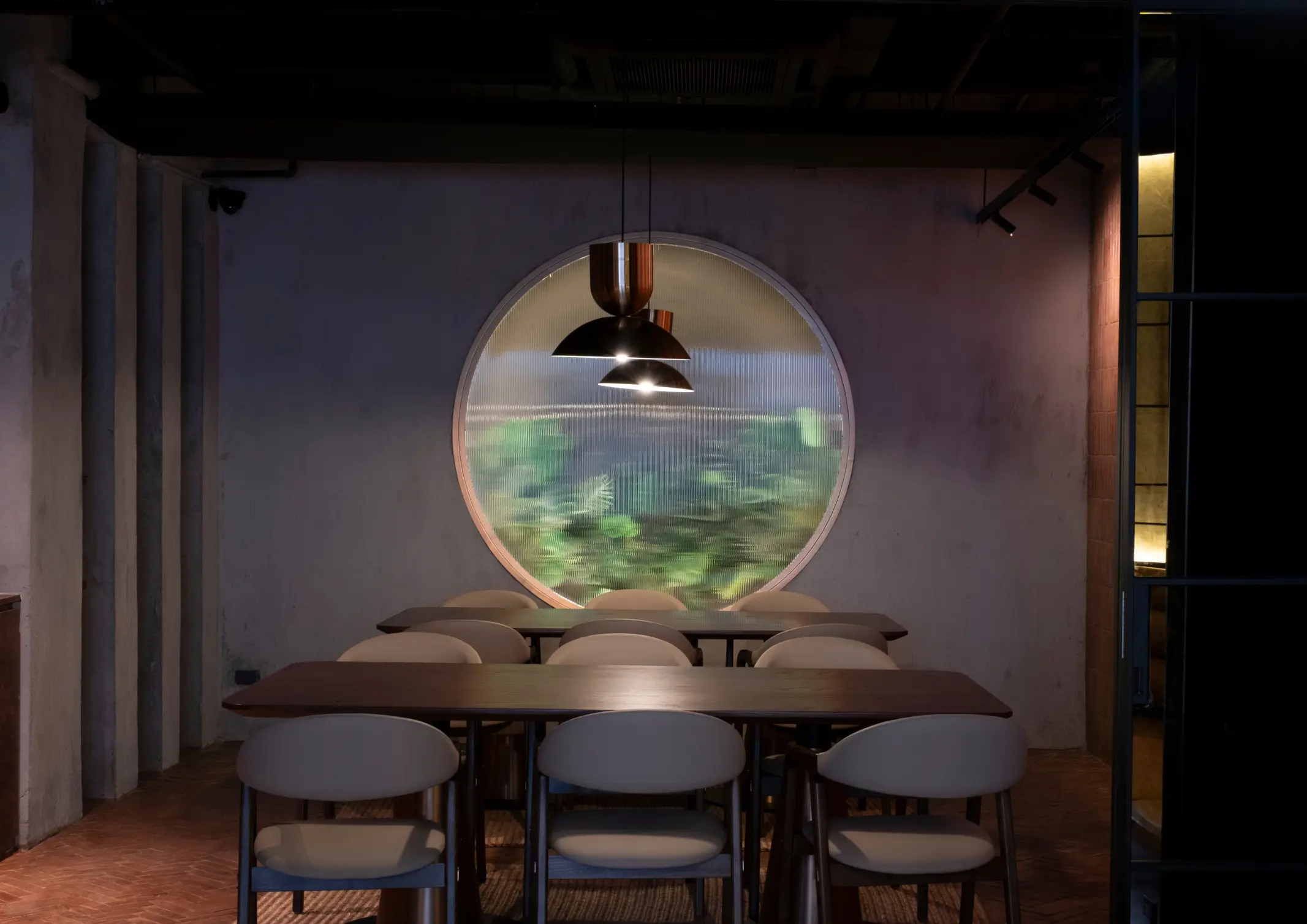
From residential spaces to civic structures, lighting dictates the mood of a space. It controls the visual dynamics of an interior, serving as a guiding tool that highlights key design elements, including materials and textures. Related Reading: Lampscaping: How to Light up Your Home like a Pro Regulating the Mood: Natural and Artificial Light in […]
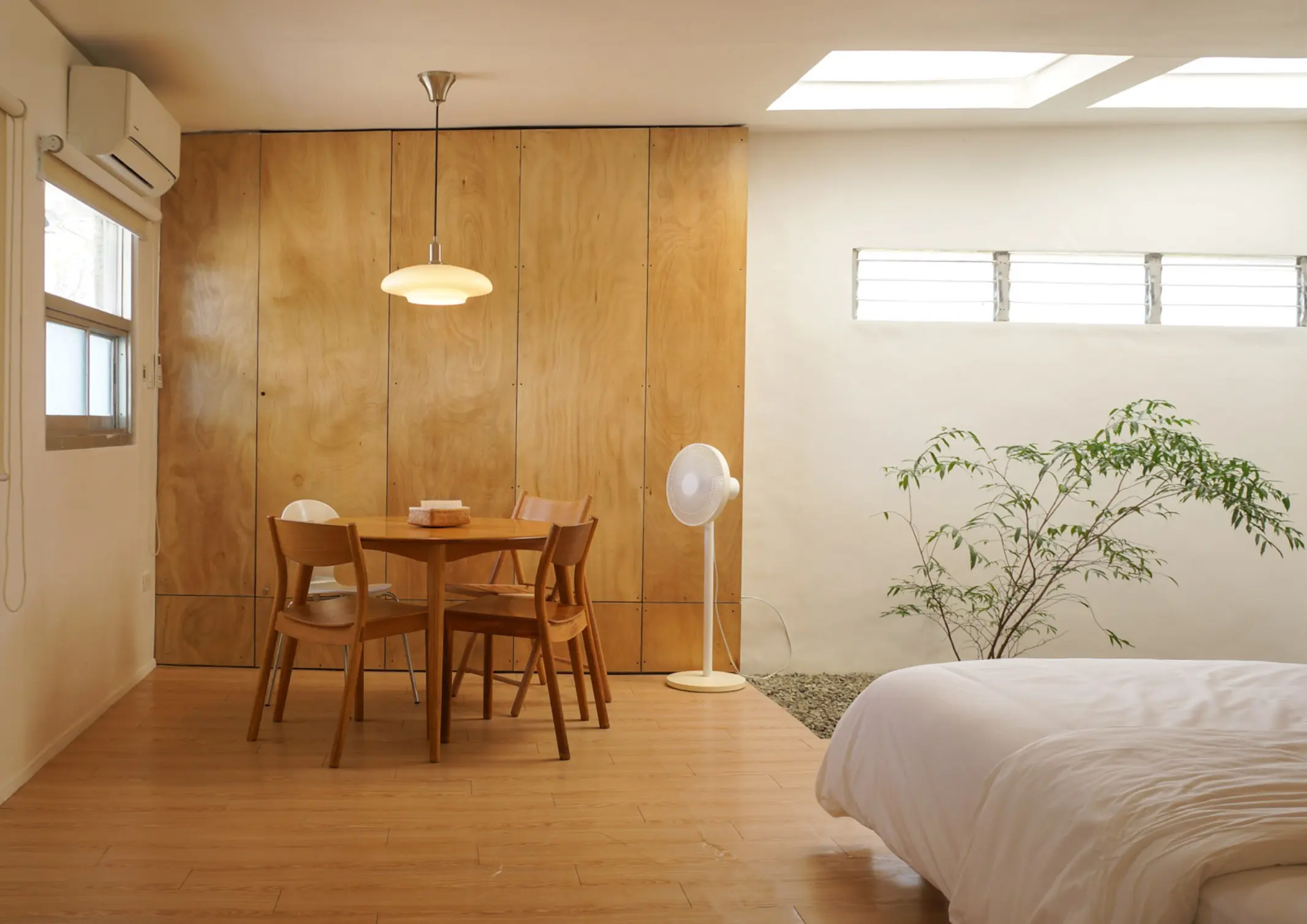
More and more Filipinos are flocking to condominium communities. Often tucked within busy city centers, condo living acts as a small respite from urban chaos. Faced with the challenge of transforming a cramped condominium into a warm living space, BluPrint lists condo interior design ideas that can maximize each square foot of small spaces. Purposeful […]
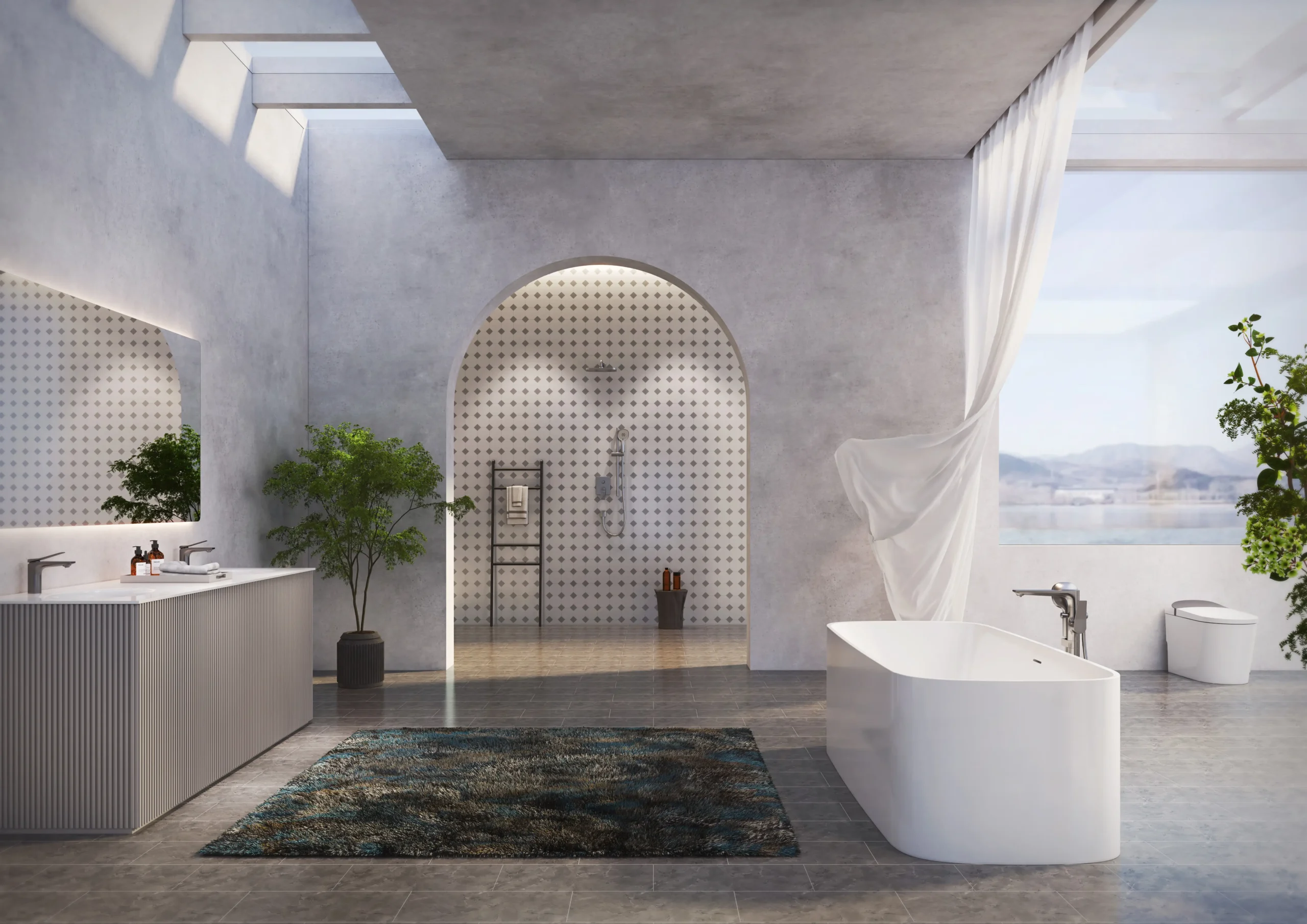
Modern bathrooms are no longer purely functional spaces. Increasingly, they are being designed as environments that support cleanliness, ease, and quiet restoration within the home. As daily life becomes more demanding and health awareness continues to rise, homeowners are beginning to expect more from the spaces where daily rituals begin and end. For architects and […]
Advertisement
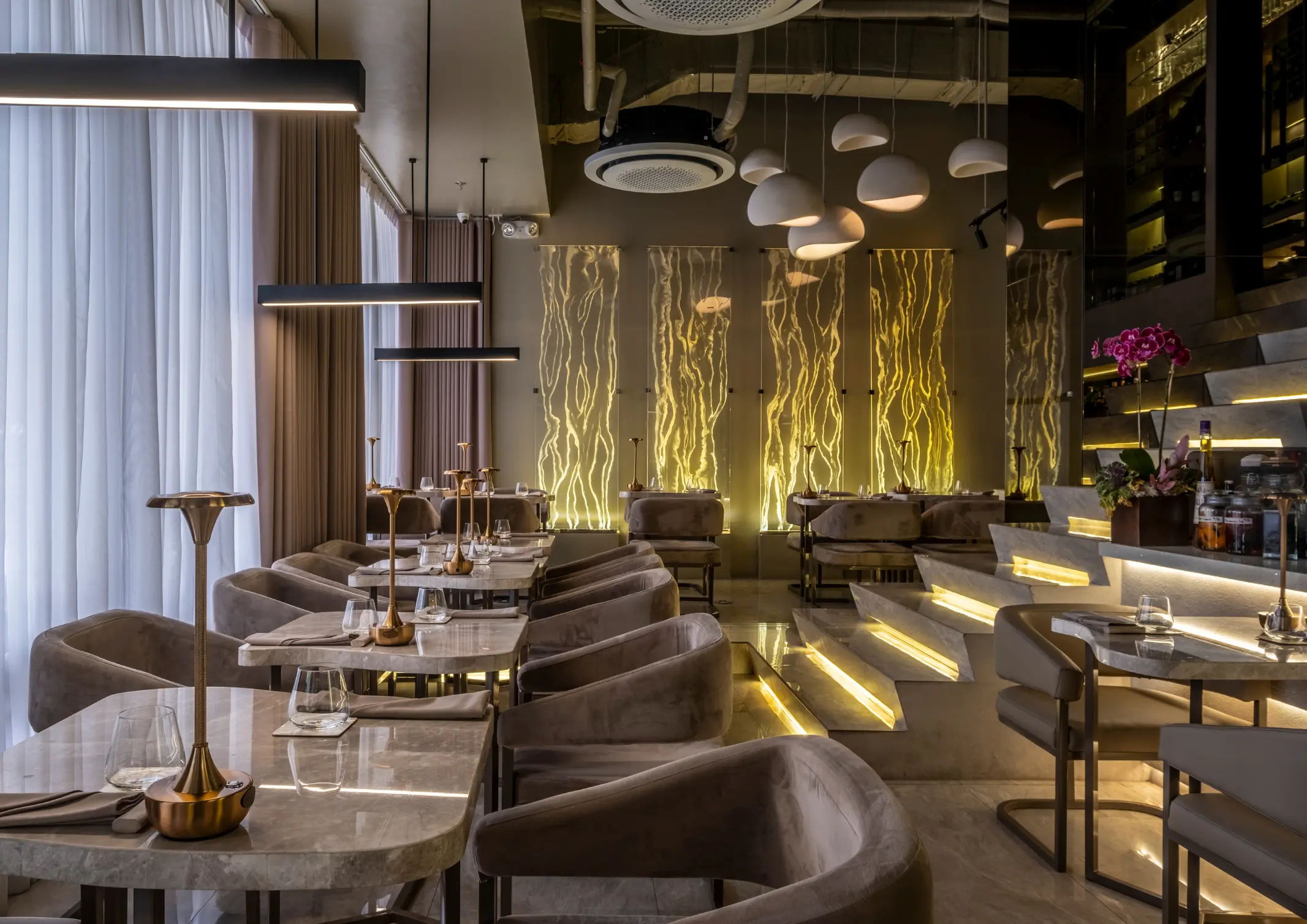
From the moment a diner steps through the door, each detail shapes how a meal is experienced. Restaurant design has evolved, with architects and culinary professionals collaborating to create built spaces that are as intentional as the menu itself. The spatial atmosphere acts as an additional ingredient that can define the culinary experience. Taupe and […]

Download this month's BLUPRINT magazine digital copy from:



Subscribe via [email protected]