Denise de Castro, Principal Architect of DEQA Design Collaborative, believes that designing with equity in mind means starting at the workplace. Values and practices that your studio or office espouse inevitably filter down to the work that you do. Equitable design ensures that people with different needs and different backgrounds are supported through fair access, […]
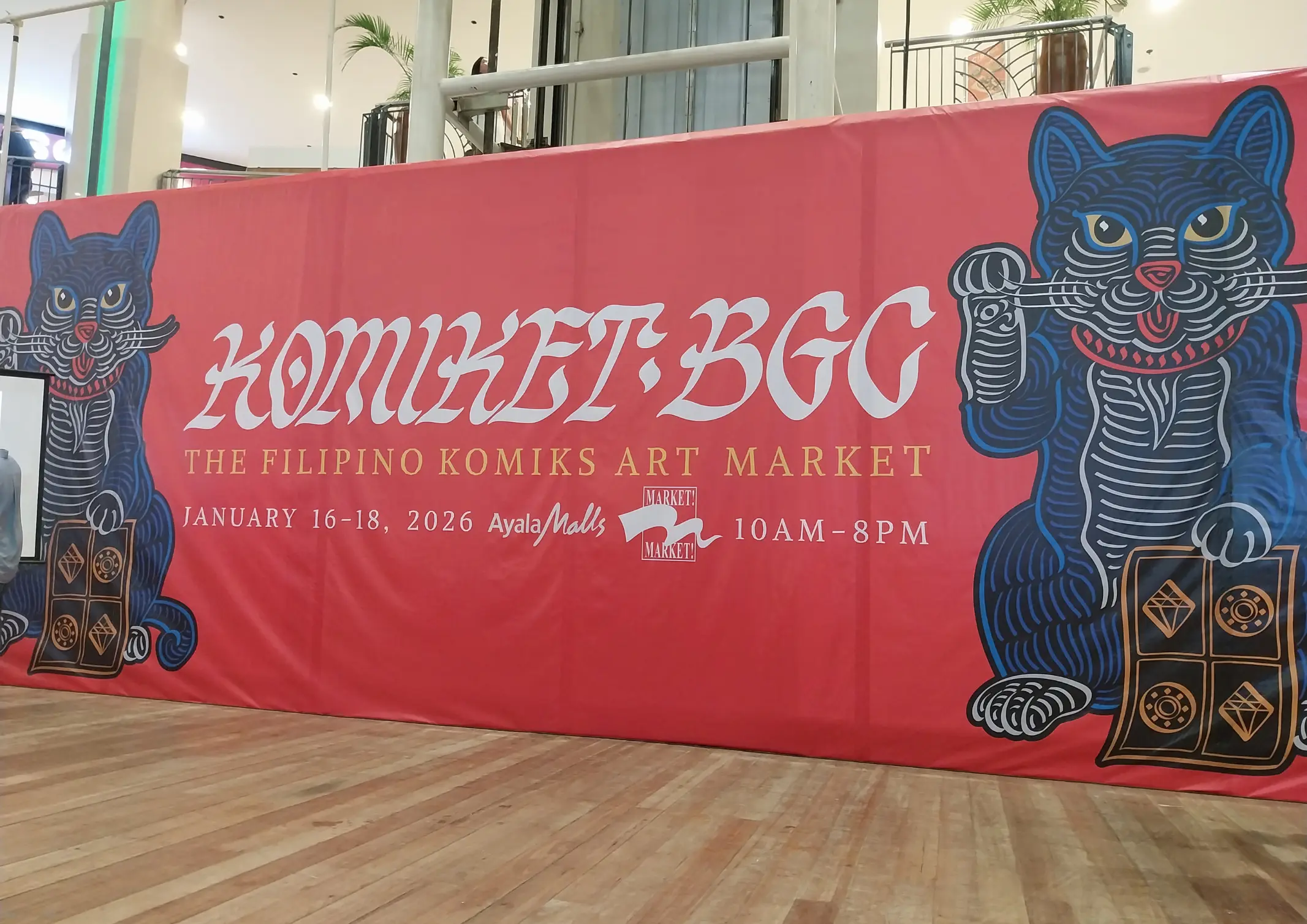
Komiket and the Evolution of Art Markets over the Decade



As the country’s local arts community grows steadily beyond the confines of galleries and museums, art markets have become a booming market for young artists and old artists alike. A variety of crafts, whether it’s fabric works or paintings or prints or whatnot, have become the new way of showcasing new, personal styles for a generation of artists.
In those art markets, Komiket has become one of the premier places for the arts, thanks to its numerous events and continued accessibility. Evolving from merely an art market to becoming a book publisher and one of the chief representatives of Philippine komiks on the world stage, their growth in the last decade showcases Filipinos’ appetite for art.
With that in mind, BluPrint spoke with its founder, Paolo Herras, to discuss the genesis of Komiket, how they’ve evolved with the times, and how they’re bridging the gap between komiks and the local art scene in the Philippines and beyond.
Advertisement
How Komiket Started
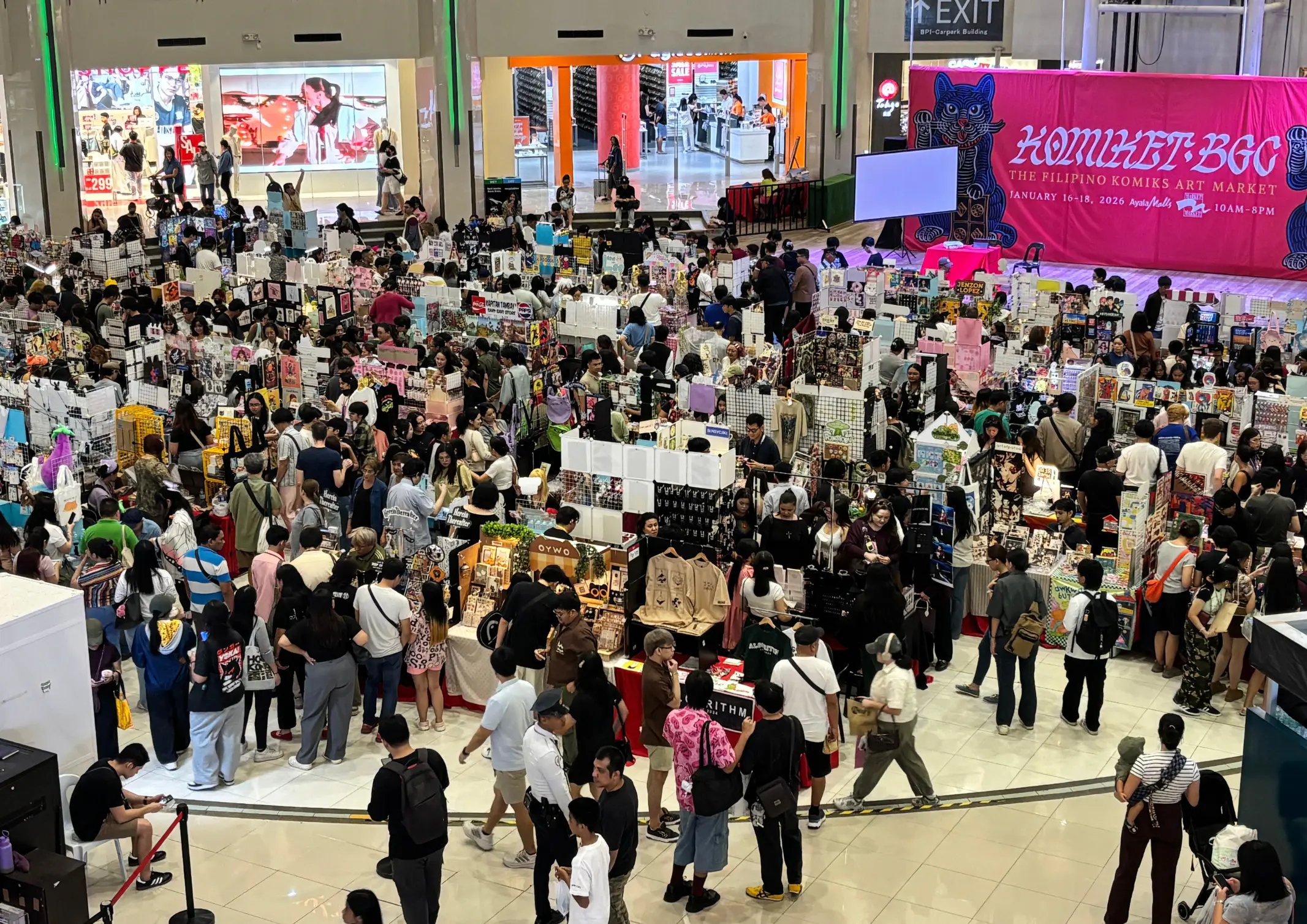
In 2015, Komikon, the Philippines’ first annual komiks convention, announced it would not hold a summer convention that year. Herras, who was part of Meganon Comics, and some other komiks creators then decided to band together to fill the gap that Komikon would leave that year, seeking out new creatives and artists who would normally not attend a komiks-only convention.
“At the time, there was only Art in the Park, which is high end or a low end of the high end, and BGC Art Mart,” he said. “ There were already anime conventions [and] Toy Con, there was already [conventions] like that, but we weren’t thinking to copy Komiket from Japan or the US fan conventions of yore.”
Komiket was envisioned as an affordable and accessible komiks and art market, one that also focused equally as much on original Filipino artworks as on komiks. Herras, along with others, pooled their personal funds to launch the first Komiket at Centris Elements on April 5, 2015, ensuring they occupied slots on the calendar that didn’t conflict with Komikon’s schedule.
Advertisement
At first, Komiket was not a runaway success; Herras admitted they barely broke even in the first year. But this only encouraged them to refine their methodology better, and they sought to expand their network beyond Quezon City: they have mounted Komikets in Makati, Alabang, Cavite, Cebu, Ilo-Ilo, and Bacolod, among others. Herras’ philosophy on the matter was that Komiket had to reintroduce komiks to the general public once again, so he would go where the public was to lower the barrier of entry.
“If they can’t come to us, we’re not so proud that you should come to us,” he explained. “No, we went to spaces [in] other [cities and provinces] to discover new artists, new creators, new readers, and new markets.”
Advocating for the Komiks Community
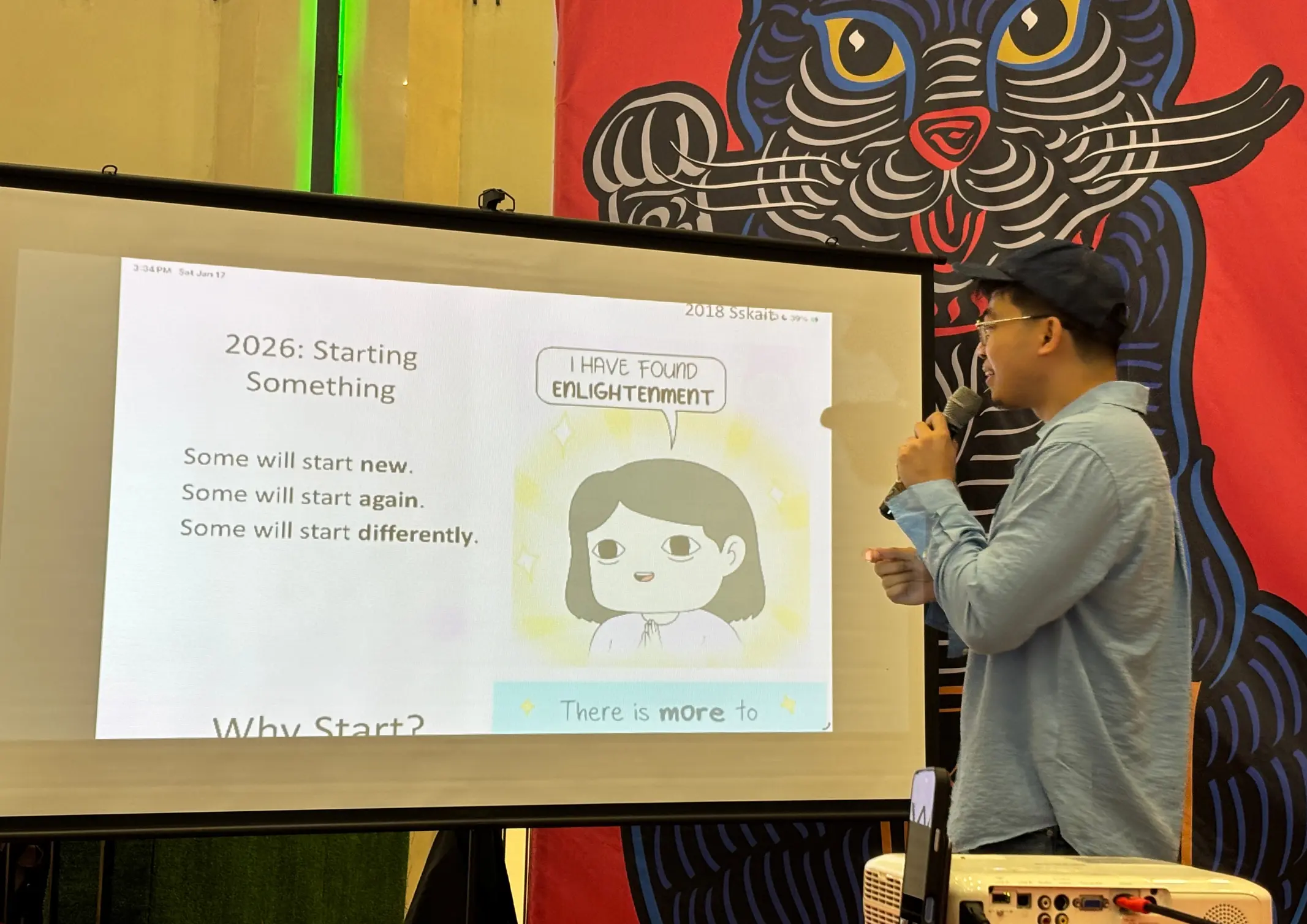
Komiket continued to grow over the years, both in its scope and its success, as the art community blossomed across the country. The organization launched the Komiket Awards in 2016 to foster more attention to local komiks artists and to cultivate new talent. They even started holding workshops for student creators to cultivate the next generation of artists and komiks creators.
Advertisement
“Some artists’ attitude towards Komiket was that, ‘I go, I earn, that’s it; it’s very transactional,” Herras said. “But what we want to do is if we want to survive, we have to help each other. We have to support each other. So that’s when Komiket said, ‘we’re a community, we have to help each other, support each other. If we all invite one person to the floor to come to the event, that doubles the floor. It was because everybody was supporting not just the event, but each other.”
More than that, they were able to make enough money to fund their first anthology, Komiks Cum Laude, in 2017. This featured 15 student creators from the Komiket Awards’ student category, all of whom were paid with savings from the year before.
This started the tradition of new community anthologies from Komiket, where they would pick different themes and get different artists to contribute to the anthology. Their komiks advocacy eventually led to the Philippine International Comics Festival (PICOF), which provides a spotlight and grants to local komiks creators for the international scene, and which has allowed different creators to connect with other komiks organizations around the world.
Advertisement
“ When we set the Philippine International Comics Festival, we met other international comics festivals like us,” Herras said. “We connected with them, [and] we learned from each other that we’re not that different. The challenges we have here in the Philippines are similar to those in the UK, in Australia; we met other comic scholars and publishers and creators from Southeast Asia and around the world. We were growing our network.”
Growing Pains for Komiket
But even with this success, some problems began to surface.
Fan art was dominating the proceedings, which conflicted with the vision of uplifting both Filipino komiks and original Filipino art. To solve this problem, Herras said they instituted a 70-30 rule: only 30% of the tables at a Komiket event would be given to fan art; the other 70% would be reserved for komiks creators and original artists.
Advertisement
“There’s nothing wrong with fan art events; we all started with fan art,” Herras explained. “We all started from being a fan of someone’s art, but we’re a nonprofit that advocates for original Filipino komiks and art.”
While there were angry fan artists who did not like the new rule, this did cultivate more artists willing to create original art, which became sizable enough that Komiket was able to launch an entire Originals event filled with nothing but original artworks.
Other problems, such as overcrowding, began to arise, prompting Herras and the other volunteers to take a crowd management workshop. Herras said Komiket was a “low-risk” event because of the lack of alcohol and the type of foot traffic they receive during the event. However, they still attended the workshop, even though Komiket was a “low-risk” event because of the lack of alcohol and the heavy foot traffic they received during the event, as a precaution.
Advertisement
Komiket Pride 2023 Controversy
That also led to one of the biggest controversies at Komiket in recent years: the first Komiket Pride. Herras, who is a queer man, had worked hard to platform LGBTQ+ creators through Komiket before, most prominently in their 2019 community anthology, which he co-curated with Richard Mercado. He saw doing the themed Komiket Pride as a way to bring together two of his advocacies.
When they decided to push through the first Komiket Pride, there was an uproar from queer creators who felt like cis-hetero men dominated the event despite being branded as an inclusive, LGBTQ+ event.
Herras said that, due to the venue’s small size, the available tables were limited to 100, which was increased from the original 40 due to demand. Around 300 applications from different creators were filed, and because of that demand, over 200 creators weren’t accepted.
Advertisement
Some of the rejected creators then accused Komiket of LGBTQ+ discrimination after noticing some accepted creators seemed to be cis heterosexual men.
During that time period, Herras made a “poorly-worded” tweet that many people found distasteful to the LGBTQ+ community: “So even if you’re there for the stickers, prints, postcards, or crafts, please be more tolerant and accepting of our non-LGBT komiks creators. They are also an underserved, marginalized, and exploited creative sector,” the deleted tweet read.
After that, Herras immediately apologized and deleted the tweet, and many of the straight komiks creators either gave up their tables for LGBTQ+ creators or agreed to share them.
Advertisement
Looking back at the controversy, Herras saw that the compounded pressures of running the event had made him defensive on behalf of the komiks creators, without taking into account the feelings of the marginalized community, which felt harmed by the exclusion.
Now, Komiket Pride is 100% queer, both in its artists and komiks creators, something that Herras is very proud of. They’ve also split the event into two whole weekends to accommodate more artists and more crowds, and he said that the events were so successful that many artists were only open for half a day, at a half-hour to allow time to reprint their materials to sell.
Adapting to the Times
Komiket, as an organization, has shown its adaptability over the years. It’s not just in its willingness to branch out, venue-wise, but also in its distinct ability to sustain itself even as the world changes around it. For example, Komiket found itself without an income source when the pandemic happened in 2020. This caused them to do a hard pivot towards komiks publishing.
Advertisement
“Back then, I was studying in the Thames innovation and creative entrepreneurship program. I was one of their scholars. All of their data pointed to an online Komiket, an online art market, and the other option was to go into publishing.
“I’m the least techie person that you’ll meet: I still write in my notebook, I do things manually, it’s harder for me to use apps. So I said, ‘even if all of the data is pointing towards an online art market, it would be hard to operate and sustain. So let’s go into publishing.’”
That would prove to be a wise and canny move; Komiket ended up publishing and distributing graphic novels and collections by artists like Tarantadong Kalbo, Tori Tadiar, Alex Niño, and J. Philip Ignacio, many of whom came out to high acclaim locally and internationally.
Advertisement
Herras said that they had one of the best, most artist-friendly contracts in the country. First, they only buy a license to publish, not the actual intellectual property, so the artists and authors still own the work. They also have one of the highest royalty rates in the country at 20%, he said, while the world average is around 5% to 10%, with Japan at 10%. He explained that being able to sell the books at Komiket events reduces the cost of selling the published goods, giving them more leeway than if they had to fully rely solely on bookstores.
Finally, unlike other publishing houses, they recognize the artist as a co-author of the work and allow them to receive royalties. “We’re the only one that recognizes artists as co-authors,” he said. “[Most] children’s book publishers don’t recognize illustrators as authors.”
A Vision for the Future of Philippine Komiks
Komiket is, in the end, more than just an art market, but an art community; a vanguard for original Filipino art, which includes komiks as well. Asked about his feelings on the more exclusionary nature of fine art toward much of original art and komiks in general, he saw it as a missed opportunity for the government and the gatekeepers.
“What’s unique about komiks is we’re both literary and visual arts,” he explained. “In the National Commission for Culture and the Arts, we are not recognized as literary arts or visual arts at all. It was only after 2023 that they said, ‘Ohoh, comics are visual arts.’
“You could see the low regard because there are no projects for komiks. So we have to be present, keep connecting with them, update them, and inform them. For example, the Cultural Center of the Philippines will protect ballet, painting, and theater, but [they won’t protect something like komiks].
“They can’t deny that the growth of art [and] cultural appreciation is through komiks, it’s through game development, it’s through animation. They cannot deny that. That’s why you have to keep on building your own brand, and keep connecting with the [government and the creative industries as a whole].”
For 2026, Komiket has over 15 events planned out, starting on January 16-18 at Market! Market!. Watch out for Komiket Pride, PICOF 2026, two Christmas-themed events, regional events in Bacolod and Baguio, and two All-Originals events.
There is an audience for artists to flourish in this country beyond the traditional means, and Komiket proves it. The hope burns on for a stronger future for Philippine art and komiks, not just in galleries and museums, but in malls, bookstores, schools, and everywhere else that people might be.

Across Metro Manila, residential developments are increasingly designed around proximity. As cities grow denser and mobility becomes more complex, new housing is often positioned near transport nodes, commercial districts, and educational institutions. This approach reflects a broader shift in urban planning. Mixed-use environments allow residents to live closer to daily necessities—reducing commute times while supporting […]

Luxury in design is undergoing a quiet shift. Where once luxury was measured primarily through visual opulence, today it is increasingly defined by responsibility—through the way spaces are built, the materials selected, and the impact those decisions leave behind. At the Philippine World Building and Construction Expo (WORLDBEX) 2026, this evolving definition of luxury takes […]
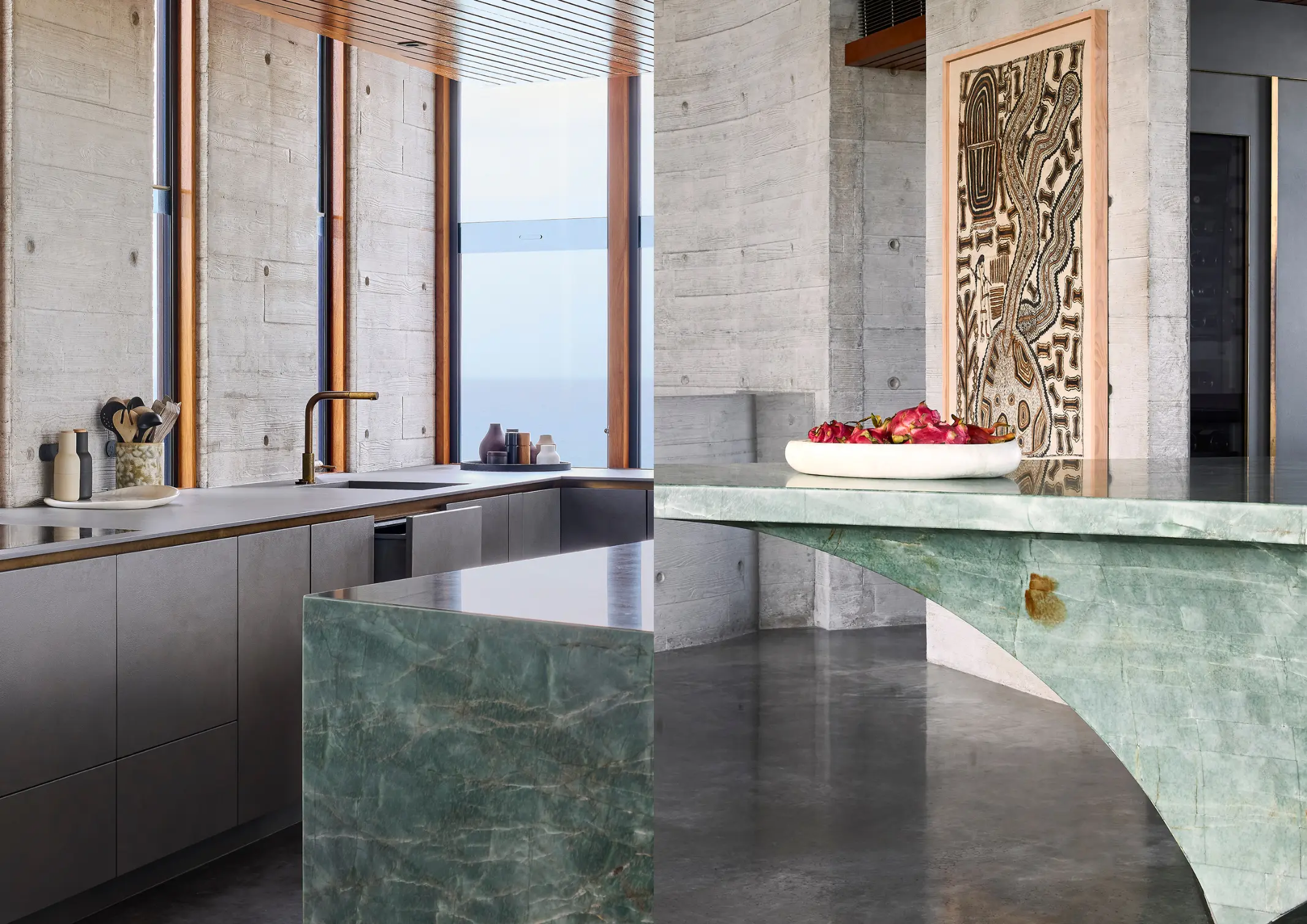
For more than nine decades, Fisher & Paykel has approached design with a simple but exacting belief: that the best living environments are those shaped by people, place, and purpose. Rooted in New Zealand and deeply attuned to island and coastal living, the brand’s philosophy centres on quiet performance, material honesty, and appliances that integrate […]
At Helm, dining unfolds as choreography. An open kitchen anchors the room, allowing guests to witness the precision behind its Michelin-starred fine dining menu. Designed by Kevin Nieves of Headroom, the 24-seat restaurant reflects that same discipline in its interior design. Tucked within Ayala Triangle Gardens in Makati, Helm brings together culinary recognition and architectural […]
Download this month's BLUPRINT magazine digital copy from:



Subscribe via [email protected]