Denise de Castro, Principal Architect of DEQA Design Collaborative, believes that designing with equity in mind means starting at the workplace. Values and practices that your studio or office espouse inevitably filter down to the work that you do. Equitable design ensures that people with different needs and different backgrounds are supported through fair access, […]
‘Piña, Why is the Sky Blue?’: How Do We Utilize Collective Memory?



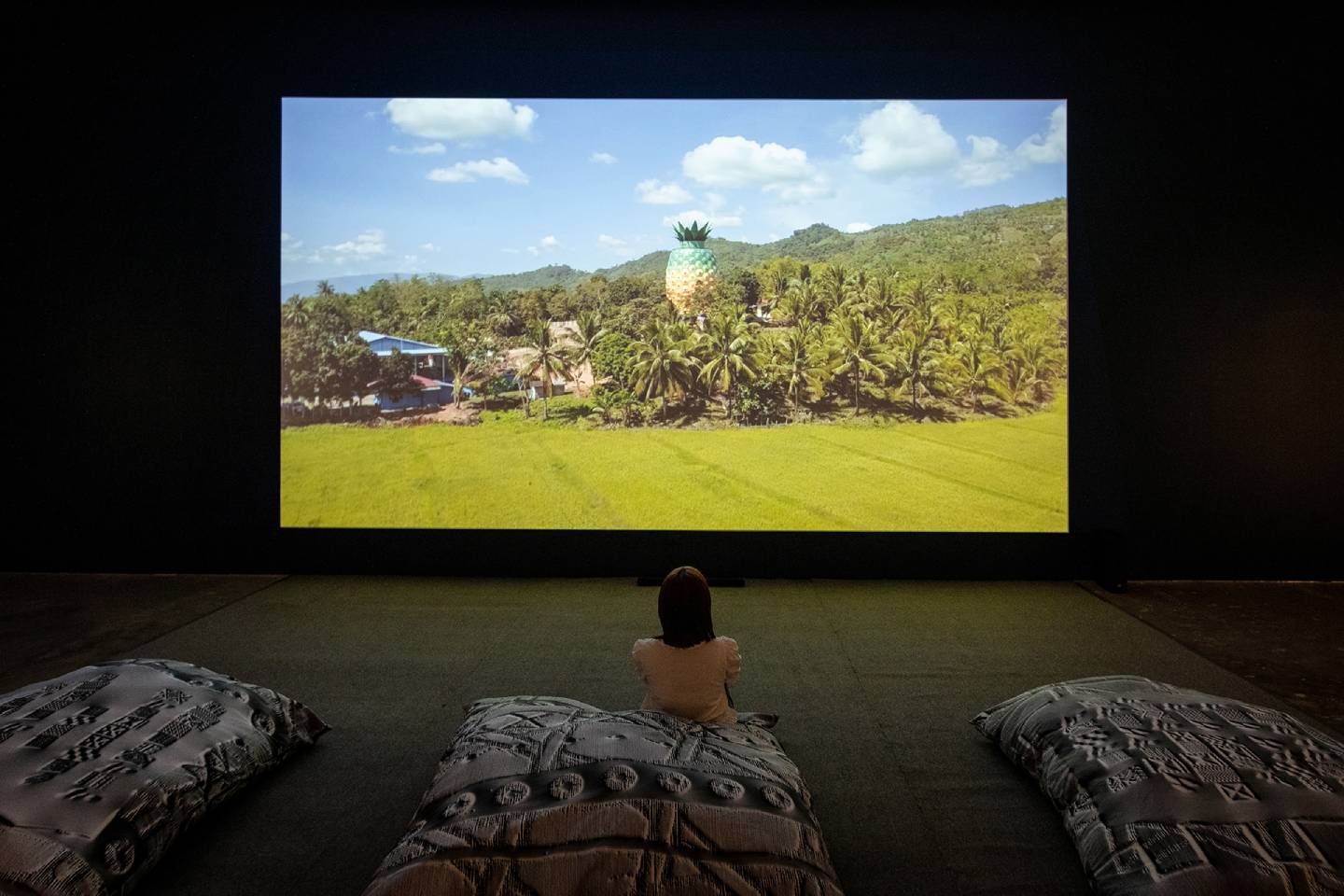
Piña, Why is the Sky Blue? is the collaborative exhibit of Stephanie Comilang and Simon Speiser. It opened on April 26 at Silverlens Manila, after years of being exhibited in different institutions around the world.
The exhibit has been described as an “affirming techno-feminist vision of a future in which ancestral knowledge and new technologies converge.” It tries showing the convergence between the traditions of the indigenous and how our current path of industrialization becomes a means of preserving past legacies.
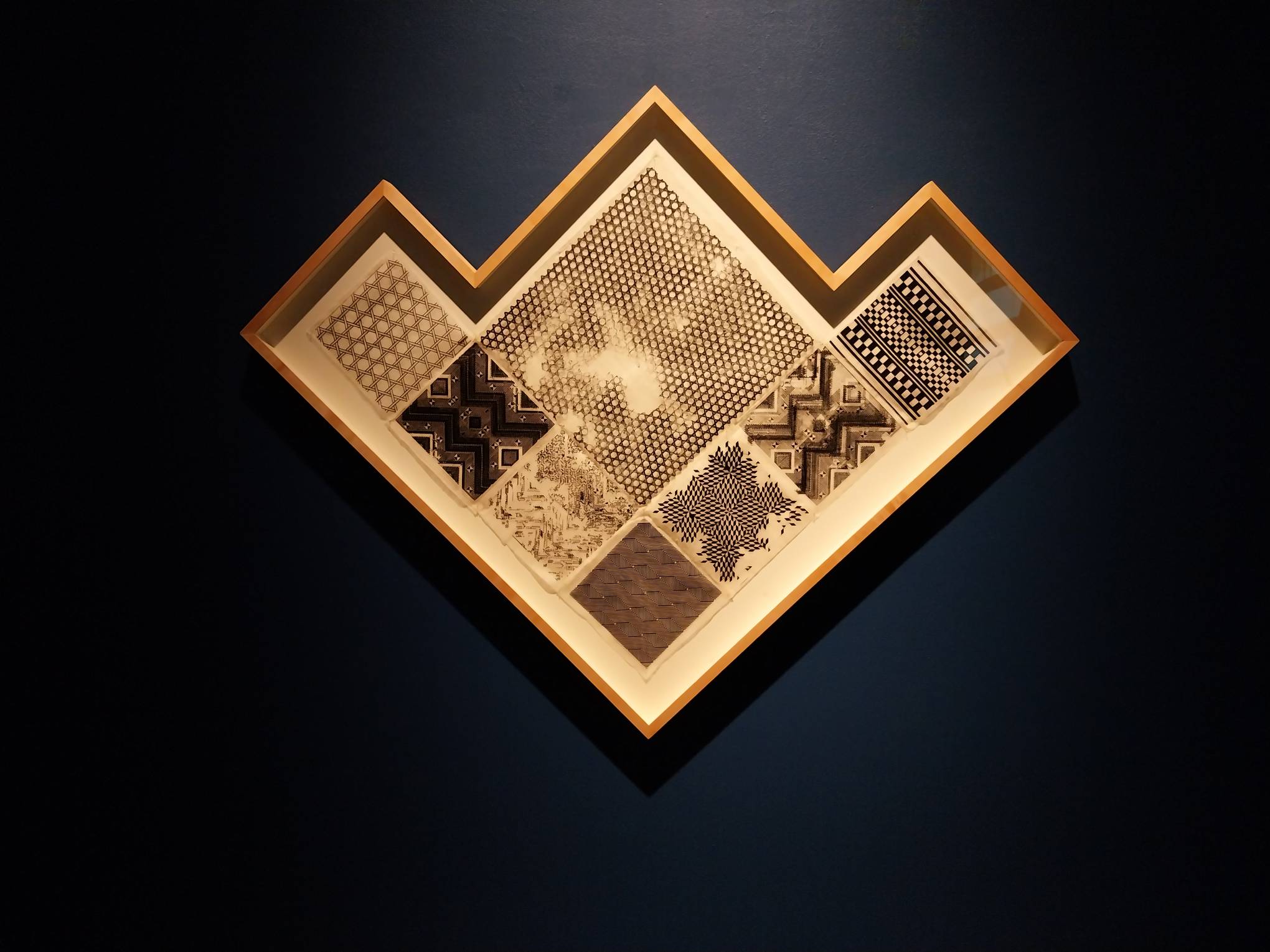
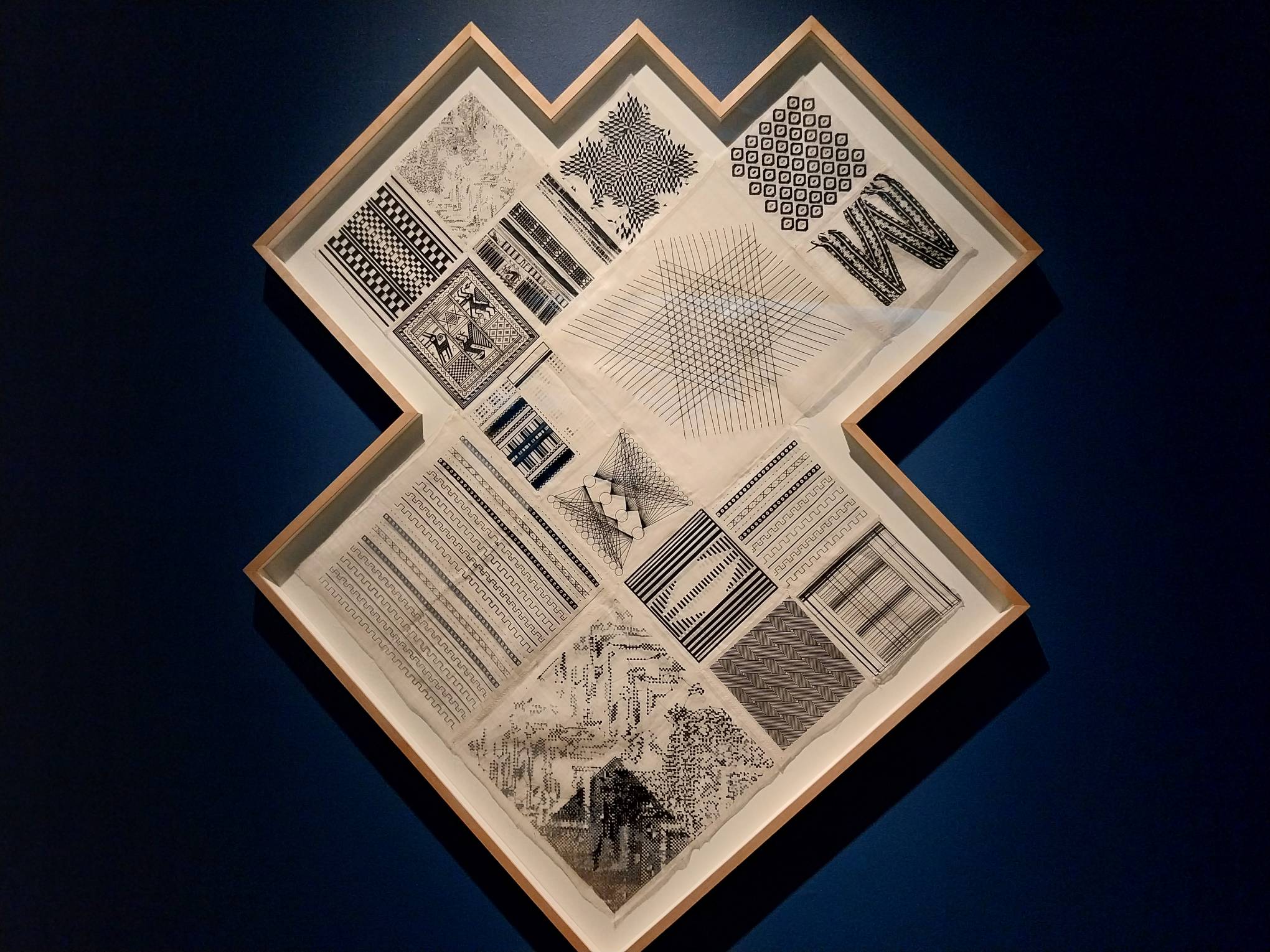
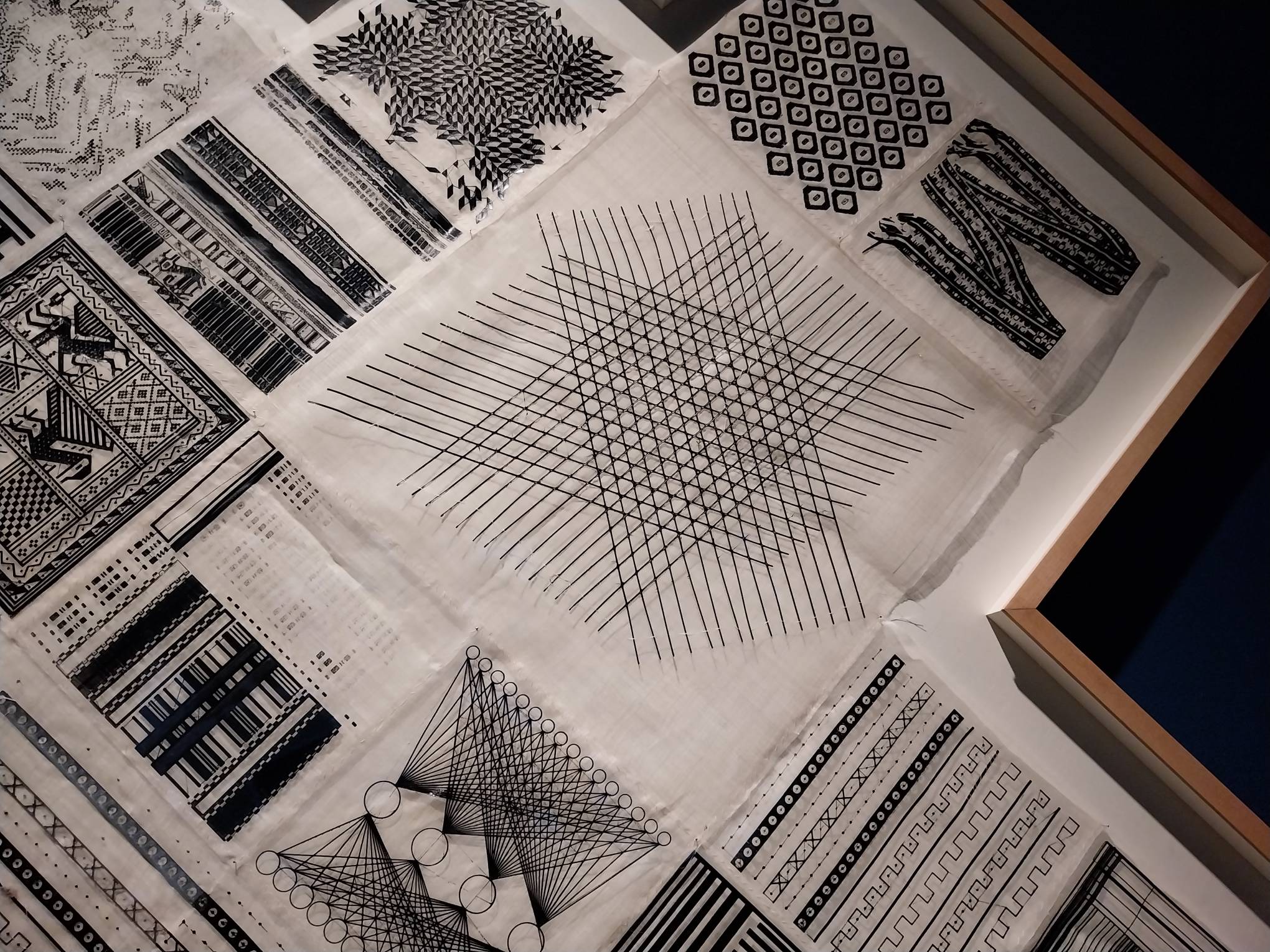
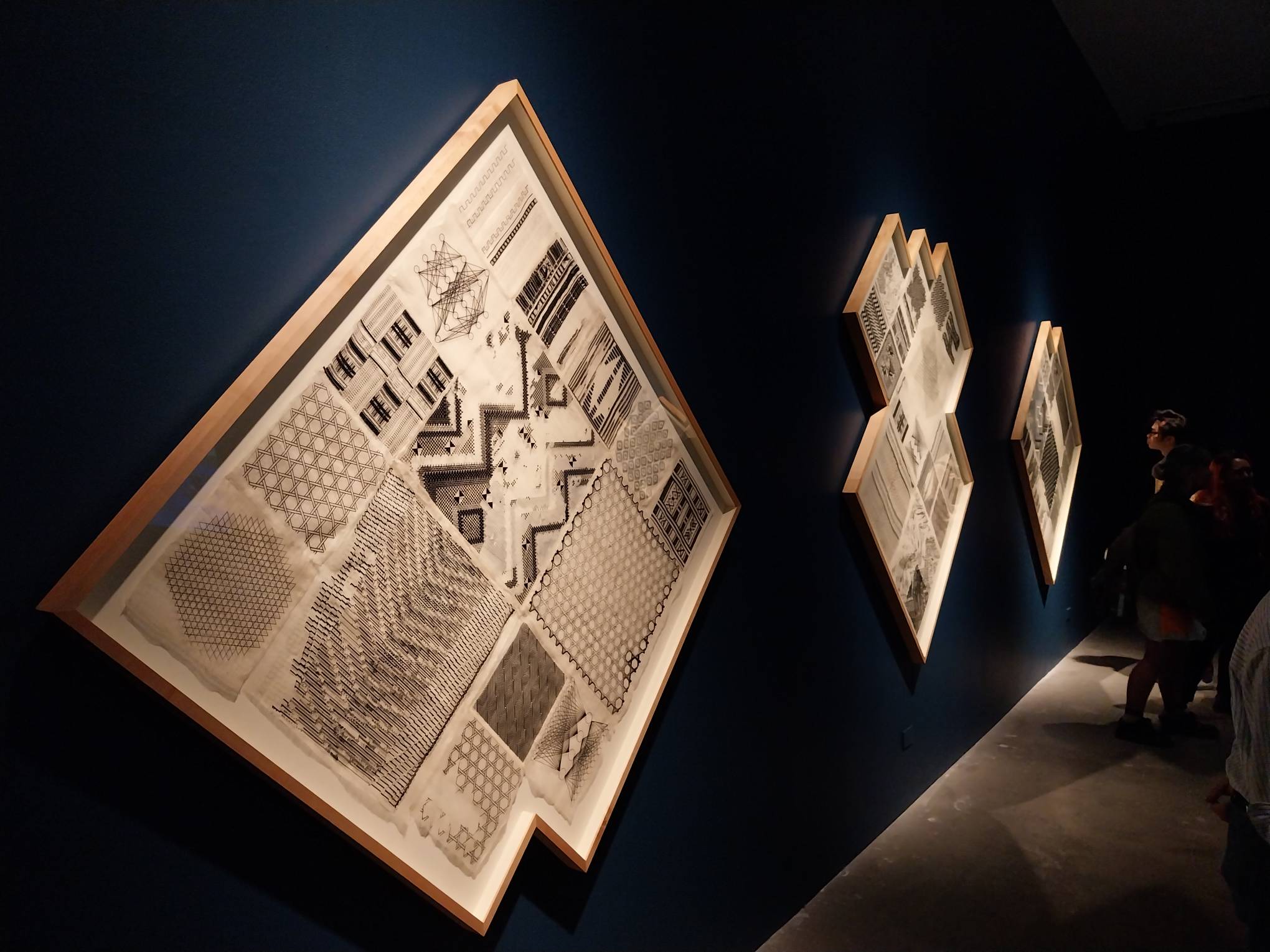
Piña utilizes three different mediums for the work. The artists sprinkle multiple 3D-printed weavings around the exhibit. The two centerpieces are a documentary about different indigenous communities in the Philippines and Ecuador and a short film about a “spiritual medium known as Piña.”
Advertisement
Fragmentation and Cohesion
The documentary, beamed on repeat inside the exhibition room, portrays the loss of identity that native cultures around the world have. More importantly, it presents the ways that these cultures have been wrestling with that loss within their own communities.
Comilang and Speiser showcase different indigenous communities from the two countries they featured. They show a Babaylan from Palawan, local healers from Ecuador, and even a feminist collective called Cyber Amazonas whose main goal is to help spread and disseminate information about indigenous cultures.
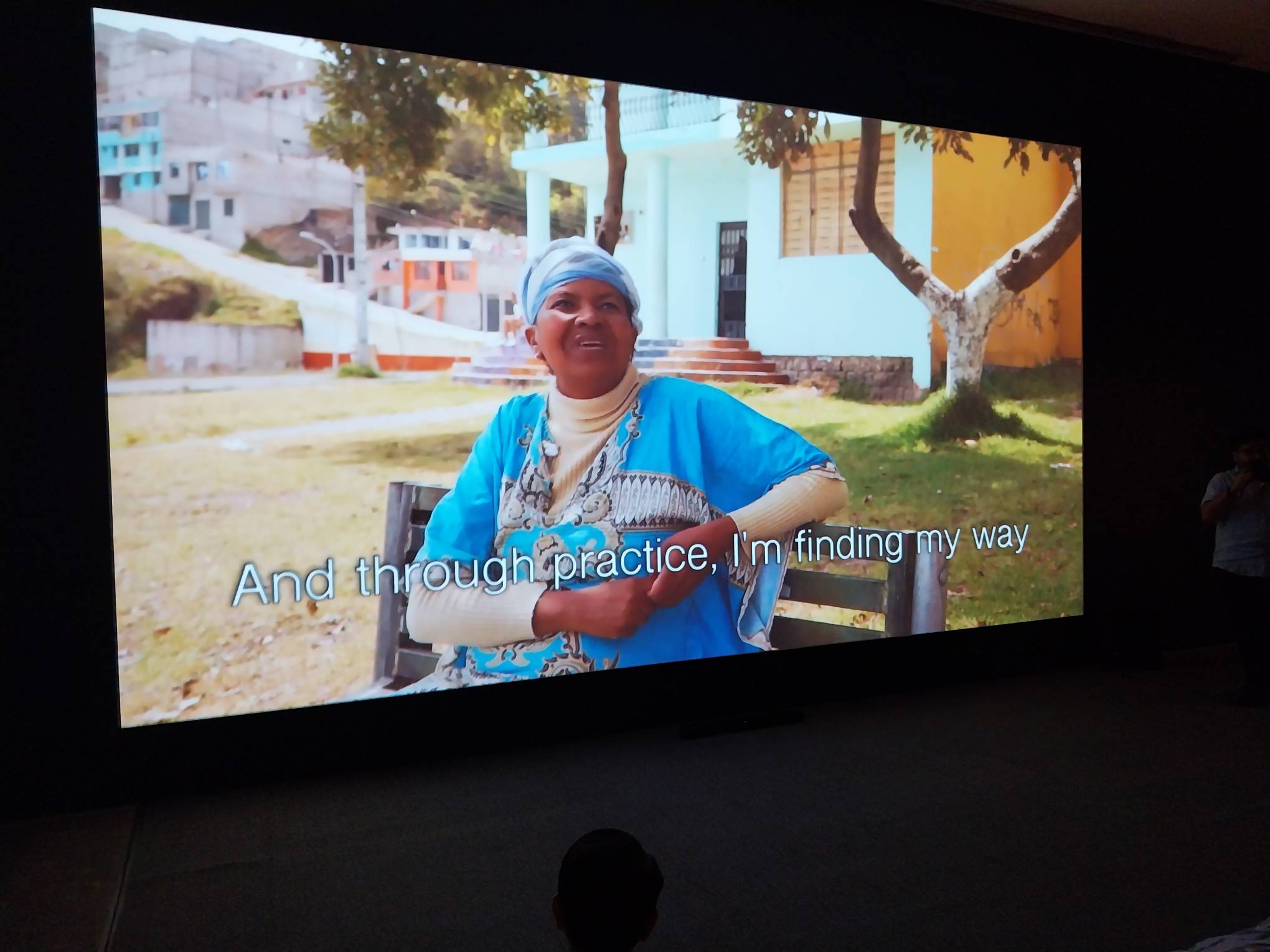
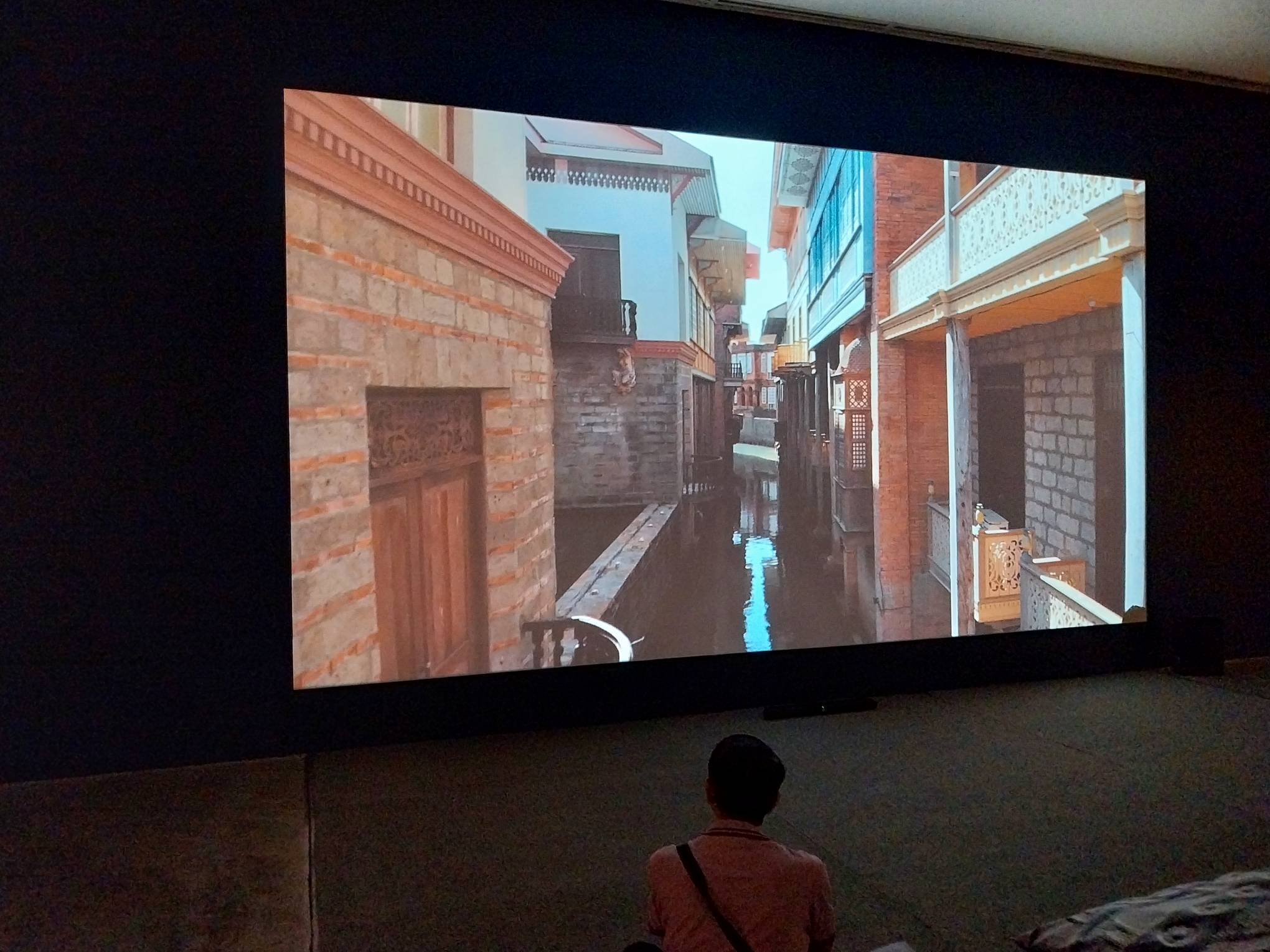
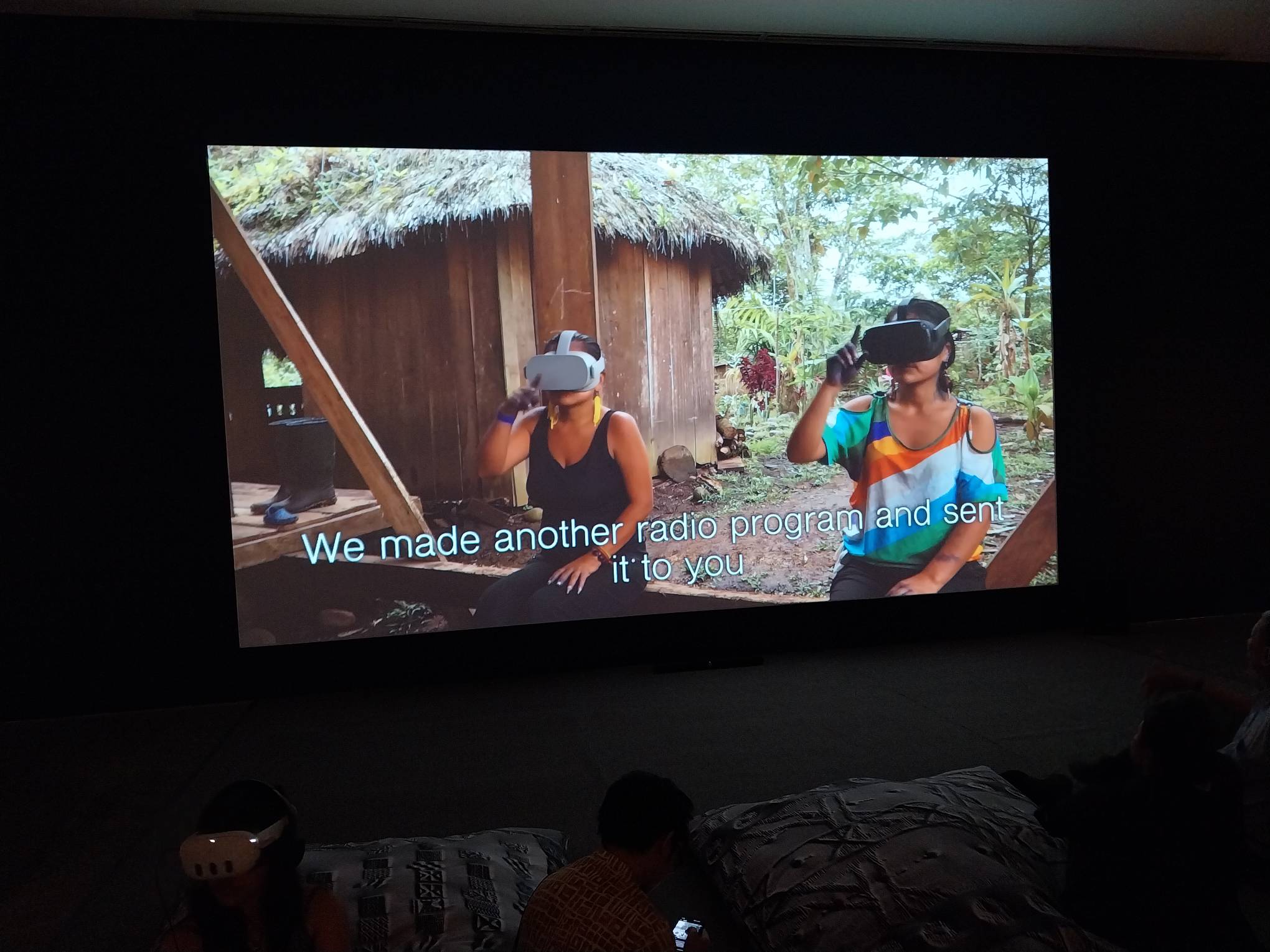
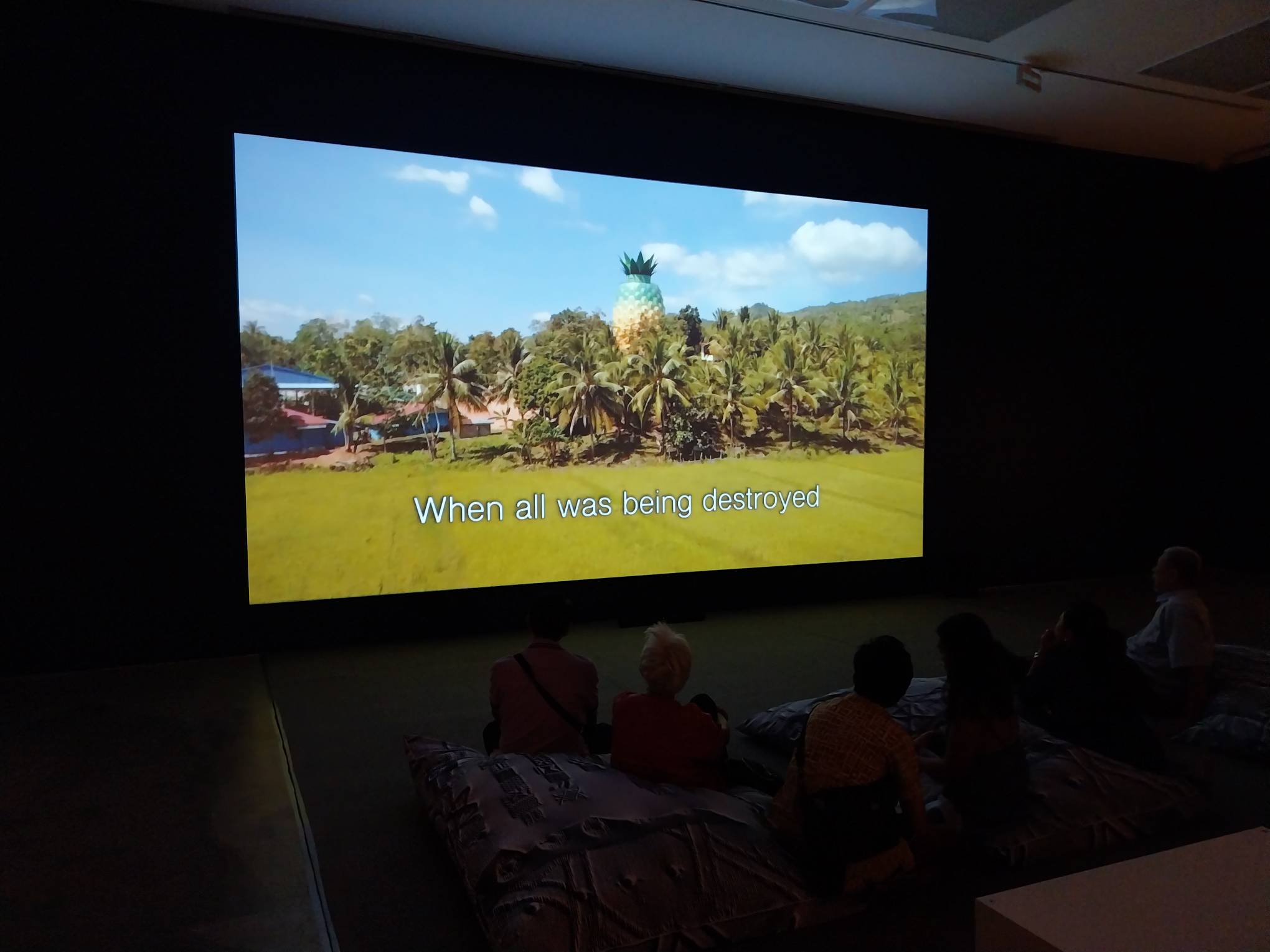
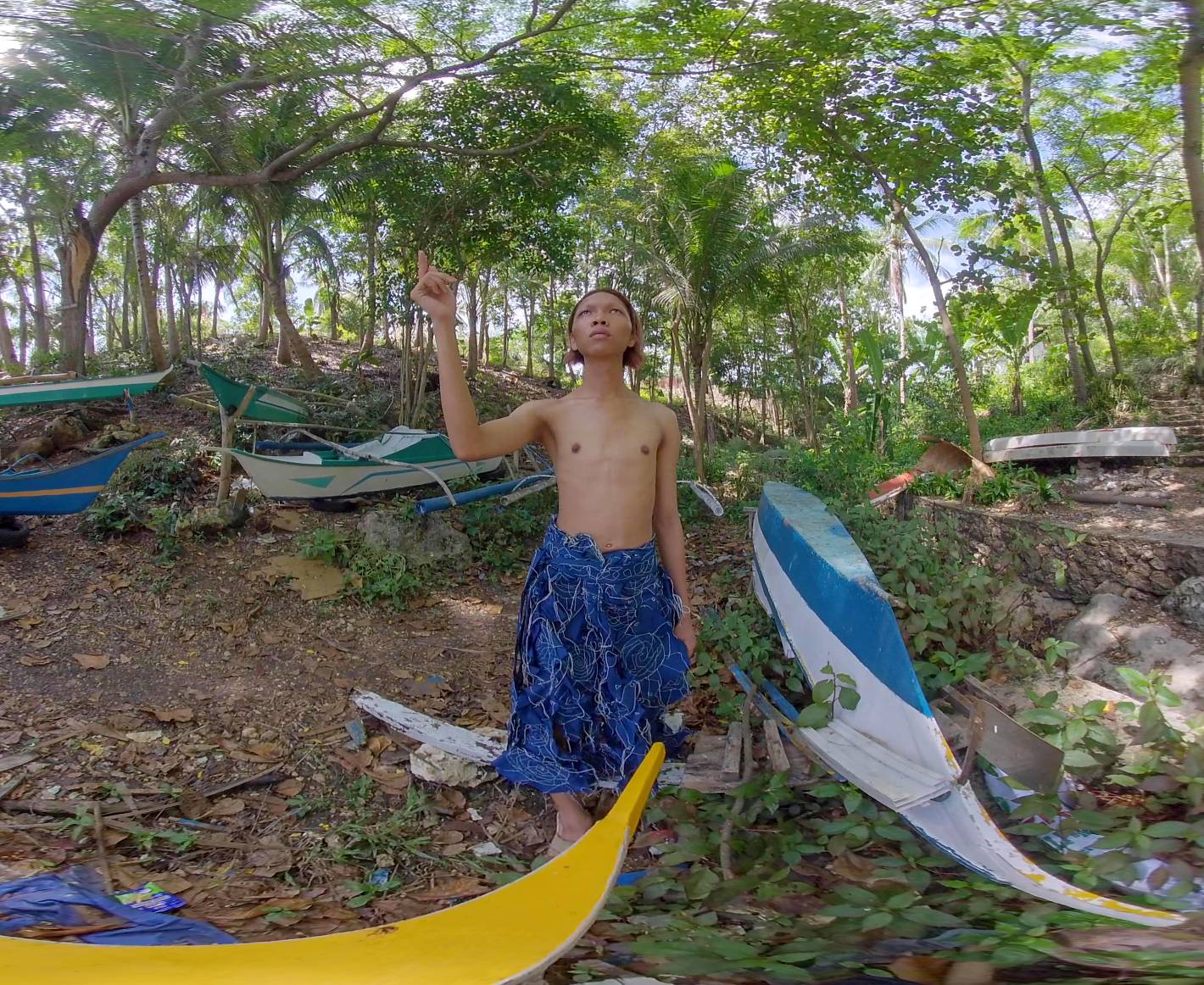
It connects directly to the short film about Piña, which can only be seen through the four Oculus VR headsets provided by the gallery. The short film immerses you in the life of Piña, a gender-ambiguous creation as they drift across different communities, collecting information in the form of weavings in the water.
Immersing You into the Environment
From their use of the VR headsets, Comilang and Speiser surround you with the environment of Piña. Beyond the immersion, the headsets create a feeling of impending doom, a sense of desperation as Piña transports themselves to different parts of the world and works to collect the information set to them in the world.
Advertisement
The 3D-printed weavings, meanwhile, become a physical representation of the information lost and found by the communities. The two films feature them as the way past information transports itself to Piña via water. It’s a slow collection as the character accepts and stores the information within themselves, ensuring their preservation for all time.
Can We Recover the Information?
This exhibit is a lot. Its immersive nature ensures that, at any point of time, the documentary or VR set bombards one with facts and ideas. But it appears done by design. When taken together, the exhibit really goes down about how we disseminate information, and how we adapt it to new technologies for future generations to understand.
Though this wasn’t explicitly mentioned, the specter of how many cultures and ideas were destroyed by colonialism looms towards the whole project. The documentary, at points, talks about poverty, about the marginalized’s inability to preserve their information due to lack of resources. Piña then becomes a symbol of preservation: even if it is lost now, the information is still out there, waiting to be found again.
Advertisement
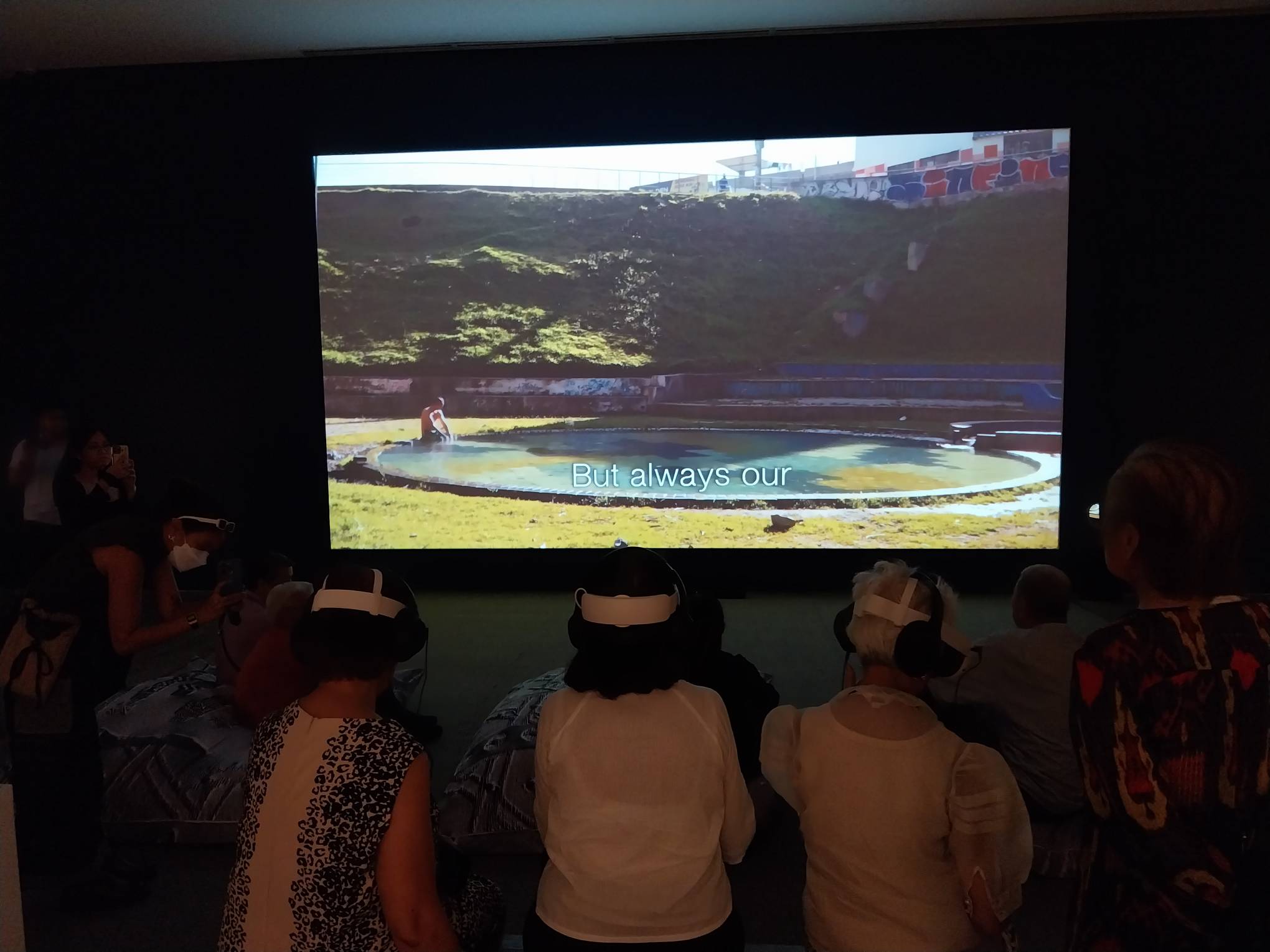
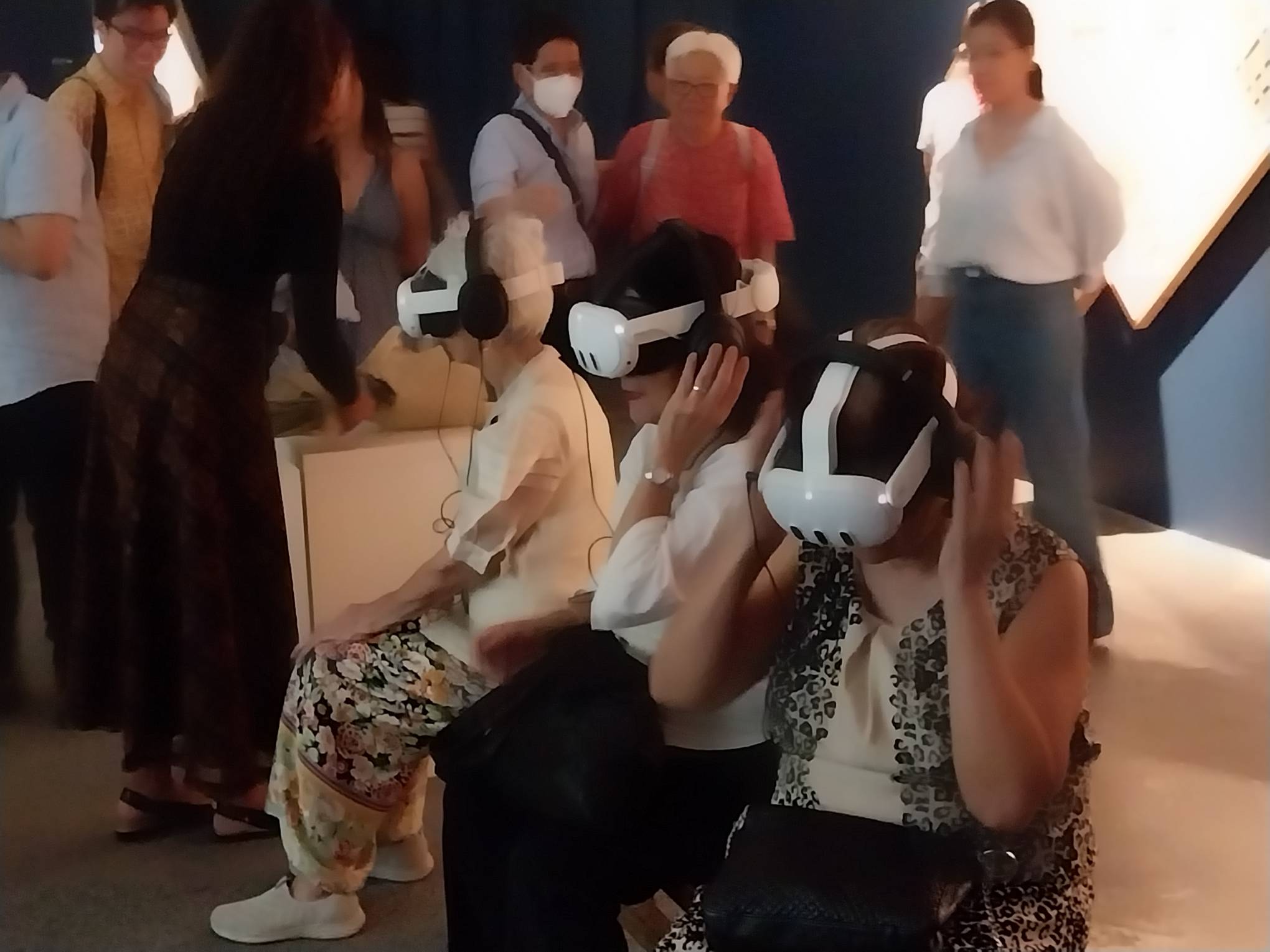
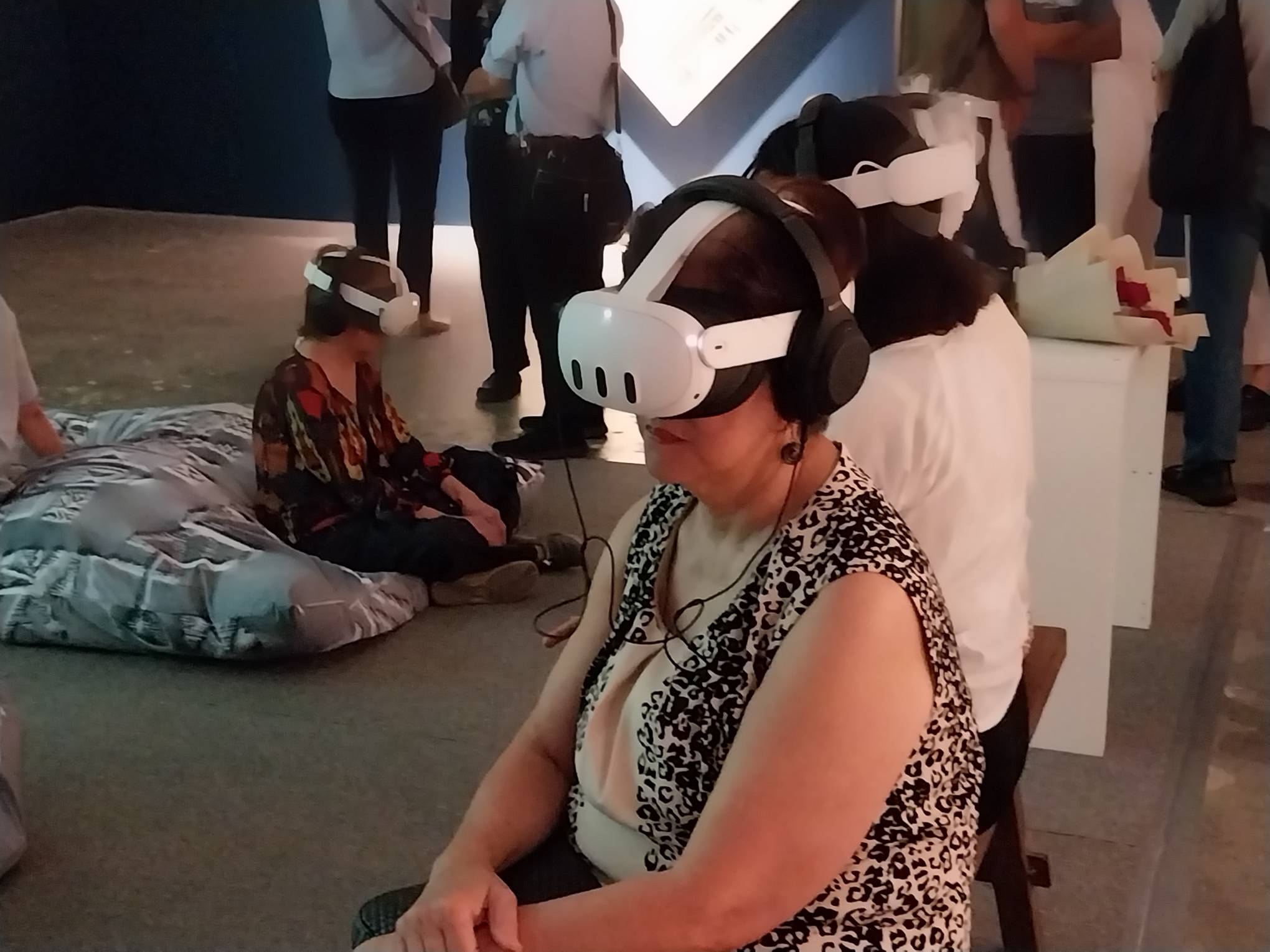
The VR component is the most interesting part, especially as there’s an accompanying documentary also screening alongside it. The choice for that medium appears to have come down to the need of illustrating how adapting to new media technologies work, and the fragility of these systems. In a world where we can create and delete things with a push of a button, a conversation needs to be had regarding their disintegration.
Emerging Technologies on a Culture at Sunset
Piña, Why is the Sky Blue? points us to a future where indigenous cultures can safeguard themselves with new technologies. Even with all the undertones of doom, it’s an optimistic work that projects a path for humanity to become a safer, harmonious world. We live in a world where everything is at the tip of one’s fingers. And Comilang and Speiser’s work illustrates how far we can take this for the benefit of humanity in general.
Related reading: Filipino Design: The Past, Present, and Future of Sustainability
Advertisement
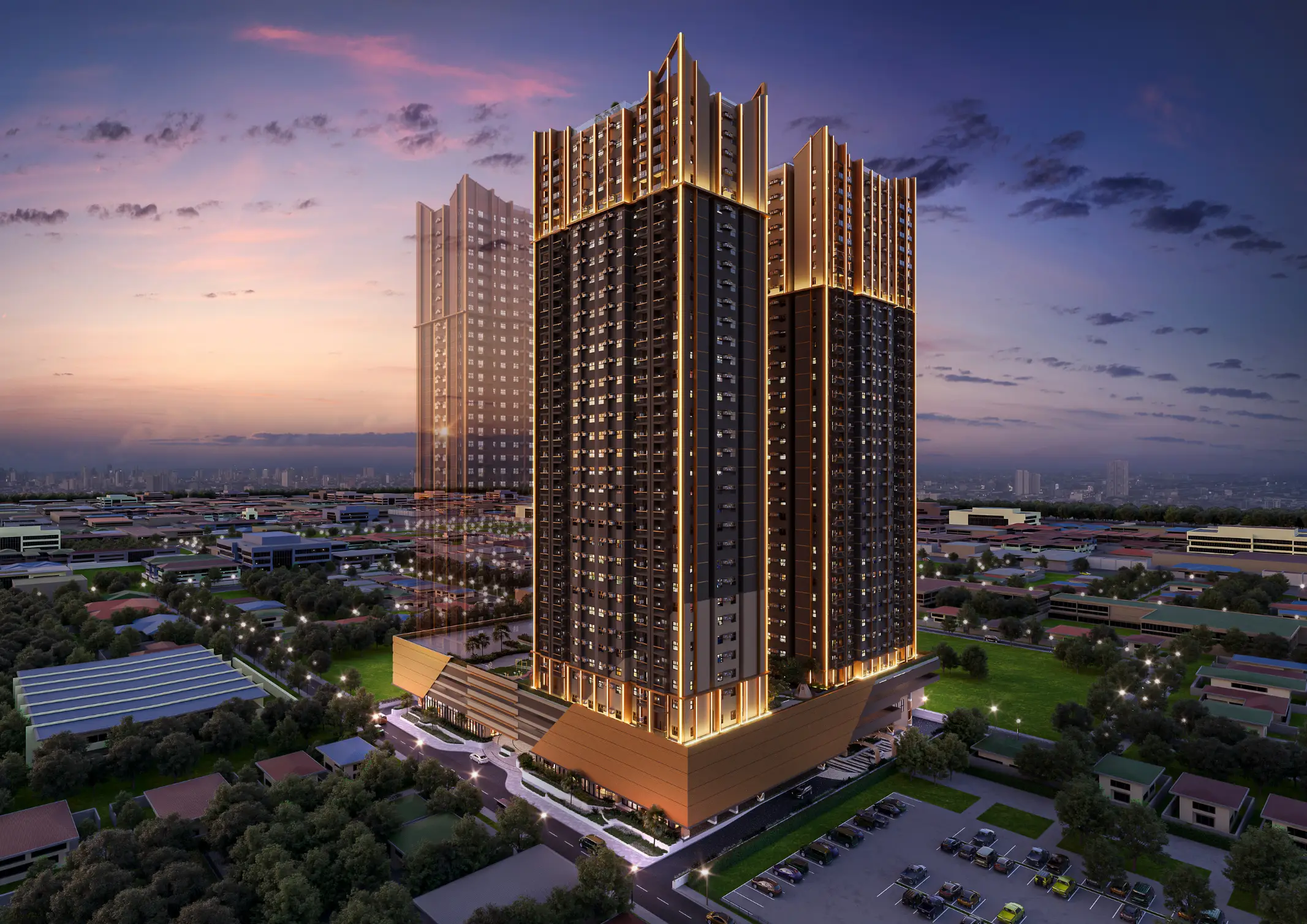
Across Metro Manila, residential developments are increasingly designed around proximity. As cities grow denser and mobility becomes more complex, new housing is often positioned near transport nodes, commercial districts, and educational institutions. This approach reflects a broader shift in urban planning. Mixed-use environments allow residents to live closer to daily necessities—reducing commute times while supporting […]
Luxury in design is undergoing a quiet shift. Where once luxury was measured primarily through visual opulence, today it is increasingly defined by responsibility—through the way spaces are built, the materials selected, and the impact those decisions leave behind. At the Philippine World Building and Construction Expo (WORLDBEX) 2026, this evolving definition of luxury takes […]
Advertisement
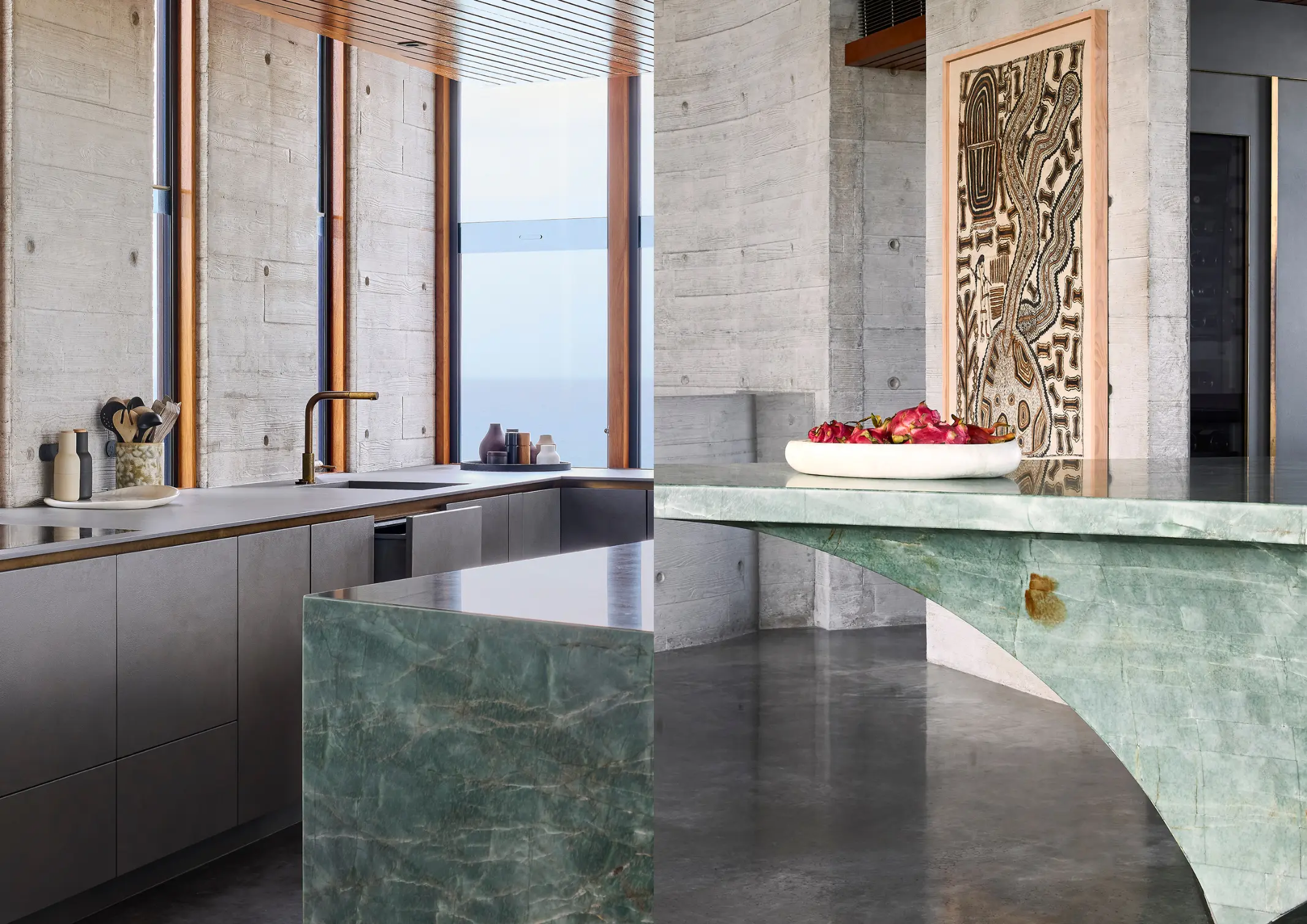
For more than nine decades, Fisher & Paykel has approached design with a simple but exacting belief: that the best living environments are those shaped by people, place, and purpose. Rooted in New Zealand and deeply attuned to island and coastal living, the brand’s philosophy centres on quiet performance, material honesty, and appliances that integrate […]
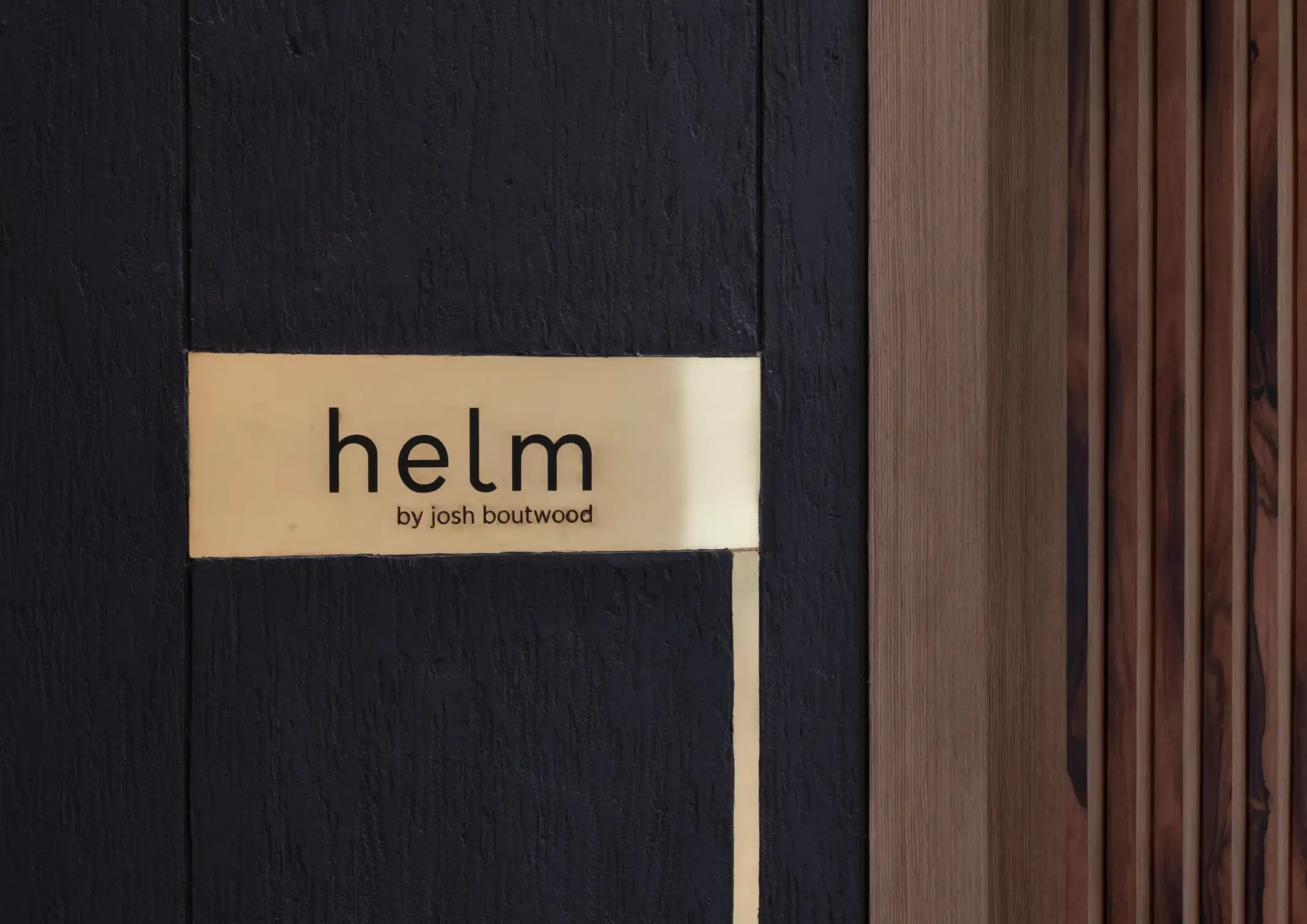
At Helm, dining unfolds as choreography. An open kitchen anchors the room, allowing guests to witness the precision behind its Michelin-starred fine dining menu. Designed by Kevin Nieves of Headroom, the 24-seat restaurant reflects that same discipline in its interior design. Tucked within Ayala Triangle Gardens in Makati, Helm brings together culinary recognition and architectural […]
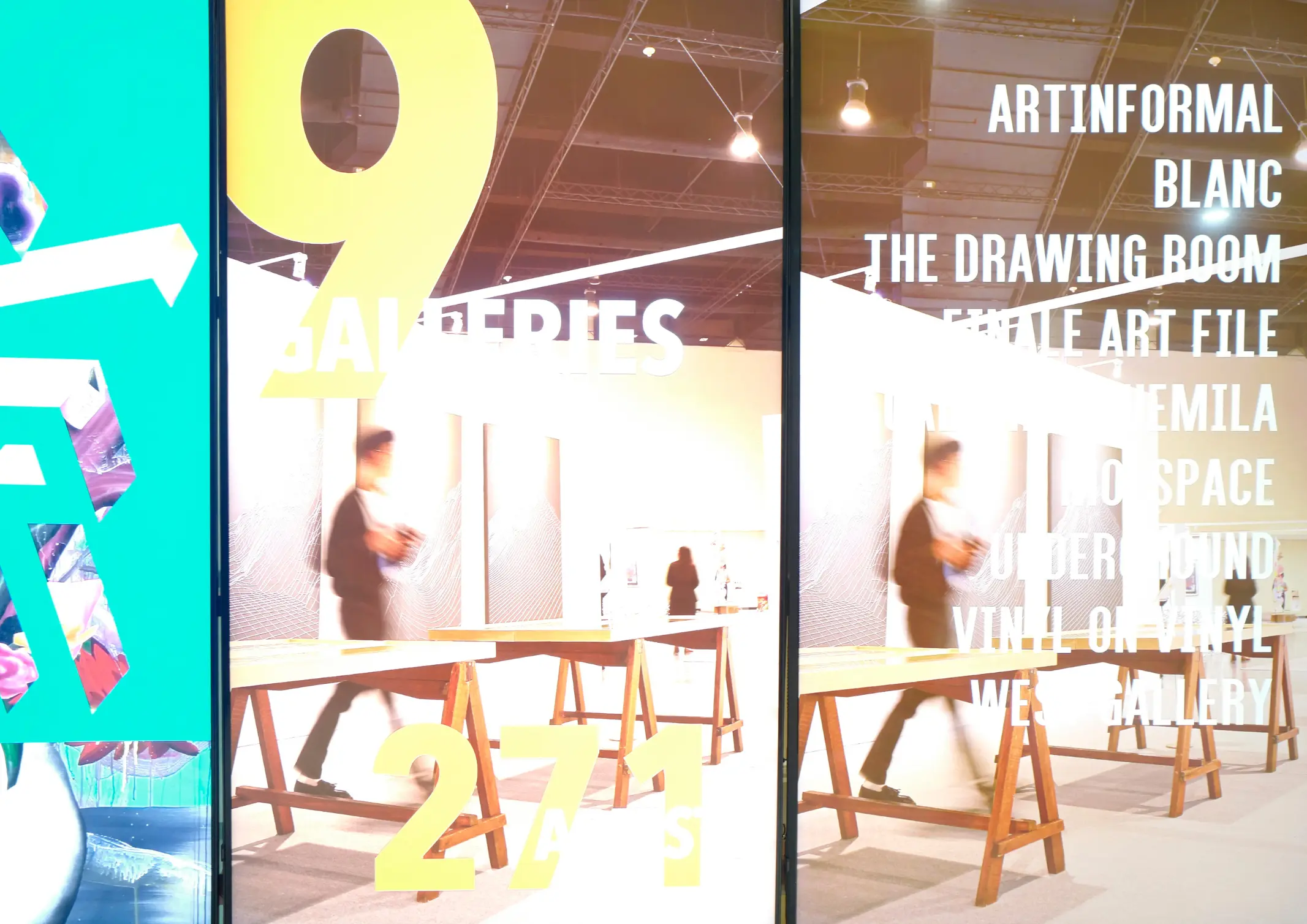
Exhibition designer Baby Imperial of All At Once shaped the spatial strategy of ALT ART 2026, its largest edition to date. The fair occupied Halls 1 and 2 of SMX Convention Center Manila, expanding in both footprint and ambition. Organized by the ALT Collective—Artinformal, Blanc, The Drawing Room, Galleria Duemila, Finale Art File, MO_Space, Underground, […]
Advertisement
Download this month's BLUPRINT magazine digital copy from:



Subscribe via [email protected]