There is no excerpt because this is a protected post.
‘Running Backwards Into the Future’: Documenting Divergences in Philippine Art



Modeka Art’s newest exhibit, Running Backwards Into the Future, is genuinely an all-encompassing collection of works that overwhelms the senses and the intellect.
Curator James Clar assembles a wide swatch of works showcasing the continued evolution of the Philippine art scene. Clar’s choices seek to portray the local art scene before the advent of the Internet; it’s an attempt to define the scene in a local sense, without the frills of an international standard to go by.
“Freed from these considerations, the art scene and artists were able explore the potential for individual expression through materials and aesthetics. They laid the foundation and cleared pathways for the generation of artists currently working now,” Clar wrote about the intent of the exhibit.
Advertisement
Clar’s choice of artists, from diaspora artist Angel Velasco Shaw to conceptual artist and critic Judy Freya Sibayan, works as a meta-analysis in discussing how Filipino artists converse with the standards of art locally and internationally. The exhibit shows many of the artists’ works with a sense of detachment, as they try to redefine and disentangle the Philippine art scene away from its Western influences.
The Bureaucracy of Art
The most thought-provoking parts of the exhibit allows one a glimpse of the bureaucracy that exists behind creativity. It also reveals how pigeonholing bureaucracies around exhibits are and its tendency to remove the artists from the proceedings.
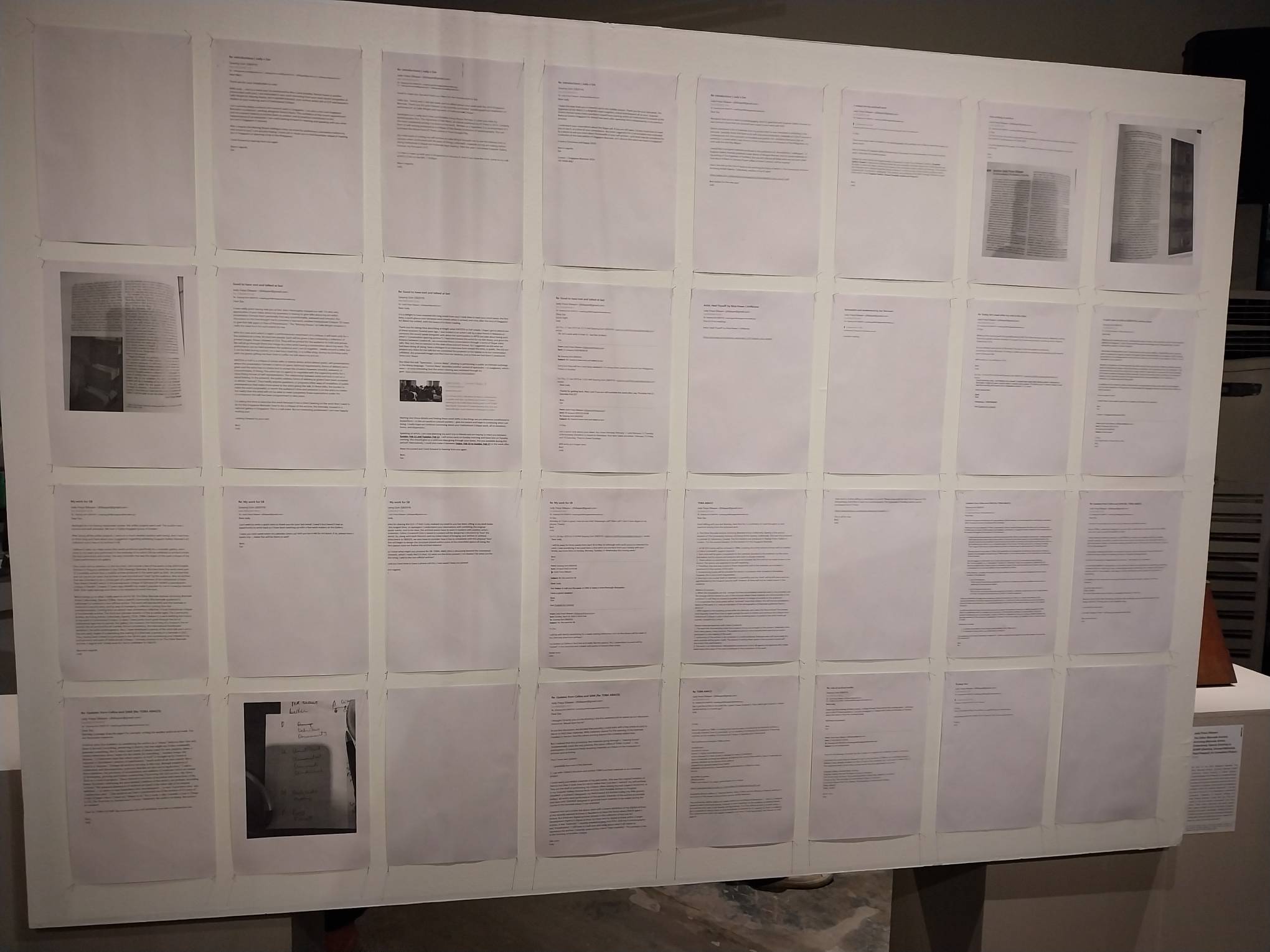
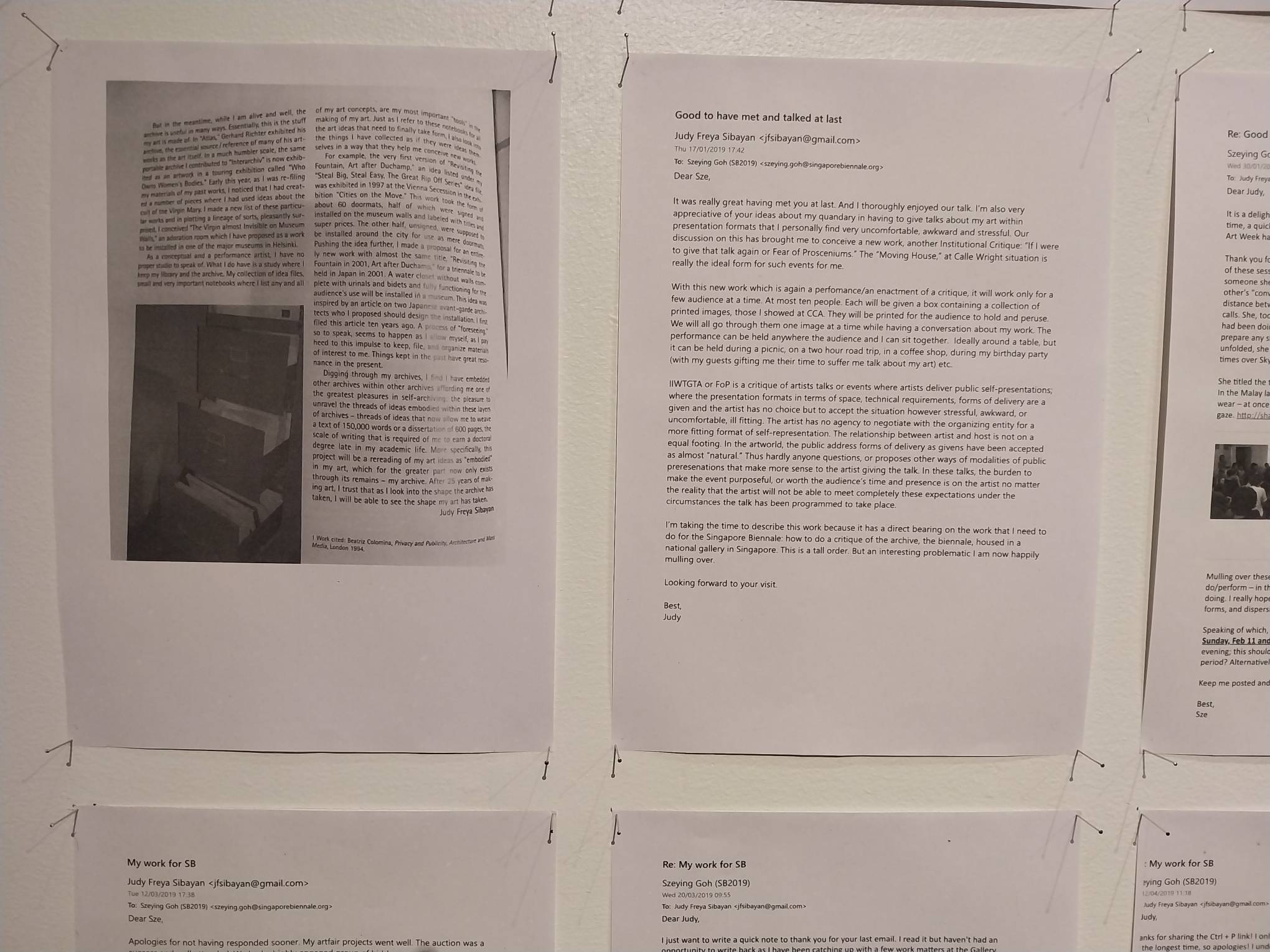
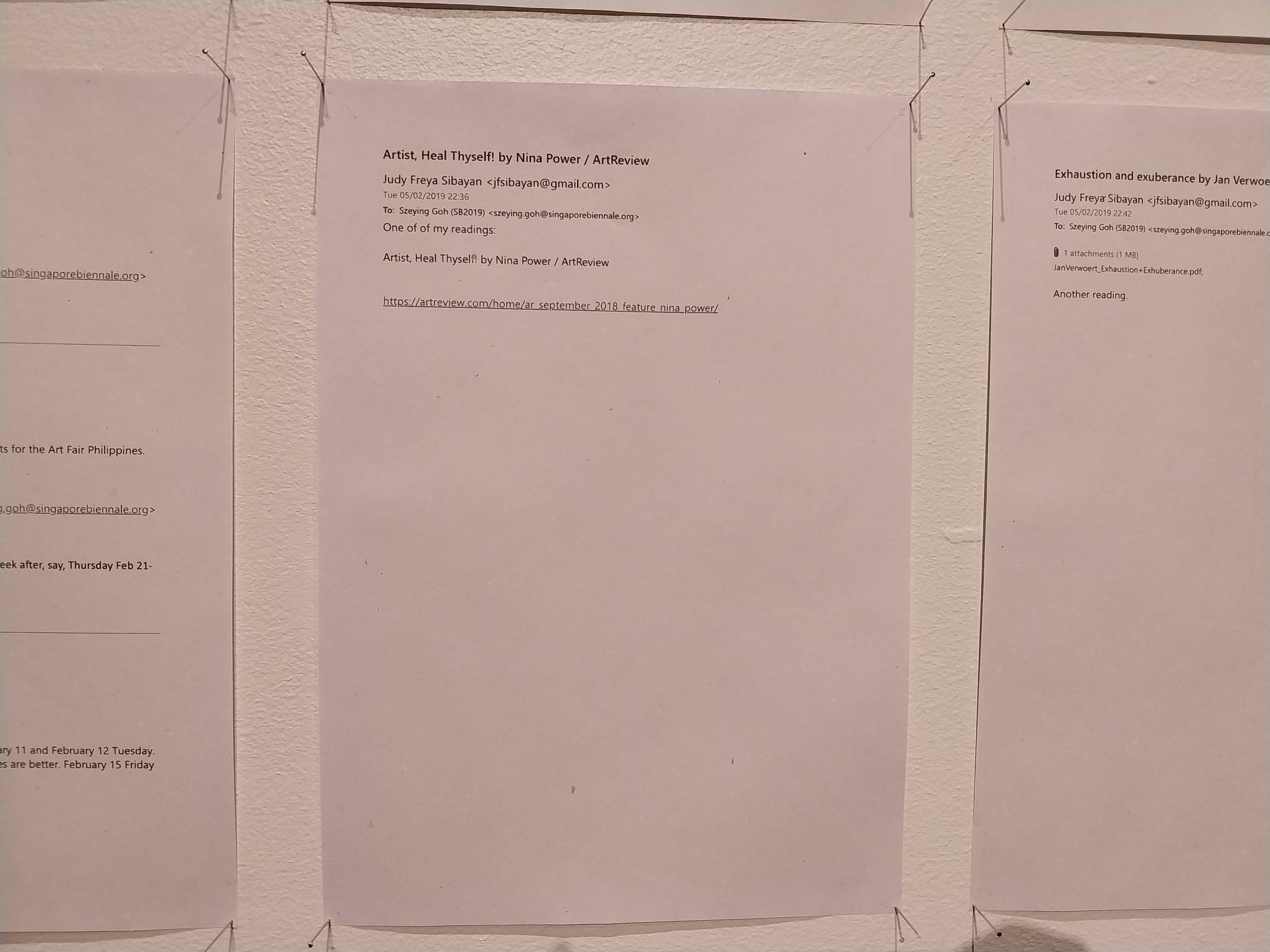
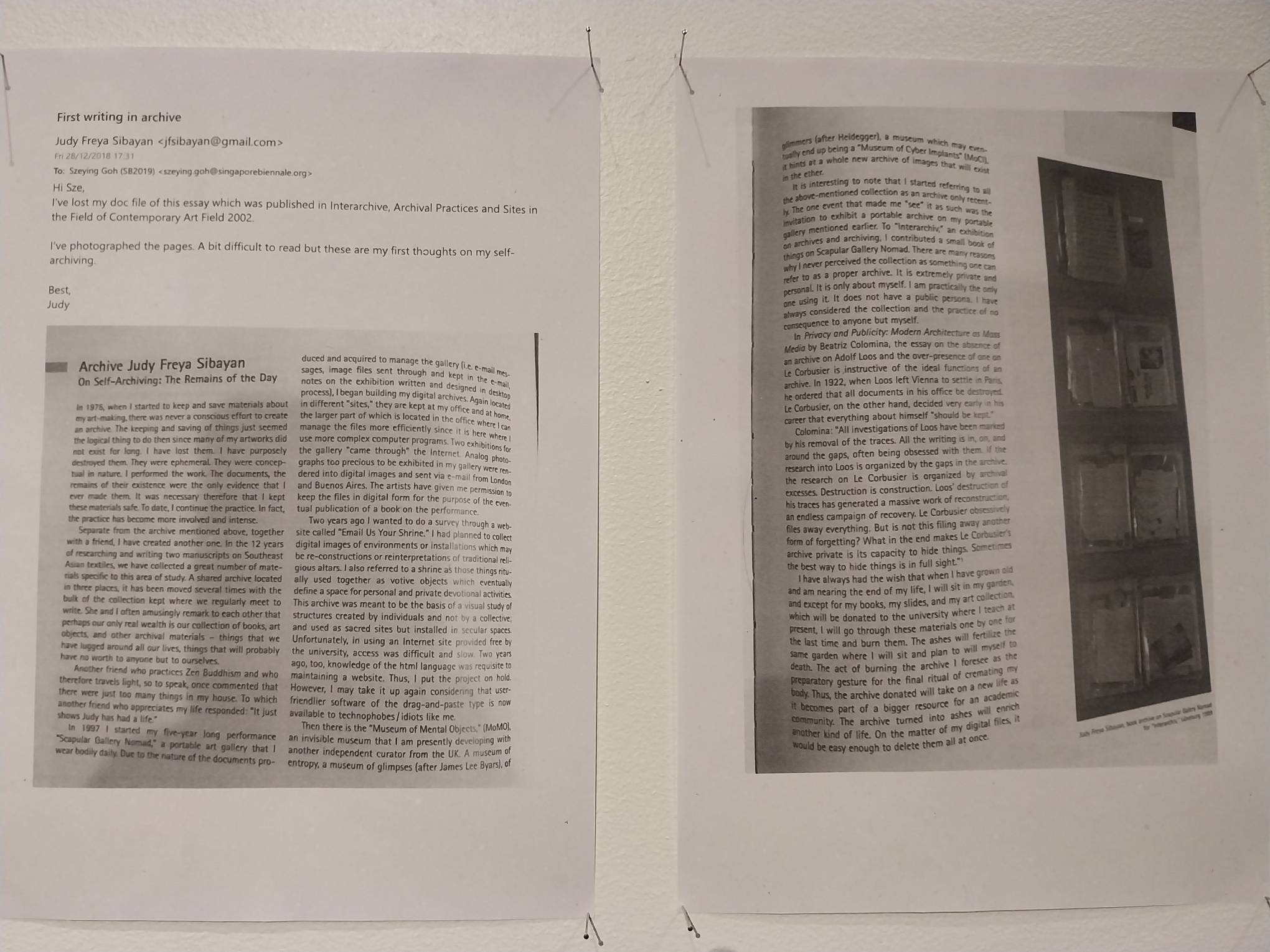
Judy Freya Sibayan’s contribution to this exhibit includes emails to the Singapore Biennale in 2019 as the two parties attempt to negotiate and discuss a possible exhibition and the limitations she found on the way. It’s a wall of printed email interactions, and beyond being immersive, it finds irony as Sibayan proposes a performance art piece that demonstrates the lack of equal footing between artists and their benefactors.
Advertisement
‘Lemon Cake’ and the Context of Institutional Criticism
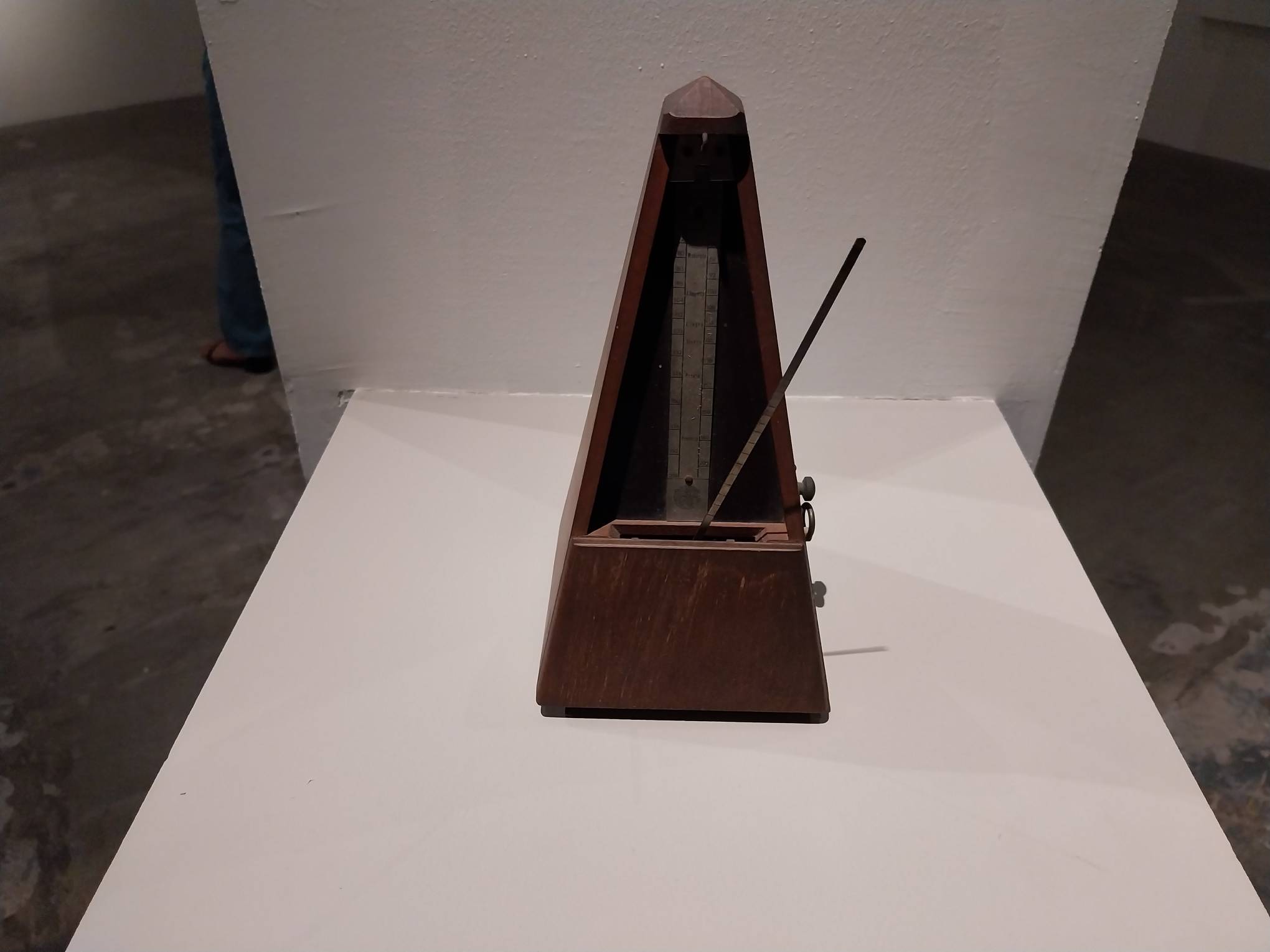
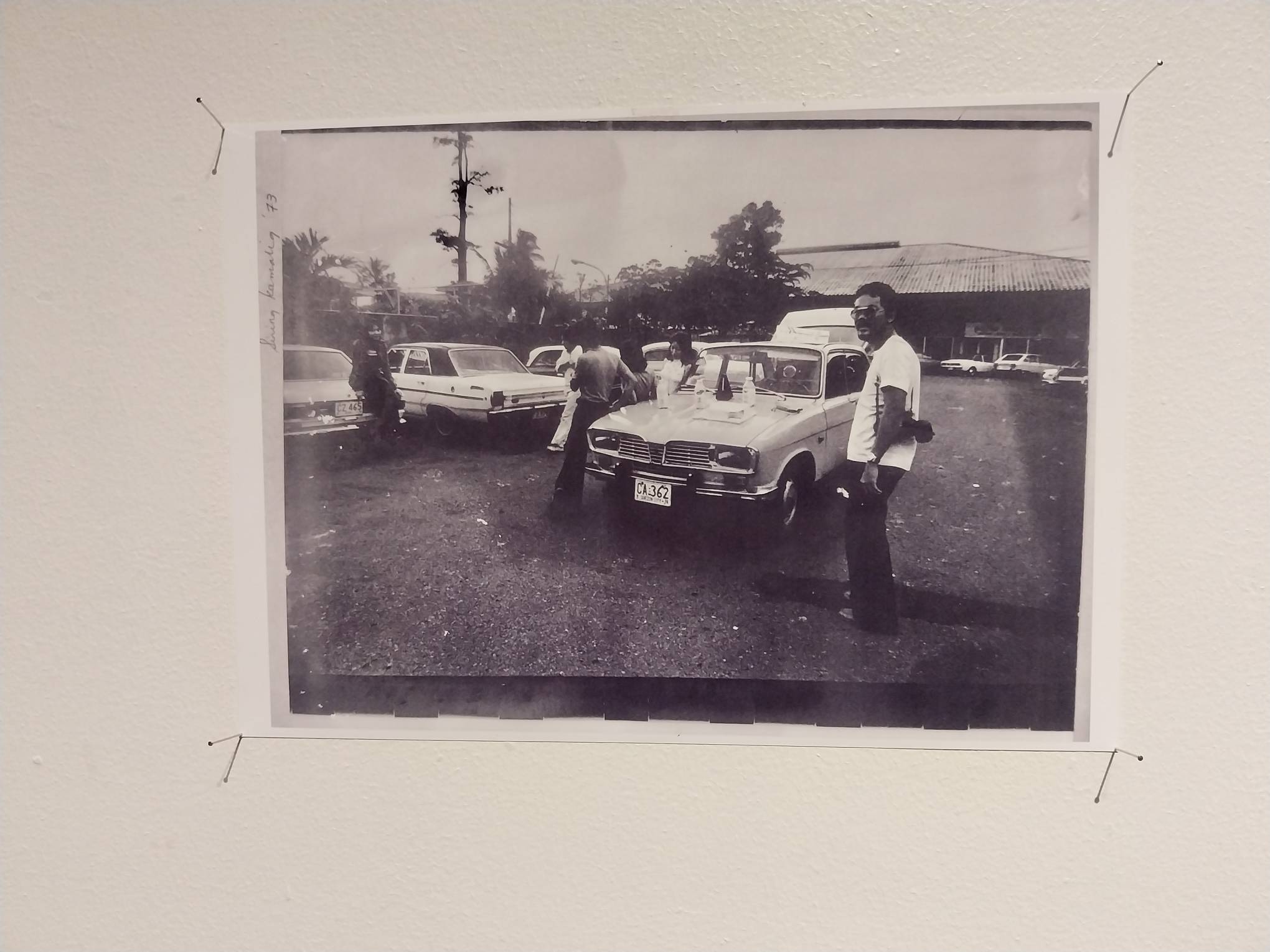
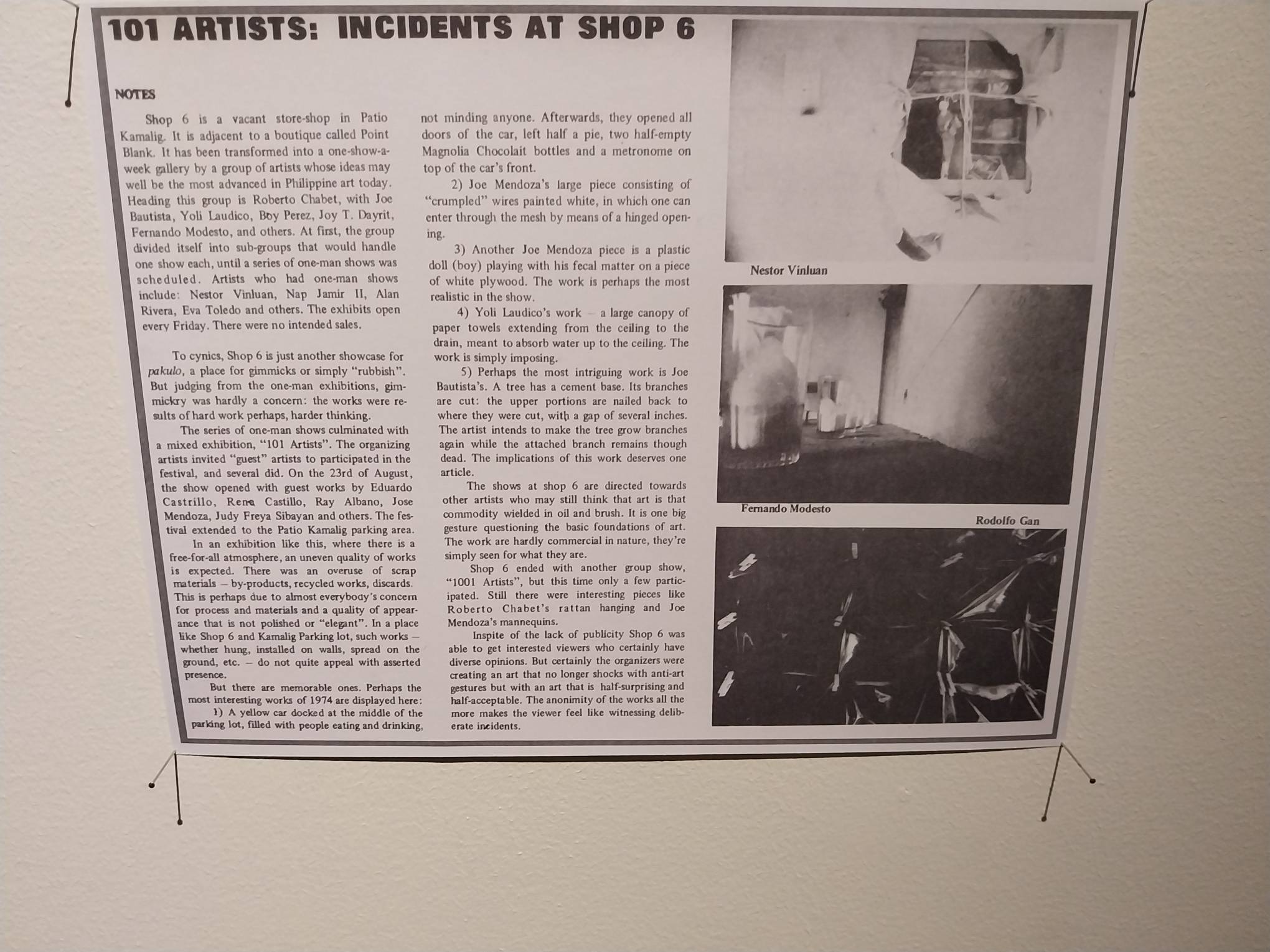
Sibayan also shows some archival newspaper clippings of her 1974 piece “Untitled (Lemon Cake),” a strange piece of art where she crashes an exhibition with a lemon cake, milk, and a metronome. It’s an unauthorized work, and pivotal to Sibayan’s own continued explorations and criticisms of institutions around her.
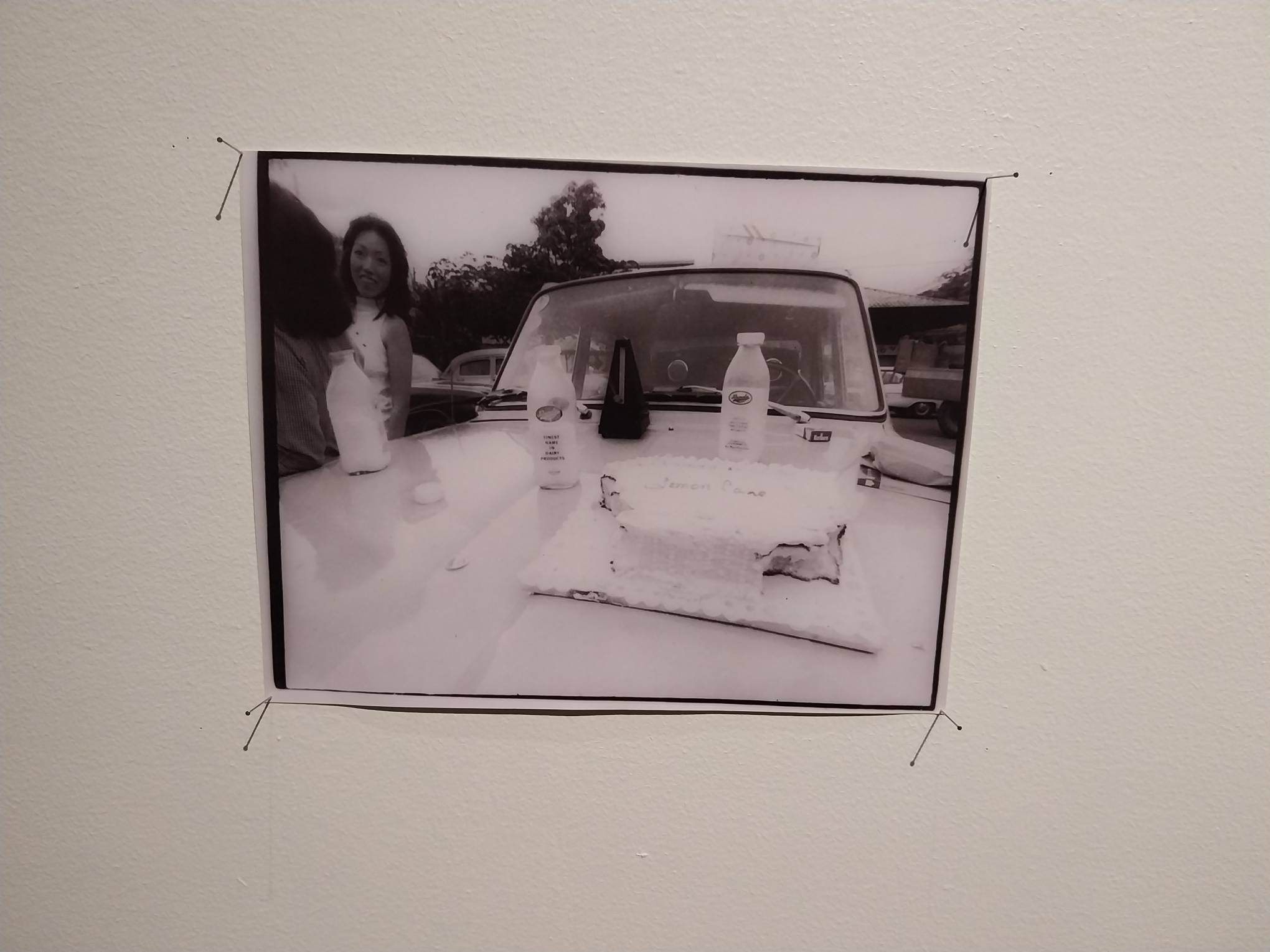
The exhibit also ended up serving an actual lemon cake during the opening of the event, which raises questions about its effectiveness as commentary in this context where an exhibit in an actual gallery does feature the work and celebrates it. Does that negate the power of the piece as an anti-institutional critique?
“Capitalism subsumes all critique about itself,” basically. Is it still criticizing institutions when it’s shown by one?
Advertisement
Pre-Internet Art Driving Narratives
A lot of the other works also tackle archiving in the arts in different ways, the importance of which cannot be overstated, especially in how we create a narrative over societal progress. It’s even implied in the name of the exhibit: what we preserve from our art scene becomes the bedrock of how we perceive its future.
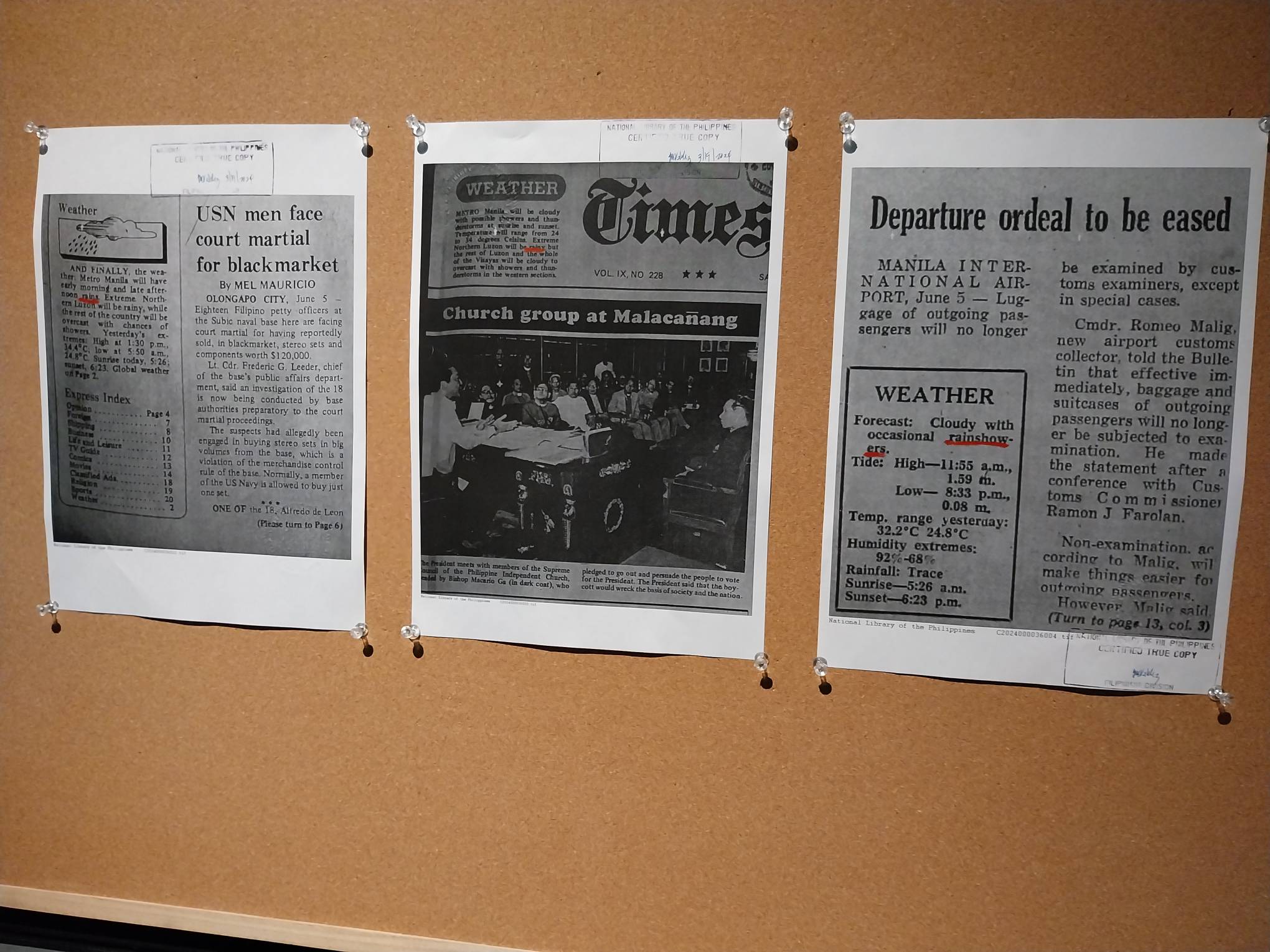
The exhibit tackles the topic comprehensively—one can see it already in Sibayan’s email correspondence for the Singapore Biennale. Other works play with the form of print and paper, showcasing its flexibility and the possible preference for it even in this day and age of digital archiving. Works like Nilo Ilarde’s “WATER WORK,” for example, showcase the intrinsic links that one may find when looking into the archive.
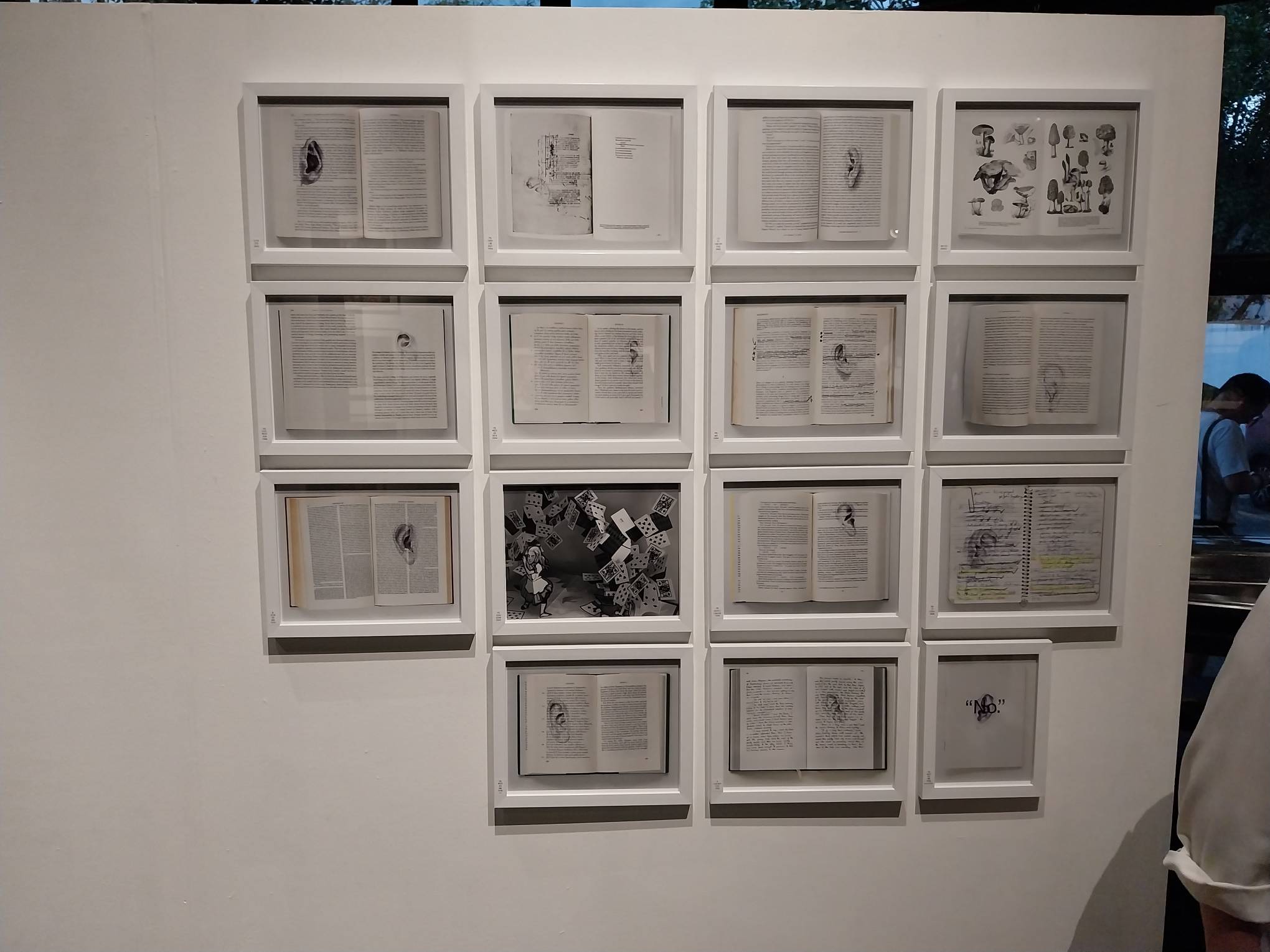
Meanwhile, Renato Orara’s “Library Bookworms” was first conceived as a stealth exhibit in a library where one can find hidden art of the human ear inside a group of books. Orara built the exhibit so that it’s easy to cross-reference between the pieces and the books, creating an interactive experience. Photocopies of it were shown for this exhibit.
Advertisement
Archives and Personal Narratives
And the archiving discussion doesn’t end there. Bernie Pacquing’s “Bach” sculptures show two broken violins preserved by the artist. The story behind it is that the violin was ruined by a flood, and Pacquing preserved it a day later to represent the personal narrative of the artists.
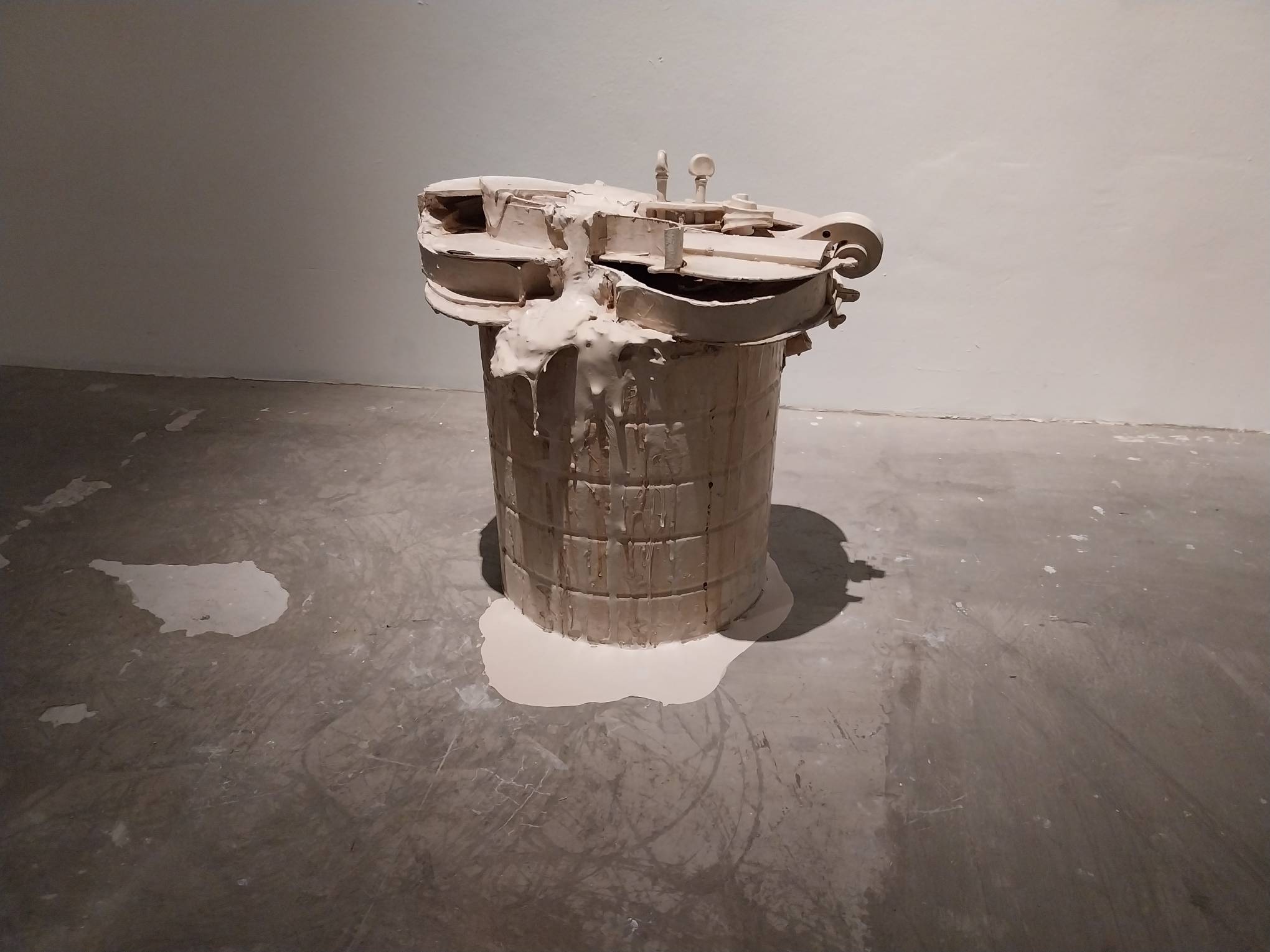
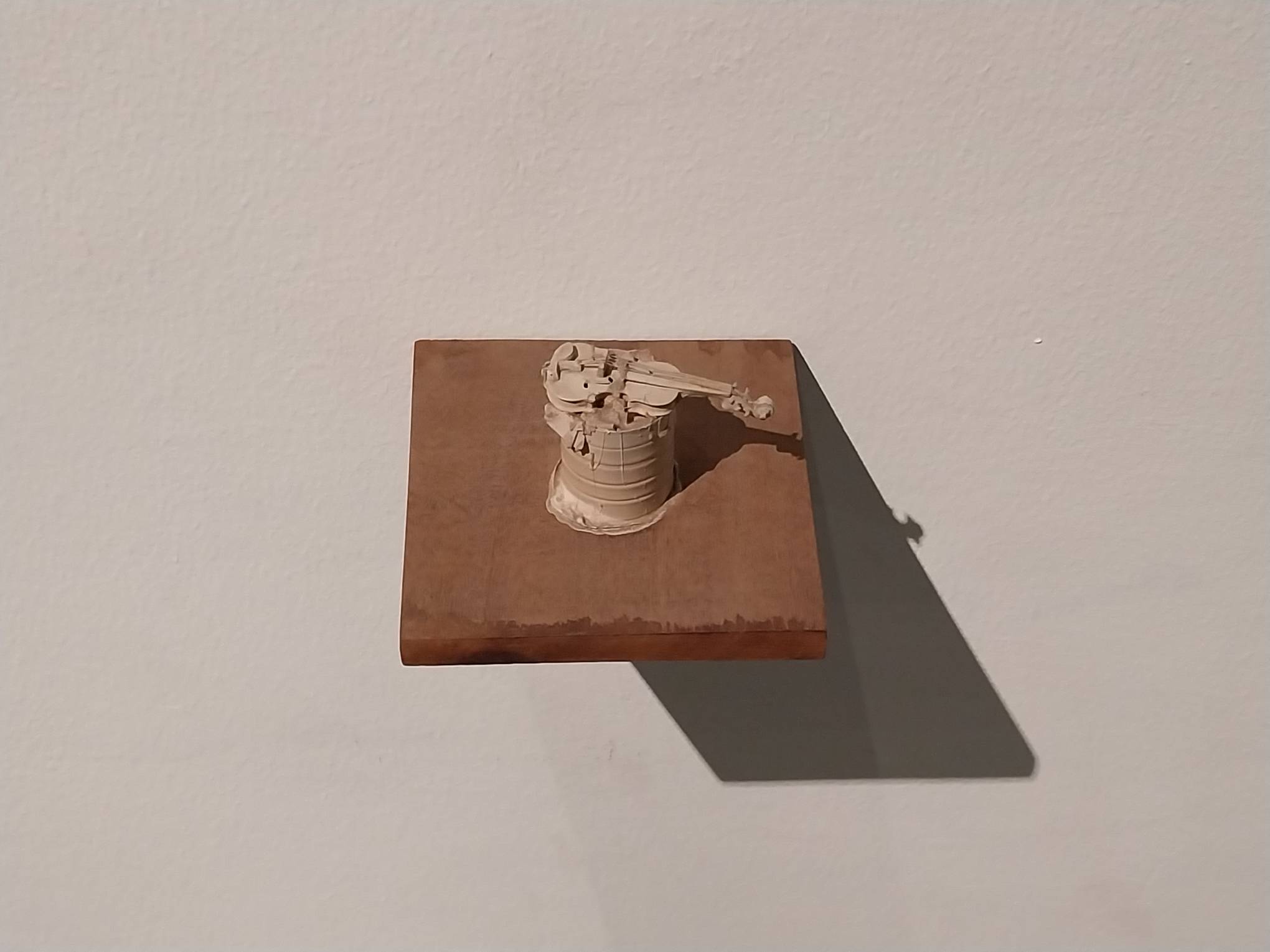
These works demonstrate the importance of archiving in artistry—that extra meaning from these ordinary objects emerge when linked together in a hyper-specific way that the artist provides. Whether it’s for personal narratives or to create causal links between time periods, it echoes the importance of preservation to the public.
Tearing Down the Myths of Western-Centric Ideologies
How technology tends to push Western-centric ideals towards us also is a theme in some of the works showcased.
Advertisement
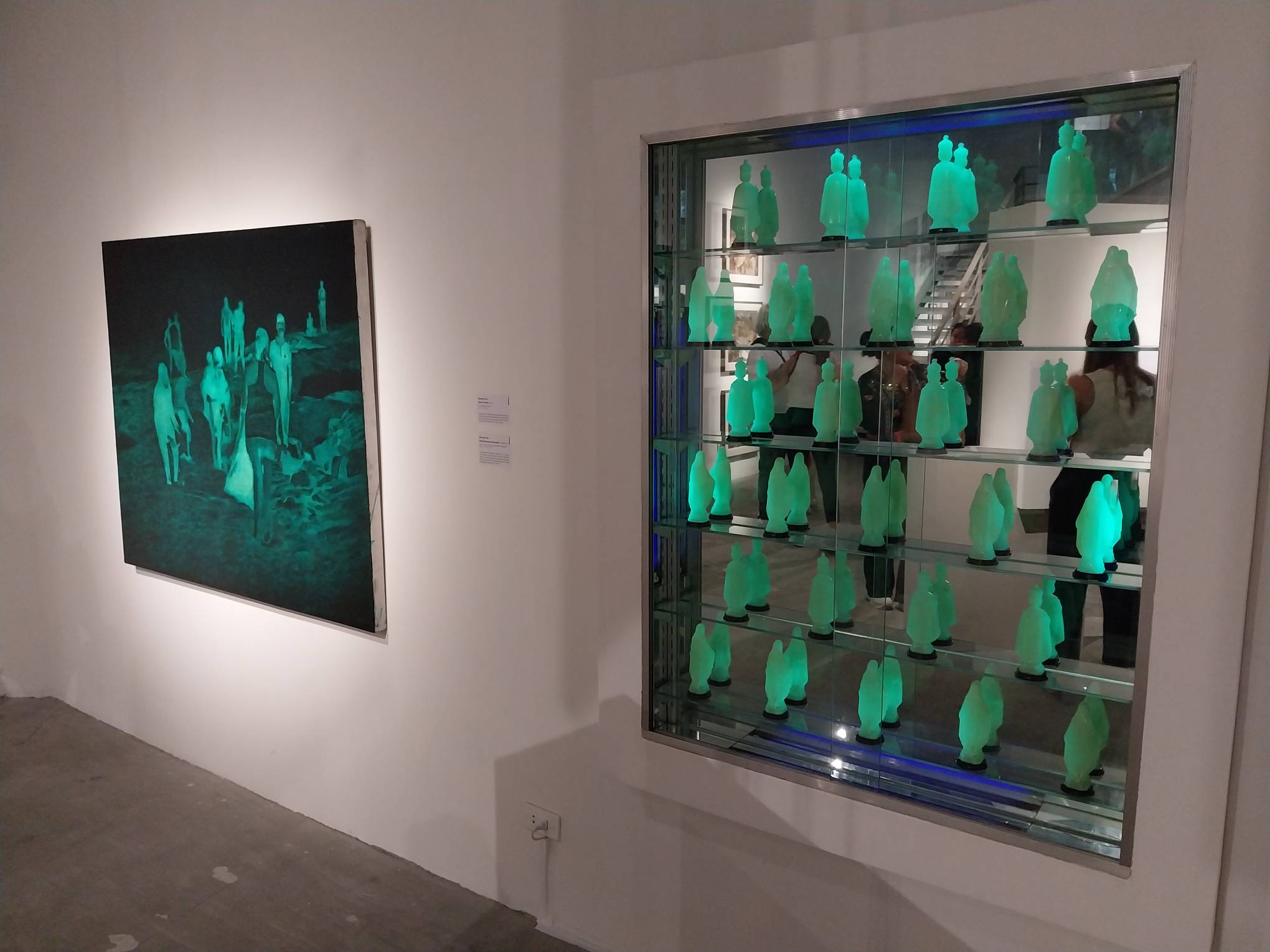
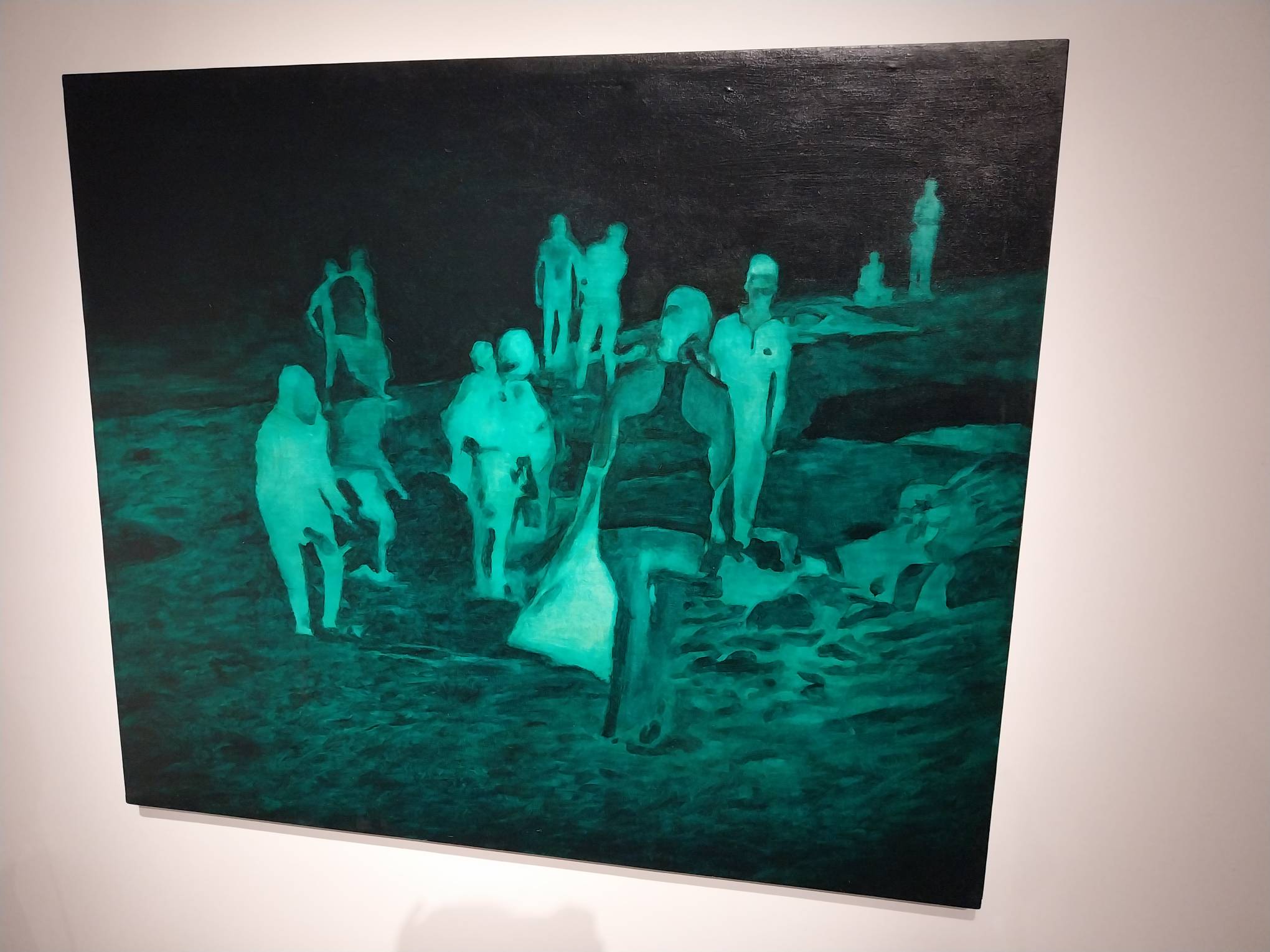
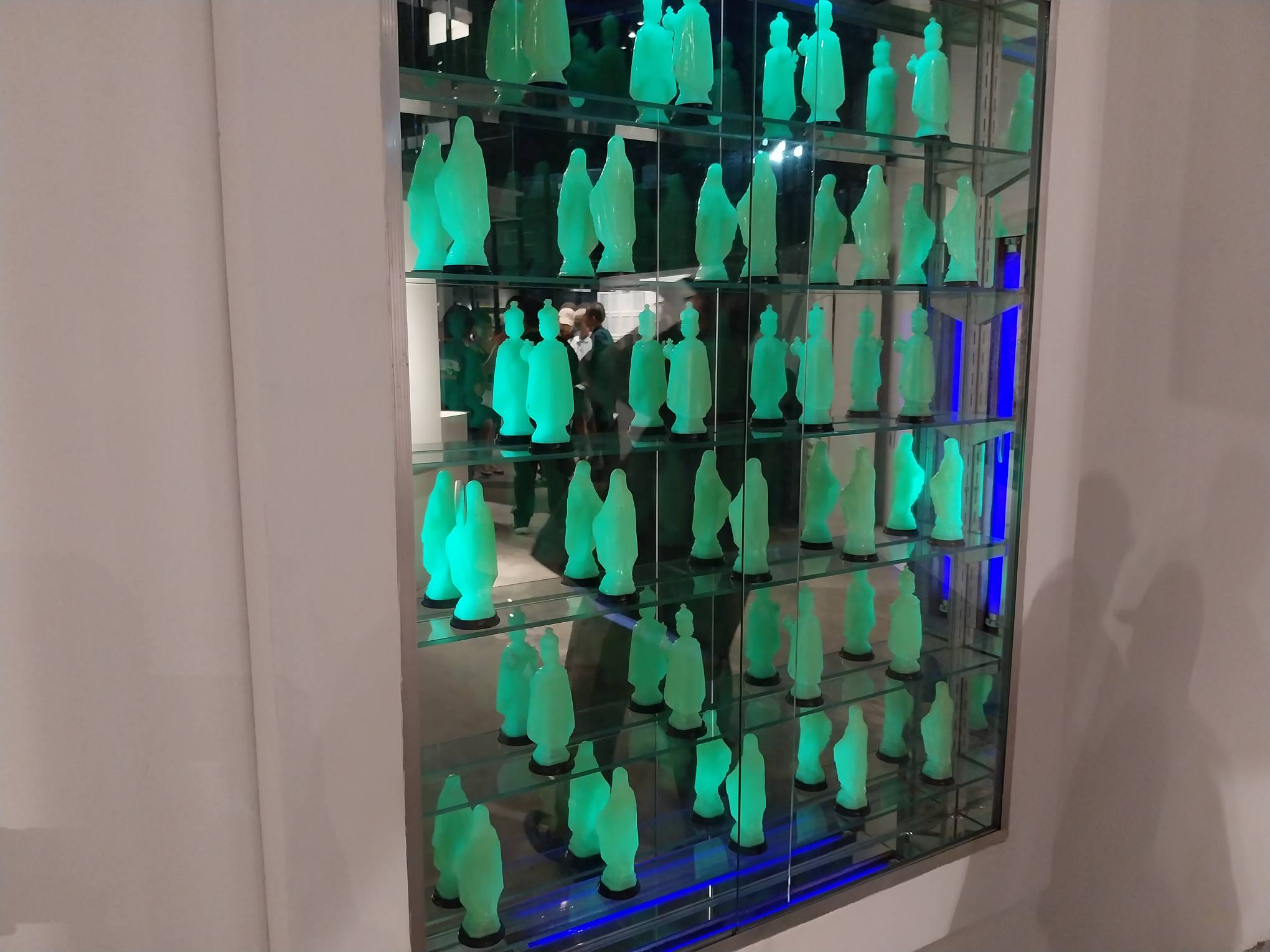
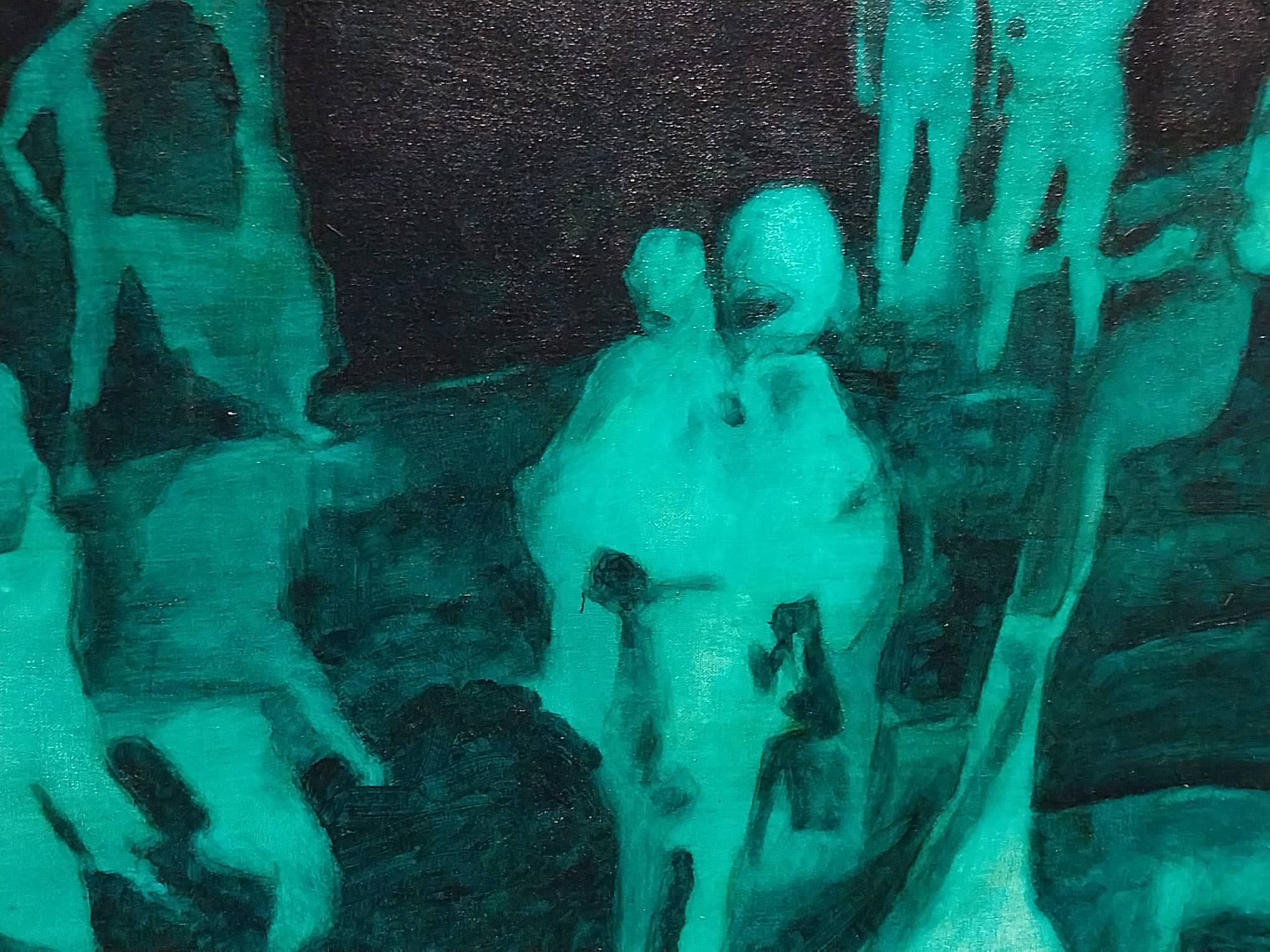
For example, Gerardo Tan’s “Beach Scene” depicts glowing human figures, which the artist derived from night vision photographs of illegal border-crossers taken by the police. It’s placed side by side with Tan’s other work, “Phosphorescent Salvation,” which are glow-in-the-dark statues shown in a mirrored environment. Together, they create this impression of migrants as caged in helpless situations—their homes destroyed by imperialism, forbidden to go to the imperialist’s lands to find a better life, and forced to live as examples instead in a world that disregards their right to exist and thrive.
Angel Velasco Shaw’s “1985”
More comprehensive is Angel Velasco Shaw’s “1985,” where her past self grapples with her existence as a transnational person, torn between her upbringing in the United States and her heritage as a Filipino. The work contains a film, Balikbayan, which she filmed in 1985 and which feels like a precursor to a lot of mixed heritage narratives such as the 2022 film Return to Seoul.
In the film, Shaw documents the day-to-day life of Filipinos in Smokey Mountain in Tondo, as she laments the alienation she feels in her own homeland. It works as a portrait of a person exploring their heritage.
Advertisement
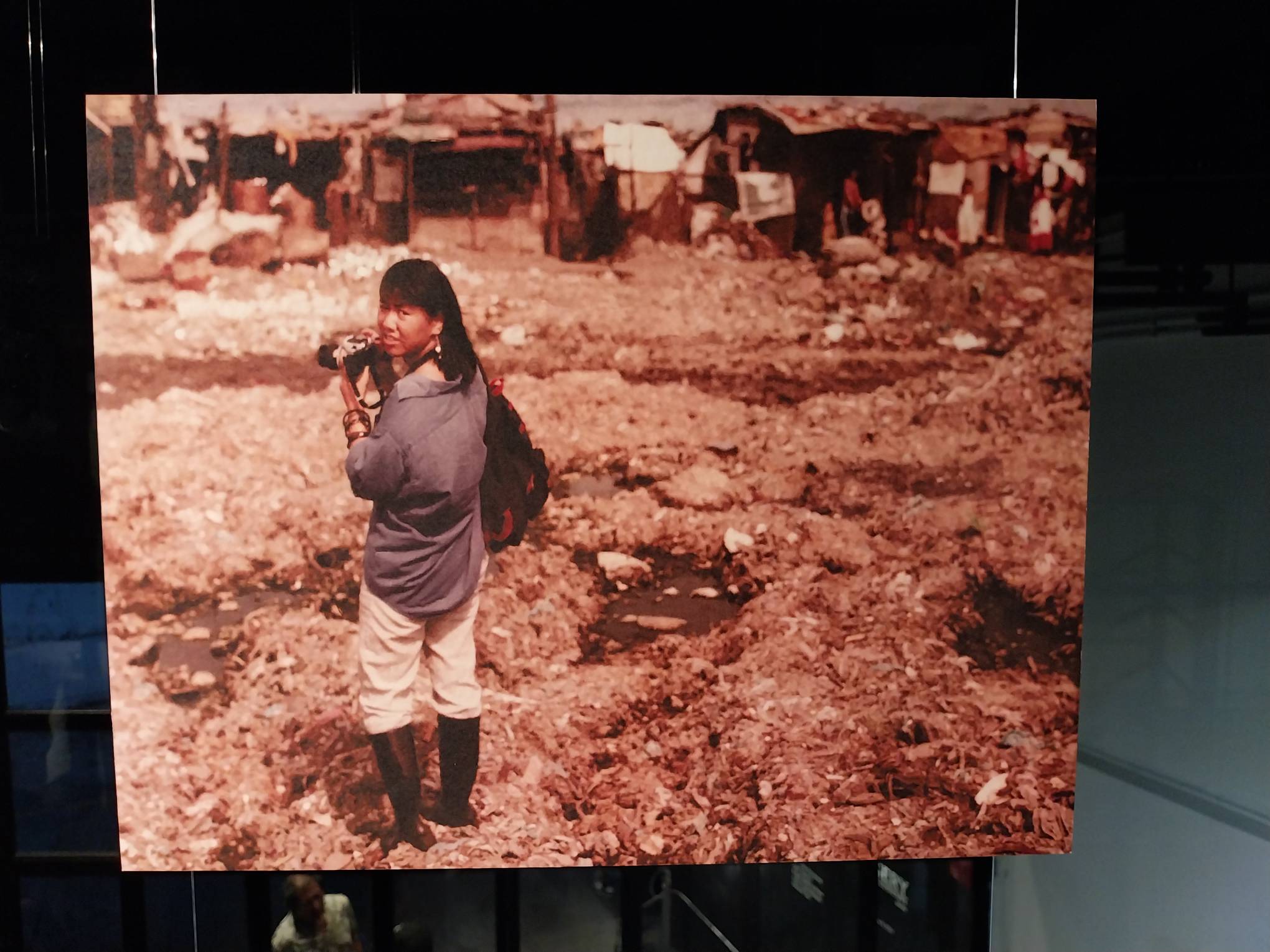
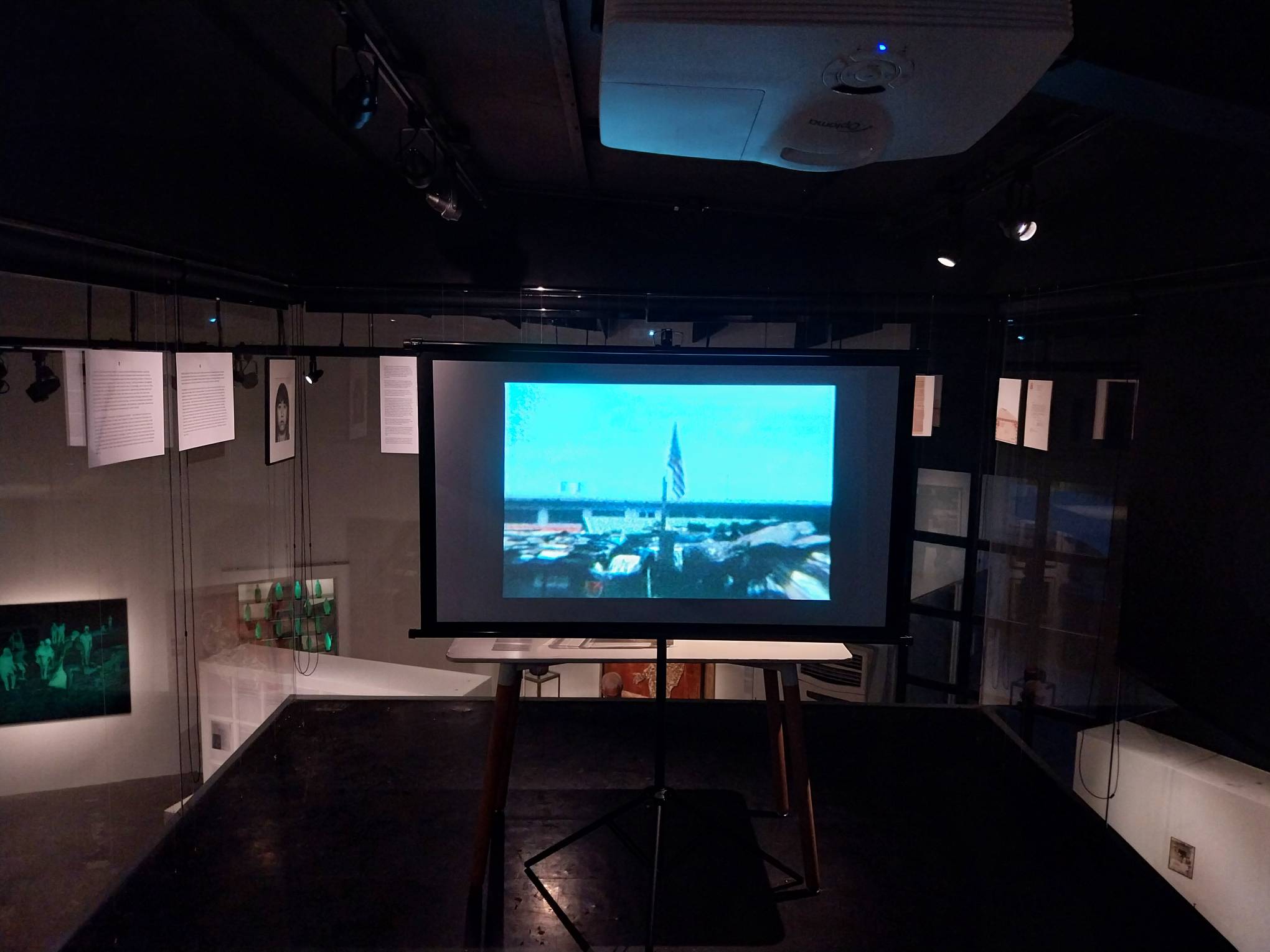
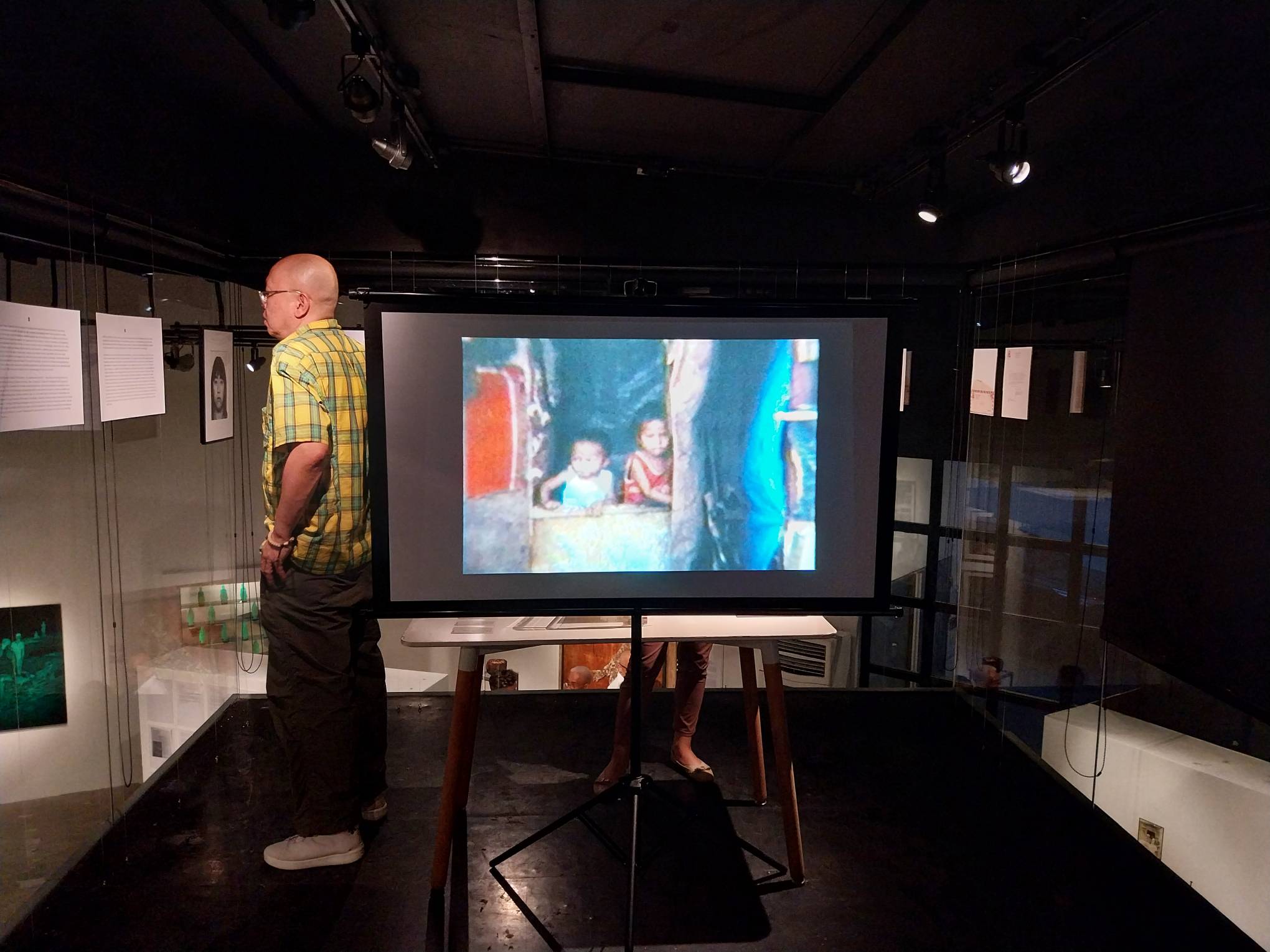
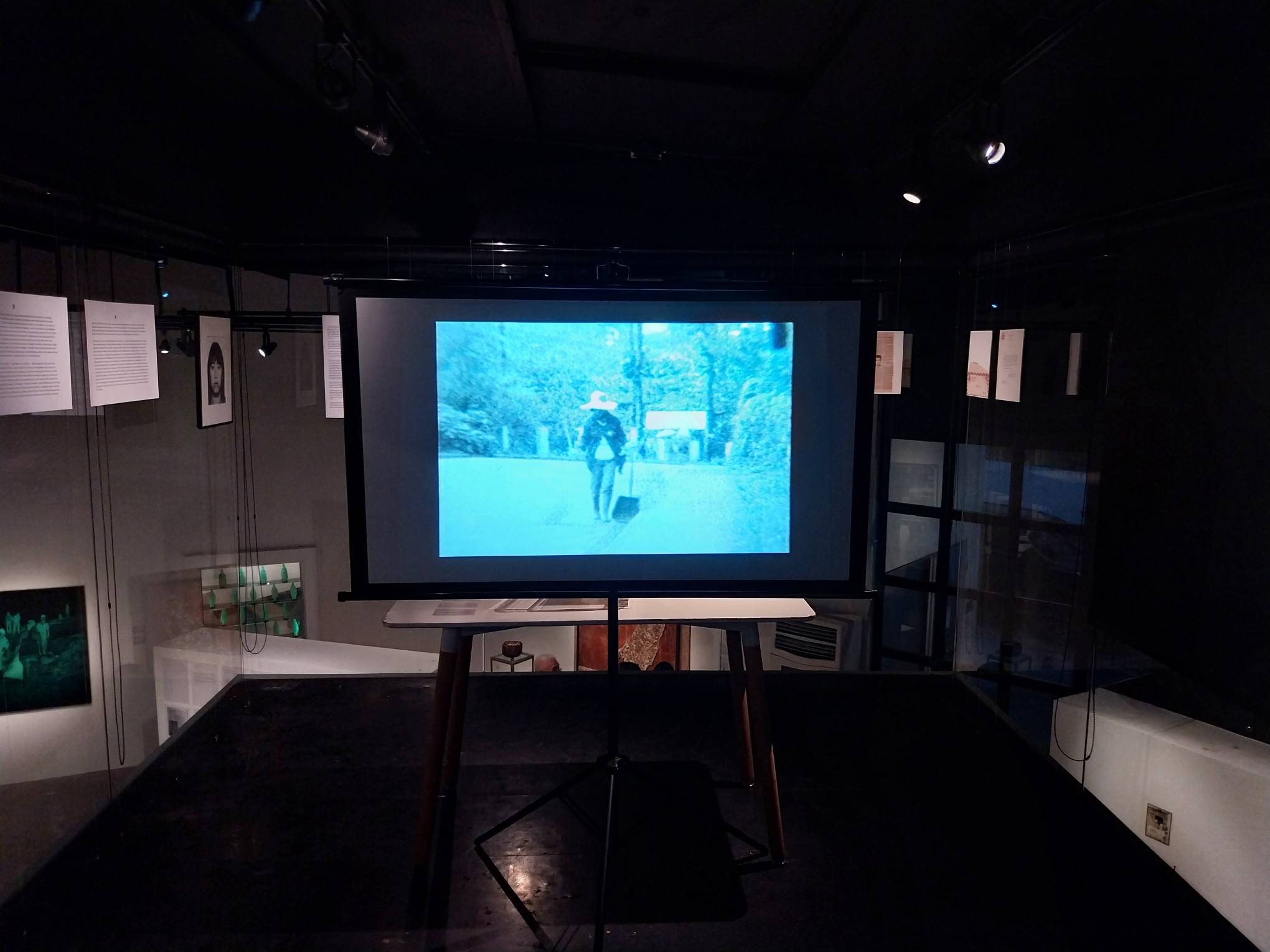
Beyond that, it also works as a snapshot of the Philippines during the Marcos era. Shaw showcases a world of inequality where the domineering influence of the West prevails even in our homeland. And what is left is the exploited classes struggling to survive.
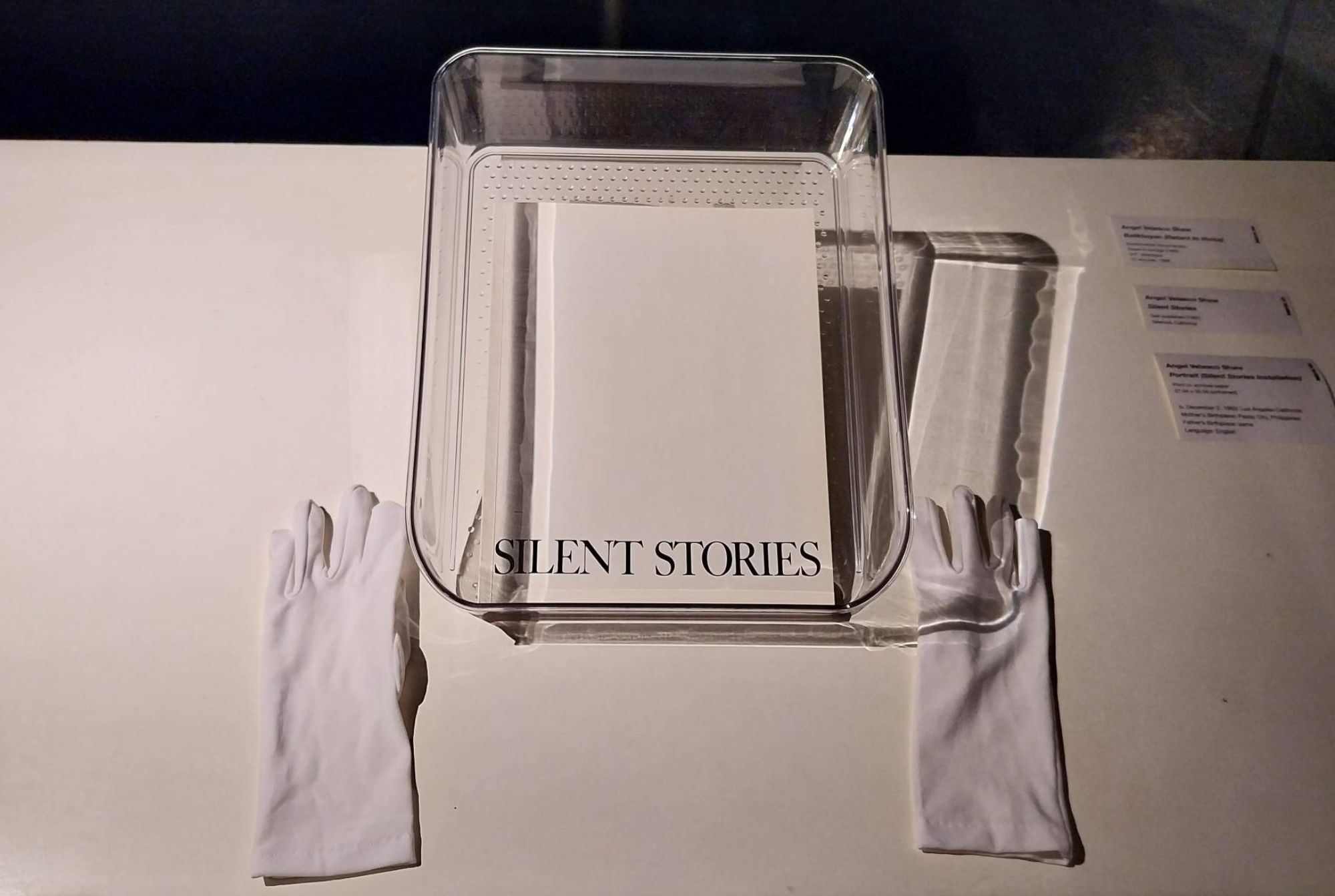
A copy of her self-published book, Silent Stories, was also included in the installation for visitors to peruse.
“1985” is interesting work, mostly because it gives us an early perspective of the raw feelings of outsider-ness that many diaspora artists feel—but also because it presents Shaw’s own attempts to reconcile these feelings and connect with Filipinos, seeking to understand this culture that should be hers and yet isn’t. Stranger in a Strange Land, so to speak.
Advertisement
Creating an Alternate View of Our Past
As one can see, this exhibit puts together a fascinating series of works to illustrate a broader message of how we perceive our Filipino art scene. It works as commentary for institutions, or a critique of imperialist attitudes within and outside art.
These works also function as an ever-evolving portrait of how we use technology to innovate the way we document our world. Most importantly, it highlights the need to archive the past to show our identity and ideas outside a Western-centric world.
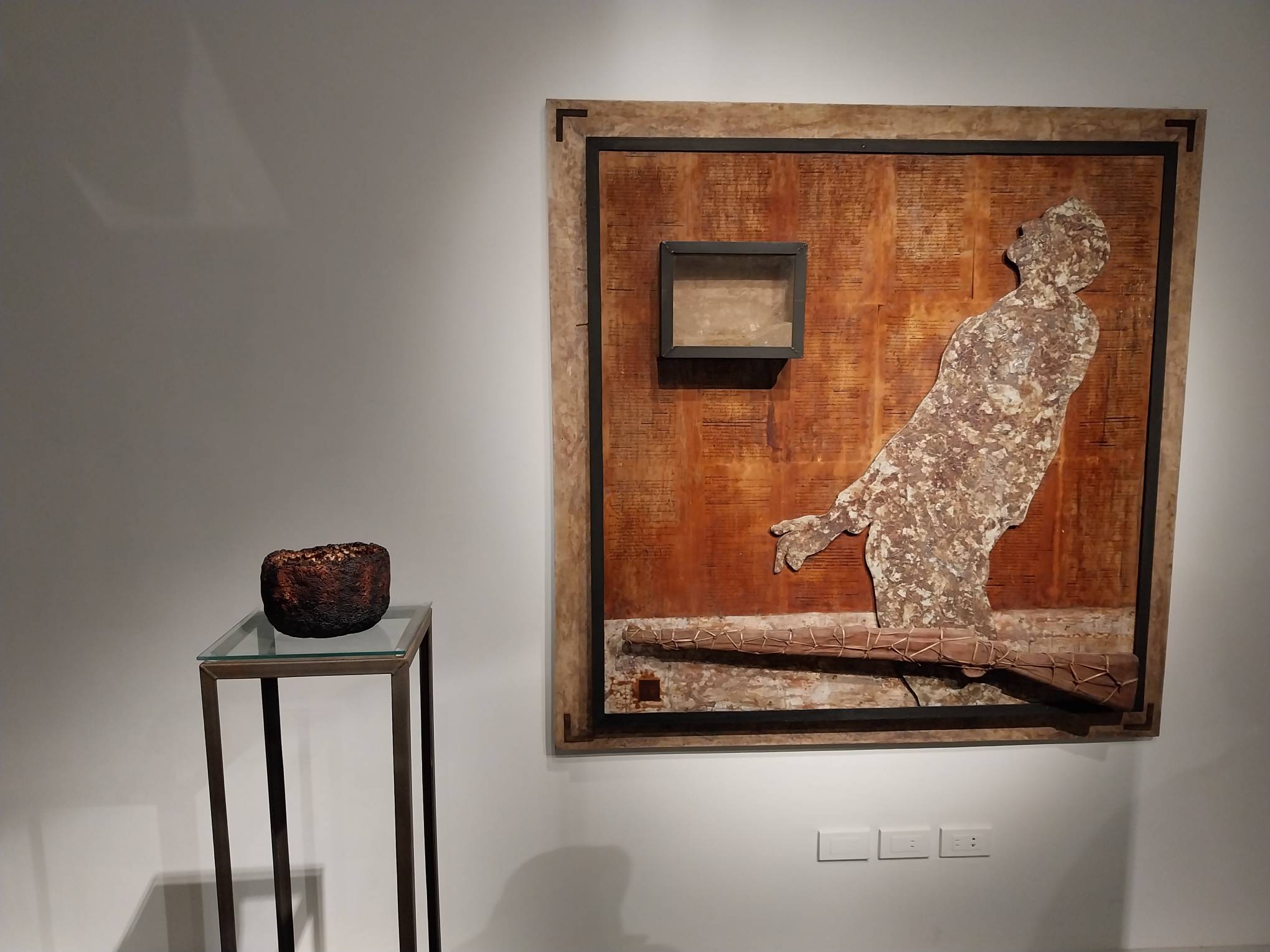
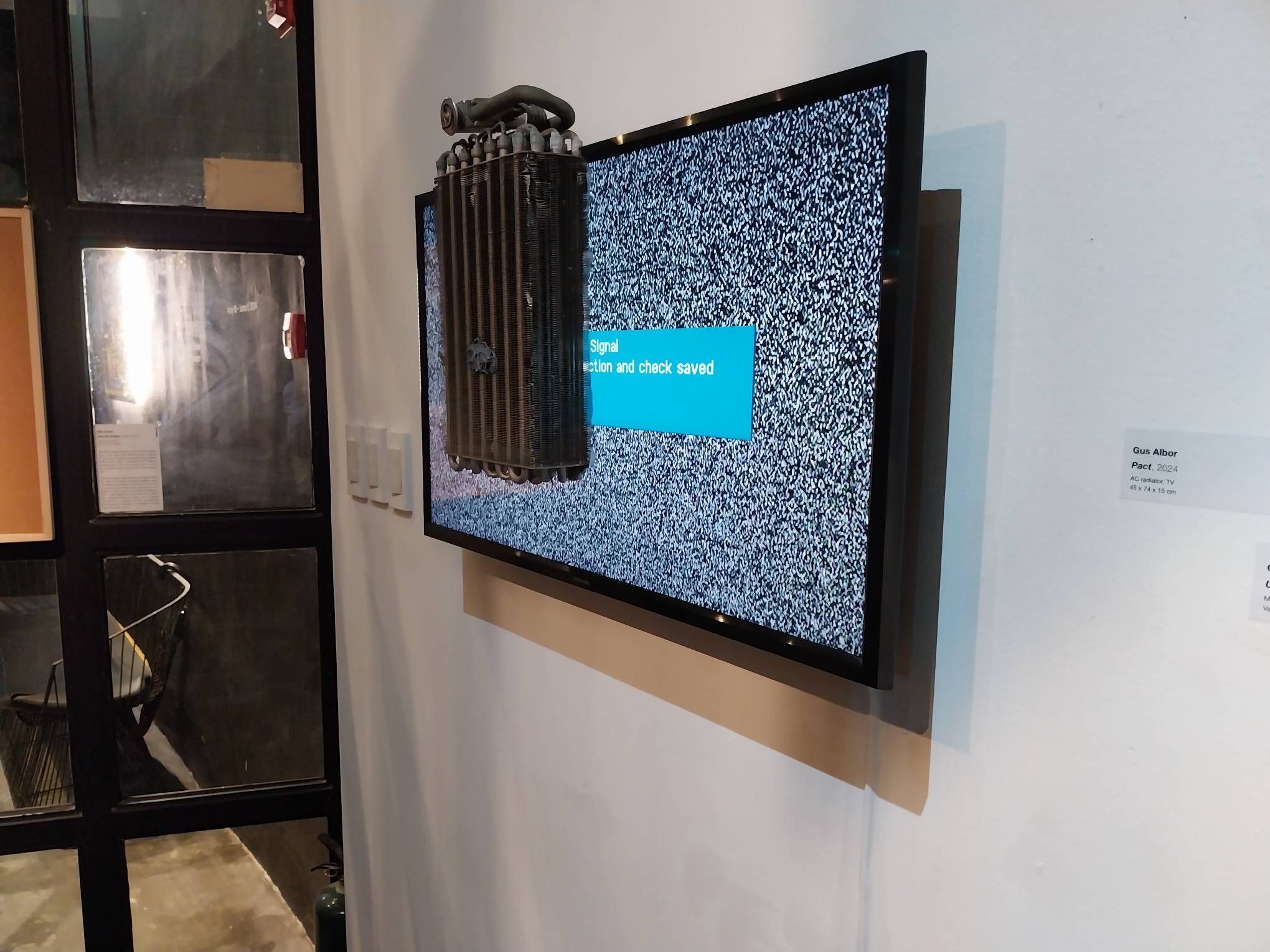
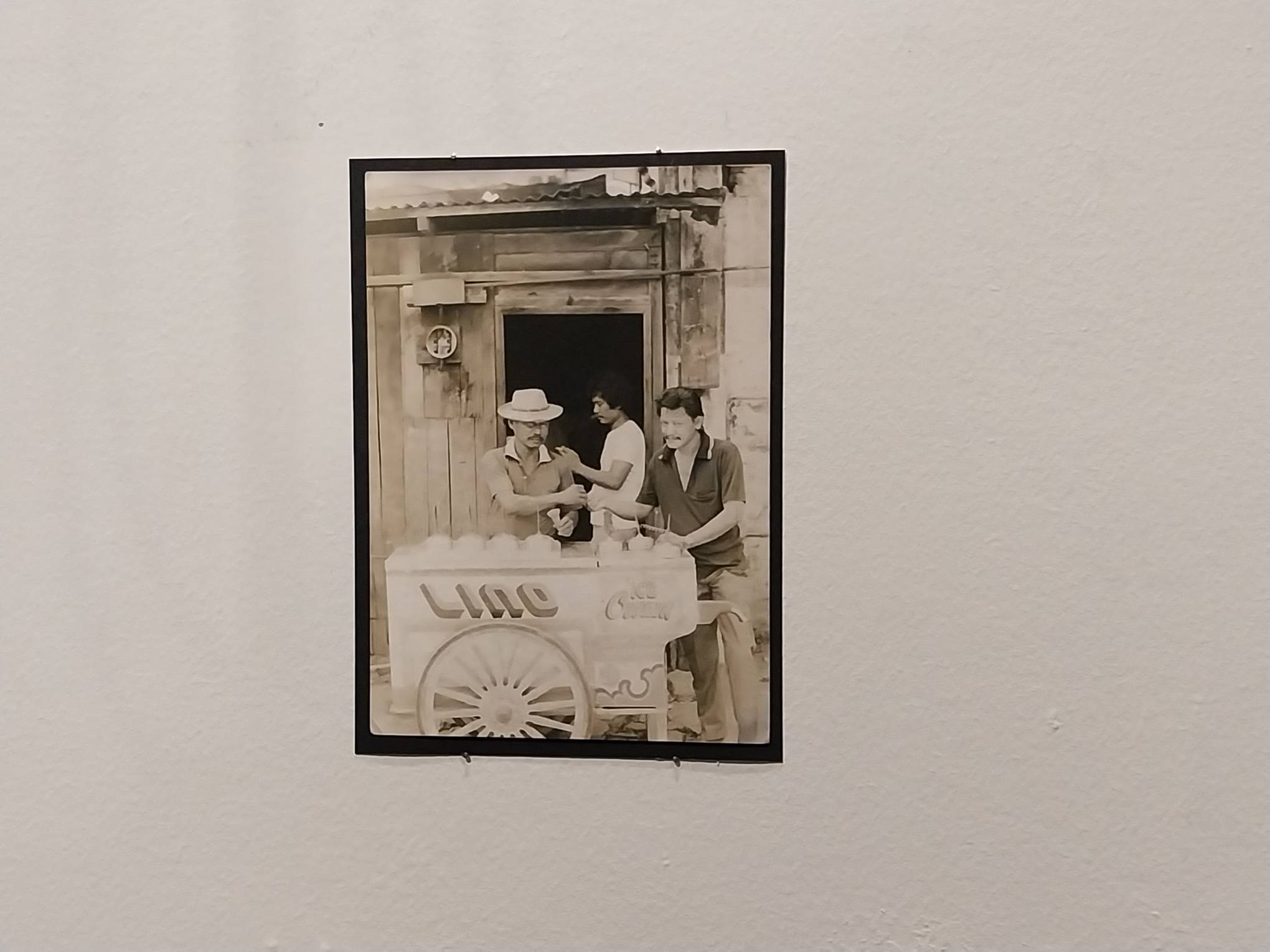
Running Backwards Into the Future complicates whatever narrative Filipino art seems to have by demonstrating that it exists outside of institutions—the artworks and artists that refuse to be gatekept and refuse to be sanitized. The exhibit leaves you with questions of selfhood and artistry, and pushes a path forward for experimentation with our own past.
Advertisement
Related reading: ‘Snare for Birds’: Analyzing How We Look at Archival Data
From the moment a diner steps through the door, each detail shapes how a meal is experienced. Restaurant design has evolved, with architects and culinary professionals collaborating to create built spaces that are as intentional as the menu itself. The spatial atmosphere acts as an additional ingredient that can define the culinary experience. Taupe and […]
Advertisement
With climate change and global warming, the Philippine climate is in constant evolution. Consequently, it is important for Filipinos to have living spaces that respond to the local environment. In this article, BluPrint lists down Filipino architects who are reimagining the tropical house, aligning the built and natural environment. BAAD Studio Principal architects Benjee Mendoza […]
Ventilation involves the introduction of outdoor air into a room, providing occupants with their needs. Proper ventilation allows for the moderation of internal temperatures, the creation of better airflow, the dilution of carbon dioxide to acceptable levels, and the removal of contaminants. This addresses health risks associated with indoor air pollution, such as respiratory problems […]
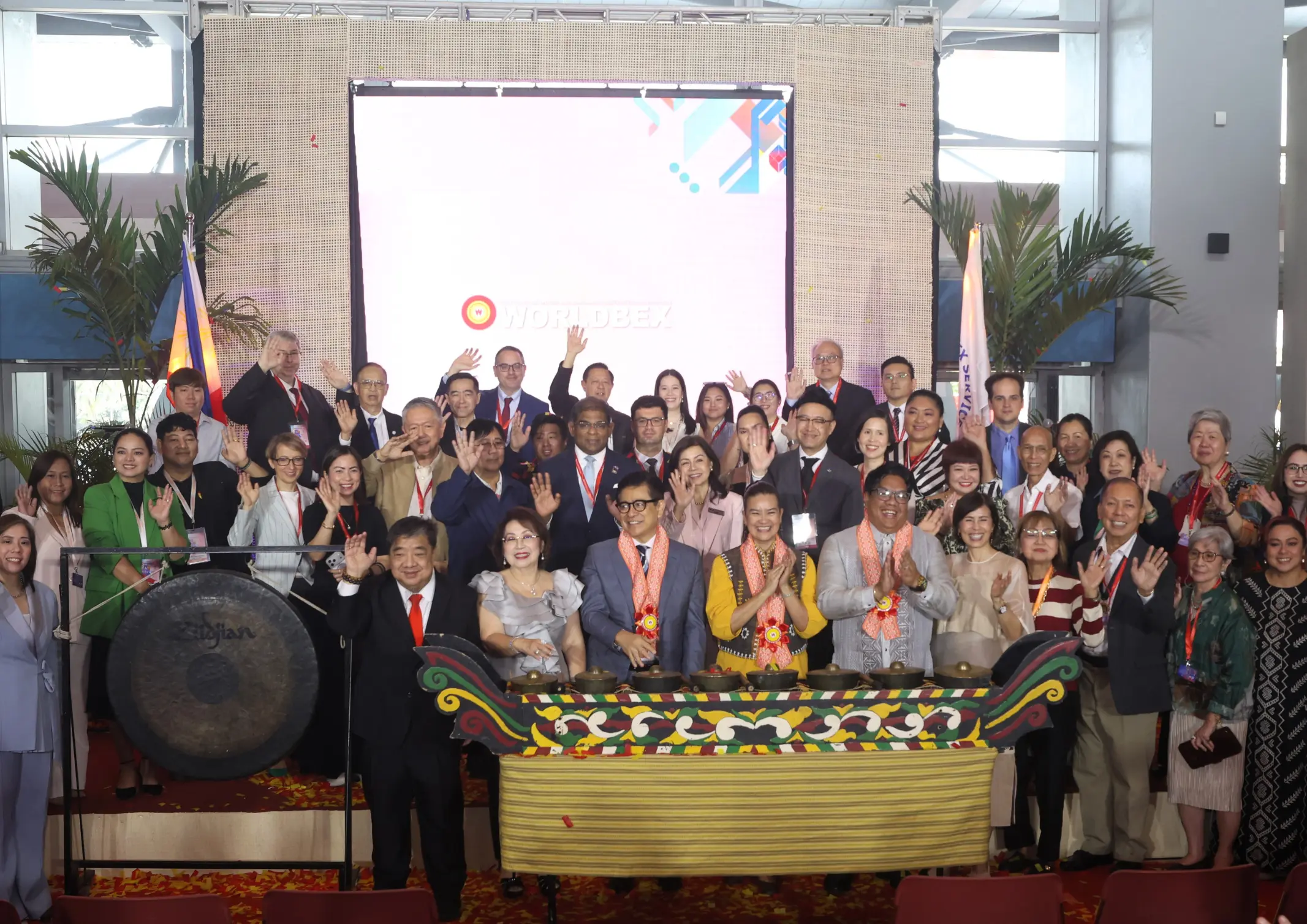
WORLDBEX 2026, running from March 12 to 15, 2026, proves itself as the Philippines’ leading construction and design expo as it wrapped its 29th edition. It drew together 1,000 local and international exhibitors under one theme, “Building Opportunities: Sustaining Lives.” Organized by Worldbex Services International (WSI), in support of the ABS-CBN Foundation Inc., the event […]
Advertisement
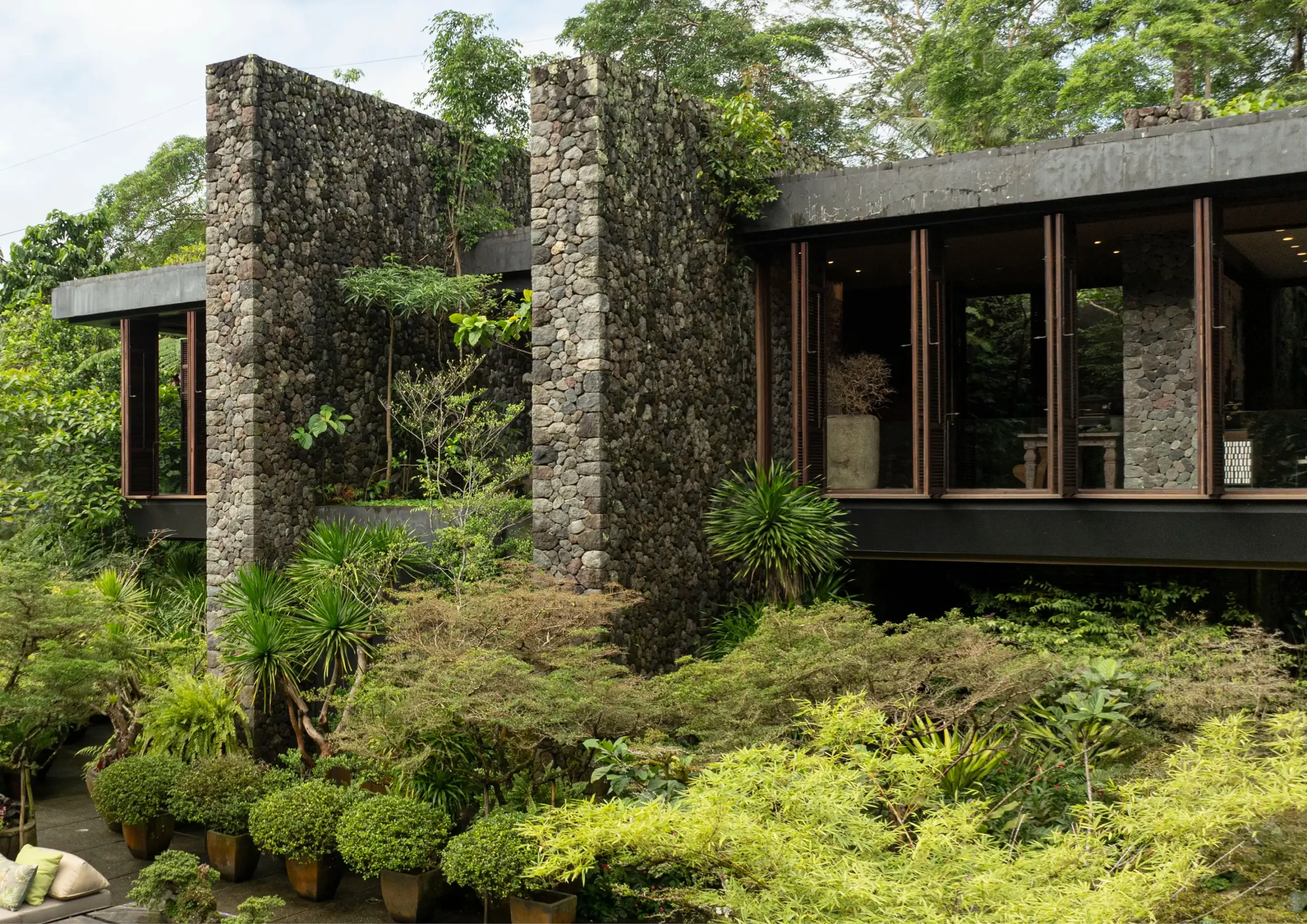
Located near the equator, factors such as heat and humidity are the norm in the Philippines. This tropical climate has shaped the development of architecture in the country. As Leandro V. Locsin stated: “The first consideration of the Filipino builder and certainly the most evident in his architecture, which is after all an outgrowth of […]

Download this month's BLUPRINT magazine digital copy from:



Subscribe via [email protected]