Contemporary design refers to the constantly evolving design trends of today. With the power to design our built environments, architects have been experimenting with various architectural approaches. Whether that is through unconventional forms or the integration of smart technologies, BluPrint lists down Filipino architects who are defining contemporary architecture. Deo Alam Architect Deo Alrashid Alam […]
Caught in Person, Covered at Last: Six Art Exhibitions Take the Spotlight – BluPrint Year-End 2025



The Philippine art world is buzzing with activity. So much activity, in fact, that there really is no way to cover all art exhibitions properly within the span of the year. Only so many words can be written truthfully, passionately, and with earnest appreciation about every art exhibition coming out this year, and as a local institution, we felt that you, the reader, deserved nothing but the best.
So here is the final roundup for the year: unique art exhibitions that deserve the spotlight, even for a moment, to get their flowers as is. It includes exhibitions between July and November that we did not get to cover on our site, all of which were personally seen and covered by the Arts & Culture writer of BluPrint.
See it as a Christmas gift from our magazine to the art community, still bursting with life even after such a tumultuous year.
Advertisement
‘Cycles of Becoming’
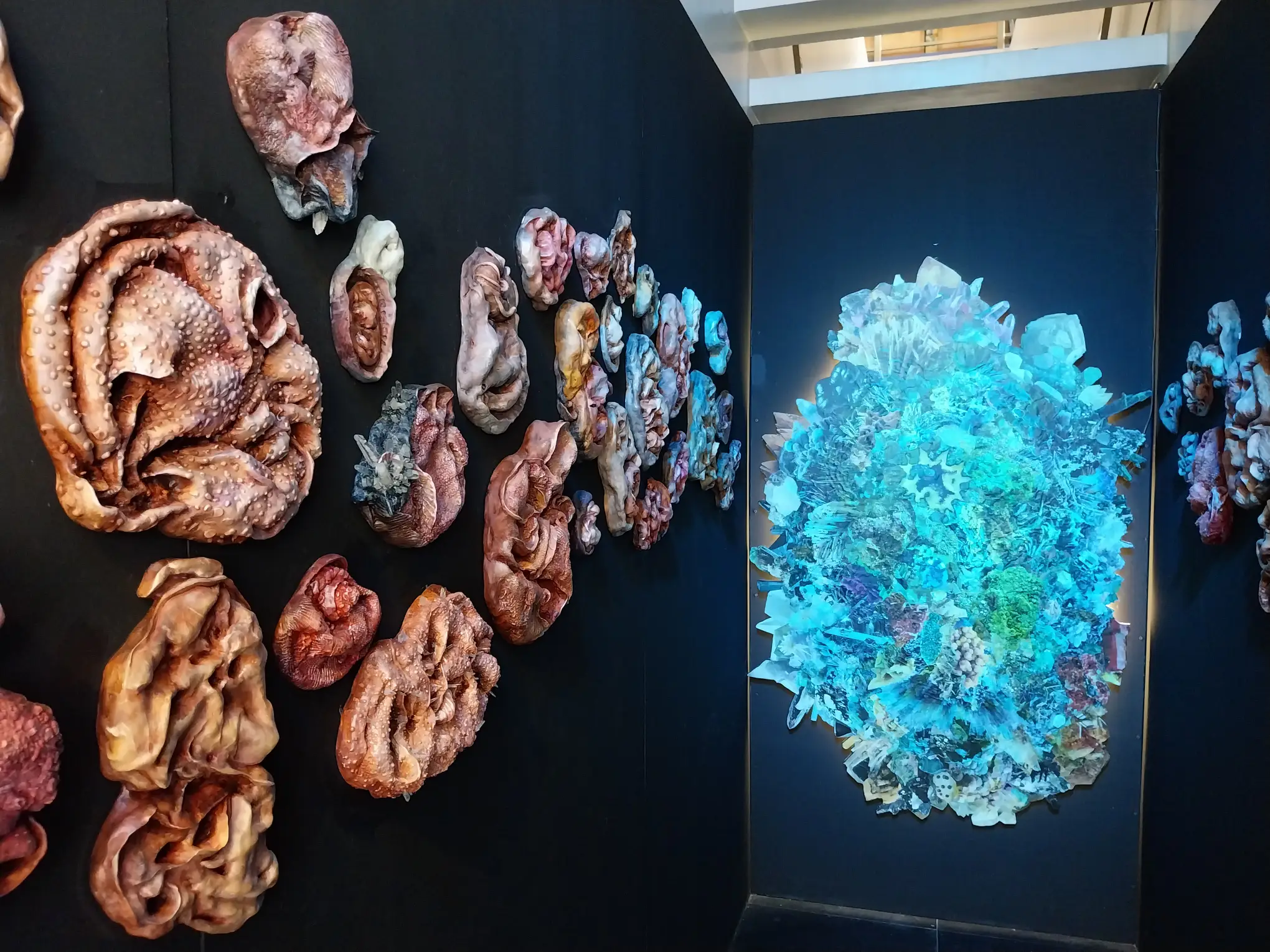
Sam Feleo has been exploring her own space of crystal-based sculpture for her art career, and one of her recent art exhibitions at UP Parola Gallery puts her practice front and center. The exhibit, more than anything, artfully presents her methodology step by step, showcasing just how intricate her process is in creating her organic-looking sculptures.
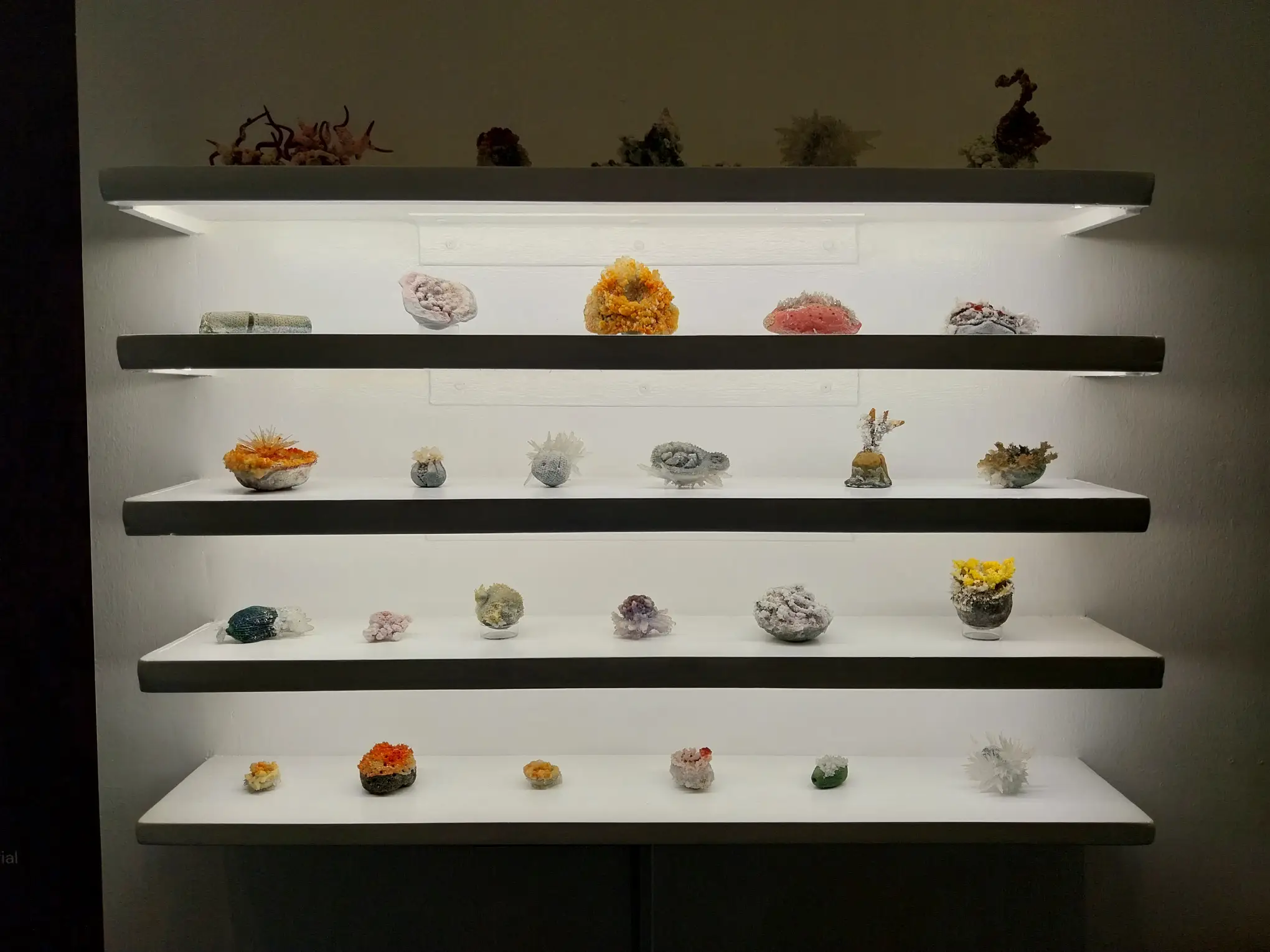
Tables full of samples and weights, of containers filled with sculptures that contain different levels of crystal growth, of projects in different states of finish, and furnish among them. There is a certain enjoyment in being allowed to see this in such an honest way. The point is never just the finished product; it is also the process itself, the intricate and unseen ways that artists craft their works before they show them to the public.
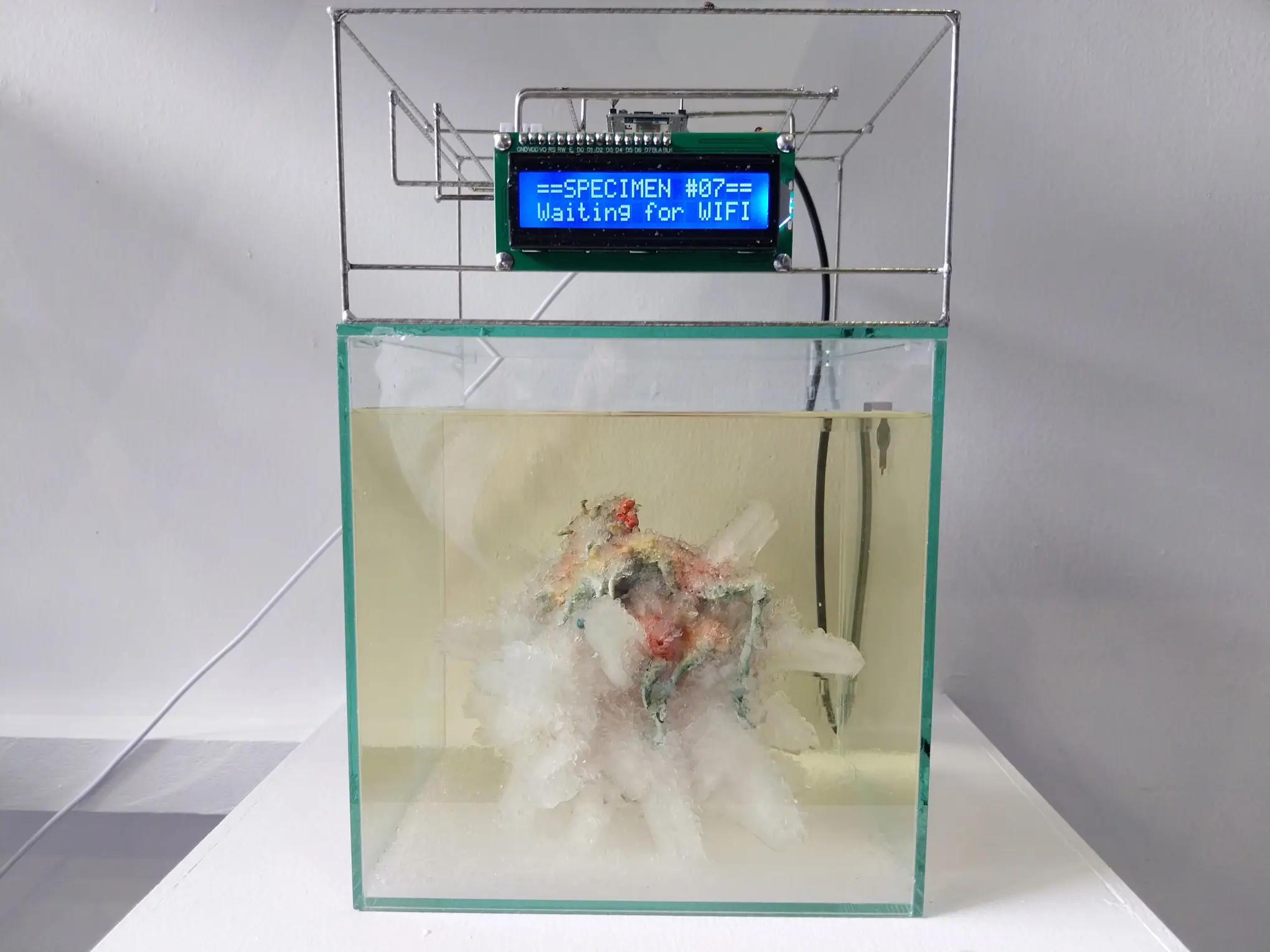
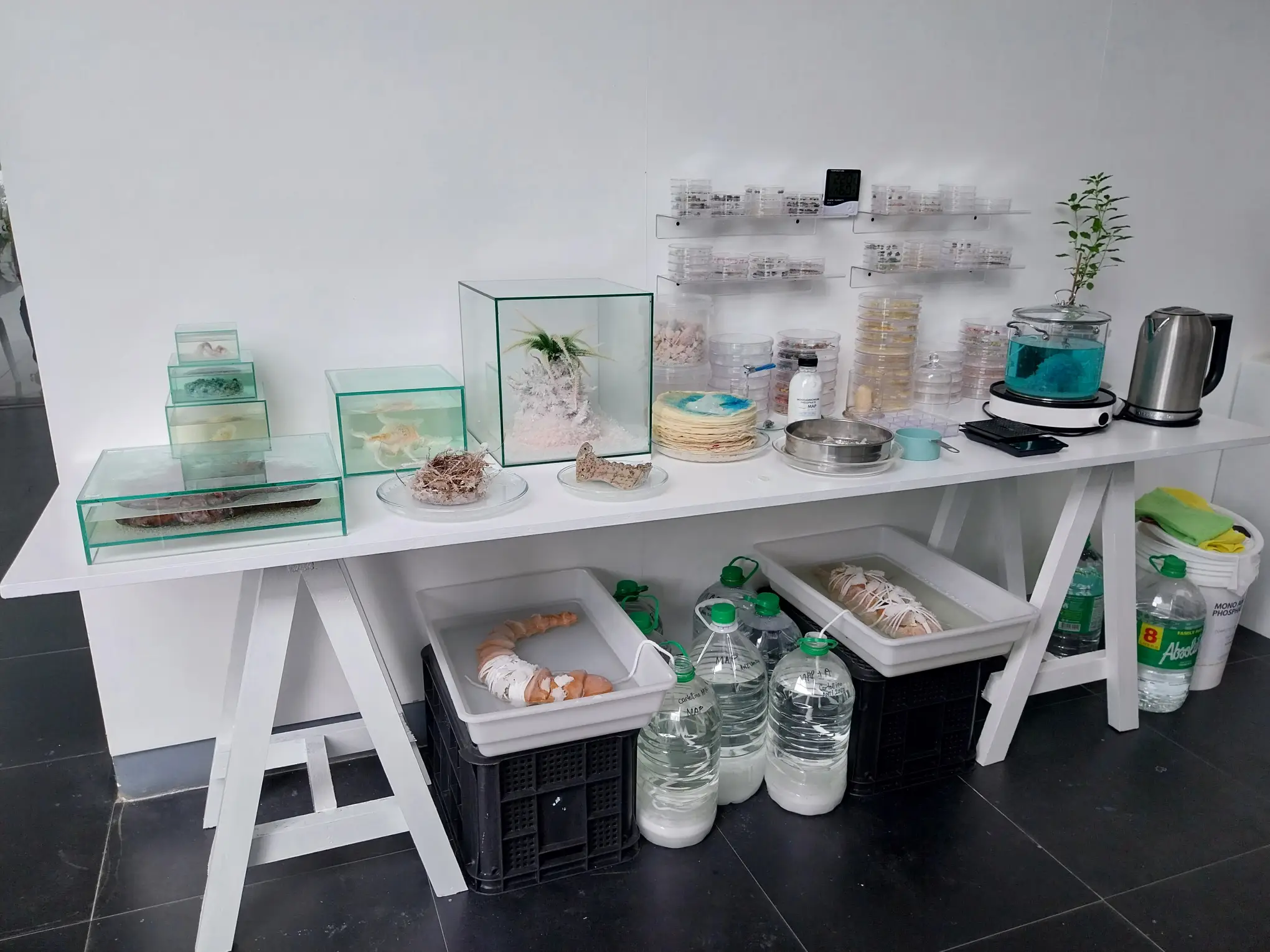
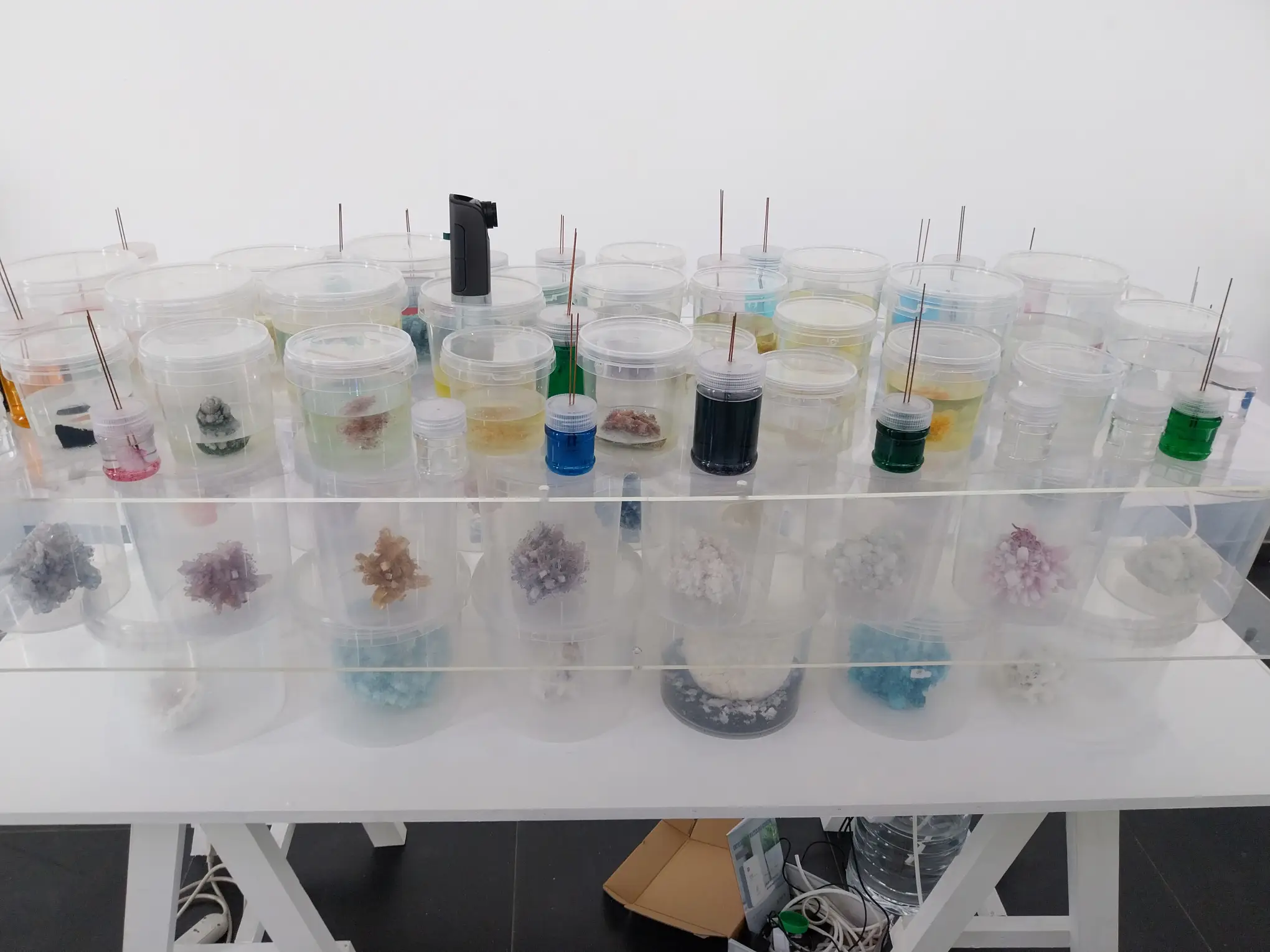
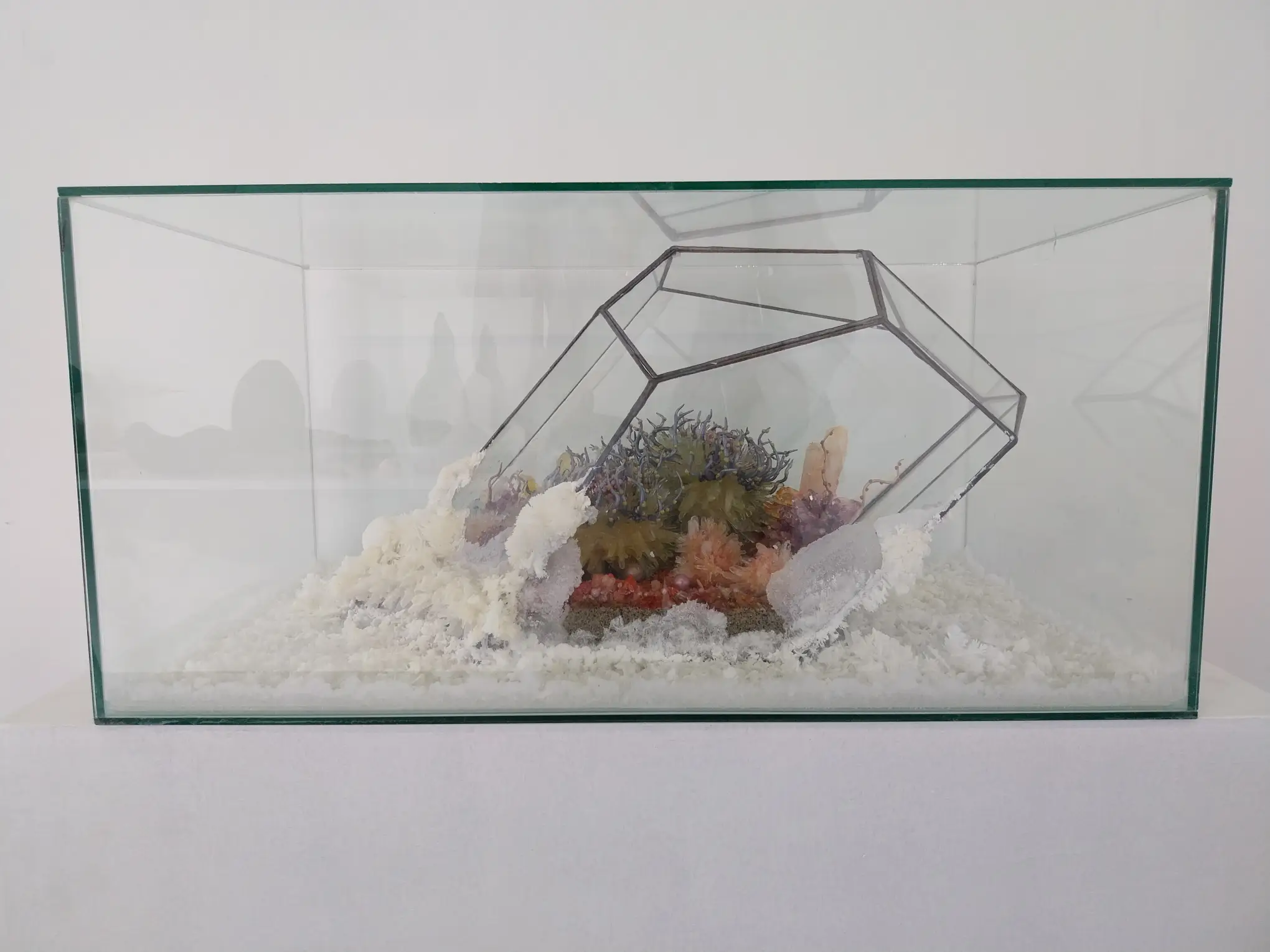
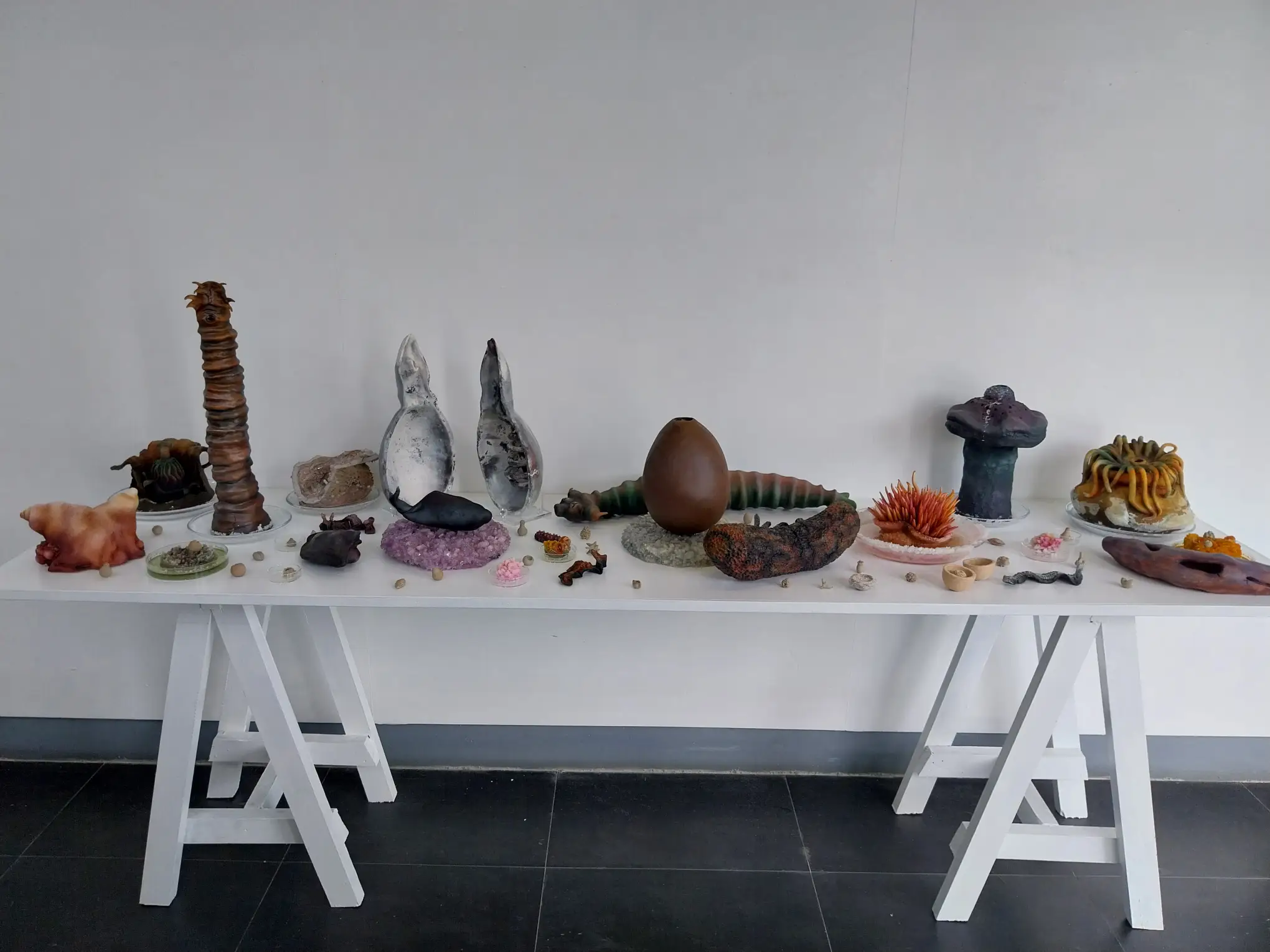
“The approach mirrors the subject,” the exhibit write-up said. “Working with a conglomeration of elements, often intricately patterned or layered, and with materials that relinquish absolute control. The focus is not on finished form but on the processes that shape it—examining the immediate conditions and circumstances of art-making itself.”
Advertisement
‘Mutational Loop’
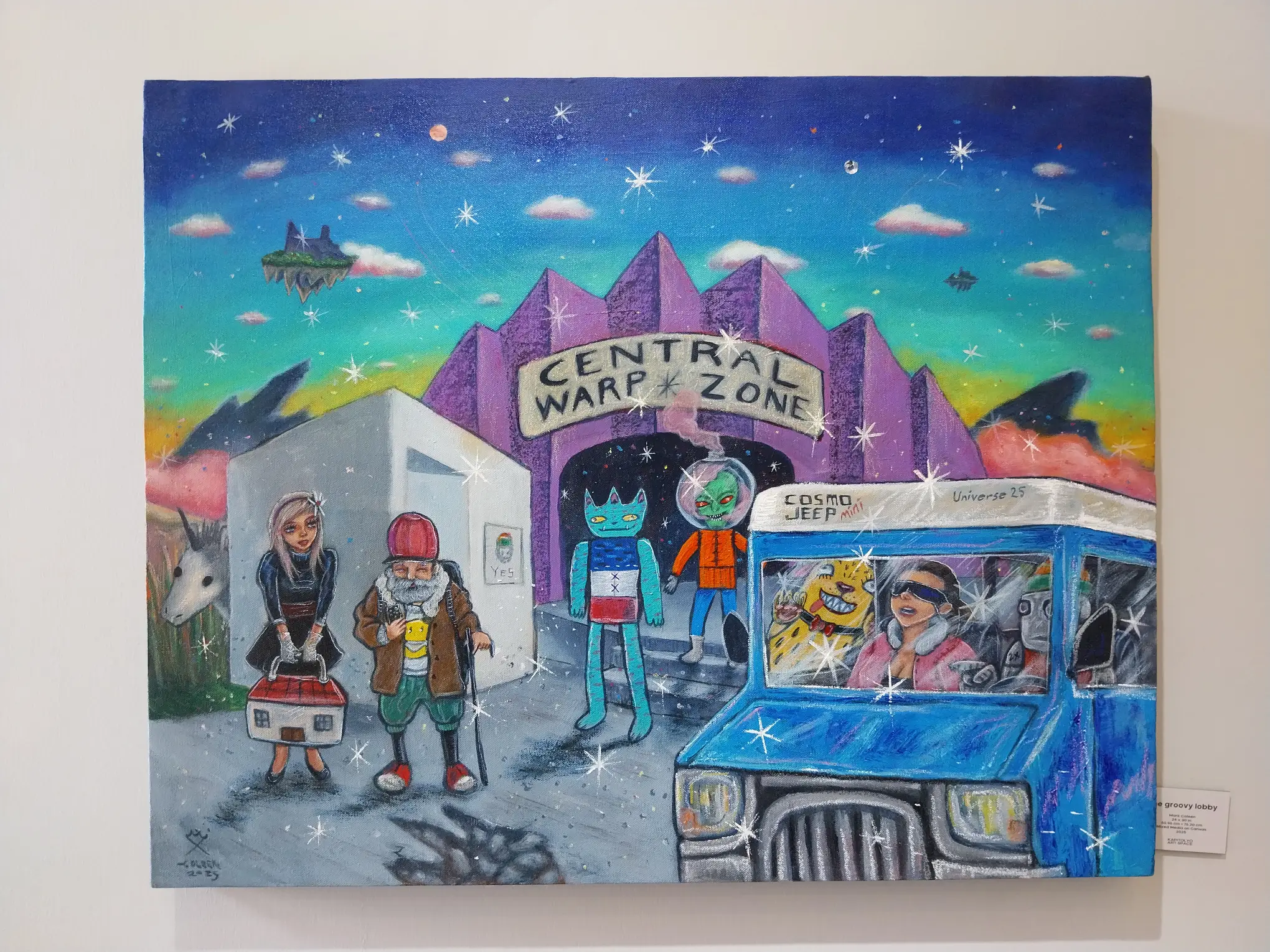
This exhibit at Kapitolyo Art Space is playful in its wildness, showcasing some interesting ideas from its seven painters. From the graffiti and sketch-inspired works of Ronante Maratas to the maximalist and colorful direction of Mark Coleen, there is a lot to chew on here stylistically, each artist bringing something unique to the table.
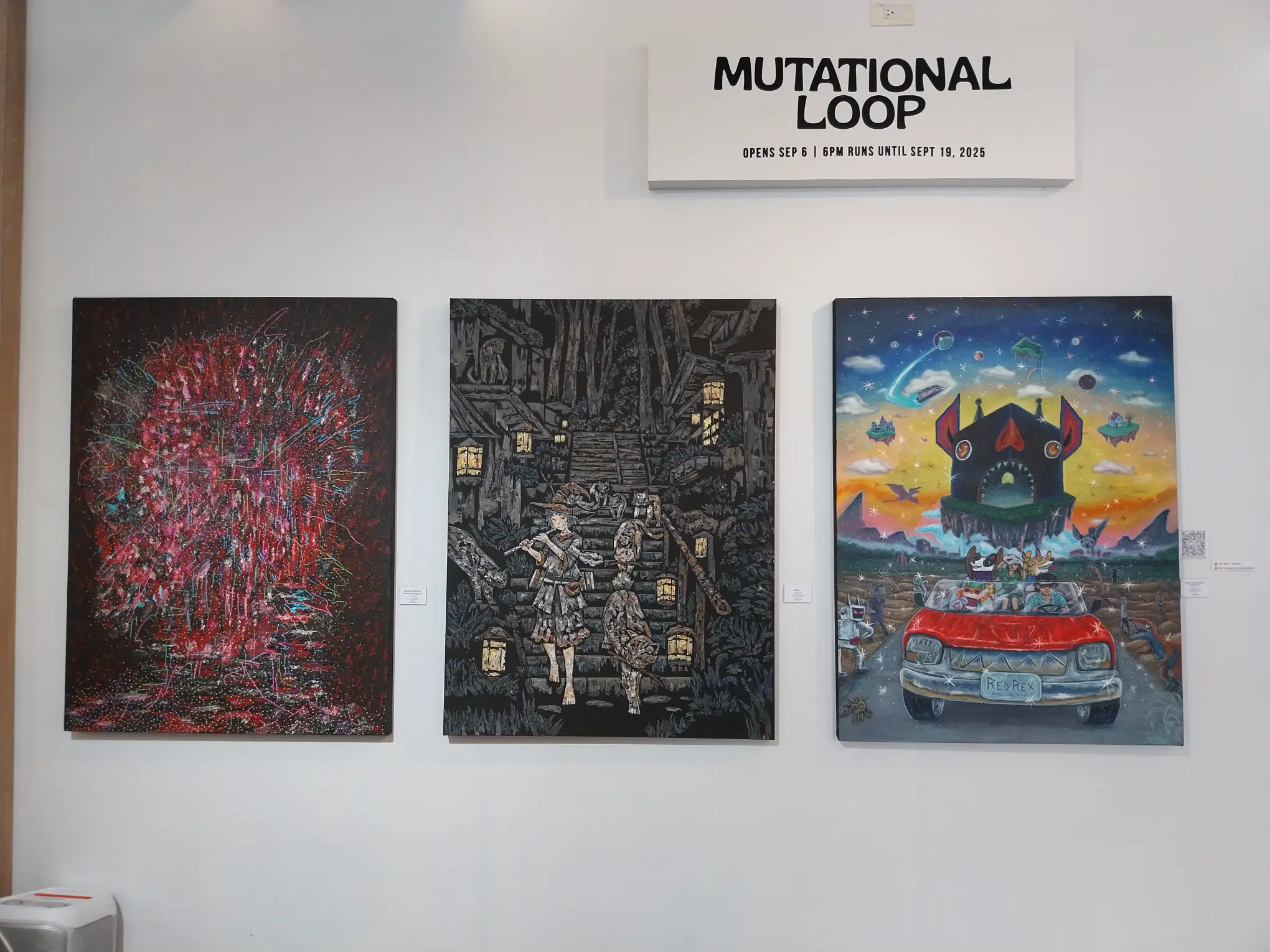
The most ambitious of them all is probably Melvin Rubiano, whose (at times literally) explosive paintings of color have a provocative edge, an underlayer of attempting to discuss important and pertinent issues of our times. He calls his style “Psycho-Delic,” a combination of psychological depth and psychedelic energy, evident in the work at hand.
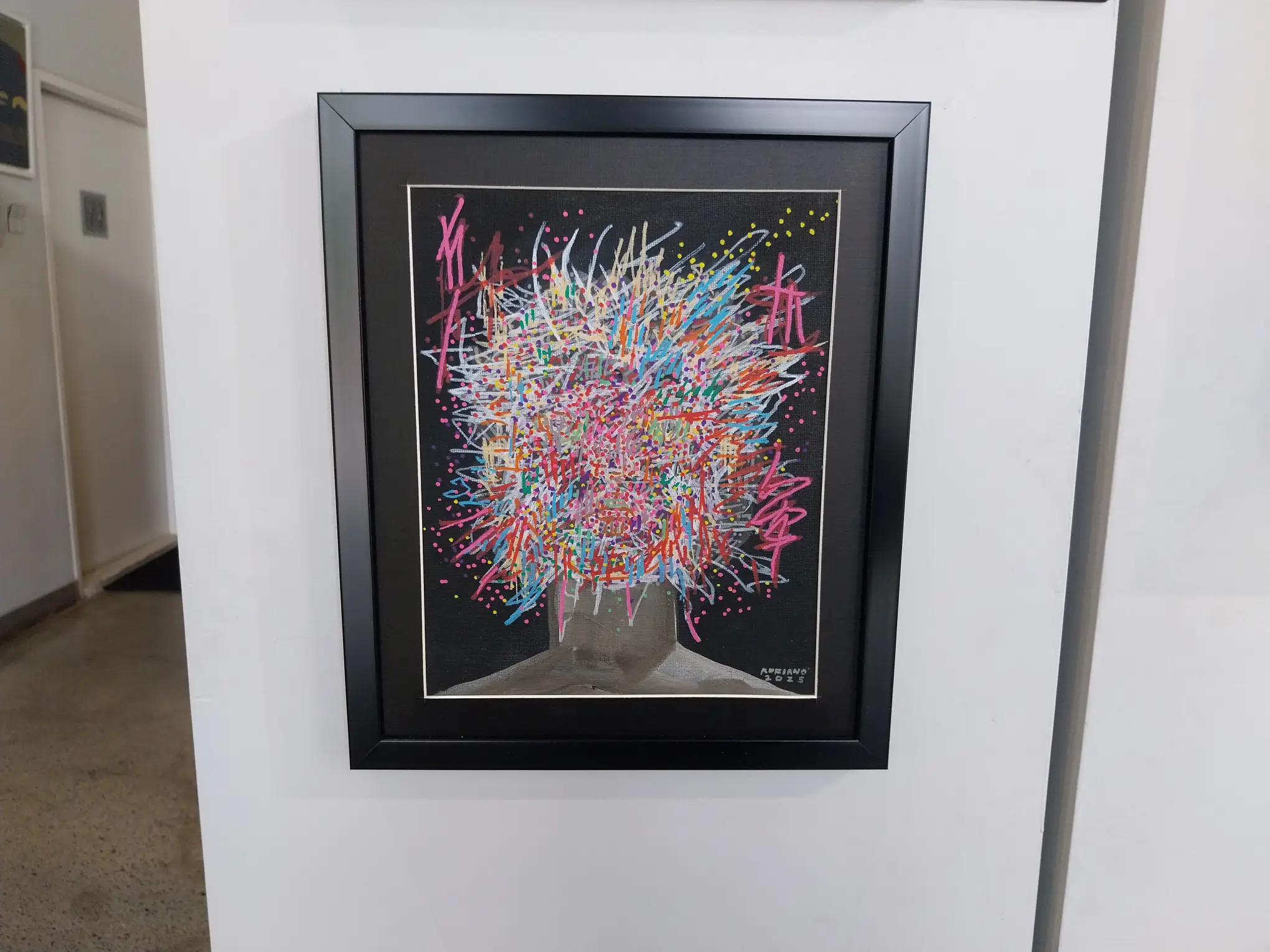
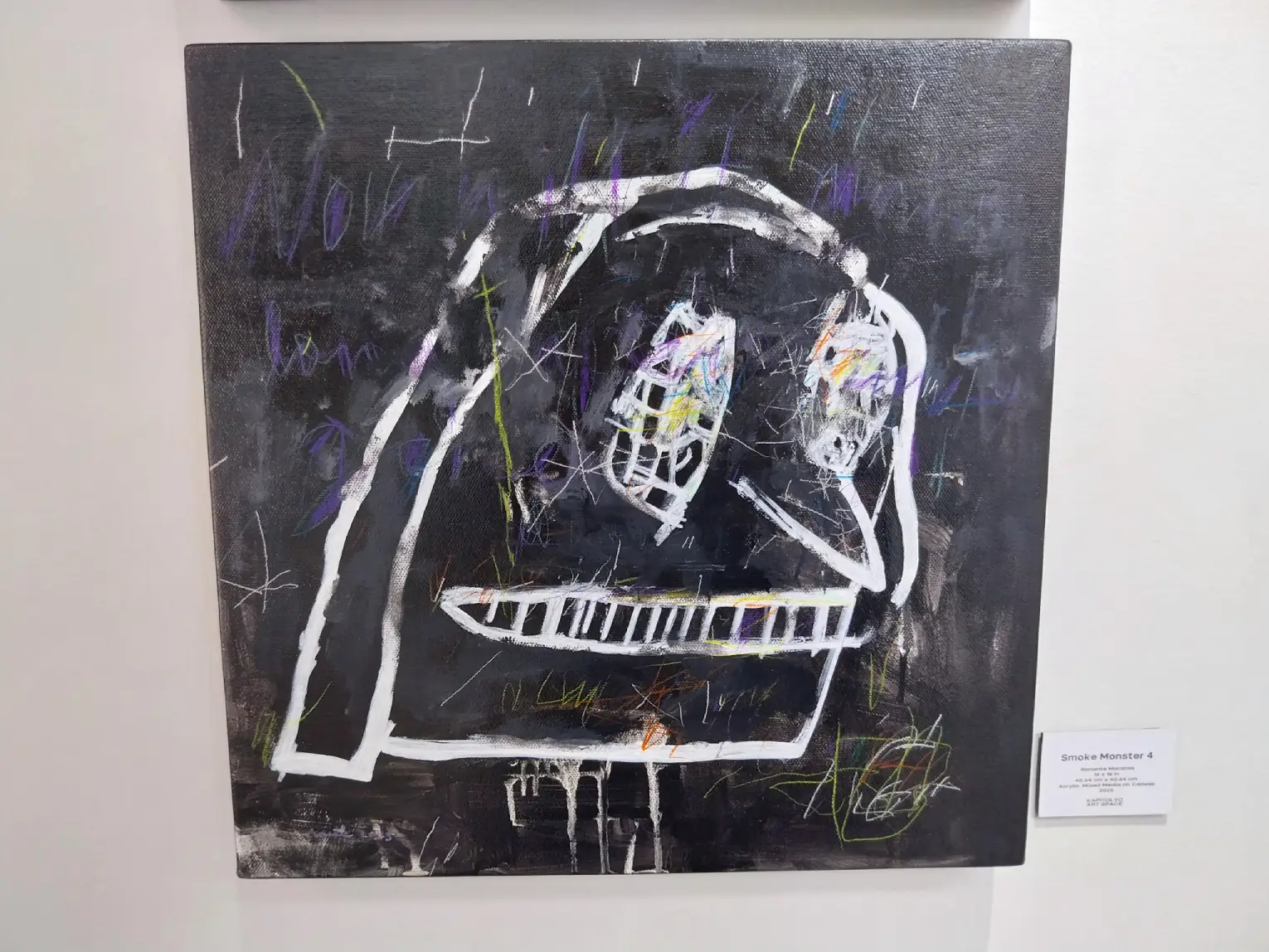
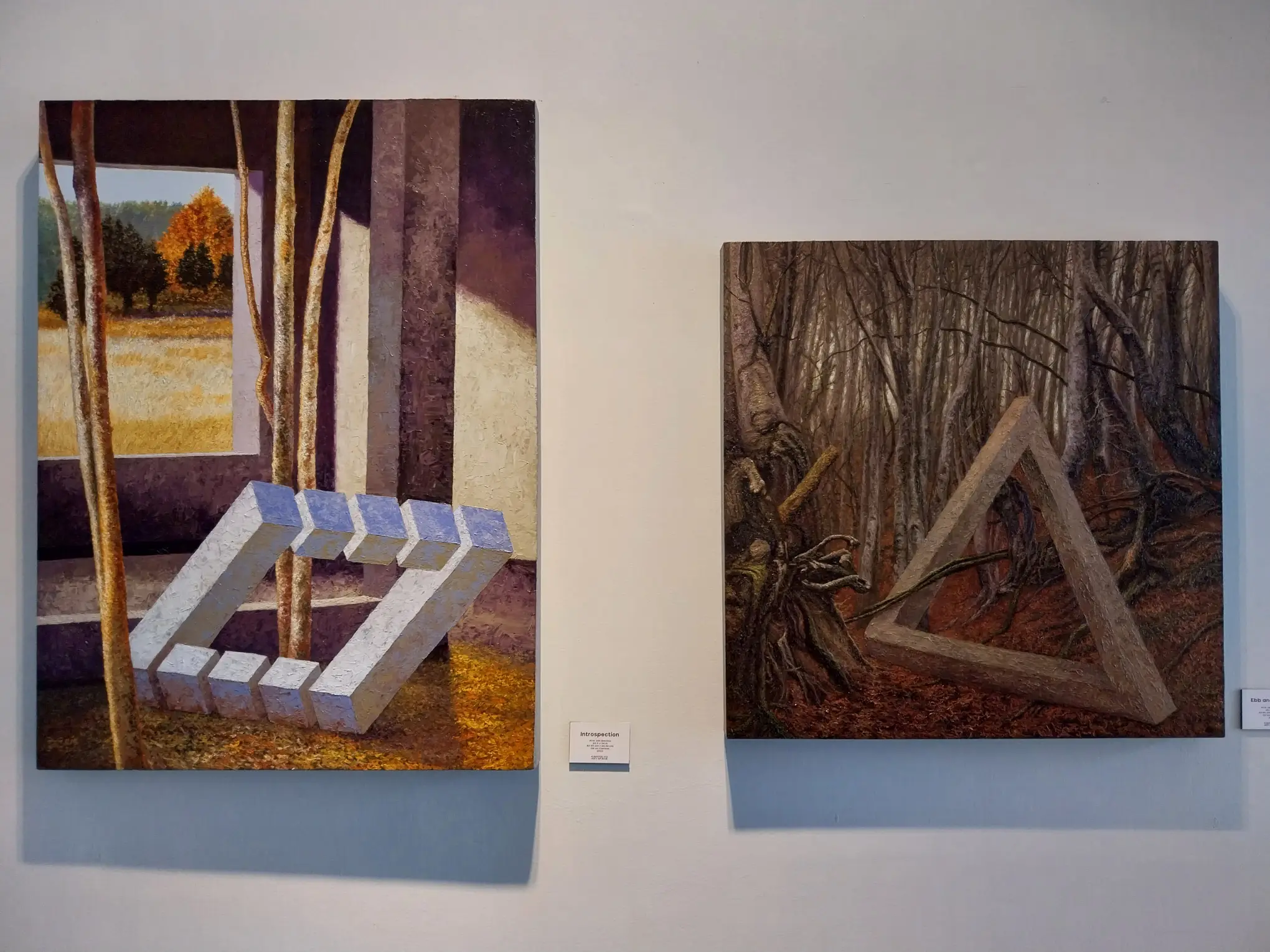
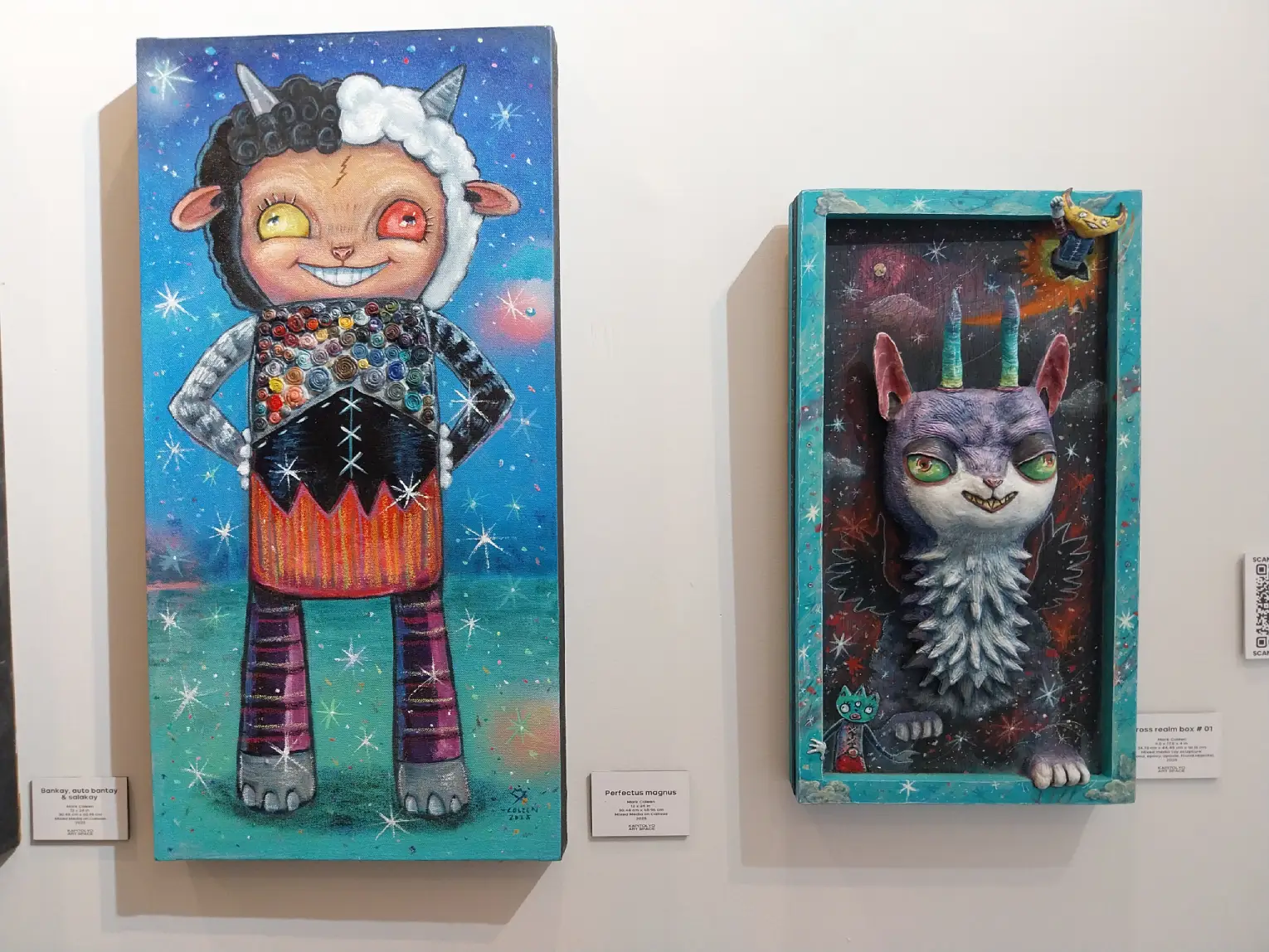
“The works presented are not calculated or contained by traditional notions of growth or success,” the exhibit write-up said. “Instead, they are born out of intuitive, unfiltered movements that embrace both risk and revelation. In the loop, nothing is static. Each mark, gesture, or decision holds the potential to shift the direction entirely—sometimes forward, sometimes into rupture.”
Advertisement
‘Perimeters’
What is power if not something that limits the lives of others? For Vien Valencia’s captivating art exhibition at Artinformal Gallery, it focuses on the way modern Philippine society imprisons people into their own boxes, keeping them in a cage that makes people both useful and weak to the powerful.
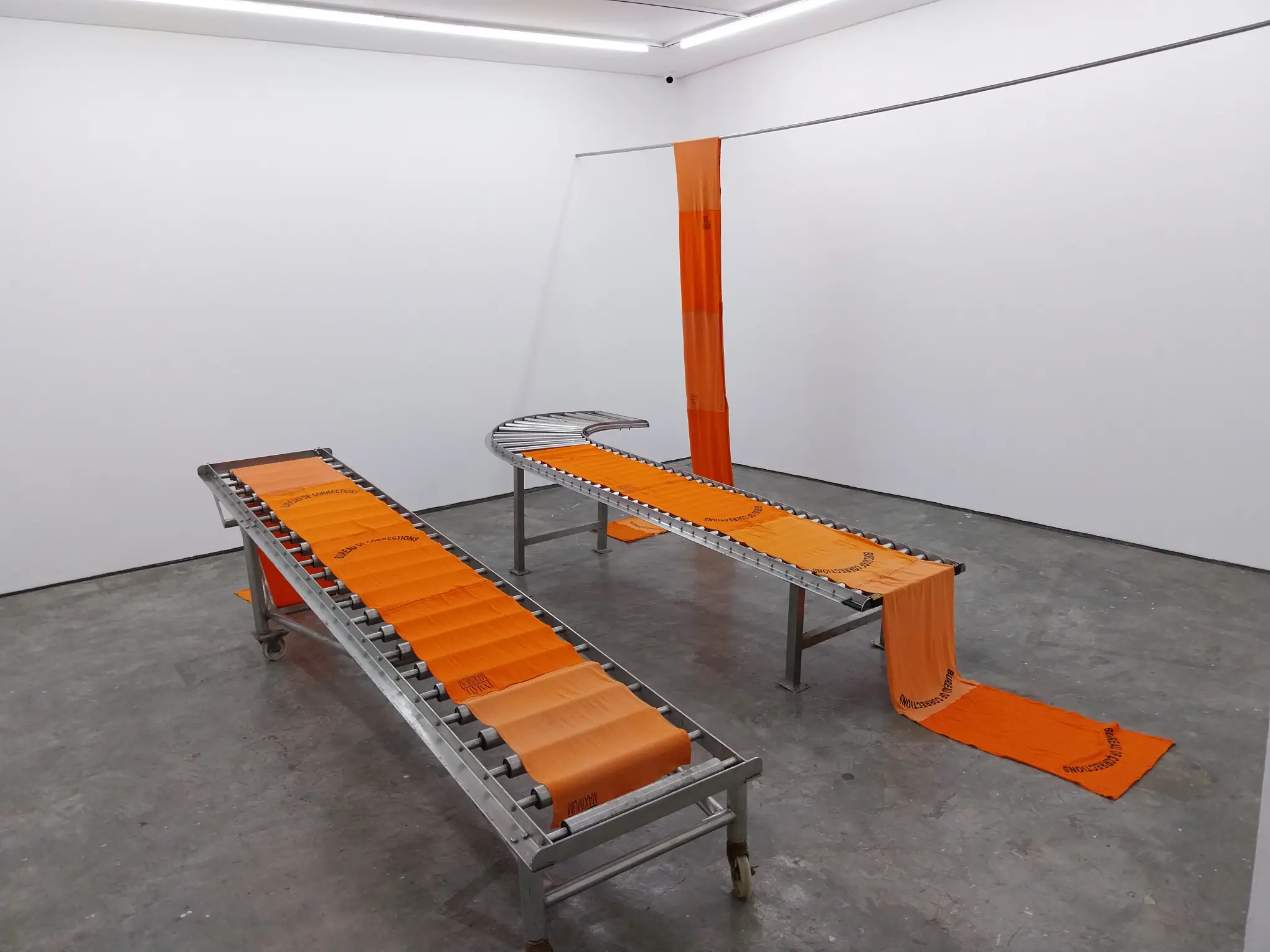
The exhibition mimics a prison, with a conveyor line of prison shirts going through one part of the exhibit. The walls have punctured Philippine passports in them, symbolizing the chain that keeps people tethered to the country (an effect of colonialism). And, as an interesting juxtaposition, a row of time card punchers is connected to videos of people enduring our public transportation system.
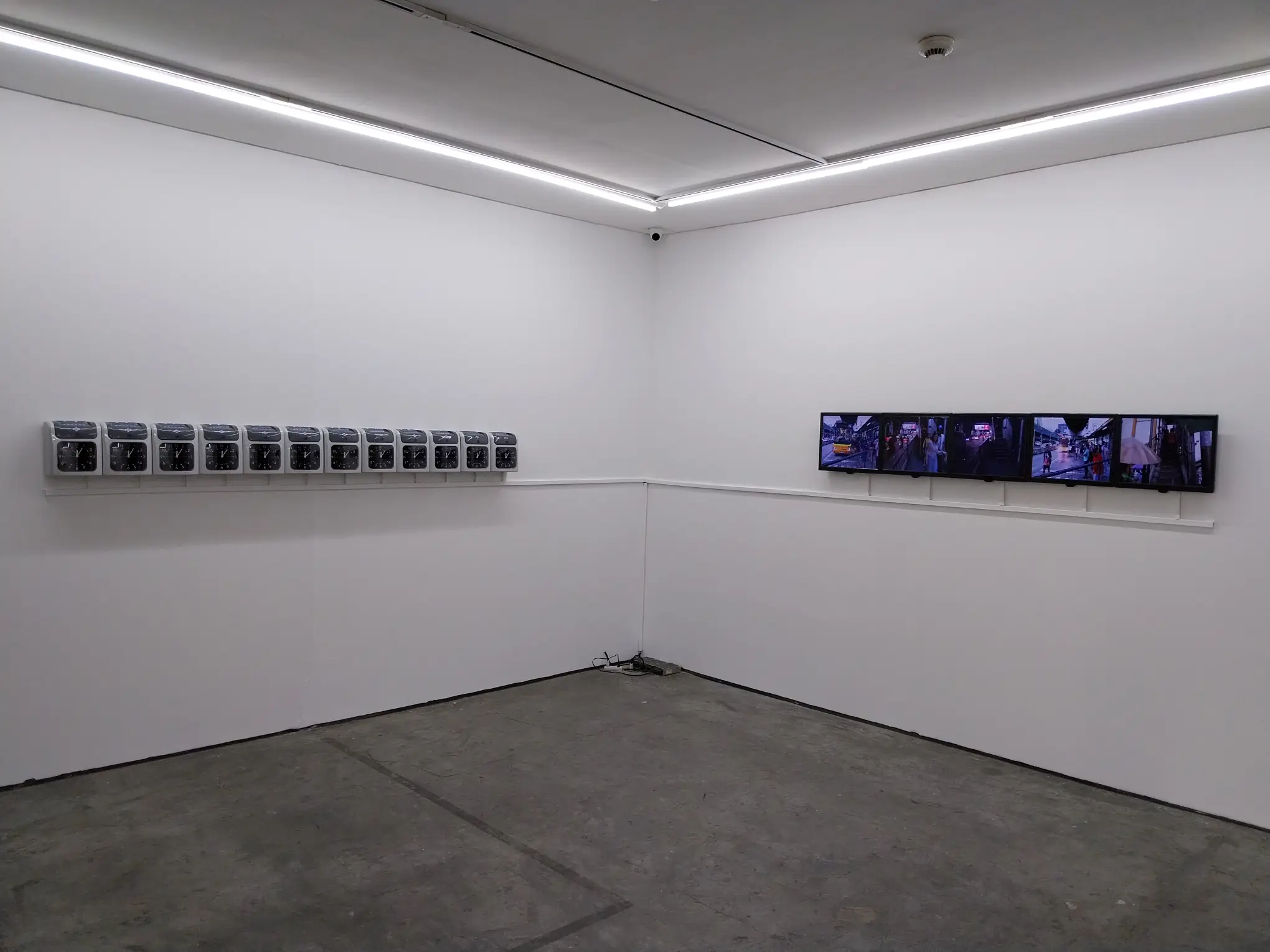
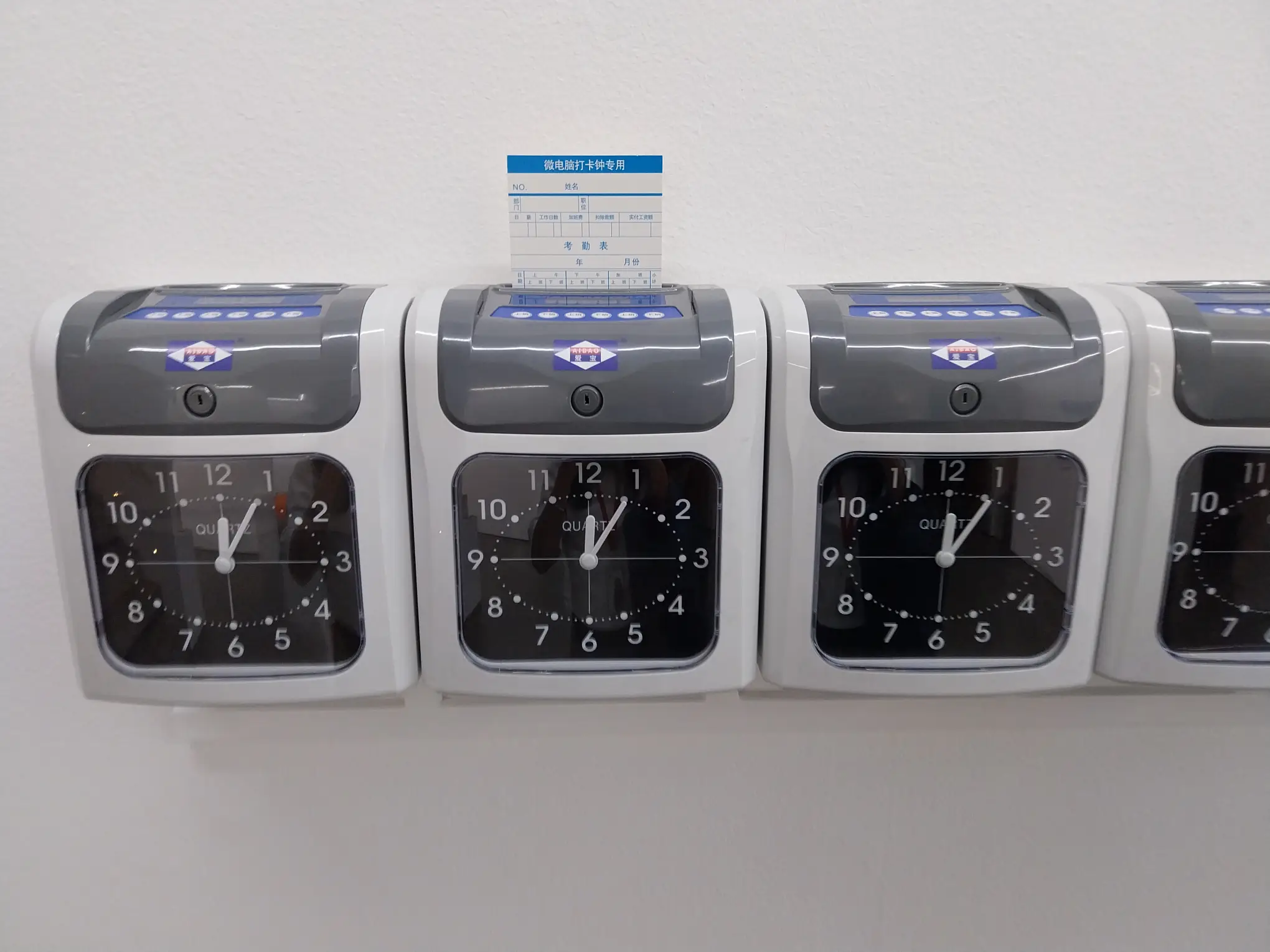
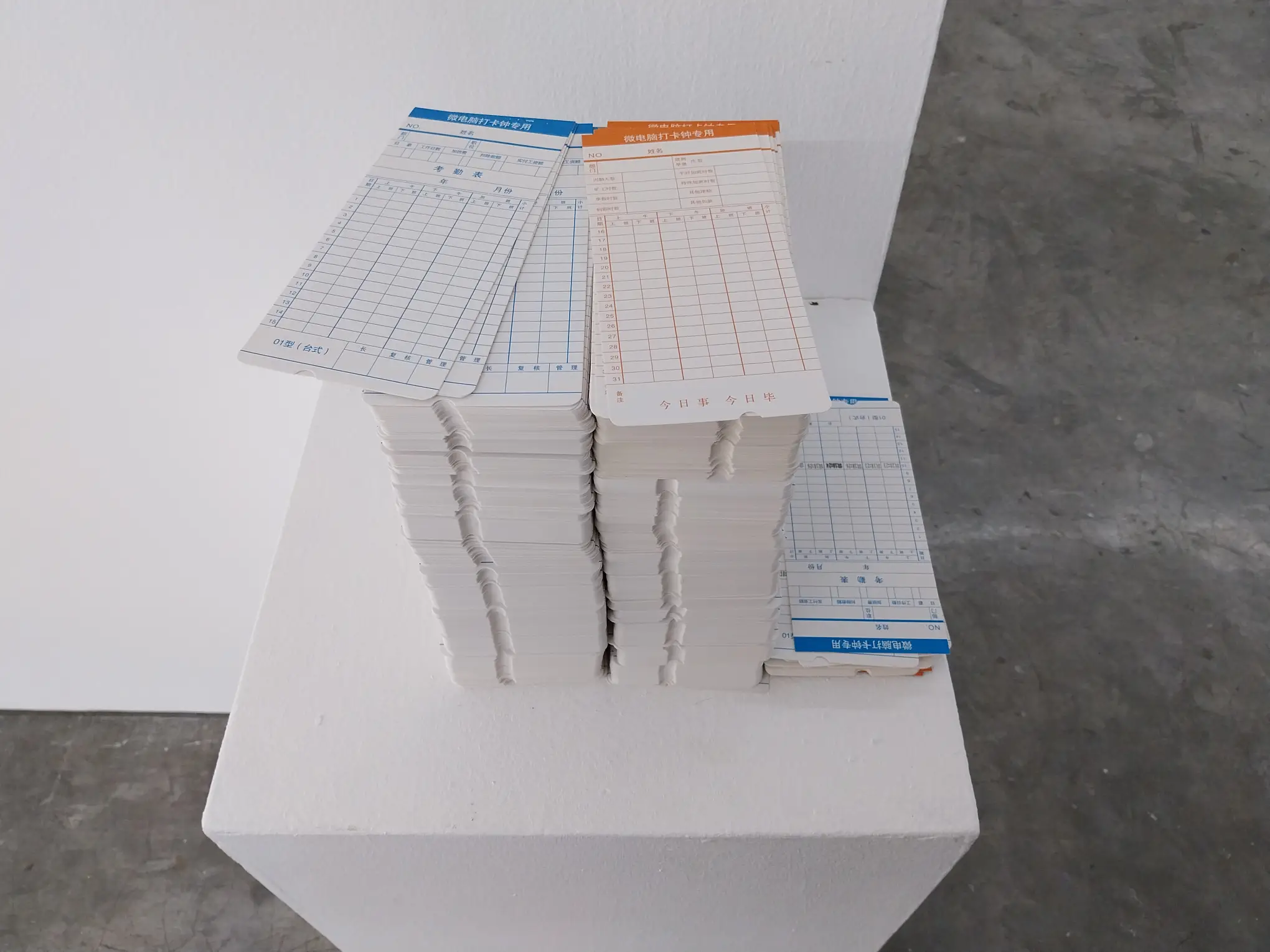
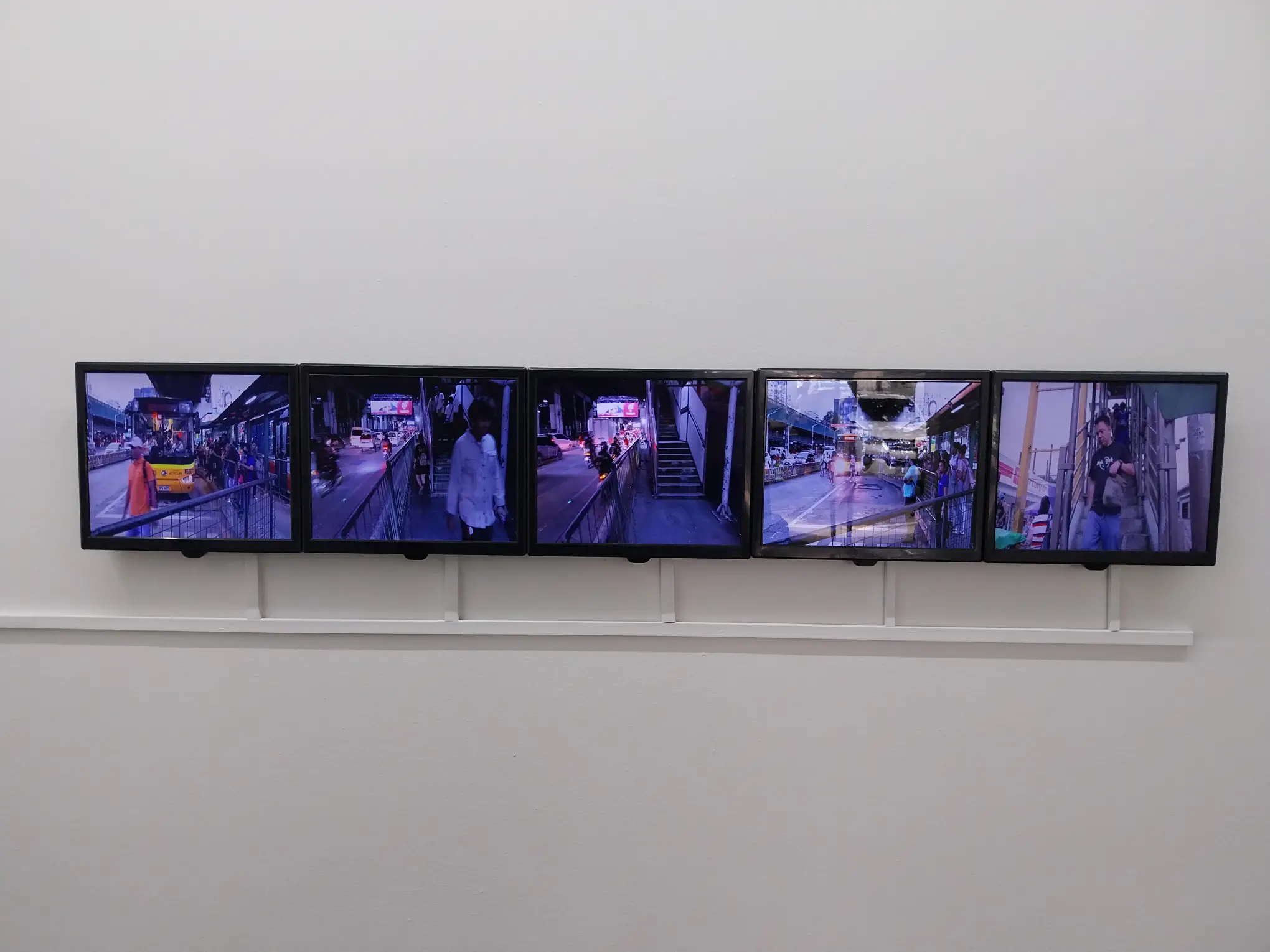
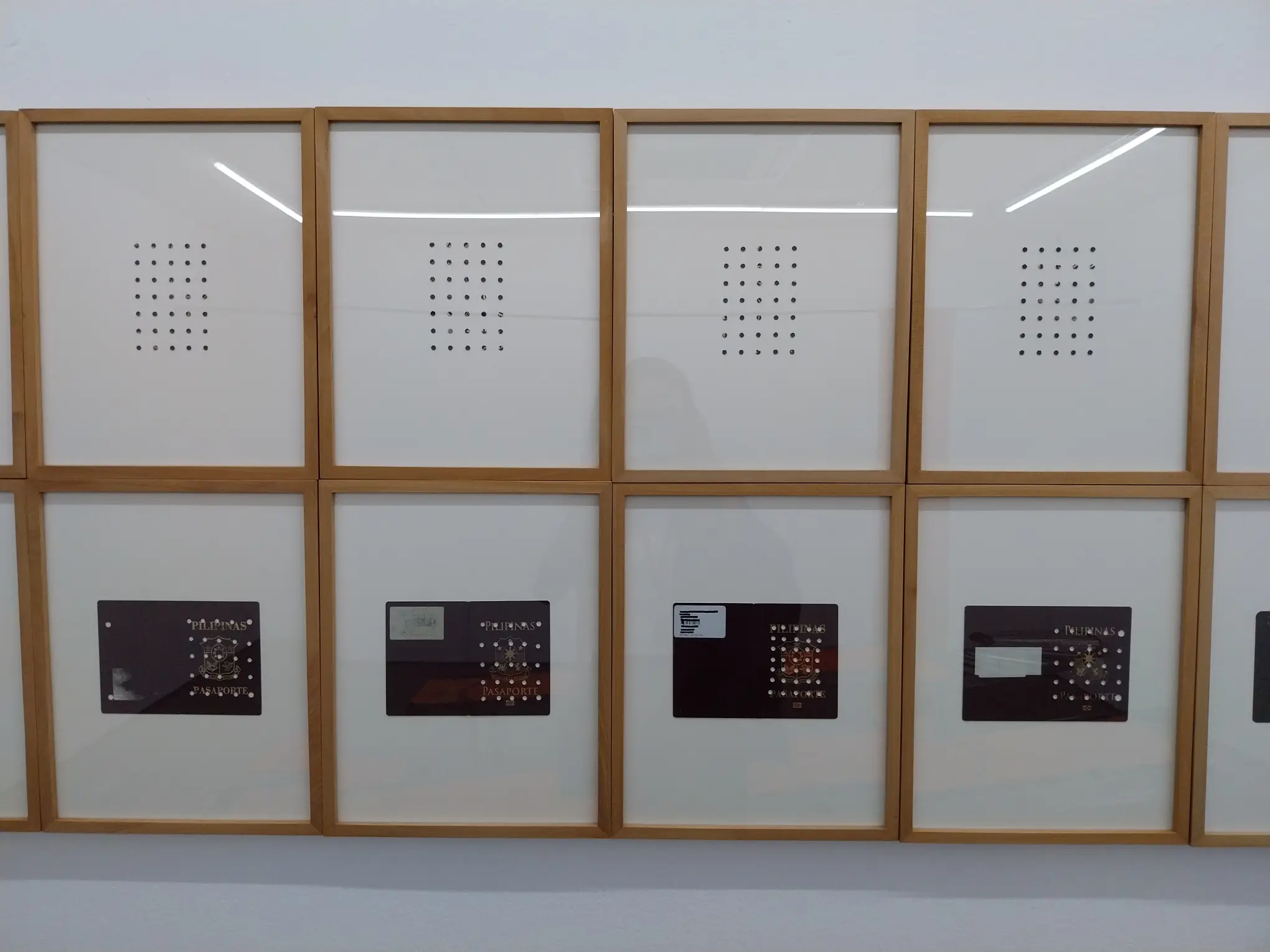
All in all, it spotlights just how hampered the common Filipino is: unable to leave, unable to find better opportunities, stuck in a country that sees them as closer to cattle than to human beings.
Advertisement
“If you can’t describe the world around you, you become powerless,” the exhibit write-up said. “But the moment you give form to that world, you create space for resistance and for reimagining.”
‘To Find Gold In A World That Needs Silver’
The first exhibition in the newly opened micro-exhibit section in Gravity Art Space, Jose Olarte’s meditation on today’s society discusses the issue of labor and income inequality by pointing out the obvious reason why fighting back is harder. Everyone is stuck in their rooms, their phones, in a simulated reality controlled by others.
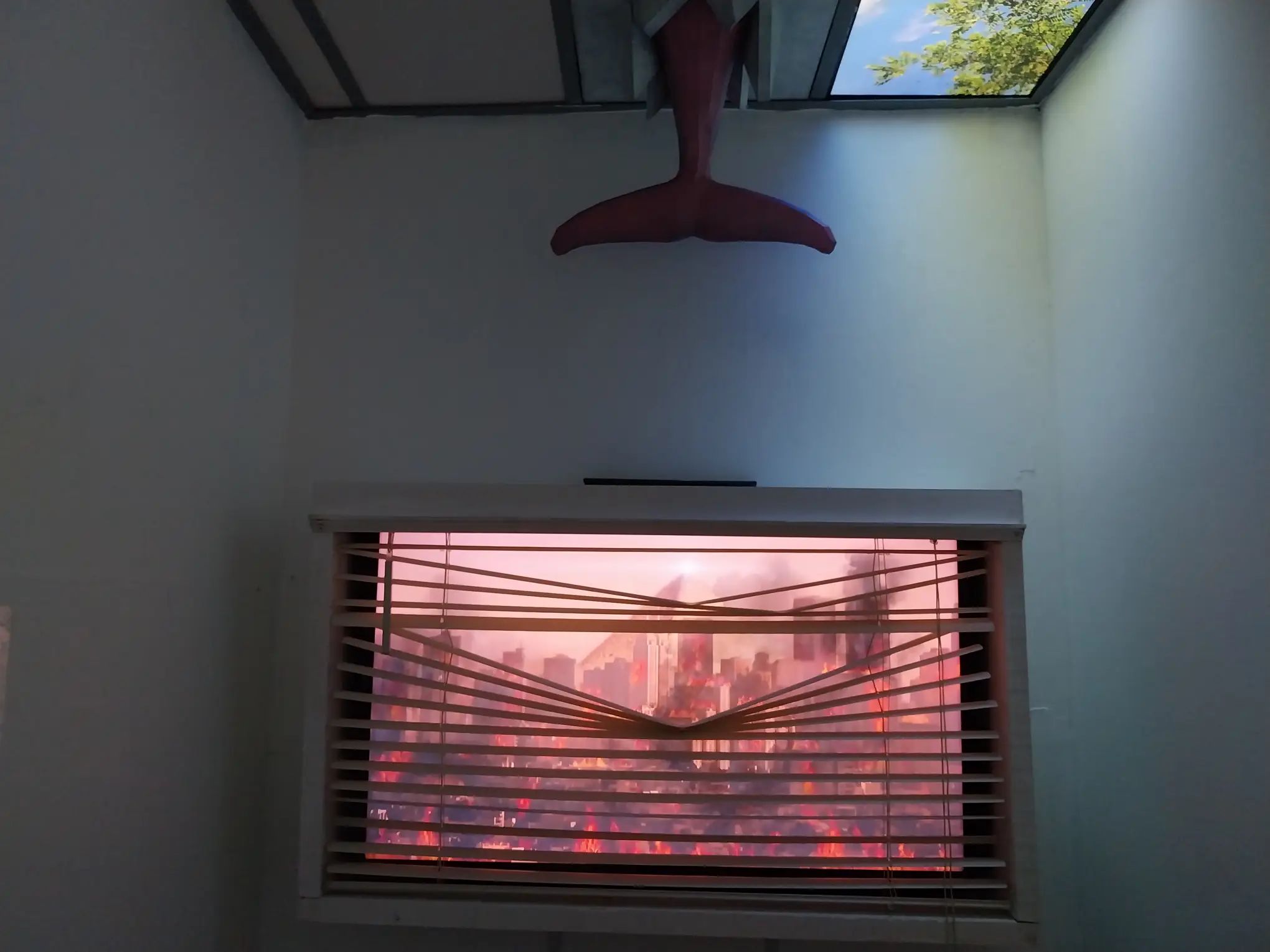
Maybe people know who Karl Marx is, and maybe they even agree that people should be paid more or that society should benefit more from the work they do. But how do we do that when we are so alienated from the fruits of our labor, when we are distracted easily by our phones and computers towards trivial stuff?
Advertisement
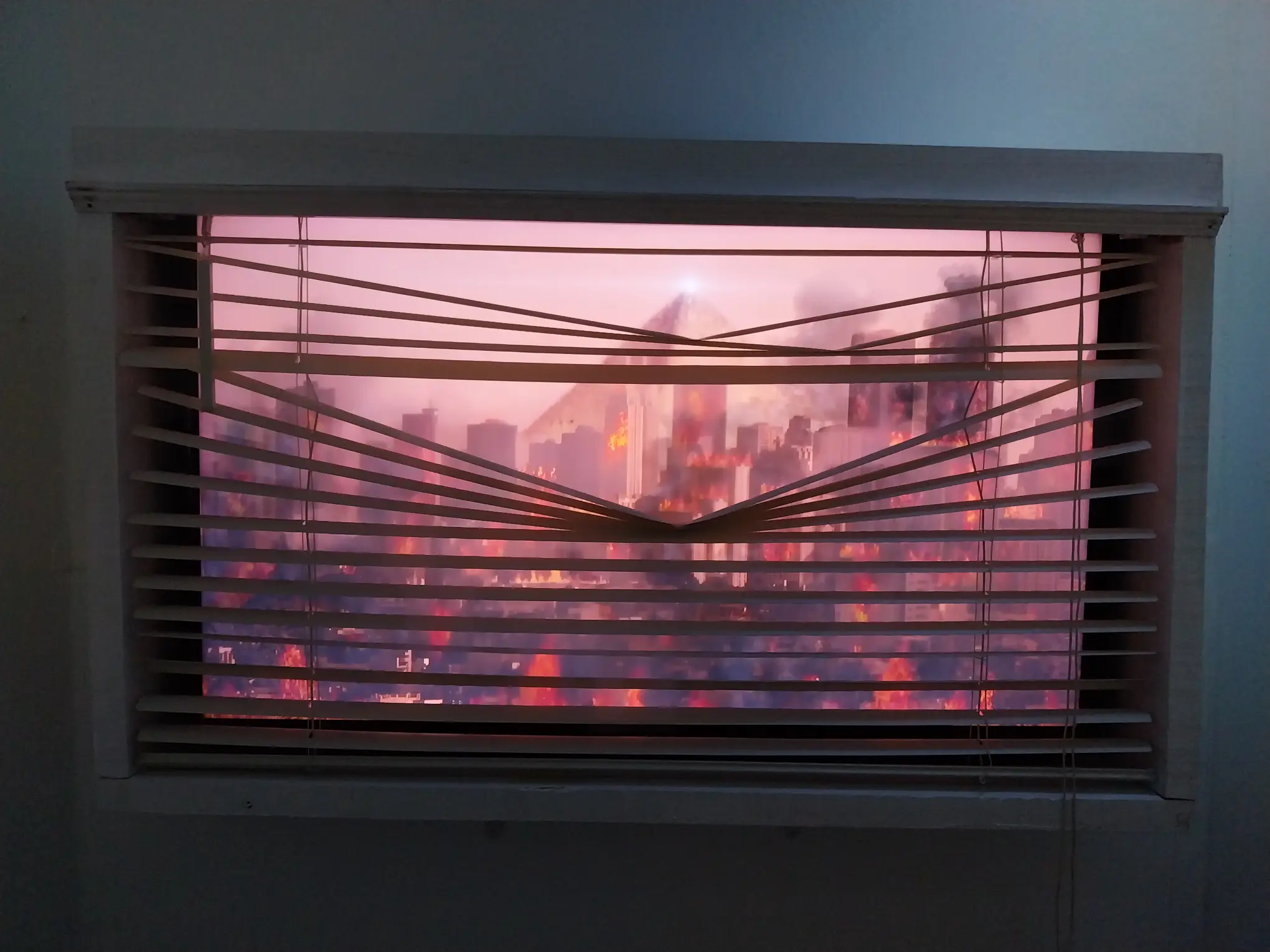
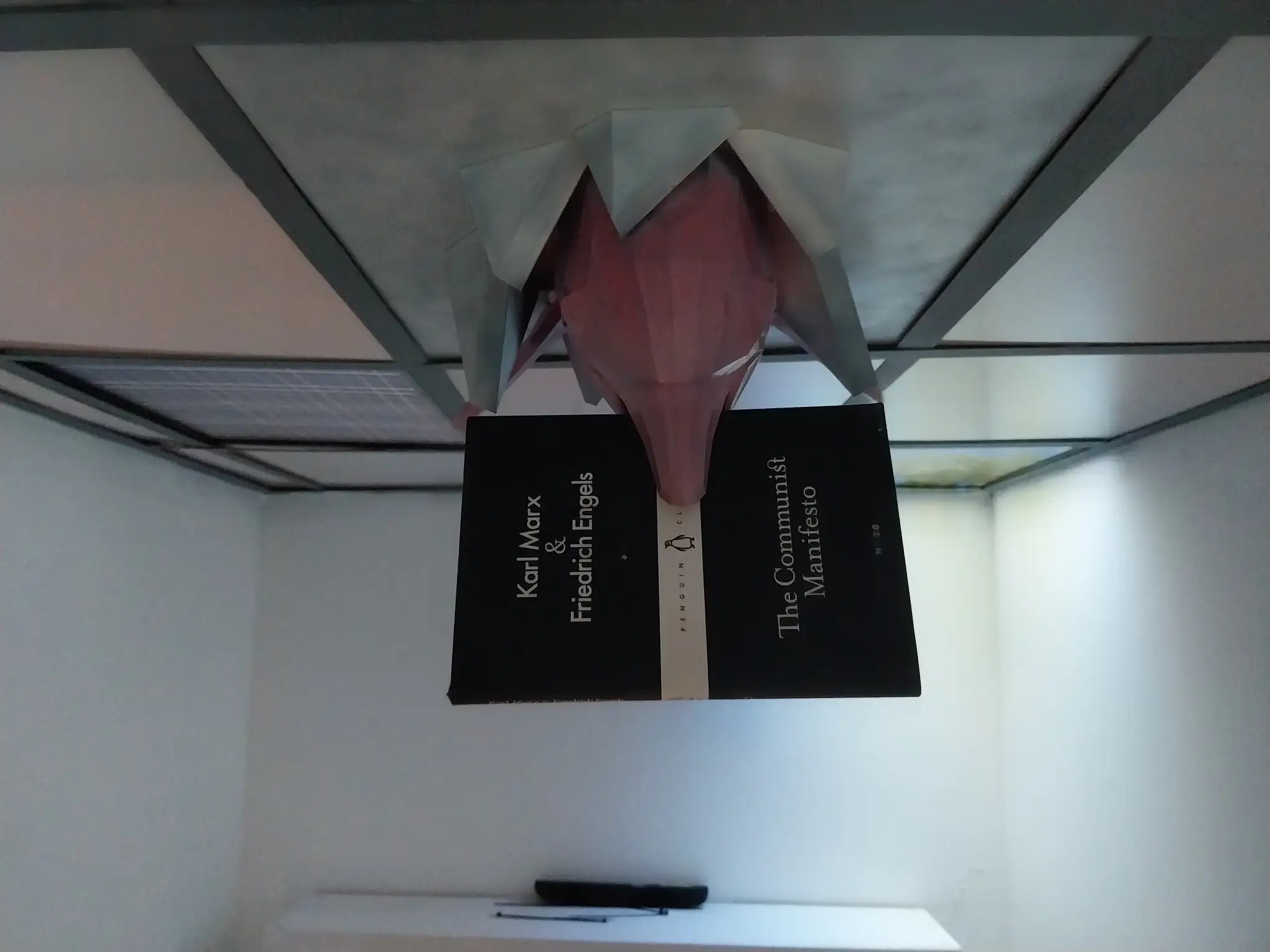
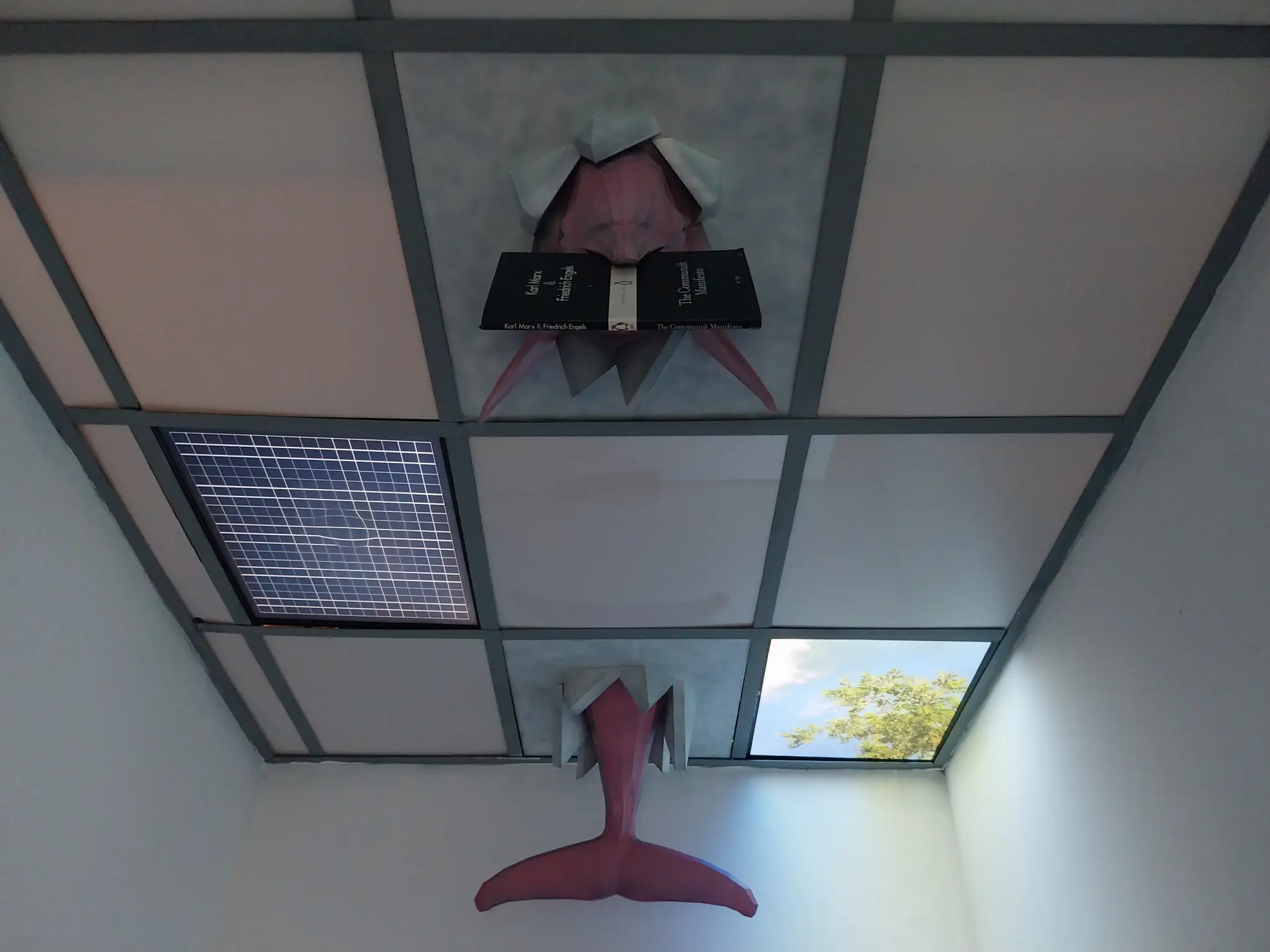
Olarte envisions a burning world in which the rich are safely inside their pyramid of wealth, comparing the working class’s usefulness to “silver” and the gaudy displays of the rich to “gold.” The powerful and the wealthy believe the working class to be something easy to leave, easy to discard, regardless of their role in keeping society running.
“As a city burns, a pyramid stands still, its glimmering peak like an all seeing eye saying ‘this is fine,’” the exhibit write-up said. “Instead of someone trapped, this is the one percent. They blindly believe the world around them can burn to ashes, surrounded by their gold. But when the world’s silver runs out — what kind of world will be left?”
‘Odds Be Damned’
In recent years, textile art has become its own subculture within the art scene. More and more artists are experimenting with cloth and fabric, seeing the possibilities that the work entails, expanding our ideas of what art is. One of these art exhibitions, Odds Be Damned by Marionne Contreras at Vinyl on Vinyl it focuses on tapestries that she had made after her pregnancy, when she moved to the province with her child.
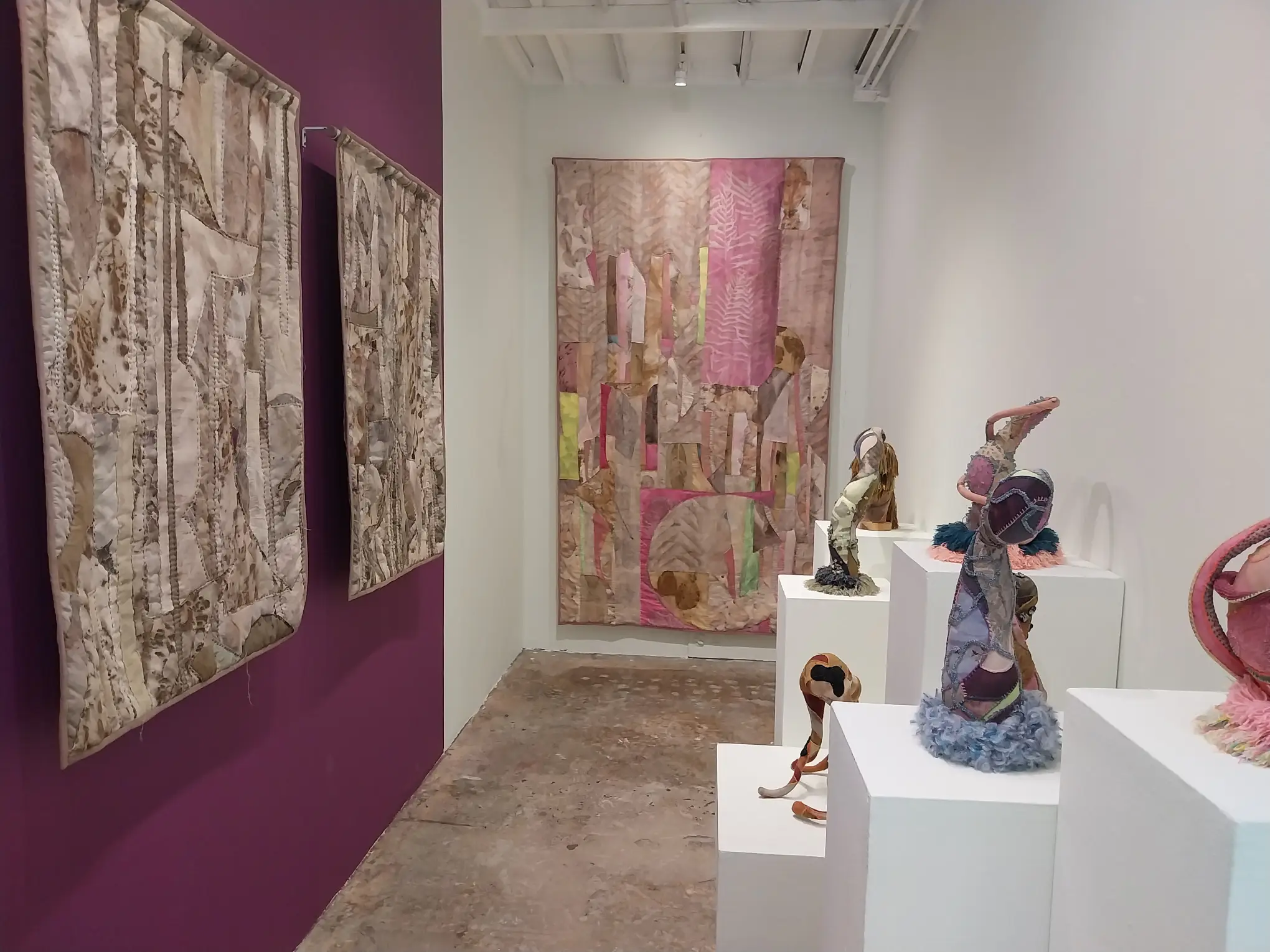
Textile art is always compelling because of its undercurrent discussion of how society divides up work. Sewing is never really seen as “important” or “hard” work, despite it being both, because of its delegation towards the domestic sphere—“women’s work,” as men would derisively call it.
Advertisement
But Contreras puts the labor-intensiveness of the process in the forefront, showing that this “women’s work” is hard, necessary work to ensure people remain comfortably clothed. More than that, she highlights her own personal artistic instincts, the need to do each part of the process herself, to really feel herself creating, to connect the work closer to herself.
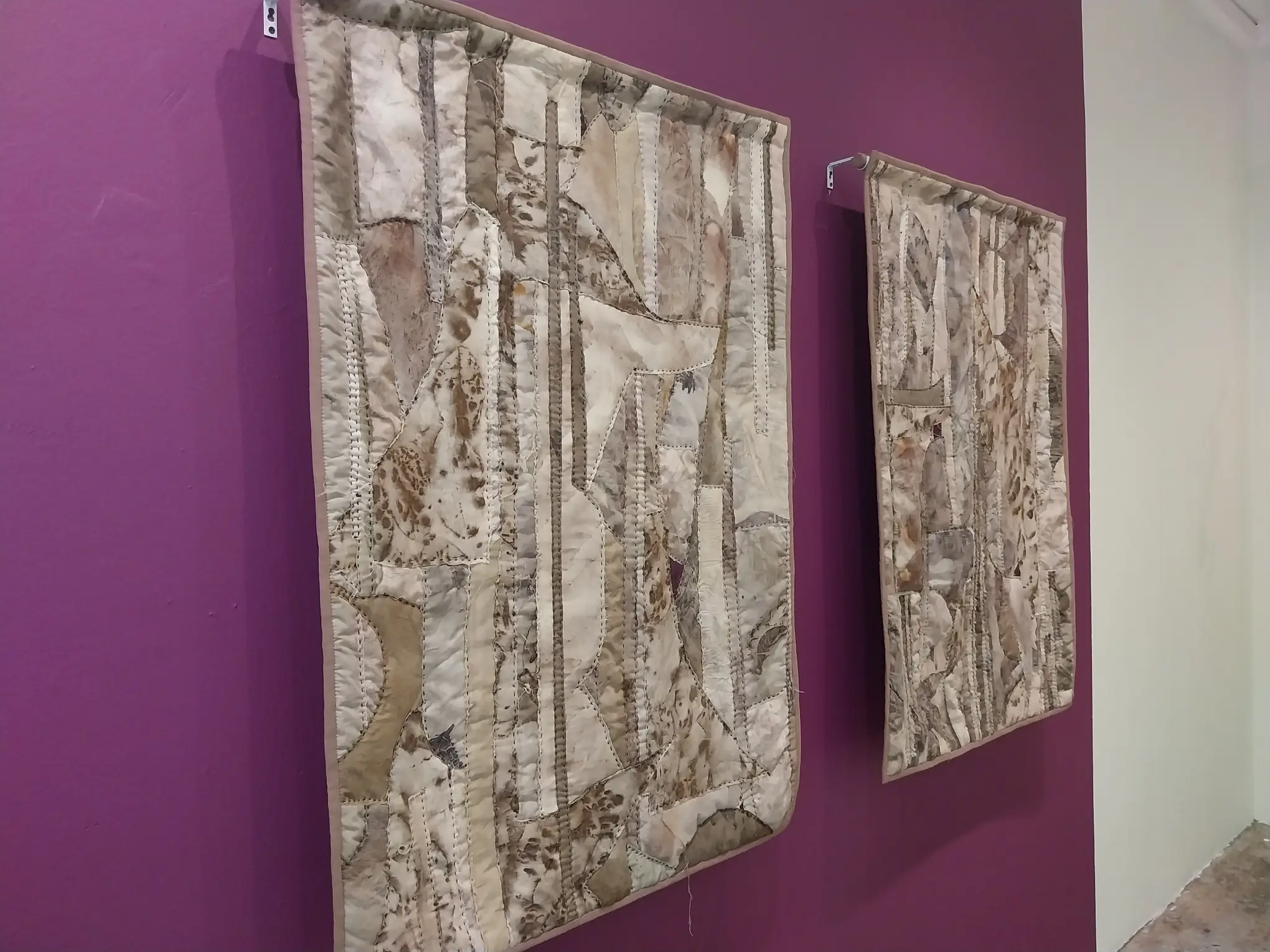
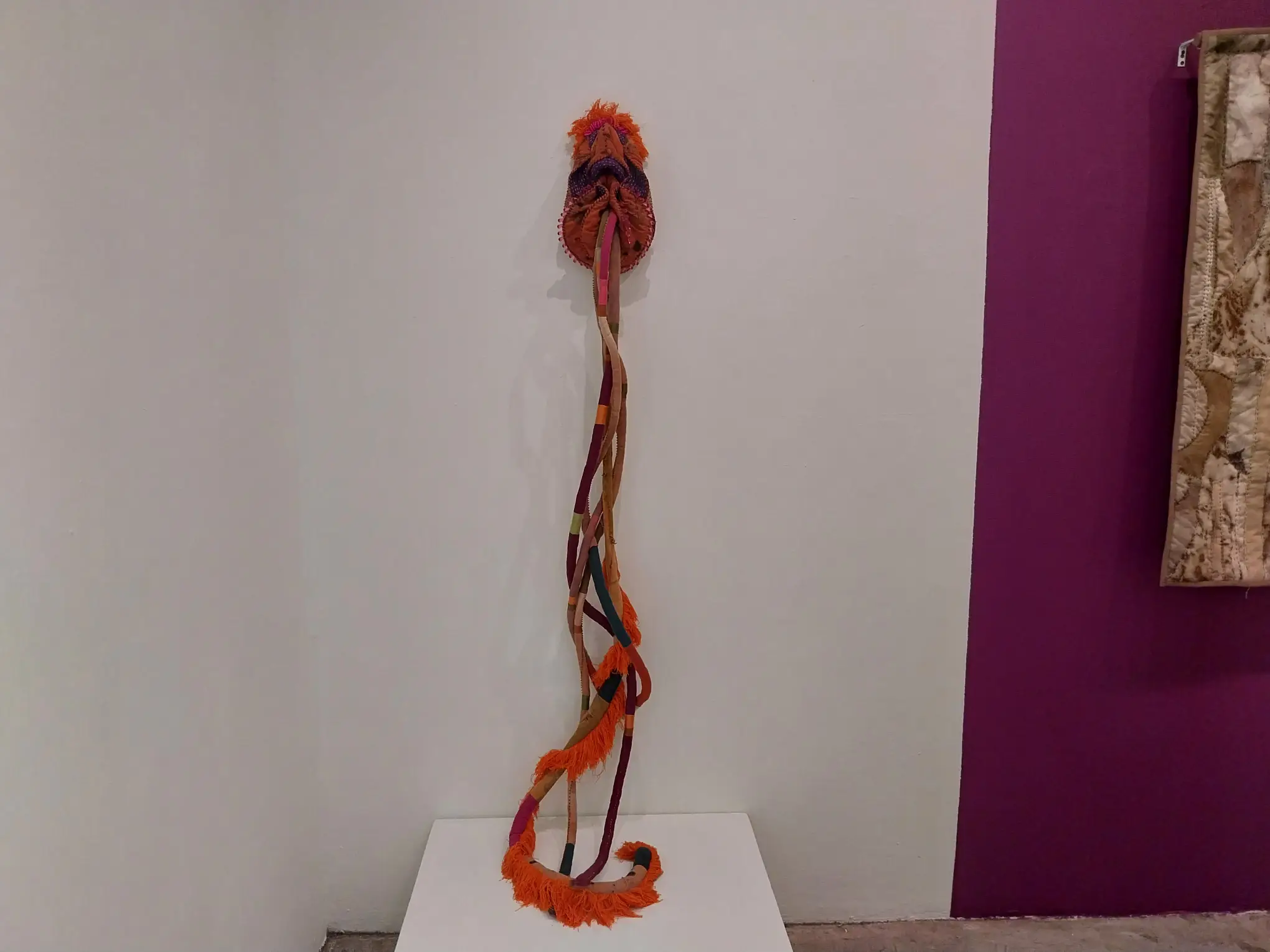
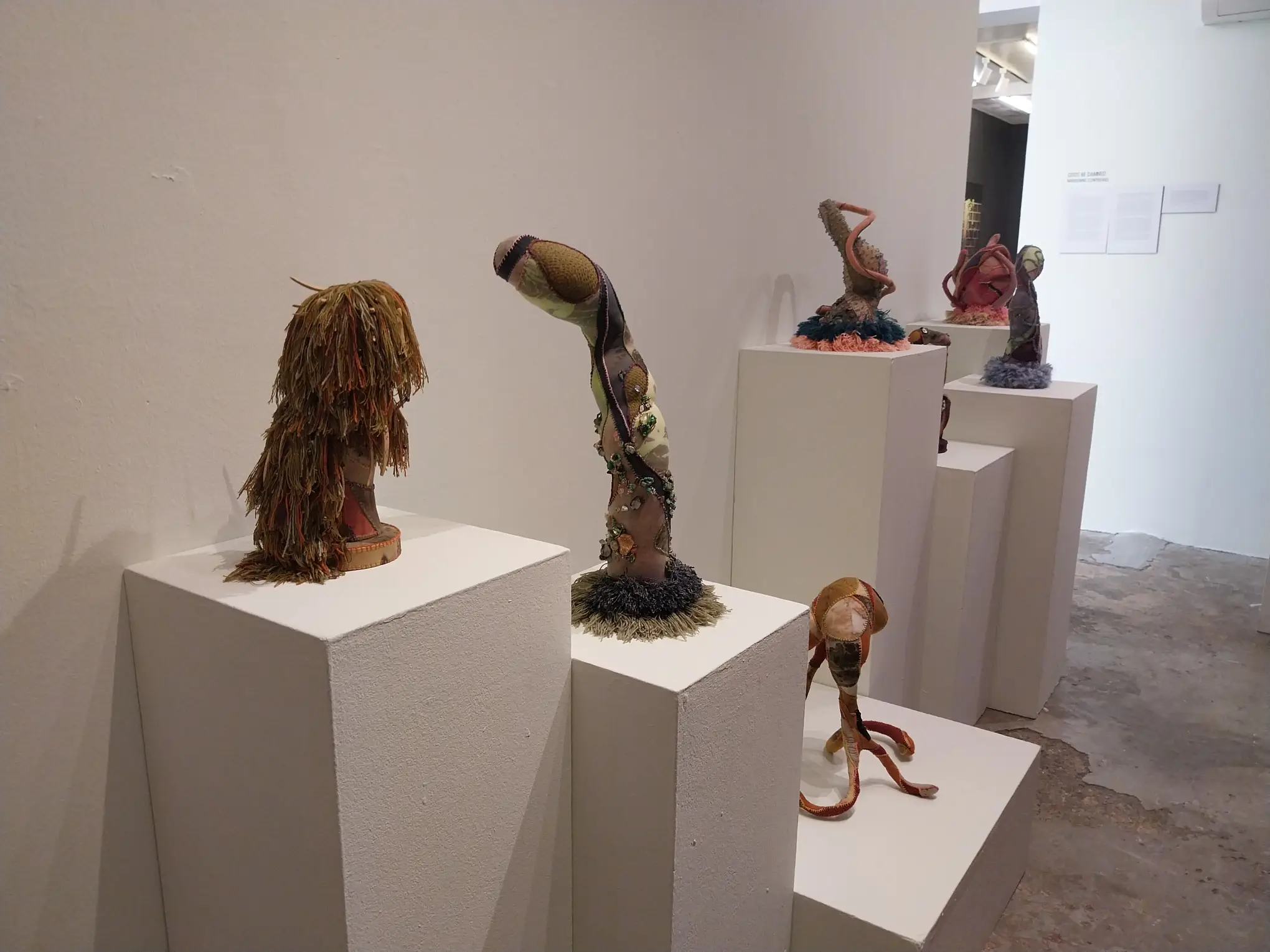
“She has said she works toward a disappearance of process,” Zea Asis wrote in her exhibit write-up. “She wants the work to endure on its own terms, without exegesis or defense. But there is a paradox in making labor-intensive work disappear, because the more phantom the process, the easier to assume the work materialized effortlessly.
“So, perhaps, just this once, the circumstances should be cataloged. The summer infernos which ripen the tannins for printing. The Alfonso studio, too cramped to unfurl anything flat. The punctuated slivers of making between a child’s rousing and other private dailiness.”
Advertisement
‘Pool’
One of the recent art exhibitions MO_Space, Pool by Micaela Benedicto basically illuminates twenty-eight silver photograms on the floor, creating a pool-esque effect, especially in how it reflects from the floor to the wall in a wavy, watery way.
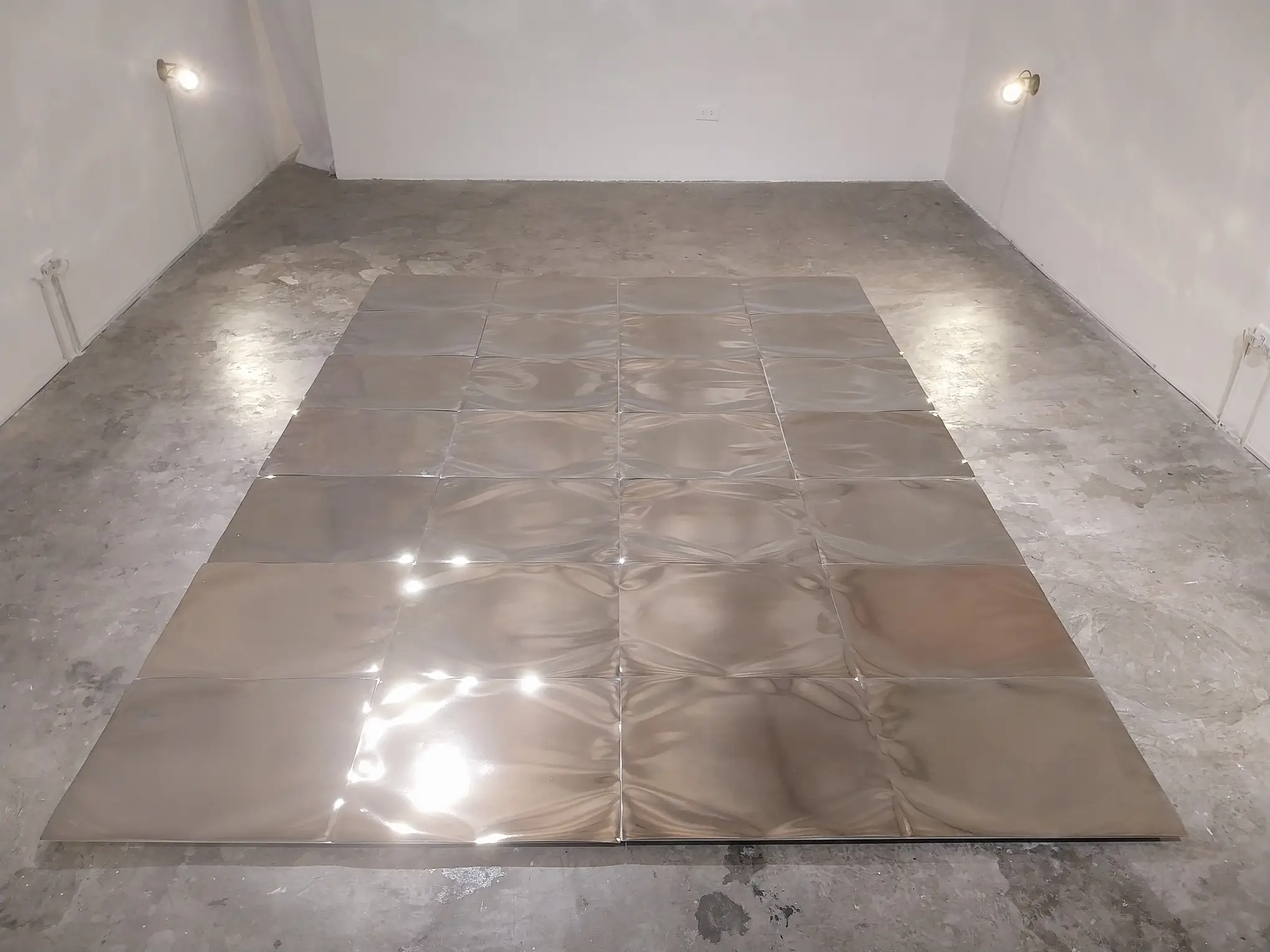
It’s a strange artwork, one that really challenges the way that we see the world today. Some parts are wrinkled from the effects of the light and time, and some are still straight—creating a final effect that seems to both mirror and distort the world that we are in today.
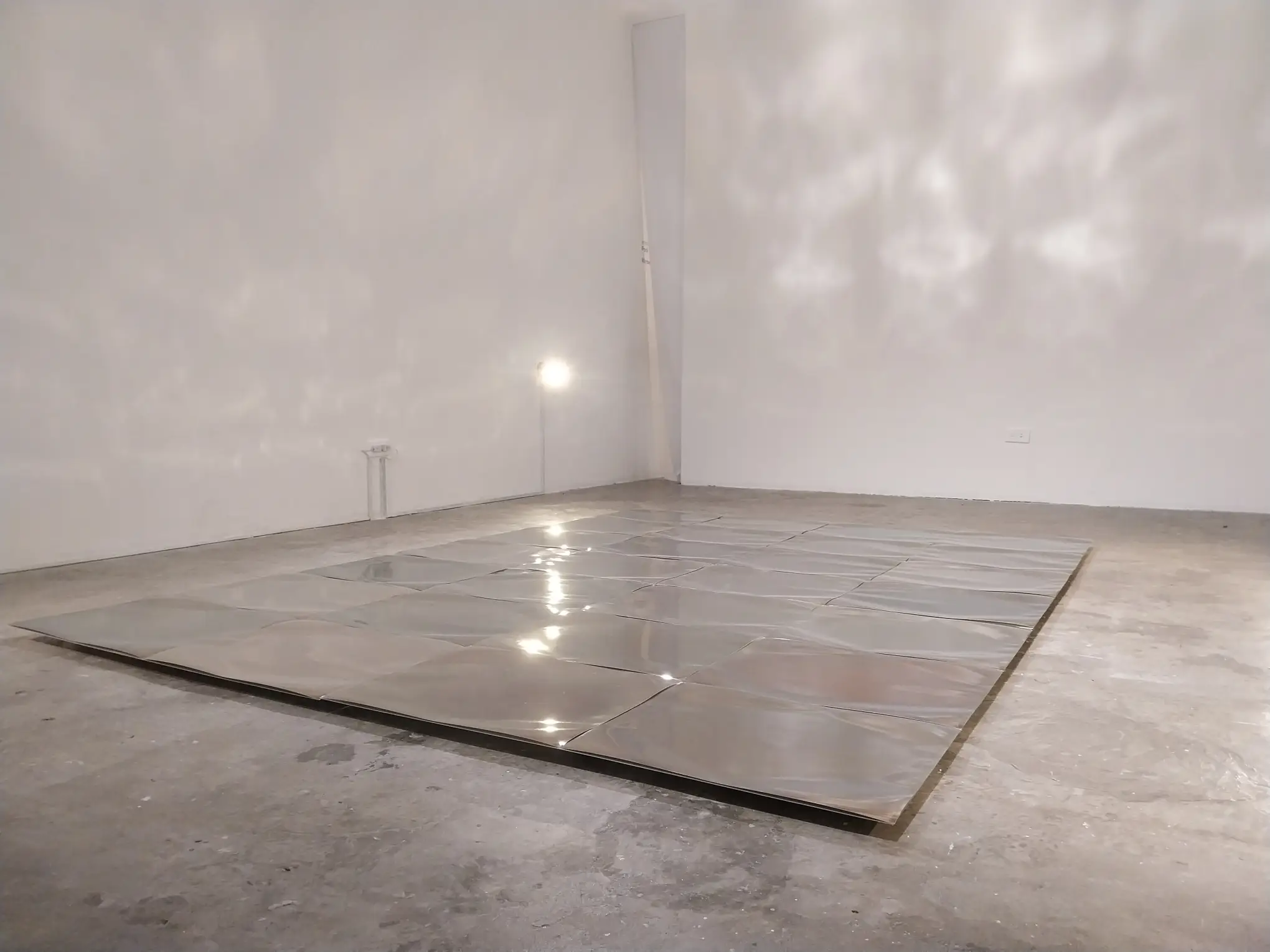
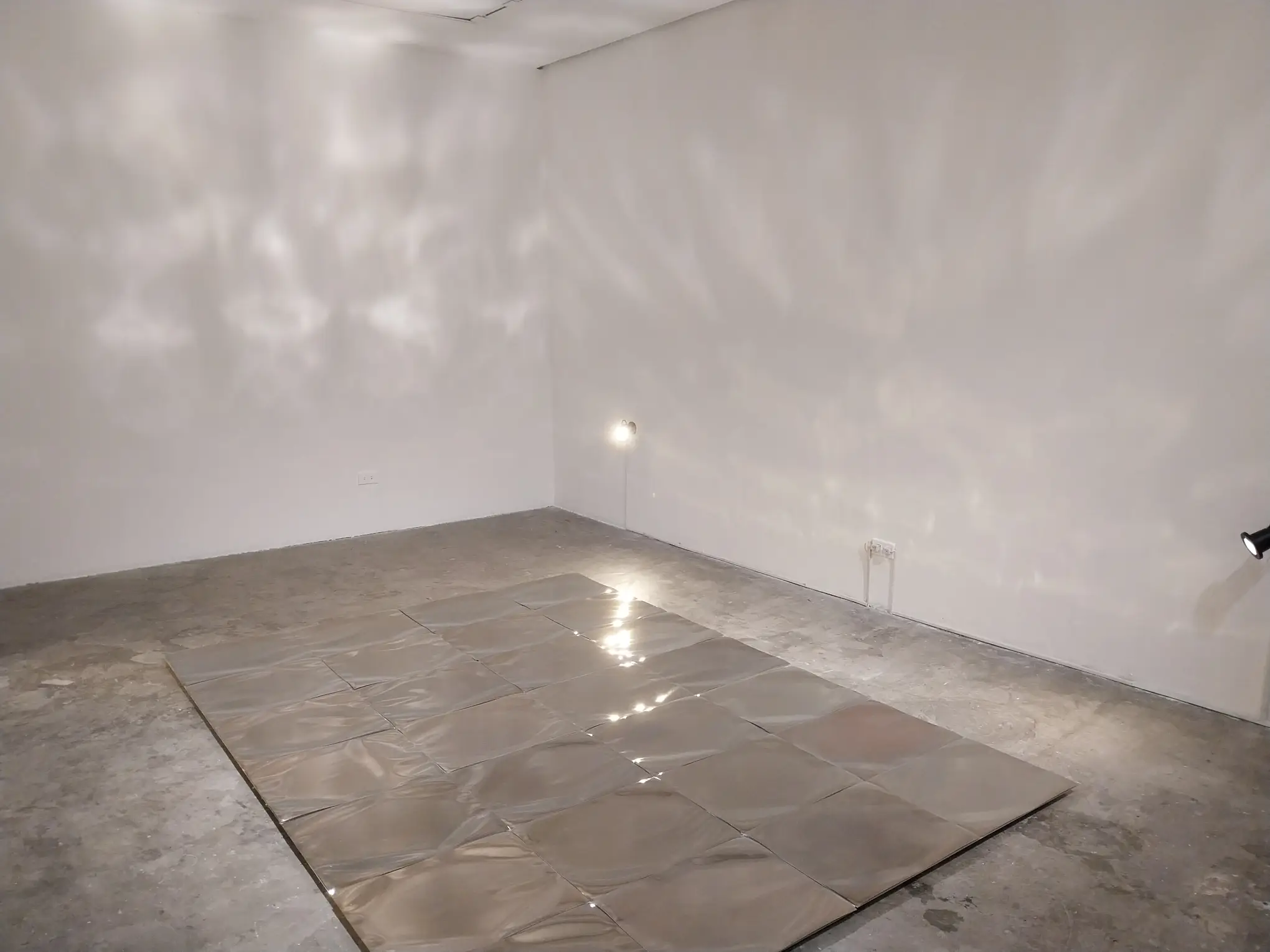
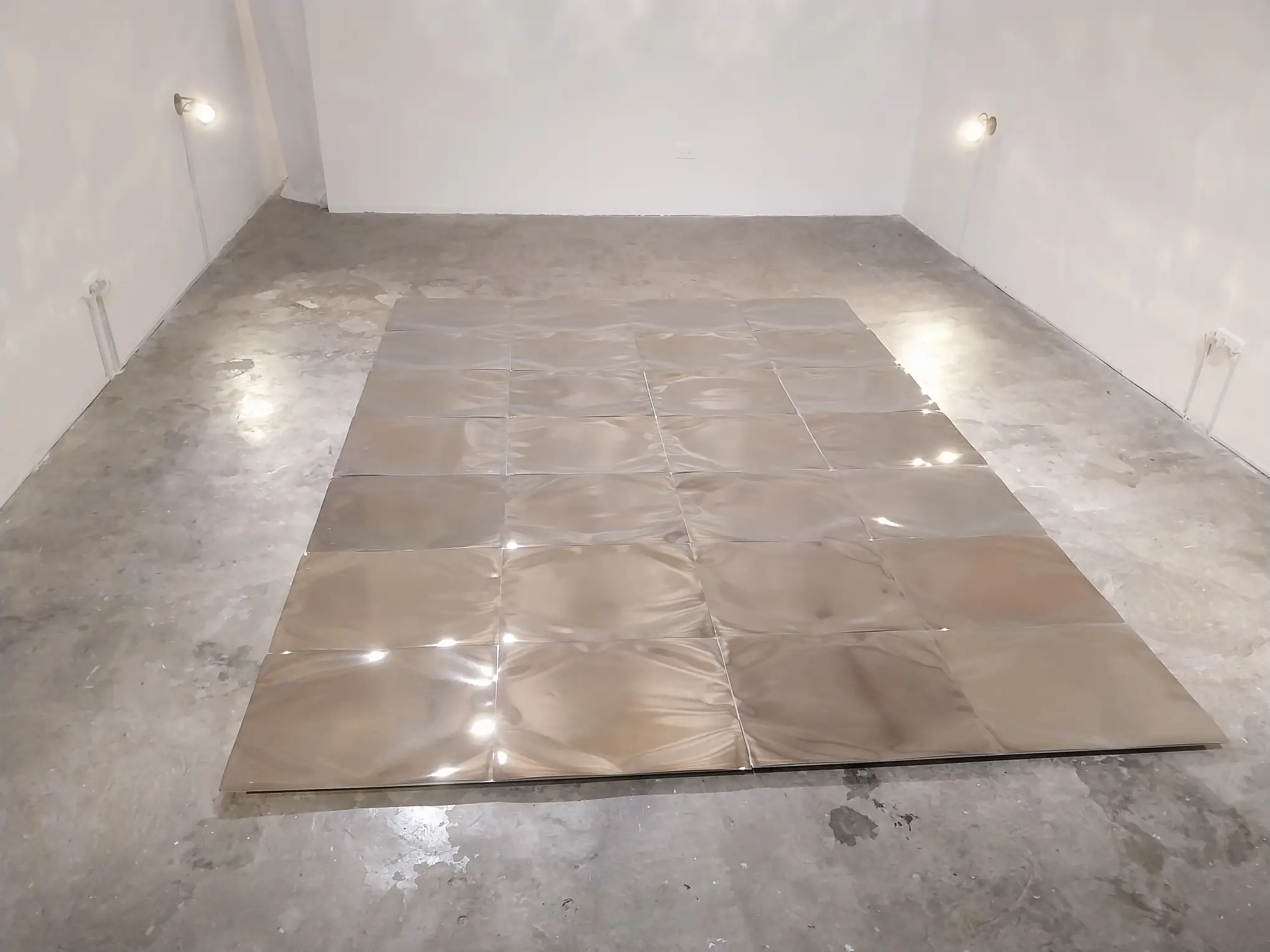
“What the viewer faces in the end is not her own image, nor any promise of coherence, but the absence that the photogram renders visible and through which both image and self are constituted,” the exhibit write-up by Bobby Benedicto said.
Advertisement
Art Lives On Regardless
Tumultuous times or not, artists will continue to create bold and innovative bodies of work. Society only moves forward with the boldness of the people who fight back against injustice, inequality, who question the system and move to push it forward for the betterment of people. So it is in the world, so it is in art.
May 2026 be the year of braver souls, pushing the boundaries of modernism, minimalism, and tradition to innovate towards something people-centric, community-centric: made by the people and for the people.
Photos by Elle Yap.
Related reading: Unique Philippine Contemporary Art Exhibits Shown This 2025 So Far
Advertisement
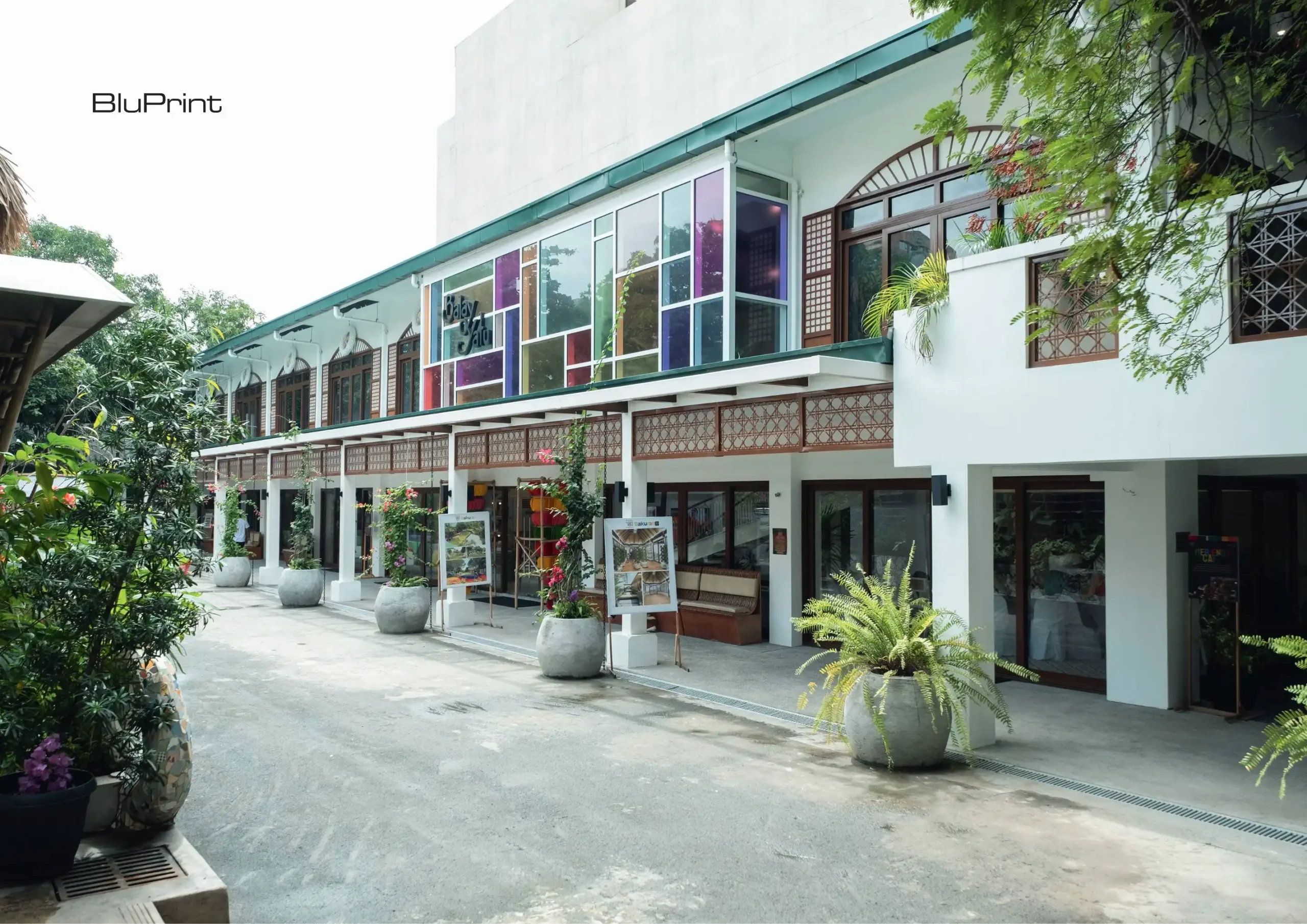
In the Philippines, adaptive reuse gained traction during the 1970s with the rise of conservation and environmental preservation movements. It offered an architectural solution that reuses existing spaces to fit modern needs. Across the country, several projects demonstrate how this approach is being applied—transforming heritage structures into active spaces for culture, hospitality, and community life. […]
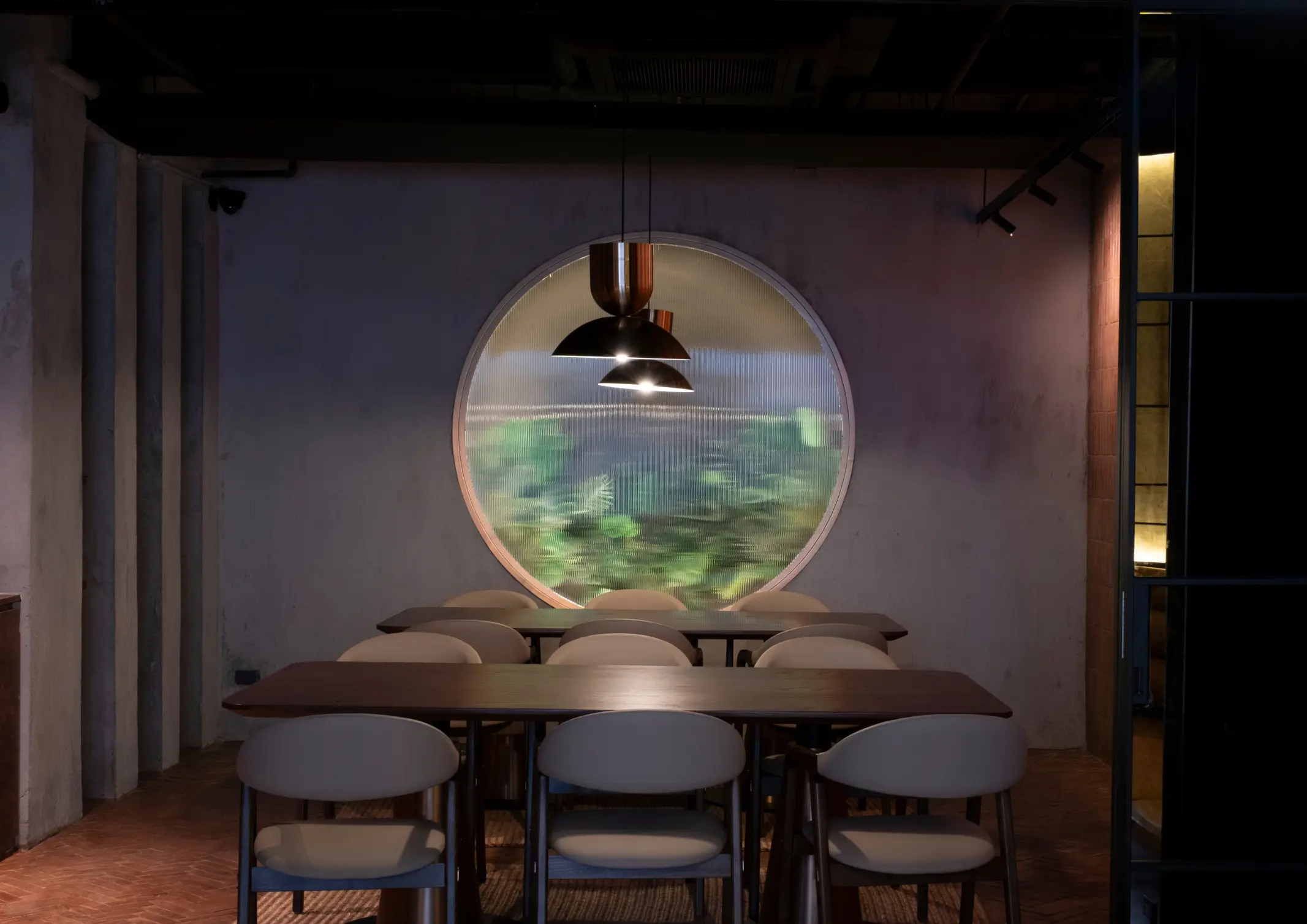
From residential spaces to civic structures, lighting dictates the mood of a space. It controls the visual dynamics of an interior, serving as a guiding tool that highlights key design elements, including materials and textures. Related Reading: Lampscaping: How to Light up Your Home like a Pro Regulating the Mood: Natural and Artificial Light in […]
Advertisement
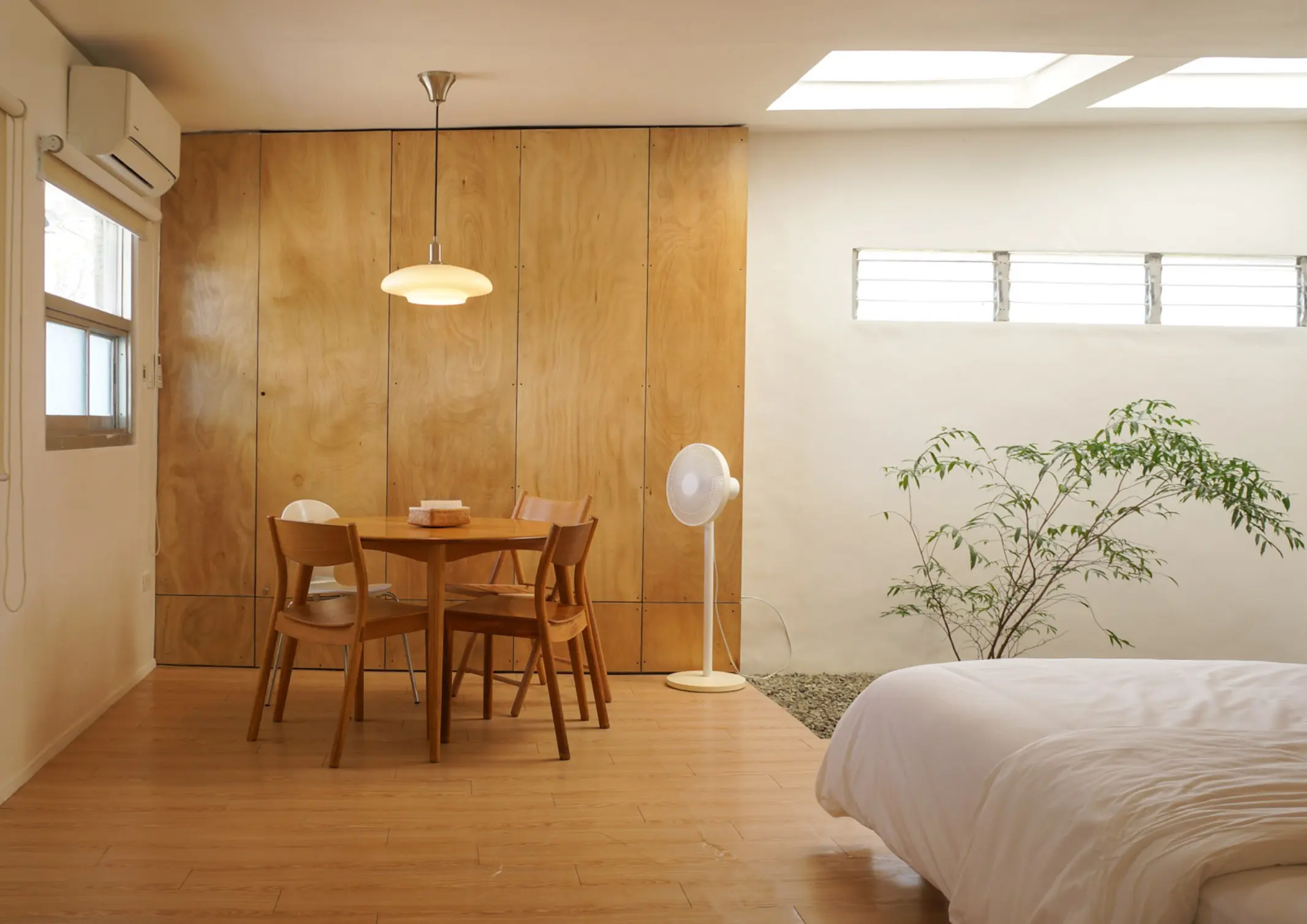
More and more Filipinos are flocking to condominium communities. Often tucked within busy city centers, condo living acts as a small respite from urban chaos. Faced with the challenge of transforming a cramped condominium into a warm living space, BluPrint lists condo interior design ideas that can maximize each square foot of small spaces. Purposeful […]
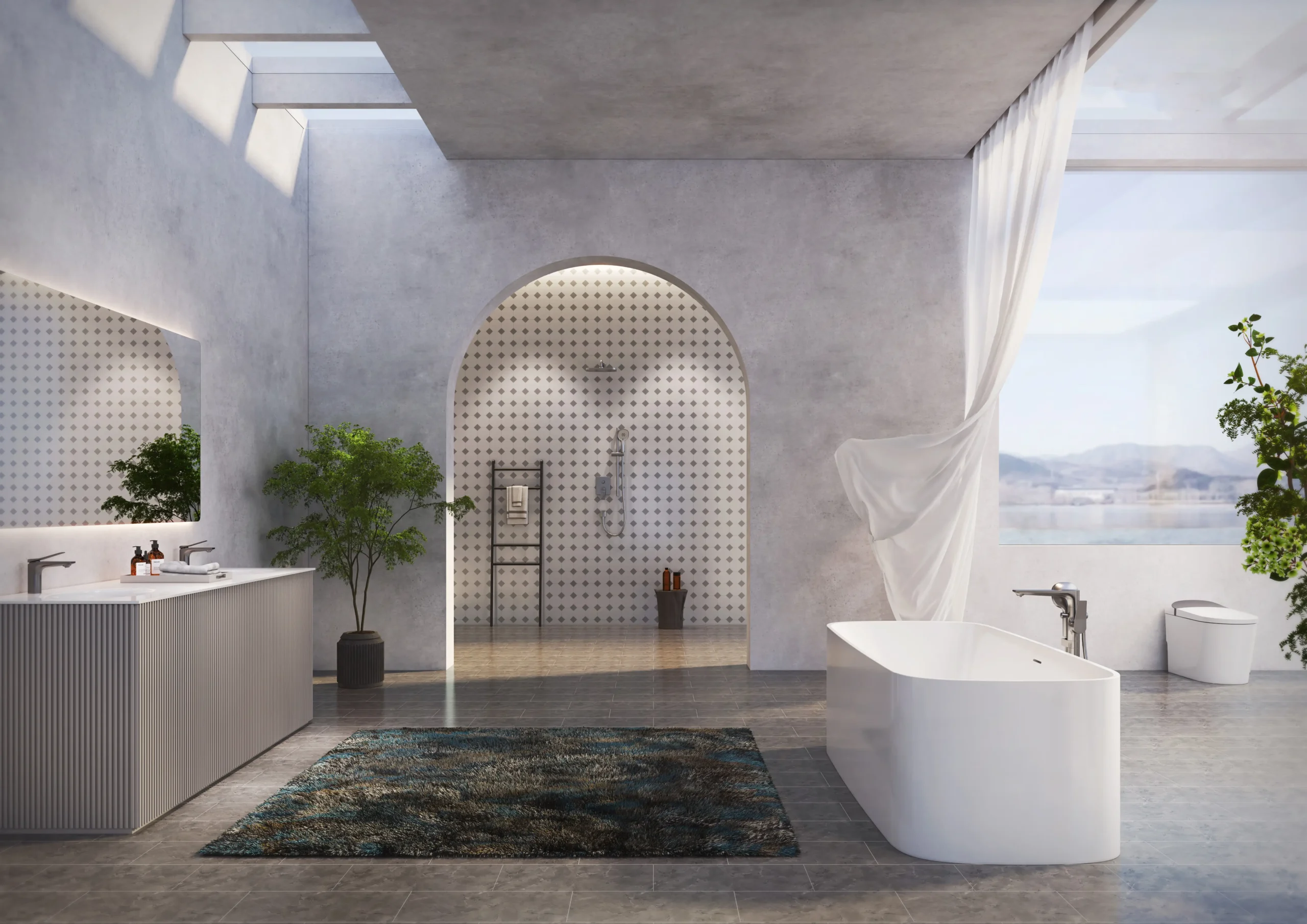
Modern bathrooms are no longer purely functional spaces. Increasingly, they are being designed as environments that support cleanliness, ease, and quiet restoration within the home. As daily life becomes more demanding and health awareness continues to rise, homeowners are beginning to expect more from the spaces where daily rituals begin and end. For architects and […]
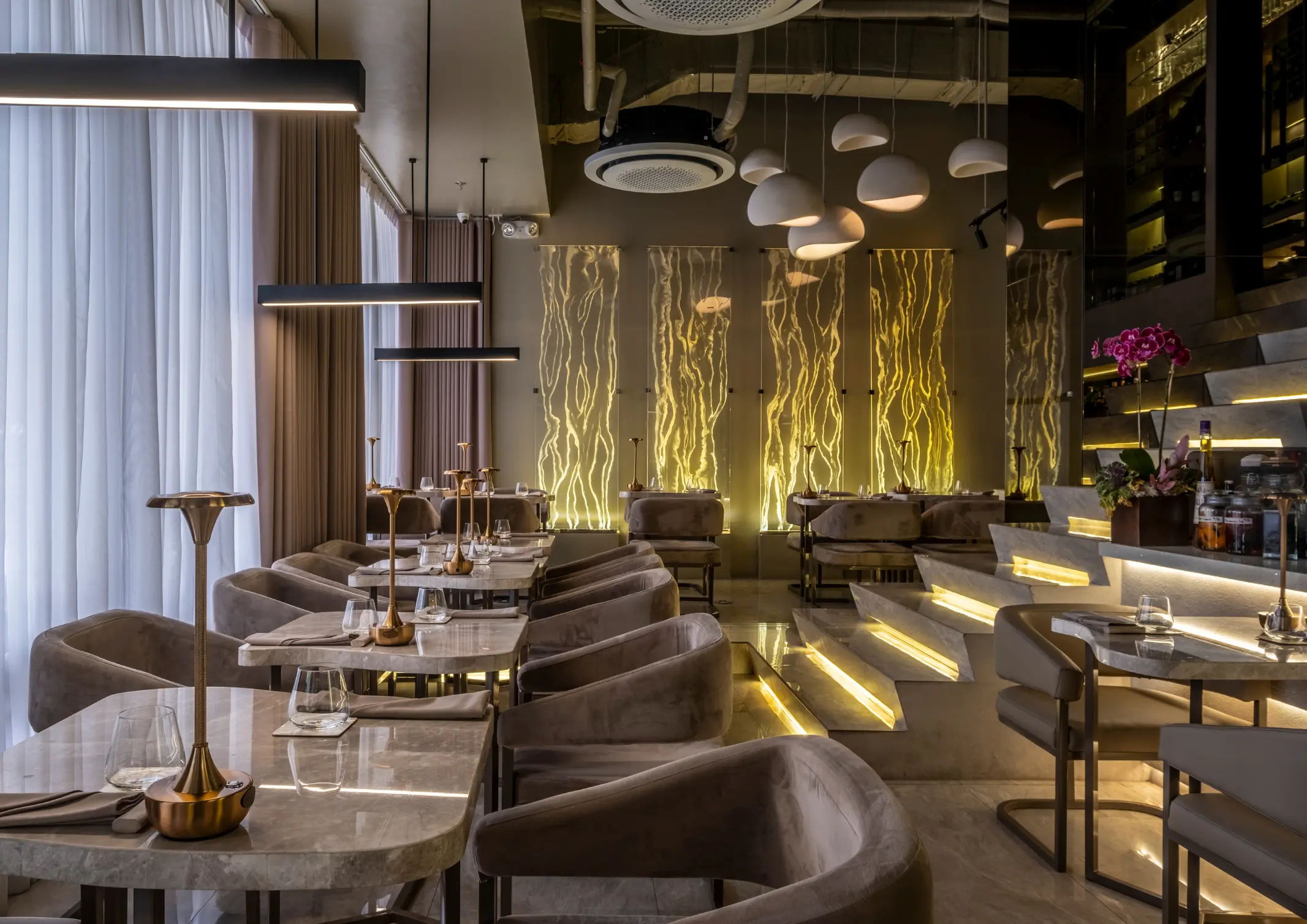
From the moment a diner steps through the door, each detail shapes how a meal is experienced. Restaurant design has evolved, with architects and culinary professionals collaborating to create built spaces that are as intentional as the menu itself. The spatial atmosphere acts as an additional ingredient that can define the culinary experience. Taupe and […]

Download this month's BLUPRINT magazine digital copy from:



Subscribe via [email protected]