The Daya Bay Nuclear Power Science and Technology Museum serves an instructional role in society by highlighting the scientific progress of nuclear energy around the world. Located in Shen Zhen Shi, China, it commemorates the opening of the power plants in the area during the 1980s.
This museum was primarily designed by E+UV Architecture and Huayi Design, with numerous other companies backing the project. The architects and designers also had consultations from the China Nuclear Industry Huaxing Construction Co., Ltd.
Exterior of the Daya Bay Nuclear Museum. Photos by Chao Zhang, Zhengyong Liu, Fu Li, and Ye Fan.
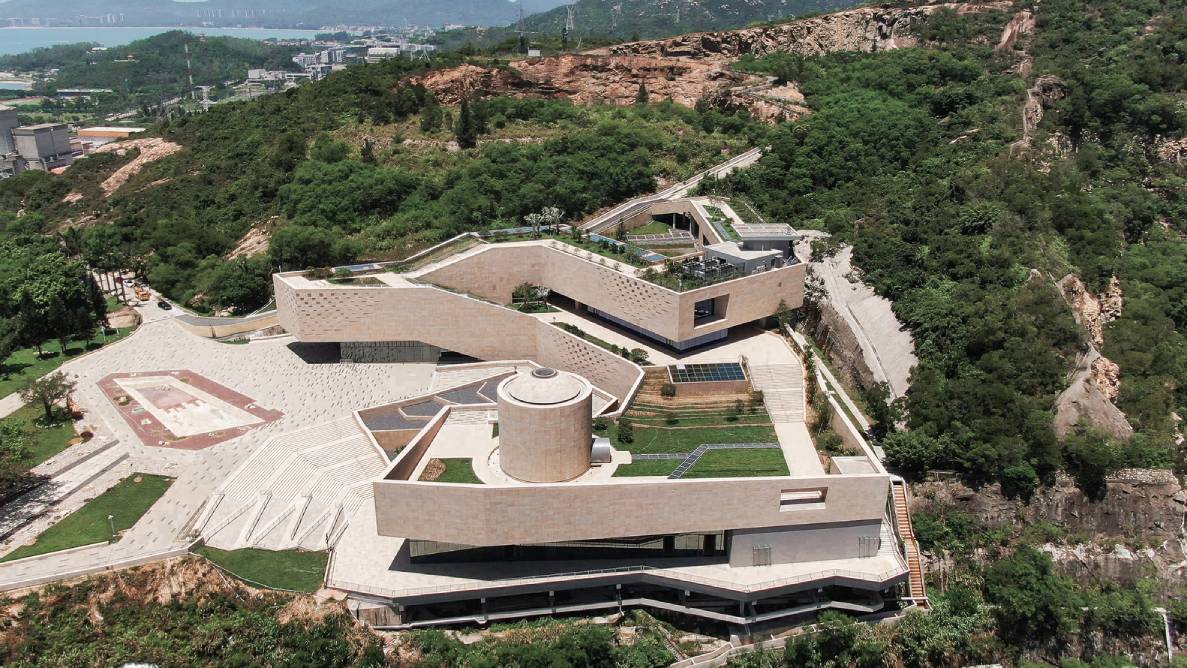
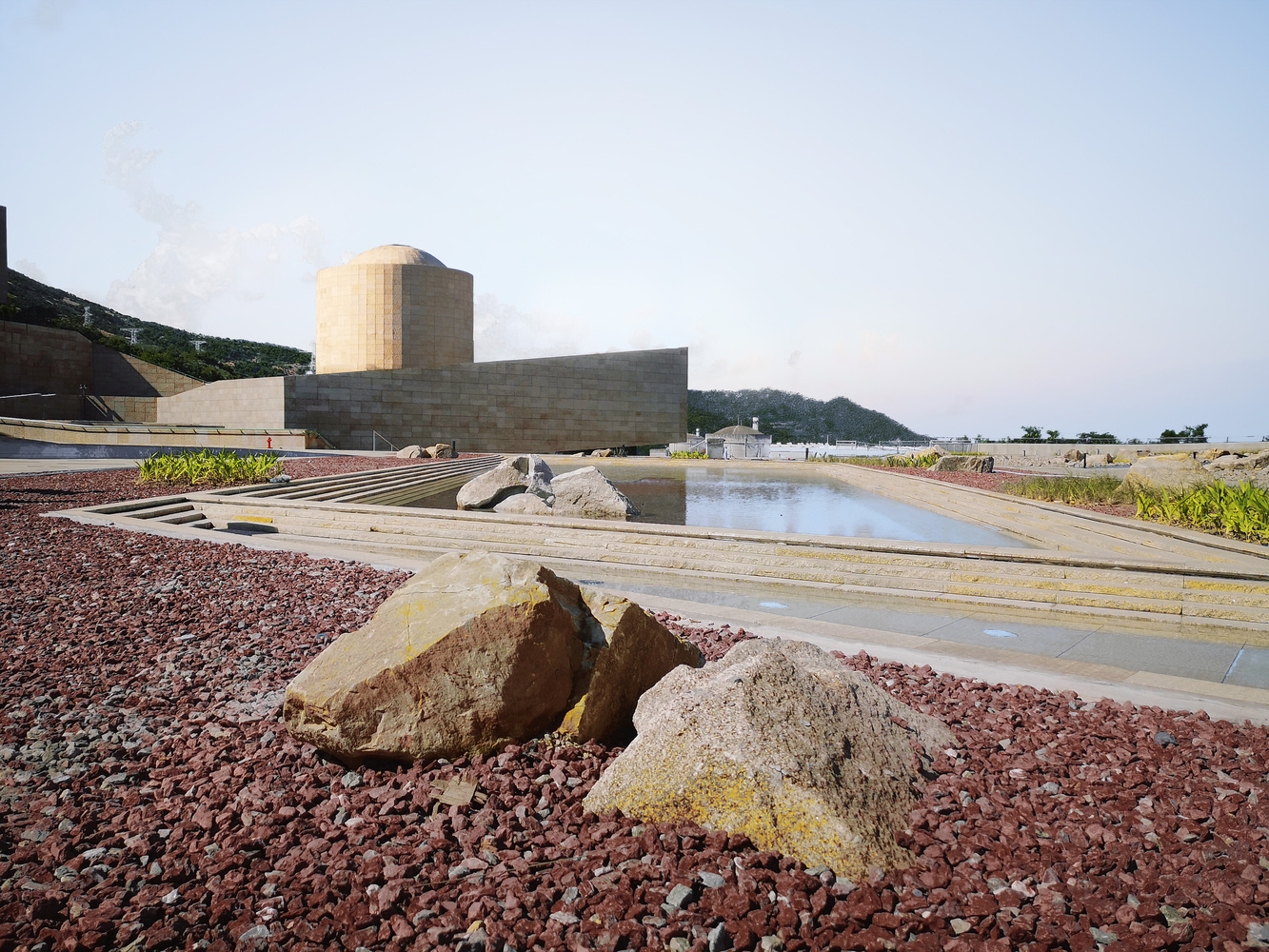
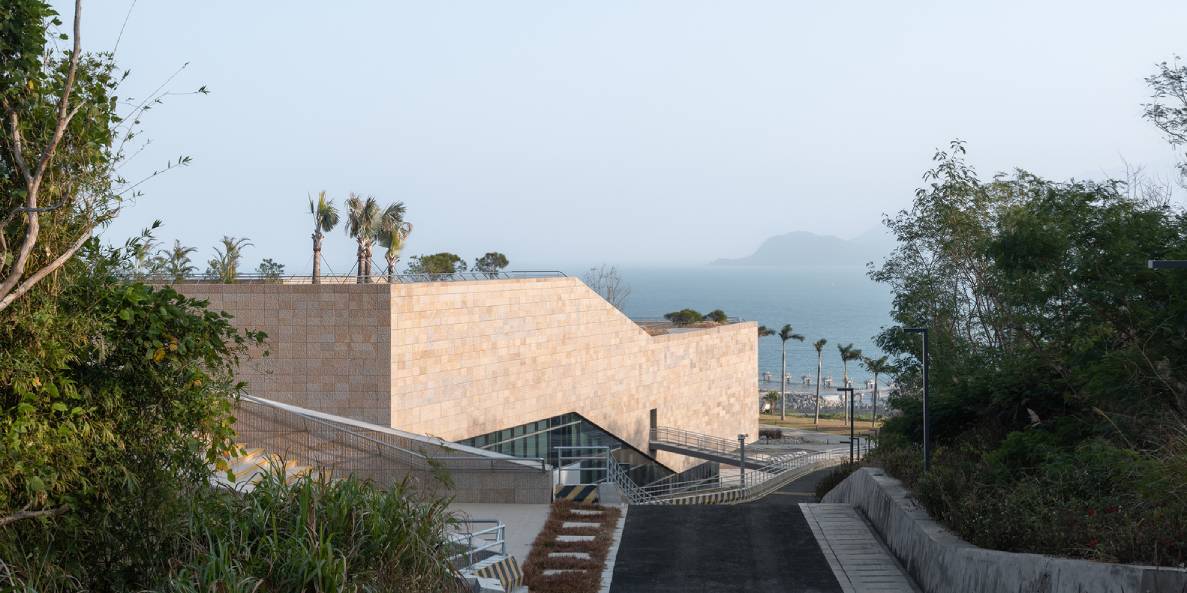
The project is built on a mountainside in one of the former pits used for quarrying resources for the nuclear power plant. It overlooks the sea and the power plants in the area.
Advertisement
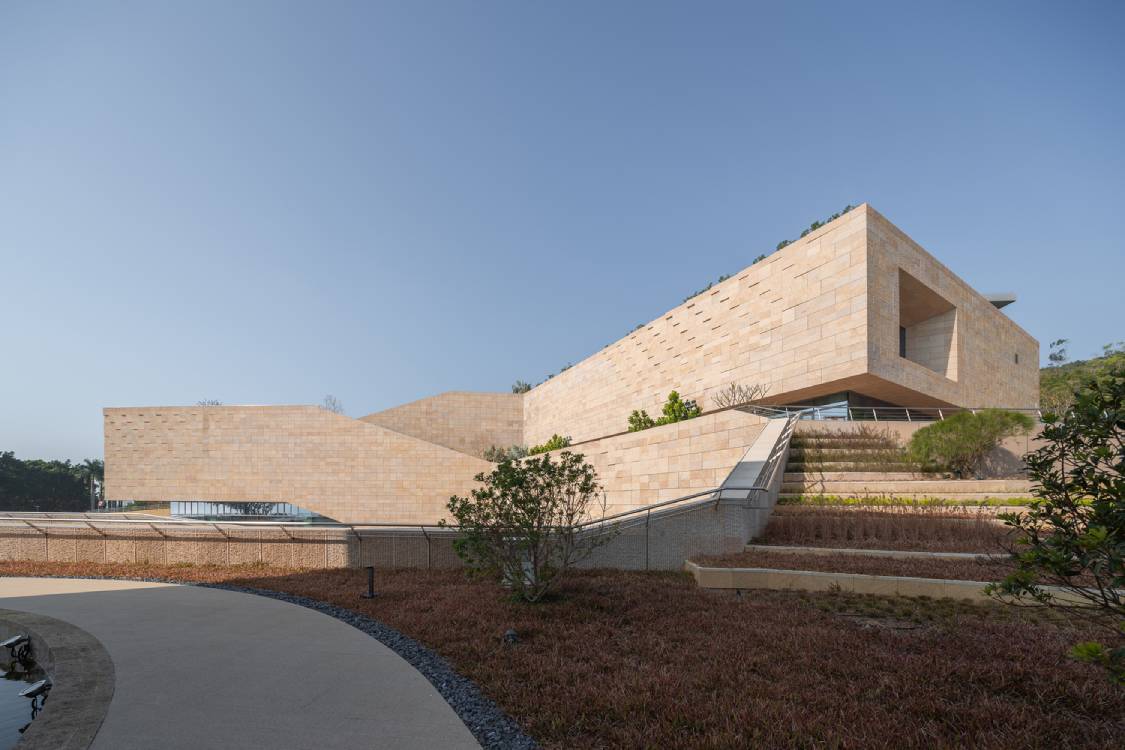
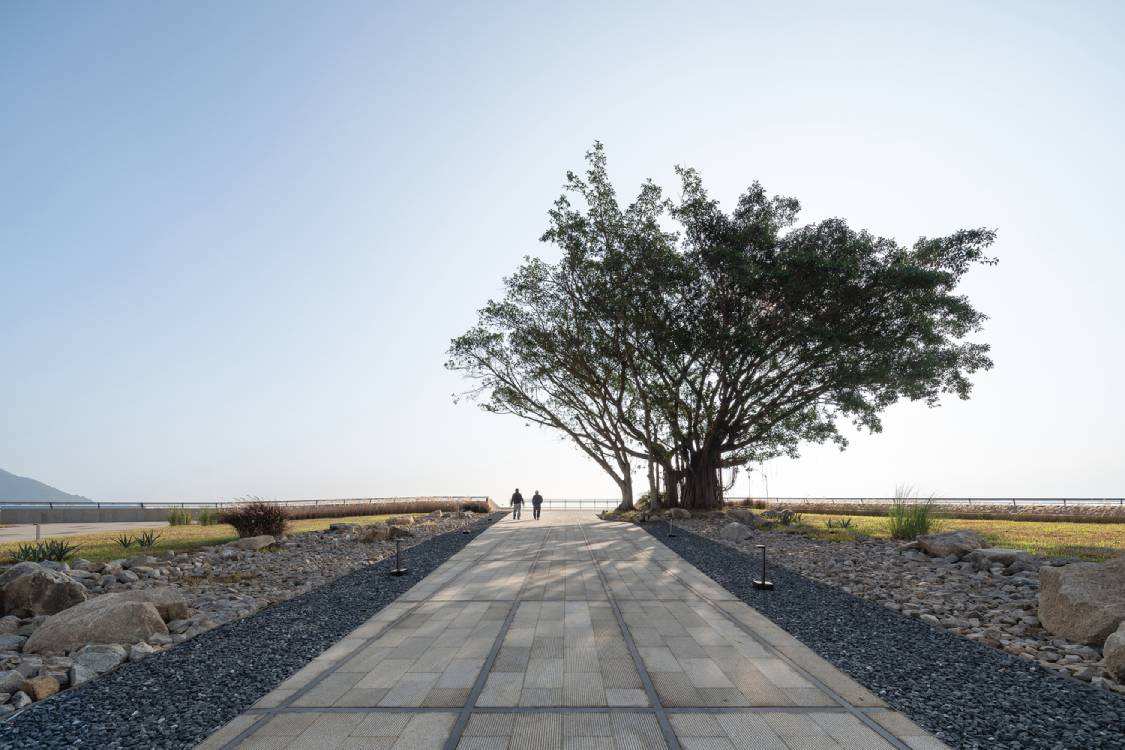
There’s a certain harmony with the nature around it as well, with how gardens and trees are integrated into the blueprint of the project. Among the best ways they showcase this is through the banyan tree commemorating 40 years of history, replanted at the center of the museum plaza. Beyond that, the gardens surround the structure, including numerous trees inside and outside the building, as well as stone gardens that seek to echo its past as a quarry.
Narratives of Industrial Might
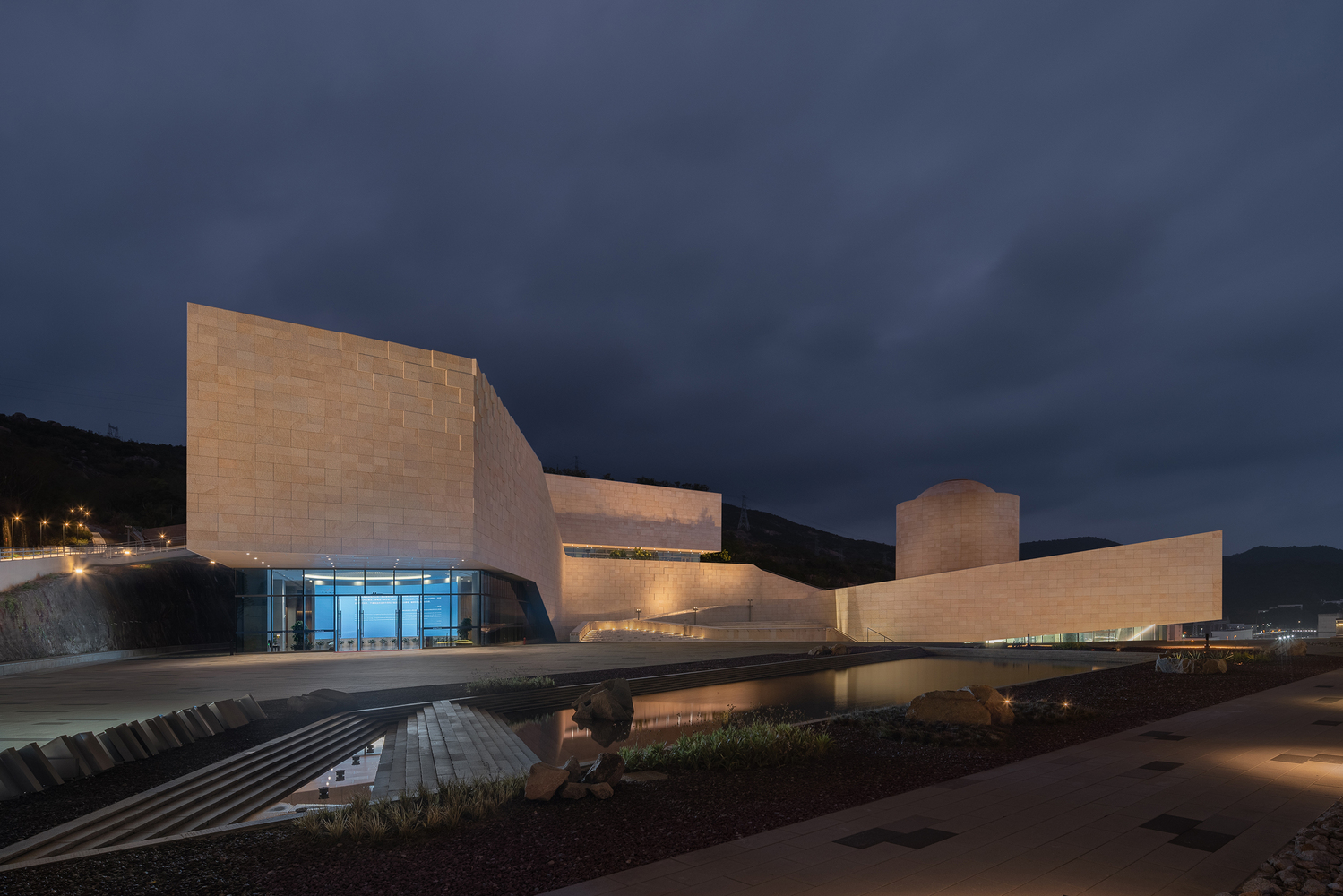
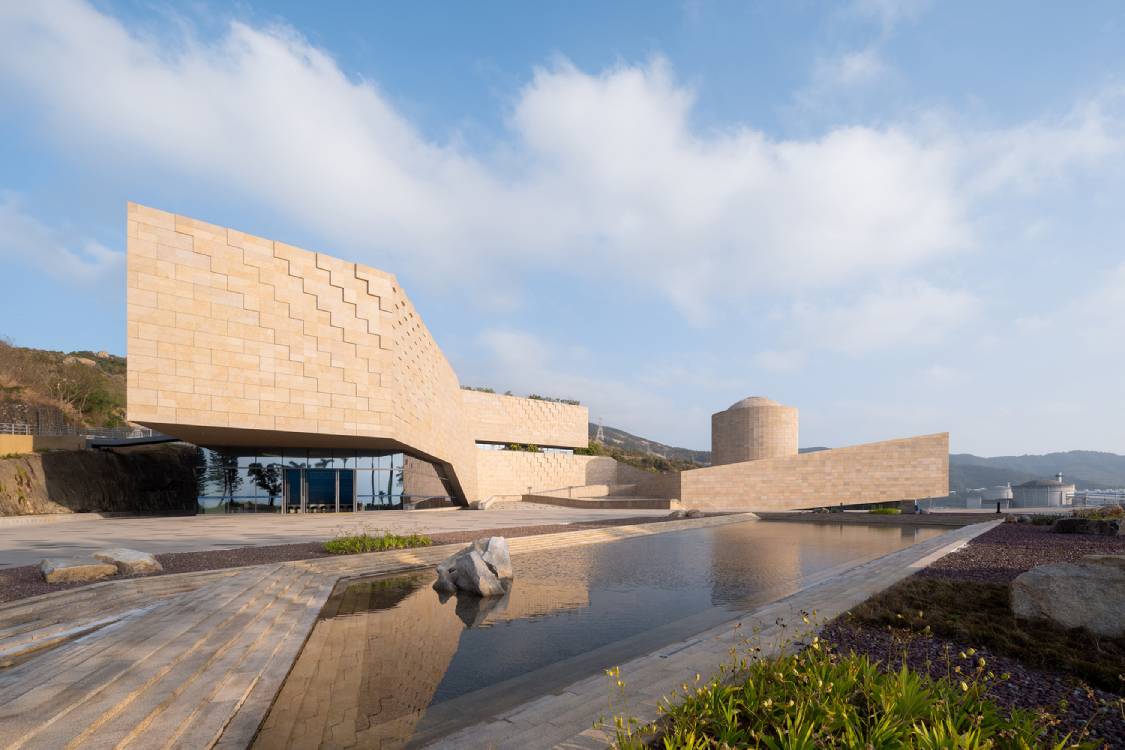
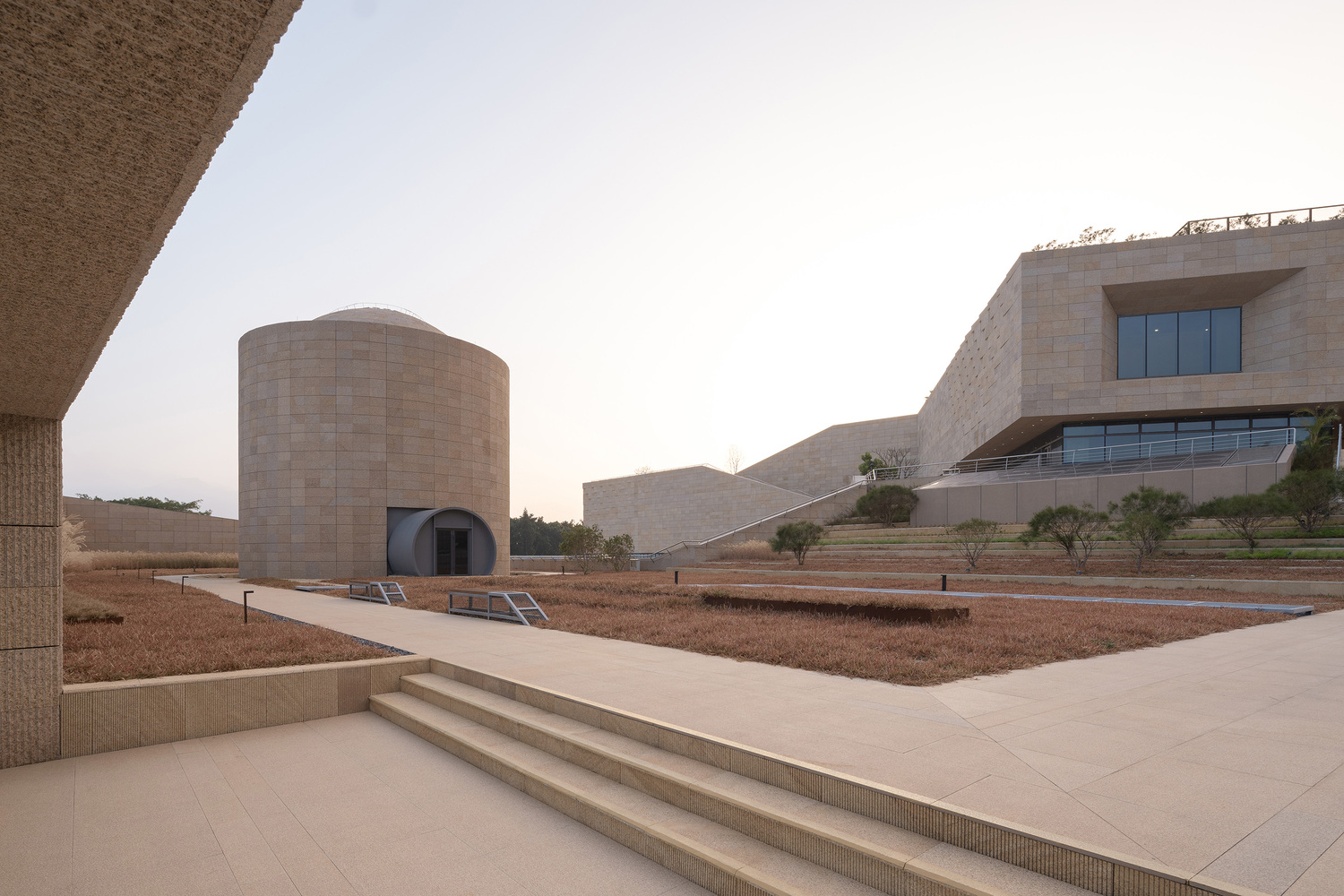
The facility itself is a giant geometric marvel, showcasing a rocky exterior that mirrors its location at a former quarry. The architects described the facility as a spiritual fortress, and one can see how its giant walls and rising building structure make it look like a citadel from the past.
The building itself has a criss-cross shape that rises from the ground and imbeds itself along the mountainside. Inspired by the dragon, the architects created a structure that can hold some of the enormous relics of industry inside the museum.
Advertisement
Entrance of museum. Photos by Chao Zhang, Zhengyong Liu, Fu Li, and Ye Fan.
Museum exterior. Photos by Chao Zhang, Zhengyong Liu, Fu Li, and Ye Fan.
Rock garden and pond. Photos by Chao Zhang, Zhengyong Liu, Fu Li, and Ye Fan.
The Daya Bay Nuclear Museum Interior
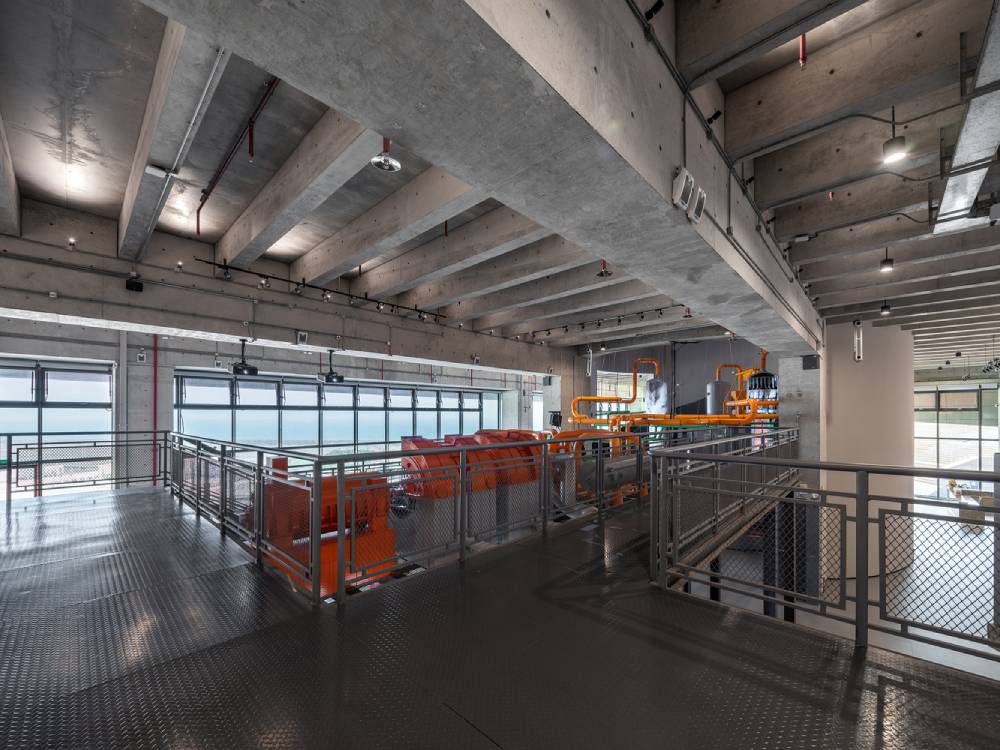
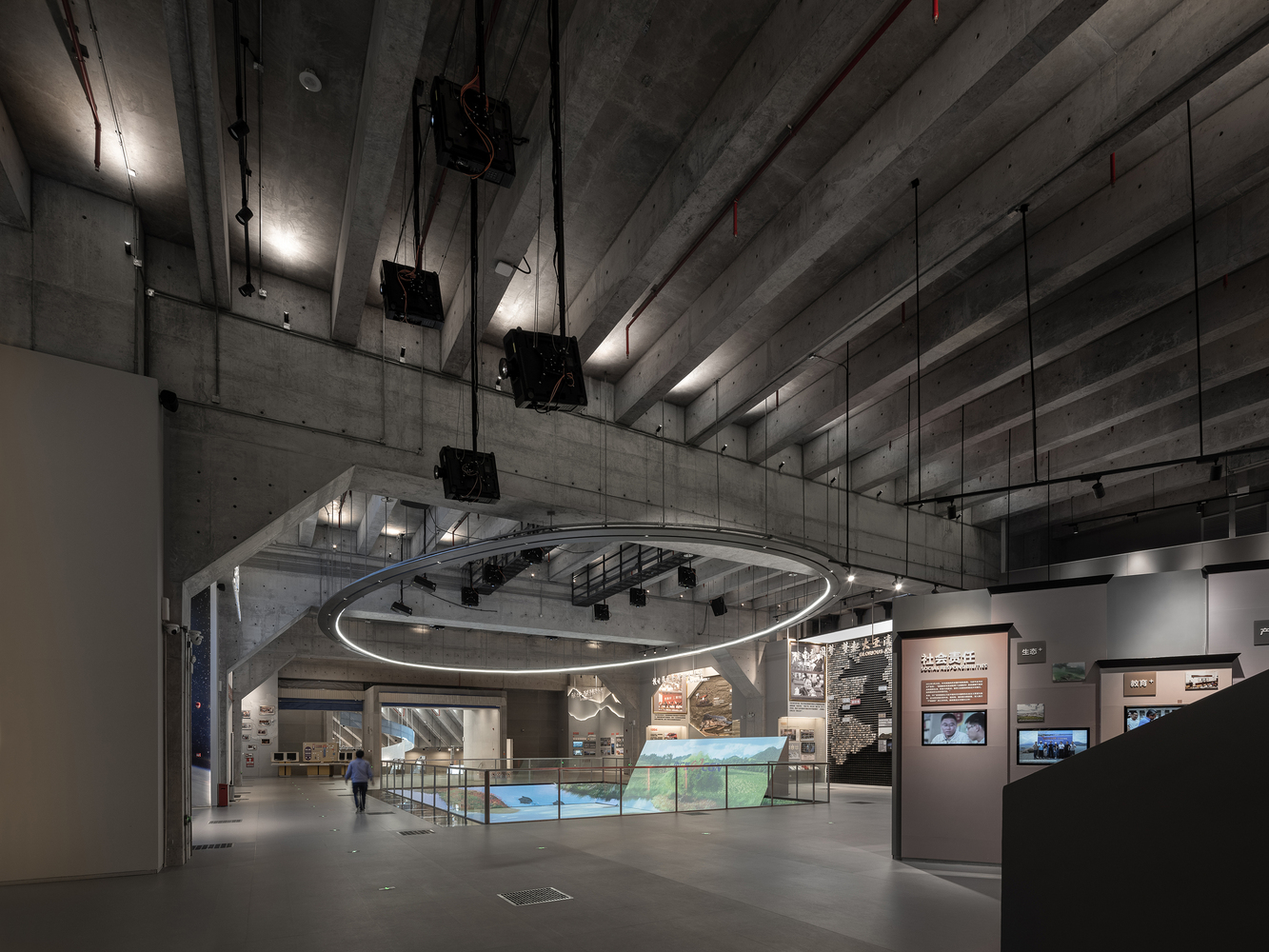
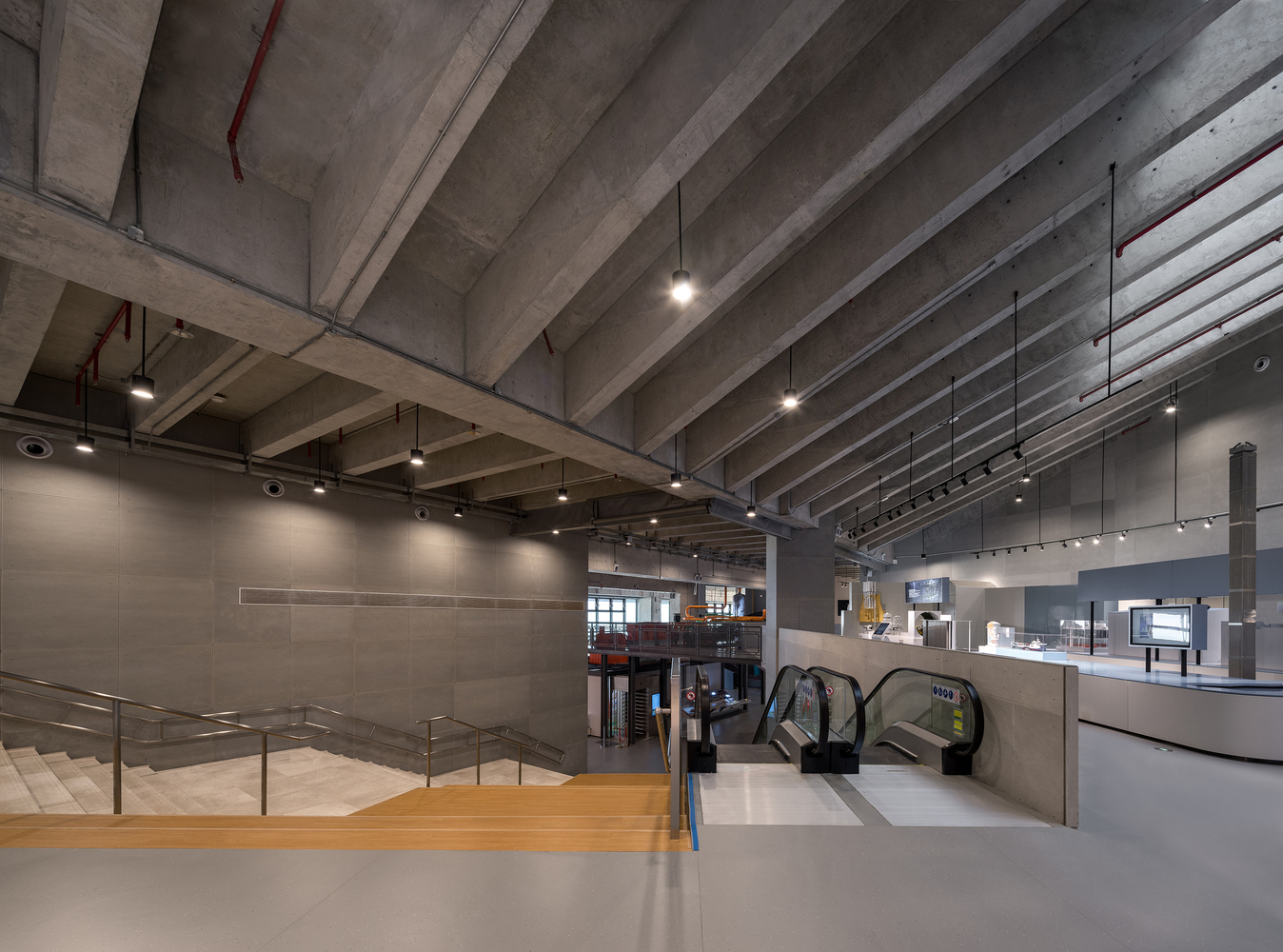
Much of the museum, especially its exhibition spaces, uses the stone structure to exemplify the ideas of industrial might. The ceilings are almost all stone, thickly layered together. The bare bones of the building are built akin to a factory, all strength and shielding incorporated together.
The rest of the museum, which contains two exhibition halls, a sea viewing platform, and the actual turbines used in nuclear energy, mimic the factory-like granite of the buildings itself. At times, going through the building gives you a sense of awe regarding the industrial power present.
Daya Bay Nuclear island. Photos by Chao Zhang, Zhengyong Liu, Fu Li, and Ye Fan.
Turbine model. Photos by Chao Zhang, Zhengyong Liu, Fu Li, and Ye Fan.
Museum interior. Photos by Chao Zhang, Zhengyong Liu, Fu Li, and Ye Fan.
Daya Bay Nuclear museum entrance. Photos by Chao Zhang, Zhengyong Liu, Fu Li, and Ye Fan.
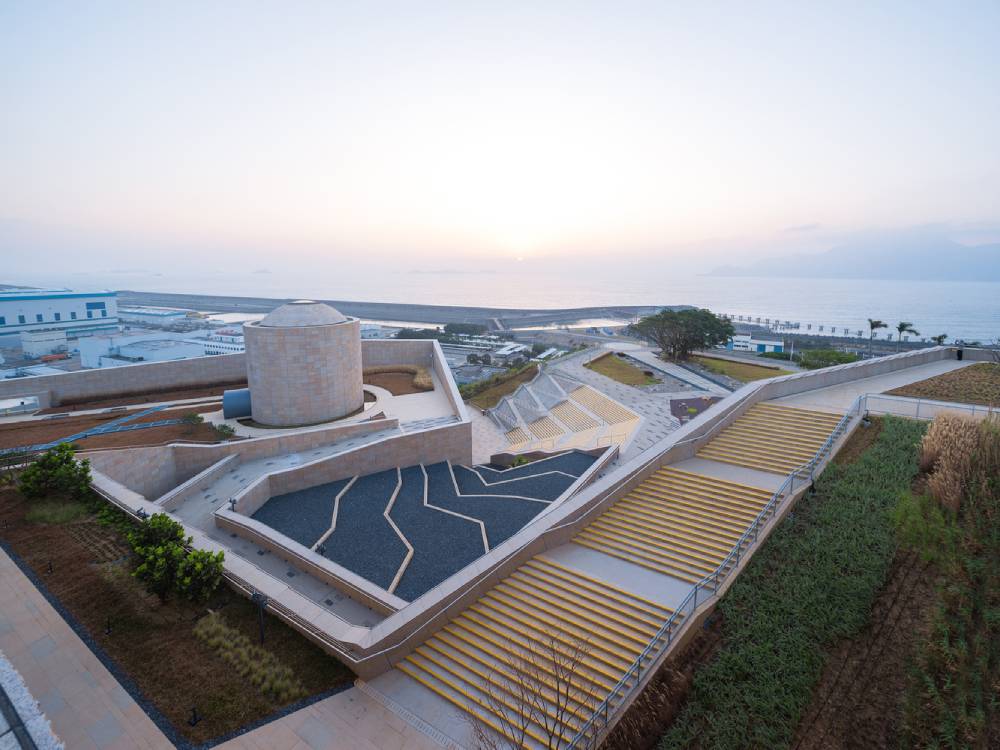
A nuclear island is also prominently displayed in the building. This cylindrical building contains the essential ingredients to create the steam energy for nuclear power. Its presence here showcases its importance to the project as a whole, and how, when it comes to nuclear power, safety is a priority.
Advertisement
Echoing Responsibility in Nuclear Power
The Daya Bay Nuclear Museum showcases a comprehensive way of nuclear industrialization done right. From its fortress-like architecture to its educational exhibits about nuclear energy, it gives the public an easy, bite-sized understanding of what safe nuclear industrialization can look like.
The building from the top view. Photos by Chao Zhang, Zhengyong Liu, Fu Li, and Ye Fan.
Tree at the museum. Photos by Chao Zhang, Zhengyong Liu, Fu Li, and Ye Fan.
Staircases to the Daya Bay Nuclear museum. Photos by Chao Zhang, Zhengyong Liu, Fu Li, and Ye Fan.
Staircases to the Daya Bay Nuclear museum. Photos by Chao Zhang, Zhengyong Liu, Fu Li, and Ye Fan.
Especially as the world continues to question what a post-oil world would look like, the Daya Bay Nuclear Museum gives us a potential roadway to safely creating energy in the future.
Contemporary design refers to the constantly evolving design trends of today. With the power to design our built environments, architects have been experimenting with various architectural approaches. Whether that is through unconventional forms or the integration of smart technologies, BluPrint lists down Filipino architects who are defining contemporary architecture. Deo Alam Architect Deo Alrashid Alam […]
In the Philippines, adaptive reuse gained traction during the 1970s with the rise of conservation and environmental preservation movements. It offered an architectural solution that reuses existing spaces to fit modern needs. Across the country, several projects demonstrate how this approach is being applied—transforming heritage structures into active spaces for culture, hospitality, and community life. […]
From residential spaces to civic structures, lighting dictates the mood of a space. It controls the visual dynamics of an interior, serving as a guiding tool that highlights key design elements, including materials and textures. Related Reading: Lampscaping: How to Light up Your Home like a Pro Regulating the Mood: Natural and Artificial Light in […]
More and more Filipinos are flocking to condominium communities. Often tucked within busy city centers, condo living acts as a small respite from urban chaos. Faced with the challenge of transforming a cramped condominium into a warm living space, BluPrint lists condo interior design ideas that can maximize each square foot of small spaces. Purposeful […]
Modern bathrooms are no longer purely functional spaces. Increasingly, they are being designed as environments that support cleanliness, ease, and quiet restoration within the home. As daily life becomes more demanding and health awareness continues to rise, homeowners are beginning to expect more from the spaces where daily rituals begin and end. For architects and […]
From the moment a diner steps through the door, each detail shapes how a meal is experienced. Restaurant design has evolved, with architects and culinary professionals collaborating to create built spaces that are as intentional as the menu itself. The spatial atmosphere acts as an additional ingredient that can define the culinary experience. Taupe and […]