Creative Placemaking: Designing Public Spaces that Reflect Shared Memory
September 19, 2025
|
By
Carla Mae Leonor
In this day and age when cities are rapidly modernizing, public spaces rooted in history risk becoming mere backdrops to development—visited but not lived in, preserved but not felt, slowly becoming static reminders of a once vibrant place that’s suspended in time. Creative placemaking offers an alternative: a way to animate historical sites with contemporary meaning, where design is used to invite participation, and create emotionally resonant, community-shaped experiences.
This approach is an integrative practice of interlacing arts, culture, and creativity into community development to drive transformation—socially, economically, and culturally. Going beyond aesthetics, it involves a collaborative exchange between artists, designers, planners, residents, and local leaders to identify ways to reshape public spaces that reflect shared identity and belonging.
In a city like Manila—layered with colonial remnants, post-war reconstruction, and a burgeoning hyperurban sprawl—public spaces like museums and parks carry deep historical weight. Yet, for many locals, these sites feel alien or detached, lacking everyday relevance. The challenge lies not in beautifying or preserving them as relics, but in transforming them into places that blend seamlessly into routines, spark memory, invite agency, and eventually build collective identity — its genius loci, if you will –, the spirit of the place itself.
But what do these look like? It becomes more evident in spaces that were designed with the current user in mind, while still anchored on the intent to protect and preserve our history. What creative placemaking does is breathe new life into these institutional and heritage sites by turning them into “story containers”—flexible, people-centered spaces that reflect shared memory, evolving identities, and everyday civic rituals. Inter-generational in nature, these spaces invite interaction but accommodate autonomy, having a strong presence without being imposing. That’s the beauty of co-designed spaces.
Advertisement
Creative Placemaking in the Philippines
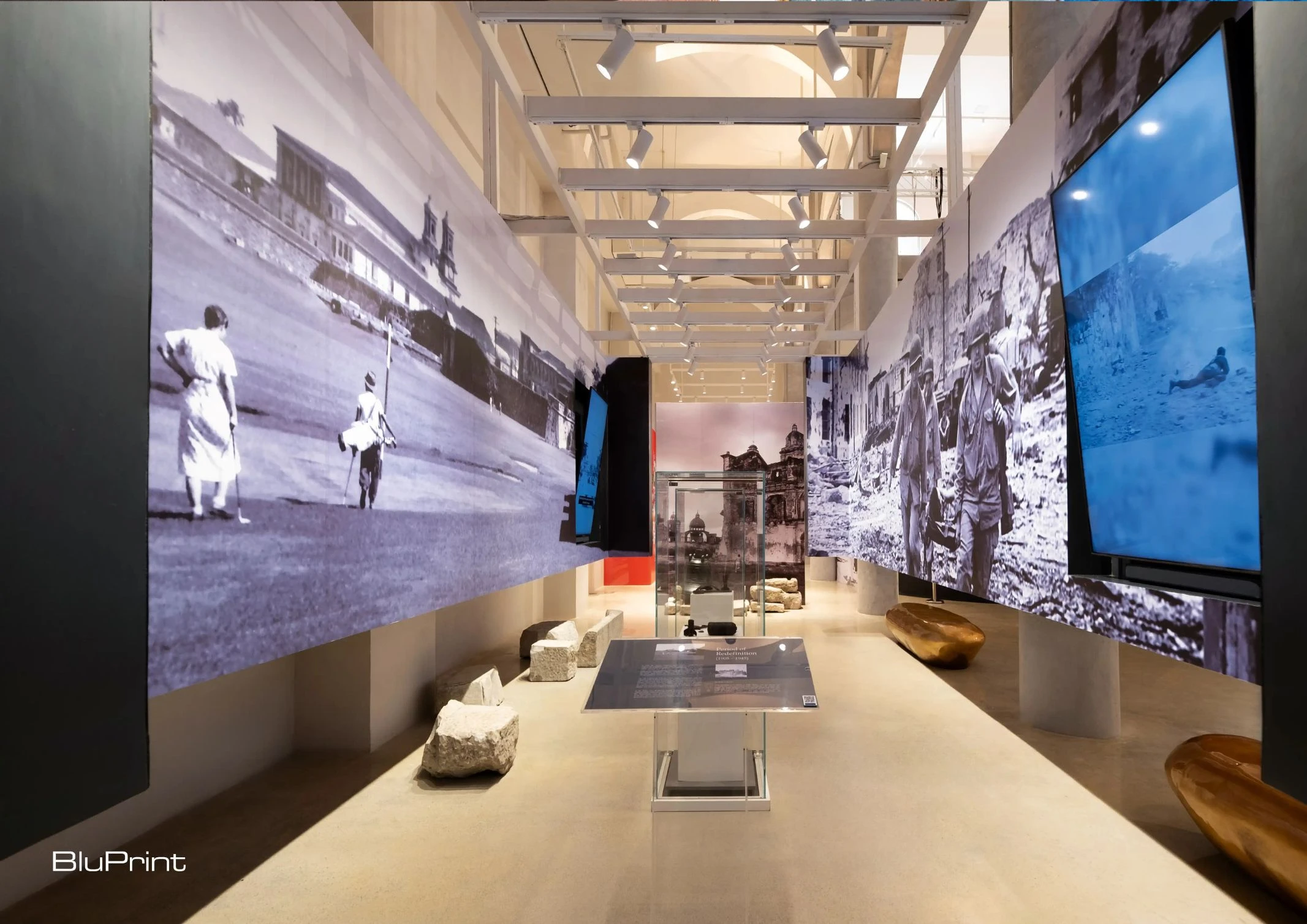
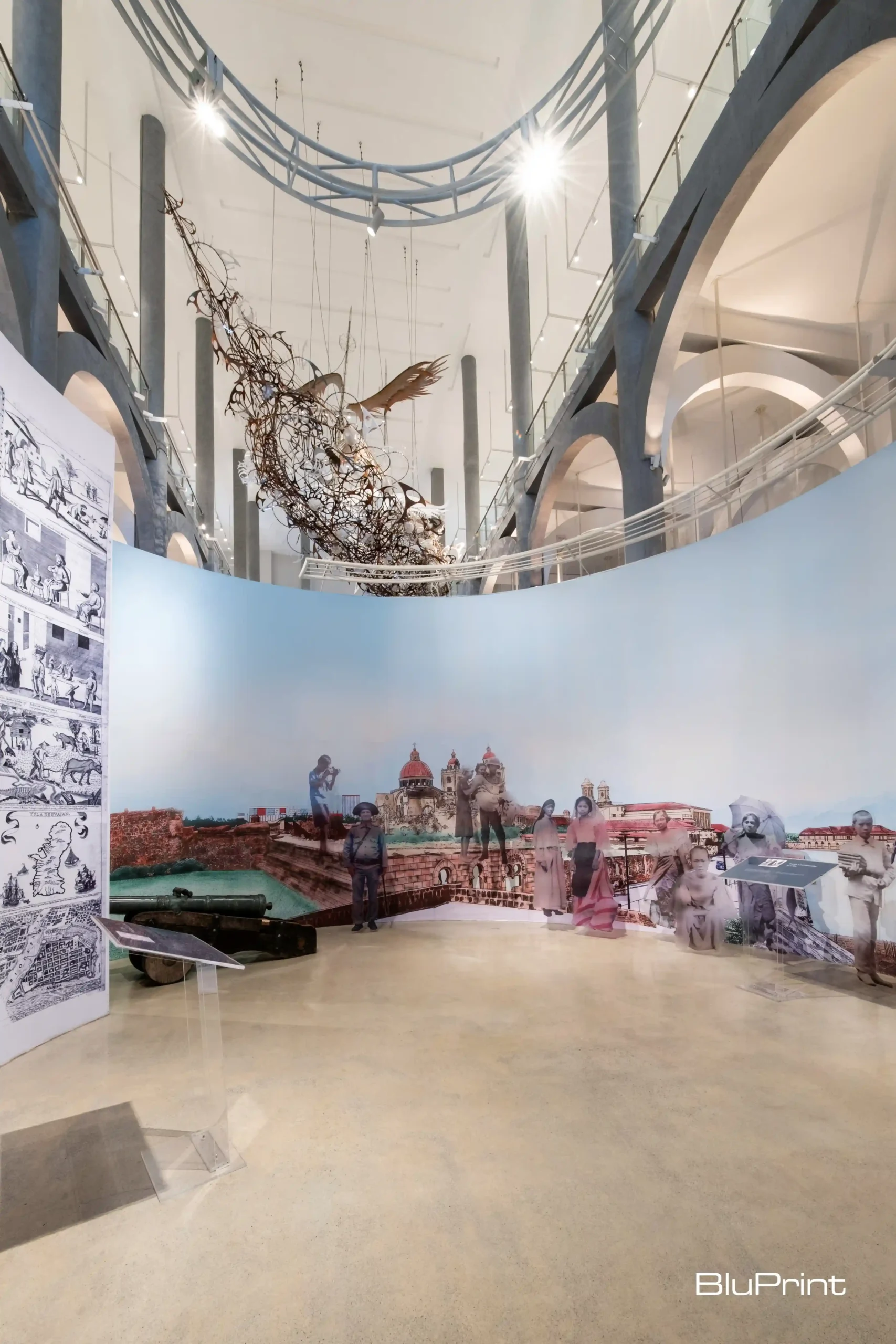
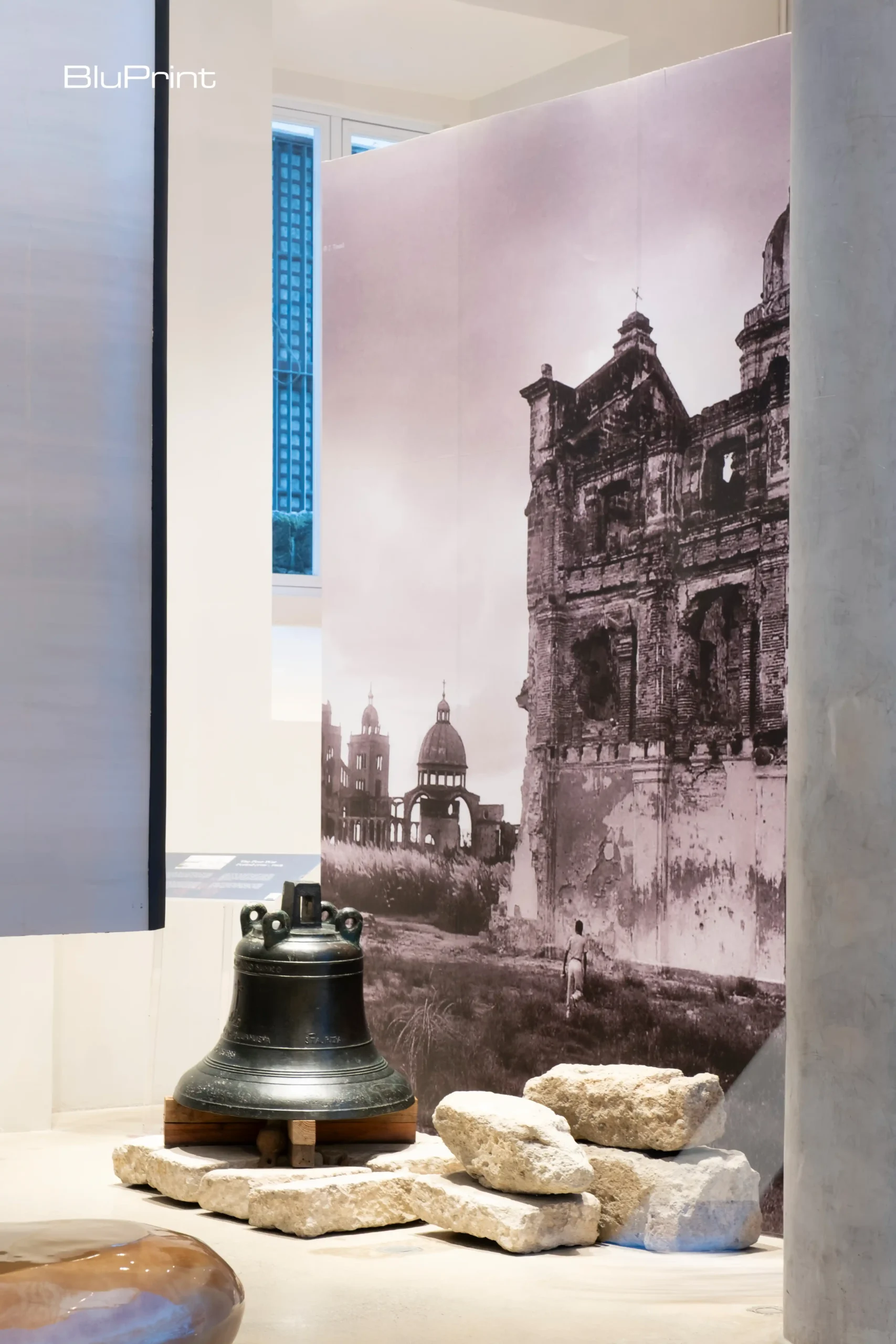
Creative placemaking, when done with integrity and vision, has the ability to do more than beautify—it weaves stories into the very fabric of a place. This is a lesson echoed across the world, from Korea’s Bukchon Hanok Village and London’s Hackney Wick, to Manila’s own revitalized landmarks in Intramuros.
Now emerging as a grassroots movement to protect and grow the creative community in the face of rapid urban change, there is a call to work with the community in order to ensure that creativity isn’t pushed out but becomes the very reason a place thrives. This philosophy resonates deeply with the transformation of spaces like Centro de Turismo, First United Building, and Maestranza, where heritage is preserved and activated through inclusive, participatory design.
The emergence of such spaces signals a powerful shift: that creative spaces are not limited to gallery districts or private venues, but can emerge from the ruins, open to all. These position creative placemaking as design that transcends aesthetic intervention—but utilized for strategic urban activation. It also highlights design’s ability to transform a colonial vestige into a site of renewed purpose, where the public, the creative, and the historical converge. In doing so, these spaces offer more than revitalization; but models a future where Filipino design and cultural identity thrive not in isolation, but in connection—to place, to people, and to possibility.
Advertisement
In the Philippines particularly, our approach to creative placemaking is more than aesthetic—it is a strategic urban activation that turns our colonial vestiges into living, inclusive, creative and cultural engines.
Dive into the captivating world of architecture, interiors, and arts & culture by getting exclusive digital access to BluPrint’s past and upcoming issues. Click here to find out more.
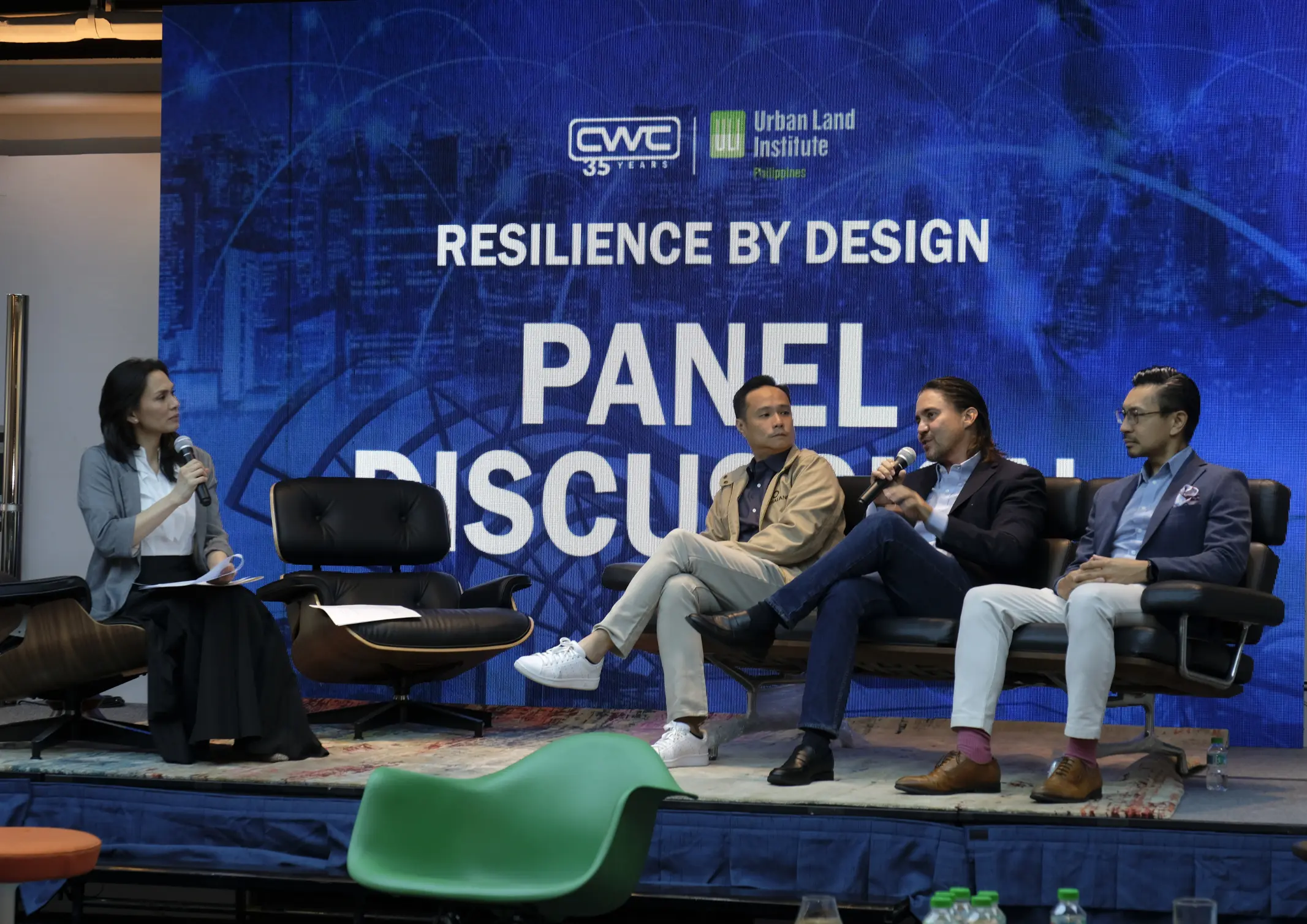
The CWC Design Center (CDC), along with the Urban Land Institute (ULI) Philippines, hosted its Resilience by Design: Strengthening Cities, Buildings, & Communities event. The event invited Architect Eric Manuel of ARCH Capital, Architect Gelo Mañosa of Mañosa & Co., and Oliver Chan of Arthland as panelists. Aptly named, the event discussed how good design […]
Over the past decades, adaptive reuse has been utilized as a sustainable alternative for the built environment. It involves repurposing existing buildings for a new use, allowing the past to remain while serving a modern purpose. Here, structures facing potential demolition or no longer serviceable are seen as sources of raw materials for new projects. […]
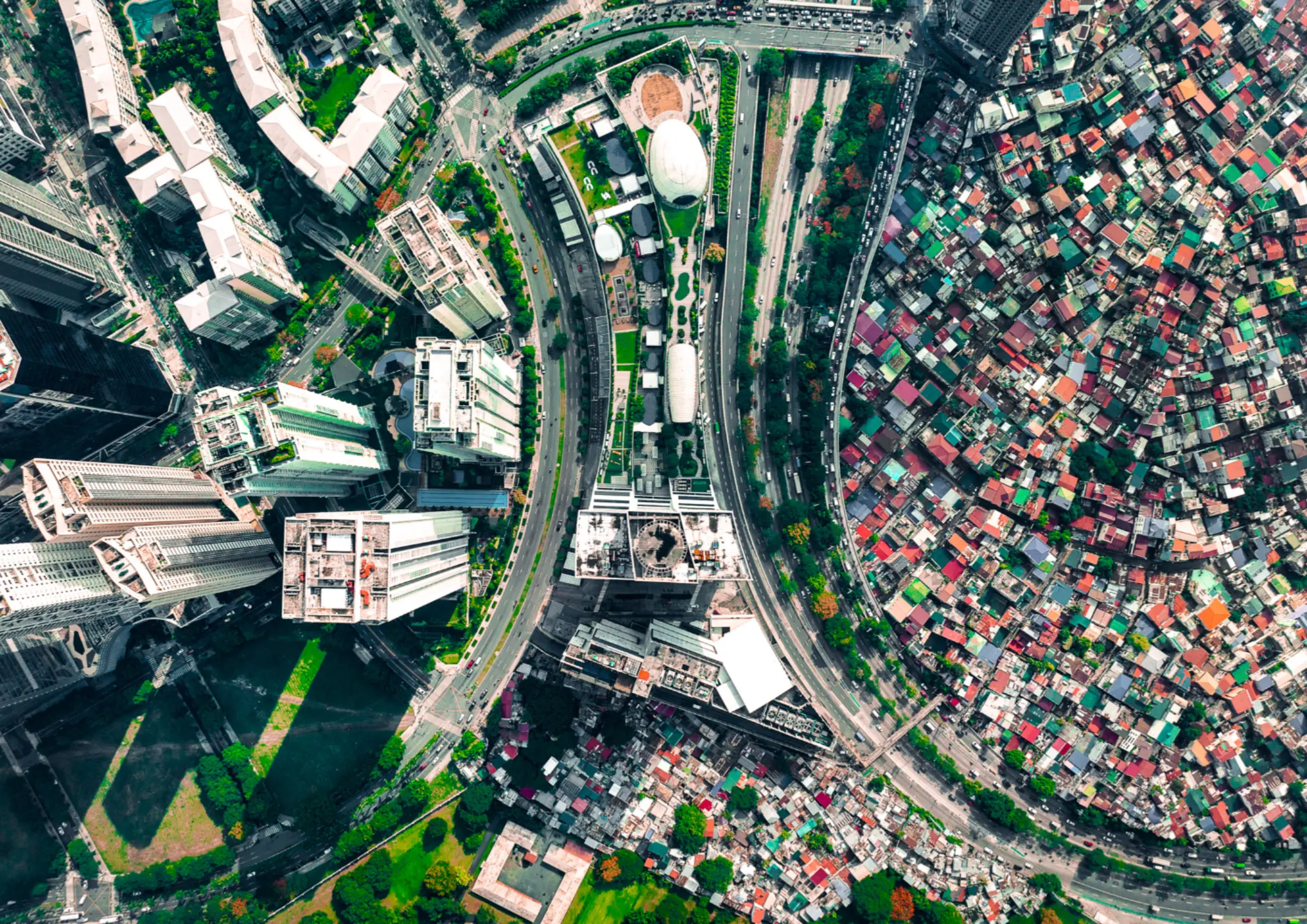
Metro Manila has faced rapid urbanization over the past decades, establishing itself as one of the fastest-growing megacities. The region comprises 16 cities and 1 municipality, totaling 17 local government units. With over 13 million people currently living in the area, its population density is approximately sixty times higher than the entire country. In 2016, […]
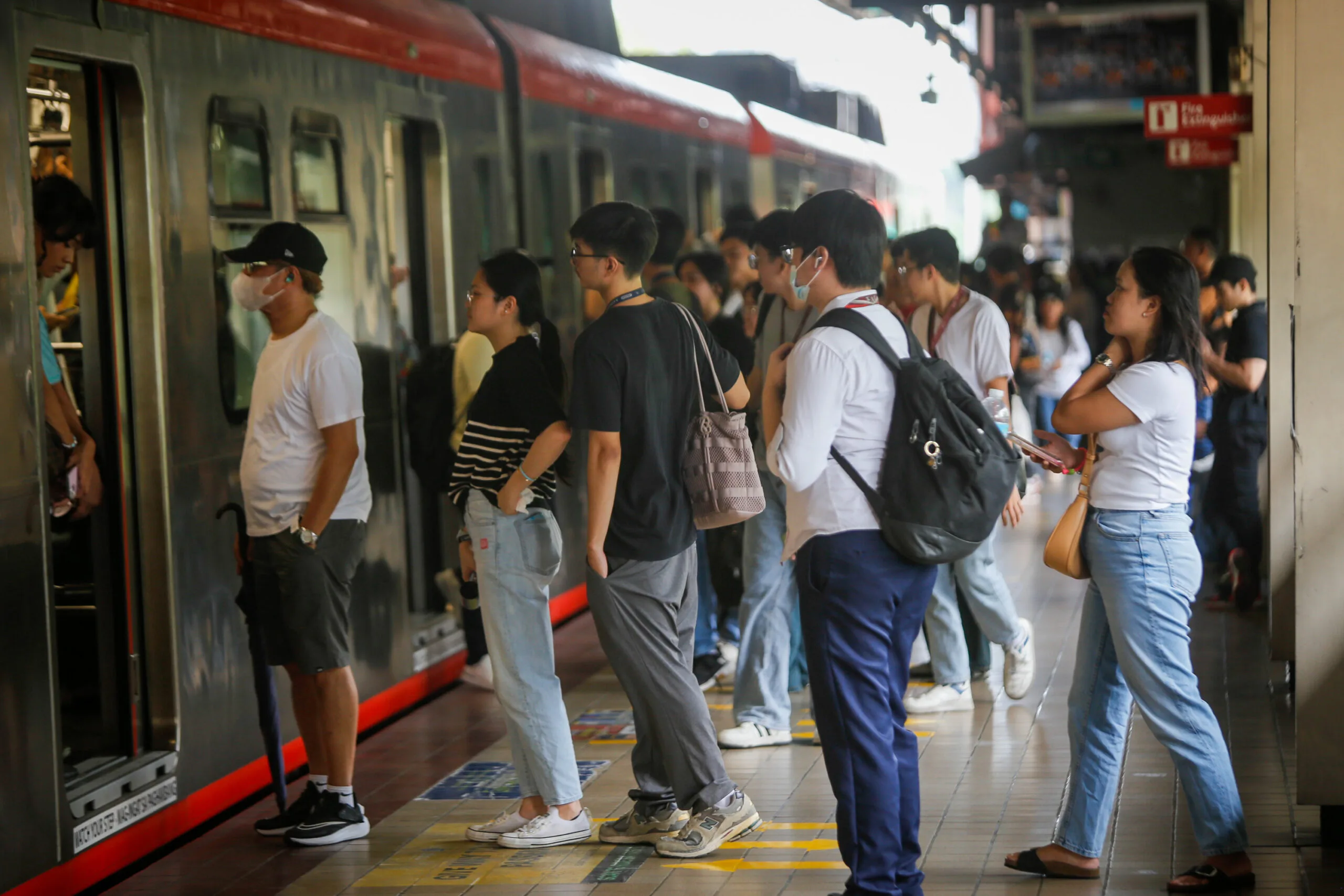
Filipinos spend a significant amount of their time waiting. In 2023, the average Filipino lost nearly five full days—a total of 117 hours—to Manila traffic, according to a report by the Philippine Daily Inquirer. For sociologist Barry Schwartz, he believes that delay and congestion are relevant to the analysis of social systems. The duration in […]
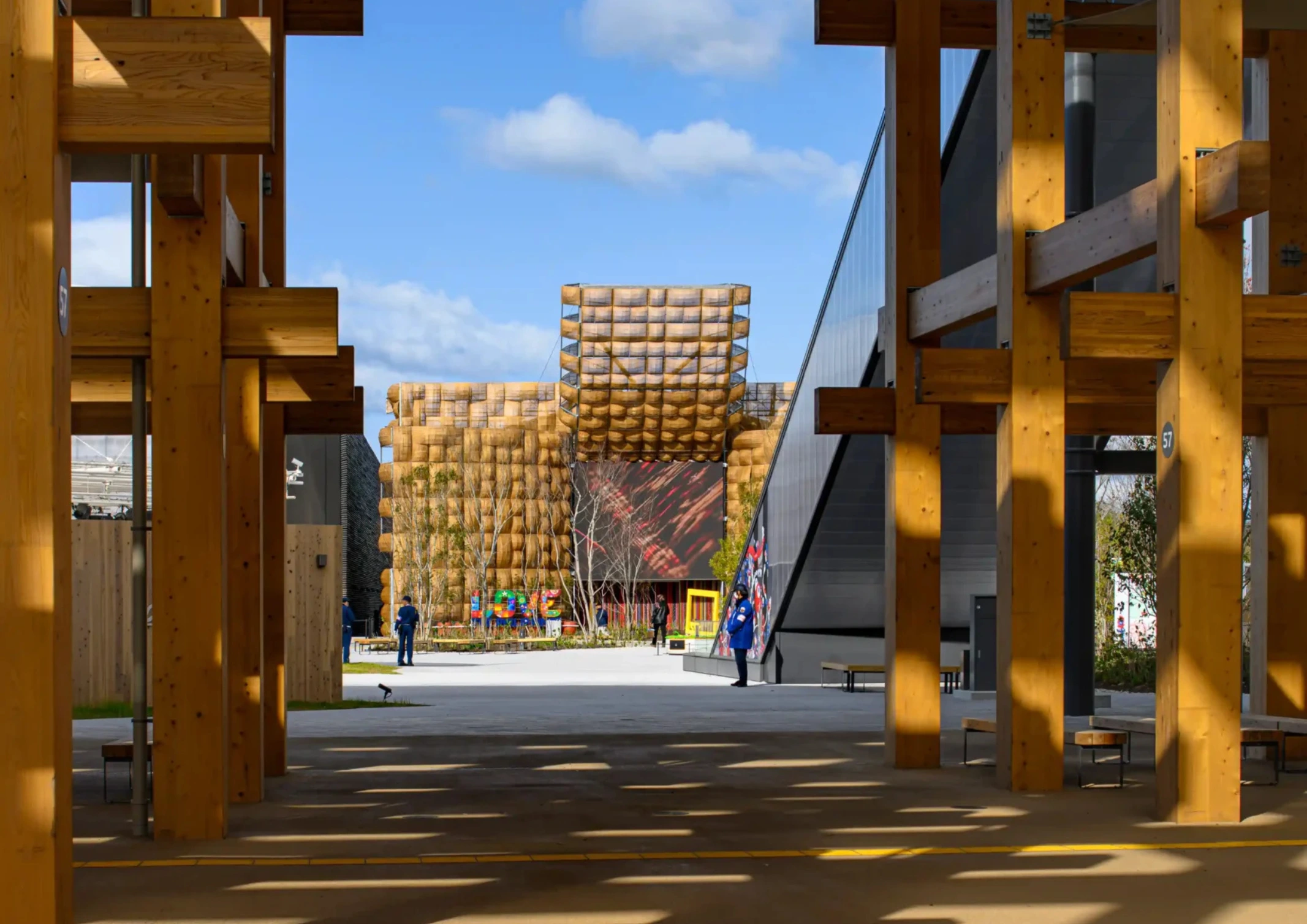
In a landmark achievement for Filipino design on the world stage, the Philippine Pavilion at Expo 2025 Osaka has secured the Silver Award for Exhibition Design from the Bureau International des Expositions. The victory is more than a mere accolade; it is a powerful validation of a bold design approach: the seamless integration of heritage […]
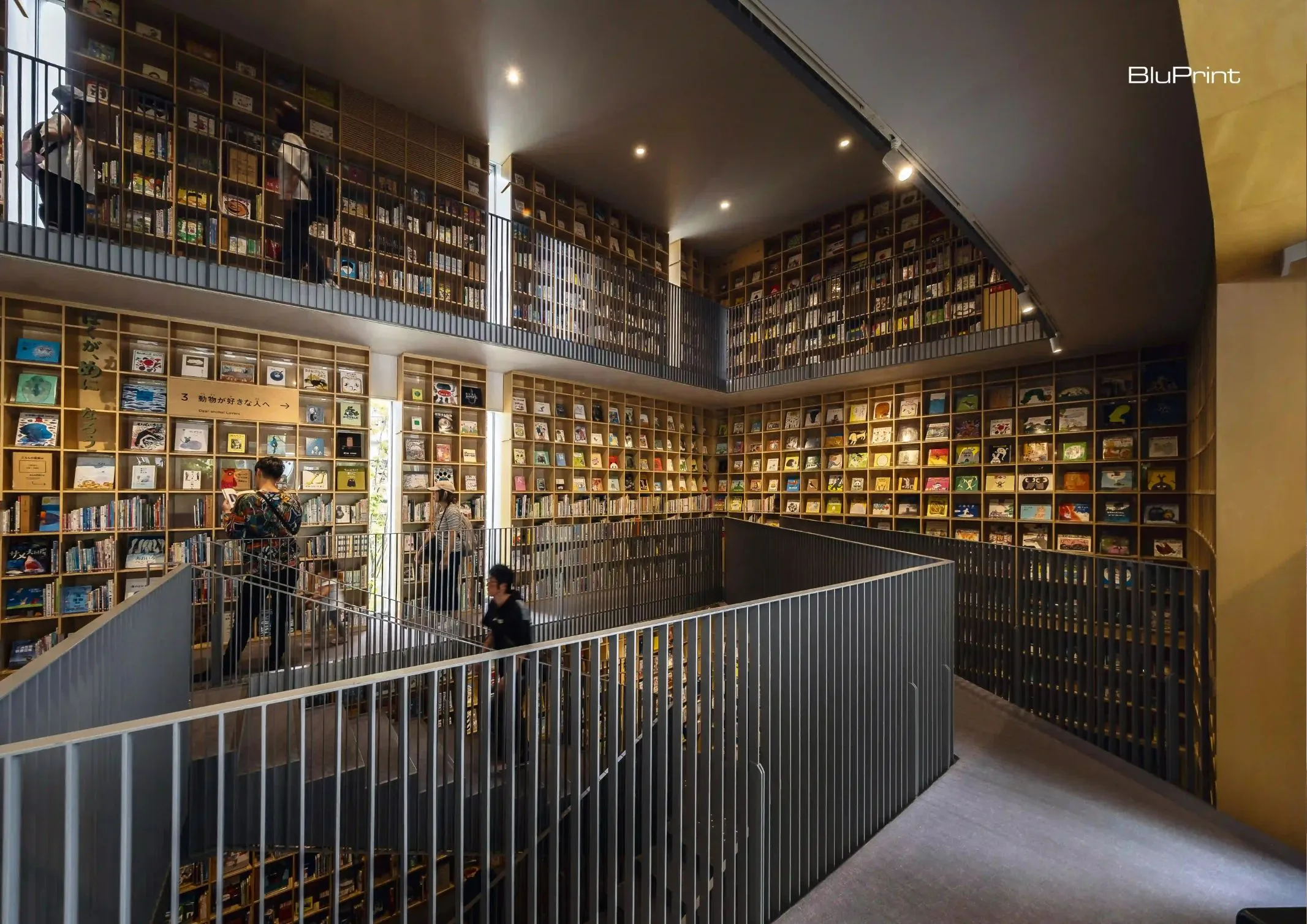
The Nakanoshima Children’s Book Forest represents a significant and innovative turn in Tadao Ando’s architectural language. Here, the Pritzker Prize-winning architect transforms his signature exposed concrete from a material of monumental austerity into the foundation for a warm, organic, and living ‘forest’. He designed this unique space to physically and intellectually nurture Japan’s next generation, […]