Inherited a vintage dresser, fallen in love with a modern dining table, or simply drawn to a variety of wooden accents? It’s easy to accumulate pieces with different wood finishes. Besides, adding wood furnishings with a little variety is a fantastic way to infuse warmth and character into your home. However, the risk of clashing designs and a visually discordant space is a common concern. But you can turn this potential pitfall into a design triumph with the right knowledge and approach. Here’s how to mix different wood finishes while maintaining a cohesive and stylish interior.
Understand Wood Tones and Undertones
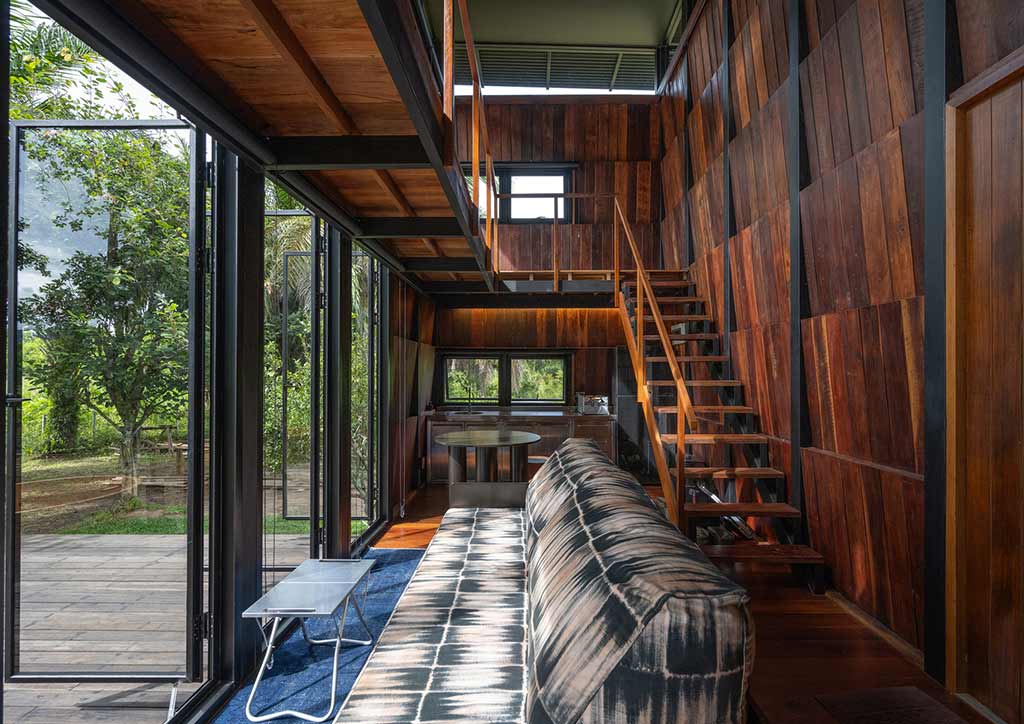
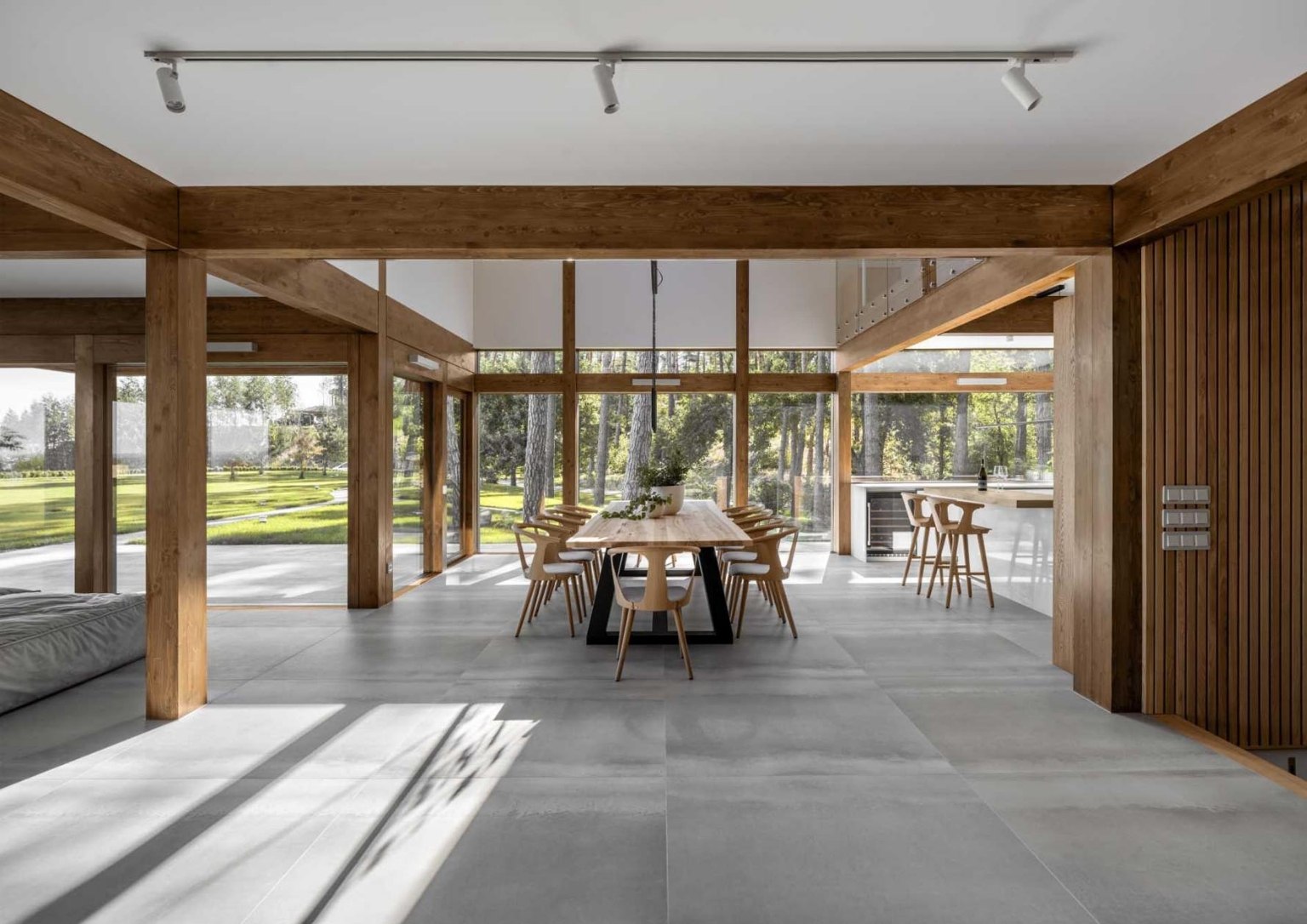
Photo from Rungkit Charoenwat
It’s essential to understand the characteristics of the wood you’re working with to form your base for mixing other finishes.
First, determine the primary wood tone in your space, which is categorized into three—light, medium, and dark tones. This could be the color of your floor, an anchor piece, or your cabinetry. Basically, it’s the general impression you get when looking at the wood. But you shouldn’t merely settle on this information as this barely reveals the material’s true character.
Advertisement
Pay attention to the wood’s undertones. These are the underlying colors that influence its overall appearance. This also has three categories—warm, cool, and neutral. Warm undertones, like yellow, orange, and red, evoke a cozy and inviting ambiance. Cool undertones, such as gray, blue, and green, create a modern and sophisticated feel. Meanwhile, neutral undertones, which often have beige or brown base, offer versatility and work well with various styles.
Identifying the tone and undertone gives you a better idea on how to mix and match the right wood combinations. It’s the crucial first step you can’t skip to successfully achieve harmonious wood combinations.
Create Harmony with Wood Finishes
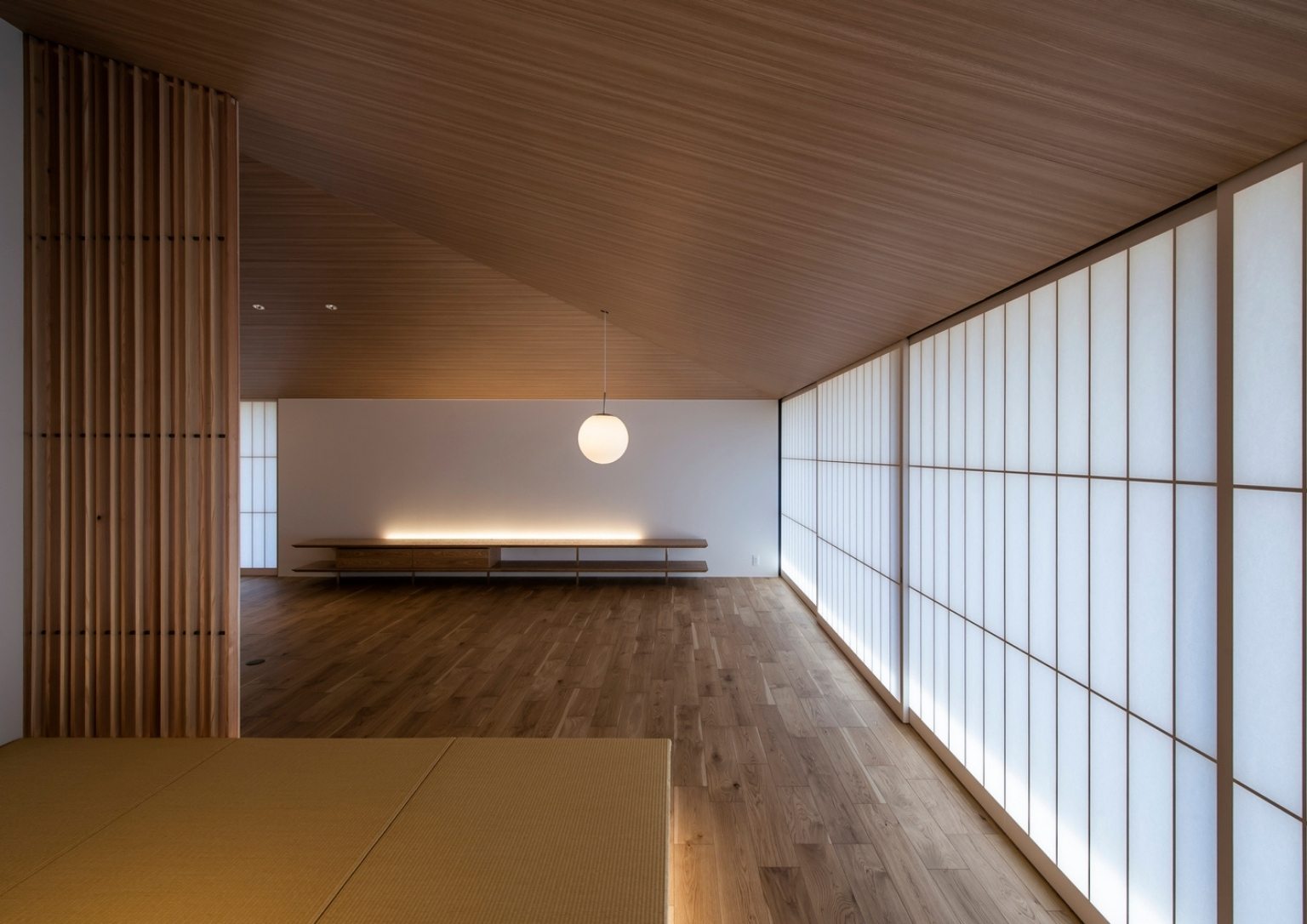
Photo by Jinbo Choi
There are different strategies to mix different wood finishes and make them work together. However, you should only stick to a single technique to avoid chaotic layers.
Advertisement
Match Undertones
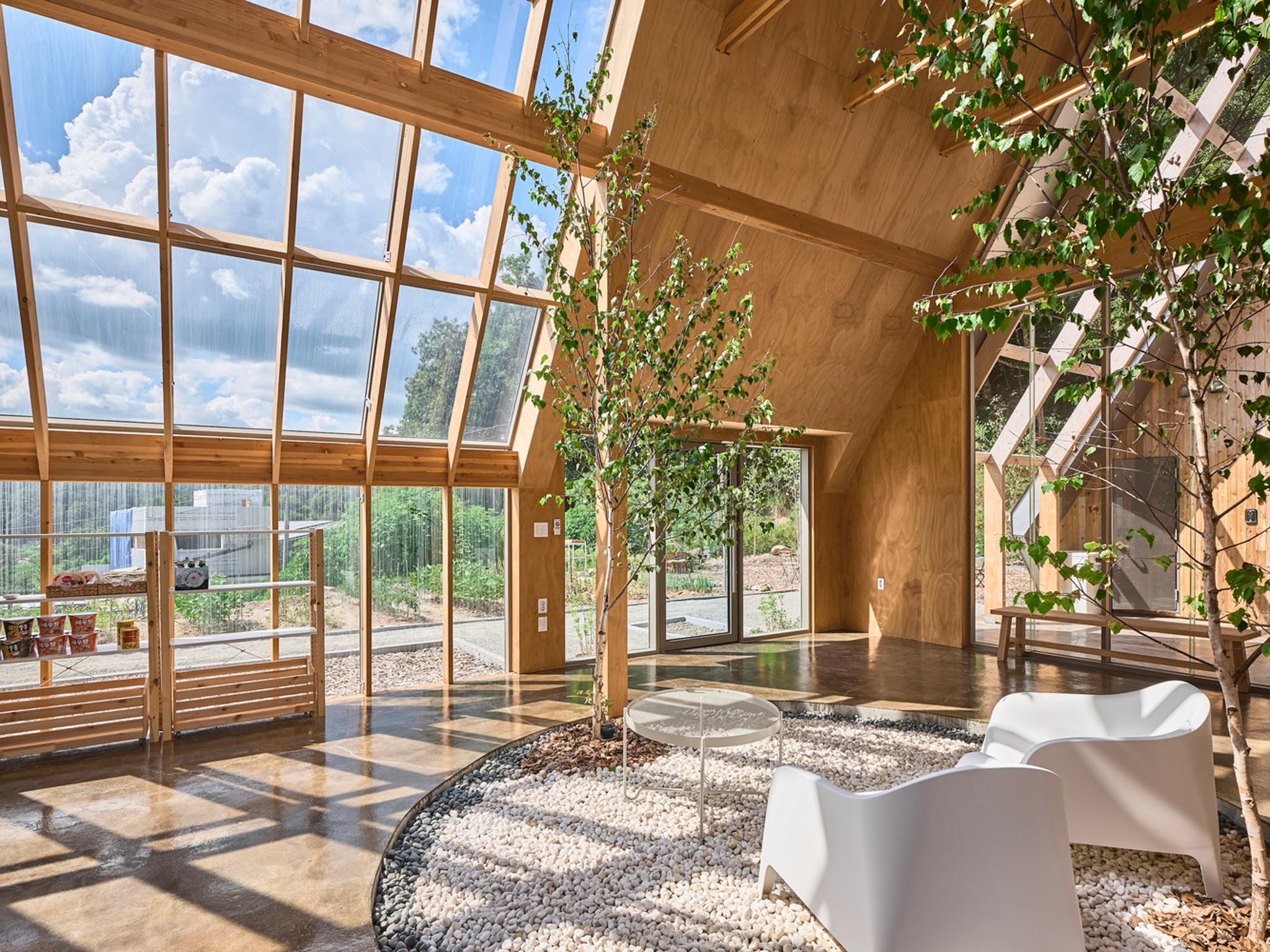
Photo from Nilai Asia
Although knowing the wood tone is equally important, undertones bear more weight when it comes to mixing cohesive wood finishes. Regardless of whether woods have similar or different overall colors, they can appear connected if their underlying tones match.
Light-toned woods like beech and spruce complement each other when their undertones match. Likewise, warm honey oak and darker walnut can work well together with the same undertones.
It all boils down to the underlying hues to build continuity for your wood palette.
Advertisement
Introduce Contrast
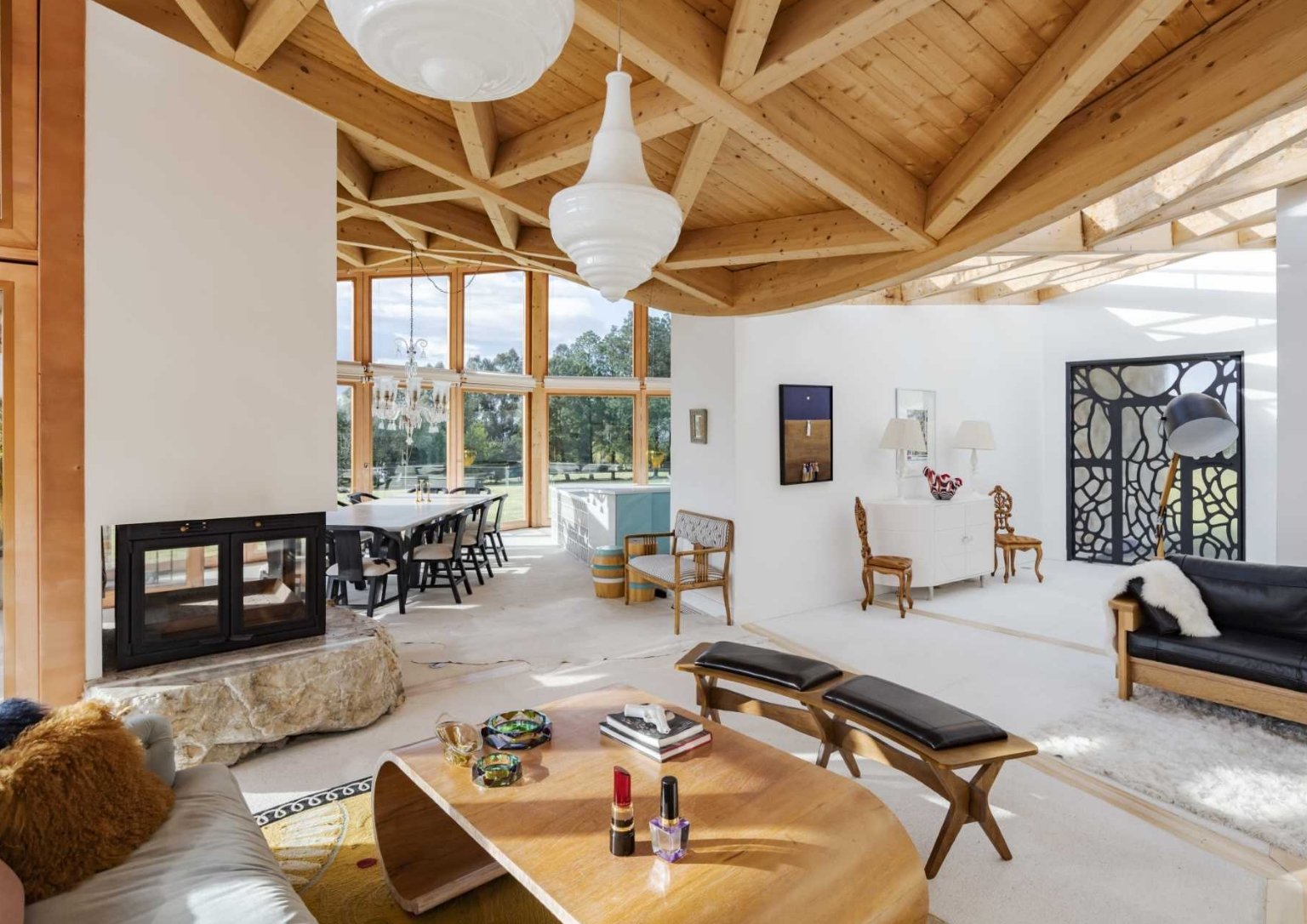
Photo credits to Andrew Bezuglov
Aside from uniformity, contrast is also a powerful tool to add depth and dimension to your space. And mixing light and dark wood finishes is an effective way to achieve this. Here, wood tones clearly define the color difference since they’re easier to detect by the naked eye.
For example, light-toned woods like maple and ash create a sense of airiness and openness, while dark-toned woods like walnut and ebony establish a dramatic interior design.
However, even when combining woods with contrasting tones, the rule of matching undertones still applies to maintain harmony. This means that dark and light woods should have similar undertones to ensure they’re still visually balanced.
Advertisement
Consider Wood Finish and Grain
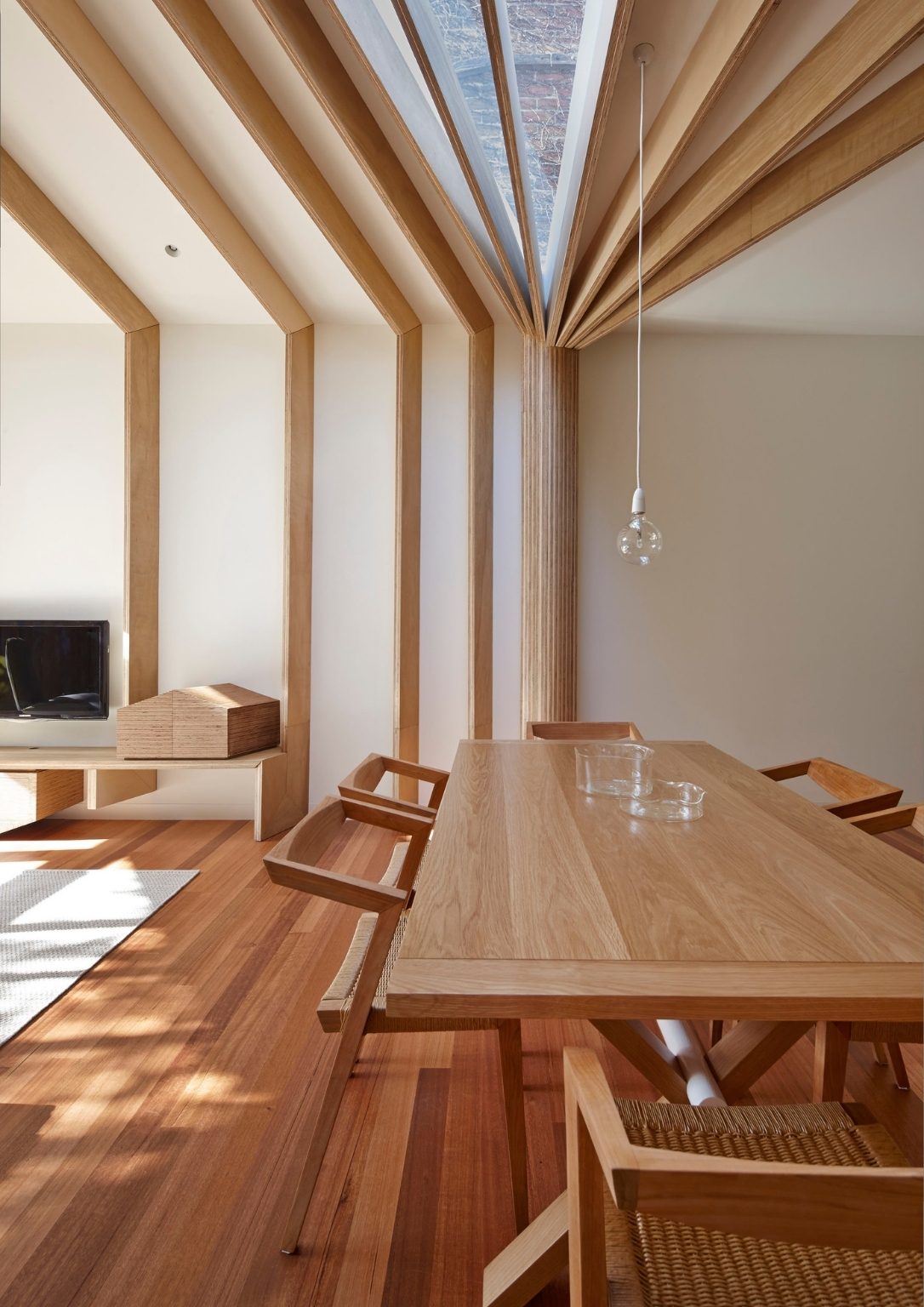
Photo by Peter Bennetts
The wood’s finish and grain significantly impact its look and how it interacts with other wood elements. For starters, finish refers to the coating applied to the wood’s surface to protect and enhance its appearance. Common finishes include matte, glossy, satin, semi-gloss, eggshell, flat, oil wax, polyurethane, and lacquer.
On the other hand, grain is the pattern formed by the wood fibers as the tree grows. It can vary widely from open, closed, straight, flat, to burl grains.
The safest way to create harmony with them is to combine finishes and grain patterns in a consistent way. In doing so, you can achieve a more pulled-together aesthetic without overwhelming the space. You can additionally consider the direction of the grain to affect the perception of the interior’s size. Consistent vertical grains make a room appear taller, while horizontal grains widen the space.
Advertisement
Let Neutrals Mediate
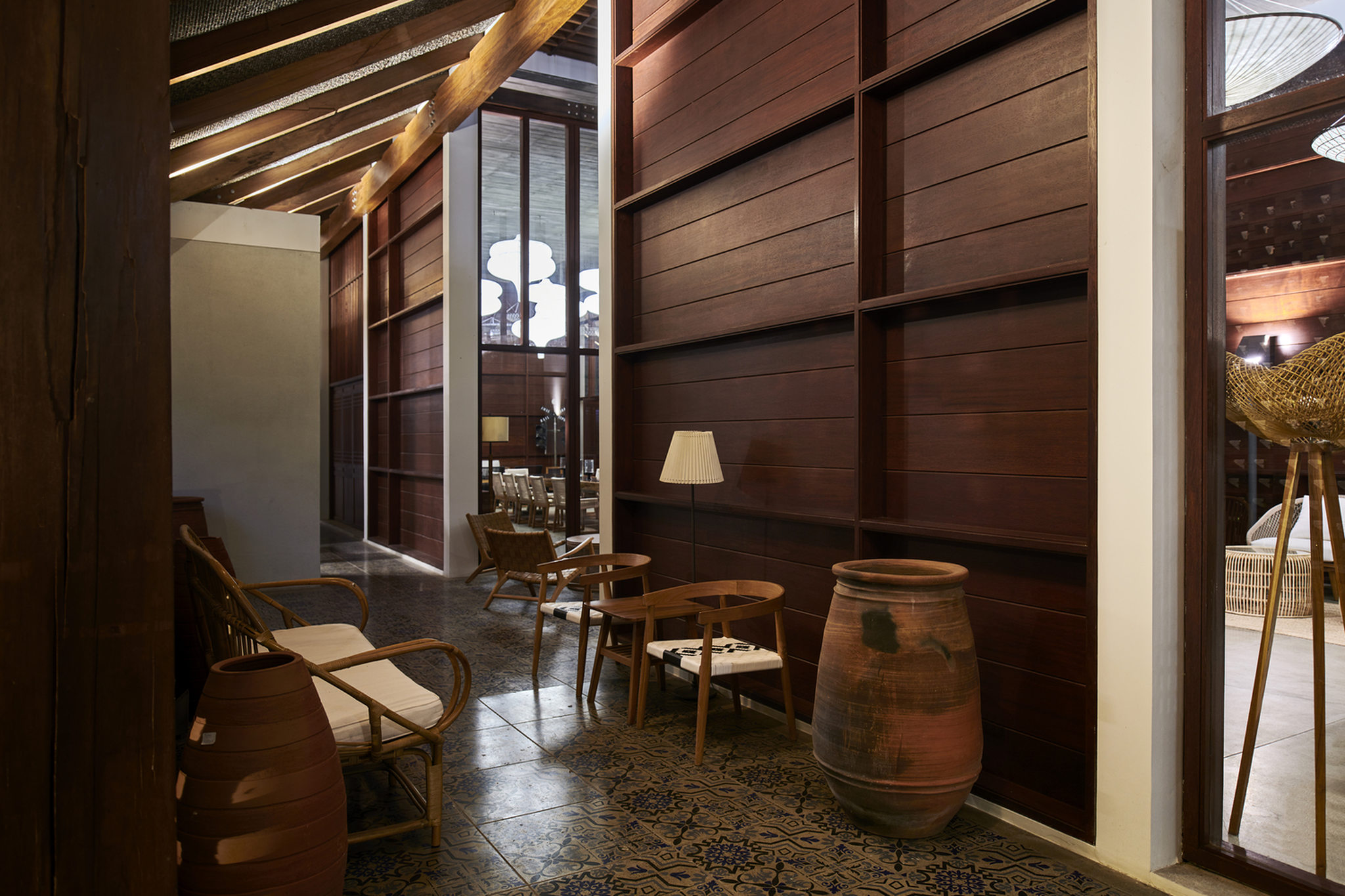
Photo from Bicubik Photography.
Neutral woods bridge light and dark tones, creating a unified look for all wood elements, regardless of their undertones. Use them on statement furniture or negative spaces like wall panels and floors. Neutral woods bridge light and dark tones, creating a unified look for all wood elements, regardless of their undertones. Use them on statement furniture or negative spaces like wall panels and floors.
Neutral woods can also help counter the intensity of dark woods. They introduce a calming influence, creating a visual balance that prevents the richness and drama of dark woods from becoming overpowering in a space.
Moreover, neutral wood finishes let you layer in pops of color with upholstery, artwork, and other decor without competing with the wood tones.
Advertisement
Involve Practical Solutions
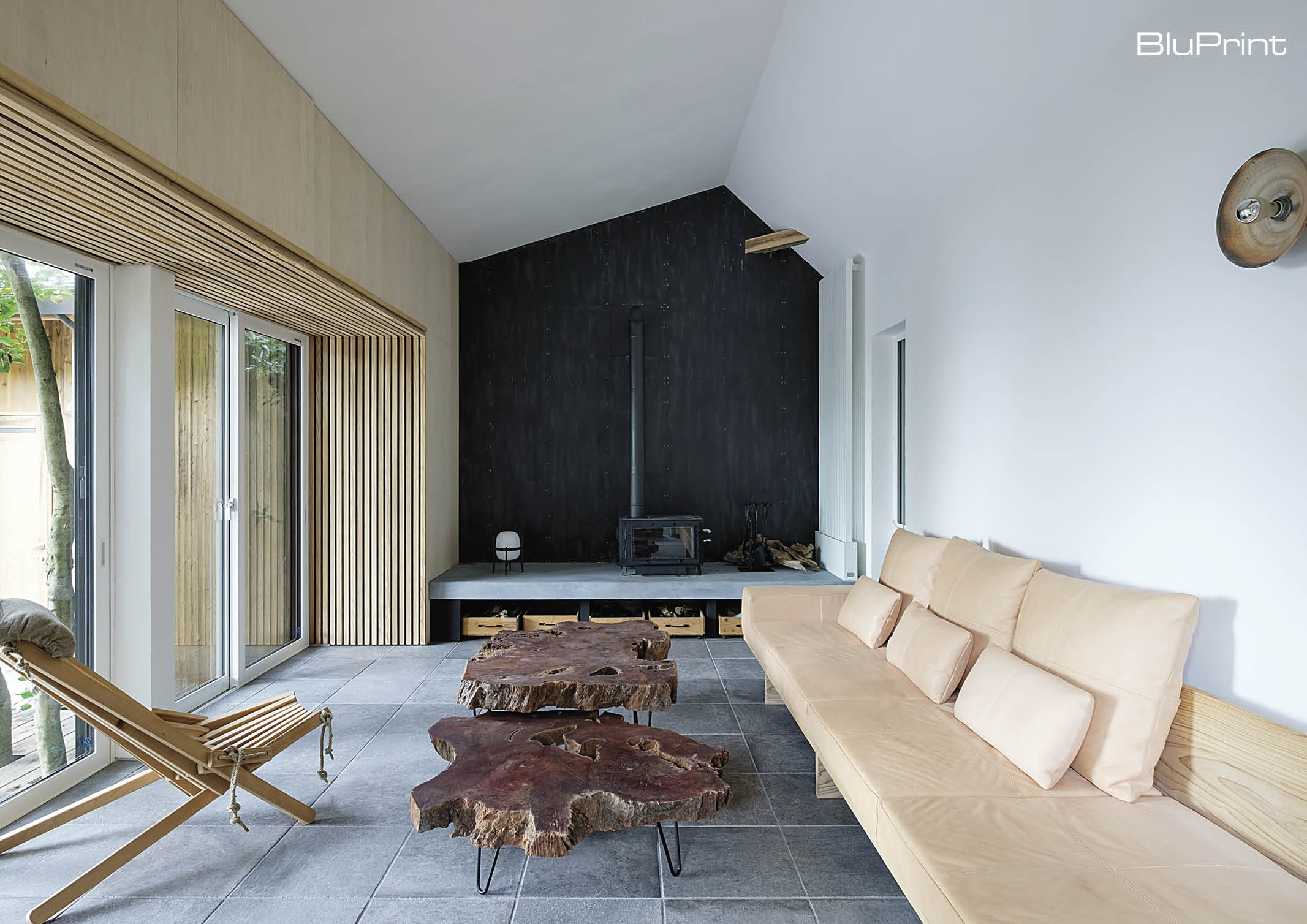
Photo courtesy of Rui Nishi, Hinano Kimoto, and Wataru Aoyama
Along with the fundamental methods, you can also consider using practical solutions to mix different wood finishes.
One way to do this is by highlighting a standout piece and letting other wood pieces complement it. For example, a dark, walnut credenza with a bold grain can be the focal point of a living room, while other pieces like a light oak coffee table and a medium-toned wooden bookshelf can be the complementary pieces. This counterbalance distributes the visual weight of the focal point and prevents the room from feeling too heavy or overwhelming.
Another way to inject practical solutions is by adding other complementary elements using other materials. Metal accents, artwork, textiles, and plants soften the transitions and bridges the gap among different wood finishes. They can additionally draw attention away from any discrepancies in wood finishes. Furthermore, this can also be your way to introduce color, texture, and personality to the space.
Advertisement
While the fear of creating a chaotic space is understandable, careful consideration and planning can help in mixing different wood finishes to create a cozy and harmonious interior. Remember, the key lies in finding the perfect balance between consistency and contrast. With this guide as your starting point, you can confidently experiment and iterate various wood combinations to achieve the desired look and feel for your home.
Modern bathrooms are no longer purely functional spaces. Increasingly, they are being designed as environments that support cleanliness, ease, and quiet restoration within the home. As daily life becomes more demanding and health awareness continues to rise, homeowners are beginning to expect more from the spaces where daily rituals begin and end. For architects and […]
From the moment a diner steps through the door, each detail shapes how a meal is experienced. Restaurant design has evolved, with architects and culinary professionals collaborating to create built spaces that are as intentional as the menu itself. The spatial atmosphere acts as an additional ingredient that can define the culinary experience. Taupe and […]
With climate change and global warming, the Philippine climate is in constant evolution. Consequently, it is important for Filipinos to have living spaces that respond to the local environment. In this article, BluPrint lists down Filipino architects who are reimagining the tropical house, aligning the built and natural environment. BAAD Studio Principal architects Benjee Mendoza […]
Ventilation involves the introduction of outdoor air into a room, providing occupants with their needs. Proper ventilation allows for the moderation of internal temperatures, the creation of better airflow, the dilution of carbon dioxide to acceptable levels, and the removal of contaminants. This addresses health risks associated with indoor air pollution, such as respiratory problems […]
WORLDBEX 2026, running from March 12 to 15, 2026, proves itself as the Philippines’ leading construction and design expo as it wrapped its 29th edition. It drew together 1,000 local and international exhibitors under one theme, “Building Opportunities: Sustaining Lives.” Organized by Worldbex Services International (WSI), in support of the ABS-CBN Foundation Inc., the event […]
Located near the equator, factors such as heat and humidity are the norm in the Philippines. This tropical climate has shaped the development of architecture in the country. As Leandro V. Locsin stated: “The first consideration of the Filipino builder and certainly the most evident in his architecture, which is after all an outgrowth of […]