The seventh edition of the Anthology ASEAN ArchitectureArchitectureThe art and science of designing and constructing buildings, structures, and spaces that are functional, safe, and aesthetically pleasing. It encompasses the planning, design, materials, and techniques used to createGo to Architecture Glossary Festival brought together over 4,000 delegates from across the Philippines and Southeast Asia for three […]
IKEA PS 2026 Collection Looks at the Playful Side of Everyday Design



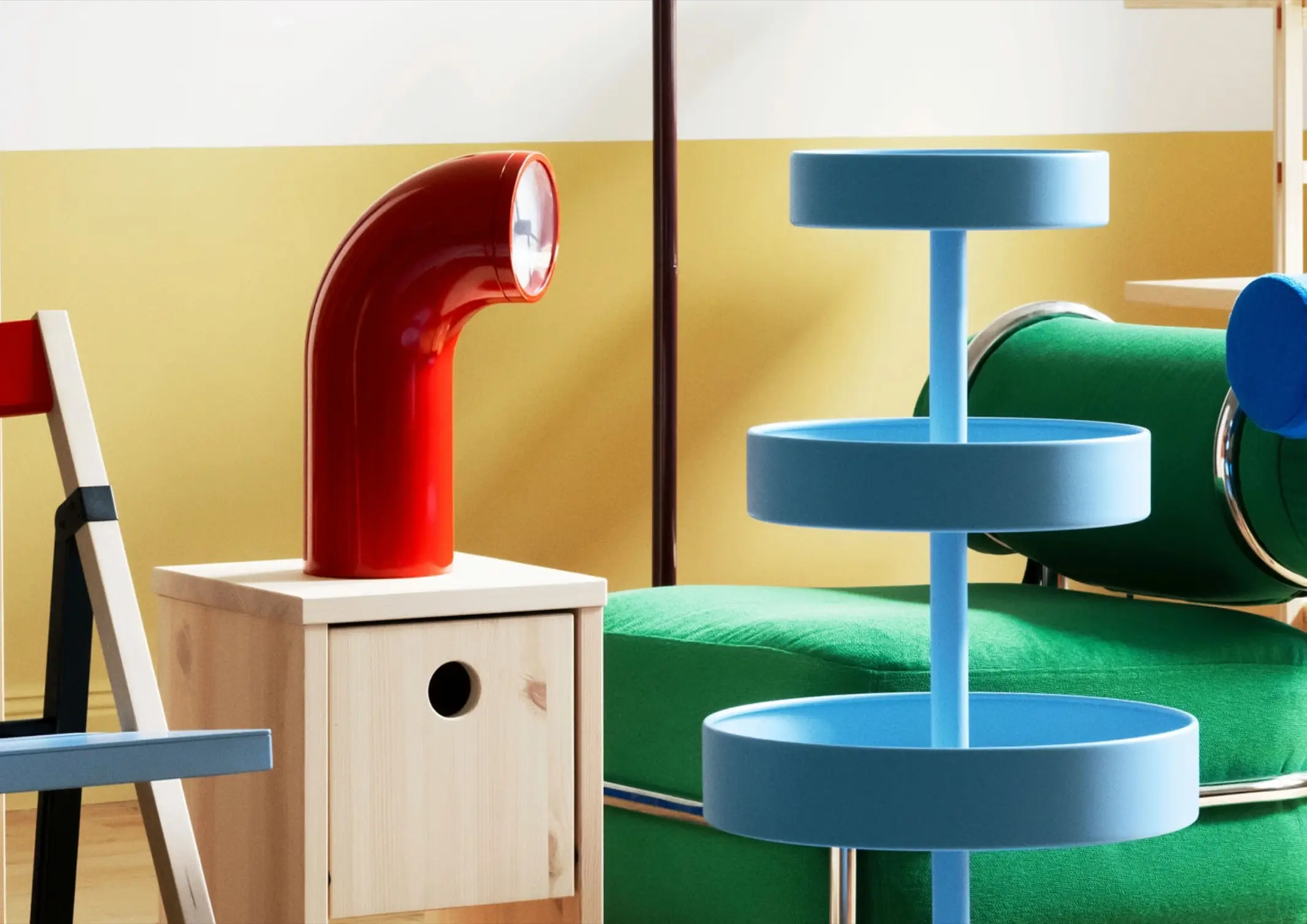
A chair does not always prescribe how to sit in it. A lamp can be more than a source of light. A clock can be more than a way to tell the time.These small departures from convention are at the center of IKEA PS 2026.
The latest iteration of IKEA’s experimental PS series comprises more than 40 pieces that explore movement and interaction. Rather than treating playfulness as an ornamental layer, the collection considers how it can influence the way familiar objects are used and perceived.
First introduced at the Milan Furniture Fair in 1995, IKEA PS has long functioned as a space for the company to experiment beyond its regular catalogue. Its 2026 edition continues that approach, looking at how a little unpredictability can alter the experience of everyday design.
Related Reading: Beyond the Surface: Three Ways Porcelain Can Define Space
When Familiar Objects Break Convention
Rather than introducing entirely unfamiliar objects, the PS 2026 collection plays with things that already have established roles in the home.
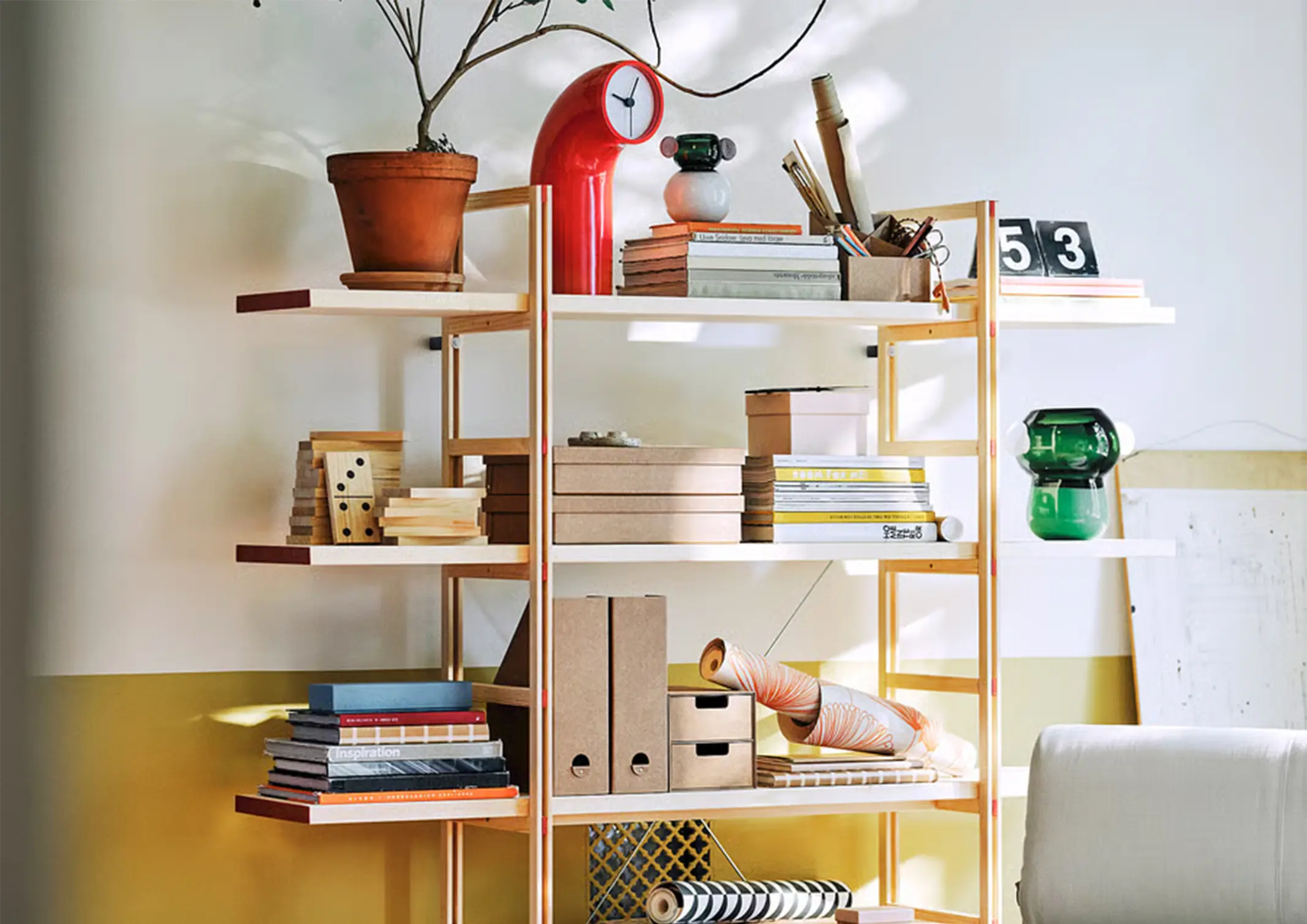
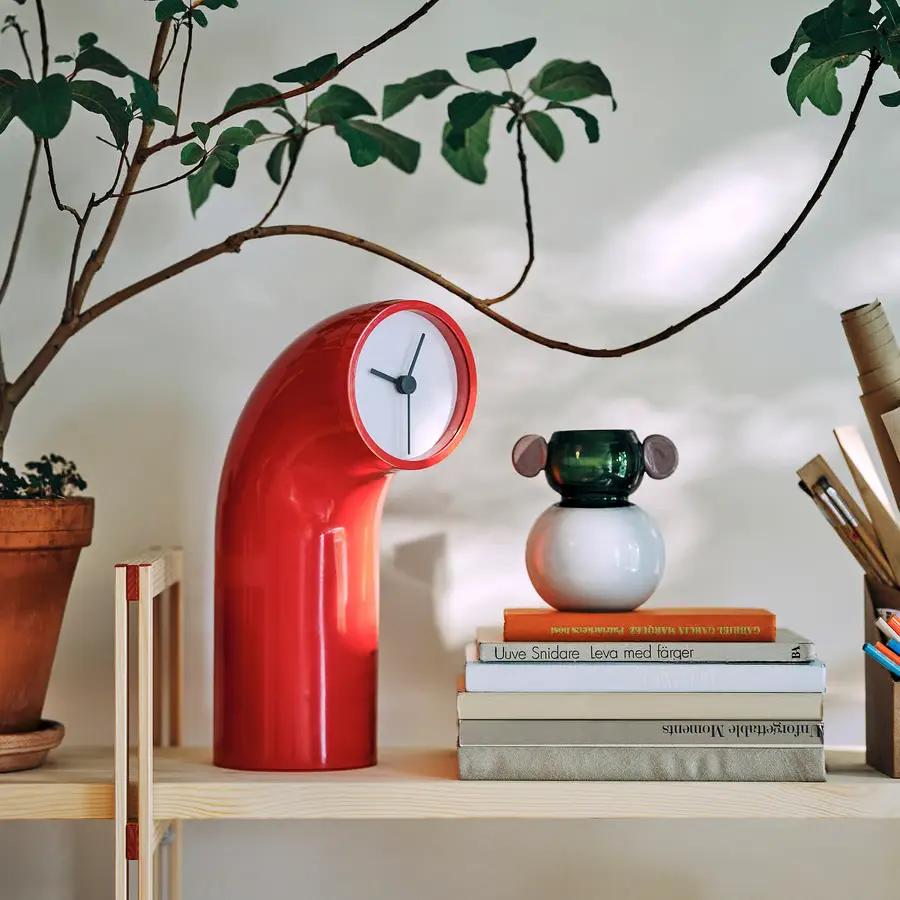
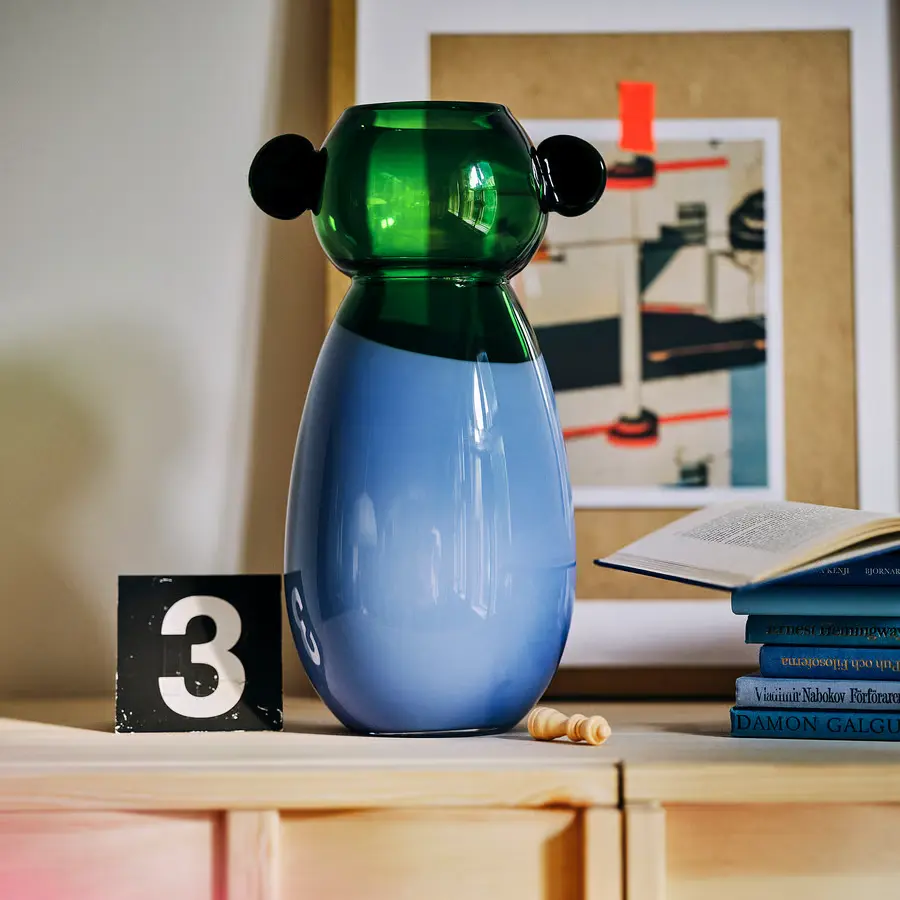
The periscope-inspired table clock, for example, retains the basic function of telling time but takes on a silhouette more reminiscent of industrial or nautical equipment. The blown-glass vases with decorative ears similarly take a conventional decorative object and introduce an almost anthropomorphic quality.
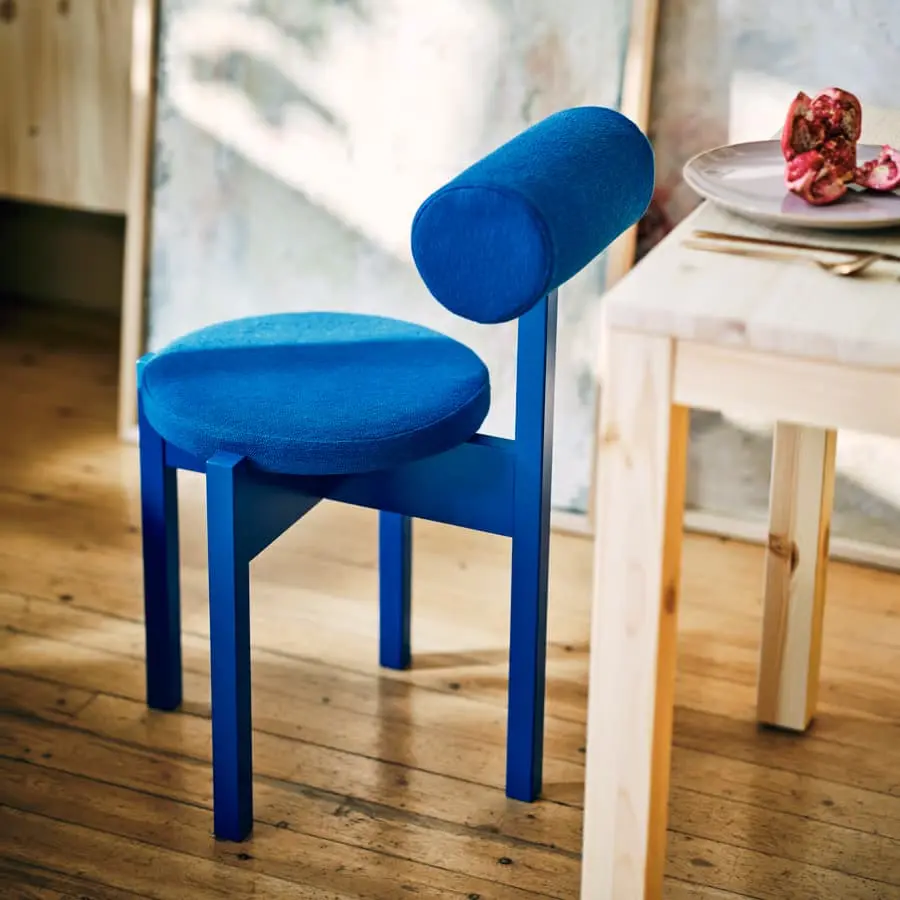
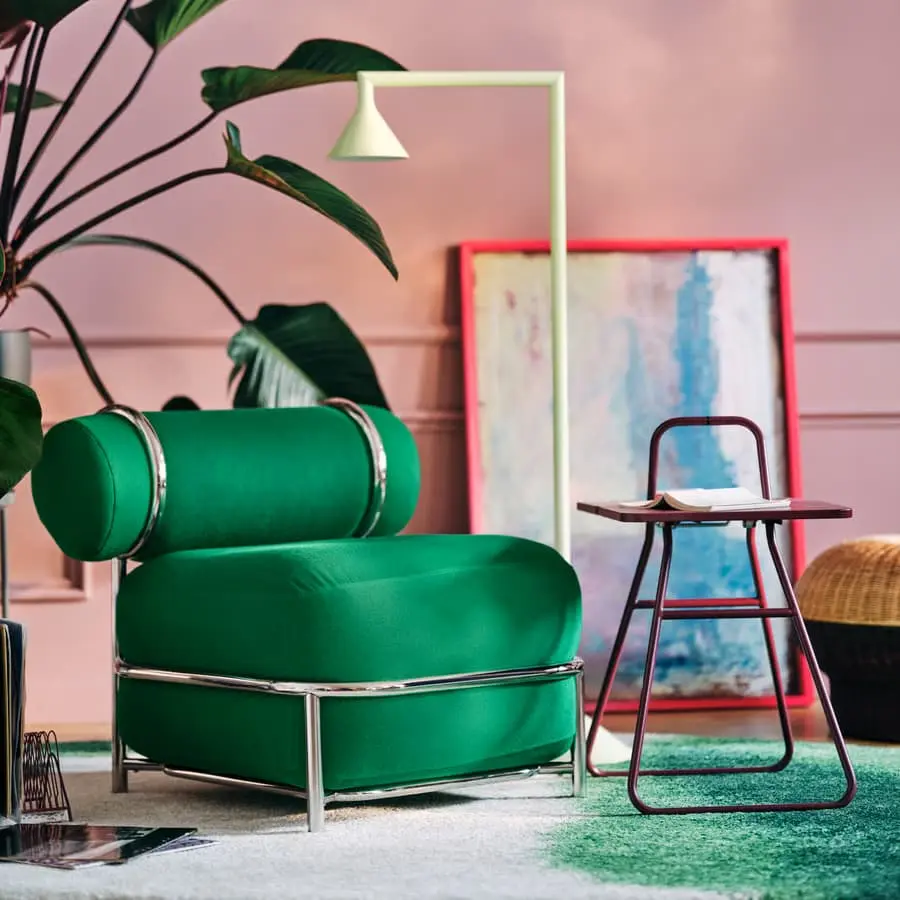
The bright blue chair by Henrik Preutz approaches the unconventional by not only prescribing a single sitting position, but allowing the chair’s form to accommodate different postures. This includes sitting forward, leaning back, turning, or resting the arms on its support.
Play Can be Built into Function
Making interaction part of the design, the collection considers how furniture can respond to different ways of being used. Rather than treating function as fixed, several pieces allow for movement or more than one use, bringing flexibility into the way familiar objects are used and perceived.
The inflatable chair is a straightforward example. Its construction departs from the rigid structure normally associated with seating, allowing it to be inflated for use and deflated when it is not needed. The ability to change its form makes the process of setting up, using, and storing the chair part of its design.
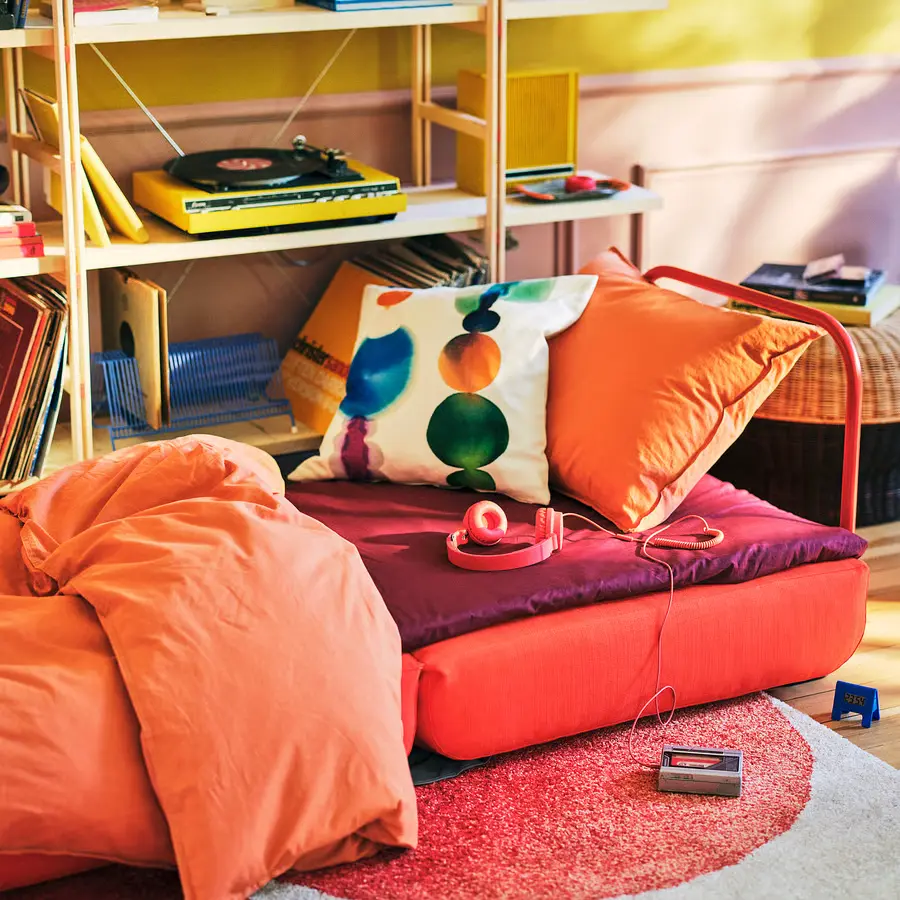
Meanwhile, the chair-bed moves between seating and sleeping, allowing one piece to accommodate different uses within the same space.
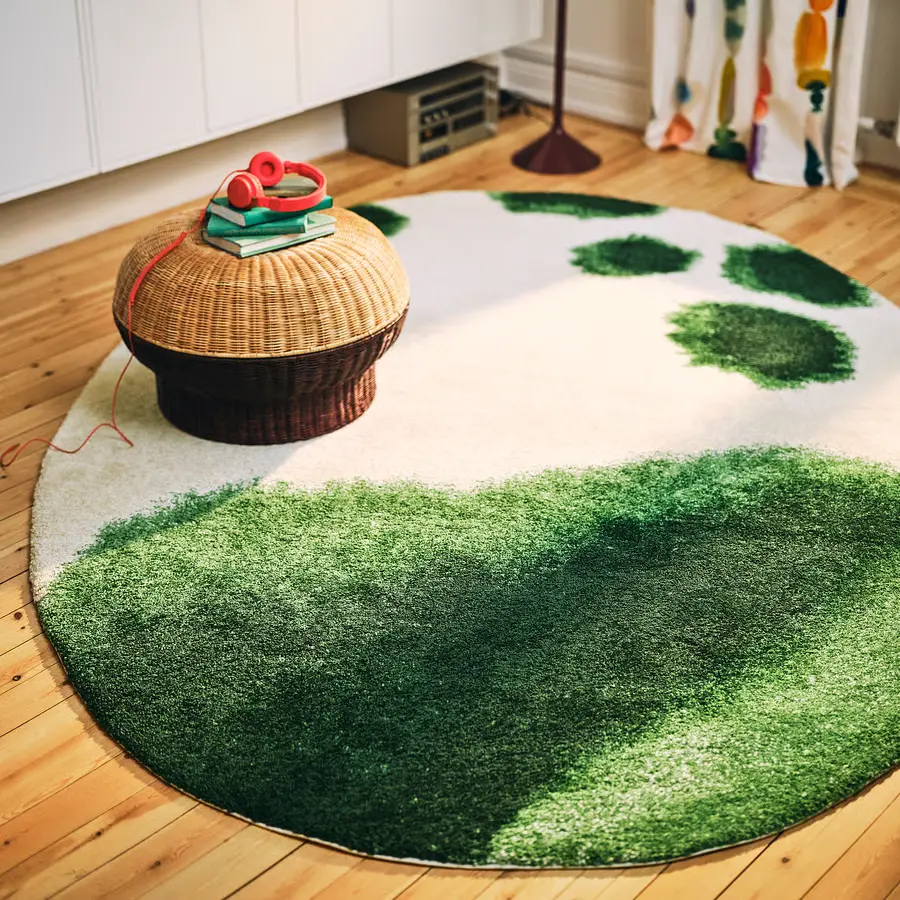
The rattanRattanA flexible, climbing palm native to tropical Asia, whose strong, lightweight canes are woven and bent into furniture, baskets, and lighting. The Philippines, especially Cebu, is renowned for rattan craftsmanship,Go to Rattan Glossary ottoman combines seating with concealed storage, integrating two functions within a compact form.
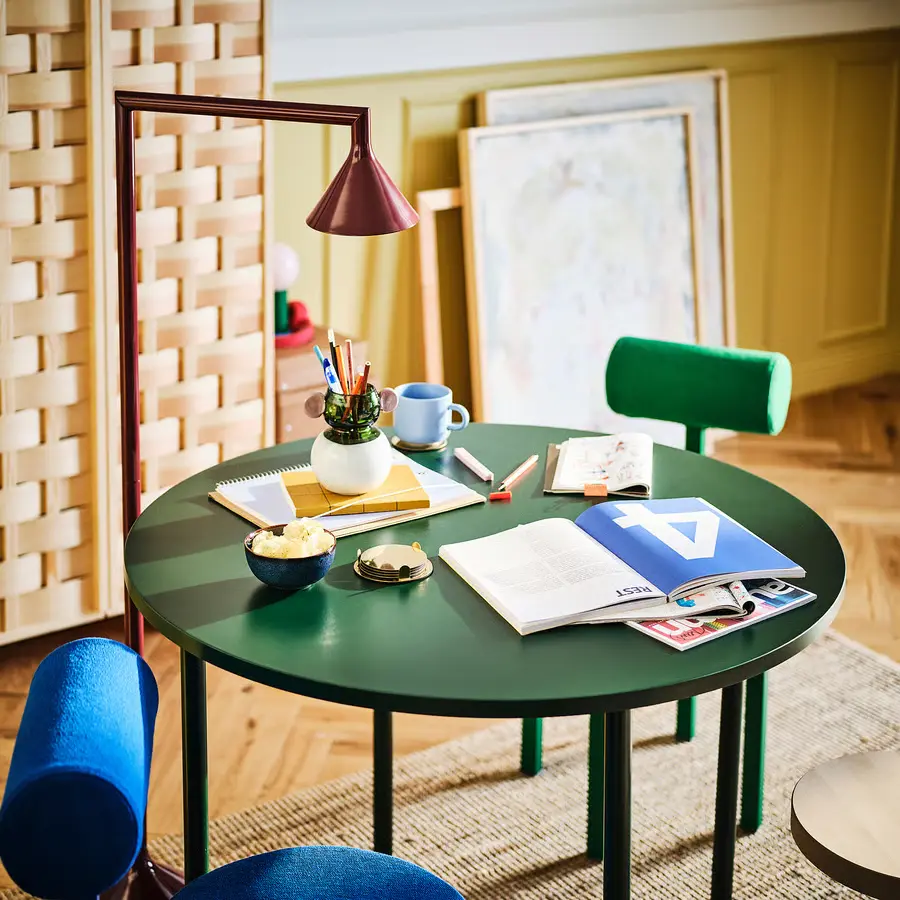
There is also a floor uplighter that can operate as an uplighter, spotlight, or floor lamp, allowing its position and purpose to shift according to the needs of a room.
Together, these pieces suggest that functionality does not have to be static. An object can change according to how it is used or positioned, allowing furniture to respond to the changing needs of a room.
Related Reading: iPAMANA: SoFA Design Institute Students Reinterpret Filipino Heritage Through Furniture
Color, Form, and Contrast
The strongest connection to the home may ultimately be visual. The 2026 PS Collection uses saturated colors, unusual silhouettes, and tactile materials to introduce moments of contrast into otherwise familiar interiors.
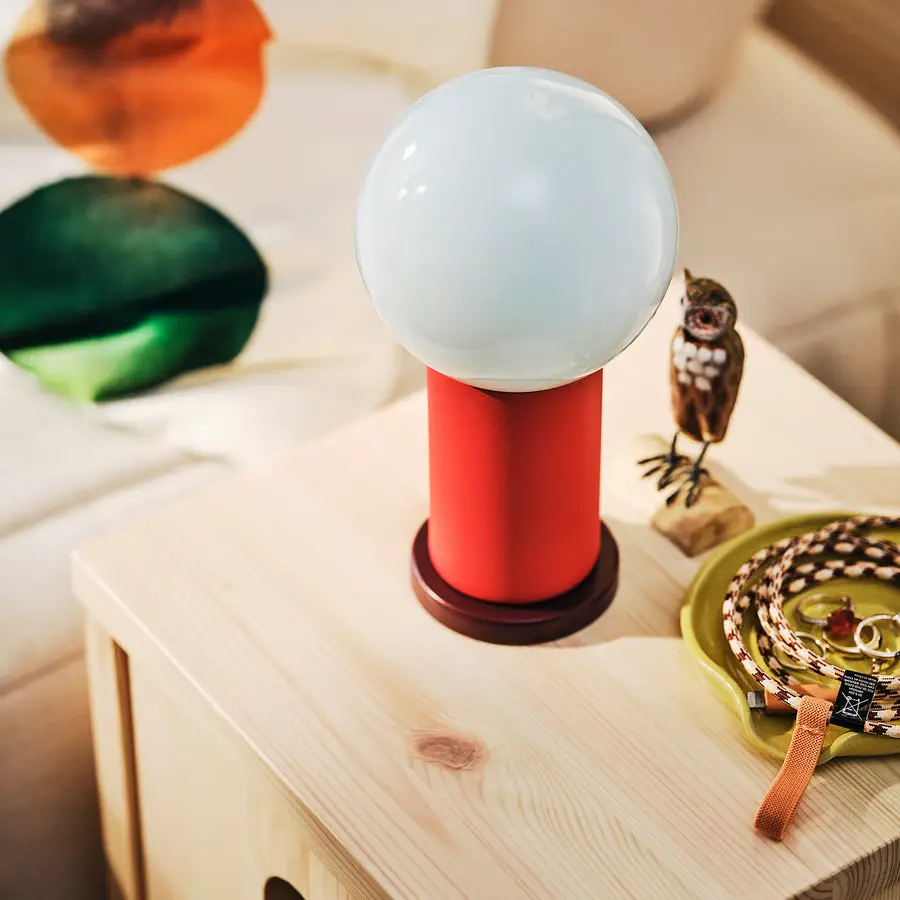
The red portable LED lamp by Alexander Pott, for instance, takes a familiar lighting typology and gives it an unconventional form. Described by Pott as “part cylinder, part Christmas bauble, and part petri dish,” its shape gives the functional object a distinct visual presence, while its three available colors offer different ways of introducing it into a space.
Meanwhile, the pine shelving unit uses more restrained material palettes, balancing the collection’s brighter pieces with natural textures.
Where Function Meets Experimentation
Across IKEA’s 2026 PS Collection, a more flexible understanding of everyday objects becomes the small shift in how familiar objects are designed and used. Choices in materials and changes in form and function create an interesting tension between elements of a room. Rather than treating function and experimentation as opposing ideas, the 2026 PS Collection places them alongside one another, showing how a change in the way an object is perceived can also affect how it works within a space.
IKEA’s 2026 PS Collection approaches playfulness through small shifts in how familiar objects are designed and used. Changes in material, form, or function can give an otherwise conventional piece a different relationship to the room, without necessarily abandoning its intended purpose.
Across the collection, these approaches point to a more flexible understanding of everyday furniture and objects. Rather than treating function and experimentation as opposing ideas, the 2026 PS Collection places them alongside one another, showing how a change in the way an object is perceived can also affect how it works within a space.
Related Reading: Aside from IKEA, Here’s 6 Home Stores We Wish Would Open in the PH!
About IKEA
IKEA is a Swedish home furnishings company founded in 1943 by Ingvar Kamprad. The company develops and sells furniture, home accessories, and other products with an emphasis on functional design, affordability, and everyday use. Its design approach is guided by the concept of Democratic Design, which considers form, function, quality, sustainability, and price in product development.
The IKEA PS series serves as an experimental platform within the company, giving designers an opportunity to explore new forms, materials, and approaches to everyday objects. First introduced in 1995, the series has since developed into a recurring collection that sits alongside IKEA’s main product range.
Frequently Asked Questions
IKEA PS 2026 is the latest edition of IKEA’s experimental PS series, featuring more than 40 furniture and home objects that explore movement, unconventional forms, and flexible functions.
IKEA PS stands for “Post Scriptum,” referring to the collection’s original concept as a kind of postscript or addition to IKEA’s standard catalogue.
The IKEA PS 2026 Collection explores “playful functionality,” using movement, unusual forms, color, and multifunctionality to reconsider familiar domestic objects.
The first IKEA PS collection was launched in 1995 at the Milan Furniture Fair. The series was created as a platform for designers to experiment with IKEA’s approach to accessible design.
The collection includes furniture, lighting, storage, and decorative objects, including an inflatable chair, chair-bed, rattan ottoman, portable LED lamp, shelving unit, table clock, and blown-glass vases.
Several pieces combine multiple uses or allow for different ways of interacting with them. Examples include a chair-bed that accommodates both seating and sleeping, an ottoman with concealed storage, and a floor lamp that can serve different lighting functions.
Bigkis is the act of binding. In Tagalog, the word can refer to something used to bind or encircle, as well as a bundle formed by tying several separate elements together. Figuratively, it can also mean a bond, union, or unity. The meanings move from the physical act of joining things together to the connection […]
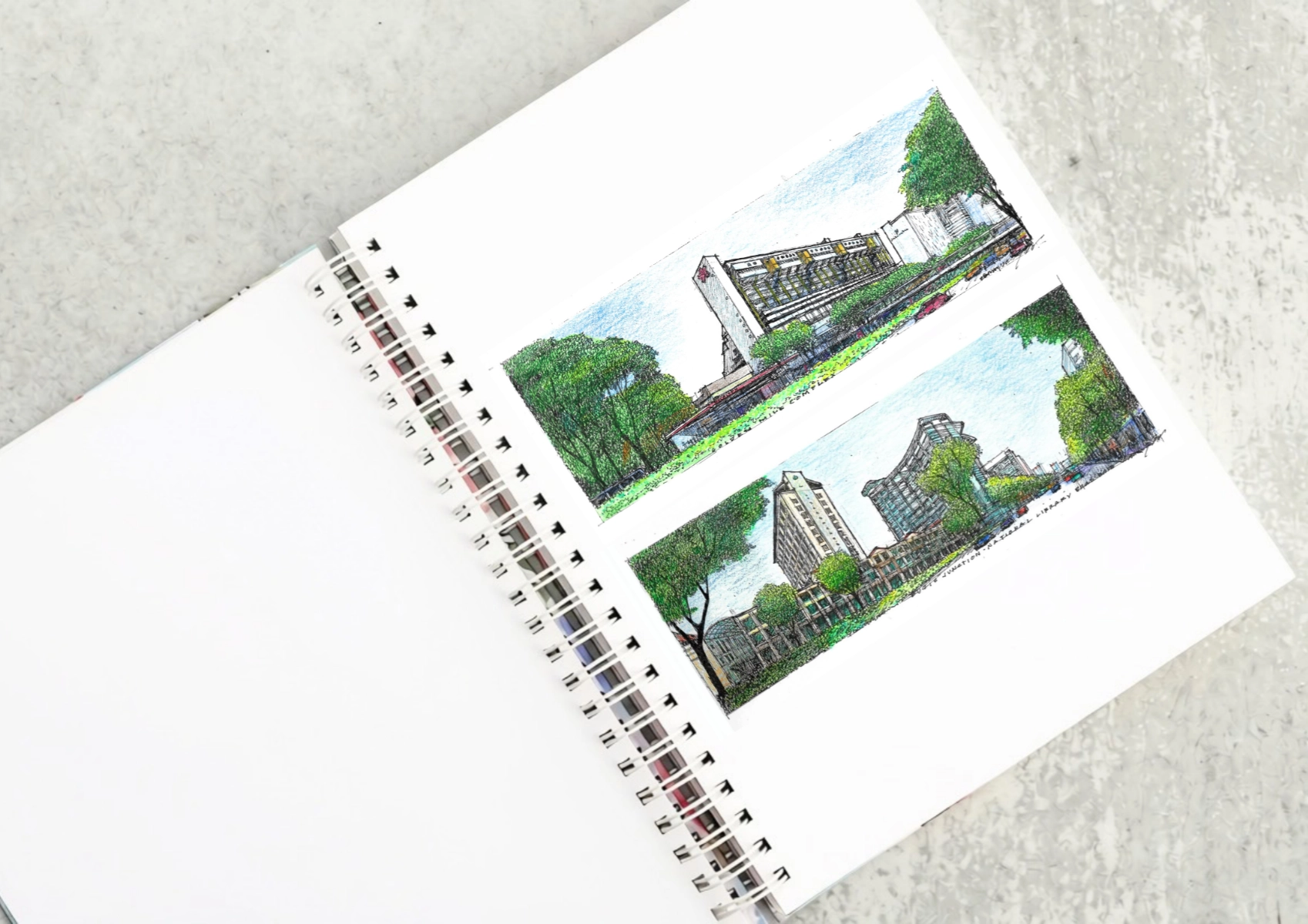
Two sketches of Singapore connect BluPrint Editor in Chief Paulo G. Alcazaren’s personal and professional history with Shared Ground: ArchitectureArchitectureThe art and science of designing and constructing buildings, structures, and spaces that are functional, safe, and aesthetically pleasing. It encompasses the planning, design, materials, and techniques used to createGo to Architecture Glossary of Care, Culture, […]
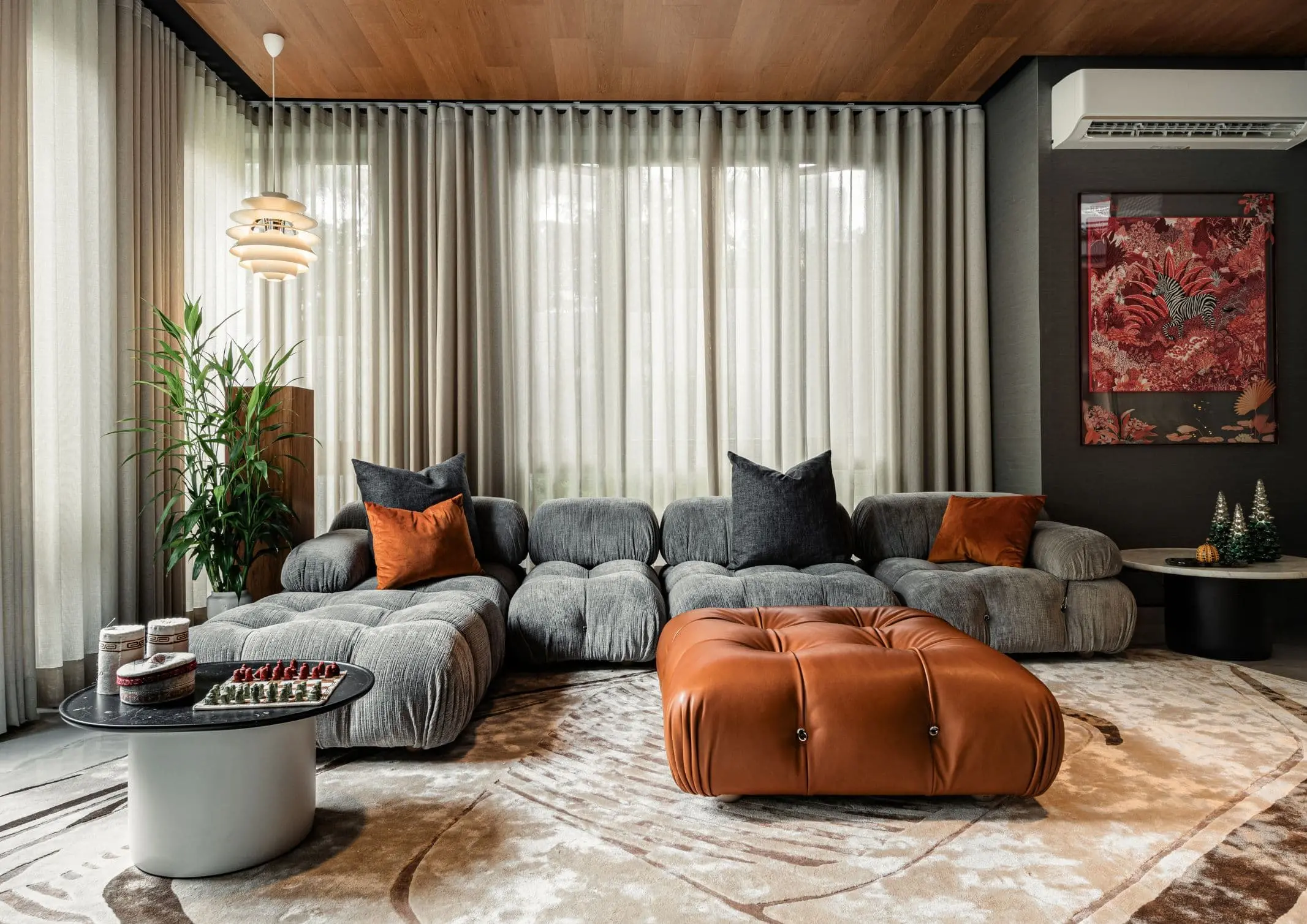
Some have become household names – Coleman, Oster, and KitchenAid – products that have found their way into Filipino kitchens, homes and family routines. In home furnishings, brands such as B&B Italia, Ethan Allen, Sub-Zero, Miele, SieMatic, Louis Poulsen, Hunter Douglas, Tempur, and Technogym, have helped shape the way Filipinos live. From everyday essentials to […]
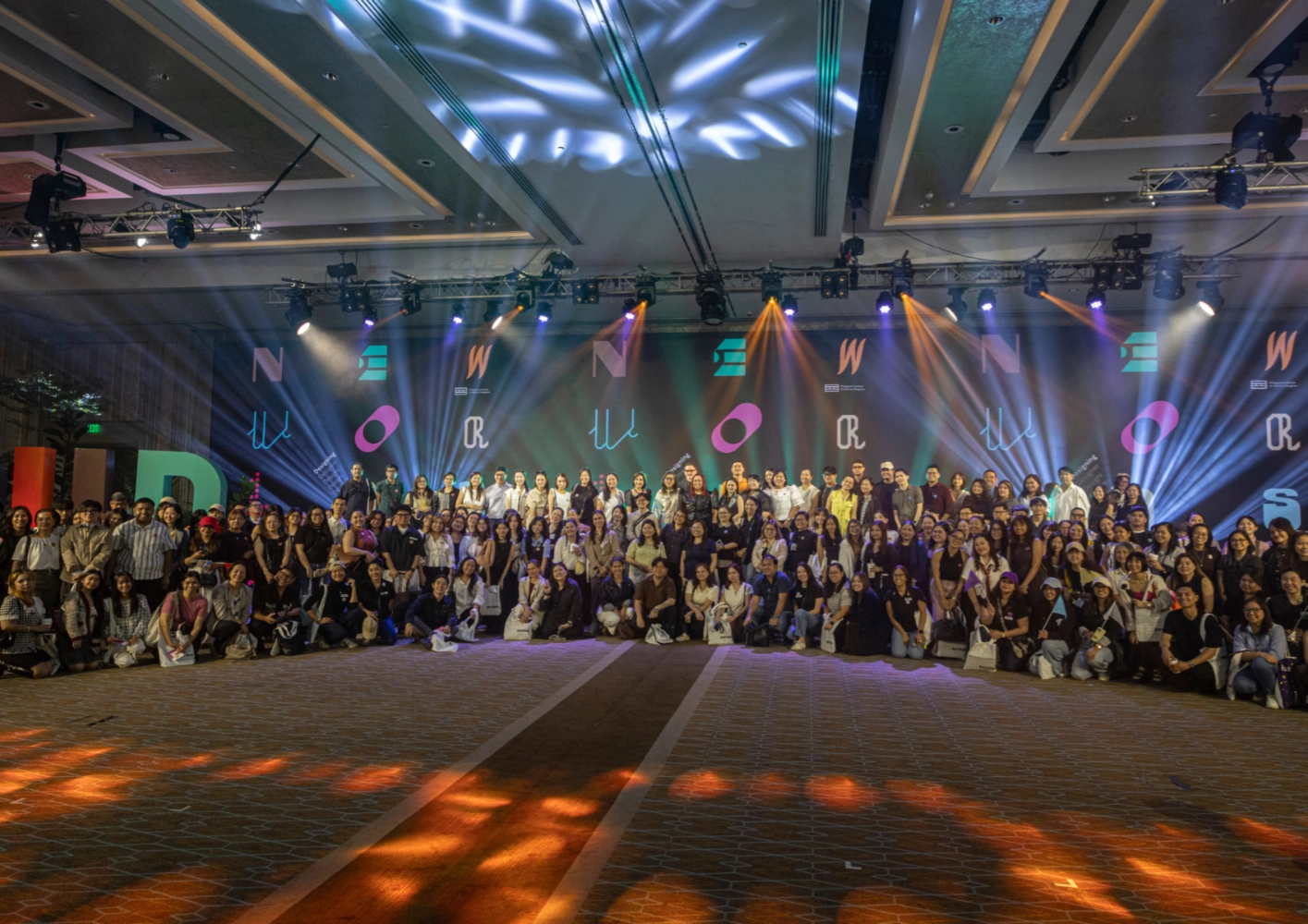
In a way, designers are the modern-day soothsayers and prophets. They design for the future, predicting how a room, a house, a building or a whole city will be used by people. They foresee how users will interact with a space, conjure exact shades of colors to elicit specific behavior and arrange furniture to build […]
Read the issues.

Collect the volumes.

Recommended Video
Tap to Unmute
Unmute
0:00
0:00