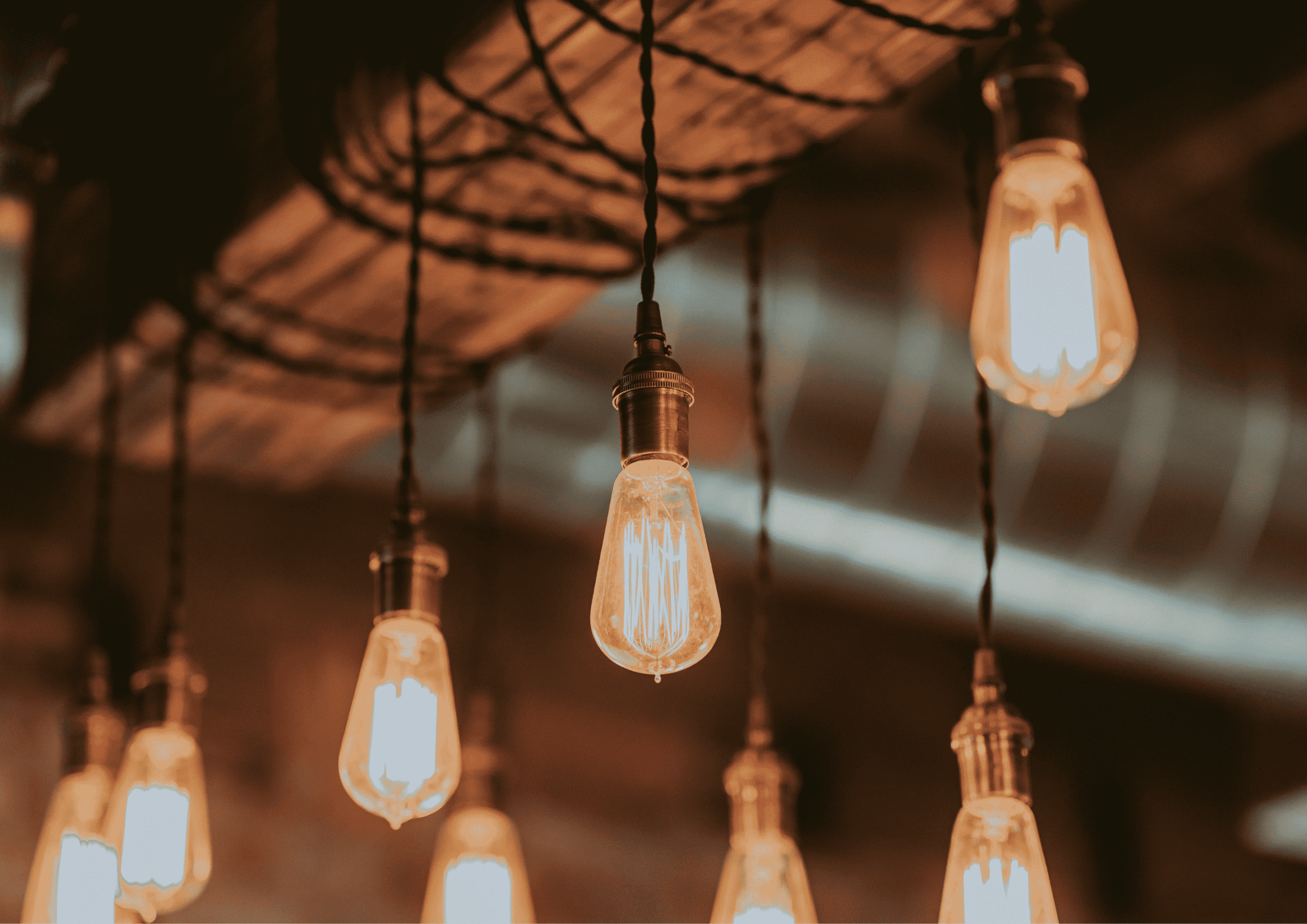
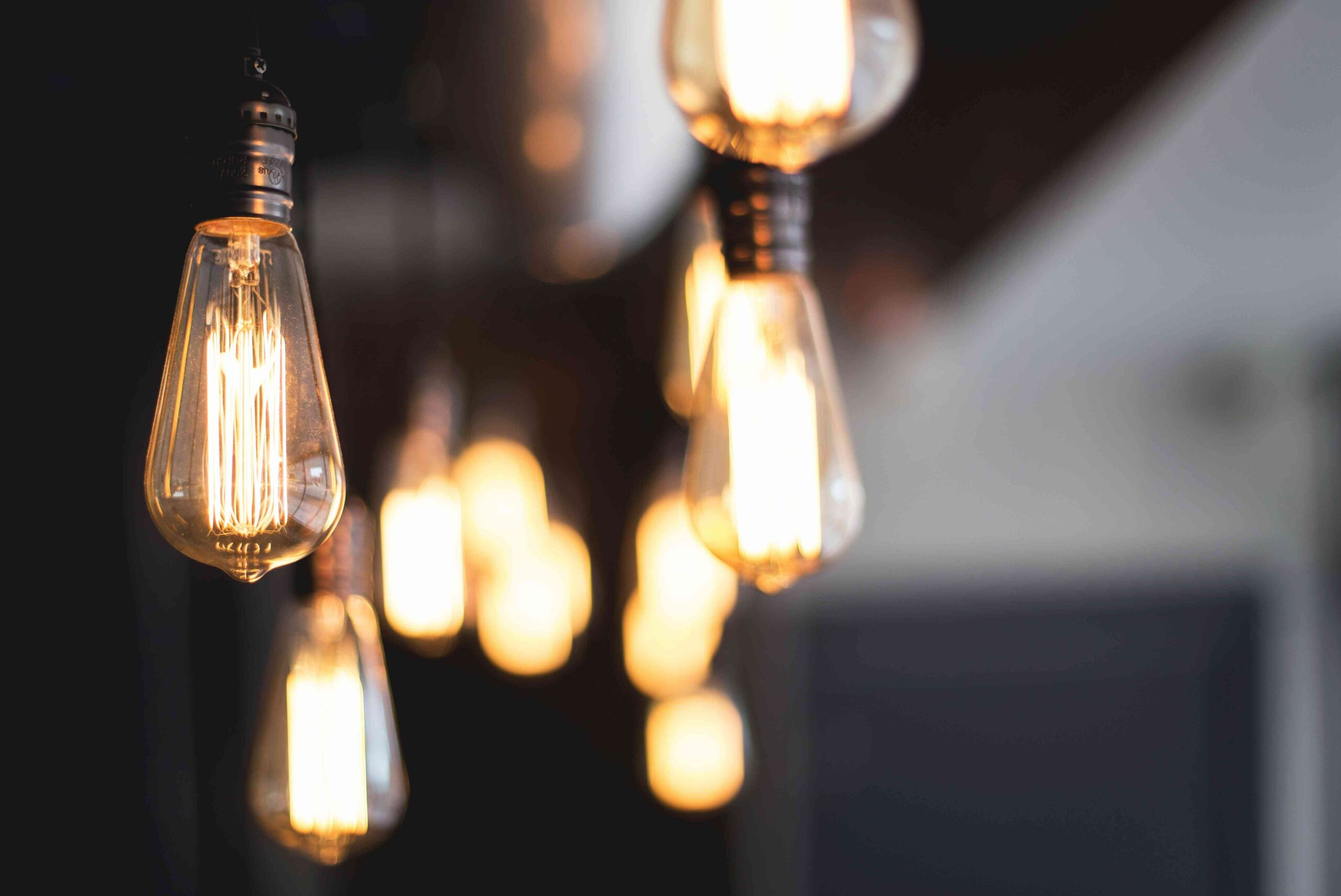
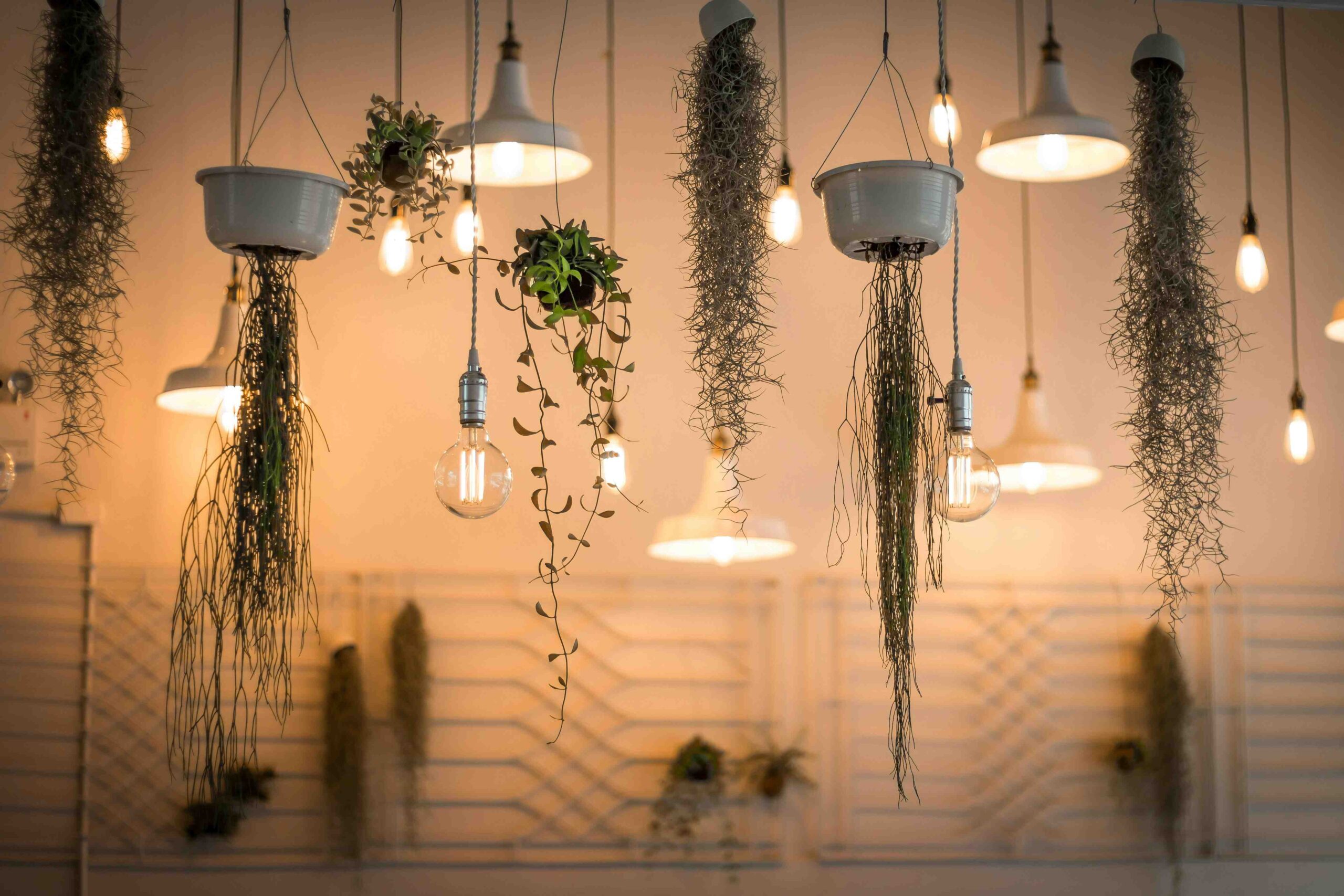
Ever wonder how lighting can transform your home’s interior? It’s more than just positioning light fixtures (though that’s important too!). Unlike color psychology, the effects of lighting are surprisingly versatile and impactful. And the real reason is actually just hiding in plain sight—LED light bulbs.
But it’s not like you have to go through the hard process of rewiring and tweaking its filament. All you need is a trip to home depots or hardware stores to give your space the glow it deserves.
Having a light bulb moment? Here’s everything you need to know about LED light bulbs and how you can illuminate your interior with just a few simple swaps.
Advertisement
LED Enlightenment
Light Emitting Diodes (LED) work as a semiconductor device converting all electrical energy solely to light. They also come in different forms and types such as strips, tubes, cans, dimmable, smart, and spectrum.
Aside from their energy-saving feature, LED lights are also the safer choice to illuminate your space. Other light bulbs like halogens, CFL, incandescent, and fluorescent contain toxic materials, emit harsh light, and use high energy. Contrarily, LEDs have no mercury and do not produce heat which makes them the better alternative.
LED lights have a complex physics behind them. But there are two ways to understand their fundamentals based on their unit of measurements.
Advertisement
Lumens. Think of lumens like the volume knob for light–the higher the lumens, the brighter light it gives off. If you prioritize brightness in your space, then choose LED light bulbs with higher lumens.
Wattage. Wattage measures how much electrical power something uses. Higher wattage means a device uses more electricity, while lower wattage means it uses less. This translates also to how bright a light bulb is.
If you’re into energy saving, look for light bulbs’ amount of wattage. Contrary to the visible property of lumens, wattage measures the power or energy a light bulb consumes, which is the output concealed to the naked eye. Light bulbs with higher wattage contribute to higher electricity usage in your home.
Advertisement
Keep in mind, with the rise of LED light bulbs, wattage isn’t the best indicator of brightness. LEDs use energy much more efficiently, so a lower wattage LED bulb can be just as bright as a higher wattage incandescent bulb. Look for lumens (lm) instead when choosing bulbs for brightness.
Warm and Cool Glows
Color temperature describes the “warmth” or ” coolness” of light, even though light itself has no actual temperature. It’s just a way to compare light colors. Warm light feels inviting, while cool light feels refreshing.
Before you decide to change your interior lighting, the warmness or coolness of light depends on the color it casts.
Advertisement
In scale, color temperatures range from candlelight to blue sky daylight. And the general rule is the light’s color is indirectly proportional to its temperature. Yellow, orange, and red tones have warmer temperatures. On the other hand, blue and green toned lights are collectively cooler.
This is why spaces for retreat or relaxation have warmer ambient lighting to maintain its cozy atmosphere. Conversely, cooler lights are for areas that need more visibility like kitchens and offices.
Spotlighting Light Bulb Shapes
Light bulbs aren’t one-size-fits-all. Aside from the pear-shaped arbitrary type commonly used in household lighting, there are more shapes to choose from to properly illuminate your space.
Advertisement
Candle (C). Resembling a candle’s flame, candle bulbs are usually used in decorative lighting such as chandeliers, holiday lights, and wall sconces. It can also be shaped like a bullet, a cone, or a cone with a crooked tip.
Reflector (R). Also known as a bulged reflector, this bulb is coated with reflective material or dome-shaped lens to give off a widespread beam. This allows the reflector to produce a gradual fade perfect for track lights or recessed lighting.
Multifaceted Reflector (MR). Compared to reflectors, multifaceted reflectors are smaller with a multifaceted reflective inside. Due to their narrow spot beam pattern, these low-voltage bulbs are most suited for outdoor uses such as driveway lights and path lights.
Advertisement
Parabolic Aluminized Reflector (PAR). With a U-shaped reflector, parabolic aluminized reflectors produce both narrow spot and wide flood beams. As they have a shorter body than reflectors, PAR bulbs are normally flush-mounted on ceilings or fixtures to moderate their radiance. This can be used both in indoor and outdoor lighting like emergency lights, floodlights, and can lights.
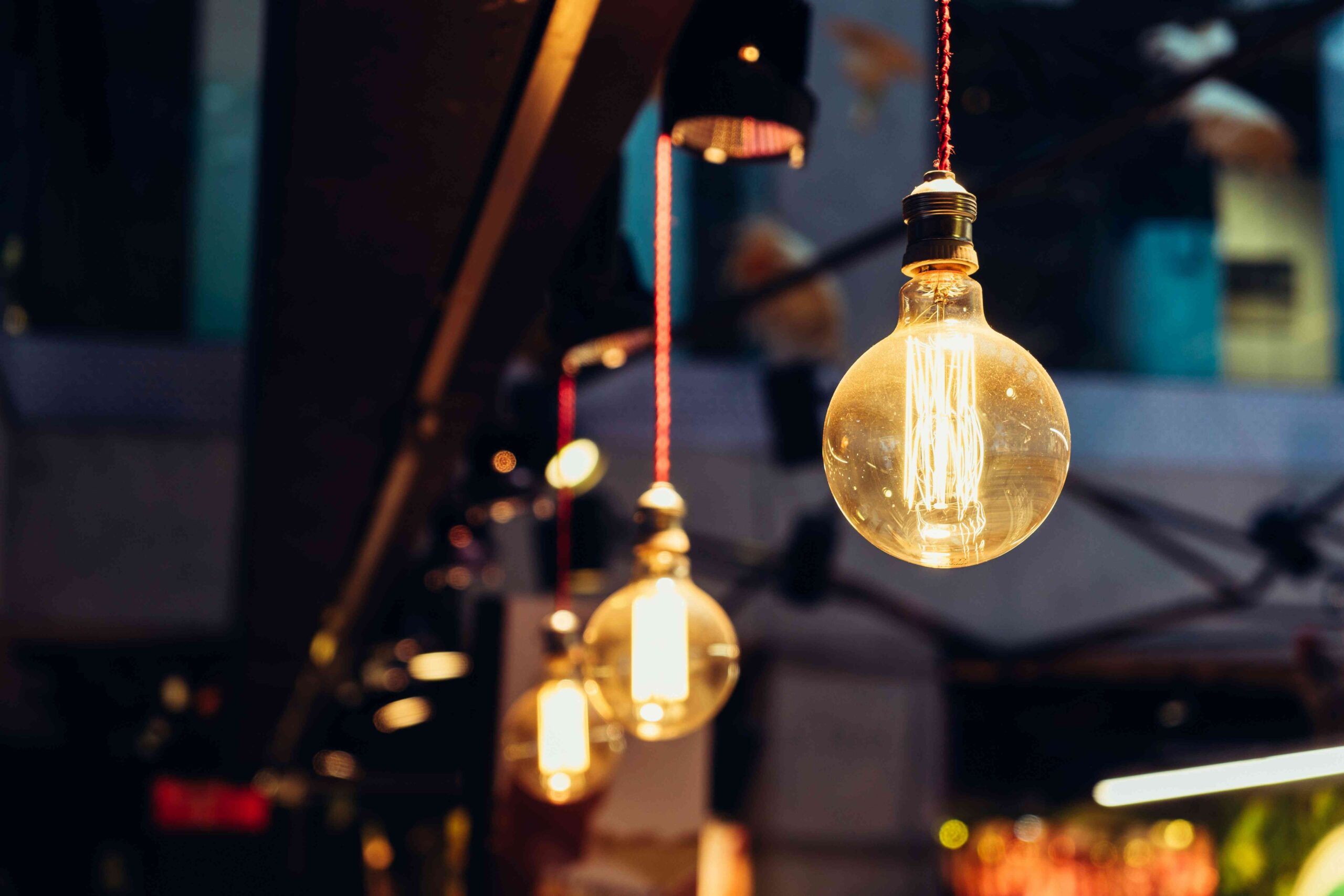
Globe (G). As the name suggests, globe bulbs have a full round shape closest to the design of common bulbs. Such similarity in standard light bulbs makes it fit for various indoor household uses—be it functional or decorative. Foyer lights, bathroom lights, and ornamental fixtures are only a few of its common applications.
Tubular (T). Tubular bulbs have a slender shape similar to tubes. Due to its slim structure, it has a wide variety of practical and ornamental uses for both indoor and outdoor lighting and even in appliances.
Advertisement
Basis in Finding the Right Bases
There’s no question that light emitting diodes (LEDs) are the most cost-efficient and hazard-free option for your space. And to make them applicable in every corner of your house, it’s important to know which base goes with what fixture.
E26 and E27. Considered the most common light bulb base, they go well with almost any fixture in your house.
E12. Also known as candelabra, this base goes with mostly decorative lights like chandeliers and sconces.
Advertisement
E17. Called the intermediate type, this bulb base is typically found in smaller fixtures like table lamps and pendant lights. So, it’s harder to find in hardware stores compared to other bases.
G4 or GU24. Bi-Pin bases have dual rigid leads similar to the bases of bare diodes. Since it’s generally smaller, they are often used as additional kitchen lighting and sidelights.
GU10. Twist-and-lock bases remove the hassle of permanently screwed bulb bases as they make bulb swapping quick and easy. This is most useful in areas that frequently use like the kitchen, living room, and hallways.
Advertisement
LED bulbs are versatile and come in all shapes, sizes, and colors depending on their function. With a few simple bulb swaps, you can transform the mood of your spaces however you like.
Modern bathrooms are no longer purely functional spaces. Increasingly, they are being designed as environments that support cleanliness, ease, and quiet restoration within the home. As daily life becomes more demanding and health awareness continues to rise, homeowners are beginning to expect more from the spaces where daily rituals begin and end. For architects and […]
From the moment a diner steps through the door, each detail shapes how a meal is experienced. Restaurant design has evolved, with architects and culinary professionals collaborating to create built spaces that are as intentional as the menu itself. The spatial atmosphere acts as an additional ingredient that can define the culinary experience. Taupe and […]
With climate change and global warming, the Philippine climate is in constant evolution. Consequently, it is important for Filipinos to have living spaces that respond to the local environment. In this article, BluPrint lists down Filipino architects who are reimagining the tropical house, aligning the built and natural environment. BAAD Studio Principal architects Benjee Mendoza […]
Ventilation involves the introduction of outdoor air into a room, providing occupants with their needs. Proper ventilation allows for the moderation of internal temperatures, the creation of better airflow, the dilution of carbon dioxide to acceptable levels, and the removal of contaminants. This addresses health risks associated with indoor air pollution, such as respiratory problems […]
WORLDBEX 2026, running from March 12 to 15, 2026, proves itself as the Philippines’ leading construction and design expo as it wrapped its 29th edition. It drew together 1,000 local and international exhibitors under one theme, “Building Opportunities: Sustaining Lives.” Organized by Worldbex Services International (WSI), in support of the ABS-CBN Foundation Inc., the event […]
Located near the equator, factors such as heat and humidity are the norm in the Philippines. This tropical climate has shaped the development of architecture in the country. As Leandro V. Locsin stated: “The first consideration of the Filipino builder and certainly the most evident in his architecture, which is after all an outgrowth of […]