Bigkis is the act of binding. In Tagalog, the word can refer to something used to bind or encircle, as well as a bundle formed by tying several separate elements together. Figuratively, it can also mean a bond, union, or unity. The meanings move from the physical act of joining things together to the connection […]
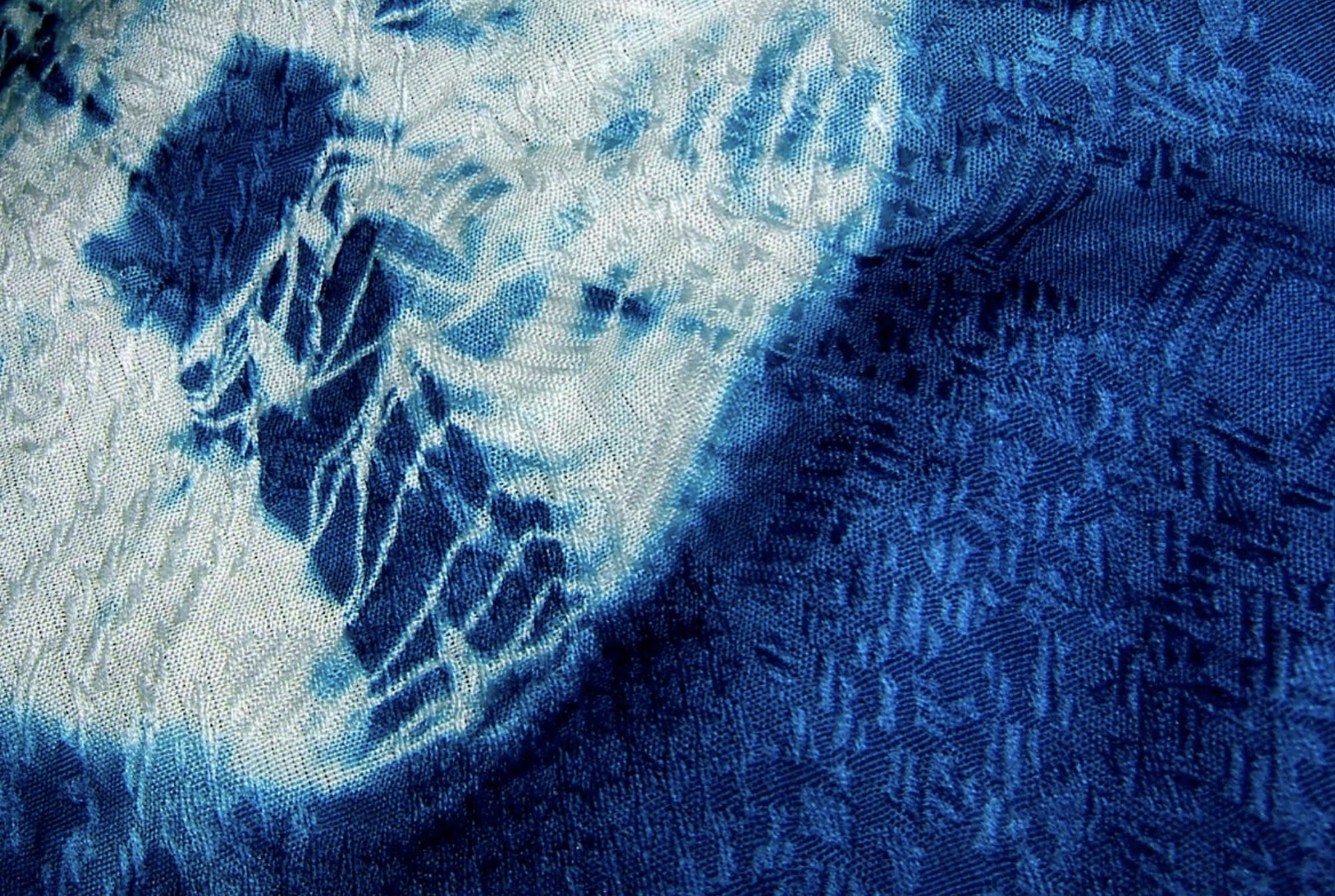
Shibori: How to Elevate Your Home with this Ancient Technique



Steeped in rich tradition, shibori, the Japanese art of resist dyeing, offers a unique way to elevate your home decor. Beyond its captivating patterns, shibori embodies the wabi-sabiWabi-SabiA Japanese aesthetic philosophy that finds beauty in imperfection, impermanence, and natural aging. In interiors, it favors handmade objects, raw textures, weathered wood, clay, linen, and muted earthy tones. Wabi-sabiGo to Wabi-Sabi Glossary philosophy – finding beauty in imperfection and impermanence. Imagine handcrafted throw pillows or wall tapestries imbued with subtle textures and organic patterns, bringing a touch of serenity and handcrafted charm to your space.
Looking for a way to personalize your home decor and unleash your inner artist? Here’s everything you need to know about shibori.
Shibori and its History
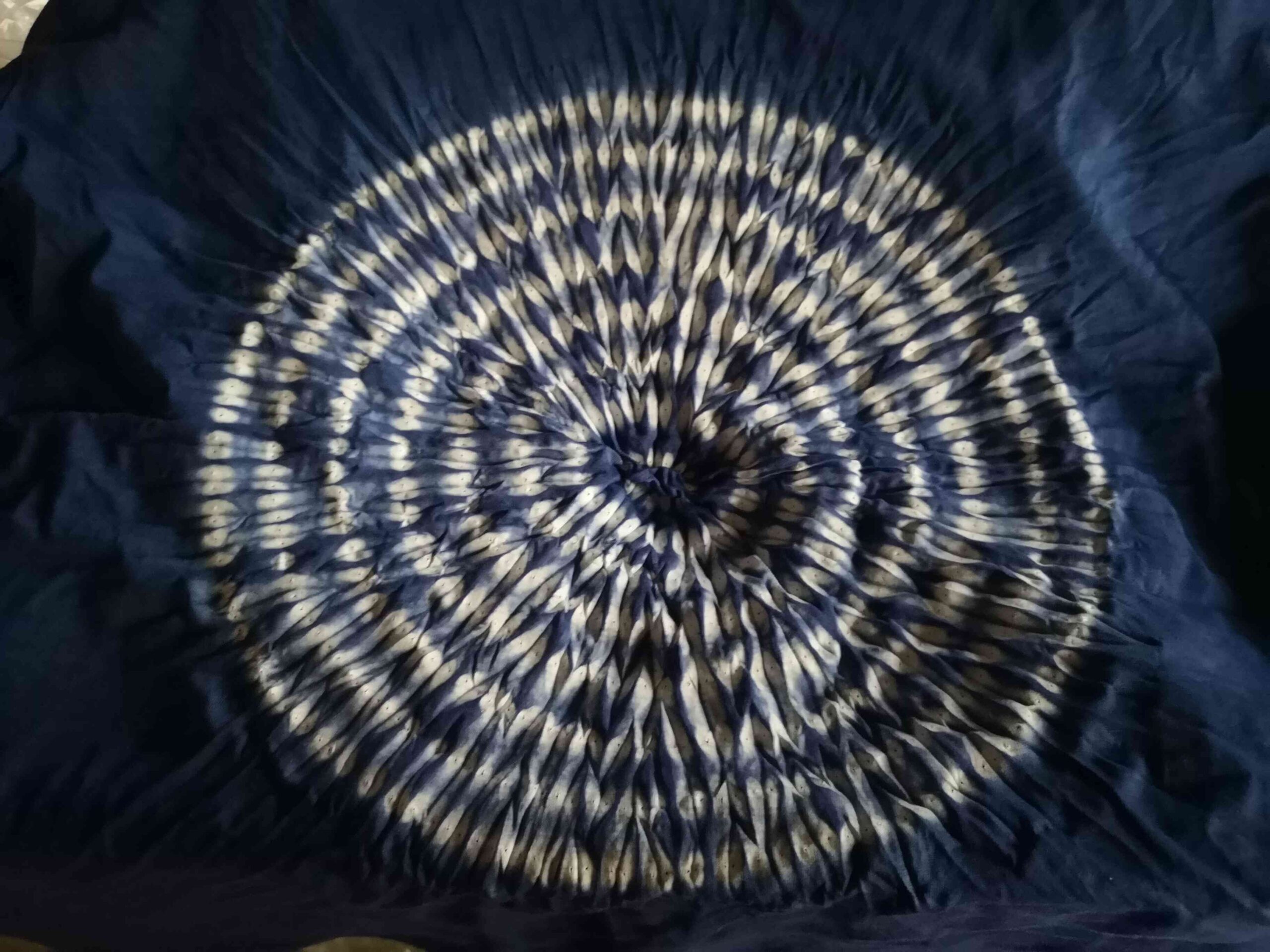
Shibori comes from the Japanese word “shiboru”, which means to press, wring, or squeeze. It is a dyeing technique following the same two-step tie-dye process—simply crumpling or tying random sections of fabric to create resist areas and dipping it in a dye bath. But what makes it unique is it employs a more deliberate and controlled approach. Through different folding, stitching, clamping, and binding techniques, you can create specific resist patterns. These techniques can be quite intricate and require a higher level of skill compared to tie-dye.
Its application is also not limited through the use of dye. Even with lye, polyester, metal, or heat, you can imprint the design of shibori.
Shibori, on the other hand, employs a more deliberate and controlled approach. Different folding, stitching, clamping, and binding techniques are used to create specific resist patterns. These techniques can be quite intricate and require a higher level of skill compared to tie-dye.
Although originated from Japan, traces of similar textile art also define the art culture in West Africa, China, and India. For that fact, it justifies that tie-dyeing is a part of our natural human instincts regardless of cultural background.
Shibori vs. Hippie
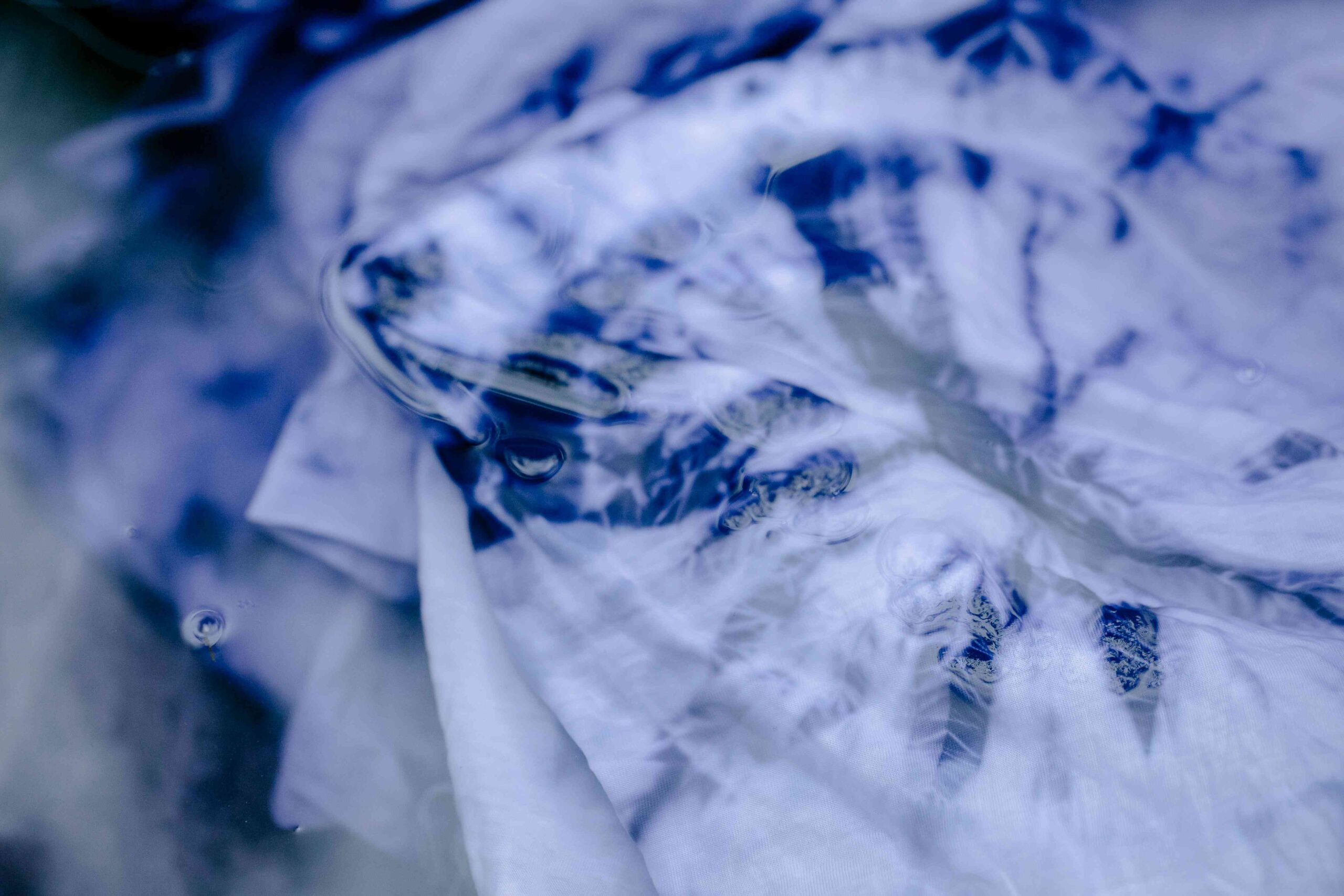
Besides its versatile application, this ancient art form differs from the typical tie-dye technique you’re used to.
Unlike the random, psychedelic designs popularized in the 60s, this Japanese technique focuses on control to create more intricate patterns.
Traditional shibori also uses a natural indigo dye to create its classic two-tone on white cotton. For the American tie-dye, colors are often random, vibrant, mixed, and more personalized depending on the taste of the artist. But it doesn’t mean shibori is stuck with just two colors.
American and Japanese dyeing approach seem different. But you can actually combine these textile arts. Iro iro shibori, directly translating to “colorful colorful shibori,” makes this collaboration possible. Taking the unique patterns and textures of Japanese shibori and pairing them with the colorful design of American tie-dye makes this innovative creation.
Patterns, Prints, and Techniques
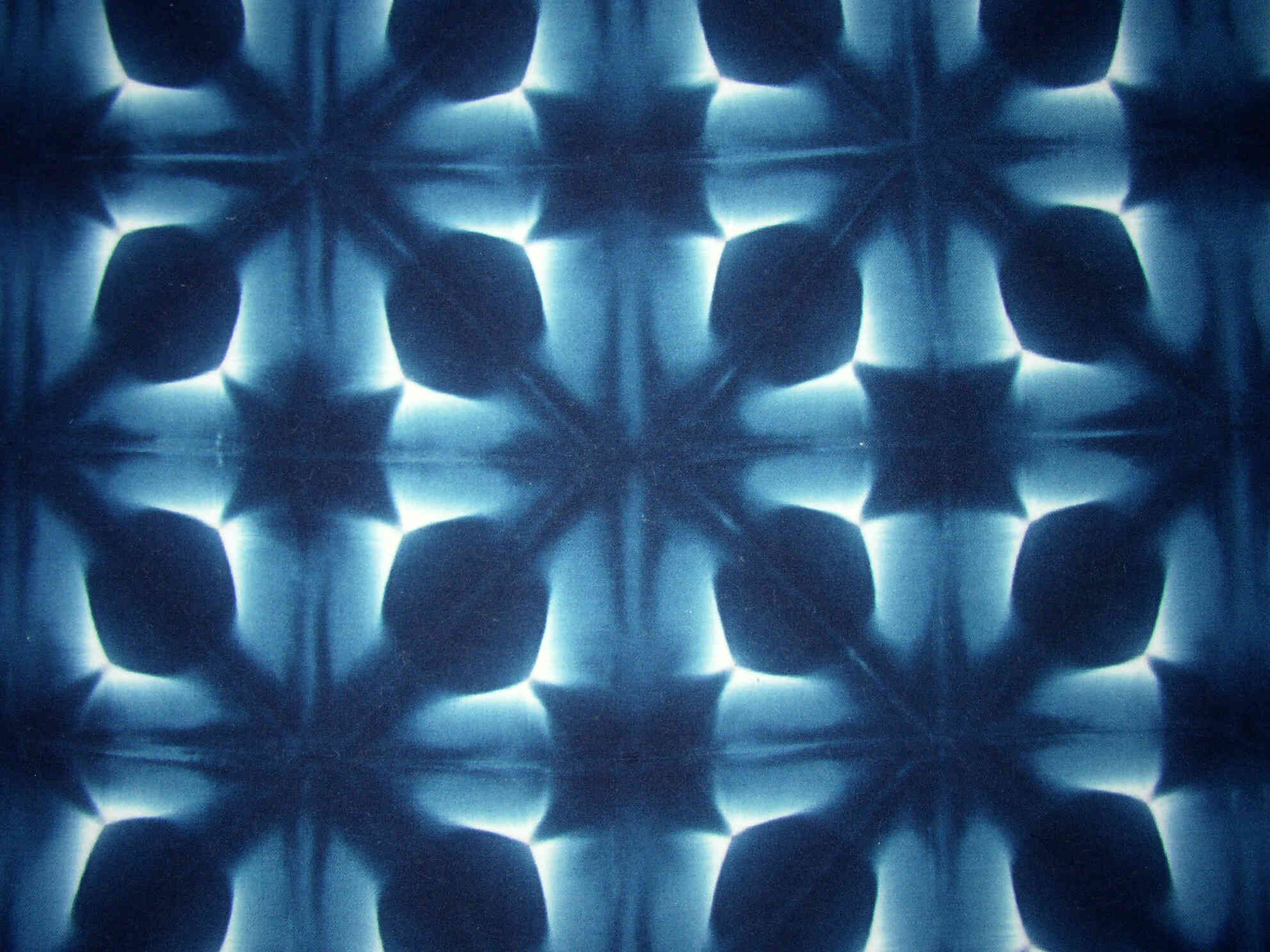
Aside from different colors, shibori also offers six traditional patterns to accommodate various design preferences.
Arashi shibori. Adhering to its direct translation of “pole-wrapping,” arashi design comes from wrapping the fabric around a pole before soaking it with your chosen dye.
Itajime shibori. You can achieve this pattern by securely pressing the folded fabric between two clamps before soaking it in the dye.
Kanoko shibori. Through pinching, twisting, and securing small sections of the fabric with string, you can create specks of freckle-like spots on your fabric.
Kumo shibori. Like a spider web or cloud, this shibori style creates entangled geometric patterns by doing the same process as kanoko but with larger fabric portions.
Miura shibori. By pulling fabric sections with a hooked needle, this pattern makes a loop of tight ripple patterns, which is why it’s also labeled as loop shibori.
Nui shibori. Considered the most complicated shibori pattern, nui relies on the careful art of sewing to attain its intricate pattern. By stitching the design, you can easily pull the thread to cinch and define the resist.
An Ancient Touch to Your Modern Home
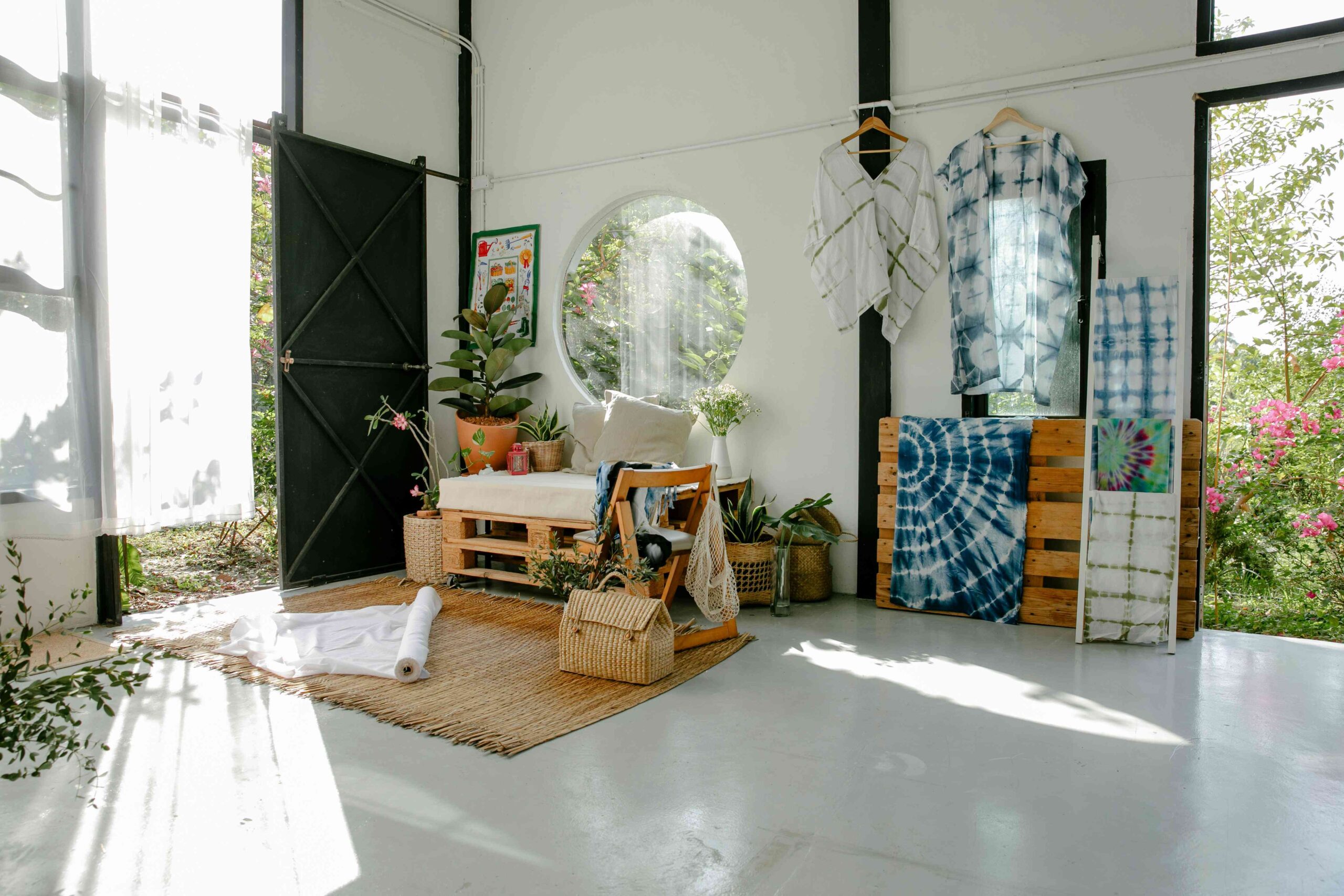
As shibori expands its adaptability through colors and patterns, you can easily adjust it to your own personal style. If you have an interior space that needs a subtle chaos to break the silence of its plain style, then this is the design for it.
Shibori’s beauty lies in its intricate patterns, but these can be overwhelming if used excessively. The key is to find the right balance. By understanding how to use contrasting colors, textures, and even solid elements alongside shibori, you can harness its nuanced character and create a truly captivating space.
Shibori on Upholstery
When using it for upholstery, you should consider the size of the pattern in relation to the object’s size. For throw pillows, for example, the pillow dimensions dictate the design plan. The folding technique creates white areas, while leaving sections unfolded allows for dye application. Different tools like string or clamps are used depending on the desired outcome—sharp lines or softer, blended effects. This balance between control and chance is what makes shibori so unique, regardless of who practices it.
For relatively spacious areas, you can use this decorative textile in larger furnishings like couches, bedsheets, and curtains. This makes shibori the centerpiece of your interior space.
It is also important to note the type of shibori you choose. Better to choose one pattern and use complementing tones to achieve soft and uniform repetitions.
Shibori’s enduring appeal lies in its ability to bridge the gap between tradition and modern design. With its rich history and limitless creative potential, it offers a unique way to add a touch of artistry and cultural flair to your home. Whether you admire the intricate patterns of indigo-dyed fabrics or find inspiration in the bold colors of contemporary interpretations, this ancient decor invites you to embrace a slow design movement that celebrates handcrafted beauty and timeless elegance. So, explore the world of shibori and discover how this ancient art form can transform your living space into a haven of cultural enrichment and aesthetic delight.
Read more: Filipino Textiles: Magical Weaves of the Mindanao and Sulu People
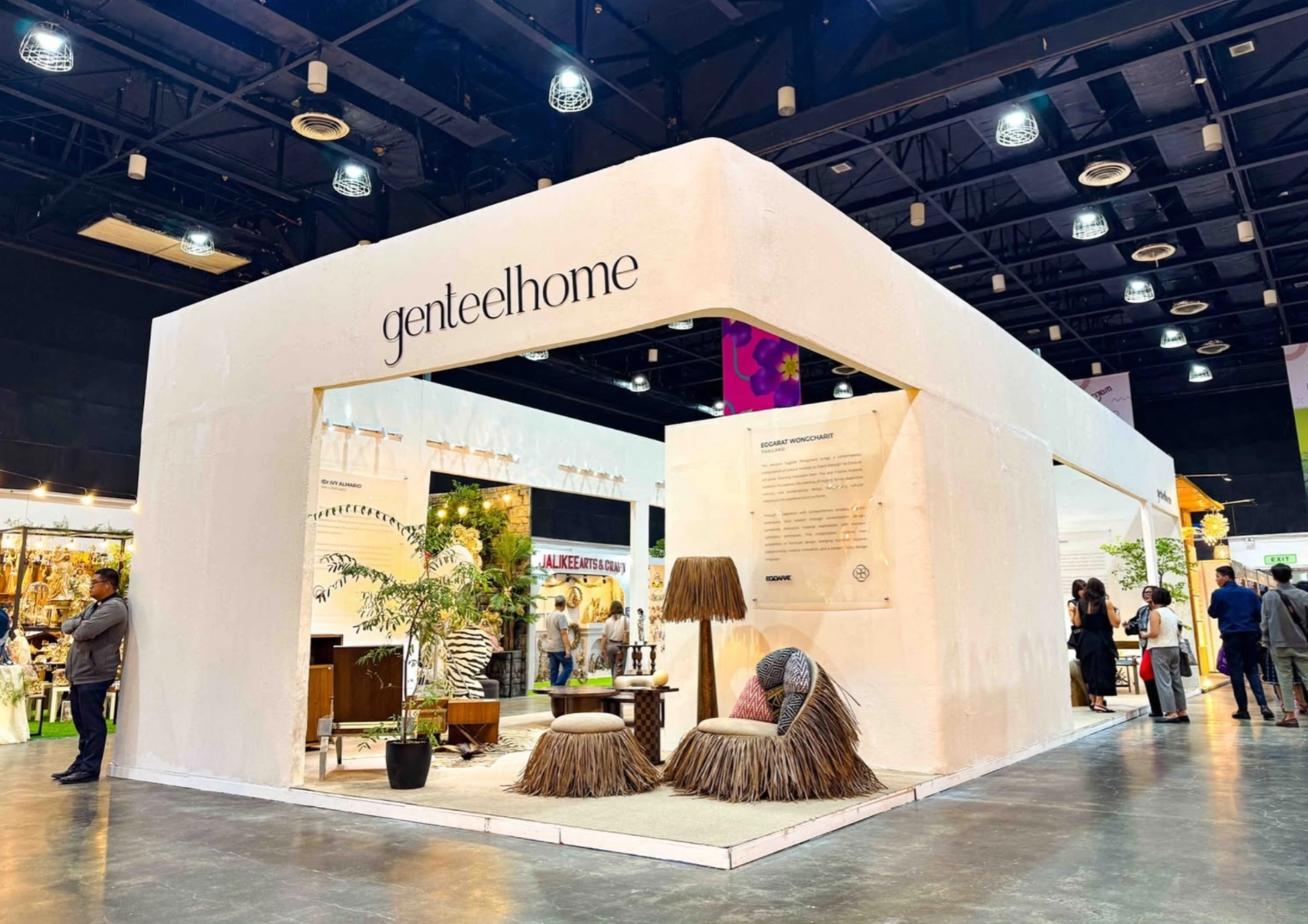
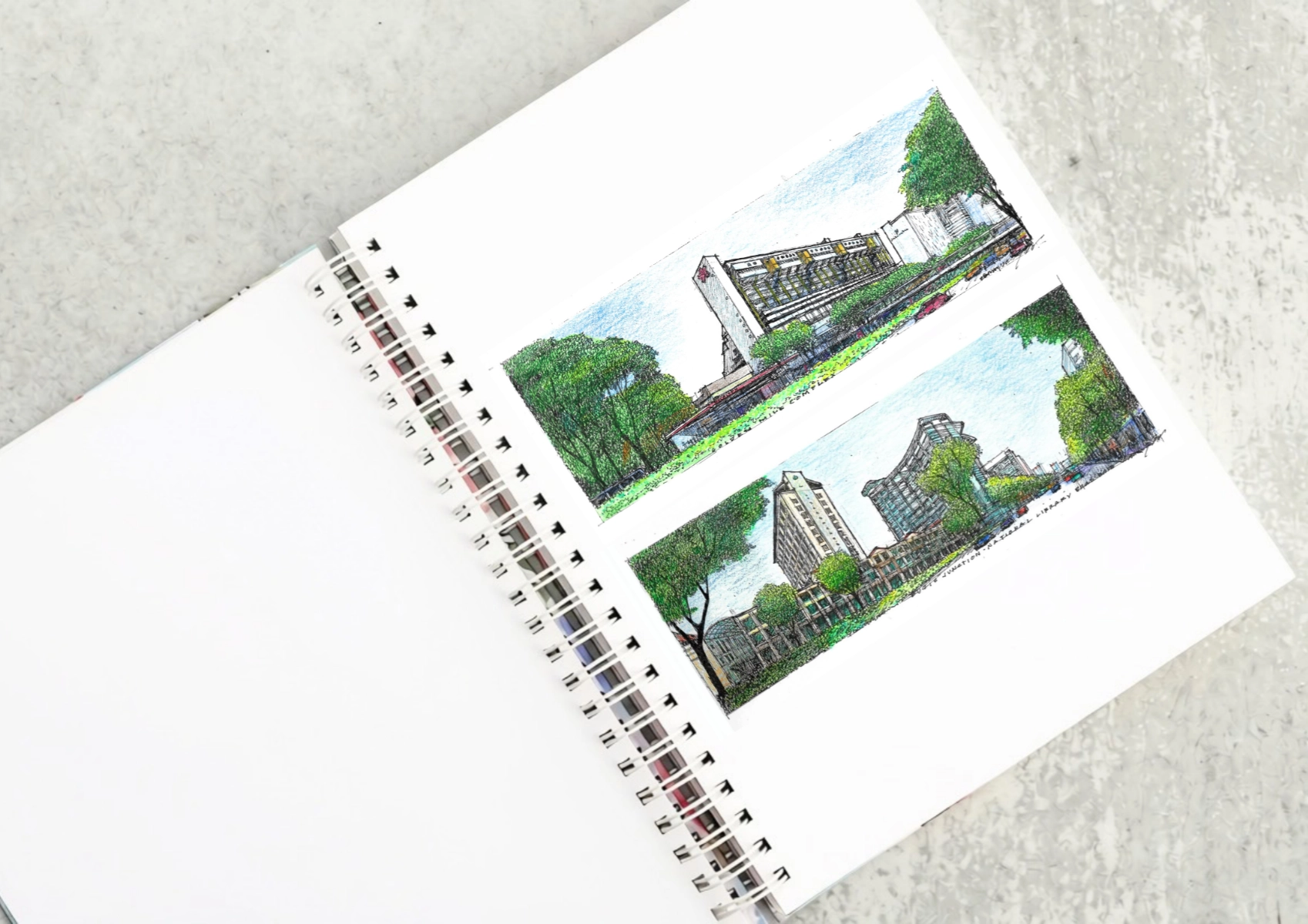
Two sketches of Singapore connect BluPrint Editor in Chief Paulo G. Alcazaren’s personal and professional history with Shared Ground: ArchitectureArchitectureThe art and science of designing and constructing buildings, structures, and spaces that are functional, safe, and aesthetically pleasing. It encompasses the planning, design, materials, and techniques used to createGo to Architecture Glossary of Care, Culture, […]
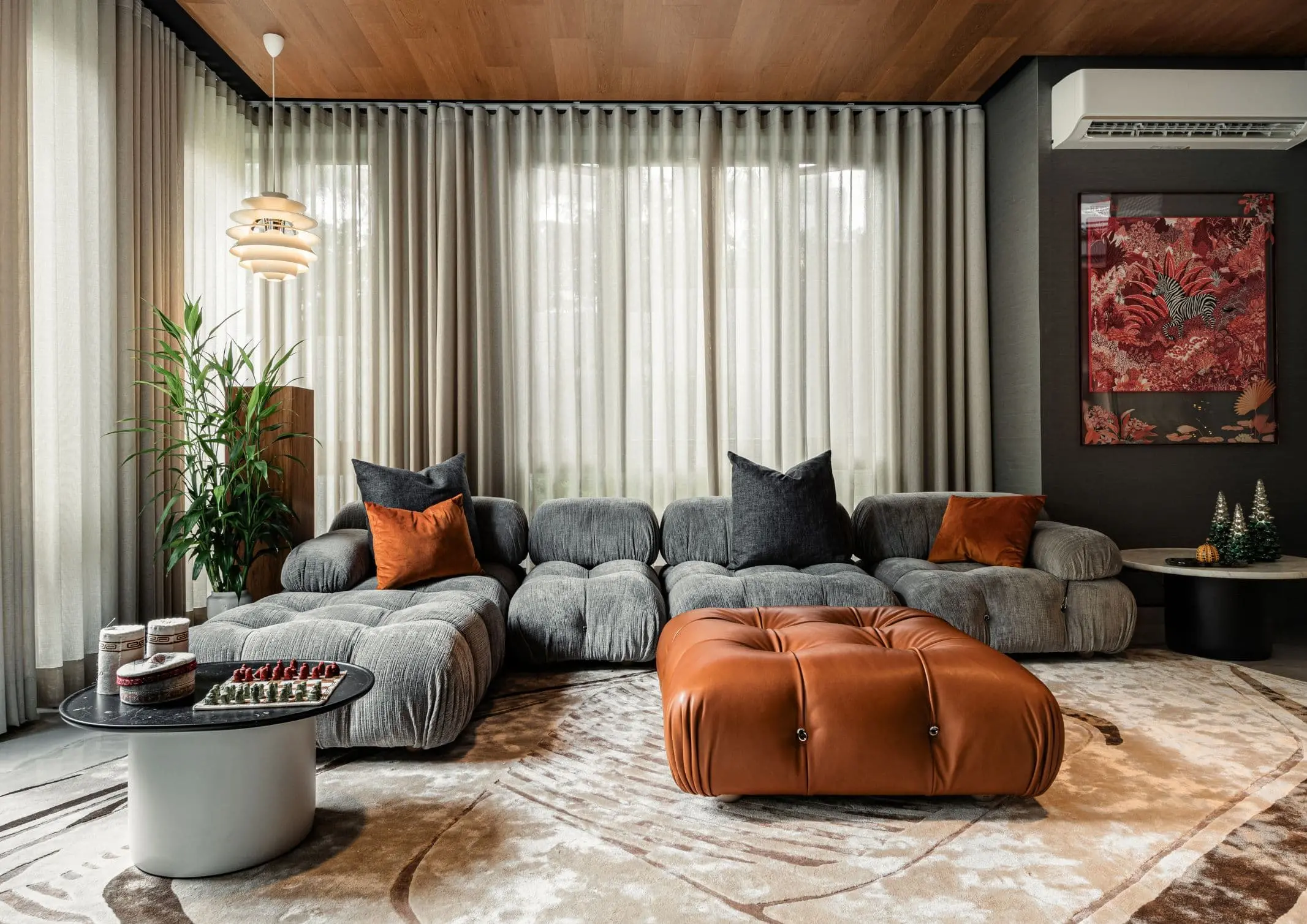
Some have become household names – Coleman, Oster, and KitchenAid – products that have found their way into Filipino kitchens, homes and family routines. In home furnishings, brands such as B&B Italia, Ethan Allen, Sub-Zero, Miele, SieMatic, Louis Poulsen, Hunter Douglas, Tempur, and Technogym, have helped shape the way Filipinos live. From everyday essentials to […]

In a way, designers are the modern-day soothsayers and prophets. They design for the future, predicting how a room, a house, a building or a whole city will be used by people. They foresee how users will interact with a space, conjure exact shades of colors to elicit specific behavior and arrange furniture to build […]
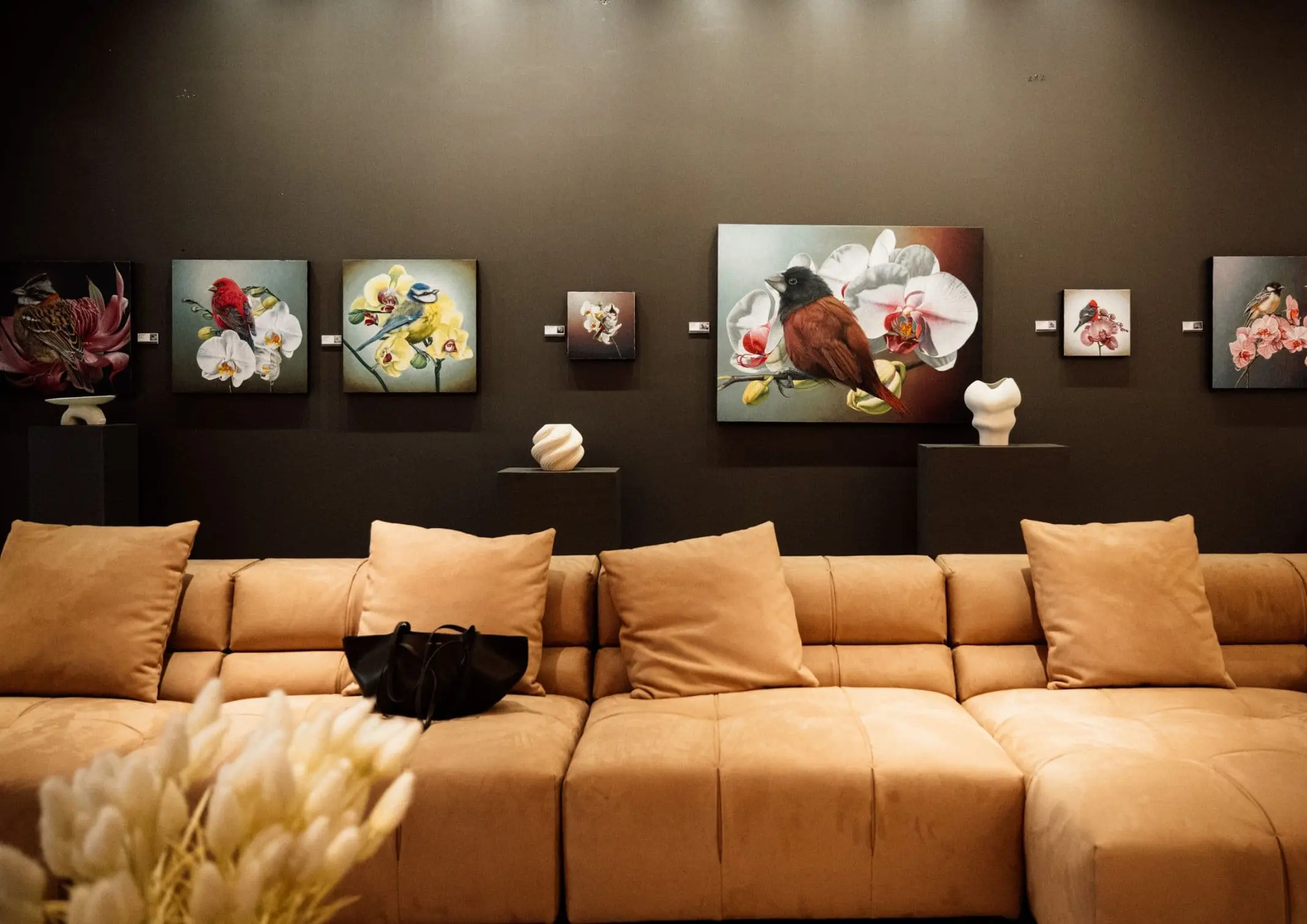
Art and furniture are often selected separately, yet their relationship can shape how a room looks and feels. The collaboration between Hooga and Galerie Joaquin explores how these elements can work together, bringing contemporary artworks into furnished residential settings at Hooga’s showroom in Uptown Mall, Bonifacio Global City. For Hooga, which curates furniture, lighting, and […]

How can better-planned cities create the conditions for more creative, livable, and resilient urban environments? “Makati Urban Recipes for a City’s Survival,” a colloquium held at the Ayala Museum on September 15, brought together architects and practitioners from the fields of urbanism and the creative economy to discuss how design, planning, and collaboration can address […]
Read the issues.

Collect the volumes.

Recommended Video
Tap to Unmute
Unmute
0:00
0:00