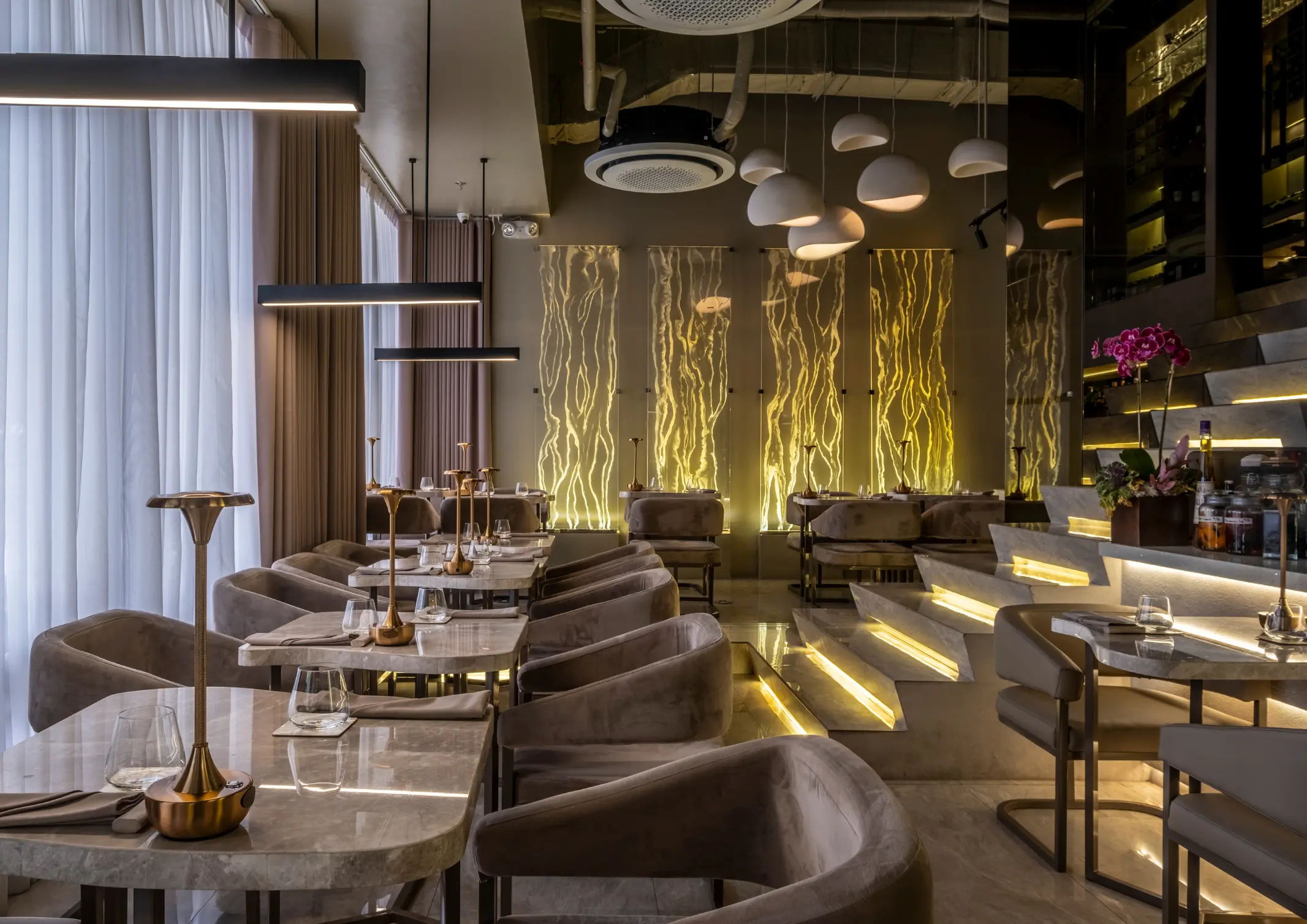
From the moment a diner steps through the door, each detail shapes how a meal is experienced. Restaurant design has evolved, with architects and culinary professionals collaborating to create built spaces that are as intentional as the menu itself. The spatial atmosphere acts as an additional ingredient that can define the culinary experience. Taupe and […]
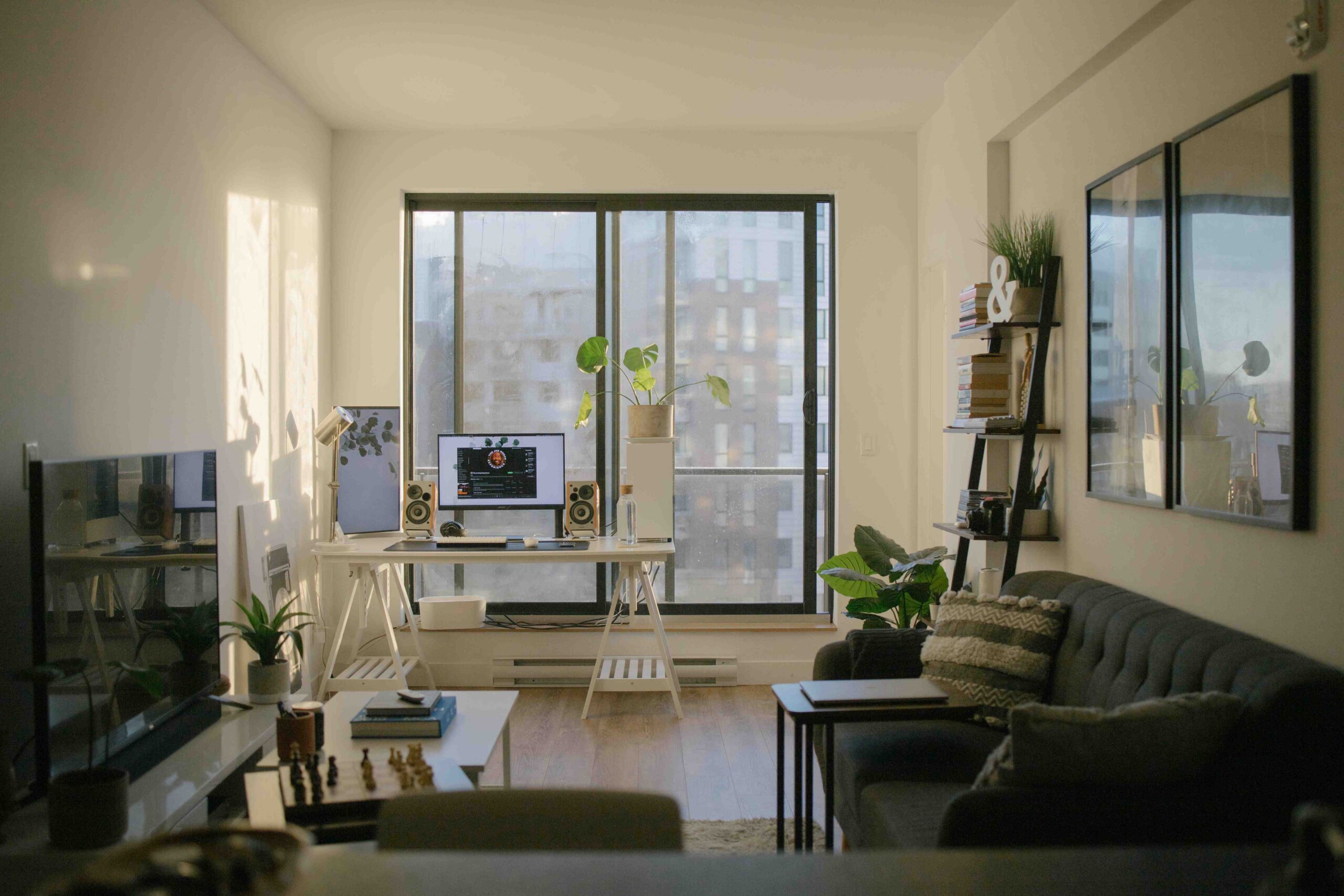
Digital Detox: Practical Steps to Regulate Your Tech Habits



Digital detoxing has made its way into the interior design world to create spaces where we can truly disconnect to reconnect. And with fast-paced technological advancements happening everyday, it’s harder than ever to avoid the harmful effects our devices have on our overall well-being. While it’s impossible to completely cut out digital usage, there is a way to temporarily unplug from the virtual landscape through smart and disciplined home design.
What is Digital Detox?
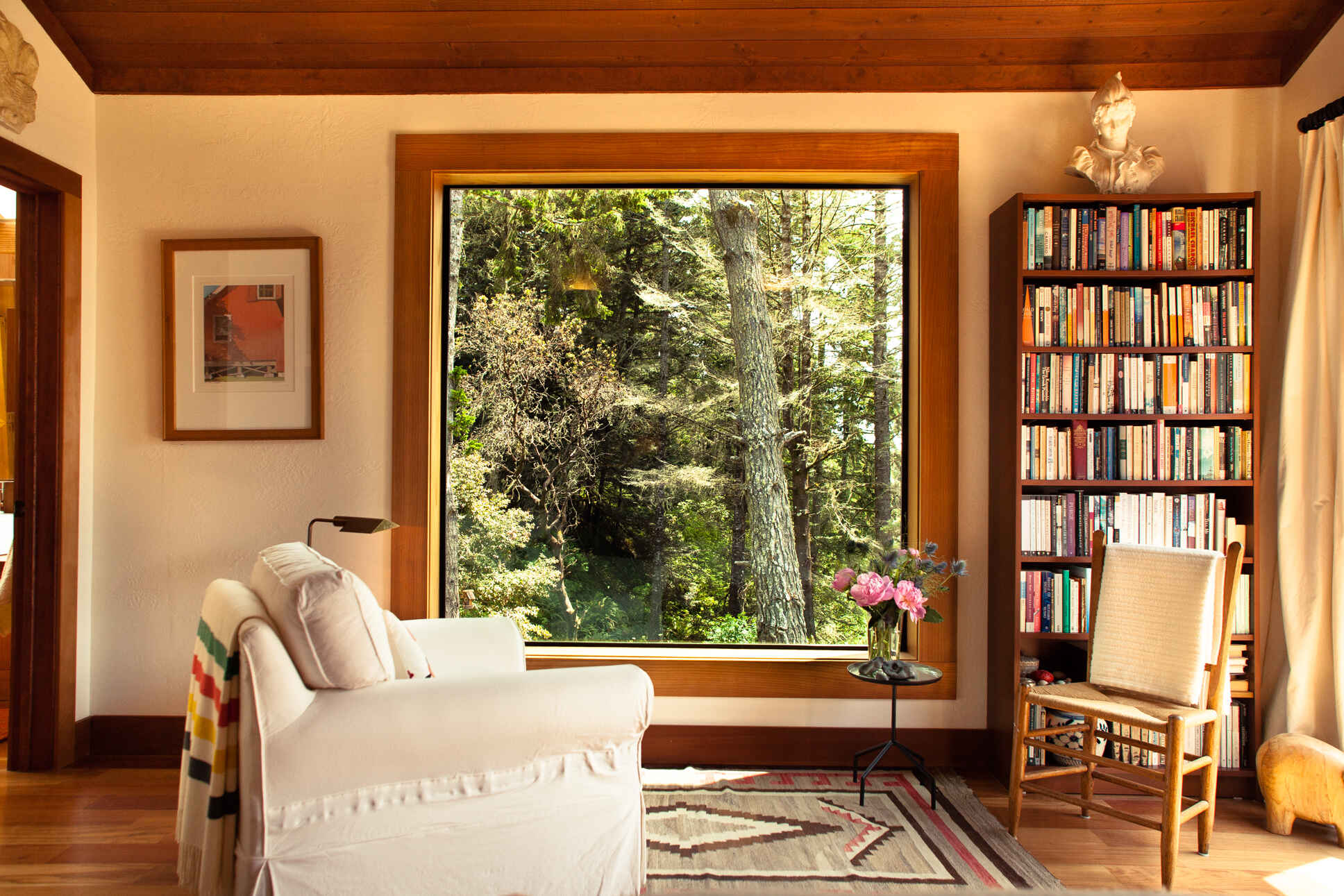
Digital detox, in the context of interior design, means crafting spaces that let you take a break from your devices. This is to encourage engagement in physical and analog activities so you can reconnect in the real world. By curating tech-free zones, it detaches the household from distracting technology and improves relationships and routines.
It first started as a self-discipline method where an individual allots a time period for a digital pause. It is typically done by turning off push notifications or putting away devices when eating or sleeping.
Advertisement
In interior design, however, it’s not about refraining from using your phones and tablets or uninstalling all your favorite apps. Instead, it imposes a less harsh digital deprivation by curating your furniture arrangement, electric socket placement, lighting, and decor.
The Pressing Screen Time Problem
Wagner et al.’s study about screen time behavior revealed that digital usage at home increased during the COVID-19 pandemic. The researchers rightly predicted that the phenomenon would continue even after the quarantine.
Carson and Janssen’s research supported this notion by stating that there is a direct correlation between home setting and screen time. Among the identified factors affecting the duration of digital consumption is the inclusion of TVs in relaxation areas like the bedroom.
Advertisement
It is also important to note that remote work and blended learning setups are still implemented.
While these conditions provide convenience and efficiency, they also demand long hours of screen time. This affects the different aspects of our well-being, causing the development of damaging effects like sleep disturbances and declined social skills.
There’s no denying that digital detox at home can be impractical to some, particularly if tasks heavily rely on technology. It can be a bummer for people who use their devices to stay organized and stay updated with important events and people.
Advertisement
But this design method gives way for a healthy balance of digital routine through small improvements in spaces.
How to Digital Detox at Home
Digital detoxing at home doesn’t have to be as strict as a tech-free monastery. Rather, you can approach it in a more clever way to create a safer space for virtual and physical connections. Here are some of the techniques to carry out a friendlier interior digital detoxing.
Arrange spaces for offline activities
Assign common and relaxation areas as tech-free zones. Spaces like the living room, dining area, bedroom, and bathroom should adopt a minimalist design to include only the essentials. By doing so, it reduces visual clutter that distracts you from the real world.
Advertisement
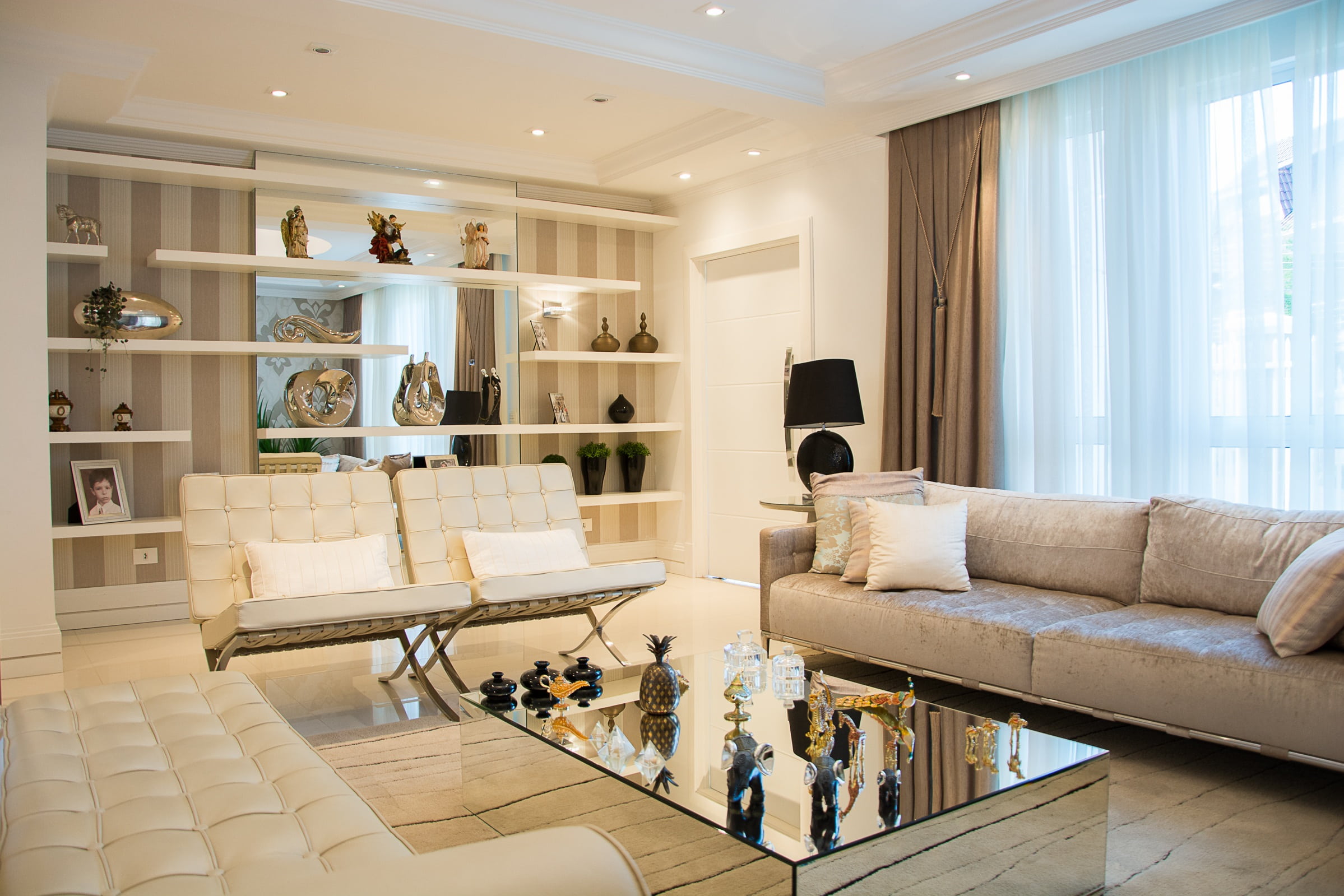
For the living room, opt for comfy sofas or couches rather than individual chairs to promote closer interactions. Arrange them across each other or in a U-shaped layout ideal for face-to-face conversations. You can also fill the space with analog distractions like a bookshelf or a musical instrument.
As for the rest of the mentioned areas, digital detox by not adding TVs or any visual entertainment appliances. Instead, adopt biophilic design to add a natural touch for a calmer vibe.
Strategically minimize electric sockets
Rather than placing signs about screen time hours, let the limited electric sockets be your indirect reminder. Use a decorative disguise to strategically hide them. You can use potted plants, artwork, or any trinkets to cover these outlets. Painting electric sockets with the same wall color or surrounding them with mismatched framed picture collections hide them in plain sight. But you can intentionally cover them with appliance cabinets like a TV rack or kitchen cupboard. You can also place the furniture away from these sockets to ensure limited digital use while lying back.
Advertisement
Install conscious lighting
Dimmable fixtures can perform both task-specific illumination and ambient lighting. Aside from making a relaxing atmosphere, they also allow you to find the right contrast for digital screen displays. You can also install lighting behind desktop monitors and TVs to reduce digital eye strain. But apart from artificial lighting, you can bathe your tech-free zones with natural light. As sunlight makes our digital devices’ screens dimmer, they become less visually appealing to stare at for extended periods.
Digital detox within the home goes beyond simply putting down our devices. It also emphasizes the ability of interior design in shaping our indoor experiences. By intentionally creating spaces designed for a balanced virtual and physical interaction, we can nudge ourselves and our families towards mindful living in this digital age.
Advertisement
Read more: Smart Homes and Automation: The Future of Residential Design
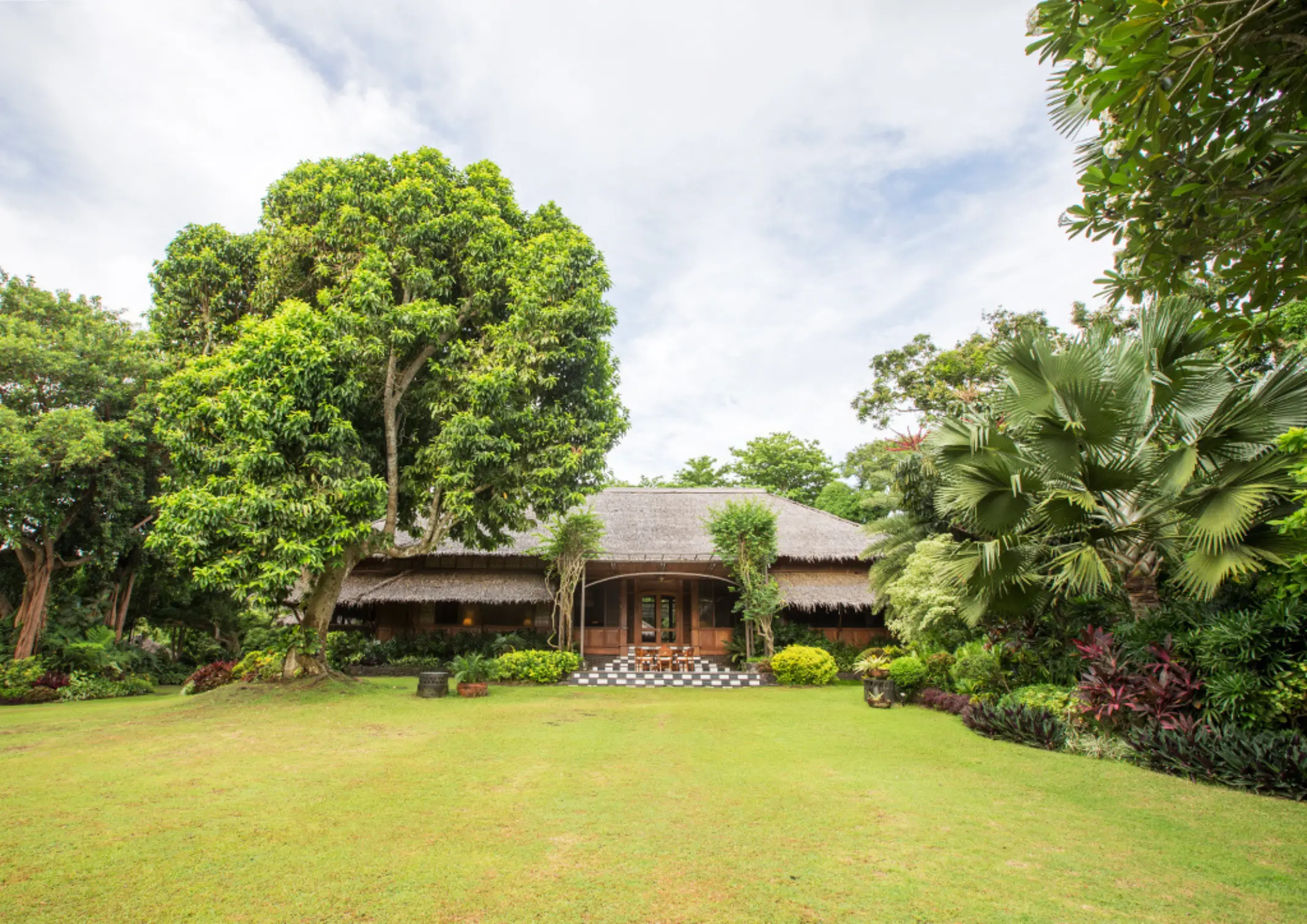
With climate change and global warming, the Philippine climate is in constant evolution. Consequently, it is important for Filipinos to have living spaces that respond to the local environment. In this article, BluPrint lists down Filipino architects who are reimagining the tropical house, aligning the built and natural environment. BAAD Studio Principal architects Benjee Mendoza […]
Advertisement
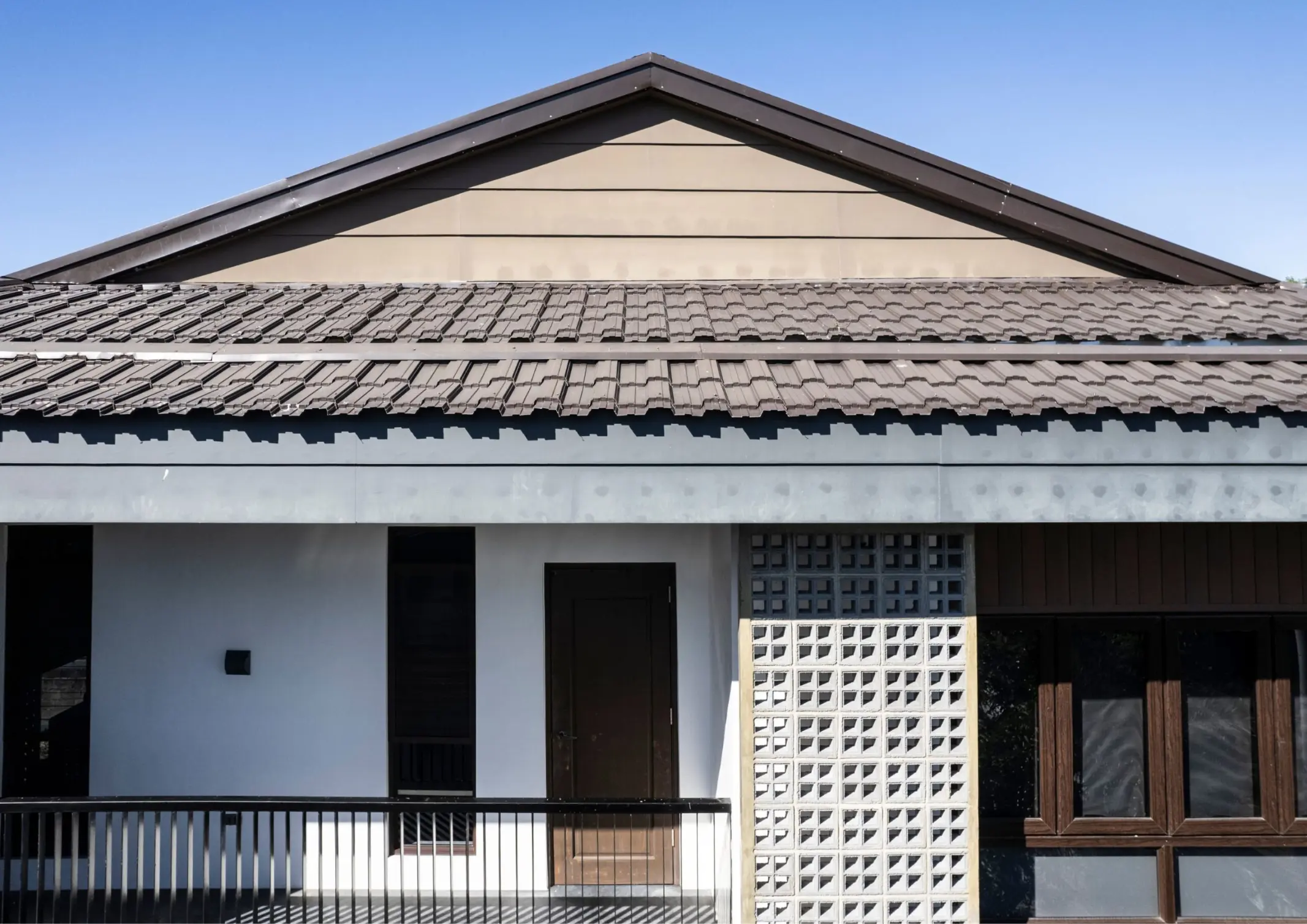
Ventilation involves the introduction of outdoor air into a room, providing occupants with their needs. Proper ventilation allows for the moderation of internal temperatures, the creation of better airflow, the dilution of carbon dioxide to acceptable levels, and the removal of contaminants. This addresses health risks associated with indoor air pollution, such as respiratory problems […]

WORLDBEX 2026, running from March 12 to 15, 2026, proves itself as the Philippines’ leading construction and design expo as it wrapped its 29th edition. It drew together 1,000 local and international exhibitors under one theme, “Building Opportunities: Sustaining Lives.” Organized by Worldbex Services International (WSI), in support of the ABS-CBN Foundation Inc., the event […]
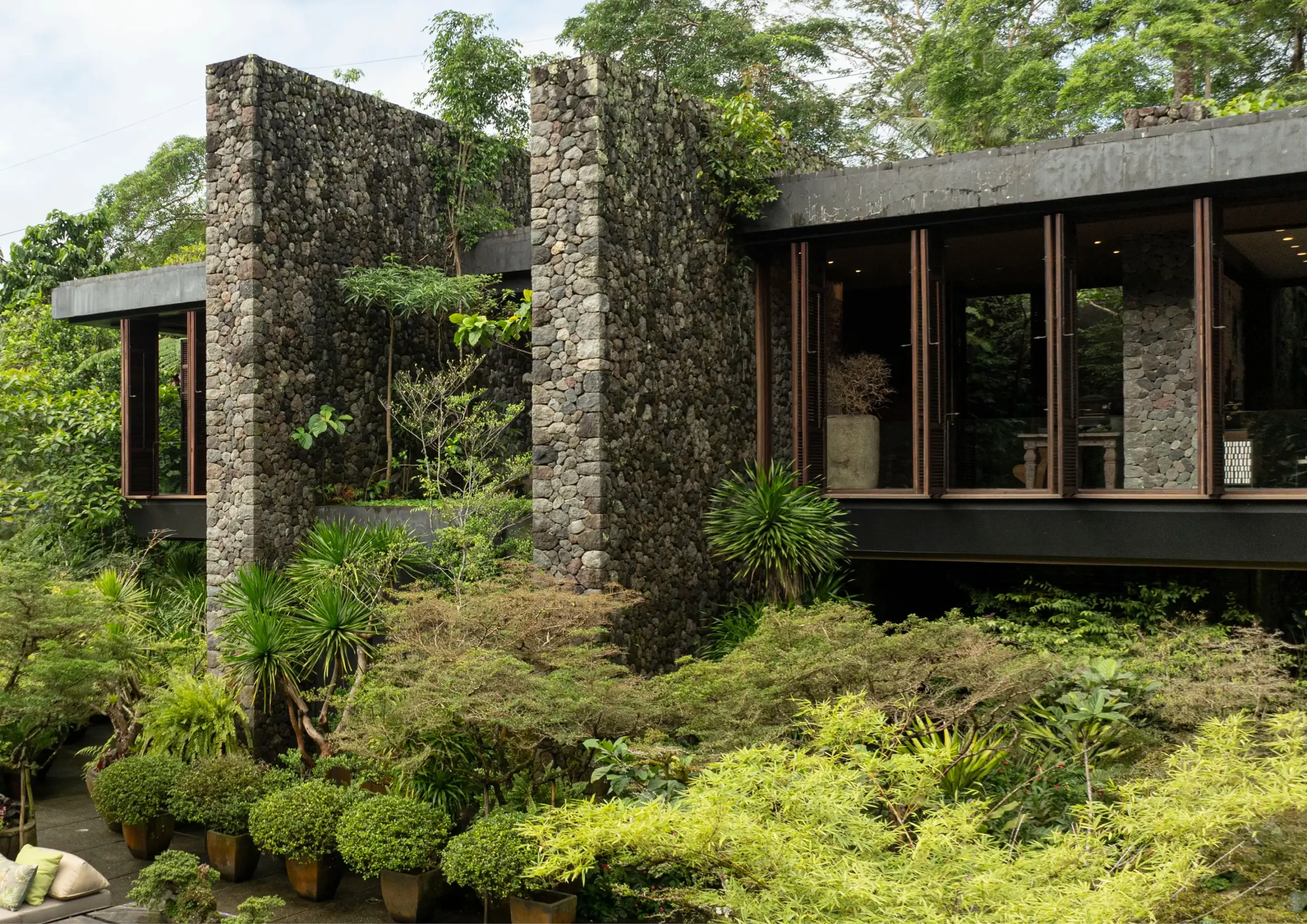
Located near the equator, factors such as heat and humidity are the norm in the Philippines. This tropical climate has shaped the development of architecture in the country. As Leandro V. Locsin stated: “The first consideration of the Filipino builder and certainly the most evident in his architecture, which is after all an outgrowth of […]
Advertisement

Art in the Park returned this year to Jaime Velasquez Park in Salcedo Village, Makati City, to celebrate its 20th anniversary. This year’s edition featured a curated selection of works from 55 exhibitors representing galleries, art collectives, independent art spaces, and student groups. With all artworks capped at Php 70,000, the fair continued its mission […]

Download this month's BLUPRINT magazine digital copy from:



Subscribe via [email protected]