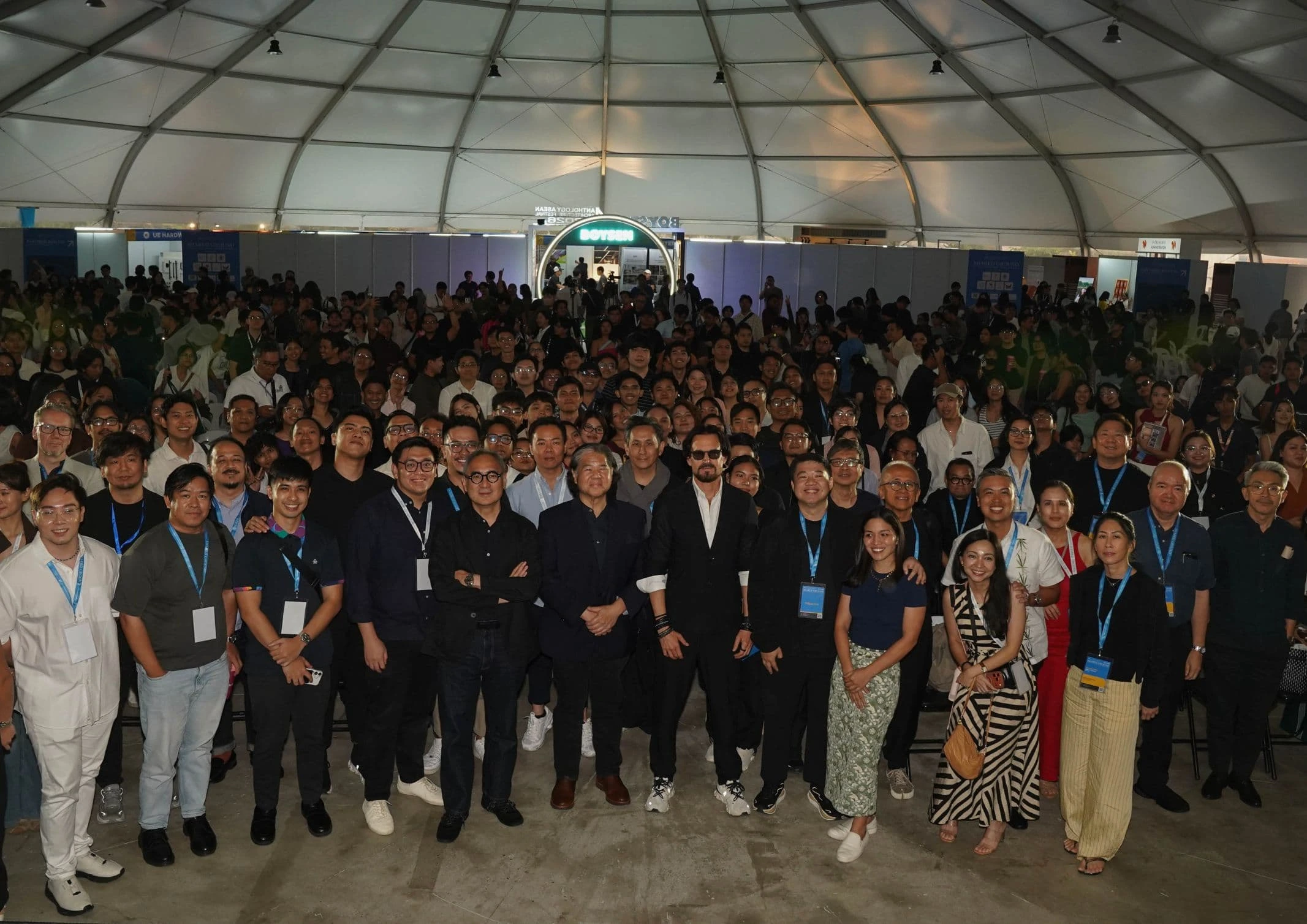
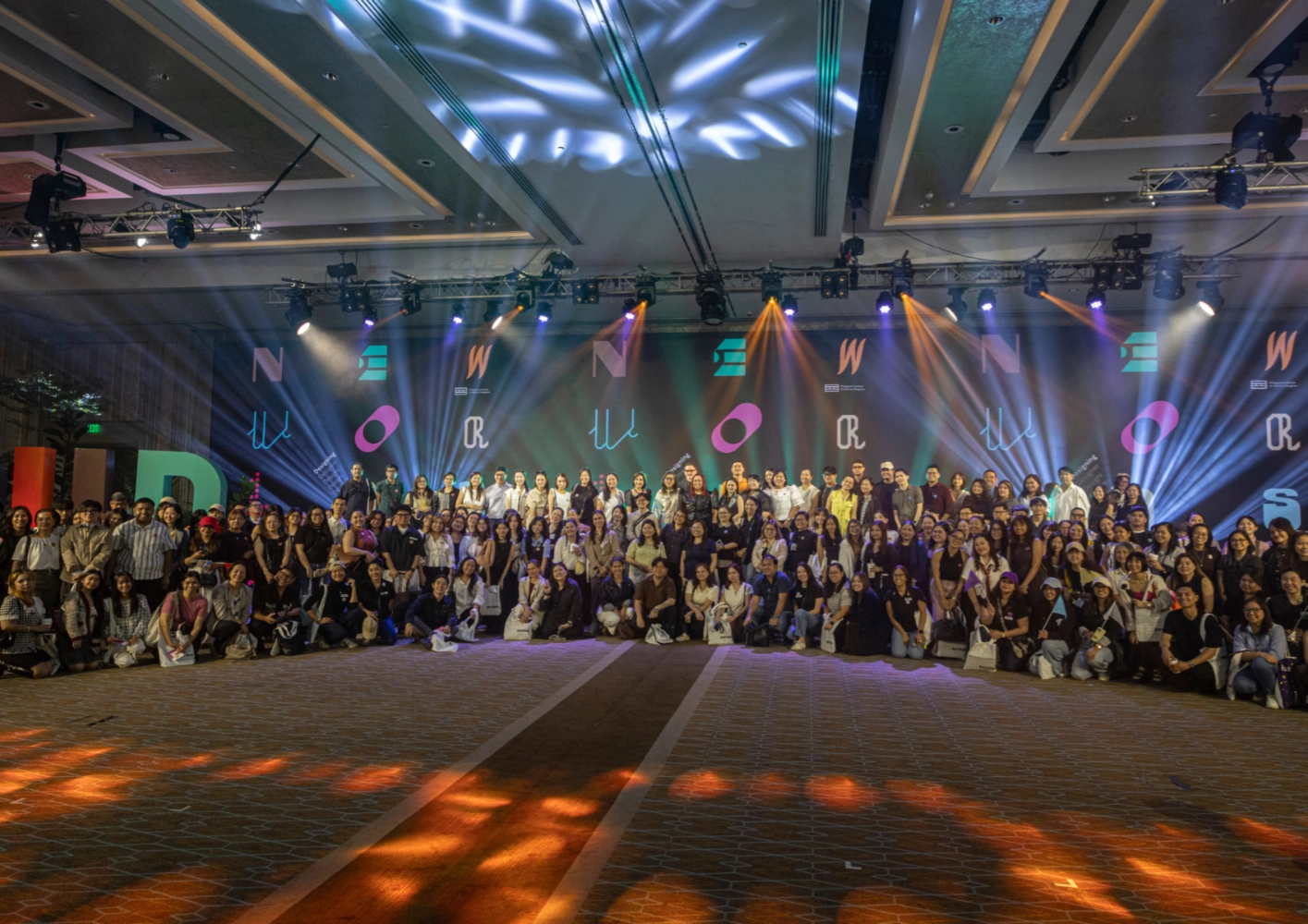
The seventh edition of the Anthology ASEAN ArchitectureArchitectureThe art and science of designing and constructing buildings, structures, and spaces that are functional, safe, and aesthetically pleasing. It encompasses the planning, design, materials, and techniques used to createGo to Architecture Glossary Festival brought together over 4,000 delegates from across the Philippines and Southeast Asia for three […]
Digital Detox: Practical Steps to Regulate Your Tech Habits



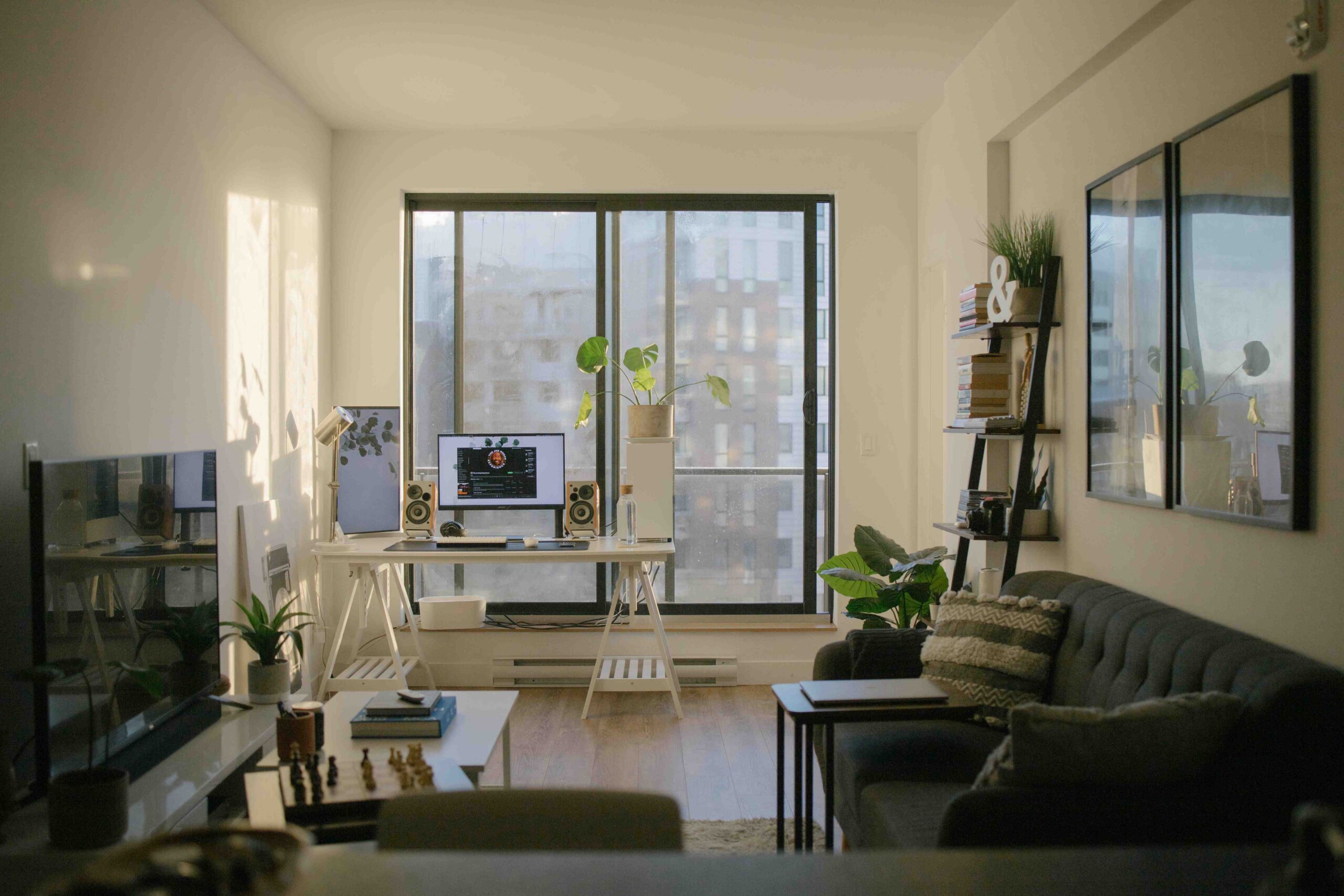
Digital detoxing has made its way into the interior designInterior DesignThe discipline of planning and shaping interior spaces for function, comfort, safety, and beauty. It covers layout, lighting, materials, finishes, furniture, and color, and in the Philippines is a licensedGo to Interior Design Glossary world to create spaces where we can truly disconnect to reconnect. And with fast-paced technological advancements happening everyday, it’s harder than ever to avoid the harmful effects our devices have on our overall well-being. While it’s impossible to completely cut out digital usage, there is a way to temporarily unplug from the virtual landscape through smart and disciplined home design.
What is Digital Detox?
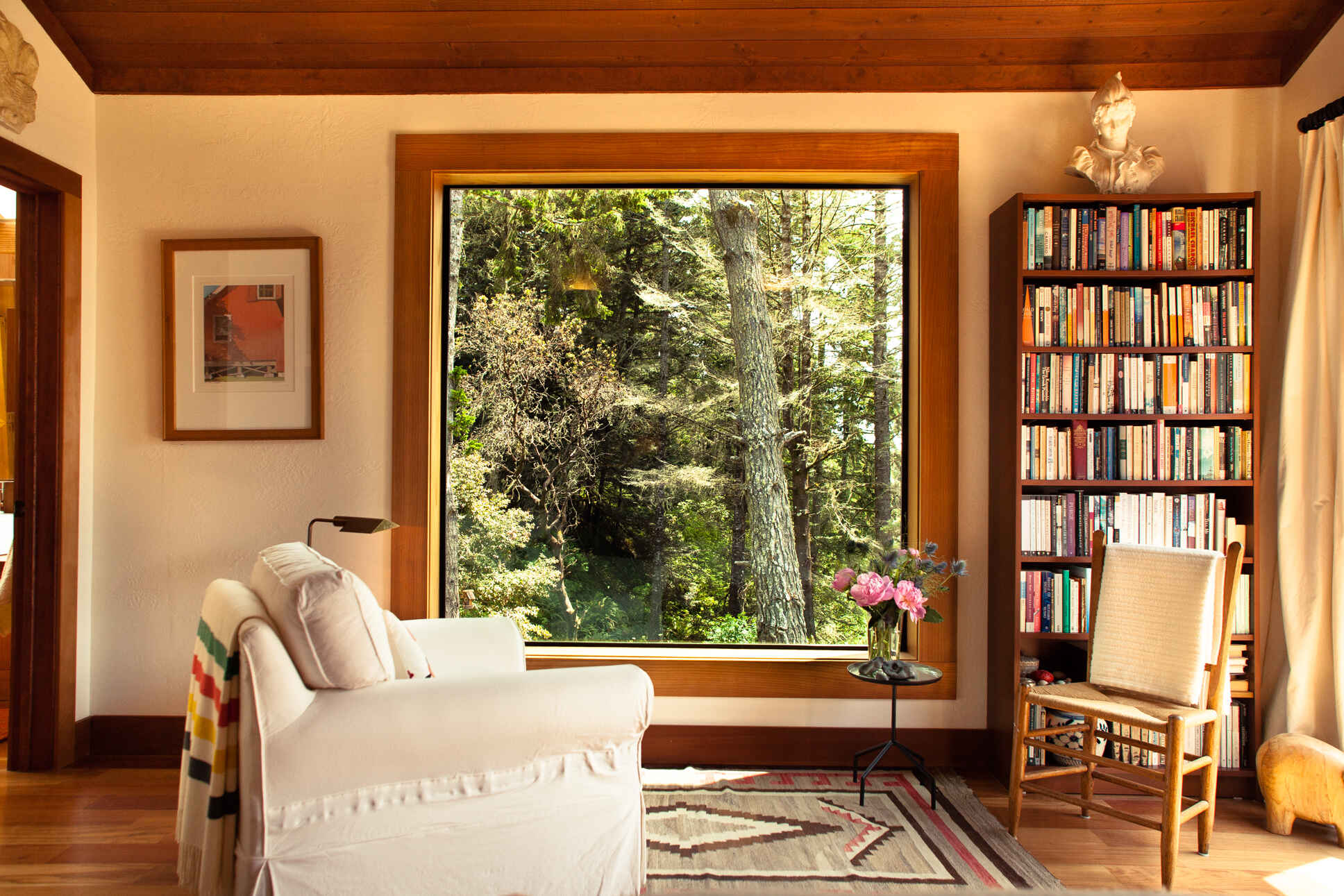
Digital detox, in the context of interior designInterior DesignThe discipline of planning and shaping interior spaces for function, comfort, safety, and beauty. It covers layout, lighting, materials, finishes, furniture, and color, and in the Philippines is a licensedGo to Interior Design Glossary, means crafting spaces that let you take a break from your devices. This is to encourage engagement in physical and analog activities so you can reconnect in the real world. By curating tech-free zones, it detaches the household from distracting technology and improves relationships and routines.
It first started as a self-discipline method where an individual allots a time period for a digital pause. It is typically done by turning off push notifications or putting away devices when eating or sleeping.
In interior design, however, it’s not about refraining from using your phones and tablets or uninstalling all your favorite apps. Instead, it imposes a less harsh digital deprivation by curating your furniture arrangement, electric socket placement, lighting, and decor.
The Pressing Screen Time Problem
Wagner et al.’s study about screen time behavior revealed that digital usage at home increased during the COVID-19 pandemic. The researchers rightly predicted that the phenomenon would continue even after the quarantine.
Carson and Janssen’s research supported this notion by stating that there is a direct correlation between home setting and screen time. Among the identified factors affecting the duration of digital consumption is the inclusion of TVs in relaxation areas like the bedroom.
It is also important to note that remote work and blended learning setups are still implemented.
While these conditions provide convenience and efficiency, they also demand long hours of screen time. This affects the different aspects of our well-being, causing the development of damaging effects like sleep disturbances and declined social skills.
There’s no denying that digital detox at home can be impractical to some, particularly if tasks heavily rely on technology. It can be a bummer for people who use their devices to stay organized and stay updated with important events and people.
But this design method gives way for a healthy balance of digital routine through small improvements in spaces.
How to Digital Detox at Home
Digital detoxing at home doesn’t have to be as strict as a tech-free monastery. Rather, you can approach it in a more clever way to create a safer space for virtual and physical connections. Here are some of the techniques to carry out a friendlier interior digital detoxing.
Arrange spaces for offline activities
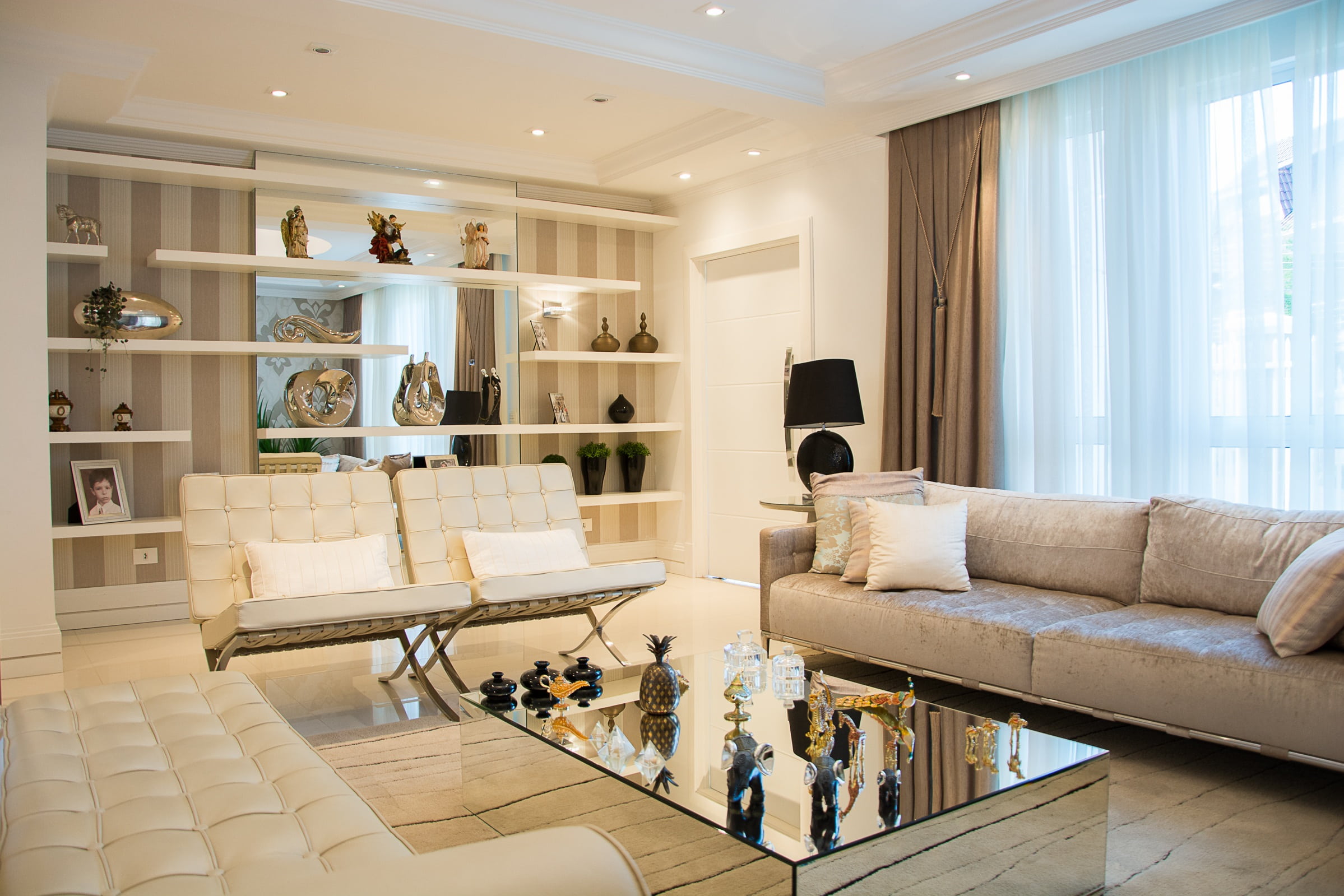
Assign common and relaxation areas as tech-free zones. Spaces like the living room, dining area, bedroom, and bathroom should adopt a minimalist design to include only the essentials. By doing so, it reduces visual clutter that distracts you from the real world.
For the living room, opt for comfy sofas or couches rather than individual chairs to promote closer interactions. Arrange them across each other or in a U-shaped layout ideal for face-to-face conversations. You can also fill the space with analog distractions like a bookshelf or a musical instrument.
As for the rest of the mentioned areas, digital detox by not adding TVs or any visual entertainment appliances. Instead, adopt biophilic design to add a natural touch for a calmer vibe.
Strategically minimize electric sockets
Rather than placing signs about screen time hours, let the limited electric sockets be your indirect reminder. Use a decorative disguise to strategically hide them. You can use potted plants, artwork, or any trinkets to cover these outlets. Painting electric sockets with the same wall color or surrounding them with mismatched framed picture collections hide them in plain sight. But you can intentionally cover them with appliance cabinets like a TV rack or kitchen cupboard. You can also place the furniture away from these sockets to ensure limited digital use while lying back.
Install conscious lighting
Dimmable fixtures can perform both task-specific illumination and ambient lighting. Aside from making a relaxing atmosphere, they also allow you to find the right contrast for digital screen displays. You can also install lighting behind desktop monitors and TVs to reduce digital eye strain. But apart from artificial lighting, you can bathe your tech-free zones with natural light. As sunlight makes our digital devices’ screens dimmer, they become less visually appealing to stare at for extended periods.
Digital detox within the home goes beyond simply putting down our devices. It also emphasizes the ability of interior designInterior DesignThe discipline of planning and shaping interior spaces for function, comfort, safety, and beauty. It covers layout, lighting, materials, finishes, furniture, and color, and in the Philippines is a licensedGo to Interior Design Glossary in shaping our indoor experiences. By intentionally creating spaces designed for a balanced virtual and physical interaction, we can nudge ourselves and our families towards mindful living in this digital age.
Read more: Smart Homes and Automation: The Future of Residential Design
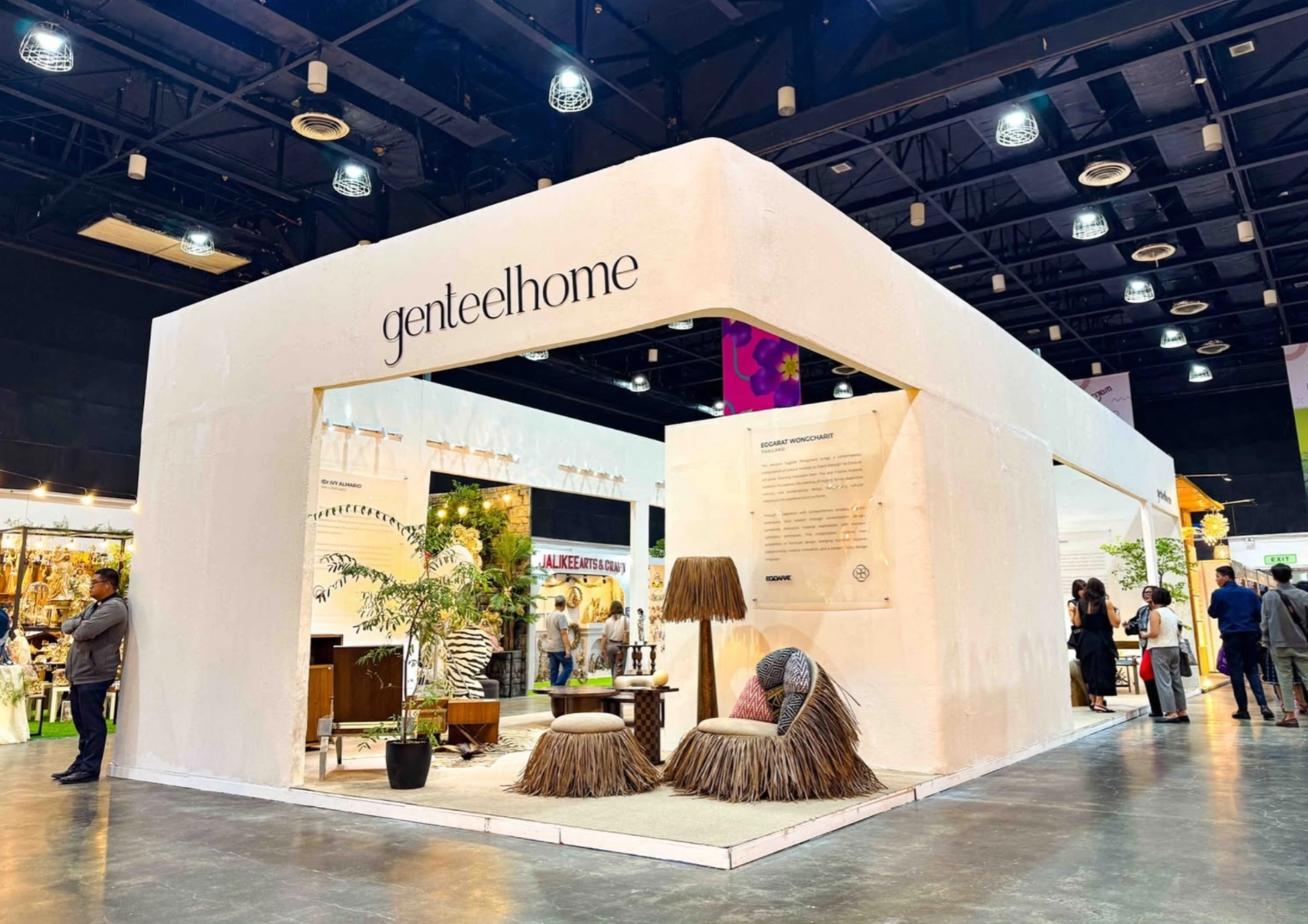
Bigkis is the act of binding. In Tagalog, the word can refer to something used to bind or encircle, as well as a bundle formed by tying several separate elements together. Figuratively, it can also mean a bond, union, or unity. The meanings move from the physical act of joining things together to the connection […]
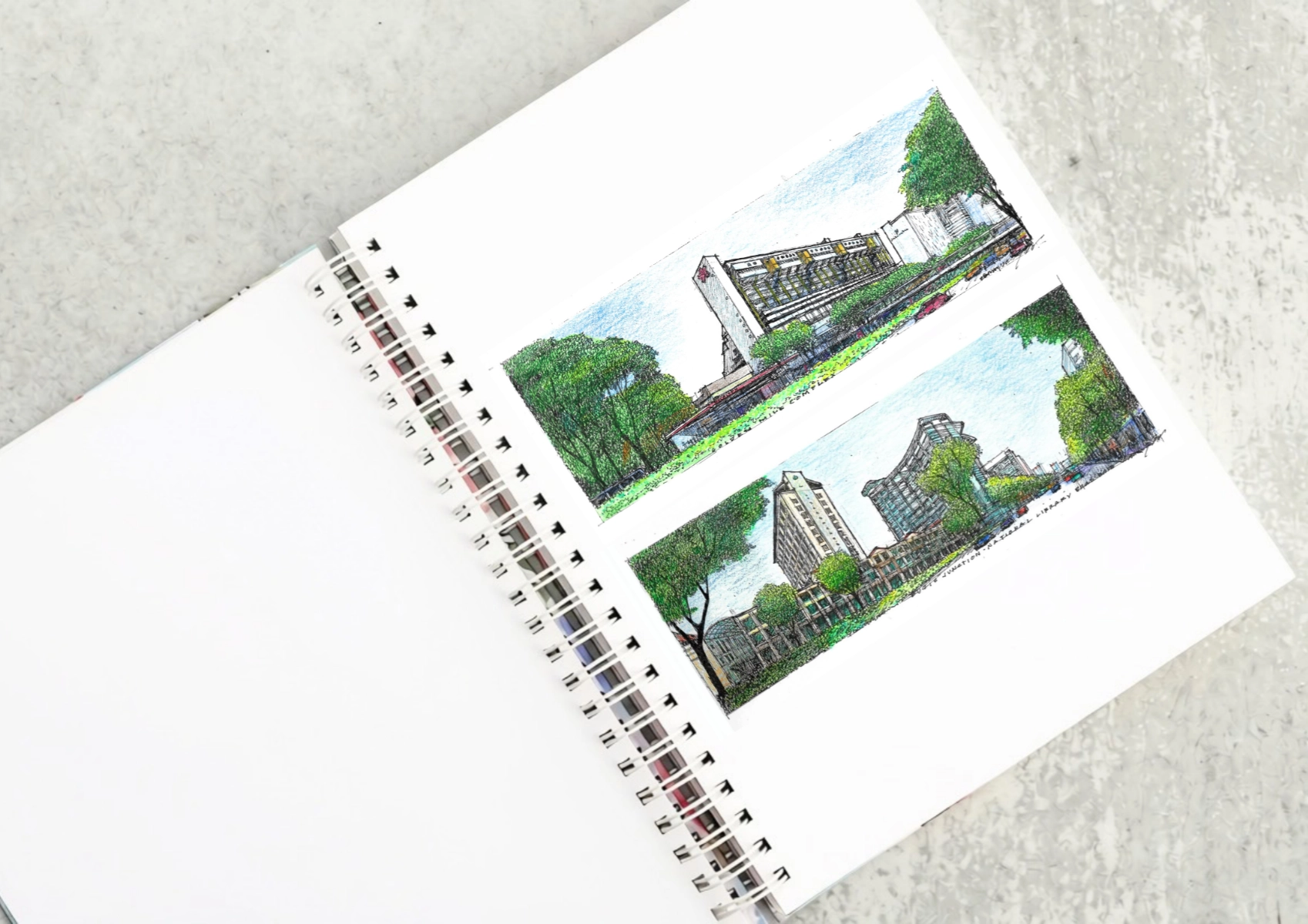
Two sketches of Singapore connect BluPrint Editor in Chief Paulo G. Alcazaren’s personal and professional history with Shared Ground: ArchitectureArchitectureThe art and science of designing and constructing buildings, structures, and spaces that are functional, safe, and aesthetically pleasing. It encompasses the planning, design, materials, and techniques used to createGo to Architecture Glossary of Care, Culture, […]
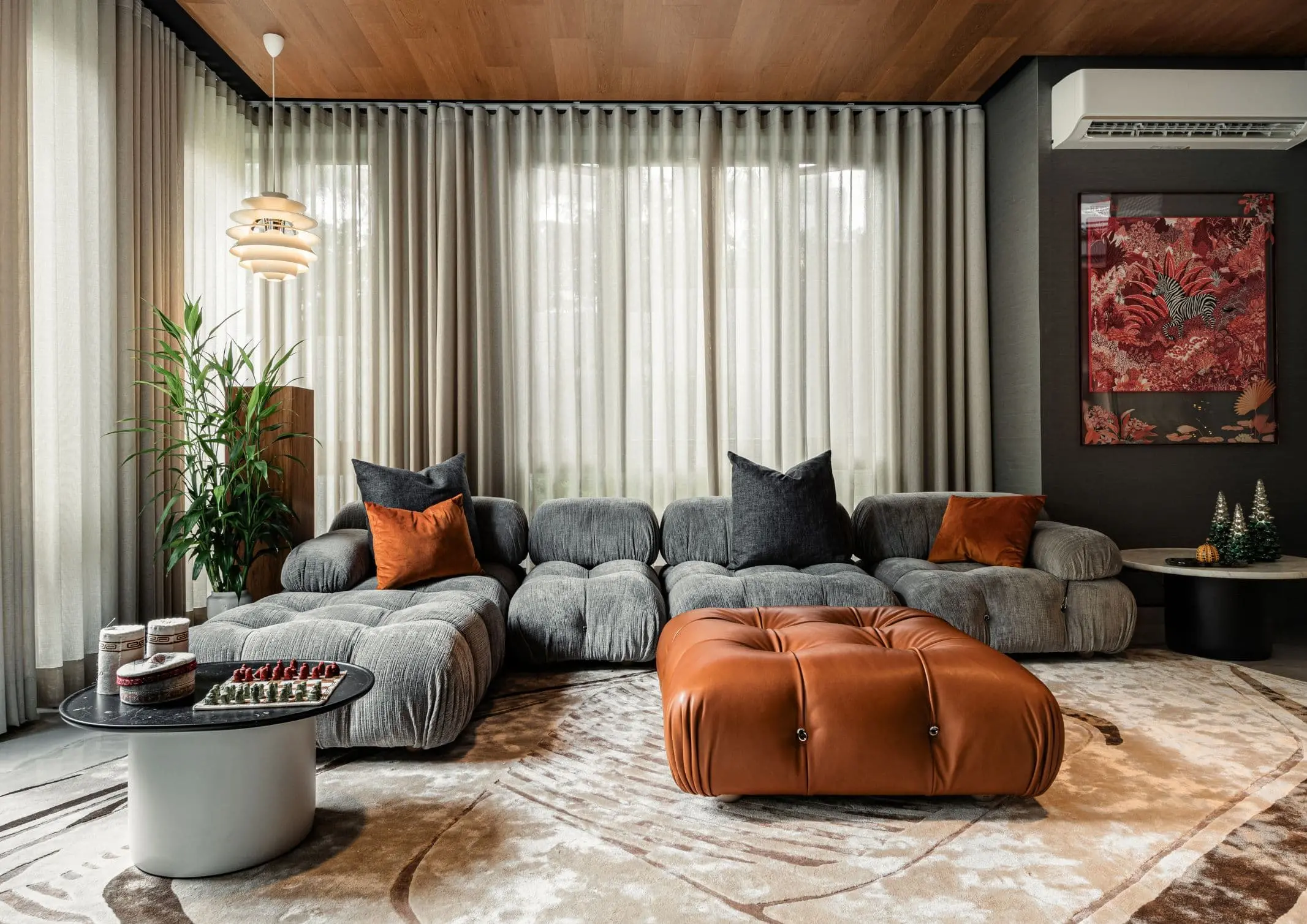
Some have become household names – Coleman, Oster, and KitchenAid – products that have found their way into Filipino kitchens, homes and family routines. In home furnishings, brands such as B&B Italia, Ethan Allen, Sub-Zero, Miele, SieMatic, Louis Poulsen, Hunter Douglas, Tempur, and Technogym, have helped shape the way Filipinos live. From everyday essentials to […]
In a way, designers are the modern-day soothsayers and prophets. They design for the future, predicting how a room, a house, a building or a whole city will be used by people. They foresee how users will interact with a space, conjure exact shades of colors to elicit specific behavior and arrange furniture to build […]
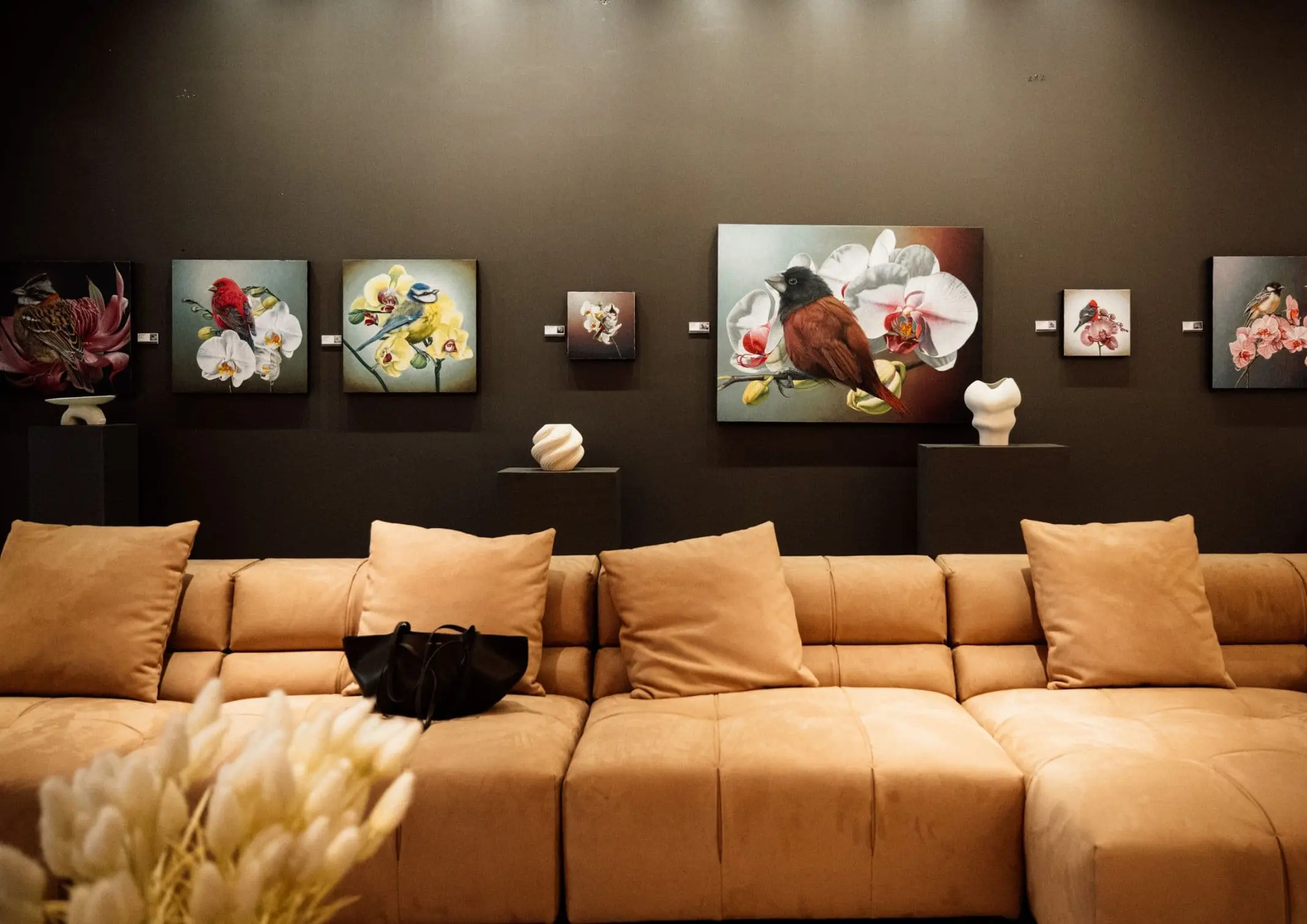
Art and furniture are often selected separately, yet their relationship can shape how a room looks and feels. The collaboration between Hooga and Galerie Joaquin explores how these elements can work together, bringing contemporary artworks into furnished residential settings at Hooga’s showroom in Uptown Mall, Bonifacio Global City. For Hooga, which curates furniture, lighting, and […]
Read the issues.

Collect the volumes.

Recommended Video
Tap to Unmute
Unmute
0:00
0:00