When you step into a room, does it instantly lift your spirits or leave you feeling flat? Lighting is the silent maestro that plays a far bigger role than you might think. Sure, color and decor matter, but the right lighting scheme can elevate these design elements even more. But with all the different lights available and the recent big light debate, it can be a little confusing which types to pick and arrange. Fret not! Lampscaping is here to help you create the perfect atmosphere for any room.
Lampscaping Defined
Lampscaping is the strategic selection and placement of lamps and other lighting fixtures to create or enhance the look, feel, and function of an indoor space. This technique focuses on layered lighting schemes to cast a balanced amount of light and shadows, bringing depth and visual appeal. It also matches appropriate lighting to any indoor activity and helps define the different areas of your home.
But more than placing an emphasis on lights and their arrangement, effective lampscaping also takes into account the room’s composition. The layout, position of furnishings, and your chosen interior style all contribute to a cohesive and visually engaging lighting scheme. This method is a holistic approach to lighting and space; not an afterthought in the design process. So, designers regard it as an integral part that requires ample time and attention to succeed.
Advertisement
But, Is It the Proper Term?
Photographed by Ed Simon
For beginners designing their space, lampscaping could be oversimplified as basically integrating various lamps and small lights only. But, in theory and practice, this method includes all types of lighting to ensure the interior is well-lit.
Lamps Plus design expert John Barnes argued that lampscaping is a misleading term. Since a room always requires multiple light sources, you can’t solely rely on lamps to completely light a space.
Some even stated that lampscaping favors lamps and small secondary lighting too much. And if taken lightly, it might overtake the function of overhead lights in a space. Worst case scenario, it might fuel another big light debate (and nobody wants that).
Advertisement
So, architectural lighting designer Paul Nulty prefers to use a more collective term: “lighting design.” In his defense, lampscaping leans more towards the kind and placement of lamps and light fixtures. Whereas lighting design prioritizes the quality, effect, and interplay used to create visual dynamics. Having full control of light levels in your space is when good lighting design comes to life. And this ability can’t be achieved by lamps and small lights alone.
But lampscaping could still be a valuable method to get good lighting design. Here’s how to do it.
Lampscaping: A Guide to a Good Lighting Design
Using lampscaping as a strategy for choosing and arranging lights is a good starting point. Create comprehensive and functional lighting with these simple tips.
Advertisement
Assess the Space
Photographed by Ed Simon
In assessing your room, take note of its dimension, furniture placement, and function to determine the number and types of lights you’ll need.
For larger rooms with taller ceilings, you have a wider range of choices, such as statement chandeliers, pendants, flush mounts, and wall sconces. Smaller spaces, on the other hand, can also include similar light types but fewer in number and in shorter, smaller versions.
The windows’ placement and size could also influence your lampscaping. Large windows facing south will bring in a lot of natural light throughout the day. This means they only require minimal light support. Smaller north-facing windows are mostly shaded the entire day and offer cooler light. So, you need to switch on more lights by dusk until the evening.
Advertisement
The arrangement of furniture helps identify dead zones and areas where shadows fall. If you have dark corners, consider adding task and accent lights, like a reading lamp next to an armchair.
Additionally, think about the purpose of the room. Is it for relaxing, working, or entertaining? If it’s a high-traffic area like a kitchen or entryway, opt for big overhead lights and a few secondary lighting. For spaces that house specific tasks like workspaces and reading nooks, focus on installing task lighting. But if it’s an open floor layout, choose dimmers to adjust the brightness based on the activity.
Align with the Interior Style
Photo credits to Hiroyuki Oki
To ensure a cohesive interior, complement the room’s style with the right lighting. Here are some of the commonly used lighting for commonly adopted interior designs.
Advertisement
Modern and minimalist interiors focus on clean lines and functionality. It features metallic finishes like chrome, nickel, and aluminum. So, sleek pendant lights, recessed lighting, and track lighting make the perfect choices for these styles. These lighting options blend well with the space’s uncluttered design and don’t interrupt its straightforward details.
For traditional designs, warm, inviting lighting is the key. Chandeliers, sconces with fabric shades, and table lamps with classic bases are all staples. Better if the lights have brass, bronze, antique finishes, or crystal accents to add a touch of elegance.
Scandinavian homes prioritize natural light. So, simple and functional lighting with clean design and light wood tones work best. Also, keep the windows uncluttered to maximize the flow of sunlight.
Advertisement
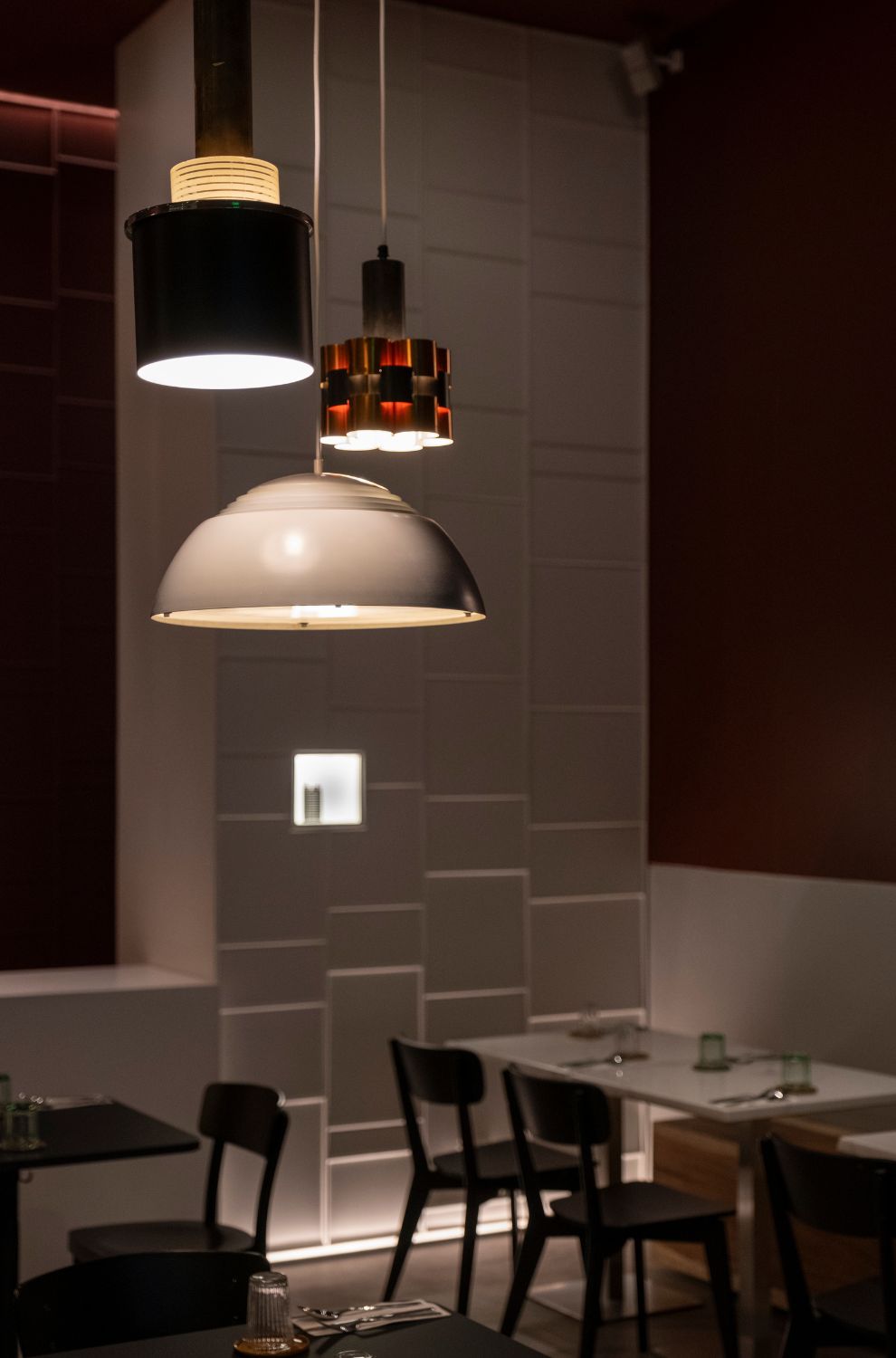
Industrial interiors pride themselves on raw and edgy design. Exposed bulbs and Edison-style filaments in metal fixtures and lamp cases fit perfectly with this style. To add visual interest, opt for light designs with reclaimed wood or distressed metal finishes.
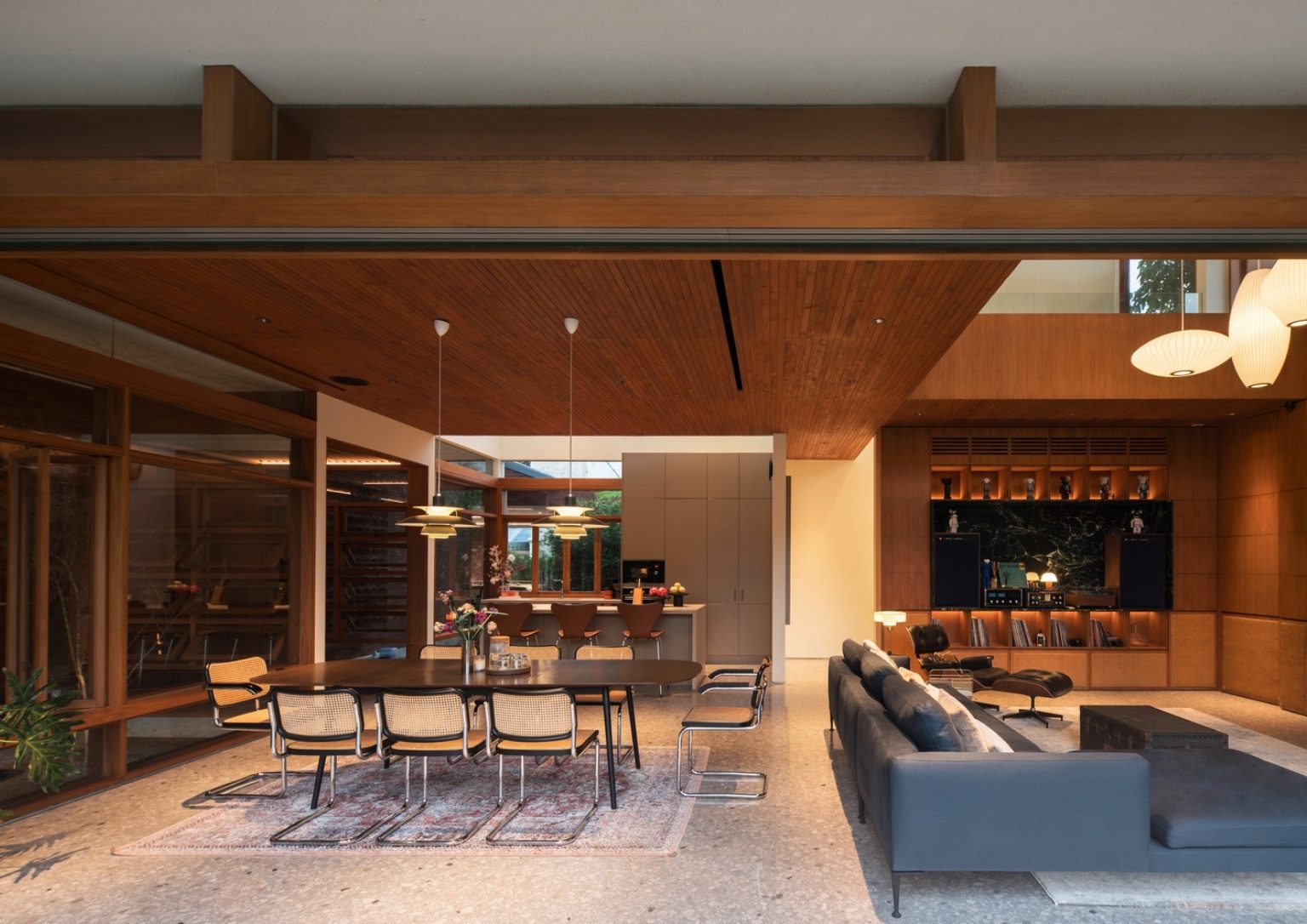
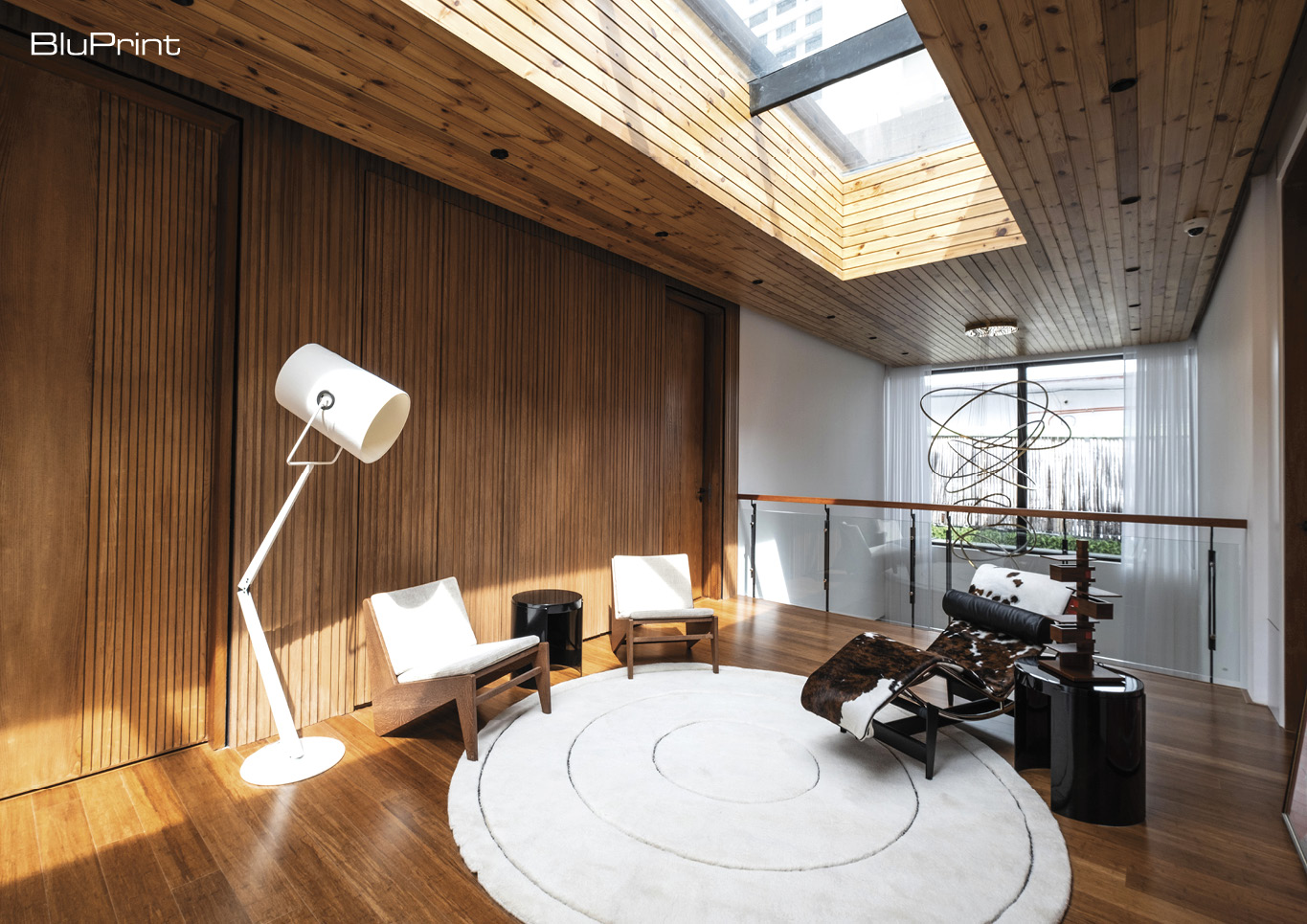
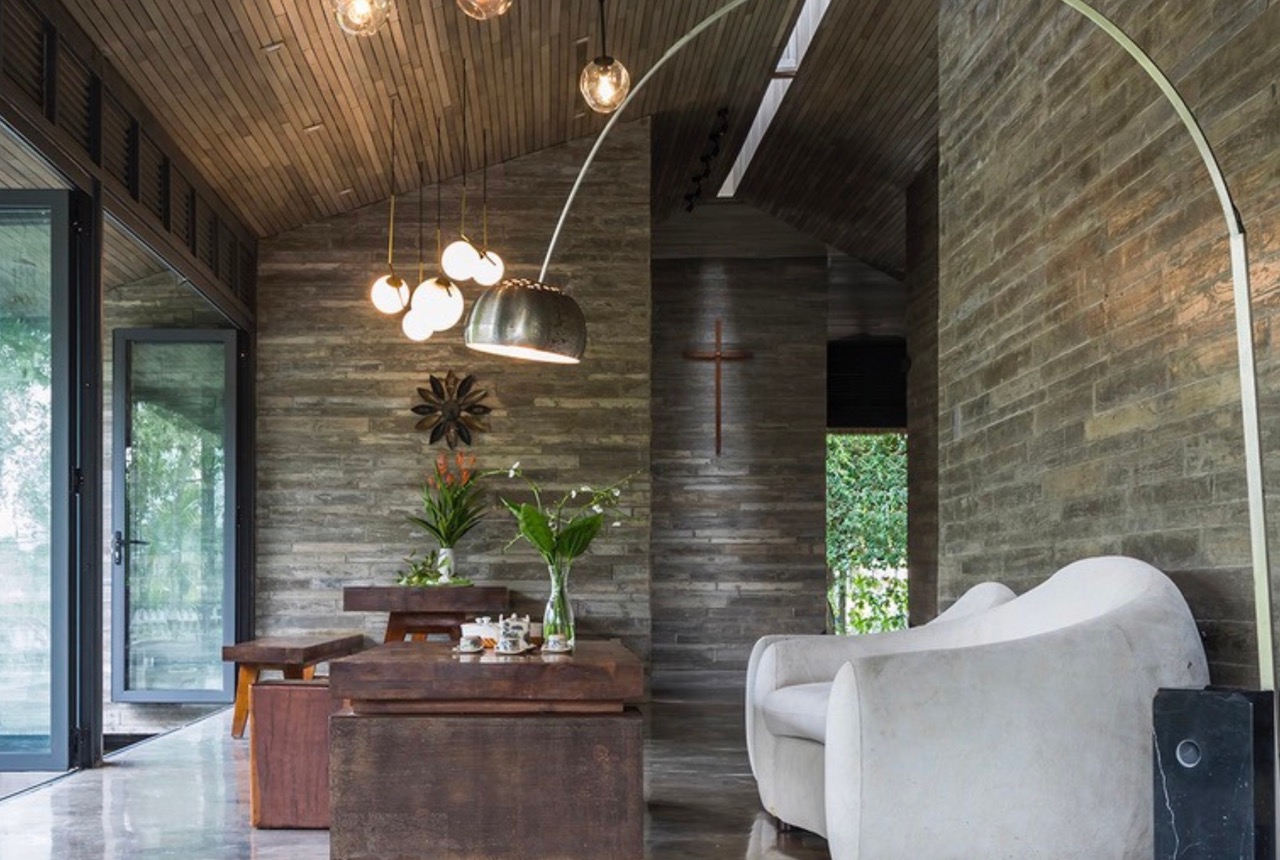
Mid-century modern homes include geometric shapes as their signature feature. Sputnik chandeliers, globe pendants, or drum shades are some of the lights you can choose from. For an added touch of mid-century vibe, choose designs with brass and gold finishes. You can consider a statement floor lamp with a sculptural base or a tripod design to complete the look.
Layer Lights
Photographed by Ed Simon
Layering lights apply to any space no matter the design, layout, or location. This creates balance, depth, and flexibility to the lighting scheme that can adapt different ambiances and functions.
Advertisement
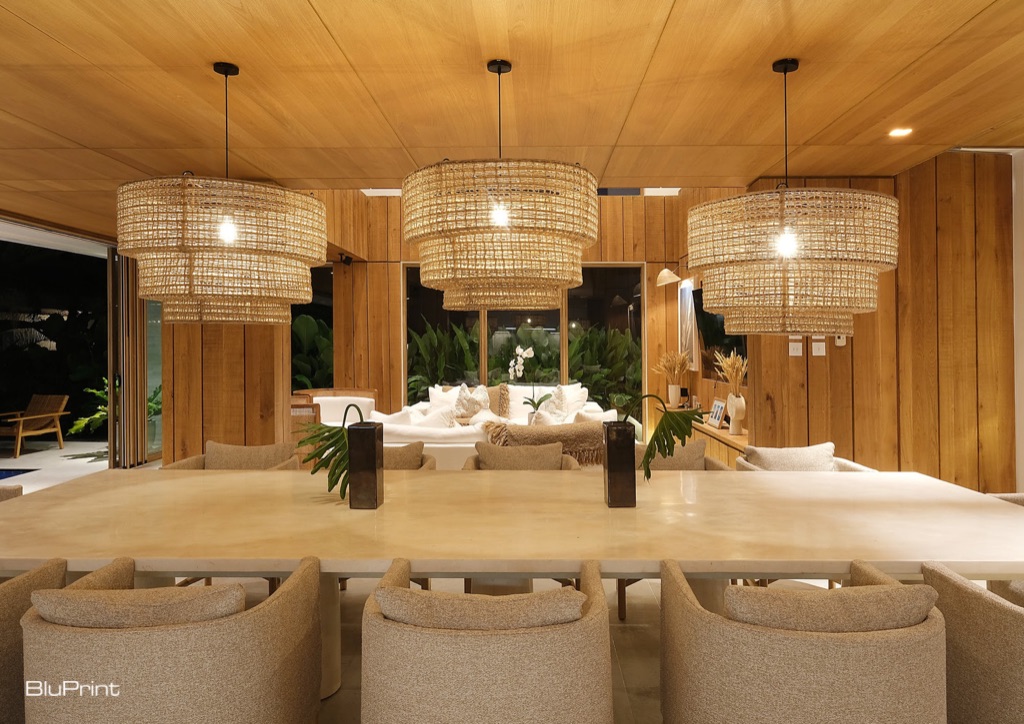
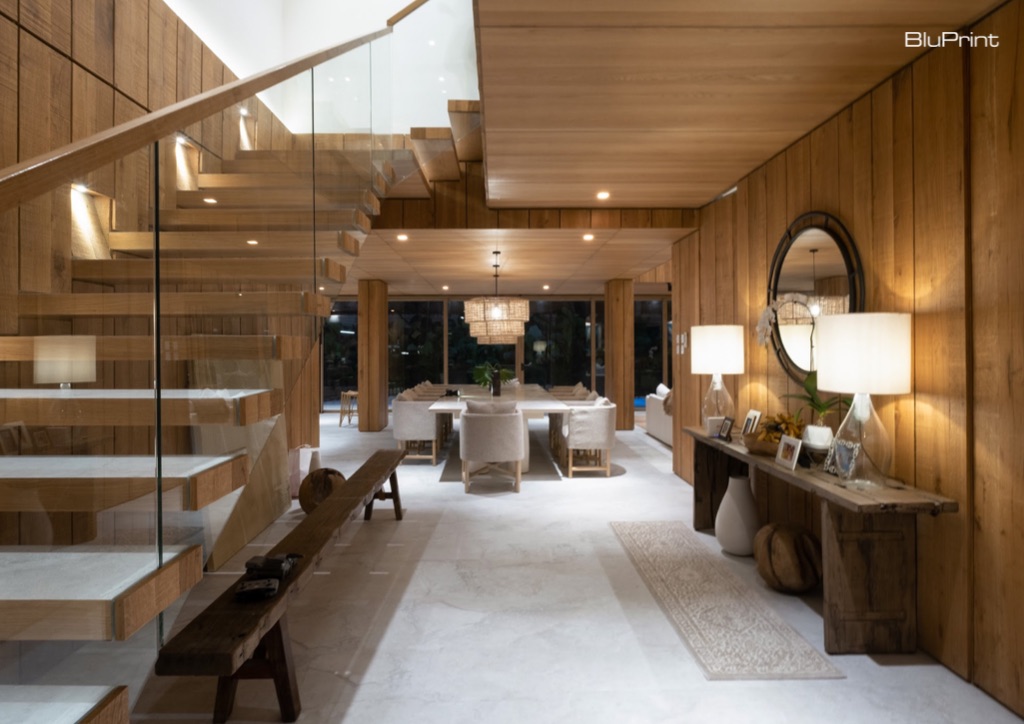
Using the first two tips, decide on the base layer, which is usually composed of big, overhead lights and ambient lights. The chandeliers, floor lamps, and pendant lights that you choose set the overall mood of the space. As the primary source of light, the base layer of lighting could also be the statement design in your home. You can put them in the center for limited spaces. But for larger and taller ceilings, you can experiment with the base lighting’s arrangement.
Next, add the task lighting. This secondary layer focuses on lighting specific areas for specific tasks.These include table lamps with adjustable arms, sconces mounted near a workspace, or under-cabinet lighting in the kitchen. They should be brighter and more directed than the diffused base layer since they are used for particular activities.
Lastly, the decorative layer, composed of accent lights, is responsible for adding visual interest and highlighting specific interior features. Compared to the first two layers, this final touch includes a variety of light bulbs and fixture designs often prioritizing aesthetics over function and illumination. Picture lights, spotlights, sconces with decorative shades, and string lights all add a theatrical effect to a space.
Advertisement
Although lampscaping might be a bit misleading, its core principles offer a fantastic roadmap for transforming your space with light. Think of it as the key to unlocking a room’s potential, setting the mood, and making it truly functional. After all, homes are like stages, and with the right lighting, you can set the scene for any mood you like.
Modern bathrooms are no longer purely functional spaces. Increasingly, they are being designed as environments that support cleanliness, ease, and quiet restoration within the home. As daily life becomes more demanding and health awareness continues to rise, homeowners are beginning to expect more from the spaces where daily rituals begin and end. For architects and […]
From the moment a diner steps through the door, each detail shapes how a meal is experienced. Restaurant design has evolved, with architects and culinary professionals collaborating to create built spaces that are as intentional as the menu itself. The spatial atmosphere acts as an additional ingredient that can define the culinary experience. Taupe and […]
With climate change and global warming, the Philippine climate is in constant evolution. Consequently, it is important for Filipinos to have living spaces that respond to the local environment. In this article, BluPrint lists down Filipino architects who are reimagining the tropical house, aligning the built and natural environment. BAAD Studio Principal architects Benjee Mendoza […]
Ventilation involves the introduction of outdoor air into a room, providing occupants with their needs. Proper ventilation allows for the moderation of internal temperatures, the creation of better airflow, the dilution of carbon dioxide to acceptable levels, and the removal of contaminants. This addresses health risks associated with indoor air pollution, such as respiratory problems […]
WORLDBEX 2026, running from March 12 to 15, 2026, proves itself as the Philippines’ leading construction and design expo as it wrapped its 29th edition. It drew together 1,000 local and international exhibitors under one theme, “Building Opportunities: Sustaining Lives.” Organized by Worldbex Services International (WSI), in support of the ABS-CBN Foundation Inc., the event […]
Located near the equator, factors such as heat and humidity are the norm in the Philippines. This tropical climate has shaped the development of architecture in the country. As Leandro V. Locsin stated: “The first consideration of the Filipino builder and certainly the most evident in his architecture, which is after all an outgrowth of […]