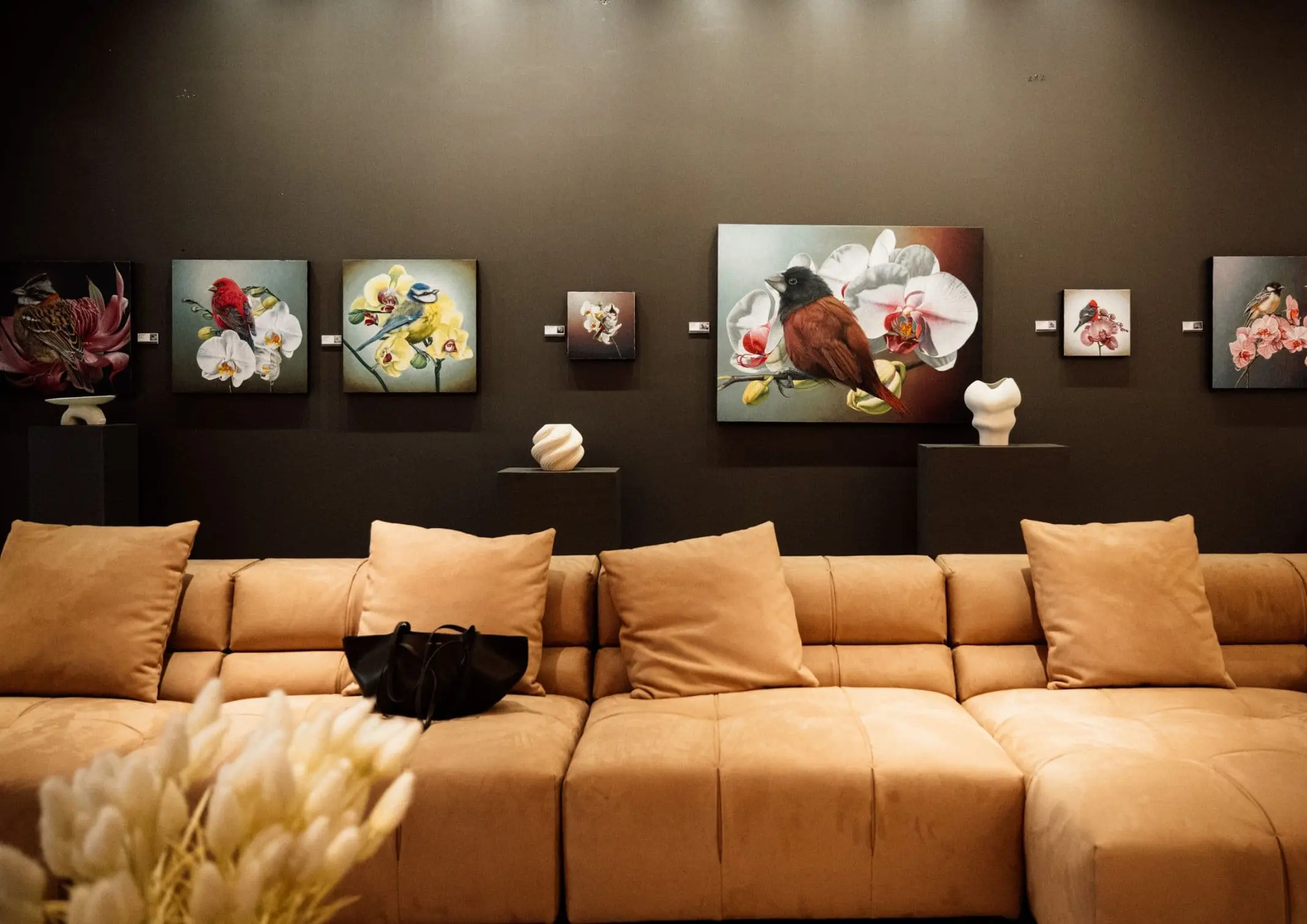
Art and furniture are often selected separately, yet their relationship can shape how a room looks and feels. The collaboration between Hooga and Galerie Joaquin explores how these elements can work together, bringing contemporary artworks into furnished residential settings at Hooga’s showroom in Uptown Mall, Bonifacio Global City. For Hooga, which curates furniture, lighting, and […]
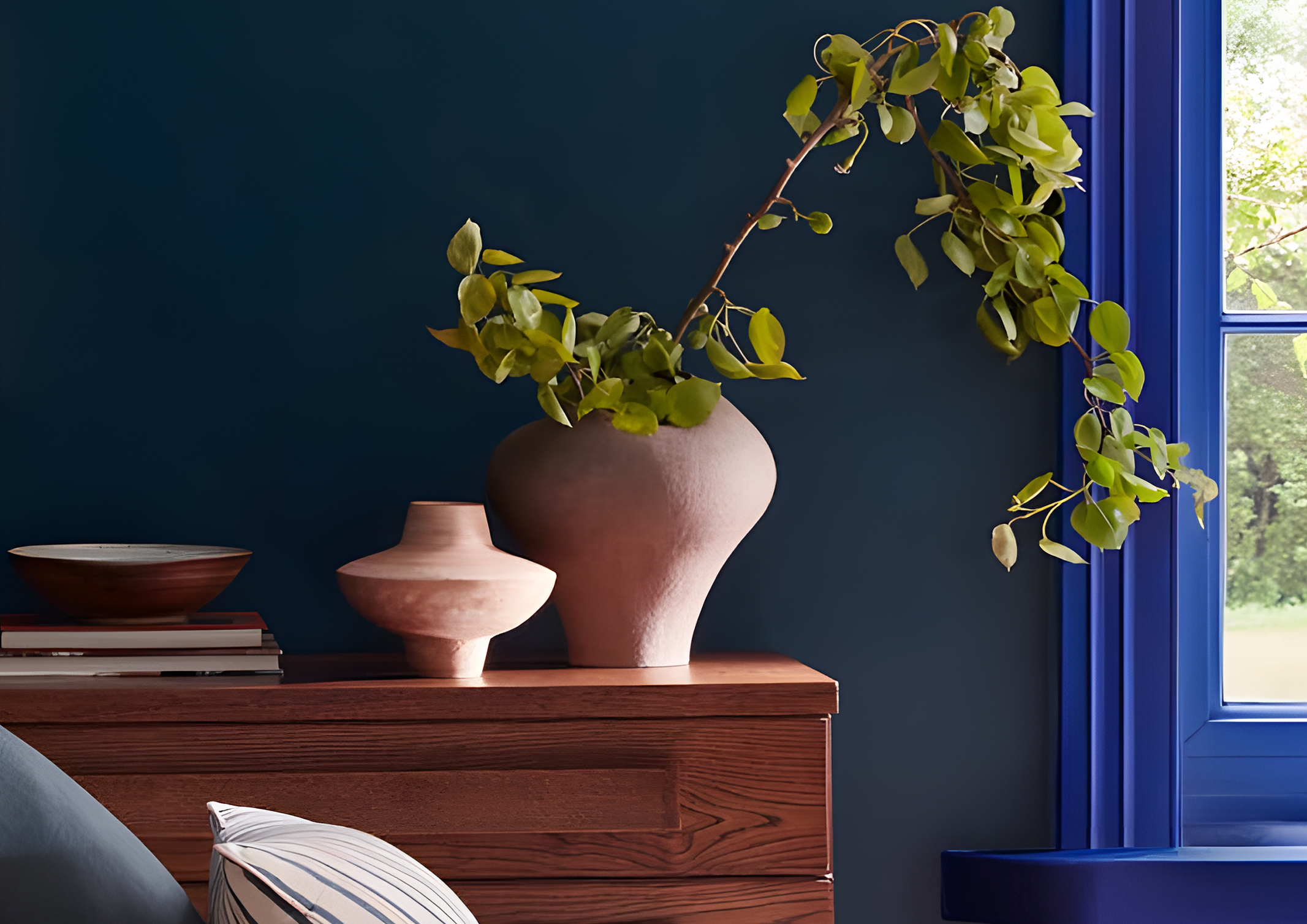
Double Drenching: The Viral Paint Trend You Need to Know



When injecting two colors into a space, you would rarely think of combining generous amounts of lively and saturated hues. At the very least, a neutral or understated shade should be present to tone down the intensity and create a sense of balance. But, an emerging audacious paint idea called “double drenching” encourages you to confidently envelop your home with two or more vivid colors without losing visual harmony.
Doubling Down on Color
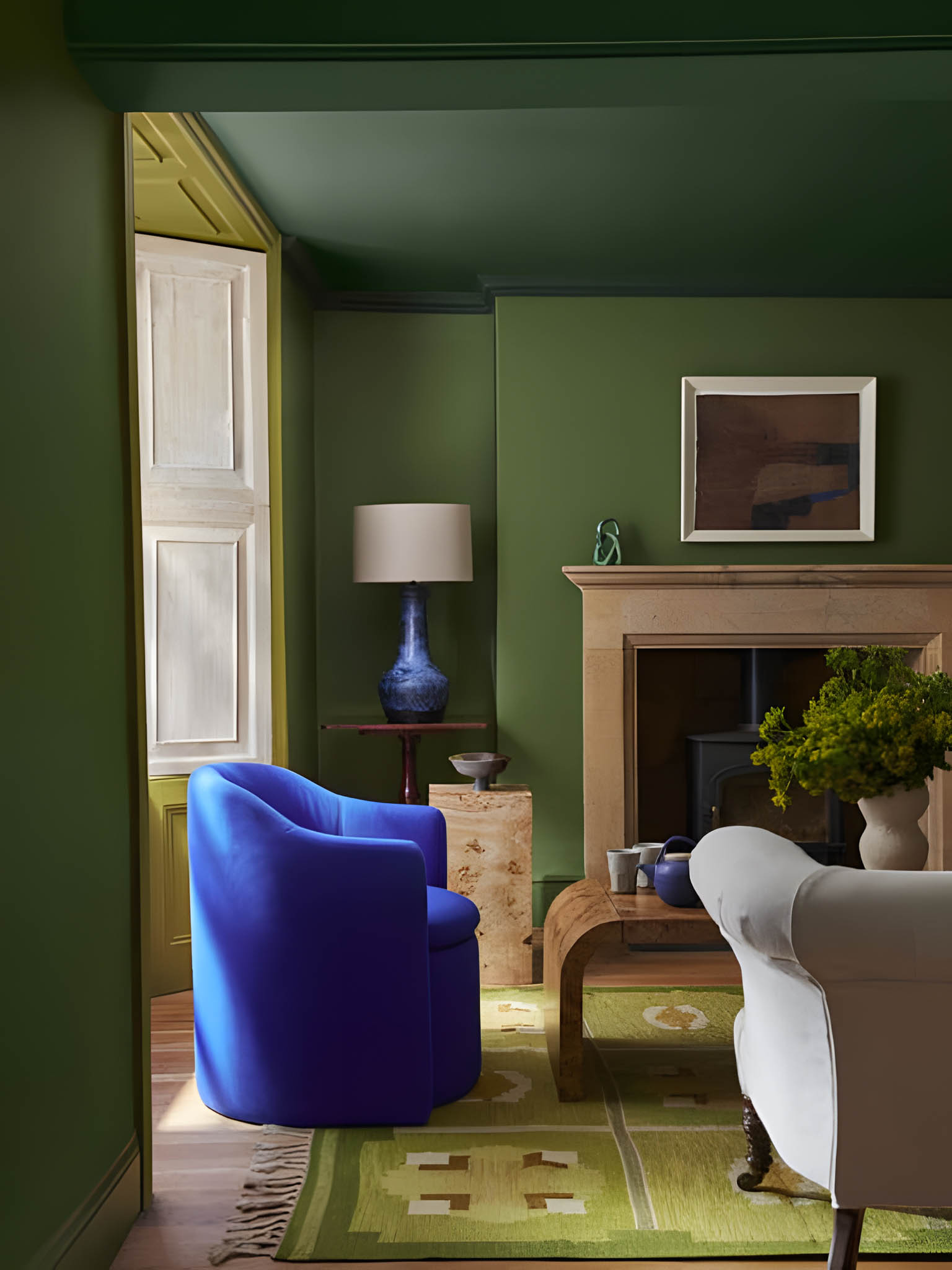
Double drenching isn’t the typical pairing of striking tones that you usually find in eclectic interior styles. It’s a paint method involving intense application of two or more related vibrant colors on all available surfaces of a room. This includes walls, floors, ceilings, trims, and even furniture or other decorative elements. To put it simply, this technique washes down the entire space with more than a single bright shade.
However, this approach doesn’t automatically work by simply blending random or complementary colors. Traditional color schemes might rely on tonal variations like combining light, mid, and dark pinks and blues, for example. But for double drenching, undertones matter the most.
Instead of selecting hues from a single color family, it builds a palette from analogous color groups. This means that you can use any pigments that sit beside or are near each other in the color wheel. It can be a pair of purplish and greenish blues, or a blend of yellow and red oranges.
While integrating multiple colors is already a familiar sight in interiors, double drenching offers a braver and more trendy decorating approach. The independent, eco-conscious British manufacturer, Little Greene, noticed the growing appetite for eye-catching colors in recent years. They’re additionally ecstatic to see the shift from traditional schemes to deep and mid-tone hues to create “really engaging, inviting spaces.”
So, to capitalize on this trend, they coined the term “double drenching” to truly maximize the “effect of color on the atmosphere of a space.”
“Double drenching is an expansion of this color confidence, taking the concept into a highly creative, sophisticated and nuanced approach to decoration,” Little Greene Creative Director Ruth Mottershead stated.
Distinguishing Double Drenching from Color Drenching
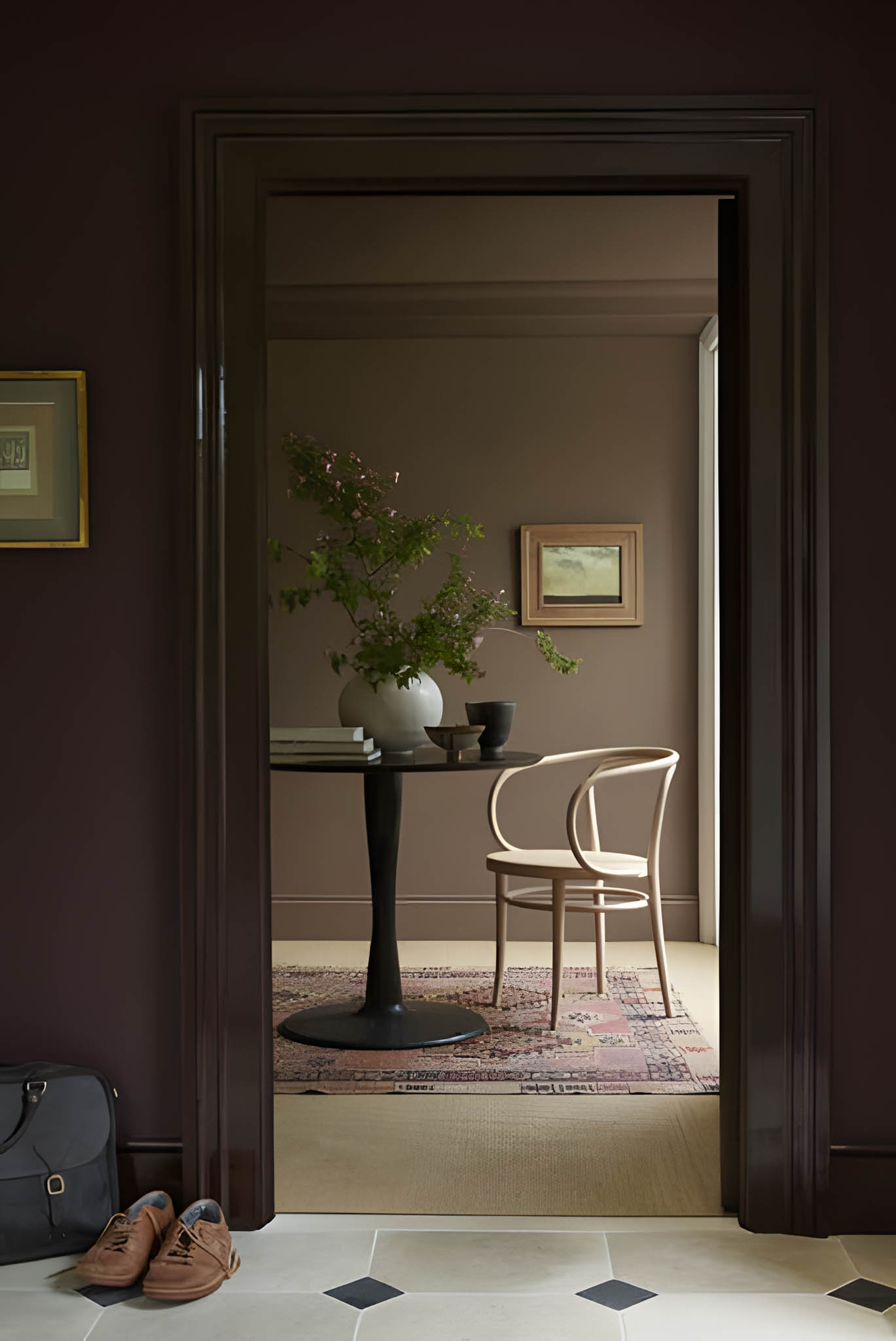
We can’t talk about double drenching without mentioning its predecessor, color drenching. After all, the latter’s one-paint approach sets the stage for bold and striking color combinations that define the former. Although they share similar qualities in terms of filling your space with an abundance of color, they differ in their overall effect and function.
The first obvious difference between these paint techniques is the amount of colors they use. Double drenching allows multiple analogous colors, while color drenching solely relies on a single hue with variations in texture, finish, or tone.
In this sense, double drenching utilizes unexpected yet subtle color contrasts to establish a dramatic statement. Mottershead emphasized that this is especially effective when an interior lacking in architectural details needs visual interest that doesn’t overwhelm.
As for color drenching, it focuses more on unifying the space with a single hue. Moreover, it lets you leave out certain surfaces, like floors or ceilings, as long as your chosen color remains dominant throughout the space.
Another aspect that sets these paint ideas apart is how they treat neutral colors. Double drenching leaves no room for whites. It requires a full commitment to vibrant hues to completely show “confidence in color.” Color drenching, on the other hand, can accommodate minimal subdued shades to help your main color pop.
It Takes Two or More to Double Drench
Double drenching might appear as simply covering all surfaces with vibrant colors. However, there are multiple methods to effectively show its intention to leave a dramatic impression. Mottershead detailed that you can utilize this paint idea to highlight specific surfaces and elements or zone spaces.
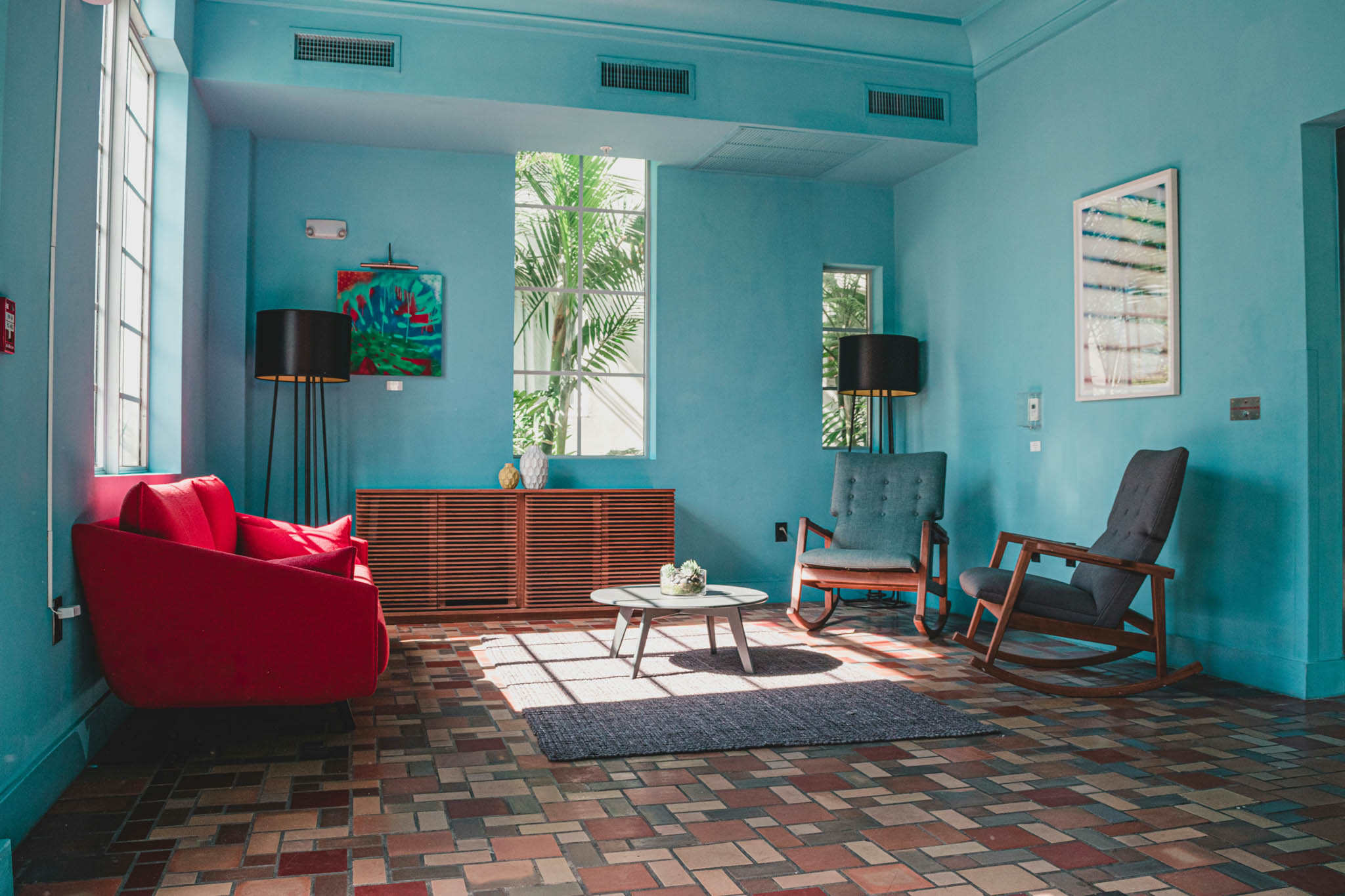
This living area, for example, painted the walls and ceilings with turquoise blue. But to break its monochromatic look, two armchairs and a floor rug in a darker blue shade are included. While double drenching isn’t achieved in surfaces, these pieces make the undertone difference evident. The yellow undertones of the walls and ceilings complement the green and purple undertones of the furnishings.
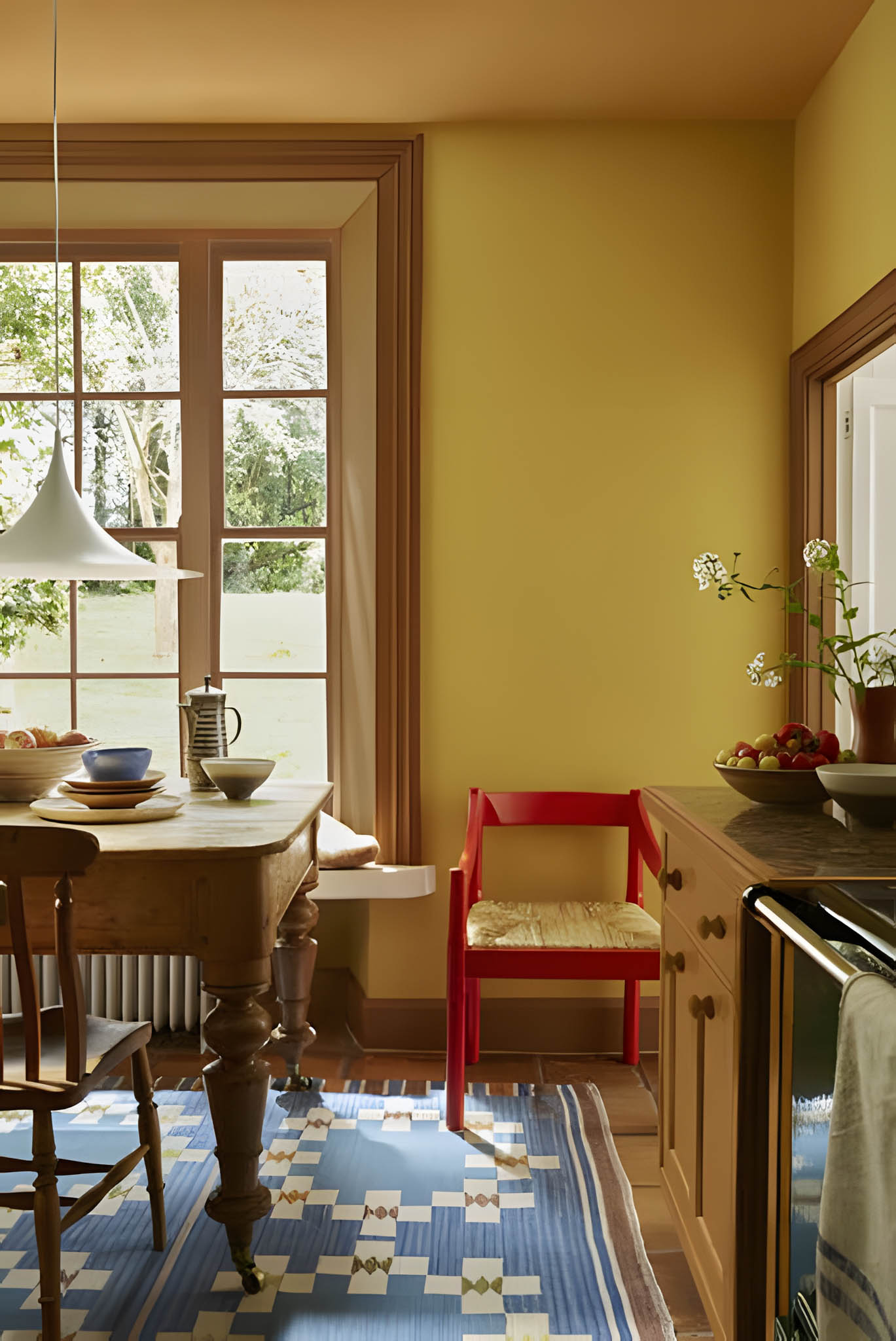
For this dining area, the colors define every inch of the surface. To establish a sense of groundedness, floors are in a warm brown color. The wooden furniture in the same tone additionally separates the lower part of the room, making it appear more cohesive. For the trims, a lighter brown shade emphasizes the architectural details and creates contrast against the earthy yellow color of the wall. And to give depth and sense of spaciousness and height, the ceilings are in a slightly darker yellow orange hue.
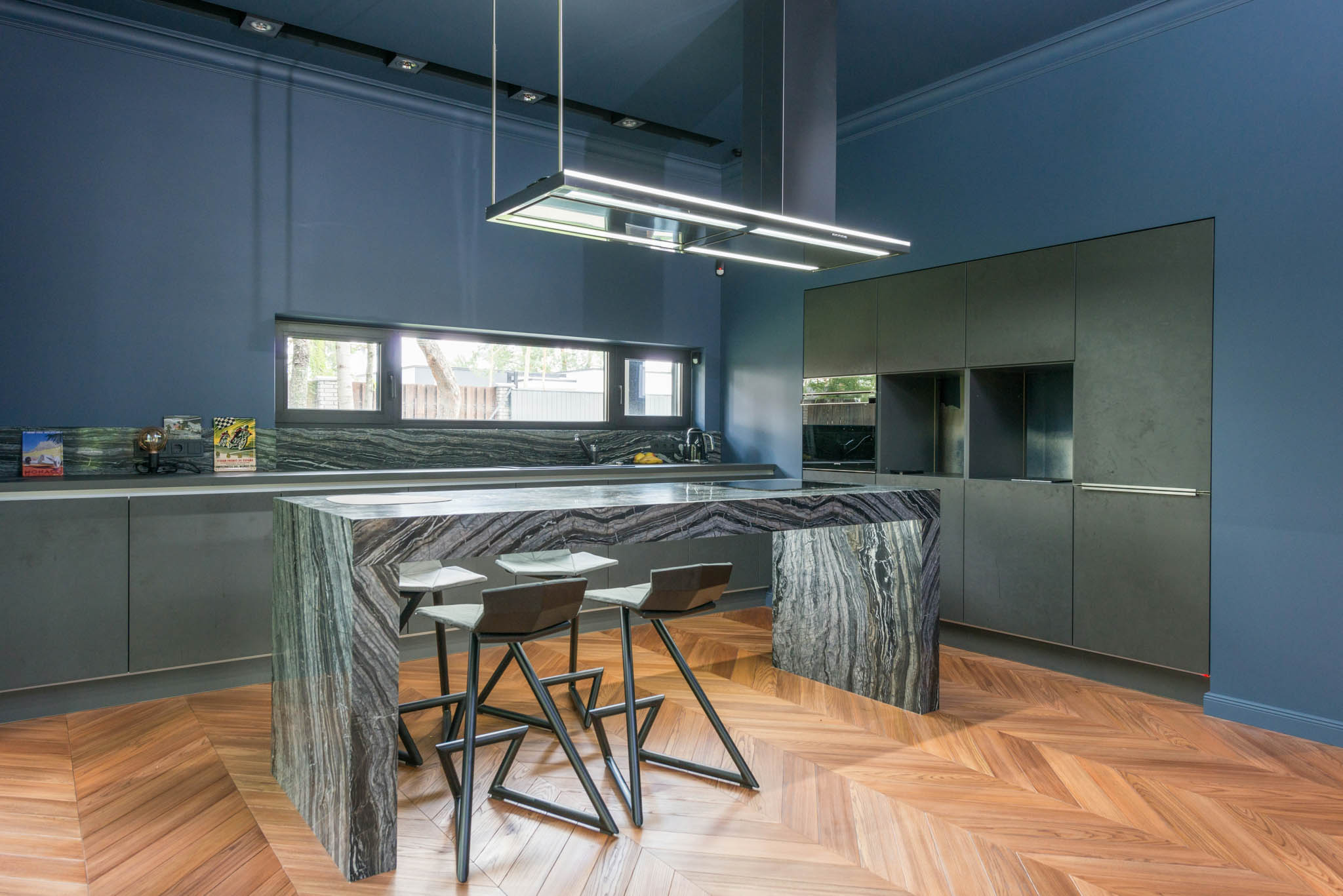
Meanwhile, this kitchen applied double drenching to distinguish the negative spaces from the other areas. The dark moss green cabinets cut through the dark blue color covering the walls and ceilings. This contrast helps the eye easily distinguish the different areas within the space.
Double drenching is a daring and innovative solution for those who are willing to take risks in elevating their home. This paint idea breaks away from the reliance on neutral tones to demonstrate how vibrant colors can transform a room into a captivating and unforgettable space.
Read more: Top Paint Brands Reveal Their 2025 Color of the Year
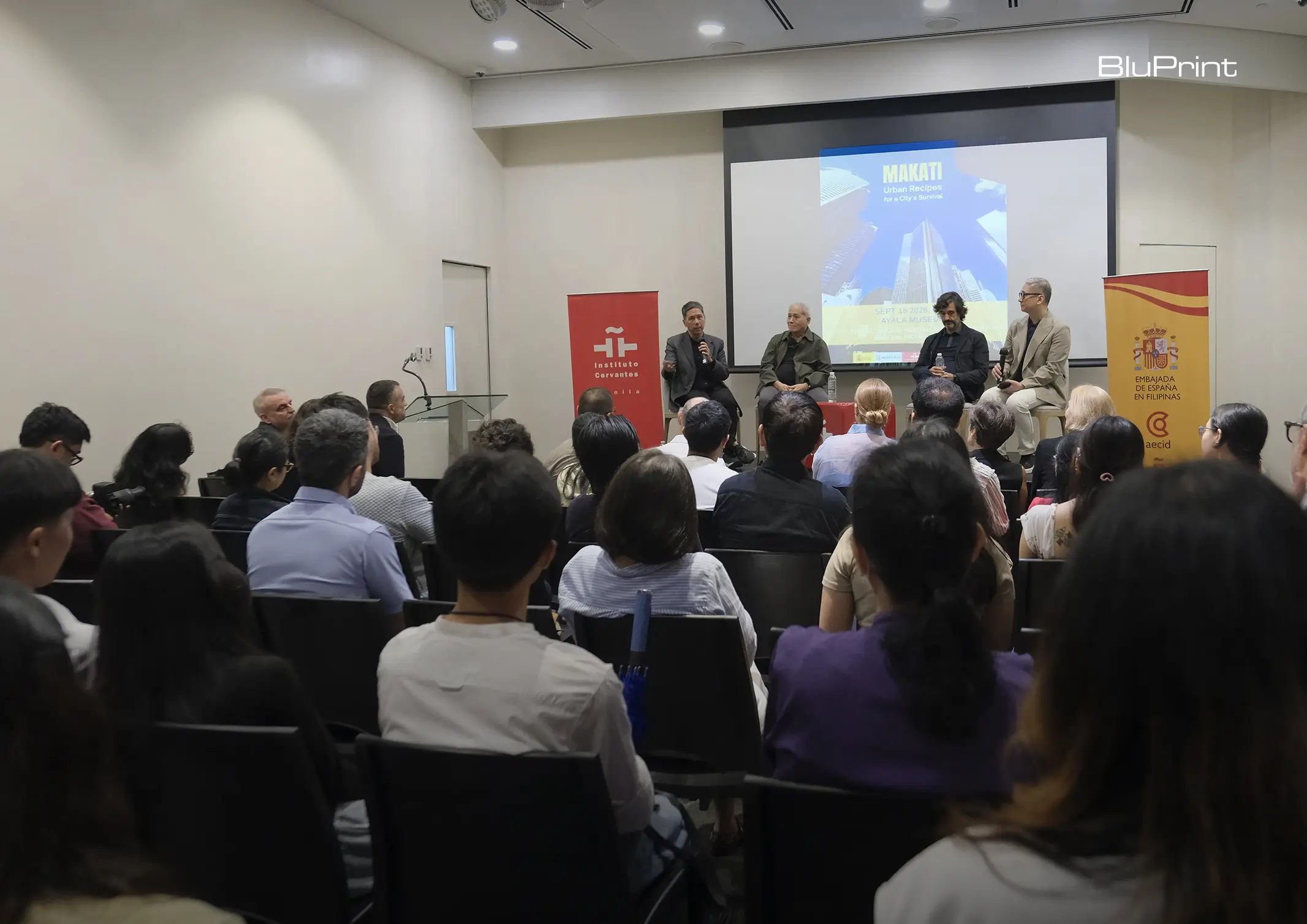
How can better-planned cities create the conditions for more creative, livable, and resilient urban environments? “Makati Urban Recipes for a City’s Survival,” a colloquium held at the Ayala Museum on September 15, brought together architects and practitioners from the fields of urbanism and the creative economy to discuss how design, planning, and collaboration can address […]
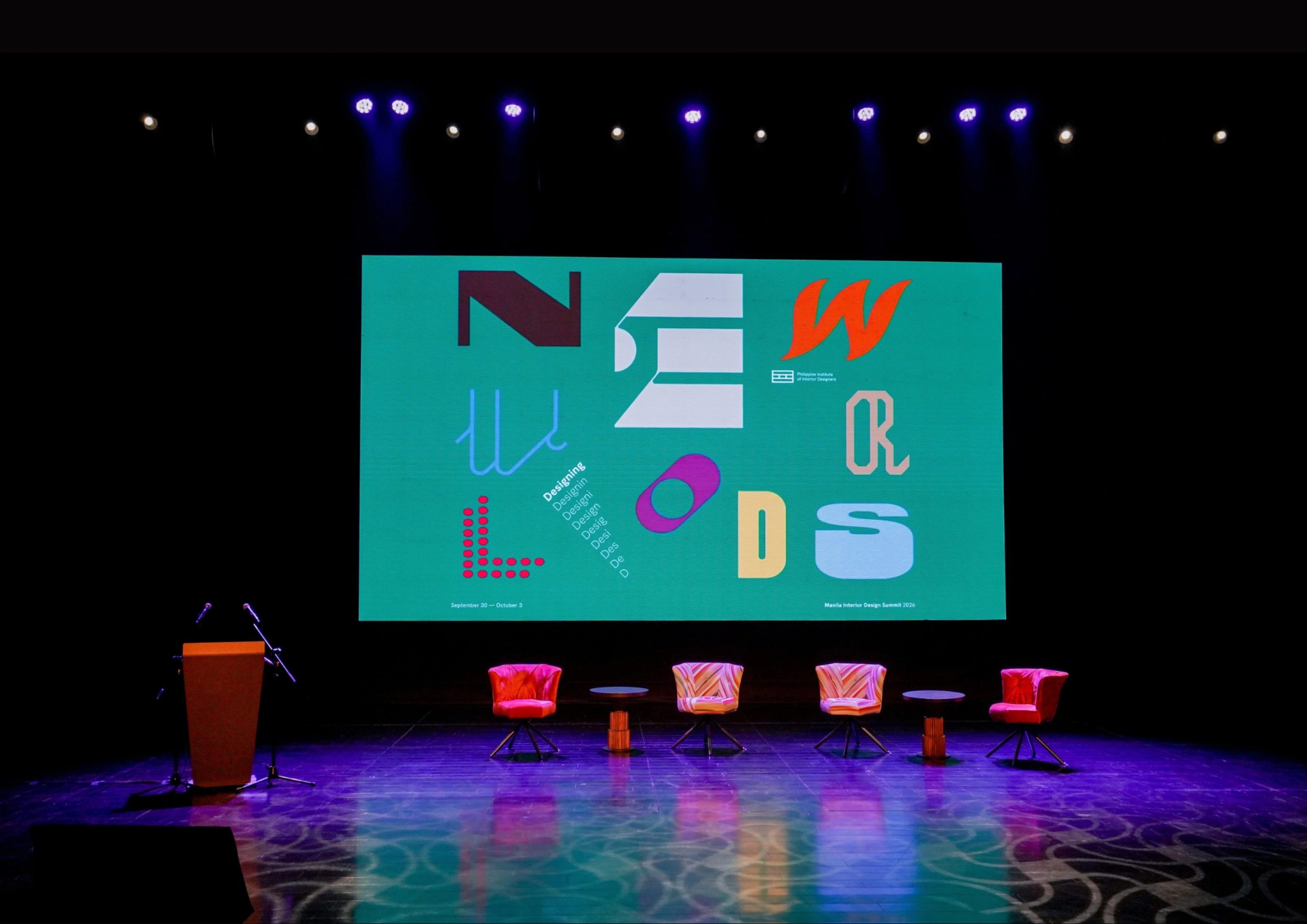
The fourth Manila Interior DesignInterior DesignThe discipline of planning and shaping interior spaces for function, comfort, safety, and beauty. It covers layout, lighting, materials, finishes, furniture, and color, and in the Philippines is a licensedGo to Interior Design Glossary Summit (MIDS) brought together more than 300 delegates for four days of conversations, exhibitions, and design […]

Held at the SMX Convention Center Aura in Taguig City, the first ASEAN Creative Industries Expo by Malikhaing Pinoy (ASEAN MPEx) features nine creative domains, including design, visual arts, digital interactive media, and performing arts. Organized by the Department of Trade and Industry (DTI), the event includes exhibitions, cultural performances, industry talks, and pitching sessions […]
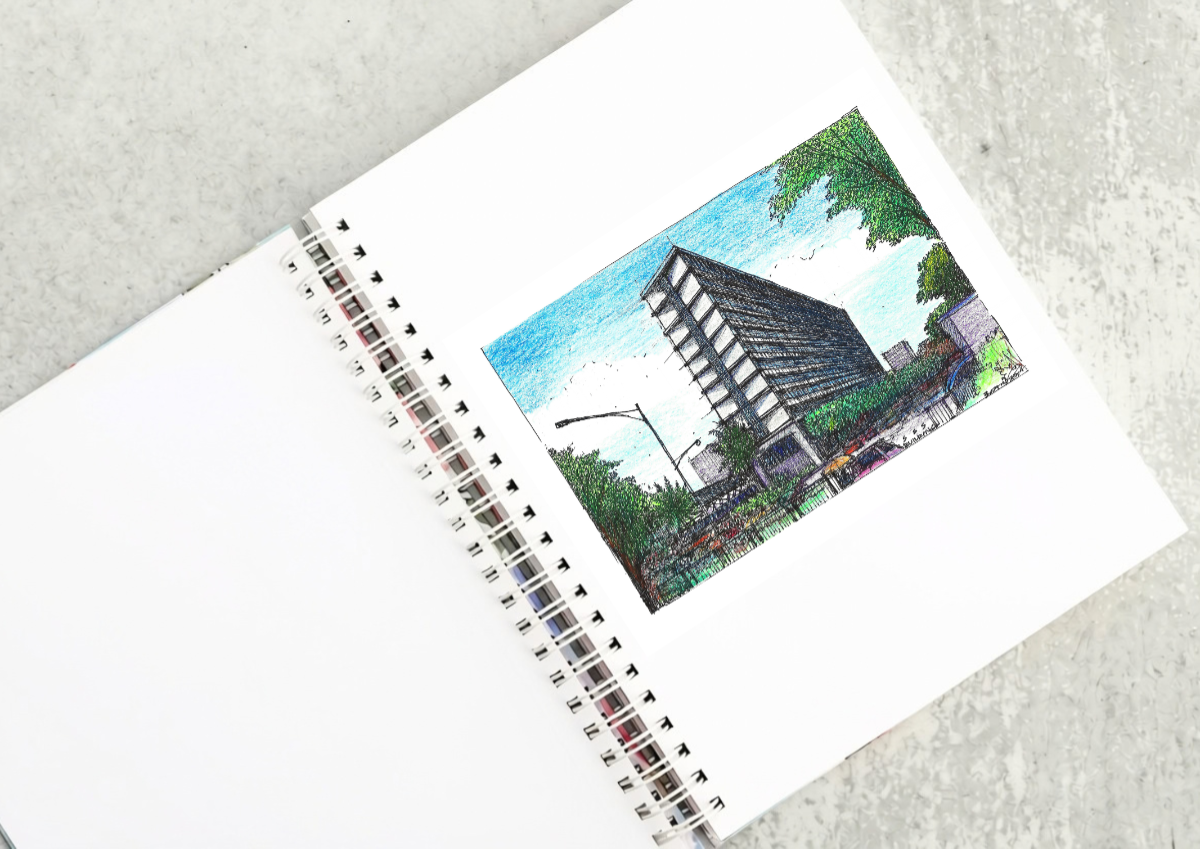
The SSS Building as an Expression of Civic Modernism My favorite modernist landmark in Quezon City is the SSS building on East Avenue. Designed by National Artist for ArchitectureArchitectureThe art and science of designing and constructing buildings, structures, and spaces that are functional, safe, and aesthetically pleasing. It encompasses the planning, design, materials, and techniques […]

Archie G. Carrasco, Chairman and CEO of AGC Power Holdings Corp. (AGC PHC), has been named to The BoF 500 Class of 2026 under the Media category, joining The Business of Fashion’s global community of individuals shaping the fashion industry. Carrasco is among 100 new members from 33 countries and 48 nationalities selected for the […]
Read the issues.

Collect the volumes.

Recommended Video
Tap to Unmute
Unmute
0:00
0:00