Taupe, a grayish-brown hue, goes with almost anything. It is this characteristic that prompted Francis Tolentino, Executive Chef of Taupe in Bonifacio Global City, to name his restaurant after this neutral. It is also his favorite color, and for him, donning the restaurant interiors in monochromatic tones allows the food to shine.
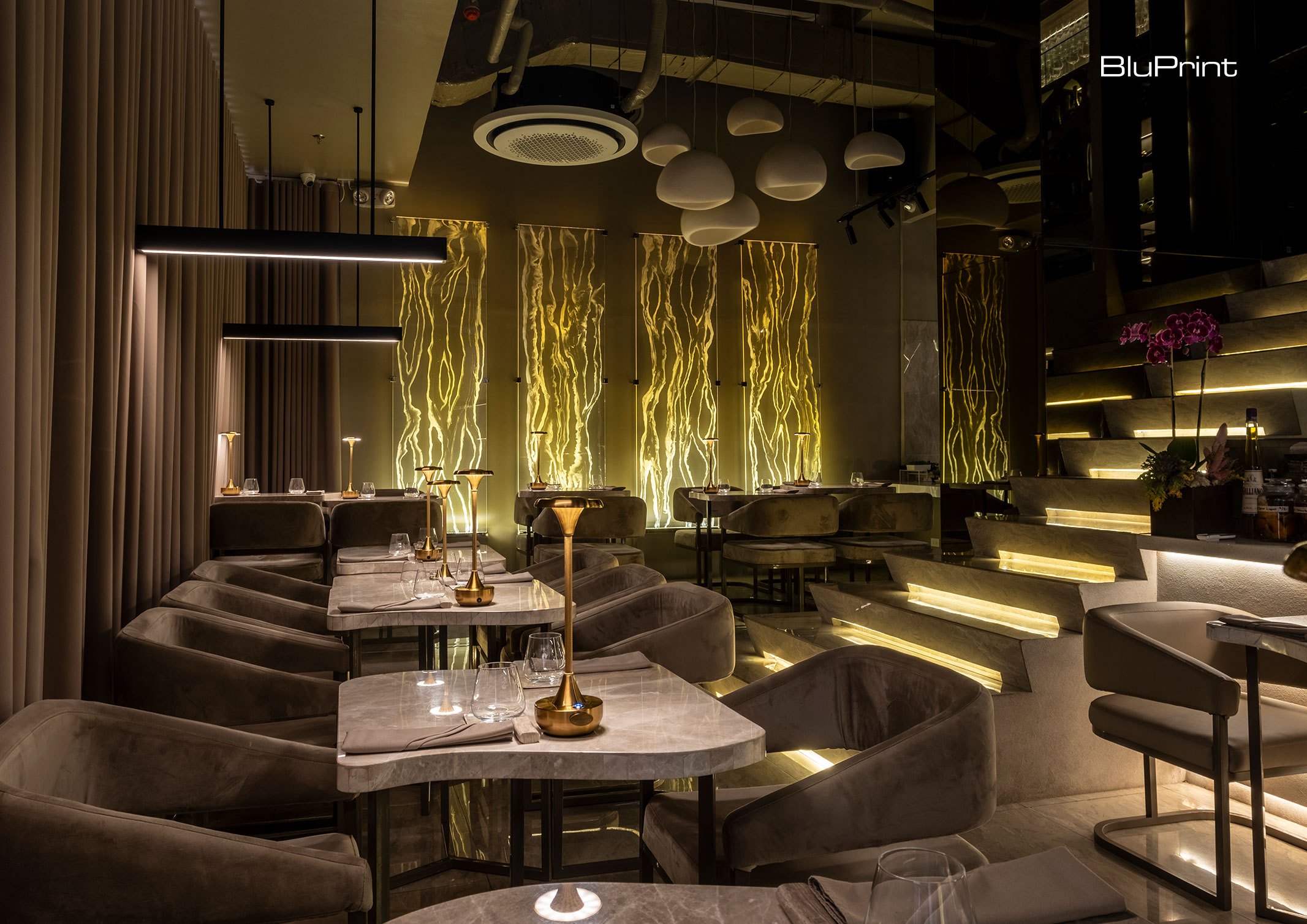
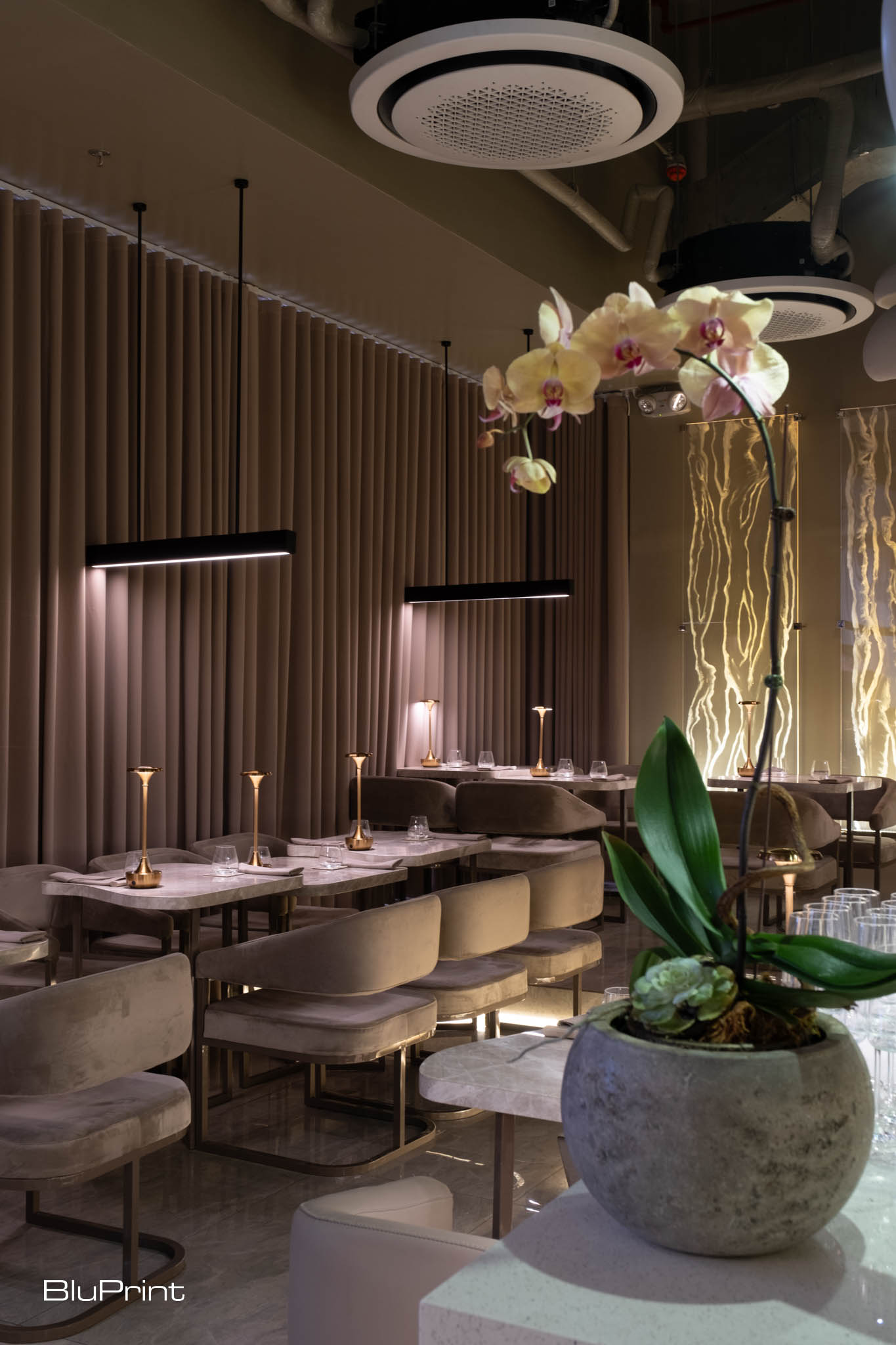
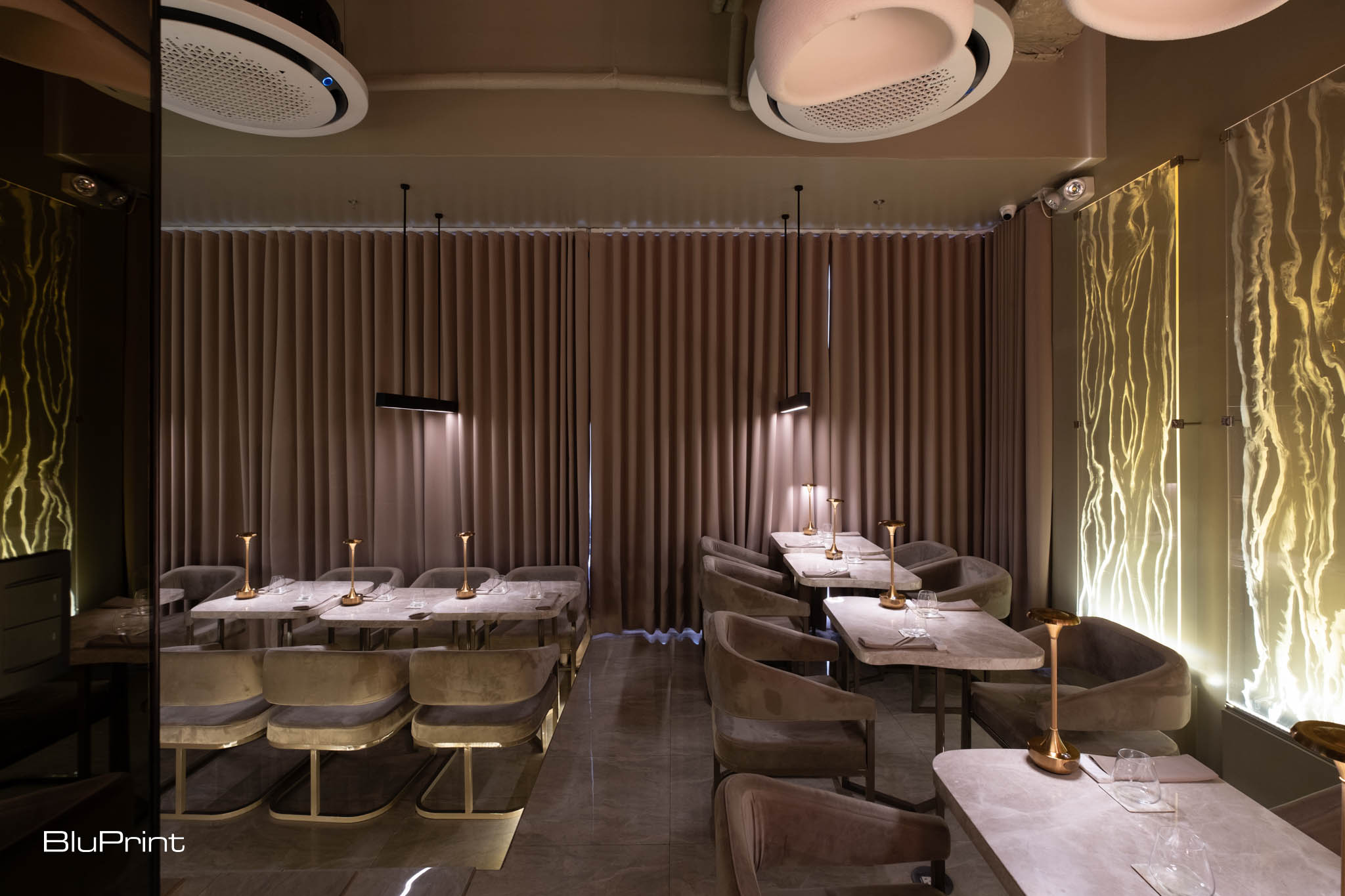
Soft lighting and neutral tones make the interiors elegant yet cozy.
Tolentino worked with architect Thea Domingo in bringing his design vision for the restaurant to life. “In one of my first design meetings with Chef Francis, I distinctly remember him describing the space he envisioned for Taupe as a canvas to create his art on. We also discussed the possibility to collaborate with artists—particularly installation art—in the future,” Domingo recalls.
Design Rooted in Memories
To ensure that the space reflects the premium quality of Taupe’s cuisine, the architect delved into the life of Tolentino. The design of the restaurant must also complement the food. “I learned in our rather informal meetings that his first influence in the kitchen was at home with his grandmother,” she shares.
Advertisement
Domingo adds, “Roots, neutrality and timelessness—I worked around these concepts which prompted me to use basic materials that in themselves are sculptural and evoke visual appeal such as stone and glass.” Bespoke marble tables and velvet chairs balance hard and soft elements in the restaurant while maintaining elegance. The tabletops feature puzzle-like shapes, which, the architect says, “promotes flexibility, while the alternating heights signify that we all truly experience art and food individually—whether it is in a communal or a more intimate setting.”
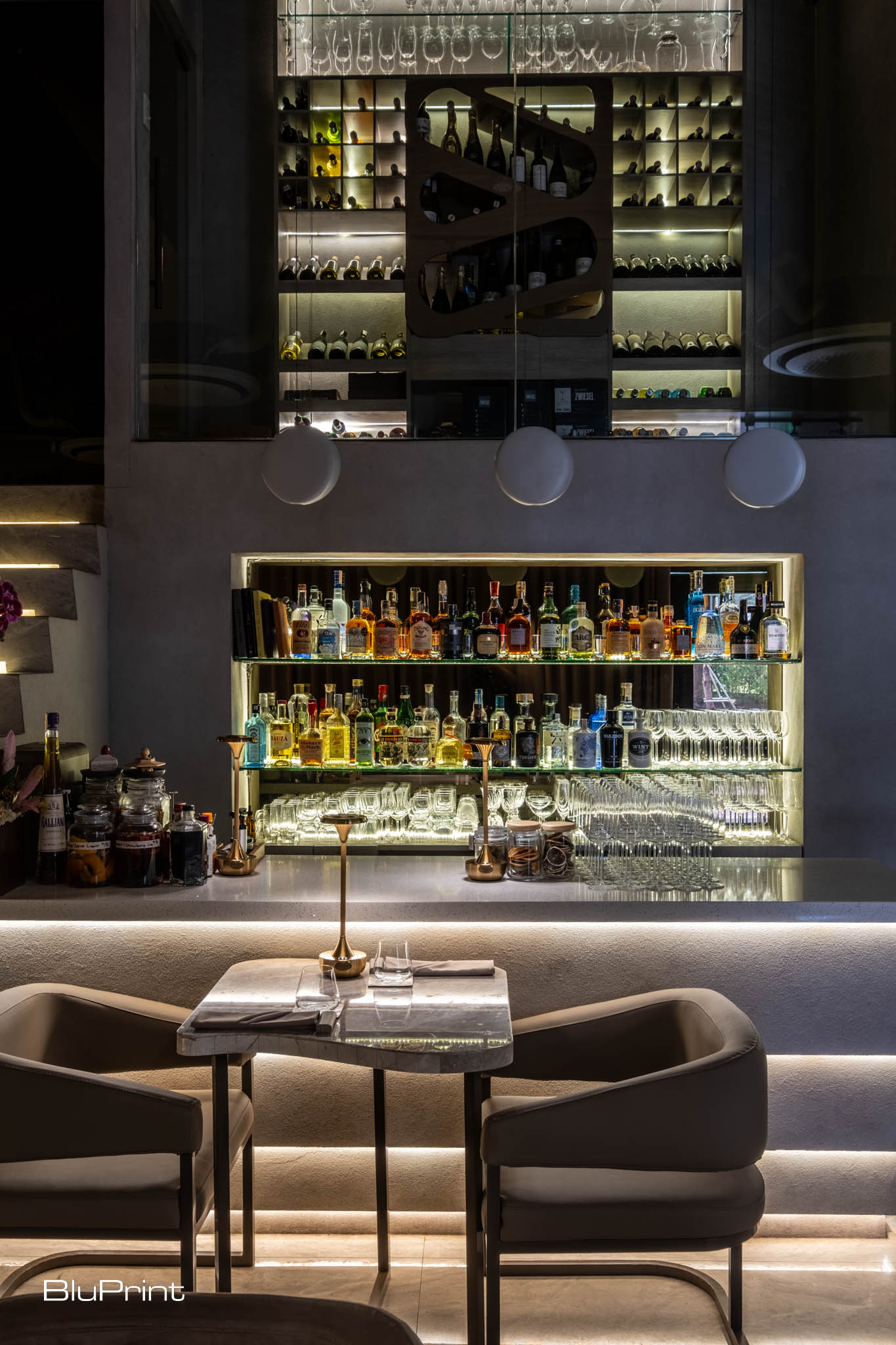
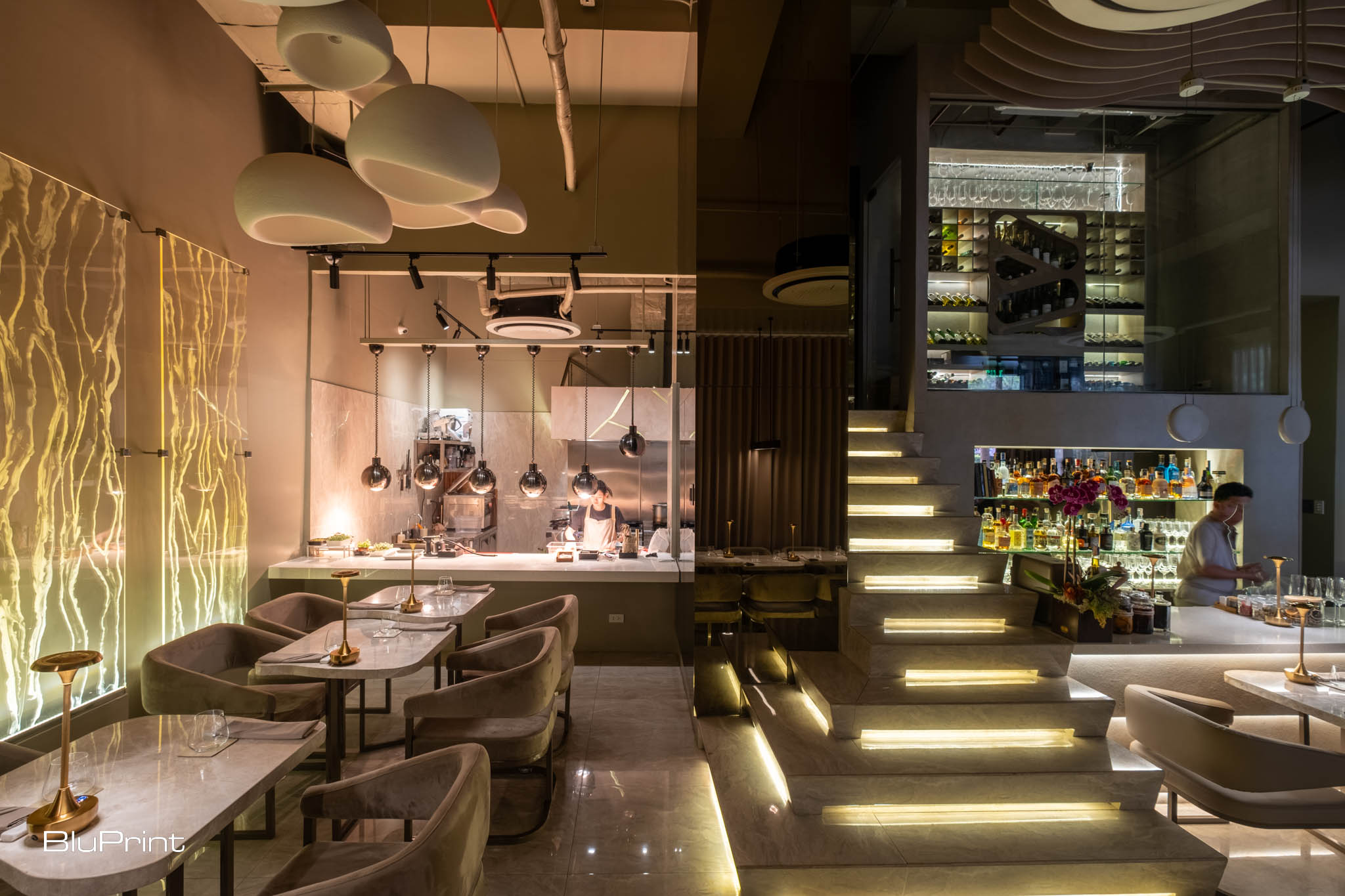
The bar area enhances the restaurant’s interiors, with its quartz countertop and lit base and shelves.
The bar features a quartz countertop and a base with a grayscale finish, distinguishing the area from the rest of the space while still forming part of a cohesive whole. “ I just really want to play with textures and shades of the color [taupe],” Tolentino shares.
A Symphony of Textures and Tones
Upon entering the restaurant, one cannot help but notice the bar area, the stairs, and the wine room on the mezzanine floor. “The stairs ensemble, composed of a combination of different stone finishes, glass and mirrors, serves as the focal point conveying grandeur in simplicity,” the architect describes.
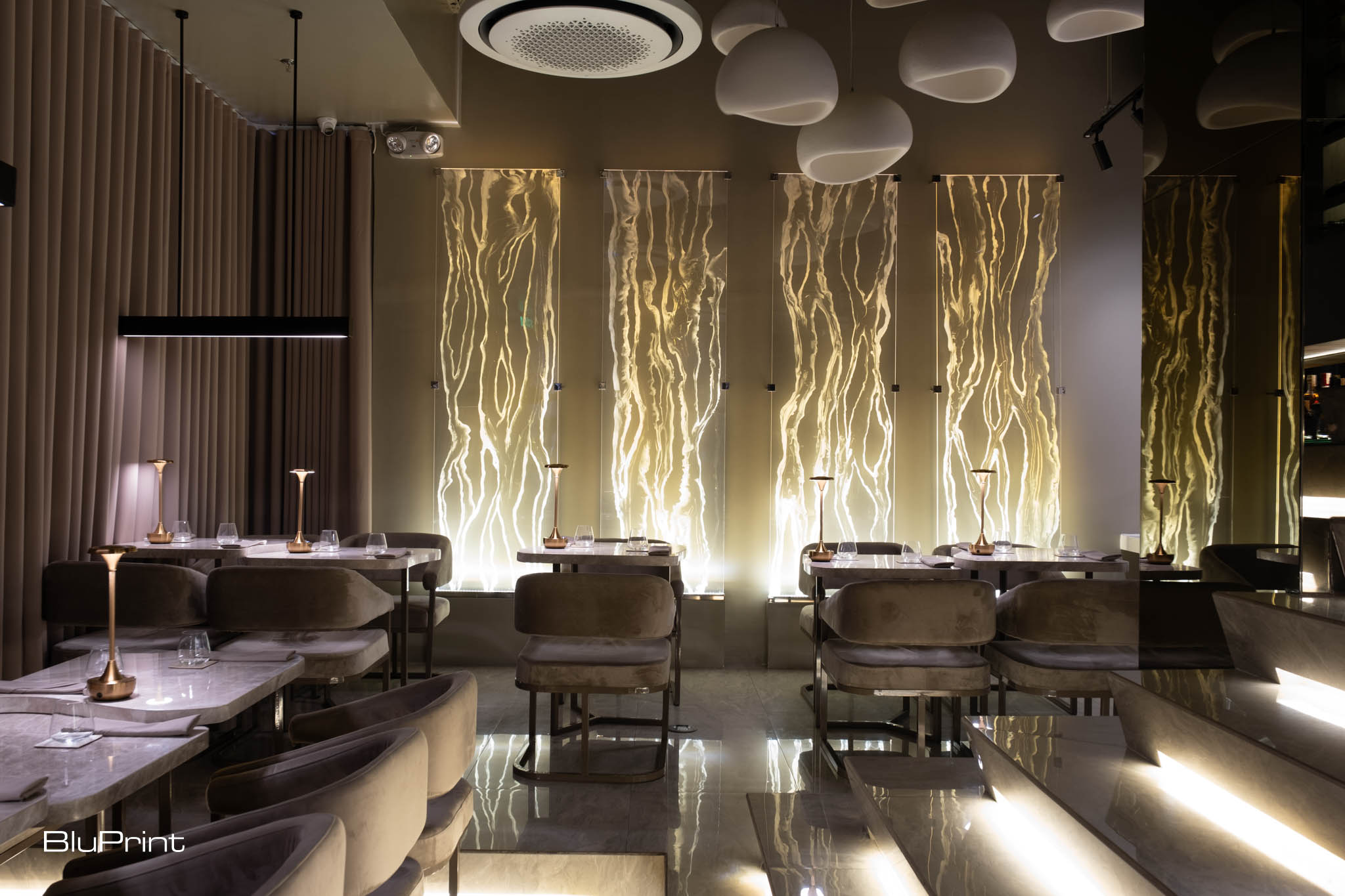
Resin accent panels resemble flowing water, creating a serene ambiance.
Despite the predominance of neutrals, the interiors are far from bland. The tone-on-tone color scheme exudes elegance and sophistication. Decorative resin panels add texture to the monochromatic walls. “This feature that simulates flowing water is highlighted by soft lights providing an elegant effect without the tendency to overwhelm, which helps create a soft and serene ambience,” Domingo explains. These panels are also among Tolentino’s favorite design elements in the restaurant.
Advertisement
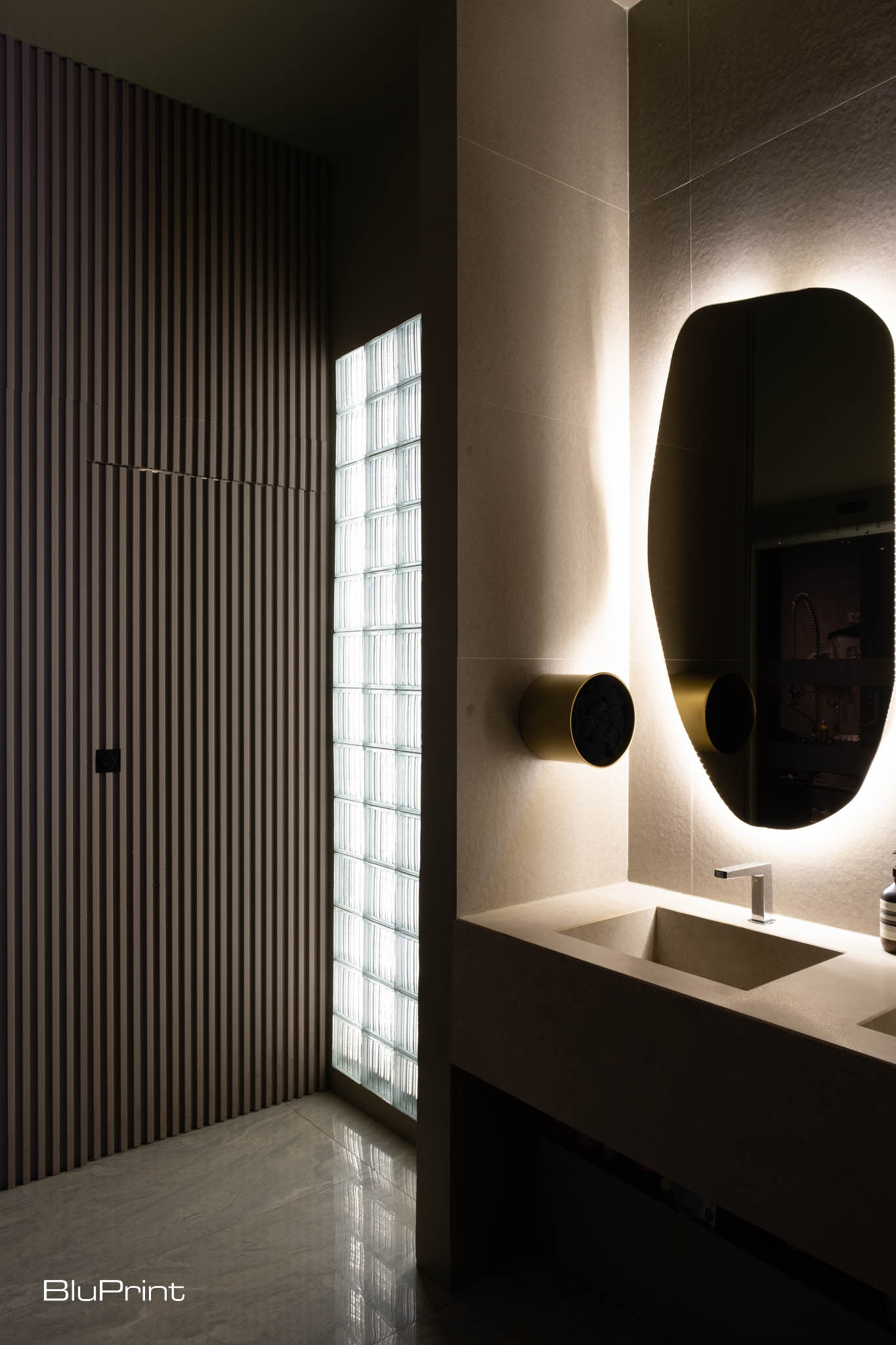
The executive chef also loves how the restaurant’s bathroom was designed, which he describes as modern and cozy. The bathroom door forms part of a fluted wall panel, creating a clean and seamless look with the rest of the interiors.
The elegant feel continues to the bathroom, with its backlit mirror, glass blocks, and door forming part of a fluted wall panel.
Glass blocks, which were popularly used in the ‘80s and ‘90s, also add a nostalgic touch to the restaurant. “This is a nod to the time when Chef Francis started his curiosity about the art of food preparation,” the architect explains.
A Restaurant that Works and Wows
Aside from creating an elegant atmosphere, Domingo ensured functionality, especially in the kitchen to guarantee efficiency and the right flow. She also implemented the ideal dining area to kitchen space ratio of 60 to 40, despite the space constraints. “Constant communication with the client and discussing which items need adjustments or rather which should be prioritized was crucial,” the architect answered when asked how she overcame the design challenges.
Highlights in the restaurant include the show kitchen, which lets diners watch the chefs in action, and the stairs ensemble, where guests love to take photos.
The original design intent for the taupe walls was to adorn them with a glass feature that simulates flowing water. However, finding a glass artist who could deliver within the project’s time frame became a challenge, too. “After further analysis though, we decided that resin was the best alternative material with its lighter and more flexible features,” Domingo explained.
Advertisement
She also emphasized the importance of efficient space planning and zoning. “Opting for a show kitchen with a wide opening and glass partition does not only promote transparency but also provides a more spacious feel. Using full-height bronze mirrors to subtly draw attention to certain design elements also help visually expand the spaces. [Having an] open ceiling and making use of the vertical spaces to accommodate several design features including the wine room helped achieve that open, grand look and vibe.”
A Culinary and Visual Journey
Taupe exudes a classy and sophisticated ambiance while also being a space where guests can have fun experiences. The stairs, for example, is a popular spot for guests to take photos in. The chef’s table allows guests to see the chefs in action. The bar area, positioned close to the dining tables and is one of the first things guests see upon entering, offers a spectacle as Taupe’s mixologist whips up cocktails and other drinks.
“I want [the guests] to feel happy and excited all the time,” Tolentino shares.
Still, at the heart of these elements is making the executive chef’s masterpiece shine. “My goal was to create a space that is an artwork itself without being ostentatious as to take away the spotlight from the main attraction: the food,” Domingo expounds.
Advertisement
The medley of textures and various height levels reflected in the table design, bar, and stairs gives the space depth and adds elegance. Meanwhile, the combination of stone and glass, paired with well-thought out lighting, creates a “a perfect backdrop to complement and experience the flavorful and sophisticated dishes.”
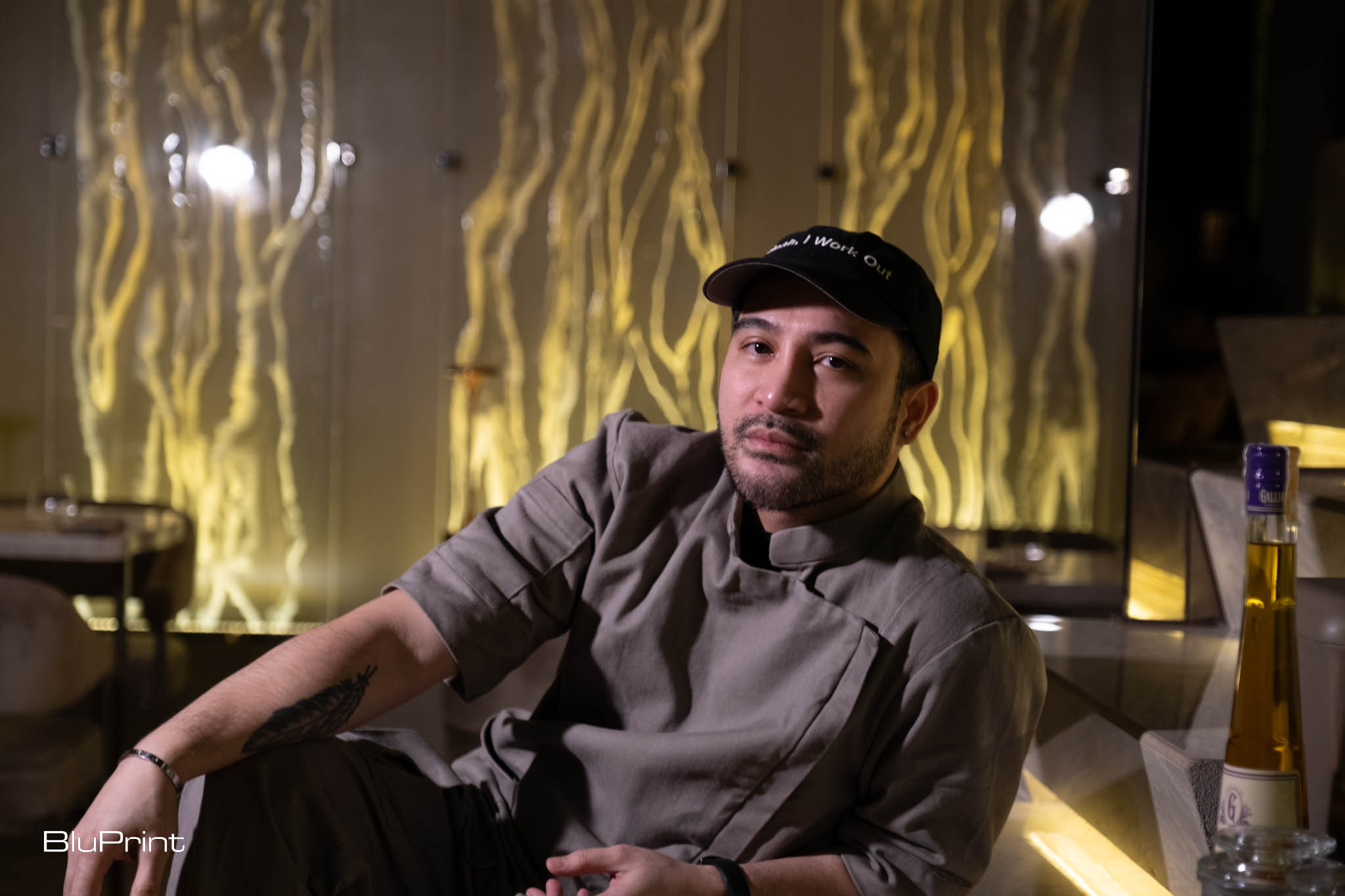
At Taupe, Chef Francis Tolentino’s culinary masterpiece finds its ideal canvas.
With meticulous design as the canvas, everything in Taupe becomes a work of art. “I envision people feeling like they are part of the artwork as they walk in,” the architect adds. “And as they become more comfortable and absorbed with the timeless elegance of the space, I imagine them shifting their focus to each other to truly connect, sharing stories while indulging and experiencing the food. An experience within an experience.”
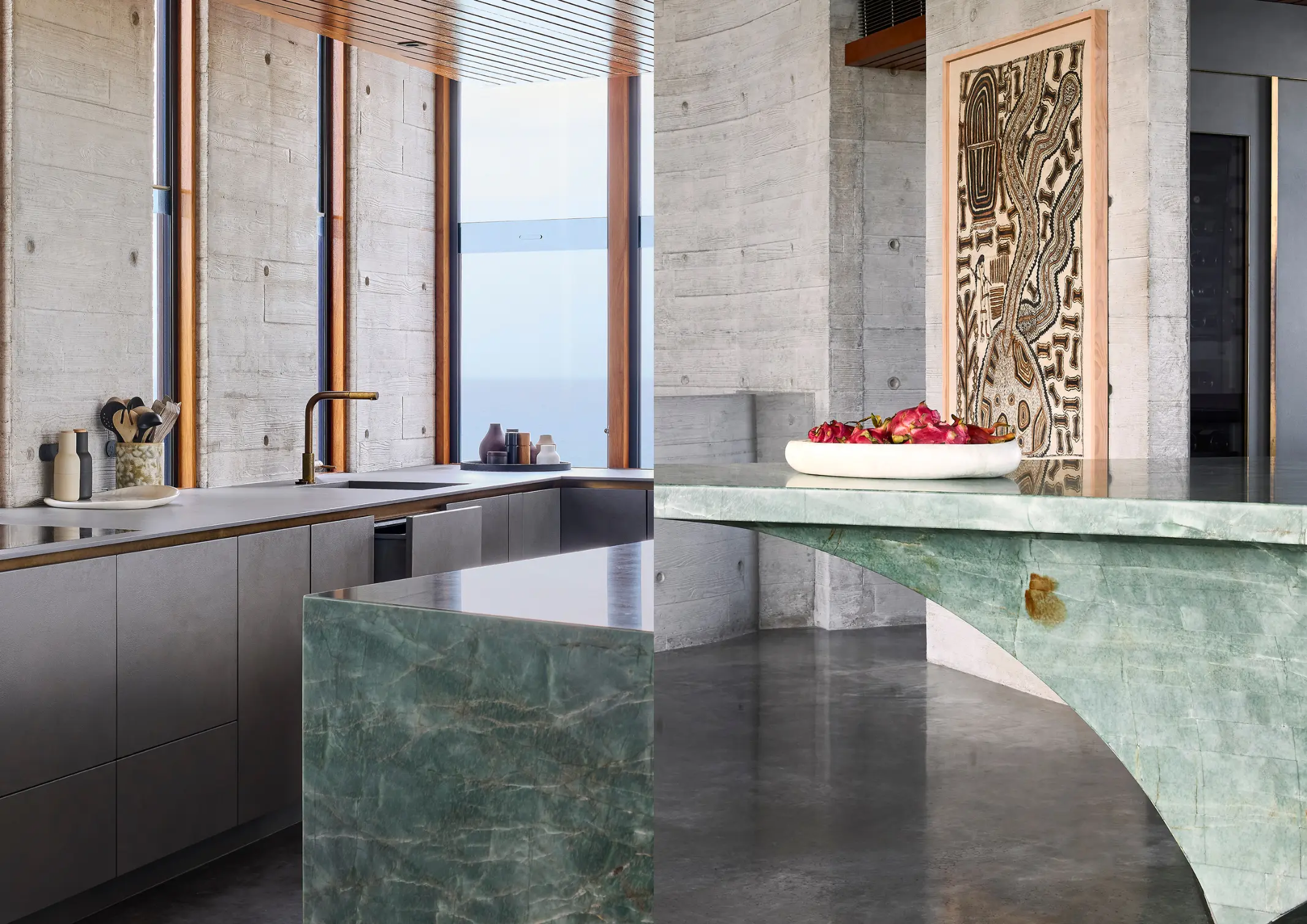
For more than nine decades, Fisher & Paykel has approached design with a simple but exacting belief: that the best living environments are those shaped by people, place, and purpose. Rooted in New Zealand and deeply attuned to island and coastal living, the brand’s philosophy centres on quiet performance, material honesty, and appliances that integrate […]
At Helm, dining unfolds as choreography. An open kitchen anchors the room, allowing guests to witness the precision behind its Michelin-starred fine dining menu. Designed by Kevin Nieves of Headroom, the 24-seat restaurant reflects that same discipline in its interior design. Tucked within Ayala Triangle Gardens in Makati, Helm brings together culinary recognition and architectural […]
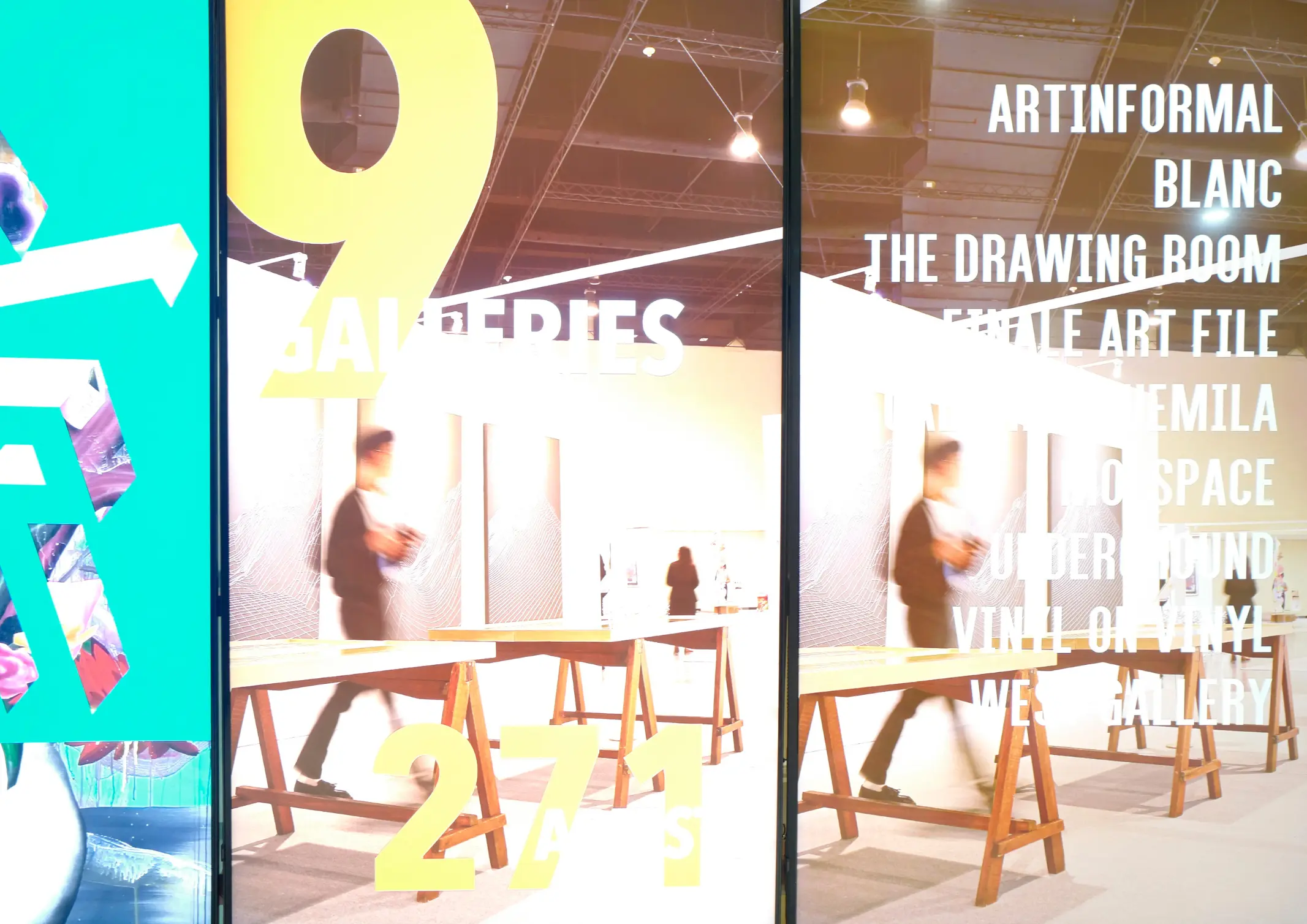
Exhibition designer Baby Imperial of All At Once shaped the spatial strategy of ALT ART 2026, its largest edition to date. The fair occupied Halls 1 and 2 of SMX Convention Center Manila, expanding in both footprint and ambition. Organized by the ALT Collective—Artinformal, Blanc, The Drawing Room, Galleria Duemila, Finale Art File, MO_Space, Underground, […]
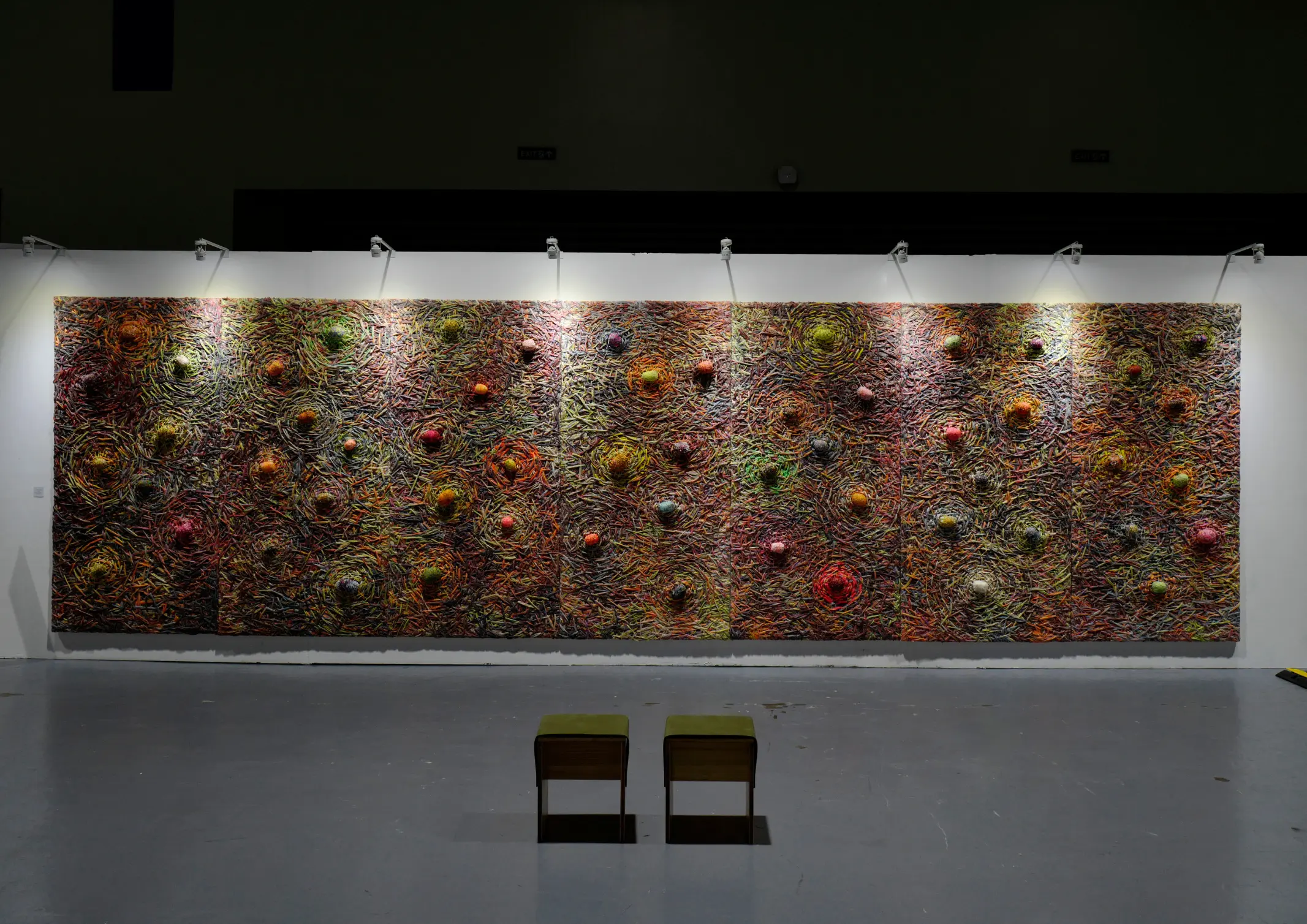
ALT ART, organized by the ALT Collective—Artinformal, Blanc, The Drawing Room, Galleria Duemila, Finale Art File, MO_Space, Underground, Vinyl on Vinyl, and West Gallery—presents a focused platform for Philippine contemporary art. As the fair continues to evolve, it expands its scale and curatorial scope, reinforcing its growing presence within the Philippine art scene. Creative Practices […]
Art Fair Philippines 2026 gathered art enthusiasts and collectors in Makati for one of the country’s leading showcases of contemporary Philippine art. Designed by Nazareno/Lichauco, the fair moved to Circuit Corporate Center One in Ayala Circuit, marking a new chapter in its spatial identity. Across its booths and projects, the fair positioned contemporary Philippine art […]
Ronald Ventura is one of the most recognizable figures in Southeast Asian contemporary art. Since his first solo exhibitions in the 2000s, Ventura has become known for his signature multi-layered paintings. Featuring hyperrealism, cartoons, graffiti, and other recurring motifs, hisworks—from paintings to sculptures—are pluralistic in both form and material. Throughout his career, his art has […]
Download this month's BLUPRINT magazine digital copy from: