There is no excerpt because this is a protected post.
Lamina Lifestyle Fair Opens with Collaborative Art Couture Show



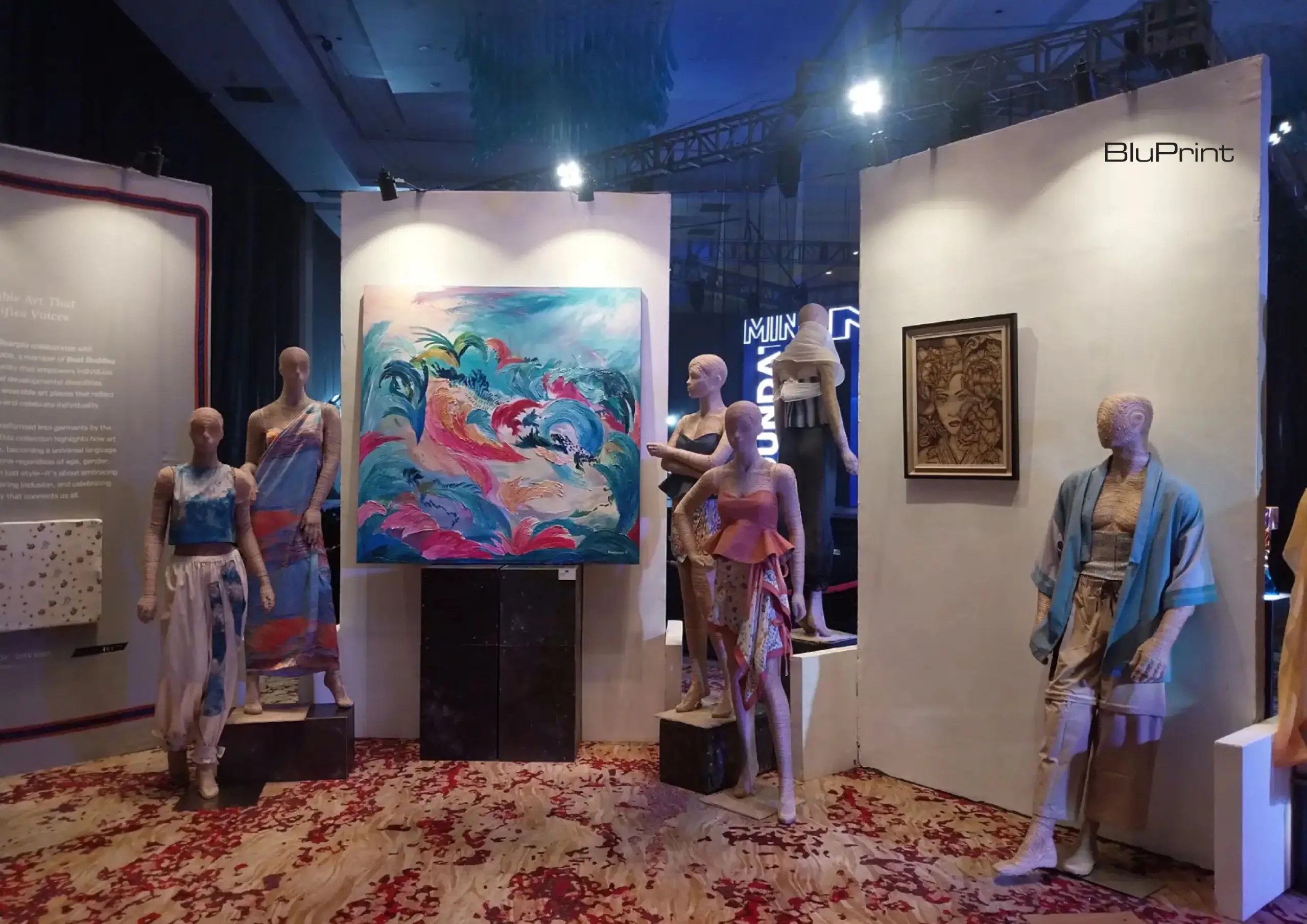
Lamina: A Curated Lifestyle Fair was a three-day event held at City of Dreams Manila from May 2 to 4, spotlighting the latest trends in art, fashion, and design. A collaboration between ManilArt Foundation and the Bayo Atelier Foundation, the event features modern contemporary designs and art couture rooted in sustainability and heritage—offering functional, stylish pieces for today’s consumers.
Translating Art into Clothing
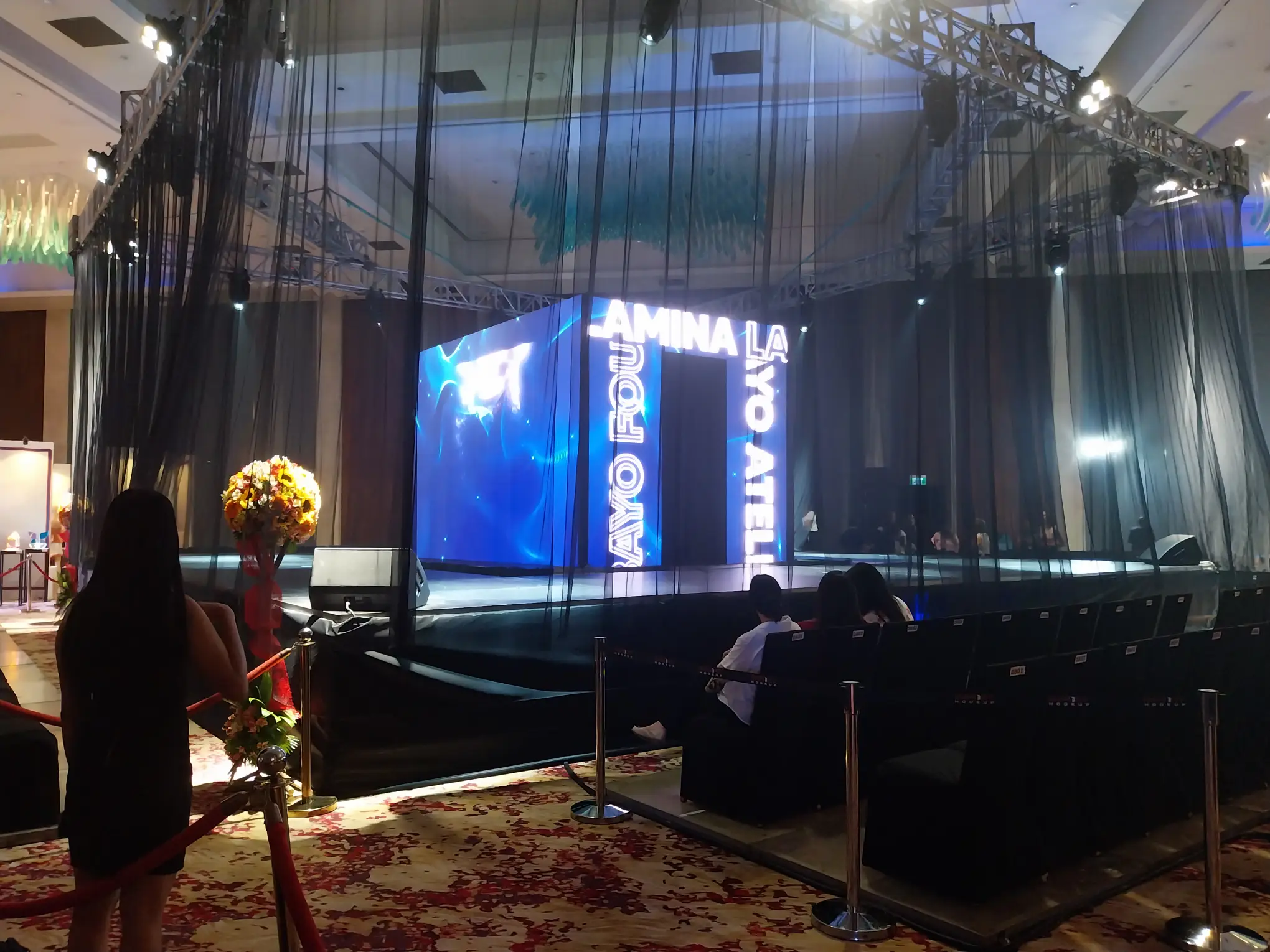
A curated collection of artists, fashion designers, jewelers, and furniture makers were featured in the exhibition, many of which are small-scale artisans making hand-crafted works. The big spectacle of opening day was “Luminous Threads,” which debuted three new fashion lines from artists Francis Dravigny, Anna Orlina, and Bea Policarpio. Each portion had a thematic idea that centered around the voices of the artists involved.
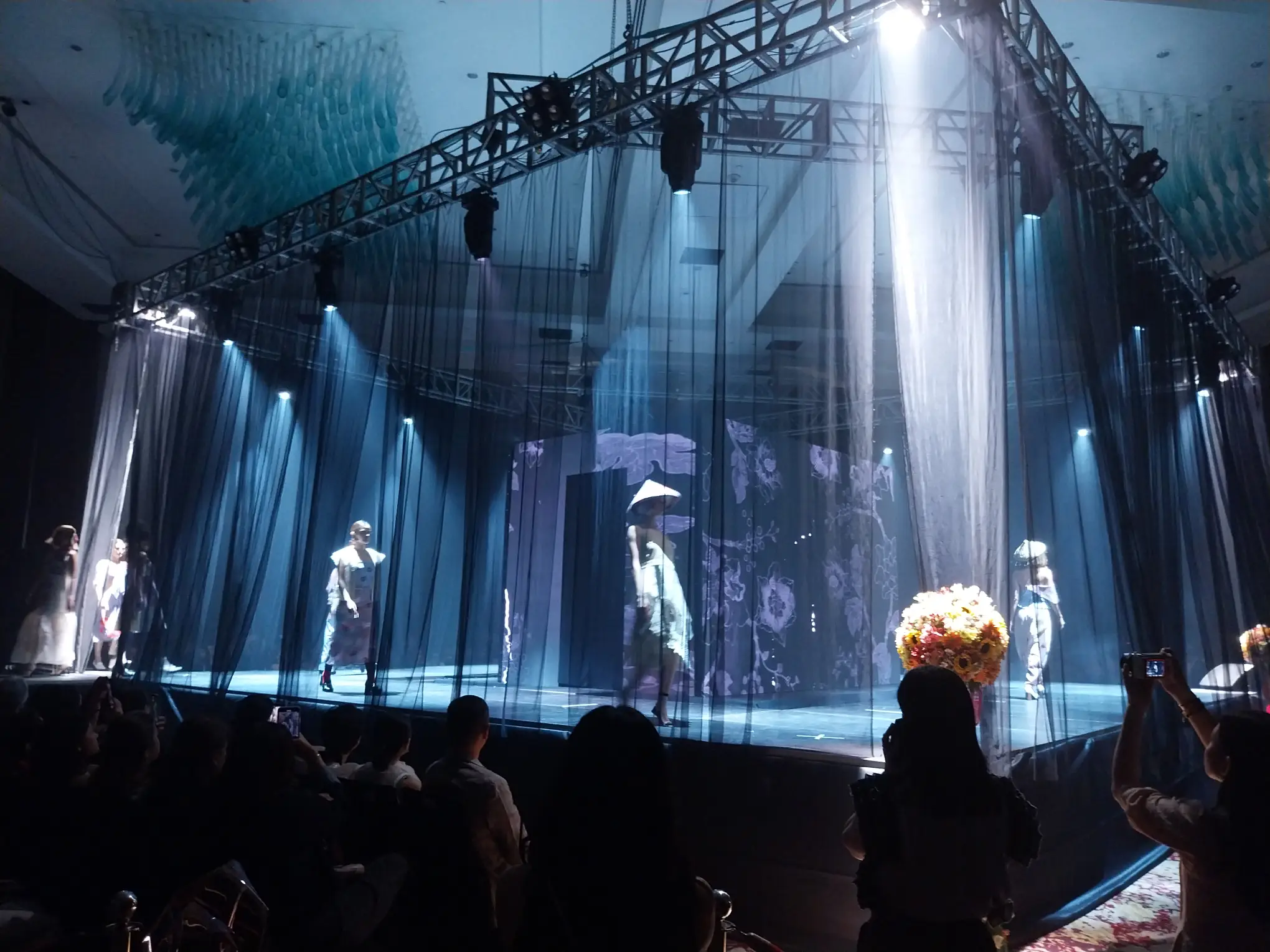
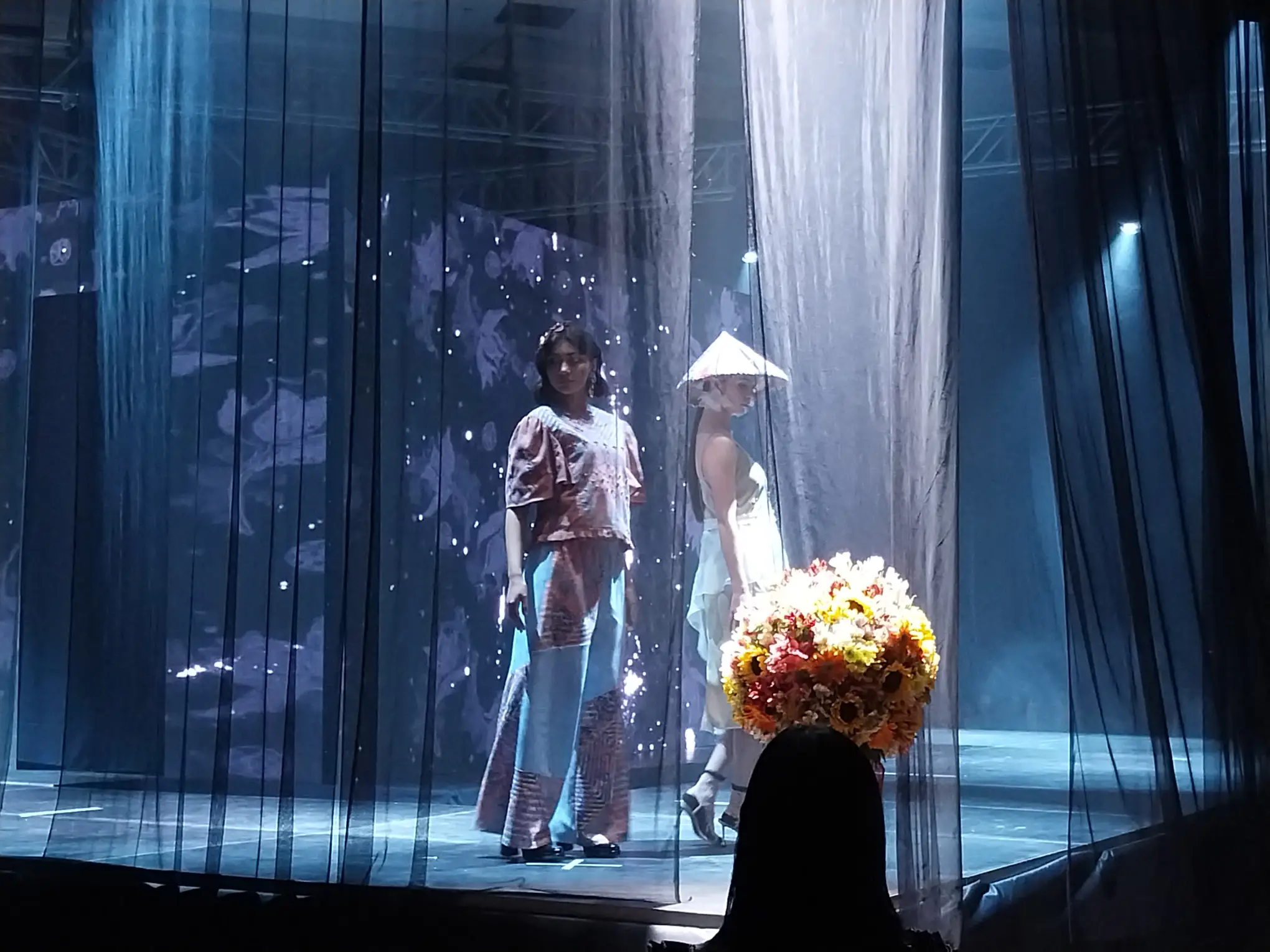
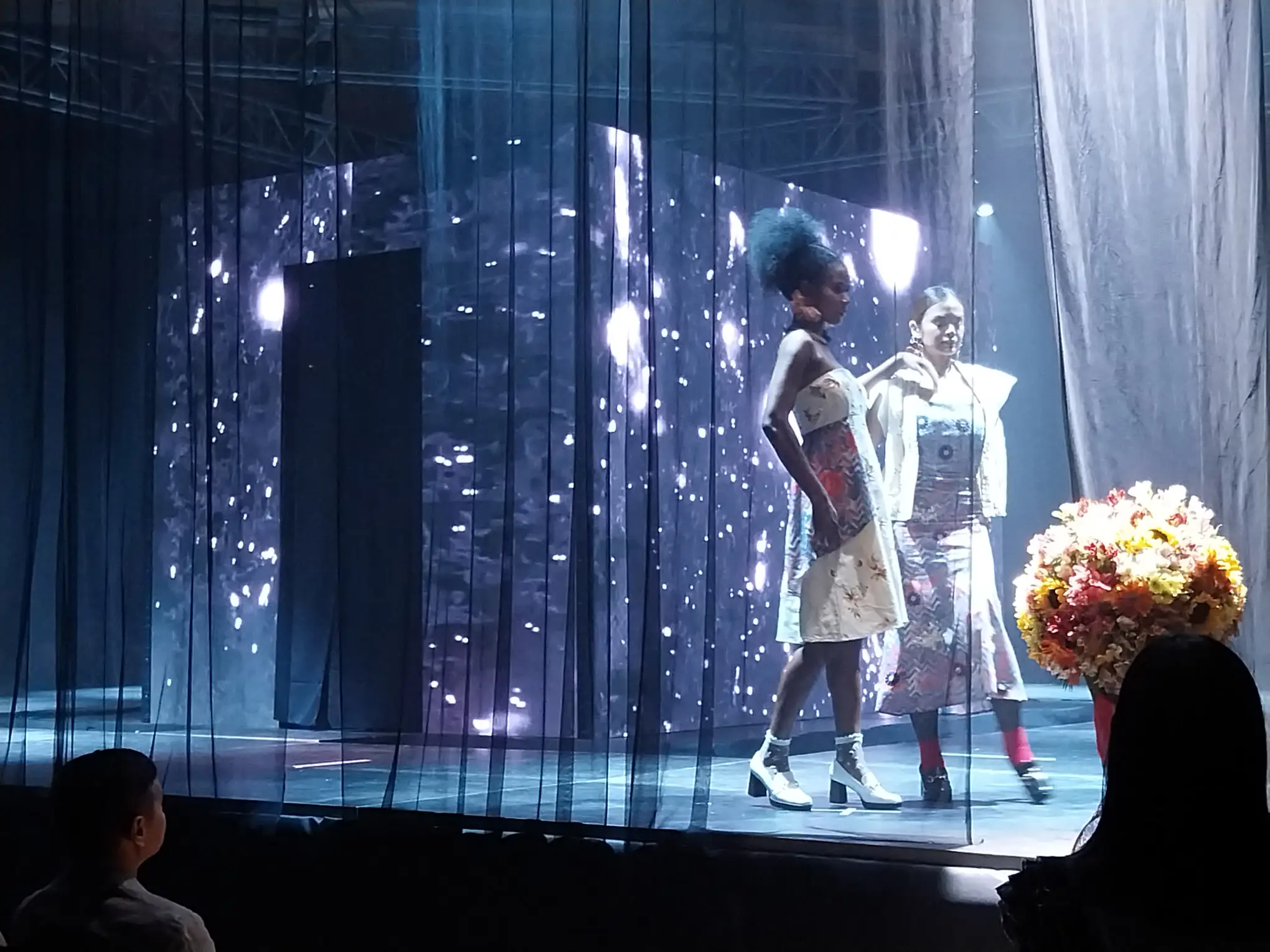
Dravigny’s fashion line, made in collaboration with designer Patis Tesoro, leaned towards both indigenous and traditional Filipino designs, integrating hallmarks like the conical farmers’ hat to its design. Even then, Dravigny’s tendency of creating patchwork textile art comes into play, creating a stylish line of clothes that still feels recycled and sustainable.
Advertisement
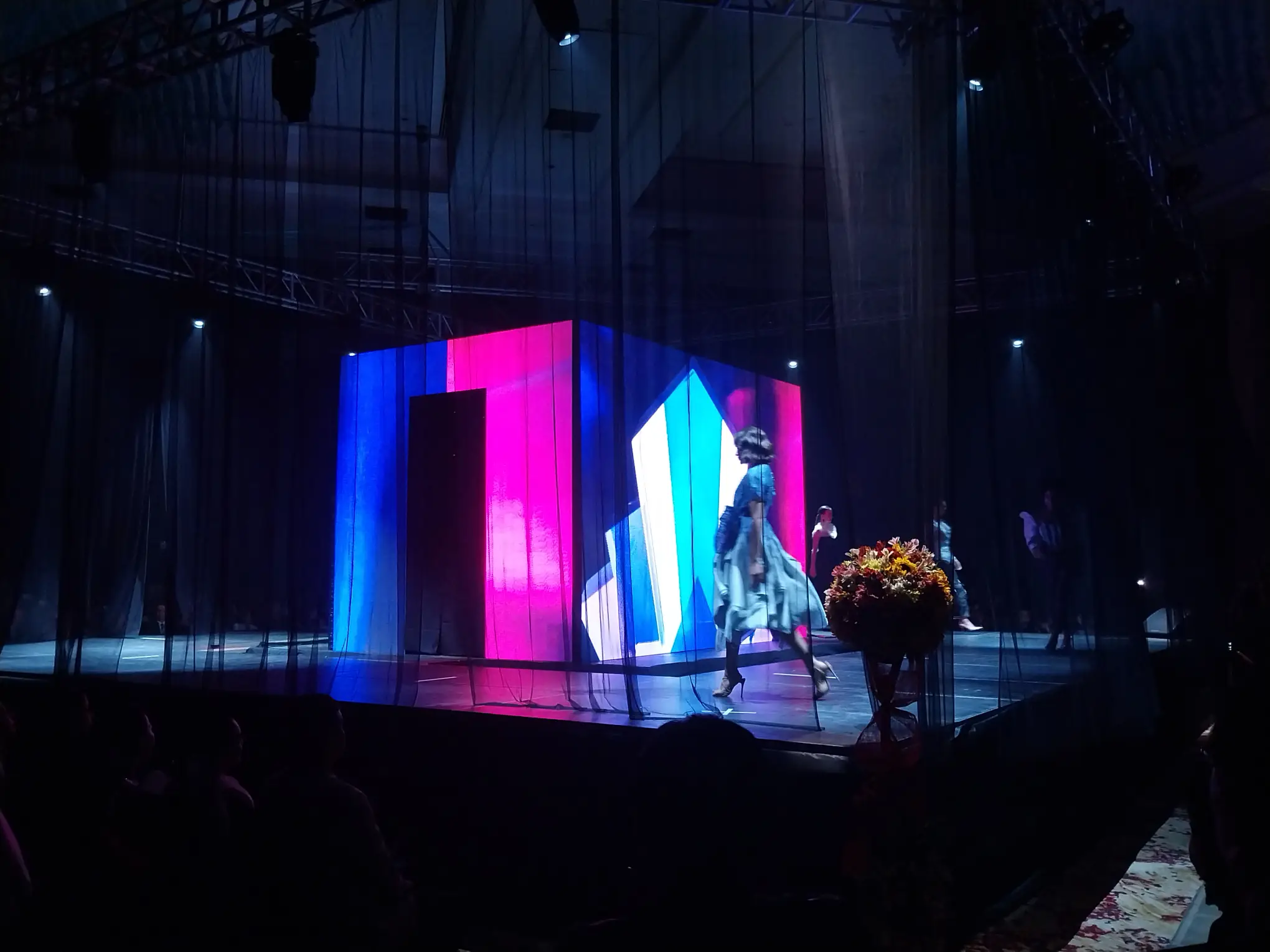
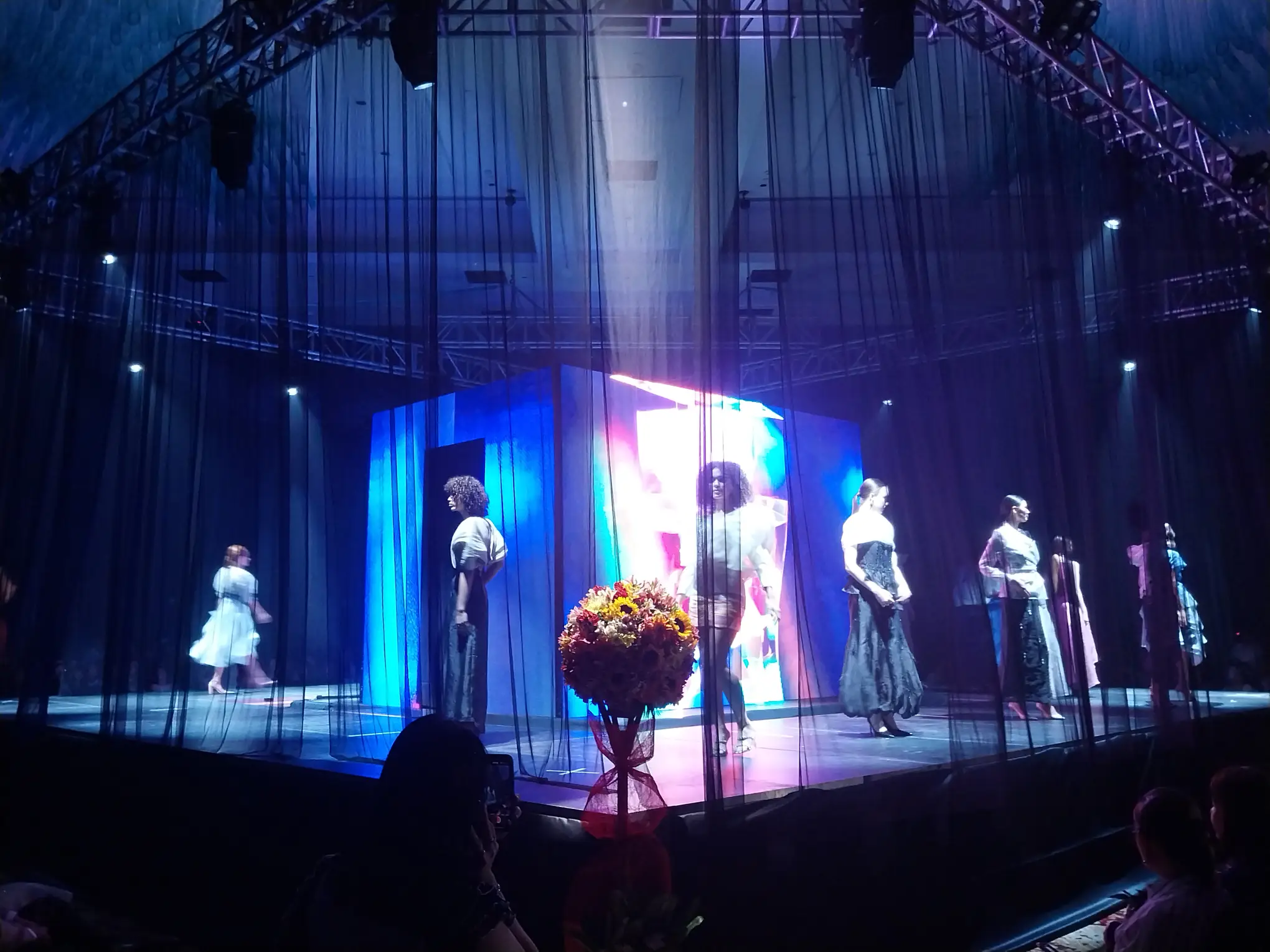
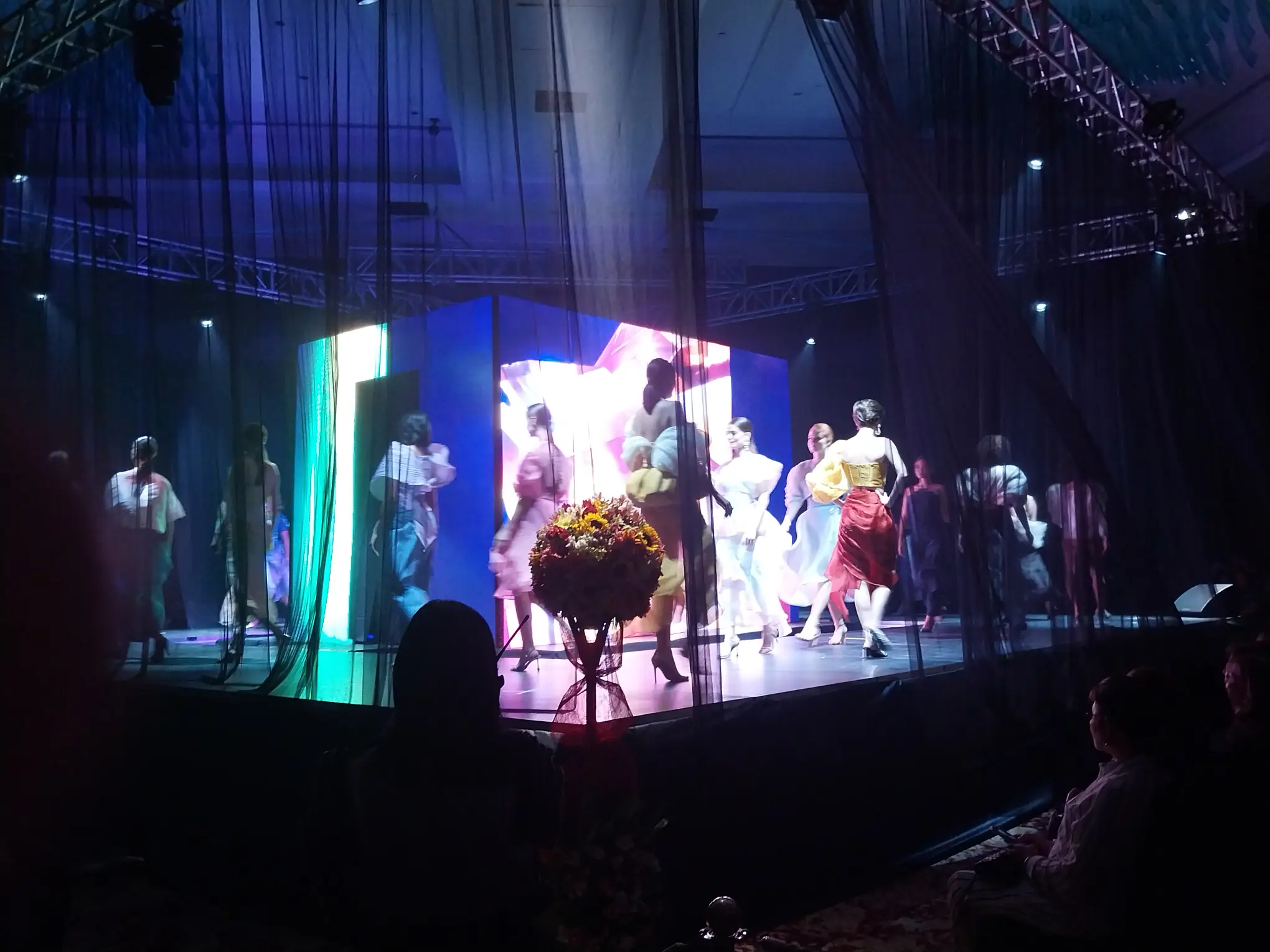
Anna Orlina’s line looks like her sculptures: colorful and abstractly-shaped. It leads to some sharp-cornered silhouettes for the clothing, making the models look statuesque and reminding one of Brutalist building designs. The accompanying music for the show were some Christmas-esque doo-wop-inspired songs that increased the uniqueness of the pieces in the fashion line.
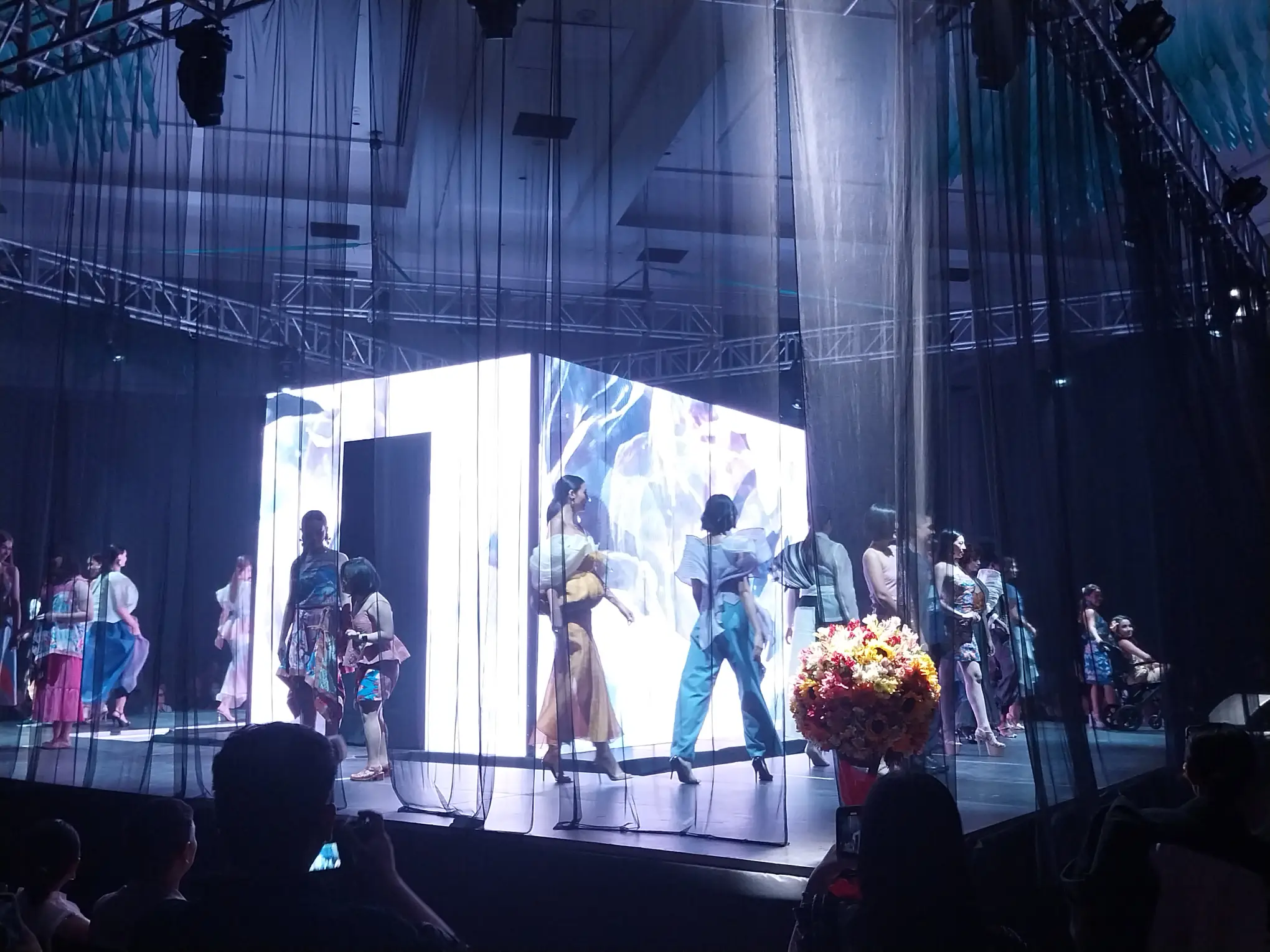
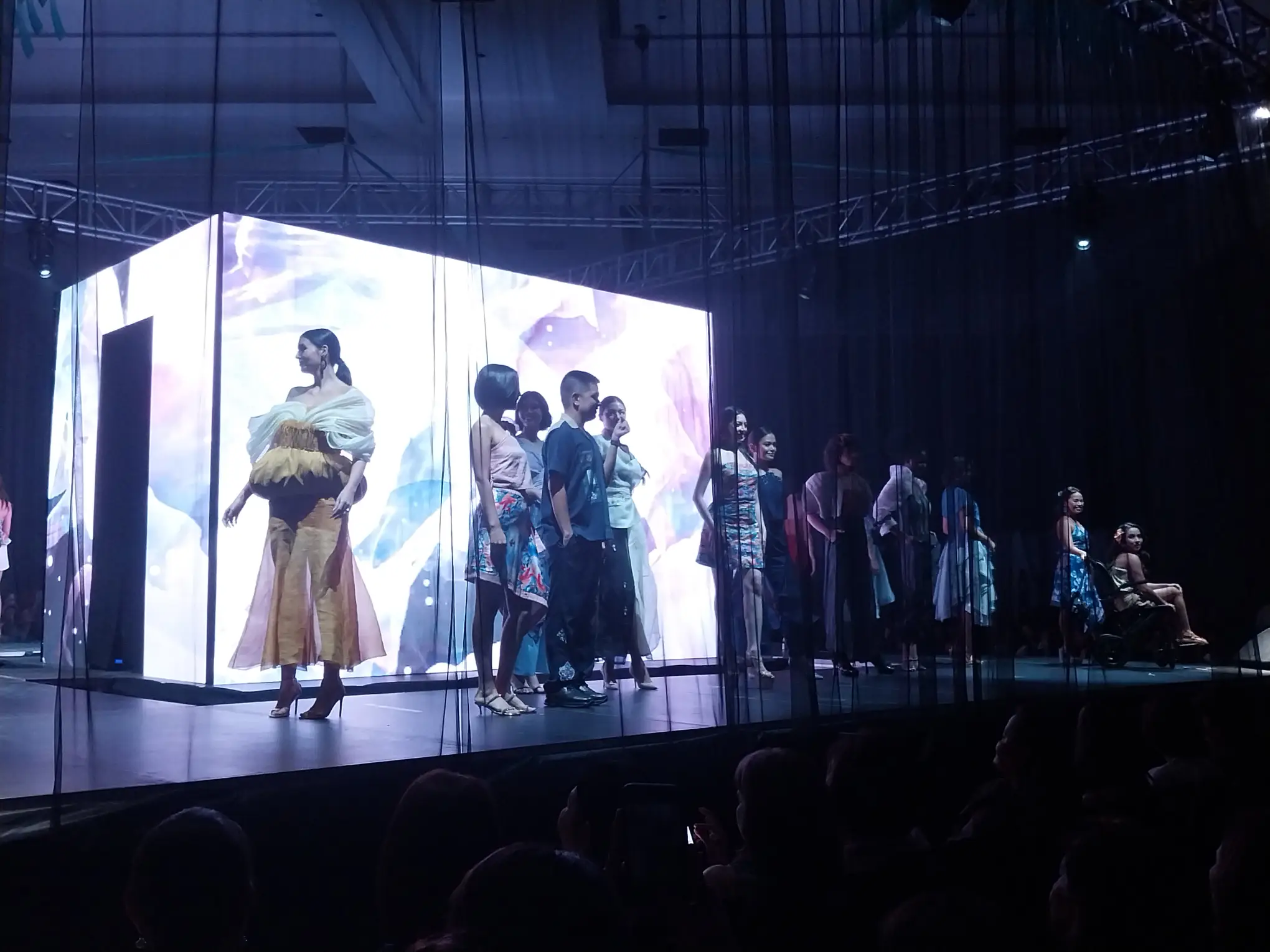
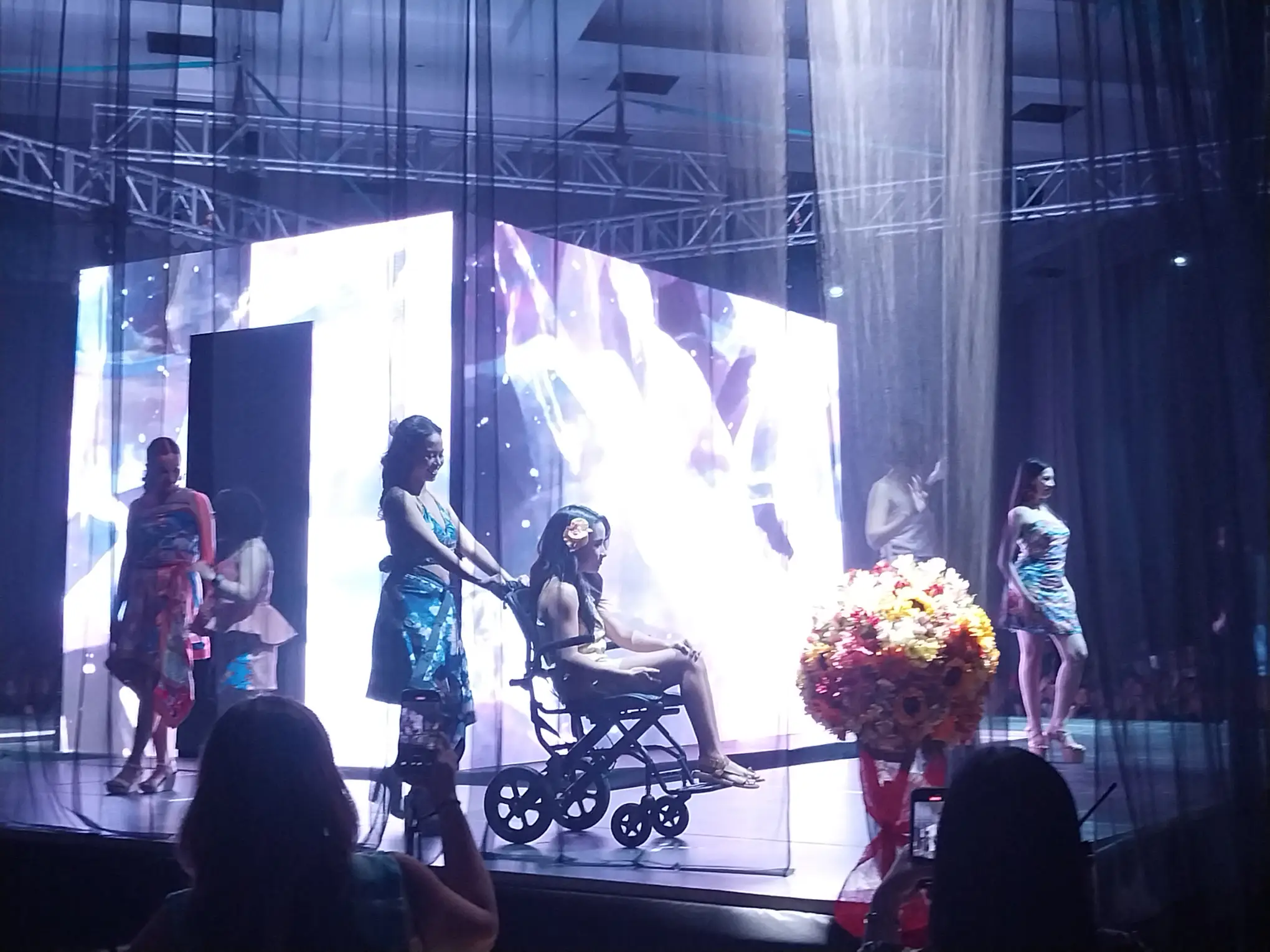
Policarpio partnered with Anouck Tantoco for her runway show, highlighting different people with disabilities, putting them on stage alongside the models to parade the designs to the public. Their show was accompanied by symphonic music from an orchestra.
These three shows, overall, portrayed the key aspects of Lamina to the public: an artistic sensibility that allowed for uncommon ideas to stand out; a presentation of how sustainable fashion can actually be put in practice; and a commitment to diversity and inclusion that represents the openness of the Filipino community at large.
Advertisement
The Convergence of Art and Design
A whole section was devoted to “functional and kinetic art” which holds different pieces of furniture—tables, chairs, benches, and the like—that also function as art pieces which speak to the environment that they were created in.
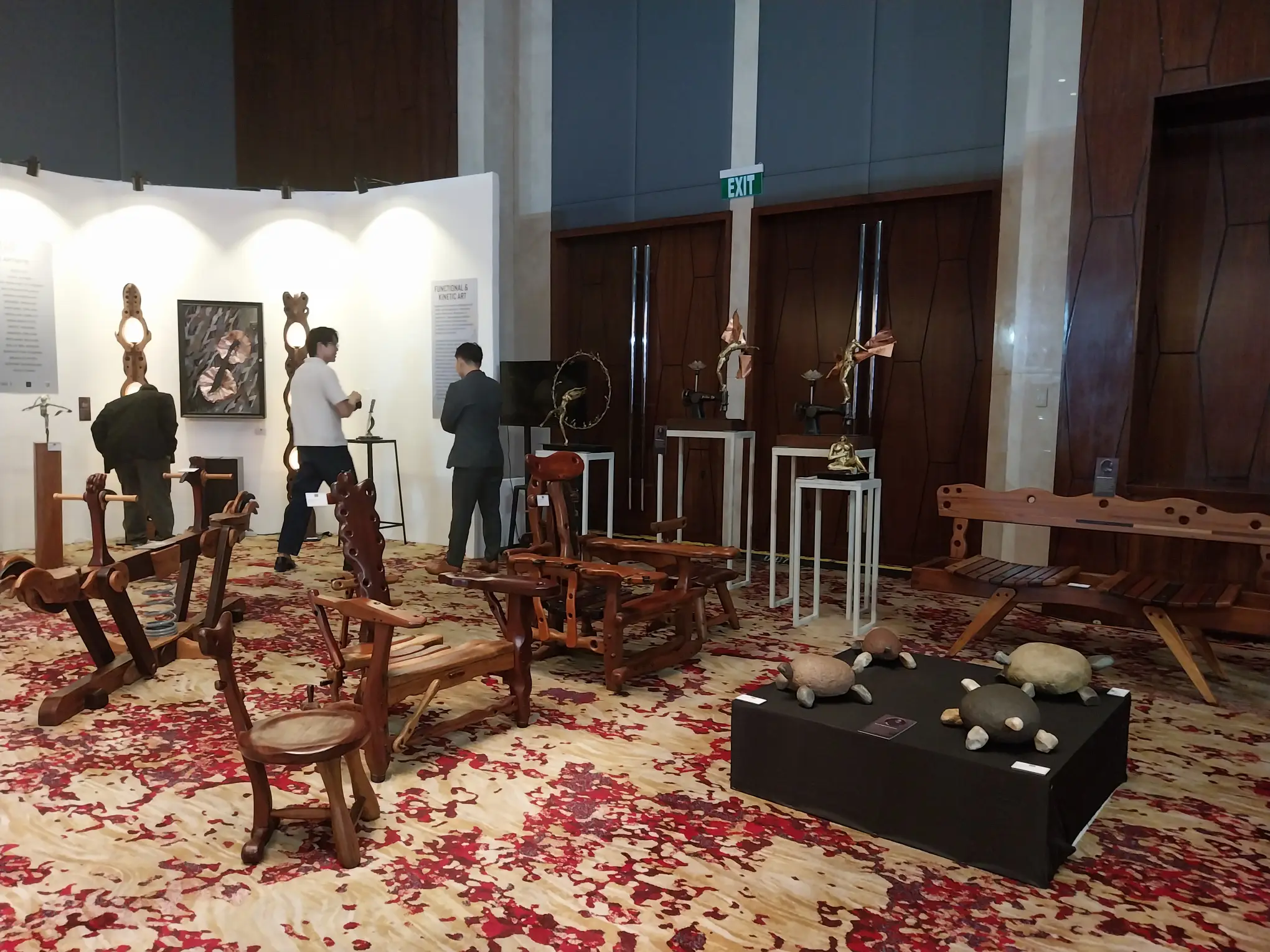
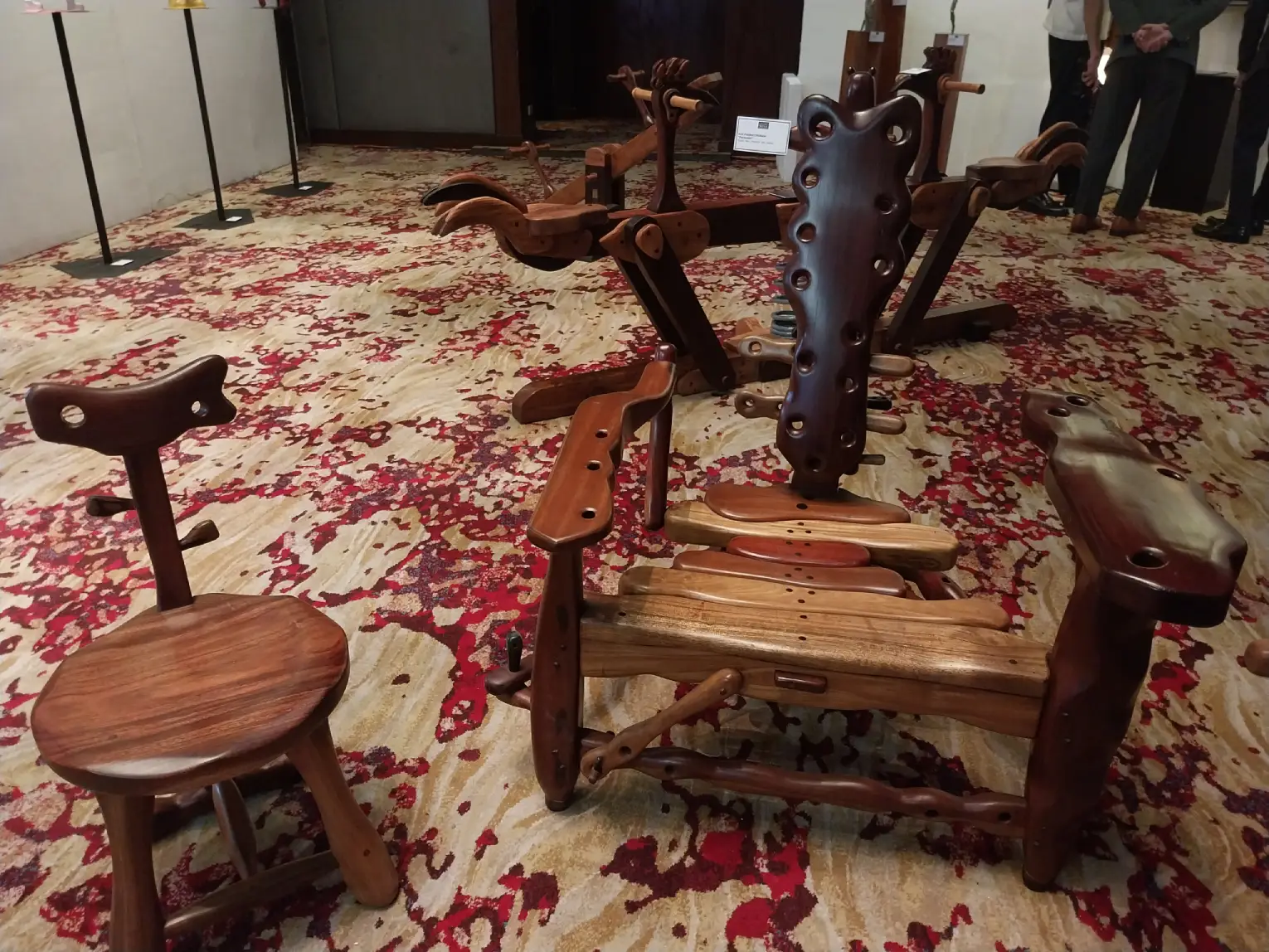
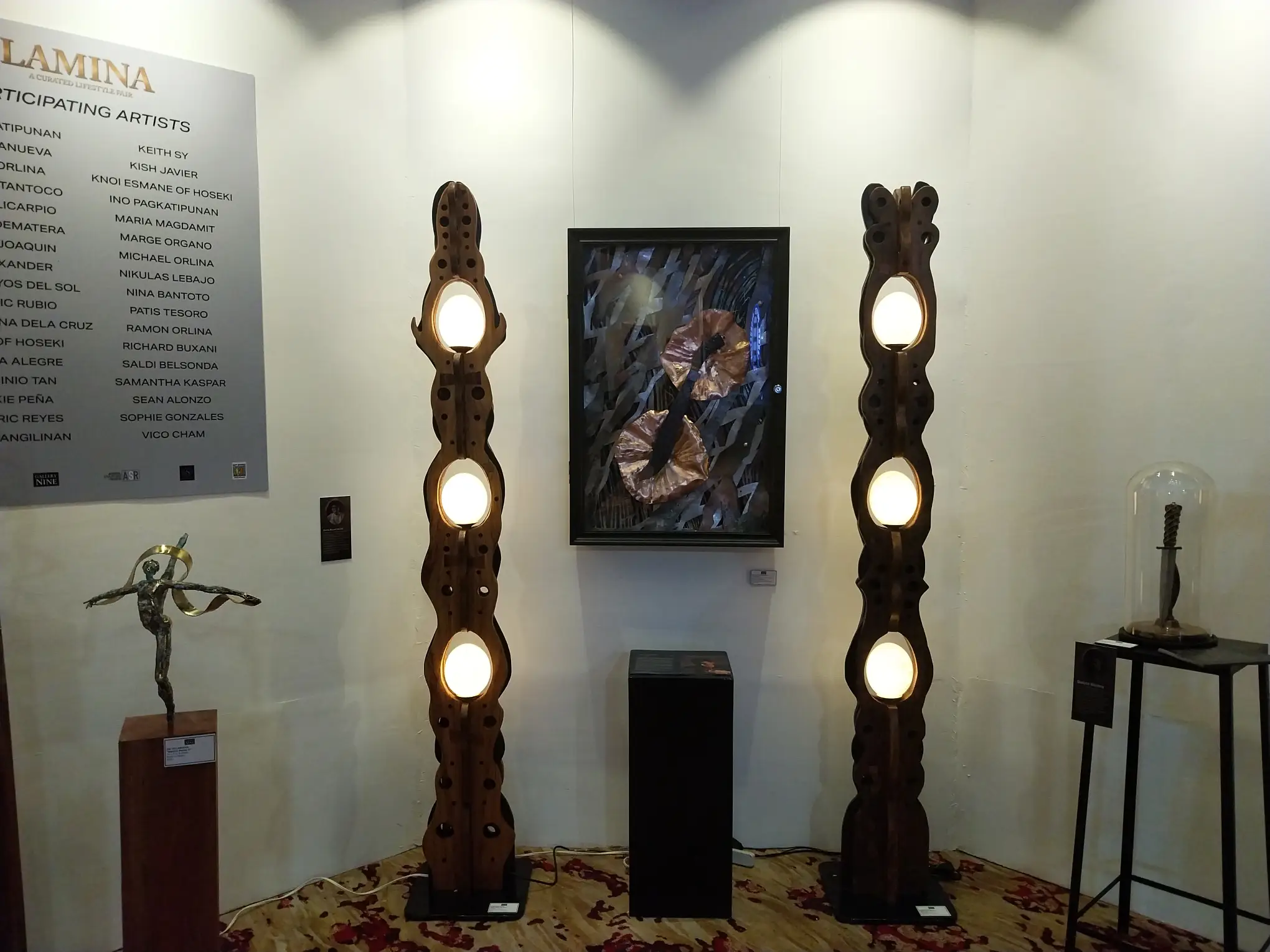
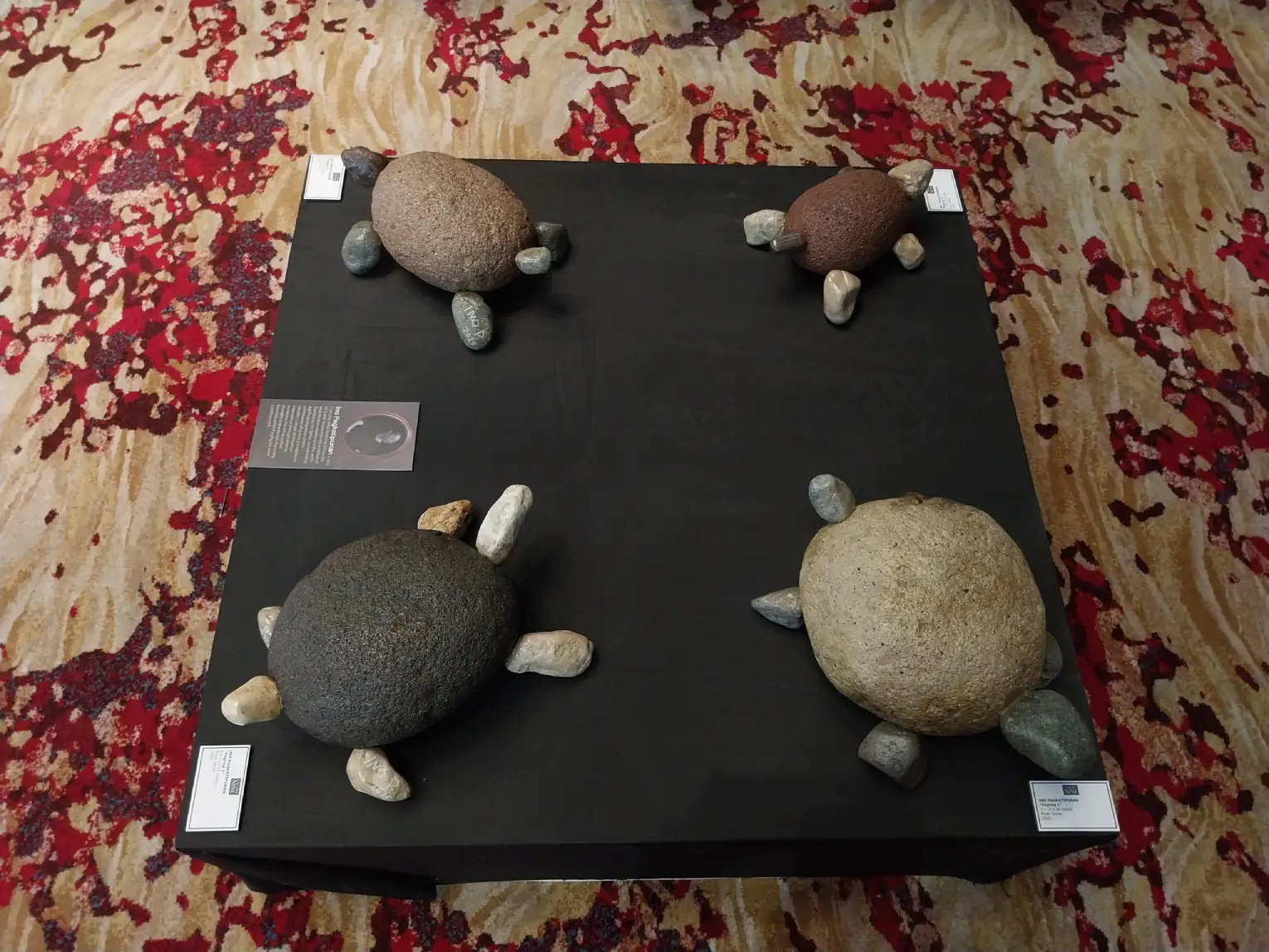
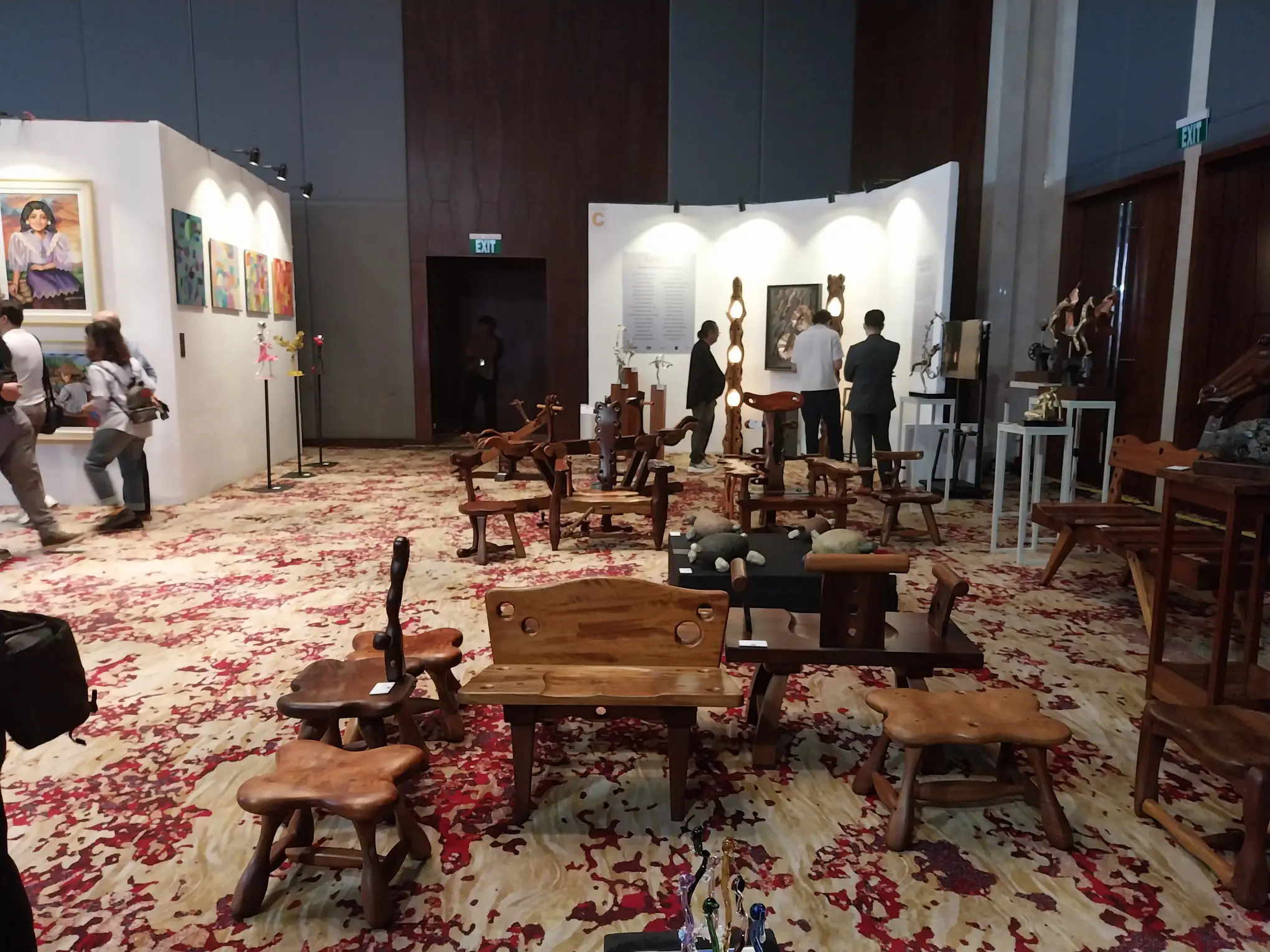
“[These works] explore the dynamic intersection of utility and imagination,” a write-up for the mini-exhibit said. “Featuring works that move, illuminate, or transform, these pieces redefine how we interact with everyday objects in their multi-dimensionality, combining form and function, design and intention.”
A section for jewelry was included in Lamina. This contained a unique set of works that push the boundaries of shape and structure of gemstones in seemingly-singular ways. This mini-exhibit featured works from Helena Alegre, Marge Organo, C. Alexander, and more.
Advertisement
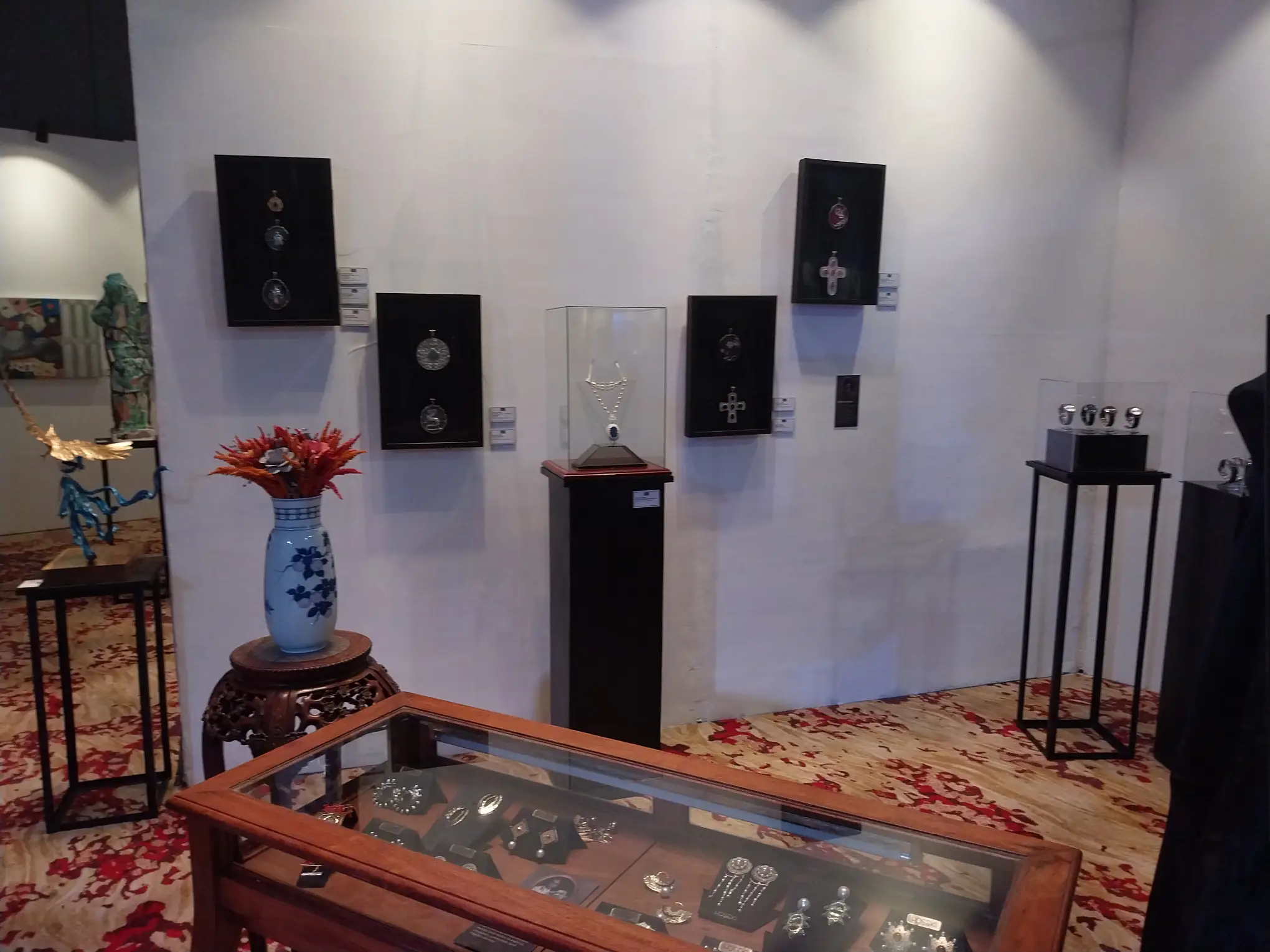
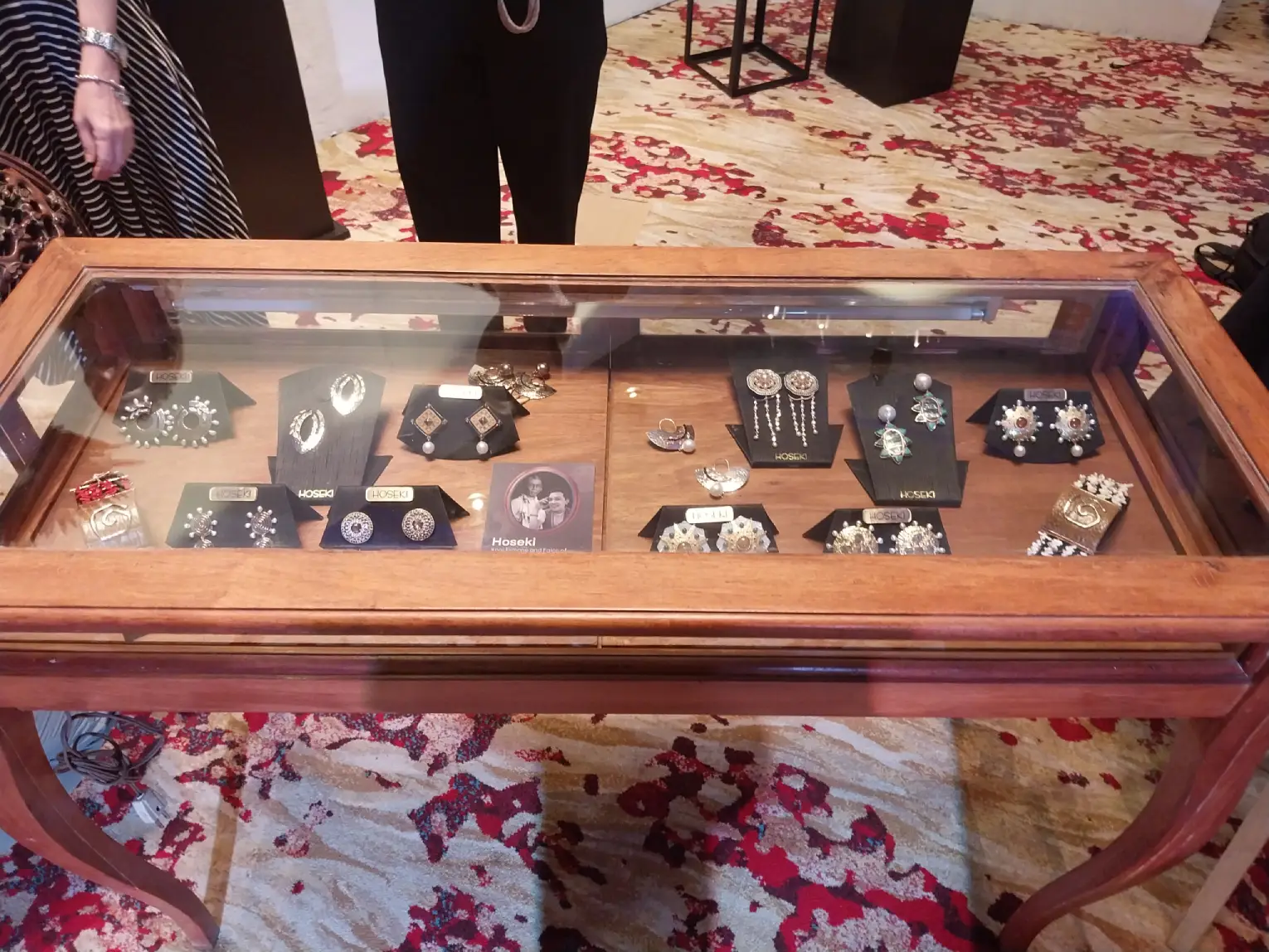
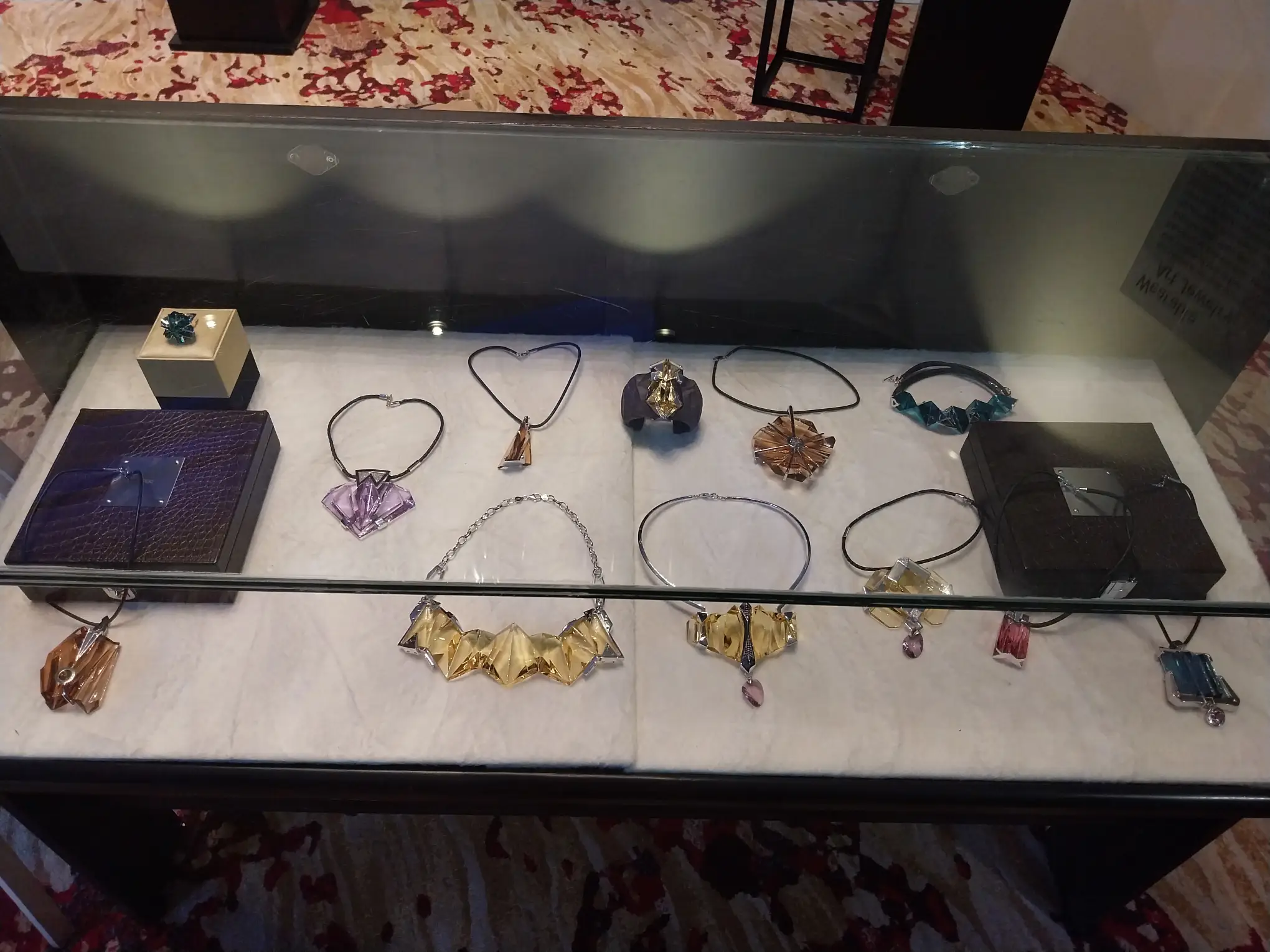
“More than adornment, they are intimate sculptures that carry meaning, narrative and intention. They become part of a living composition,” its write-up said. “In this way, art jewelry transforms into a collaborative medium-one that speaks both of the maker’s craftsmanship and conceptual voice, and of the wearer’s values, moods, and personal mythologies.”
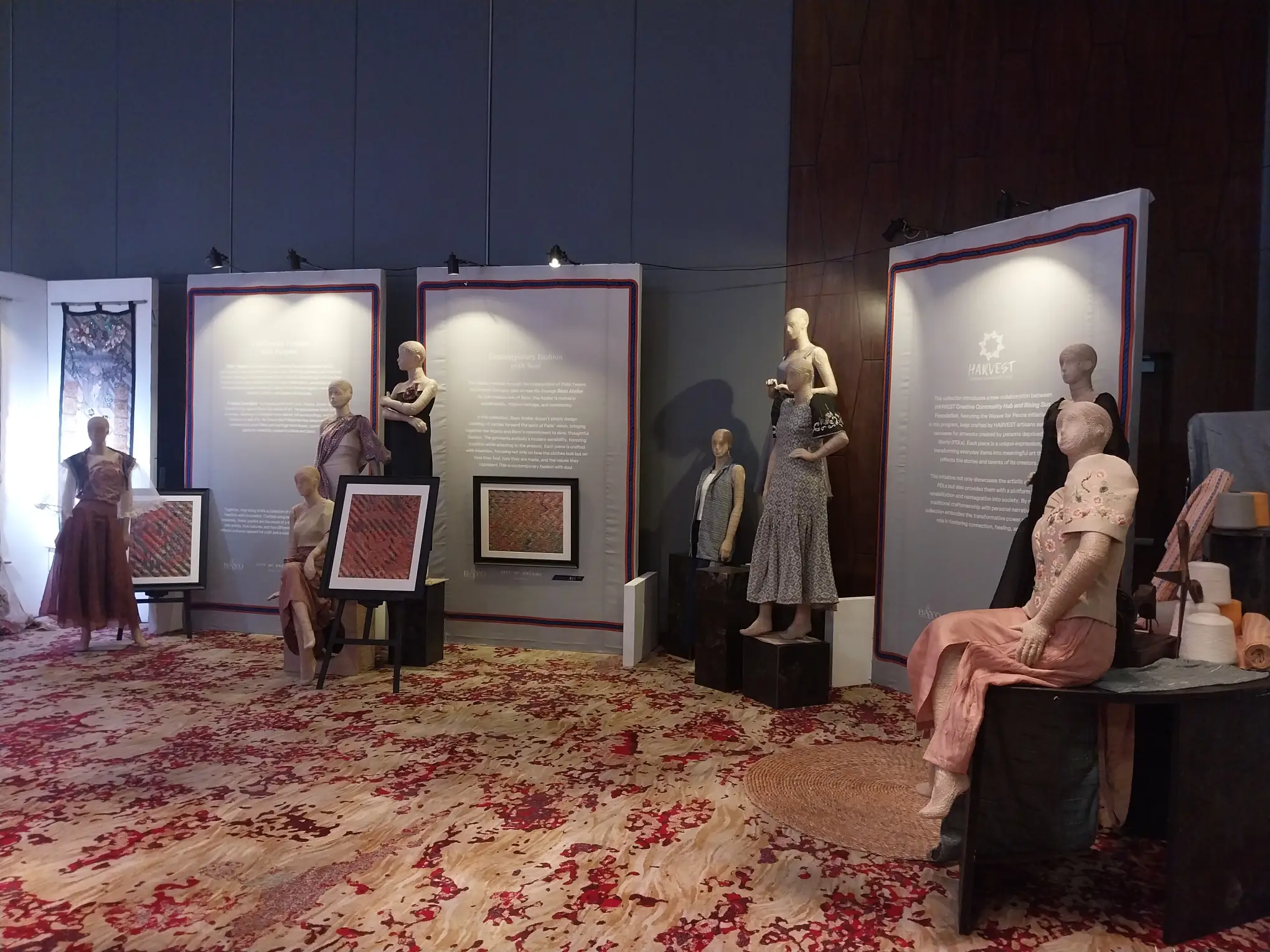
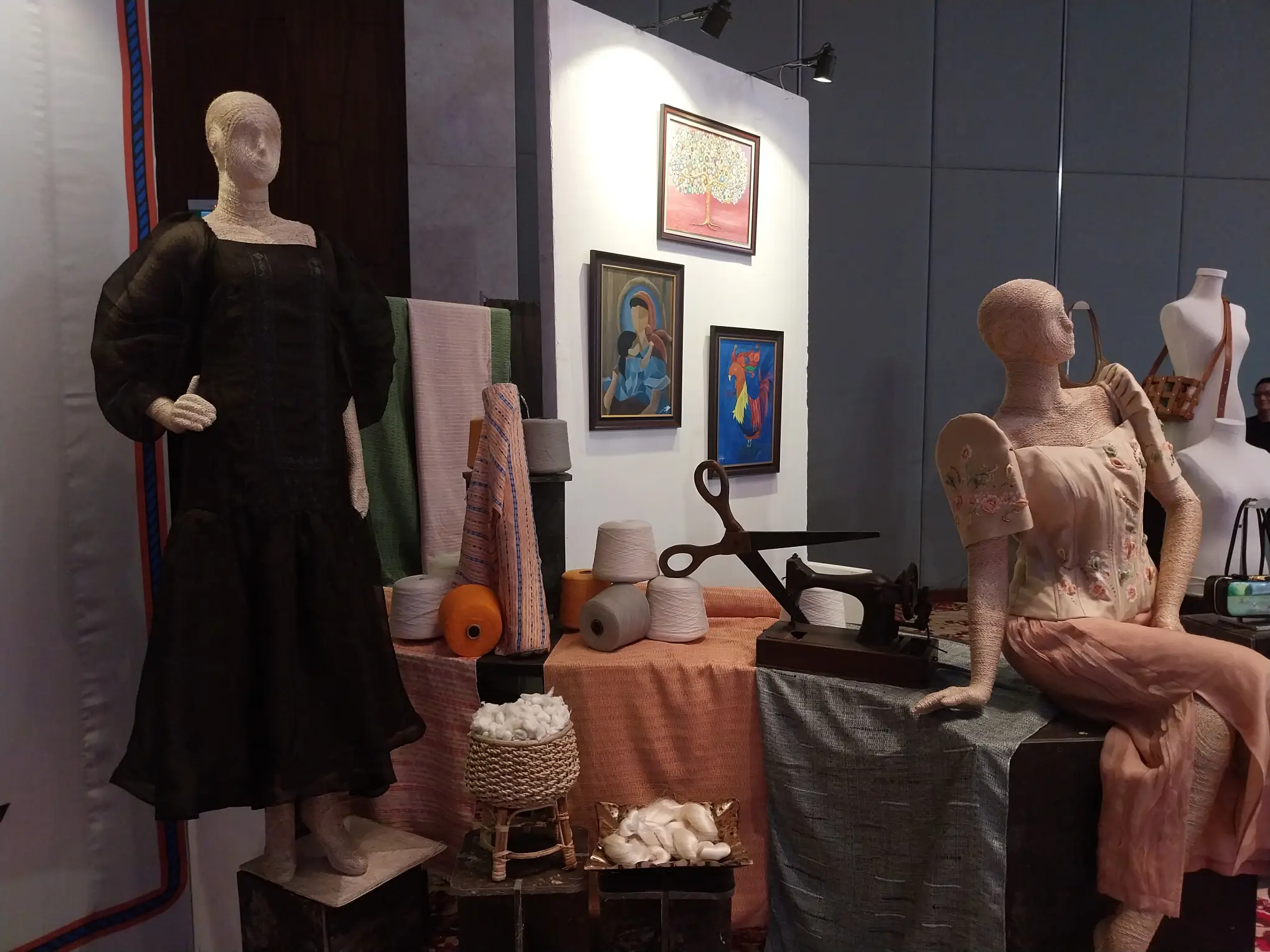
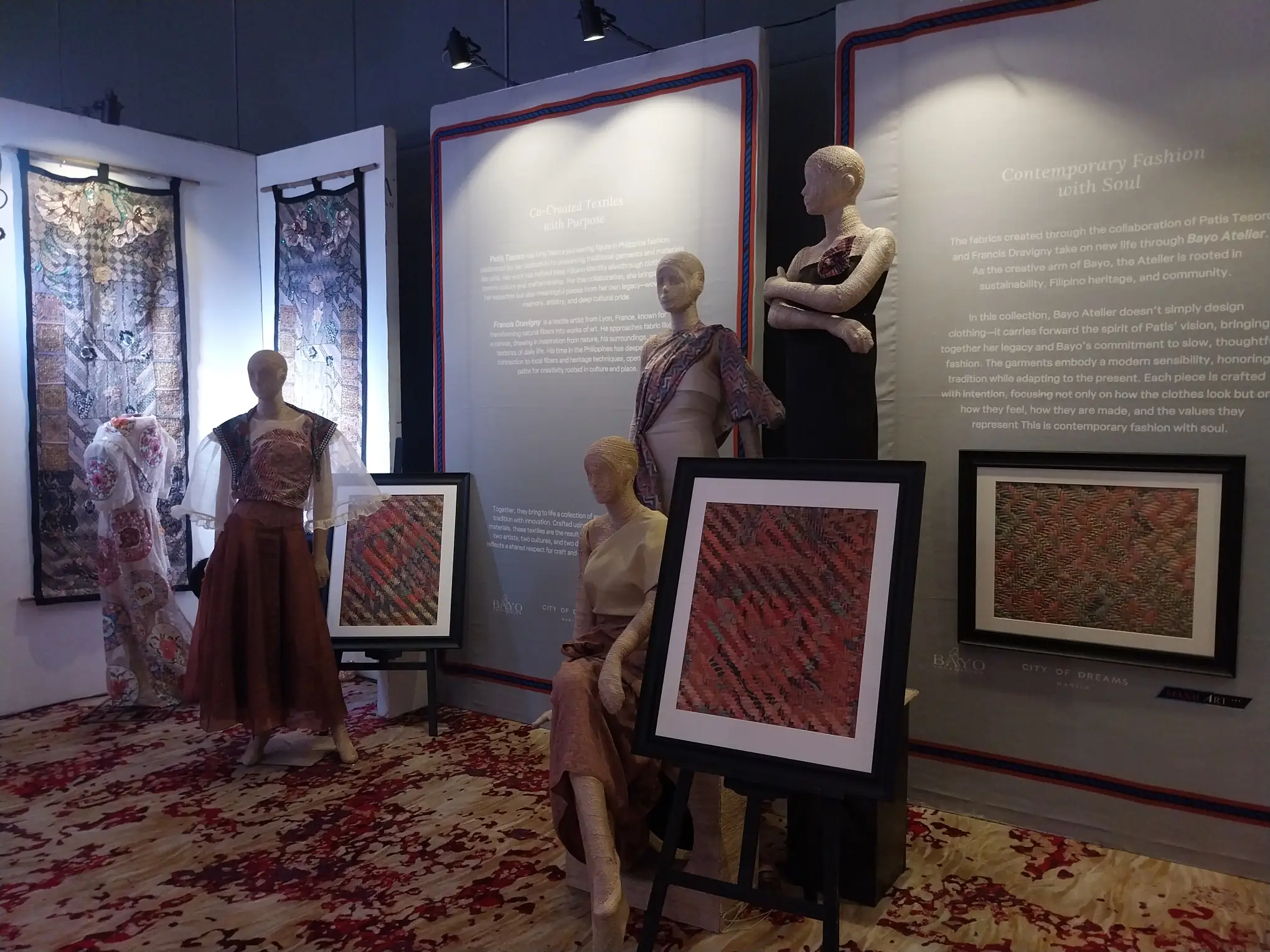
Another section featured contemporary Filipino clothing that utilized traditional Filipiniana design tropes with modern stylistic choices. These clothes focus on hand-crafted design and detail that exemplifies the talent of the people working on these projects.
‘The Orlina Legacy’
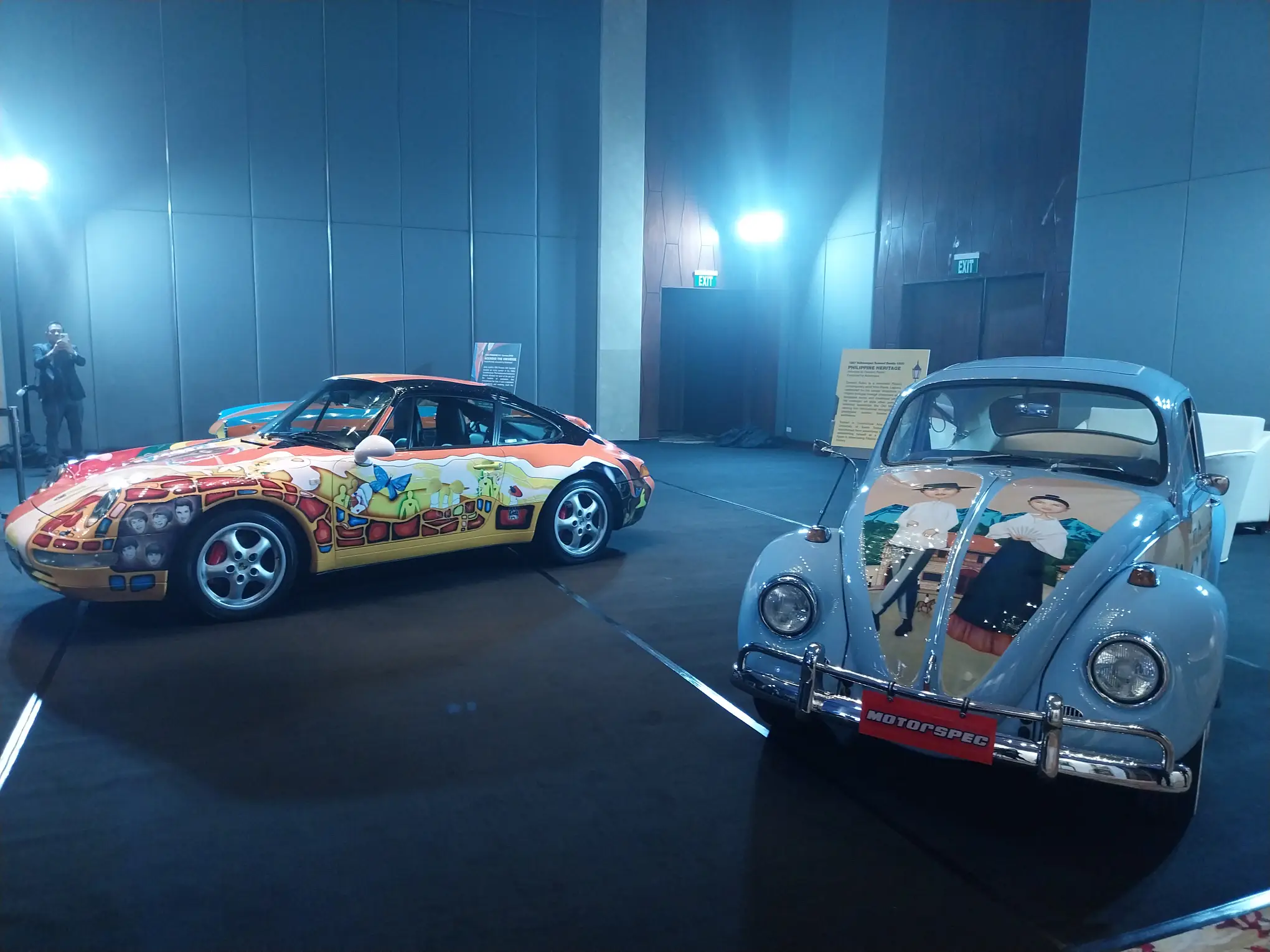
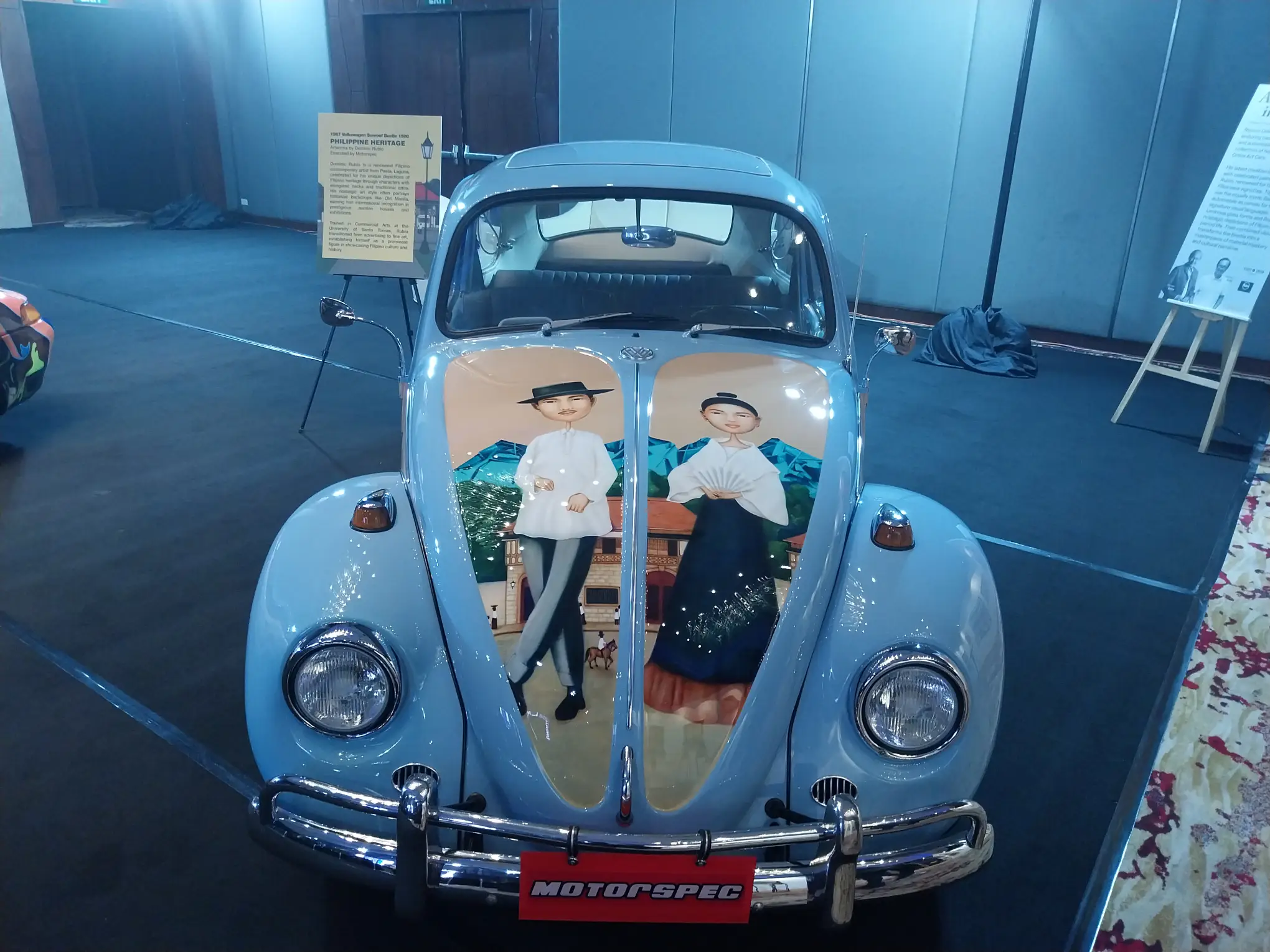
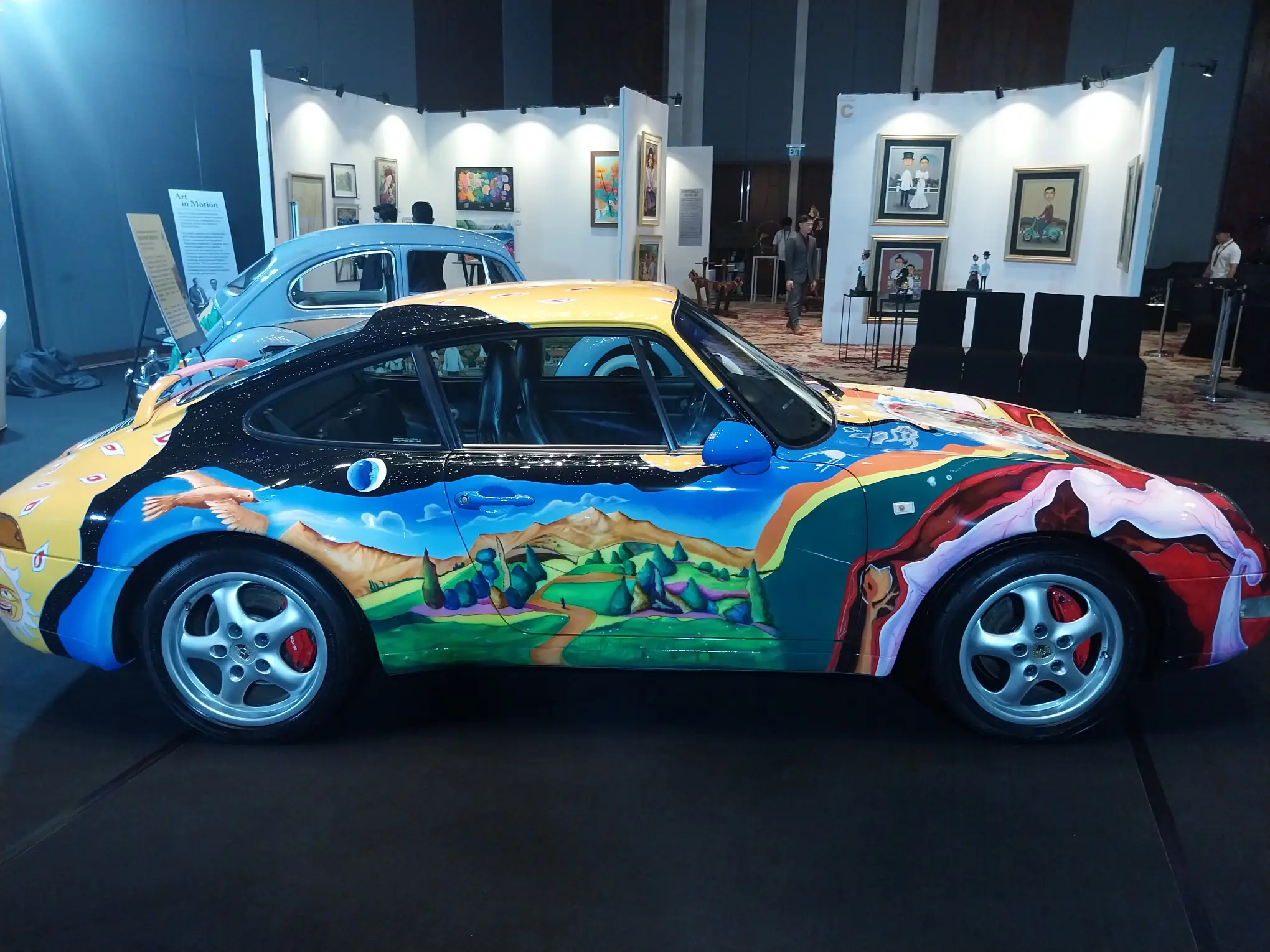
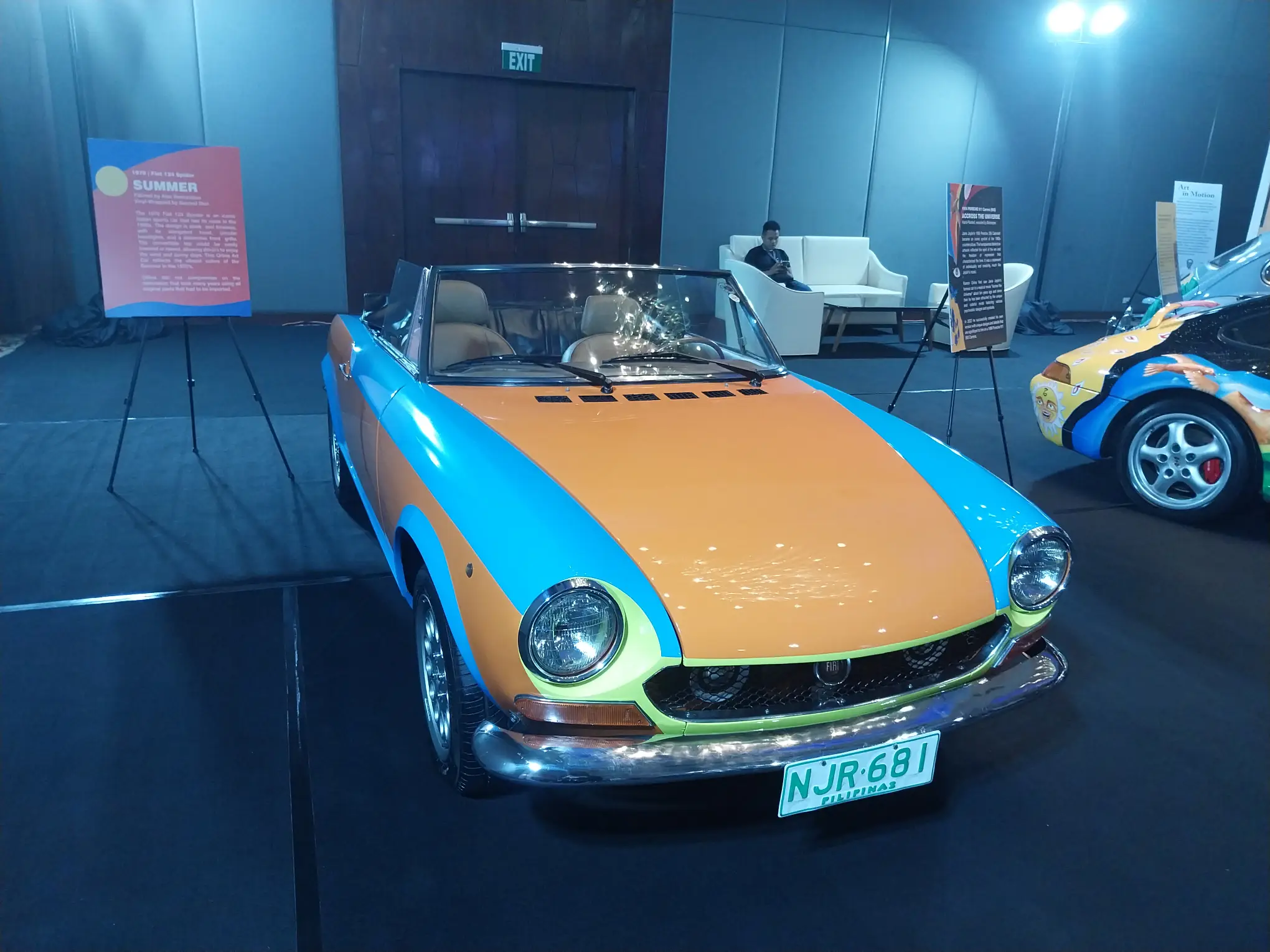
One display showcased a collaboration between glass sculptor Ramon Orlina and painter Dominic Rubio. Here, they restore three vintage cars with significant pop culture cache, with Rubio’s heritage-centric artworks decorating the body of the cars. It melds together that significance in late 1960s history with Filipino heritage, making something colonial into something uniquely Filipino.
Advertisement
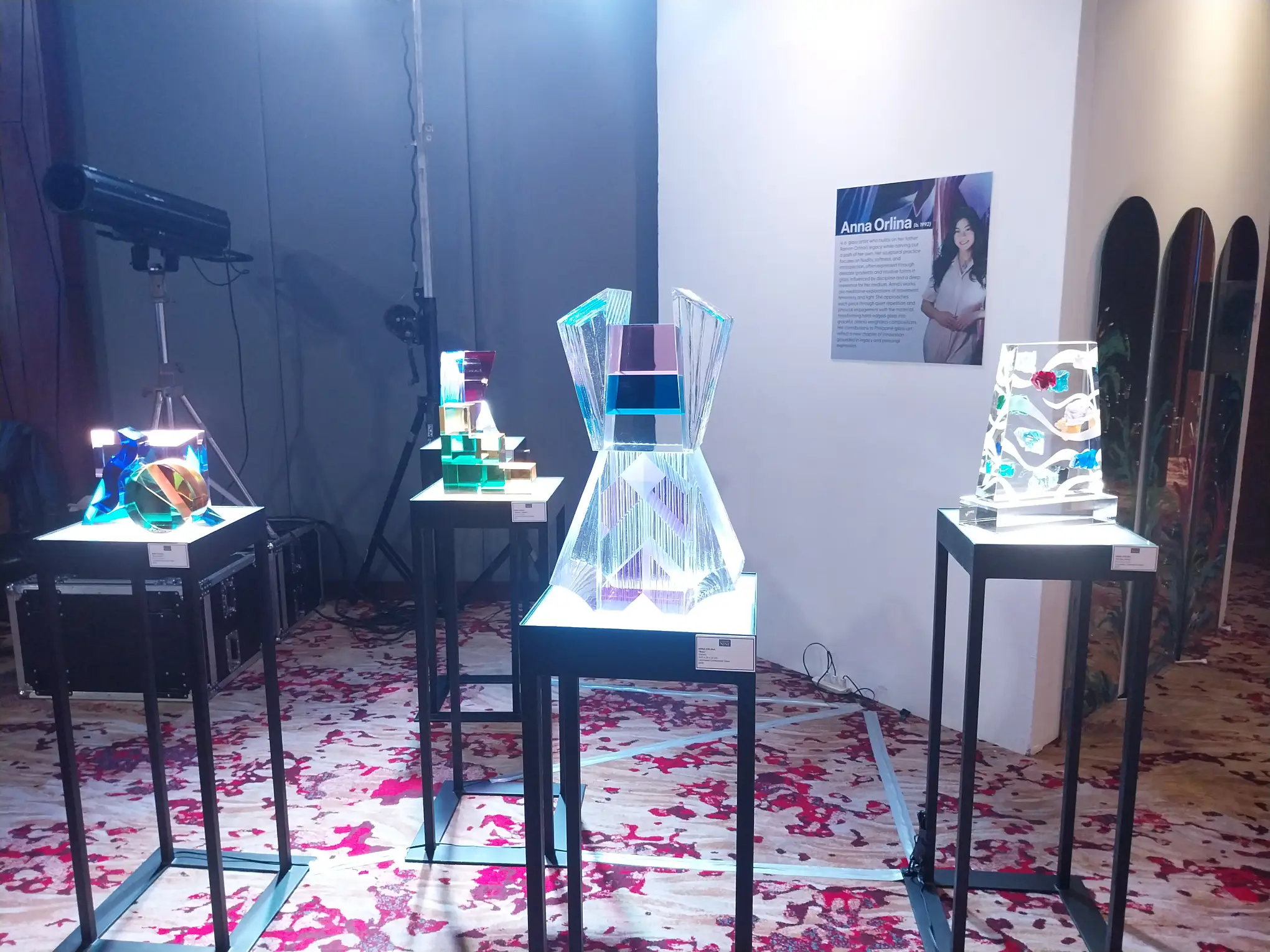
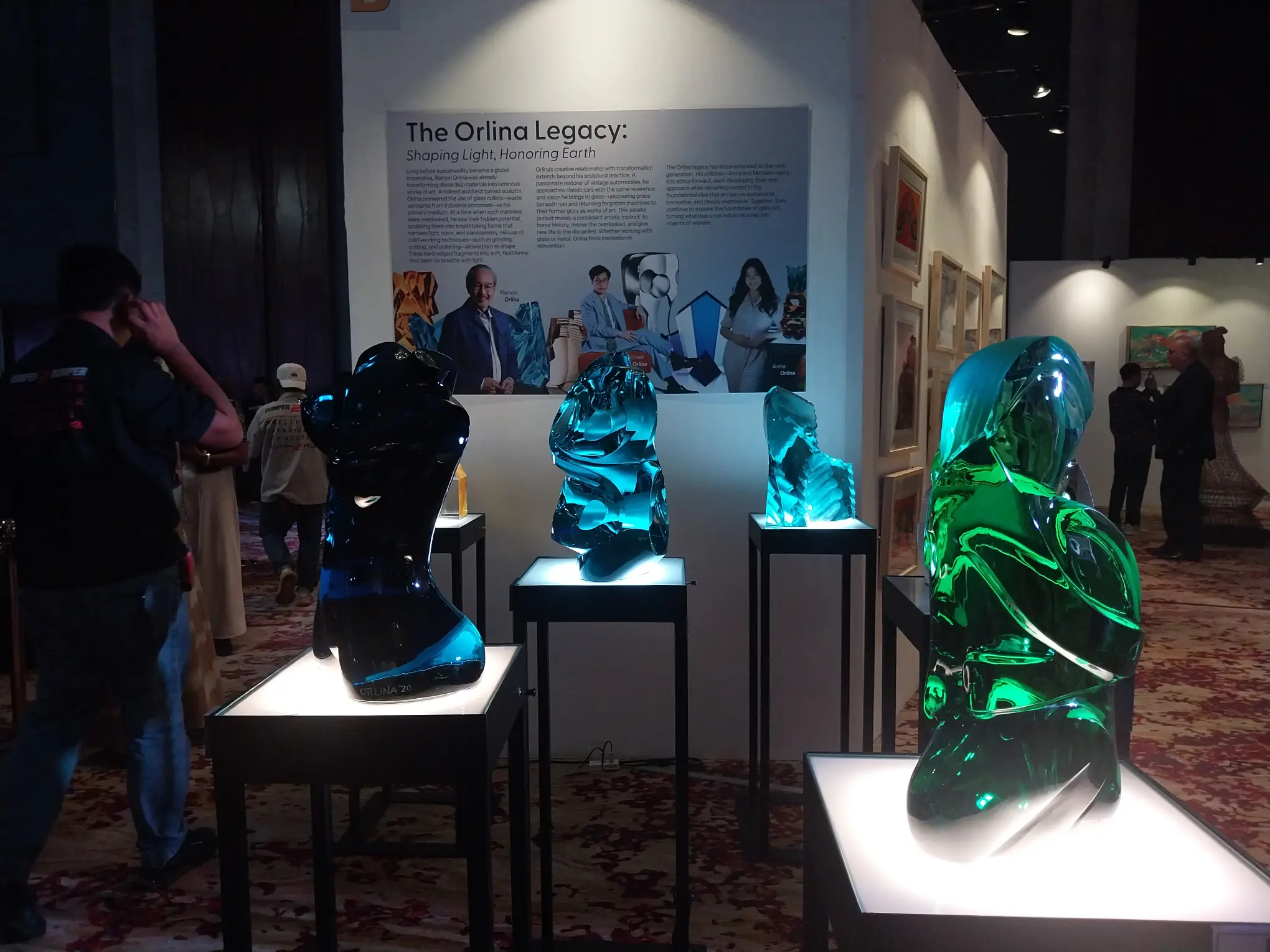
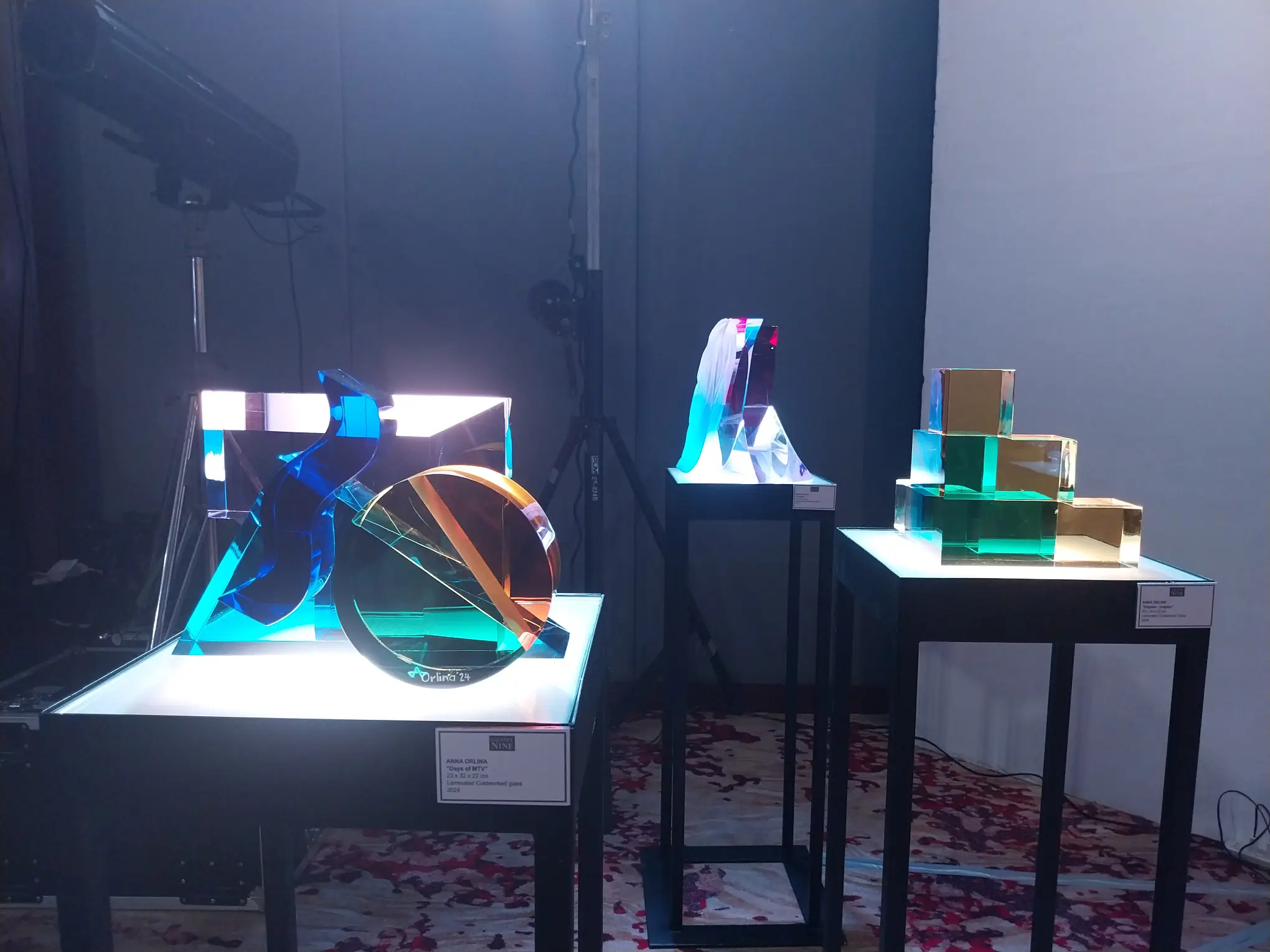
The Orlinas feature prominently in the exhibition, with entire sections of the lifestyle fair dedicated to the works of Ramon, Anna, and Michael Orlina. Beyond the car display, Anna Orlina’s vibrant glass sculptures stood out—her expressive, abstract forms drawing significant attention from fairgoers.
A Showcase of Filipino Sustainability
Lamina: A Curated Lifestyle Fair gives viewers the opportunity to see the innovations and obsessions of Filipino fashion and design today. Its focus on heritage, sustainability, and artisan craftsmanship exemplify how local industries can expand by highlighting the singular aspects of our culture. It shows that we can make world-class products through adopting local ideas and sensibilities rather than just importing foreign design ideas.
Photos by Elle Yap.
Related reading: ICA Art Fair: Funding Philanthropic Efforts Through Artistry
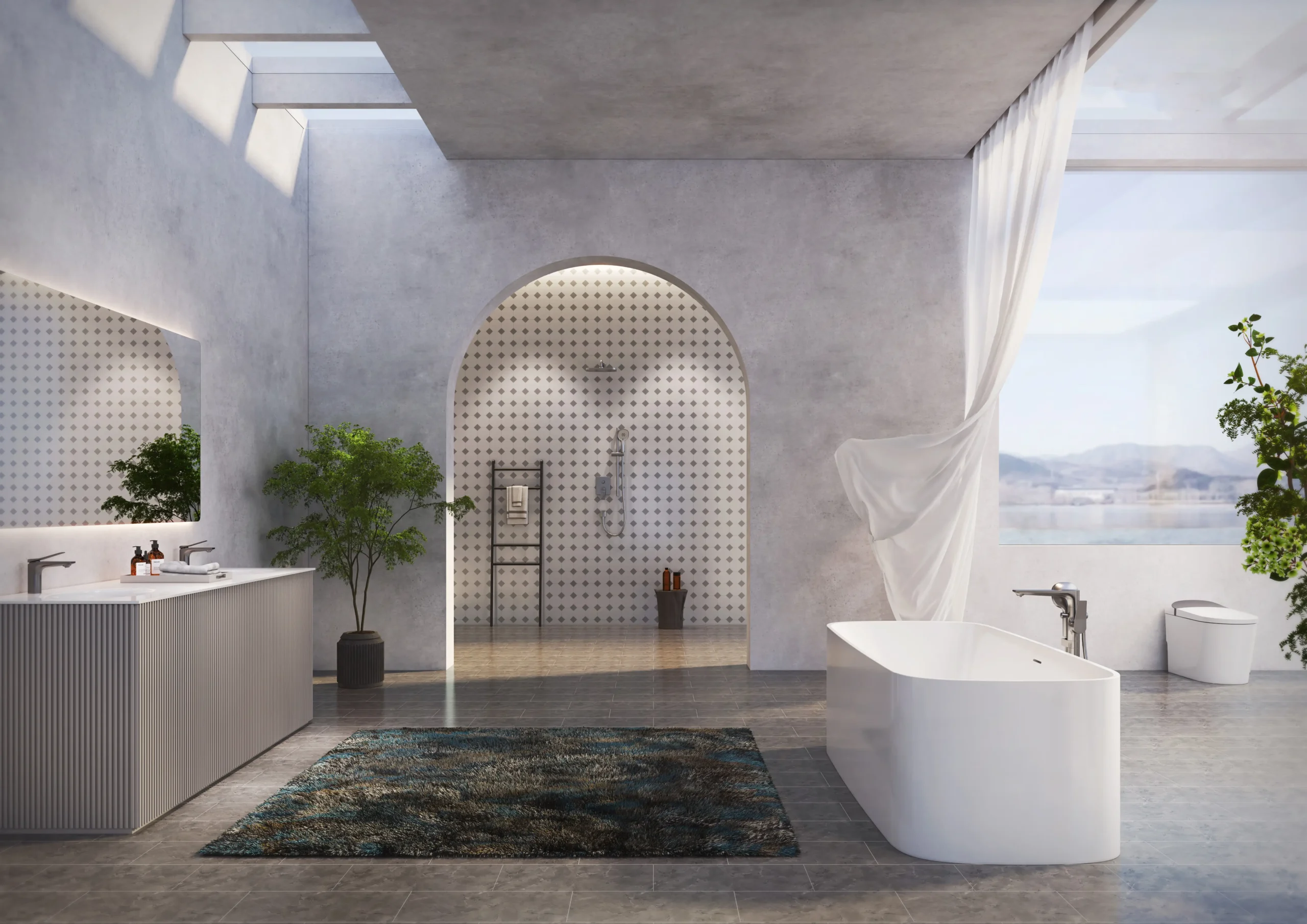
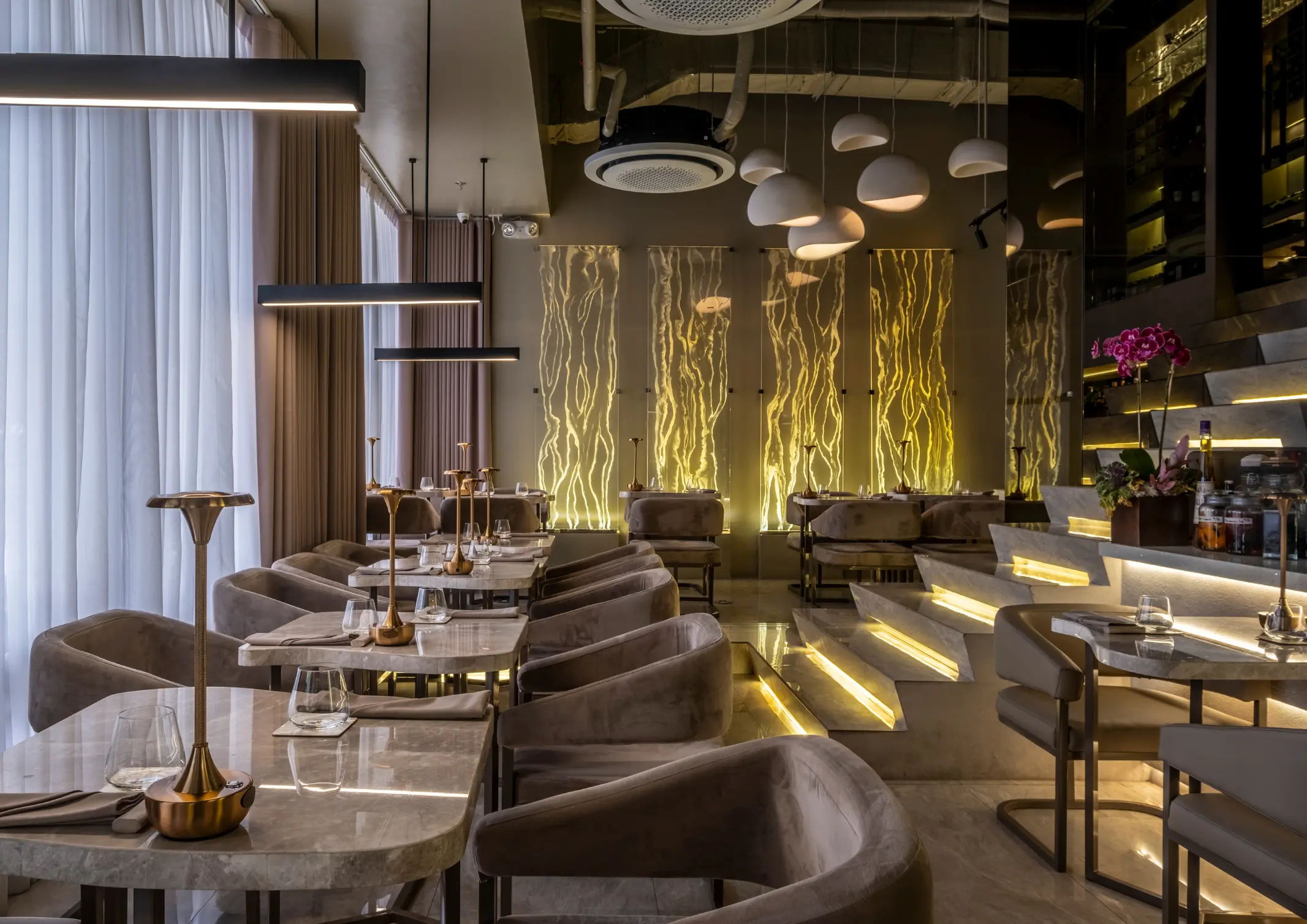
From the moment a diner steps through the door, each detail shapes how a meal is experienced. Restaurant design has evolved, with architects and culinary professionals collaborating to create built spaces that are as intentional as the menu itself. The spatial atmosphere acts as an additional ingredient that can define the culinary experience. Taupe and […]
Advertisement
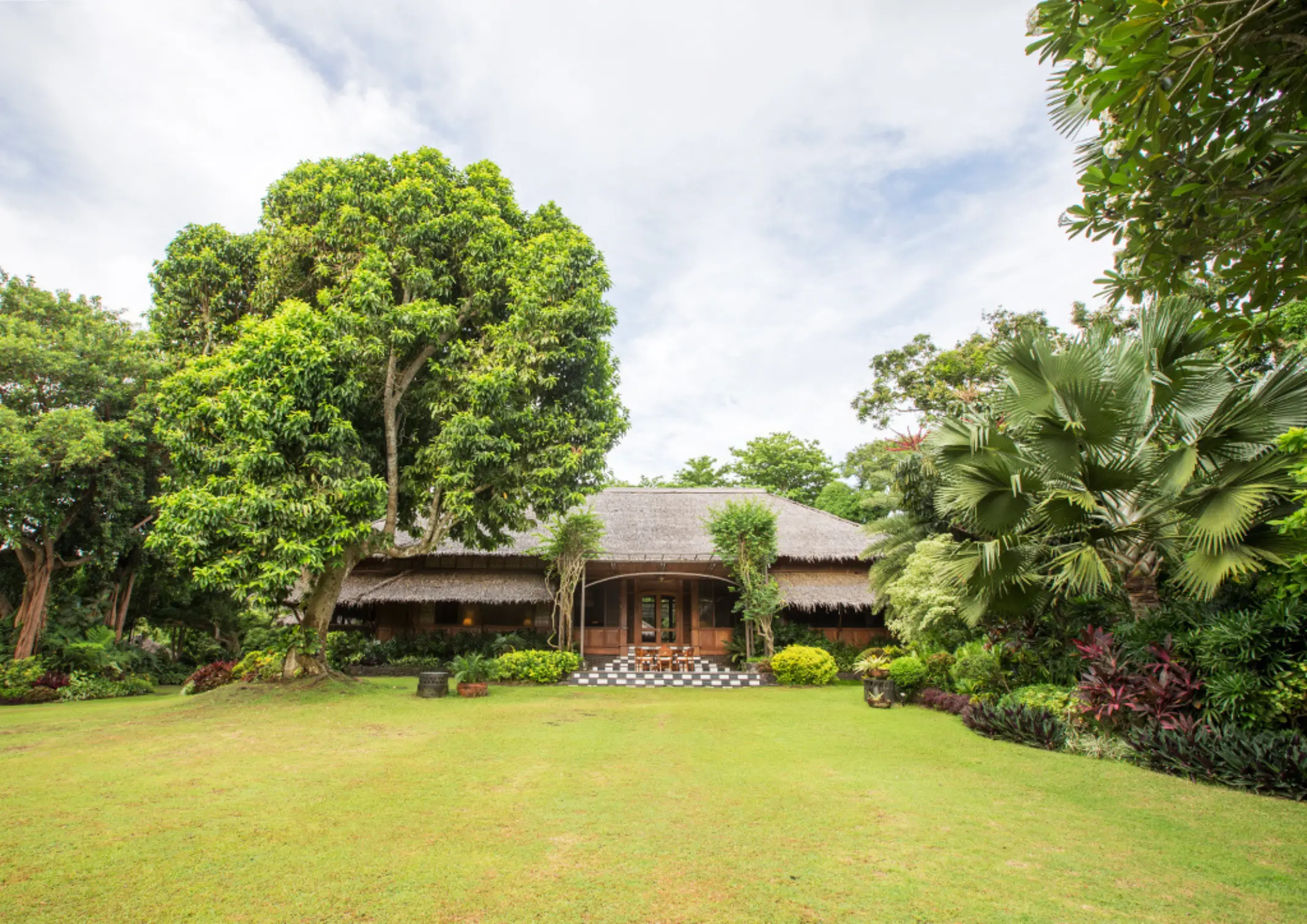
With climate change and global warming, the Philippine climate is in constant evolution. Consequently, it is important for Filipinos to have living spaces that respond to the local environment. In this article, BluPrint lists down Filipino architects who are reimagining the tropical house, aligning the built and natural environment. BAAD Studio Principal architects Benjee Mendoza […]
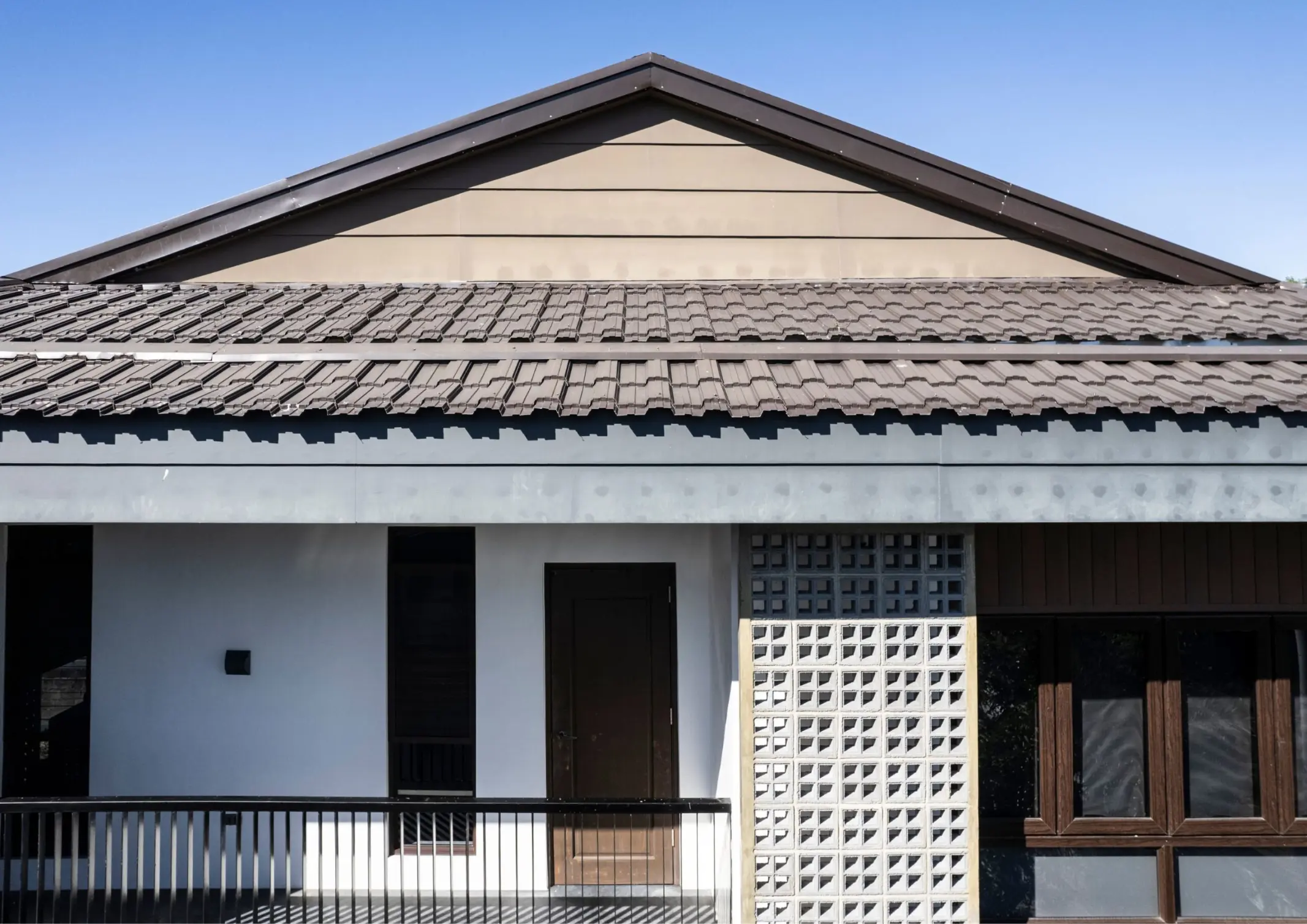
Ventilation involves the introduction of outdoor air into a room, providing occupants with their needs. Proper ventilation allows for the moderation of internal temperatures, the creation of better airflow, the dilution of carbon dioxide to acceptable levels, and the removal of contaminants. This addresses health risks associated with indoor air pollution, such as respiratory problems […]
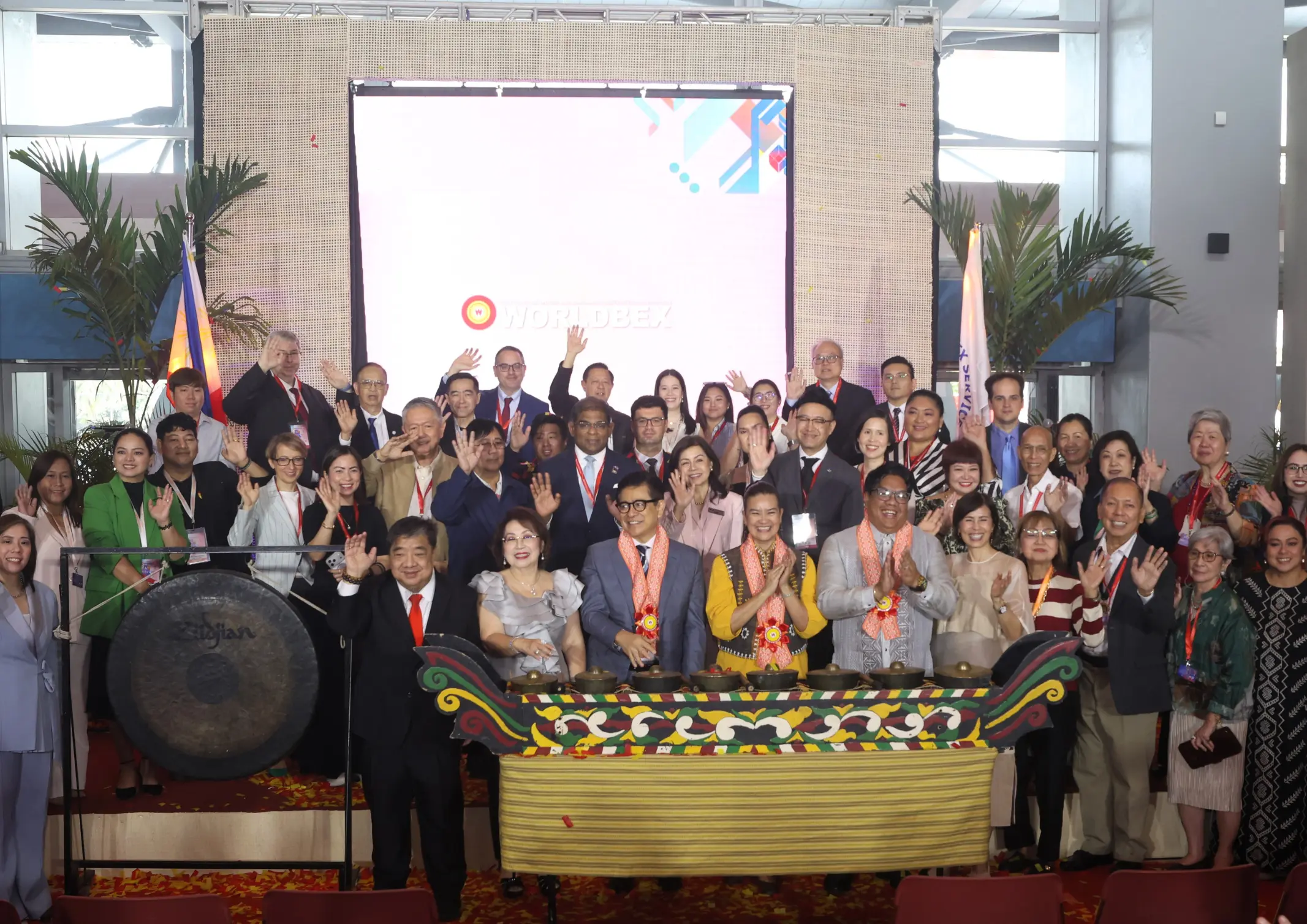
WORLDBEX 2026, running from March 12 to 15, 2026, proves itself as the Philippines’ leading construction and design expo as it wrapped its 29th edition. It drew together 1,000 local and international exhibitors under one theme, “Building Opportunities: Sustaining Lives.” Organized by Worldbex Services International (WSI), in support of the ABS-CBN Foundation Inc., the event […]
Advertisement
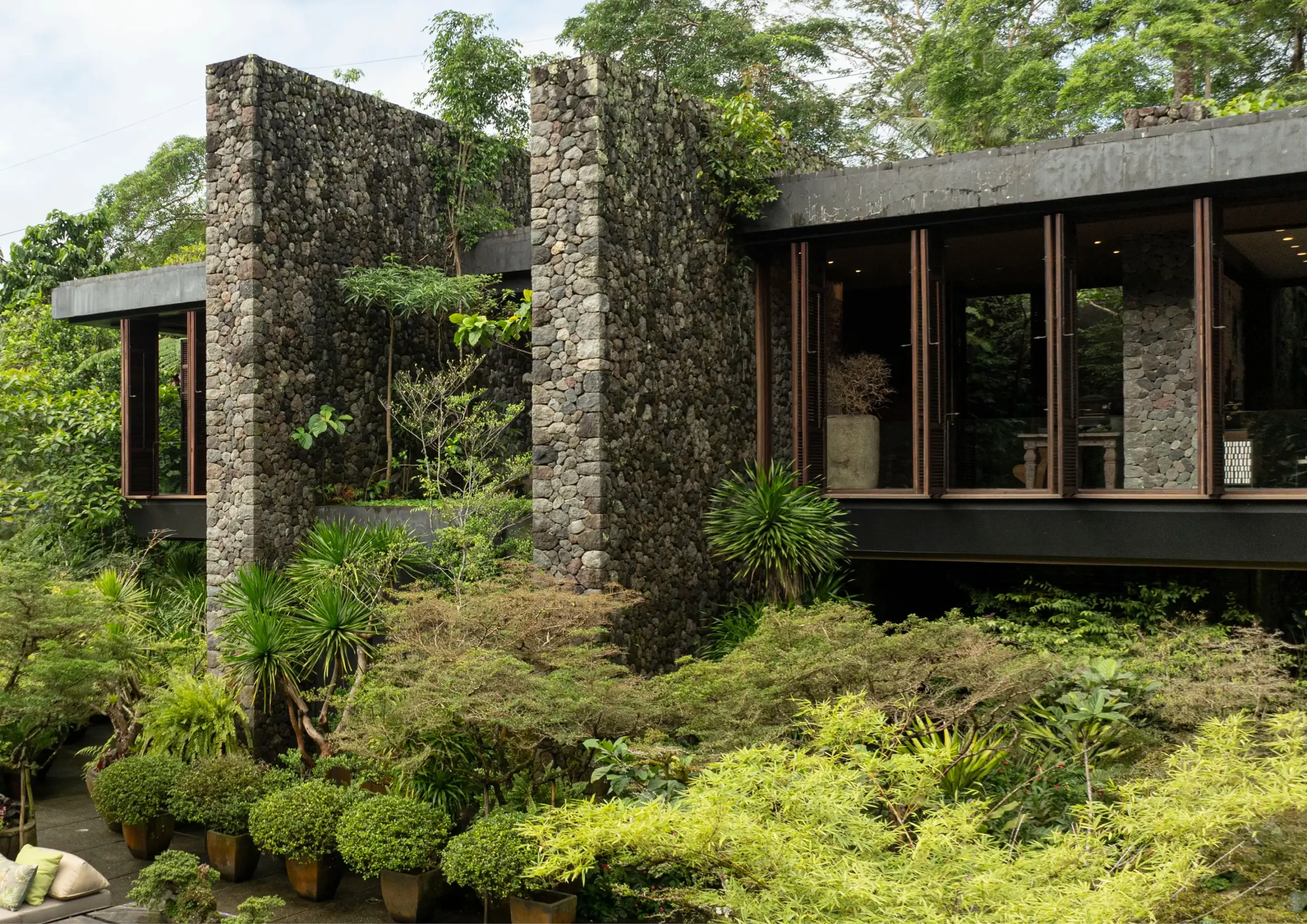
Located near the equator, factors such as heat and humidity are the norm in the Philippines. This tropical climate has shaped the development of architecture in the country. As Leandro V. Locsin stated: “The first consideration of the Filipino builder and certainly the most evident in his architecture, which is after all an outgrowth of […]

Download this month's BLUPRINT magazine digital copy from:



Subscribe via [email protected]