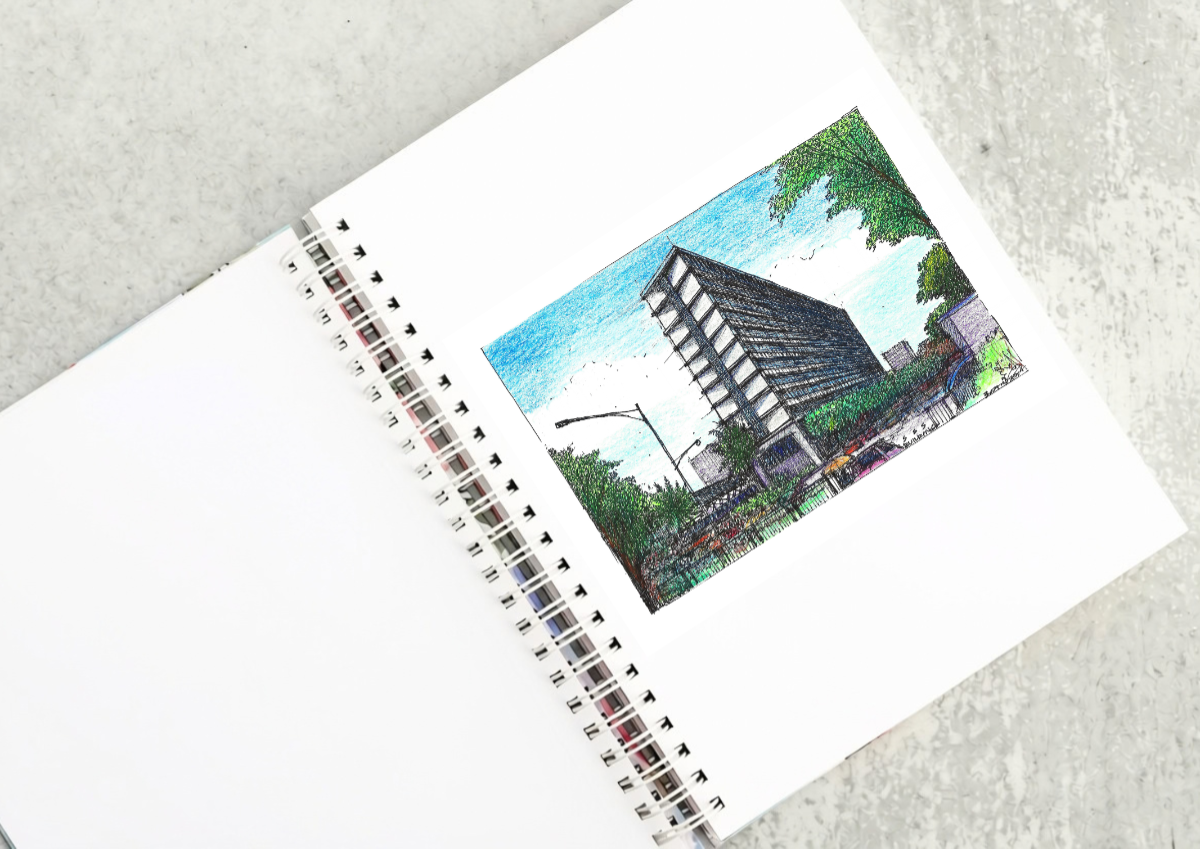
The SSS Building as an Expression of Civic Modernism My favorite modernist landmark in Quezon City is the SSS building on East Avenue. Designed by National Artist for ArchitectureArchitectureThe art and science of designing and constructing buildings, structures, and spaces that are functional, safe, and aesthetically pleasing. It encompasses the planning, design, materials, and techniques […]
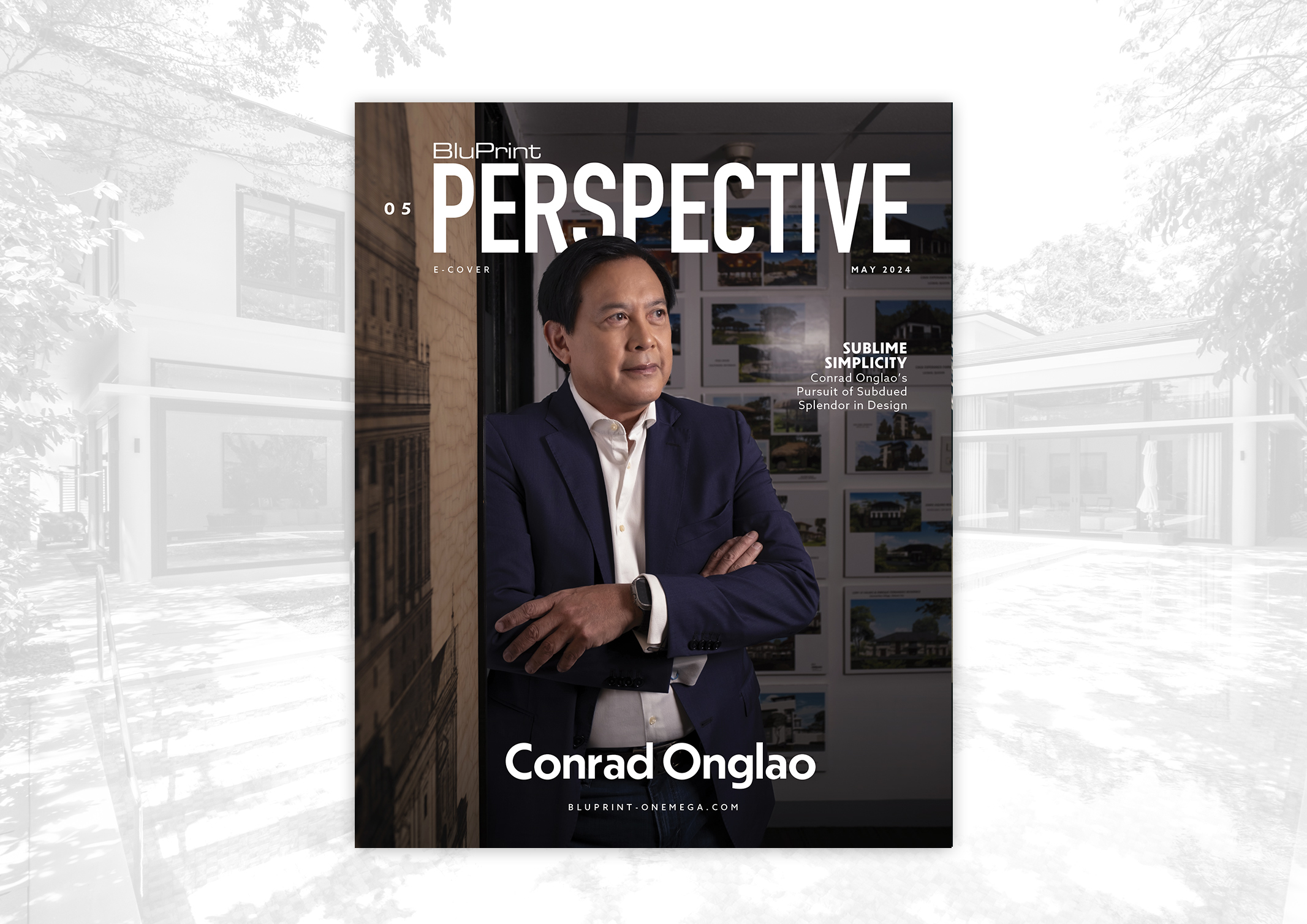
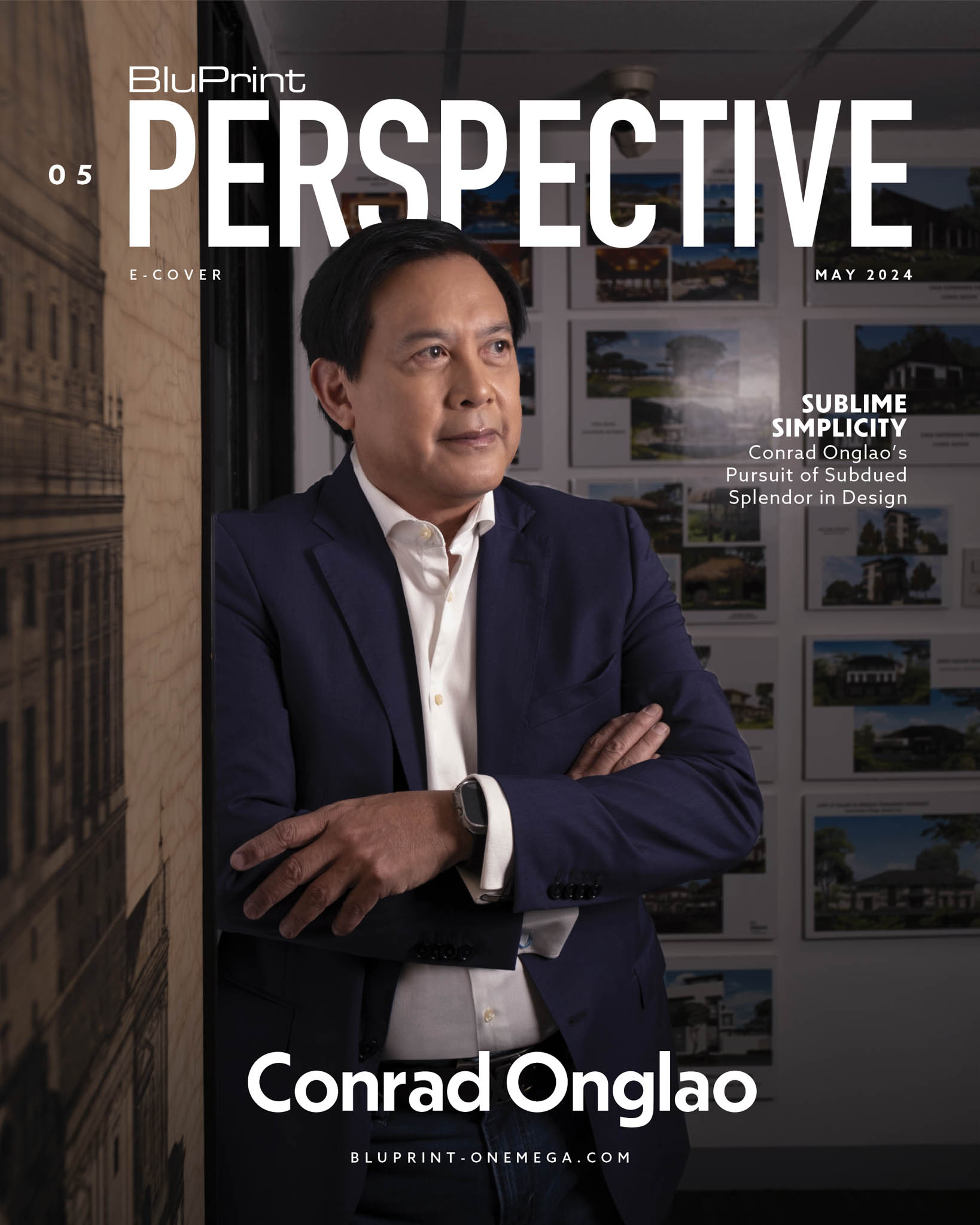
Conrad Onglao’s Pursuit of Subdued Splendor in Design



Conrad Onglao, Principal of C.T. Onglao Architects, is a name synonymous with elegance and sophistication in Philippine architectureArchitectureThe art and science of designing and constructing buildings, structures, and spaces that are functional, safe, and aesthetically pleasing. It encompasses the planning, design, materials, and techniques used to createGo to Architecture Glossary. With a career spanning several decades, Onglao has carved a niche for himself by creating spaces that exude a serene and refined luxury. His work is characterized by an exquisite balance of form and function, where simplicity meets grandeur, and every detail is meticulously thought out.
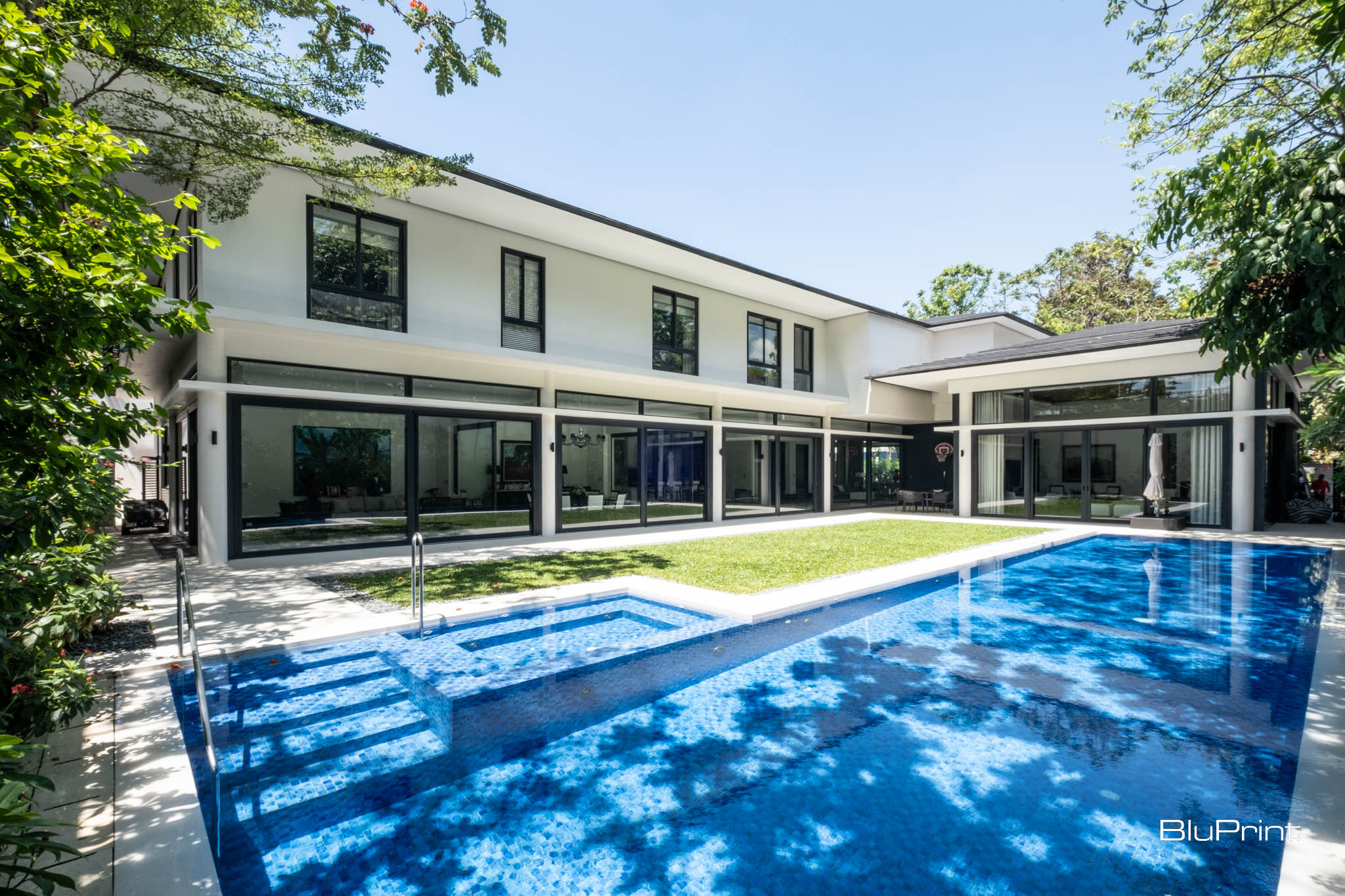
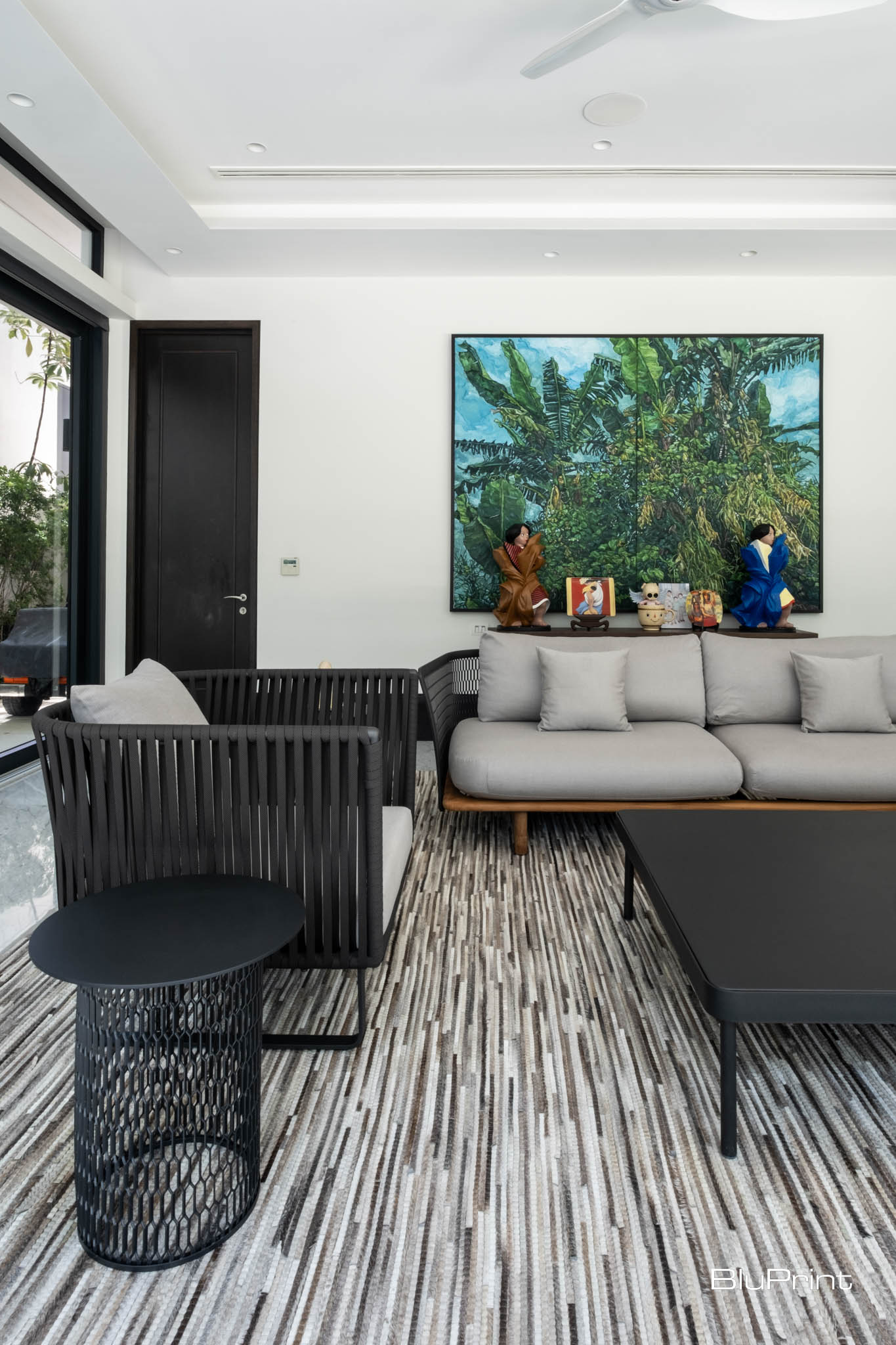
When asked to define quiet luxury, Onglao emphasizes the importance of the “quiet” aspect. He recounts how clients often describe his completed projects as having a “quiet feeling.” This subtle yet powerful feedback underscores his design philosophy, which avoids extremes. Onglao neither identifies as a minimalist nor a maximalist, preferring to strike a balance that resonates with a sense of tranquility and purpose. He champions the principle of “KIS” (Keep It Simple), a concept he adopted from his time in the United States. For Onglao, simplicity is the foundation upon which luxury naturally builds. It’s not about the expense or opulence of materials but about creating coherent and functional spaces that exude a refined, understated elegance.
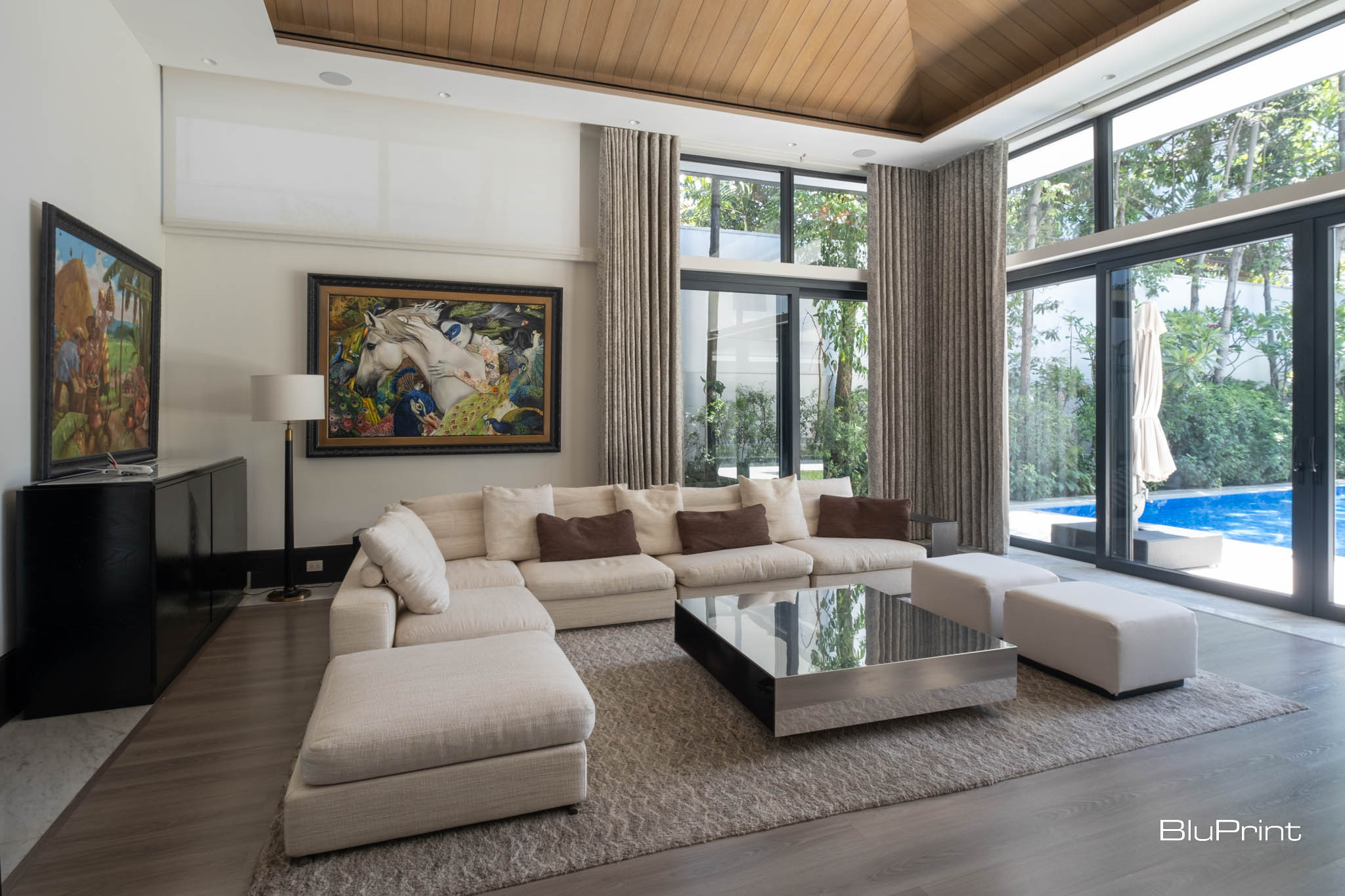
Onglao’s approach to quiet luxury also involves a deep understanding of the emotional and psychological impact of design. He imagines living in the homes he designs, ensuring that they are not only visually appealing but also comfortable and practical. This empathetic approach allows him to create spaces that feel inherently soothing and harmonious, reflecting a deeper sense of luxury that goes beyond surface aesthetics.
A Classical Foundation with Modern Flexibility
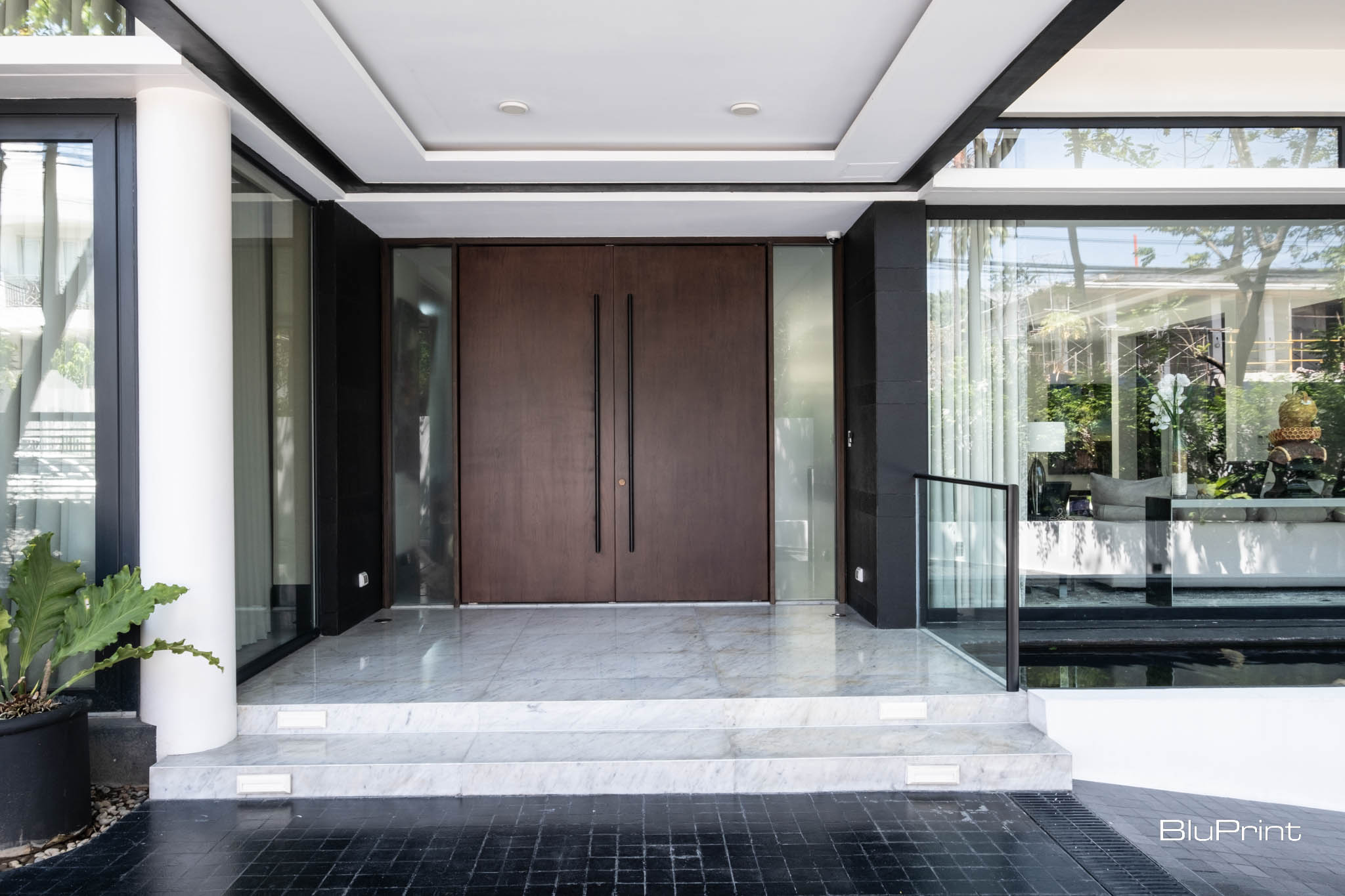
Onglao’s design philosophy is rooted in classical principles, particularly symmetry and proportion. He believes in the classical language of architectureArchitectureThe art and science of designing and constructing buildings, structures, and spaces that are functional, safe, and aesthetically pleasing. It encompasses the planning, design, materials, and techniques used to createGo to Architecture Glossary, where balance and symmetry play crucial roles. However, he acknowledges that modern architecture often challenges these principles, necessitating a more flexible approach. Onglao emphasizes the importance of proportion, especially in elements like high ceilings and tall doors, which create a sense of grandeur without overwhelming the senses. He insists on alignment in both vertical and horizontal elements, ensuring a cohesive and orderly aesthetic throughout his projects.
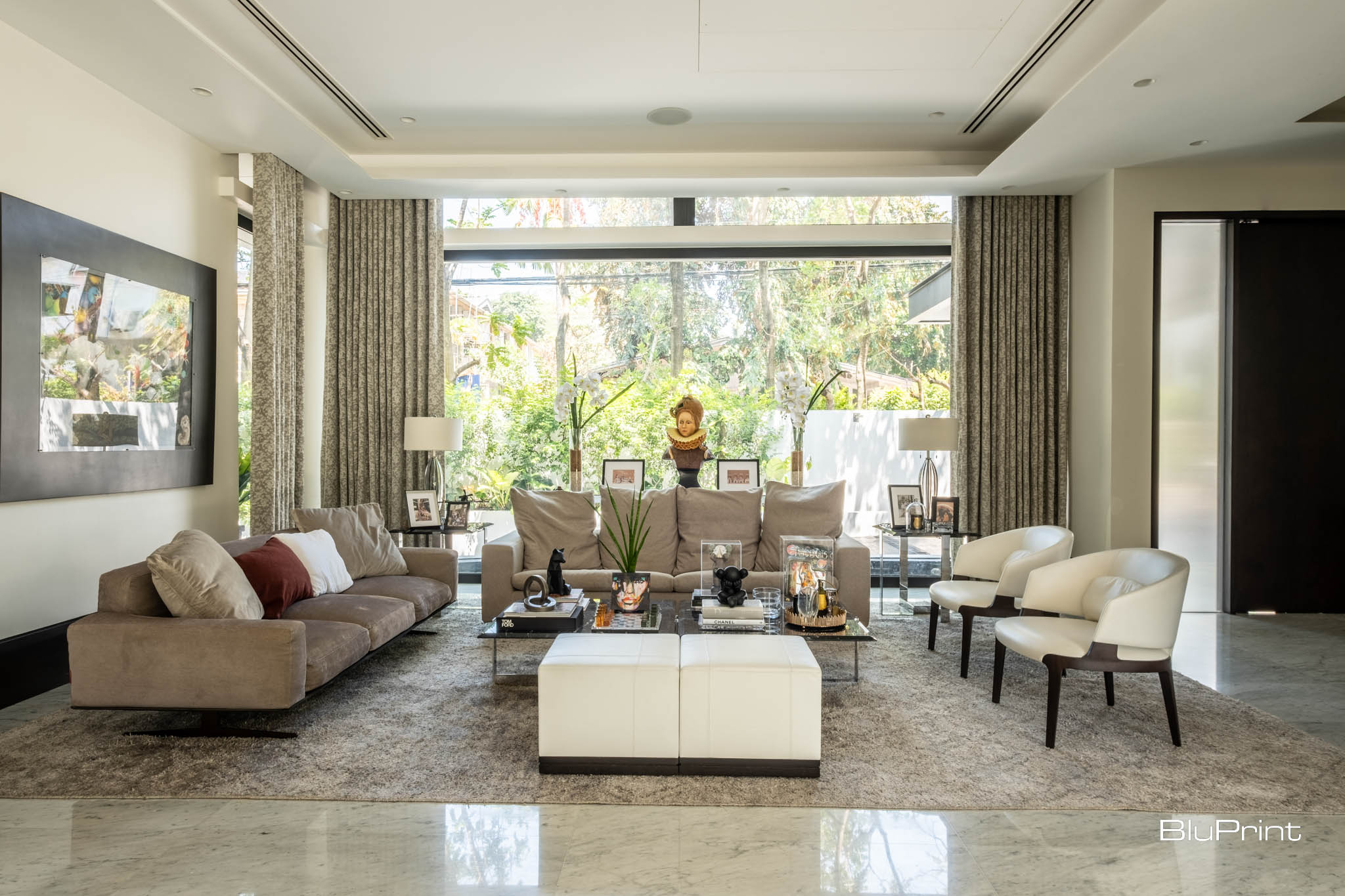
This classical foundation is complemented by Onglao’s ability to adapt and innovate. He doesn’t confine himself to a single architectural style but instead draws inspiration from a wide range of sources. His portfolio showcases a wide range of designs, from organic and local architectureArchitectureThe art and science of designing and constructing buildings, structures, and spaces that are functional, safe, and aesthetically pleasing. It encompasses the planning, design, materials, and techniques used to createGo to Architecture Glossary to classical styles, reflecting his adaptability and deep understanding of various architectural languages. This versatility is not accidental but a result of rigorous research. Onglao encourages his team to immerse themselves in research, leveraging modern tools like search engines and online databases. His office is a testament to this ethos, with books and resources readily available to inspire continuous learning and exploration.
The Art of Balancing Functionality and Aesthetics
Balancing functionality and aesthetics is another critical aspect of Onglao’s work. He believes that each client’s unique needs should drive the design process. Whether it’s incorporating an altar, a museum, or any other specific request, Onglao rises to the challenge through meticulous research and a commitment to detail. This client-centric approach ensures that each project is distinct, tailored to the individual identity and desires of the homeowner.
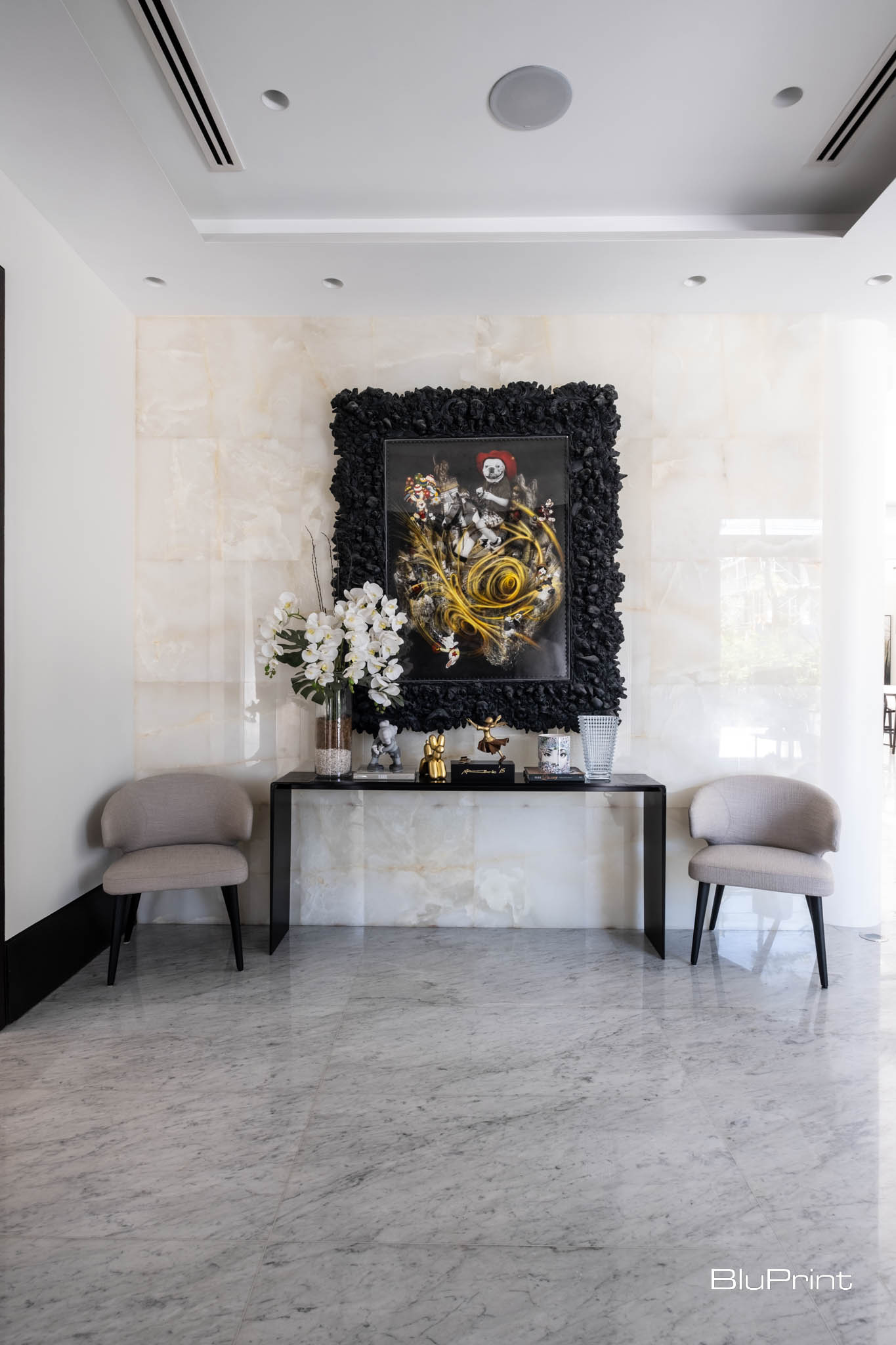
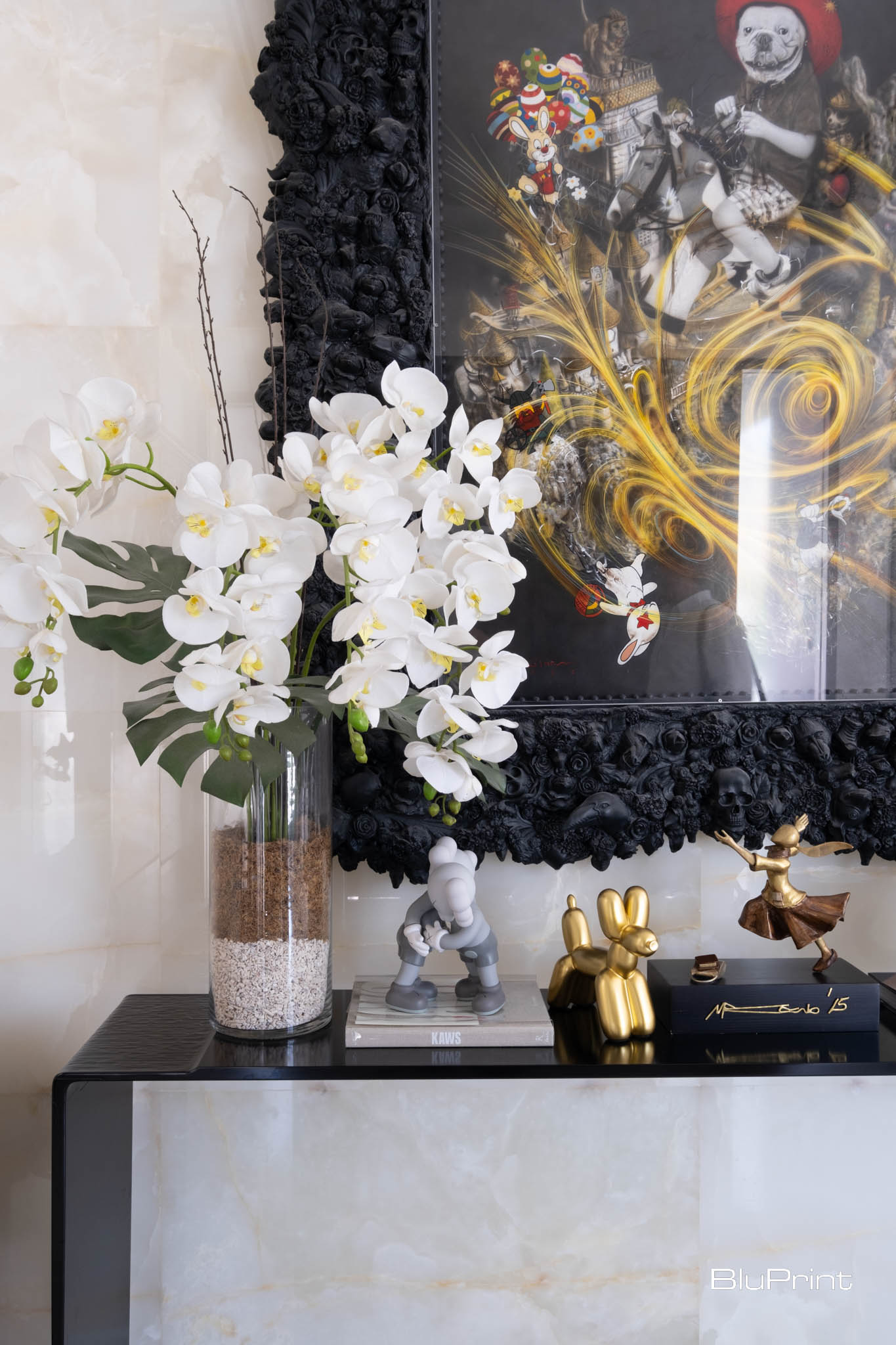
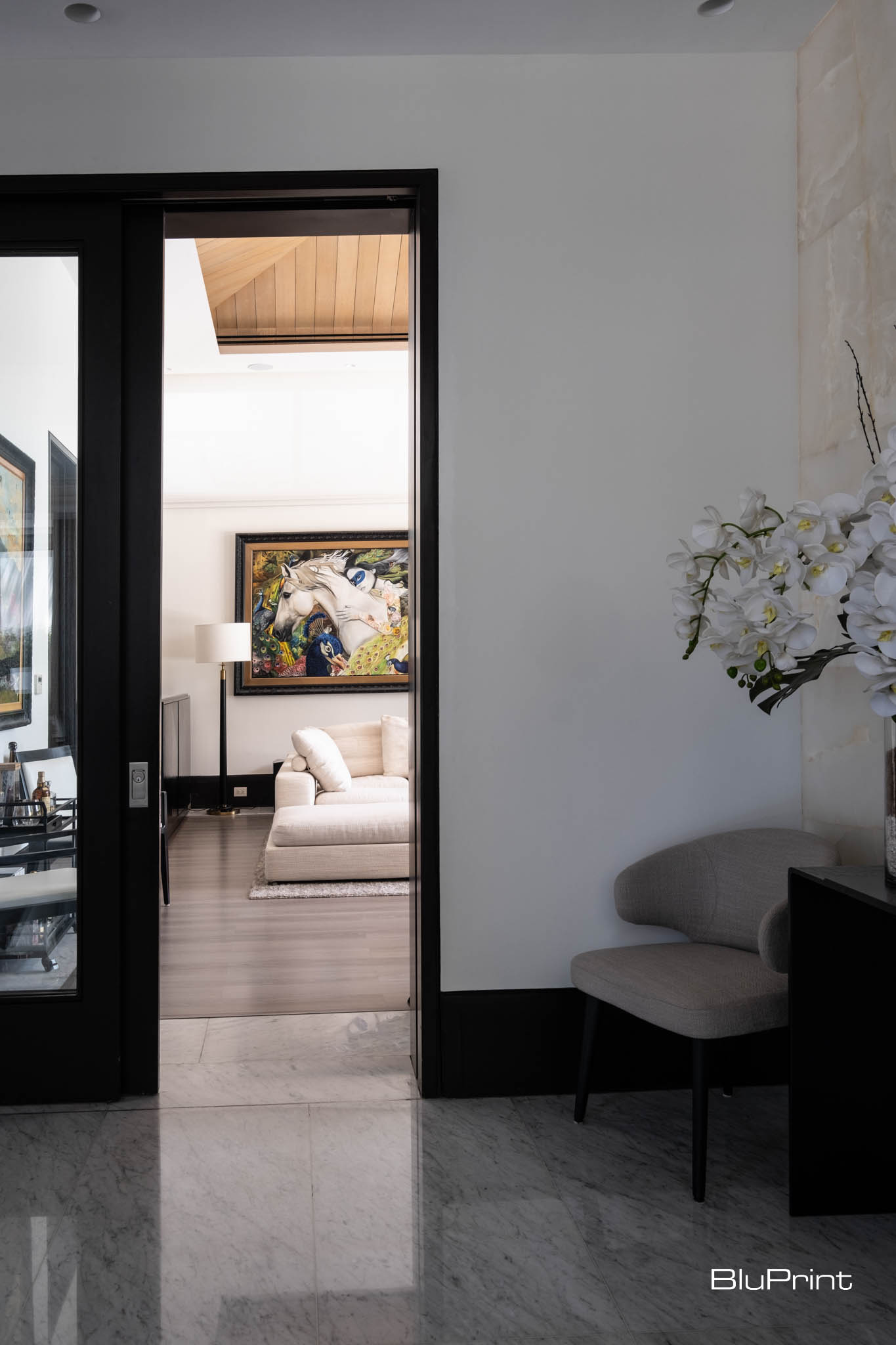
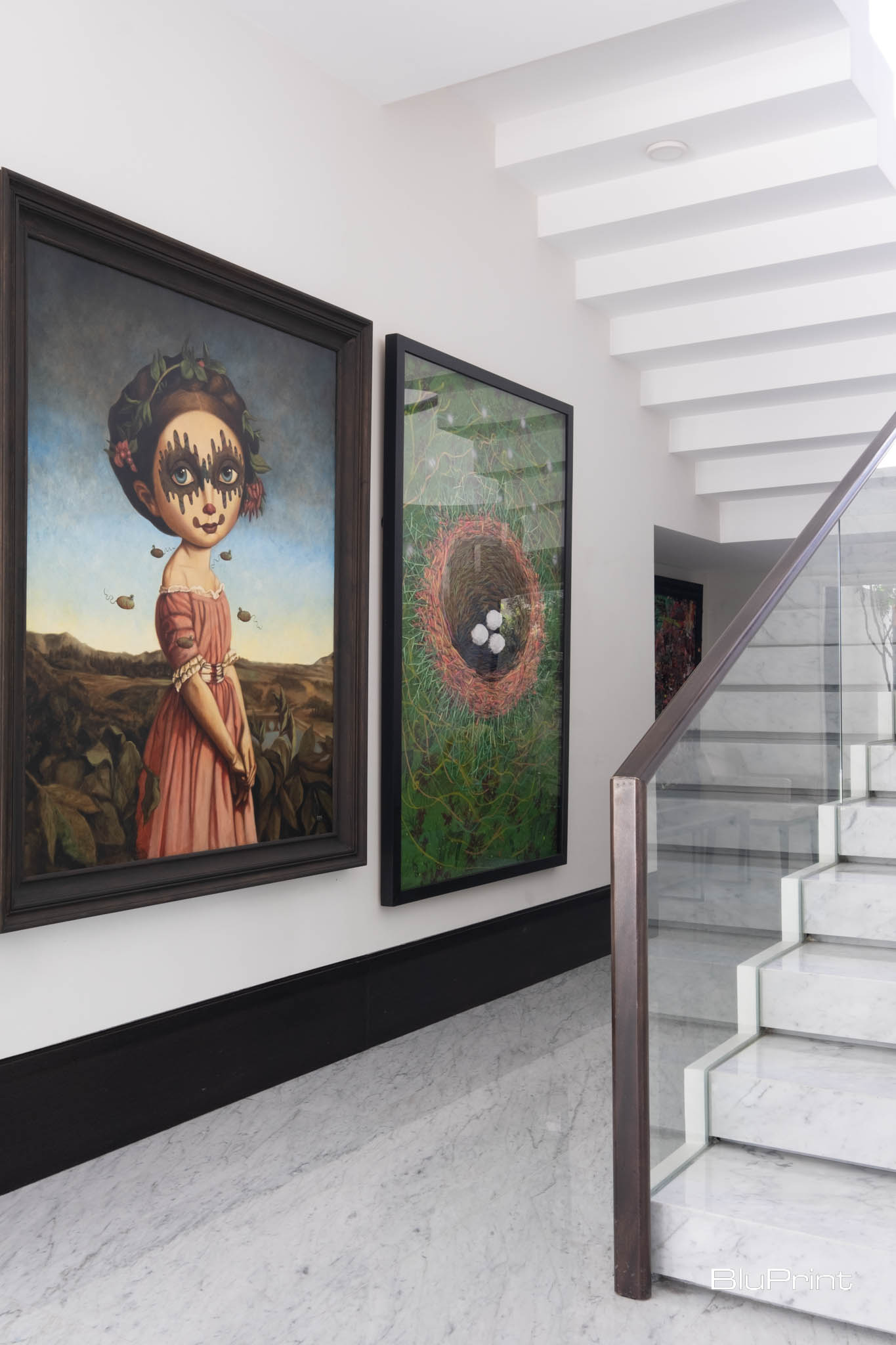
Onglao’s ability to blend functionality with aesthetics is evident in his approach to design challenges. He often deals with unusual requests, such as creating a taxidermy museum or integrating a personal collection into the design. These challenges require not only creativity but also a deep understanding of spatial dynamics and functionality. Onglao’s meticulous attention to detail ensures that these unique elements enhance the overall design rather than disrupt it.
Collaborative and Client-Centric Approach
Beyond his technical and stylistic prowess, Onglao’s approach to architectureArchitectureThe art and science of designing and constructing buildings, structures, and spaces that are functional, safe, and aesthetically pleasing. It encompasses the planning, design, materials, and techniques used to createGo to Architecture Glossary is deeply personal. He involves his clients in the process, encouraging them to contribute their pieces to the design, fostering a sense of ownership and personal connection. This collaborative spirit further enhances the quiet luxury he aims to achieve, blending new and old elements seamlessly to create spaces that are uniquely reflective of their inhabitants.
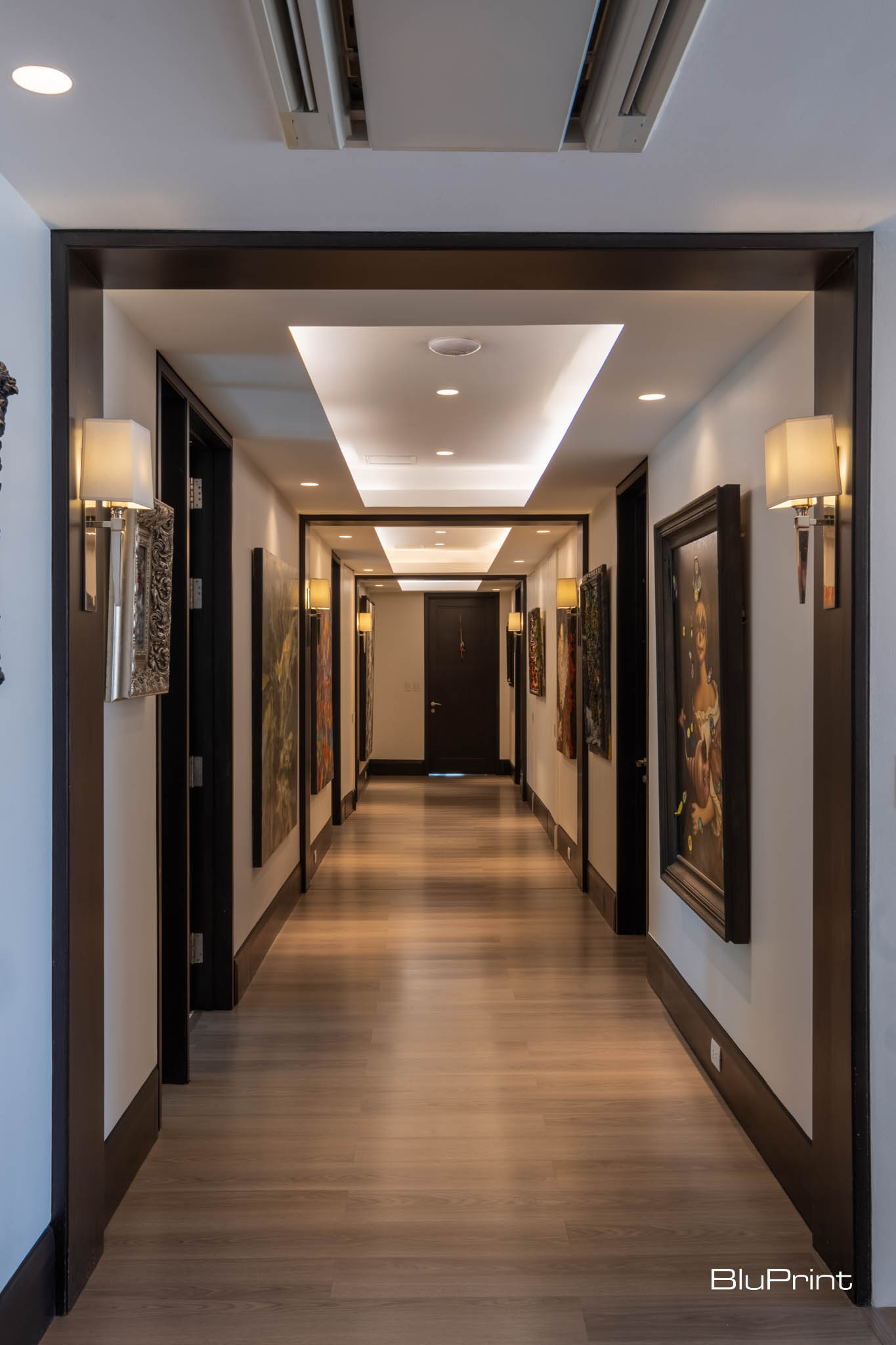
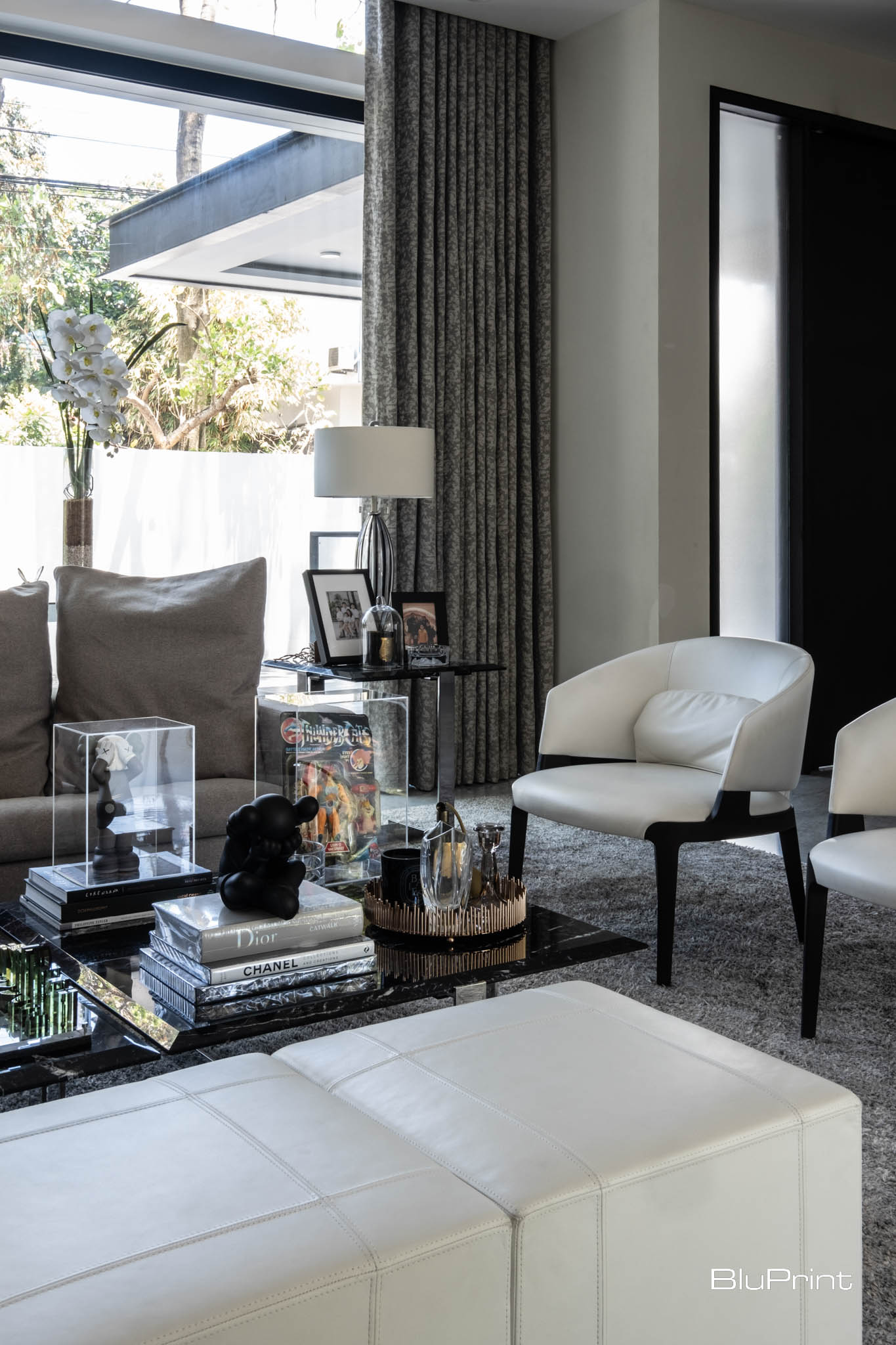
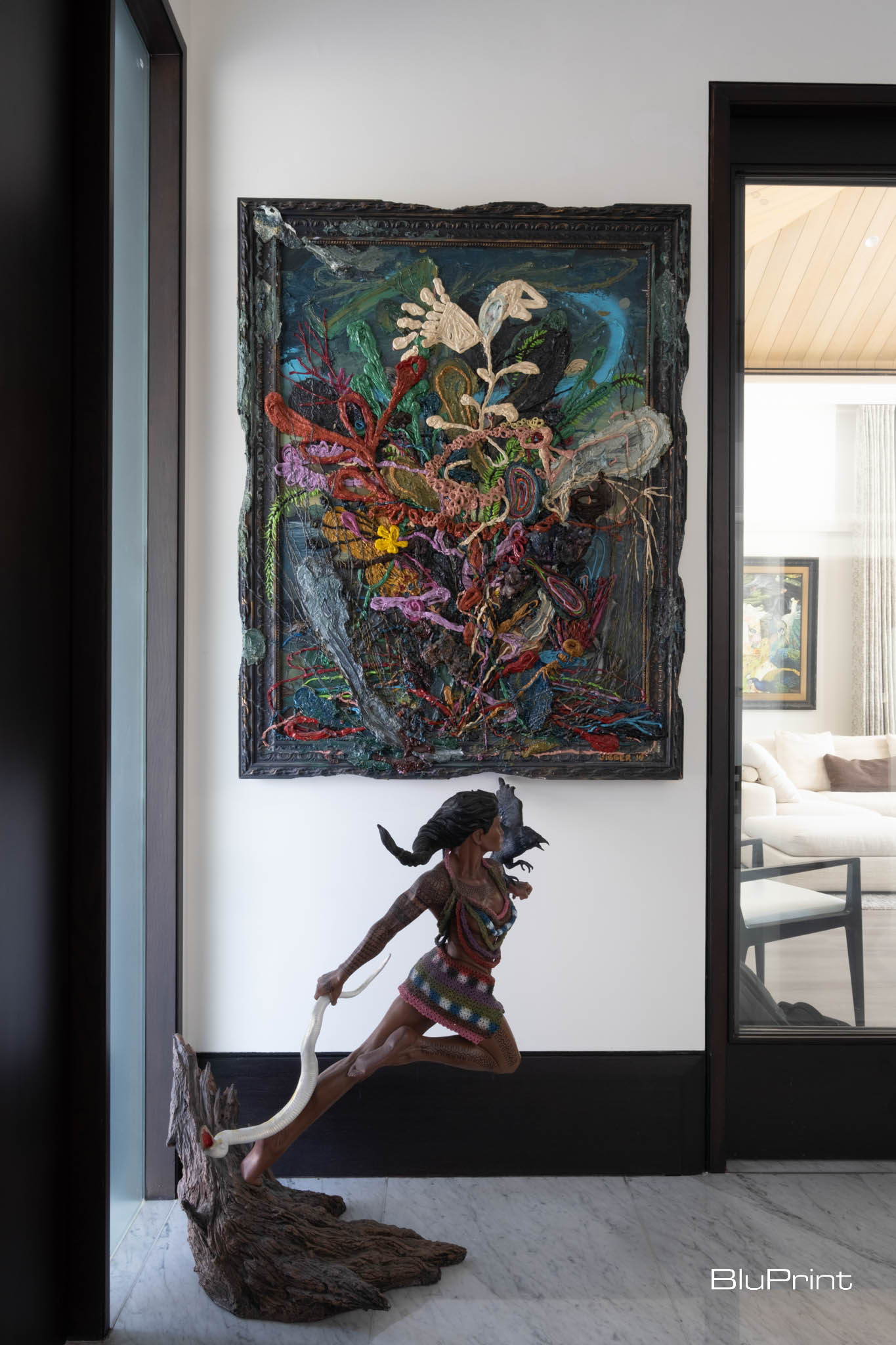
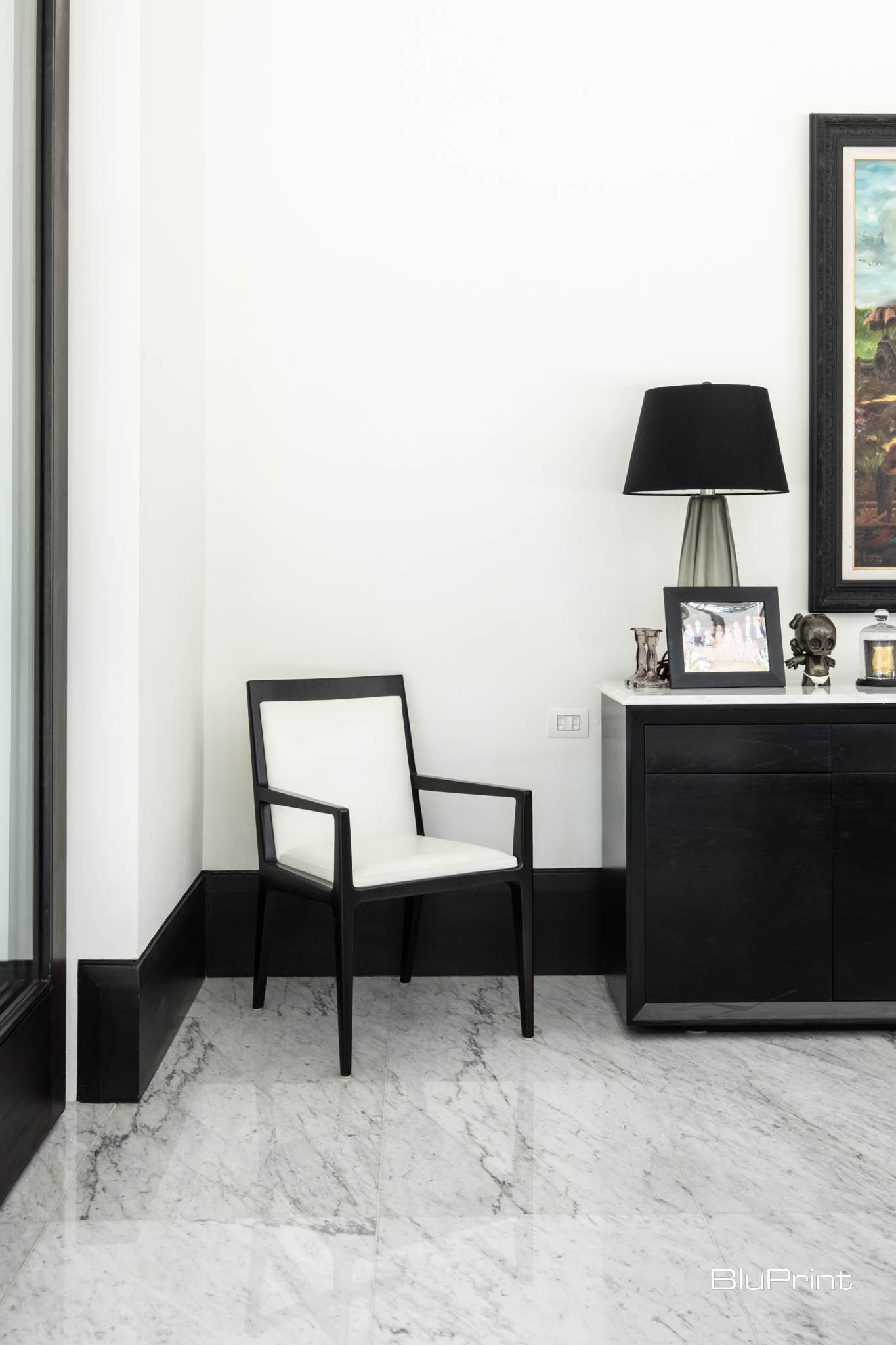
Onglao’s philosophy extends to his team as well. He fosters a culture of learning and exploration, encouraging his staff to constantly seek new knowledge and inspiration. This collaborative environment ensures that every project benefits from a wealth of ideas and perspectives, resulting in richer and more nuanced designs.
Emphasizing Proportion and Alignment
One of the cornerstones of Onglao’s design philosophy is the emphasis on proportion and alignment. He believes that good design is inherently proportional, with each element relating harmoniously to the others. For instance, in spaces with high ceilings, he tends to make baseboards higher and patterns bolder to maintain a sense of balance and coherence. This attention to proportion ensures that each space feels well-considered and intentional.
Alignment is equally important in Onglao’s work. He insists that vertical and horizontal elements align perfectly, creating a sense of order and structure. This meticulous approach to alignment is not just about aesthetics but also about creating a calming and organized environment. In a world where visual clutter can be overwhelming, Onglao’s designs offer a respite, embodying the essence of quiet luxury.
The Role of Research in Architectural Excellence
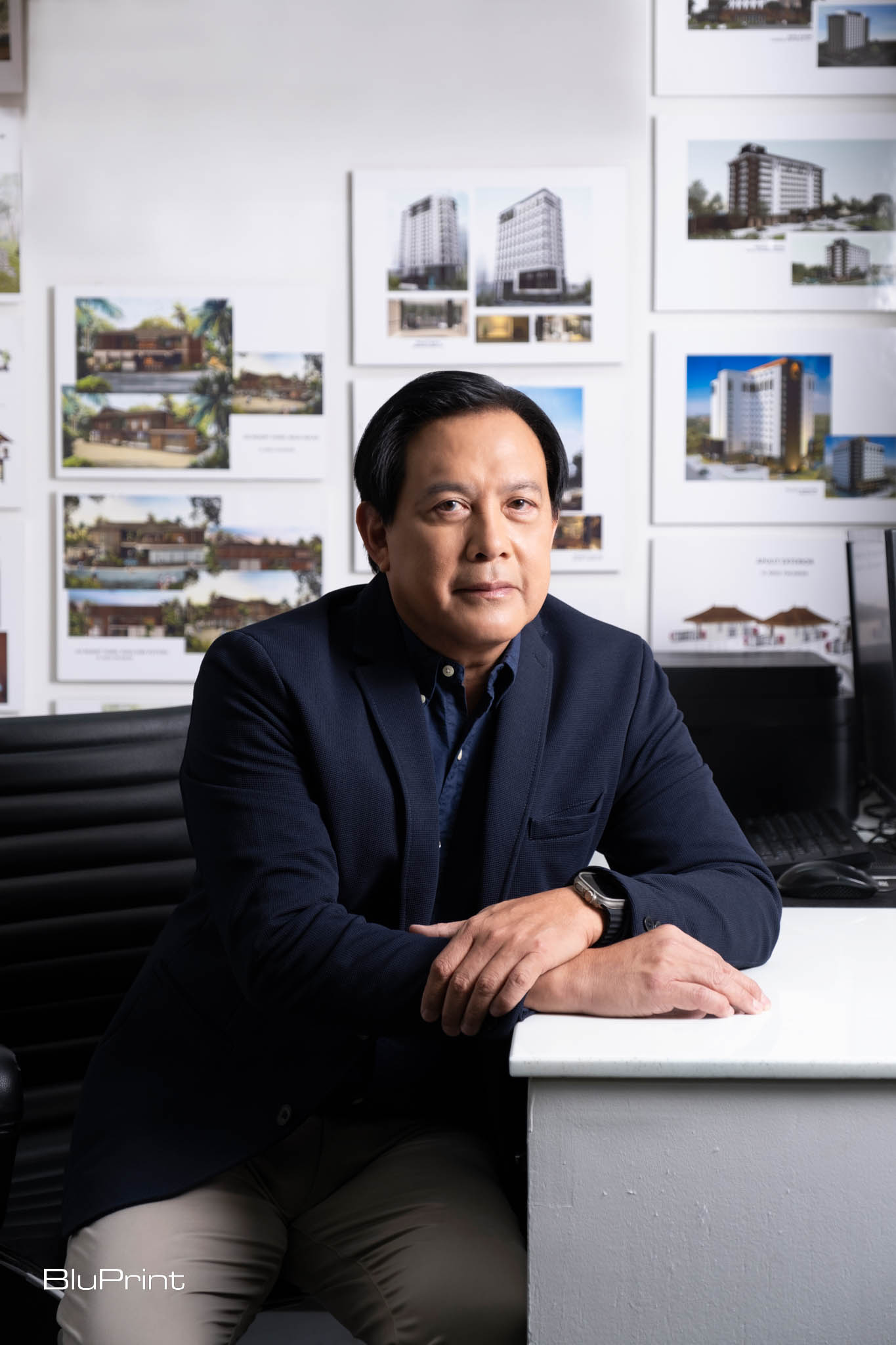
Flexibility is another hallmark of Onglao’s architectural style. His portfolio showcases a wide range of designs, from organic and local architecture to classical styles, reflecting his adaptability and deep understanding of various architectural languages. This versatility is not accidental but a result of rigorous research. Onglao encourages his team to immerse themselves in research, leveraging modern tools like search engines and online databases. His office is a testament to this ethos, with books and resources readily available to inspire continuous learning and exploration.
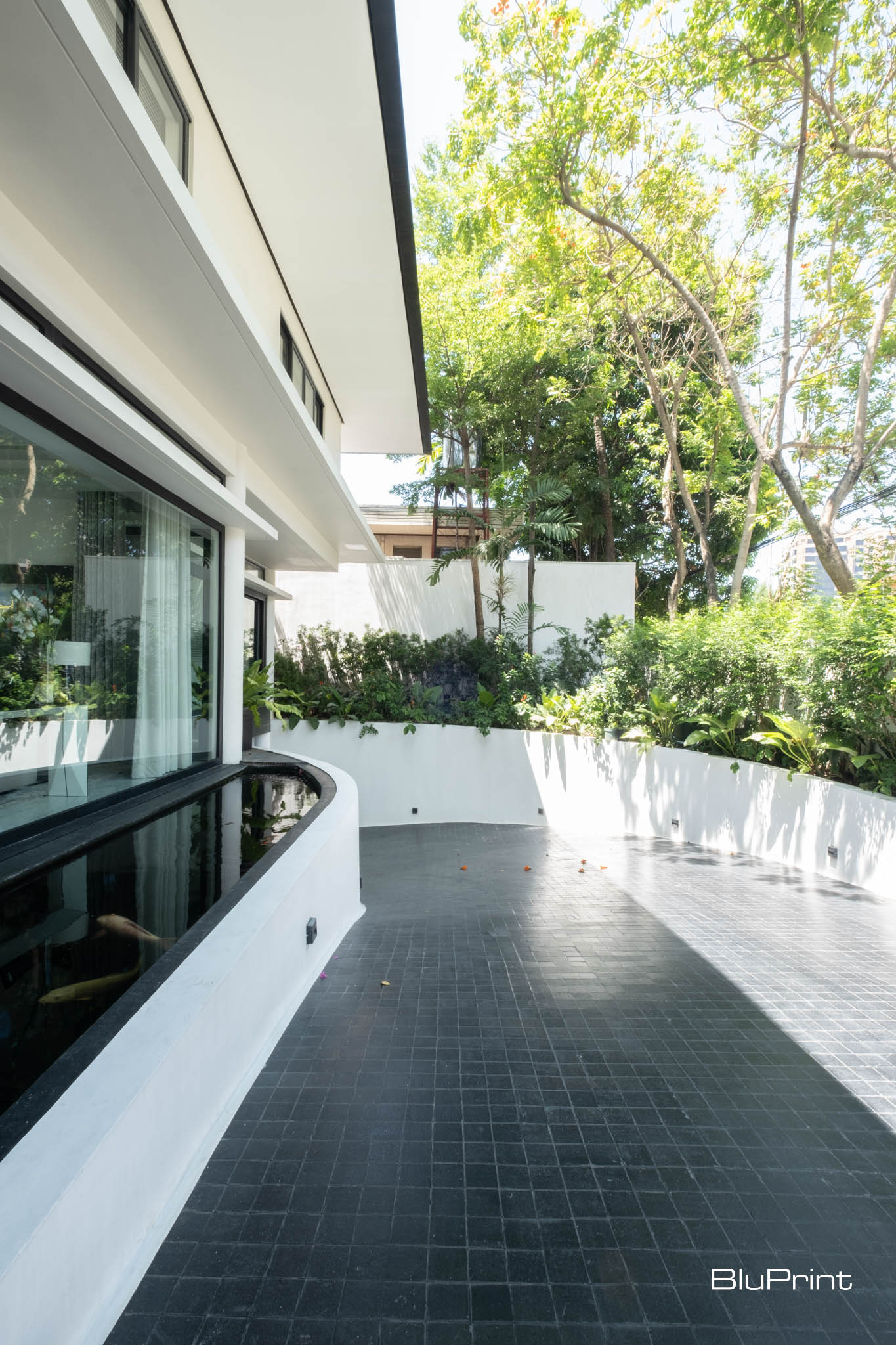
Onglao’s emphasis on research is a reflection of his belief that good design is informed design. By constantly seeking new information and inspiration, he ensures that his work remains fresh and relevant. This commitment to research also allows him to push the boundaries of conventional design, exploring new materials, techniques, and styles to create truly innovative spaces.
Attention to Detail and Craftsmanship
Attention to detail is a defining characteristic of Onglao’s work. He believes that the smallest details can have the most significant impact on the overall design. This meticulous attention to detail is evident in every aspect of his projects, from the selection of materials to the placement of fixtures and finishes. Onglao’s commitment to craftsmanship ensures that each element of the design is executed to the highest standards, resulting in spaces that are not only beautiful but also enduring.
Onglao’s attention to detail extends to his relationships with clients and collaborators. He takes the time to understand his clients’ needs and preferences, ensuring that the final design reflects their vision. This client-centric approach fosters a sense of trust and collaboration, resulting in designs that are uniquely tailored to each individual.
Redefining Luxury in Modern Architecture
In essence, Conrad Onglao’s architectural style is a celebration of quiet luxury, characterized by simplicity, balance, and meticulous attention to detail. His flexible, research-driven approach allows him to create spaces that are both functional and aesthetically pleasing, embodying a refined elegance that resonates with his clients. By focusing on the subtle nuances of design, Onglao redefines luxury, making it accessible and relevant in a modern context.
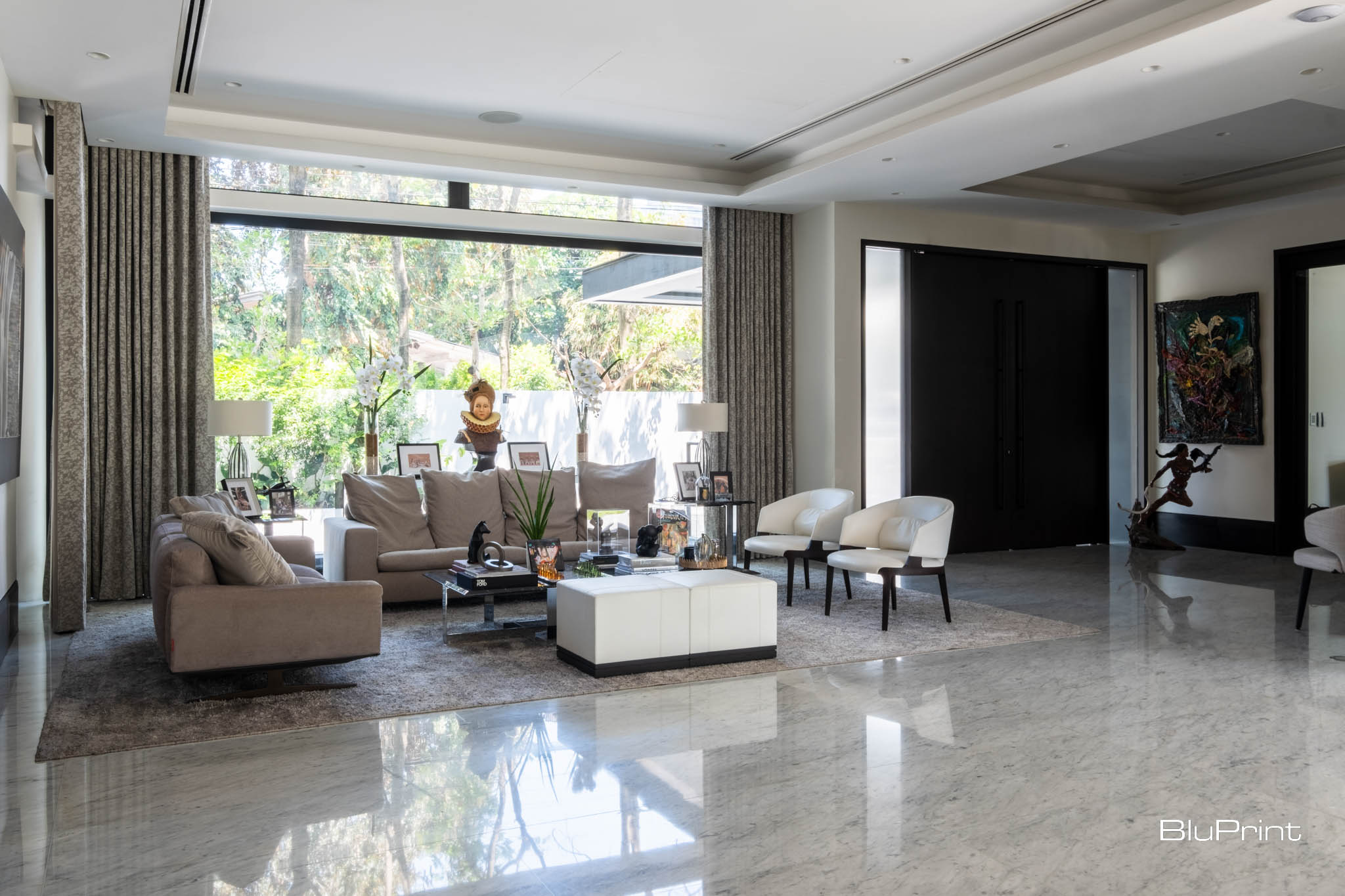
Onglao’s work serves as a reminder that true luxury is not about excess or opulence but about creating spaces that feel serene, harmonious, and deeply personal. His ability to blend classical principles with modern flexibility, his commitment to research and innovation, and his meticulous attention to detail all contribute to his distinctive approach to architectureArchitectureThe art and science of designing and constructing buildings, structures, and spaces that are functional, safe, and aesthetically pleasing. It encompasses the planning, design, materials, and techniques used to createGo to Architecture Glossary. Through his work, Onglao continues to inspire and elevate the field of architecture, demonstrating that quiet luxury is not only attainable but also profoundly impactful.
Read more: Weekend House: A Reprieve from the Busyness of City Life
Credits
Photographer: Ed Simon
Videographers: Jose Ramirez, Excel Panlaque
Art Direction: Jehd Francisco
Grooming: Cats Del Rosario
Sittings Editor: Geewel Fuster
Shoot Coordination – Mae Talaid

Archie G. Carrasco, Chairman and CEO of AGC Power Holdings Corp. (AGC PHC), has been named to The BoF 500 Class of 2026 under the Media category, joining The Business of Fashion’s global community of individuals shaping the fashion industry. Carrasco is among 100 new members from 33 countries and 48 nationalities selected for the […]
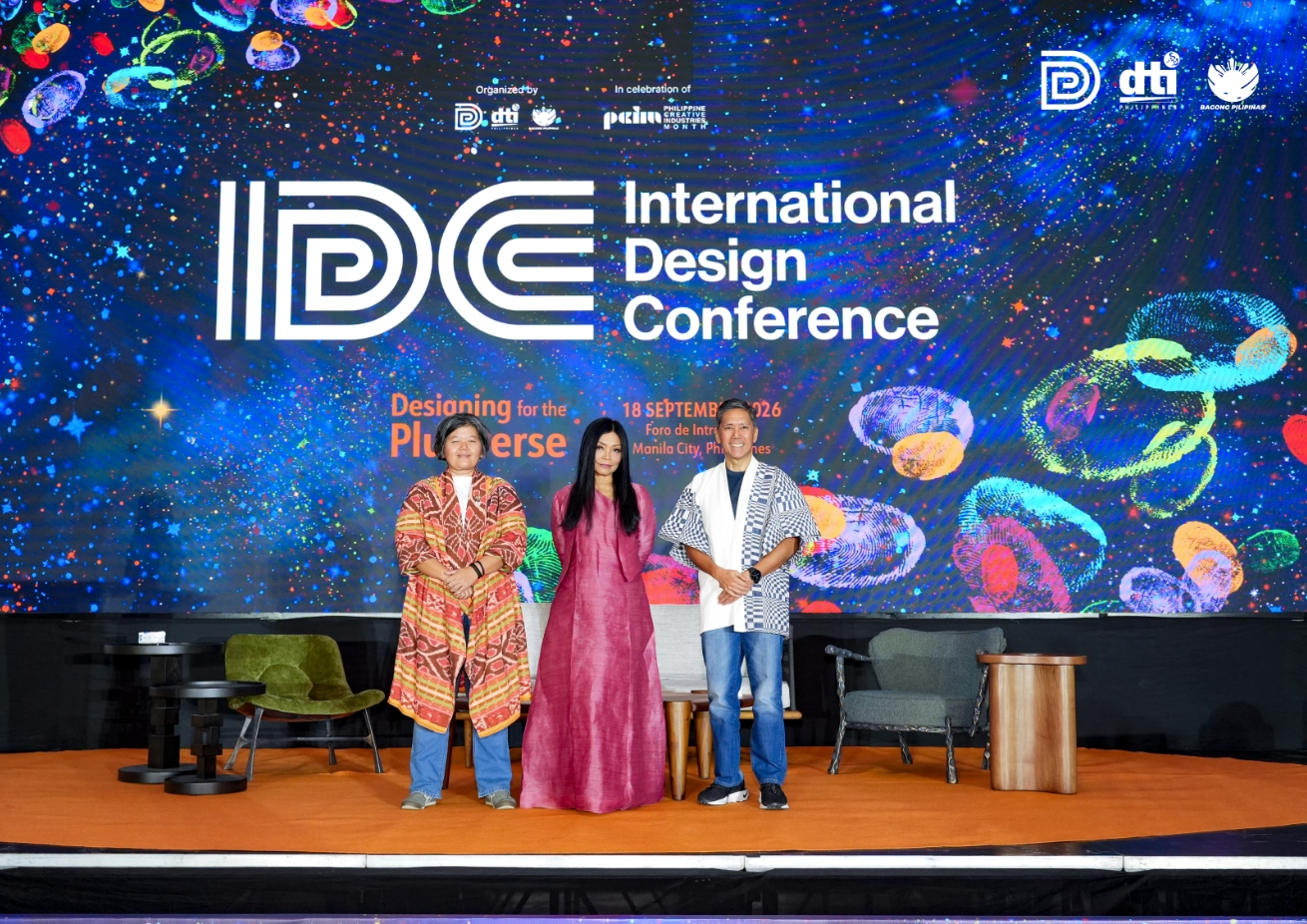
Culture in design does not always announce itself through a recognizable motif, material, or symbol. It can also be embedded in the relationships designers build, the knowledge they listen to, the materials they choose, and the decisions they make in response to communities and their environments. This distinction emerged throughout the 2026 International Design Conference […]
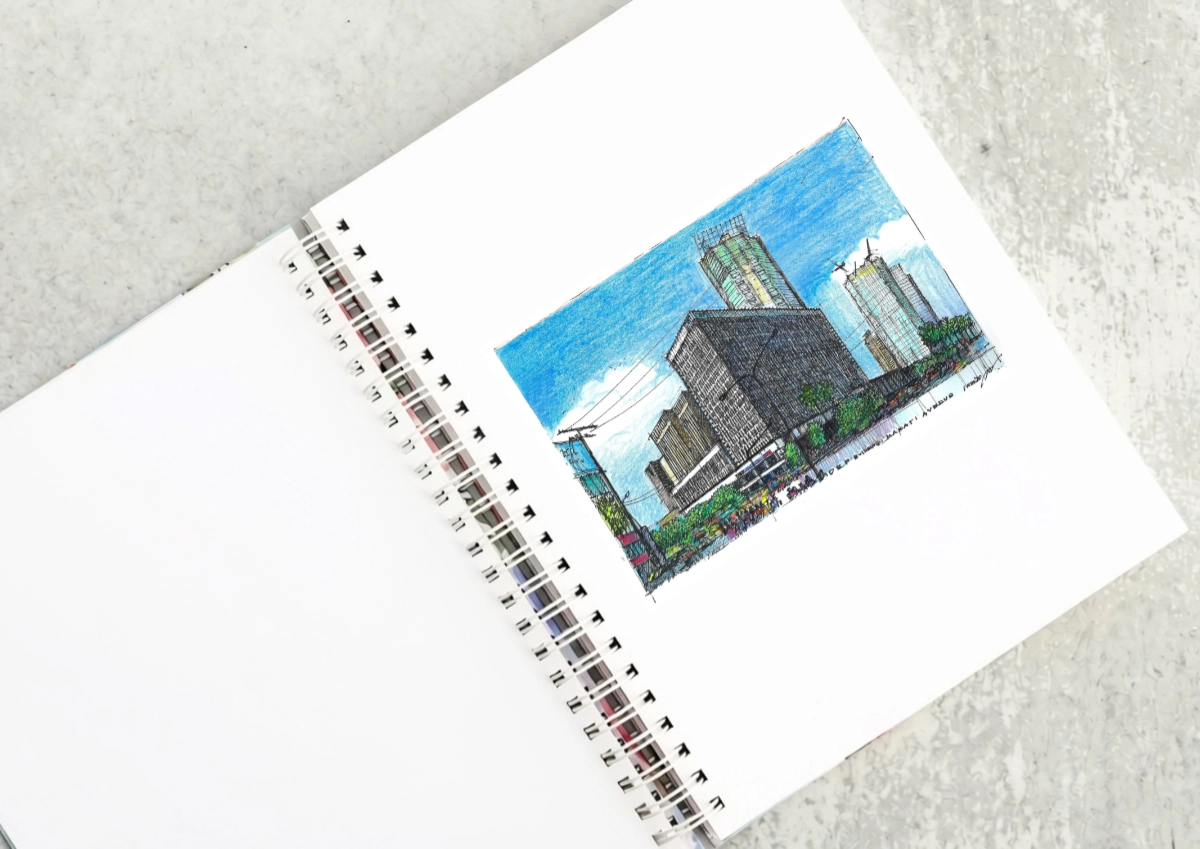
The DBP Building as a Landmark of the International Style At the corner of Sen. Gil Puyat Avenue and Makati Avenue stands a landmark of the Makati Central Business District. It is one of the last still standing that were built in the first wave of construction in district fifty years ago. The Development Bank […]
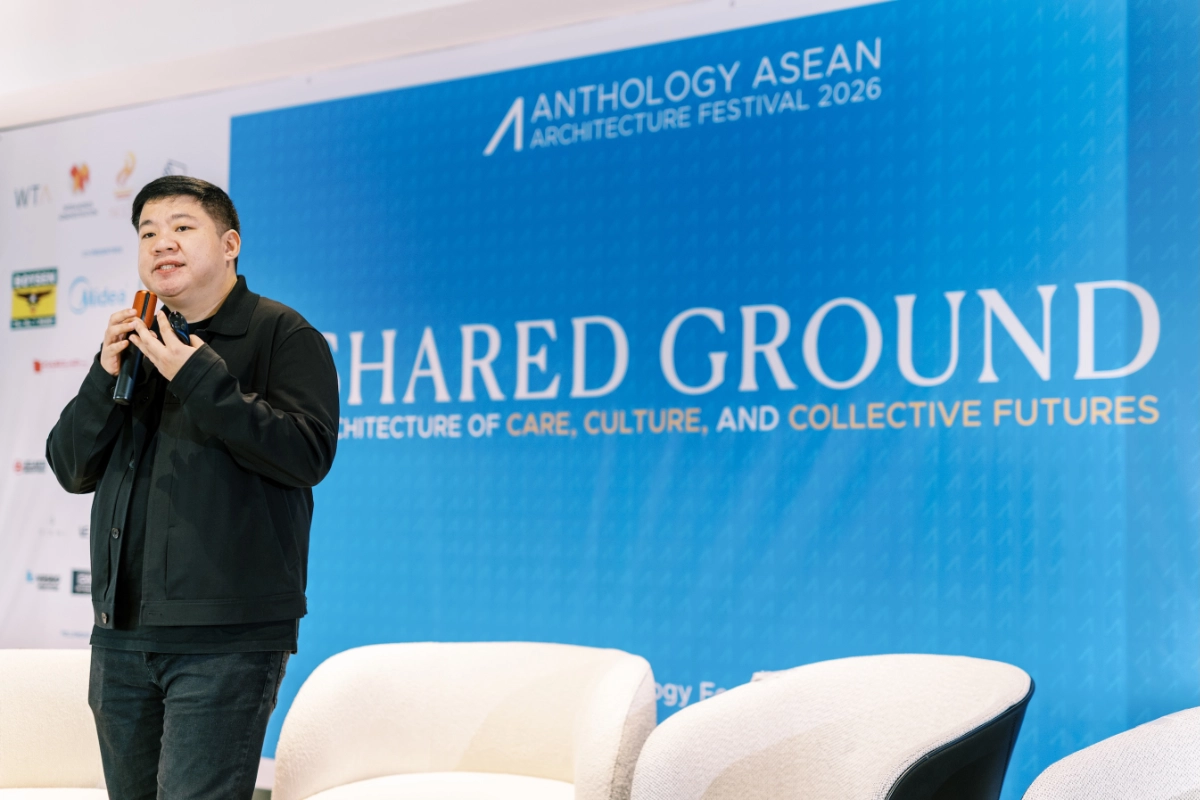
“Buildings only become architectureArchitectureThe art and science of designing and constructing buildings, structures, and spaces that are functional, safe, and aesthetically pleasing. It encompasses the planning, design, materials, and techniques used to createGo to Architecture Glossary when they are shared,” said William Ti Jr., founder of the Anthology Festival and WTA Architecture and Design Studio, […]
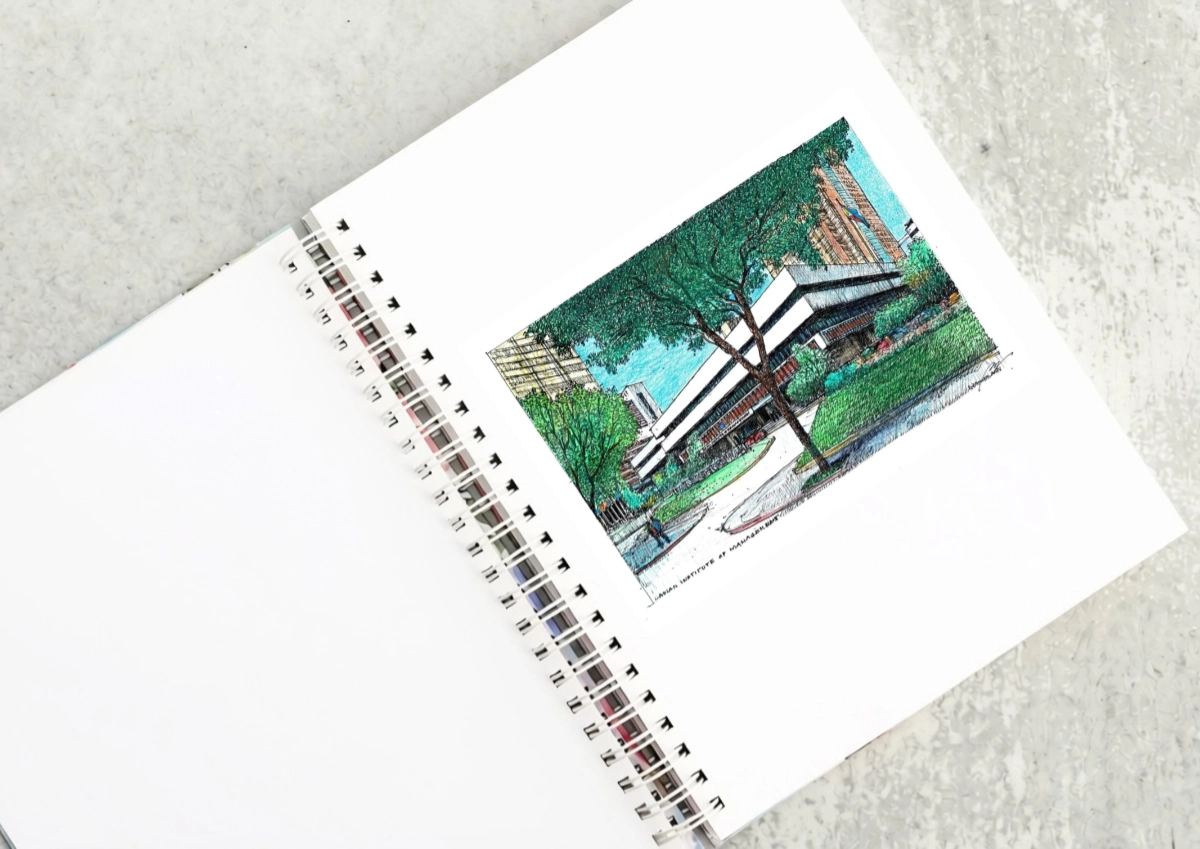
A Filipino Interpretation of Modernist Architecture Unlike the rest of Makati today, the northern end of Paseo de Roxas in Makati is anchored by a low complex rather than a tall skyscraper. This is the elegant Asian Institute of Management, designed by architect Gabriel Formoso and completed in 1971. In my opinion, the building is […]
Read the issues.

Collect the volumes.

Recommended Video
Tap to Unmute
Unmute
0:00
0:00