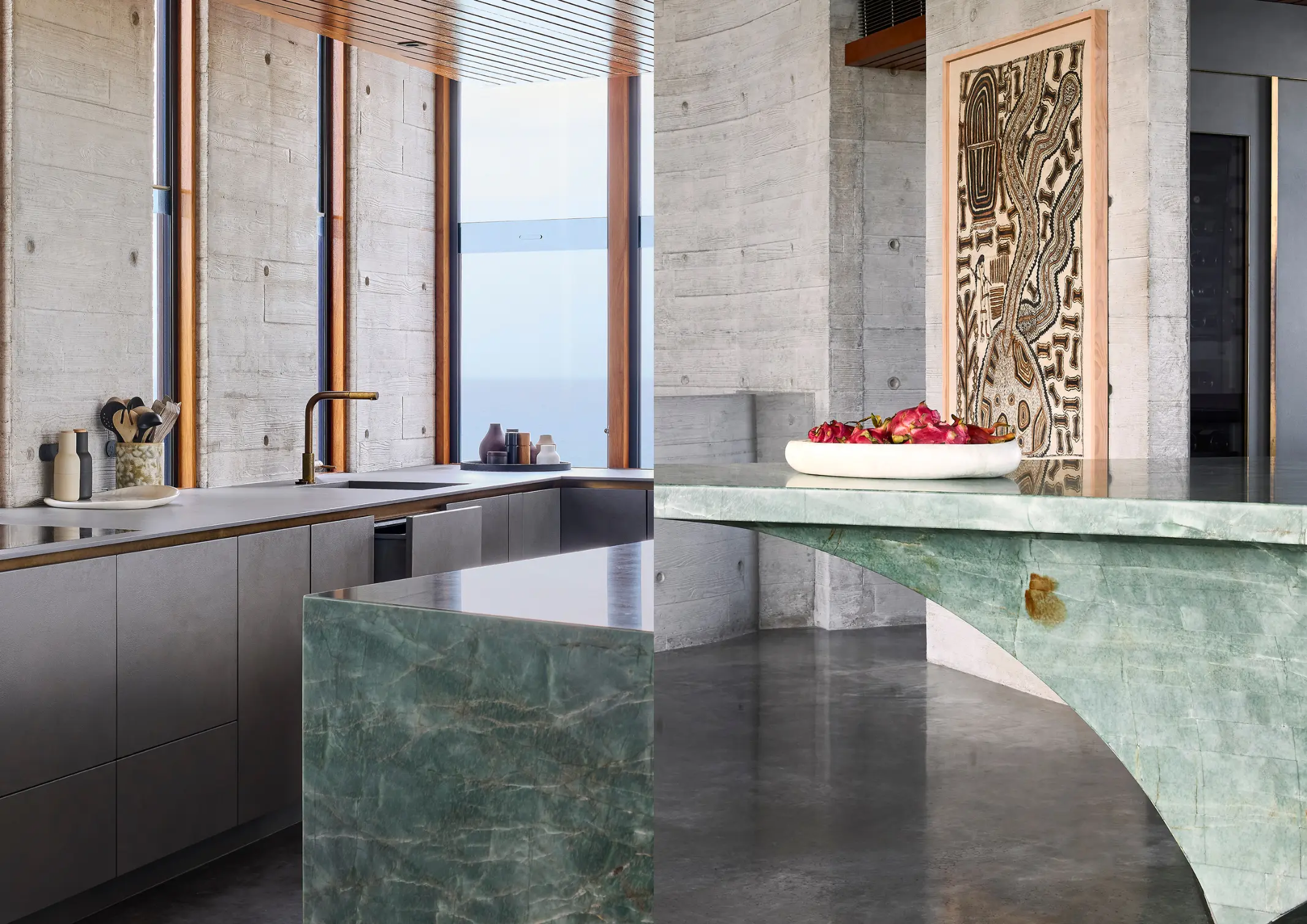
For more than nine decades, Fisher & Paykel has approached design with a simple but exacting belief: that the best living environments are those shaped by people, place, and purpose. Rooted in New Zealand and deeply attuned to island and coastal living, the brand’s philosophy centres on quiet performance, material honesty, and appliances that integrate […]
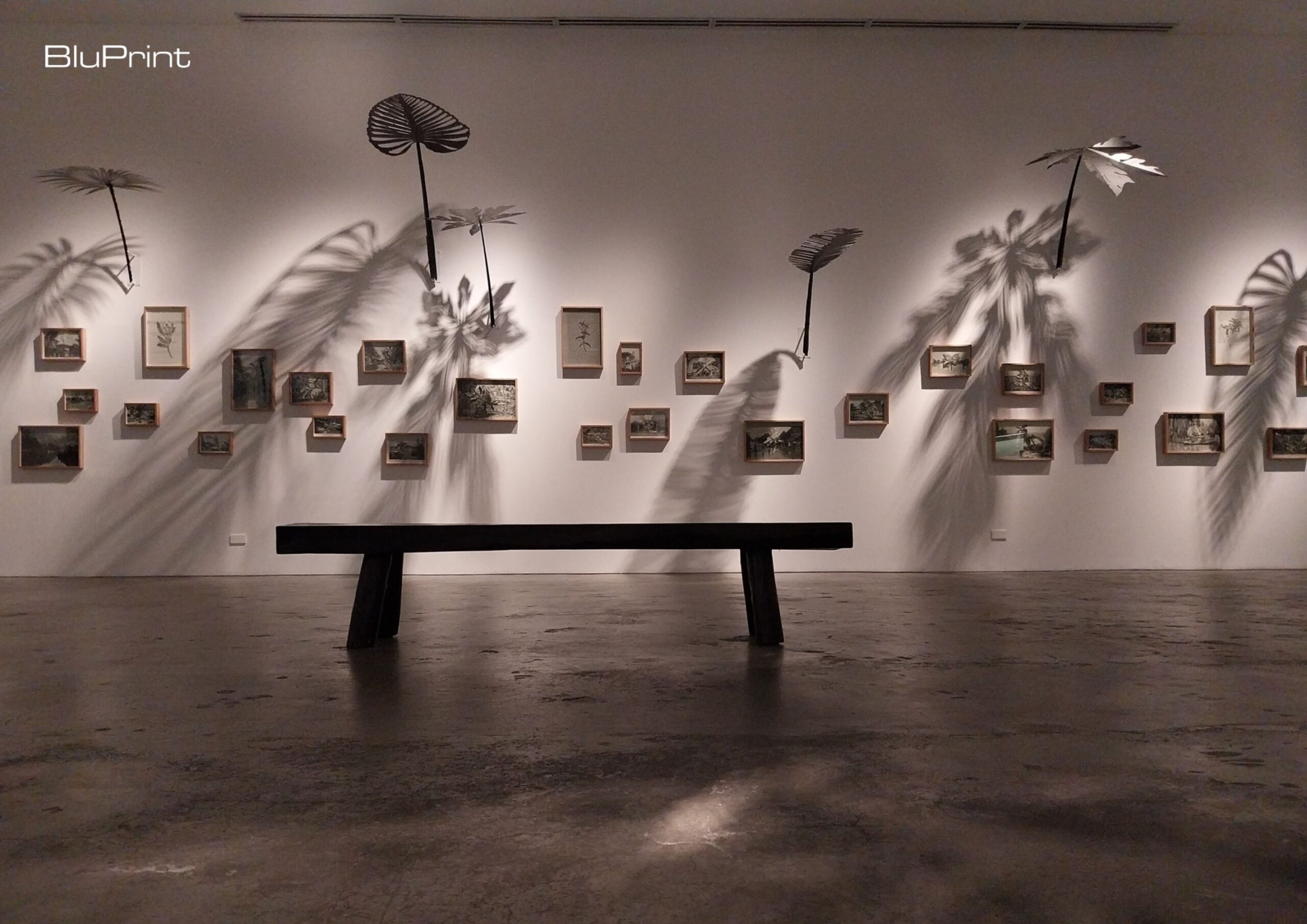
The Tiny Art Trend and Its Big Impact on Interiors



When it comes to artwork, you might picture statement pieces of classic paintings on huge canvases or oversized sculptures. However, smaller pieces offer a different allure, drawing viewers in to appreciate their more delicate details. These tiny treasures create intimate moments within a space, making them perfect for adding a touch of charm and sophistication to any room. As the microtrend of tiny art gains popularity, it’s clear that less can indeed be more, transforming interiors with a subtle elegance.
The Biggest Microtrend
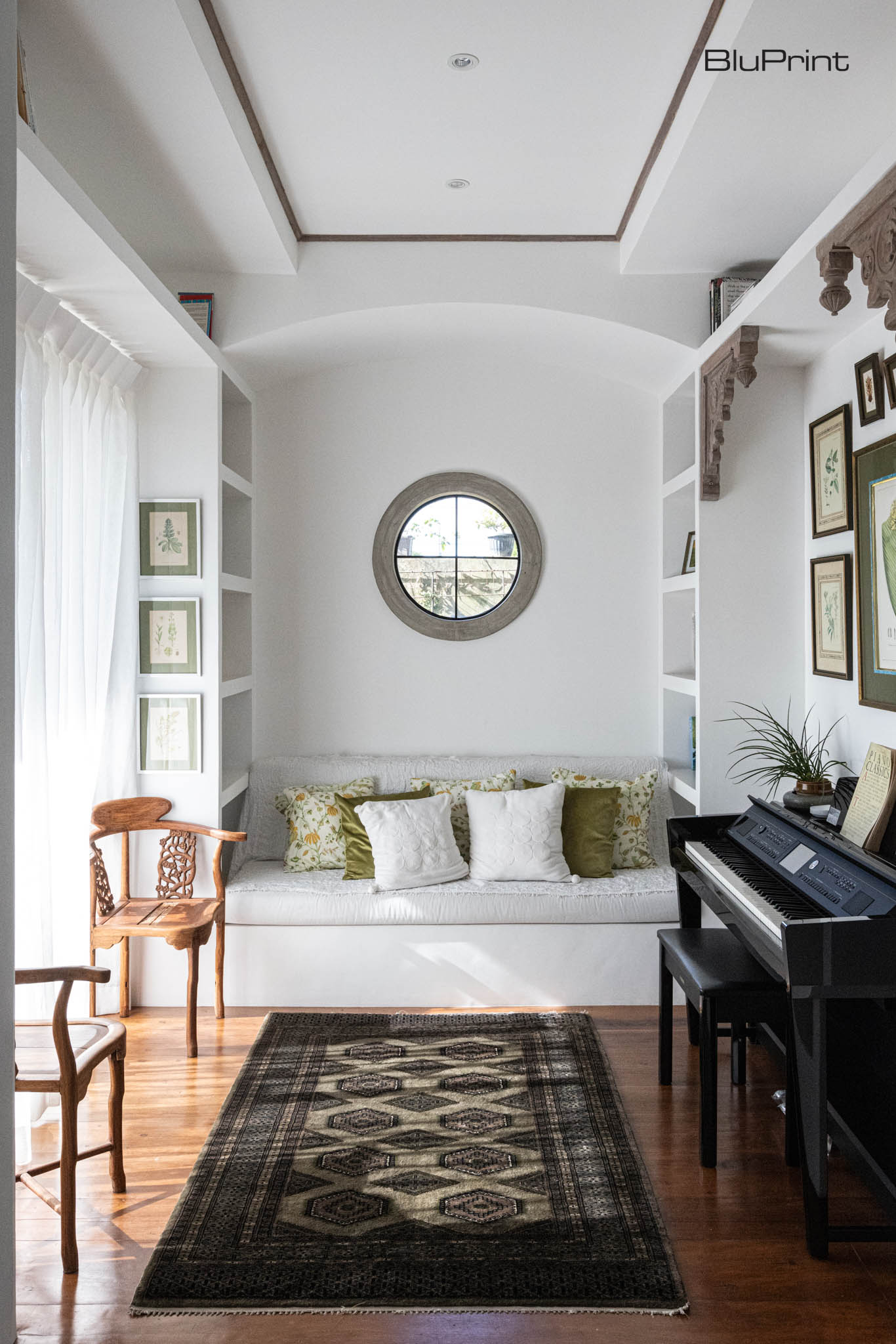
The tiny art trend simply refers to displaying small-scale artwork, typically around 14 inches in dimension. This takes advantage of available negative space, allowing smaller pieces to shine through all on their own without being too imposing. At its core, it encourages a minimalistic approach in terms of size and number when choosing the decor you’ll display.
This microtrend is another brainchild of Taylor Migliazzo Simon, the proponent of the Unexpected Red Theory. In her TikTok video, she claims that “there’s no such thing as art that is too small.” Integrating small art pieces on a clean, empty wall helps draw the eye to that area. This in turn allows the space surrounding it to breathe while creating visual interest.
Advertisement
But aside from empty spaces, Simon added that tiny art also belongs in areas that are often left bare. Despite their size, they can make often-overlooked and awkward corners more interesting and personal.
Tiny Art’s Big Impact
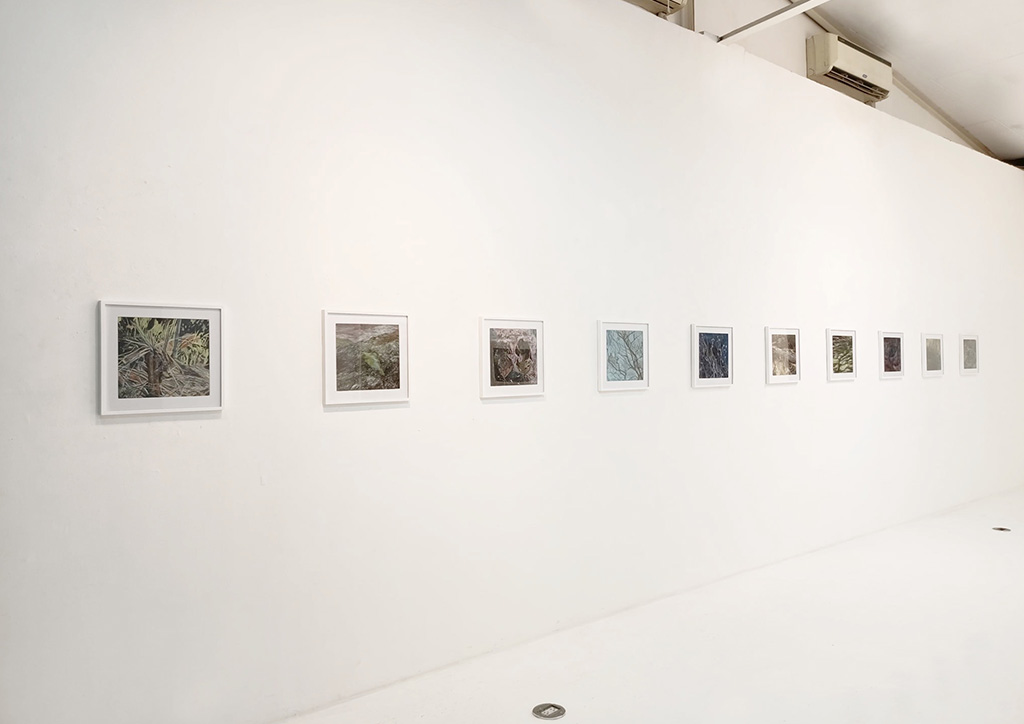
Beyond improving spaces, the tiny art trend also comes with a great deal of advantages. Leveraging their small size, this microtrend is easily customizable. Pieces can effortlessly fit in various locations, which gives you the flexibility to mix and match what art goes in what space.
Small-scale art is also far more affordable, allowing you to buy various pieces that suit your style and space. Just one piece can make a huge difference, or you can put together multiple pieces to create a unique and whimsical gallery wall.
Advertisement
And aside from buying already-made ones, it also gives you the freedom to showcase your creativity little by little. This can be DIY wall decor projects, a piece from your art class, or framing the artwork by your kids.
Whether in experimenting pieces that match or making your own tiny art, this microtrend curates an environment where small things can have a big impact.
How to Decorate with Tiny Art
The purpose of the tiny art trend is to highlight small things and make them impactful. Here’s how you can effectively include tiny art into your space.
Advertisement
Embrace the Unexpected Places
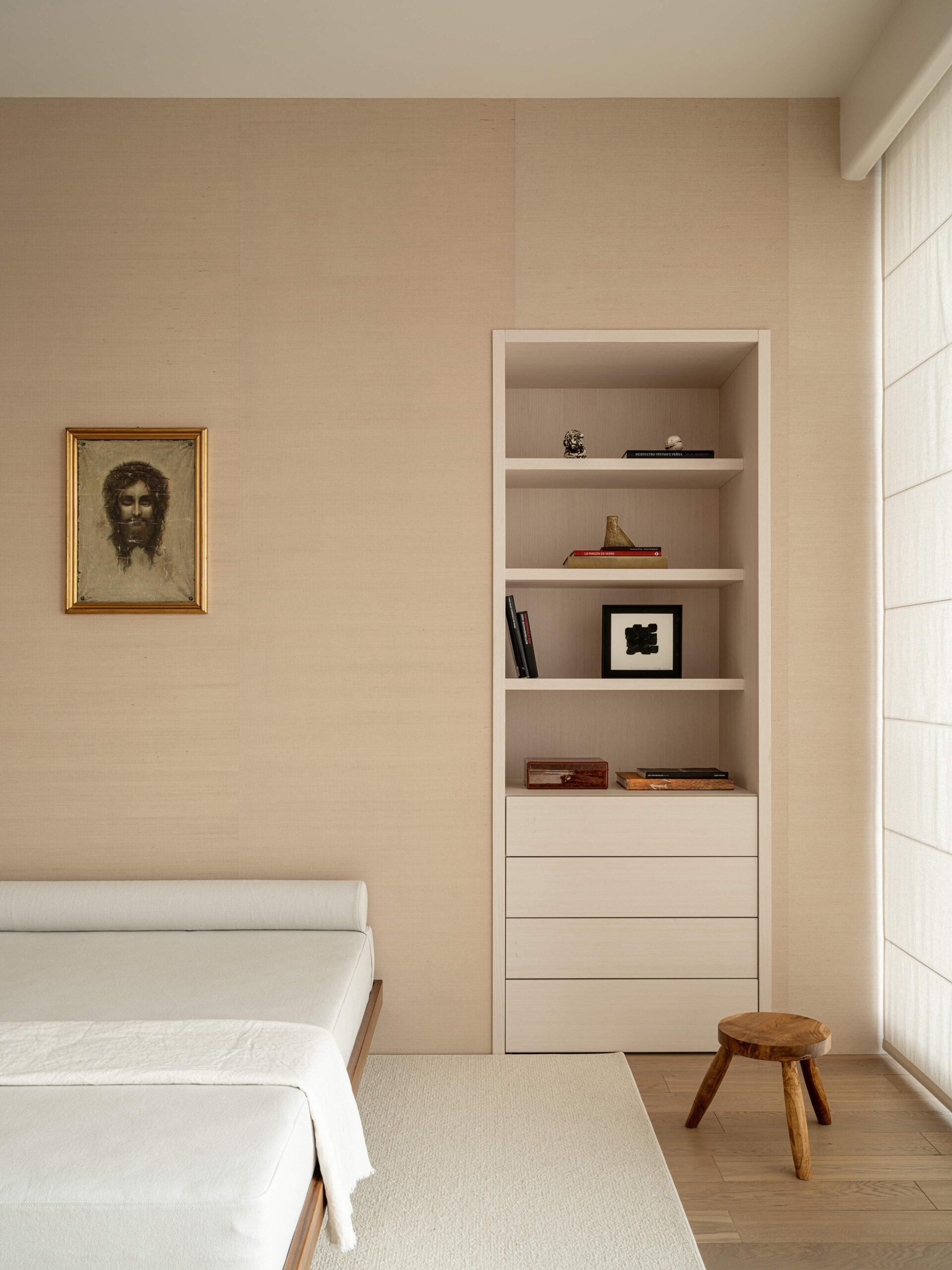
Martha Stewart Senior Home Editor Alexandra Kelly advises that artwork should be hung at midpoint on bare walls and should span at least two-thirds of the furniture size. However, due to their scale, tiny art effectively defies these rules.
The great thing about tiny art is that it can occupy awkward spots in your home, which is exactly what makes this trend appealing. While you can still place art at the wall’s midpoint, you’re also free to explore mounting it above and below eye level. Placing tiny art on the center, however, could work best in nooks and crannies to add depth and intrigue. Plus, it gives the illusion that the space is larger than it actually is.
It’s important to determine what areas you’ll fill with tiny art to decide the arrangement that will suit them best.
Advertisement
Standalone Arrangement
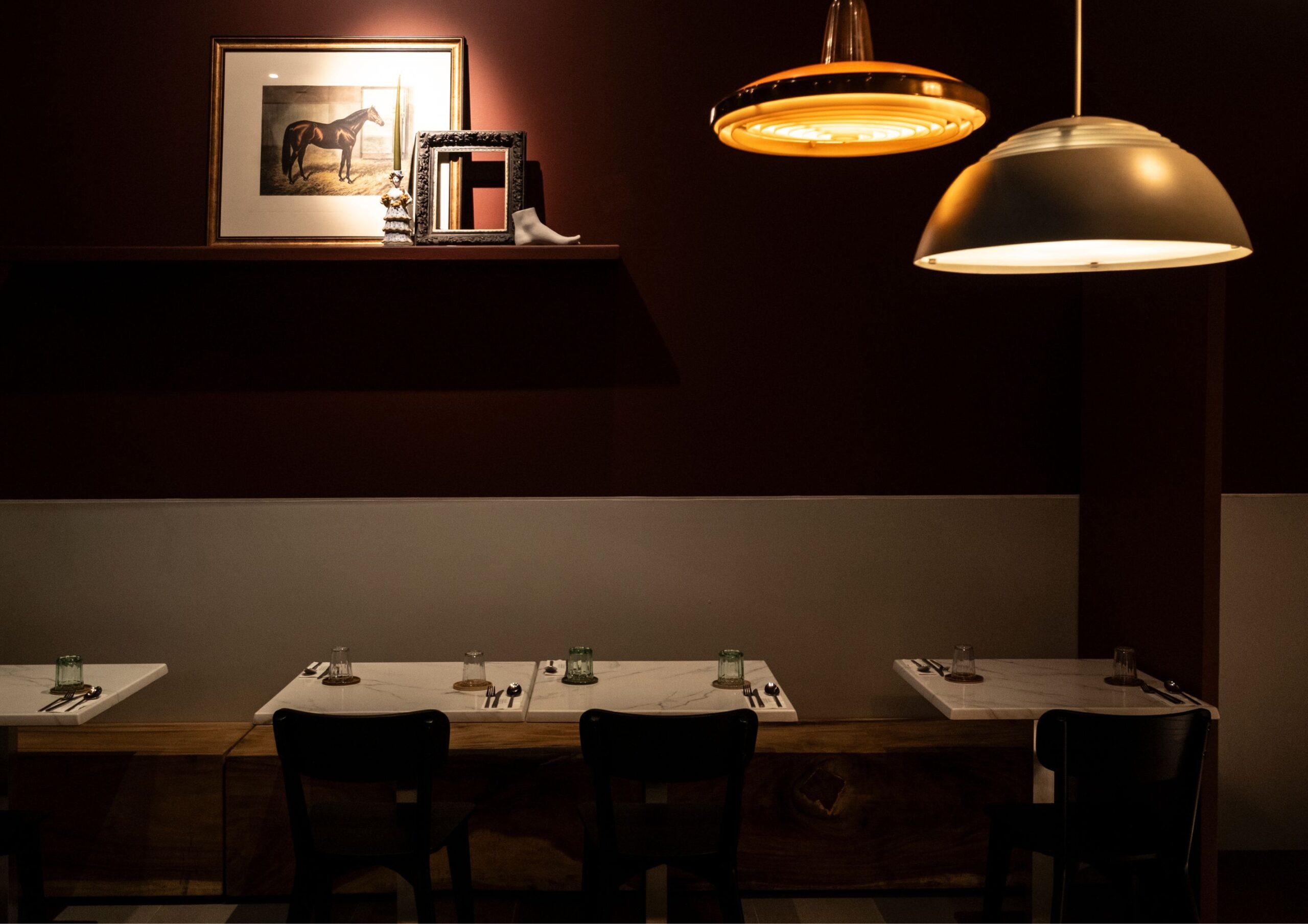
Tiny art pieces, though small in stature, can pack a powerful visual punch in the right context. And a standalone arrangement is all about letting the artwork command attention on its own.
The simplest way to follow this approach is to display tiny art in a clean, negative space. The artwork creates a striking contrast against the emptiness surrounding it, making it the focal point.
You can continue introducing juxtapositions by playing with texture. For instance, a wood-paneled wall makes a compelling backdrop for a metal sculpture, while a light-colored surface can accentuate the delicate details of a miniature painting.
Advertisement
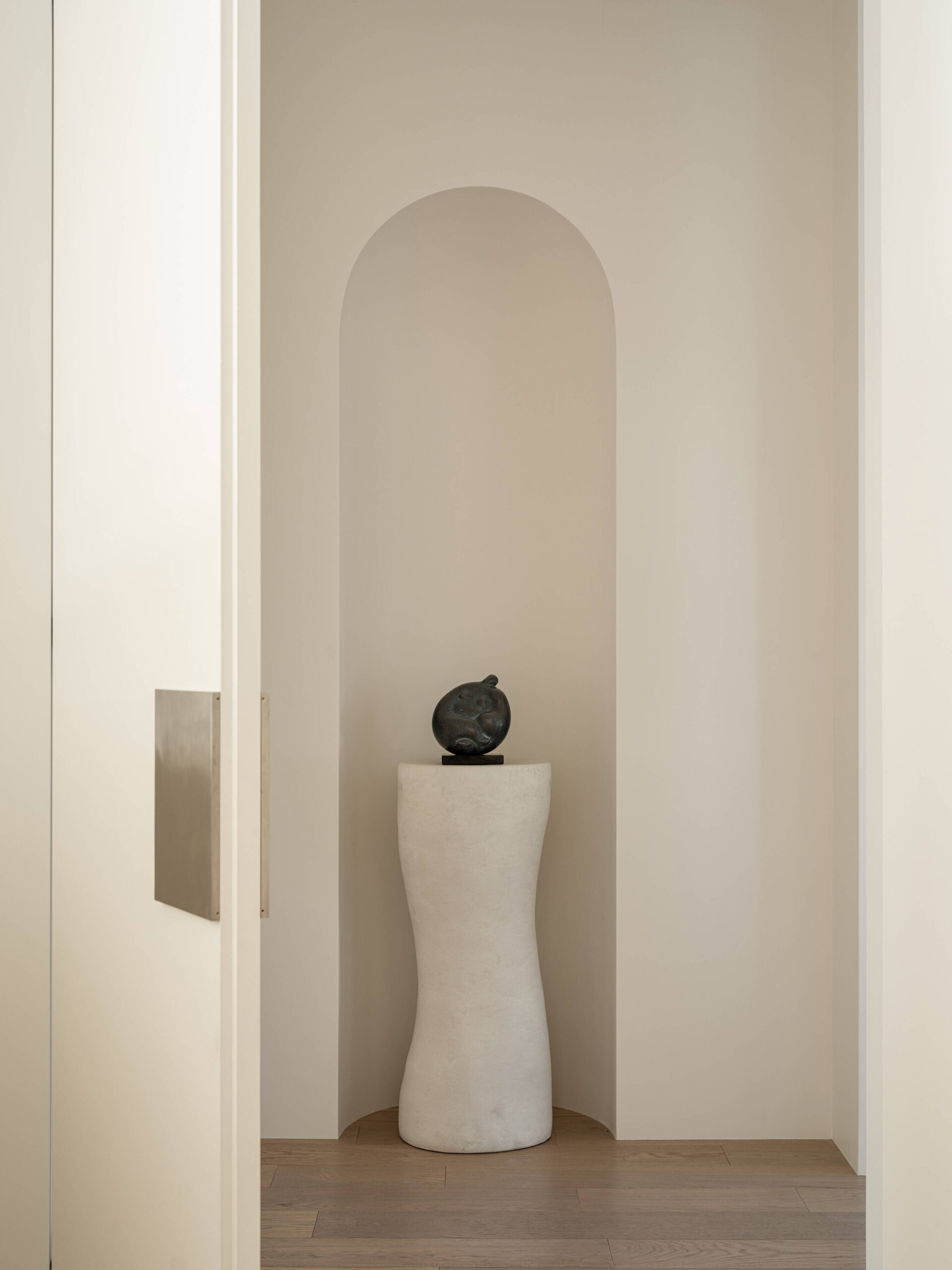
Consider a pedestal, a plinth, or a ledge to elevate the artwork. This lends an air of importance to these miniature pieces, much like a museum display.
Grouped Arrangement
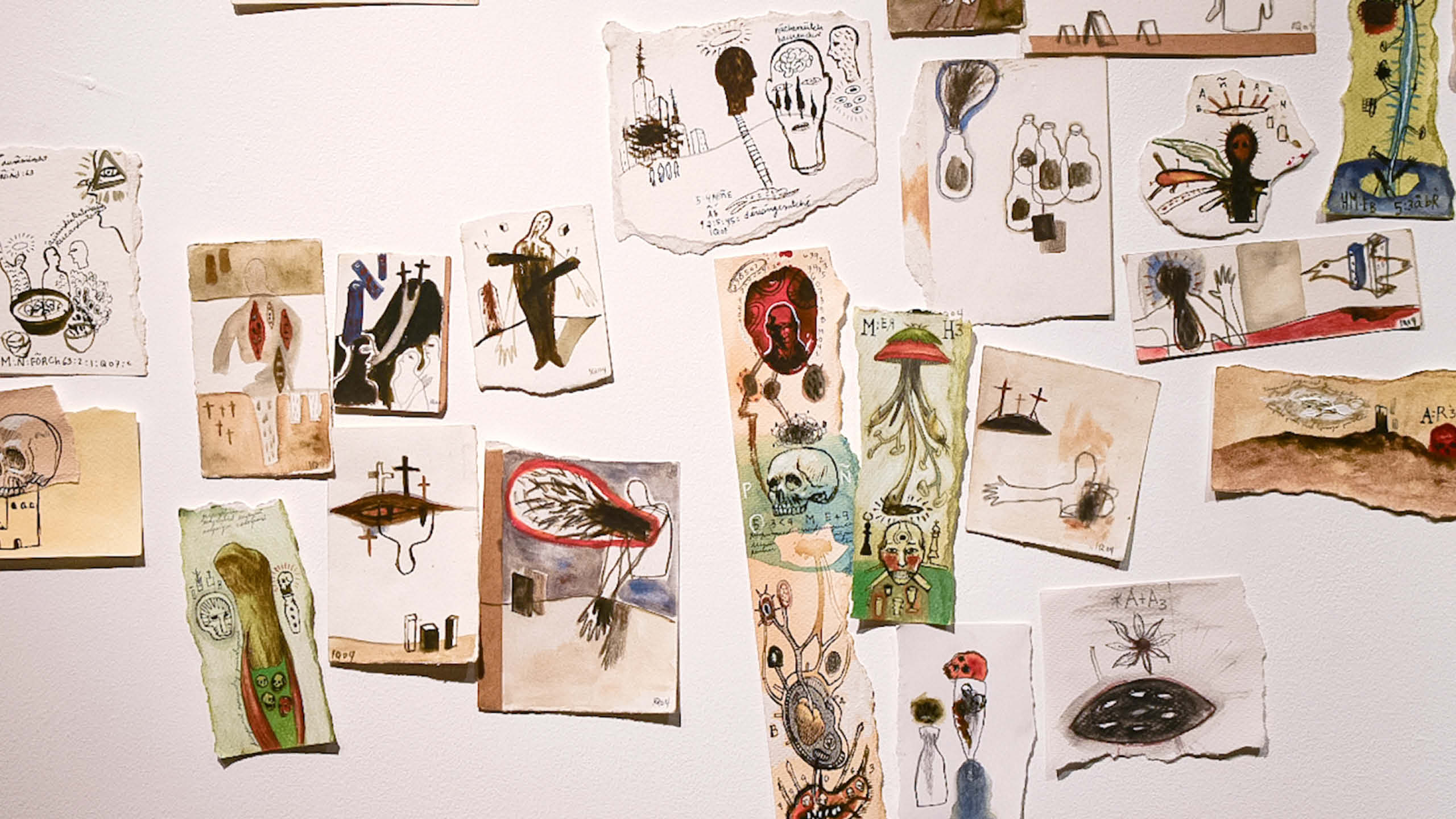
With the advantage of their size, you’ll have more flexibility to put multiple pieces together. And these grouped arrangements can make a dynamic and eclectic gallery wall.
For a harmonious aesthetic, consider grouping tiny artworks that share a common thread. This could be a similar subject matter, such as a collection of miniature portraits or botanical prints, or a consistent color palette that ties the pieces together.
Advertisement
But if you prefer a more playful and unpredictable look, experiment with mixing and matching different styles and mediums. Combine geometric sculptures with whimsical illustrations, or pair abstract paintings with figurative pieces.
The key lies with your careful selection and composition to make a group arrangement of tiny art not just a collection of small pieces but an impactful display, too.
In a world dominated by oversized statement pieces, this microtrend teaches us to appreciate artistry in the smallest details. The tiny art trend is proof that sometimes, less is truly more. And that big impact can come in the smallest of packages, too.
Advertisement
Read more: Riviera Interior Design: How to Curate a Timeless Mediterranean Retreat
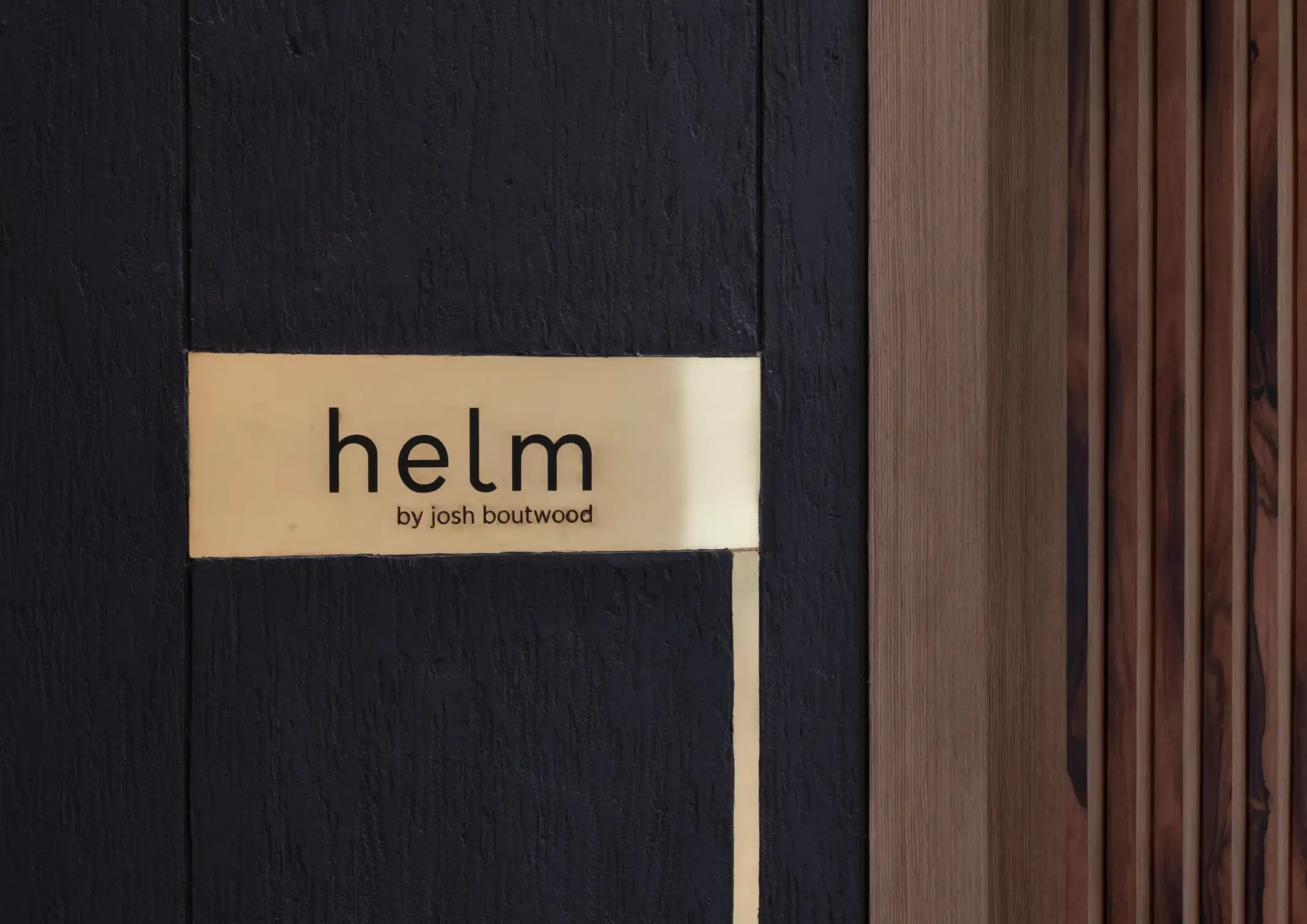
At Helm, dining unfolds as choreography. An open kitchen anchors the room, allowing guests to witness the precision behind its Michelin-starred fine dining menu. Designed by Kevin Nieves of Headroom, the 24-seat restaurant reflects that same discipline in its interior design. Tucked within Ayala Triangle Gardens in Makati, Helm brings together culinary recognition and architectural […]
Advertisement
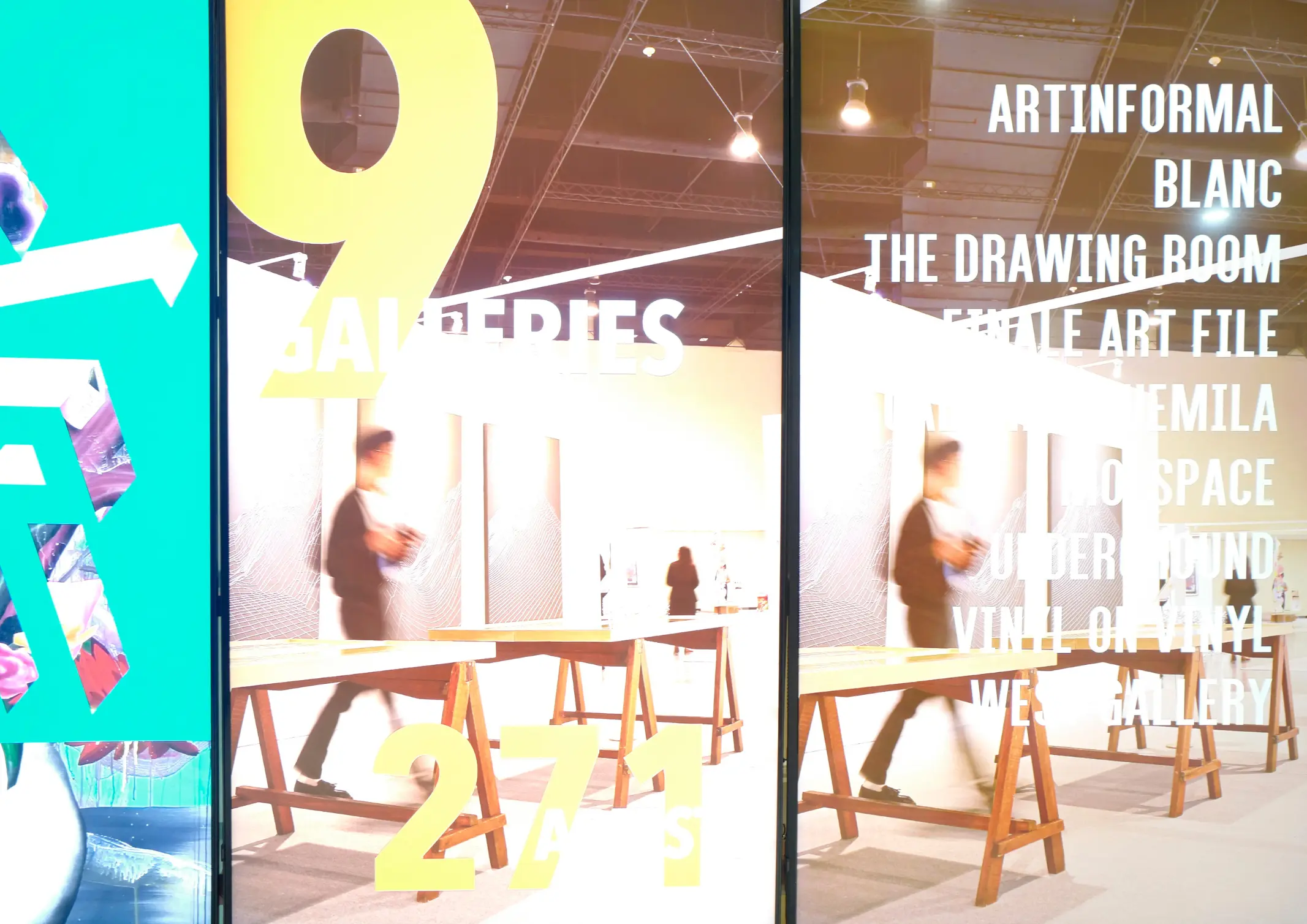
Exhibition designer Baby Imperial of All At Once shaped the spatial strategy of ALT ART 2026, its largest edition to date. The fair occupied Halls 1 and 2 of SMX Convention Center Manila, expanding in both footprint and ambition. Organized by the ALT Collective—Artinformal, Blanc, The Drawing Room, Galleria Duemila, Finale Art File, MO_Space, Underground, […]
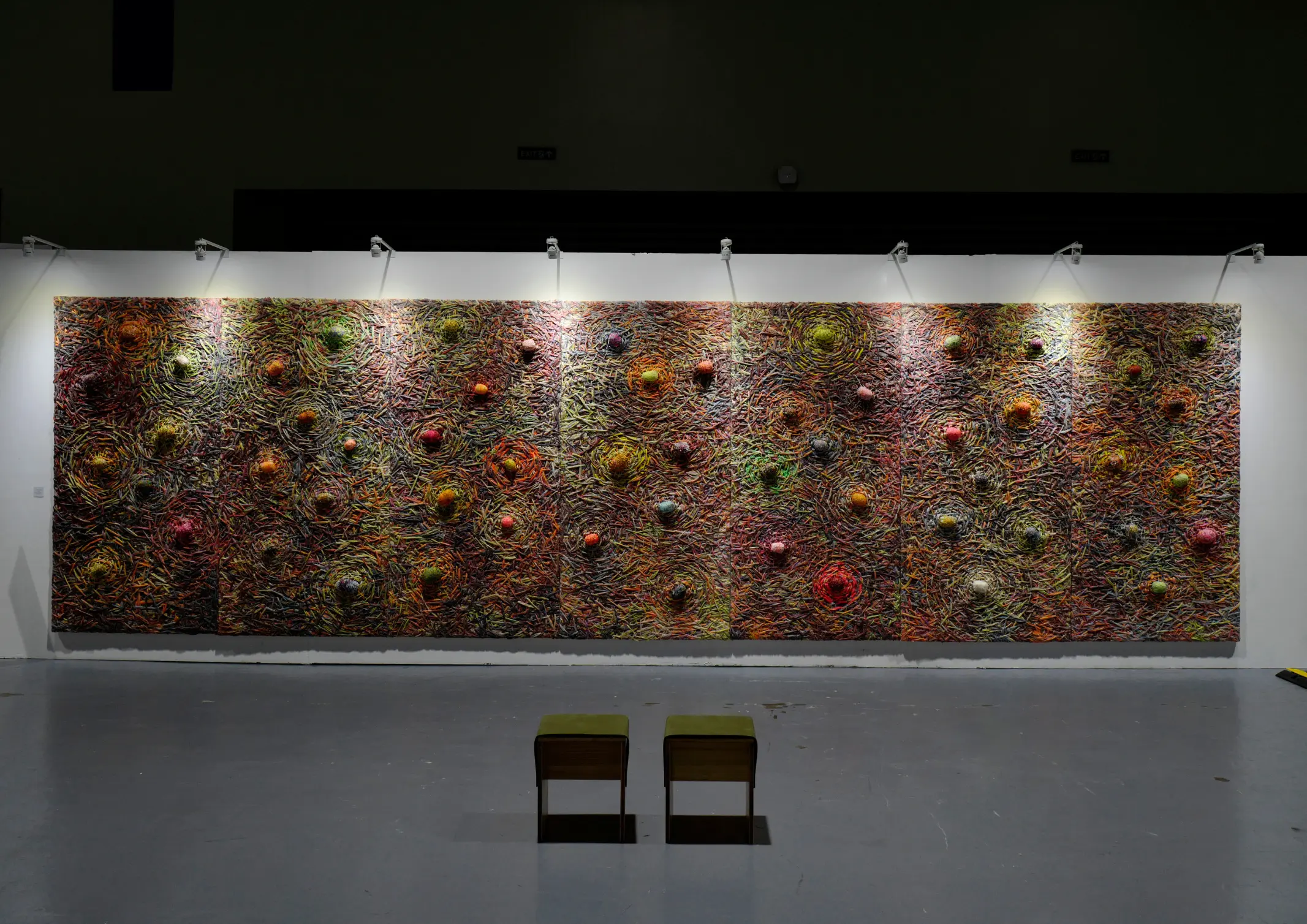
ALT ART, organized by the ALT Collective—Artinformal, Blanc, The Drawing Room, Galleria Duemila, Finale Art File, MO_Space, Underground, Vinyl on Vinyl, and West Gallery—presents a focused platform for Philippine contemporary art. As the fair continues to evolve, it expands its scale and curatorial scope, reinforcing its growing presence within the Philippine art scene. Creative Practices […]
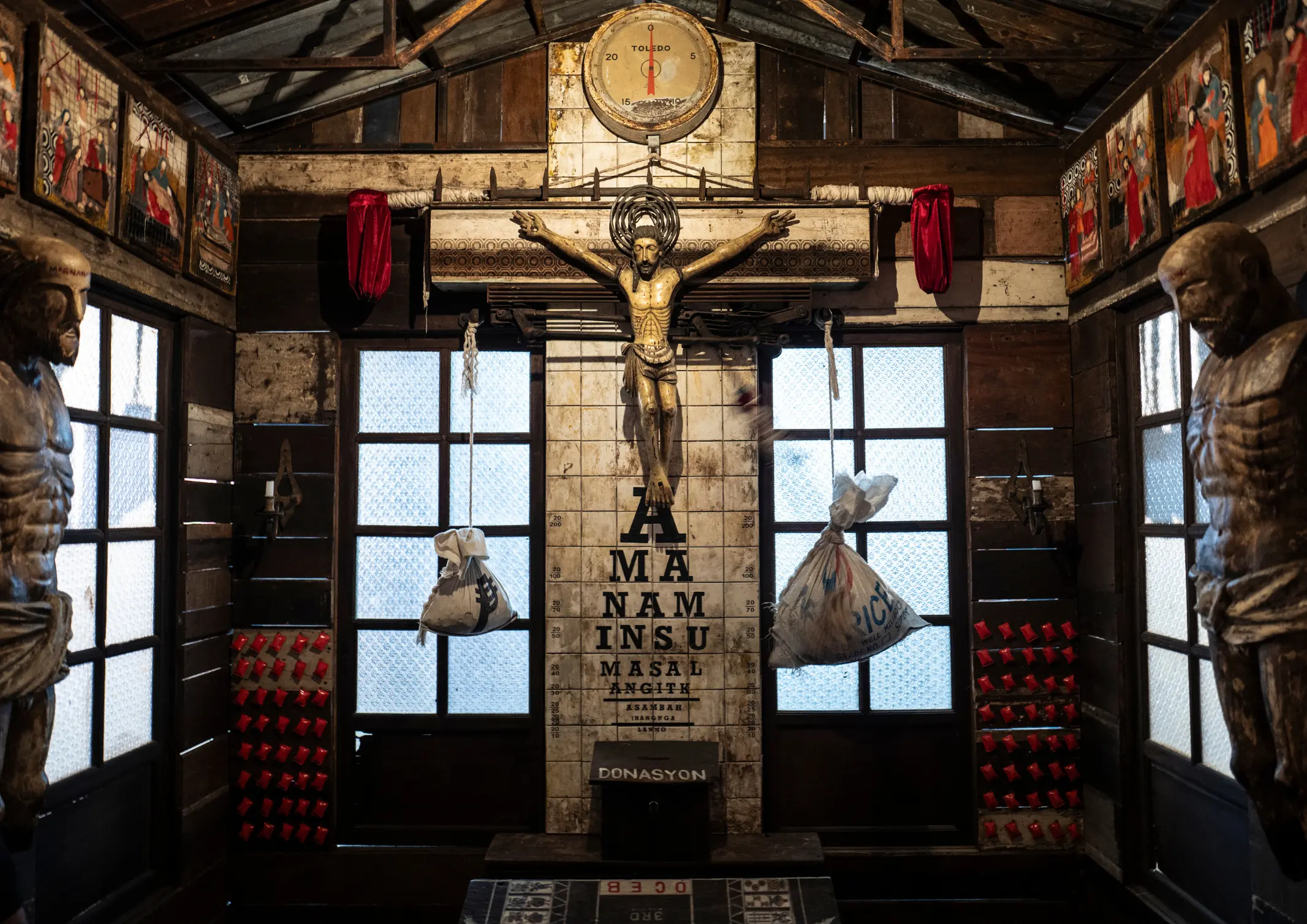
Inside Art Fair Philippines 2026: Religious Imagery, Material Experimentation, and Social Commentary
Art Fair Philippines 2026 gathered art enthusiasts and collectors in Makati for one of the country’s leading showcases of contemporary Philippine art. Designed by Nazareno/Lichauco, the fair moved to Circuit Corporate Center One in Ayala Circuit, marking a new chapter in its spatial identity. Across its booths and projects, the fair positioned contemporary Philippine art […]
Advertisement

Ronald Ventura is one of the most recognizable figures in Southeast Asian contemporary art. Since his first solo exhibitions in the 2000s, Ventura has become known for his signature multi-layered paintings. Featuring hyperrealism, cartoons, graffiti, and other recurring motifs, hisworks—from paintings to sculptures—are pluralistic in both form and material. Throughout his career, his art has […]
Download this month's BLUPRINT magazine digital copy from:



Subscribe via [email protected]