Bigkis is the act of binding. In Tagalog, the word can refer to something used to bind or encircle, as well as a bundle formed by tying several separate elements together. Figuratively, it can also mean a bond, union, or unity. The meanings move from the physical act of joining things together to the connection […]
Riviera Interior Design: How to Curate a Timeless Mediterranean Retreat



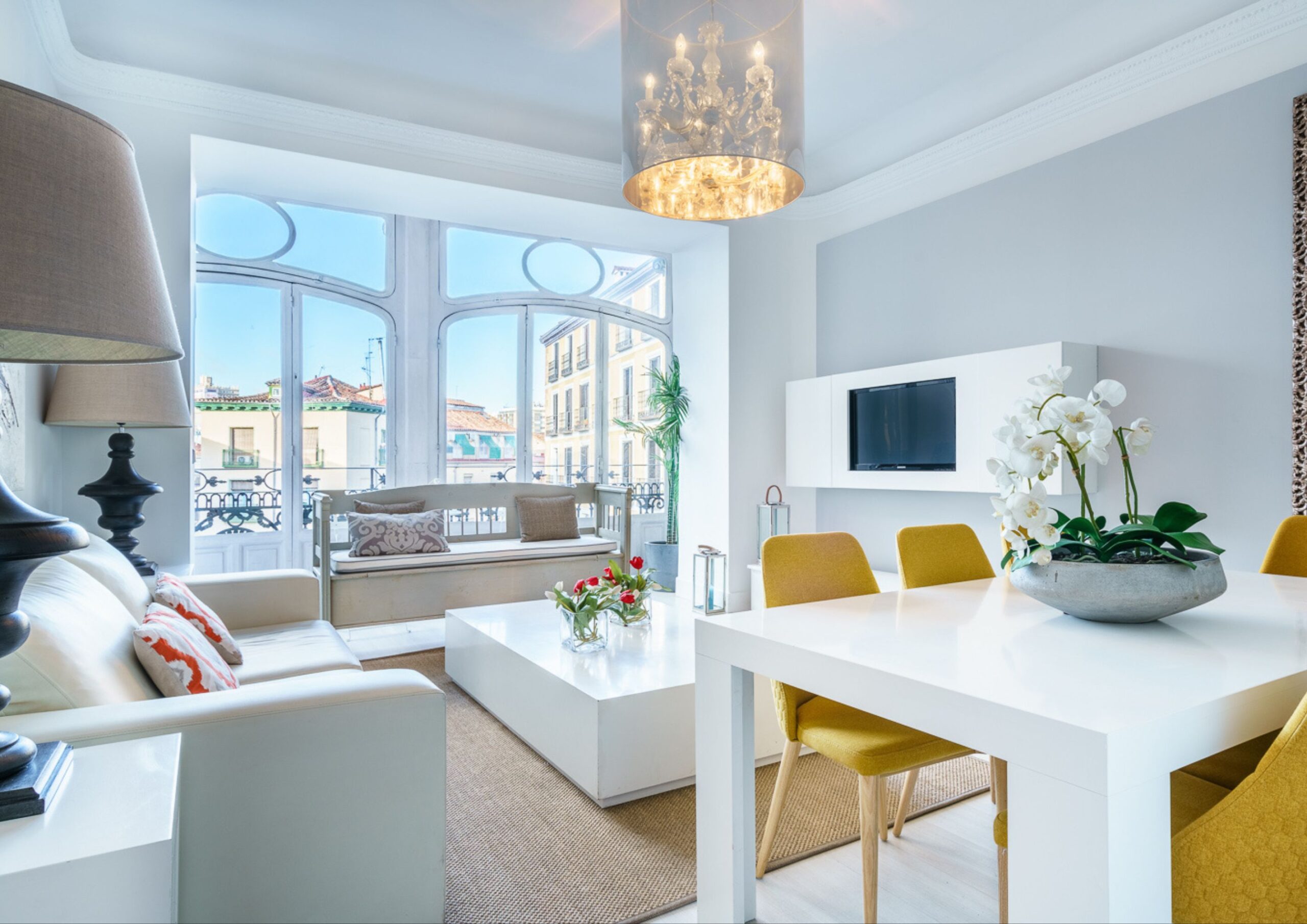
Sun soaked shores, sparkling turquoise waters, subtropical climate, and old, elegant seaside towns. Who wouldn’t be tempted to experience the captivating allure of the Mediterranean? These picturesque coastlines are synonymous with luxury and glamor. And as they continue to be famous travel destinations, they have now become a source of inspiration for the burgeoning Riviera interior designInterior DesignThe discipline of planning and shaping interior spaces for function, comfort, safety, and beauty. It covers layout, lighting, materials, finishes, furniture, and color, and in the Philippines is a licensedGo to Interior Design Glossary trend.
Riviera through the Old and Modern Eras
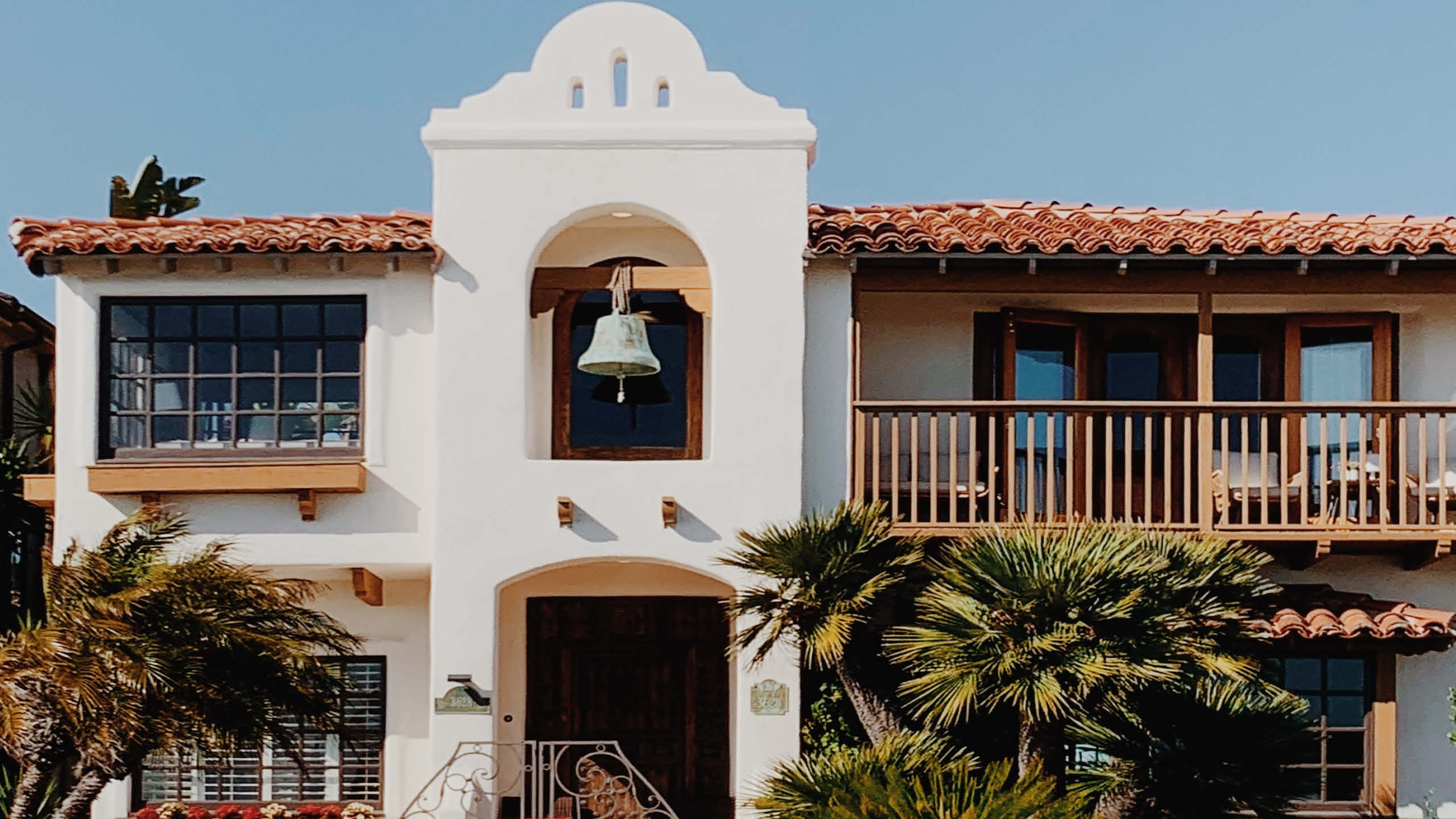
Riviera interior designInterior DesignThe discipline of planning and shaping interior spaces for function, comfort, safety, and beauty. It covers layout, lighting, materials, finishes, furniture, and color, and in the Philippines is a licensedGo to Interior Design Glossary draws influences from the rich history and cultural tapestry of the Mediterranean region. Rooted in the Italian term riviera, which means “seashore,” this style reflects the scenic coastal views and opulent living of European beach towns. In particular, it pays homage to the French and Italian Rivieras.
Characterized by clean lines, symmetrical layouts, sophisticated moldings, it exudes the glamor of Neoclassical, Art DecoArt DecoA decorative design style popular in the 1920s and 1930s, known for bold geometry, stepped forms, stylized ornament, and rich materials. Manila holds notable examples, including the Metropolitan Theater andGo to Art Deco Glossary, and coastal interior styles. It also boasts large windows, sliding glass doors, and balconies to create a seamless indoor to outdoor transition. Natural elements further celebrate its connection with nature while subtle nautical accents speak to its original seaside location.
The Rivieras gained popularity in the 19th century when railways arrived at Monte Carlo. Drawn to the beauty of the location, European nobles began building their villas along the coast, which then attracted tourists. The peak of 20th century Neoclassical and Art Deco designs greatly influenced Riviera architectureArchitectureThe art and science of designing and constructing buildings, structures, and spaces that are functional, safe, and aesthetically pleasing. It encompasses the planning, design, materials, and techniques used to createGo to Architecture Glossary and decor further. The Riviera’s a distinct design aesthetic further evolved with the golden age of Hollywood and the rise of lifestyle magazines.
Now, as people develop an interest in reviving these styles, modern interpretations of Riviera interior designInterior DesignThe discipline of planning and shaping interior spaces for function, comfort, safety, and beauty. It covers layout, lighting, materials, finishes, furniture, and color, and in the Philippines is a licensedGo to Interior Design Glossary are starting to emerge.
Key Features of Riviera Interior Design
With its heavy inspirations from three prominent interior styles, it might be confusing which aspects to incorporate their trademark elements. To sort things out, here’s a handy guide in mastering the aesthetic.
Basic Design Elements
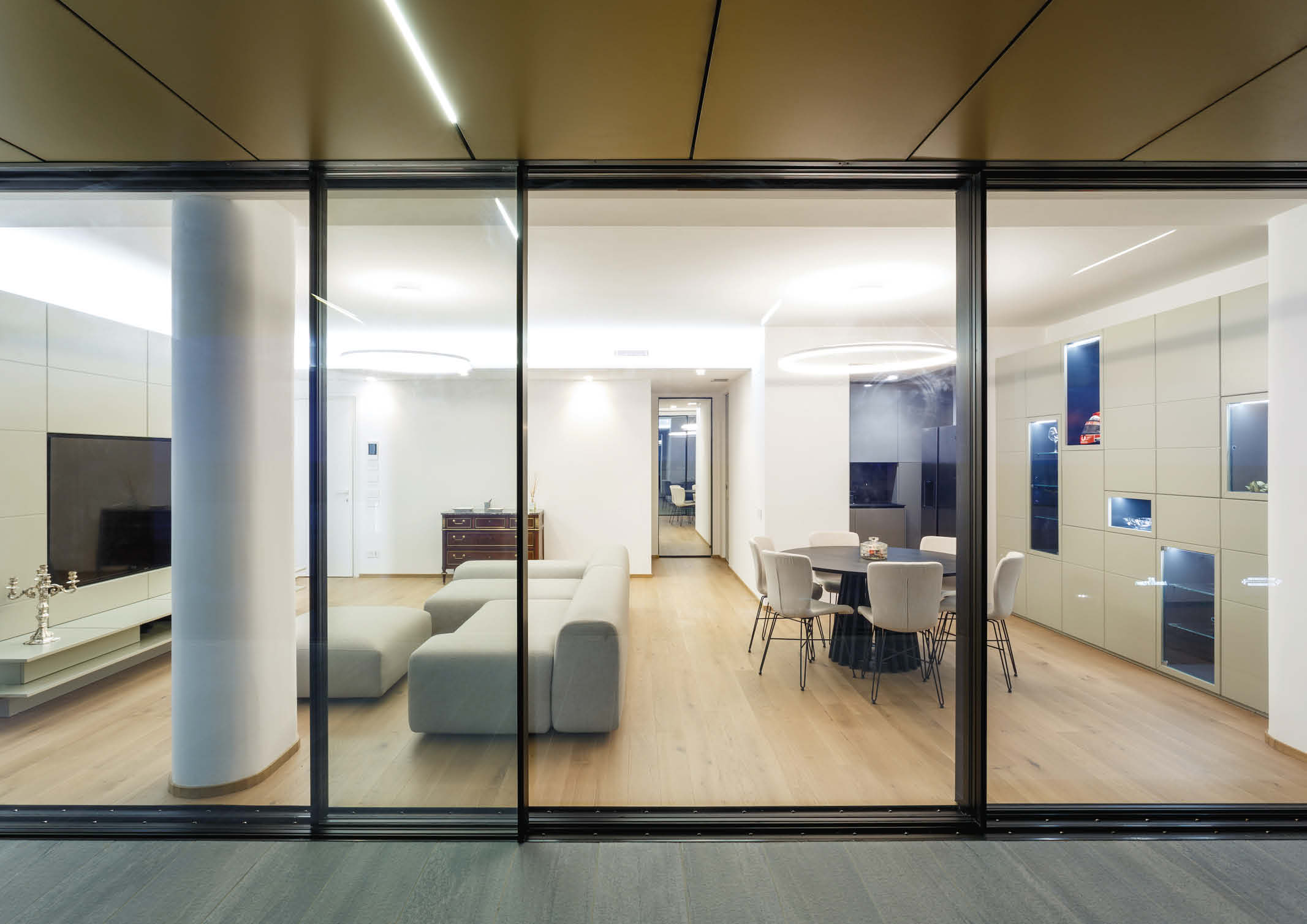
Since Riviera interiors are an amalgamation of various styles, it’s important to that your colors, structure, and symmetry complement the heavier furnishings you will add later on.
To provide a versatile foundation, adopt the hues of coastal interior designInterior DesignThe discipline of planning and shaping interior spaces for function, comfort, safety, and beauty. It covers layout, lighting, materials, finishes, furniture, and color, and in the Philippines is a licensedGo to Interior Design Glossary. White, pale blue, and sandy tones are ideal for walls, ceilings, and floors to create a sense of openness. You can also integrate natural materials like wooden wall paneling or light-colored stone flooring.
Neoclassical elements come in architectural features like molded and refined doorways and window frames. Crown molding along the ceiling and wainscoting on the lower portion of walls additionally add a timeless elegance to the interior.
You can add Art Deco elements sparingly in an accent wall. Geometric designs in a muted color palette introduce visual intrigue without overwhelming the overall design.
Balanced Fusion in Furniture
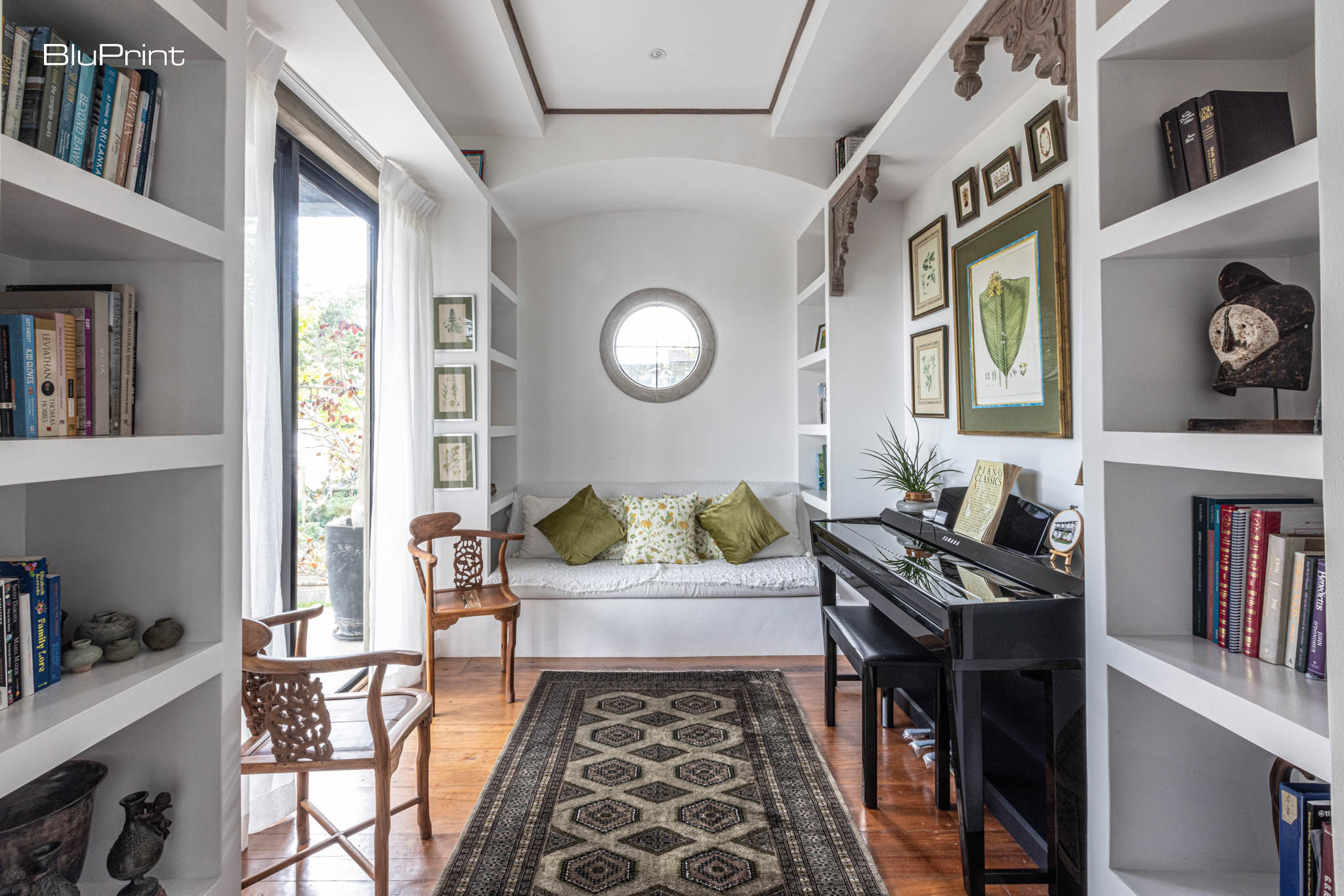
The last thing you want is funky-looking furniture. So, you need to carefully combine styles to keep the luxury of Riviera interior designInterior DesignThe discipline of planning and shaping interior spaces for function, comfort, safety, and beauty. It covers layout, lighting, materials, finishes, furniture, and color, and in the Philippines is a licensedGo to Interior Design Glossary.
For starters, choose the relaxed charm of natural materials. Rattan, wicker, driftwoods, and linen are some of the best options to connect the space to the outdoors. Plus, they create an airy ambiance other materials can’t offer.
Then, integrate Neoclassical shapes and forms. Think furniture with defined lines or subtle curves like rolled armrests and tapered legs. These features make it easy to apply symmetrical furniture arrangements; another design element of this style. Plush cushions and supportive backs combine comfort with a formal appearance.
To bring glamor and personality, look for Art DecoArt DecoA decorative design style popular in the 1920s and 1930s, known for bold geometry, stepped forms, stylized ornament, and rich materials. Manila holds notable examples, including the Metropolitan Theater andGo to Art Deco Glossary designs such as prominent geometric patterns and velvet upholstery. Metallic accents are also an Art Deco hallmark you can integrate in statement pieces.
This phase is also where you introduce bold colors in upholstery and other details. Jewel tones like emerald green, ruby, and sapphire blue immediately stand out in a light base layout.
Classic Riviera Accessories
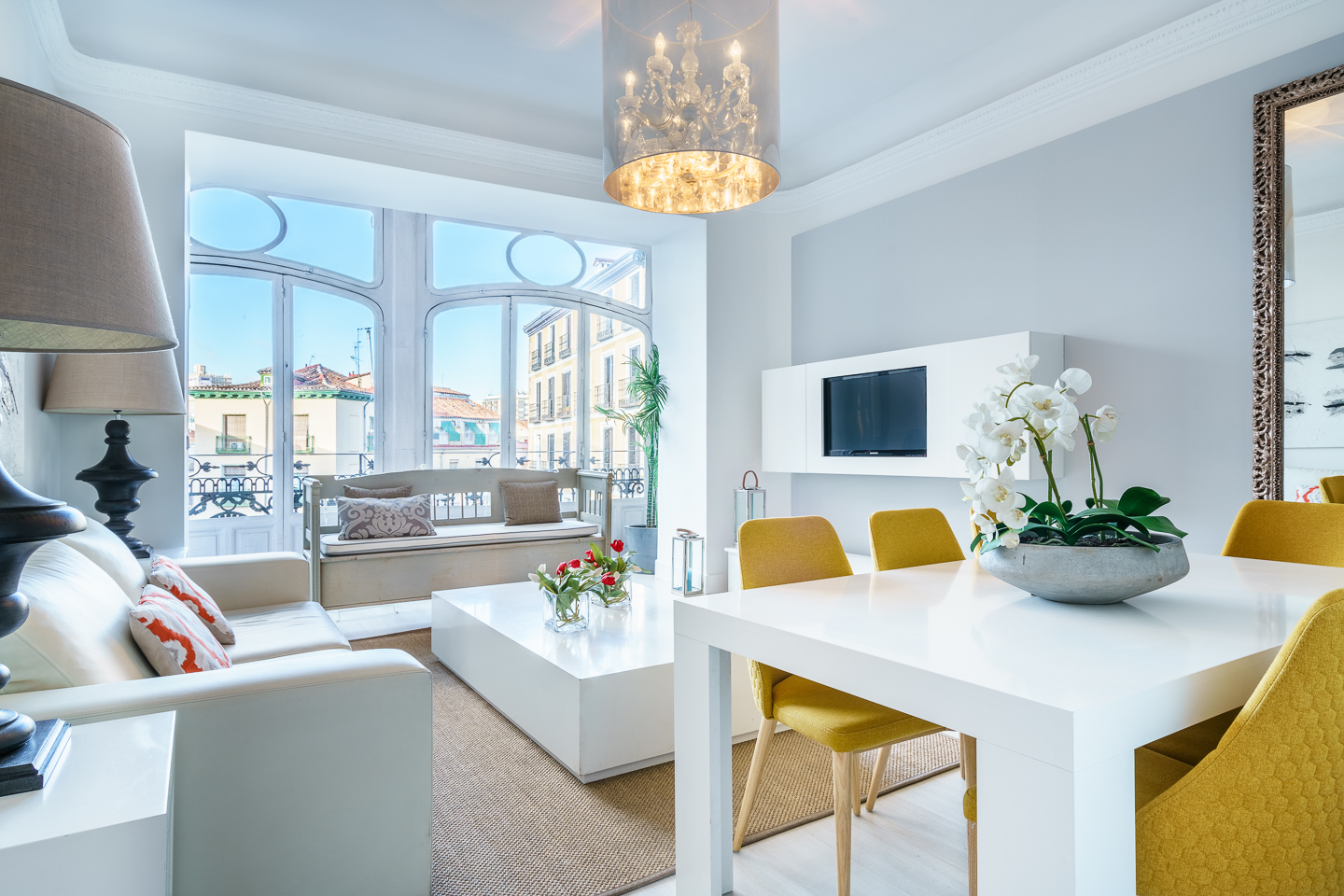
To tie the theme together and bring the spirit of the Mediterranean to life, finish the design with Riviera accessories.
Neoclassical decor evoke history and grandeur. For example, lamps with fluted column bases, artwork and sculptures depicting mythological persons and scenes, provide timeless refinement. Add mirrors with delicate carvings or laurel wreaths to further emphasize the Neoclassical influences.
Art Deco flair, on the other hand, can be any decor with geometric patterns. Consider a tiered chandelier with cascading crystals or a chrome lamp with a stepped base for statement lighting. If delicate mirrors aren’t for you, try a sunburst mirror, which is an Art Deco classic.
And to pay tribute to its innate coastal vibe, design with nautical decor. Seashell accents and rope elements bring a subtle maritime touch. Woven items, textured vases in ceramic or terracotta tones echo the sun-baked earth of the Mediterranean.
You can try mixing more decor from different interior styles. Just remember to group and curate them logically (by color, material, theme, or period) to avoid a cluttered and less cohesive look.
The beauty of Riviera design is that it can be recreated anywhere, even if you don’t live on the coast. By finding the balance among these key features, you can craft a luxurious and cozy permanent vacation home, where the essence of Rivieras remains alive.
Read more: How to Achieve Lake House Decor in a Landlocked Setting
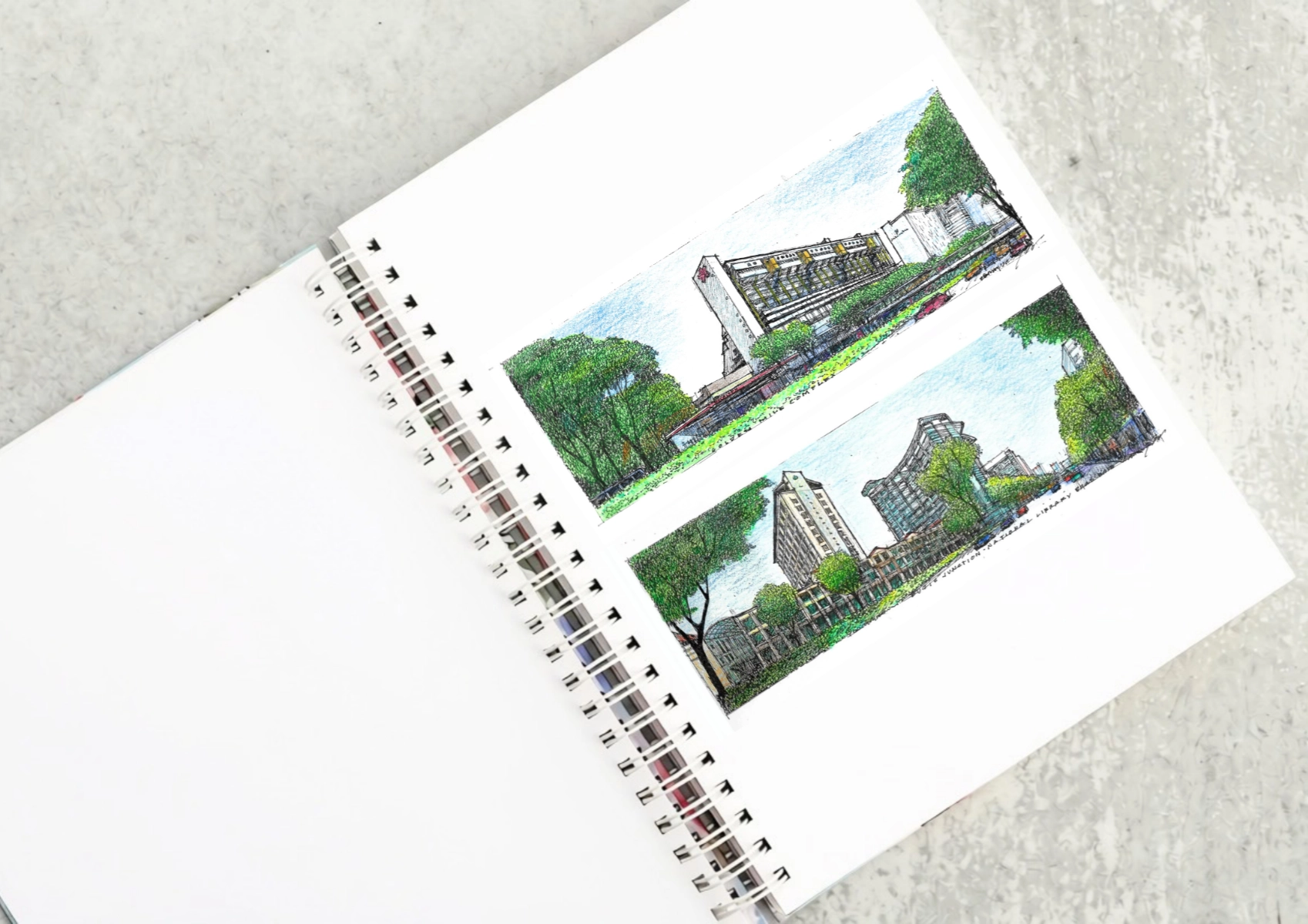
Two sketches of Singapore connect BluPrint Editor in Chief Paulo G. Alcazaren’s personal and professional history with Shared Ground: ArchitectureArchitectureThe art and science of designing and constructing buildings, structures, and spaces that are functional, safe, and aesthetically pleasing. It encompasses the planning, design, materials, and techniques used to createGo to Architecture Glossary of Care, Culture, […]

In a way, designers are the modern-day soothsayers and prophets. They design for the future, predicting how a room, a house, a building or a whole city will be used by people. They foresee how users will interact with a space, conjure exact shades of colors to elicit specific behavior and arrange furniture to build […]
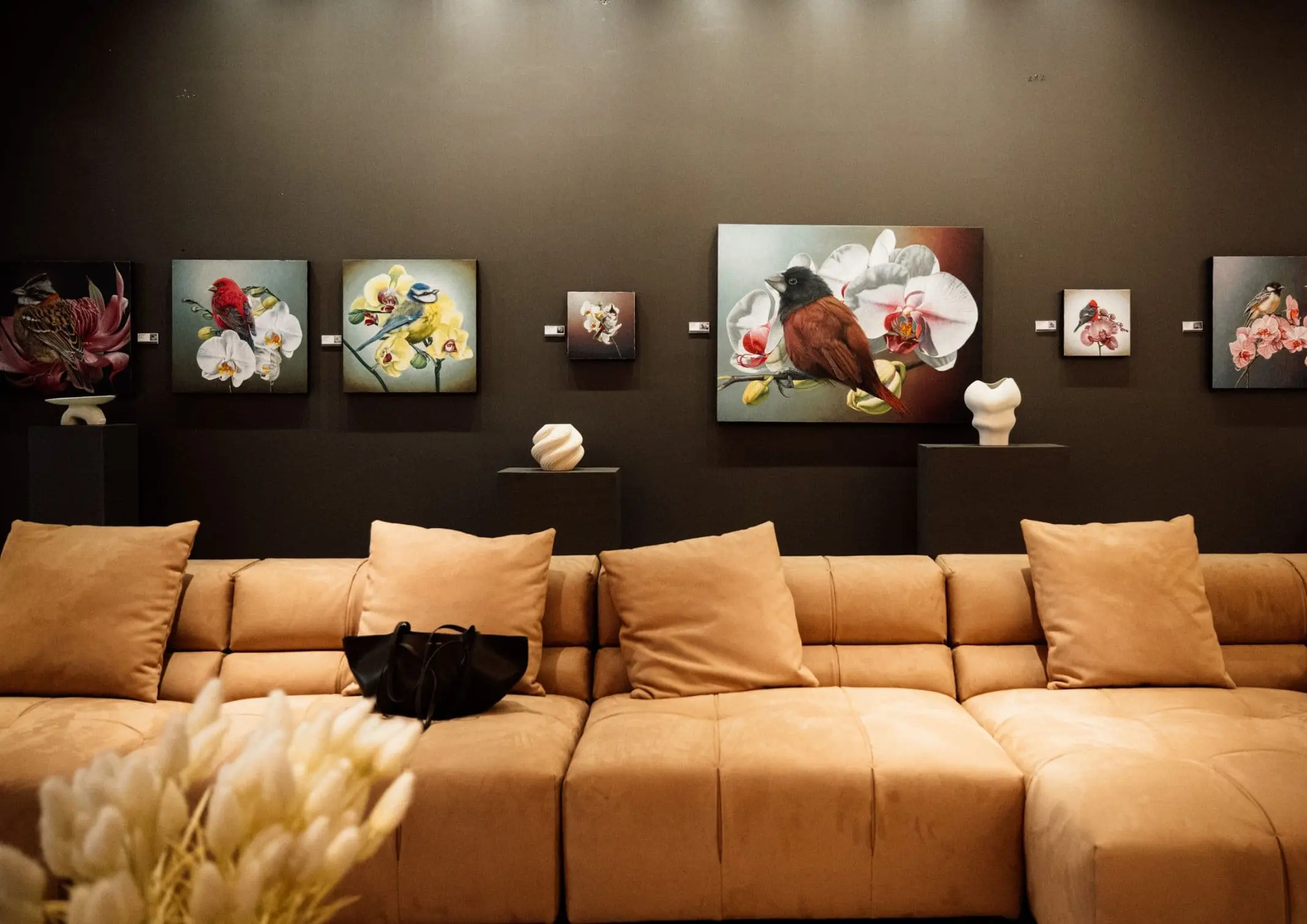
Art and furniture are often selected separately, yet their relationship can shape how a room looks and feels. The collaboration between Hooga and Galerie Joaquin explores how these elements can work together, bringing contemporary artworks into furnished residential settings at Hooga’s showroom in Uptown Mall, Bonifacio Global City. For Hooga, which curates furniture, lighting, and […]

How can better-planned cities create the conditions for more creative, livable, and resilient urban environments? “Makati Urban Recipes for a City’s Survival,” a colloquium held at the Ayala Museum on September 15, brought together architects and practitioners from the fields of urbanism and the creative economy to discuss how design, planning, and collaboration can address […]
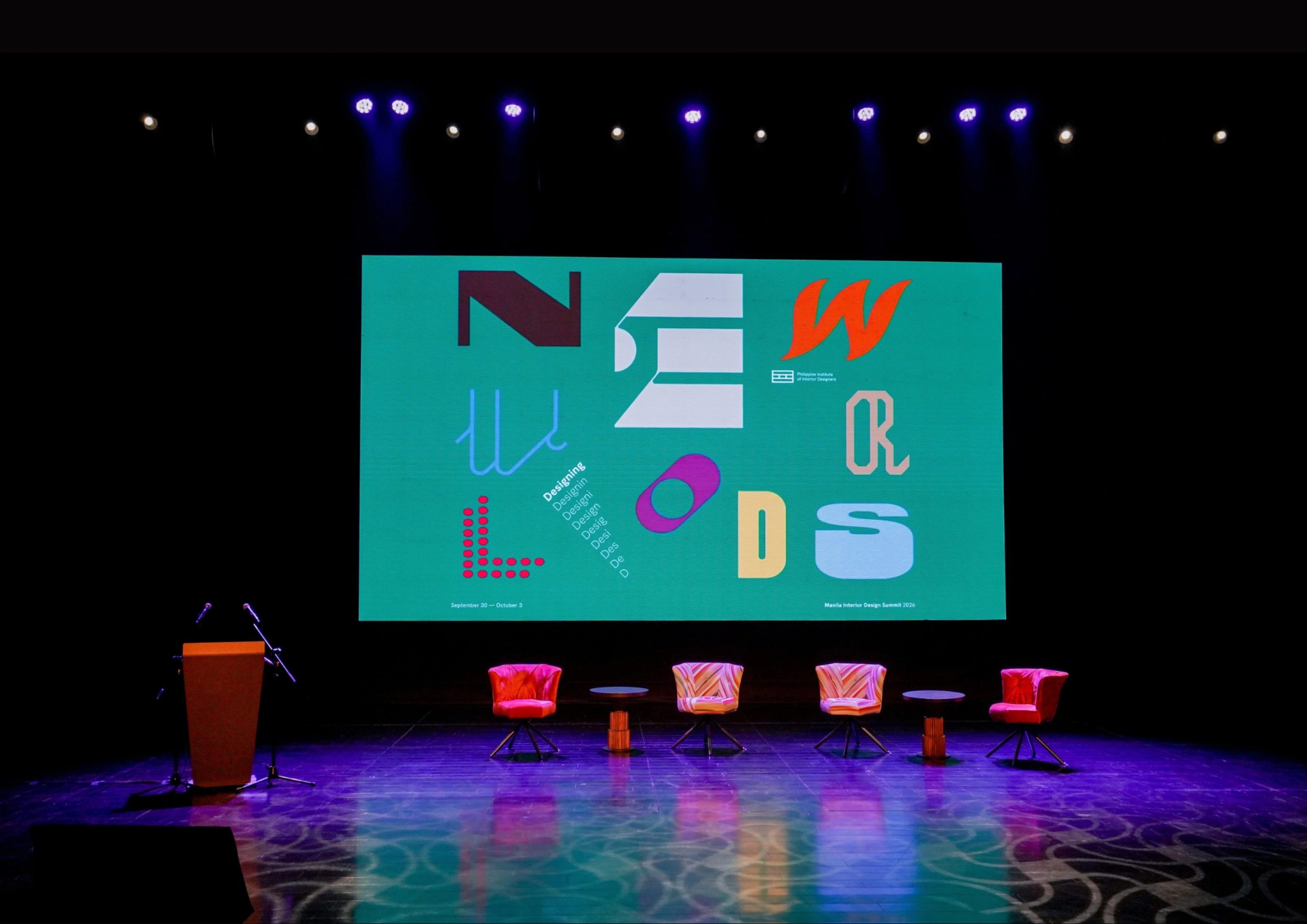
The fourth Manila Interior DesignInterior DesignThe discipline of planning and shaping interior spaces for function, comfort, safety, and beauty. It covers layout, lighting, materials, finishes, furniture, and color, and in the Philippines is a licensedGo to Interior Design Glossary Summit (MIDS) brought together more than 300 delegates for four days of conversations, exhibitions, and design […]
Read the issues.

Collect the volumes.

Recommended Video
Tap to Unmute
Unmute
0:00
0:00