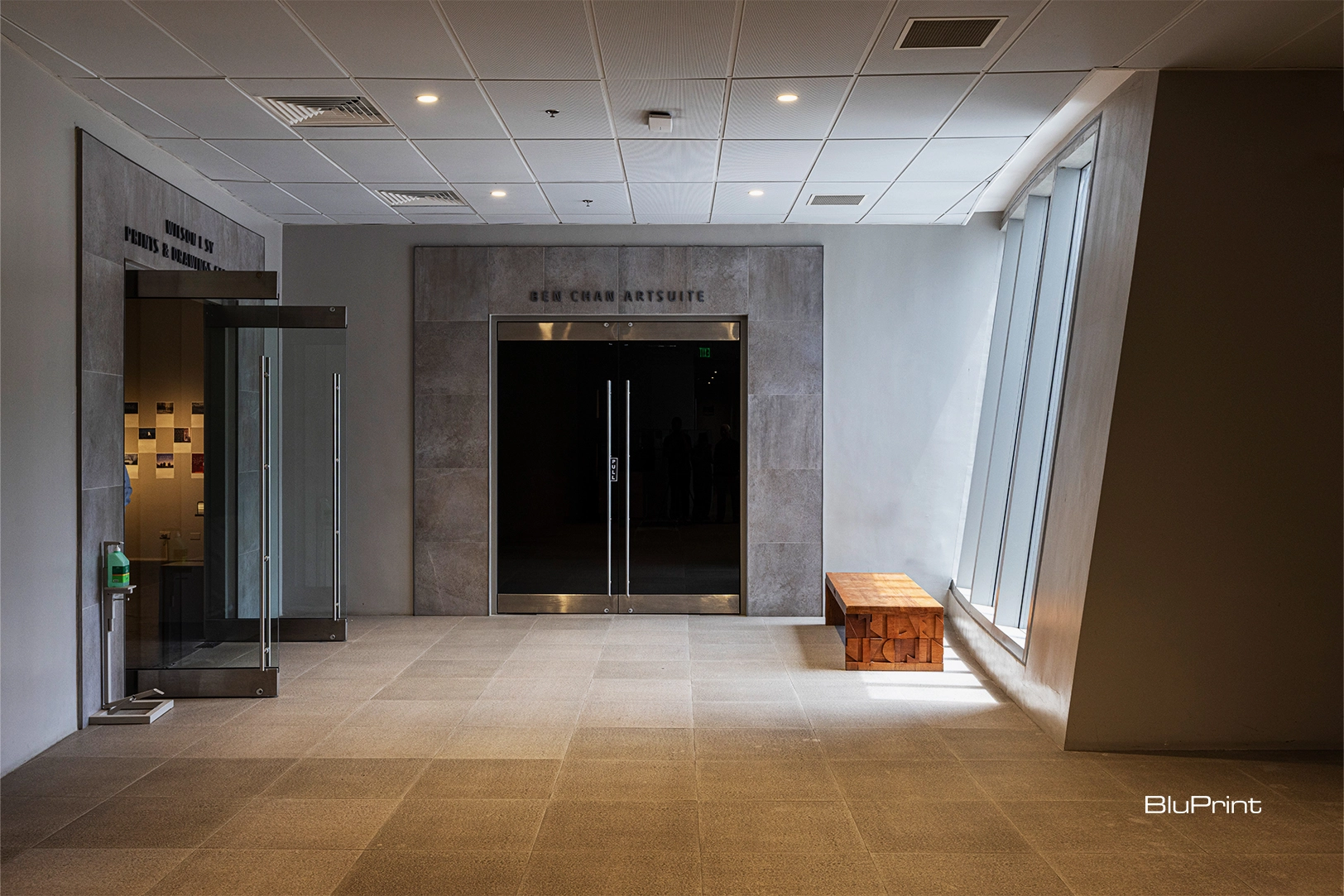
For 66 years, the Ateneo Art Gallery (AAG) has been at the forefront of preserving modern and contemporary Philippine art. Today, its home at Areté reflects an expanded mission: to extend beyond exhibitions to cultivating education and creative exchange. Building a Home for Contemporary Art The AAG was founded in 1960 after artist, collector, and […]
Visita Iglesia: 7 Unique Churches Designed By National Artists



As a country with an overwhelmingly Christian demographic, the Philippines treats the observance of Holy Week as a major event. The days of worship are filled with centuries-old practices that relate to Jesus Christ’s journey to Calvary. Among them is the Visita Iglesia, a pilgrimage involving visits to seven churches, reflecting Jesus’ seven last words. At each church, devotees offer their personal intentions and profess their faith.
Philippine National Artists like Juan Nakpil, Francisco Manosa, and Leandro Locsin express their styles and interpretations of these religious structures. Their architectural designs represent societal customs and the nation’s deep-rooted spirituality.
Parish of the Holy Sacrifice – Leandro Locsin
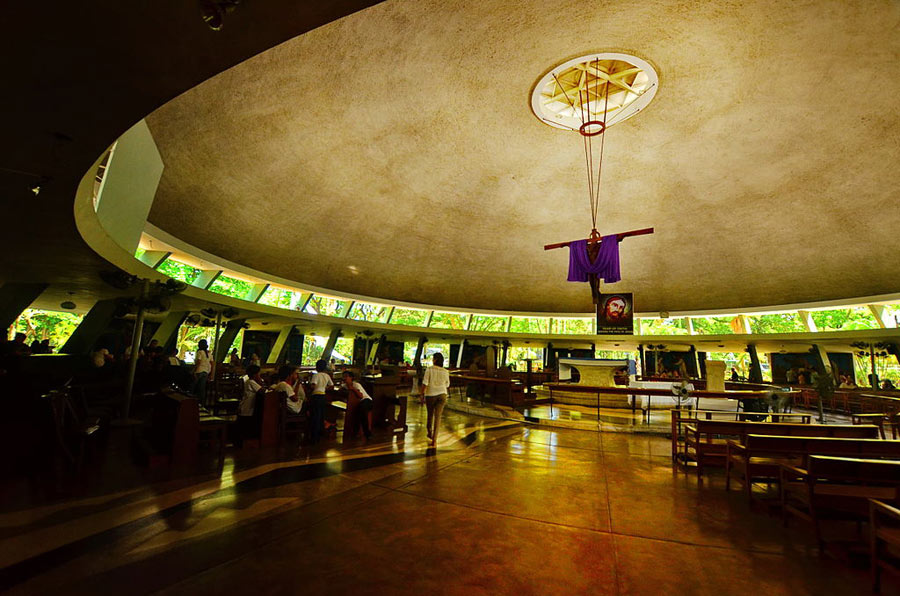
Designed by National Artist Leandro Locsin, the Parish of the Holy Sacrifice is a landmark chapel within the University of the Philippines’ Diliman campus. Additionally, National Artists for Visual Arts Napoleon Abueva, Vicente Manansala, Arturo Luz, and Ang Kiukok also have their work displayed here. Manansala and Kuikok’s murals and Luz’s terrazzo floor mural grace the interiors of the church.
The chapel has a unique circular layout that opens itself up to the outdoors. A continuous gap between the low ceiling and the dome structure circles the form creating an outline of green all throughout. Designed by Abueva, a double sided cross features two images of Christ; one of his crucifixion and the other his resurrection.
The EDSA Shrine – Francisco Mañosa
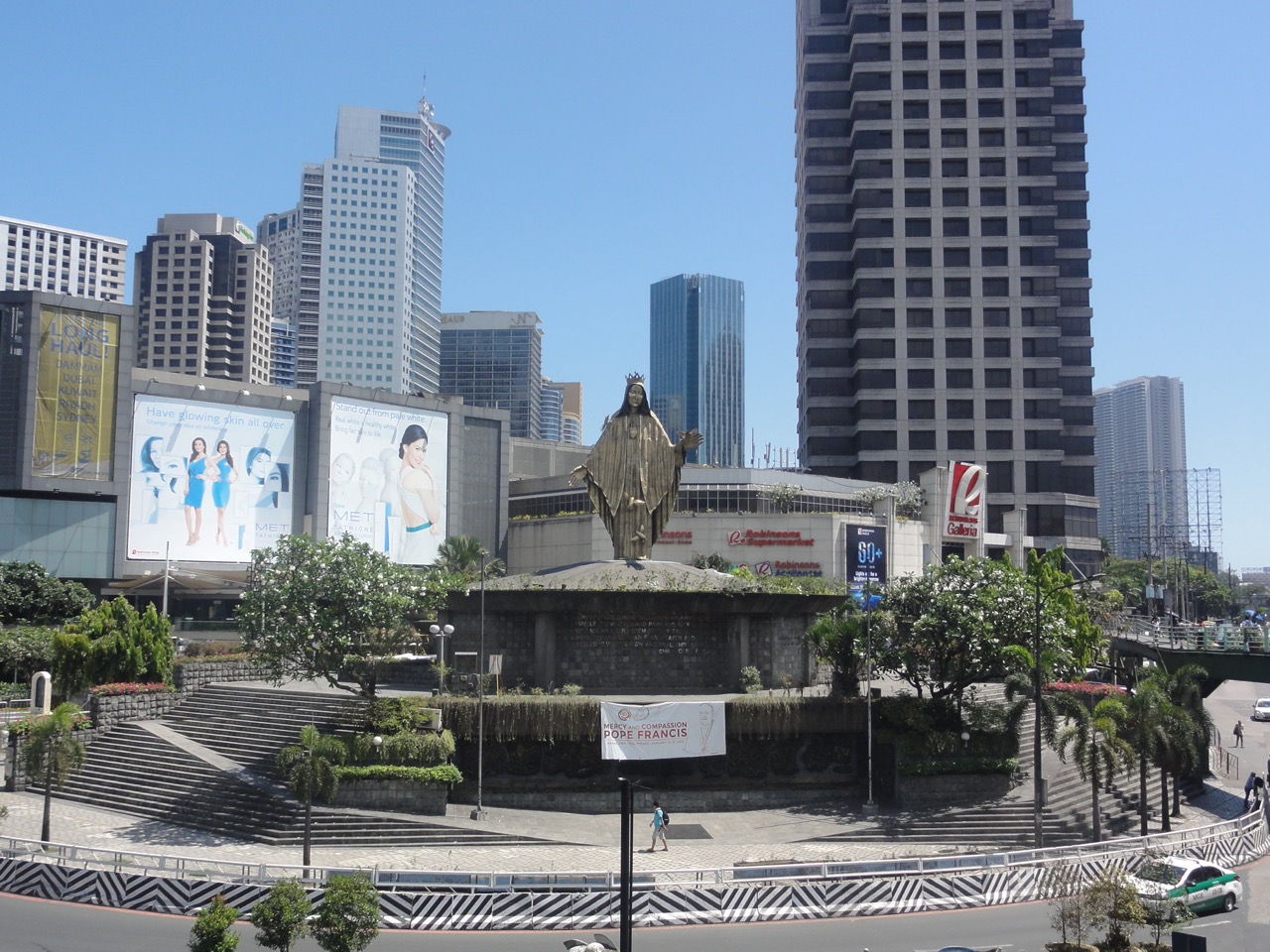
The NCCA declared the EDSA Shrine, designed by Francisco Mañosa, an Important Cultural Property. Constructed to commemorate the 1986 EDSA Revolution, the chapel showcases a neo-vernacular Filipino style. Mañosa used native architectural forms and indigenous materials to frame the massive statue of Mother Mary.
In line with its origins as a commemorative structure to a significant national event, multiple National Artists also contributed their works. Napoleon Abueva crafted the 14 Stations of the Cross displayed throughout the grounds alongside the main altar of the church. Ramon Orlina designed a floating glass sculpture of Christ that also sits by the altar.
Quiapo Church – Juan Nakpil / Jose Maria Zaragoza
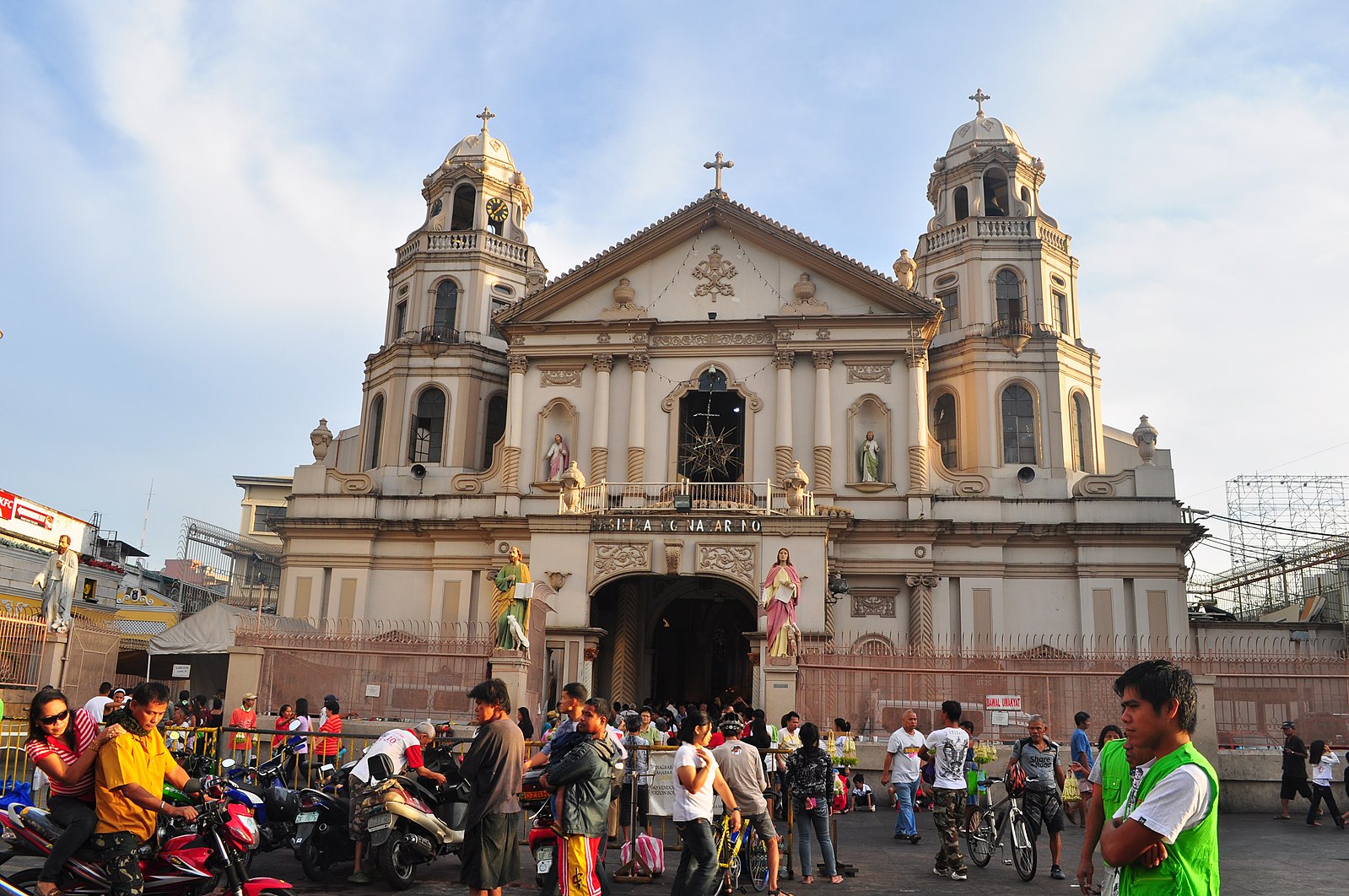
Famously known as the home of the Black Nazarene, the current Quiapo Church is a reconstruction of the previous structure that was razed by a fire in 1929. Juan Nakpil prepared the plan to rebuild it in the image of the Spanish Baroque style with a twist in its construction, navigating logistical and financial constraints by using precast concrete; a novel approach at the time. This made it possible to mass-produce ornamentation, such as moldings, in such a detailed and consistent manner throughout the basilica.
Between 1984 to 1986, renovations headed by Jose Maria Zaragoza took place to expand the interiors of the church. This was primarily achieved through the removal of the inner columns that resulted in a more open and roomier space.
The Old Magallanes Church – Leandro Locsin / Ildefonso P. Santos
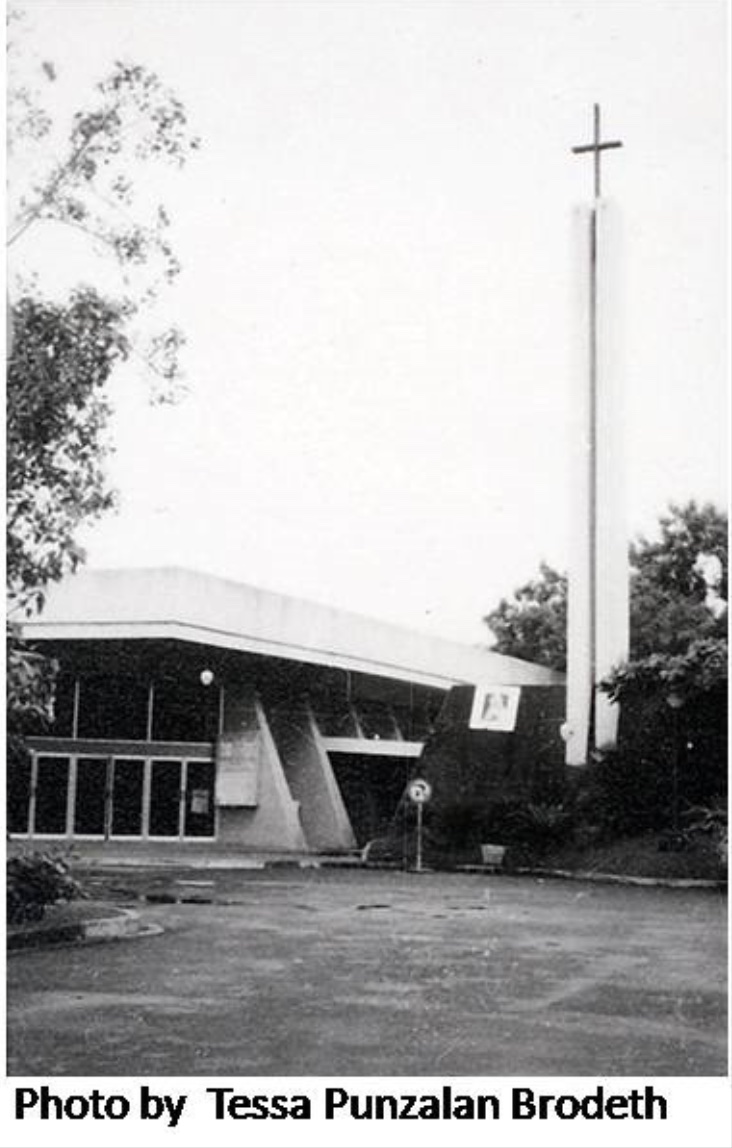
Leandro Locsin’s penchant for large geometries is evident through his famous brutalist designs. It’s no surprise that Magallanes Church was a modernist structure with a perfectly square floor plan, cut through by a diagonal layout. Supplementing this form were rows of concrete buttresses, angled inward, that held up a corrugated metal roof. Alongside the structure, a cross sits upon a tall rectangular landmark that towers over the church complex. Unfortunately, a fire destroyed it in September 2004 but was reconstructed soon after under the supervision of architect Dominic Galicia.
Within the church grounds, Idelfonso P. Santos, National Artist for Landscape Architecture, designed “The Garden of the Way of the Cross”. Works by other National Artists such as Napoleon Abueva and Eduardo Castrillo adorn the scenery with murals for worshipers to enjoy. Architect Dominic Galicia incorporated an adoration chapel in 2001, integrating it with Locsin’s original structure.
The Saint Andrew the Apostle Parish – Leandro Locsin
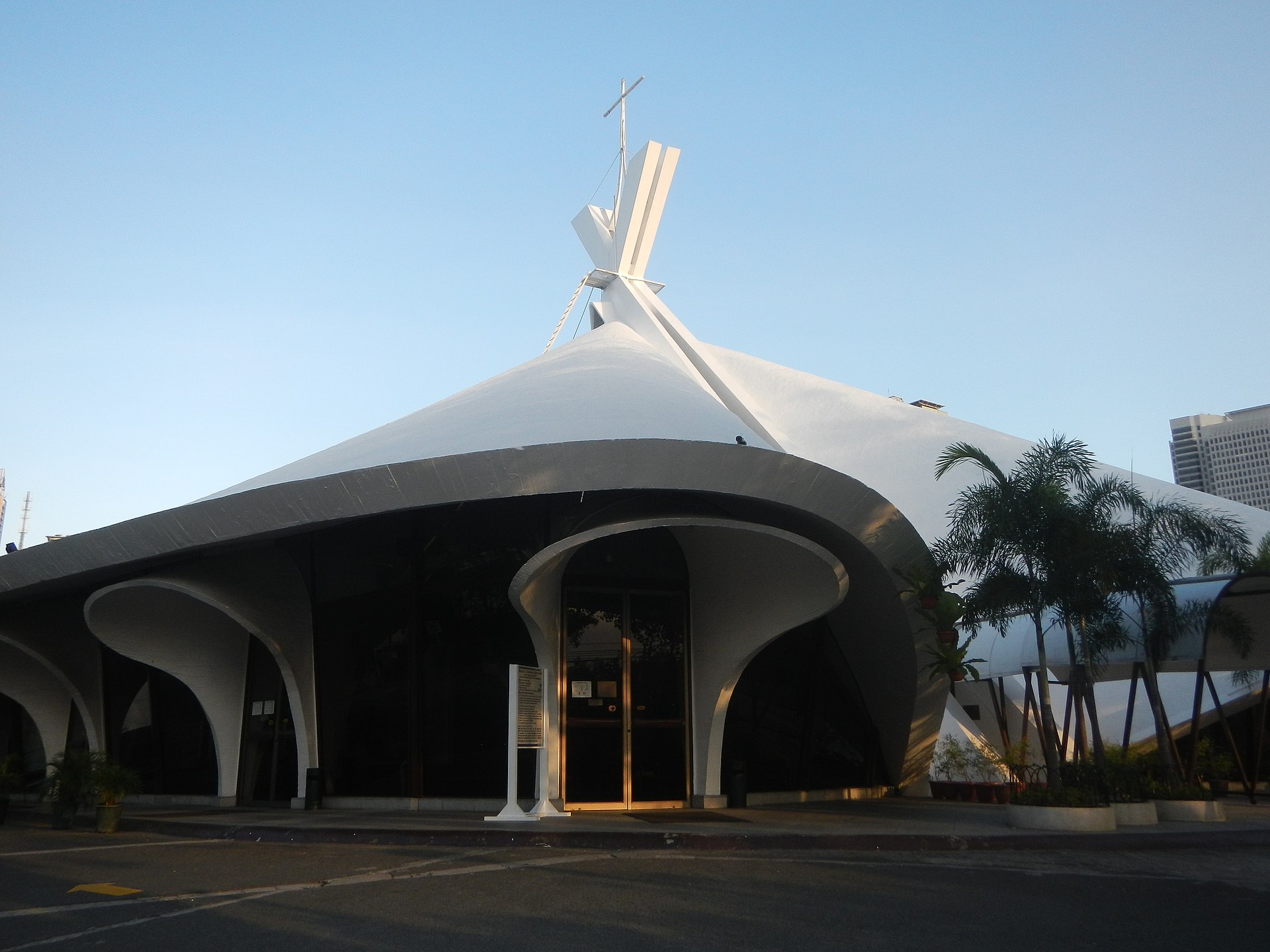
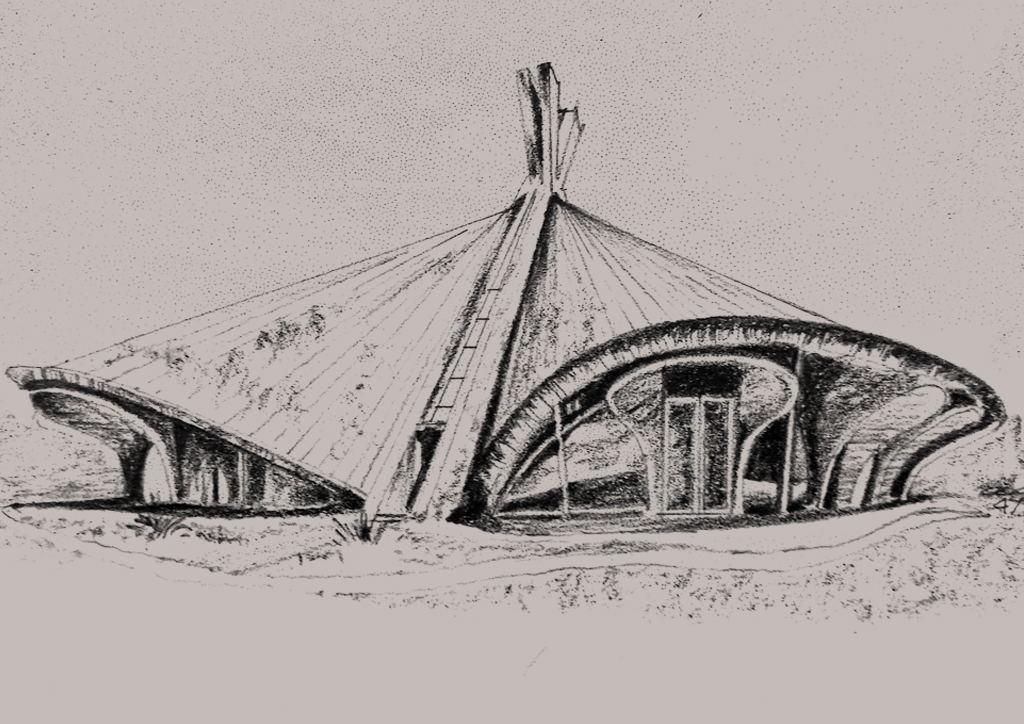
Built for the local communities of Poblacion, Makati , this parish by Leandro Locsin is a charming take on modern design through its use of curves. A distinct feature is the use of an X-shaped cross, known as a Saltire, that sits below a traditional crucifix. This distinct element stretches from the building’s crown onto the ground.
The structure’s curved form gracefully bends to form a fluid flow of concrete. Multiple outward-angled arched entrances , adorned with stained glass windows, hold up this tent-like structure while also acting as openings. Within its circular interior sits a copper cross, designed by Vicente Manansala, that is illuminated by the chandelier hanging above.
Nature Church – Francisco Mañosa
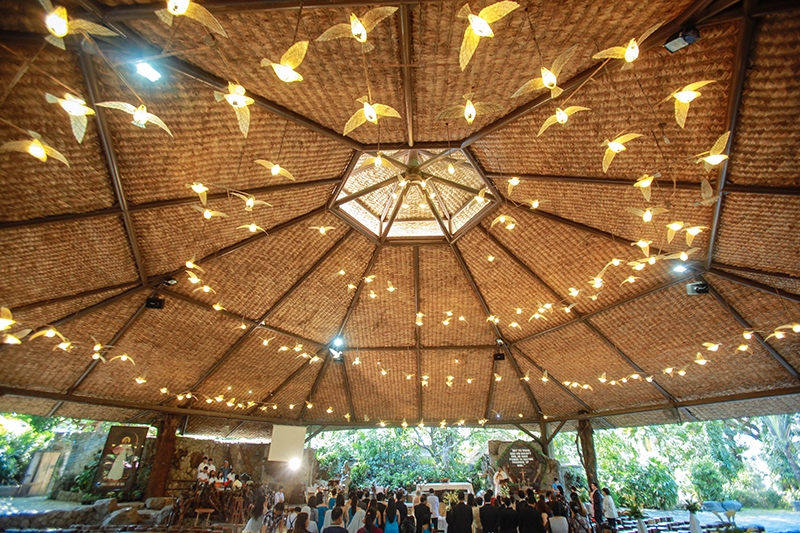
Infusing creation with worship, Franciso Mañosa and Linggoy Alvarez designed this church within a lush mango orchard. A key highlight is the anahaw-covered roof that angles upward to form a high ceiling for its interiors akin to the same form of the traditional bahay kubo. Local materials primarily make up the structure as the suspended roof weaves together 40,000 leaves. Alongside this, the surrounding mango trees form the structural components like pillars and beams.
The altar is crafted from rough coral marble complemented by madre cacao driftwood pedestals. The rock garden below the altar, adorned with various plants and water elements, allows the beauty of nature to accompany the practice of faith. Other natural elements are the log-crafted pews and pebble-washed floors that immerse users with an organic atmosphere. A vast assemblage of dove-shaped capiz lanterns shine brightly as they encircle the ceiling as if ascending towards the heavens.
Church of St. John Bosco – Jose Maria Zaragoza
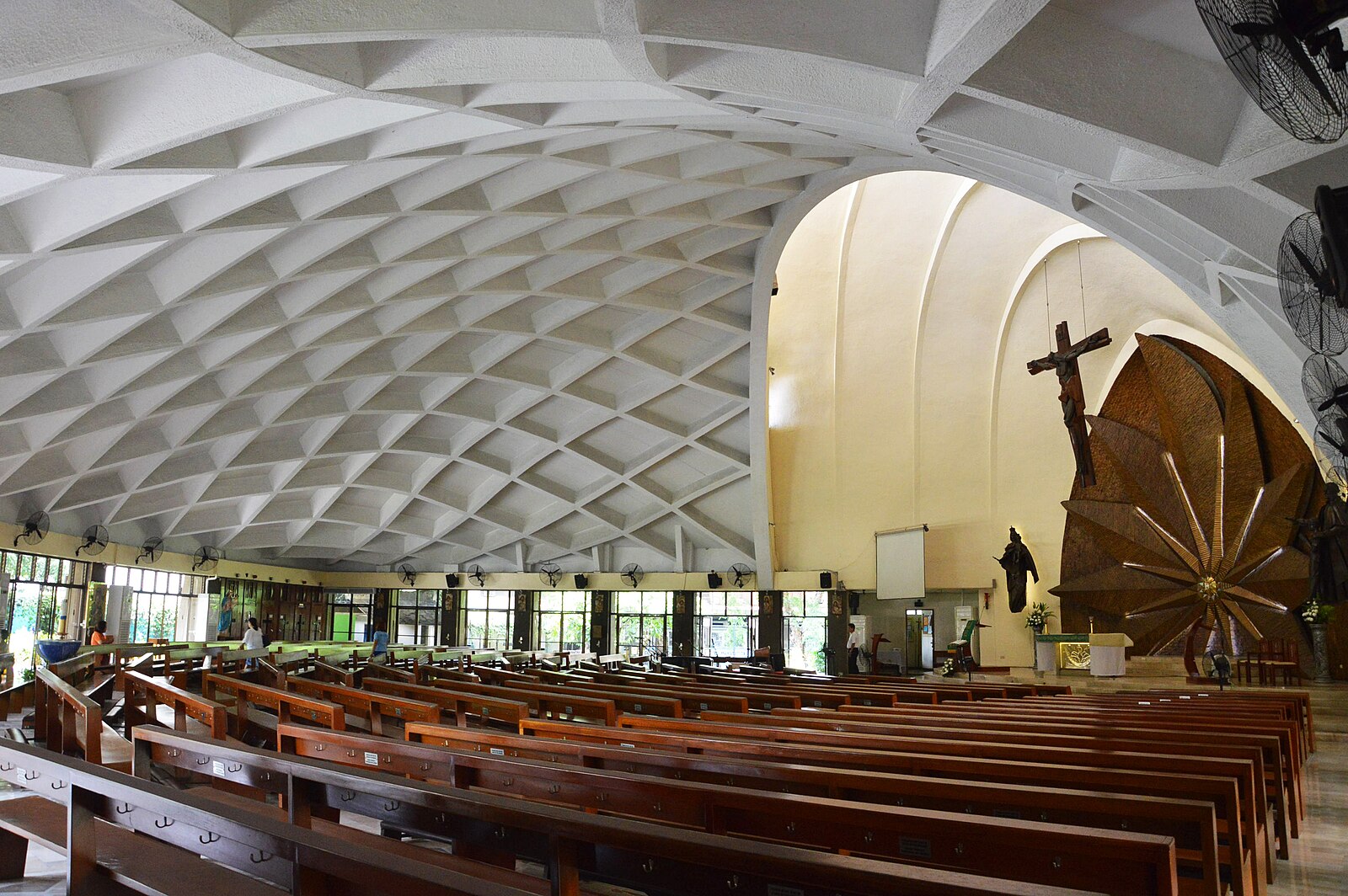
Completed in 1978, Jose Maria Zaragoza’s Church of St. John Bosco is a landmark along Makati’s Arnaiz Avenue. Its clamshell-inspired shape features a large arching roof contrasted by a lower sweeping one. The semicircular interior has a geometric ceiling treatment, with stained-glass clerestory windows between the two roofs illuminating the altar. A dramatically curved volume at the center captures light with a star-like sculptural wall, reinforcing the altar’s focal point.
Designed By Faith
These National Artists’ places of worship harmonize distinctly with the Filipino’s cultural nuances. Each displays architectural excellence translated into the act of worship. Enthusiasts can draw from this list when planning for their Visita Iglesia, adding a unique architectural experience to the practice of this tradition.
Read more: 7 Famous Churches in the Philippines
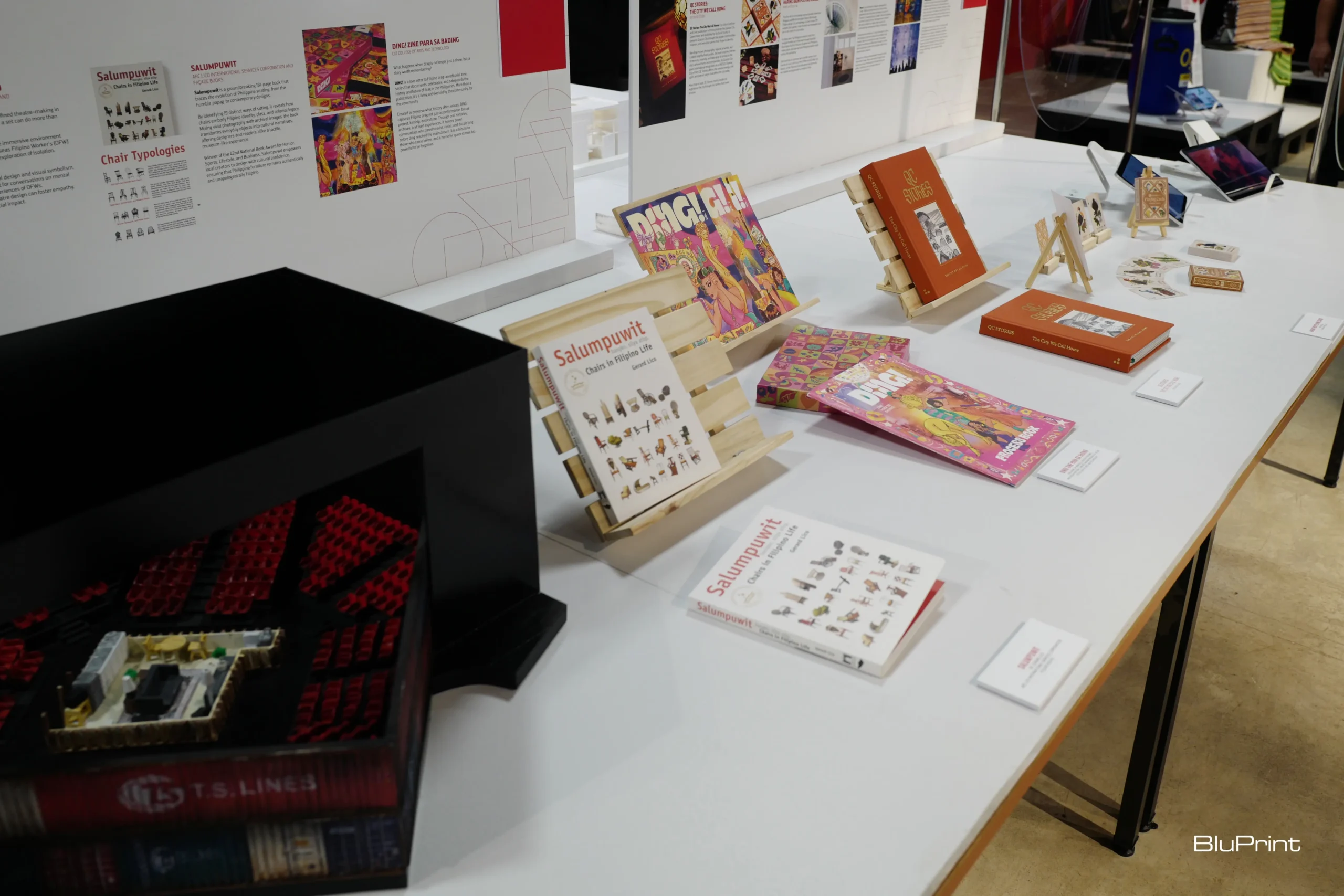
Organized biennially by the Design Center of the Philippines, the Good Design Award Philippines (GDA) champions a distinctly Filipino approach to design rooted in malasakit (caring). It posits that good design goes beyond balancing form, function, and innovation—it creates meaningful solutions that respond to society’s most pressing challenges. The awards also advances the United Nations […]
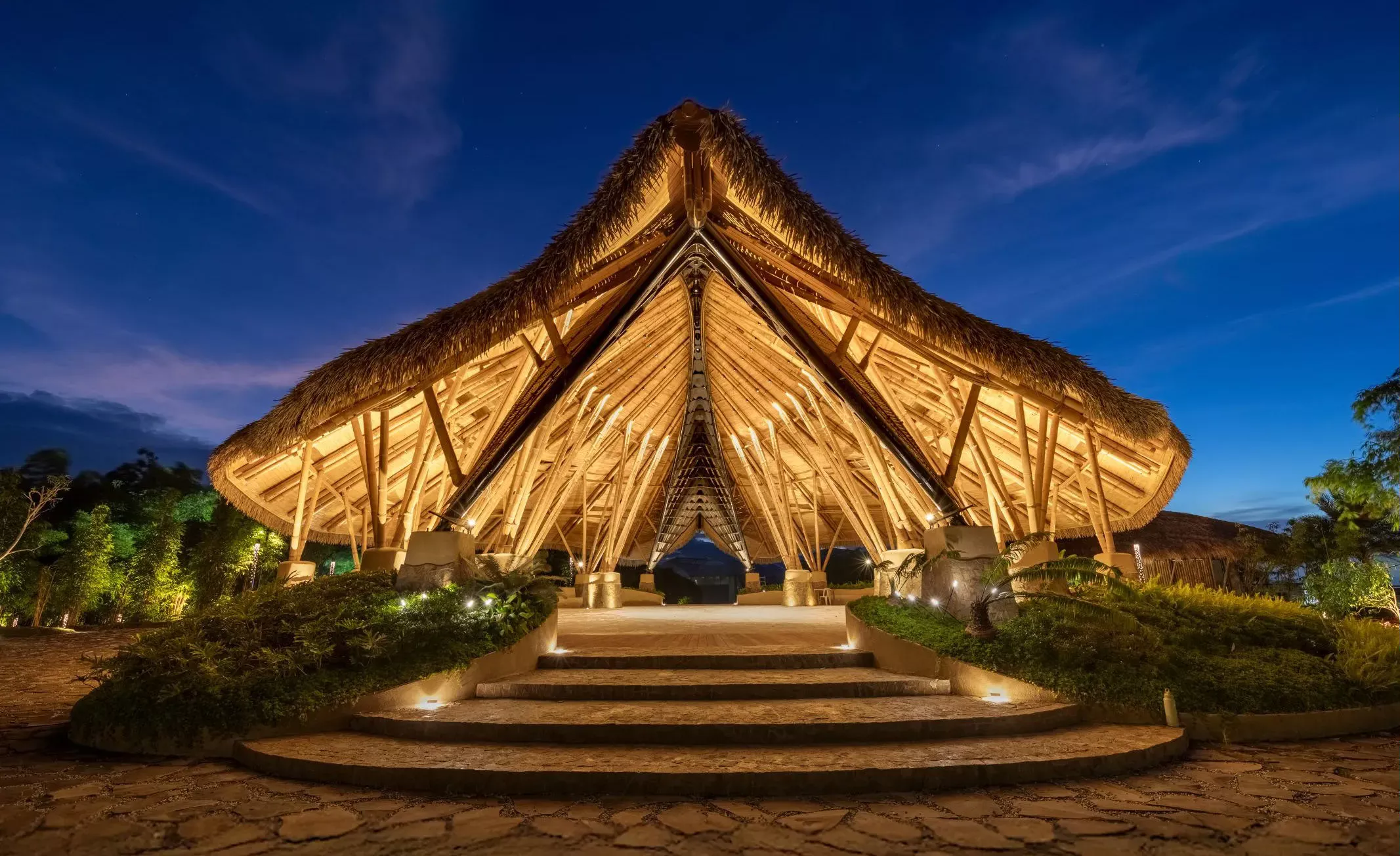
Architecture awards often document more than just individual achievements. They also recognize the work, effort, and vision behind any architecture project, revealing the priorities, values, and trajectories of a profession at a given moment. The United Architects of the Philippines’ (UAP) Outstanding and Beyond Recognition Awards (OBRA) continues to serve as one such marker, recognizing […]
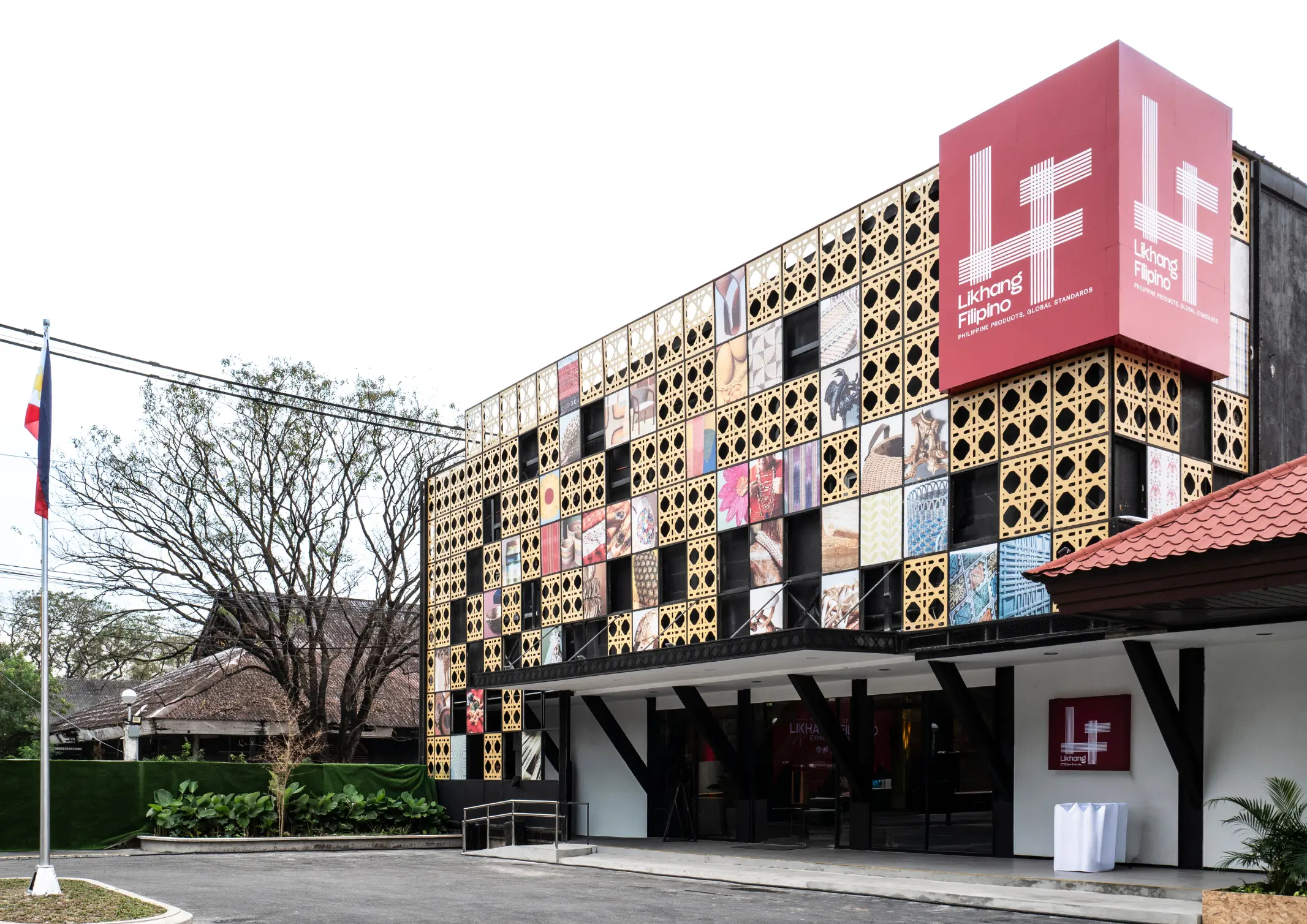
Likhang Filipino stands on the former site of the PhilTrade Center along Roxas Boulevard in Pasay City, a landmark that once symbolized the Philippines’ export ambitions and introduced Filipino craftsmanship to international audiences. Originally inaugurated in 1979, the PhilTrade Center was conceived as a national showcase for Philippine exports, with its longitudinal form and sloping […]
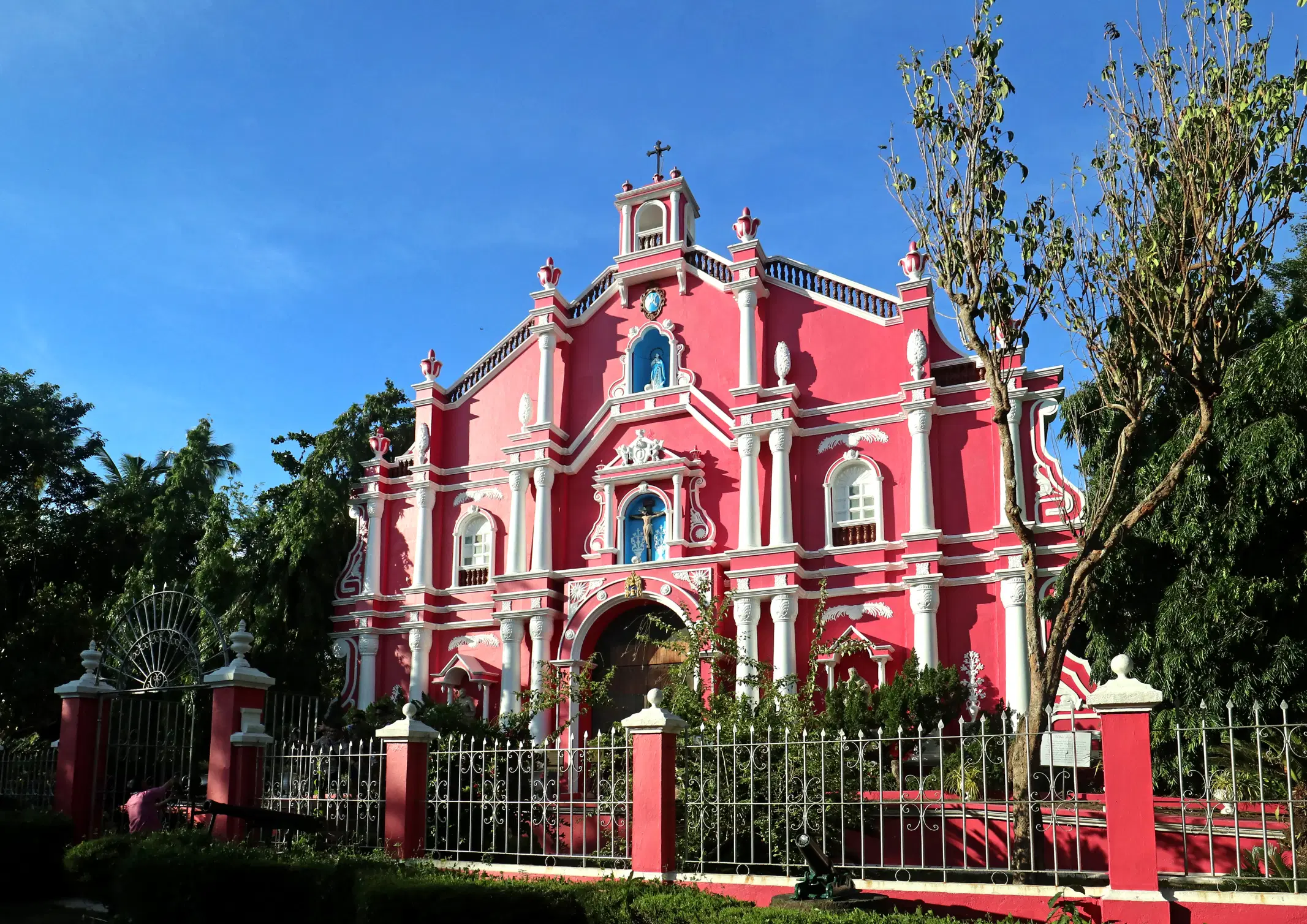
At the border of San Pablo City, Laguna, and Tiaong, Quezon lies Villa Escudero Plantation, an 800-hectare estate where architecture, agriculture, and cultural history intersect. Established in 1872 by Don Placido Escudero and Doña Claudia Marasigan as a coconut plantation, the estate gradually developed into a self-contained agricultural community. Over time, its buildings, landscape infrastructure, […]

White, when treated with intention, becomes architecture, atmosphere, and a soul piece. It shapes how we move, how we breathe, and how we feel with a space, quietly supporting life as it unfolds. In the Philippines, white has always been more than a color choice; it is a response to climate, light, and way of […]
Download this month's BLUPRINT magazine digital copy from:



Subscribe via [email protected]
Recommended Video
Tap to Unmute
Unmute
0:00
0:00