Louis Vuitton Savoir Faire, designed by Kezia Karin Studio in Indonesia, is an exhibition that highlights the brand’s timelessness. There’s a diversity of imagery here, using visual cues to craft a storyline of how modern luxury goods came to be, and the journey it took to get here. When people talk about luxury fashion, they […]
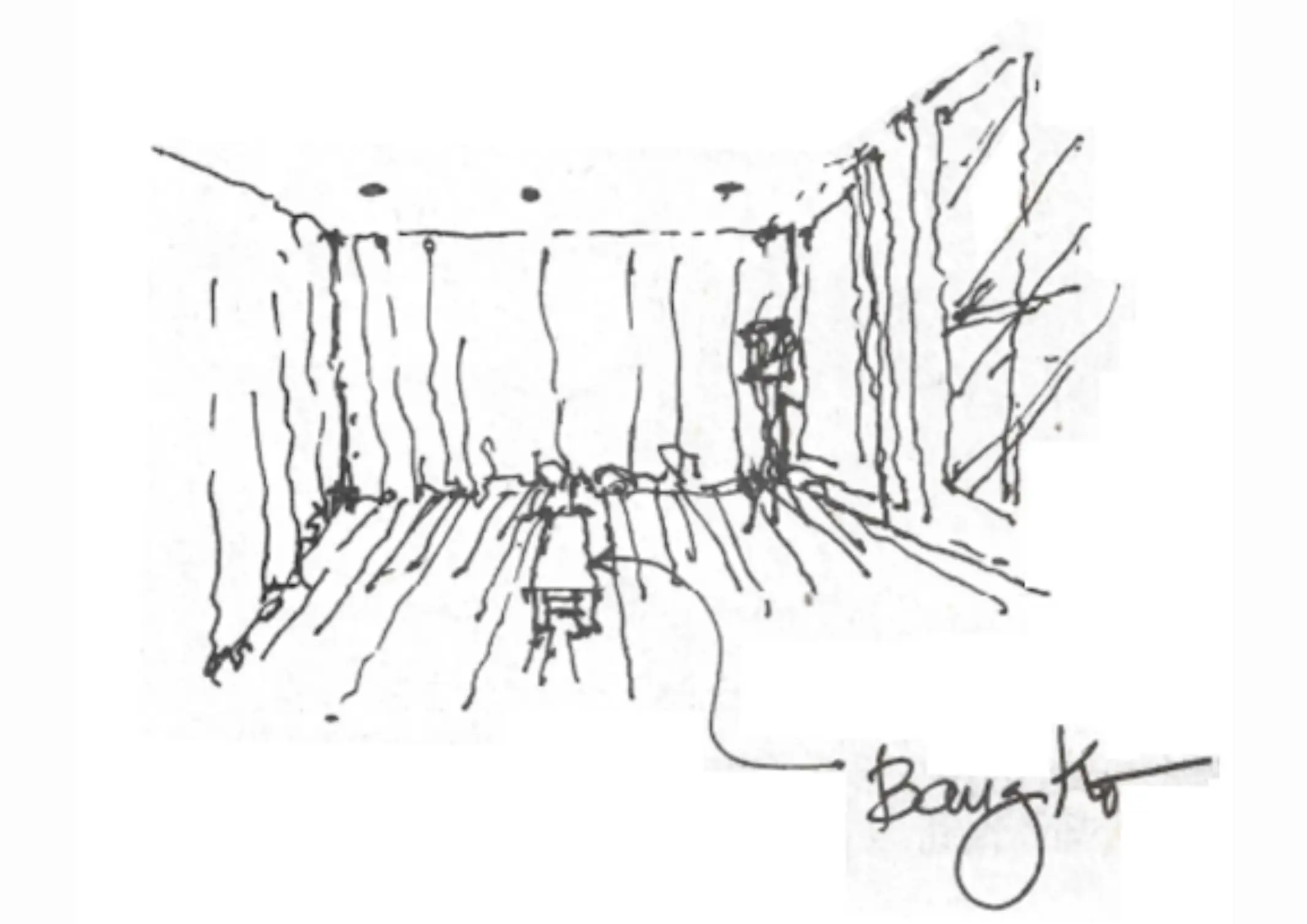
The Origins of a Signature Style: Revisiting a 25-year-old Design Challenge



“We don’t see things as they are; we see things as we are.” – Anais Nin
In August 2000, an intriguing article was featured in the Lifestyle section of the Philippine Daily Inquirer. It posed a challenge: If you wanted to transform a 45 square meter room, but only had 5,000 pesos, how would you spend it?
Several young architects and designers had gamely responded within the 24-hour deadline given. Some got carried away, illustrating their thoughts with sketches and floor plans, along with some humorous commentary.
It quickly became hilariously clear that there were different takes on every aspect of the problem, from the concept of “room” to the given constraints, to the notion of what were absolute basic human needs. The variety of perspectives, and the liberties taken in stretching the boundaries of the challenge, made the article a delightful and thought-provoking read.
When a designer consistently approaches problems from his own perspective, rather than following trends, his style eventually becomes recognizable – not by regurgitating the same ideas, but by expressing values that stay constant over time. This is how an authentic style becomes a signature.
Here was an incredibly rare opportunity to track the evolution of certain well-known signature styles from a point in time a quarter century ago, and see what impact 25 years of experience had made.
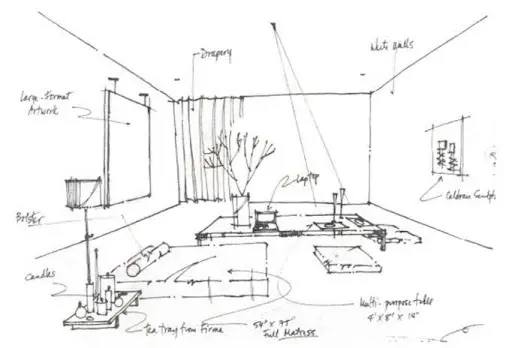
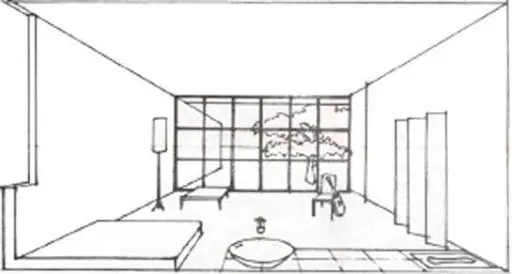
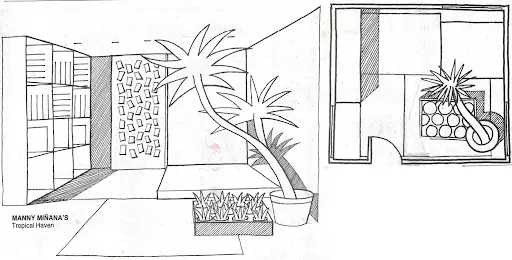
Creating a Signature
Designers work differently, because they see things differently. Our creative styles reflect our values and how we respond to the challenges we face. As we progress within our fields, our mindsets evolve, and our work reflects various influences. Many abstract thinkers eventually become grounded by experience, and seasoned perfectionists recognize the need to build in extra wiggle room.
Yet, research indicates that creative styles tend to be stable throughout a person’s life. People tend to fall back on the approach they are naturally suited for, although their environment influences how effectively they can apply it. A rigidly conformist culture, for instance, can contort a potential Rodin into a deeply frustrated commercial craftsman, or shrivel a budding innovator into a copycat.
The best defense against social or environmental pressure is a strong sense of identity, rooted in self-awareness. Knowledge is power; knowing ourselves gives us the power to determine our own destinies.
This article has been abridged for digital publication. Read the full story behind the Origins of a Signature Style by ordering your copy of BluPrint’s “Design Conversations” at Sari Sari Shopping, Shopee, and Lazada. E-magazines are also available for download here or through Readly, Press Reader, and Magzter.
Dive into the captivating world of architectureArchitectureThe art and science of designing and constructing buildings, structures, and spaces that are functional, safe, and aesthetically pleasing. It encompasses the planning, design, materials, and techniques used to createGo to Architecture Glossary, interiors, and arts & culture by getting exclusive digital access to BluPrint’s past and upcoming issues. Click here to find out more.
Photographed by Ed Simon
Read more: Baybay House: Memory and Material
Frequently Asked Questions
The challenge tasked young architects and designers with transforming a 45-square-meter room with a limited budget of only 5,000 pesos within a 24-hour deadline. This constraint forced participants to prioritize basic human needs and get creative with space, leading to a hilariously wide variety of perspectives on what constitutes a “room” and how to stretch minimal resources.
A signature style emerges when a designer consistently approaches problems based on their own values and unique perspective rather than following fleeting trends. Instead of simply repeating old ideas, the designer expresses constant values over time, allowing their work to become recognizable through an authentic, evolving creative lens rather than static repetition.
Research indicates that creative styles tend to be remarkably stable throughout an individual’s life, as people naturally fall back on the approaches they are inherently suited for. While mindsets may evolve and become more grounded by 25 years of experience, the underlying creative “DNA” remains consistent, even as environmental influences and professional growth shape how those styles are applied.
Rigidly conformist cultures can suppress innovation, potentially turning a visionary artist into a frustrated craftsman or forcing a budding innovator to become a copycat. The article suggests that without a strong sense of identity and self-awareness, a designer may lose their unique voice to social pressures, underscoring the importance of knowing oneself to protect one’s creative destiny.
Over 25 years of professional practice, many abstract thinkers find their ideas becoming more grounded by the realities of experience. Seasoned perfectionists, for example, eventually learn to build “wiggle room” into their processes, demonstrating how the evolution of a signature style involves a dialogue between initial creative impulses and the practical wisdom gained through decades of problem-solving.
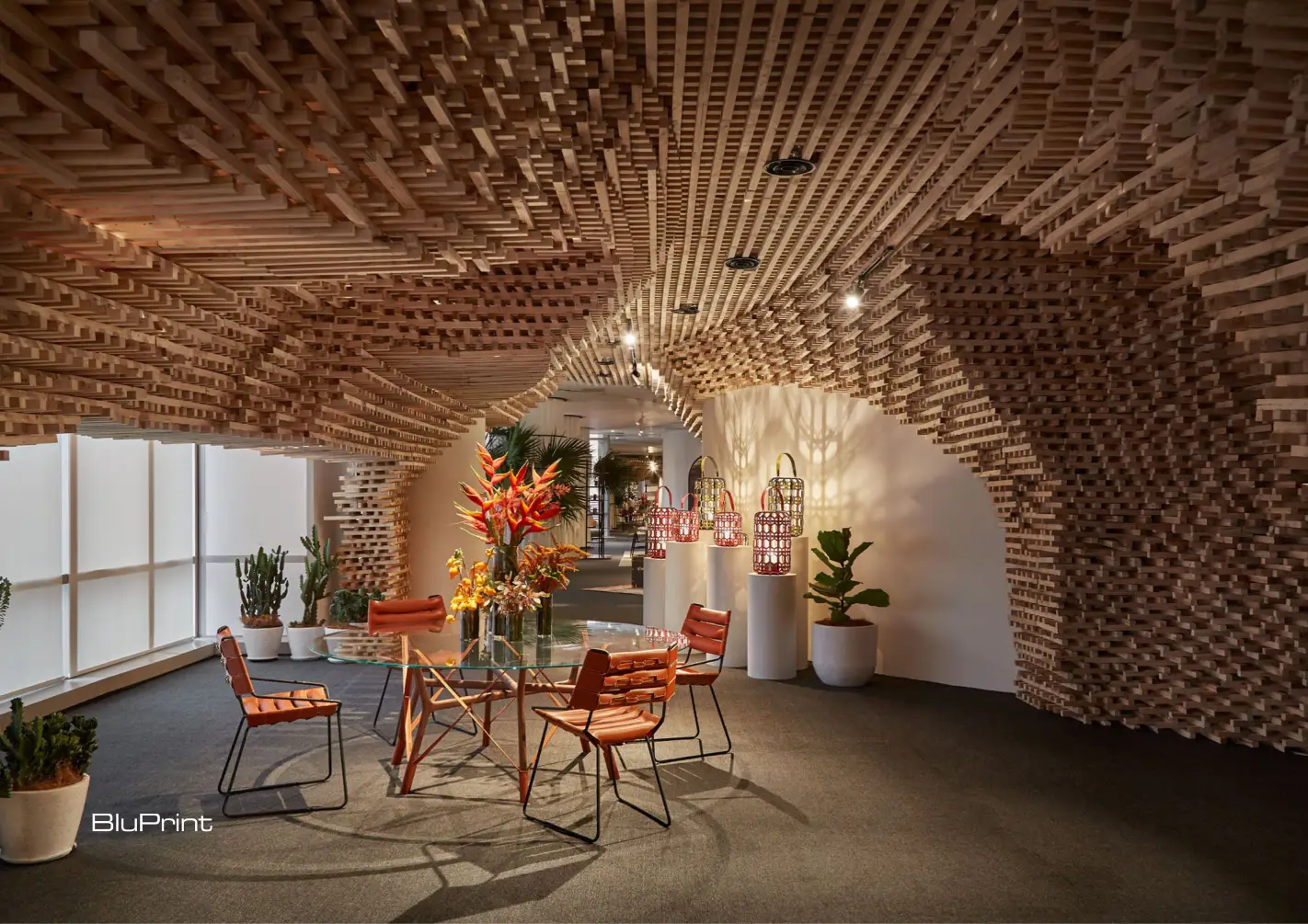

Sintang Dalisay, an adaptation of William Shakespeare’s Romeo and Juliet, recently finished a second run of six shows at the Hyundai Theater at Areté, Ateneo de Manila after a successful first run last 2024. The show, which was first performed in the late 1990s, is set in a pre-colonial Mindanao community as two people from […]

The future is filled with uncertainty, as it can be molded by anything and everything. Planners inherently have to speculate how the present conditions of today will unfold tomorrow. Three pioneering firms—Sangay Architects, ESCA, and Cali Architects—demonstrate how embracing these changes can lead to organic opportunities, new ways of creating, and the possibilities in how […]
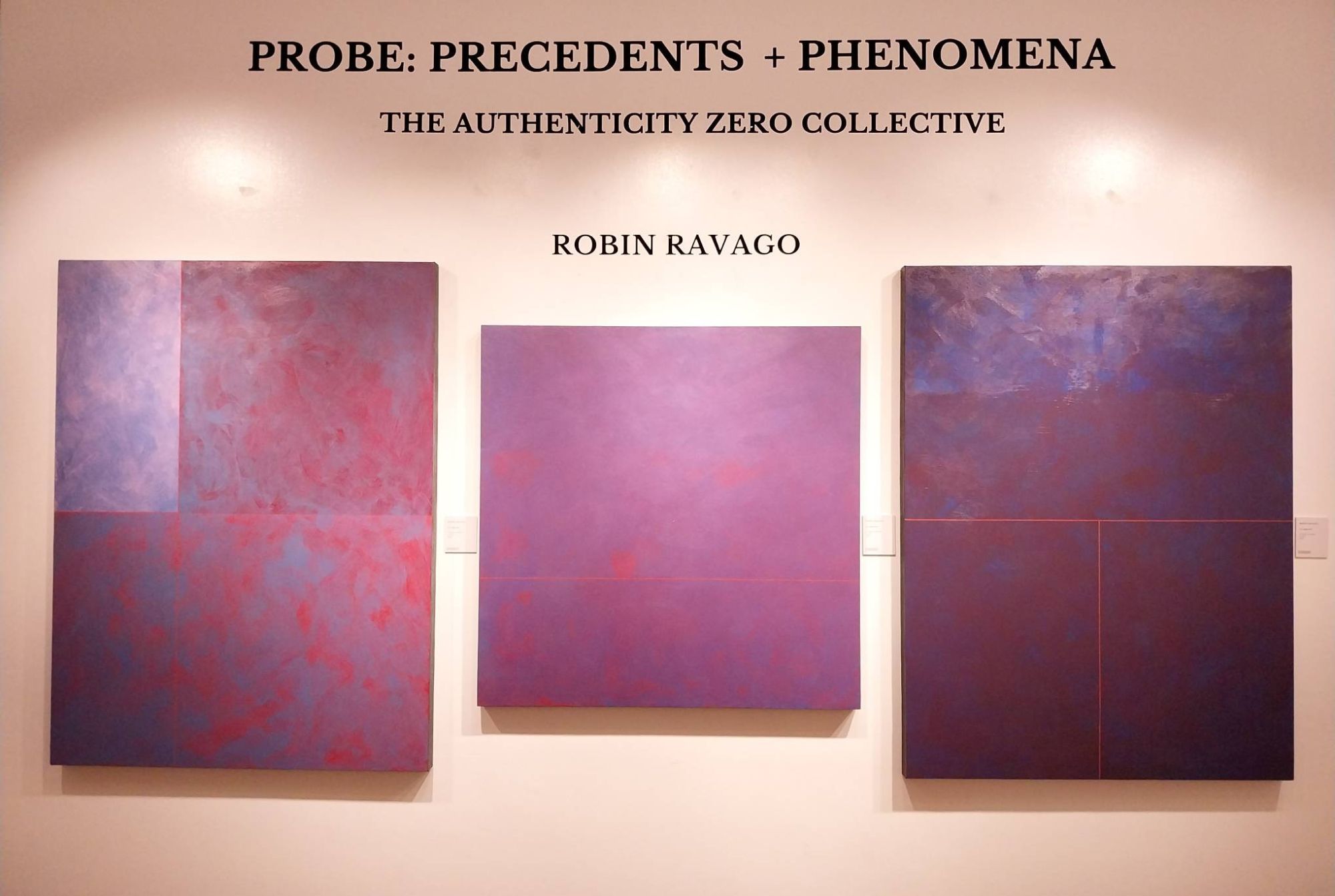
Probe: Precedents + Phenomena, the recent exhibition from Art Camp Gallery, utilizes abstraction to mutate society from the artists’ perspectives. The works represent a sense of reconstruction of meaning, a way to understand the world from our own limited and fractured perspectives. The group exhibit comes from The Authenticity Zero Collective, a self-described “group of […]
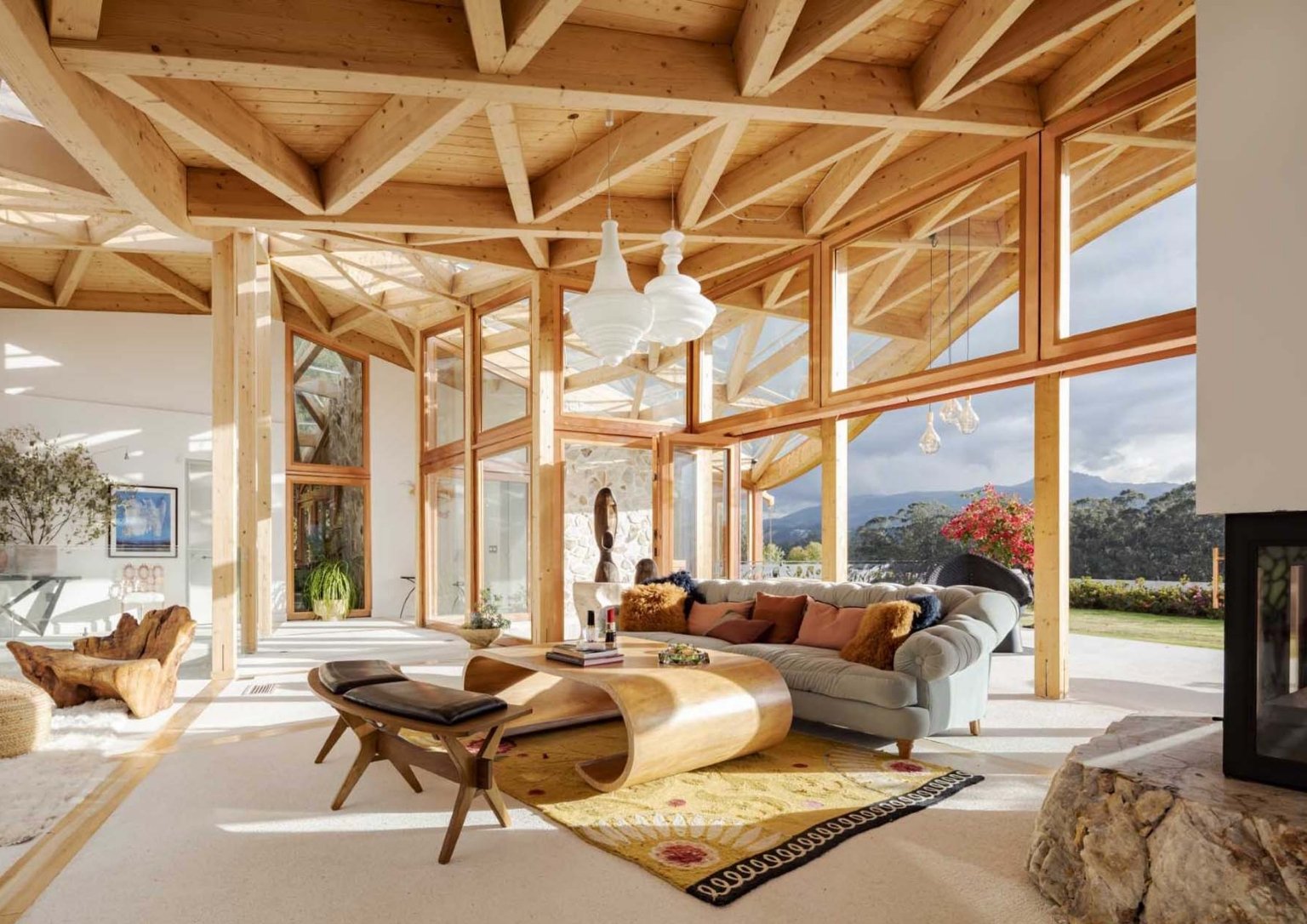
A sound structure doesn’t only contribute to a home’s longevity but also brings a sense of security to its inhabitants. However, even the most well-built structures can’t withstand the silent threats that can creep up over time. Although the damage may initially seem like a minor inconvenience, they can develop into more serious problems if […]
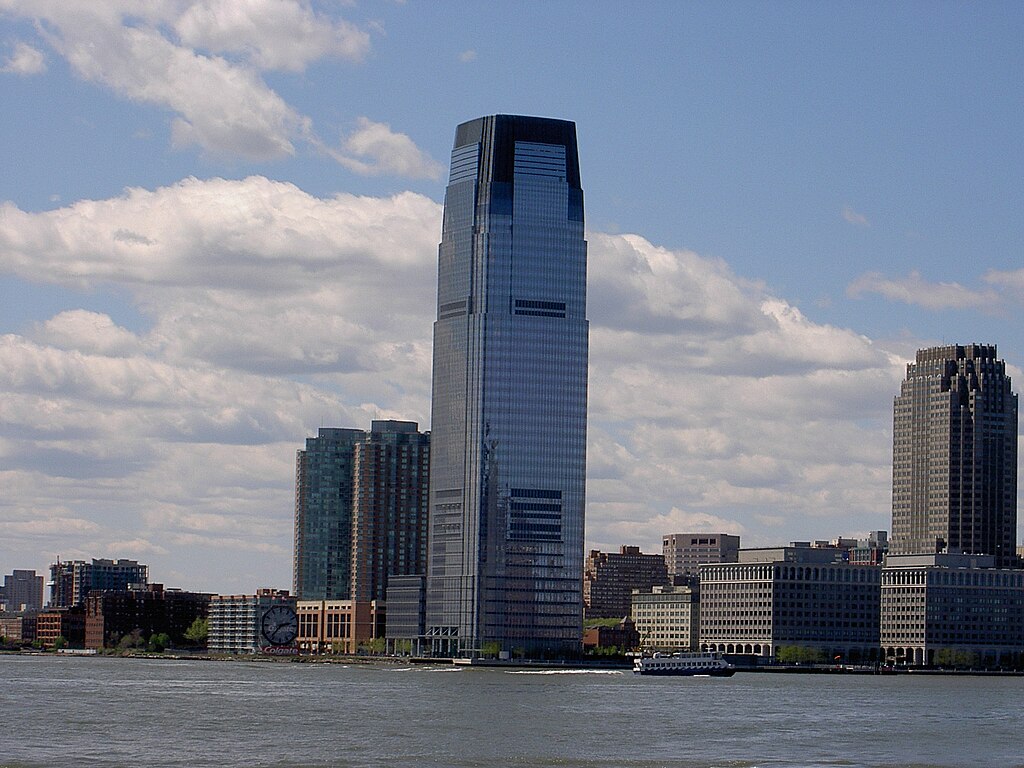
A new report from investment bank Goldman Sachs raises doubt on the profitability of generative AI. It details the belief that the technology’s cost-benefit analysis is uneven as it has high barrier walls for progression whilst giving minimal increases in productivity in the present and near-future. The company newsletter, entitled “Gen AI: Too Much Spend, […]
Read the issues.

Collect the volumes.

Recommended Video
Tap to Unmute
Unmute
0:00
0:00