Archie G. Carrasco, Chairman and CEO of AGC Power Holdings Corp. (AGC PHC), has been named to The BoF 500 Class of 2026 under the Media category, joining The Business of Fashion’s global community of individuals shaping the fashion industry. Carrasco is among 100 new members from 33 countries and 48 nationalities selected for the […]
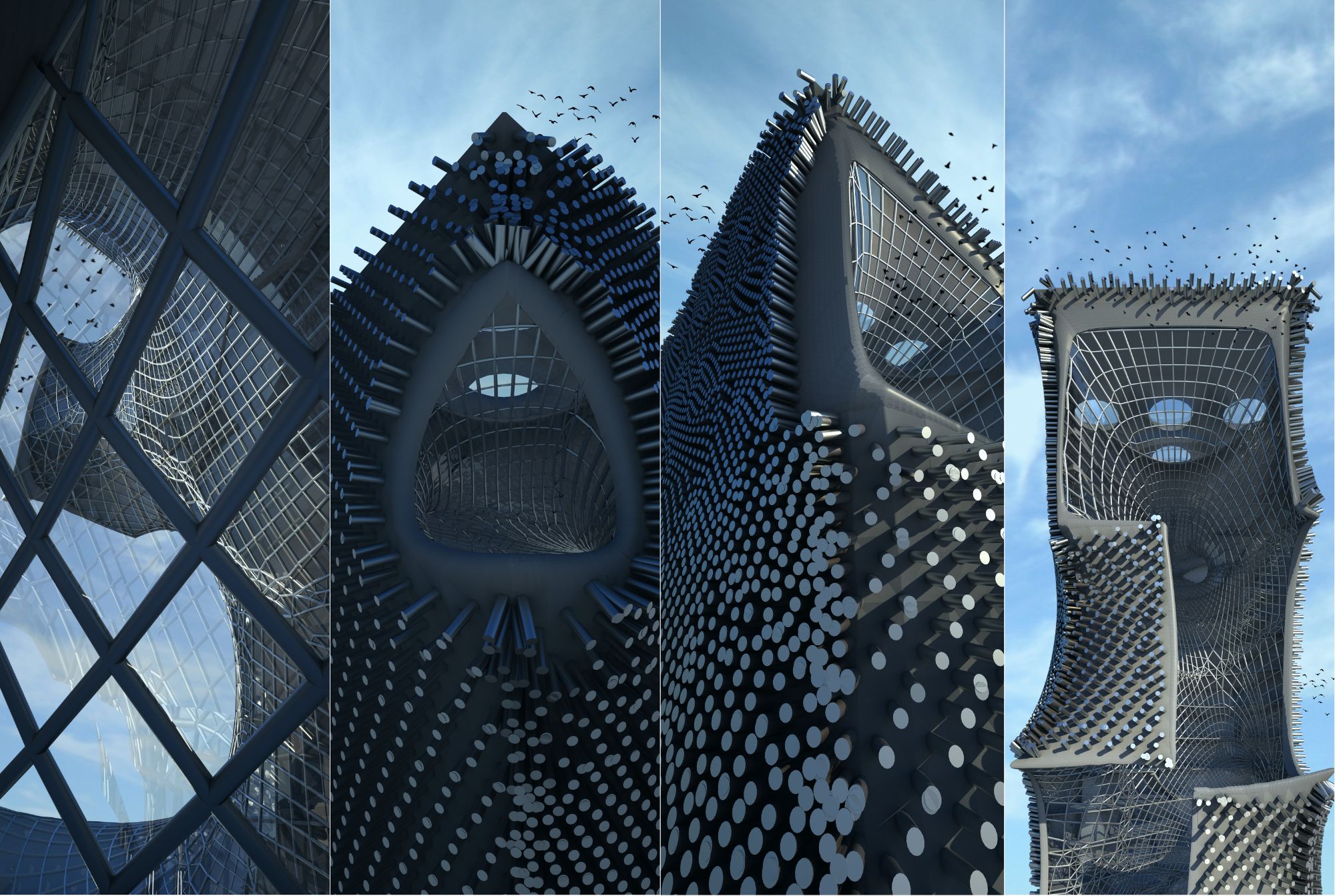
CSB’s Design Exploration: A Unique Approach to Architecture Education



De La Salle-College of Saint Benilde (DLS-CSB) is renowned for its innovative approach to education, particularly in the fields of arts and design. In the realm of architectureArchitectureThe art and science of designing and constructing buildings, structures, and spaces that are functional, safe, and aesthetically pleasing. It encompasses the planning, design, materials, and techniques used to createGo to Architecture Glossary, one of the standout programs the college offers a specialized track called Design Exploration (DE). This program is distinct in its approach, blending traditional architectural education with out-of-the-box thinking. It’s a focal point for students aspiring to become trailblazers in the architecture.
BluPrint spoke with architect Jim Caumeron, one of the mentors of DE, to discuss this highly innovative program. Be sure to check out his students’ thesis projects at the end.
Philosophy and Approach
Caumeron explained that Design Exploration’s philosophy merges foundational architectural principles with avant-garde design methodologies. Cultivating architects skilled in the traditional aspects of architectural design are a given. But DE emphasizes being adept at exploring and integrating innovative concepts into their students’ work. The program encourages them to think beyond conventional boundaries and to consider the broader impacts of architecture on society, environment, and culture.
Curriculum and Learning Experience
Design Exploration focuses on nurturing creative, conceptual, experimental, and innovative approaches in architectural creation. Unlike projects centered on problem-solving, DE emphasizes idea-driven and visionary design practices.
This initiative began five years ago under the leadership of a group of mentors, including Caumeron. Among these are notable figures such as Program Chairperson Ven Quizon, Dean Harvey Vasquez, and Walther Ocampo, among others.
The collective goal is to foster an environment where students can explore and develop groundbreaking ideas in architectureArchitectureThe art and science of designing and constructing buildings, structures, and spaces that are functional, safe, and aesthetically pleasing. It encompasses the planning, design, materials, and techniques used to createGo to Architecture Glossary. This sets Design Exploration apart as a unique and forward-thinking component of the college’s architecture program.
When the ArchitectureArchitectureThe art and science of designing and constructing buildings, structures, and spaces that are functional, safe, and aesthetically pleasing. It encompasses the planning, design, materials, and techniques used to createGo to Architecture Glossary program was launched at Benilde, there was a wave of optimism among everyone involved. The goal was to infuse the program with innovative teaching methods in design. This aspiration was influenced by the faculty’s experiences and the program’s establishment in 2009.
A key moment that shaped the approach occurred when Stephanie Tan Branquinho, a former colleague now leading Spacefabrik in Lisbon and Manila, brought in a guest from the Bartlett School of ArchitectureArchitectureThe art and science of designing and constructing buildings, structures, and spaces that are functional, safe, and aesthetically pleasing. It encompasses the planning, design, materials, and techniques used to createGo to Architecture Glossary in London to co-lead a design class. The teaching methods and fresh perspectives were enlightening and resonated with the faculty deeply. Inspired by this experience, they were motivated to create their own unique teaching approaches, drawing from their diverse backgrounds and insights.
To further enhance the pedagogical strategies, they invited Paolo Zaide, a Filipino educator from the Bartlett, to conduct workshops at Benilde. These sessions were instrumental in helping identify and fill the gaps in the school’s methodologies. And this led to a more refined and effective design education framework.
“Over time,” Caumeron shares, “we evolved the process to be compatible with the learner-centered mission of the school as we work with the students’ study direction and assist them in the development of the architectural product through a well-researched idea.”
Design Exploration’s Rigorous Criteria
The first critical requirement for students is their ability to undertake a Design Exploration project. Selected students should have received instruction from a DE instructor on multiple occasions. This made certain they possessed the necessary attitude, work ethic, and skills for this intensive type of work.
Caumeron recounts there were instances where students who were initially attracted to the creative aspects of Design Exploration but wanted to participate without adequate preparation. This often led to challenges, as they lacked a deep understanding of the discipline’s depth, rigor, and intensity of work. Now, mentors assess a student’s previous design portfolio to determine their readiness to successfully execute a DE project.
The second criterion is the thoroughness of the design process. This serves as a strong indicator of a well-researched and thought-out project.
“It is by no means a solve-the-problem scenario,” Caumeron explains. “It is more of an experimentation on building systems that hopefully results in new architecture.”
The third criterion focuses on validating the procedures by connecting research data with design. This step ensures the accuracy of the process. It may include exploring various aspects such as theory, building technology, materiality, and spatiality. It’s crucial that the choices made here are highly pertinent to the study.
The fourth criterion underscores the importance of the study’s outcome. Despite meeting the second and third criteria, the research would be deemed ineffective if it results in something commonplace. This is what Caumeron refers to as “banality”. The goal is to produce a result that is novel and distinctive when compared to existing forms or structures. While originality can be subjective, he posits, it’s possible to assess the degree of innovation in the final product.
DE and Sustainability
When asked how sustainability figures into the equation, Caumeron had this say:
“Design Exploration is topic specific,” he says. “Therefore it depends on the relevance of the topic in relation to sustainability. Sustainability in itself can be an idea explored. It isn’t something you add as an ingredient to spice up a design project. It just doesn’t work that way in DE’s perspective.”
According to Caumeron, integrating sustainability into a building project introduces an additional layer of complexity. While there are excellent examples of sustainable buildings, there’s always space for further innovation. DE ventures into new territory. The research process is already thorough. Incorporating sustainability could potentially overcomplicate the project, making it feel forced.
To use Caumeron’s own metaphor, DE is akin to composing a painting. The composition should be coherent and well-curated. Introducing an additional concept could muddle the painting’s message. Similarly, DE should remain focused on its process. In the realm of Design Exploration, particularly concerning creative typologies, the approach should be data-driven, technically solid, and well-researched. This ensures the focus remains sharp and the outcomes are meaningful.
“These days, sustainability mindsets should be a norm and not just a conscious integration into our practice,” he concludes.
Embracing Innovation: The Journey of Design Exploration
In the nascent stages of DE, the program faced skepticism for its intense focus on creativity. Critics voiced concerns that such a heavy emphasis on innovation might compromise the students’ ability to excel in the conventional aspects of architecture. They were particularly concerned about the design component of the licensure exam.
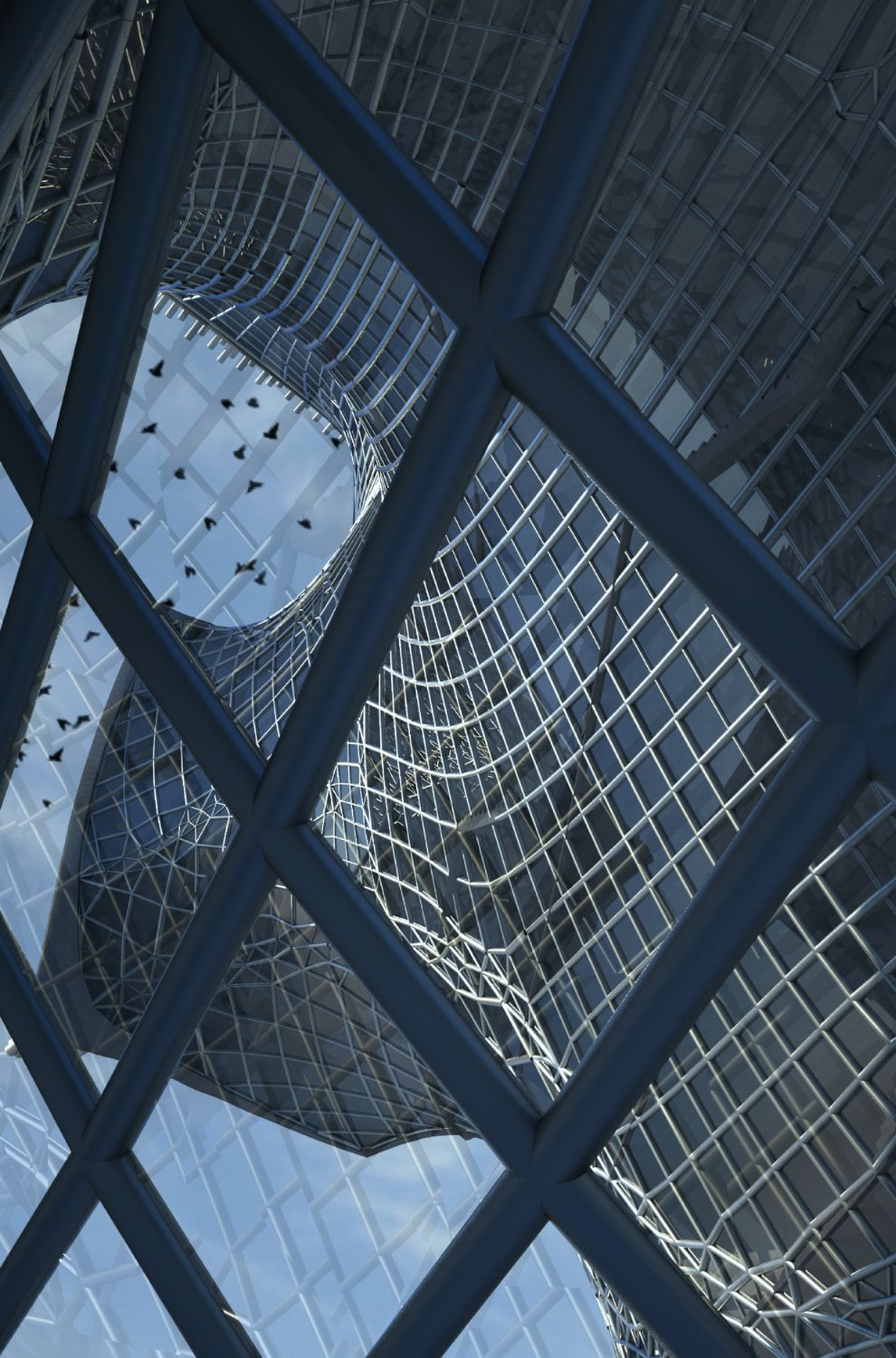
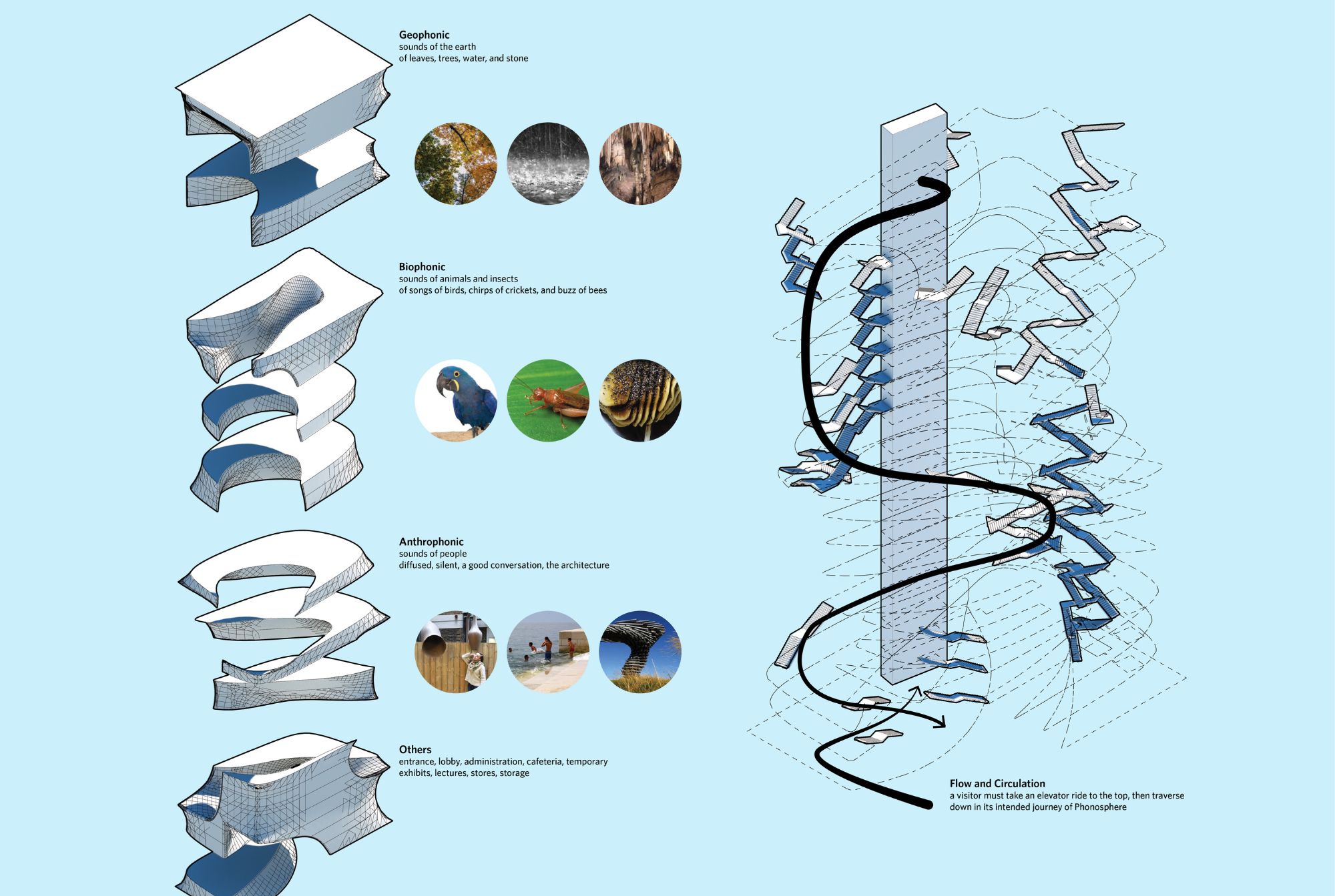
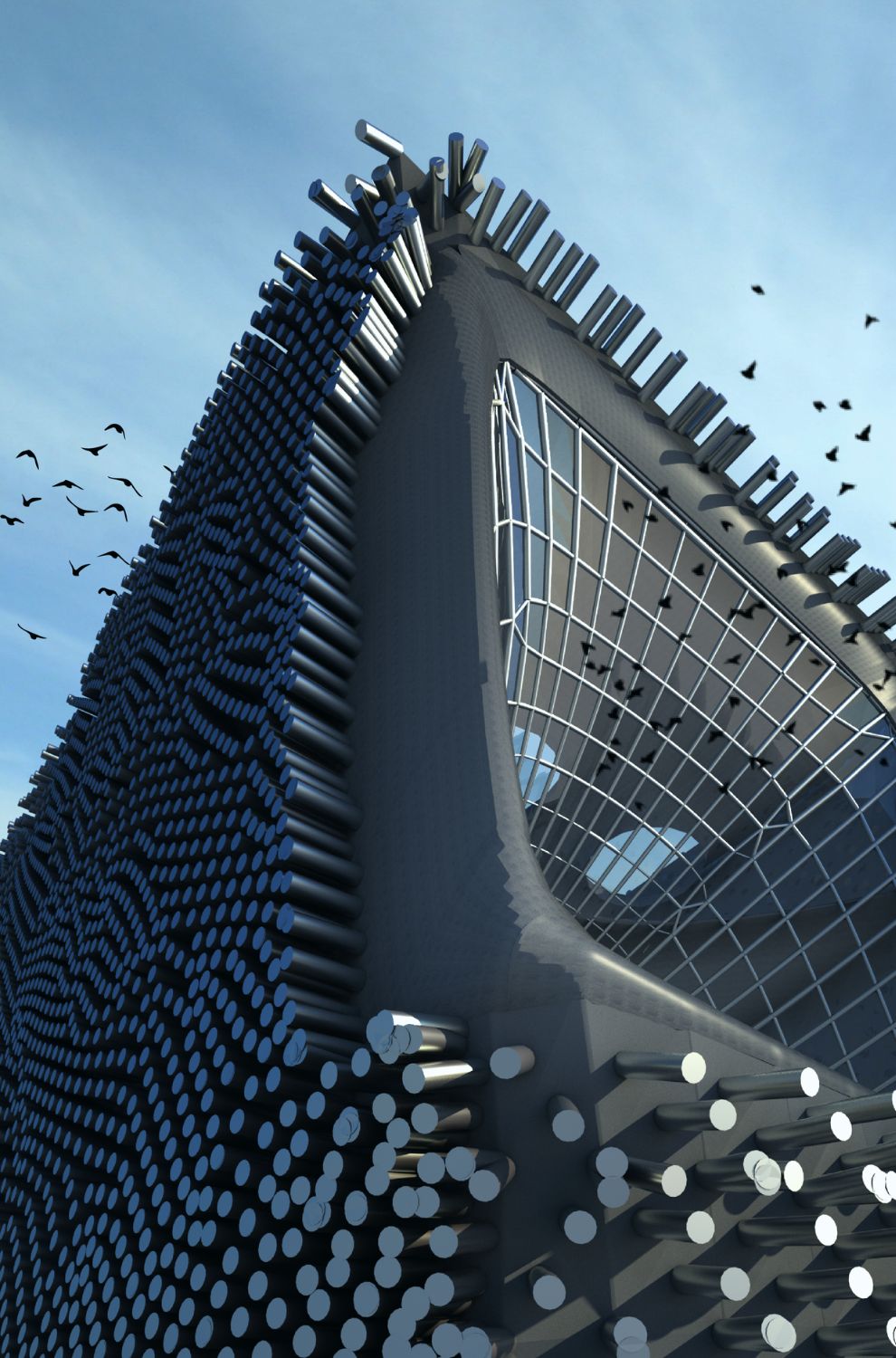
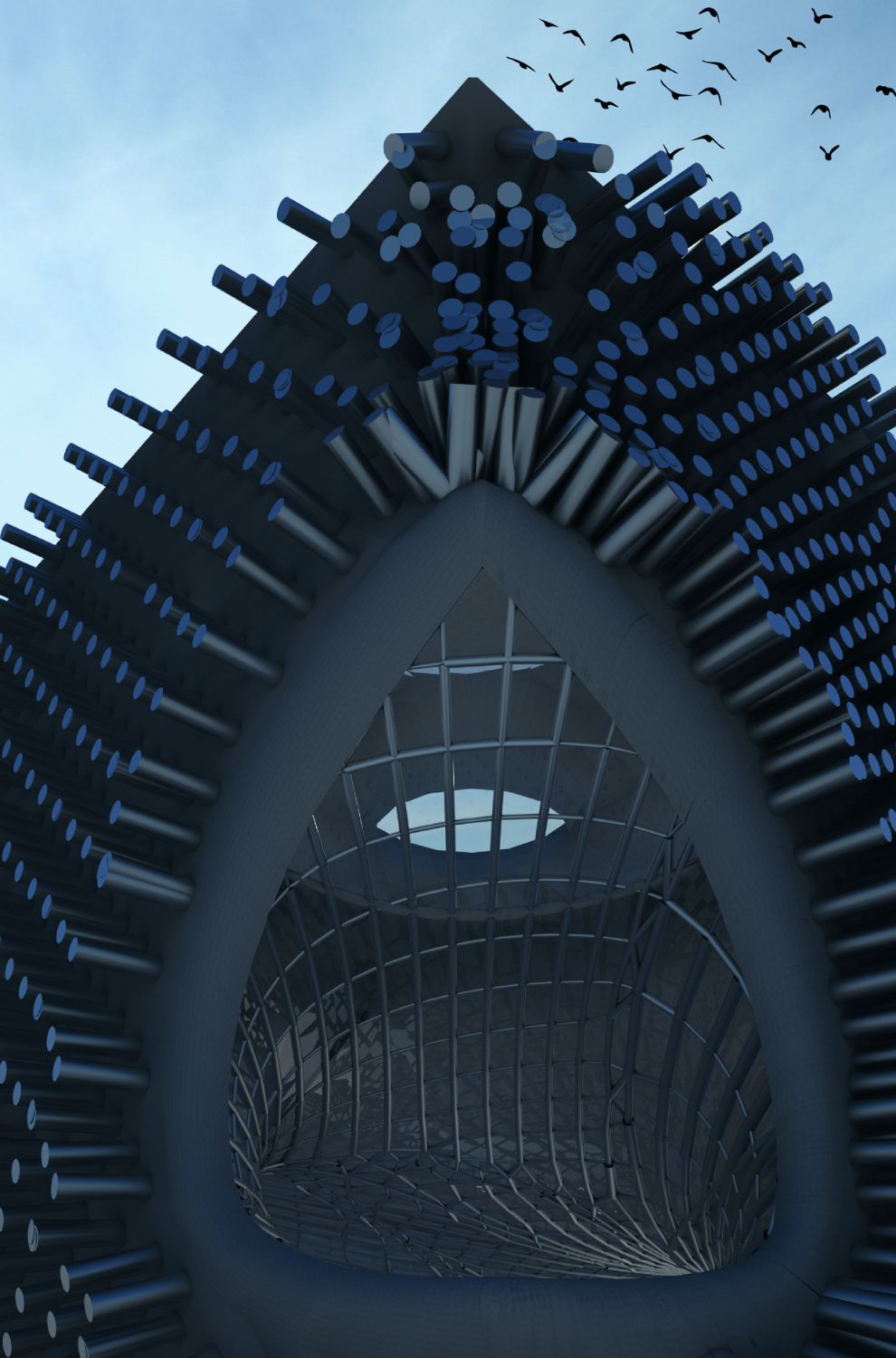
However, the program’s validity and success were unequivocally demonstrated in 2017. Kyle Nuestro, a pioneer from the DE program, secured a top 3 position in the architecture licensure exam. His project ingeniously integrated nature’s sounds into an urban setting in Ortigas. It exemplified the unique blend of creativity and practicality that DE promotes.
DE commits to produce well-rounded architects who excel in all facets of the architectural process. This includes theoretical discourse, model-making, technical drawing, research, and curation. The program’s pedagogy emphasizes the creation of diverse artifacts, through which students demonstrate their competencies. This hands-on, immersive approach cultivates a deep-seated creative intuition. It prepares students to innovate and excel across the spectrum of architectural practices.
“I strongly believe in the creative prowess of architects and the unquantifiable creative intuition is what will set us apart,” Caumeron professes. “Design Exploration sharpens your craft as a designer. Our projects may be fictive in a school setting but it pushes the imagination of our students.”
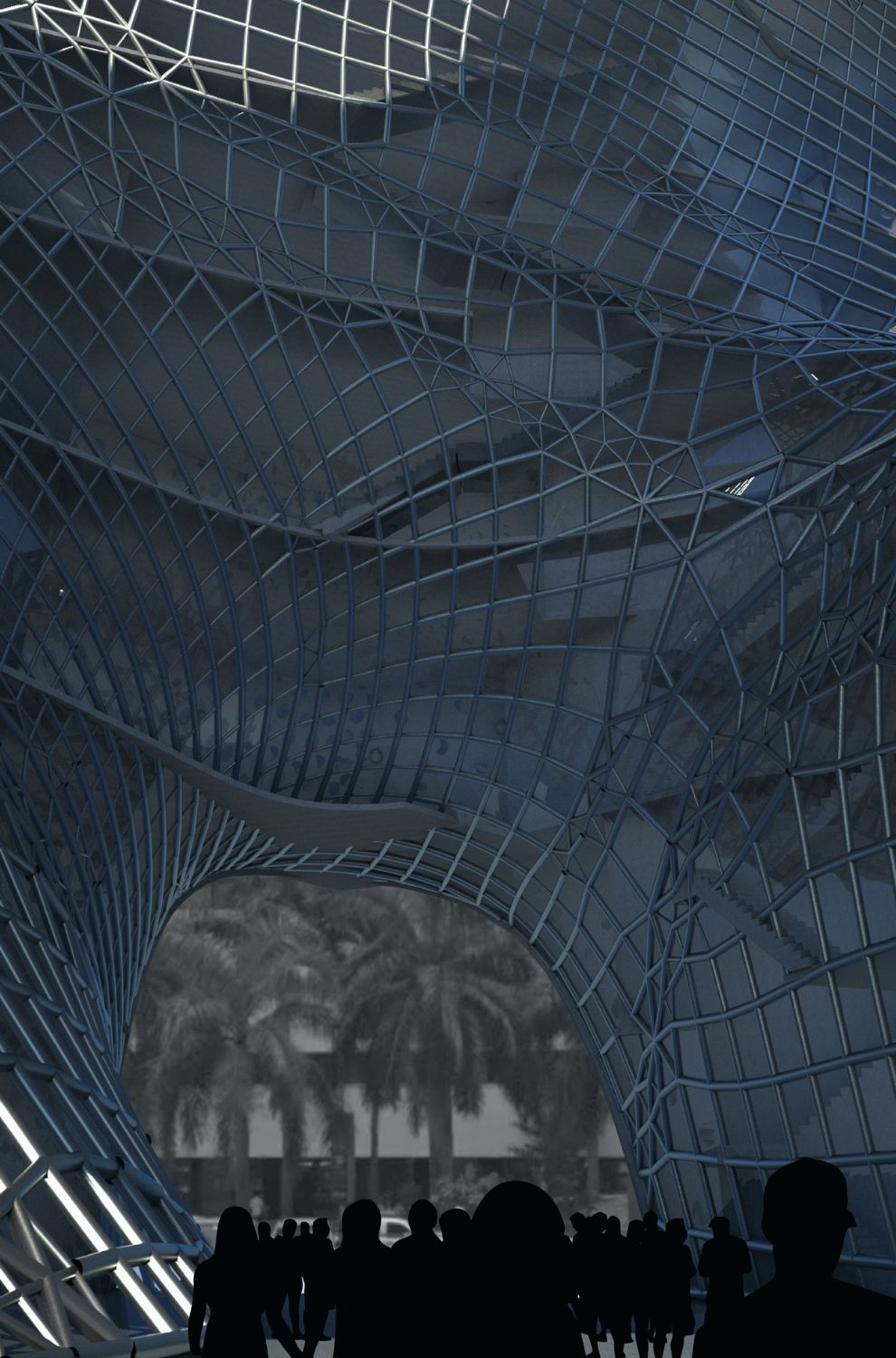
Addressing the Future of Architecture in the Technological Age
The program also engages with the broader discourse on the future of architecture in an era dominated by rapid technological advancement. Historically, architects were esteemed as the primary sources of ideas for constructing environments. Today, however, there’s a growing narrative suggesting that the profession may face obsolescence. After all, technological tools make design skills more accessible to a broader audience.
The DE program confronts this challenge head-on. It questions what remains for architects when skills and methodologies can be acquired by anyone, anywhere. By fostering a deep understanding of both the art and science of architectureArchitectureThe art and science of designing and constructing buildings, structures, and spaces that are functional, safe, and aesthetically pleasing. It encompasses the planning, design, materials, and techniques used to createGo to Architecture Glossary, DE ensures its graduates offer more than just technical skills. They bring a holistic, innovative perspective that synthesizes various aspects of design, culture, and technology.
In essence, the Design Exploration program at De La Salle-College of Saint Benilde embodies a commitment to pushing the boundaries of traditional architectureArchitectureThe art and science of designing and constructing buildings, structures, and spaces that are functional, safe, and aesthetically pleasing. It encompasses the planning, design, materials, and techniques used to createGo to Architecture Glossary education. It proves that creativity and practicality can coexist and flourish, even in the face of skepticism and the challenges posed by a rapidly evolving technological landscape.
“I always say to my students to always shoot for the stars,” Caumeron says. “And if you miss shoot for the moon instead. Whenever they wonder why my method is hard, I always refer to Formula 1 race cars. They put all the best specs in that car for optimum performance. So why would I teach you to just design a sedan? Sedan is nice, but do you just stop there? When they practice, they will encounter many limitations, they can always work around the challenges or explore options to push for the maximum potential of an idea. That is Design Exploration.”
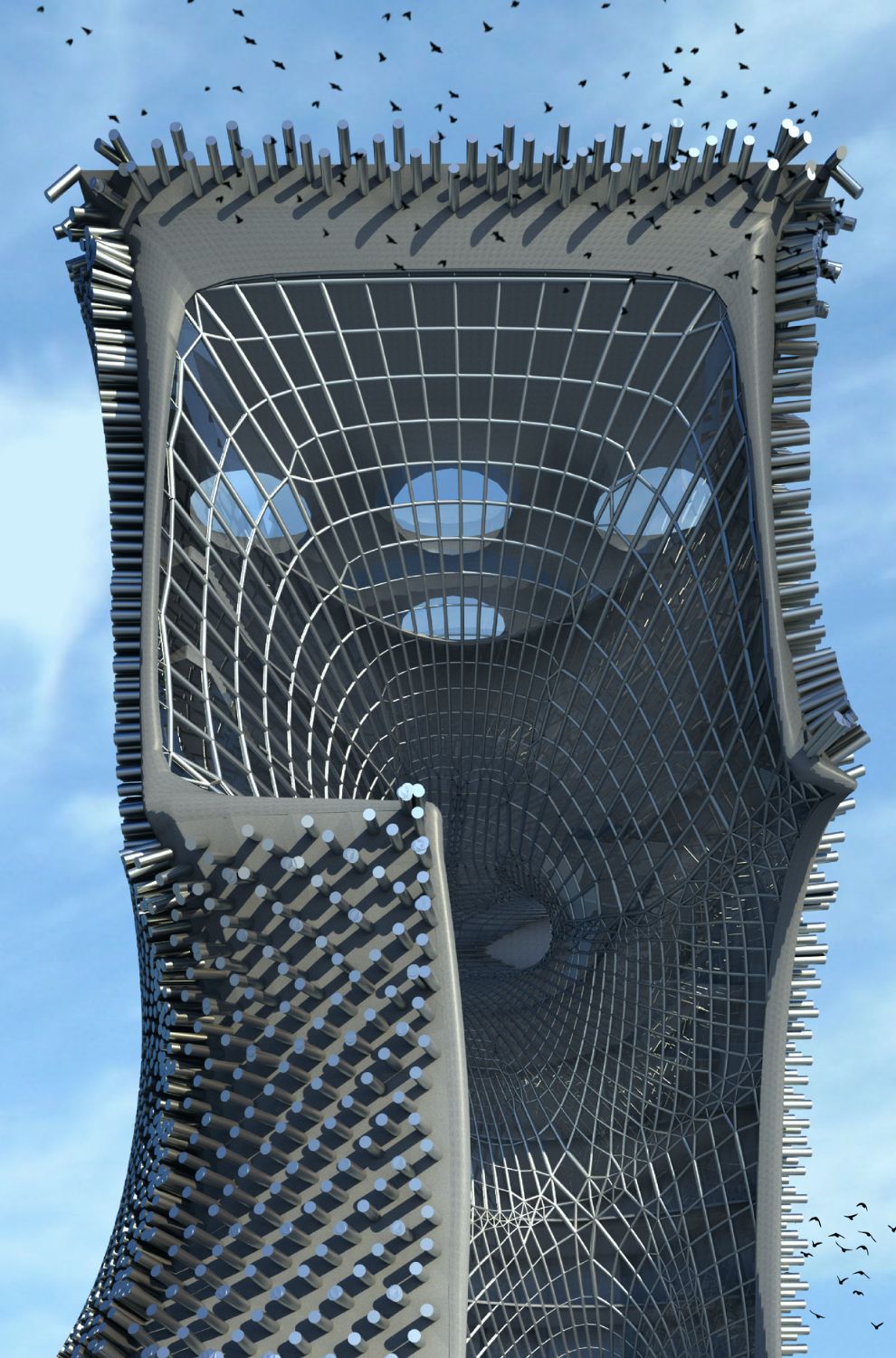
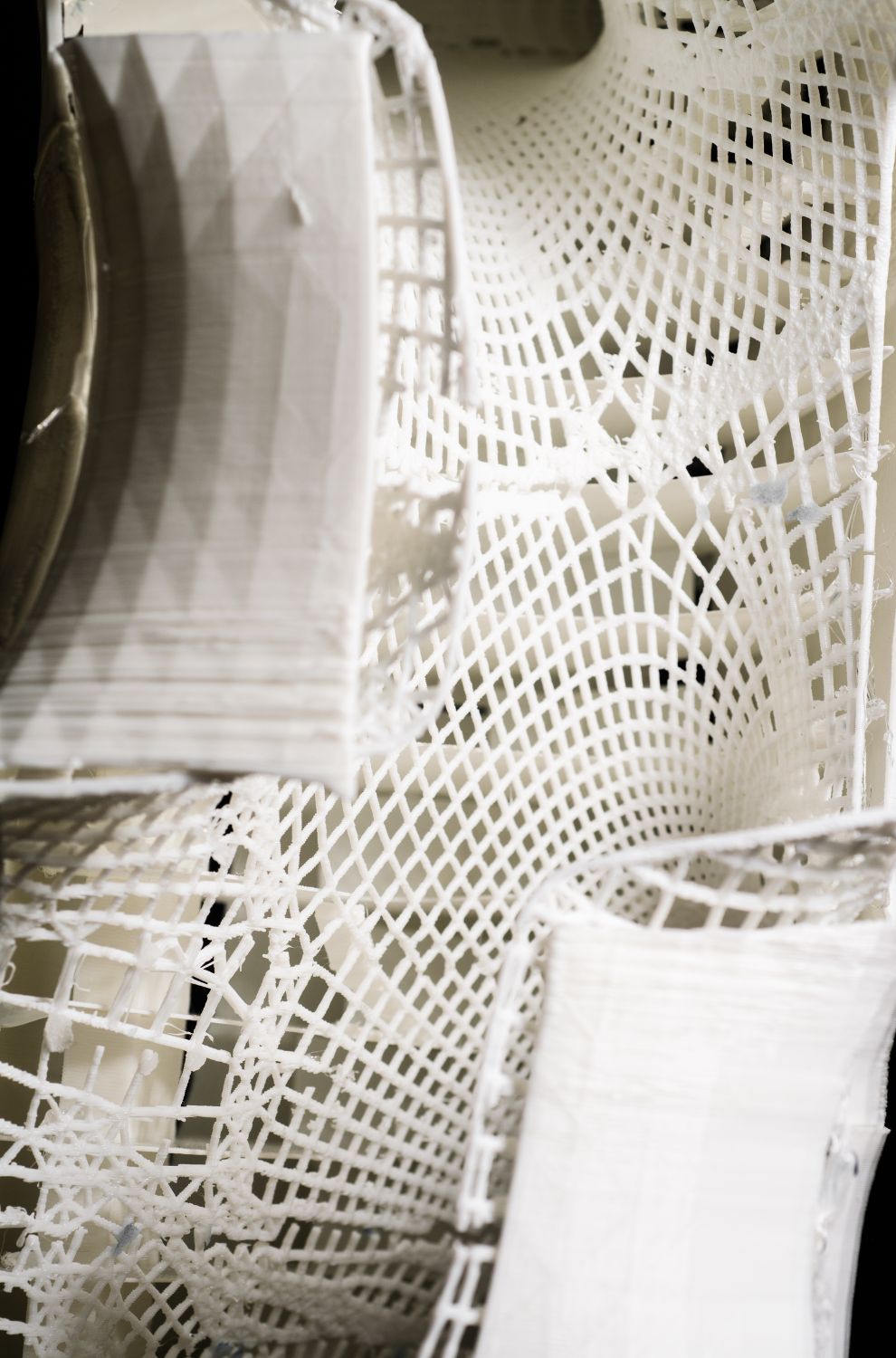
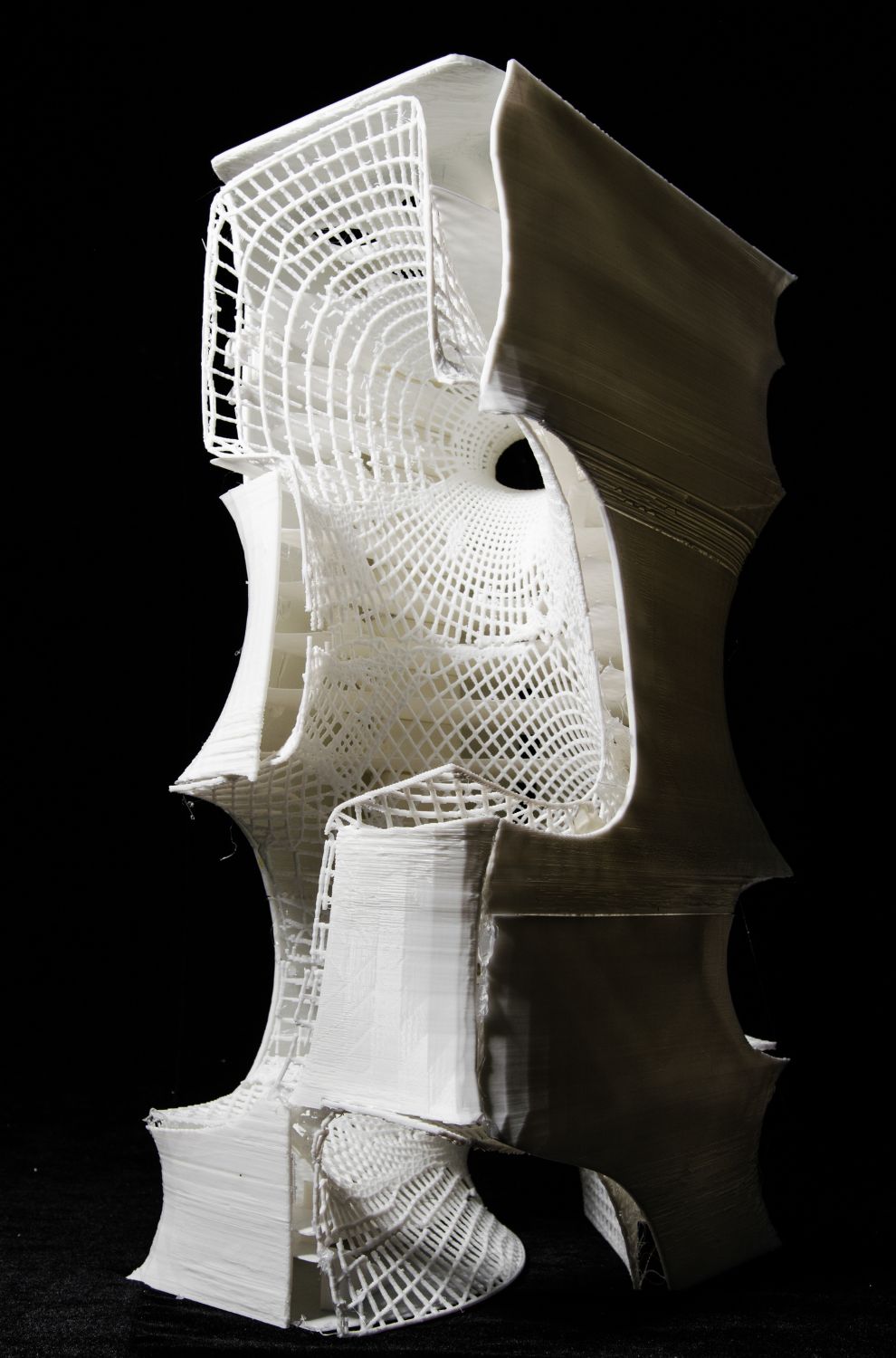
To learn out more about Design Exploration, check out these 4 thesis projects by graduates of this program.
Images courtesy of Jim Caumeron.
Read more: A New Attitude: Jim Caumeron’s Fresh Minimalist Perspectives
Frequently Asked Questions
Design Exploration is a specialized architecture track at DLS-CSB that blends foundational architectural principles with avant-garde, idea-driven design methodologies. It emphasizes experimental, visionary thinking over conventional problem-solving, guided by mentors including architect Jim Caumeron and program chair Ven Quizon.
Unlike traditional architecture programs focused on problem-solving, Design Exploration is idea-driven and visionary. Students are assessed on the depth of their research process, the originality of their outcomes, and their ability to connect design innovation with technical rigor rather than producing standard architectural solutions.
Students must meet four criteria: prior instruction under a DE mentor, a thorough and well-documented design process, validated research connecting data to design decisions, and a final outcome that is genuinely novel. Mentors review each student’s portfolio to assess readiness before approving their participation.
Design Exploration treats sustainability as a topic to be explored in its own right rather than an ingredient added to a project. According to mentor Jim Caumeron, forcing sustainability into a DE project risks overcomplicating the work and diluting its focus, as the program prioritizes coherent, data-driven design above all.
Yes. Kyle Nuestro, a pioneer of the DE program, placed in the top 3 of the Philippine architecture licensure exam in 2017. His thesis project, the Phonosphere, integrated natural soundscapes into an urban setting in Ortigas and exemplified DE’s blend of creative innovation and technical competence.

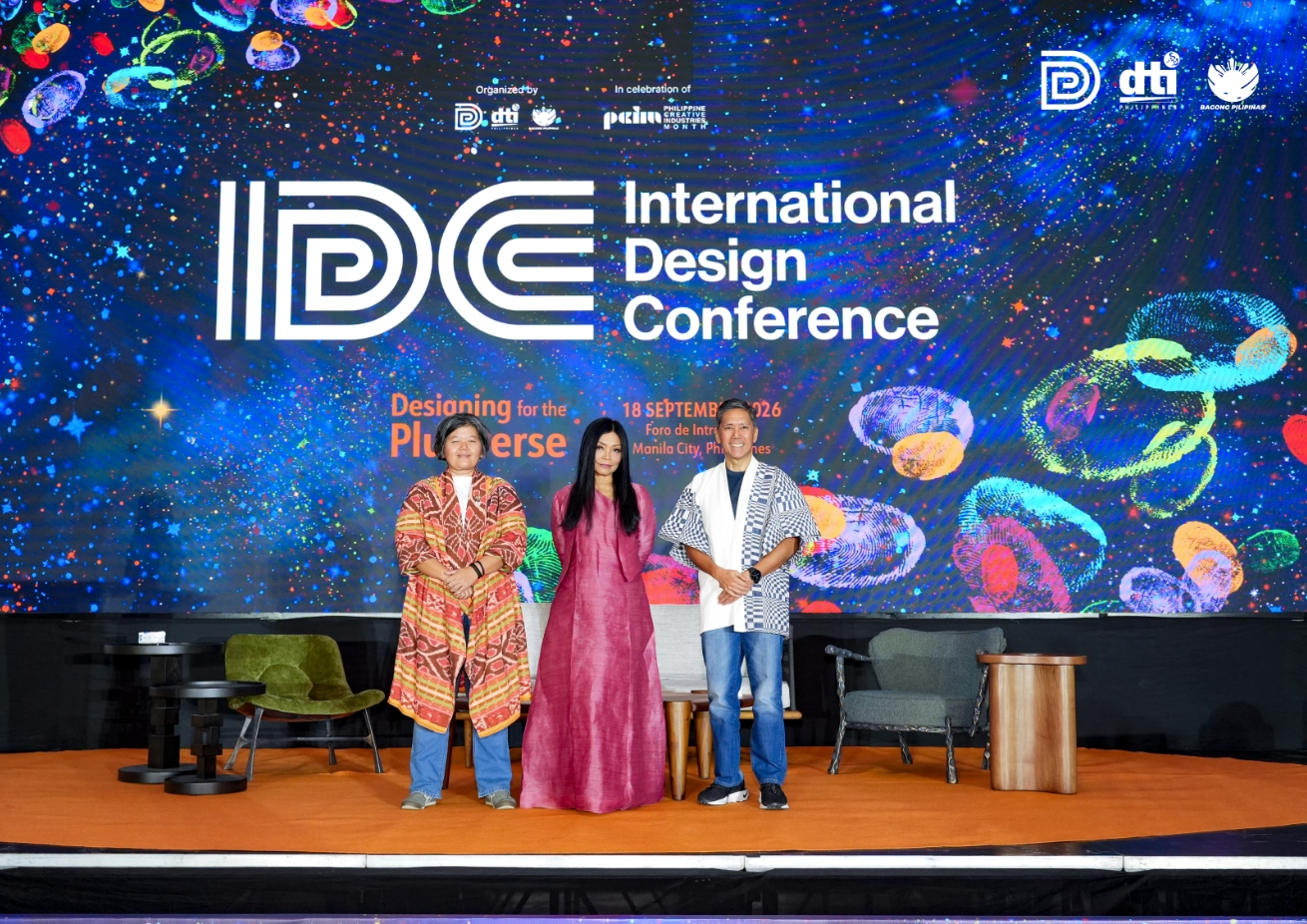
Culture in design does not always announce itself through a recognizable motif, material, or symbol. It can also be embedded in the relationships designers build, the knowledge they listen to, the materials they choose, and the decisions they make in response to communities and their environments. This distinction emerged throughout the 2026 International Design Conference […]
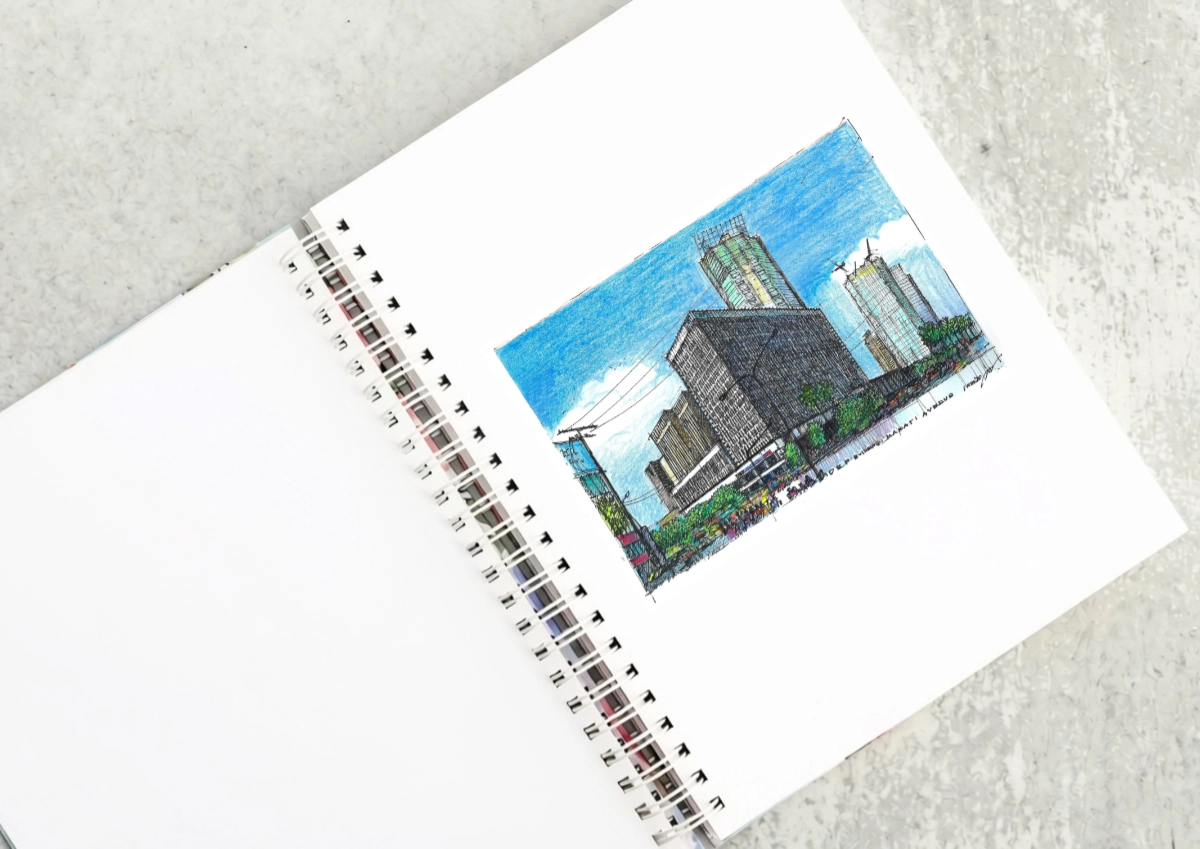
The DBP Building as a Landmark of the International Style At the corner of Sen. Gil Puyat Avenue and Makati Avenue stands a landmark of the Makati Central Business District. It is one of the last still standing that were built in the first wave of construction in district fifty years ago. The Development Bank […]
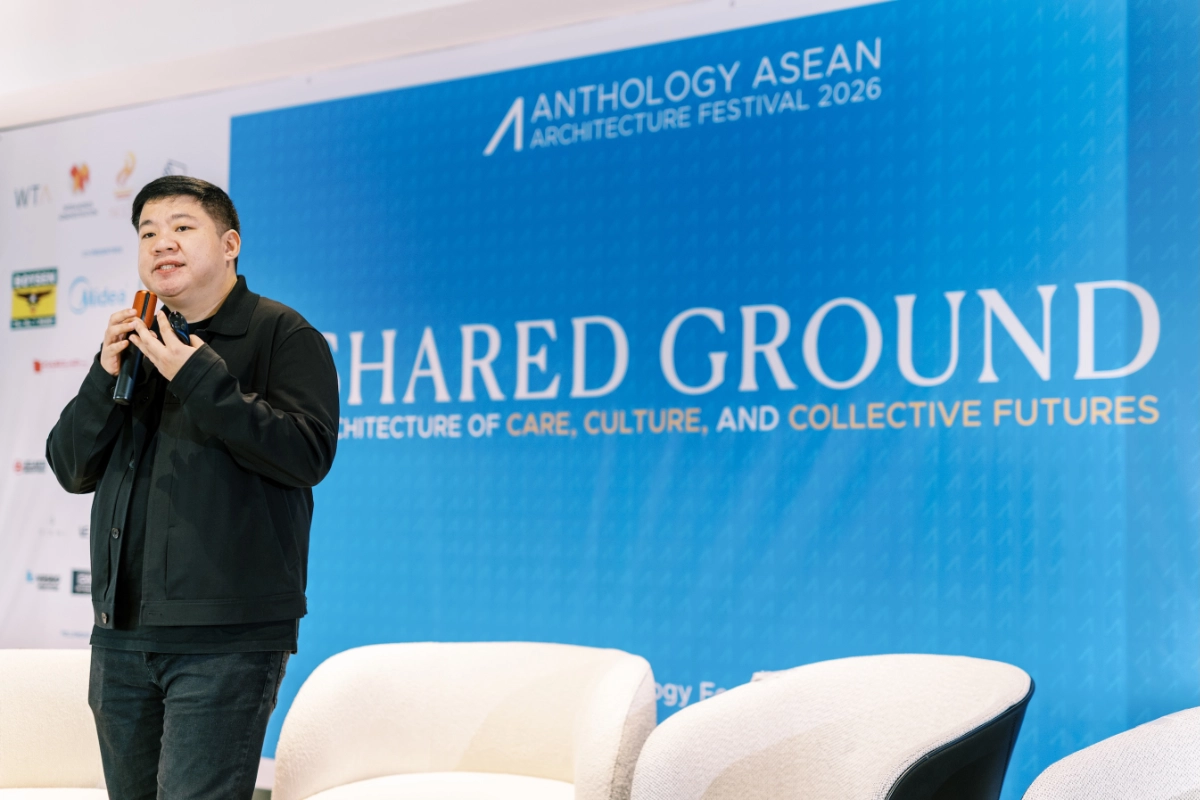
“Buildings only become architectureArchitectureThe art and science of designing and constructing buildings, structures, and spaces that are functional, safe, and aesthetically pleasing. It encompasses the planning, design, materials, and techniques used to createGo to Architecture Glossary when they are shared,” said William Ti Jr., founder of the Anthology Festival and WTA Architecture and Design Studio, […]
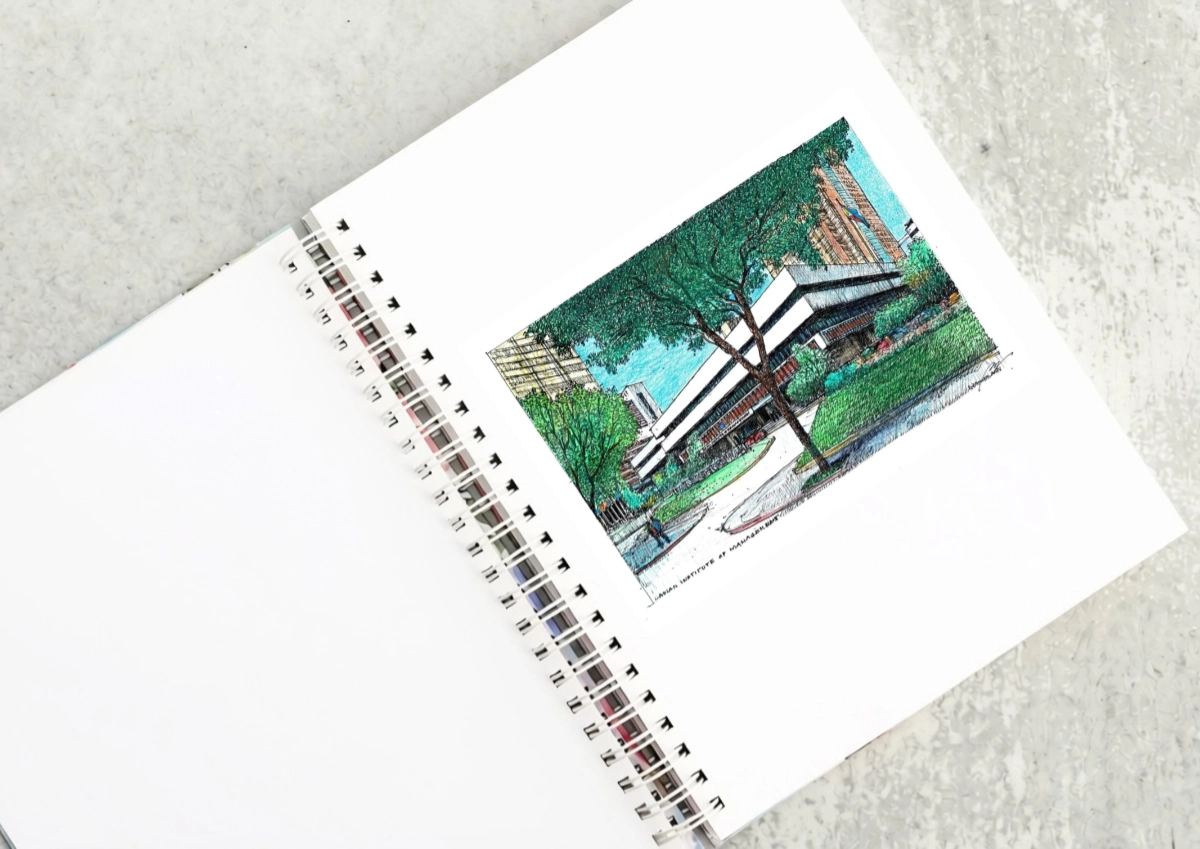
A Filipino Interpretation of Modernist Architecture Unlike the rest of Makati today, the northern end of Paseo de Roxas in Makati is anchored by a low complex rather than a tall skyscraper. This is the elegant Asian Institute of Management, designed by architect Gabriel Formoso and completed in 1971. In my opinion, the building is […]
“Thailand has claimed urban creativity and livability. Singapore has institutional design leadership. Indonesia is emerging as a design hub. Vietnam is moving into design innovation. And the Philippines? Its position is not weak. It is simply unclaimed.” For IDr. Cecil Ravelas, National President of the Philippine Institute of Interior Designers (PIID), the challenge is not […]
Read the issues.

Collect the volumes.

Recommended Video
Tap to Unmute
Unmute
0:00
0:00