“Buildings only become architectureArchitectureThe art and science of designing and constructing buildings, structures, and spaces that are functional, safe, and aesthetically pleasing. It encompasses the planning, design, materials, and techniques used to createGo to Architecture Glossary when they are shared,” said William Ti Jr., founder of the Anthology Festival and WTA Architecture and Design Studio, […]
‘Eclipse: a Forecast’: Light and Darkness of the Urban Landscapes



Annie Pacaña’s Eclipse: a Forecast, or simply Eclipse, pursues patterns in our urbanized daily life through playing with light and sound.
Currently showing at Gravity Art Space until April 27, Pacaña’s work here plays a lot with the imagery of the city and the idea of existing constantly in existential darkness. The work uses light as a fulcrum point of the concept, a way to showcase how humanity exists in conversation with these elements—how humanity brings light and darkness with them in their day-to-day life.
“I use the images of the city as material and metaphor for life that breathes thru wires, and thrives in mobility, and enchanted connections,” Pacaña wrote.
Creating a Landscape of Moving Images
Some of the works that Pacaña showcases in Eclipse is wondrous in how it reinterprets the criss-crossing stability of the urban landscape. She photographs materials we see everyday, things that bring us light in many ways, and layers them on top of each other.
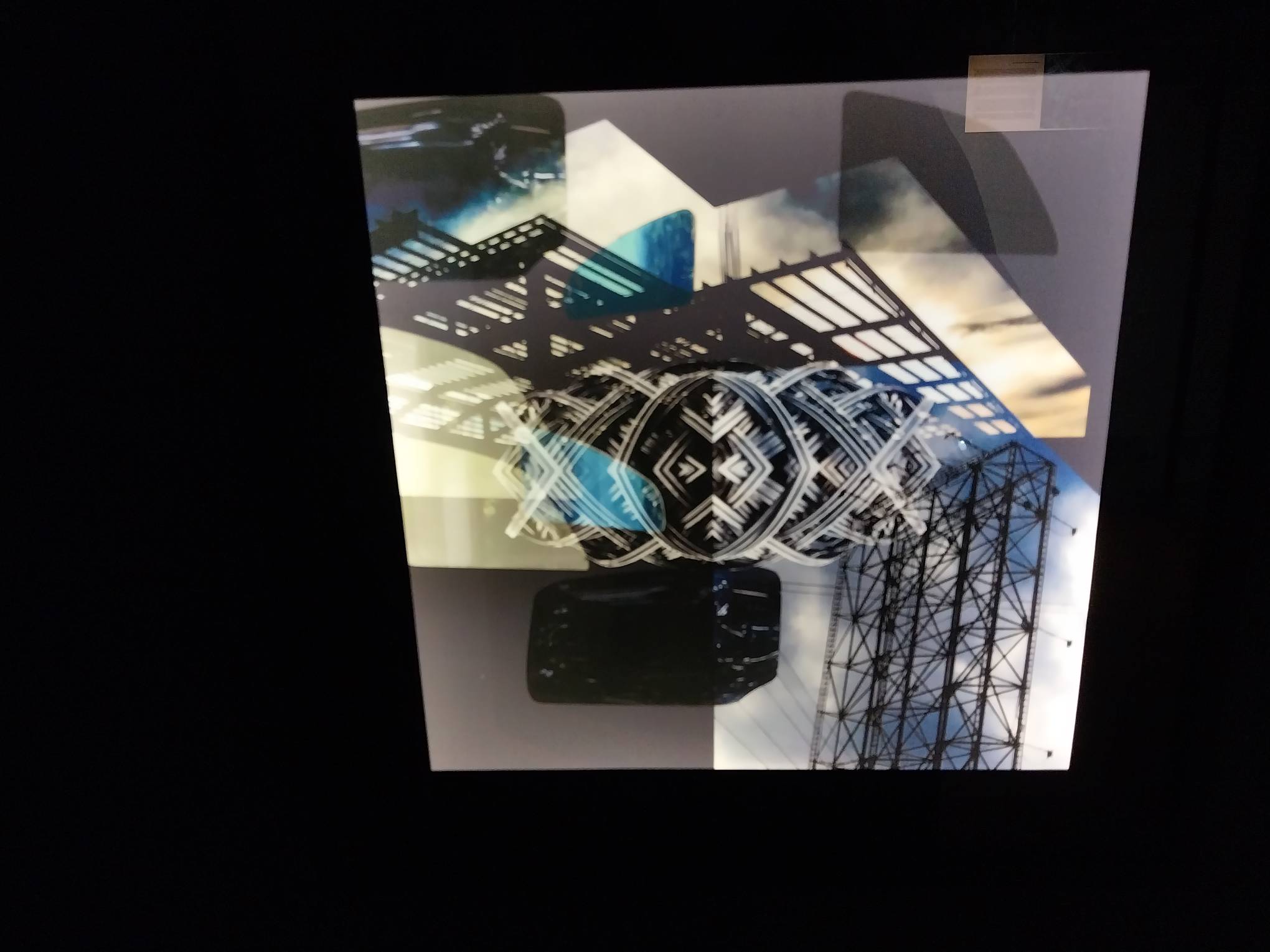
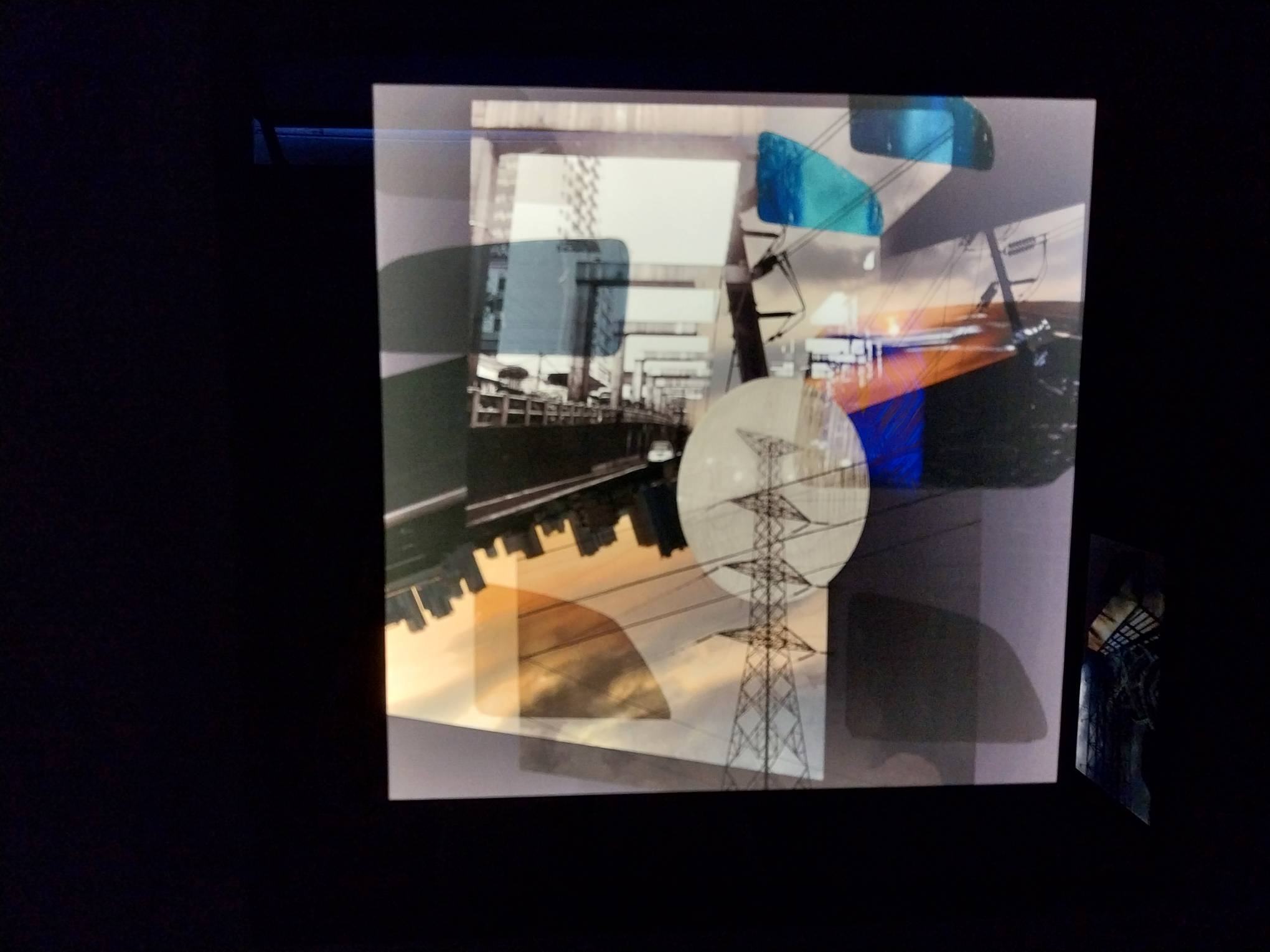
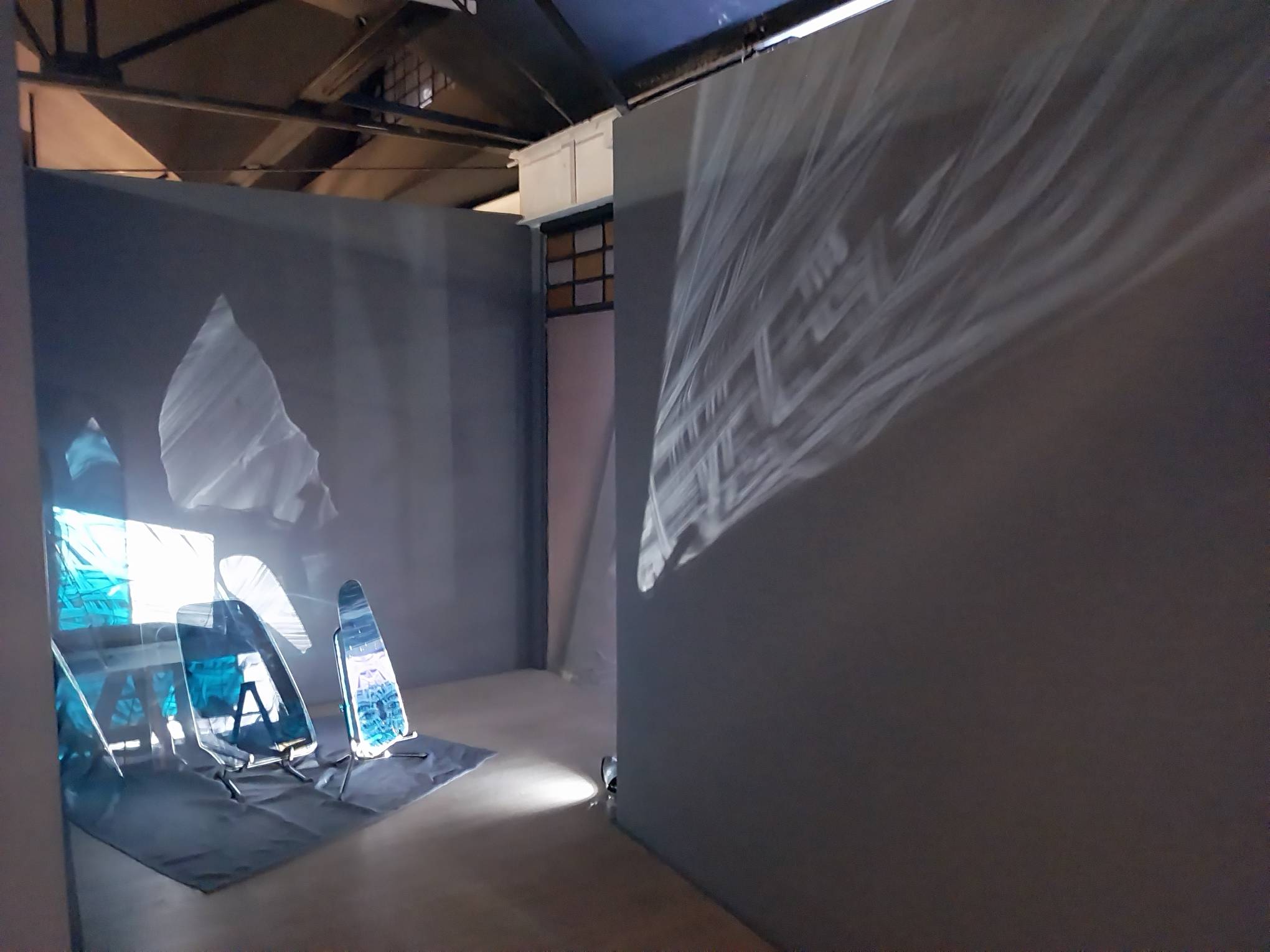
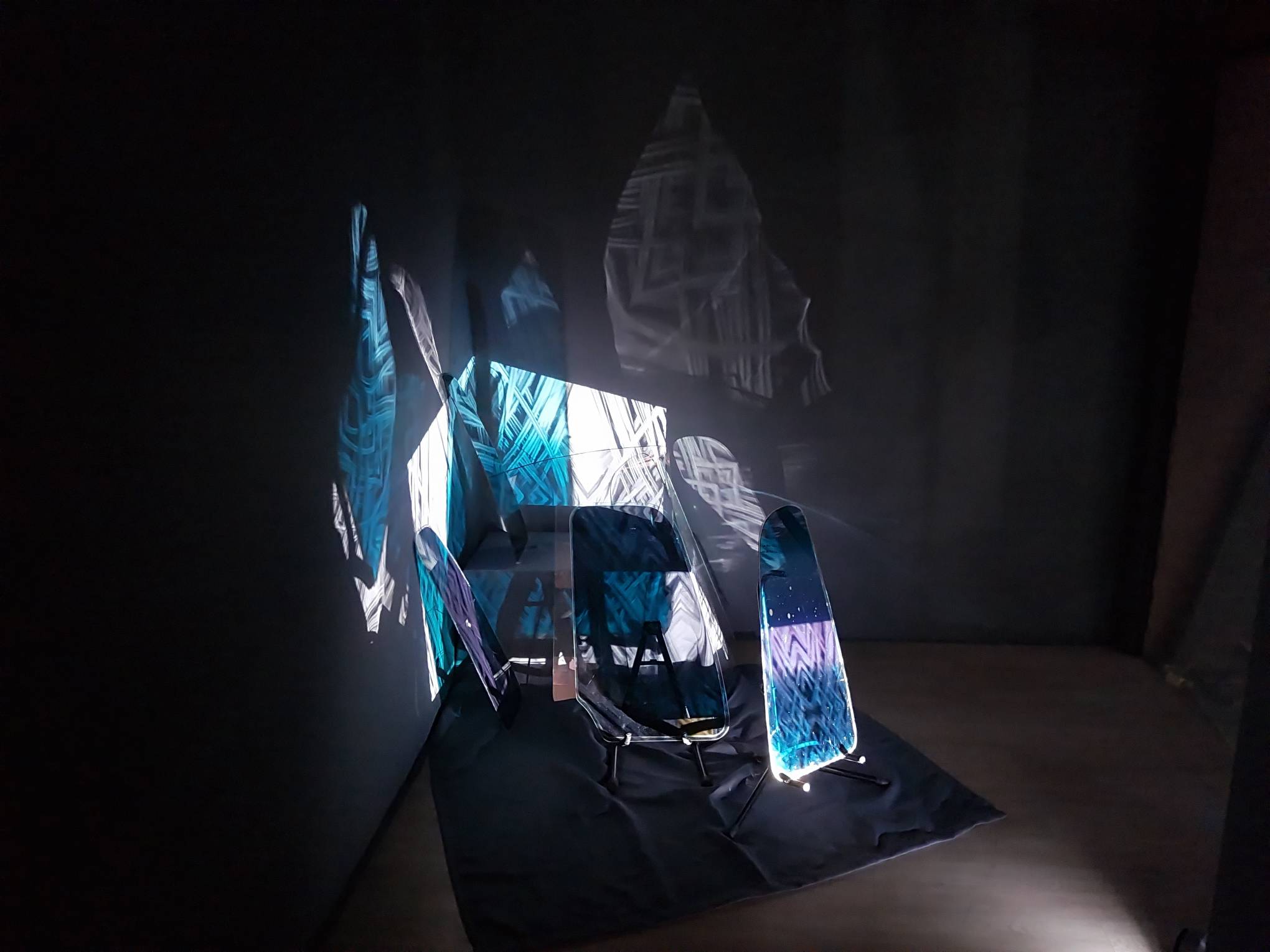
Paglisan, for example, portrays the information superhighway in its most physical infrastructure. It contains wires on a post superimposed on each other, while the background contains what appears to be an underpass, the city upside down underneath it.
It gives this feeling of the interconnectedness of city life, how we build our lives towards bringing each other together, whether through our roadways or our densely packed cities or even the internet.
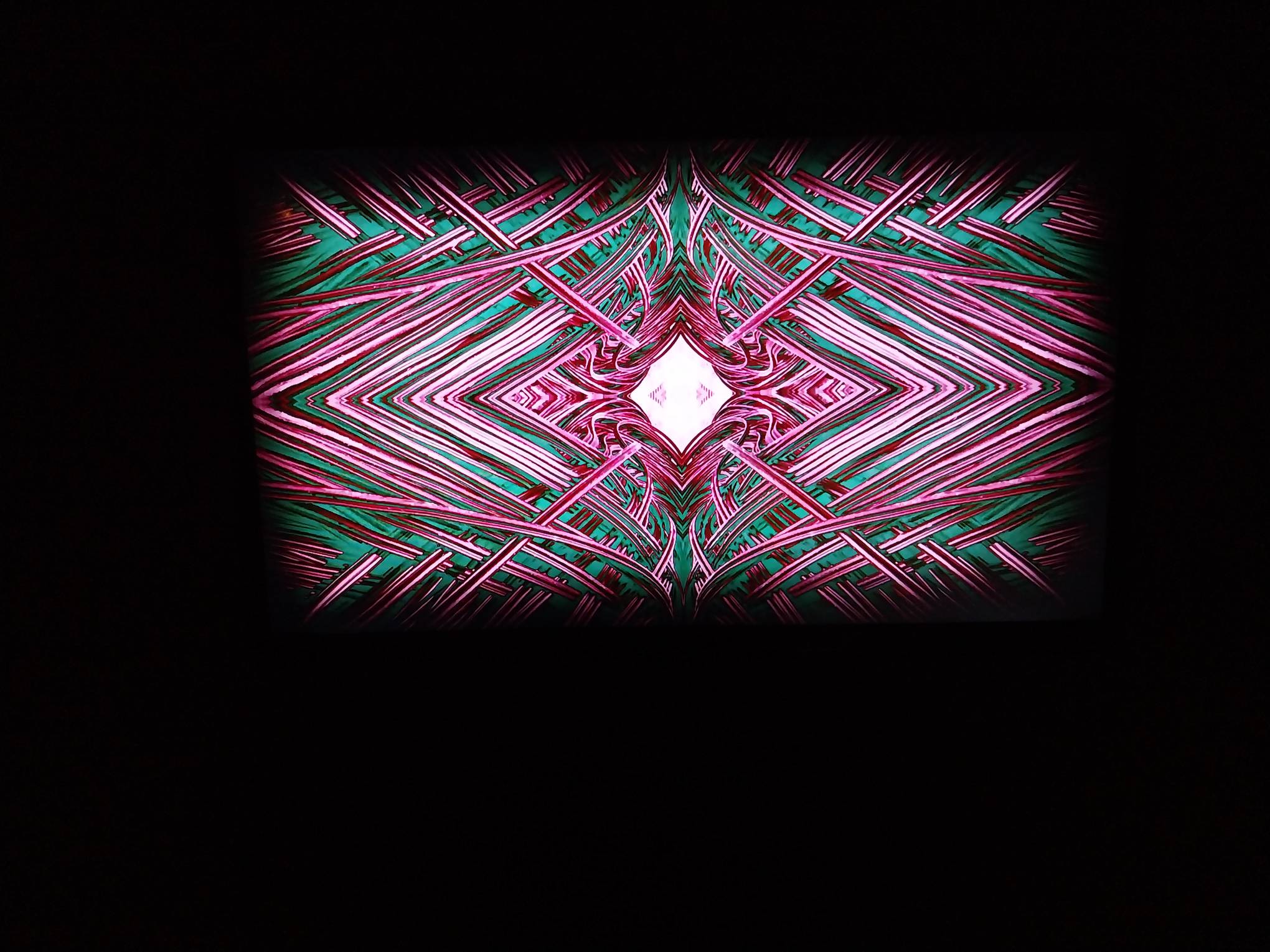
Her other exhibited work, Live Wire, plays with kaleidoscopic visions and patterns, essentially as a representation of our online presence. It’s certainly more abstract than Paglisan, but it portrays the same sense of connectivity that exists in our modern society.
Other works play with the idea of reflection and light even more than superimposing images on top of each other. There’s one work in the corner of the dark room, Talinghaga, which utilizes mirrors to create a dazzling display of light in the walls. It feels almost surreal to watch, an acknowledgement of the vivid city lights and the restlessness it gives its inhabitants.
Finding Light Once Again
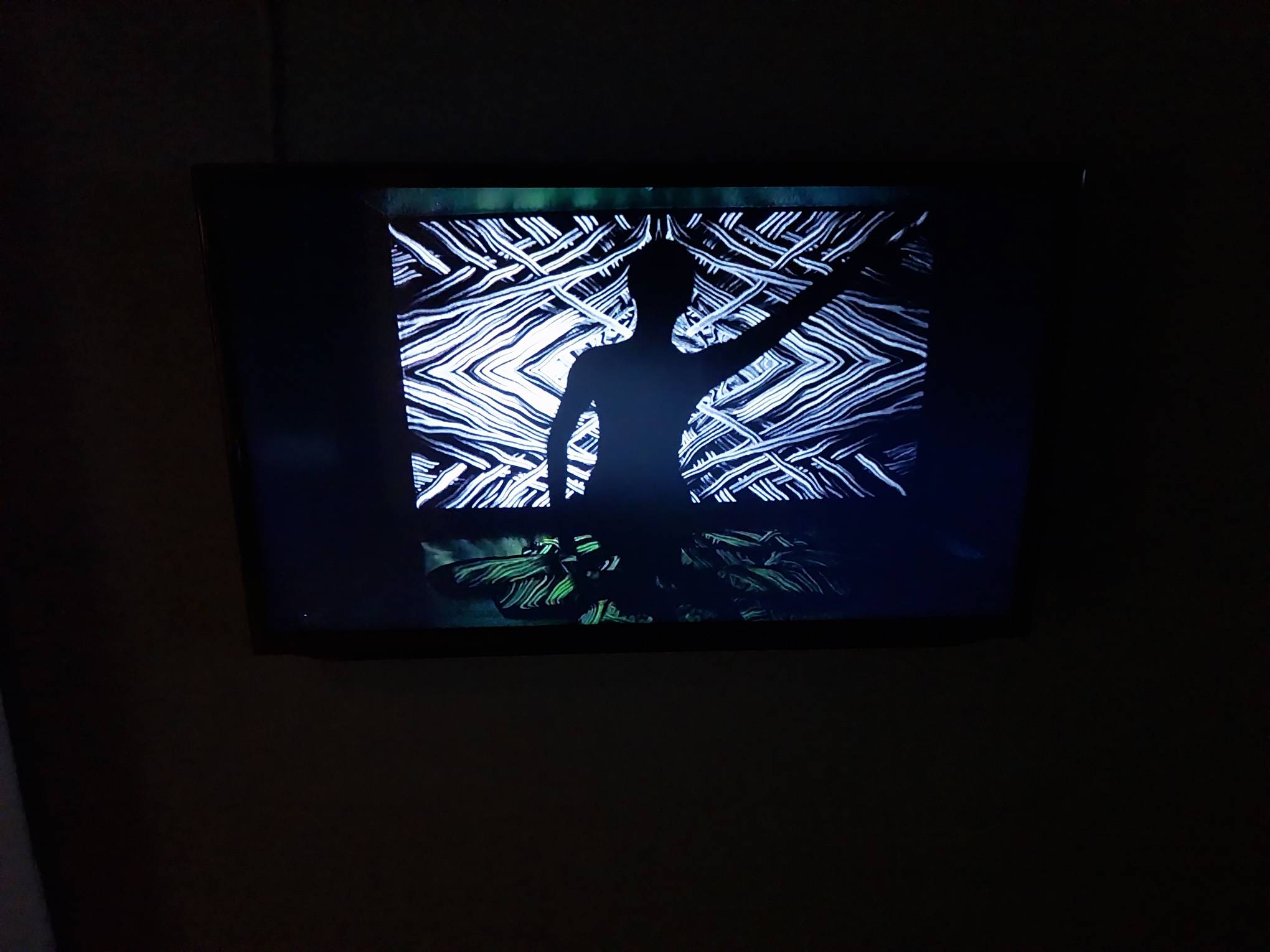
The centerpiece of the exhibit, however, is the dance film Baile, where a dancer moves in the shadow of Pacaña’s art installation Angles of Reflection. The choreography was done by Una Bighani while the film itself was scored by Joee Mejias.
The film gives life to the idea of what an eclipse means, how it’s always about multiple bodies colliding and blocking out the light they emanate, a tangle of multiple things going through and by each other. Pacaña acknowledges that the fact that it was a collaboration creates deeper meaning to her theme of “eclipse.”
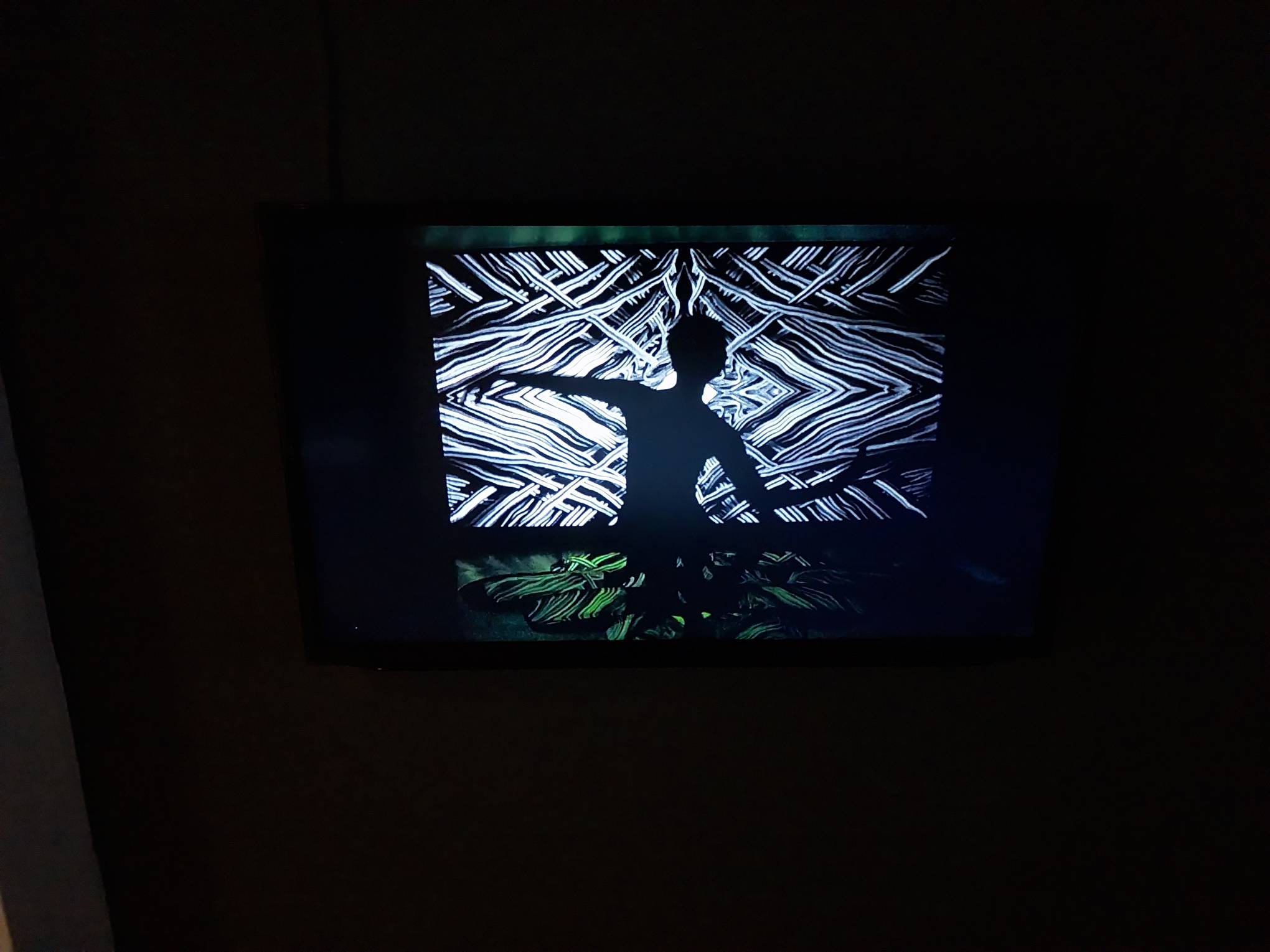
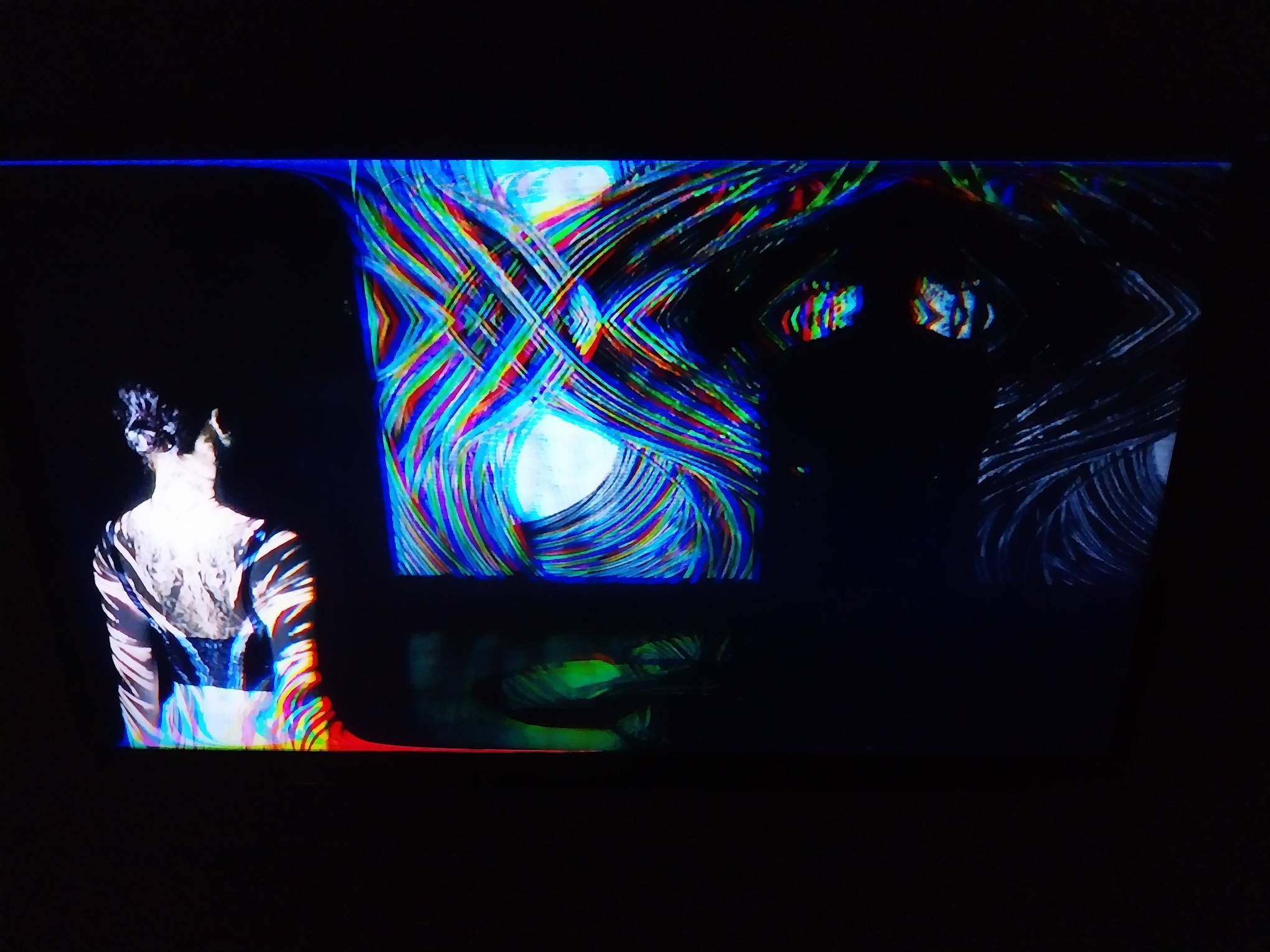
“I acknowledge shared creativity through collaborations with other artists as beautiful entanglements that nurture my art practice and well-being,” she wrote. “It is a dance of light and shadow with precise timing that transpires and transforms into serenity.”
Eclipse feels otherworldly in how it tackles our urban spaces. It whizzes through the spectacle of the concrete and stone, and grounds itself on how we live with others. Pacaña portrays humanity in bigger, broader structures, and how that affects who we are, and who we become to others.
Related reading: World’s Most Twisted Tower, ‘Dance of Light’ Has Been Unveiled in China

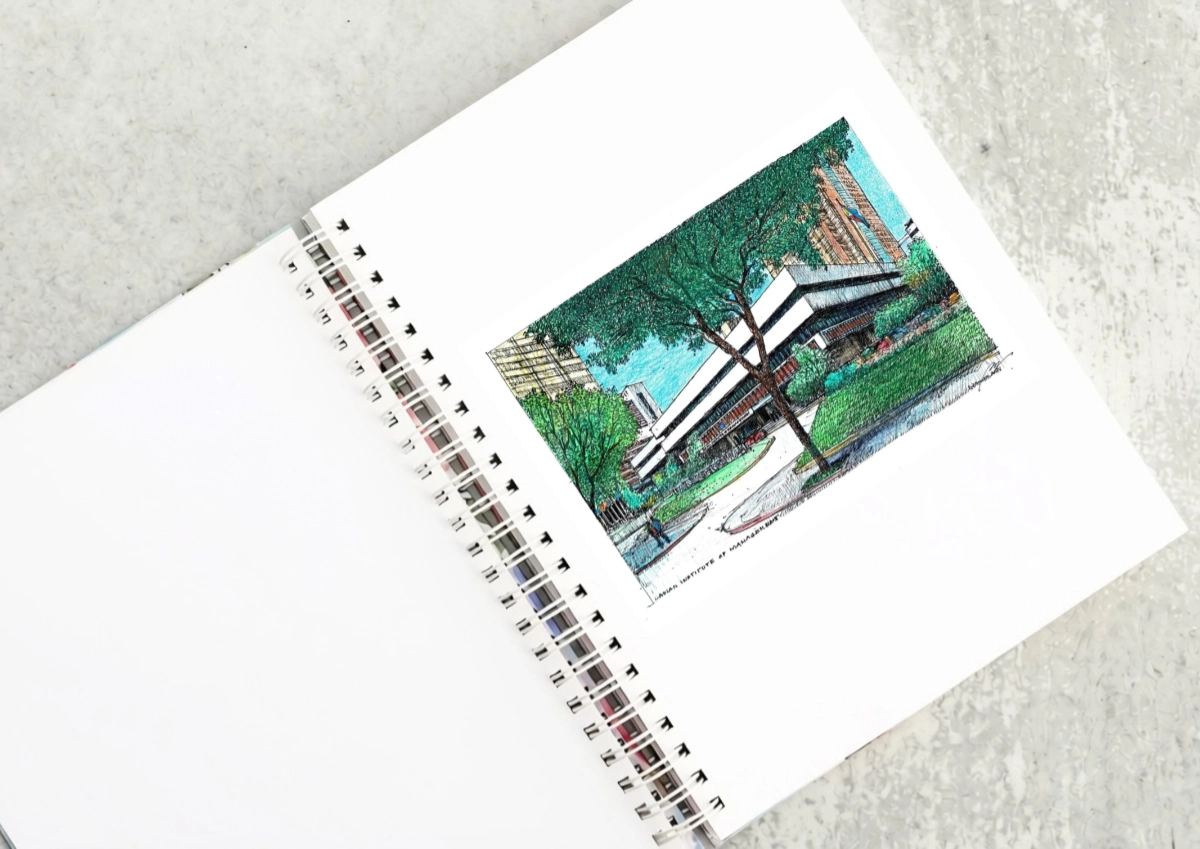
A Filipino Interpretation of Modernist Architecture Unlike the rest of Makati today, the northern end of Paseo de Roxas in Makati is anchored by a low complex rather than a tall skyscraper. This is the elegant Asian Institute of Management, designed by architect Gabriel Formoso and completed in 1971. In my opinion, the building is […]
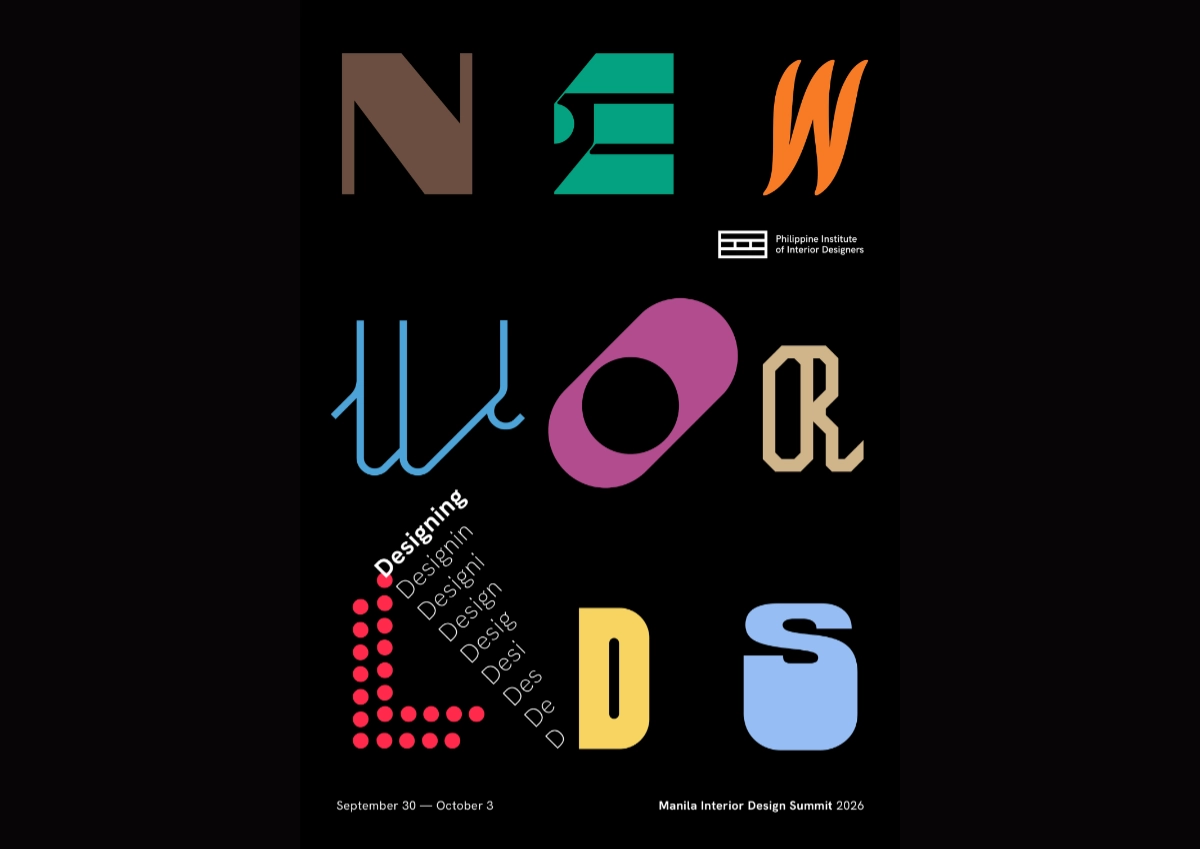
“Thailand has claimed urban creativity and livability. Singapore has institutional design leadership. Indonesia is emerging as a design hub. Vietnam is moving into design innovation. And the Philippines? Its position is not weak. It is simply unclaimed.” For IDr. Cecil Ravelas, National President of the Philippine Institute of Interior Designers (PIID), the challenge is not […]
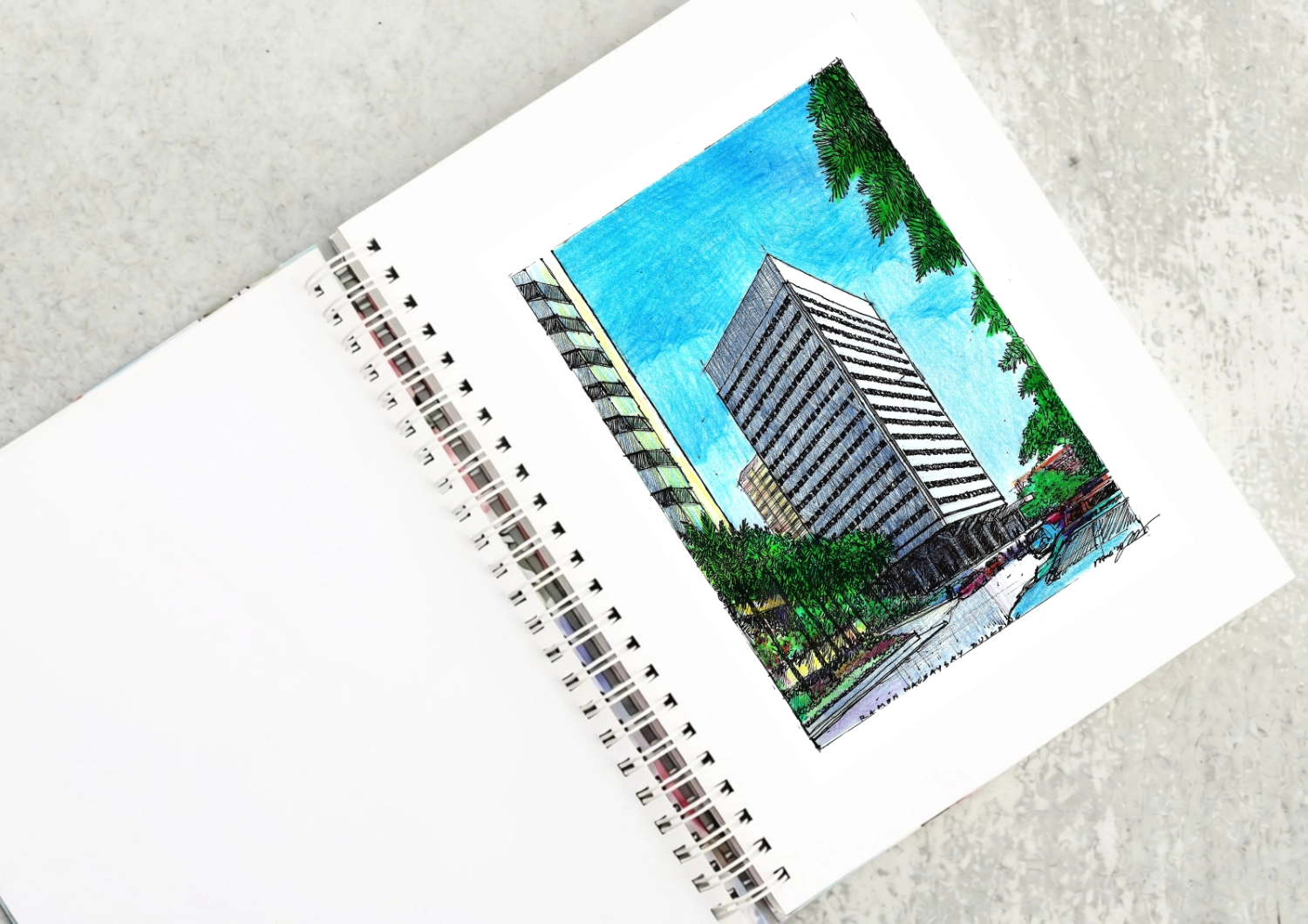
The Ramon Magsaysay Center as a Modernist Landmark Driving down Roxas boulevard from Rizal Park, what will catch your eye is the most elegant modernist structure in the country, the Ramon Magsaysay Center. Most established Filipino architects put it in their top ten lists of favorite buildings. It was designed by Alfredo J. Luz, who […]

Rinna Soriano’s favorite part of her work is sanding. At her workbench, she stays focused, following the grain, adjusting to changes in its direction. Narra, she has learned, can have interlocking grain. A piece of mango once proved particularly difficult until a worker explained that she had reached the point where a branch once grew […]
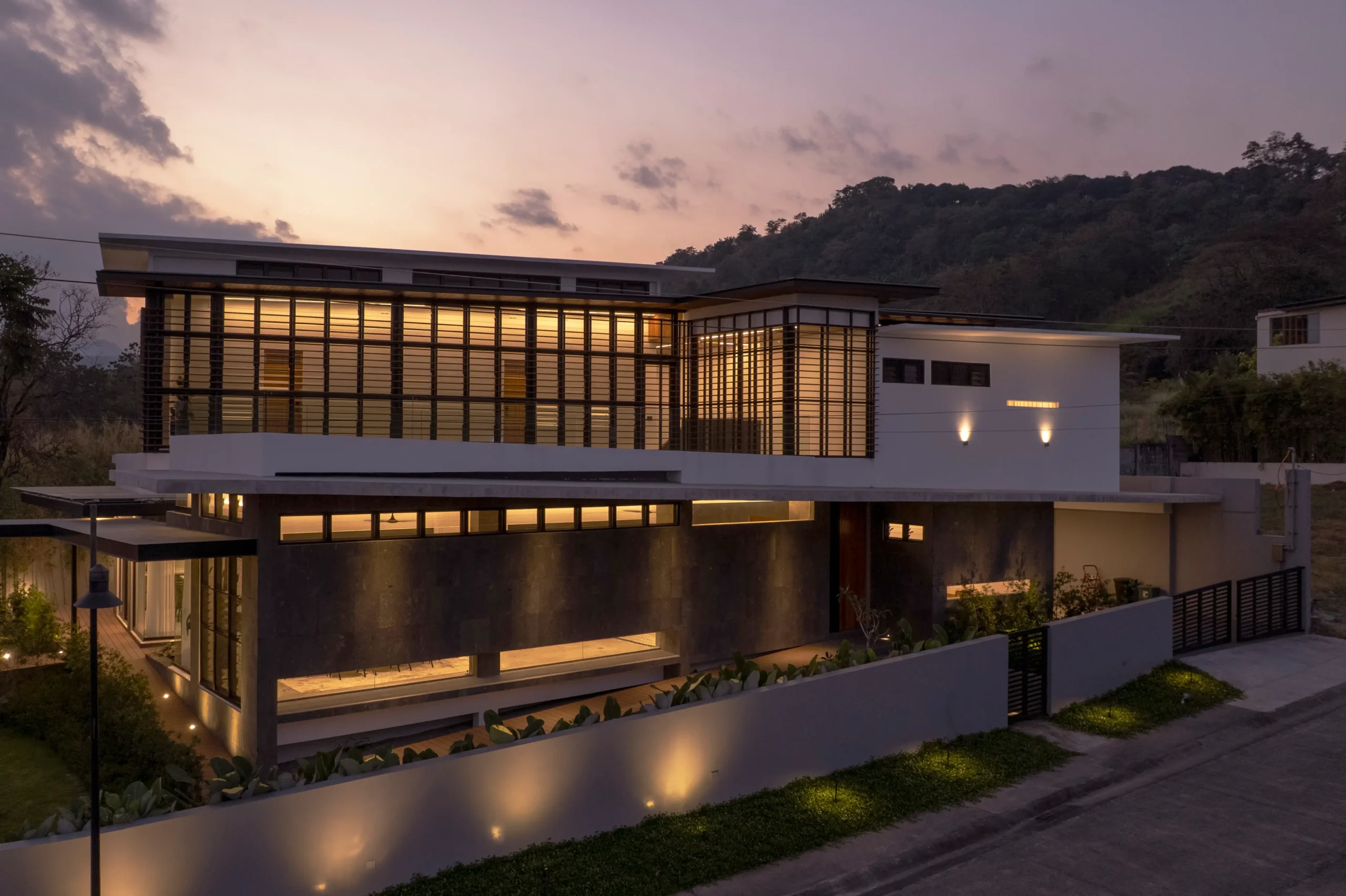
Filipino architectureArchitectureThe art and science of designing and constructing buildings, structures, and spaces that are functional, safe, and aesthetically pleasing. It encompasses the planning, design, materials, and techniques used to createGo to Architecture Glossary has long been associated with indigenous materials and vernacular design strategies, from bamboo and timber construction to jalousie windows, generous spaces, […]
Read the issues.

Collect the volumes.

Recommended Video
Tap to Unmute
Unmute
0:00
0:00