


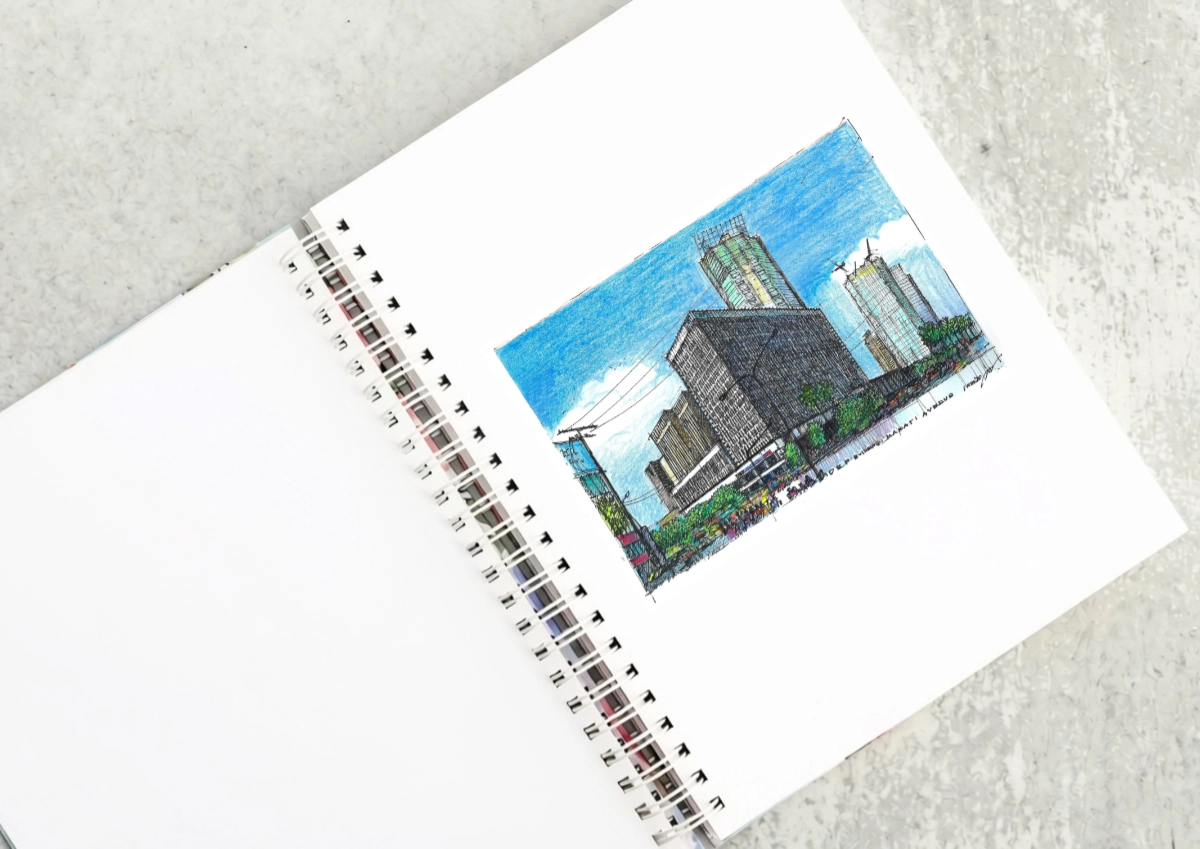
The DBP Building as a Landmark of the International Style At the corner of Sen. Gil Puyat Avenue and Makati Avenue stands a landmark of the Makati Central Business District. It is one of the last still standing that were built in the first wave of construction in district fifty years ago. The Development Bank […]
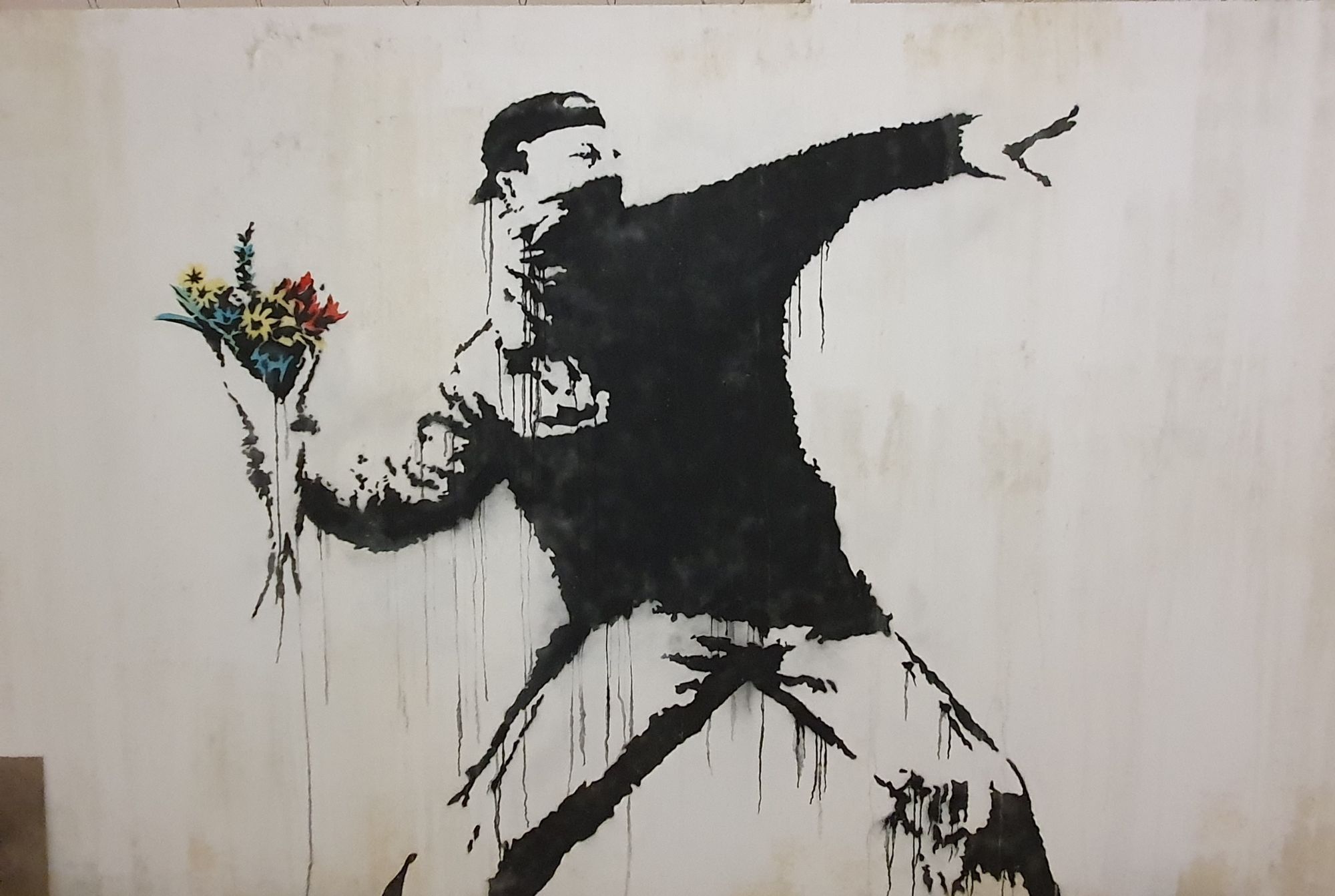
The Metropolitan Museum of Manila’s (MMM) announcement of its upcoming exhibit, “Banksy Universe Manila 2024,” sparked uproar among netizens. On the surface, the production aims to showcase the works of the enigmatic street artist Banksy, offering Filipino audiences a closer look at his creations.
However, a key detail merits debate. The exhibit is not authorized by Banksy himself, as confirmed by his exclusive licensing company, Pest Control Office. In fact, they expressly state the artist “is not involved or associated with” any of the different exhibitions of his work worldwide. The Museum also acknowledges this in its press release, stating it aligns with the artist’s history of remaining unaffiliated with official exhibitions.
This raises questions about the legitimacy and purpose of such an exhibit. Proponents argue it provides a valuable opportunity to learn about Banksy’s art and its social and political commentary. Opponents are quick to point out the irony of showcasing Banksy’s work in a museum and how it contradicts his anti-establishment message. Banksy’s art thrives in unconventional spaces, challenging the authority of traditional art institutions like MMM. Additionally, some question the ethics of profiting from the work of an artist who actively rejects commercialization.
Further complicating the situation is the involvement of Bonifacio Global City (BGC) as a partner. BGC’s stance against unsanctioned street art has drawn criticism from the local art community. This perceived dissonance between promoting a commercialized version of street art and restricting genuine artistic expression fuels the debate.
Beyond the Controversy: Accessibility, Dialogue, and Reinterpretation
However, there are alternative perspectives to consider. Despite being an unauthorized exhibit, it still presents an opportunity to introduce Banksy’s art and social commentary. Especially to a wider Filipino audience who might not otherwise encounter it. This broader accessibility could spark valuable public discourse about the ethics of unauthorized exhibits, the value of street art, and the role of museums in presenting challenging art. It’s also interesting to note that Pest Control neither condemned or condoned Banksy Universe, choosing to simply disassociate themselves from it.

Furthermore, you could argue that the controversy surrounding the exhibit is part of the commentary. By presenting Banksy’s work within the very institution he critiques, the exhibit forces viewers to confront his ideas within a new context. Perhaps the “unauthorized” nature of the exhibit becomes part of the artistic statement. Is this the commercialization of rebellion?
A Wider Conversation
The museum setting could also be seen as a platform for Banksy’s message to reach a new audience. Exposure to his work, even in a non-traditional format, could inspire a new generation of Filipino street artists, echoing Banksy’s original spirit of DIY public commentary. Additionally, Banksy himself is infamous for his unpredictability.
On one hand, “Banksy Universe Manila 2024” presents a unique opportunity to engage with the work of a significant contemporary artist. On the other, the unauthorized nature of the exhibit and the involvement of BGC raise questions about its alignment with Banksy’s artistic philosophy. Either way, we can’t just ignore the potential for broader accessibility, public discourse, and even unforeseen artistic outcomes. The true impact of the exhibit will likely depend on its execution and the conversations it sparks about art, authority, and social commentary.
Where do you stand?
Image sourced from WikiCommons.
Read more: Artwashing: How States Sweep the Dirt Under the Canvas
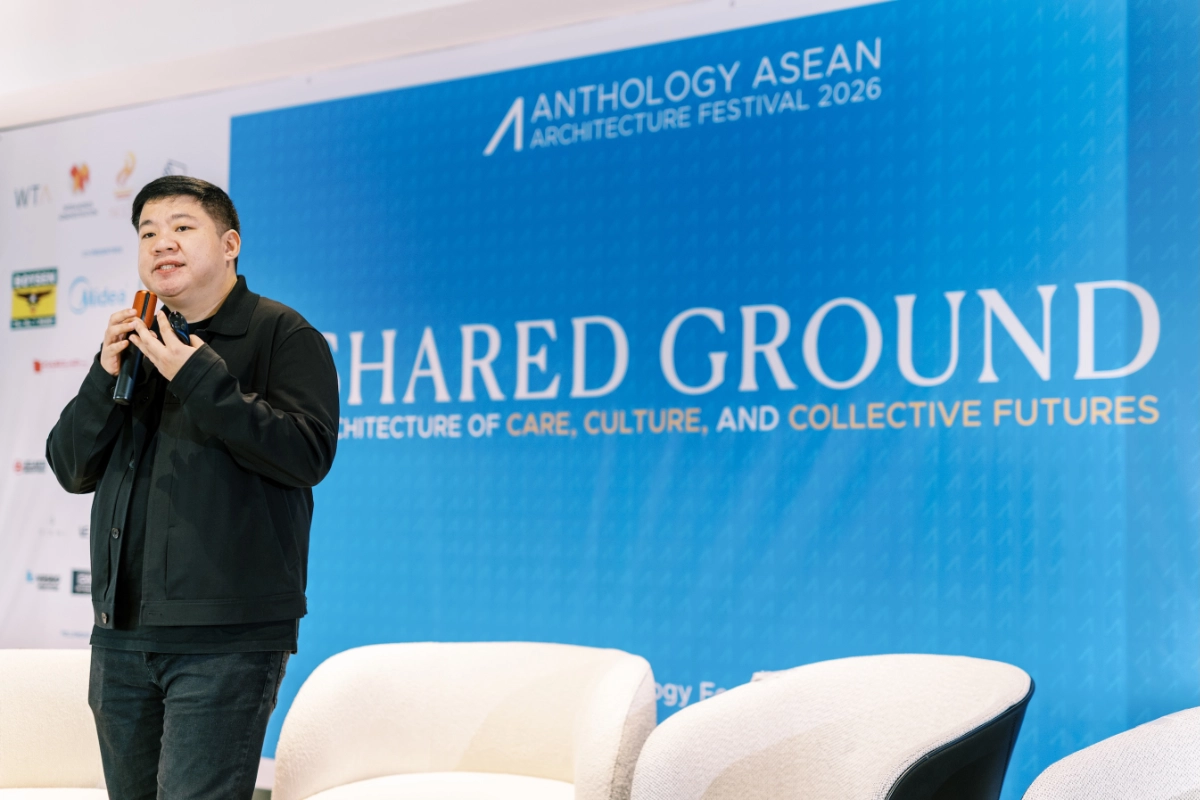
“Buildings only become architectureArchitectureThe art and science of designing and constructing buildings, structures, and spaces that are functional, safe, and aesthetically pleasing. It encompasses the planning, design, materials, and techniques used to createGo to Architecture Glossary when they are shared,” said William Ti Jr., founder of the Anthology Festival and WTA Architecture and Design Studio, […]
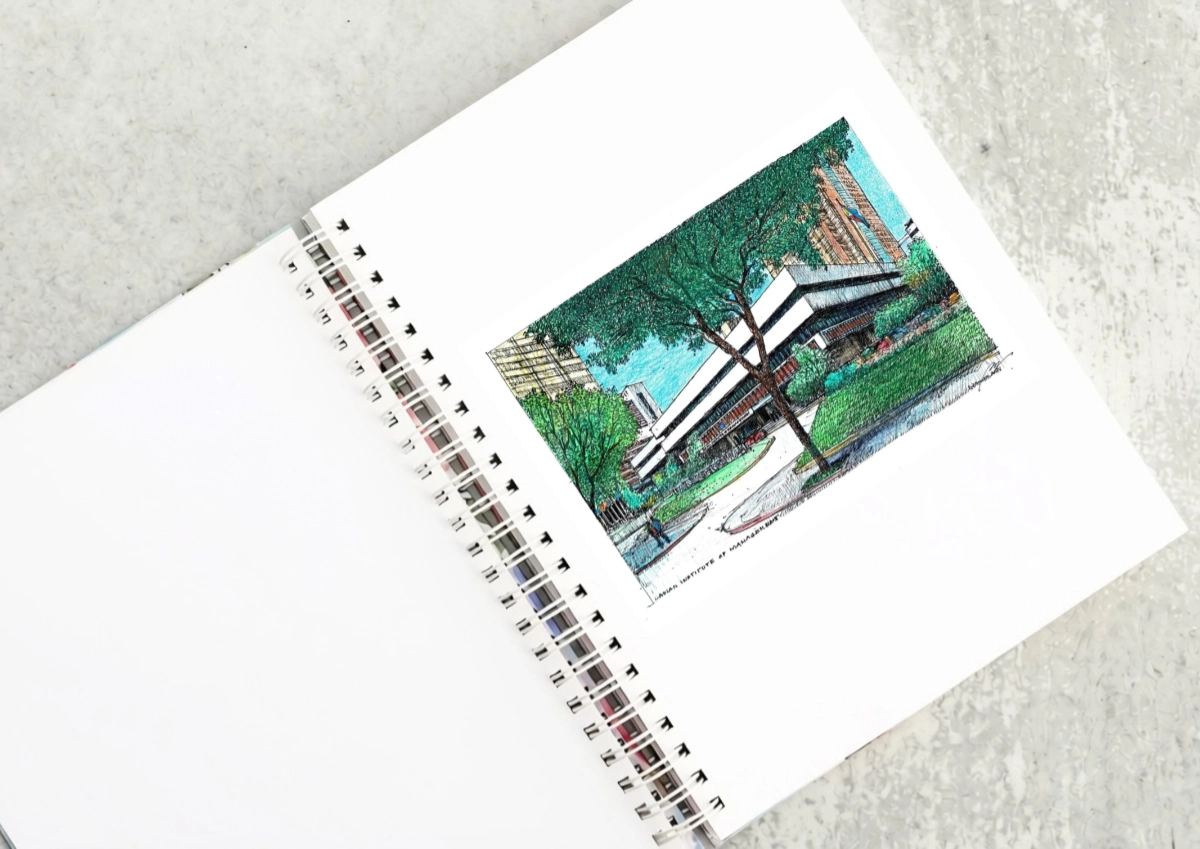
A Filipino Interpretation of Modernist Architecture Unlike the rest of Makati today, the northern end of Paseo de Roxas in Makati is anchored by a low complex rather than a tall skyscraper. This is the elegant Asian Institute of Management, designed by architect Gabriel Formoso and completed in 1971. In my opinion, the building is […]
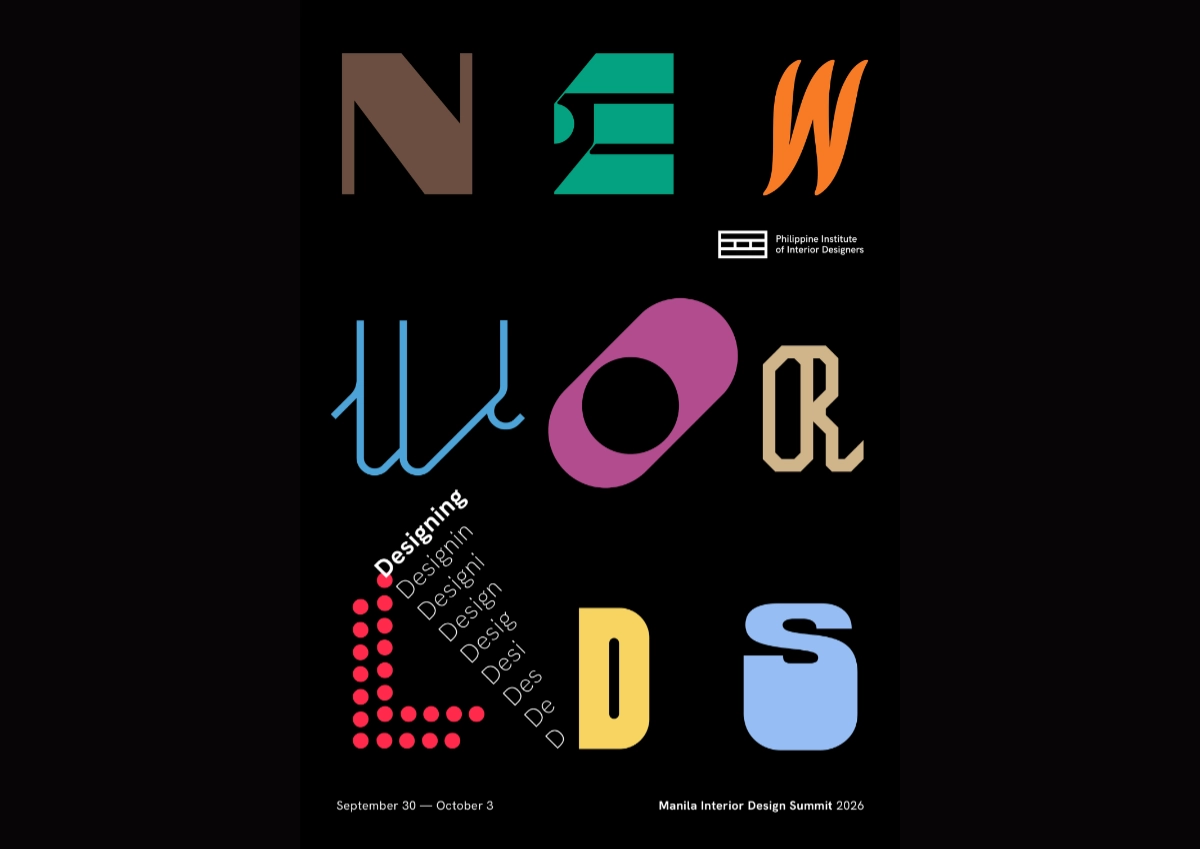
“Thailand has claimed urban creativity and livability. Singapore has institutional design leadership. Indonesia is emerging as a design hub. Vietnam is moving into design innovation. And the Philippines? Its position is not weak. It is simply unclaimed.” For IDr. Cecil Ravelas, National President of the Philippine Institute of Interior Designers (PIID), the challenge is not […]
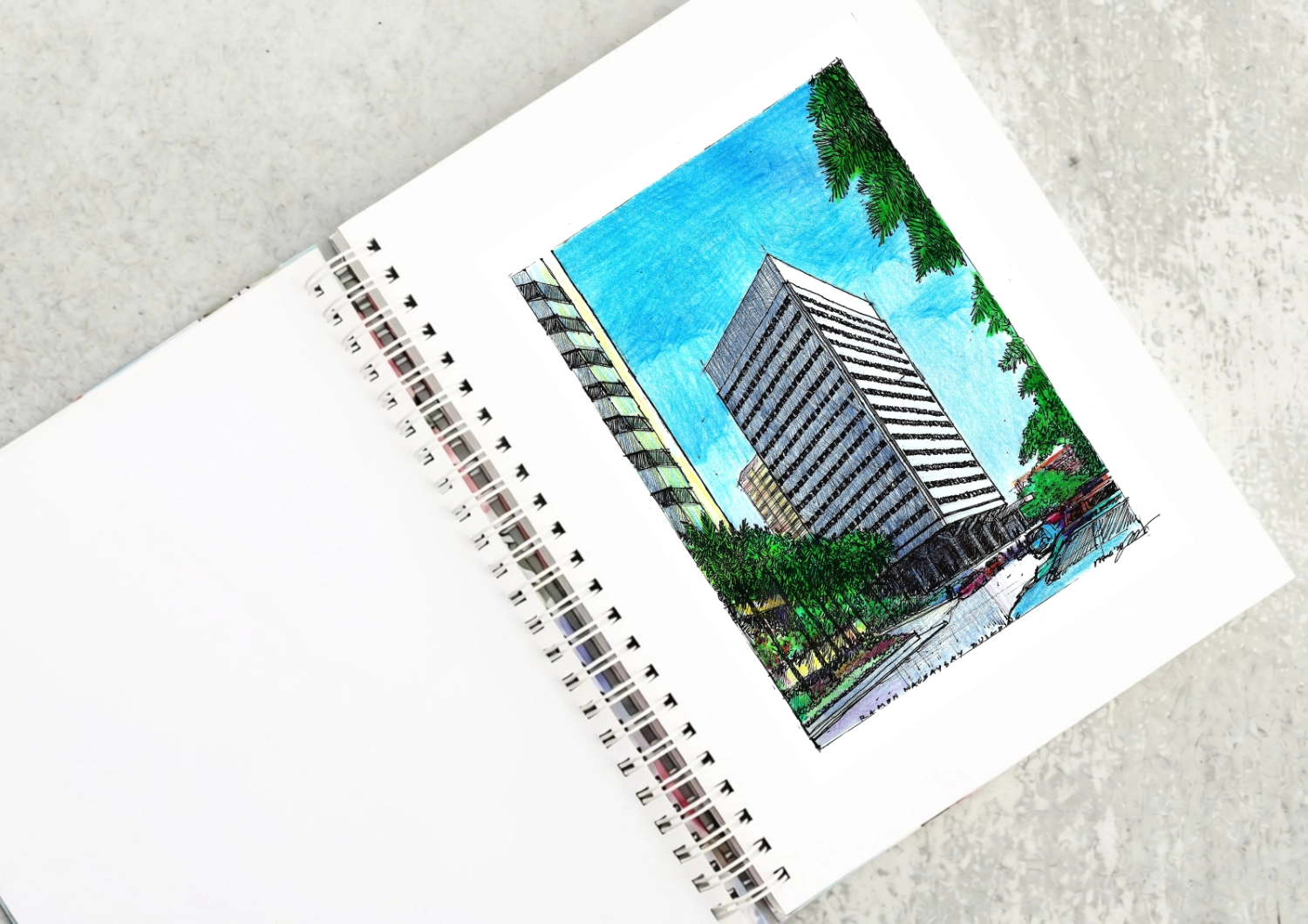
The Ramon Magsaysay Center as a Modernist Landmark Driving down Roxas boulevard from Rizal Park, what will catch your eye is the most elegant modernist structure in the country, the Ramon Magsaysay Center. Most established Filipino architects put it in their top ten lists of favorite buildings. It was designed by Alfredo J. Luz, who […]

Rinna Soriano’s favorite part of her work is sanding. At her workbench, she stays focused, following the grain, adjusting to changes in its direction. Narra, she has learned, can have interlocking grain. A piece of mango once proved particularly difficult until a worker explained that she had reached the point where a branch once grew […]
Read the issues.

Collect the volumes.

Recommended Video
Tap to Unmute
Unmute
0:00
0:00