Archie G. Carrasco, Chairman and CEO of AGC Power Holdings Corp. (AGC PHC), has been named to The BoF 500 Class of 2026 under the Media category, joining The Business of Fashion’s global community of individuals shaping the fashion industry. Carrasco is among 100 new members from 33 countries and 48 nationalities selected for the […]
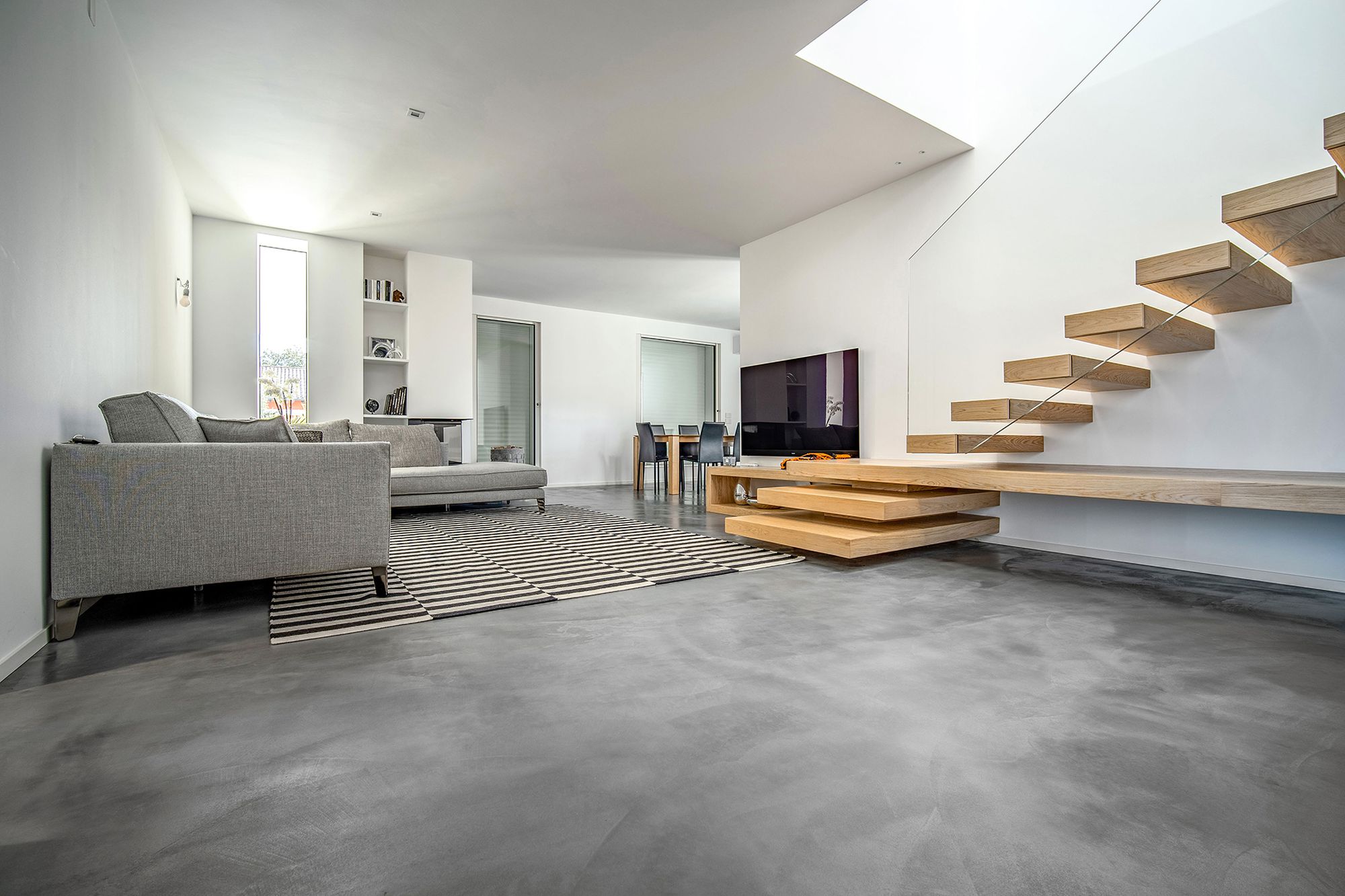
Epoxy Flooring and Everything to Know About This Coating



You might have heard about epoxy as a common adhesive and coating material for industrial uses. But as people go beyond the traditional options of improving interior designs, epoxy found a new application on house floors, too. If you struggle from spills, stains, and scratches damaging your floors, this coating solution can make indoor living easier for you. Curious how this material can change the wear and tear surfaces? Here’s everything you need to know about epoxy flooring.
What is Epoxy Flooring?
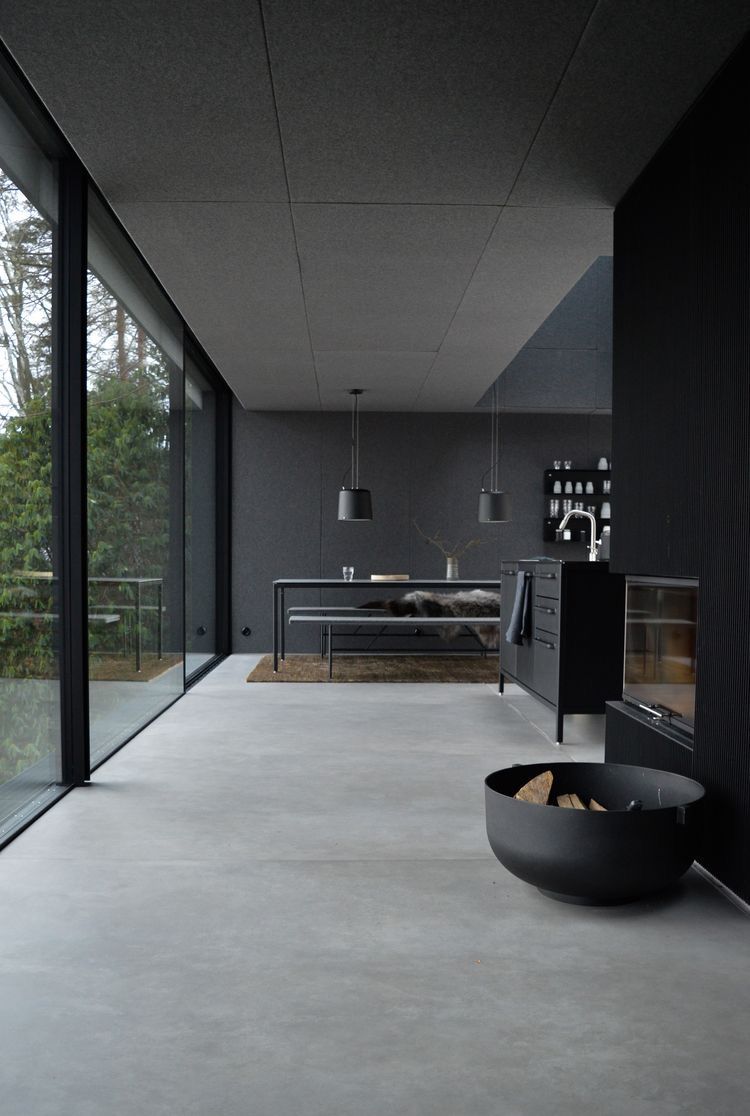
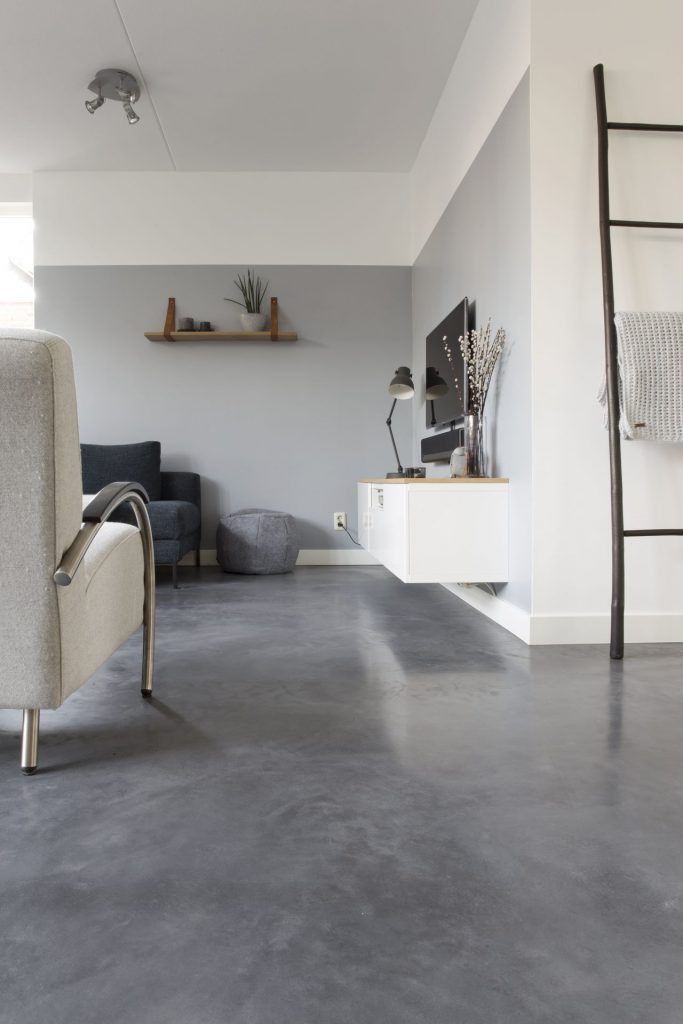
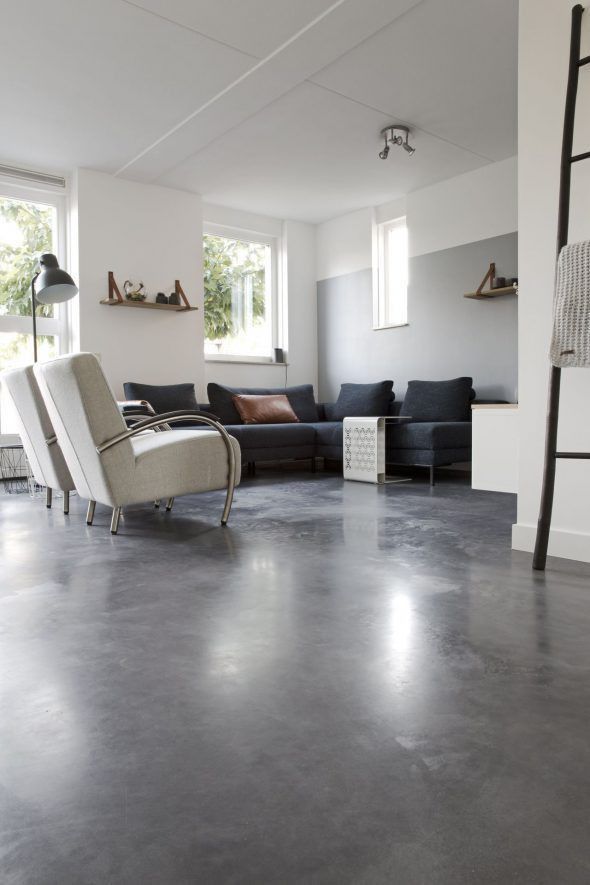
Epoxy flooring is the coating of prepped concrete surfaces with an epoxy resin layer and a hardening agent layer finish. This makes this coating highly resistant to harsh conditions such as high foot traffic, extreme temperatures, and chemical exposure. Since it becomes a new addition to interior designInterior DesignThe discipline of planning and shaping interior spaces for function, comfort, safety, and beauty. It covers layout, lighting, materials, finishes, furniture, and color, and in the Philippines is a licensedGo to Interior Design Glossary, it comes in a variety of colors and designs for extra versatility.
Aside from its durable and customizable qualities, epoxy floors can resist up to 98 percent of liquid and dirt. Its hardy material also prevents wearing off and scratches, making the floors low maintenance while keeping its design intact.
Exposing Epoxy’s History
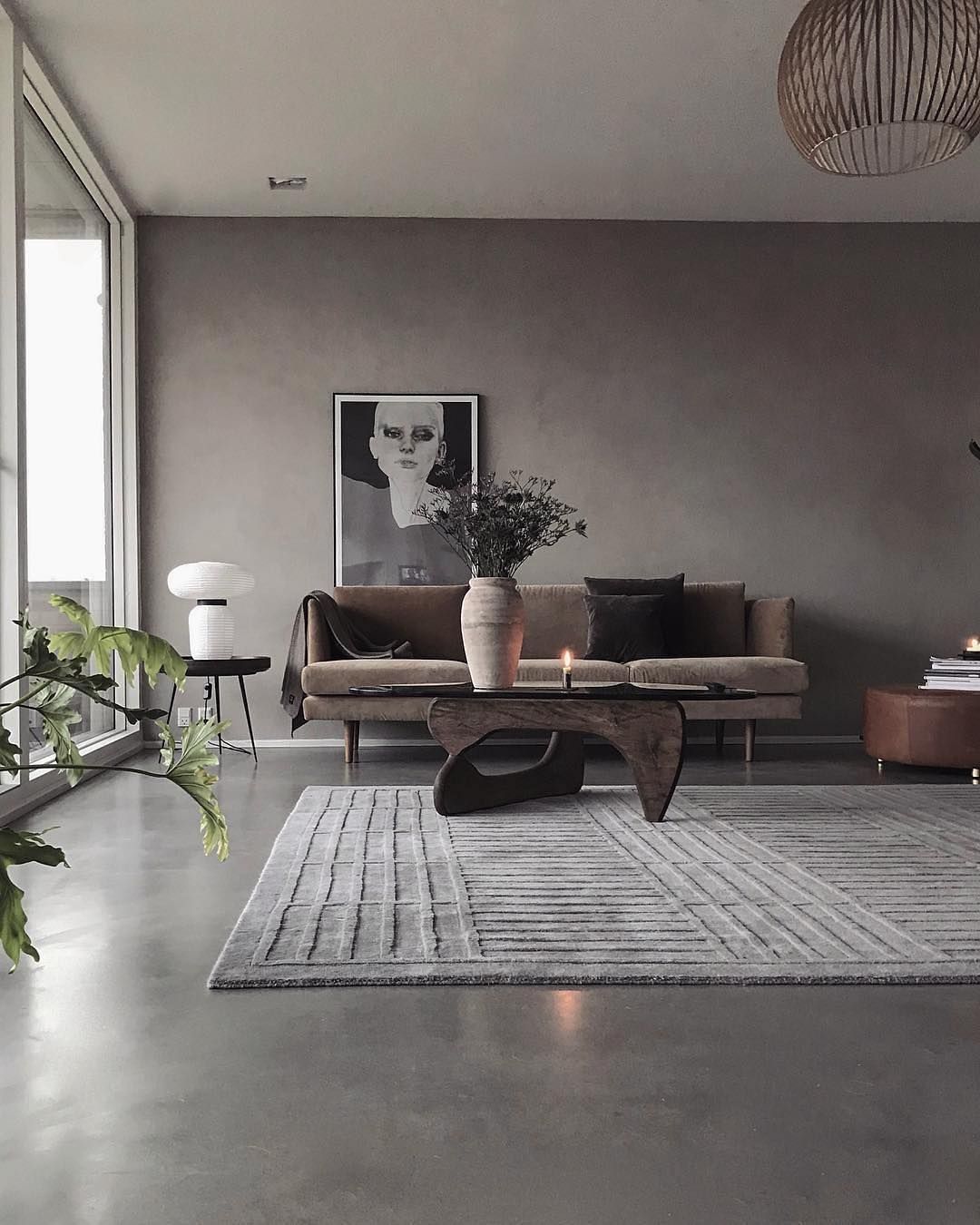
Despite being a novel design innovation, this type of floor coating has a long history. Back in the early 20th century when its main ingredient, epoxy, was invented. Following Swiss chemist Pierre Castan’s development of the first epoxy polymer, people then began to market it in 1936.
After American chemist Sylvan Greenlee patented the first epoxy resin, epoxy floors began to rise in popularity in different industries. This floor system served as a military installation’s protection from massive artillery and increased walking activity. Artists also utilized it to create wall and floor designs, and even played a huge role in NASA’s space exploration. Now, commercial and industrial establishments adopt epoxy flooring as part of their workplace safety management.
Apply to High Traffic Areas
Similar to high-traffic settings, there are certain areas in your home that are relatively busier and more crowded. And this is where epoxy flooring is particularly applicable.
Garage. This area has the closest function with industrial parks like warehouses and factories. Since it houses heavy vehicles and is sometimes used as storage for heavy-duty hardware, it is prone to floor chipping and automotive liquid spills. By coating its floors with epoxy, you don’t need to worry about floor stains and damage even when you accidentally drop solvents or tools.
Kitchen. As the busiest part of the house any time of the day, kitchen floors are not safe from food splatters and scratches from dropped cookware. This makes this area at risk of bacteria build up and slippery floors. With its seamless and easy-to-sweep properties, epoxy flooring helps in keeping the kitchen sanitized. And by putting an anti-skid additive, it prevents potential accidents and floor cracks for safer food prep.
Bathroom. Since they are frequently soaked with water and chemicals and trapped with moisture, bathroom floors become easily fragile. This can lead to unwanted leaks and mold that reduce its functionality and aesthetics. Through epoxy flooring, you can achieve a water-resistant surface that is easy to maintain. And unlike tiles with grout lines, its smooth finish leaves no room for dirt to accumulate.
How to DIY
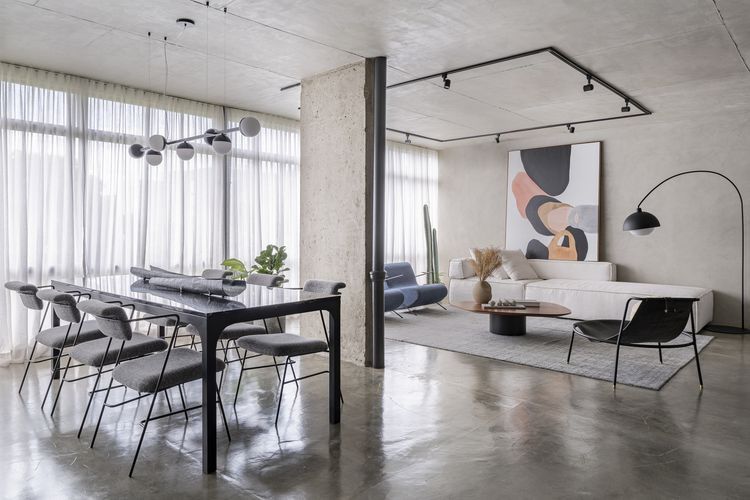
Installing epoxy floors is a long process, but you can still DIY through these four easy steps.
Prepare a smooth, clean base. Using a grinder, smoothen out your base surface and clean the scraps afterwards. You can also apply cleaning solutions like bleach to wipe off excess dirt. This is a meticulous and vital step to avoid peeling and cracking.
Mark your surface. Place duct tape around the floor surface you want to work on. Make sure the area is completely covered to avoid spilling the epoxy solution.
Apply an epoxy sealer. Applying epoxy sealer prior to coating prevents air bubbles from forming in undetected cracks of your concrete base floor. Let it cure, and once it’s dry, sand the surface and dust it off.
Begin coating. Do the first coat of epoxy resin using a paint roller. Wait for it to completely dry before applying the mid coat and repeat the same procedure when applying your top coat.
Epoxy flooring doesn’t only give you the option to easily maintain your space. With its industrial origins, this coating system allows you to seamlessly carry out your intensive house chores on floors that are flexible and built to last.
Photos from Pinterest.
Read more: House C: A Concrete Cabin in the Swiss Mountains


Culture in design does not always announce itself through a recognizable motif, material, or symbol. It can also be embedded in the relationships designers build, the knowledge they listen to, the materials they choose, and the decisions they make in response to communities and their environments. This distinction emerged throughout the 2026 International Design Conference […]
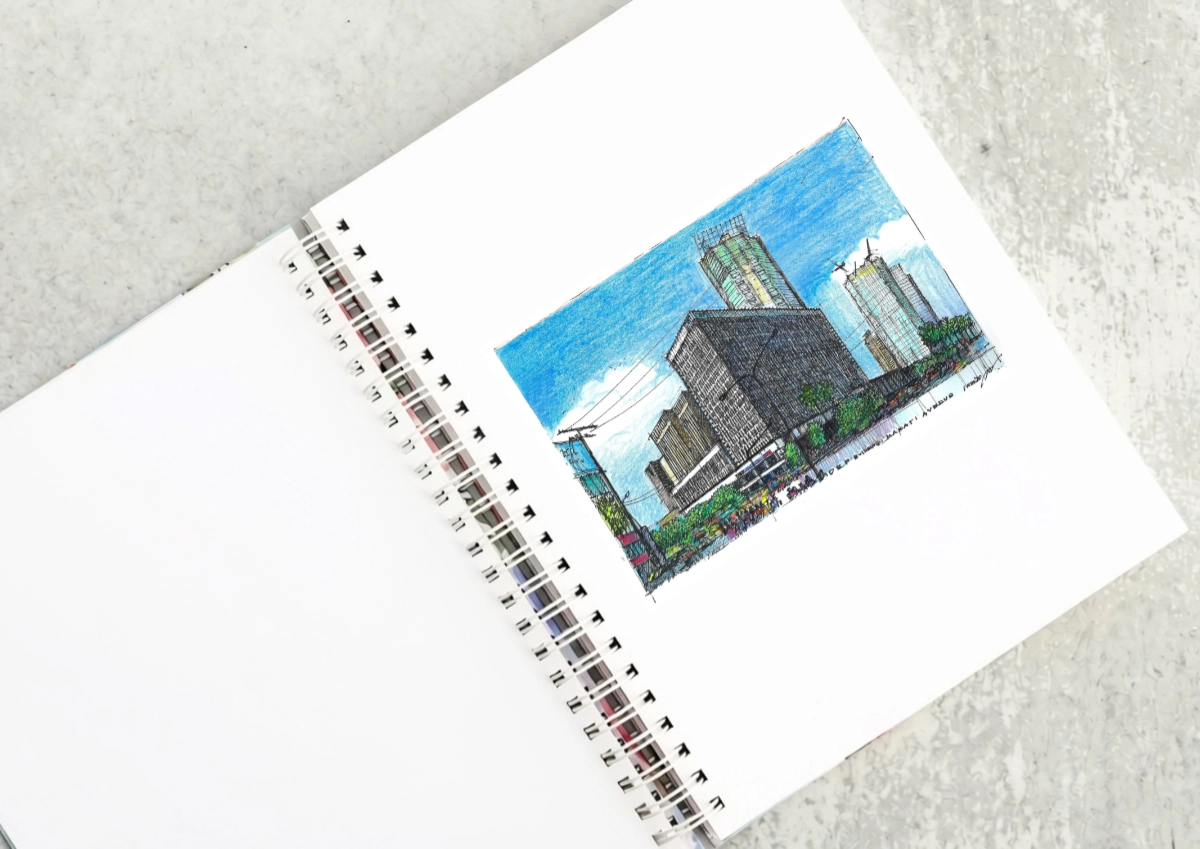
The DBP Building as a Landmark of the International Style At the corner of Sen. Gil Puyat Avenue and Makati Avenue stands a landmark of the Makati Central Business District. It is one of the last still standing that were built in the first wave of construction in district fifty years ago. The Development Bank […]

“Buildings only become architectureArchitectureThe art and science of designing and constructing buildings, structures, and spaces that are functional, safe, and aesthetically pleasing. It encompasses the planning, design, materials, and techniques used to createGo to Architecture Glossary when they are shared,” said William Ti Jr., founder of the Anthology Festival and WTA Architecture and Design Studio, […]
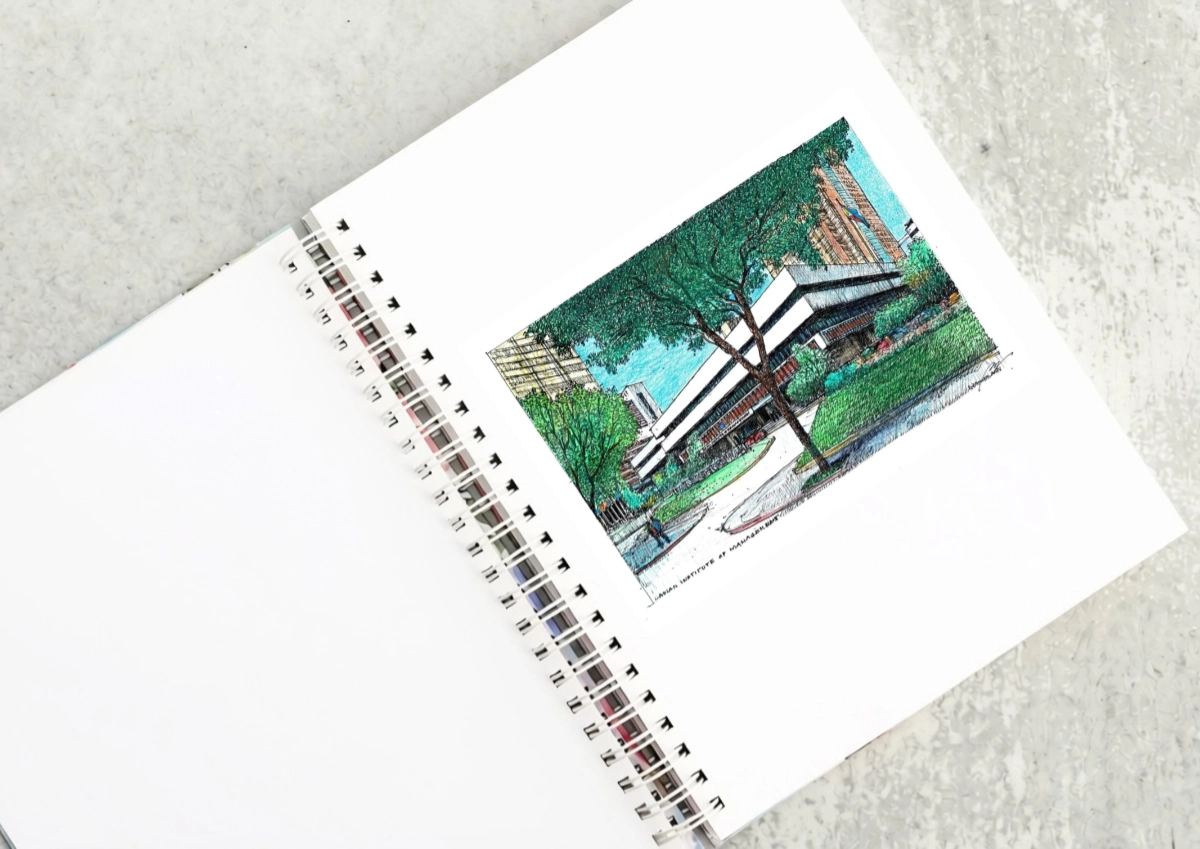
A Filipino Interpretation of Modernist Architecture Unlike the rest of Makati today, the northern end of Paseo de Roxas in Makati is anchored by a low complex rather than a tall skyscraper. This is the elegant Asian Institute of Management, designed by architect Gabriel Formoso and completed in 1971. In my opinion, the building is […]

“Thailand has claimed urban creativity and livability. Singapore has institutional design leadership. Indonesia is emerging as a design hub. Vietnam is moving into design innovation. And the Philippines? Its position is not weak. It is simply unclaimed.” For IDr. Cecil Ravelas, National President of the Philippine Institute of Interior Designers (PIID), the challenge is not […]
Read the issues.

Collect the volumes.

Recommended Video
Tap to Unmute
Unmute
0:00
0:00