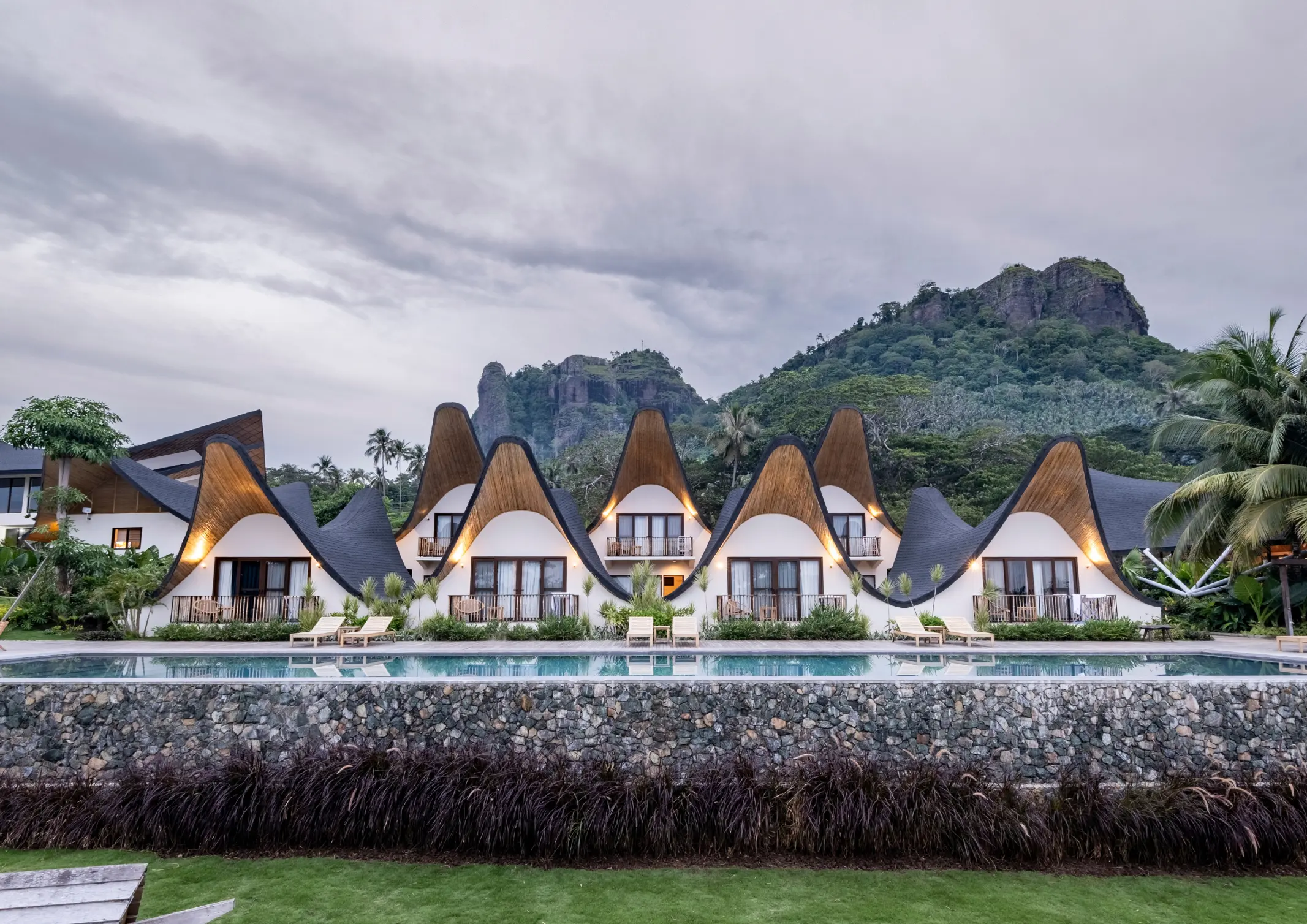
Contemporary design refers to the constantly evolving design trends of today. With the power to design our built environments, architects have been experimenting with various architectural approaches. Whether that is through unconventional forms or the integration of smart technologies, BluPrint lists down Filipino architects who are defining contemporary architecture. Deo Alam Architect Deo Alrashid Alam […]
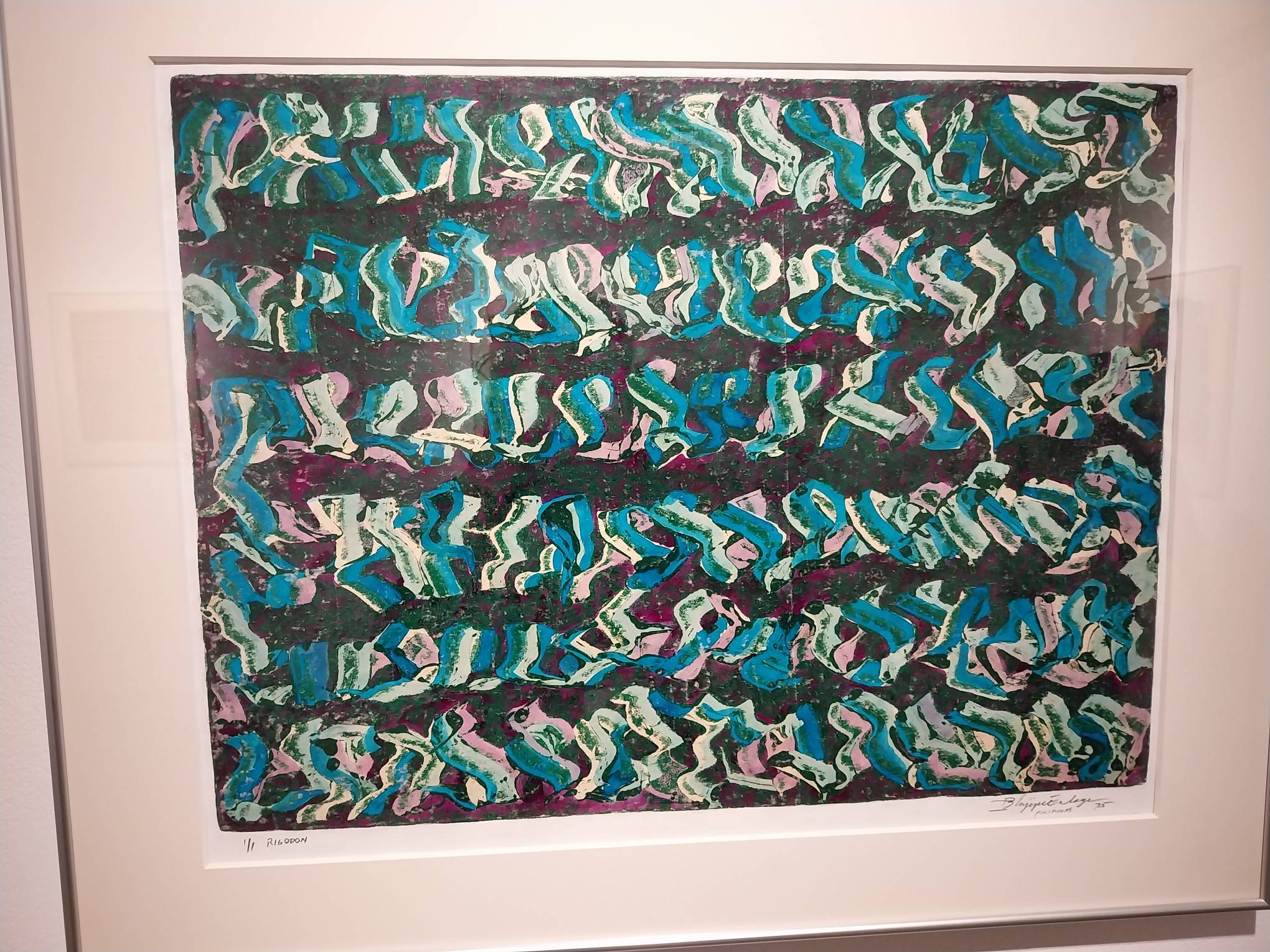
‘Rigodon’: Cajipe-Endaya Finds Chaos and Freedom in Abstraction



Rigodon is the new exhibit in Silverlens Manila by Imelda Cajipe-Endaya. Having been active in the local art scene since the 1970s, the new exhibits show some early paintings of hers that are a lot more abstract than her more well-known paintings and collages.
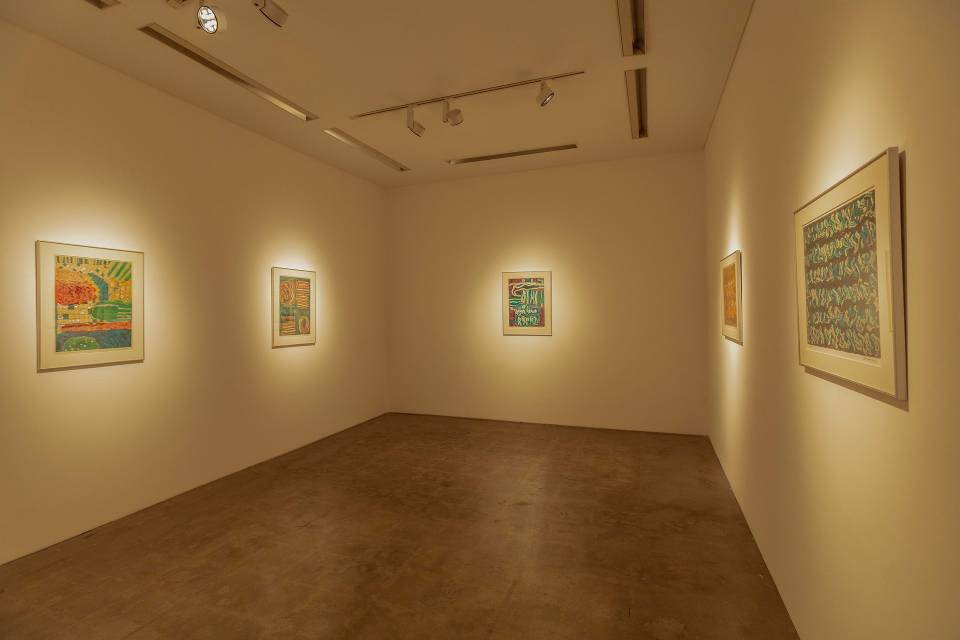
The exhibit’s name comes from a Filipino court dance brought to the country by the Spaniards during the colonial period. It possibly derives from a similar French folk dance called “rigaudon,” though the etymological relationship of the two words remains unclear.
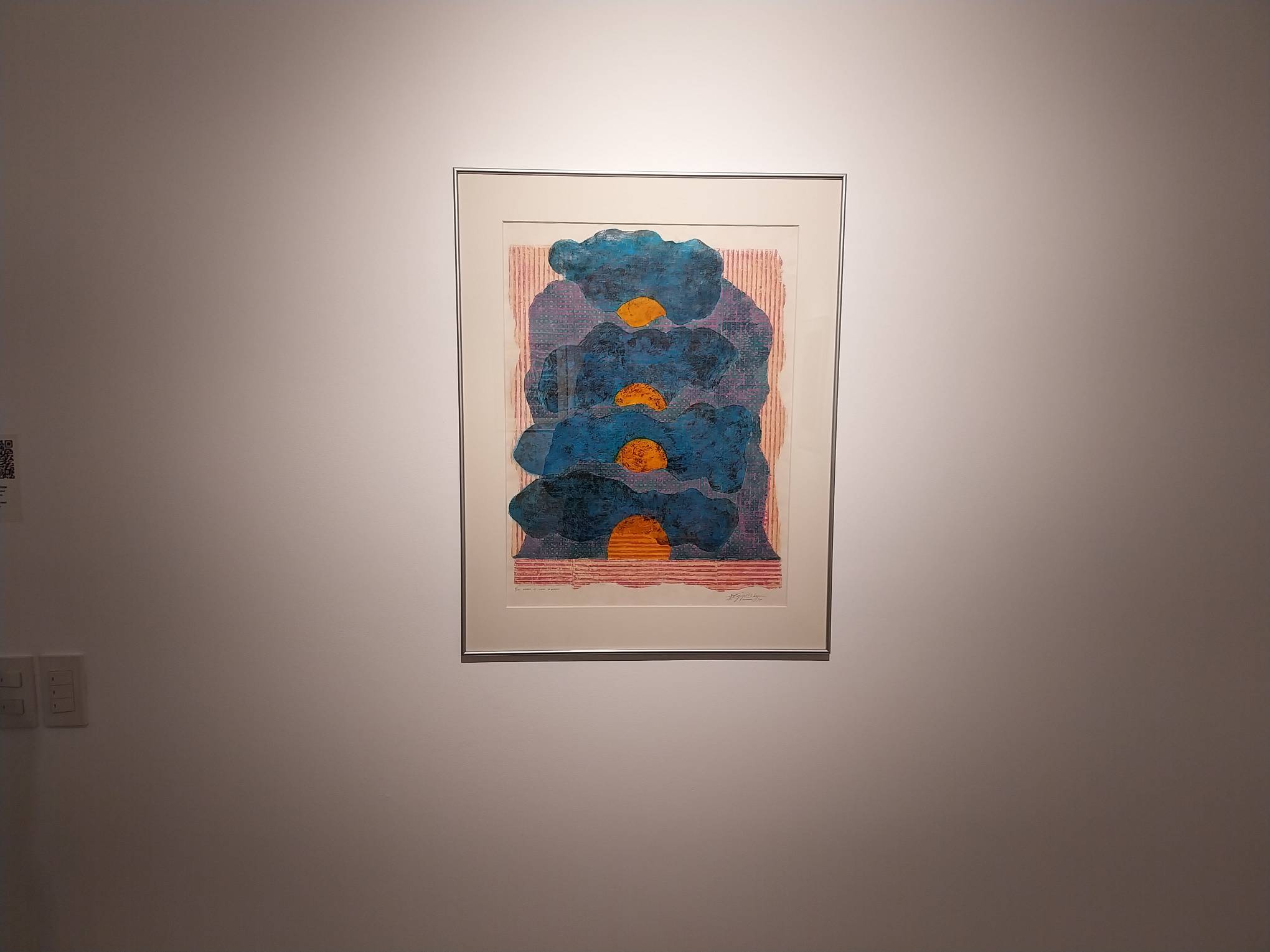
These paintings, made between 1974 and 1975, seem to be her way of “assert[ing] her own voice.” As Nicole Soriano says in her write-up, “The results thus deviate from some Philippine modern artists who gained prominence after the Second World War—most of whom were men—whose works reflected traces of western influence, such as cubism and abstract expressionism.”
Advertisement
Traditions of the Past
The choice of “rigodon” as a title seems to be intentional. It is a “precise and elegant” dance, as noted by Soriano. It feels like something out of a Regency drama or a Jane Austen adaptation. The dance is done in formal functions, with traditional Filipiniana clothes, a practice by the elite that lends legitimacy to their existence.
And yet, Cajipe-Endaya’s works pokes fun on that precision, portraying the dance in a chaotic way without removing its elegance. She focuses on the community, on the way that it brings people together, rather than the elitism that seems to exist in the way society uses it.
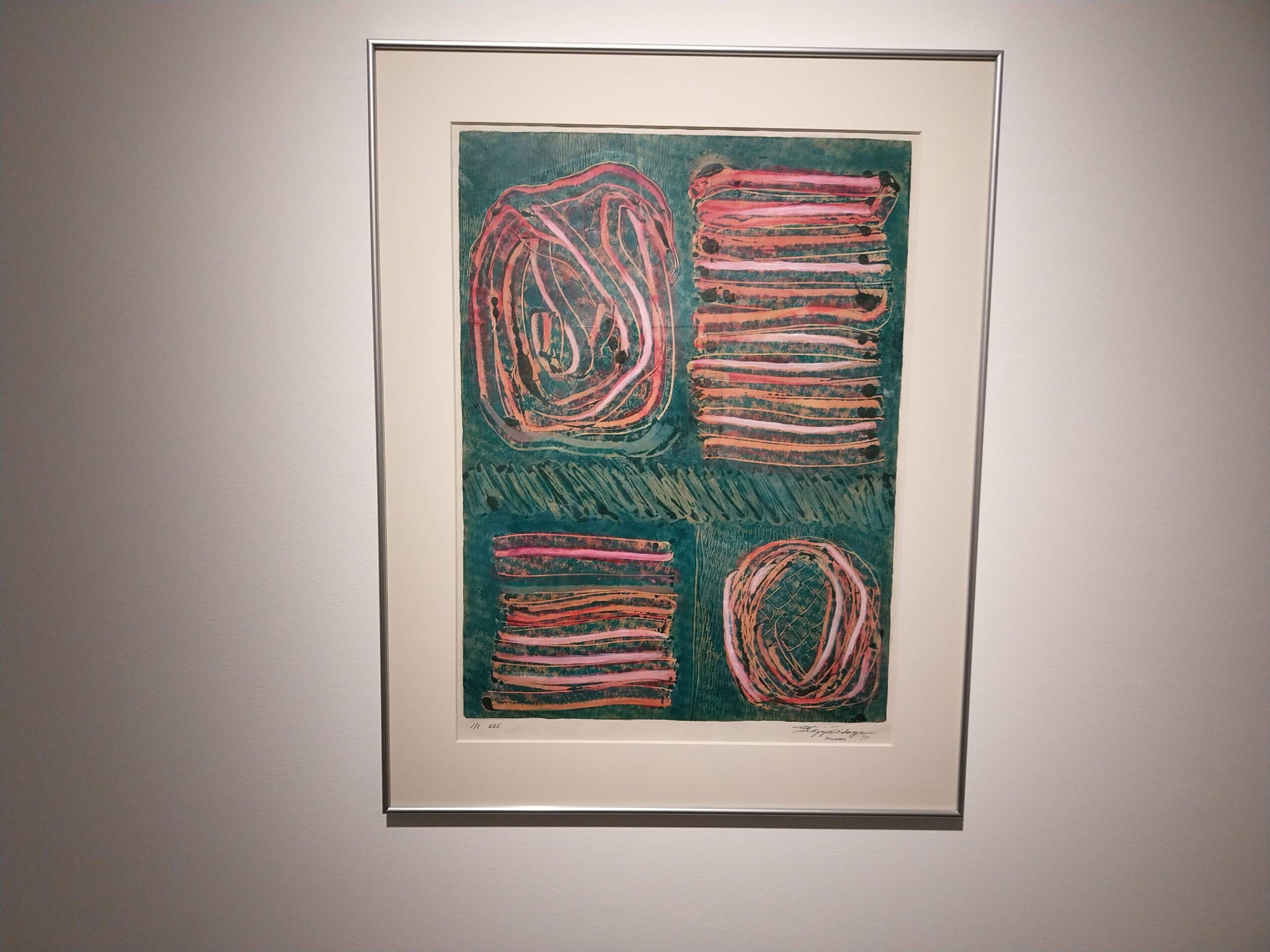
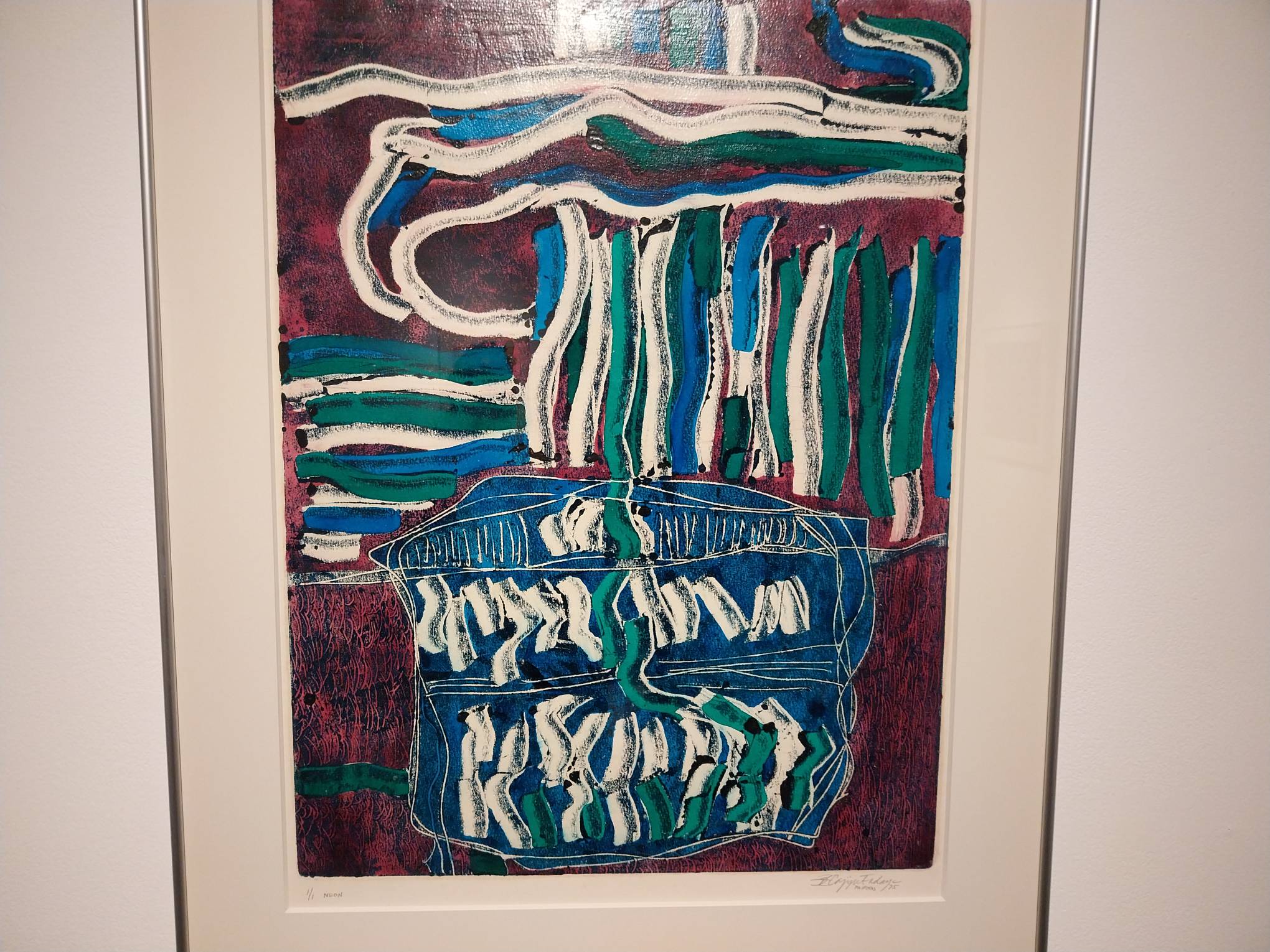
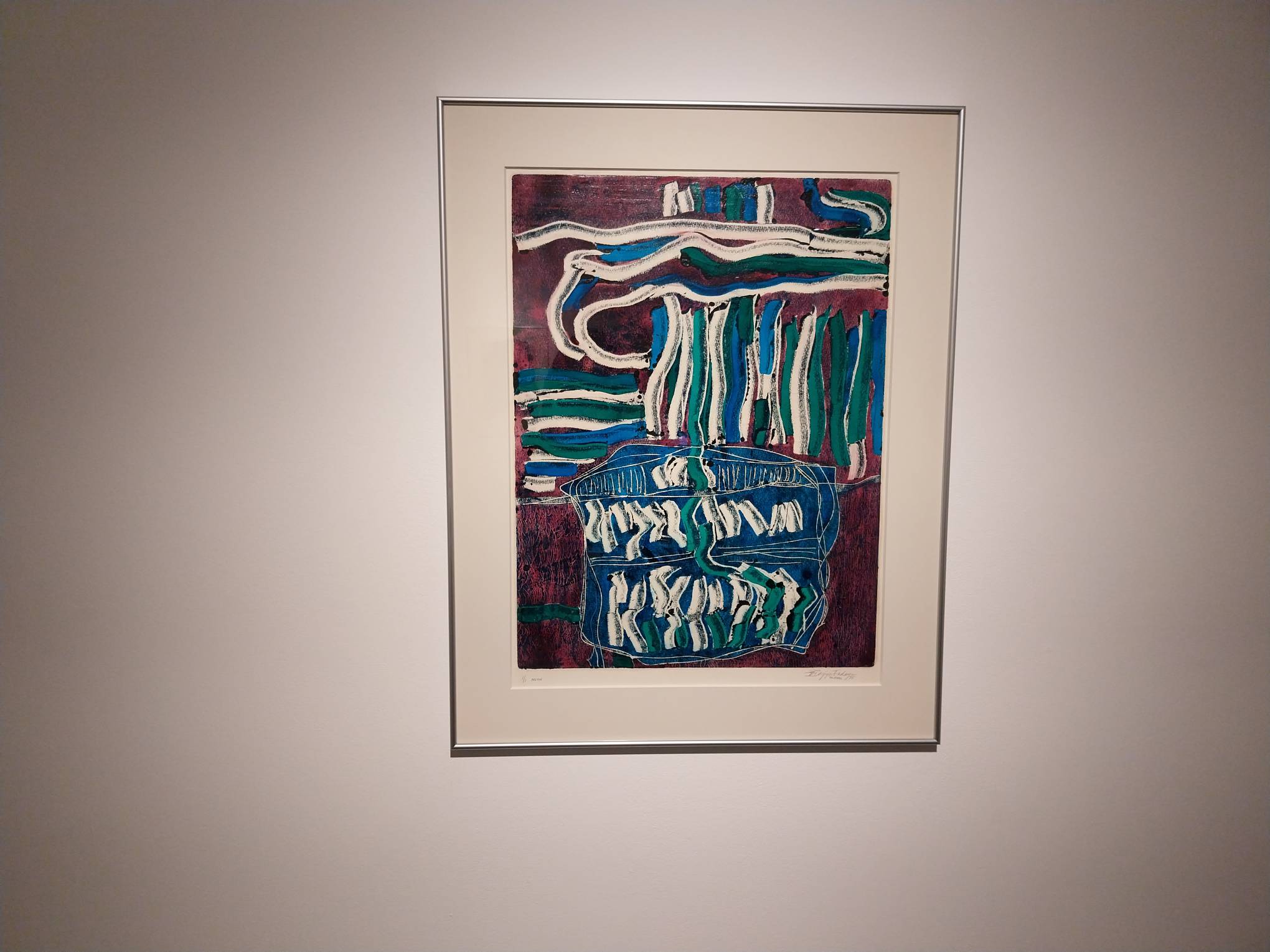
One can see this best in the paintings “Rigodon” and “Ube.” The way she paints “Rigodon” feels frank and raw. It feels like a Basquiat in the way it deconstructs traditional ideas and the modernity that exists in it all. You can see it in the strokework, creating the figures with precision while portraying the chaos that a communal dance like rigodon would encourage.
Advertisement
Meanwhile, “Ube” plays with linework as it showcases the energy and variations of people’s movements. These lines feel like it traces how the people moved. One can see the small variations in each line and in the circles giving a perspective of looseness in the motion of the community. It’s alive and bursting at the seams, unable to be contained within the barriers that were set.
New Perspectives
Cajipe-Endaya focuses on pre-colonial ideas in some of her paintings, and this exhibit showcases her unique interpretation of that. With some of these paintings, it feels like a re-litigation of our portrayals of what a Filipino is.
Traditions like Filipiniana wear or the rigodon itself has as much influence with Europe as it does within the Philippines, and she seems to be interrogating that within these paintings, reinterpreting the dance from the perspective of our pre-colonial history.
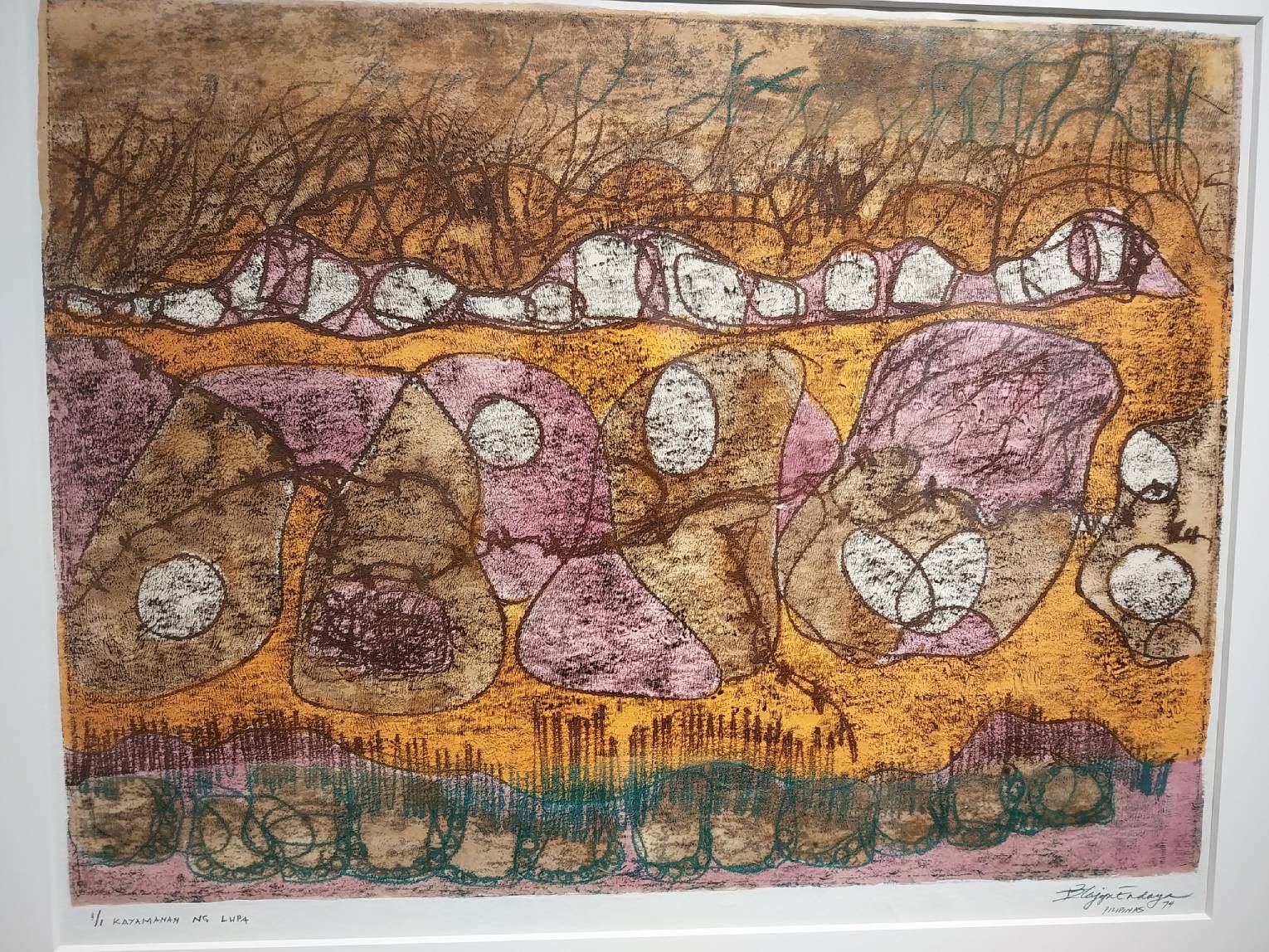
“Kayamanan ng Lupa” and “Tugtog ng Banda’y Halu-halo” evoke lyrical poetry in the criss-crossing use of lines and colors within the paintings. “Kayamanan ng Lupa,” especially, does have these energetic dips and a general sense of crowdedness that feels like it’s reinterpreting a packed dance floor and the vague feeling of “freedom within a cage” inside it.
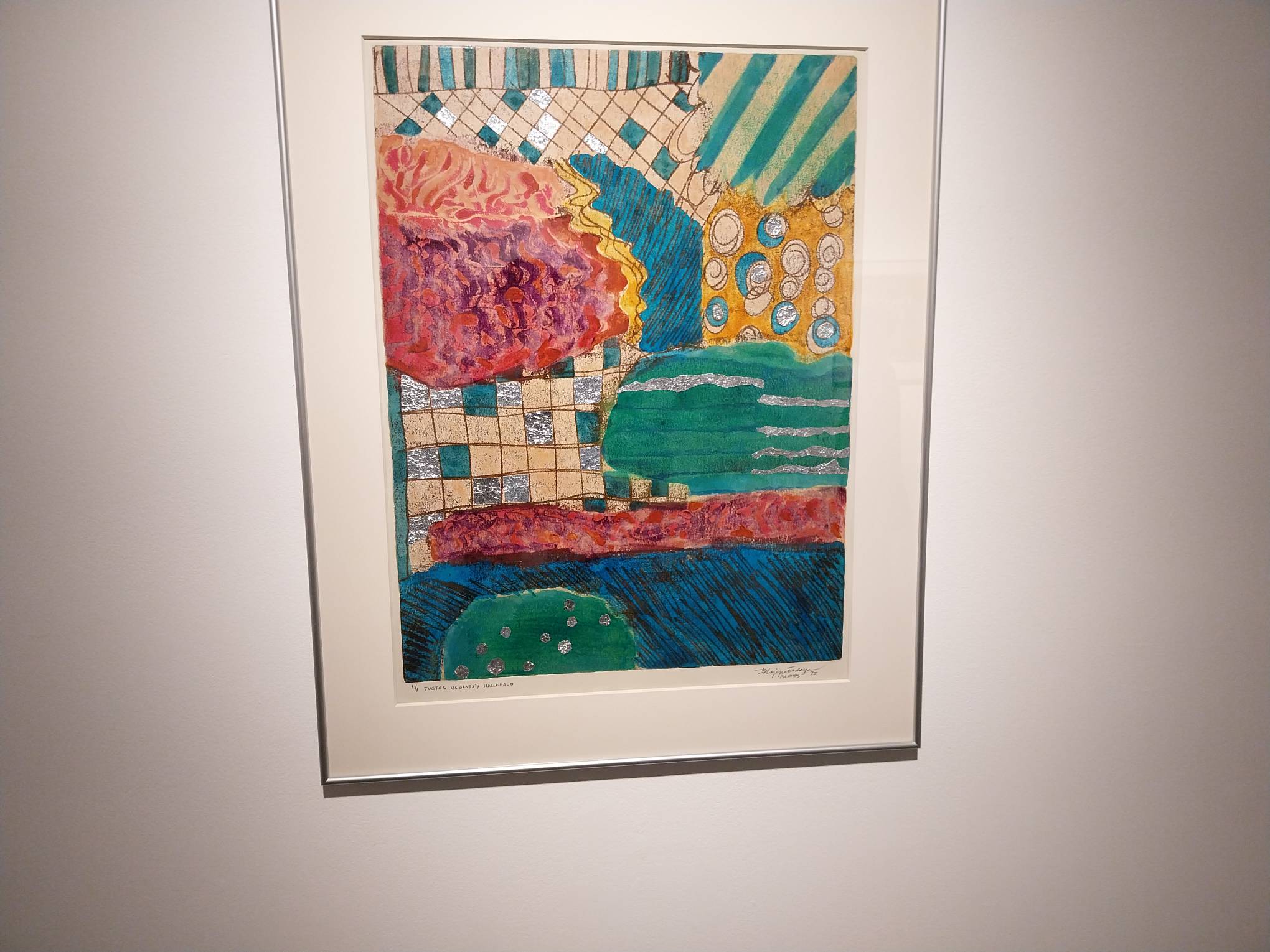
Rigodon gives us an interesting look at an important artist in our history. It shows Imelda Cajipe-Endaya seeking out a way to sever or decolonize our experiences from its past influences, and to portray our Filipino-ness with the zest and energy it deserves. In these paintings, there are no pretensions. We are all moving in the same chaos, free from the shackles of the past even if only for a moment.
Advertisement
Related reading: Silverlens @ 20: For the Love of Art and Exhibition
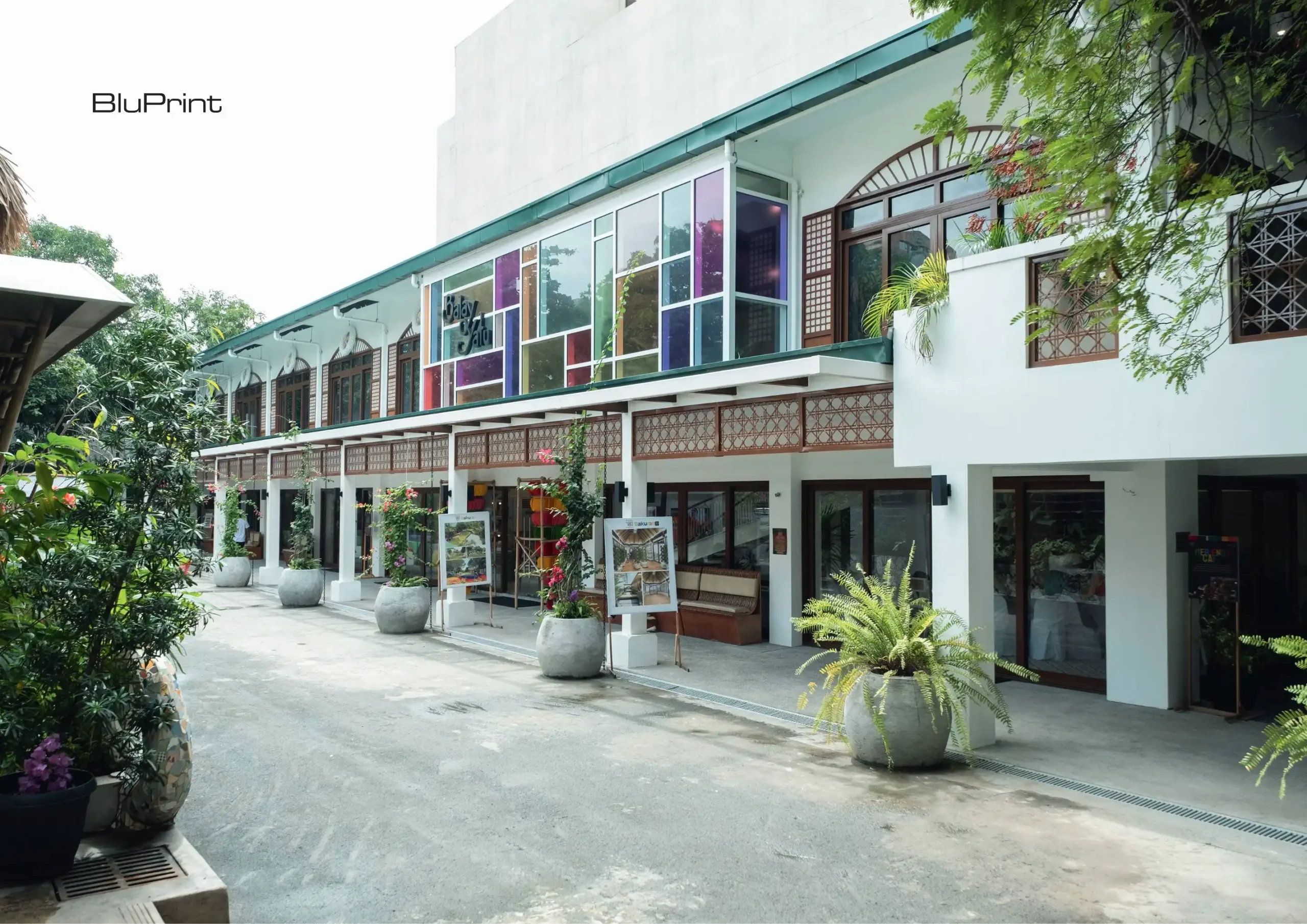
In the Philippines, adaptive reuse gained traction during the 1970s with the rise of conservation and environmental preservation movements. It offered an architectural solution that reuses existing spaces to fit modern needs. Across the country, several projects demonstrate how this approach is being applied—transforming heritage structures into active spaces for culture, hospitality, and community life. […]
Advertisement
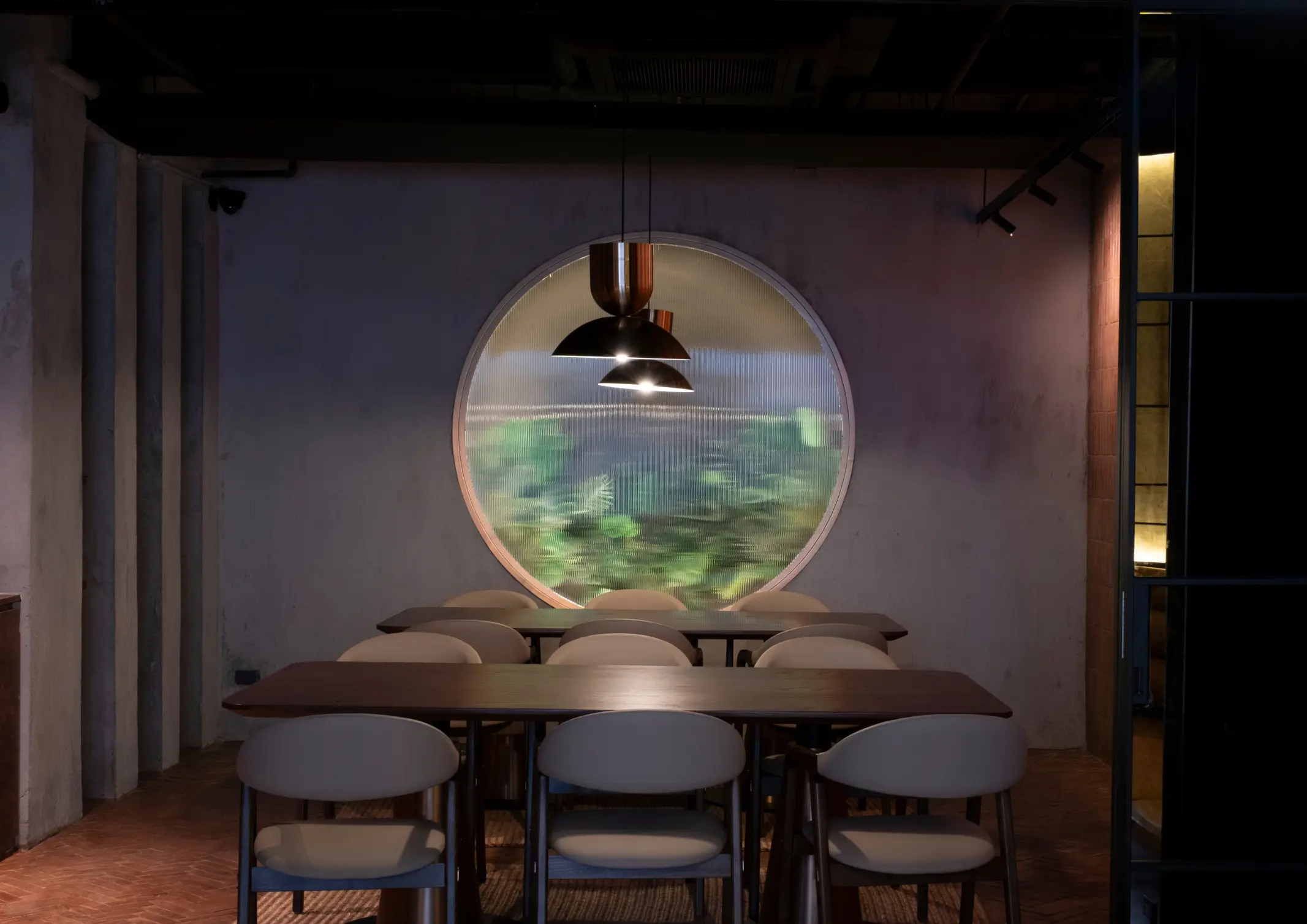
From residential spaces to civic structures, lighting dictates the mood of a space. It controls the visual dynamics of an interior, serving as a guiding tool that highlights key design elements, including materials and textures. Related Reading: Lampscaping: How to Light up Your Home like a Pro Regulating the Mood: Natural and Artificial Light in […]
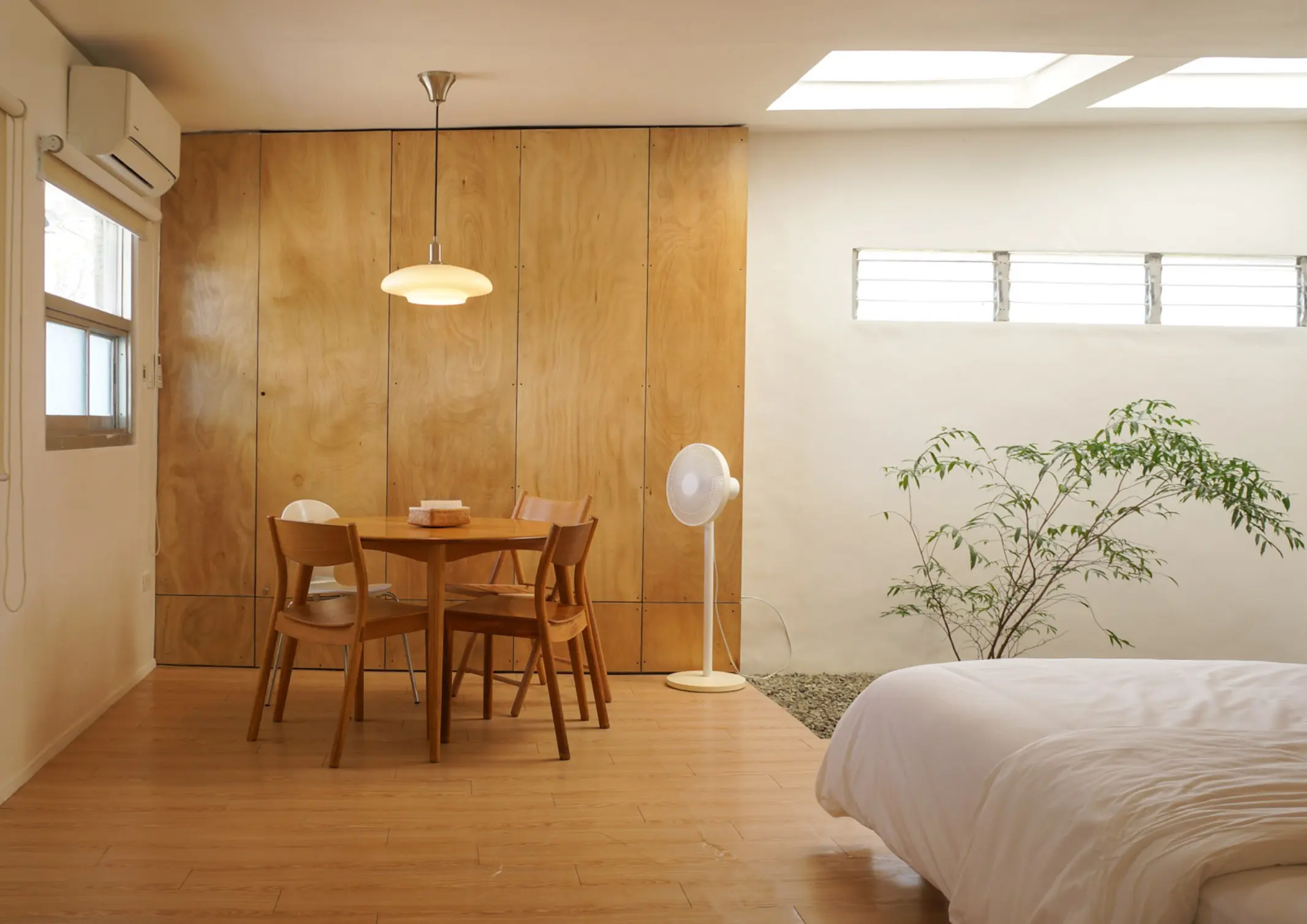
More and more Filipinos are flocking to condominium communities. Often tucked within busy city centers, condo living acts as a small respite from urban chaos. Faced with the challenge of transforming a cramped condominium into a warm living space, BluPrint lists condo interior design ideas that can maximize each square foot of small spaces. Purposeful […]
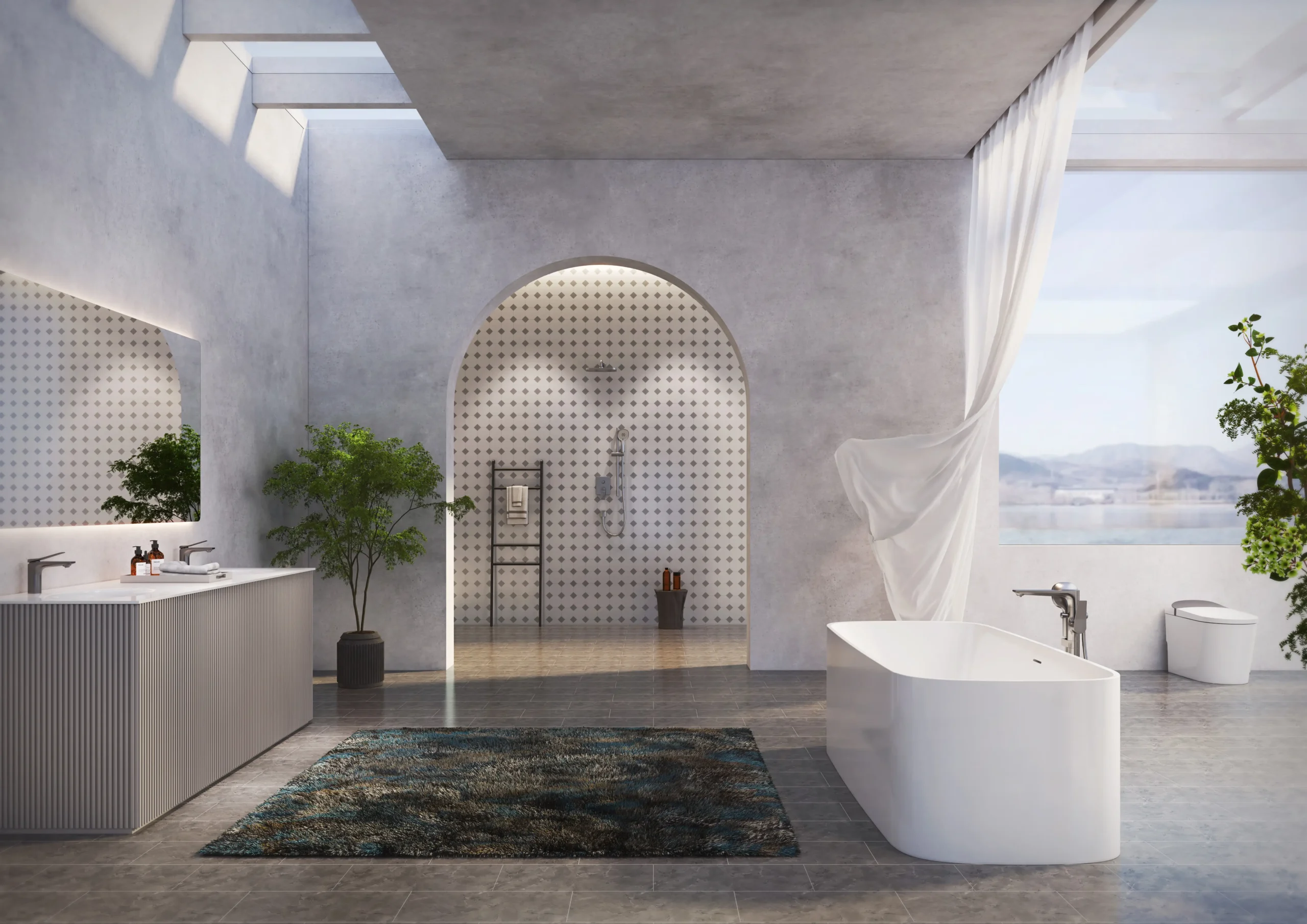
Modern bathrooms are no longer purely functional spaces. Increasingly, they are being designed as environments that support cleanliness, ease, and quiet restoration within the home. As daily life becomes more demanding and health awareness continues to rise, homeowners are beginning to expect more from the spaces where daily rituals begin and end. For architects and […]
Advertisement
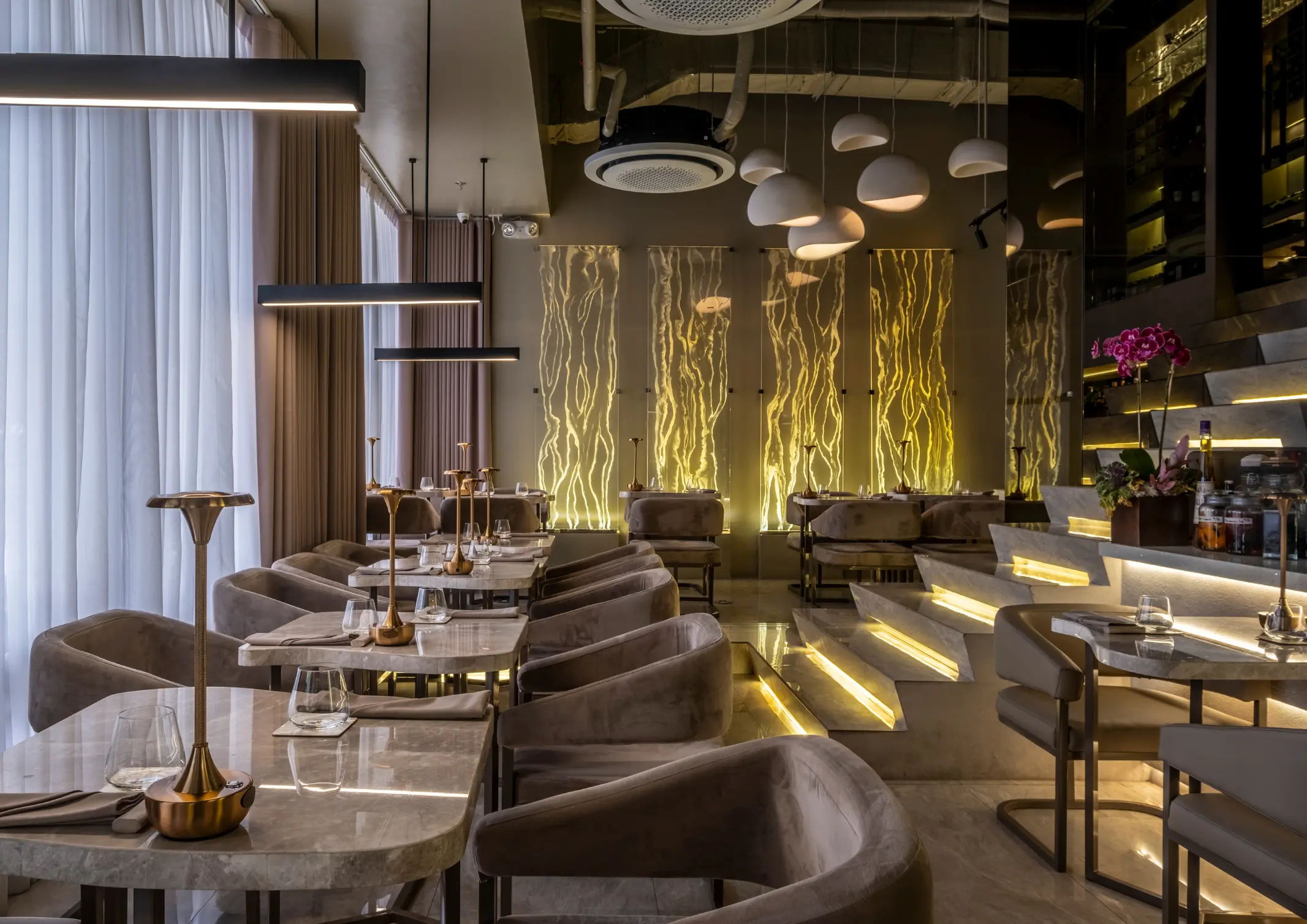
From the moment a diner steps through the door, each detail shapes how a meal is experienced. Restaurant design has evolved, with architects and culinary professionals collaborating to create built spaces that are as intentional as the menu itself. The spatial atmosphere acts as an additional ingredient that can define the culinary experience. Taupe and […]

Download this month's BLUPRINT magazine digital copy from:



Subscribe via [email protected]