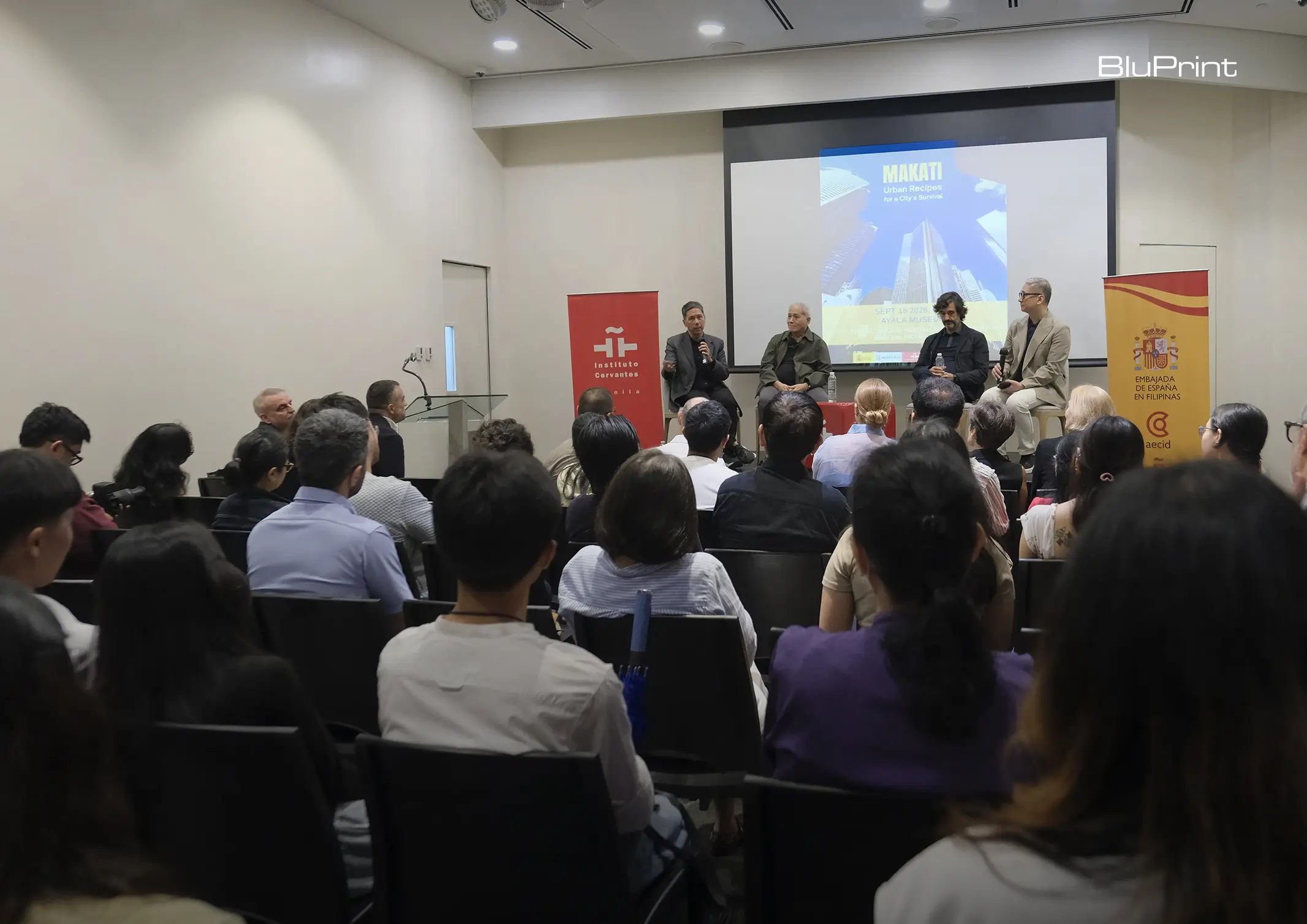
How can better-planned cities create the conditions for more creative, livable, and resilient urban environments? “Makati Urban Recipes for a City’s Survival,” a colloquium held at the Ayala Museum on September 15, brought together architects and practitioners from the fields of urbanism and the creative economy to discuss how design, planning, and collaboration can address […]
‘Lungsod na Walang Liwanag’: Documenting Poverty in the City



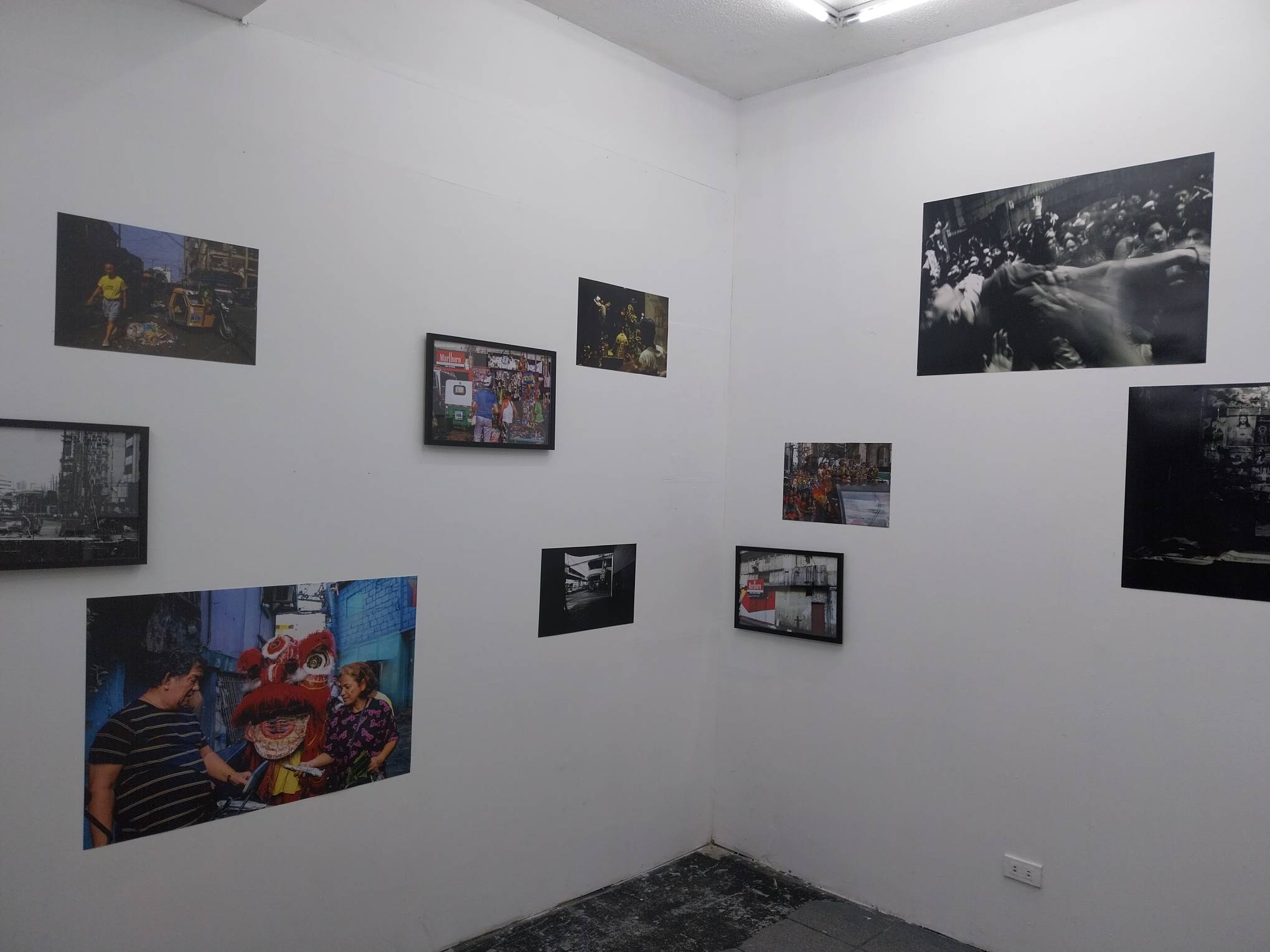
Lungsod na Walang Liwanag is the new exhibit by visual artist Reymark Umpacan. Exhibited at NO Community-run Space at Teacher’s Village, Umpacan’s works revolve around the idea of how people in cities evolve to address poverty.
Specifically, it takes a critical stance on the government’s hands-off approach that forces people to look for other ways to cope with their situations. In Nica B.’s write-up for the exhibit, she exemplifies these traits within the exhibition’s featured works.
“Mas lubos na nasasadlak sa kahirapan ang mga Pilipino, dahil sa kawalan ng nakakabuhay na trabaho at maayos na tahanan, at dahil sa iba’t ibang suliraning panlipunan.” she wrote.
[More Filipinos fall into deep misfortune due to the lack of livable jobs and homes, and other problems inherent in society.]
How We Portray Poverty
Umpacan’s works present Manila in stark terms, effectively photographing at street level away from the monuments and skyscrapers to see how the people on the ground exist.
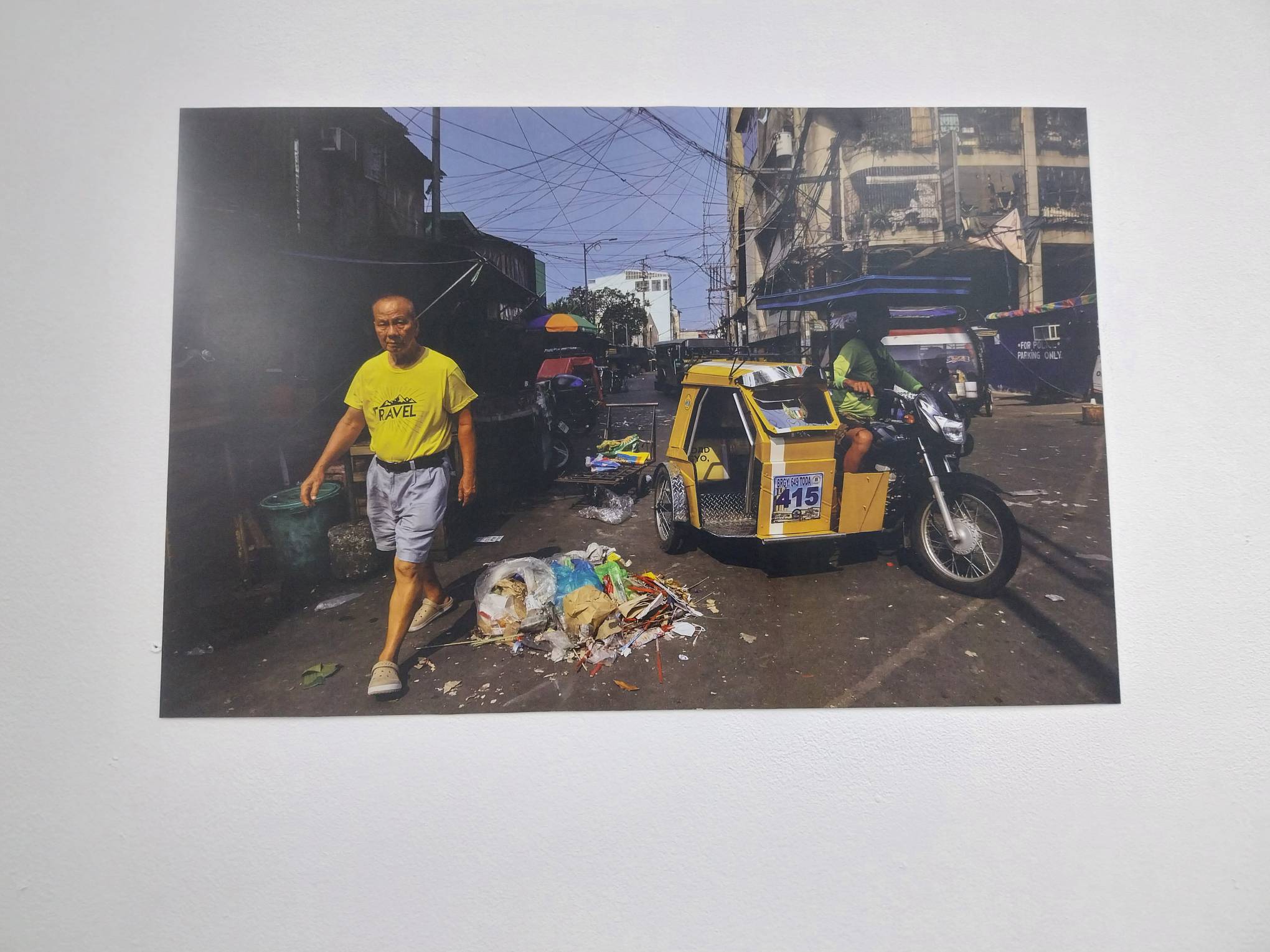
Some photographs show the co-existence of its denizens with the grime of the streets, as in “Pareho ngunit magkasalungat,” where residents and tricycles seem to walk around a small pile of garbage in the middle of the road.
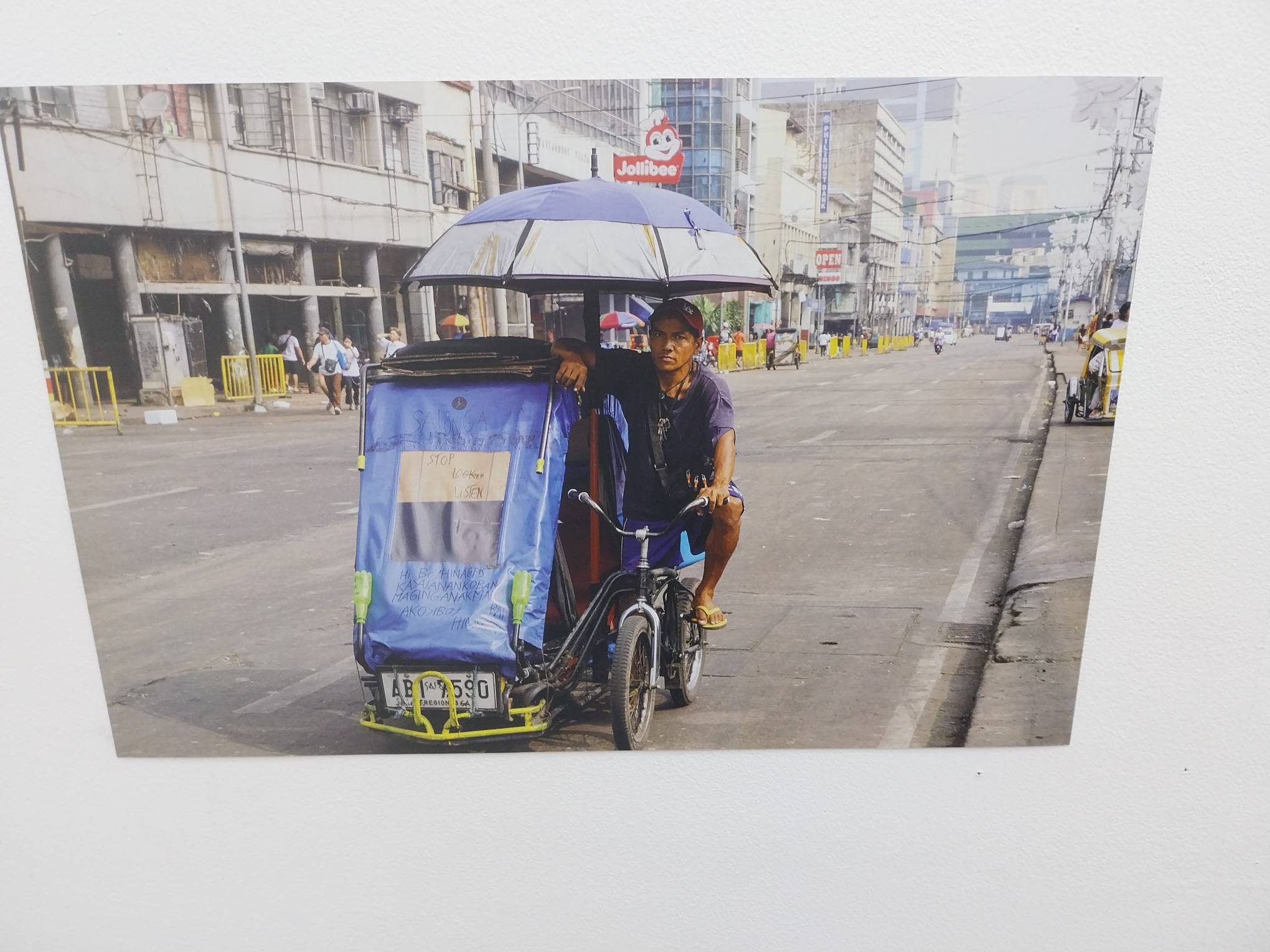
Many photographs here highlight the daily grind of working-class individuals. The best of these, “Hindi mo kasalanan,” shows a pedicab driver with a tired, frustrated look on their face. The derelict pedicab has scribblings on the front, while an umbrella works as a makeshift roof for the driver. It perfectly encapsulates their existence in the periphery, and the lack of help that they get from either the moneyed class or the government.
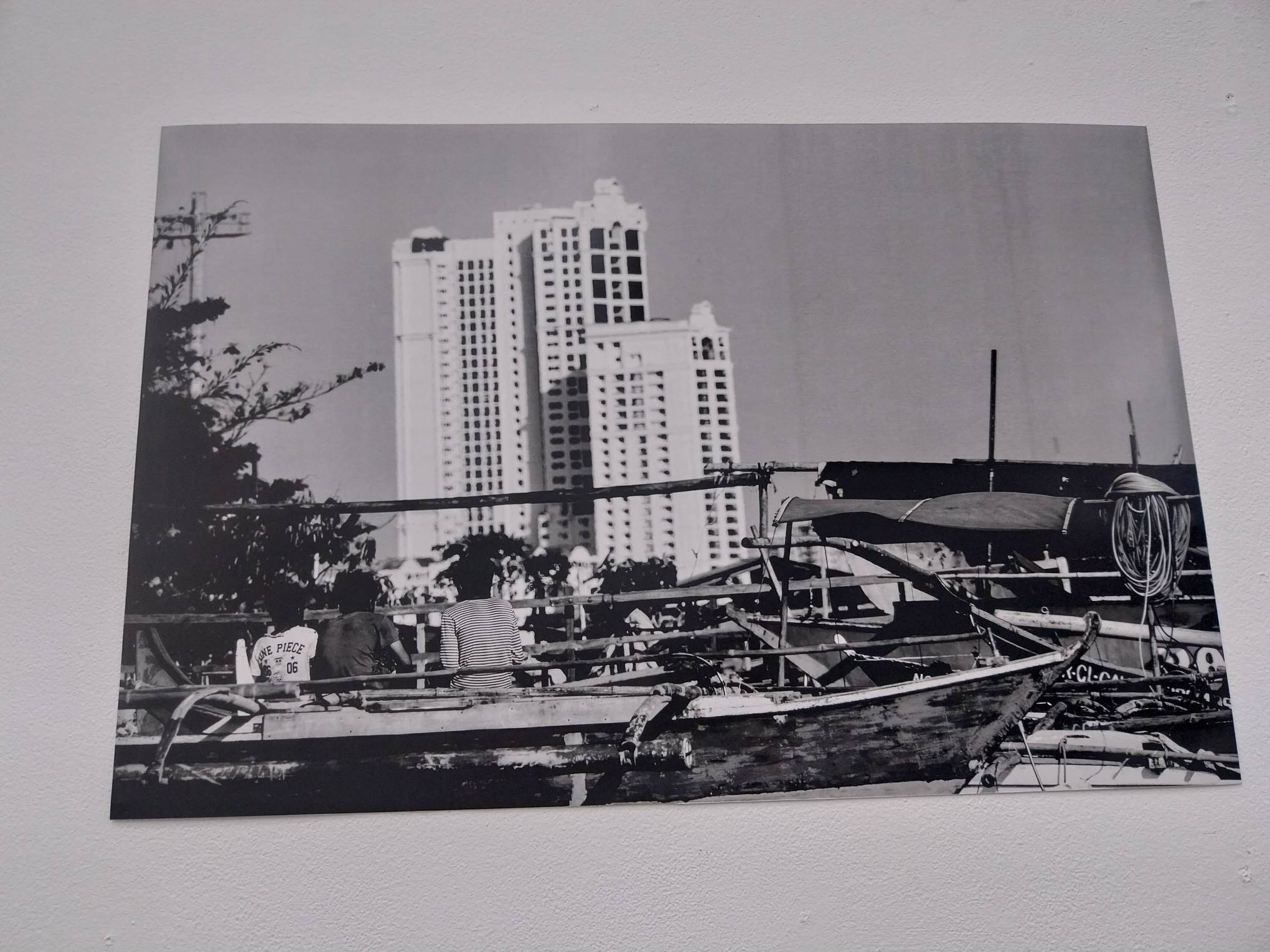
Others, like “Malapit lang pero ang layo pa,” shows children on a ramshackle boat staring at three high-rises in the distance, portraying class and income inequality with blunt imagery. It’s.
The image effectively gives a visual shorthand to the poverty that inherently exists in our system: most people in this country will never have enough money to live in those high-rises as they toil day to day to survive.
Religious Fervor as an Escape
Other photos in Umpacan’s collection illustrate the old “religion as the opiate of the masses” quote in action. Whether it’s photographs of devotees struggling for the rope, or a whole wall peppered with images of Jesus Christ, the photographs are explicit in how they showcase the desperation of the poor to escape their situation through prayer and miracles.
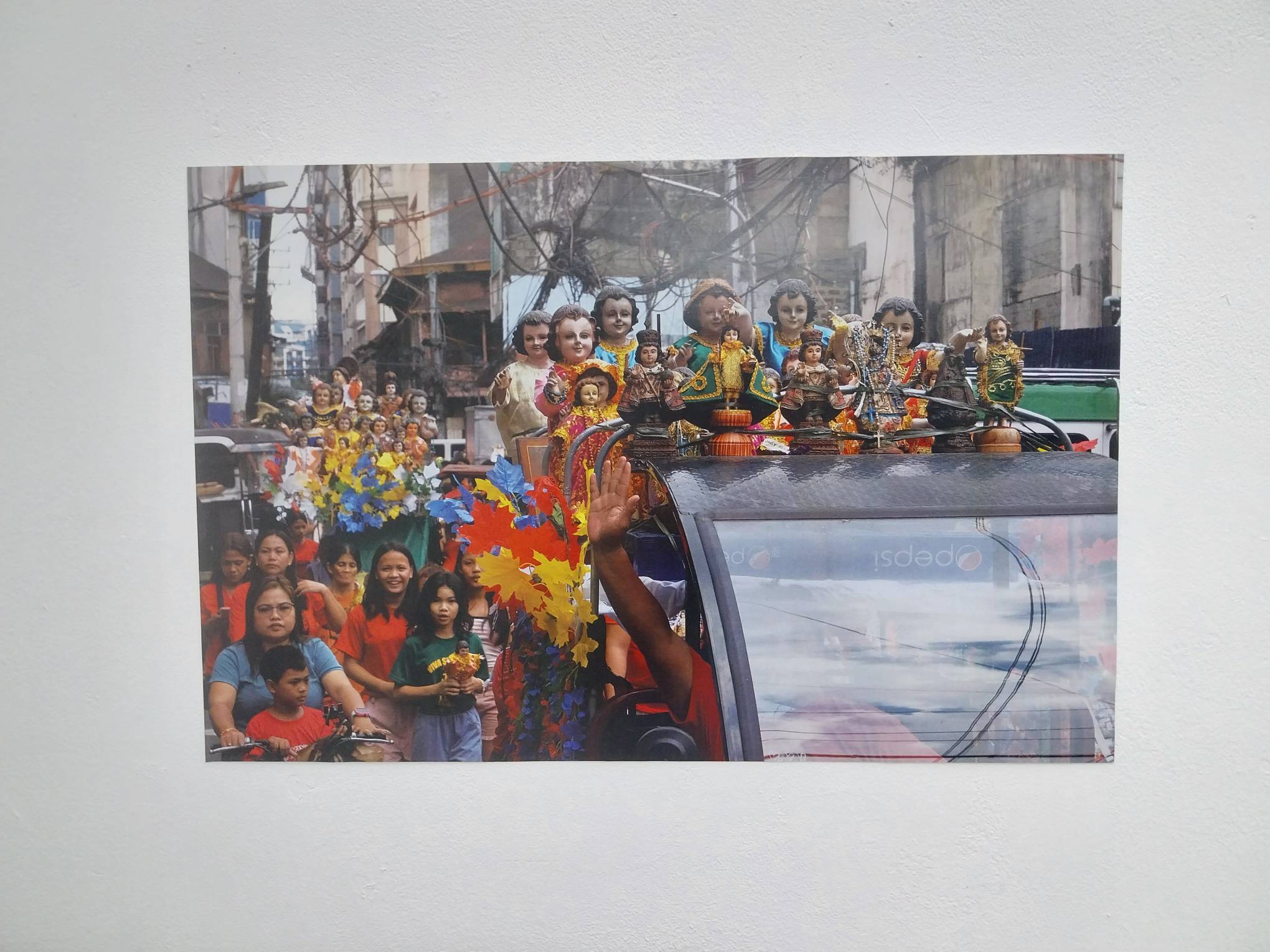
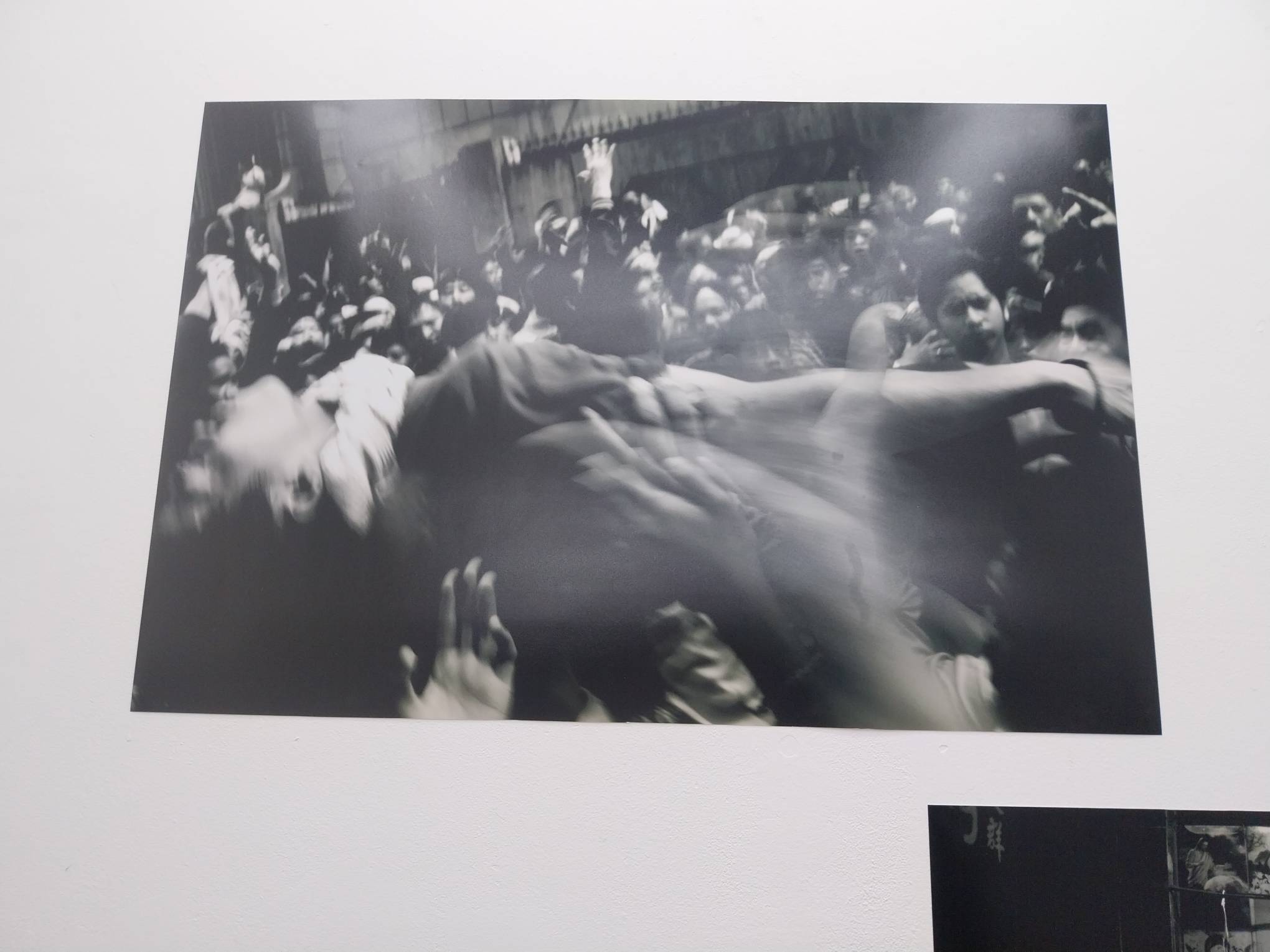
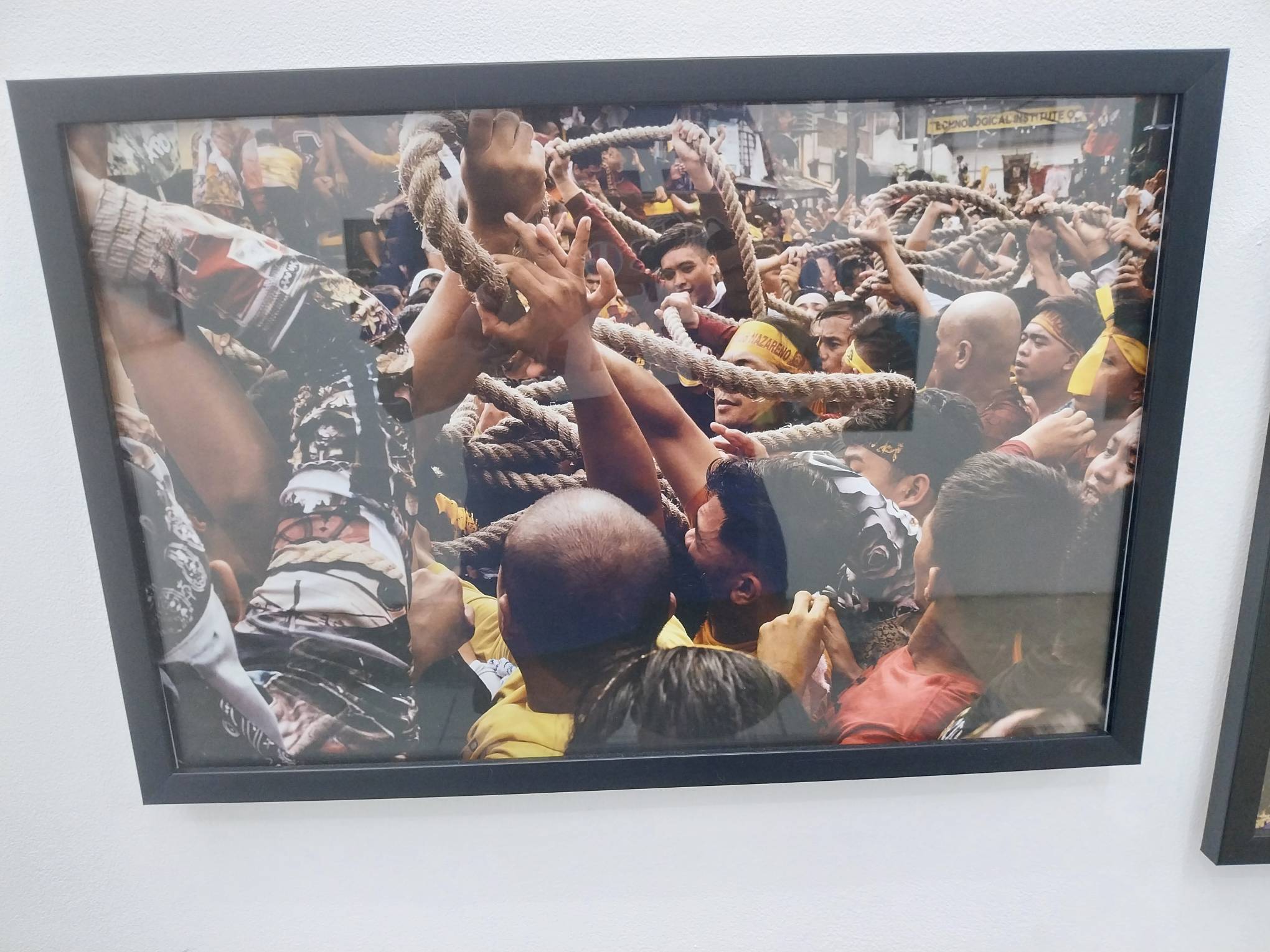
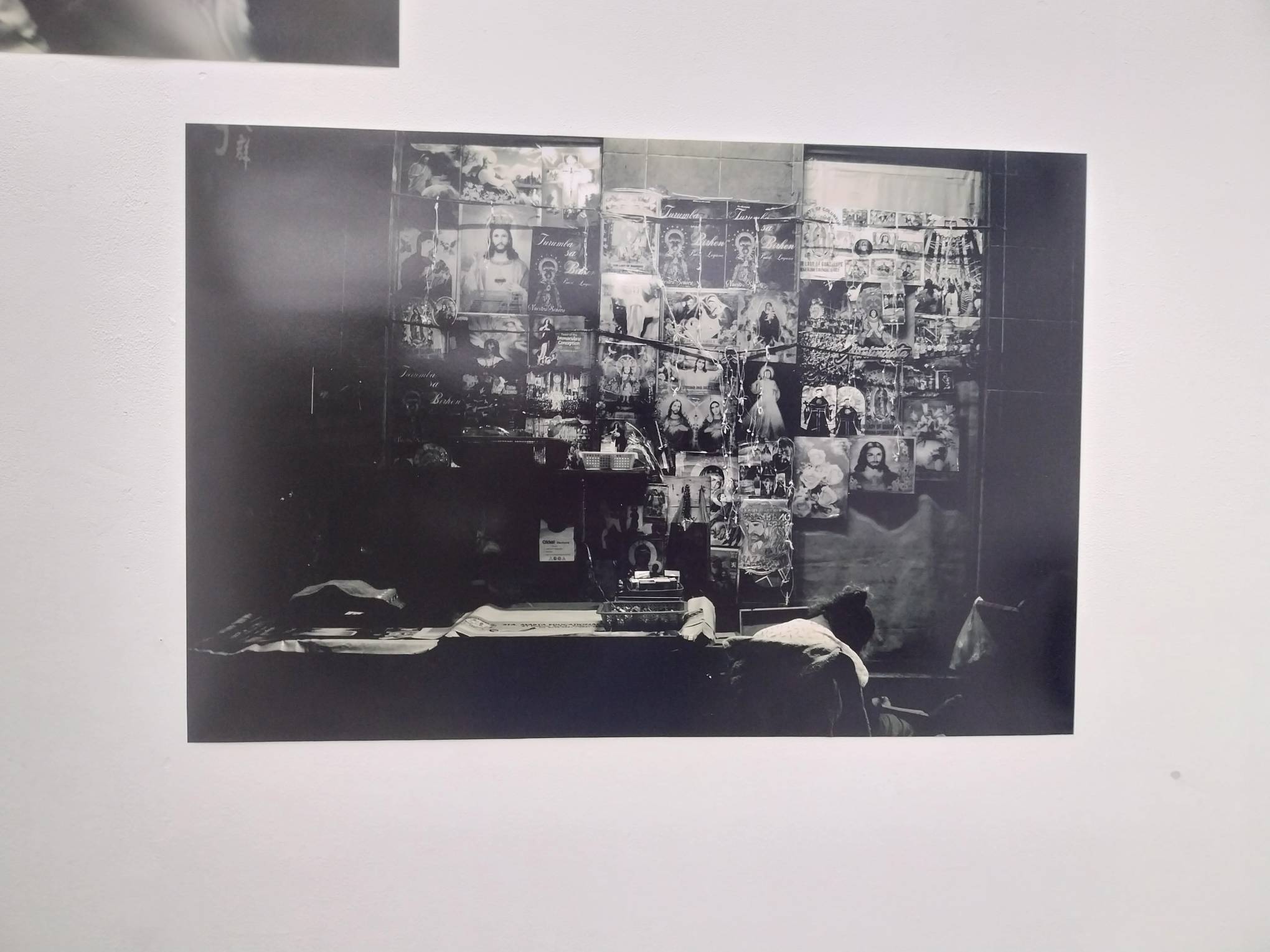
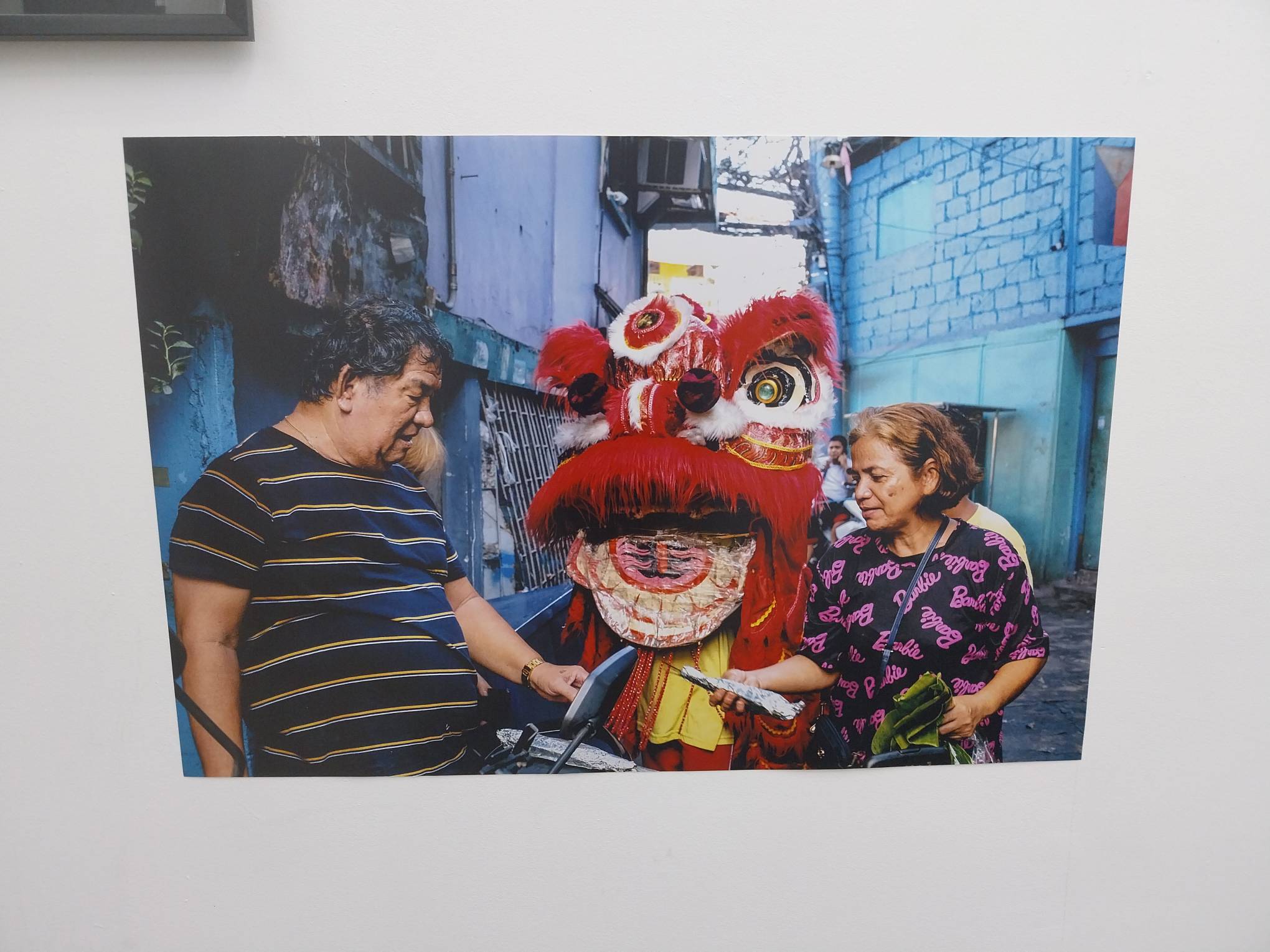
The write-up pushes that assertion forward, that many people find healing in religion when the government has done little to help them out. “Ilan lamang ito sa mga dahilan kung bakit hindi maitatanggi kung bakit karamihan ay kumakapit sa pananampalataya. Dahil ang manalig ay pagbibigay ng pag-asa sa mga panahon na hindi naayon sa kanila ang buhay.”
[This is one of the many reasons why many find themselves grasping towards their faith. Because their faith gives them a period of hope that doesn’t correspond with their life.]
Realities of Poverty
Fiction tends to show poor people in crisis as they attempt to find a way out of their situation. But this exhibit shows a bleaker view of poverty: there’s no hope, only the everyday grind to survive.
It’s people ignoring the trash in the street because nobody in the government is using their funds to move the needle forward. Or people having to use temporary parts for their work vehicles to keep it working functionally. It’s the need to highlight the power of a miracle because only a miracle can get you out of your situation.
Lungsod na Walang Liwanag showcases the quiet desperation of people in poverty, and how they survive even as the world seems to ignore them further.
Related reading: ‘Alburoto’: Recontextualizing Labor Rights as a Women’s Issue
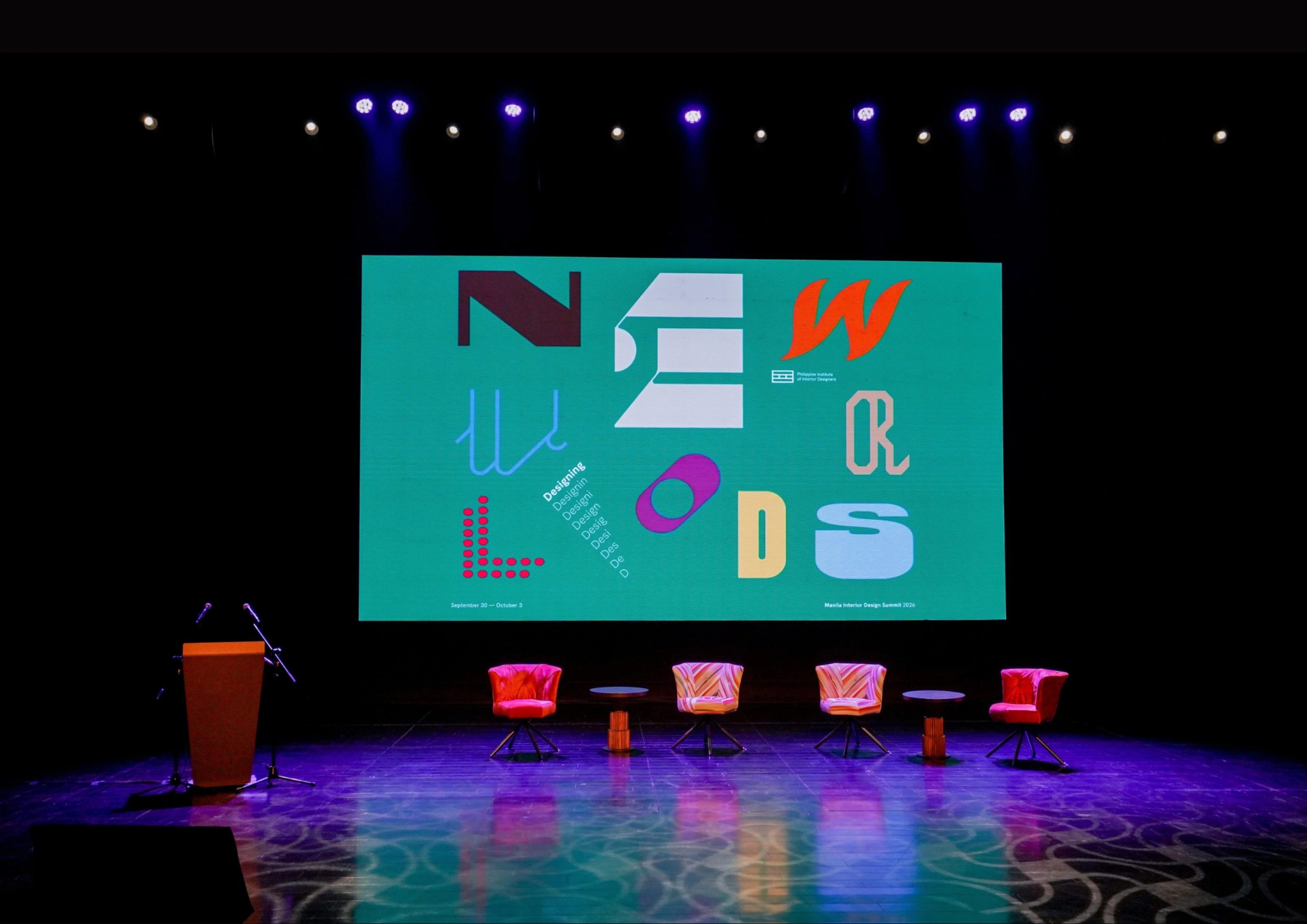
The fourth Manila Interior DesignInterior DesignThe discipline of planning and shaping interior spaces for function, comfort, safety, and beauty. It covers layout, lighting, materials, finishes, furniture, and color, and in the Philippines is a licensedGo to Interior Design Glossary Summit (MIDS) brought together more than 300 delegates for four days of conversations, exhibitions, and design […]

Held at the SMX Convention Center Aura in Taguig City, the first ASEAN Creative Industries Expo by Malikhaing Pinoy (ASEAN MPEx) features nine creative domains, including design, visual arts, digital interactive media, and performing arts. Organized by the Department of Trade and Industry (DTI), the event includes exhibitions, cultural performances, industry talks, and pitching sessions […]
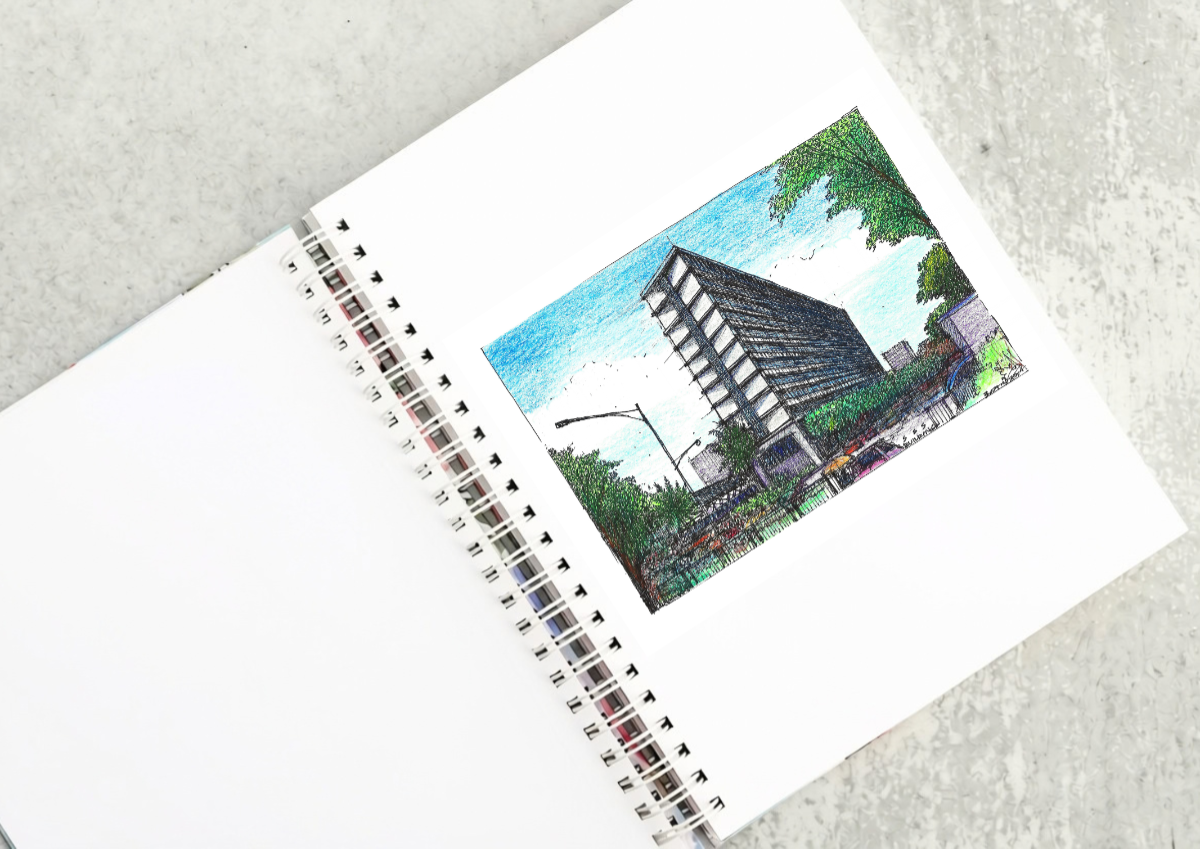
The SSS Building as an Expression of Civic Modernism My favorite modernist landmark in Quezon City is the SSS building on East Avenue. Designed by National Artist for ArchitectureArchitectureThe art and science of designing and constructing buildings, structures, and spaces that are functional, safe, and aesthetically pleasing. It encompasses the planning, design, materials, and techniques […]

Archie G. Carrasco, Chairman and CEO of AGC Power Holdings Corp. (AGC PHC), has been named to The BoF 500 Class of 2026 under the Media category, joining The Business of Fashion’s global community of individuals shaping the fashion industry. Carrasco is among 100 new members from 33 countries and 48 nationalities selected for the […]

Culture in design does not always announce itself through a recognizable motif, material, or symbol. It can also be embedded in the relationships designers build, the knowledge they listen to, the materials they choose, and the decisions they make in response to communities and their environments. This distinction emerged throughout the 2026 International Design Conference […]
Read the issues.

Collect the volumes.

Recommended Video
Tap to Unmute
Unmute
0:00
0:00