


Bigkis is the act of binding. In Tagalog, the word can refer to something used to bind or encircle, as well as a bundle formed by tying several separate elements together. Figuratively, it can also mean a bond, union, or unity. The meanings move from the physical act of joining things together to the connection […]
The Tropical Suburb House is a remarkable residence that draws inspiration from traditional Southeast Asian forms. MM++ Architects blend together modern styles with a vernacular touch as their design projects a dialogue between these two styles. They stray away from the foreign designs common within the suburban landscape of Ho Chi Minh City, Vietnam.
Subtitle: A Vietnamese home that reveals itself with a strong mix of contemporary spaces and traditional aesthetics.
Raising The Ground
The initial challenges of the project was its compact 200-square meter urban lot that made it difficult to design open spaces. The clients wanted a home that will be well suited for the tropical climate and culturally aligned. This is in contrast to the typical housing style surrounding the area of neo-Victorian, semi-detached properties.
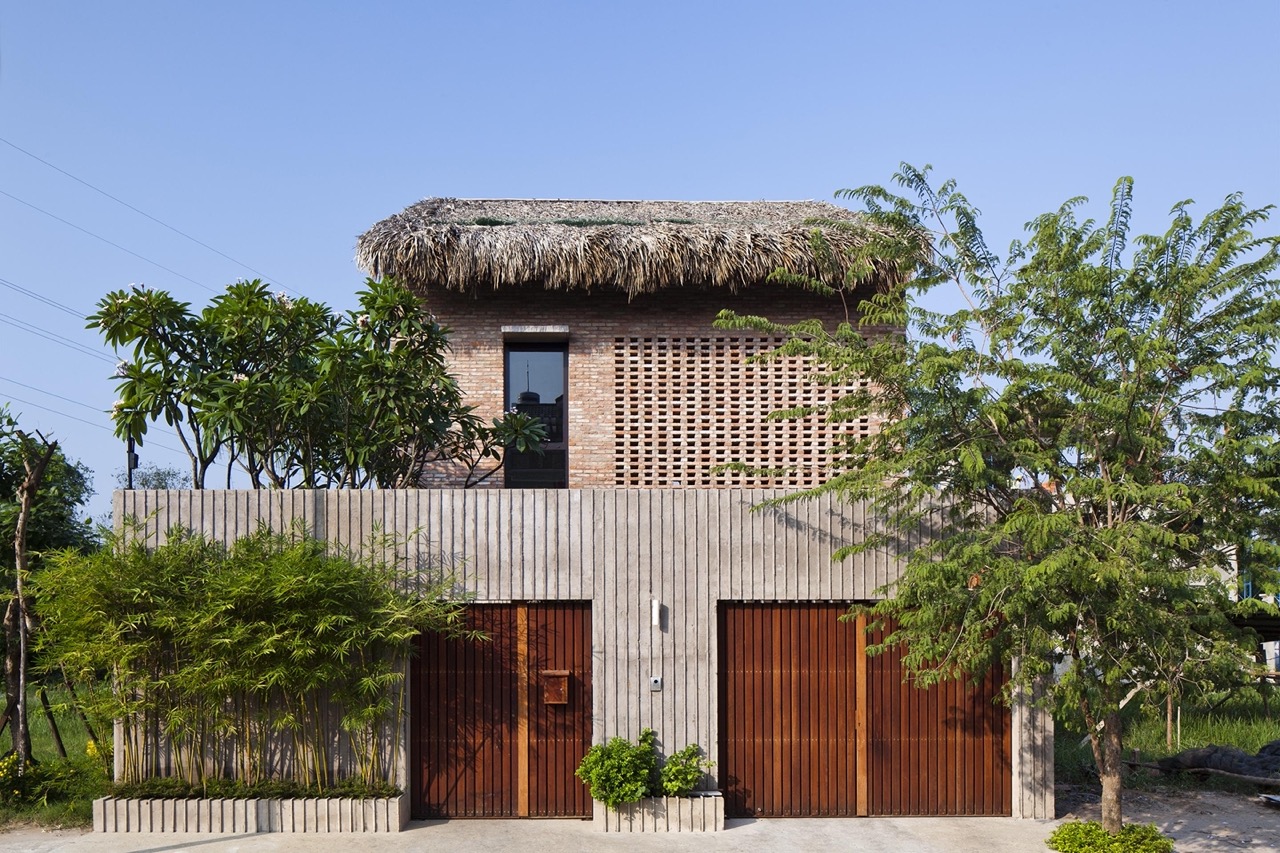
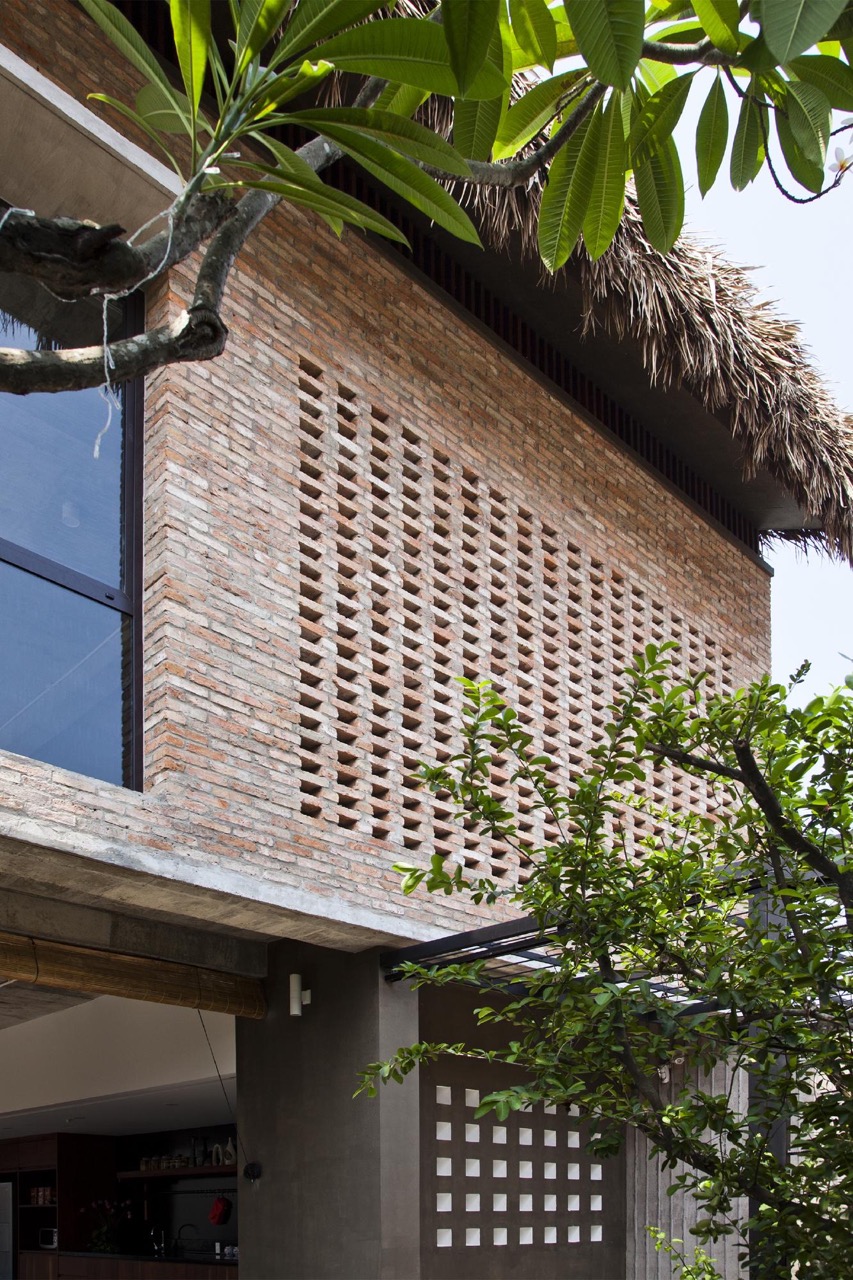
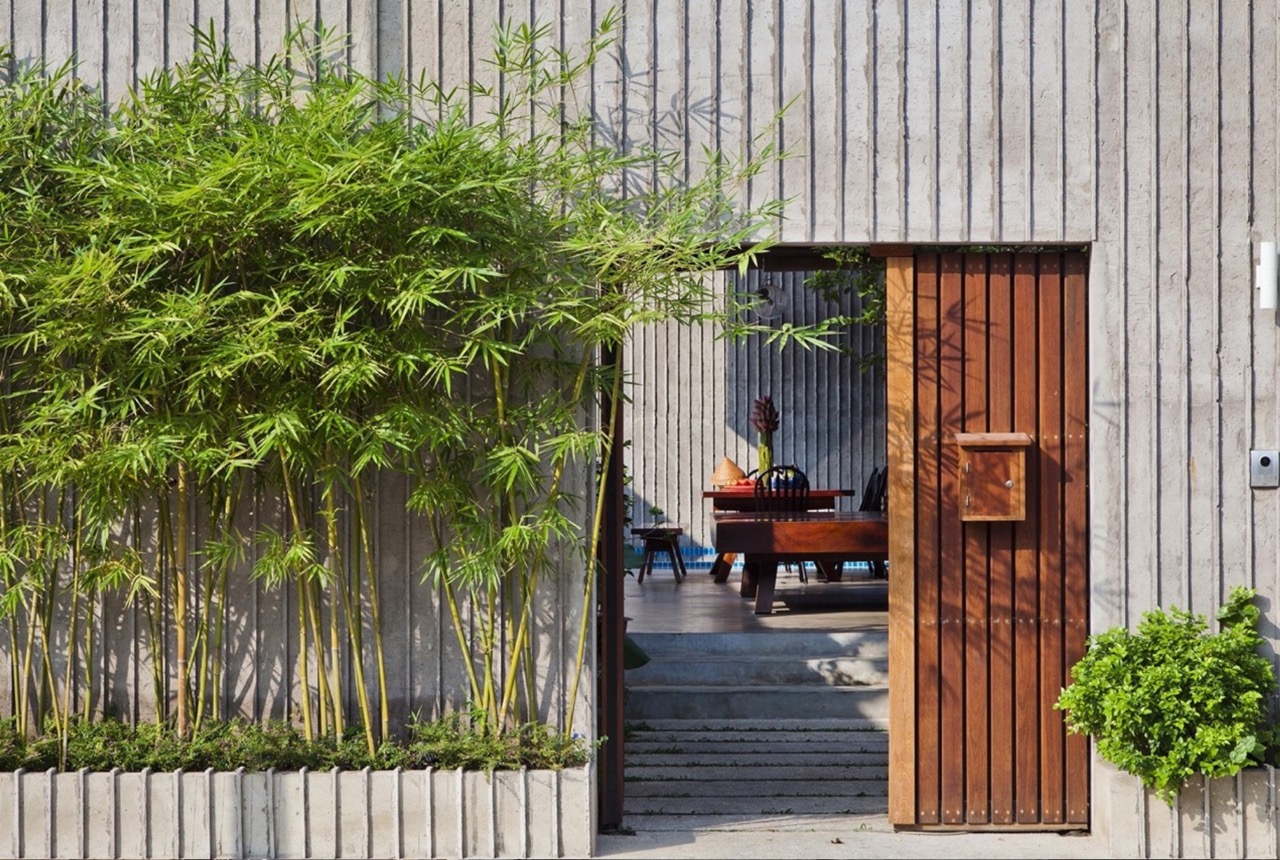
The house features a uniform rectangular form with a thatched roof with deep overhangs. A mixture of solid ribbed-finished concrete walls and perforated brick makes up its materiality. The fence , considerably elevated and completely opaque, allows the inside to be completely open while still retaining privacy.
Drawing inspiration from stilt houses, the ground floor maximizes the usable space and provides a more dynamic flow of movement through its raised elevationElevationAn architectural drawing that shows one side of a building as a flat, straight-on view, without perspective. Elevations describe heights, openings, materials, and proportions of the façade, and are usedGo to Elevation Glossary. Furthermore, its height makes it a sun shading device all throughout the lot’s boundaries. An addition of bamboo screens also protects the ground floor especially during the rainy seasons.
A Facile Indoor-Outdoor Connection
Rather than a traditional front door and wall along an entrance, the space is completely exposed as you enter. The ground floor of the Tropical Suburb House features a continuous and open-plan layout. The kitching, dining, and lounging areas are seamlessly placed alongside the garden and pool area. The house becomes more enclosed as one ascends. A more private living room sits on the second floor while the owner’s bedroom is found on the third floor.
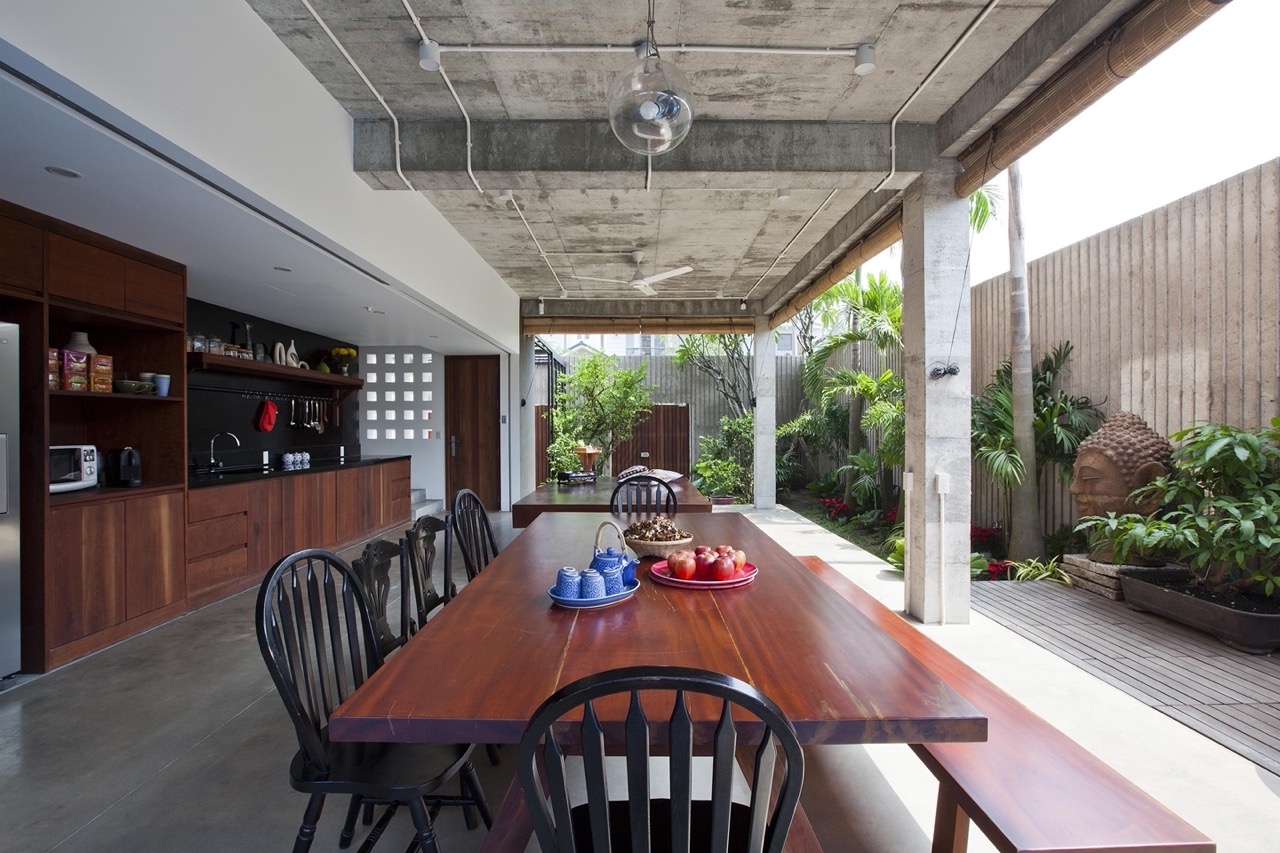
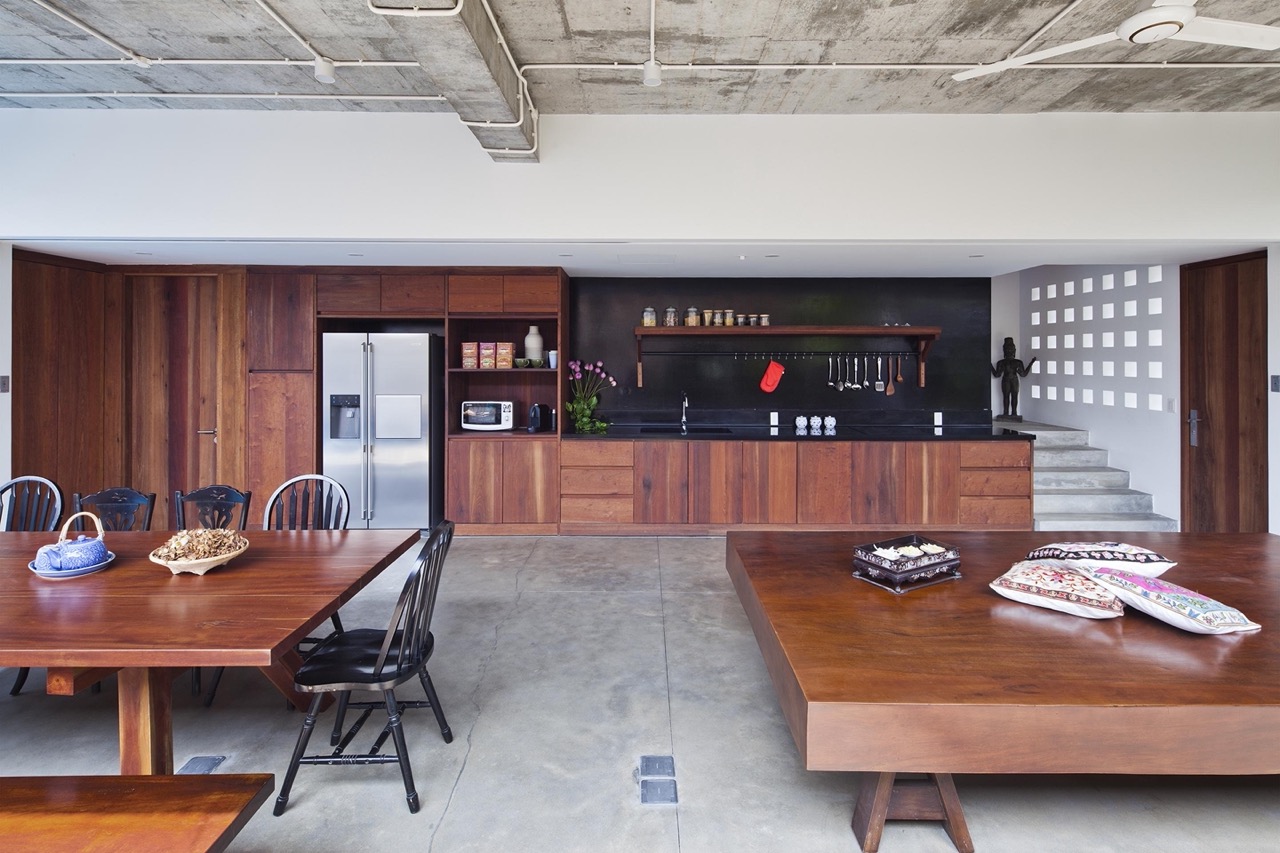
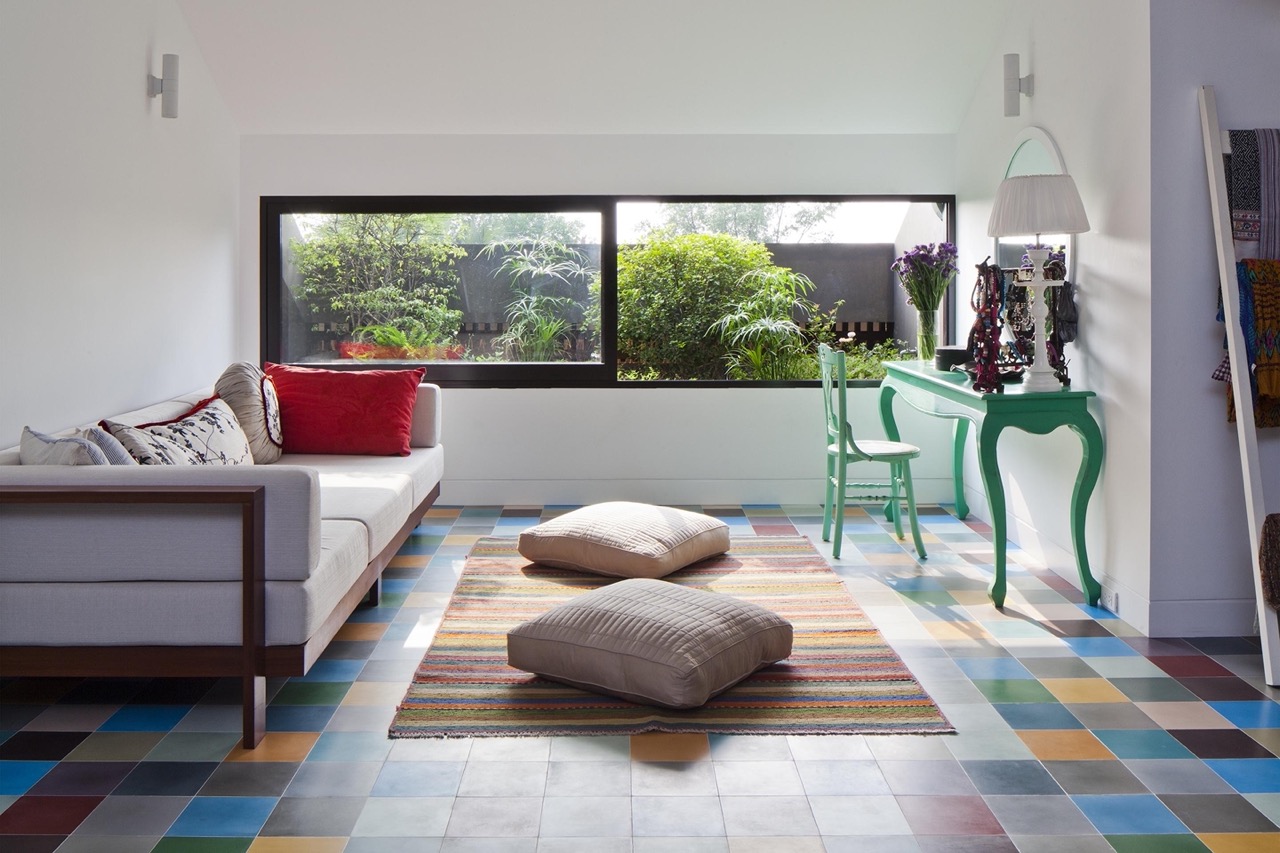
The interiors showcase a vast array of palettes and materials. Careful placement and framing harmoniously brings these different elements together. Filling these spaces are custom wood furniture pieces, like the dining table and shelving, add warmth and character.
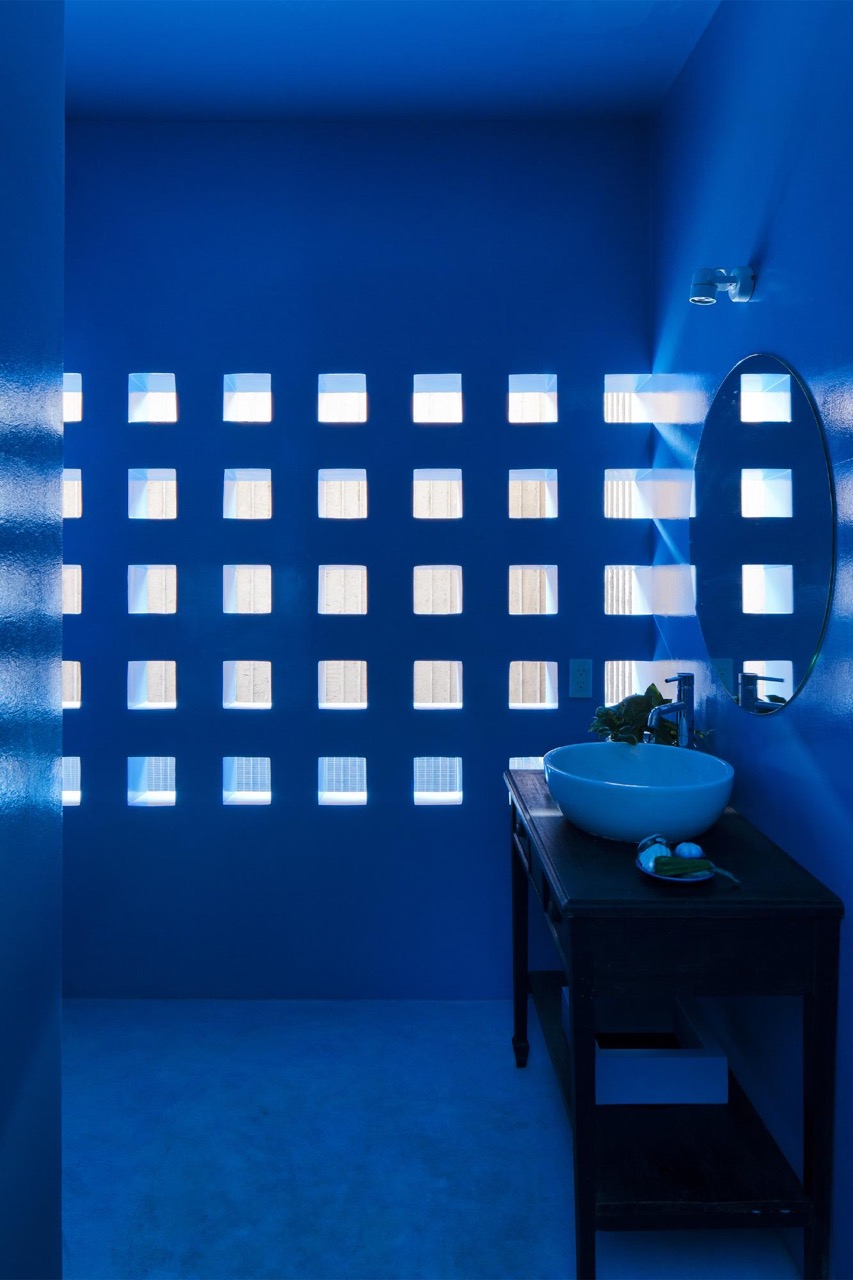
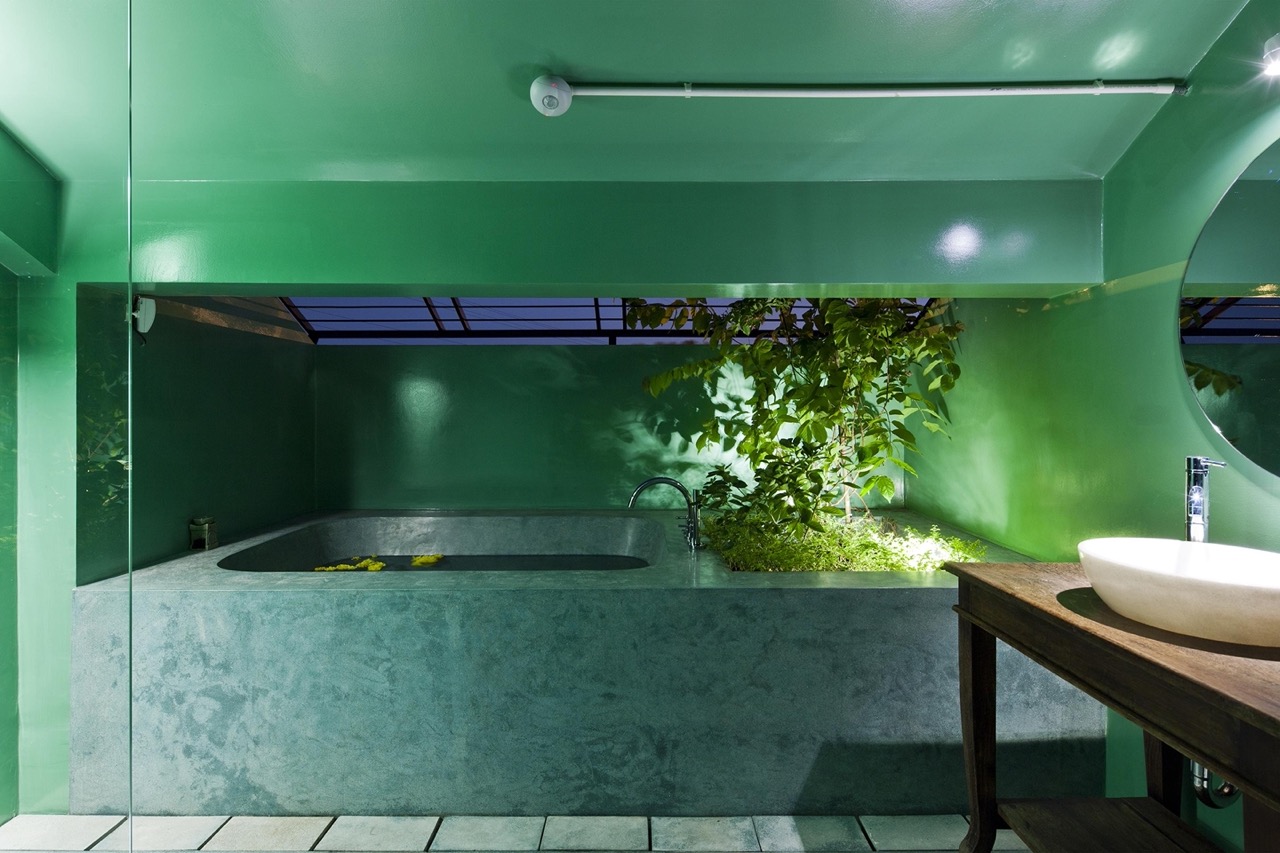
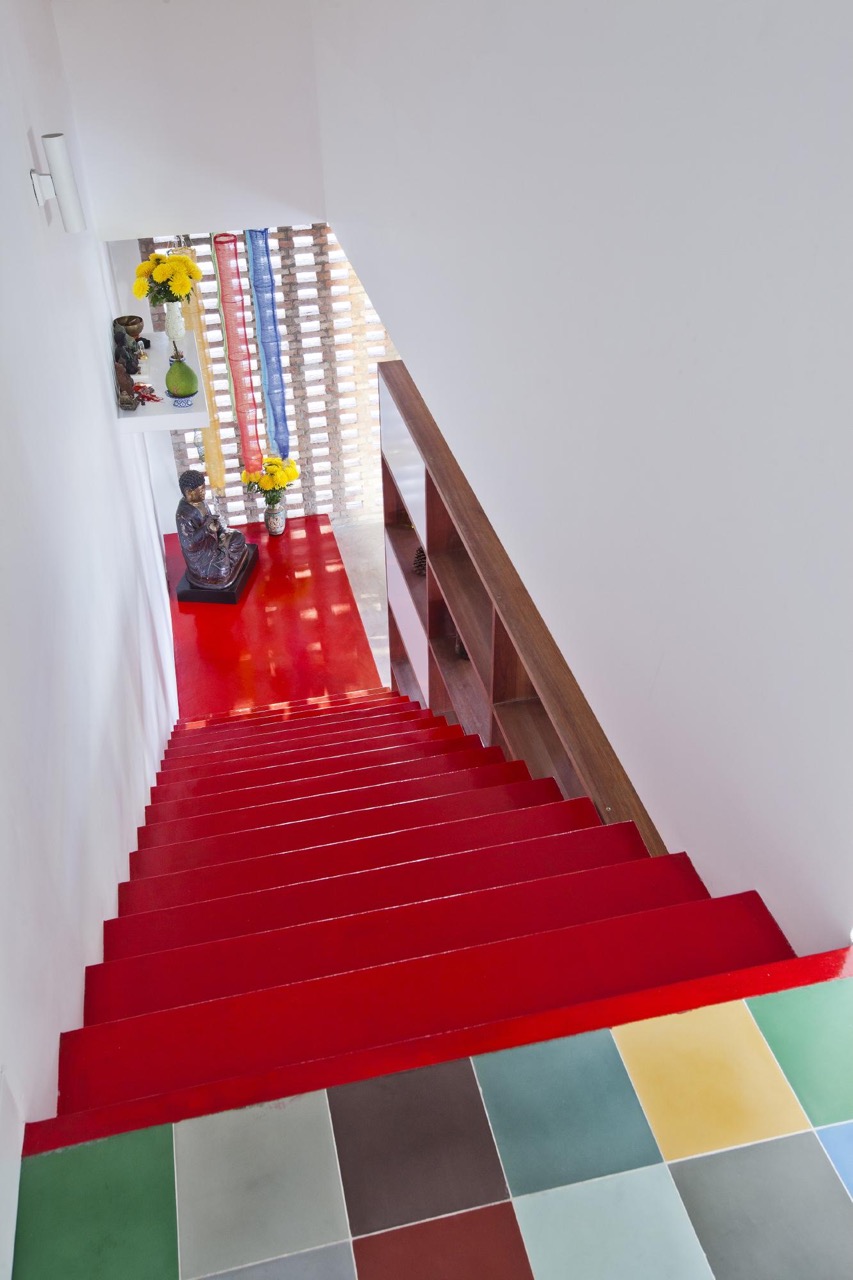
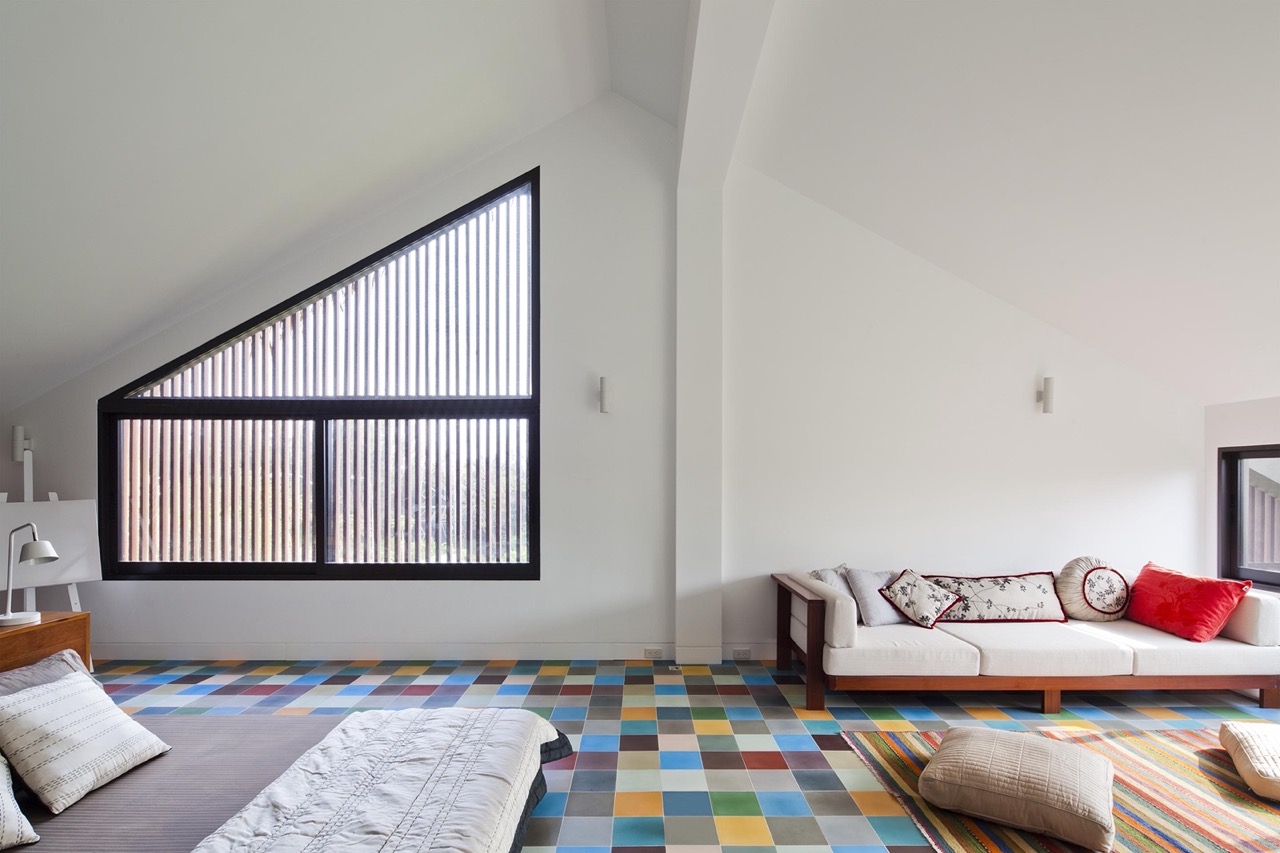
A dominant use of bare concrete is paired with cream-colored finishes. Brightly colored floor patterns accent this monotone shell as they feature a diverse set of colors on the third level. The stairs and bathrooms also display a knack for a strong use of singular colors as well that completely contrast the more natural features of the home.
Making Vernacular Cool
Passive ventilation is a defining concept that is ever present throughout the Tropical Suburb House. Firstly, the landscaping helps with this objective through its orientation and character. A strategically placed pool cools the incoming breeze as it enters the house. The vegetation also helps control the microclimate, making it more favorable in terms of humidity and heat gain. The openness of the ground floor inherently allows the wind to seamlessly enter and exit without obstruction.
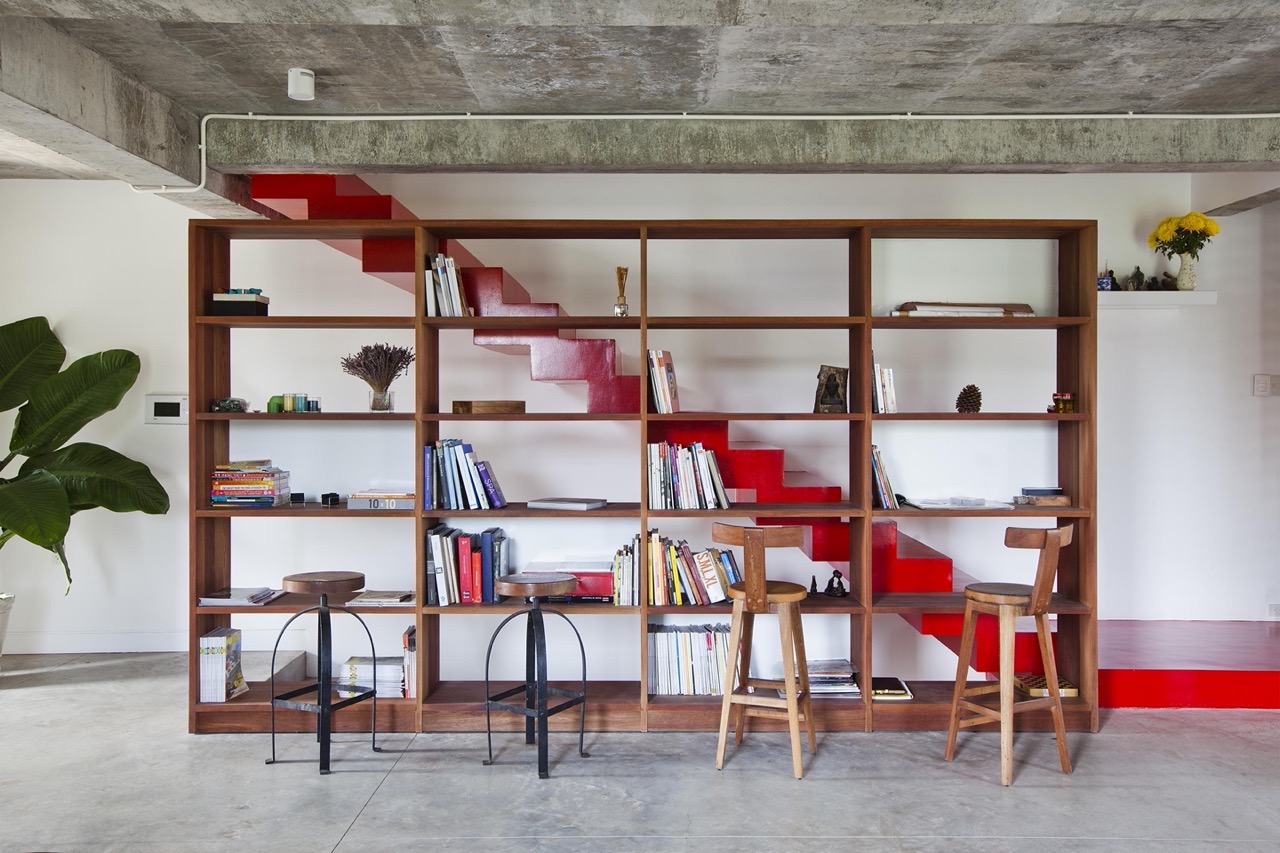
The perforations of the brick walls, specifically along the staircase and living room, form gaps that speeds up the incoming breeze. The unobstructed staircase allows air to easily circulate along the vertical axis of the home. Placing such devices along central areas allows ventilation to permeate throughout the rest of the home.
The use of thatch leaves for the roof is an ode to traditional structures. It adds an additional layer of protection to keep the concrete slab from heating up. Furthermore, they’re remarkably insulative and can help maintain the coolness of the ventilation below.
A Hybrid Composition
The Tropical Suburb House by MM++ Architects artfully infuses modern and traditional stylings in an orchestrated manner. Through a skillful interplay of materials, passive coolingPassive CoolingStrategies that lower indoor temperatures without mechanical air-conditioning, relying on building design instead. Techniques include cross-ventilation, stack effect, deep eaves, shading devices, thermal mass, courtyards, and vegetation. Essential in theGo to Passive Cooling Glossary, and a strong indoor-outdoor relationship, the home subverts expectations in comparison to its neighboring structures. It celebrates a unique take on how homes can be designed in how it addresses concerns and introduces new means of spatial relationships.
Read more: Nothing token about passive cooling in Formwerkz’s Open House
Photo credit by MM++ Architects
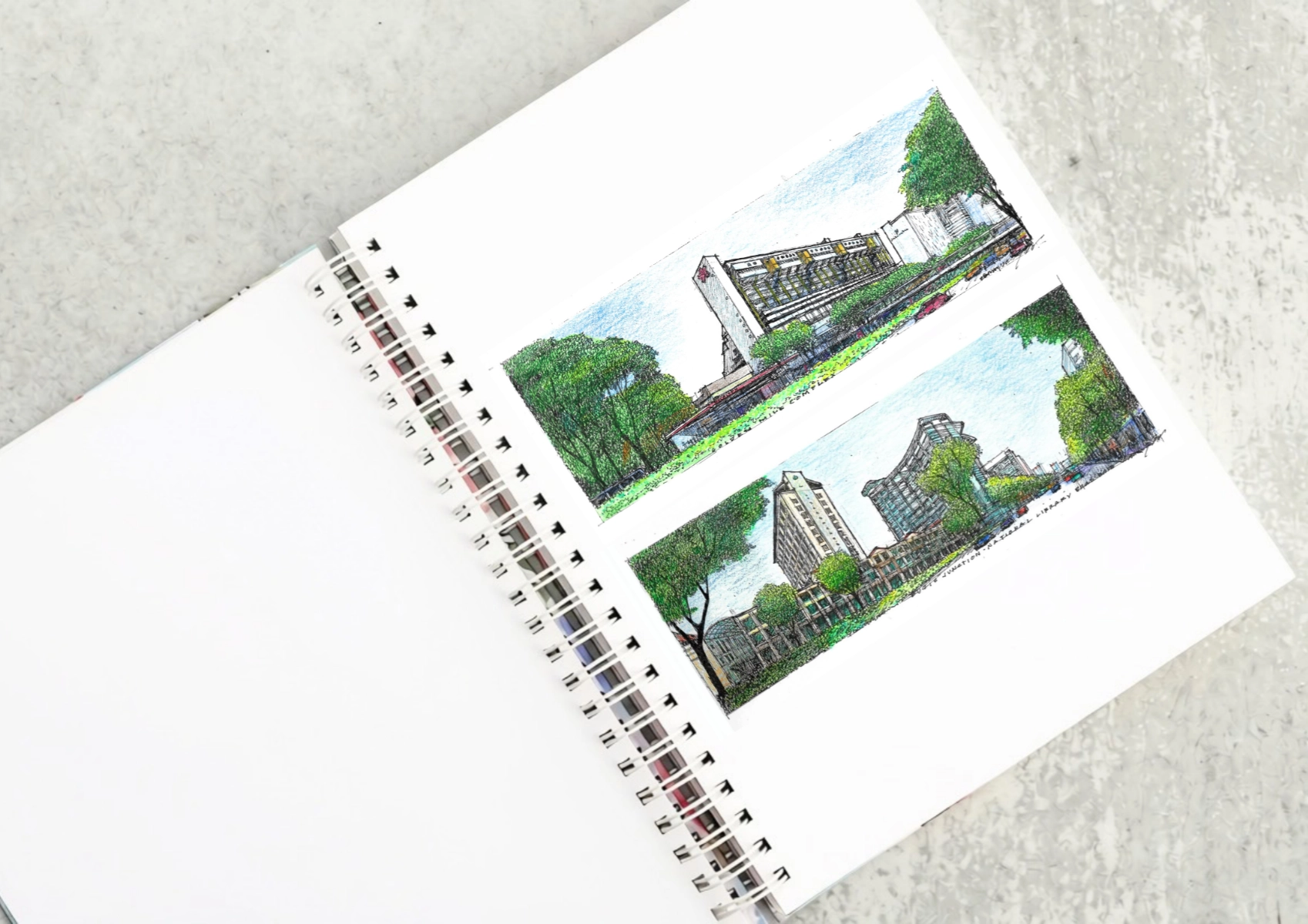
Two sketches of Singapore connect BluPrint Editor in Chief Paulo G. Alcazaren’s personal and professional history with Shared Ground: ArchitectureArchitectureThe art and science of designing and constructing buildings, structures, and spaces that are functional, safe, and aesthetically pleasing. It encompasses the planning, design, materials, and techniques used to createGo to Architecture Glossary of Care, Culture, […]
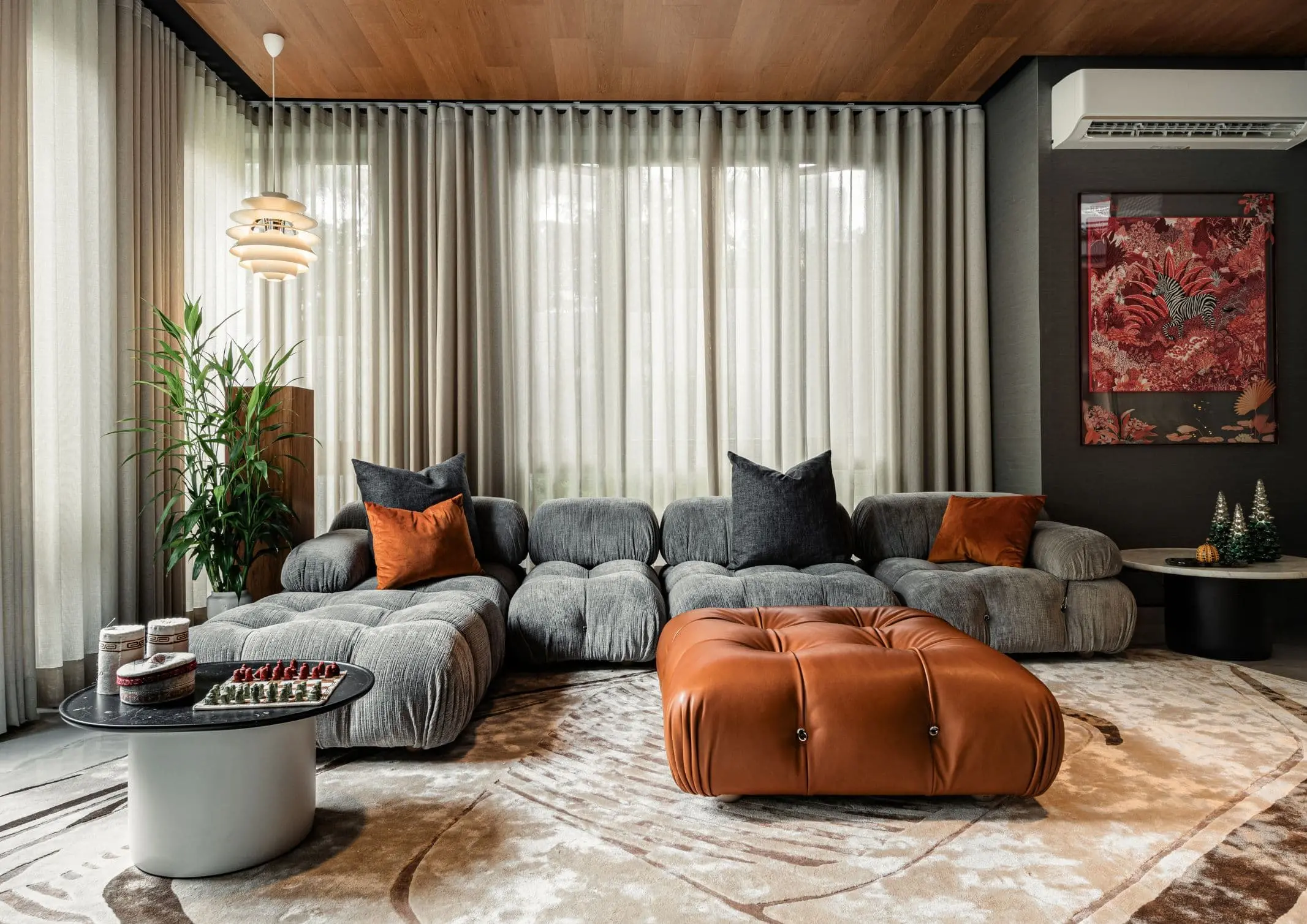
Some have become household names – Coleman, Oster, and KitchenAid – products that have found their way into Filipino kitchens, homes and family routines. In home furnishings, brands such as B&B Italia, Ethan Allen, Sub-Zero, Miele, SieMatic, Louis Poulsen, Hunter Douglas, Tempur, and Technogym, have helped shape the way Filipinos live. From everyday essentials to […]

In a way, designers are the modern-day soothsayers and prophets. They design for the future, predicting how a room, a house, a building or a whole city will be used by people. They foresee how users will interact with a space, conjure exact shades of colors to elicit specific behavior and arrange furniture to build […]
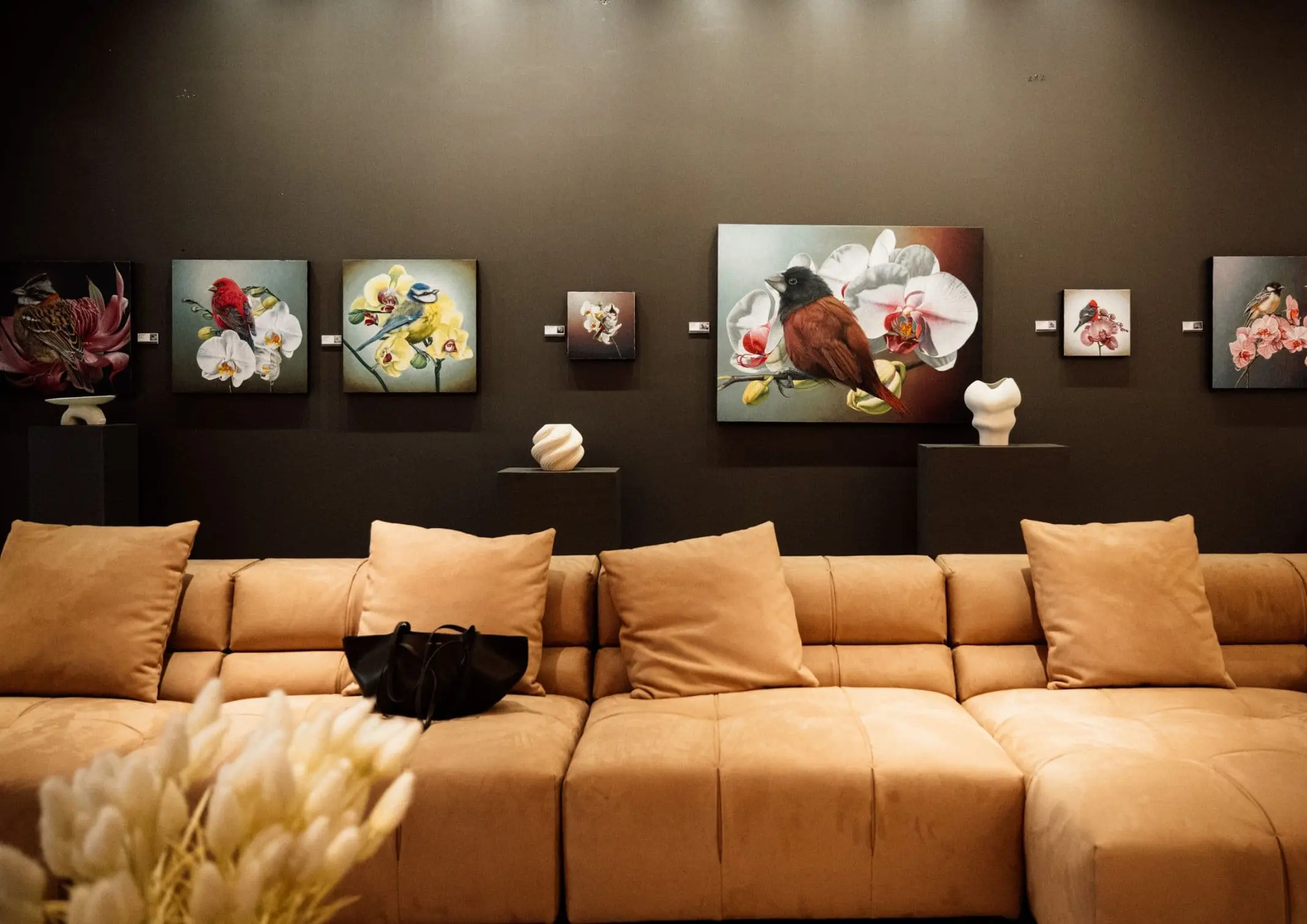
Art and furniture are often selected separately, yet their relationship can shape how a room looks and feels. The collaboration between Hooga and Galerie Joaquin explores how these elements can work together, bringing contemporary artworks into furnished residential settings at Hooga’s showroom in Uptown Mall, Bonifacio Global City. For Hooga, which curates furniture, lighting, and […]
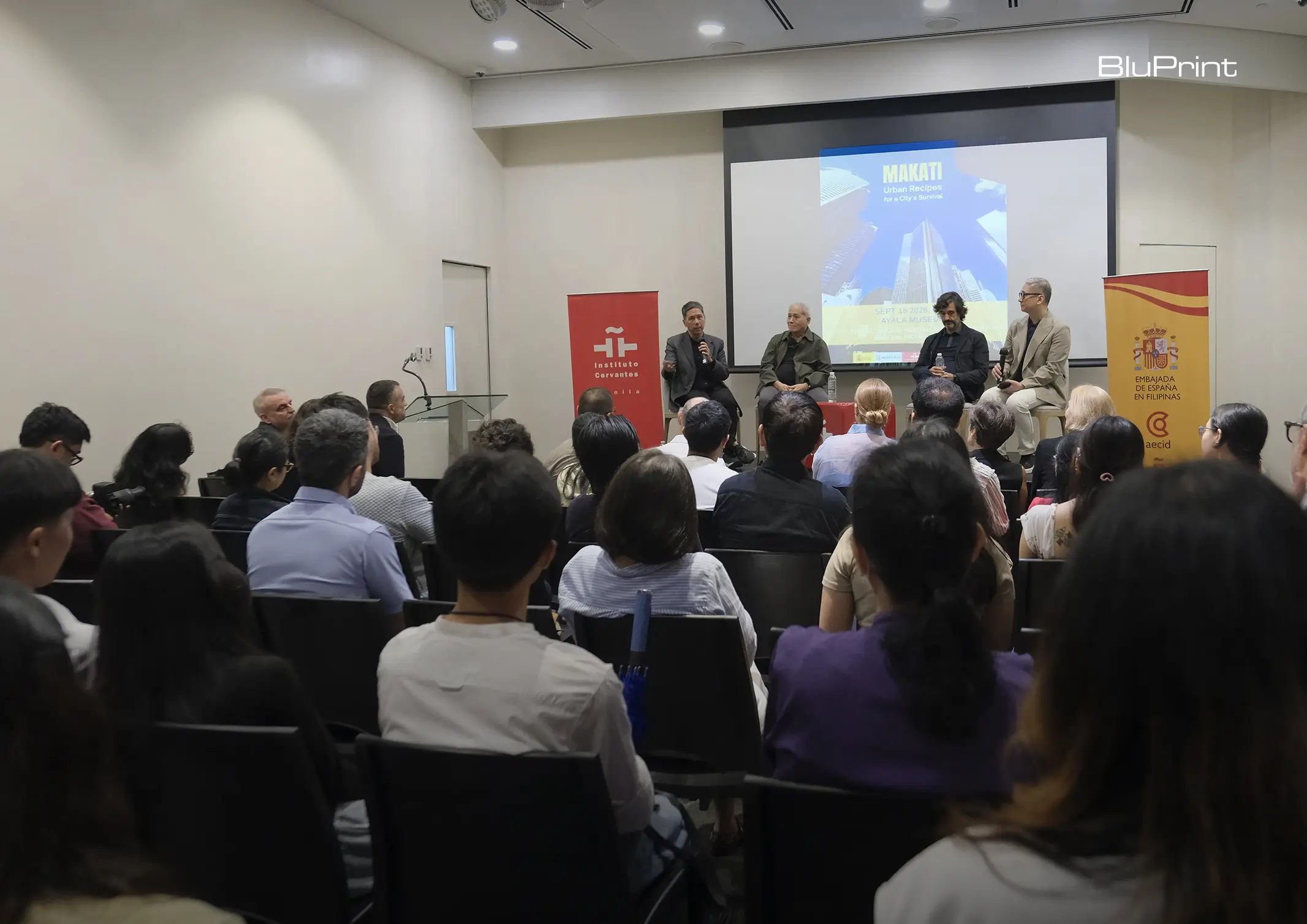
How can better-planned cities create the conditions for more creative, livable, and resilient urban environments? “Makati Urban Recipes for a City’s Survival,” a colloquium held at the Ayala Museum on September 15, brought together architects and practitioners from the fields of urbanism and the creative economy to discuss how design, planning, and collaboration can address […]
Read the issues.

Collect the volumes.

Recommended Video
Tap to Unmute
Unmute
0:00
0:00