A Filipino Interpretation of Modernist Architecture Unlike the rest of Makati today, the northern end of Paseo de Roxas in Makati is anchored by a low complex rather than a tall skyscraper. This is the elegant Asian Institute of Management, designed by architect Gabriel Formoso and completed in 1971. In my opinion, the building is […]
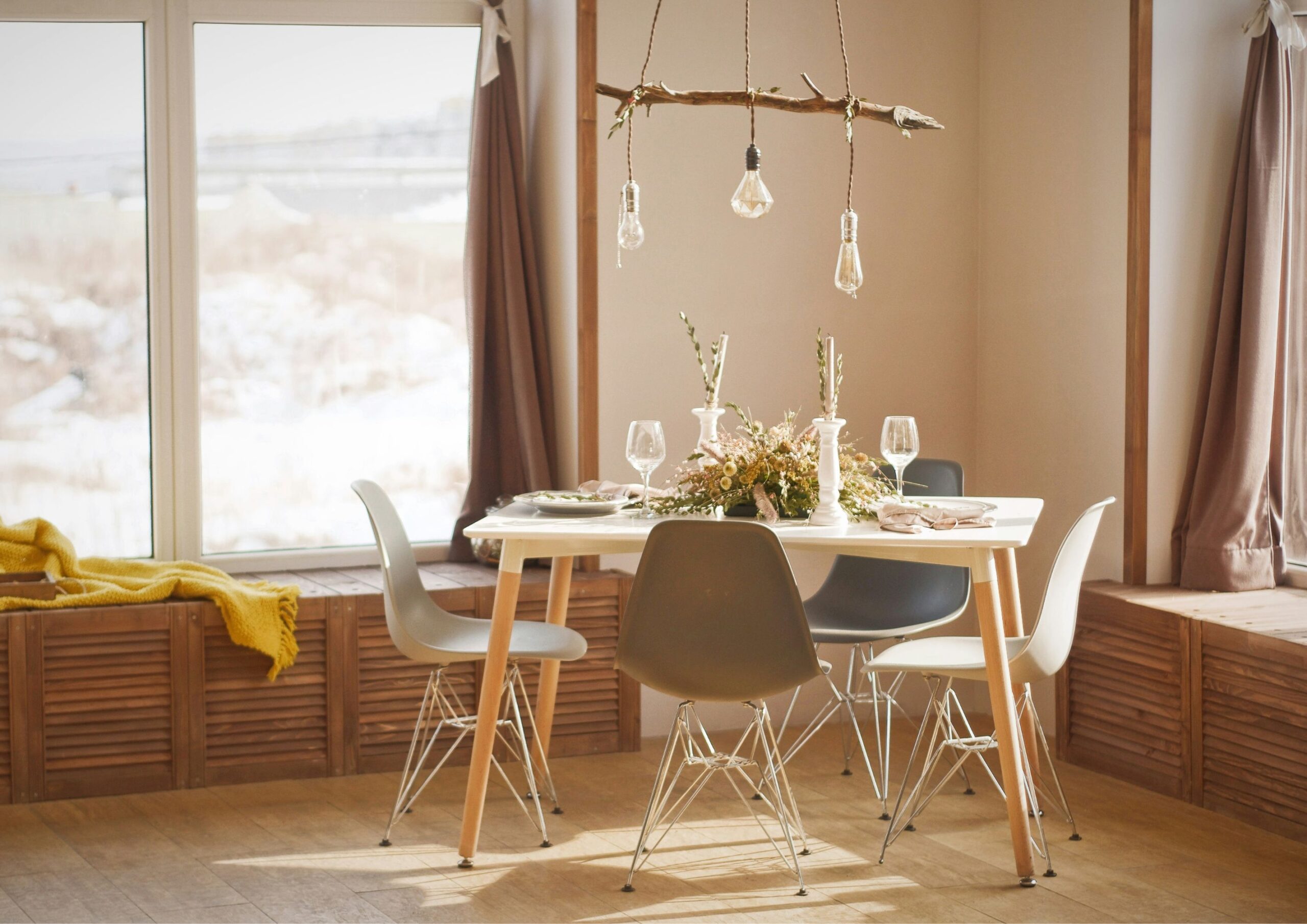
How Slow Decorating Changes Our Perspective in Home Design



Forget instant gratification! Instead of rushing to fill your space, slow decorating lets you savor the journey and appreciate the beauty of a curated home that unfolds over time.
What is Slow Decorating?
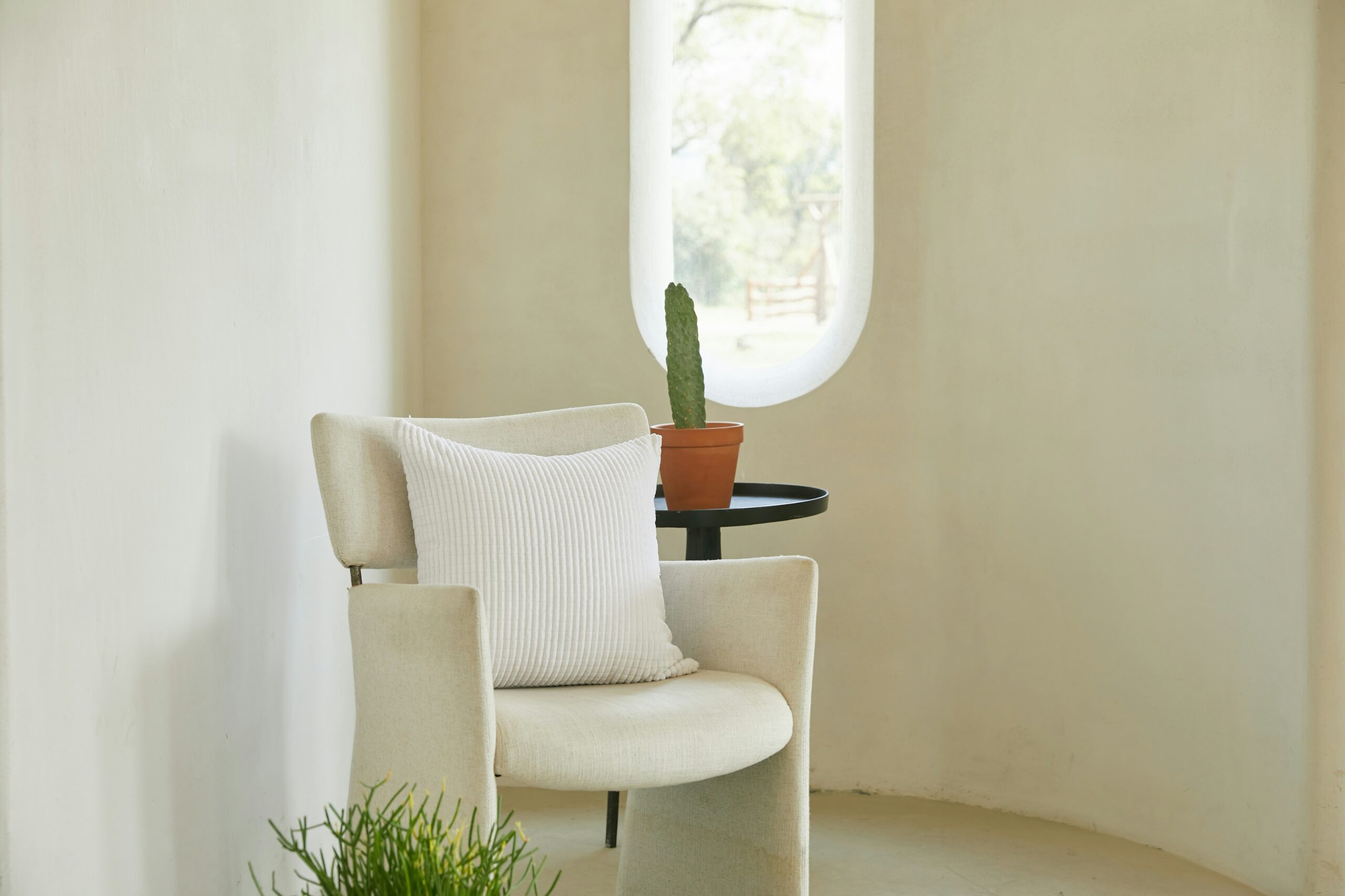
Slow decorating is about creating a space you love, piece by thoughtful piece. It’s the process of carefully selecting and investing in pieces that you love and adding them to your space. This strategy encourages you to spend money on beautifying your house, not out of haste, but with intention and purpose.
Beside saving you money on impulse buys, slow decorating can help create a home you’ll love for years to come. It encourages you to take the time to think about how you want your spaces to look, feel, and function. That way you can be more intentional in your spending and put together something that genuinely reflects your style.
To get you started on this rising trend, here are five effective tips you can apply to craft a home that is uniquely yours.
1. Buy Anchor Pieces
While it is satisfying to come home with a haul, rushing into a decision can lead to buyer’s remorse and create a mismatch with your evolving style.
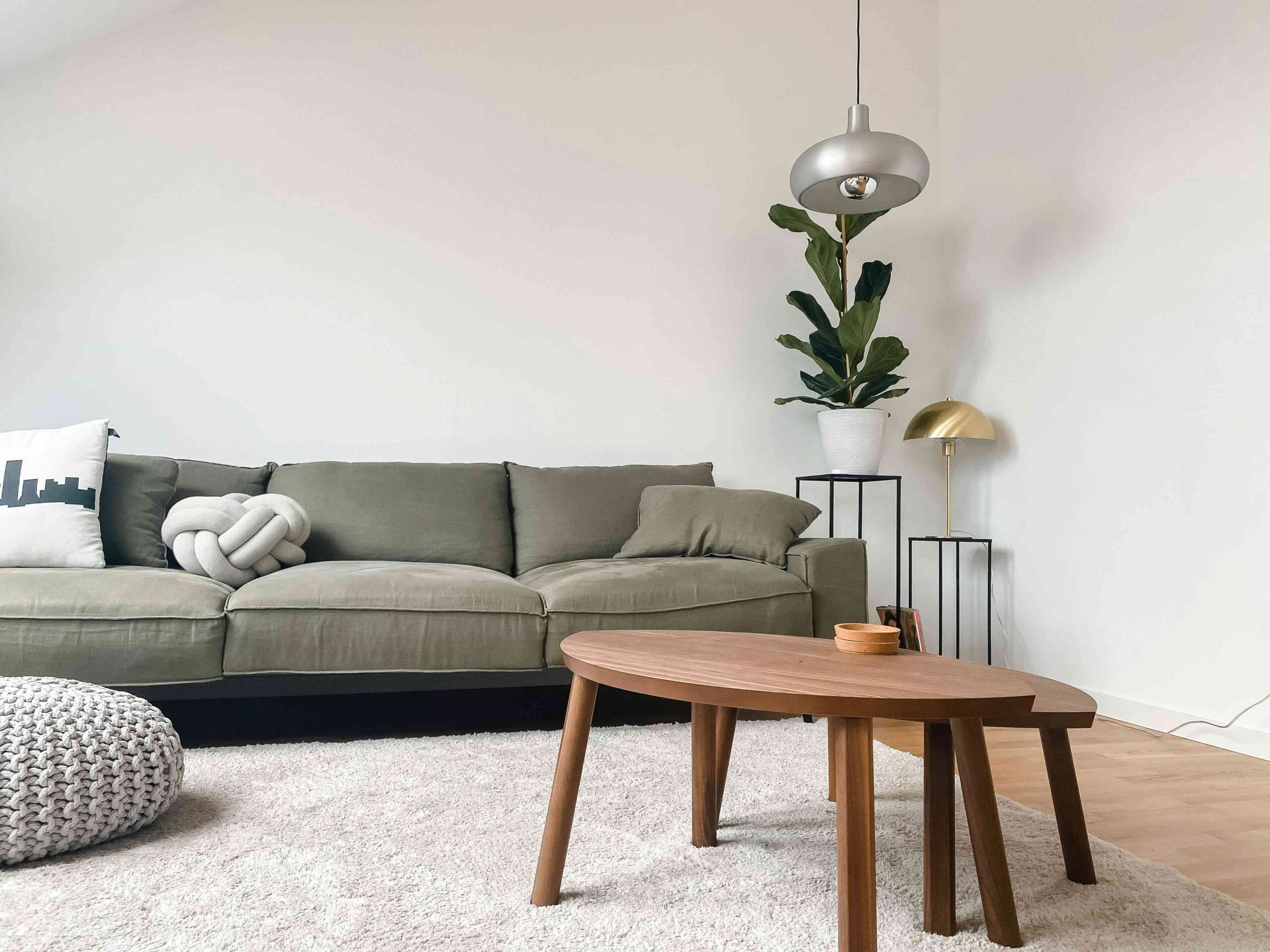
Instead, invest in quality anchor pieces that you love and will last for years. Save up for large furniture like your bed, sofa, or dining table to set the tone for the entire space. Not only do they serve as functional pieces, but also determine the kinds of materials, colors, and textures for your next decor purchase.
Well-chosen anchor pieces act as the foundation for your space as you slowly build your decor around them. These also allow you to save smaller items for last for more personalized touches.
2. Upcycle, Reuse, and Repurpose
Throwing away old furniture contributes to a growing waste problem. So, rather than adding to your already growing collection of random stuff, look to what you already have.
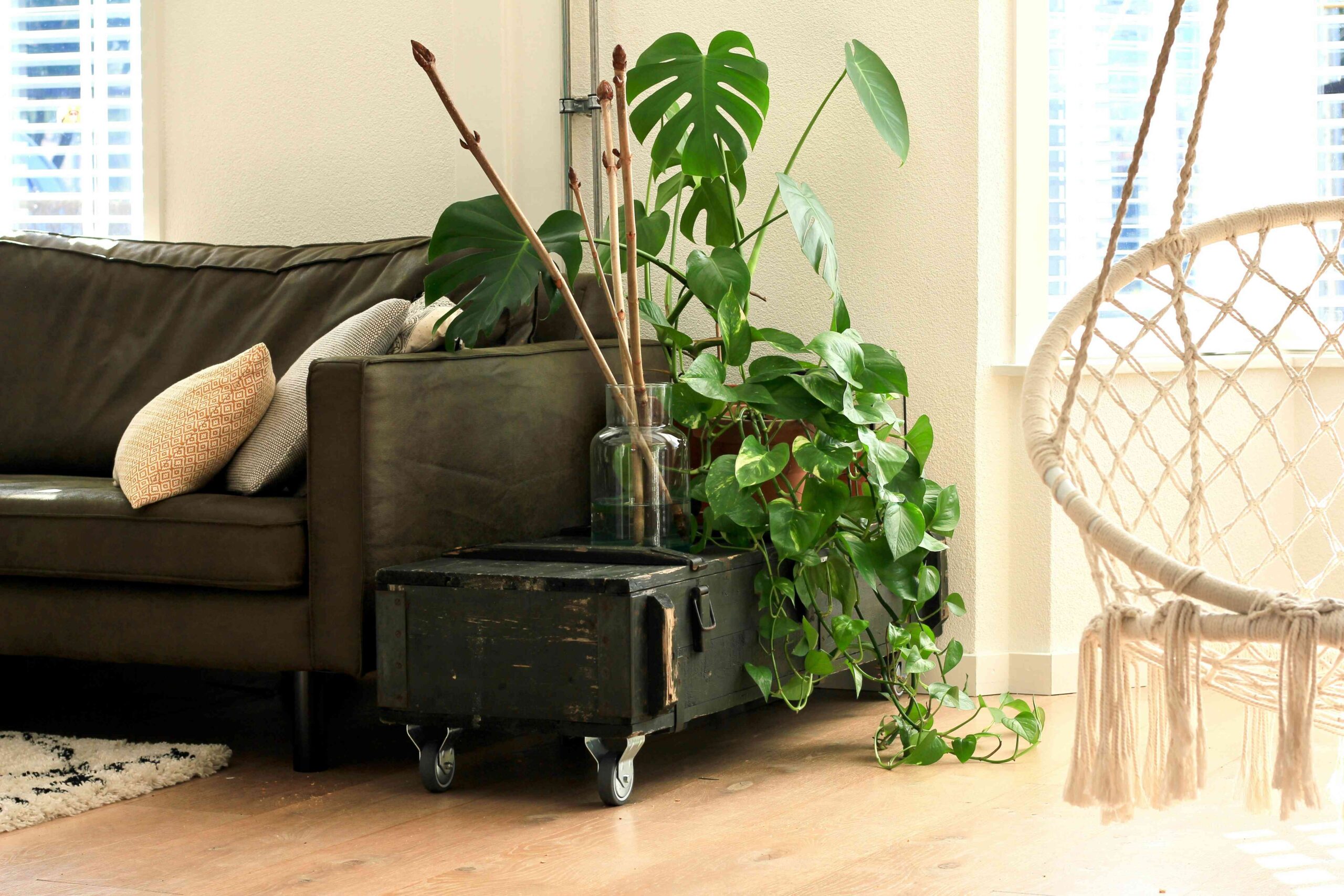
Bring out those tatty items from your storage room and temporarily arrange them while finding the right decor. Give these stocked furnishings a new life by putting your DIY hat on. Repurpose old furniture with a fresh coat of paint or new hardware, or repurpose your old rugs with a new project.
Aside from lessening the burden of perfecting your space, it also gives you a clearer overview of items you want to change. You can easily see what styles you like and don’t, and even figure out the right size of decor for your space.
3. Turn Negative Space into a Positive
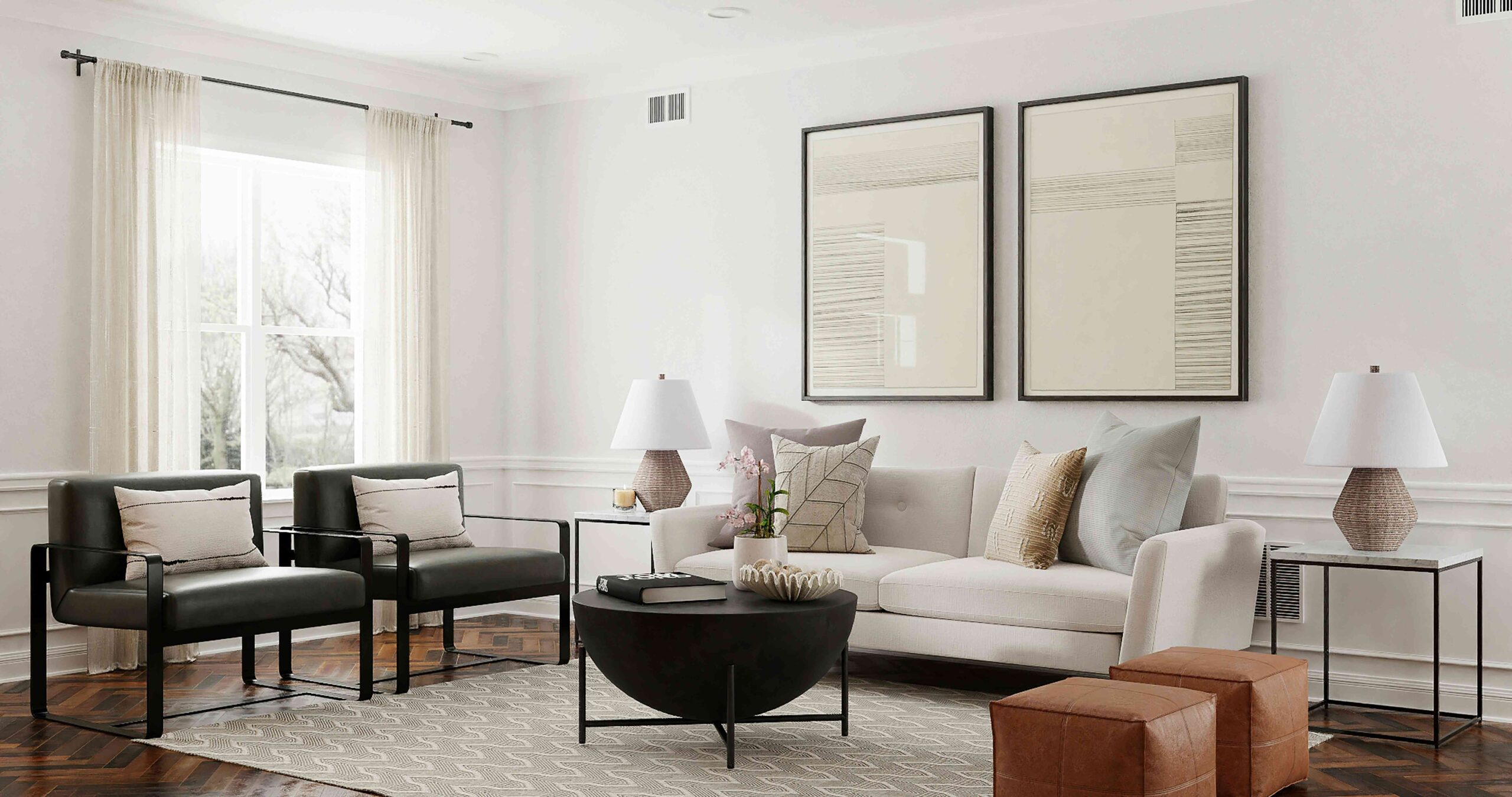
Decorating the walls is an easy way of elevating your space. Trendy paints and bold wallpapers can easily overwhelm a room and make it difficult to change once you tire of them.
Choose neutral or calming paint colors for a timeless base. For a less permanent statement, consider using wallpaper on one accent wall. Or if you want to add more visual weight, create a gallery by hanging framed paintings or photographs. This is a low risk investment you can do yourself or buy from Facebook marketplace and thrift stores.
In slow decorating, you don’t have to do the entire wall. Begin with curating just one section and see if you’re satisfied with the results. Start with adhesive hooks to avoid drilling too many holes in your wall. This makes it way easier to move things around if you’re unhappy with your design. In addition, you can better plan the placement of various items and achieve visual hierarchy at the same time.
4. Start Small for Big Changes
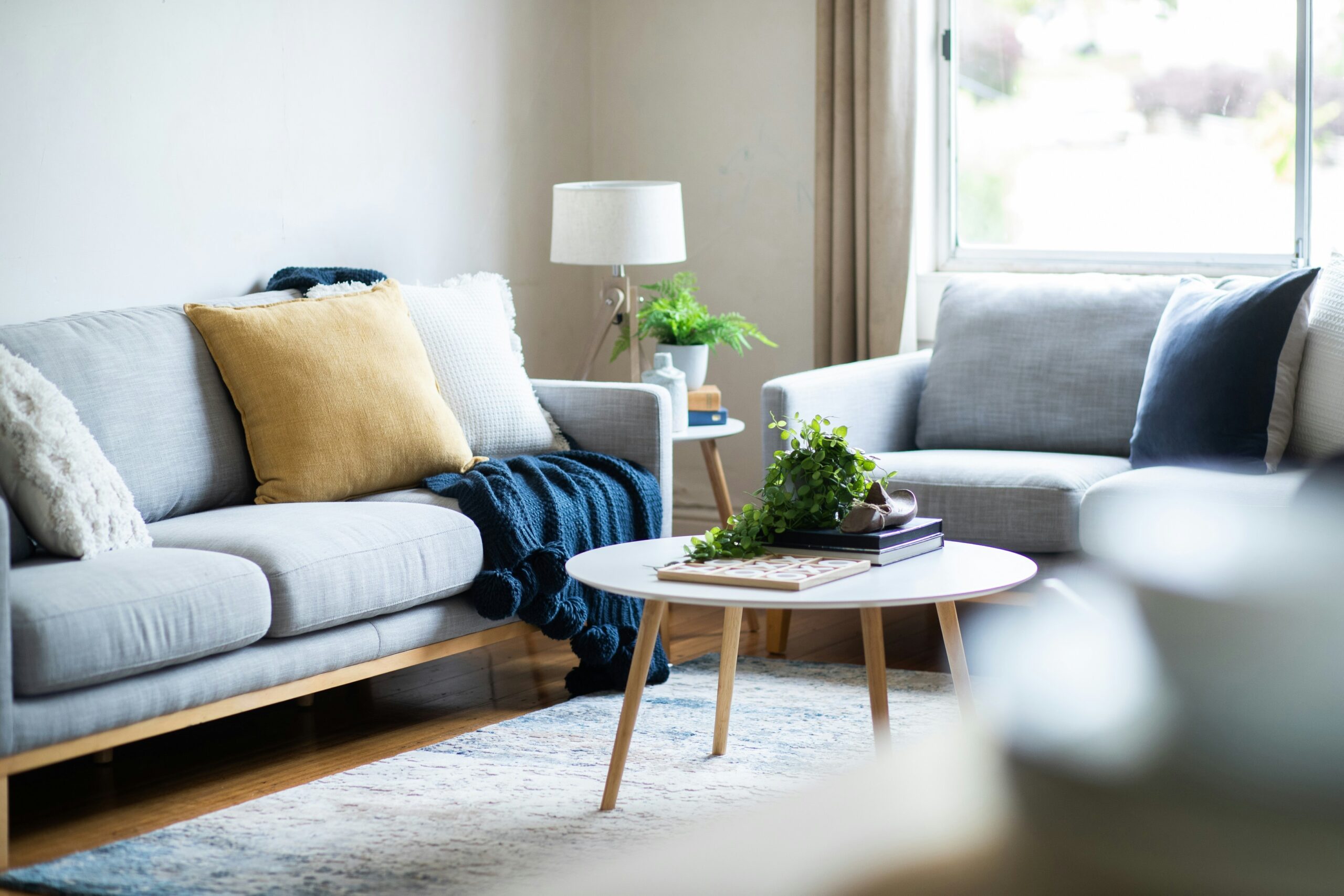
Learning to accept that your home’s functions are constantly changing is essential in the slow decorating process. There will come a time when you outgrow a part of your house. And this is when this home decor strategy wants you to keep an open mind for future changes you’ll make.
Rather than aiming for overwhelmingly big changes that stalls your decorating process, try starting out small. By simply updating throw pillows, adding new lamps, or displaying a collection, you can include tasteful and practical touches to your space.
Without a major investment, starting small allows you to experiment with your style while gradually building your confidence and vision for larger projects. Regardless of how content you are right now with your space, your preferences will eventually evolve. And it’s okay to outgrow the decor and interior get-up you once liked.
5. Patience is a Virtue
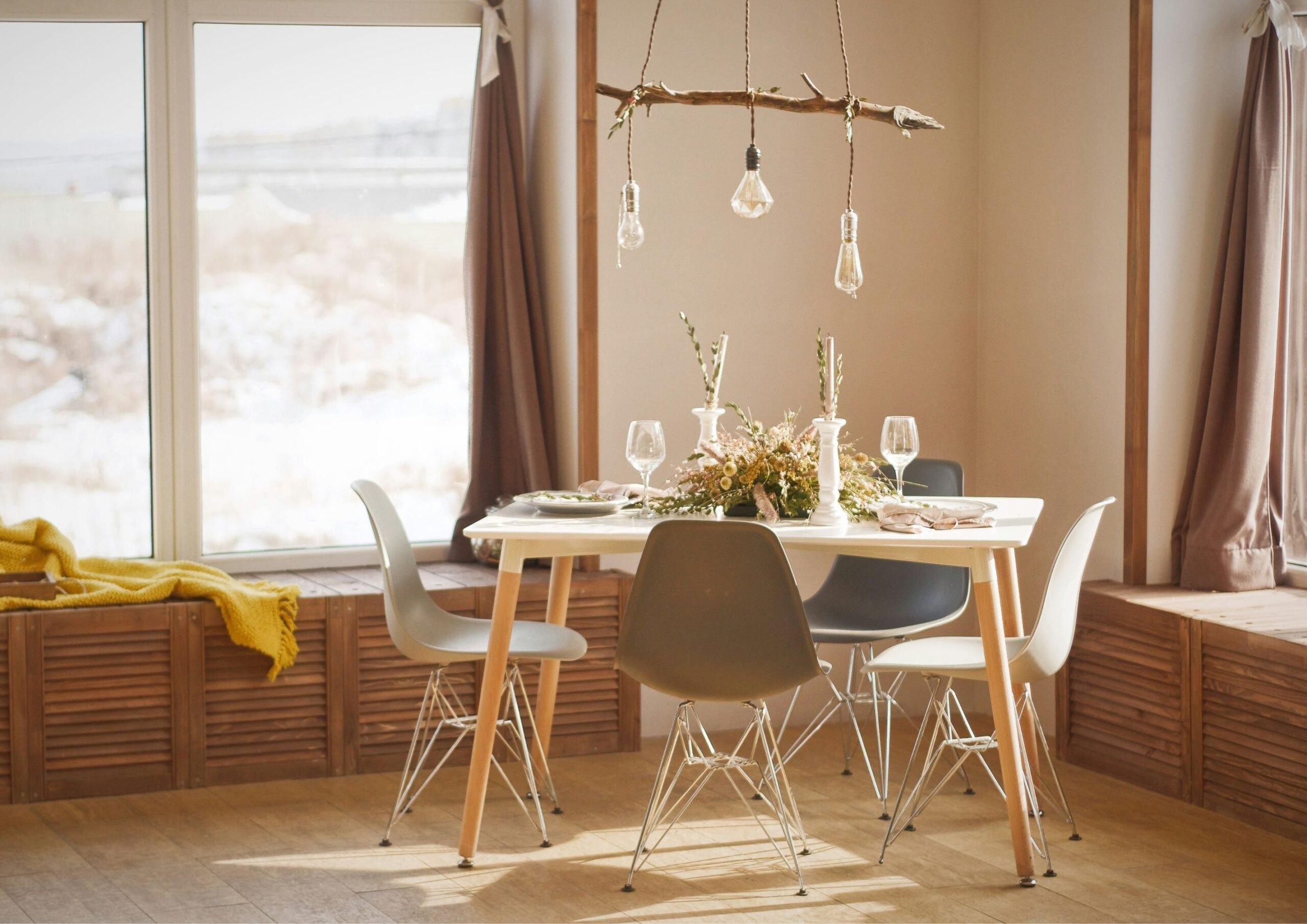
Good things come to those who wait. Although it’s not bad to chase the good things in life, you can also pause for a while and just wait for the right moment to come. This is also applicable in finding the right decor for your home.
Rushing through the decorating process can lead to a disjointed and impersonal space. So, to allow your space to organically evolve, embrace the slow decorating approach. You don’t have to buy everything right away. Enjoy the process of searching for special pieces and collecting treasures. Creating a home takes time. And by following a simple virtue, you can finally find the decor that is truly worth the wait and brings you joy in the long run.
With how fast everything works today, we tend to rush settling down and often overlook how our space could have looked if we waited enough. But slow decorating offers us a choice to change the course of our lives by taking home decorating one step at a time. More than a home decor strategy, slow decorating is a philosophy that teaches us discipline in curating spaces.
Photos from Unsplash
Read more: Epoxy Flooring and Everything to Know About This Coating
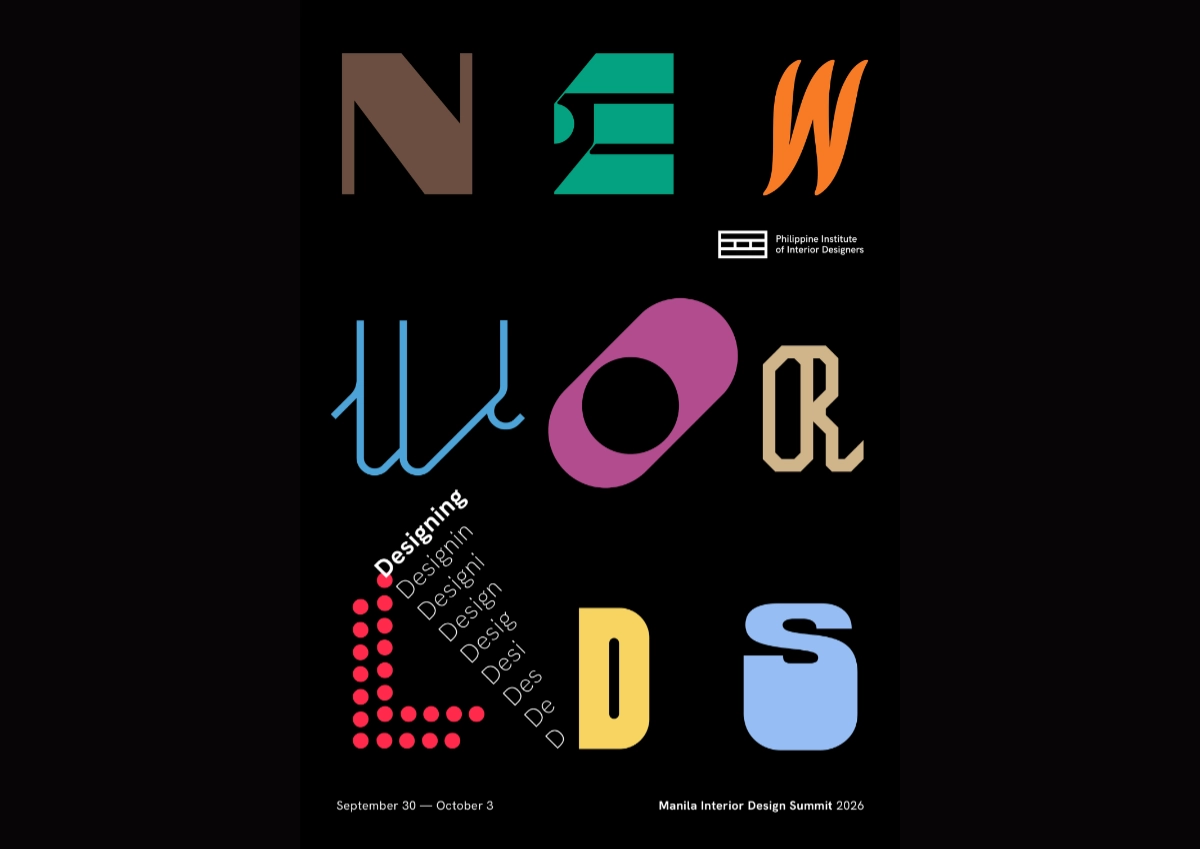
“Thailand has claimed urban creativity and livability. Singapore has institutional design leadership. Indonesia is emerging as a design hub. Vietnam is moving into design innovation. And the Philippines? Its position is not weak. It is simply unclaimed.” For IDr. Cecil Ravelas, National President of the Philippine Institute of Interior Designers (PIID), the challenge is not […]
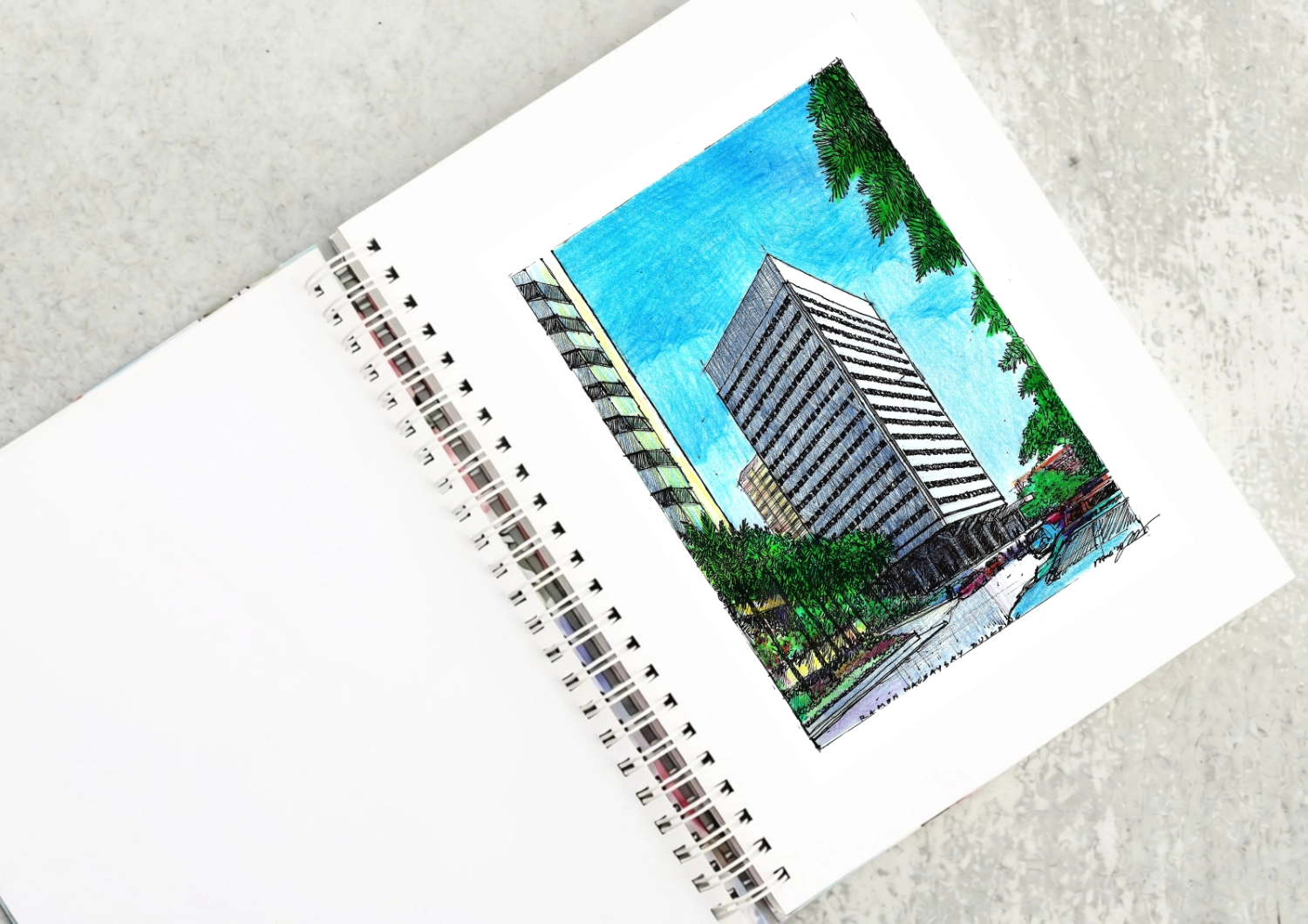
The Ramon Magsaysay Center as a Modernist Landmark Driving down Roxas boulevard from Rizal Park, what will catch your eye is the most elegant modernist structure in the country, the Ramon Magsaysay Center. Most established Filipino architects put it in their top ten lists of favorite buildings. It was designed by Alfredo J. Luz, who […]

Rinna Soriano’s favorite part of her work is sanding. At her workbench, she stays focused, following the grain, adjusting to changes in its direction. Narra, she has learned, can have interlocking grain. A piece of mango once proved particularly difficult until a worker explained that she had reached the point where a branch once grew […]
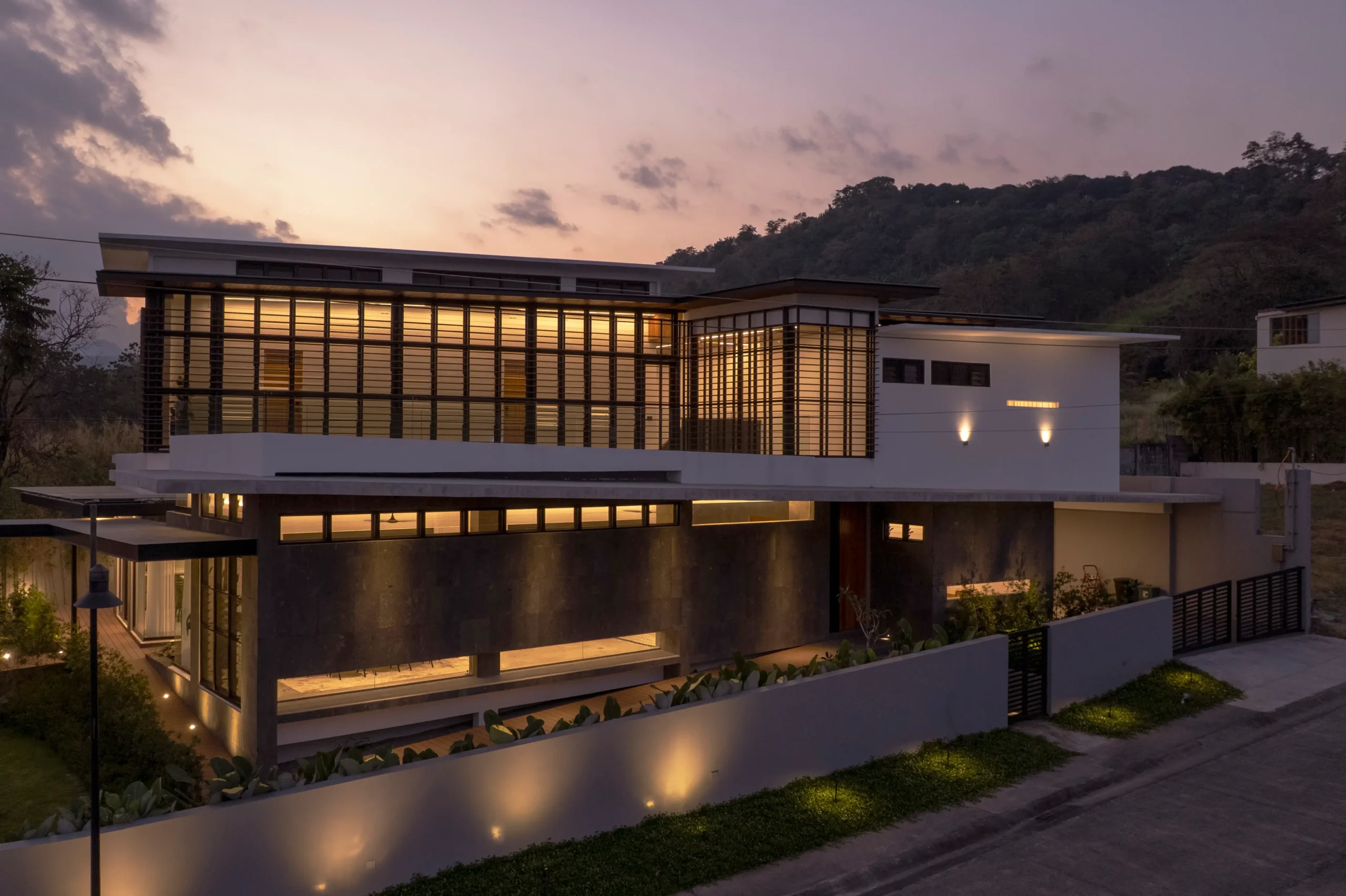
Filipino architectureArchitectureThe art and science of designing and constructing buildings, structures, and spaces that are functional, safe, and aesthetically pleasing. It encompasses the planning, design, materials, and techniques used to createGo to Architecture Glossary has long been associated with indigenous materials and vernacular design strategies, from bamboo and timber construction to jalousie windows, generous spaces, […]
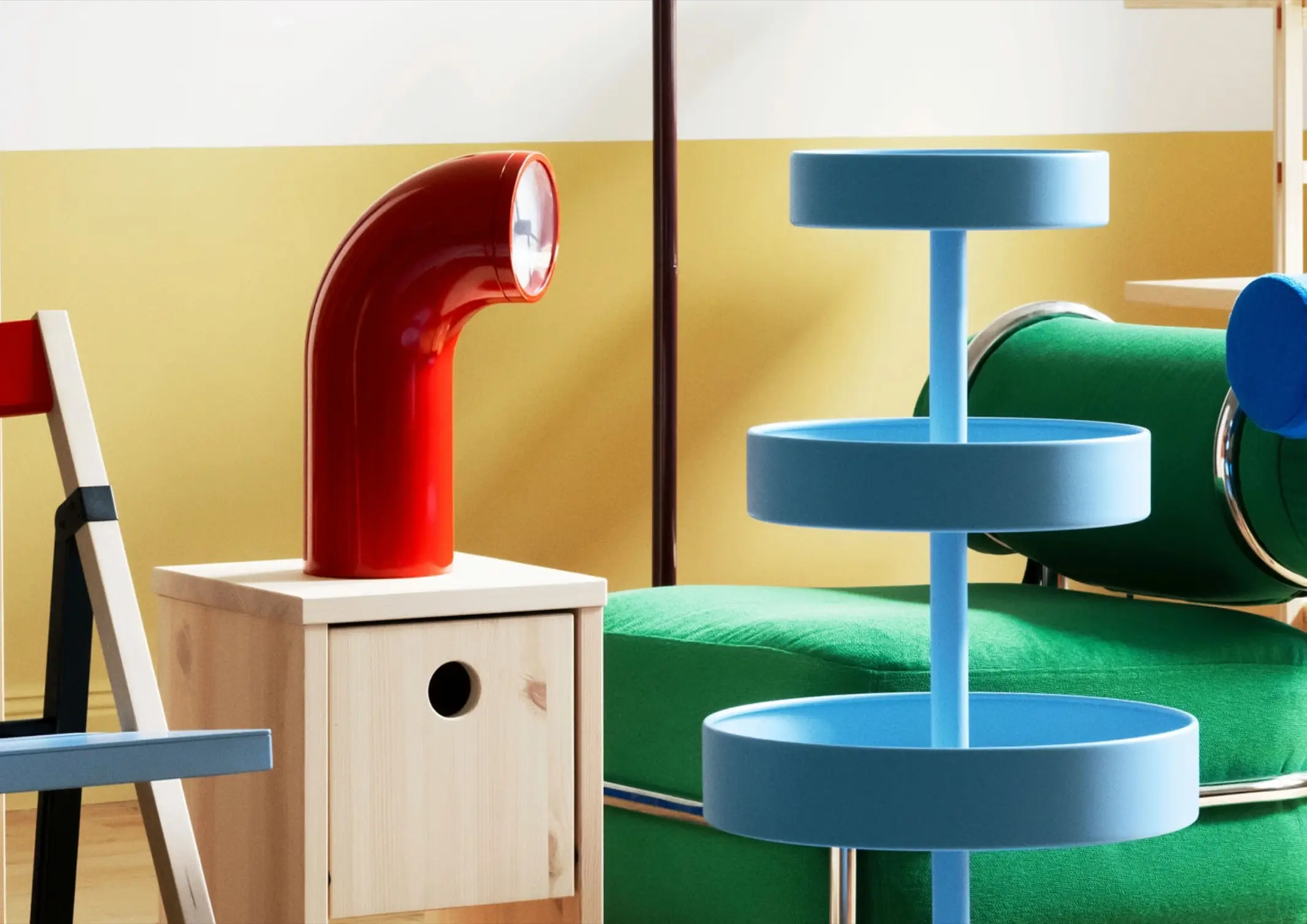
A chair does not always prescribe how to sit in it. A lamp can be more than a source of light. A clock can be more than a way to tell the time.These small departures from convention are at the center of IKEA PS 2026. The latest iteration of IKEA’s experimental PS series comprises more […]
Read the issues.

Collect the volumes.

Recommended Video
Tap to Unmute
Unmute
0:00
0:00